
Research article · 2023 · Full text
International Journal of Veterinary Sciences and Animal HusbandryCereal by-products as alternative energy sources in poultry diets: A review
Volume 8(6) · Pages 01–06 · DOI: 10.22271/veterinary.2023.v8.i6a.795 ↗
Research areasAnimal Nutrition and PhysiologyAgriculture Sustainability and Environmental Impact
Abstract
Author-writtenThe rising global cereal production for human food, feed, and biofuels is accompanied by a surge in quantities of cereal by-products that are not intended for human consumption but are potential alternative energy sources in poultry diets. Their utilization in poultry diets reduces not only poultry feed costs but also the competition between humans and livestock and environmental pollution. Cereal by-products contain a variable amount of nutrients that are useful in poultry nutrition. However, there is limited published information regarding the utilization of cereal by-products as alternative energy sources in poultry diets. Therefore, this review aimed to collate the available information on the proximate composition and inclusion levels of cereal by-products in poultry diets, together with their pertinent issues, for easy retrieval by researchers and nutritionists. In conclusion, good-quality cereal by-products can potentially replace conventional energy sources in poultry diets without adversely affecting poultry performance.
Summary
Source-checkedPlain-language reading of the full paper, prepared with AI and checked against the text. Each point links to the authors' own words.
Why it matters
- Rising global demand for cereals for human food and biofuels has increased feed costs, threatening the sustainability of poultry production. View evidence ↗
- Using cereal by-products can lower production costs, as feed typically represents 65-75% of total poultry production expenses, while reducing competition for human food sources. View evidence ↗
- Utilizing these by-products in feed helps mitigate environmental pollution caused by dumping processing waste in landfills. View evidence ↗
The question
- The review aims to gather and organize data on the nutritional composition and recommended inclusion levels of cereal by-products in poultry diets. View evidence ↗
What they did
- The review focuses on by-products from the major global cereals: maize, rice, and wheat. View evidence ↗
- The authors analyzed the proximate composition and metabolizable energy of various by-products to determine their nutritional value. View evidence ↗
What they found
- In growing ducks, maize germ meal can be included up to 12% without negatively impacting growth, meat quality, or amino acid digestibility. View evidence ↗
- Broiler growth performance was not negatively affected by the inclusion of maize gluten meal up to 7.5%. View evidence ↗
- Maize distillers dried grains with solubles (DDGS) can be included in broiler diets up to 16% without adverse effects on growth or carcass traits. View evidence ↗
- Rice bran can be included in broiler diets up to 10% without negatively impacting growth performance. View evidence ↗
- Adding 250 FTU/kg of phytase to diets containing 25% rice bran improved the performance, egg composition, and shell quality of laying hens. View evidence ↗
- Replacing up to 50% of palm oil with rice bran oil in broiler diets maintained growth and carcass traits while improving fatty acid deposition in breast meat. View evidence ↗
- Including up to 3% wheat bran in broiler diets improved nutrient digestibility without affecting growth performance. View evidence ↗
- Including up to 5% wheat middlings in broiler diets improved growth performance, nutrient digestibility, and muscle fatty acid profiles. View evidence ↗
What it means
- The authors conclude that high-quality cereal by-products are viable replacements for conventional energy sources in poultry diets without harming performance. View evidence ↗
- The use of these by-products is limited by their inconsistent nutrient profiles and the presence of anti-nutritional factors. View evidence ↗
- The authors state that more research is required to understand how fermentation, processing, and additives can improve the nutritional value of cereal by-products. View evidence ↗
Visual summary
3 visualsIllustrations explain the paper; charts are replotted from the paper's own table values.
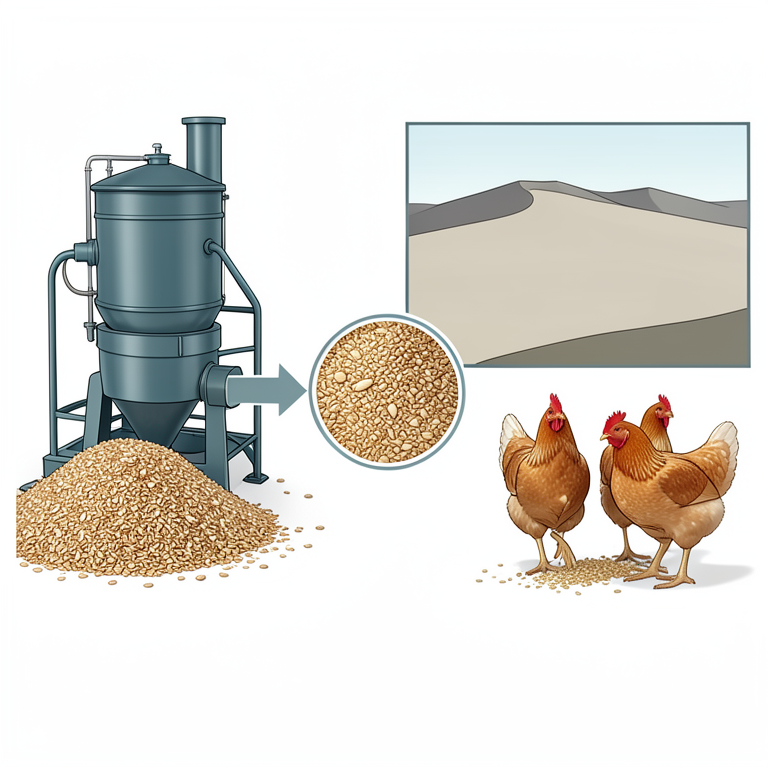
Benefits of Cereal By-product Utilization
AI-generated conceptual illustration (broiler chickens and cereal processing waste). It explains the idea and does not show study data.
View source evidence ↗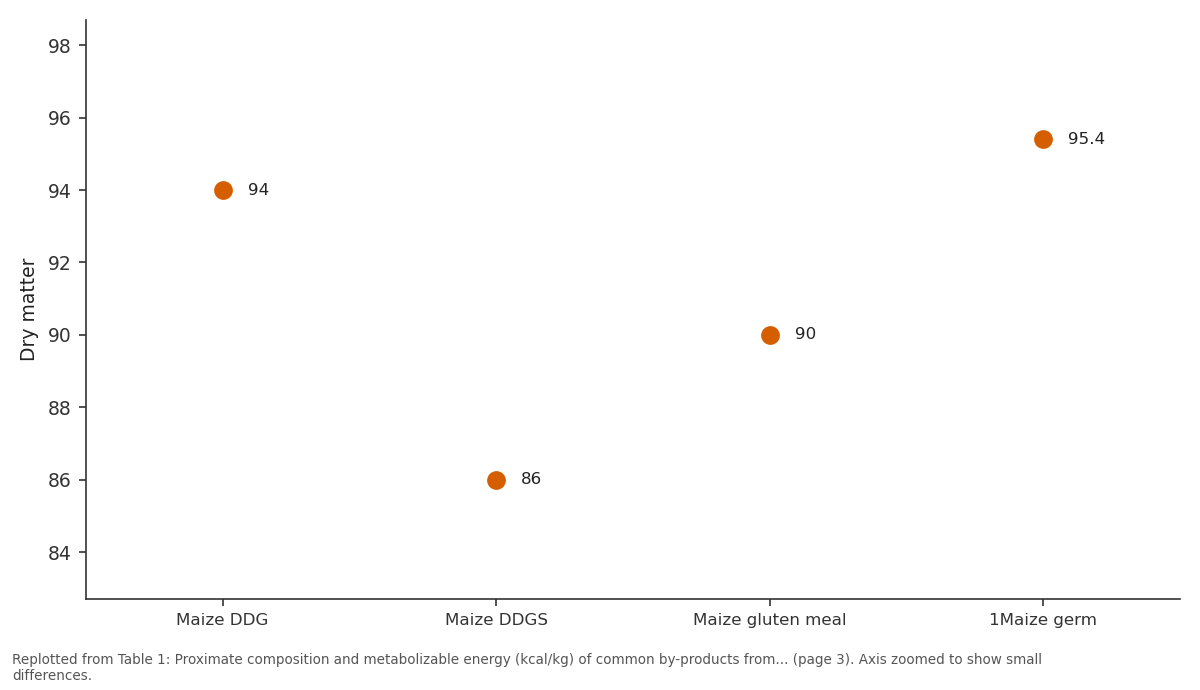
Dry matter: Maize DDG vs Maize DDGS vs Maize gluten meal vs 1Maize germ
Replotted from Table 1 (page 3) of the original paper. Every bar is the paper's own table value.
View source evidence ↗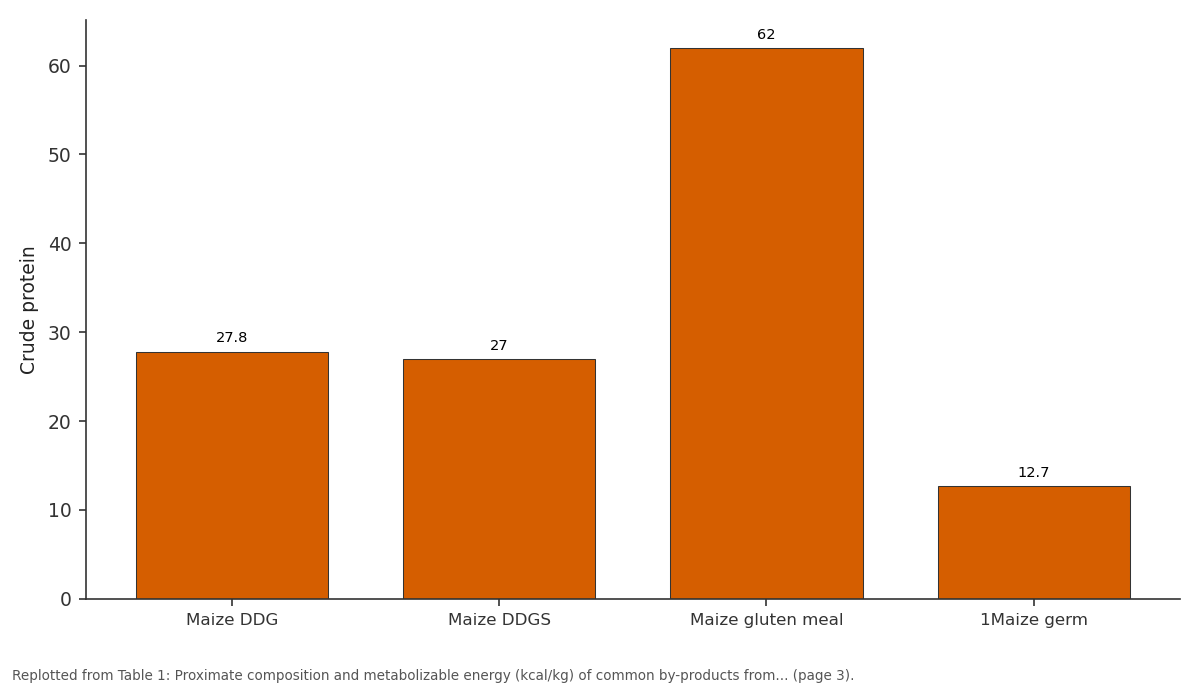
Crude protein: Maize DDG vs Maize DDGS vs Maize gluten meal vs 1Maize germ
Replotted from Table 1 (page 3) of the original paper. Every bar is the paper's own table value.
View source evidence ↗Figures & tables
From the original paper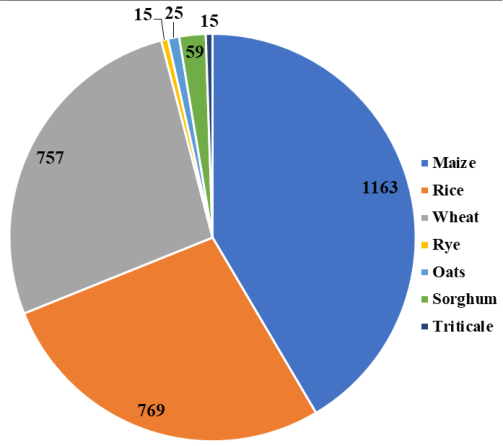 Figure 1
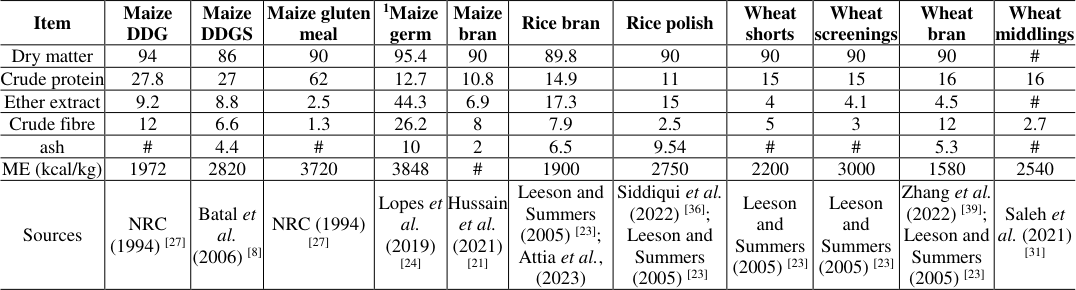 Table 1
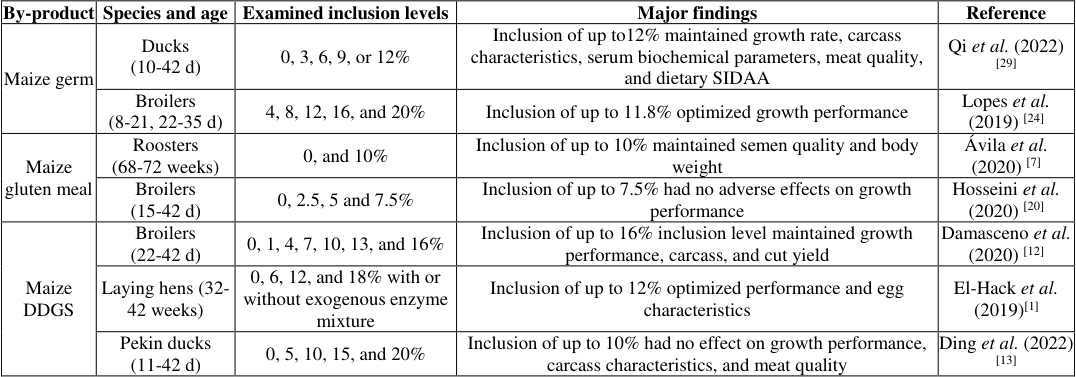 Table 2
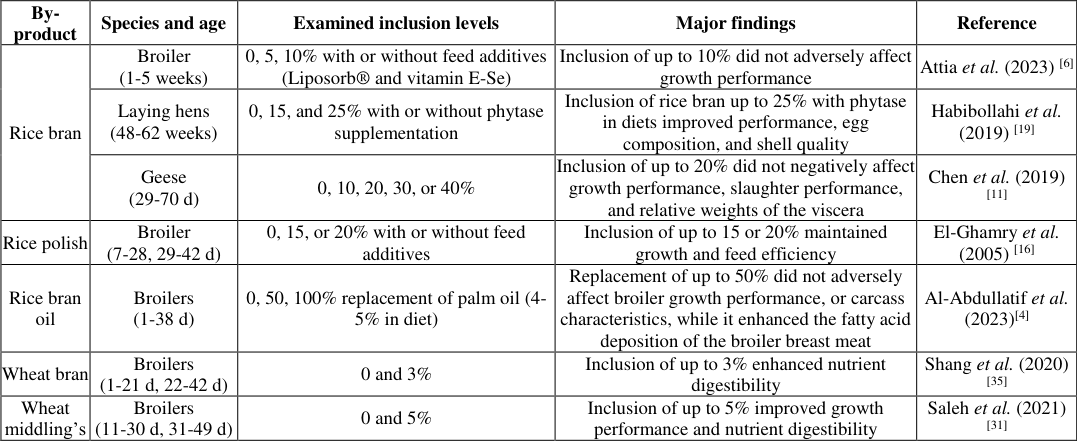 Table 2
Introduction
The high demand for energy cereals for food, feed, and biofuel production in developed countries has increased the prices of energy cereal sources in poultry diets, thus hindering the sustainability of poultry production (Qi et al., 2022) [29] . This has prompted interest in the utilization of locally available, cheaper cereal by-products as alternative energy sources in poultry diets. Replacement of conventional energy cereal sources with cereal by-products in poultry diets reduces not only feed costs, which account for about 65-75% of total poultry production costs but also the competition between humans and livestock (Anjum et al., 2014) [5] . Moreover, it reduces environmental pollution, which could otherwise result from improper disposal of cereal by-products as waste in landfills and open dumping sites (Ajila et al., 2012) [2] . Cereal grains and/or by-products have varying structural, physical, and chemical properties. Cereal grains are made up of three main parts: a seed coat or bran, an endosperm, and a germ. The seed coat is mostly made up of the aleurone layer (a layer beneath the seed coat) and the pericarp, which is high in oil, insoluble dietary fibres, minerals, protein, and vitamins. The endosperm is the most important portion of the cereal grain, containing primarily starch, protein and fibre. It is usually processed into white flour for use as human food. The germ is the reproductive portion of a cereal grain that germinates to become a plant and is high in lipids, sterols, vitamins, minerals, and antioxidants (Ganesan et al., 2020; Brouns et al., 2012) [18, 10] . Cereals are commonly used as energy sources in poultry diets due to their high carbohydrate content. The digestibility of cereals in unprocessed or raw form is hindered by anti-nutritional factors such as phytates, polyphenols, tannins, and trypsin inhibitors (Ganesan et al., 2020) [18] . The high global food demand resulting from the growing human population has stimulated an increase in cereal production (FAOSTAT, 2023) [17] . As a result, there is a surge in the production of cereal by-products during cereal processing for food or beverage, and biofuels (Zhang et al., 2021) [40] .
The major cereal grains, accounting for over 90% of global cereal production, are maize, rice, and wheat, while minor cereals include rye, oats, sorghum, and triticale (FAOSTAT, 2023) [17] . Cereal by-products can be utilized in poultry diets to replace conventional energy sources. The cereal byproducts have varying proximate composition and metabolizable energy in poultry, as presented in Table 1. The variation can be attributed to several factors, including genetics, environment, fertilizers, method of processing, and storage conditions (Anjum et al., 2014) [5] . Several authors have recommended specific inclusion levels of cereal byproducts in diets for particular poultry species and ages (Table 2). This study aimed to collate the available information on the proximate composition and inclusion levels and pertinent issues of major cereal by-products in poultry diets.
Maize by-products
Maize (Zea mays L.), also known as corn, is the world's most important crop. In 2020, the global production of maize was approximately 1,163 million metric tonnes (MMT), higher than that of rice (769 MMT) and wheat (757 MMT), as presented in Figure 1. Maize is the main source of metabolizable energy and a standard against which alternative energy sources in poultry diets are compared (Leeson & Summers, 2005) [23] . In starch processing industries, maize by-products, which are high in nutrients, are produced (Zhang et al., 2021) [40] . Maize by-products are the most commonly used feed ingredients in animal feeds. The by-products include maize germ, maize gluten meal, maize distillers dried grains (DDG), and maize distillers dried grains with solubles, etc.
Source: FAOSTAT (2023) [17] Maize germ meal is obtained during the initial deeming of maize grain during the maize oil extraction process (Qi et al., 2022) [29] . It is highly palatable and high in digestible amino acids and hemicellulose, and it is widely used as a replacement for maize meal in poultry diets. The metabolizable energy of maize germ is similar to that of maize grain (Leeson & Summers, 2005) [23] . Qi et al. (2022) [29] found that maize germ meal could be included in the diets of growing ducks up to 12% without adversely affecting their growth performance, serum biochemical indexes, carcass characteristics, meat quality, or standardised ileal digestibility of amino acids. Lopes et al. (2019) [24] found that the inclusion of maize germ meal in broiler diets of up to 11.8% optimized body weight gain without affecting feed intake, feed conversion ratio, metabolizable energy, carcass yields, cuts, or offal and meat quality. Maize gluten meal is produced during the wet milling of maize after the removal of starch, germ, and fibre. Maize gluten meal contains a high crude protein content (60-75%) because most of the protein remains after processing. The residue starch ranges between 15 and 20%, with a low crude fibre of 1%, crude fat of 3%, and ash content of 2%. The limiting factors of maize gluten meal in non-ruminant diets are the low levels of lysine and tryptophan, which warrant their supplementation when maize gluten meal is included in poultry diets (Zhang et al., 2021) [40] . Maize gluten meal is commonly used as an alternative plant protein source in poultry diets. The amino acid digestibility and metabolizable energy of maize gluten meal are higher than those of maize (Leeson & Summers, 2005) [23] . Ávila et al. (2020) [7] found that maize gluten meal could be included in up to 10% of rooster diets without adversely affecting the quality of the semen or the body weight of the roosters. In another study, the inclusion of maize gluten meal in diets of up to 7.5% did not negatively affect broiler growth performance (Hosseini et al., 2020) [20] . Maize distillers dried grains (DDG) and maize distillers dried grains with solubles (DDGS) are produced during ethanol or beverage production from maize grain. During the process, the majority of maize starch is fermented, and the unfermented fraction of the grain (i.e., protein, lipids, fibre, and ash) constitutes the distilled grain fraction and the solubles fraction. The distilled grains are dried to produce distillers dried grains (DDG), while the solubles are often added to the distilled grains and dried to produce distillers dried grains with solubles (DDGS). The increasing demand for ethanol in developed countries and the subsequent increase in the production of maize DDGS have increased interest in its utilization in poultry diets. The main challenge in including maize DDGS in poultry diets is the wide variation of nutrient composition, which necessitates proximate analysis of individual maize DDGS sources before diet formulation (Salim et al., 2010) [32] . Once the proximate composition is determined, the true metabolizable energy (TMEn) in kcal/kg can then be predicted by regression analysis based on the proximate components: ) [8] .
The inclusion level of maize DDGS in poultry diets is recommended to be up to 20% (Wang et al., 2007) [38] . In a broiler study, an inclusion level of up to 16% in diets was found not to adversely affect broiler growth performance and carcass characteristics (Damasceno et al., 2020) [12] . Maize DDGS was included in only up to 12% of the diets of laying hens aged 32-42 weeks without adverse effects on their growth performance or egg production (El-Hack et al., 2019) [1] . In another study in Pekin ducks aged 11-42 d, a 10% inclusion of maize DDGS as a replacement of maize meal and soybean meal in diets did not adversely affect growth performance, carcass characteristics, serum biochemical indexes, meat quality, nutrient utilization, and the standardized ileal digestibility of amino acids in ducks (Ding et al., 2022) [13] . In Japanese quail diets, maize DDGS was included in up to 20% of diets without detrimental effects on growth [9] performance and the quality of eggs while reducing the feed cost (Bittencourt et al., 2019) [9] .
Rice by-products
Rice (Oryza sativa) is the third most important crop globally after maize and wheat and a staple food for an estimated 3.5 billion people (Seidavi et al., 2021) [33] . During the dehulling and cleaning of brown rice to produce white rice, it is estimated that about 28-35% of the rice grain ends up as byproducts (Ganesan et al., 2020) [18] . Rice by-products are abundant in nutrients and phytochemicals, including tocopherols, tocotrienols, polyphenols (ferulic acid and α-lipoic acid), phytosterols, γ-oryzanol, and carotenoids (carotene, lycopene, lutein, and zeaxanthin). These compounds possess antioxidant, anti-inflammatory, and chemo-preventive properties (Ganesan et al., 2020) [18] . The major rice by-products are rice bran and rice polish. Although the two are usually separated during processing, in some cases they may not be separated, and the mixture is referred to as rice bran or rice pollard. Rice bran generally refers to a mixture of the outermost layers of the rice grain (pericarp, tegmen, and aleurone layers), the embryo, broken endosperm, and varying levels of hulls. Rice bran containing high levels of hulls is highly fibrous and high in ash content, which lowers its nutritional value in poultry (Leeson & Summers, 2005 [23] ; Ravindran & Blair, 1991) [30] . Rice bran contains an average to good balance of nutrients, moderate metabolizable energy, and a high content of unsaturated fatty acids. The high levels of unsaturated fats in rice bran make it susceptible to oxidative rancidity; thus, stabilizers such as ethoxyquin are often added to rice-based diets. Raw rice bran contains anti-nutritional factors such as trypsin inhibitors and phytic acid that hinder growth and feed efficiency in poultry (Attia et al., 2023; Leeson & Summers, 2005) [6,23] . The nutritive value of rice bran is improved through fermentation technologies and the use of feed enzymes (Attia et al., 2023) [6] . Studies in broilers indicate that rice bran can be included in diets up to 10% without negatively affecting growth performance (Attia et al., 2023) [6] . Chen et al. (2019) [11] found that defatted rice bran could be included in geese diets up to 20% without adverse effects on growth performance, slaughter performance, and relative weights of the visceral organs. In another study, improved performance, egg composition, and shell quality of layers were observed when fed diets containing 25% rice bran with 250 FTU/kg phytase additive (Habibollahi et al., 2019) [19] . In that study, the deleterious effects of phytates associated with higher rice bran inclusion levels were reversed by the phytase enzyme additive Sources NRC (1994) [27] Batal et al. (2006) [8] NRC (1994) [ (2019) [24] Maize gluten meal Roosters (68-72 weeks) 0, and 10% Inclusion of up to 10% maintained semen quality and body weight Ávila et al.
(2020) [7] Broilers (15-42 d) 0, 2.5, 5 and 7.5% Inclusion of up to 7.5% had no adverse effects on growth performance Hosseini et al.
(2020) [20] Maize DDGS Broilers (22-42 d) 0, 1, 4, 7, 10, 13, and 16% Inclusion of up to 16% inclusion level maintained growth performance, carcass, and cut yield Damasceno et al.
(2020) [12] Laying hens (32-42 weeks) 0, 6, 12, and 18% with or without exogenous enzyme mixture
Inclusion of up to 12% optimized performance and egg characteristics
(2019) [1] Pekin ducks (11- [6] Laying hens (48-62 weeks) 0, 15, and 25% with or without phytase supplementation Inclusion of rice bran up to 25% with phytase in diets improved performance, egg composition, and shell quality Habibollahi et al.
(2019) [19] Geese (29-70 d) 0, 10, 20, 30, or 40%
Inclusion of up to 20% did not negatively affect growth performance, slaughter performance, and relative weights of the viscera Chen et al. (2019) [11] Rice polish Broiler (7-28, 29-42 d) 0, 15, or 20% with or without feed additives Inclusion of up to 15 or 20% maintained growth and feed efficiency El-Ghamry et al.
(2005) [16] Rice bran oil Broilers (1-38 d) 0, 50, 100% replacement of palm oil (4-5% in diet)
Replacement of up to 50% did not adversely affect broiler growth performance, or carcass characteristics, while it enhanced the fatty acid deposition of the broiler breast meat Al-Abdullatif et al.
(2023) [4] Wheat [25] . Additionally, phytate lowers the digestibility of calcium (Ca), magnesium (Mg), trace minerals (zinc and iron), and protein and lowers energy utilization in chickens (Moss et al., 2018) [26] . The inclusion of phytatedegrading enzymes in poultry diets to liberate bound phosphorus is widely practised. This is highly beneficial in rice bran-based diets because of the high levels of phytate contained (Habibollahi et al., 2019) [19] . Rice polish is very common in rice-growing areas, especially during rice milling seasons. It constitutes about 10% of the paddy by weight. Rice polish is produced from the inner layers of the rice kernel during rice milling (Ravindran & Blair, 1991) [30] . Rice polish is lower in crude fibre and higher in fat content compared to rice bran (Leeson & Summers, 2005) [23] . Due to the high variation in nutrient composition and adulteration of rice polish, it is recommended to analyse the proximate composition of each rice polish consignment for use in diet formulation. Rice polish has been reported not to adversely affect broiler growth performance when included up to 15% in diets, depending on its quality (El-Ghamry et al., 2005) [16] . Rice bran oil is extracted from the germ and inner husk of the rice grain during processing. It contains a significant amount of oil, ranging between 10% and 23%, depending on the genotype and degree of milling (Dunford, 2019) [14] . Rice bran oil contains high levels of health-beneficial bioactive compounds such as oryzanol, tocopherols, and tocotrienols, which increase its nutritive value (Selim et al., 2021) [34] . These bioactive compounds possess antioxidant and antiinflammatory properties as well as lower cholesterol levels and boost the immune response (Punia et al., 2021) [28] . Rice bran oil fatty acid composition comprises 41% monounsaturated fatty acids (MUFA), 36% polyunsaturated fatty acids (PUFA), and 19% saturated fatty acids (SFA) (Kahlon, 2009) [21] . Compared to palm oil, rice bran oil contains higher metabolizable energy and its ether extract and fatty acids are highly digestible in broilers than those of palm oil (Song et al., 2022) [37] . Rice bran oil is included in poultry diets to boost dietary energy density. In a recent study evaluating the effect of replacing palm oil with rice bran oil in broilers (1-38 d), there were no adverse effects on broiler growth performance or carcass characteristics, while it enhanced the fatty acid deposition of the broiler breast meat (Al-Abdullatif et al., 2023) [4].
Wheat by-products
Wheat (Triticum aestivum) is the third most-produced cereal crop globally after maize and rice (FAOSTAT, 2023) [17] .
During the cleaning of wheat and production of wheat flour for food production, approximately 40% of the wheat grain is released in the form of various wheat by-products (Leeson & Summers, 2005) [23] . The wheat by-products are called by different names in different countries. The main wheat byproducts are wheat bran, wheat middlings and wheat screenings.
Wheat bran represents the outer husk, which is usually very fibrous and high in protein but low in metabolizable energy (Leeson & Summers, 2005) [23] . The fibre comprises mostly arabinoxylans and some cellulose and β-glucans, which makes wheat bran less digestible in poultry. However, arabinoxylan or arabino-xylo-oligosaccharides derived from wheat bran have been reported to be beneficial to gut health, such as gut microbiota, which in turn improves the digestive process in poultry (Akhtar et al., 2012 [3] ; Eeckhaut et al., 2008) [15] . Thus, moderate inclusion of wheat bran in poultry diets may improve feed efficiency. In a broiler study, it was reported that the inclusion of wheat bran up to 3% in the diet enhanced nutrient digestibility without any side effects on growth performance (Shang et al., 2020) [35] . High inclusion of wheat bran in poultry diets reduces feed intake and growth rate and may cause excessive wetting of poultry manure (Leeson & Summers, 2005) [23] . Wheat middlings are the main by-product obtained as flour during the grinding of wheat through a series of grinders of decreasing size (Leeson & Summers, 2005) [23] . Wheat middlings contain high levels of non-starch polysaccharides such as cellulose, arabinoxylans, hemicelluloses, and lignin, the same as in wheat bran (Saleh et al., 2021) [31] . Thus, inclusion levels of wheat middlings in poultry diets should be considered with caution as they are less digestible. According to Saleh et al. (2021) [31] , the inclusion of wheat middlings up to 5% in broiler diets positively affected growth performance, nutrient digestibility, lipid peroxidation, and the fatty acid profile in muscles. Wheat screenings (broken and cracked wheat grains) are obtained during the cleaning and grading of wheat meant for humans. Screenings may also contain other materials, such as wild oats, buckwheat, and weed seeds. The nutrient profile of screenings is close to that of wheat, and the number 1 and 2grade screenings may be included up to 40% in broiler and layer diets (Leeson & Summers, 2005) [23] .
Conclusion
The use of locally available cereal by-products to replace conventional feed ingredients in poultry feeds is beneficial in reducing feed costs, the competition between humans and livestock, and environmental pollution. The inclusion levels of cereal by-products in poultry diets are limited by their poor nutrient profile and content of anti-nutritional factors. Further research is needed to determine the effect of processing methods, fermentation technologies and feed additives on the nutritional value of the cereal by-products.
References
35 in the original paper- Hussain et al. (2021)
- Leeson and Summers (2005) [23] ;
- Attia et al., (2023) Siddiqui et al. (2022) [36] ;
- Leeson and Summers (2005) [23] Leeson and Summers (2005) [23] Leeson and Summers (2005) [23] Zhang et al. (2022) [39] ;
- Leeson and Summers (2005) [23] References
- Abd El-Hack ME, Mahrose KM, Attia FA, Swelum AA, Taha AE, Shewita RS, et al. Laying performance, physical, and internal egg quality criteria of hens fed distillers dried grains with solubles and exogenous enzyme mixture. Animals. 2019;9(4):150. https://doi.org/10.3390/ani9040150
- Akhtar M, Tariq AF, Awais MM, Iqbal Z, Muhammad F, Shahid M, et al. Studies on wheat bran Arabinoxylan for its immunostimulatory and protective effects against avian coccidiosis. Carbohydrate Polymers. 2012;90(1): 333-339. https://doi.org/10.1016/j.carbpol.2012.05.048
- Al-Abdullatif A, Hussein E, Suliman G, Akasha M, AlBadwi M, Ali H, et al. Evaluating rice bran oil as a dietary energy source on production performance, nutritional properties and fatty acid deposition of breast meat in broiler chickens. Foods. 2023;12(2):366.
- Anjum MA, Hussain Z, Khan SH, Ahmad N, Amer MY, Iftikhar N, et al. Assessment of poultry feed ingredients used in commercial compound feed. Pakistan Journal of Life and Social Sciences. 2014;12(2):69-73.
- Attia YA, Ashour EA, Nagadi SA, Farag MR, Bovera F, Alagawany M, et al. Rice bran as an alternative feedstuff in broiler nutrition and impact of Liposorb® and vitamin E-Se on sustainability of performance, carcass traits, blood biochemistry, and antioxidant indices. Veterinary Sciences. 2023;10(4):299. https://doi.org/10.3390/vetsci10040299
- Ávila SLCD, Oliveira COD, Rodrigues TA, Tavares AT, Soares SL. Replacement of corn and soybean meal with corn gluten meal on rooste's diet. Turkish Journal of Veterinary & Animal Sciences. 2020;44(4):798-804.
- Batal AB, Dale NM. True metabolizable energy and amino acid digestibility of distillers dried grains with solubles. Journal of Applied Poultry Research. 2006;15(1):89-93. https://doi.org/10.1093/japr/15.1.89
- Brouns F, Hemery Y, Price R, Anson NM. Wheat aleurone: separation, composition, health aspects and potential food use. Critical Reviews in Food Science and Nutrition. 2012;52(6):553-568.
- Chen X, Yang H, Wang Z. The effect of different dietary levels of defatted rice bran on growth performance, slaughter performance, serum biochemical parameters, and relative weights of the viscera in geese. Animals. 2019;9(12):1040. https://doi.org/10.3390/ani9121040
- Damasceno JL, Rocha CS, Eyng C, Broch J, Savaris VD, Wachholz L, et al. Corn distillers' dried grains with solubles to feed broiler chickens from 22 to 42 D of age. Journal of Applied Poultry Research. 2020;29(3):573583. https://doi.org/10.1016/j.japr.2020.03.004
- Ding XM, Qi YY, Zhang KY, Tian G, Bai SP, Wang JP, et al. Corn distiller's dried grains with solubles as an alternative ingredient to corn and soybean meal in Pekin duck diets based on its predicted AME and the evaluated standardized illegal digestibility of amino acids. Poultry Science. 2022;101(8):101974. https://doi.org/10.1016/j.psj.2022.101974
- Eeckhaut V, Van Immerseel F, Dewulf J, Pasmans F, Haesebrouck F, Ducatelle R, et al. Arabinoxylooligosaccharides from wheat bran inhibit Salmonella colonization in broiler chickens. Poultry Science. 2008;87(11):2329-2334. https://doi.org/10.3382/ps.2008-00193
- El-Ghamry AA, Al-Harthi MA, Attia YA. Possibility to improve rice polishing utilisation in broiler diets by enzymes or dietary formulation based on digestible amino acids. Arch Geflugelk. 2005;69:49-56.
- Habibollahi M, Abousadi MA, Nakhaee P. The effect of phytase on production performance, egg quality, calcium and phosphorus excretion, and fatty acids and cholesterol concentration in hy-line layers fed diets containing rice bran. Journal of Applied Poultry Research. 2019;28(3):688-698. https://doi.org/10.3382/japr/pfz020
- Hosseini SA, Alizadeh-Ghamsari AH, Lotfollahian H, Tavakkoli M, Barfourooshi HJ. Effects of different levels of corn gluten feed on performance, immune responses, intestinal morphology and some blood parameters of broiler chickens. Animal Production. 2020;22(1):93-103.
- Hussain M, Qamar A, Saeed F, Rasheed R, Niaz B, Afzaal M, et al. Biochemical properties of maize bran with special reference to different phenolic acids. Inter. J. of Food Properties. 2021;24(1):1468-1478. https://doi.org/10.1080/10942912.2021.1973026
- Moss AF, Liu SY, Selle PH. Progress in comprehending the phytate-phytase axis in chicken-meat production. Animal Production Science. 2018;58(10):1767-1778. https://doi.org/10.1071/AN17594
- Punia S, Kumar M, Sandhu KS, Whiteside WS. Rice-bran oil: An emerging source of functional oil. Journal of Food Processing and Preservation. 2021;45(4):e15318. https://doi.org/10.1111/jfpp.15318
- Qi YY, Zhang KY, Tian G, Bai SP, Ding XM, Wang JP, et al. Effects of dietary corn germ meal levels on growth performance, serum biochemical parameters, meat quality, and standardized illegal digestibility of amino acids in Pekin ducks. Poultry Science. 2022;101(5): 101779. https://doi.org/10.1016/j.psj.2022.101779
- Ravindran V, Blair R. Feed resources for poultry production in Asia and the Pacific region. I. Energy sources. World's Poultry Science Journal. 1991;47(3): 213-231. https://doi.org/10.1079/WPS19910018
- Saleh AA, Elnagar AM, Eid YZ, Ebeid TA, Amber KA. Effect of feeding wheat middlings and calcium lignosulfonate as pellet binders on pellet quality growth performance and lipid peroxidation in broiler chickens. Veterinary Medicine and Science. 2021;7(1):194-203.
- Salim HM, Kruk ZA, Lee BD. Nutritive value of corn distillers dried grains with solubles as an ingredient of poultry diets: A review. World's Poultry Science Journal. 2010;66(3):411-432. https://doi.org/10.1017/S0043933910000504
- Seidavi A, Azizi M, Swelum AA, Abd El-Hack ME, Naiel MA. Practical application of some common agroprocessing wastes in poultry diets. World's Poultry Science Journal. 2021;77(4):913-927. https://doi.org/10.1080/00439339.2021.1960461
- Selim S, Hussein E, Abdel-Megeid NS, Melebary SJ, AlHarbi MS, Saleh A, et al. Growth performance, antioxidant activity, immune status, meat quality, liver fat content, and liver histomorphological of broiler chickens fed rice bran oil. Animals. 2021;11(12):3410. https://doi.org/10.3390/ani11123410
- Shang Q, Wu D, Liu H, Mahfuz S, Piao X. The impact of wheat bran on the morphology and physiology of the gastrointestinal tract in broiler chickens. Animals. 2020;10(10):1831. https://doi.org/10.3390/ani10101831
- Siddiqui R, Mondal BC, Kumar R, Kaur M, Kumar A, Palod J, et al. Effect of replacing rice polish with mulberry (Morus alba) leaf powder in diet containing phytase enzyme on performance and haematobiochemical parameters of commercial laying hens. Indian Journal of Veterinary Sciences & Biotechnology. 2022;18(1):17-22.
- Song M, Zhao F, Ye X, Xie J, Sa R, Zhang G, et al. A comparative evaluation on the energetic values and digestibility of fatty acids in rice bran oil and palm oil for broilers. Poultry Science. 2022;101(8):101954. https://doi.org/10.1016/j.psj.2022.101954
- Wang Z, Cerrate S, Coto C, Yan F, Waldroup PW. Utilization of distillers dried grains with solubles (DDGS) in broiler diets using a standardized nutrient matrix. Inter. J. of Poultry Science. 2007;6(7):470-477.
- Zhang AR, Wei M, Yan L, Zhou GL, Li Y, Wang HM, et al. Effects of feeding solid-state fermented wheat bran on growth performance and nutrient digestibility in broiler chickens. Poultry Science. 2022;101(1):101402. https://doi.org/10.1016/j.psj.2021.101402
- Zhang R, Ma S, Li L, Zhang M, Tian S, Wang D, et al. Comprehensive utilization of corn starch processing byproducts: A review. Grain & Oil Science and Technology. 2021;4(3):89-107. https://doi.org/10.1016/j.gaost.2021.08.003
Cited by 1
From OpenAlex, OpenCitations and reference lists read by Scinovex
- Cassava products as functional feed ingredients in quail nutrition ↗
Ali Gazi, Lihle Sindaku, Nicole Moreane, Oziniel Ruzvidzo, Caven Mguvane Mnisi · Discover Food · 2025
Quail ( Coturnix sp.) production is increasingly recognised for its rapid economic returns, rapid growth rates, lower mortality rates and veterinary expenditures, and short breeding periods. These attributes make quail farming more economically viable than the production of indigenous chickens and other non-chicken poultry species (turkeys, ostriches, and waterfowls). However, the reliance on expensive energy sources such as maize (…
❝ 2PDF