
Research article · 2023 · Full text
International Journal of Advanced Chemistry ResearchAssociation of some biochemical parameters in FHCL females with TCF7L2 polymorphism
Volume 5(2) · Pages 17–22 · DOI: 10.33545/26646781.2023.v5.i2a.154 ↗
Research areasDiabetes Treatment and Management
Abstract
Author-writtenGenetic variants of transcription factor7, such as the TCF7L2 gene, have been found to be highly linked diabetes to type 2. Familial combined hyper lipidaemia (FCHL) is defined by hypercholesterolemia, hypertriglyceridemia, or together. Furthermore, abnormalities of glucose metabolism are frequent in FCHL. As a result, the present study suggested hypothesized that TCF7L2 could be linked to the genetic predisposition for this frequent dyslipidemia in a very female populace of Iraq. As a result, we proposed that TCF7L2 could be linked to the hereditary predisposition to this frequent dyslipidemia in a predominantly female Iraqi population. The current investigation included 50 DM2 with FCHL female patients and 50 samples that were healthy. A single primer for amplification was used for analyzing the gene, and the PCR approach was combined with sequencing. This study looked at the effect of TCF7L2 polymorphism on FCHL and the component characteristics lipid profile and kidney function test in serum by using chemical testing equipment. The findings: For total subjects, (G/A vs. AG + GT) were substantially higher in FHCL cases than in control groups, and TCh, TG, ApoB, or hyperglycemia were linked with G>A and G>T genotypes of the TCF7L2 in Iraqi females which increased the risk of FHCL. In the TCF7L2 gene the allele G was more common in FHCL cases than in controls subjects. Conclusions: Our findings suggested that TCF7L2 genetic variants were substantially correlated to increased G>A and G>T in FCHL together with DM2 in Iraqi females.
Summary
Source-checkedPlain-language reading of the full paper, prepared with AI and checked against the text. Each point links to the authors' own words.
Why it matters
- Variants of the TCF7L2 gene are strongly associated with type 2 diabetes. View evidence ↗
- Familial combined hyperlipidaemia (FCHL) involves high cholesterol and/or triglycerides, and is often accompanied by glucose metabolism issues. View evidence ↗
- FCHL is a complex hereditary condition linked to the development of coronary artery disease. View evidence ↗
The question
- The study aimed to determine if TCF7L2 polymorphisms are linked to a genetic predisposition for FCHL in an Iraqi female population. View evidence ↗
What they did
- Researchers used PCR with specific forward and reverse primers to amplify a 196 bp segment of the TCF7L2 gene for analysis. View evidence ↗
- Serum biochemical parameters including fasting blood sugar (FBS), total cholesterol (TCh), LDL, triglycerides (TG), HDL, creatinine (Cr), uric acid (UA), and blood urea nitrogen (BUN) were measured. View evidence ↗
What they found
- The G/A genotype was significantly more frequent in FHCL patients (78%) than in the control group (32%) (p=0.002). View evidence ↗
- The G allele was significantly more prevalent in Iraqi females with FHCL and DM2 (25%) compared to the control group (8%). View evidence ↗
- Logistic regression indicated that the G/A vs. AG + GT genotype distribution was a significant risk factor for FHCL (OR=1.210, p=0.022). View evidence ↗
What it means
- The authors conclude that the GA and GT genotypes of the TCF7L2 gene increase the risk of FCHL in Iraqi females. View evidence ↗
- The study was limited by a small sample size of Iraqi females, which may have affected the statistical significance and confidence intervals of the odds ratios. View evidence ↗
- The authors state that further research is required to understand the molecular mechanisms linking TCF7L2 polymorphisms to FCHL. View evidence ↗
Visual summary
3 visualsIllustrations explain the paper; charts are replotted from the paper's own table values.
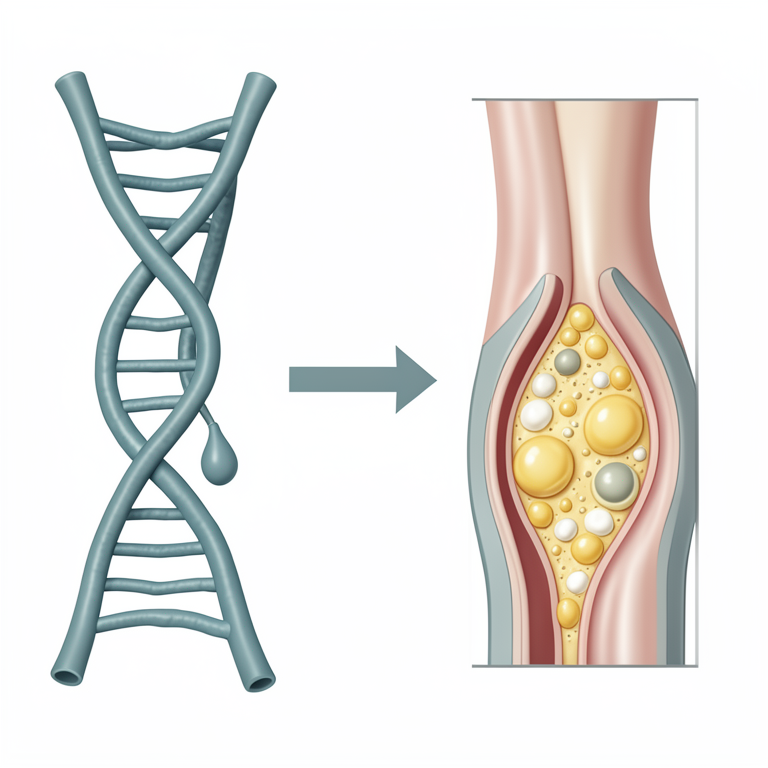
Genetic Linkage Concept
AI-generated conceptual illustration (Human female blood vessels and DNA double helix). It explains the idea and does not show study data.
View source evidence ↗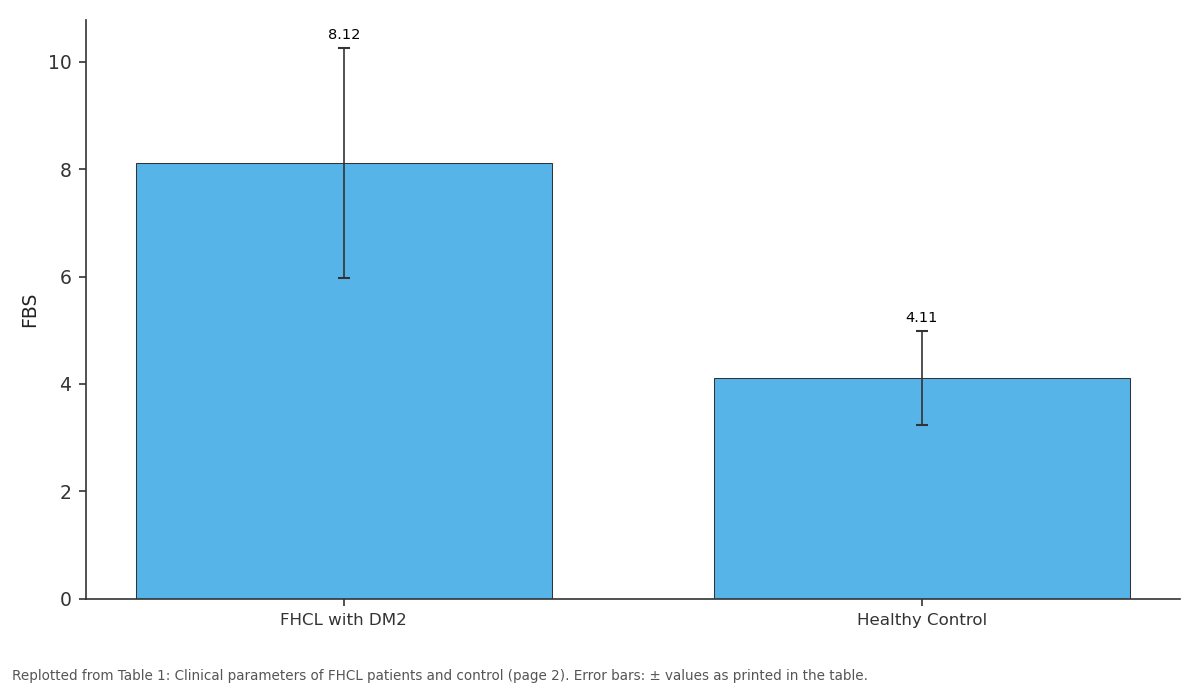
FBS: FHCL with DM2 vs Healthy Control
Replotted from Table 1 (page 2) of the original paper. Every bar is the paper's own table value.
View source evidence ↗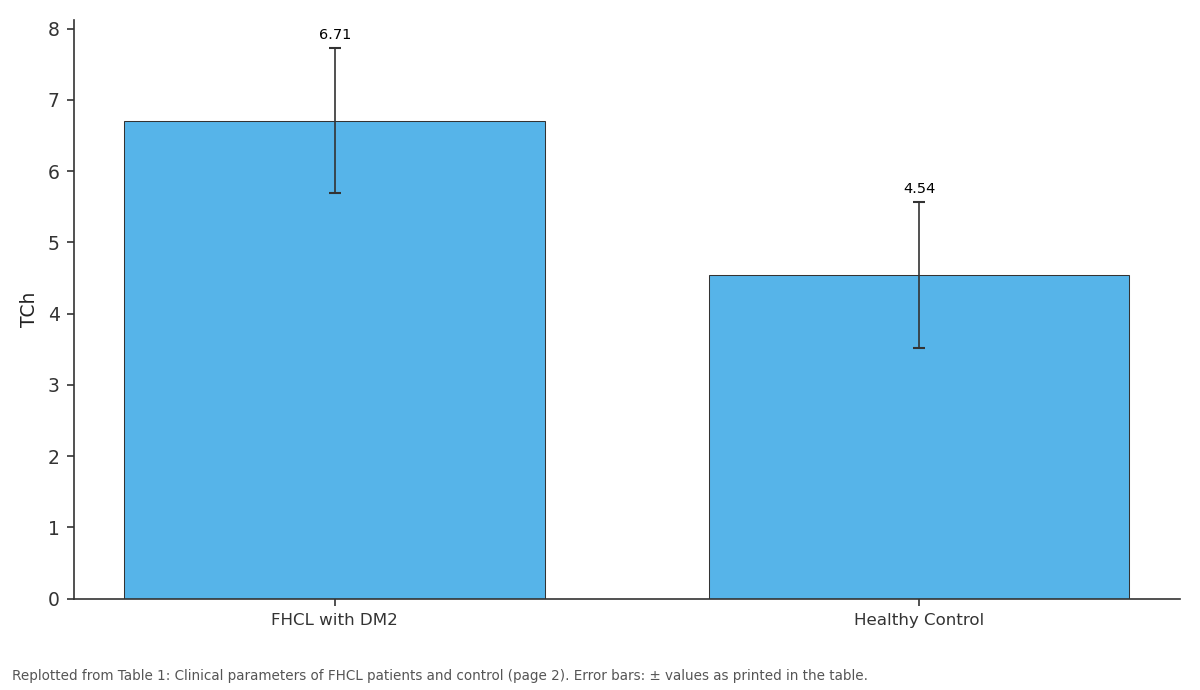
TCh: FHCL with DM2 vs Healthy Control
Replotted from Table 1 (page 2) of the original paper. Every bar is the paper's own table value.
View source evidence ↗Figures & tables
From the original paper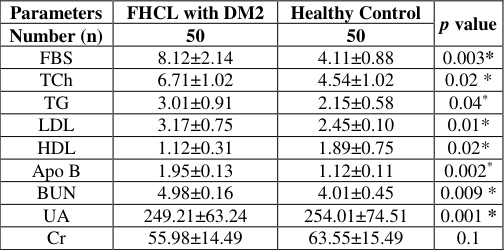 Table 1
 Table 2
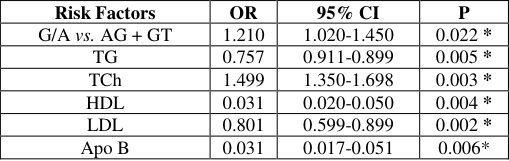 Table 5
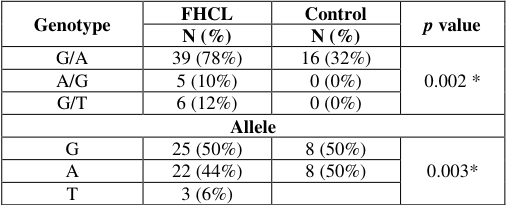 Table 3
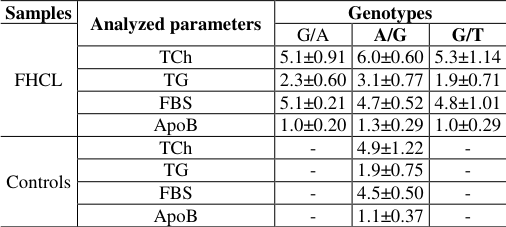 Table 4
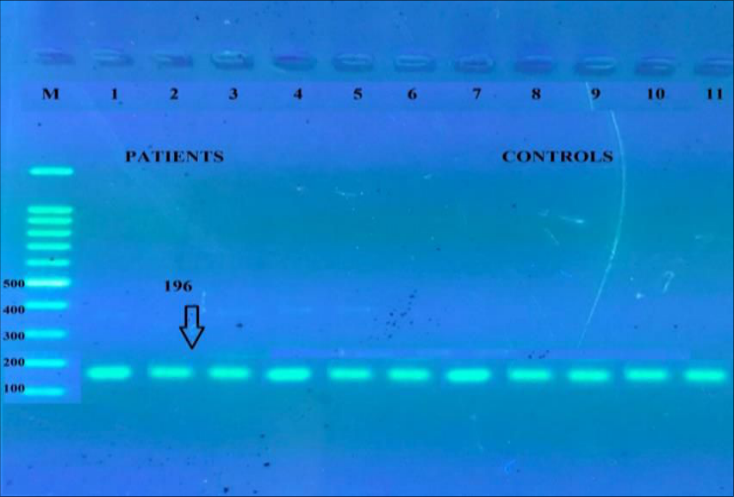 Figure 1
Introduction
Intronic mutations in the transcription factor 7-like 2 gene were linked to type 2 diabetes (DM2) in cases from the Iceland and United States [1] . These results have been strongly confirmed in several studies of diabetes type 2 [2,7] . Europids [1,4] contain indications of a relationship with DM2. TCF7L2 is a versatile box including transcription component that participant in the pathway of WNT signaling. The proteins of WNT are superior cell differentiation and proliferation, and the proteins in their signaling pathway also have a direct affect cell adhesion and transcription of gene [8] . Mutations in the WNT signaling system have been identified in a variety of people disorders, such as cardiovascular, skeletal, cancer, and neurological issues [9,10] . A complicated hereditary disorder FCHL (familial mixed hyperlipidemia) is linked to coronary artery disease. Persons with FCHL may develop hypertriglyceridemia, hypercholesterolemia, and mixed hyperlipidemia [11] . Furthermore, Medical characteristics of DM2, such as impaired glucose tolerance, hypertriglyceridemia, and hyperinsulinemia, have been associated with FCHL profiles [12,13] . We reasoned that, given this type of phenotype coverage, the TCF7L2 mutations previously related to DM2 might also affect the FCHL phenotype. The role of TCF7L2 mutations, which have recently been related to FHCL, will be examined in the present study [1] .
Each participant provided written educated consent. The FCHL consideration criteria were: Total cholesterol (TCh) and triacylglycerol (TG) (the levels age/sex were 110th) population of Iraqi families. Furthermore, belated CHD was used as a deciding criterion for the samples to guarantee that families weren't impacted by severe specific FCHL norms CHD was confirmed via angiography or after a myocardial infarction [11,15,16] . In this group, 50 girls were assigned DM2 with FCHL. The morals committees of the taking an interest centers approved the examination configuration. This study excluded samples with compromised chronic inflammatory, malignancy, renal function, and connective tissue diseases.
Biochemical tests
All samples were obtained when fasting (for at least 8 hours). The blood specimen were placed into plain tubes, with the serum sample examined for biochemical characteristics and EDTA tubes examined for molecular analysis.
Al-Nahrain University's Molecular and Biotechnology Laboratory's Biotechnology Research achieved all of the estimates in the female Iraqi FCHL families. We evaluated the concentration of FBS, (TCh), (LDL), (TG), (HDL), (Cr), (UA) and (BUN) in serum by using apparatus for chemical tests [15,16,17] . Because 30 days have been noticed through clinical examination as a time of break for statins according to LDL kinetic and statins elimination rate data, sample individuals who took lipid dropping medicines were assessed after their lipid dropping treatments was ceased for roughly 30 days.
Genetic analysis
To begin, complete blood samples were drawn from the veins of 50 patients with FHCL and 50 controls as healthy. We using a DNA extraction kit (Geneaid extraction kit, Korea) to obtained DNA from the above specimens. To scan TCF7L2 gene, one primer for amplification was designed. Then amplified a segment 196 bp by using reverse primer R: 5′-AGATGCAGCAAAGCCAAAGT -3′ and forward primer F: 5′-GGCCTCTTTCATCACAGACC-3′ and. The PCR procedure was performed out in a 201 whole volume, which included 5 l of master mix (From bioneer, USA), 1 l for each primer, and 2 l of DNA template, before being completed in a total volume of 20l with 11 l of distal water. The procedure of PCR were programmed in the following order: begin denaturation at 95 °C for 5min, then proceed to 35 cycles of 95 °C for 30 second then 58 °C for 30second, and 72 °C for 30s, preceded by final extension at 72 °C for 5 minutes. Shortly after red safe staining, electrophoresis was used to separate the products of PCR on 1.5% agarose gels and examined under ultraviolet light (302 nm).
Statistical Analysis
The Statistical Package for the Social Sciences (SPSS 22.0) was employed for all statistical analyses. The mean and standard deviation (SD) were used for the expression of all continuous variables. To contrast different means, the t test was employed. Comparing categorical data, such as genotype frequencies, was done using the x 2 test. A 95% confidence interval (CI) and the odds ratio (OR) were utilized to analyze the effects of significant risk factors. Statistical significance is thought to exist when the p value is less than 0.05.
Results
The biochemical parameters of FHCL cases as well as control samples in female Iraqi patients are shown in Table 1. The serum concentrations (g/l) of Apo B and the serum concentration (mmol/L) of FBS, TC, TG, LDL, BUN in FHCL patients were significantly greater when compare to control groups (p<0.05), while FHCL patients' serum HDL and UA concentrations (measured in mmol/L) were considerably significantly lower than those of the control groups (p<0.05). Among FHCL cases and control subjects, there was no discernible significant change in the blood concentration (mmol/L) of (Cr) (p>0.05).
| Parameters | FHCL with DM2 | Healthy Control | p value |
|---|---|---|---|
| Number (n) | 50 | 50 | |
| FBS | 8.12±2.14 | 4.11±0.88 | 0.003* |
| TCh | 6.71±1.02 | 4.54±1.02 | 0.02 * |
| TG | 3.01±0.91 | 2.15±0.58 | 0.04* |
| LDL | 3.17±0.75 | 2.45±0.10 | 0.01* |
| HDL | 1.12±0.31 | 1.89±0.75 | 0.02* |
| Apo B | 1.95±0.13 | 1.12±0.11 | 0.002* |
| BUN | 4.98±0.16 | 4.01±0.45 | 0.009 * |
| UA | 249.21±63.24 | 254.01±74.51 | 0.001 * |
| Cr | 55.98±14.49 | 63.55±15.49 | 0.1 |
Table text extracted from the original PDF; superscript letters are shown inline. The original table image is below.
View original table image
Genetic testing
The results presented that two 196-bp segments of the (TCF7L2) gene were amplified in FHCL and control samples as characterized in Figure 1. Table 2 indicates the alterations in the TCF7L2 area for the fragment 196 bp of female FHCL with DM2 belonging to healthy. -------------- The genotype frequency and distribution (AG + GT vs. T/G) revealed a significant difference between FHCL and control participant as shown in Table 3. G allele was statistically significantly higher in FHCL cases than in y controls for female members. For all subjects, there were a significantly different in the frequency and distribution of genotypes (G/A vs. AG + GT) between FHCL and control groups (p≤0.05), and for female samples, G allele was significantly larger in FHCL with DM2 than in control groups (25% vs. 8%).
| Genotype | FHCL | Control | p value |
|---|---|---|---|
| N (%) | N (%) | ||
| G/A | 39 (78%) | 16 (32%) | 0.002 * |
| A/G | 5 (10%) | 0 (0%) | |
| G/T | 6 (12%) | 0 (0%) | |
| Allele | |||
| G | 25 (50%) | 8 (50%) | 0.003* |
| A | 22 (44%) | 8 (50%) | |
| T | 3 (6%) |
Table text extracted from the original PDF; superscript letters are shown inline. The original table image is below.
View original table image
| Sample | Number | Substitution type | Location | Nucleotide | Range of nucleotide |
|---|---|---|---|---|---|
| FHCL with DM2 | 33 | Transition | 15810 | G>A | 15660 to 15812 |
| 4 | Transition | 15657 | G>A | 15650 to 15812 | |
| 6 | Transition | 15658 | A>G | 15650 to 15812 | |
| 7 | Trans version | 15661 | G>T | 15650 to 15812 | |
| Controls | 5 | Transition | 15810 | G>A | 15662 to 15812 |
| 45 | --------------- | 15660 to 15809 |
Table text extracted from the original PDF; superscript letters are shown inline. The original table image is below.
View original table image
Discussions
Variations in the TCF7L2 gene were linked to FHCL and DM2 in an Iraqi female population. In this study, we looked into how TCF7L2 genotypes, which were previously linked to DM2, affect FCHL segment characteristics and fasting blood glucose levels in an FCHL Iraqi female. Our findings suggest that TCF7L2 variants provide strong evidence for a link with great TG for a same risk genotype in both assays. Previous research has highlighted the importance of TCF7L2 in cancer and oncogenes is cancer development [3436] . To investigate the significance of TCF7L2 in diabetes type 2 and in what way variations of this gene affect sensitivity to diabetes type 2, functional investigations are required. Diabetes type 2 is distinguished by decreased insulin production in response to elevated demand on metabolism. This is due to decreased beta-cell bulk and/or poor beta-cell activity [37] . This flaw in beta-cell compensation appears to be the result of a combination of genetic influences and environmental. TCF7L2 regulation, according to Shu et al. [38] , may play a significant role in the control of both betacell function and survival, and targeting its expression may be a new technique to preserve beta-cell survival in DM2. Furthermore, Common TCF7L2 variations were shown to be associated with an elevated risk of diabetes in individuals with reduced glucose tolerance by Florez et al. [7] . They also provided evidence that TCF7L2 risk polymorphisms were associated with impaired beta-cell activity yet not with insulin resistance. TCF7L2 is found in the majority of human tissues, especially mature pancreatic beta-cells, with the possible exception of muscle cells in the skeleton [20] . Obese people with DM2 had lower levels of TCF7L2 expression in their adipose tissue [20] . The normal Wnt signaling pathway, one of the main mechanisms for controlling the formation and proliferation of cells, is transcribed by the transcription factor TCF7L2. Wnt signaling controls glucagon-like peptide (GLP-1) production in intestinal cells [39,40,41] as well as beta-cell insulin secretion and proliferation [38,39,40] . Additionally, Lyssenko et al. [42] showed how the entero-insular axis, islet gene expression, and insulin production are all impacted by the elevated risk of DM2 brought on by TCF7L2 mutations. It is uncertain how TCF7L2 specifically affects glucose metabolism and the pathogenesis of DM2, but it is plausible that TCF7L2 controls the release of glucose-sensitive insulin from beta cells. The finding of genetic variations of the TCF7L2 gene that contribute to hereditary susceptibility to DM2 is a significant step forward in the genetic study of the disease. Grant et al. were the first to report on the link between genetic variants in the TCF7L2 gene and DM2 [4] , they found a substantial relationship of TCF7L2 polymorphisms with greater risk of DM2 in Icelandic persons, which was replicated in US and Danish individuals. Numerous reported research have explored this gene since its original publication, with significant replication across various ethnic populations. Indeed, the TCF7L2 gene is thought to be one of the most important in determining hereditary vulnerability to DM2 in humans. Van and colleagues [43] investigated whether TCF7L2 gene variants affect DM2 susceptibility in a Dutch population and found that DM2 patients had higher percentages of the heterozygous (GT) and homozygous (TT) genotypes as well as the minor allele of the rs12255372, which is significantly more common than it is in controls. The allele frequencies discovered in this study for Finns are in good agreement with the frequencies of alleles already identified in Finns for type 2 diabetes [30] . The findings in the present study show a substantial link between TCF7L2 gene variations and elevated TG levels in FCHL from two distinct groups. Despite the fact that Huertas-Vazquez et al. [23] discovered differences in genotypes frequencies for these polymorphisms in Mexican and Finnish populations, they found considerable evidence for relation with high AG for the same SNPs. Importantly, gene expression study of 47 fat samples from Mexican FCHL patients and controls validated the findings, this result agreement with our study. TCF7L2 gene expression was shown to be considerably lower in unrelated TG and FCHL patients than in unrelated normolipidaemic controls. It is worth mentioning, however, that TCF7L2 expression was lower in DM2 patients in prior investigation. TCF7L2's function in adipose tissue is unknown. TCF7L2 and its as-yet unidentified variations may be implicated in adipose function or adipogenesis via affecting transcriptional control of genes that lead to TG accumulation [31][32][33] . According to Chandak et al. [26] , genetic variation in the TCF7L2 gene may be significantly related with DM2 in Indian populations, as previously documented in European populations. In our investigation, we discovered that TCF7L2 polymorphisms were related with the risk of FHCL and DM2 in the Iraqi female population. The genetic distribution of TCF7L2 differed significantly between FHCL patients as well as controls. The frequency of alleles G of the TCF7L2 gene was greater in FHCL patients compared to control people. The G allele of the TCF7L2 gene was found to be a risk factor for FHCL in female patients. After multivariate correction for confounding factors such as serum concentrations of TCh, TG, LDL, and HDL for total subjects, the (G/A vs. AG + GT) was substantially greater in persons with FHCL than in controls. This finding suggested that the existence of the GA and GT genotypes of the TCF7L2 gene elevated the risk of FHCL in Iraqi females. The G allele frequency of the TCF7L2 gene was greater in FHCL patients compared to control people. This outcome could be due to two factors. For starters, the sample size of Iraqi females was modest, limiting statistical power to identify a relationship between TCF7L2 and FHCL in females. Second, it could be due to estrogen. Estrogen is involved in numerous processes that are both physiological and pathological, including lipid metabolism, glucose metabolism, and insulin-related pathways for signaling [44] . Several earlier investigations have suggested that TCF7L2 plays an important function in glucose homeostasis. As a result, estrogen influences the function of the TCF7L2 gene, either directly or indirectly. The frequency of the G allele and A allele of the TCF7L2 gene was significantly greater in the Iraqi female subjects in our study. The current study included some limitations. For starters, the current study was constrained by a small subject size of Iraqi females. When estimating ORs, this could have resulted in low statistical significance and broad confidence intervals. A bigger sample size case-control study is necessary to evaluate the connection between TCF7L2 and FHCL polymorphisms in Iraqi females. Second, more research is needed to determine the fundamental molecular mechanism that links TCF7L2 polymorphisms to FHCL. Although the precise molecular mechanism behind the link of the TCF7L2 gene and FHCL with DM 2 risk is unknown, these consistent findings suggest that the TCF7L2 gene is an important locus for predicting hereditary susceptibility to FHCL.
Abbreviations
Abbreviations
Conclusion
Taking everything into account, to the best of our knowledge, these findings show that the G alleles in TCF7L2 are all linked to high GA levels in Iraqi female FCHL families, and that ApoB, TCh, and TG levels were greater in FHCL cases than in control groups. Useful proof that TCF7L2 is in fact implicated in the genesis of FCHL is provided by the observed substantial difference in TCF7L2 between Iraqi FCHL-and GA-influenced participants and neither molipidaemic nor healthy control people. This finding may improve our knowledge of genetic variations and disease-association research.
Figures and tables from the paper
| Risk Factors | OR | 95% CI | P |
|---|---|---|---|
| G/A vs. AG + GT | 1.210 | 1.020-1.450 | 0.022 * |
| TG | 0.757 | 0.911-0.899 | 0.005 * |
| TCh | 1.499 | 1.350-1.698 | 0.003 * |
| HDL | 0.031 | 0.020-0.050 | 0.004 * |
| LDL | 0.801 | 0.599-0.899 | 0.002 * |
| Apo B | 0.031 | 0.017-0.051 | 0.006* |
Table text extracted from the original PDF; superscript letters are shown inline. The original table image is below.
View original table image
| Samples | Analyzed parameters | Genotypes | — | — |
|---|---|---|---|---|
| FHCL | G/A | A/G | G/T | |
| TCh | 5.1±0.91 | 6.0±0.60 | 5.3±1.14 | |
| TG | 2.3±0.60 | 3.1±0.77 | 1.9±0.71 | |
| FBS | 5.1±0.21 | 4.7±0.52 | 4.8±1.01 | |
| ApoB | 1.0±0.20 | 1.3±0.29 | 1.0±0.29 | |
| Controls | TCh | - | 4.9±1.22 | - |
| TG | - | 1.9±0.75 | - | |
| FBS | - | 4.5±0.50 | - | |
| ApoB | - | 1.1±0.37 | - |
Table text extracted from the original PDF; superscript letters are shown inline. The original table image is below.
View original table image
References
44 in the original paper- DeFronzo RA, Bonadonna RC, Ferrannini E. Pathogenesis of NIDDM: A balanced overview. Diabetes Care. 1992;15(3):318-368.
- Nolan CJ, Damm P, Prentki M. Type 2 diabetes across generations: from pathophysiology to prevention and management. The Lancet. 2011;378(9786):169-181.
- Ashcroft FM, Rorsman P. Diabetes mellitus and the beta cell: The last ten years. Cell. 2012;148(6):11601171.
- Grant SF, Thorleifsson G, Reynisdottir I, Benediktsson R, Manolescu A, et al., Variant of transcription factor 7-like 2 (TCF7L2) gene confers risk of type 2 diabetes. Nature genetics. 2006;38(3):320-323.
- Helgason A, Palsson S, Thorleifsson G, Grant SF, Emilsson V, Gunnarsdottir S, et al., Refining the impact of TCF7L2 gene variants on type 2 diabetes and adaptive evolution. Nature genetics. 2007;39(2):218225.
- Lin PC, Lin WT, Yeh YH, Wung SF. Transcription factor 7-like 2 (TCF7L2) rs7903146 polymorphism as a risk factor for gestational diabetes mellitus: A metaanalysis. PLoS One. 2016;11(4):e0153044.
- Florez JC, Jablonski KA, Bayley N, Pollin TI, De Bakker PI, Shuldiner AR, et al., Diabetes Prevention Program Research, G, TCF7L2 polymorphisms and progression to diabetes in the Diabetes Prevention Program. New England Journal of Medicine. 2006;355(3):241-250.
- Wang J, Kuusisto J, Vanttinen M, Kuulasmaa T, Lindstrom J, Tuomilehto J, et al., Variants of transcription factor 7-like 2 (TCF7L2) gene predict conversion to type 2 diabetes in the Finnish diabetes prevention study and are associated with impaired glucose regulation and impaired insulin secretion. Diabetologia. 2007;50:1192-1200.
- Alibegovic AC, Sonne MP, Hojbjerre L, Hansen T, Pedersen O, Van Hall G, et al. The T-allele of TCF7L2 rs7903146 associates with a reduced compensation of insulin secretion for insulin resistance induced by 9 days of bed rest. Diabetes. 2010;59(4):836-843.
- Giannini C, Dalla Man C, Groop L, Cobelli C, Zhao H, Shaw MM, et al., Co-occurrence of risk alleles in or near genes modulating insulin secretion predisposes obese youth to prediabetes. Diabetes Care. 2014;37(2):475-482.
- Heni M, Ketterer C, Thamer C, Herzberg-Schafer SA, Guthoff M, Stefan N, et al., Glycemia determines the effect of type 2 diabetes risk genes on insulin secretion. Diabetes. 2010;59(12):3247-3252.
- Faerch K, Pilgaard K, Knop FK, Hansen T, Pedersen O, Jorgensen T, et al., Incretin and pancreatic hormone secretion in Caucasian non-diabetic carriers of the TCF7L2 rs7903146 risk T allele. Diabetes, Obesity and Metabolism. 2013;15(1):91-95.
- Schafer SA, Tschritter O, Machicao F, Thamer C, Stefan N, Gallwitz B, et al., Impaired glucagon-like peptide-1-induced insulin secretion in carriers of transcription factor 7-like 2 (TCF7L2) gene polymorphisms. Diabetologia. 2007;50:2443-2450.
- Shu L, Matveyenko AV, Kerr-Conte J, Cho JH, Mcintosh CH, Maedler K. et al. Decreased TCF7L2 protein levels in type 2 diabetesmellitus correlate with downregulation of GIP-and GLP-1 receptors and impaired beta-cell function. Human Molecular Genetics. 2009;18(13):2388-2399.
- Boj SF, Van Es JH, Huch M, Li VS, Jose A, Hatzis P, et al., Diabetes risk gene and Wnt effector Tcf7l2/TCF4 controls hepatic response to perinatal and adult metabolic demand. Cell. 2012;151(7):1595-1607.
- Cropano C, Santoro N, Groop L, Dalla Man C, Cobelli C, Galderisi A, et al., The rs7903146 variant in the TCF7L2 gene increases the risk of prediabetes/type 2 diabetes in obese adolescents by impairing beta-cell function and hepatic insulin sensitivity. Diabetes Care. 2017;40(8):1082-1089.
- Zhou Y, Park SY, Su J, Bailey K, Ottosson-Laakso E, Shcherbina L, et al., TCF7L2 is a master regulator of insulin production and processing. Human Molecular Genetics. 2014;23(24):6419-31.
- Le Bacquer O, Kerr-Conte J, Gargani S, Delalleau N, Huyvaert M, Gmyr V, et al., TCF7L2 rs7903146 impairs islet function and morphology in non-diabetic individuals. Diabetologia. 2012;55(10):2677-2681.
- Mitchell RK, Mondragon A, Chen L, Mcginty JA, French PM, Ferrer J, et al., Selective disruption of Tcf7l2 in the pancreatic beta cell impairs secretory function and lowers beta cell mass. Human molecular genetics. 2015;24(5):1390-1399.
- Cauchi S, Meyre D, Dina C, Choquet H, Samson C, Gallina S, et al. Transcription Factor TCF7L2 Genetic Study in the French Population Expression in Human βCells and Adipose Tissue and Strong Association With Type 2 Diabetes. Diabetes. 2006;55(10):2903-2908.
- Van JV, Shiri-Sverdlov R, Zhernakova A, Strengman E, Van TW, Hofker MH, et al. Association of variants of transcription factor 7-like 2 (TCF7L2) with susceptibility to type 2 diabetes in the Dutch Breda cohort. Diabetologia. 2007;50(1):59-62.
- Kimber CH, Doney A, Pearson ER, McCarthy MI, Hattersley AT, Leese GP, et al. TCF7L2 in the GoDARTS study: Evidence for a gene dose effect on both diabetes susceptibility and control of glucose levels. Diabetologia. 2007;50(6):1186-1191.
- Gonzalez-Sanchez JL, Martinez-Larrad MT, Zabena C, Perez-Barba M, Serrano-Rios M. Association of variants of the TCF7L2 gene with increases in the risk of type 2 diabetes and the pro insulin: Insulin ratio in the Spanish population. Diabetologia. 2008;51:19931997.
- Sale MM, Smith SG, Mychaleckyj JC, Keene KL, Langefeld CD, Leak TS, et al. Variants of the transcription factor 7-like 2 (TCF7L2) gene are associated with type 2 diabetes in an African-American population enriched for nephropathy. Diabetes. 2007;56(10):2638-2642.
- Hayashi T, Iwamoto Y, Kaku K, Hirose H, Maeda S. Replication study for the association of TCF7L2 with International Journal of Advanced Chemistry Research https://www.chemistryjournals.net susceptibility to type 2 diabetes in a Japanese population. Diabetologia. 2007;50(5):980-984.
- Chandak GR, Janipalli CS, Bhaskar S, Kulkarni SR, Mohankrishna P, Hattersley AT, et al. Common variants in the TCF7L2 gene are strongly associated with type 2 diabetes mellitus in the Indian population. Diabetologia. 2007;50(1):63-67.
- Ren Q, Han XY, Wang F, Zhang XY, Han LC, Luo YY, et al. Exon sequencing and association analysis of polymorphisms in TCF7L2 with type 2 diabetes in a Chinese population. Diabetologia. 2008;51(7):11461152.
- Ng MC, Tam CH, Lam VK, So W, Ma RC, Chan JC. Replication and identification of novel variants at TCF7L2 associated with type 2 diabetes in Hong Kong Chinese. The Journal of Clinical Endocrinology & Metabolism. 2007;92(9):3733-3737.
- Chang Y, Chang T, Jiang Y, Kuo S, Lee K, Chiu KC, et al. Association study of the genetic polymorphisms of the transcription factor 7-like 2 (TCF7L2) gene and type 2 diabetes in the Chinese population. Diabetes. 2007;56(10):2631-2637.
- Damcott CM, Pollin TI, Reinhart LJ, Ott SH, Shen H, Silver KD, et al. Polymorphisms in the Transcription Factor 7-Like 2 (TCF7L2) Gene Are Associated With Type 2 Diabetes in the Amish Replication and Evidence for a Role in Both Insulin Secretion and Insulin Resistance. Diabetes. 2006;55(9):2654-2659.
- Zhang C, Qi L, Hunter DJ, Meigs JB, Manson JE, Van RM, et al. Variant of transcription factor 7-like 2 (TCF7L2) gene and the risk of type 2 diabetes in large cohorts of US women and men. Diabetes. 2006;55(9);2645-2648.
- Gao Y, Xie X, Ma Y, Yang Y, Li X, Fu Z, et al. Genetic variation in Tanis was associated with elevating plasma triglyceride level in Chinese nondiabetic subjects. Lipids in Health and Disease. 2013;12:97-84.
- Fu Z, Yang H, Ma Y, Huang D, Xie X, Zheng Y, et al. Haplotype study of the CYP4A11 gene and coronary artery disease in Han and Uygur populations in China. Gene. 2013;512(2):510-516.
- Duval A, Rolland S, Tubacher E, Bui H, Thomas G, Hamelin R. The human T-cell transcription factor-4 gene: structure, extensive characterization of alternative splicings, and mutational analysis in colorectal cancer cell lines. Cancer Research. 2000;60(14):3872-3879.
- Van D, Wetering M, Sancho E, Verweij C. The βcatenin/TCF-4 complex imposes a crypt progenitor phenotype on colorectal cancer cells. Cell. 2002;111(2):241-250.
- Jiang Y, Zhou X, Liu Y, Wu X, Huang X. Association of hTcf-4 gene expression and mutation with clinicopathological characteristics of hepatocellular carcinoma. World journal of gastroenterology. 2002;8(5):804.
- Butler AE, Janson J, Bonner-Weir S, Ritzel R, Rizza RA, Butler PC. β-cell deficit and increased β-cell apoptosis in humans with type 2 diabetes. Diabetes. 2003;52(1):102-110.
- Shu L, Sauter NS, Schulthess FT, Matveyenko AV, Oberholzer J, Maedler K. Transcription factor 7-like 2 regulates β-cell survival and function in human pancreatic islets. Diabetes. 2008;57(3):645-653.
- Rulifson IC, Karnik SK, Heiser PW, Ten BD, Chen H, Gu X, et al. Wnt signaling regulates pancreatic β cell proliferation. Proceedings of the National Academy of Sciences. 2007;104(15):6247-52.
- Smith U. TCF7L2 and type 2 diabetes-We WNT to know. Diabetologia. 2007;50(1):5-7.
- Yi F, Brubake PL, Jin T. TCF-4 mediates cell typespecific regulation of proglucagon gene expression by β-catenin and glycogen synthase kinase-3β. Journal of Biological Chemistry. 2005;280(2):1457-64.
- Lyssenko V, Lupi R, Marchetti P, Del GS, OrhoMelander M, Almgren P, et al. Mechanisms by which common variants in the TCF7L2 gene increase risk of type 2 diabetes. Journal of Clinical Investigation. 2007;117(8):2155-2163.
- Van JV, Shiri-Sverdlov R, Zhernakova A, Strengman E, Van TW, Hofker MH, et al. Association of variants of transcription factor 7-like 2 (TCF7L2) with susceptibility to type 2 diabetes in the Dutch Breda cohort. Diabetologia. 2007;50(1):59-62.
- Dai C, Xie X, Yang Y, Li X, Zheng Y, Fu Z, et al. Relationship between CYP17A1 genetic polymorphism and coronary artery disease in a Chinese Han population. Lipids Health Disease. 2015;14:16.