
Research article · 2023 · Full text
International Journal of Advanced Chemistry ResearchPhysicochemical and bacteriological evaluation of sachet water sold in Minna metropolis, Niger State, Nigeria
Volume 5(2) · Pages 09–16 · DOI: 10.33545/26646781.2023.v5.i2a.153 ↗
Research areasChild Nutrition and Water AccessWater Quality and Pollution AssessmentWastewater Treatment and Reuse
Abstract
Author-writtenPhysical assessment of the package labels (product name, manufacturing address, National Agency for Food and Drug Administration (NAFDAC) registration number, manufacturing and expiry date and batch number on the labeling) and quality evaluation of the physicochemical and bacteriological properties of the water samples collected was assess and analyzed in relation to level of compliance with package water recommended standards. Four (4) clusters were considered in which three samples were collected from vendors in each cluster making up a total of twelve (12) samples. Physical examinations revealed 100% compliance to standards in terms of the product name, manufacturing address and NAFDAC registration number but zero percent compliance for manufacturing and expiry dates but only about 17% of the samples had a batch number on the labeling. The physiochemical parameters show appreciable compliance to standards with an ambient temperature of 28 °C, pH range of 6.5 to 8.5 and conductivity values ranged between 104.67 - 225.67 µS/cm still lower compared to the maximum range of 1000 µS/cm by Nigerian Industrial Standard (NIS). Samples turbidity results recorded zero value for SWA1, SWB2, SWC3, SWE5, SWG5, SWH6, SWI7, SWJ8 and SWK9 except for sample SWD10, SWF11, and SWL12 with a turbidity of 2.00, 2.00 and 3.00 NTU, respectively and were still within NIS/WHO limit of 5 NTU. Total dissolved solids (TDS) values ranged from 70.20 - 171.67 mg/L but still within the threshold limit of 500 mg/L recommended by NIS. The bacteriological parameters gave total bacterial count (TBC) ranged between 1 - 16.50 cfu/cm3 accounting for SWB2=2.00, SWC3=1.50, SWD4=2.00, SWE5=1.00, SWF6=5.50, SWG7=4.00, SWH8=5.00, SWI9=13.00, SWJ10=8.50, SWK11=16.50,and SWL12=16.00 cfu/cm3 above the WHO limit of zero cfu/cm3 except SWA with 0.00 cfu/cm3 in conformity with the standard limit while TCC ranged from 1-1.50 cfu/cm3 for SWC3=1.50, SWD4=1.00, SWE5=1.00, SWG7=1.00, SWH8=1.50 and SWK11=1.50 cfu/cm3 which is all above the WHO limit of 0.00 cfu/cm3 except six samples (SWA1, SWB2, SWF6, SWI9, SWJ10 and SWL12) having 0.00 cfu/cm3 accounting for 50% samples compliance with the tolerance limit. The concentration of Pb, Zn, Fe, and Cr in the samples was below the WHO/SON tolerant level of 0.01 mg/L for Pb, 5 mg/L for Zn, 0.3 mg/L for Fe and 0.05 mg/L for Cr except for samples SWF6, SWG7, and SWJ10 with Pb concentration of 0.04, 0.032, and 0.050 mg/L respectively, above permissible limits of WHO/SON. The corrosion of pipes used in the water processing may account for the Pb concentration hence, regular assessment of the sachet water products should be ensured by the regulating agencies to promote both water and health safety.
Summary
Source-checkedPlain-language reading of the full paper, prepared with AI and checked against the text. Each point links to the authors' own words.
Why it matters
- Water pollution by foreign substances is a major global public health threat, increasing the risk of chemical intoxication and water-borne illnesses. View evidence ↗
- In developing countries, sachet water is often preferred over bottled water due to its affordability and availability, though its quality is a point of concern. View evidence ↗
- Many Nigerian packaged water producers use raw water from bore-holes, wells, or municipal pipes, and may fail to meet standards due to a lack of proper treatment technology. View evidence ↗
The question
- The study aimed to evaluate the heavy metal content, microbiological parameters, and physicochemical properties of sachet water in Minna metropolis and compare them to acceptable standards. View evidence ↗
What they did
- Researchers used a cluster sampling technique to collect a total of 12 sachet water samples, taking three samples from each of the four designated zones in Minna. View evidence ↗
- Physicochemical parameters were measured using a HACH/210 thermometer for temperature, a PHS-25 meter for pH, and a CMD800 meter for electrical conductivity. View evidence ↗
- Bacteriological analysis, specifically Total Bacterial Count (TBC) and Total Coliform Count (TCC), was conducted using the multiple-tube method. View evidence ↗
- Heavy metal content was analyzed using an Atomic Absorption Spectrophotometer (AAS) after decomposing the samples with concentrated nitric acid. View evidence ↗
What they found
- Most samples had zero turbidity, with only three samples (SWD4, SWF6, and SWL12) showing values between 2.0 and 3.0 NTU, which remained within WHO standards. View evidence ↗
- Total bacterial counts (TBC) ranged from 1 to 16.50 cfu/100 cm3, exceeding the WHO limit of 0.00 cfu/cm3 for all samples except SWA1. View evidence ↗
- Total coliform counts (TCC) ranged from 1 to 1.50 cfu/cm3, exceeding WHO limits in half of the samples, while six samples complied with the zero-limit standard. View evidence ↗
What it means
- The authors conclude that 25% of the sampled sachet waters are unfit for consumption and pose a significant health risk without further treatment. View evidence ↗
- The authors recommend that regulatory bodies perform periodic assessments and educate producers to ensure strict adherence to potable water standards. View evidence ↗
- The authors suggest that the elevated lead levels found in some samples may be linked to the corrosion of pipes used in the processing factories. View evidence ↗
Visual summary
1 visualsIllustrations explain the paper; they do not show study data.
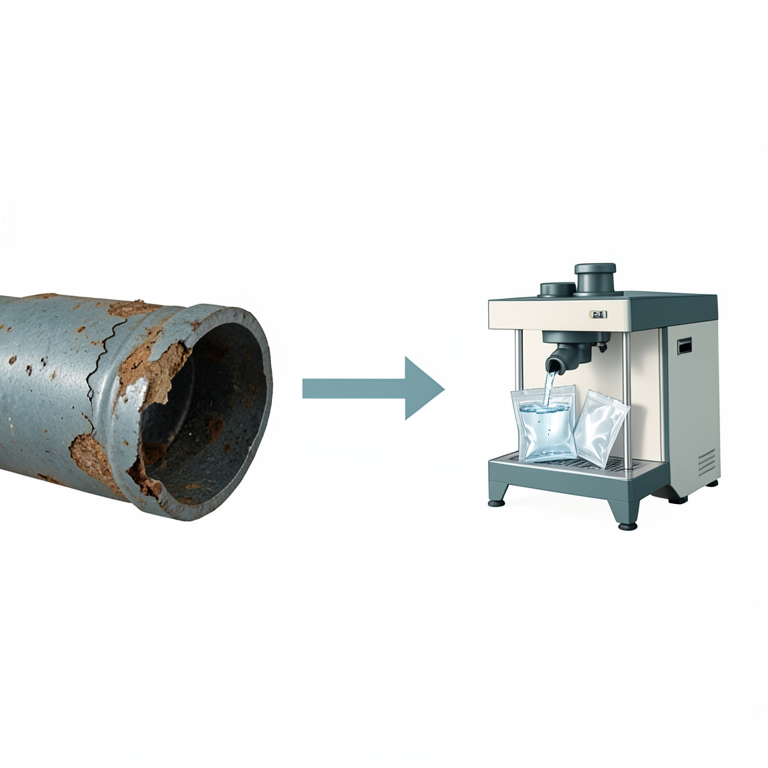
Potential Lead Contamination Pathway
AI-generated conceptual illustration (industrial water processing pipes and plastic water sachets). It explains the idea and does not show study data.
View source evidence ↗Figures & tables
From the original paper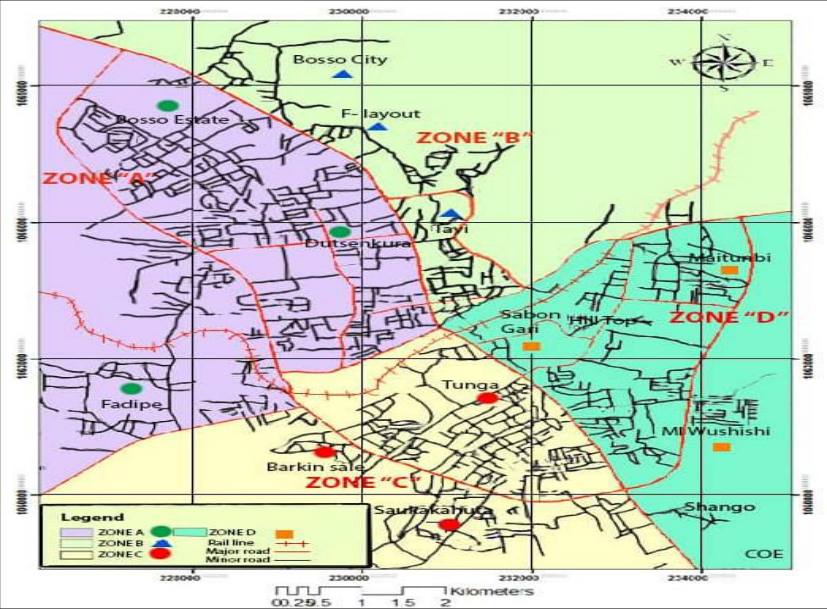 Figure 1
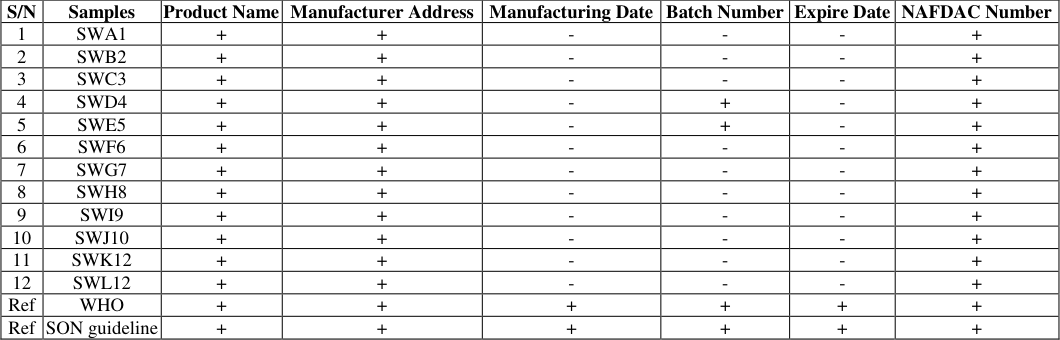 Table 1
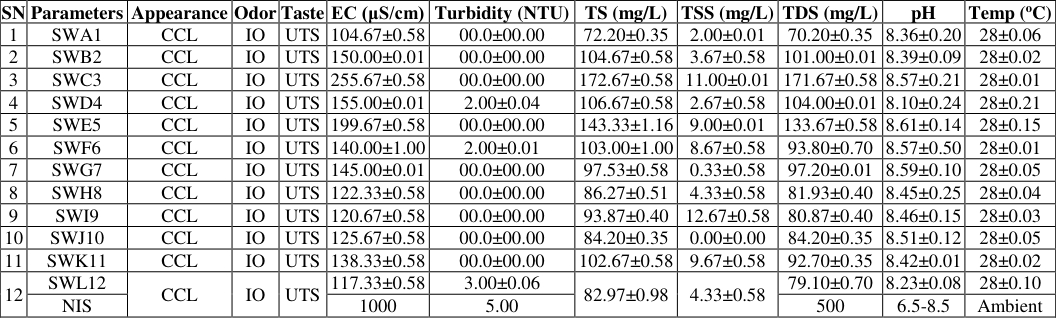 Table 2
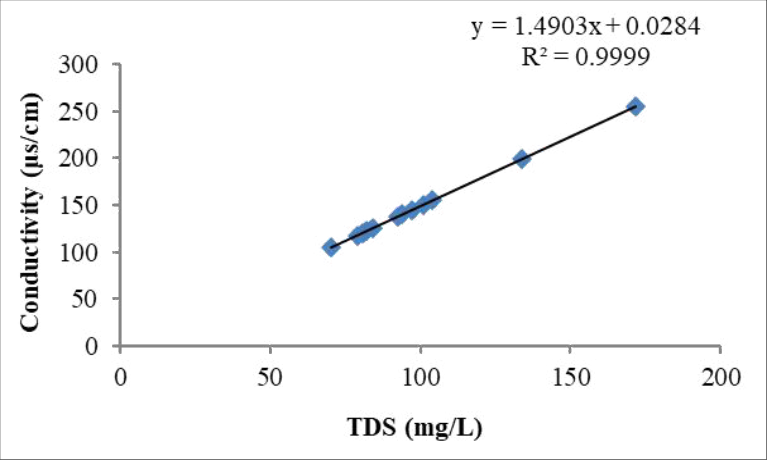 Figure 2
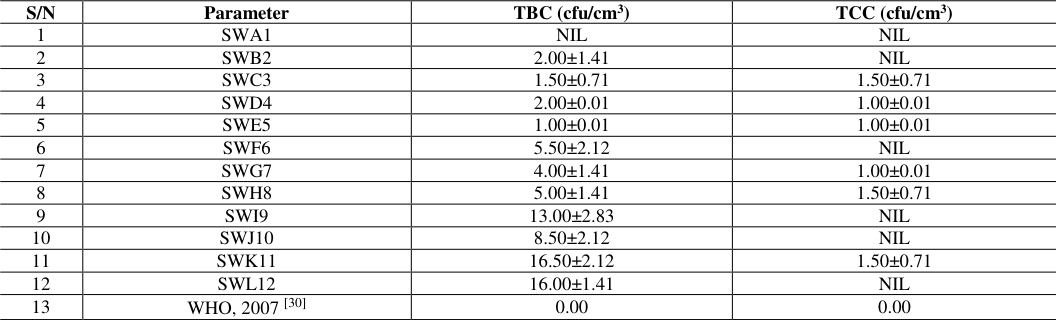 Table 3
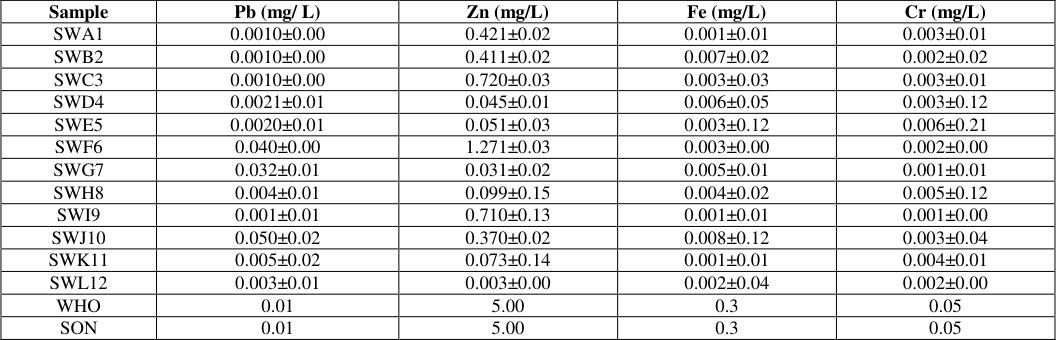 Table 4
Introduction
Water is the second most essential basic requirement for life sustenance on the planet earth after air (Traven, 2000) [29] and it's capable of occurring in three fundamental states solid, liquid and gaseous (vapor) phases. In its natural form, water is described as inorganic liquid material with a clear appearance, colorless, odorless and tasteless which nourished and enhanced the metabolic activities in man, animals, microorganisms and also plants (Biswas, 2005) [7] . The quality and substantial availability of water changes over space and time which is fundamental to the development of human society.
Any Alteration in natural water quality consequently distort the ecological equilibrium and render it useless for the right purposes of its applications (Aji et al., 2015) [2] . Literature report revealed water to occupy about 71% of the earth's surface, oceans and other large water bodies holding 97%, water aquifers 1.6%, air vapor clouds 0.001% formed by precipitation, glacier and polar ice caps 2.4% and other land surface water (rivers, lakes and ponds) 0.6% (WHO, 2010; Aji et al., 2015) [31,2] . Research also revealed many living cells to contains about 80% water in their protoplasm and similarly the biochemical and metabolic reactions which occur in living cell during growth and development is equally facilitated in the presence of water, thus universality of water as solvent (Raji et al., 2010) [26] . Since time memorials, management of portable water for consumption formed the basis for preventing and controlling diseases, especially the water related diseases (WHO, 2010) [31] . Globally, water polluted with foreign substances is one of the most dangerous public health threats that exposed people's lives to at water borne illness and chemical intoxication (Okonkwo et al., 2009) [20] . Mispriority in government policies and inadequate investment in portable water sources have driven Nigerian drinking water supply to a horrible unrealistic state which prompt several adaptive measures by society targeted to addressing this discomforting situation. One of these measures is the resort to sachet water, commonly known as ''pure water'' (Dada, 2009) [10] . However, standard model designed for the supply of portable water and efficient sanitary technology is eventually unrealistic to afford in most of the developing countries, hence sachet water is much more available and affordable compared to bottled water, but there are concerns about its quality state. The urgent and continuous quest to satisfy the quality state of water has developed with the increasing demand and for the purpose of human health safety. Thus, the stress to specify parameters, signifying its quality (Cheabu et al., 2014) [8] . In Nigeria, sachet water is conceived in our market as easy and cheaper approach to access portable drinking water and an improvement over the former types hand-filled led package hand-tidied polythene bags. The coming of sachet water was no doubt provides safe, hygienic and instant portable water to the public and also control to some extent the magnitude of water-borne infections in the communities (Fajobi and Shittu, 2008) [12] . Most bottled water manufacturers in Nigeria also engage in sachet water packaging and obtain raw water mostly from local municipal piped water. Water hygiene in various stages of production can vary among manufacturers as some employed sophisticated techniques such as ionization and reverse osmosis while some use ordinary boiling of well water sources and exclusion of particles by use of unsterilized filtration materials (Oyedeji et al., 2010) [24] . The rising demand, supply, sales and unselective intake of packaged water in Nigeria has since revealed to cause a significant public health risk to the consumers especially people with undermined immune systems (Adeyemi et al., 2015) [1] . Most producers of packaged drinking water in Nigeria collect raw water majorly from sources such as municipal piped water, the bore-holes or well water and in some instances do not conform to specified standards as proper water treatment technology is lacking (Oluyege et al., 2014) [23] . This study therefore seeks to investigate the quality state of sachet water produced and consumed in Minna metropolis. however, this study aimed at evaluating the physicochemical properties, microbiological parameters and heavy metal content of the sachet water samples and comparing the quality parameters with acceptable standards.
Materials and Methods
Materials and Methods
Study Area
Minna represents the capital city of Niger State and geographically located in North-central Nigeria with approximately 304,113 population. The major ethnic groups include the Nupe's and the Gwari. Minna is freely routed to neighboring cities by road, Abuja the capital of the Nigeria is only 150 km away. The city of Minna is also connected by railroad to both Kano in the North and Ibadan and Lagos in the South western Nigeria. The city has numbers of higher educational institutions among which are, the Federal University of Technology Minna, Niger state College of Education, Niger State School of Health Technology etc (Garuba, 2014) [13] .
Sampling
The sachet water samples were obtained from sachet water vendors in the metropolis using the cluster sampling technique described by Danish, (2018) [11] . The technique is employed where "natural" groupings in a statistical population. The total population was then shared into groups (or clusters) and a sample was selected from the groups at random. A total of twelve (12) samples were produced across the Minna metropolis. Three samples were collected from the vendors in the same zones (clusters) (Fig. 1) (making a total of three samples) from each cluster. The zones comprised A (Bosso estate, Fadipe and Dutsenkura), B (Tayi village, F-layout and Bosso), C (Barikin sale, Saukakahuta and Tunga), and D (Maitunbi, Sabongari and MI Wushishi) (Anuonye et al., 2012) [4] . [4] Physical Assessment of the Package Labels Assessment of the packaging and labeling details was done by adopting the methodology by Oyeku et al. (2001) [25] and Ibrahim et al. (2015) [15] .
Determination of Physical Parameters
Physical parameter was determine using the APHA, (1995) [5] procedure.
Temperature Determination
Mercury-in-glass thermometer (HACH/210) was used to determine the temperature of the water samples. The thermometer was directly inserted into the water samples and the values were read and recorded accordingly.
pH Determination A pH meter (Model PHS-25) measures the pH of the water samples. The process involves transferring 25.00 cm 3 of the water into a sample cell and phenol red indicator (10.00 cm 3 ) added which was inserted into the sample holder and closed with tight cap. The colorimeter was then switched on and programmed at number 75 while the pH was read and recorded.
Determination of Total Suspended Solid (TSS)
A colorimeter (Model DR/890) is an instrument used to measure the TSS of the samples. The device was first programmed at 94 and 25.00 cm 3 of the sample transferred into the sample cell and placed inside the sample holder and closed tightly with the cap. The colorimeter was on and the TSS was read and recorded appropriately for each of the samples.
Determination of Electrical Conductivity (EC)
Electrical conductivity meter (CMD800), is a device was that measures the conductivity of the water samples. The sample 25.00 cm 3 was measured into a 100.00 cm 3 beaker and the meter electrode was dipped into it and conductivity values were read and recorded appropriately in each case. The electrode was properly rinsed with distilled water to avoid contamination after taken each reading and the process was repeated for all the samples.
Determination of Total Dissolve Solid (TDS)
The values of TDS were calculatedly determined from the values of electrical conductivity by applying the mathematical relationship that relate TDS with electrical conductivity. Thus, TDS = 0.67x Electrical Conductivity value.
Determination of Total Solid (TS)
The TS in the samples was determine by the summing the readings of TDS and TSS. Thus, the relationship; TS = TDS + TSS
Determination of Turbidity
The turbidity meter with model number WT3020 was used to determine the turbidity of the samples. The turbidity was determined by measuring 10.00 cm 3 of the sample into a sample cell and placed it into the turbidity device. The turbidity meter was then put on and the turbidity was read and recorded appropriately. The procedure was repeated for all the samples.
Determination of Heavy metals in the Samples
Preparation of standards: Standard solutions of metal ions of interest were prepared from their respective salts. Solution of analytical grade of 1000 ppm stock solutions of Zn 2+ , Cr 2+ , Pb 2+, and Fe 2+ were diluted a in 25 cm 3 standard flask and made up to the mark with deionized water to make 2.00 ppm, 3.00 ppm, 4.00 ppm and 5.00 ppm of each metal ion solution in accordance with the method of Shalom et al., (2011) [27] . The standard solutions were used to calibrate the AAS machine prior to sample analysis. The water samples were first decomposed using concentrated nitric acid HNO3 to unveiled the metal content of interest in series with Atomic Absorption Spectrophotometer (AAS) (Shalom et al., 2011) [27] .
Bacteriological Analysis Determination of Total Bacterial Count (TBC) and Total Coliform Count (TCC)
The TBC and TCC of the samples were measured with the aid of multiple-tube method. The procedure of Chioma (2014) [9] was adopted for the determination.
Multiple Tube Method
A set of Three groups of test tubes were prepared and used for each sample. The samples were first cultured using lactose peptone single and double strength. Lactose peptone water (10.00 cm 3 ) was transferred into three test tubes and labeled X2 each to indicate double strength while 5.00 cm 3 of the lactose peptone dispensed into each of the remaining test tubes and marked X1, indicating single strength. In all the test tubes, Durham tubes were inserted and the medium was sterilized with a clinical autoclave at 121 °C for 15 min. After cooling the whole medium, 10.00 cm 3 of the water samples was then transferred into each of the three test tubes marked X2 and 1.00 cm 3 of each corresponding sample was transferred into the three tubes marked X1, while 0.10 cm 3 of the same water samples was dispensed into the remaining three test tubes marked X1. The samples were all incubated at 35 °C for 24 hours in an incubator for the determination of the total coliform. The readings for both the double strength and single strength were taken after 24 hours of incubation and properly recorded.
Results and Discussion Physical Assessment of the Sachet Water Samples
The results obtained from the physical assessment of the sachet water samples are presented in Table 1 [10,16,17] . The results of the physical assessment and examination of the package information of the sachet water samples presented in Table 1 shows that all the sachet water samples highly comply to standard requirement by NAFDAC specification at 100% in term of the product name, manufacturing address and NAFDAC registration number but none of the sachet water brands had manufacturing and expiry dates. The primary labelling information is important as it revealed to the consumer the safety status and the shelf life of the sachet water. Moreso, only 33.3% of the water samples had a batch number on package labels. Batch number is also an important component of product packaging, its used to easily trace and collect or recollect a product from the market in the case of any challenging problem identified with the product. The ignorant displayed by the water manufacturing factories as regard the level of compliance to regulatory standards clearly unveiled in this study called for serious concern as the packaged water sold to the entire consumers can generate significant health risk. Thus, a good number of packaged water vendors that defy the best professional practices specify by the regulatory authorities were not originally licenses with legal permission to operate. Therefore, it becomes a disturbing scenario that this is not common with this present study as all the water vendors were indorsed to operate as proven by the NAFDAC registration details.
| S/N | Samples | Product Name | Manufacturer Address | Manufacturing Date | Batch Number | Expire Date | NAFDAC Number |
|---|---|---|---|---|---|---|---|
| 1 | SWA1 | + | + | - | - | - | + |
| 2 | SWB2 | + | + | - | - | - | + |
| 3 | SWC3 | + | + | - | - | - | + |
| 4 | SWD4 | + | + | - | + | - | + |
| 5 | SWE5 | + | + | - | + | - | + |
| 6 | SWF6 | + | + | - | - | - | + |
| 7 | SWG7 | + | + | - | - | - | + |
| 8 | SWH8 | + | + | - | - | - | + |
| 9 | SWI9 | + | + | - | - | - | + |
| 10 | SWJ10 | + | + | - | - | - | + |
| 11 | SWK12 | + | + | - | - | - | + |
| 12 | SWL12 | + | + | - | - | - | + |
| Ref | WHO | + | + | + | + | + | + |
| Ref | SON guideline | + | + | + | + | + | + |
Table text extracted from the original PDF; superscript letters are shown inline. The original table image is below.
View original table image
Physicochemical Assessment of the Water Samples
The results of the physicochemical Assessment of sachet water samples are presented in Table 2. Key: Temp = Temperature; EC = Electrical Conductivity, TDS = Total Dissolved Solid, TSS = Total Suspended Solid, TS = Total Solid, NIS, (2007) [19] : Nigerian Industrial Standard for drinking water Quality. CCL = Clear Colourless UTS = Unobjectionable Taste, IO = Inoffensive
| SN | Parameters | Appearance | Odor | Taste | EC (μS/cm) | Turbidity (NTU) | TS (mg/L) | TSS (mg/L) | TDS (mg/L) | pH | Temp (oC) |
|---|---|---|---|---|---|---|---|---|---|---|---|
| 1 | SWA1 | CCL | IO | UTS | 104.67±0.58 | 00.0±00.00 | 72.20±0.35 | 2.00±0.01 | 70.20±0.35 | 8.36±0.20 | 28±0.06 |
| 2 | SWB2 | CCL | IO | UTS | 150.00±0.01 | 00.0±00.00 | 104.67±0.58 | 3.67±0.58 | 101.00±0.01 | 8.39±0.09 | 28±0.02 |
| 3 | SWC3 | CCL | IO | UTS | 255.67±0.58 | 00.0±00.00 | 172.67±0.58 | 11.00±0.01 | 171.67±0.58 | 8.57±0.21 | 28±0.01 |
| 4 | SWD4 | CCL | IO | UTS | 155.00±0.01 | 2.00±0.04 | 106.67±0.58 | 2.67±0.58 | 104.00±0.01 | 8.10±0.24 | 28±0.21 |
| 5 | SWE5 | CCL | IO | UTS | 199.67±0.58 | 00.0±00.00 | 143.33±1.16 | 9.00±0.01 | 133.67±0.58 | 8.61±0.14 | 28±0.15 |
| 6 | SWF6 | CCL | IO | UTS | 140.00±1.00 | 2.00±0.01 | 103.00±1.00 | 8.67±0.58 | 93.80±0.70 | 8.57±0.50 | 28±0.01 |
| 7 | SWG7 | CCL | IO | UTS | 145.00±0.01 | 00.0±00.00 | 97.53±0.58 | 0.33±0.58 | 97.20±0.01 | 8.59±0.10 | 28±0.05 |
| 8 | SWH8 | CCL | IO | UTS | 122.33±0.58 | 00.0±00.00 | 86.27±0.51 | 4.33±0.58 | 81.93±0.40 | 8.45±0.25 | 28±0.04 |
| 9 | SWI9 | CCL | IO | UTS | 120.67±0.58 | 00.0±00.00 | 93.87±0.40 | 12.67±0.58 | 80.87±0.40 | 8.46±0.15 | 28±0.03 |
| 10 | SWJ10 | CCL | IO | UTS | 125.67±0.58 | 00.0±00.00 | 84.20±0.35 | 0.00±0.00 | 84.20±0.35 | 8.51±0.12 | 28±0.05 |
| 11 | SWK11 | CCL | IO | UTS | 138.33±0.58 | 00.0±00.00 | 102.67±0.58 | 9.67±0.58 | 92.70±0.35 | 8.42±0.01 | 28±0.02 |
| 12 | SWL12 | CCL | IO | UTS | 117.33±0.58 | 3.00±0.06 | 82.97±0.98 | 4.33±0.58 | 79.10±0.70 | 8.23±0.08 | 28±0.10 |
| NIS | 1000 | 5.00 | 500 | 6.5-8.5 | Ambient |
Table text extracted from the original PDF; superscript letters are shown inline. The original table image is below.
View original table image
Appearance, Odour and Taste
The assessment of the sachet water samples in terms of appearance, odor and taste revealed the sachet water samples to have clear colorless, inoffensive and unobjectionable tastes.
Temperature
Olatayo (2014) [22] reported temperature as the measure of the average thermal energy of a body or substance. The temperatures of water samples fall practically within the ambient temperature i.e. 28 °C. Though, the NIS has no specified standard temperature range for quality drinking water. However, report revealed temperature within the range presented in table 2 to favor the maximum growth of some mesophyll bacteria including pathogenic organisms whose metabolic activities contribute to the undesirable change in the taste and odor of water with time (Mustapha et al., 2015) [17] . pH pH range of 8.10 to 8.61was obtained for the water samples as show in Table 2 and the values falls within the range of 6.5 to 8.5 recommended by Nigerian Industrial Standard (NIS). Therefore, drink water with pH values falling within the regulatory specification values do not pose any health risk issues (Asamoah and Amorin, 2011) [6] .
Conductivity
Table 2.0 shows the conductivity values of the drinking water to range between 104.67 to 255.67 μS/cm and the values all falls below the maximum limits of 1000 μS/cm specified by NIS (2007) [19] standard. The low conductivity values are accounted by presence of very low ionic substance and the used of non-corrodible metallic pipes to transport water from sources (Goodman, 1980) [14] . A similar result was also reported by Sheshe and Magashi (2014) [32] where conductivity values below 1000 μS/cm were obtained for sachet water samples sold in some selected Local Government Areas of Kano metropolis, Kano State, Nigeria.
Turbidity
The amount of particulate matter in portable drinking water account for the turbidity and it interferes with disinfections processes (Musa et al., 2014b) [33] . Turbidity in water is reported to alter the natural taste, odor and color of water thereby distorting the quality status of portable water (Ndinwa et al., 2011) [18] . Ando, (2005) [6] reported turbid water to enhance the movement of Giardia and Cryptosporidium cysts in the water. All the different brands of sachet water sampled in Minna metropolis were observed to have zero turbidity exception SWD4, SWF6 and SWL12 which had turbidity values of 2.0, 2.0 and 3.0 NTU, respectively. Although, the values were still within the specified WHO standard. The number of suspended solids in water account for the turbidity. Hence, the total dissolved solids (TDS) values of the water samples range from 70.20 to 171.67 mg/L as shown in table 2 and all the values stands within the acceptable limit of 500 mg/L set by the NIS (2007) [19] standard. However, the results in Figure 2 also revealed the distinctive relationship between TDS and EC as demonstrated by equation one below The plot, gave the value of one (1) as its regression and the EC is 1.5 times TDS. Thus, the equation: TDS (mg/L) = EC (μS/cm) x 0.67 ...
The expression was also adopted by the WHO (2007) [30] to relates TDS to EC.
Bacteriological Properties of the Samples
The values of the microbiological properties of the samples are shown in Table 3. WHO, 2007 [30] 0.00 0.00 Key: cfu = Colony Forming Unit per cm 3 ; TBC = Total Bacteria Count; TCC = Total Coliform Count The total bacterial counts of the samples were between 1-16.50 cfu/100 cm 3 which is above the set limits by WHO, (2007) [30] of 0.00 Cfu/ cm 3 , except sample SWA1 that had zero value of total bacteria count (TBC) which agreed strongly with the standard limit while total coliform count (TCC) range between 1-1.50 Cfu/cm 3 which also exceeded the standard limit established by WHO except for six the water samples SWA1, SWB2, SWF6, SWI9, SWJ10 and SWL12 that had zero value which is in accordance to the standard limit. The presence of high bacteria load in most of the samples could be associated to lack of good quality sources of raw water, improper pipeline maintenance, poor water treatment, and insufficient or lack of personal hygiene which conformed with the work of Olaoye and Onilude (2009) [21] . However, with the exception of SWA1, the bacteriological contents of the samples do not agree with the (WHO, 2007) [30] zero limits set quality drinking water.
| S/N | Parameter | TBC (cfu/cm3) | TCC (cfu/cm3) |
|---|---|---|---|
| 1 | SWA1 | NIL | NIL |
| 2 | SWB2 | 2.00±1.41 | NIL |
| 3 | SWC3 | 1.50±0.71 | 1.50±0.71 |
| 4 | SWD4 | 2.00±0.01 | 1.00±0.01 |
| 5 | SWE5 | 1.00±0.01 | 1.00±0.01 |
| 6 | SWF6 | 5.50±2.12 | NIL |
| 7 | SWG7 | 4.00±1.41 | 1.00±0.01 |
| 8 | SWH8 | 5.00±1.41 | 1.50±0.71 |
| 9 | SWI9 | 13.00±2.83 | NIL |
| 10 | SWJ10 | 8.50±2.12 | NIL |
| 11 | SWK11 | 16.50±2.12 | 1.50±0.71 |
| 12 | SWL12 | 16.00±1.41 | NIL |
| 13 | WHO, 2007 [30] | 0.00 | 0.00 |
Table text extracted from the original PDF; superscript letters are shown inline. The original table image is below.
View original table image
The Heavy Metal Content of the Samples
Heavy metals content of the samples is shown in Table 4. The trace metal contents in the samples are shown in Table 4 and all the metals of interest were detected in all the samples. However, the results revealed the concentration of all the heavy metals detected to fall below the standard recommended limits of WHO and SON except SWF6, SWG7, and SWJ11 with lead content above the standard permissible limit. The presence of lead in high concentration may be link to the corrosion of pipes used in water processing factories. Olaoye and Onilude, (2009) [11] has reported Lead to be very toxic heavy element even at low concentrations.
| Sample | Pb (mg/ L) | Zn (mg/L) | Fe (mg/L) | Cr (mg/L) |
|---|---|---|---|---|
| SWA1 | 0.0010±0.00 | 0.421±0.02 | 0.001±0.01 | 0.003±0.01 |
| SWB2 | 0.0010±0.00 | 0.411±0.02 | 0.007±0.02 | 0.002±0.02 |
| SWC3 | 0.0010±0.00 | 0.720±0.03 | 0.003±0.03 | 0.003±0.01 |
| SWD4 | 0.0021±0.01 | 0.045±0.01 | 0.006±0.05 | 0.003±0.12 |
| SWE5 | 0.0020±0.01 | 0.051±0.03 | 0.003±0.12 | 0.006±0.21 |
| SWF6 | 0.040±0.00 | 1.271±0.03 | 0.003±0.00 | 0.002±0.00 |
| SWG7 | 0.032±0.01 | 0.031±0.02 | 0.005±0.01 | 0.001±0.01 |
| SWH8 | 0.004±0.01 | 0.099±0.15 | 0.004±0.02 | 0.005±0.12 |
| SWI9 | 0.001±0.01 | 0.710±0.13 | 0.001±0.01 | 0.001±0.00 |
| SWJ10 | 0.050±0.02 | 0.370±0.02 | 0.008±0.12 | 0.003±0.04 |
| SWK11 | 0.005±0.02 | 0.073±0.14 | 0.001±0.01 | 0.004±0.01 |
| SWL12 | 0.003±0.01 | 0.003±0.00 | 0.002±0.04 | 0.002±0.00 |
| WHO | 0.01 | 5.00 | 0.3 | 0.05 |
| SON | 0.01 | 5.00 | 0.3 | 0.05 |
Table text extracted from the original PDF; superscript letters are shown inline. The original table image is below.
View original table image
Conclusion and Recommendation
The assessment and evaluation of the compliance extent of sachet water sold in Minna metropolis to standard specifications was carried out and analysis of physical examination of packaging labels (product name, manufacturing address, National Agency for Food and Drug Administration (NAFDAC) registration number, manufacturing date, expiry date shows moderate conformity to WHO standards as all the samples lacks manufacturing dates and expiring dates and also only 17% of the samples had batch number on the labeling) while physicochemical parameters (Temperature, appearance, odor, taste, pH, turbidity, electrical conductivity (EC), total suspended solids (TSS), total dissolved solids (TDS), total solid (TS)), conformed to the standard recommended by WHO except for sample SWG7, SWF6 and SWJ10. The microbiological parameters (total bacterial count (TBC), and total coliform count (TCC)) exceeded the WHO standard except for sample SWA1 which had no total bacterial count (TBC) and similarly, samples SWA1, SWB2, SWF6, SWI9, SWJ10, and SWL12 had zero total coliform count (TCC) and heavy metals (Fe, Cr, Pb, and Zn) showed that all the metals were detected in the water samples at a concentration within the standard accepted value except the lead (Pb) content in three of the samples SWG7, SWF6 and SWJ10 that exceeded the set limit by WHO. Conclusively, 25% of the samples doesn't satisfactorily meet the safety standard recommendations and as such considered unfit for consumption and has potential to pose a significant health risk if consumed without any further treatment. The water safety regulatory bodies responsible for regulating and maintaining water quality standards should endeavor to carry out a periodic assessment to promote safety thereby ensuring packaged water is in accordance with the specified standard recommendation. The producers should also be regularly educated and encouraged to strictly adhere to portable water specifications standards before exporting to final consumers.
References
25 in the original paper- Adeyemi D, Olafadehan E, Anyakora C. Assessment Level of Physicochemical Properties and Trace Metals of Water Samples from Lagos, Nigeria. International Journal of Advanced Research in Biological Sciences, 2015;2(12):163-172.
- Aji MM, Kyari SA, Hussaini M. Physiochemical and Bacteriological Analysis of Selected Sachet Water in Jere and Maiduguri, Borno State Nigeria. International Journal of Environment. 2015;4(1):48-57.
- Anuonye JC, Maxwell OM, Caleb MY. Quality of Sachet Water Produced and Marketed in Minna Metropolis North Central Nigeria. African Journal of Food Science. 2012;6(24):583-588.
- Asamoah DN, Amorin R. Assessment of the Quality of Bottled/Sachet Water in the Tarkwa-Nsuaem municipality (TM) of Ghana. Research Journal Apply Science Engineering Technology. 2011;3(5):377-385.
- Biswas AK. An Assessment of Future Global Water Issues'. International Journal of Water Resources Development. 2005;21(2):229-237.
- Cheabu B, Ngmekpele S, Hawkins EJ. Sachet Water Quality in Obuasi, Ashanti Region, Ghana Journal of Biology, Agriculture and Healthcare. 2014;4(5):37-42.
- Dada AC. Sachet Water Phenomenon in Nigeria Assessment of the potential health impacts. African Journal of Microbiology Research. 2009;3(1):15-21.
- Iqbal Jeelani M, Danish F, Gul M. A review on the recent development on the cluster sampling. Biostatistics and Biometrics Open Access Journal. 2018;5(5):146-50. DOI:10.19080/BBOAJ.2018.05.555673.
- Fajobi EA, Shittu OB. Microbiological and Physicochemical Analysis of different water samples used for Domestic Purposes in Abeokuta and Ojota, Lagos Nigeria. African Journal of Biotechnology. 2008;7(5):617-621.
- Garuba AO. Assessment of Drinking Water Quality from Bosso Water Board to Consumer, B.Eng. Dissertation, Federal University of Technology Minna. 2014;45:674.
- Goodman AH. Assessment of Physicochemical Quality of Sachet Water Produced in Selected Local Government Areas of Kano Metropolis, Kano State Nigeria. Bayero Journal of Pure and Applied Sciences. 1980;7(2):31-35
- Ibrahim MD, Umaru M, Akinsoji AA. Quality Assessment of Quality Sachet and Bottled Water Marketed in Bauchi Metropolis, Nigeria. Chemical and Process Engineering Research. 2015;37:11-23.
- Ullah K, Ullah A, Muntaha ST, Marukh. Ichthyofaunal diversity and physiochemical parameters of Gandiali Dam Kohat, Khyber Pakhtunkhwa, Pakistan. International Journal of Biological Sciences. 2020;2(2):53-56. DOI: 10.33545/26649926.2020.v2.i2a.56
- Mustapha DI, Musa U, Akindele AA. Qualitative Assessment of Sachet and Bottled Water Marketed in Bauchi Metropolis Nigeria. Chemical and Process Engineering Research. 2015;37:2224-7467.
- Ndinwa CCG, Chukumah OC, Edafe EA, Obarakpor KI, Morka W, Osubor-Ndinwa PN. Journal of Environmental Management and Safety. 2012;3(2):145160.
- Ijoraolopa, Lagos State, Nigeria. International Journal of Environment. 2009;8(6):408-415.
- Olaoye OA, Onilude AA. Assessment of Microbiological Quality of Sachet-Packaged Drinking water in Western Nigeria and its Public Health Significance. Public Health. 2009;123(11):729-734.
- Olatayo AA. Assessment of Physicochemical Parameters of Waters in Ilaje Local Government Area of Ondo State, Nigeria. International Journal of Fisheries and Aquatic Studies. 2014;1(5):84-92.
- Oluyege J, Olowomofe T, Abiodun O. Microbial Contamination of Packaged Drinking water in AdoEkiti metropolis, South Western Nigeria. American Journal of Research Communication. 2014;2(10):231246.
- Oyedeji O, Olutiola P, Moninuola M. Microbiological Quality of packaged drinking water brands marketed in Ibadan metropolis handle-Ife city in South Western, Nigeria. African Journal of Microbiological Research. 2010;4(1):96-102.
- Oyeku O, Omowumi O, Kupoluyi C. Wholesomeness Studies of Water Produced and Sold in Plastic Sachets (Pure Water) in Lagos Metropolis. Nigerian Food Journal. 2001;2(11):63-69.
- Raji MIO, Ibrahim YKE, Ehinmidu JO. Physicochemical Characteristics and Heavy Metal Levels in Drinking Water Sources in Sokoto Metropolis in Northwestern Nigeria. Journal of Applied Science and Environment Management. 2010;14(3):81-85.
- Shalom NC, Obinna CN, Adetayo YO, Vivienne NE. Assessment of Water Quality in Canaan land, Ota, Southwest Nigeria. Agriculture and Biology Journal of North America. 2011;2(4):576-583.
- These MU, Magashi AM. Assessment of Physicochemical Quality of Sachet Water Produced in Selected Local Government Areas of Kano Metropolis, Kano State, Nigeria. Bayero Journal of Pure and Applied Sciences. 2014;7(2):31-35
- Sheshe MU, Magashi AM. Assessment of physicochemical quality of sachet water produced in selected local government areas of Kano Metropolis, Kano State-Nigeria. Bayero Journal of Pure and Applied Sciences. 2014;7(2):31-5.
Cited by 8
From OpenAlex, OpenCitations and reference lists read by Scinovex
- Influence of physicochemical parameters on parasite prevalence and diversity in selected fish species of river Taraba, Nigeria ↗
R Bonjoru, A Ja’afaru, Abubakar KA, Jerusha TS · Acta Entomology and Zoology · 2025
This study investigates the influence of physicochemical parameters on parasite prevalence and diversity in selected fish species (Oreochromis niloticus, Clarias gariepinus, Synodontis clarias, and Synodontis nigrita) from River Taraba, Nigeria. The study was carried out for an 18 months’ period (November 2021 to April 2023) and a total of 420 fish specimens were used for the studies. Six classes of
- The autoclave: Engineering and applications in medical sterilization ↗
Mujtaba Raed Waheed, Dhurgham Ali Abdulhussein, Magdi Hassan, Hasan Jabbar Hssein, Murtada Dawood Salman · International Journal of Research in Medical Science · 2025
Autoclaves play a critical role in medical sterilization, utilizing principles of thermodynamics, fluid mechanics, and material science to eliminate microbial life, including highly resistant bacterial spores. Operating at elevated temperatures and pressures, autoclaves ensure the deep sterilization of surgical instruments, laboratory equipment, and medical textiles. Their integration into infection control protocols significantly reduces healthcare-associated infections (HAIs), promoting patient safety and
- Use of galactagogues by postnatal breastfeeding women in Enugu: A cross-sectional, multi-center study ↗
Calistus Obiora Nevo, Livinus Nnanyelugo Onah, Chidimma Akudo Omeke · International Journal of Gynaecology Research · 2025
Introduction: Breastfeeding mothers resort to galactagogues following real or apparent perception of insufficient breastmilk production. While the prevalence of use of galactagogues has been on the increase globally, the exact substances that constitute galactagogues, their dosages, efficacy, and side effect profiles have been a subject of controversy. Objectives: The objective of this study was to assess the use of galactagogues
- Monitoring the effects of storage duration, sand/gravel, and 100% sand filtration systems on the physico-chemical properties of harvested rainwater ↗
Dieudonne Caleb Dahaina, Enah Donatus Njuh, Cornelius Tsamo · International Journal of Chemical Studies · 2025
This study aims to monitor the effect of duration of storage on the physico-chemical properties of harvested rainwater and assess the efficiency of the sand base filtration systems in improving the quality of the stored rainwater. Rainwater was harvested from rooftop and stored for 33 days while monitoring the pH, Total dissolve solids (TDS), Electrical conductivity (EC), and salinity. After
- Drinking water in Haryana: A geographical analysis of Village Singhpura, Jind
Sameena Sameena · International Journal of Geography Geology and Environment · 2024
In the village of Singhpura, most households get their drinking water from borewells (58%), while 38% use tap water and 4% rely on hand pumps. Although community water is available through pipes, only 38% of households use it for drinking due to issues like low water pressure or absence of pipes in some areas.While 82% of households find the drinking water fresh and odourless, about 8% notice a metallic taste, and 6% detect a strong chlorine taste. Additionally, 4% report foul Odors and unusual tastes. Health issues related to drinking water affect 11% of households using community water. Grou
- A review on physico-chemical parameters of fresh water lakes of India ↗
Ramya SV, Lalitha HM · International Journal of Fisheries and Aquatic Studies · 2024
Water is critical for the survival of living organisms and their development. It is the universal solvent which is an important and irreplaceable resource that nature has provided us with in abundance, including organic and inorganic compounds. Physico-chemical parameters play a crucial role in evaluating water quality and its suitability for various uses. Key parameters like temperature, pH, dissolved oxygen,
- Physicochemical properties and assessment of the water of the river Ghaggar ↗
Arpit · International Journal of Humanities and Arts · 2024
Ghaggar River flowing through the northern Indian states of Punjab and Haryana, plays a significant role in supporting regional agriculture and local livelihoods. However, rapid industrialization, urbanization and agricultural activities have led to significant pollution, impacting its physicochemical integrity. This paper presents an analysis of key physicochemical parameters-pH, dissolved oxygen (DO), biochemical oxygen demand (BOD), total dissolved solids (TDS), chemical
- Physicochemical assessment of water quality in the Hiran River at the confluence of Umrethi reservoir, Gir-Somnath ↗
VM Chavda, HV Parmar, P. V. Parmar · International Journal of Advanced Academic Studies · 2024
A water quality assessment was conducted on the Hiran River across the 2022 - 2023 pre-monsoon, post-monsoon, and winter seasons to determine the effects of human activity and sewage disposal. The methodology involved testing a comprehensive suite of physico-chemical parameters including pH, Electrical Conductivity (EC), alkalinity, total hardness, key ions (calcium, magnesium, potassium, fluoride, chloride), nutrient loads (nitrate, nitrite, phosphate),