
Research article · 2023 · Full text
International Journal of Veterinary Sciences and Animal HusbandryManagement strategies for improving production and reproduction performance of sheep and goat
Volume 8(5S) · Pages 155–160 · DOI: 10.22271/veterinary.2023.v8.i5sc.732 ↗
Research areasGenetic and phenotypic traits in livestock
Abstract
Author-writtenManagement Strategy is a series of techniques employed for achieving predetermined goals through proper direction and control. In other words, management strategies involve the inculcation of an innovative approach based on proper knowledge. For getting maximum production and reproductive performance one needs to consider genetics and nutrition along with proper management strategies otherwise all the science will go in vain. Proper management strategies are formed after seeing the space for improvement and thus, it is necessary to analyze the farming practices. After that, we can choose various methods and techniques which are available focusing on increasing the efficiency of the available resources. Adoption of newer technologies is also an option for commercial farmers and entrepreneurs. Usage of the software is one such area coming in trend these days. While production strategies mainly focus on increasing feed efficiency, reproduction strategies involve the use of scientific knowledge to collaborate with animal physiology. Also, there are some other little things to focus upon which can be beneficial and complementary to our main strategies but are sometimes not given importance. Thus, the previous knowledge of rearing small ruminants is utilized to come up with evolved innovative approaches and new generation modern technologies to ensure improvement in production and reproduction.
Summary
Source-checkedPlain-language reading of the full paper, prepared with AI and checked against the text. Each point links to the authors' own words.
Why it matters
- In India, rearing sheep and goats is vital for marginal, low-income farmers as it provides self-employment and a financial safety net during droughts or famines. View evidence ↗
- Sustainable farming and profitability depend on maximizing production of meat, wool, and milk, as well as improving reproductive efficiency to increase the number of offspring. View evidence ↗
- Key challenges for small ruminant farming in India include feed and fodder shortages, loss of grazing land, disease outbreaks, and a lack of elite breeding males. View evidence ↗
The question
- The paper aims to identify management strategies that, combined with genetics and nutrition, can maximize the production and reproductive performance of sheep and goats. View evidence ↗
What they did
- The approach involves analyzing current farming practices to identify areas for improvement and selecting techniques that increase the efficiency of available resources. View evidence ↗
- The review categorizes strategies into production-focused methods (increasing feed efficiency) and reproduction-focused methods (aligning with animal physiology). View evidence ↗
What they found
- Treating straw with ammonia or alkali can improve its digestibility from 45% to between 55% and 60%. View evidence ↗
- Providing ewes with complete feed blocks in the morning before they graze leads to body weight gains of 0.8 to 1.2 kg. View evidence ↗
- Ewes exhibit the best fertility rates between 1.5 and 4.5 years of age, with a significant decrease occurring after this period. View evidence ↗
- Administering Vitamin E at 200 IU per ram per day improves both the quality and quantity of semen in rams and bucks. View evidence ↗
- To ensure proper development, lambs and kids should not be weaned until they reach 2.5 to 3 times their birth weight. View evidence ↗
- Modern ultrasonography allows for the detection of pregnancy in small ruminants as early as 20 to 40 days. View evidence ↗
- Using 10 mg of PGF2 alpha or its analogs every 10-11 days can induce heat in animals within 72 to 96 hours. View evidence ↗
- Using rectangular or hexagonal feeders at specific heights reduces feed spillage and prevents contamination from urine or feces. View evidence ↗
- The AVIKADIS Android app enables faster disease control through symptom-based diagnosis for sheep and goats. View evidence ↗
What it means
- The authors conclude that while genetics and nutrition are important, better management strategies are essential for significant improvements, as even small changes can exponentially increase efficiency. View evidence ↗
- The authors recommend the adoption of innovative technologies and strategies to enhance production and reproduction rates, leading to better financial profits. View evidence ↗
Visual summary
1 visualsIllustrations explain the paper; they do not show study data.
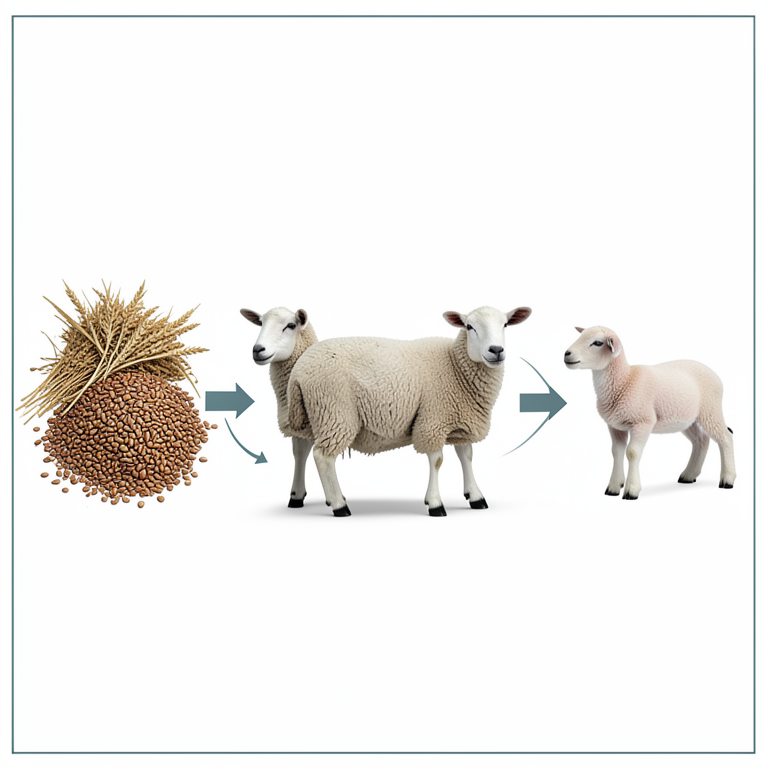
Management Strategy Framework
AI-generated conceptual illustration (sheep and goats). It explains the idea and does not show study data.
View source evidence ↗Figures & tables
From the original paper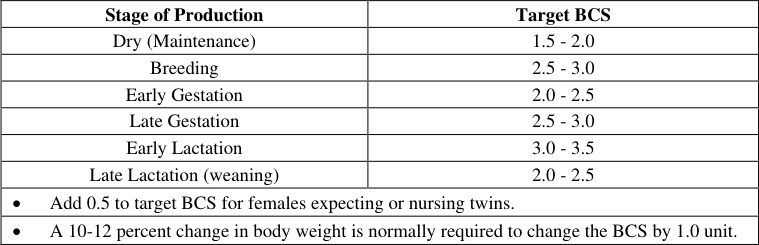 Table 1
 Figure 1
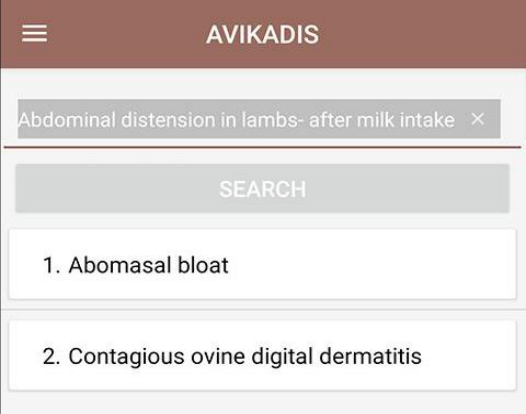 Figure 1
Introduction
India is a country where most small ruminant farmers belong to marginal communities and the newer generation of commercial farmers is less but growing gradually. Small ruminants add to the supplementary income of farmers, as most of these farmers are having low-income status. Rearing sheep and goats provide self-employment and cushioning in distress times such as famine or drought which is very common in some parts of our country. Mainly the small ruminant rearing is concentrated in ecologically fragile arid and semi-arid areas of the country. Management to get maximum production in terms of meat, wool, and milk is very crucial for sustainable farming. Reproductive efficiency in terms of getting as many kids/lambs as possible during a particular period is another factor for farm profitability. Major challenges in our country include deficiency of feed and fodder, shrinkage of grazing lands, the emergence of diseases leading to severe economic losses, shortage of elite breeding males due to indiscriminate slaughter, and improper implementation of conservation of indigenous goat/sheep breeds.
Minimizing Feed wastage
Pellet feeding should be encouraged which will reduce the dustiness of feed and reduce feed spilling and wastage during feeding. Feed blocks for intensive rearing are another good alternative to pellet feeding (CIRG, 2013) [5] (CSWRI, 2013) [7] . For this purpose, various lowcost equipment and set-ups are also being developed and the farmers can be encouraged to use them especially the innovative farmers involved in intensive rearing. As we know that goats can consume a wide variety of grasses, weeds, forbs, bushes, shrubs, tree leaves, and crop residues, we can put our otherwise wastes and by-products to proper use (Terrill, 1986) [28] .
Adequate sub-division with fencing on the grazing lands can be made to regulate pastures. Strip grazing of forage crops can be practiced for maximal usage of forage in the case of sheep (Coop, 1986) [6] . The rectangular and hexagonal feeder at a certain height can be used to prevent spillage by goats. It also prevents contamination of feed via feces or urine of feeding animals. Feed racks can also be used for this purpose. Another useful thing is the use of a chaff cutter. It is generally of 2 types hand-operated and electrically operated. They are used to chop down fodder into small bits so that we can mix the stem part with leaves and the animals especially goats cannot separate it. This can increase feed intake and reduce feed wastage. These small bits can also be mixed while making pellets.
Increasing Feeding efficiency
Various kinds of biotechnological interventions like enzymatic treatment of fodder can be utilized to increase digestibility and vaccination of animals for rumen environment modification. Rumen fermentation can further be modulated by using several antibiotics and various additives such as probiotics which can help reduce methane production and also increases production (CIRG, 2013) [5] (CSWRI, 2013) [7] . Supplementary feeding is advised for nomadic flocks as they have a pronounced effect on the quantity and quality of mutton and chevon, especially in lambs and kids (Singh, 1984) [26] . According to Redden et al. (2010) [18] , late gestation supplementation with rumen undegradable protein (RUDP), vitamin E, and Zn might improve ewe/lamb productivity. Supplementing ewes in the morning before grazing with complete feed blocks (CFB) results in higher gains in body weight (0.8 to 1.2 kg) (CSWRI, 2020) [8] . Treatment of straw with alkali or ammonia can increase the digestibility from 45% to up to 55-60% (Coop, 1986) [6] .
Body condition scoring (BCS) & Age for breeding
Monitoring BCS can be very beneficial in making necessary amendments in our system and in some ways can help to point out problems with feeding management. Body condition scoring (BCS) allows producers to improve the existing flock management, improve performance, reduce costs of feeding, and prevention of health problems associated with improper nutrition (High & Campbell, 2018) [20] .
Source:
High & Campbell, 2018 [20] Best fertility rates in ewes are seen between the age of 1.5 and 4.5 years; after this age, fertility decreases remarkably (Anel et al., 2005) [31] . Hence, culling decisions are to be made accordingly to maintain higher production. These culled animals can be sold for meat or other purposes and that amount can be reused for purchasing new stock.
Pasture Strategy for Sheeps
Whenever possible, sheep should be placed on "clean pastures", which include fields that have been without sheep for more than a year, fields that were cut for hay since sheep last grazed there, or fields grazed by cattle before sheep are allowed to graze (Umberger, 2009) [29] . It is done to control the parasitic load of the sheep which can affect the production and reproduction performance along with reduced incidences of vector-borne diseases. The integration of cropping with sheep and goats primarily in the semi-arid zone and arid zones is advised (Coop, 1986) [6] .
Weaning
It is better to wean based on weight rather than age. It is advised that lambs and kids should not be weaned till they achieve 2.5 to 3 times their birth weight. Feed consumption by them should be at least 1 percent of their body weight at the time of weaning. Creep feeding should be done for early growth.
Early weaning is suitable for prolific and high genetic potential breeds and it helps females to return to the breeding situation earlier and worm load is also reduced among the young stock. Early weaning is weaning before 90 days of age; 60 days is most common in early weaning. Late weaning is more natural and is less stressful to lambs and kids. The risk of mastitis is much less in case of late weaning (Schoenian, 2011) [24] .
Heat Stress Management Strategy
In tropical and sub-tropical areas sexual activity of sheep is reduced to heat conditions (Marai et al., 2004) [13] . According to Popoola et al. (2014) [17] , the adverse impact of heat stress on growth performance includes a reduction in feed intake, digestibility, and utilization efficiency occurs. According to various researches conducted at CSWRI, protection of exotic rams and ewes from high ambient temperature by providing shade and free air movement and grazing animals during cooler hours along with dietary supplementation of hay during the night improves ram and ewe fertility and survivability (Acharya, 1986) [1] . This is equally applicable to goats which might be under stress conditions. Moreover, we can add electrolytes and some vitamins to water to reduce stress.
Time of lambing & Seasonal effect management
Lambing should be present when there is maximum availability of feed and fodder as it is important for both productivity and profitability. The ewes natural breeding season affects reproductive rates. The fertility of sheep increases as daylight decreases and higher fertility is observed in the autumn season in the plains and the summer season in the hilly areas and hence breeding should be planned accordingly (Curnow, 2020) [9] . Subcutaneous melatonin implants can be used for improving reproductive performance. It helps in 2 things mainly, the first is to bring the breeding season forward & improve reproductive performance in the non-breeding season (Chemineau, et al., 1992; Haresign, et al., 1990) [4,11] . Melatonin administration produces a short-day-like response and induces estrus during the non-breeding season (O'Callaghan, et al., 1991) [15] . In rams, melatonin administration increases scrotal circumference & sperm production suggesting better (Pool et al. 2020) [16] . Vitamin E given at the rate of 200IU/Ram/day has a positive effect in increasing semen quality and quantity on rams and bucks (Yue, et al., 2010) [30] . Also, other mineral supplements should be added to feed all the breeding animals to improve the conception rate.
Pre-breeding Management Strategies
Ovulation control is a possibility and can be used for benefits. Estrous stimulation can be done by putting vasectomized males or males with females for about 10 days to 2 weeks before the beginning of breeding. Out-of-season cycling can be enhanced by making use of the ram effect caused by the introduction of teasers and the 'ram effect (Curnow, 2020) [9] . This brings about hormonal changes in females and induces estrus. This applies to goats as well. Another thing is telescoping, which means introducing ram/buck in the flock after keeping it away for 2 to 3 months (Tamil Nadu Agricultural University, n.d.).
Ovulation controlling along with estrus synchronization can be done to have the maximum benefit of the breeding season. Estrous synchronization helps in reducing the cost of artificial insemination or natural breeding and care at lambing/ kidding when parturition occurs (Tamil Nadu Agricultural University, n.d.). Synchronized for estrus using intra-vaginal sponges. Fixed time AI is done in does/ewes using liquid chilled semen twice a day at 12 hr. interval (CSWRI, 2020) [8] . The hormonal method is a boon for synchronization. Estrus synchronization can be done by administration of progesterone hormones or their analogs through feed, as an implant, or as impregnated vaginal sponges. After 14 days the hormone is withdrawn which makes the animals come into heat within 3 days. Feeding protocol is more easily done as compared to other methods. Another popular method is to use PGF2 alpha or its synthetic analogs 10 mg each at an interval of 10-11 days which bring make all animals come in heat within 72 to 96 hrs. The mode of administration is in the form of intramuscular injections (Dávila et al., 2017) [10] .
Introduction of AI
Artificial insemination promotion is going on in our country and it will help to make genetic improvements a lot faster. At present, such things are possible around the areas where infrastructure is there such as nearby central institutes. In the future, it is predicted to be used at par with dairy animals as is seen in many countries around the world. Also, it is much more beneficial to intensive farmers. Further, in future years this technology might get combined with embryo transfer technology which is used in scientific research institutes as of now, this way less productive females might be used as surrogate mothers. In artificial insemination, the quality of semen is very essential. Semen collection frequency can affect sperm quality. Thus, a routine should be established for semen collection. 2-3 times per week (2 collections per day/per ram) on different and non-consecutive days can be done. Semen evaluation based on the subjective assessment of parameters such as sperm motility and morphology, semen volume, or concentration should also be done (Santolaria et al., 2011) [22] . These things will enhance the rates of conception.
Early Pregnancy Diagnosis
Tradition methods of pregnancy diagnosis include non-return to estrus and palpation techniques which are often inaccurate. The use of modern techniques such as ultrasonography can help detect pregnancy as early as 20-40 days among which 2dimensional ultrasound is told to be one of the most appropriate methods (Karadaev, 2015) [32] . Ultrasonography can only be done by trained veterinarians and technicians, also the cost of the machine is very high. BioPRYN® test, a commercially available pregnancy-specific protein B (PSPB) ELISA assay can be used to predict pregnancy is an effective tool to detect pregnancy after the first month of gestation (Redden et al., 2013) [19] . Although these kinds of kits are not yet available to our farmers at an affordable price but in near future, it can be a reality that can transform the management very much.
Frozen Colostrum
A highly recommended management practice wherever possible is to collect and freeze extra colostrum from ewes/does that have lambed/kidded, especially older ewes/does. It is advised not to put this colostrum for thawing inside the microwave while using it as it will kill the antibodies (High & Campbell, 2018) [20] . This can be utilized in case of multiple lambs or kids getting birth from a single mother or if the dam's milk is not available to kids/lambs due to any reason.
Castration
Male animals have superior growth, leanness of carcass, and better feed efficiency when compared to castrated animals (Sales, 2014) [21] . Testosterone's effect on the fat deposition and depending on the market it can a positive or negative thing (Needham et al., 2017) [14] . Although the general purpose of castration is to ease handling and management, it is a very important management strategy to prevent unwanted pregnancies whether it is in mixed herds intended for slaughter or population control. Castrating male livestock decreases the anabolic potential of the animal and results in the increased deposition of fat and reduced buck odor. Immuno-castration may be a non-invasive, appropriate alternative to conventional castration techniques (Mandal et al., 2019) [12] . It is the active immunization against gonadotropin-releasing hormone (GnRH). This can also reduce cases of tetanus among bucks which are generally castrated using surgical methods.
Proper identification and record-keeping
Identification should be started from birth to which performance records can be linked. Proper Identification and record maintenance can help us to figure out overall prolificacy, wool or fleece production, milk production or, meat production. It can also tell us about the individual reproductive performance of ewes/does. According to Umberger (2009) [29] , besides basic performance, one can employ more extensive performance records in intensive farming such as individual weaning weights of lambs/kids and post-weaning growth measures while rearing for meat purposes. Reproductive performance can be recorded in various forms-Pregnancy rate, Pregnancy loss percentage, Lambs born/exposed ewe, Lambs born / ewe lambing, Percentage of lamb survival, Lambs weaned/exposed ewe, Ewe turnover rate, Ewe replacement rate (Umberger, 2009) [29] .
Shearing
Wool is an important component of sheep production and hence proper management strategy may help to improve both the quality & quantity. Dipping before shearing sheep usually improves the quality of wool as it removes dirt and dust along with ectoparasites. Sheep can be dipped again after one month of shearing when fleece has grown long enough to retain dipping solution and also cuts and scratches of shearing are healed. The most beneficial season for shearing is spring and is also the most common. Sheep should be sheared before lambing because the wool quality of lactating ewes is reduced after lambing (Sastry & Thomas, 2015) [33] . Shearing is mostly done twice a year in the spring and autumn seasons. Although in colder climates it can be done 3 times as in the case of several regions in Himachal Pradesh, Uttrakhand, and Jammu & Kashmir. Another aspect is the method of shearing, one should ensure that the shearing is done by properly trained personnel and the sharpness of shearing blades should be maintained other it can cause incomplete cutting of wool along with injuries.
Ovitec
Nowadays, very convenient and easy-to-use software are also available which can help management easier in near future. Ovitec is one such software. It is a sheep and goat management software and helps to optimize the performance of the farm and increase productivity. It has some inbuilt decision-making tools with fast, easy data entry, and flexible yet powerful reporting. It is available for web, desktop, and mobile platforms. It is synchronized so one can use any of the avenues. Further, data loss can be prevented by storing the databases of the farm in cloud storage. (Agritec, n.d.).
Conclusion
Goat production and reproductive traits may depend a lot on genetics and nutrition but a large segment can only be improved by better management strategies. Even the smallest of management strategies give cumulative effects and increase efficiency exponentially. Adoption of newer innovative technologies and strategies have been in use by some farmers who experienced enhanced production and reproduction rate in their flocks with much better financial returns and profits. The management strategies focus on the areas of improvement and are ultimately utilized for gains. These strategies not only increase production and reproduction but also improves feed utilization along with health benefits. It also involves timely usage of techniques wherever feasible. These ways are evolved from the old ways and newer technologies are intermingled with them.
Figures and tables from the paper
| Stage of Production | Target BCS |
|---|---|
| Dry (Maintenance) | 1.5 - 2.0 |
| Breeding | 2.5 - 3.0 |
| Early Gestation | 2.0 - 2.5 |
| Late Gestation | 2.5 - 3.0 |
| Early Lactation | 3.0 - 3.5 |
| Late Lactation (weaning) | 2.0 - 2.5 |
| Add 0.5 to target BCS for females expecting or nursing twins. | |
| A 10-12 percent change in body weight is normally required to change the BCS by 1.0 unit. |
Table text extracted from the original PDF; superscript letters are shown inline. The original table image is below.
View original table image
References
21 in the original paper- Anel L, Alvarez M, Martinez-Pastor F, Garcia-Macias V, Anel E, De Paz P. Improvement strategies in ovine artificial insemination. Reproduction in Domestic Animals. 2006;41(s2):30-42. https://doi.org/10.1111/j.1439-0531.2006.00767.x
- Chemineau P, Malpaux B, Delgadillo J, Guérin Y, Ravault J, Thimonier J, et al. Control of sheep and goat reproduction: Use of light and melatonin. Animal Reproduction Science. 1992;30(1-3):157-184. https://doi.org/10.1016/0378-4320(92)90010-b
- CIRG. Vision 2050. ICAR-Central Institute for Research on Goats; c2013 https://pcgoatcirg.icar.gov.in/home/download/vision2050 .pdf
- CSWRI. Vision 2050. ICAR-Central Sheep and Wool Research Institute; c2013. http://www.cswri.res.in/upload/VISION%202050%20CS WRI.pdf
- CSWRI. Annual Report 2019. ICAR -Central Sheep and Wool Research Institute; c2020. https://www.cswri.res.in/upload/Annual%20Report%202 019.pdf
- Curnow M. Time of lambing | Agriculture and Food. Government of Western Australia; c2020. Retrieved May 8, 2021, from https://www.agric.wa.gov.au/managementreproduction/time-lambing
- Haresign W, Peters A, Staples L. The effect of melatonin implants on breeding activity and litter size in commercial sheep flocks in the UK. Animal Science. 1990;50(1):111-121. doi:10.1017/S0003356100004517
- Mandal AK, Maity A. Immuno-castration by immunization with GNRH in Black Bengal bucks (Capra hircus). Explor Anim Med Res. 2019;9(1):54-60.
- Marai IFM, El-Darawany AA, Abou-Fandoud EI, AbdelHafez MAM. Reproductive traits and the physiological background of the seasonal variations in Egyptian suffolk ewes under the conditions of Egypt. 2004;43:177-183.
- Needham T, Lambrechts H, Hoffman LC. Castration of male livestock and the potential of immunocastration to improve animal we. South African Journal of Animal Science. 2017;47(6):731-742.
- O'callaghan D, Karsch FJ, Boland MP, Roche JF. What photoperiodic signal is provided by a continuous-release melatonin implant?. Biology of reproduction. 1991;45(6):927-933.
- Popoola MA, Bolarinwa MO, Yahaya MO, Adebisi GL, Saka AA. Thermal comfort effects on physiological adaptations and growth performance of West African dwarf goats raised in Nigeria. Eur. Sci. J. 2014;3:275382.
- Redden RR, Kott R, Boles J, Layton AW, Hatfield P. Effects of late gestation supplementation of rumen undegradable protein, vitamin E, zinc, and chlortetracycline to ewes on indices of immune transfer and productivity. Journal of animal science. 2010;88(3):1125-1134
- Redden, Roy, Passavant, Chuck. Efficacy of PregnancySpecific Protein B Assay to Detect Pregnancy and Lambing Rates in Sheep. Sheep & Goat Research Journal. 2013;28:21-24.
- Roger High, Brady Campbell. The Management Continuum -Practices in Managing the Sheep Flock on An Annual Calendar Basis; c2018. https://cpb-usw2.wpmucdn.com/u.osu.edu/dist/e/45418/files/2018/01/T he-Management-Continuum-%E2%80%93-Practices-inManaging-the-Sheep-Flock-on-An-Annual-CalendarBasis-1rpantm.pdf
- Sales J. Quantification of the effects of castration on carcass and meat quality of sheep by meta-analysis. Meat Sci. 2014;98:858-868.
- Sheep management schedule. Retrieved May 8, 2021, from https:////www.pubs.ext.vt.edu/content/pubs_ext_vt_edu/e n/410/410-365/410-365.html
- Tamil Nadu Agricultural University. (n.d.). Sheep and Goat. Expert System for Sheep and Goat. Retrieved May 19, 2021, from http://www.agritech.tnau.ac.in/expert_system/sheepgoat/
- Yue D, Yan L, Luo H, Xu X, Jin X. Effect of Vitamin E supplementation on semen quality and the testicular cell membranal and mitochondrial antioxidant abilities in Aohan fine-wool sheep. Animal Reproduction Science. 2010;118(2-4):217-222. https://doi.org/10.1016/j.anireprosci.2009.08.004
- Anel L, Kaabi M, Abroug B, Alvarez M, Anel E, Boixo JC, et al. Factors influencing the success of vaginal and laparoscopic artificial insemination in churra ewes: a field assay. Theriogenology. 2005 Mar 1;63(4):1235-47.
- Stewart-Jones GB, Thomas PV, Chen M, Druz A, Joyce MG, Kong WP, et al. A cysteine zipper stabilizes a prefusion F glycoprotein vaccine for respiratory syncytial virus. PloS one. 2015 Jun 22;10(6):e0128779.
Cited by 2
From OpenAlex, OpenCitations and reference lists read by Scinovex
- Sperm Cell Membranes of Bulls and Bucks Associated with Sperm Fertility and Freezability ↗
Seher Şimşek, Mustafa Hitit, Mustafa Bodu, Erdoğan Memili · Animals · 2025
Consisting of phospholipids, sperm membranes surround the head and tail, playing essential roles in maintaining cellular structural integrity and functions. Their characteristics directly influence sperm fertility and cryopreservation outcomes. This minireview provides a summary of how sperm fertility and freezability are affected by the characteristics of its cell membranes. The primary emphasis is on the molecular and cellular anatomy as…
❝ 3PDF - Long‐Term Body Weight Trends in Gobra Zebu Cattle Reared at the ‘Centre de Recherches Zootechniques’ of Dahra (Senegal): A Historical Perspective (1952–2018) ↗
Babacar Souleymane Sambe, Mame Nahé Diouf, Mamadou Ciss, Mamadou Diop, Mbacké Sembène · Veterinary Medicine and Science · 2024
The socio-economic impact of rearing Gobra zebu cattle in rural areas has yet to be demonstrated in Senegal. This impact was evident in the 1950s when a genetic breeding programme for this breed was initiated by the 'Centre de Recherches Zootechniques' of Dahra. The management of animals in this programme has evolved considerably, particularly due to the constraints encountered and…
❝ 0PDF