
Research article · 2022 · Full text
International Journal of Advanced Chemistry ResearchA concise overview of novel coronavirus 2019 for future reference based on established facts
Volume 4(2) · Pages 79–82 · DOI: 10.33545/26646781.2022.v4.i2b.152 ↗
Research areasCOVID-19 diagnosis using AISARS-CoV-2 and COVID-19 ResearchCOVID-19 Clinical Research Studies
Abstract
Author-writtenIn December 2019, a highly contagious novel coronavirus disease 2019 (COVID-19) emerged in Wuhan, China, and has since rapidly spread to multiple regions within China and numerous countries worldwide. The World Health Organization (WHO) declared this outbreak the sixth public health emergency of international concern. As of March 26, 2020, at 0:00 am, there have been 416,686 reported cases of COVID-19 across 197 countries, with 18,589 deaths. Ongoing research is dedicated to developing medications against COVID19. In this review, we comprehensively summarize the symptoms, virus transmission routes, diagnosis, and treatment methods based on current published data. The aim of this research paper is to help the public better understand and effectively manage COVID-19 while providing a reference for future studies.
Summary
Source-checkedPlain-language reading of the full paper, prepared with AI and checked against the text. Each point links to the authors' own words.
Why it matters
- COVID-19 is a highly contagious disease caused by a novel coronavirus that emerged in Wuhan, China, in December 2019 and spread globally. View evidence ↗
- Coronaviruses (CoV) are single positive-stranded RNA viruses from the Coronaviridae family capable of causing neurological and respiratory diseases. View evidence ↗
- SARS-CoV-2 is characterized by higher infectivity and transmissibility than SARS-CoV and MERS-CoV, although it has a lower mortality rate. View evidence ↗
The question
- The objective of this review is to summarize published data on COVID-19 symptoms, transmission, diagnosis, and treatment. View evidence ↗
- The paper aims to provide a reference for future research and help the general public understand and manage the disease. View evidence ↗
What they did
- The authors conducted a comprehensive review of existing published data to synthesize information on the virus. View evidence ↗
What they found
- By March 26, 2020, there were 416,686 reported cases and 18,589 deaths across 197 countries. View evidence ↗
- In India, as of April 9, 2020, there were 5,095 cumulative cases, 472 recoveries, and 166 fatalities. View evidence ↗
- Transmission occurs primarily through respiratory droplets from infected individuals in close proximity, typically within 6 feet. View evidence ↗
- The reverse transcription polymerase chain reaction (rRT-PCR) is a key diagnostic tool due to its specificity and quantitative capabilities. View evidence ↗
- In studies of malaria medications, hydroxychloroquine (EC50=0.72% µM) was found to be more effective than chloroquine (EC50=5.47% µM). View evidence ↗
- A case report indicated that two patients with SARS-CoV-2 fully recovered after receiving Convalescent Plasma (CP) therapy. View evidence ↗
What it means
- The authors conclude that effective drugs and vaccines were still elusive at the time of writing, necessitating continued research. View evidence ↗
- The authors recommend halting transmission by maintaining a minimum distance of 1 meter between people and using existing drugs to manage disease progression. View evidence ↗
Visual summary
1 visualsIllustrations explain the paper; they do not show study data.
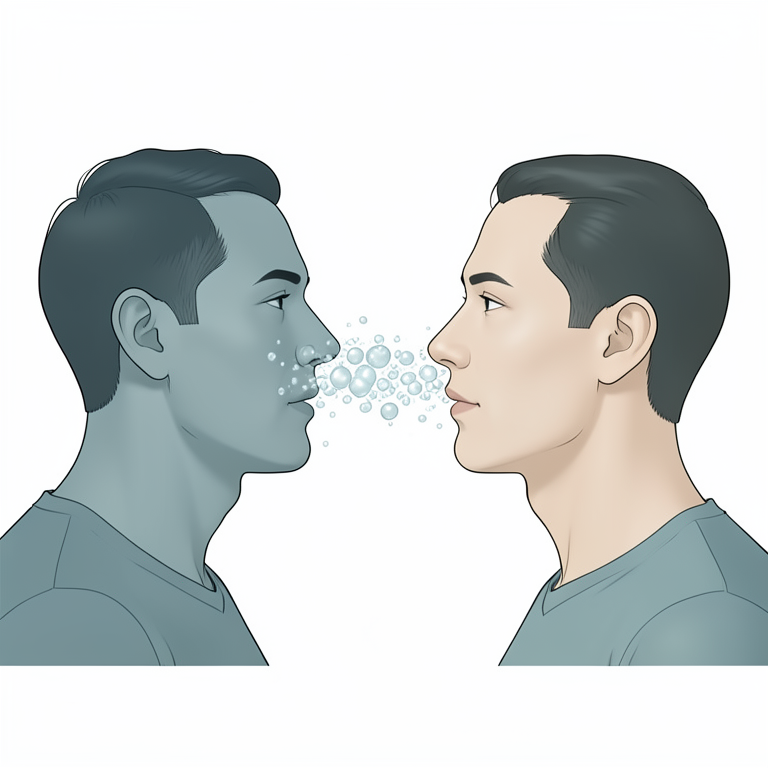
Transmission Mechanism
AI-generated conceptual illustration (human adults). It explains the idea and does not show study data.
View source evidence ↗Introduction
Very recently, a novel unidentified epidemic coronavirus (CoV), specifically known as severe acute respiratory syndrome coronavirus 2 (SARS-CoV-2), emerged in the city of Wuhan, China, in December 2019, and rapidly spread throughout the country within one month. However, on February 11, 2019, the WHO announced a new name for it: coronavirus disease 2019 (COVID-19). CoV is a single positive-stranded RNA virus that belongs to the Coronaviridae family and can lead to respiratory and neurological diseases. It is categorized into four types: alpha-CoV, beta-CoV, delta-CoV, and gamma-CoV. Previously, six CoVs had been identified, including HCoV-229E (alpha-CoV), HCoV-OC43 (beta-CoV), SARS-CoV-1 (beta-CoV), HCoV-NL63 (alpha-CoV), HCoV-HKU1 (beta-CoV), and Middle East respiratory syndrome coronavirus (MERS-CoV) (beta-CoV) [1,2] . The newly discovered seventh HCoV, SARS-CoV-2, is responsible for respiratory infections. SARS-CoV-2 falls under the beta-CoV category (Figure 1) and has various potential natural hosts, intermediate hosts, and final hosts. Compared to other viruses like SARS-CoV and MERSCoV, this virus exhibits high transmissibility and infectivity, despite having a lower mortality rate [3][4][5] .
The CoV Situation in India
The inaugural case of the COVID-19 CoV in India surfaced on January 30, 2020, specifically in the state of Kerala. As of April 9, 2020, at 8:00 am, the Indian Council of Medical cough (67.7%), fatigue (38.1%), sputum production (33.4%), shortness of breath (18.6%), sore throat (13.9%), headache (13.6%), myalgia or arthralgia (14.8%), chills (11.4%), nausea or vomiting (5.0%), nasal congestion (4.8%), diarrhea (3.7%), hemoptysis (0.9%), and conjunctival congestion (0.8%).
Routes of Virus Transmission
Coronaviruses have the potential to cross species boundaries. Initially, COVID-19-infected patients were suspected to have contracted the virus at the Wuhan wholesale seafood market, suggesting animal-tohuman transmission. However, a substantial number of cases have been reported in individuals with no exposure to markets, indicating that COVID-19 also spreads through person-toperson contact [6,7] . Previous epidemiological studies have identified three primary factors contributing to virus spread: person-to-person contact, aerosol transmission, and transmission through touch [8,9] . The virus is primarily believed to transmit from one person to another in close proximity (within approximately 6 feet), primarily through respiratory droplets generated when an infected individual coughs or sneezes. These droplets may land in the mouths or noses of nearby individuals or potentially be inhaled into their lungs. While it is possible to contract COVID19 by touching a surface or object contaminated with the virus and then touching one's own mouth, nose, or eyes, this is not considered the primary mode of transmission. Early and rapid detection of COVID-19 proves highly effective in controlling sources of infection and enables patients to mitigate disease progression, thereby reducing the spread of the coronavirus [10] .
Diagnosis of SARS-COV-2
The field of nucleic acid detection has experienced rapid advancements paralleling the progress in molecular biology technology, enabling the identification of viruses with precision.
Nucleic Acid Amplification Test (NAAT)
The Nucleic Acid Amplification Test (NAAT) has emerged as a pivotal technique for discerning specific genetic sequences of the COVID-19 virus. This methodology utilizes reverse transcription polymerase chain reaction (rRT-PCR) for amplification purposes, owing to its merits such as specificity and the facilitation of a straightforward quantitative assay. Furthermore, rRTPCR exhibits an enhanced capability to detect earlystage infections compared to conventional RT-PCR assays [11] . Consequently, real-time RT-PCR remains a prevalent and indispensable tool for detecting various Coronaviruses (CoVs), including the formidable SARSCoV-2 [30] .
Serology Test
Serology testing serves as a valuable tool for individuals who may have encountered the virus, enabling the identification of past infections (in terms of antibodies to MERS-CoV). These antibodies, emanating from the body's immune system, play a pivotal role in targeting and neutralizing viruses, bacteria, and other microbial invaders during an infection. The presence of MERS-CoV antibodies signifies a prior encounter with the virus, resulting in the development of an immune response. Serological surveys prove instrumental in ongoing outbreak investigations and retrospective assessments of attack rates or outbreak severity. In cases where NAAT assays yield negative results, yet there exists a clear epidemiological link to a COVID-19 infection, the deployment of paired serum samples (capturing both the acute and convalescent phases) can facilitate a diagnosis once validated serology tests become accessible. Consequently, it is prudent to preserve serum samples for future analysis, although challenges regarding cross-reactivity with other CoVs persist [15] . Presently, both commercial and non-commercial serological tests are undergoing development, with a handful of studies presenting COVID-19 serological data [16,17] .
Vaccination for COVID-19 (Underway
Vaccination for COVID-19 (Underway
Treatment for COVID-19 Convalescent Plasma (CP) Therapy
Over the preceding decades, Convalescent Plasma (CP) therapy has demonstrated remarkable success in treating various viral infections, including MERS [20] , SARS [21] , H1N1 [22] , and H5N1 [23] . Presently, no specific antiviral drugs are available for combatting the novel SARS-CoV-2, with some drugs still undergoing investigation. Consequently, CP therapy emerges as one of the most promising treatments for addressing SARS-CoV-2 infection. CP therapy entails the infusion of antibodies obtained from the blood of individuals who have recovered from the virus, bolstering the recipient's immune system. A recent article published by a Chinese research team in the Proceedings of the National Academy of Sciences presents a pilot study on CP therapy, revealing a potential therapeutic benefit and low risk in the treatment of severe COVID-19 patients [24] . In a case report documented in the Journal of Korean Medical Science, physicians administered CP therapy to two patients afflicted with SARS-CoV-2. The outcomes demonstrated full recovery from COVID-19 in both cases [25] .
Medicinal Plant Extracts
In recent years, Chinese herbal medicinal extracts have been harnessed for the treatment of both SARS and MERS [26][27][28] . The 3-chymotrypsin-like cysteine protease (3CLpro) plays a pivotal role in the replication of Coronaviruses (CoVs), making it an indispensable target for drug discovery efforts, spanning SARS-CoV, MERS, and SARS-CoV-2. Among the Chinese herbal extracts, the following demonstrated the ability to inhibit the enzymatic activity of SARS 3CLpro: extracts of Chinese Rhubarb, water extracts of Houttuynia cordata, flavonoids extracted from Litchi seeds, and betasitosterol derived from the root extract of Isatis indigotica. Additionally, certain herb-derived compounds, including sinigrin, indigo, aloe-emodin, hesperetin, quercetin, epigallocatechin gallate, gallocatechin gallate, herbacetin, rhoifolin, and pectolinarin, displayed the capability to inhibit SARS 3CLpro activity [29] .
Remdesivir 20
Remdesivir (development code GS-5734) represents a groundbreaking antiviral medication belonging to the nucleotide analog class, exhibiting a broad-spectrum antiviral effect against numerous RNA viruses. Developed by Gilead, this drug initially found utility in the treatment of Ebola and related viruses, owing to its ability to inhibit the replication enzyme RNA-dependent RNA polymerase, effectively curtailing the replication process. According to a case report in the New England Journal of Medicine (NEJM), a young resident of Snohomish County, Washington, was administered remdesivir when his condition deteriorated, and the following day witnessed a notable improvement. Professor Jiang Shibo of Fudan University in Shanghai, China, a seasoned researcher in the field of Coronavirus therapy, cautions that individual case data, while valuable, do not singularly establish the safety and reliability of a drug. Nevertheless, among the drugs under evaluation in the SOLIDARITY trial, "remdesivir holds the greatest potential for hospital use."
Chloroquine and Hydroxychloroquine
On February 17, 2020, the Chinese State Council conducted a news conference, revealing the significant efficacy and acceptable safety profile of chloroquine phosphate-an established malaria medication-in the treatment of COVID-19, as indicated by multicenter clinical trials conducted in China. A recent publication by a Chinese research team further highlighted the utilization of chloroquine and hydroxychloroquine in addressing SARS-CoV-2, with hydroxychloroquine (EC50=0.72% µM) exhibiting greater effectiveness compared to chloroquine (EC50=5.47% µM). Notably, reports by Gautret indicated the successful treatment of COVID-19 patients with hydroxychloroquine and azithromycin, effectively curbing virus transmission and global COVID-19 spread.
Conclusion
The emergence of COVID-19, a novel Coronavirus, in Wuhan, China, in December 2019 has given rise to a severe global epidemic. Its symptoms bear striking resemblance to those of SARS, encompassing fever, dry cough, fatigue, sputum production, shortness of breath, sore throat, and headache. This virus poses a substantial threat to global health and safety, compelling us to take swift measures to curb its spread. Presently, effective vaccines and drugs for this virus remain elusive, fueling ongoing research endeavors for their development. In light of this, it is imperative that we implement measures to halt virus transmission, leverage existing drugs to control the disease's progression, and maintain a minimum distance of 1 meter between individuals.
References
27 in the original paper- Han Q, Lin Q, Jin S, You L. Coronavirus 2019-nCoV: International Journal of Advanced Chemistry Research https://www.chemistryjournals.net A brief perspective from the front line, Journal of Infection. 2020;80(4):373-377.
- Pruijssers AJ, Denison MR. Nucleoside analogues for the treatment of coronavirus infections, Current Opinion in Virology. 2019;35:57-62.
- Zhu N, Zhang D, Wang W, Li X, Yang B, Song J, et al. A novel coronavirus from patients with pneumonia in China, 2019, New England Journal of Medicine. 2020;382(8):727-733.
- Wang LS, Wang YR, Ye DW, Liu QQ. A review of the 2019 novel coronavirus (COVID19) based on current evidence, International Journal of Antimicrobial Agents; c2020, 105948.
- Chan JFW, To KKW, Tse H, Jin DY, Yuen KY. Interspecies transmission and emergence of novel viruses: lessons from bats and birds, Trends in Microbiology. 2013;21(10):544-555.
- Lu H, Stratton CW, Tang YW. Outbreak of pneumonia of unknown etiology in Wuhan, China: The mystery and the miracle, Journal of Medical Virology. 2020;92(4):401-402.
- Ji W, Wang W, Zhao X, Zai J, Li X. Cross-species transmission of the newly identified coronavirus 2019nCoV, Journal of Medical Virology. 2020;92(4):433440.
- Malik M, Elkholy AA, Khan W, Hassounah S, Abubakar A, Minh NT, et al. Middle East respiratory syndrome coronavirus: Current knowledge and future considerations, EMHJ-Eastern Mediterranean Health Journal. 2016;22(7):533-542.
- Yang Y, Peng F, Wang R, Guan K, Jiang T, Xu G, et al. The deadly coronaviruses: The 2003 SARS pandemic and the 2020 novel coronavirus epidemic in China, Journal of Autoimmunity; c2020, 102434.
- Shen M, Zhou Y, Ye J, Al-Maskri AAA, Kang Y, Zeng S, et al. Recent advances and perspectives of nucleic acid detection for coronavirus, Journal of Pharmaceutical Analysis. 2020;10(2):97101. KROS Publications KROS Publications 38 www.ijacskros.com www.ijacskros.com Indian Journal of Advances in Chemical Science 2020;8(2):35-39
- Lu X, Whitaker B, Sakthivel SKK, Kamili S, Rose LE, Lowe L, et al. Real-time reverse transcription-PCR assay panel for Middle East respiratory syndrome coronavirus, Journal of Clinical Microbiology. 2014;52(1):67-75.
- Corman VM, Eckerle I, Bleicker T, Zaki A, Landt O, Bludau EM, et al. Detection of a novel human coronavirus by real-time reversetranscription polymerase chain reaction, Eurosurveillance, 2012;17(39):20285.
- Maurya NK, Yadav MS. Food security in COVID-19 pandemics in India. International Journal of Agriculture and Nutrition. 2022;4(2):17-20.
- Meyer B, Drosten C, Müller M. A Serological assays for emerging coronaviruses: Challenges and pitfalls, Virus Research. 2014;194:175-183.
- Xiao SY, Wu Y, Liu H. Evolving status of the 2019 novel coronavirus infection: Proposal of conventional serologic assays for disease diagnosis and infection monitoring, Journal of Medical Virology. 2020;92(5):464-467.
- Bai SL, Wang JY, Zhou YQ, Yu DS, Gao XM, et al. Analysis of the first cluster of cases in a family of novel coronavirus pneumonia in Gansu Province, Chinese Journal of Preventive Medicine. 2020;54(0):E005E005.
- Di L, Fu Y, Sun Y, Li J, Liu L, Yao J, et al. RNA sequencing by direct tagmentation of RNA/DNA hybrids, Proceedings of the National Academy of Sciences of the United States of America. 2020;117(6):2886-2893.
- Ko JH, Seok H, Cho SY, Ha YE, Baek JY, Kim SH, et al. Peck, Challenges of convalescent plasma infusion therapy in Middle East respiratory coronavirus infection: A single centre experience, Antiviral Therapy. 2018;23(7):617-622.
- Cheng Y, Wong R, Soo YOY, Wong WS, Lee CK, Ng MHL, et al. Use of convalescent plasma therapy in SARS patients in Hong Kong, European Journal of Clinical Microbiology and Infectious Diseases. 2005;24:44-46.
- Hung IF, To KK, Lee CK, Lee KL, Chan K, Yan WW, et al. Convalescent plasma treatment reduced mortality in patients with severe pandemic influenza A (H1N1) 2009 virus infection, Clinical Infectious Diseases. 2011;52(4):447-456.
- Zhou B, Zhong N, Guan Y. Treatment with convalescent plasma for influenza A (H5N1) infection, New England Journal of Medicine. 2007;357(14):14501451.
- Ahn JY, Sohn Y, Lee SH, Cho Y, Hyun JH, Baek YJ, et al. Use of convalescent plasma therapy in two COVID19 patients with acute respiratory distress syndrome in Korea, Journal of Korean Medical Science. 2020;35:e149.
- Pillaiyar T, Manickam M, Namasivayam V, Hayashi Y, Jung SH. An overview of severe acute respiratory syndrome coronavirus (SARS-CoV) 3CL protease inhibitors: Peptidomimetics and small molecule chemotherapy, Journal of Medicinal Chemistry. 2016;59:6595-6628.
- Kumar V, Tan KP, Wang YM, Lin SW, Liang PH. Identification, synthesis and evaluation of SARS-CoV and MERSCoV 3C-like protease inhibitors, Bioorganic and Medicinal Chemistry. 2016;24:3035-3042.
- Ghosh AK, Xi K, Ratia K, Santarsiero BD, Fu W, Harcourt BH, et al. Design and synthesis of peptidomimetic severe acute respiratory syndrome chymotrypsin-like protease inhibitors, Journal of Medicinal Chemistry. 2005;48:6767-6771.
- Yang Y, Islam MS, Wang J, Li Y, Chen X. Traditional Chinese medicine in the treatment of patients infected with 2019-new coronavirus (SARS-CoV-2): A review and perspective, International Journal of Biological Sciences. 2020;16(10):1708-1717.
- Corman VM, Landt O, Kaiser M, Molenkamp R, Meijer A, Chu DKW, et al. Detection of 2019 novel coronavirus (2019-nCoV) by real-time RTPCR, Eurosurveillance. 2020;25(3):2000045.