
Research article · 2023 · Full text
International Journal of Advanced Chemistry ResearchOccurrence, distribution, characteristics, toxicity, human health effects and removal techniques of Microplastic: A Review
Volume 5(2) · Pages 01–08 · DOI: 10.33545/26646781.2023.v5.i2a.151 ↗
Research areasMicroplastics and Plastic Pollution
Abstract
Author-writtenSince the inception of commercial plastic production around 1950, modern society's reliance on plastics has surged dramatically. This growing dependence is attributed to the remarkable advantages of plastics, including their versatility, stability, lightweight nature, and cost-effectiveness, all of which have propelled their global demand to unprecedented levels. These materials find applications in packaging, construction, electronics, textiles, medical devices, and more, owing to their capacity to be moulded into a wide array of shapes and sizes. Regrettably, the prevalent pattern involves utilizing plastics briefly before discarding them on land, exacerbating environmental and sustainability challenges. However, the disposability of plastics after single-use applications has led to the generation of microplastics (MPs), an emerging class of contaminants, in our environment. MPs are plastic particles less than 5 mm in size and could originate due to primary and secondary sources. MPs size range which are generated as such are the primary ones while the secondary MPs are a result of fragmentation of larger plastic particles which eventually enters the aquatic, terrestrial, atmospheric environments and human consumables affecting human health a lot. MPs have been found in biological samples such as faeces, sputum, saliva, blood and placenta. Cancer, intestinal, pulmonary, cardiovascular, infectious and inflammatory diseases are induced or mediated by microplastics. Overcoming these issues necessitates collaborative efforts to innovate, regulate, and raise awareness, ultimately steering society towards a more sustainable relationship with plastics starting with prevention, followed by reducing, reusing, recycling, recovering, and ending with disposal as the least preferable option. This study seeks to, review the sources, formation, occurrence, toxicity, effects of microplastics on the environment and human health, and remediation methods of microplastics (like coagulation, membrane bioreactors, sand filtration, adsorption, photocatalytic degradation, electrocoagulation and magnetic separation) and comprehensively examine scientific literature pertaining to microplastic research across various environmental domains.
Summary
Source-checkedPlain-language reading of the full paper, prepared with AI and checked against the text. Each point links to the authors' own words.
Why it matters
- Since 1950, global reliance on plastics has increased significantly due to their cost-effectiveness, stability, and versatility. View evidence ↗
- The widespread use and disposal of single-use plastics have created microplastics, which are now considered an emerging environmental contaminant. View evidence ↗
- Microplastics are defined as plastic particles smaller than 5 mm, originating from either primary sources or the fragmentation of larger plastics (secondary sources). View evidence ↗
The question
- The objective of this review is to examine the sources, formation, distribution, toxicity, and health effects of microplastics, as well as available removal techniques. View evidence ↗
What they did
- The authors conducted a comprehensive review of existing scientific literature regarding microplastics across different environmental domains. View evidence ↗
What they found
- Global plastic production grew from 1.5 million tonnes to approximately 359.0 million tonnes over 70 years and is projected to reach 500 million tonnes by 2025. View evidence ↗
- The Mediterranean Sea is highly polluted, with Turkey contributing the most plastic waste at approximately 144.0 tonnes per day, followed by Spain (126 tonnes), Italy (90.0 tonnes), Egypt (77.0 tonnes), and France (66.0 tonnes). View evidence ↗
- In an in vitro gastrointestinal system, polystyrene microplastics caused the highest inhibition of lipid digestion at 12.7%. View evidence ↗
- Analysis of six human placentas using Raman micro spectroscopy revealed the presence of 12 microplastic fragments. View evidence ↗
- Laser direct infrared imaging of 15 heart tissue samples before surgery identified plastic particles ranging from 20 to 500 micrometers in width. View evidence ↗
- Long-term exposure to the plasticizer bisphenol A is linked to a 46-49% hazard ratio for heart diseases. View evidence ↗
- Removal techniques vary in efficiency: coagulation is noted for being low-cost and fast, while adsorption offers high removal efficiency without producing sludge waste. View evidence ↗
What it means
- The authors conclude that while removal technologies exist, the most effective solution is the prevention of plastic pollution through reduced use and proper disposal. View evidence ↗
- The authors recommend the '7 R's' strategy, reducing, reusing, recycling, refusing, rethinking, regifting, and recovering, as the most effective approach to manage plastic waste. View evidence ↗
- The authors state that further research is required to establish a robust dose-response model for microplastic toxicity. View evidence ↗
Visual summary
2 visualsIllustrations explain the paper; they do not show study data.
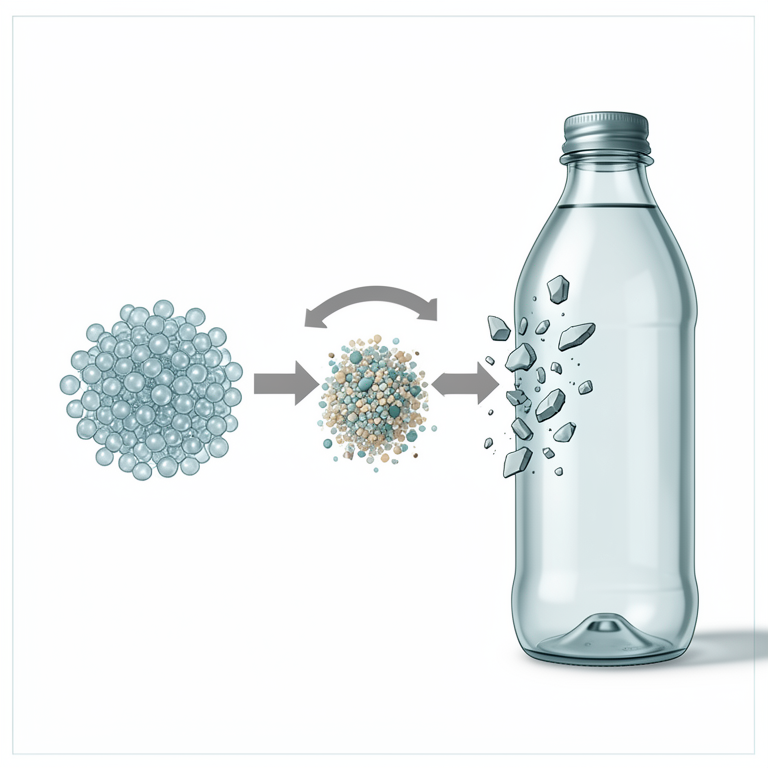
Microplastic Origins
AI-generated conceptual illustration (plastic bottles and synthetic microbeads in water). It explains the idea and does not show study data.
View source evidence ↗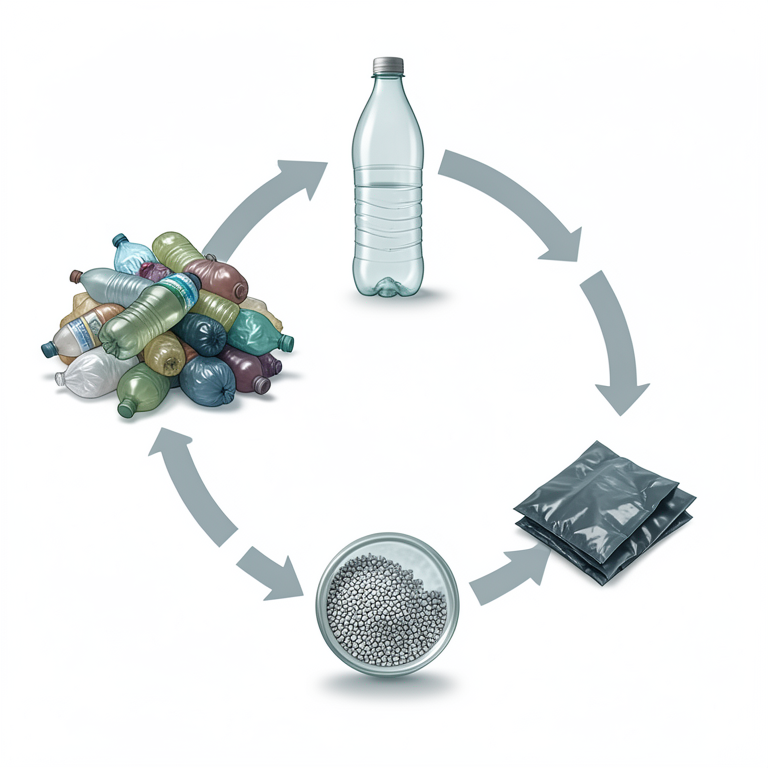
The 7 R's Strategy
AI-generated conceptual illustration (plastic waste and recycled plastic products). It explains the idea and does not show study data.
View source evidence ↗Figures & tables
From the original paper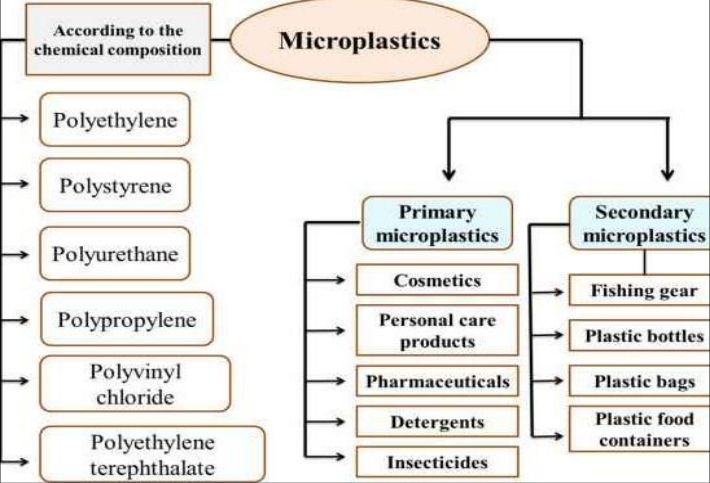 Figure 1
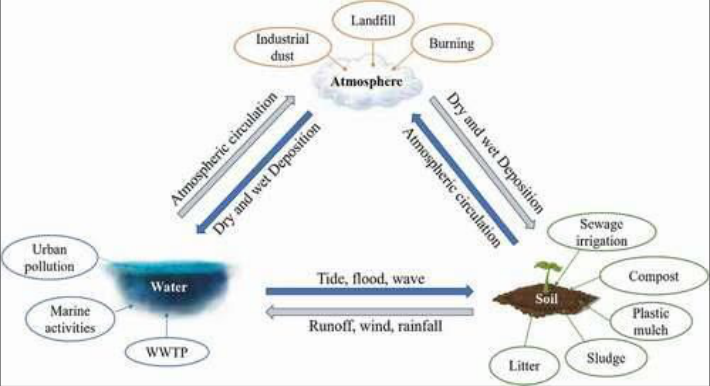 Figure 2
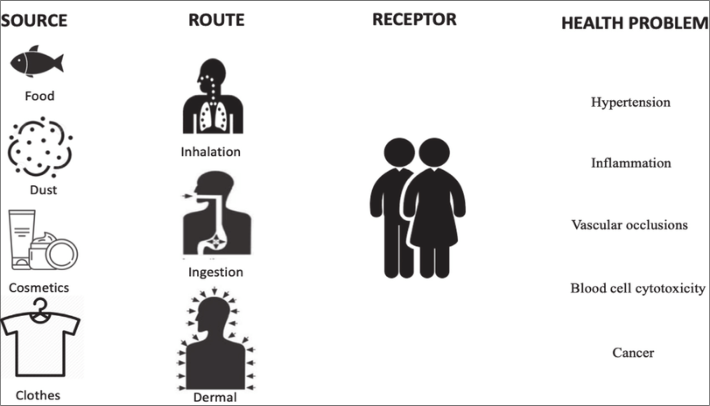 Figure 3
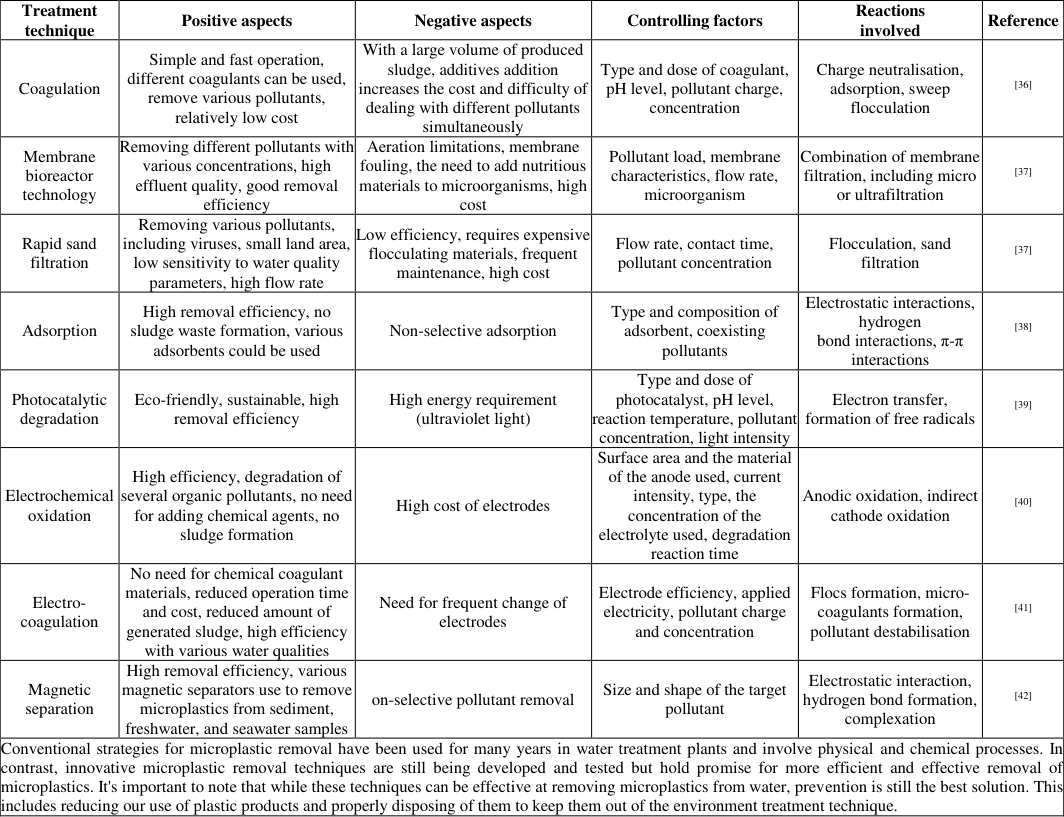 Table 1
Introduction
Over the past 70 years, global plastic production has surged, creating a pervasive "plastic world" due to their cost-effectiveness, versatility, water resistance, strength-to-weight ratio, and insulation properties. They are integral to clothing, storage, transport, packaging, construction, and consumer goods etc. in modern life because of their properties like low manufacturing cost, adaptability, water-resistant nature, high strength-to-weight ratio and high thermal and electrical insulation properties [1] . Due to massive production and improper disposal of plastics escalating concerns arise about environmental and human health risks [2] . The COVID-19 pandemic exacerbated these issues due to heightened plastic usage. How a single-use plastic item like disposable face masks can impose variable levels of problems in our environment like wildlife deaths and hazardous emissions from incineration. Research highlights the far-reaching consequences, as aquatic organisms suffer entanglement, injury, accidental ingestion, and fatalities including harm to the ecosystem and impairment of human body functions due to plastic exposure [3] . Urgent action is imperative to curb the threats posed by plastic proliferation on diverse ecosystems and organisms. Due to highly persistent in nature degradation of Plastics occurs at a very slow rate and their accumulation at a faster pace [4] .
Today worldwide prevalence of smaller fraction of plastics, i.e. Microplastic (MPs) and nano plastics (NPs), is gaining significant attention of the researchers globally due to their serious environmental consequences. Their small size allows them to easily penetrate living cells and reach remote locations, exacerbating their potential harm They can be primary (that are intentionally made for products like cosmetics, dermal exfoliators, etc.) or secondary (resulting from fragmentation of larger plastic items like food packaging, plastic bottles, fishing gear, synthetic textiles, car tyres, paints etc.) [5] . MPs have pervaded aquatic systems, land surface, inside biological organisms, human consumables and even in the air. Their widespread presence is due to huge plastic product demand. The USA is the top plastic waste producer trailed by the EU, India, China, Brazil, Indonesia. Russian Federation, Germany and others, contributing to MP generation. Gradual accumulation and subsequent fragmentation of plastics lead to MP formation. As pollution from microplastics are becoming a serious problem around the world, and many studies on microplastics such as distribution, toxicity, analysis, and removal are being conducted by many researchers still research on MPs is limited, with only 22.9% of countries investigating this aspect [6] .
Production of plastics and microplastics
Global plastic production has risen from 1.5 million tonnes to approximately 359.0 million tonnes during the last 70 years, and is expected to reach 500 million tonnes by 2025. China in 2013, produced approximately 63.0 million tonnes of plastic, accounting for most plastic production worldwide. After combining with the plastic production of other Asian countries, the total plastic production reaches approximately 114.0 million tonnes [7] . The second-largest region was European Union for plastic production, with nearly 50.0 million tonnes produced. North America also contributed significantly, with 49.0 million tonnes of plastic produced. While, Latin America, Commonwealth countries, Africa, and the Middle East collectively produced only 37.0 million tonnes of plastic. Most of plastic waste is being incinerated, dumped in landfills, and released into the environment, causing significant environmental and health problems. Unfortunately, plastic wastes constitute more than 75.0% of marine waste materials, owing to their rigid and non-biodegradable nature. Mediterranean Sea region has unfortunately become one of the most highly polluted areas with plastics and Microplastic contributed by five countries, with Turkey being the largest contributor of approximately 144.0 tonnes per day of plastic waste, followed by Spain at 126 tonnes, Italy at 90.0 tonnes, Egypt at 77.0 tonnes, and France at 66.0 tonnes [8] . India is consuming plastic approximately 11 kg per capita and being a major consumer, it generates approximately 26 million metric tons of plastic wastes annually thereby holding an important position in the plastic waste generation community. In recent years, the production of microplastics has significantly risen in our ecosystems and is expected to double in next few years but lack of reliable and accurate sampling techniques, leads to a potential underestimation of the problem.
Characteristics and classification of Microplastic
Microplastic (MPs) are plastic particles measuring 5 mm to 1 µm in their longest dimension and can be categorised into five major types: fragments, fibres, foam, pellets, and films [9] . Furthermore, Microplastic can be classified into six categories based on their chemical composition: PET (polyethylene terephthalate), PU (polyurethane), PS (polystyrene), PVC (polyvinylchloride), PP (polypropylene), polyester, PE (polyethylene) [10] . As shown in the Fig. 1 [11] Microplastics, small plastic particles less than 5mm in size, possess various physical properties that profoundly impact their environmental behaviour and potential toxicity. These attributes, including size, density, colour, shape, and crystallinity, are often assessed using microscopic techniques. Size, a crucial metric, varies with sampling and separation methods, influenced by filter membrane pore sizes. Size determines the accuracy of counting; smaller Microplastic yield larger counting errors while larger ones reduce errors Density, dependent on polymer type and production process, influences microplastic buoyancy. For instance, PP, PE, and PVC densities are 0.85-0.94 g/cm³, 0.92-0.97 g/cm³, and 1.38 g/cm³, respectively. Microplastics less dense than water float, risking ingestion by surface and mid-level aquatic organisms [12] . Colour serves as a tool to identify microplastic sources; their varied colours such as pink, blue, or black hint at origins. Colour also indicates residence time and degradation, aiding exposure assessments. Crystallinity, reflecting the proportion of crystalline regions in polymers, influences mechanical properties. Crystallinity varies (30% to 85%) and divides polymers into crystalline, semi crystalline, and amorphous types. Notably, no polymers fall solely within the crystalline category. High crystallinity in PE, PP, and PA contributes to strength, while amorphous polymers like PC, PS, PVC, and PMMA offer flexibility. Environmental microplastics' crystallinity shifts with aging due to preferential degradation of amorphous polymers or molecular rearrangement [13] . Microplastics' chemical properties encompass composition, surface groups, and potential release of polymers, additives, dyes, and pollutants. Environmental impact arises from leaks, particularly harmful with chlorine-rich PVC due to dioxin release. Leaching is tied to polymer porosity, size, degradation, and aging-induced additive release, dependent on concentrations. Surface group diversity crucial for interactions, influenced by artificial modifications and environmental oxidation, like increased carbonyl groups in weathered Polypropylene [14] .
Occurrence and distribution of Microplastic
Improper plastic waste management, including inadequate handling of plastic waste in towns, tourism, agriculture, and industry, along with ship transportation and fishery activities, directly contribute to significant plastic pollution in aquatic environments. Synthetic textile and personal care product residues discharged in wastewater are major sources of microplastic fibres and pellets in freshwater. Poor landfill practices exacerbate microplastic pollution. Rainfall and floods can transport microplastics from landfills into water bodies, while atmospheric deposition also introduces microplastics. These pollutants accumulate in ice and snow, eventually entering seawater upon melting. Studies show alarming levels of microplastics, with implications for ecosystems [15] . Microplastic contamination in soil originates from diverse sources like sewage irrigation, agricultural practices, plastic waste mishandling, and atmospheric deposition. These sources introduce various microplastic types, including films and fibres, such as polyethylene and polyvinyl chloride. Sewage irrigation and agricultural mulch are major contributors. Improper plastic waste disposal and atmospheric deposition exacerbate soil pollution, posing global environmental and health risks. Microplastics in the atmosphere originate from various sources including industrial emissions, daily life activities, and plastic waste stacking, burning etc. They include fibres, fragments, and films, with fibres being a significant contributor. Microplastics in air is present indoor as well as outdoor indicating the ubiquitous reach of these particles [16] . These are lightweight and can be carried by air over long distances, primarily through wind currents, settling during transportation. Contamination of hydrosphere, atmosphere, and lithosphere with microplastics (MPs) is a fact today. Organisms in these ecosystems consuming MPs pose risks to humans through ingestion and inhalation [17] . MPs have been found in consumables like seafood, salt, and drinking water, drawing attention to pollution concerns. Plastic use in food packaging contributes to microplastic presence in human consumables.
Fig 2: Occurrence and distribution of Microplastic in the ecosystem
Fig 2: Occurrence and distribution of Microplastic in the ecosystem
Microplastics and Human health A. Microplastics in Human Body
Understanding the origin, circulation, and susceptibility of microplastics in humans is essential for maintaining good health. As the evidence of microplastic exposure and the toxicity effect is prominent, it is necessary to assess the presence of microplastics in the human body through biological samples such as faeces, sputum, and placenta. Clinical studies found microplastics in human stool with high-density polyethylene. Placenta and foetal meconium contained polyethylene, polypropylene, polystyrene, and polyurethane [18] . Microplastics in faecal samples obtained from infants and adults, fifteen different types of microplastics were identified with polyethylene terephthalate and polyamide being the most frequently detected. Recent researches also indicate a strong correlation between the severity of inflammatory bowel disease and faecal microplastics [19] . Microplastics in the respiratory tract have triggered the release of reactive oxygen species, which may lead to alterations in lung cell metabolism, proliferation, and cohesiveness. Research conducted in 21 kinds of microplastics in sputum samples, with polyurethane constituting the majority. This research suggests that inhalation is a potential entry point for microplastics. FTIR spectroscopy and scanning electron microscopy-energy dispersive spectroscopy proved the presence of microplastics in human broncho alveolar lavage fluid and possibly damaged and decreased lung function [20] . In Human blood of 22 healthy participants, researchers found four high polymers used in plastics, such as polyethylene terephthalate, polyethylene, polymers of styrene, and methyl methacrylate. They used steel syringe needles and glass tubes to avoid contamination and evaluated for background levels of microplastics using blank samples. Scientists have discovered microplastics for the first time in the human placenta, raising concerns that the compounds may interfere with embryonic development. Raman micro spectroscopy was used to evaluate six human placentas collected from women who agreed to have their pregnancies monitored for microplastics. The sample was processed in a confined and controlled environment to avoid crosscontamination, revealing the presence of 12 microplastic fragments [21] .
B. Impact of Microplastic -induced diseases on human health
Ingestion of food containing plastic particles may pose potential health risks to humans, including cancer, immune toxicity, intestinal diseases, pulmonary diseases, cardiovascular disease, inflammatory diseases, as well as pregnancy and maternal exposure to progeny. This section summarises the toxic mechanisms and effects of microplastics potentially causing harm to humans. Shown in Fig. 3 [22] .
Fig 3: Effects of micro-plastics on human health
The term used to describe the negative effects of pollutants on the immune system is Immunotoxicity. Immune cells underneath the intestinal epithelium response by presenting antigens, generating antibodies, and releasing cytokines, which defend quickly to infectious threats and toxins. Several mechanisms support this sensitive effort, including myeloid cells, innate lymphoid cells, and T cells. Microplastics have been shown to have various immune system problems, such as immune cell death, altered surface receptor expression, interleukin production including immunosuppression (Decreased host resistance to infectious agents and tumours), immune activation (increased risk of developing allergic and autoimmune Diseases), and abnormal inflammatory responses (Chronic inflammation, tissue or organ damage and dysfunction). New research has identified several crucial immunomodulatory substances, including interleukin-27 and interleukin-28B, as immunotherapeutic agents for inflammation and lesions caused by polycyclic aromatic hydrocarbons [23] . Thus, ingestion of microplastics may affect the human body in various ways, such as altering intestinal homeostasis or altering immune cell recruitment or cytokine production levels. The vulnerability of the immune system to microplastics adds to the dangers to human health.
Intestinal diseases
Microplastic particles after inhalation can enter the gastrointestinal system through food contaminated with microplastics leading to various negative health effects, including increased gut permeability, alterations in gut microbiome composition, and changes in metabolism. Microplastics with a dimension greater than 150 μm are not absorbed. They remain bound to the intestinal mucosal layer and directly in contact with the apical part of the intestinal epithelial cells. The smaller nanoparticles (dimension less than 150 μm) can cross the mucous barrier and infiltrate deep into organs. This effect could lead to gut inflammation and a local impact on the immune system. Microplastics can change human microbial colonic community composition, and the colonic microbiota could attach to the microplastics surface to induce biofilm formations [24] . A study on the impact of microplastics on lipid digestion demonstrated that five types of microplastics (i.e. polystyrene, polyethylene terephthalate, polyethylene, polyvinyl chloride, and poly (lactic-co-glycolic acid) significantly inhibited lipid digestion using an in vitro gastrointestinal system. Polystyrene showed the highest level of inhibition at 12.7%, and the study also found that lipid digestion decreased with increasing concentrations of polystyrene indicates that microplastics can negatively impact lipid digestion, posing a human health [25] .
Carcinogenic diseases
Recent studies show that microplastic is a very prominent source of cancer, when consumed by humans. Microplastics, due to the small size have a high ratio of surface area to volume. Materials with a high surface area are highly cytotoxic to cells and tissue and can damage deoxyribonucleic acid (DNA) inside the cells. Due to this damage mutations occurs that can lead to cancer. Also, uncontrolled waste of microplastics in water tends to absorb hydrophobic organic pollutants from water which are carcinogenic, and long-term exposure can cause DNA mutations that causes cancer [26] . Use of heavy metals in the production of plastics like arsenic (As), cadmium (Cd), chromium (Cr), mercury (Hg), and lead (Pb) are carcinogenic, according to the International Agency for Research on Cancer (IARC). Microplastics can be directly consumed by various marine organisms and contaminate the human food chain via the bioaccumulation process. Once consumed by humans, the particles of microplastics with sizes less than 2.5 mm can enter the digestive tract and gastrointestinal level via a cellular process called endocytosis by the microfold cells of Peyer's patches which is validated by microplastics in the human stool samples. These studies provide direct evidence of plastic consumption in humans that may lead to the development of various cancers [27] .
The research highlighted the potential harm of microplastic ingestion, indicating that it could lead to chronic inflammation, irritation, and DNA damage. This is particularly concerning due to the release of proinflammatory agents, potentially causing angiogenesis and promoting malignancies [54] evaluated microplastics' cancer risk and found that they adsorbed significant levels of PAHs, indicating that the risk of microplastic leaching is substantially higher than benzo [a] pyrene.
Using bisphenol A as a plasticiser and its nano-scale size exposure could lead to local inflammation and affect colon cell permeability. This process was mediated by elevated levels of interferon-g, interleukin-17 and immunoglobulin A. Interleukin-17 promotes cancer cell survival and induces resistance to conventional chemotherapeutic agents, while Interferons are proteins that are part of human nature and defences. They signal the immune system when germs or cancer cells are detected in the body [28] . One of the isomers of plasticisers, the tri-o-cresyl phosphate is reported to have neurotoxic effect and cause liver and reproductive toxicity.
Investigations on the impact of tri-o-cresyl phosphate on human breast cancer cell line (MCF-7) and oestrogen receptor α human embryonic kidney-oestrogen receptors (HEK-ESR) cells demonstrated that the coordination of trio-cresyl phosphate to oestrogen receptor α in silico had a high tendency to induce tumour growth by overexpressing angiogenesis and nutritional supply. This action promoted invasion and metastasis, affecting the cell cycle and endocrine system as oestrogen receptor α cells HEK-ESR and MCF-7 breast cancer cells [29] .
Pulmonary diseases
Studies have identified micro plastics in both indoor and outdoor air, raising concerns about potential inhalation and their subsequent impact on human health. Occupational exposure in industries such as synthetic textiles, vinyl and polyvinyl chloride has been linked to respiratory diseases, supported by in vivo studies replicating associated lesions.
Microplastics have been detected in human lung tissues from autopsies. Research indicates that exposure to polystyrene nano spheres triggers lung inflammation and gene expression changes, possibly due to their large surface area causing oxidant activity. Microplastics alter lung surfactant behaviour, surface tension, and membrane structure, with stronger adsorption of phospholipids compared to proteins [30] . Polystyrene microplastics inhibit proliferation of alveolar cells, leading to reduced metabolic activity and altered cell morphology. The uptake of 1-μm microplastics can lead to systemic toxicological effects inhibiting the proliferation of human alveolar A549 cell lines.
Cardiovascular diseases
Exposure to airborne microplastics poses health risks, including asthma, cardiac disease, allergies, and autoimmune disorders. Microplastics adhering to red blood cell membranes can impede oxygen transport, causing symptoms like shortness of breath and weakness [31] .
Research on human umbilical vein endothelial cells (HUVEC) reveals that microplastics of different sizes damage cell membranes and disrupt autophagy, impacting cardiovascular health. Plasticizer additives such as bisphenol A and phthalates, leached from plastics, raise concerns. Biomonitoring shows detectable levels of these additives in most people. Long-term exposure to bisphenol A is associated with a hazard ratio of 46-49% for heart diseases, while increased urinary phthalate and bisphenol A levels link to hypertension and reduced heart function.
Drinking water from bisphenol A-containing bottles rapidly increases bisphenol A levels in urine, correlating with high blood pressure. Phthalates like DEHP can impair coronary circulation, causing atrial dysfunction, bradycardia, and cardiac conduction issues [32] .
Microplastics found first time in human heart tissues, both before and after surgical procedures Kun Hua, Xiubin Yang and colleagues wanted to investigate whether these particles have entered people's cardiovascular systems through indirect and direct exposures. Then the team analysed 15 samples before surgery with laser direct infrared imaging and identified 20 to 500micrometer -wide particles made from eight types of plastic, including polyethylene terephthalate, polyvinyl chloride and poly (methyl methacrylate). This technique detected tens to thousands of individual microplastic pieces came from more diverse types of plastics which accumulate and persist in the heart and its innermost tissues in varied amount between participants but after surgery their average size decreased. The researchers conclude invasive medical procedures are an overlooked route of microplastics exposure, providing direct access to the bloodstream and internal tissues [33] .
Inflammatory diseases
Exposure to microplastics in contaminated food has been shown to activate the immune system and reduce gut microorganisms, potentially harming human health [49] . Microplastics can induce cellular toxicity and increase inflammatory cytokine production, leading to chronic inflammation, oxidative stress, and toxicity. Larger microplastic particles can trigger the production of proinflammatory cytokines like interleukin-6 and tumour
necrosis factor-α. Researchers found that microplastics can interact with the surface of SARS-CoV-2 pseudo virus, increasing infection rates and influencing inflammatory markers. Inhalation of plastic particles may cause lung reactions such as alveolitis, persistent pneumonia, and fibrotic changes, potentially leading to cancer due to DNA mutations and prolonged inflammation [35] . Synthetic textile workers with prolonged exposure to microplastics have shown a higher cancer incidence, linked to exposure intensity and duration. Studies also demonstrate a correlation between microplastics and inflammatory bowel disease occurrence in faecal samples.
Treatment techniques for microplastics
Treatment strategies for microplastics in aquatic ecosystems focus on their removal. Conventional methods like coagulation, membrane bioreactors, and adsorption, along with innovative techniques like photocatalytic degradation and magnetic separation, are employed. Each of these techniques has both positive and negative aspects and its efficiency depends on factors like microplastic size, concentration, flow rate, and pH. Shown in table 1.
Table 1: Summarises the different treatment techniques used for the removal of micro plastics, reactions, and factors influencing their efficiency [11] . Flocs formation, microcoagulants formation, pollutant destabilisation [41] Magnetic separation High removal efficiency, various magnetic separators use to remove microplastics from sediment, freshwater, and seawater samples on-selective pollutant removal Size and shape of the target pollutant Electrostatic interaction, hydrogen bond formation, complexation [42] Conventional strategies for microplastic removal have been used for many years in water treatment plants and involve physical and chemical processes. In contrast, innovative microplastic removal techniques are still being developed and tested but hold promise for more efficient and effective removal of microplastics. It's important to note that while these techniques can be effective at removing microplastics from water, prevention is still the best solution. This includes reducing our use of plastic products and properly disposing of them to keep them out of the environment treatment technique.
Recommendations and Effective measures to be taken
Microplastics have garnered increasing attention as a concerning category of pollutants. Addressing their growing impact requires sustainable solutions short-term and longterm cost-effective strategies should be made considering factors such as a country's infrastructure, economic conditions, types of microplastics released, alternative options, and public readiness to transition to a non-plastic dependent economy. The most effective strategy is 7 R's strategy that is reducing, reusing, recycling, refusing, rethinking, regifting, recovering (7 R's), and ending with disposal [43] . To minimise plastic production media sources such as television shows, journals, and social media platforms can play important role to improve the general knowledge and awareness of microplastics. Implementing these waste minimisation strategies on a governmental and individual level is essential to effectively control microplastic pollution [44] . People should bring change in their behaviour and opt for natural things like clothes made of cotton and wool instead of synthetic fibres, natural materials in cosmetics and personal care products, avoiding single-use plastic items like bags, cups, and bottles and using alternatives made from natural materials can be a viable strategy [45,46,47] . Additionally, use of eco-friendly polymers and Bioplastic which is biodegradable in nature gives a promising solution in food and pharmaceutical packaging industry, electric and electronic appliances, such as touch screens for smartphones and laptops, circuit boards, and data storage and in automotive industry for airbags and seat covers [48] .
Conclusion
Conclusion
Figures and tables from the paper
References
47 in the original paper- GESAMP. Sources, fate and effects of microplastics in the marine environment: A global assessment; c2015. www.gesamp.org/site/assets/fles/1275/sources-fateand-efects-of-microplasticsin-the-marine-environmentpart-2-of-a-global-assessment-en. pdf. Accessed 31 March 2021
- Thompson RC, Swan SH, Moore CJ, Vom Saal FS. Our plastic age. Philosophical Transactions of the Royal Society B: Biological Sciences. 2009;364(1526):19736. DOI: https:// doi.org/10.1098/rstb.2009.0054
- De Sousa FDB. Plastic and its consequences during the COVID19 pandemic. Environmental Science and Pollution Research. 2021;28(33):46067-78. DOI: https://doi.org/10.1007/s11356-021-15425-w
- Barnes DK, Galgani F, Thompson RC, Barlaz M. Accumulation and fragmentation of plastic debris in global environments. Philosophical transactions of the royal society B: biological sciences. 2009;364(1526):1985-98. DOI: https://doi. org/10.1098/rstb.2008.0205
- Barboza Gimenez BCG Barboza LG, Gimenez BC. Microplastics in the marine environment: current trends and future perspectives. Marine Pollution Bulletin. 2015;97(1-2):5-12. DOI: https://doi.org/10.1016/j.marpolbul.2015.06.008
- Ajith N, Arumugam S, Parthasarathy S, Manupoori S, Janakiraman S. Global distribution of microplastics and its impact on marine environment-a review. Environmental Science and Pollution Research. 2020;27(21):25970-25986. DOI: https://doi.org/10.1007/s11356-020-09015-5
- Huang D. Microplastics and nanoplastics in the environment: Macroscopic transport and effects on creatures. Journal Hazard Mater. 2021;407:124399. DOI: https://doi.org/10.1016/j.jhazmat.2020. 124399
- Sharma S. Microplastics in the Mediterranean sea: Sources, pollution intensity, sea health, and regulatory policies. Frontiers in Marine Science. 2021;8:634934. DOI: https://doi.org/10.3389/fmars.2021. 634934
- Anderson PJ. Microplastic contamination in Lake Winnipeg. Canada Environ Pollution. 2017;225:223231. DOI: https://doi.org/10. 1016/j.envpol.2017.02.072
- He S. Biofilm on Microplastics in aqueous environment: Physicochemical properties and environmental implications. Journal of Hazardous Materials. 2022;424:127286. DOI: https://doi.org/10.1016/j.jhazmat. 2021.127286
- Osman AI. Microplastic sources, formation, toxicity and remediation: A review. Environmental Chemistry Letters. 2023;21(4):2129-69. https://doi.org/10.1007/s10311-023-01593-3
- Zhang WW, Zhang SF, Wang JY. Microplastic pollution in the surface waters of the Bohai Sea. China. Journal Environmental Pollution. 2017;231(Pt 1):541548.
- Zhang WW, Zhang SF, Wang JY. Microplastic pollution in the surface waters of the Bohai Sea. China Journal Environmental Pollution. 2017;231(Pt 1):541548.
- Song YK, Hong SH, Jang M. Combined effects of UV exposure duration and mechanical abrasion on microplastic fragmentation by polymer type. Environmental Science & Technology. 2017;51(8):4368-76.
- Bergmann M, Mützel S, Primpke S. White and wonderful? Microplastics prevail in snow from the alps to the arctic. Science Advances. 2019;5(8):eaax1157.
- Zhang J, Wang L, Kannan K. Microplastics in house dust from 12 countries and associated human exposure. Environment International. 2020;134:105314. DOI: https://doi.org/10.1016/j.envint.2019.105314
- Sivagami M, Selvambigai M, Devan U, Velangani AAJ, Karmegam N, Biruntha M, et al. Extraction of Microplastics from commonly used sea salts in India and their toxicological evaluation. Chemosphere. 2020;263:128181. DOI: https://doi.org/10.1016/j.chemosphere.2020.128181
- Braun T. Detection of microplastic in human placenta and meconium in a clinical setting. Pharmaceutics. 2021;13(7):921. DOI: https:// doi.org/10.3390/pharmaceutics13070921
- Yan Z. Analysis of microplastics in human faces reveals a correlation between faecal microplastics and inflammatory bowel disease status. Environmental Science & Technology. 2022;56(1):414-421. DOI: https://doi.org/ 10.1021/acs.est.1c03924
- Baeza-Martinez C. First evidence of microplastics isolated in European citizens' lower airway. Journal of Hazardous Materials. 2022;438:129439. DOI: https://doi.org/10.1016/j.jhazmat.2022.129439
- Ragusa A. Plasticenta: First evidence of microplastics in human placenta. Environment International. 2021;146:106274. DOI: https://doi.org/10. 1016/j.envint.2020.106274
- Prata JC. Environmental exposure to micro plastics: an overview on possible human health effects. Science of The Total Environment. 2020;702:134455. DOI: https://doi.org/10.1016/j.scitotenv.2019.134455
- Majumder D. IL-27 along with IL-28B ameliorates the pulmonary redox impairment inflammation and International Journal of Advanced Chemistry Research https://www.chemistryjournals.net immunosuppression in benzo (a) pyrene induced lung cancer bearing mice. Life Science. 2020;260:118384. DOI: https://doi.org/10.1016/j.lfs.2020.118384
- Tan H. Microplastics reduce lipid digestion in simulated human gastrointestinal system. Environmental science & technology. 2020;54(19):12285-12294. DOI: https://doi.org/10.1021/acs.est.0c02608
- Mishra G, Rahi S. Need of toxicity studies for cosmetic products and their approaches. Biological Sciences. 2022;2(1):105-109. DOI: https://doi.org/ 10.55006/biolsciences.2022.0201
- Zhao S. A Summary of the Transporting Mechanism of Microplastics in Marine Food Chain and its Effects to Humans. IOP Conference Series: Earth and Environmental Science. IOP Publishing. 2022;1011(1):012051. DOI: https://doi.org/10.1088/1755-1315/ 1011/1/012051
- Bastid J. The emerging role of the IL-17B/IL-17RB pathway in cancer. Frontiers in Immunology. 2020;11:718. DOI: https://doi.org/10.3389/ fmmu.2020.00718
- Böckers M. Organophosphate ester tri-o-cresyl phosphate interacts with estrogen receptor α in MCF-7 breast cancer cells promoting cancer growth. Toxicology and Applied Pharmacology. 2020;395:114977. DOI: https://doi.org/10.1016/j.taap.2020.114977
- Shi W. Potential health risks of the interaction of microplastics and lung surfactant. Journal of Hazardous Materials. 2022b;429:128109. DOI: https:// doi.org/10.1016/j.jhazmat.2021.128109
- Lu YY. Size-dependent effects of polystyrene nano plastics on autophagy response in human umbilical vein endothelial cells. Journal of Hazardous Materials. 2022;421:126770. DOI: https://doi.org/10.1016/j.jhazmat. 2021.126770
- Jaimes R. Plasticizer interaction with the heart: chemicals used in plastic medical devices can interfere with cardiac electrophysiology. Circulation: Arrhythmia and Electrophysiology. 2019;12(7):e007294. DOI: https://doi.org/10. 1161/circep.119.007294
- Pratap Chandran R, Anusha Vijayan S, Silpa S, Sruthy P, Sreelekshmi S. Isolation of pathogens from leaf, root and rhizosphere water samples of aquatic weeds, Eichhornia crassipes and Pistia stratiotes present in the backwaters of YMCA canal, Alappuzha, Kerala, India. International Journal of Biological Sciences. 2021;3(2):24-29. DOI: 10.33545/26649926.2021.v3.i2a.131
- Caputi S. Microplastics affect the inflammation pathway in human gingival fibroblasts: a study in the Adriatic Sea. International Journal of Environmental Research and Public Health. 2022;19(13):7782. DOI: https://doi.org/10.3390/ijerph1913 7782
- Xu Q. Coagulation removal and photocatalytic degradation of microplastics in urban waters. Chemical Engineering Journal. 2021b;416:129123. DOI: https://doi.org/10.1016/j.cej.2021.129123
- Bayo J. Membrane bioreactor and rapid sand filtration for the removal of microplastics in an urban wastewater treatment plant. Marine Pollution Bulletin. 2020;156:111211. DOI: https://doi.org/10.1016/j.marpolbul.2020.111211
- Zhang N. You are what you eat: microplastics in the faeces of young men living in Beijing. Science of the Total Environment. 2021;767:144345. DOI: https://doi.org/10.1016/j.scitotenv.2020.144345
- Uheida A. Visible light photocatalytic degradation of polypropylene microplastics in a continuous water flow system. Journal of Hazard Mater. 2021;406:124299. DOI: https://doi.org/10.1016/j. jhazmat.2020.124299
- Chen Z. Emerging electrochemical techniques for identifying and removing micro/nanoplastics in urban waters. Water Research. 2022a;221:118846. DOI: https://doi.org/10.1016/j.watres.2022.118846
- Chen Z. Emerging electrochemical techniques for identifying and removing micro/nano plastics in urban waters. Water Research. 2022a;221:118846. DOI: https://doi.org/10.1016/j.watres.2022.118846
- Shi C. Experimental study on removal of microplastics from aqueous solution by magnetic force effect on the magnetic Sepiolite. Separation and Purification Technology. 2022a;288:120564. DOI: https://doi.org/10. 1016/j.seppur.2022.120564
- Tsui TH, Wong JW. A critical review: emerging bioeconomy and waste-to-energy technologies for sustainable municipal solid waste management. Waste Disposal & Sustain Energy. 2019;1:151-167. DOI: https://doi.org/10.1007/s42768-019-00013-z
- Thiele CJ, Hudson MD. Uncertainty about the risks associated with microplastics among lay and topicexperienced respondents. Scientific Reports. 2021;11(1):7155. DOI: https://doi.org/10.1038/s41598-021-86569-5
- Tziourrou P. Microplastics formation based on degradation characteristics of beached plastic bags. Marine Pollution Bulletin. 2021;169:112470. DOI: https://doi.org/10.1016/j.marpolbul. 2021.112470
- Sun Q. Incidence of microplastics in personal care products: An appreciable part of plastic pollution. Science of the Total Environment. 2020b;742:140218. DOI: https://doi.org/10.1016/j.scitotenv.2020.140218
- De Falco F. The contribution of washing processes of synthetic clothes to microplastic pollution. Scientific reports. 2019;9(1):6633. DOI: https://doi.org/10.1038/s41598-019-43023-x
- Moshood TD. Sustainability of biodegradable plastics: a review on social, economic, and environmental factors. Critical Reviews in Biotechnology. 2021;1(21):892-912. DOI: https://doi.org/10.1080/07388 551.2021.1973954
- Meaza I. Microplastics in sea turtles, marine mammals and humans: A one environmental health perspective. Frontiers in Environmental Science; c2020. DOI: https://doi.org/10.3389/fenvs.2020.575614
Cited by 1
From OpenAlex, OpenCitations and reference lists read by Scinovex
- Polymer Composition and Comparative Analysis of Microplastic Contamination in Tripoli Port Sediments ↗
Mohammed Amhimmid, Mehmet KazımYetik · Research Square · 2025
❝ 0PDF