
Research article · 2023 · Full text
International Journal of Agriculture and NutritionInduction of polyploids in cayenne pepper (Capsicum frutescens L.) through immersion in various concentrations of colchicine
Volume 5(1) · Pages 129–137 · DOI: 10.33545/26646064.2023.v5.i1b.112 ↗
Research areasPlant Genetic and Mutation StudiesPlant Growth and Agriculture TechniquesAgricultural pest management studies
Abstract
Author-writtenPoliploid is an attempt to obtain new variants by manipulating the number of chromosomes from diploid (2n) to polyploid using the seed immersion method of cayenne pepper 2n for 30 days at colchicine concentrations of K0 = 0,0% (control); K1 = 0,1%; K2 = 0,2%; and K3 = 0,3%. Data were analyzed by using analysis of variance. Results of analysis of variance indicated that there were highly significant effect of colchicine concentrations on the entire observed variables. Percentage of seed germination in 0.0% of colchicine was 92.20% with the number of chromosomes 24 (2n) and in 0.1% of colchicine was only 26.20% with the Number of chromosomes 48 (4n). The increase in colchicine concentration to 0.2% to 0.3% had a lethal effect on the immersed seeds and no seed germination occurred (0,00%). The growth of cayenne pepper post immersion in colchicine resulted in a large stem diameter, a large number of branches, a small number of leaf, a greater chlorophyll content, a large number of stomata, a small leaf area, a shorter flowering age, glossy in fruit color, shorter fruit maturity, a longer size of fruit stalk, longer fruit size, bigger fruit diameter, heavier fruit weight, the number of fruit harvested, heavier fruits harvested, higher number of seeds per fruit, and weight per 100 seeds when compared with control plants (K0 = 0,0%).
Summary
Source-checkedPlain-language reading of the full paper, prepared with AI and checked against the text. Each point links to the authors' own words.
Why it matters
- Cayenne pepper is a significant horticultural crop used primarily as a flavor enhancer in cooking. View evidence ↗
- Increasing production of cayenne pepper can be achieved by utilizing superior genetic resources developed through breeding. View evidence ↗
- Polyploid strategies, such as creating triploid or tetraploid plants, are genetic engineering methods used to obtain superior seeds. View evidence ↗
The question
- The study aimed to induce polyploidy in cayenne pepper by immersing seeds in different concentrations of colchicine. View evidence ↗
What they did
- The research took place in Palu City, Central Sulawesi, Indonesia, from August to December 2022. View evidence ↗
- The study used a total of 500 seeds, distributed across 20 experimental units with five repetitions per treatment. View evidence ↗
What they found
- Seed germination decreased as colchicine concentration increased: 92.20% for the control, 26.20% for 0.1%, and 0% (lethal effect) for 0.2% and 0.3%. View evidence ↗
- Colchicine at 0.1% successfully induced tetraploidy, doubling the chromosome number from 24 (2n) in the control to 48 (4n). View evidence ↗
- Plants treated with 0.1% colchicine were taller than control plants at 4, 8, and 12 weeks after planting (WAP), reaching an average of 62.82 cm compared to 57.90 cm. View evidence ↗
- The 0.1% colchicine treatment resulted in larger stem diameters than the control, measuring 5.64 mm versus 4.76 mm at 12 WAP. View evidence ↗
- Plants treated with 0.1% colchicine had a higher average number of stomata (98.00) than control plants (69.33). View evidence ↗
- The 0.1% colchicine treatment significantly accelerated flowering, with an average age of 36.60 days compared to 66.00 days for the control. View evidence ↗
- Individual fruit weight was higher in the 0.1% colchicine treatment (1.26 g) compared to the control (0.66 g). View evidence ↗
- The 0.1% colchicine treatment produced a higher number of harvested fruits (average 37.00) than the control (average 28.00). View evidence ↗
What it means
- The authors conclude that 0.1% colchicine is effective for inducing tetraploidy and improving morphological traits such as plant height and stem diameter. View evidence ↗
Visual summary
1 visualsIllustrations explain the paper; they do not show study data.
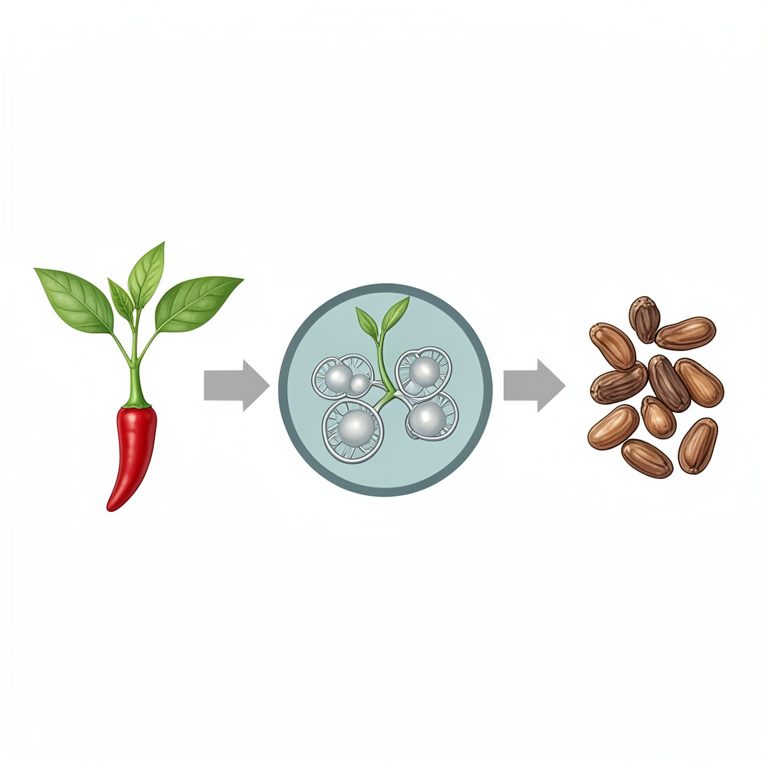
Colchicine Dose-Response
AI-generated conceptual illustration (cayenne pepper seeds and sprouts (Capsicum frutescens L.)). It explains the idea and does not show study data.
View source evidence ↗Figures & tables
From the original paper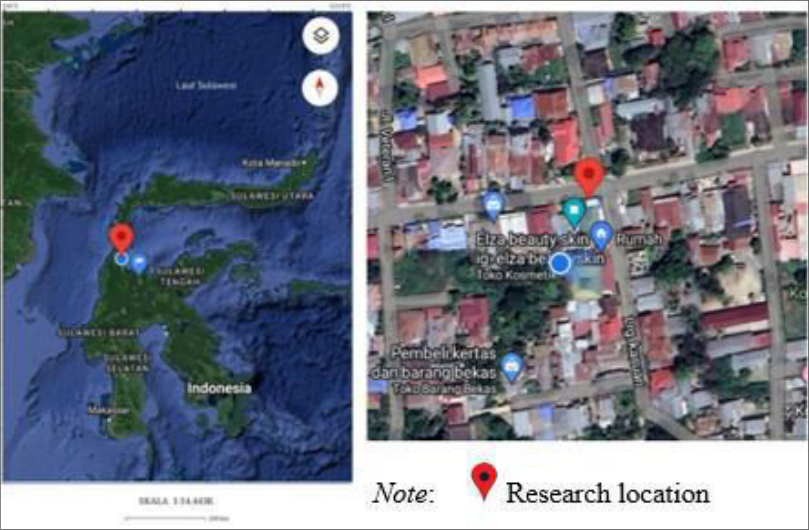 Figure 1
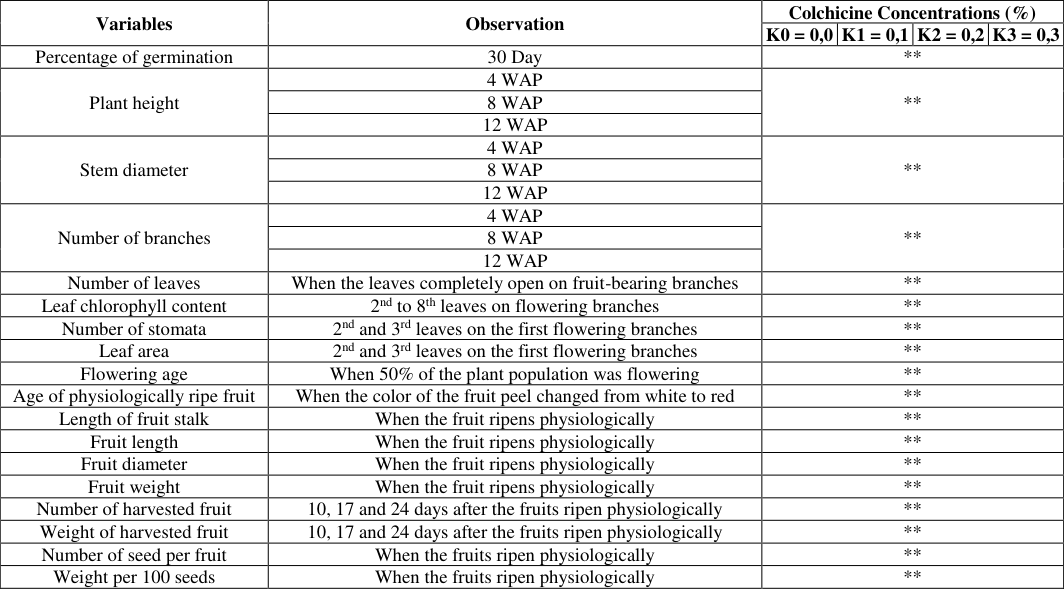 Table 1
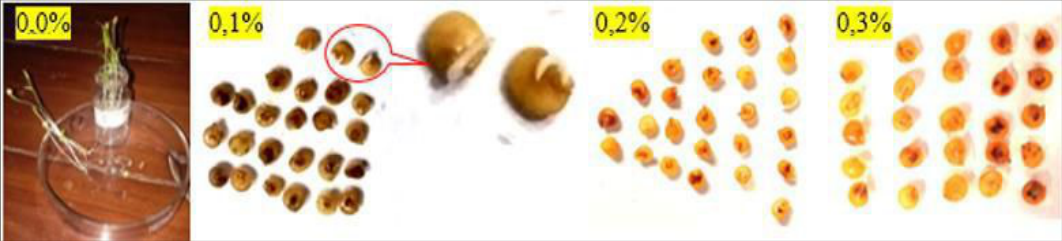 Figure 3
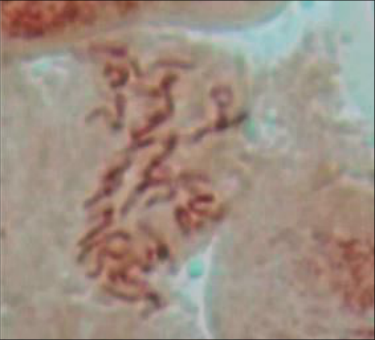 Figure 4
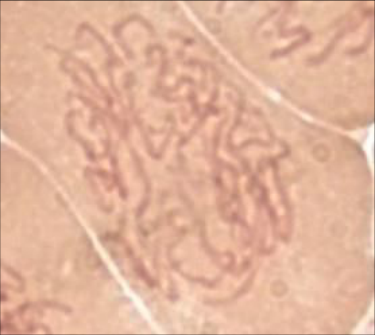 Figure 4
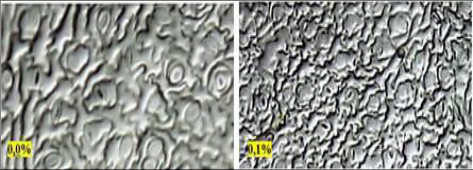 Figure 5
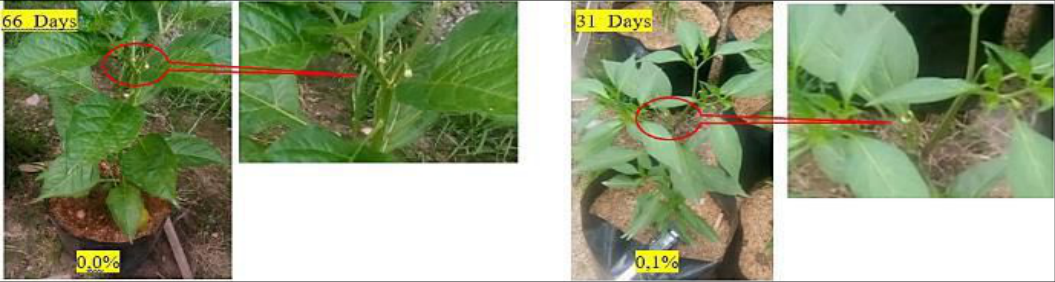 Figure 6
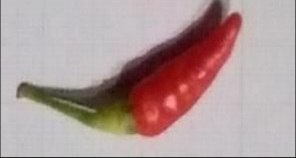 Figure 7
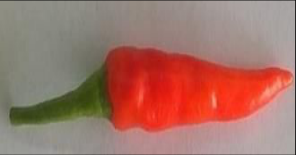 Figure 7
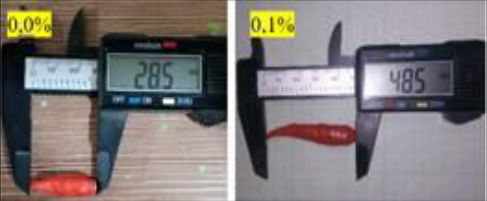 Figure 8
 Figure 9
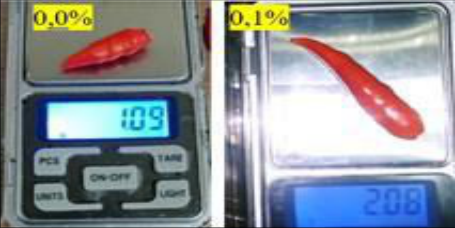 Figure 10
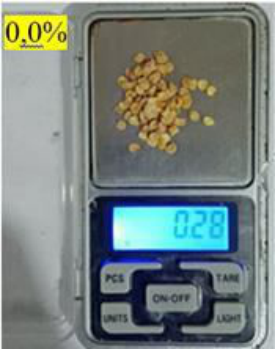 Figure 11
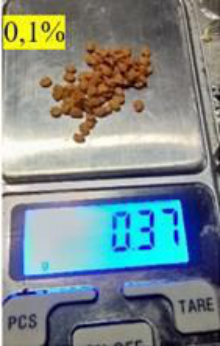 Figure 11
Introduction
Cayenne pepper (Capsicum frutescens L.) is one of the horticultural commodities needed as a flavor enhancer for various types of cooking menus (Murni, 2010) [19] . The characteristic taste of cayenne pepper is caused by the presence of capsaicin (C18H27NO3) contained in the fruit (Silvia et al. 2016) [32] . The difference in capsaicin content is often used as one of the characteristic differentiation between the species of cayenne pepper (Colney et al. 2018) [4] . With its peculiarities and its role in the fulfillment of the food menu, the cayenne pepper becomes one of the most important commodities to be planted. Plant cultivation efforts are carried out with the aim of increasing production through agronomic practices as well as the use of superior genetic resources. Increased production in pepper has been achieved through fertilization (Hapsoh et al. 2017) [9] , pest and disease control (Herison et al. 2014) [11] , mechanization (Setyanto et al. 2020) [30] , and irrigation (Zuyasna et al. 2021) [39] . In the efforts to increase the production through the use of superior genetic resources, it is possible to use the varieties (seeds) of superior pepper produced through breeding (Andriani et al. 2020) [1] . Effendi et al. (2018) [5] stated that efforts to increase production through breeding are carried out by expanding genetic diversity, analyzing the inheritance of characters, selecting and releasing new varieties. The method used to obtain superior cayenne pepper is through breeding activities by crossing cayenne elders which have superior characters so that hybrids produced carry a combination of superior characters from the two crossed elders (Herison et al. 2014) [11] . In addition, superior cayenne pepper seeds can also be obtained through genetic engineering, such as by carrying out polyploid strategies, such as triploid (Bakhtiar et al. 2002) [3] or tetraploid (Lelanga et al. 2020) [14] . Polyploids in plants can occur naturally or artificially. Natural polyploids occur through light exposure to plants or through alogamy (crossing) between similar plant types, whereas artificial poliploids can occur through electrical shock exposure or even exposure to mutagenic materials, in particular antimitotic compounds such as colchicine and oryzalins (Sukamto 2010) [35] . Colchicine is a mutagenic substance which is often used for polyploid purposes in plants. The effectiveness of colchicine in manipulating the number of chromosomes is largely determined by the concentration and method of exposure to colchicine, as well as the part or type of plant used. The concentrations of colchicine had a polyploid effect on plants vary between 0.01% and 1% (Suminah et al. 2002) [36] , while the methods of exposure to colchicin can be through immersion, melting, dropling, processing, injection, and spraying on seeds, stems or flowers (Pardede, 2013) [23] . Murni (2010) [19] stated that the effect of polyploid on plants can be observed in the morphological, anatomical, physiological, and cytological aspects, as indicated by the change in the parts of the root, stems, leaves, flowers, fruits, protein composition, carbohydrates, and vitamins (Sofia, 2008) [34] . Genetic modification attempts through polyploids on cayenne pepper plants have so far been very rare. This report describes an effort to obtain polyploid cayenne peppers by immersing cayenne pepper seeds in various concentrations of colchicine.
Methods
This research was conducted in Lasoani Village, Mantikolore District, Palu City, Central Sulawesi Province, Indonesia [Fig. 1] at a geographical position of 0054'15" South Latitude and 119054'1" East Longitude with an altitude of ±135 m above sea level (Habbachi, 2002) [7] . This research lasted from August to December 2022.
The tools used were digital scales, analytical balances, light microscope (1000x magnification), UV VIS spectrophotometer (ME-UV1100), centrifuges, Eppendorf tubes, glass cuvettes, refrigerators, Petri dishes, spatulas, porcelain cups, vials, tweezers, a pipette, object glass, deglass, razors, hotplate, measuring cup (100 ml, 500 ml, and 1000 ml), thermometer, trays (5.5 cm x 3.5 cm x 2.0 cm), scissors and hands prayer. The materials used included colchicine, cayenne pepper seeds (diploid or 2n) [Sakagen trademark], carnoy solution, HCl solution, acetocarmine, ethanol (96%), 45% acetate acid, kuteks, cellotypes, top soil, paddy husk, chicken manure fertilizer, Mutiara NPK fertilizer, Demolish 18 EC pesticide, polybag (30 cm x 30 cm) and labels. This research used a single-factor Completely Randomized Design (CRD) [Fig. 2], with the experimental treatment was colchicine concentration. There were four colchicine concentrations tested, namely: K0 = Control (without colchicine) K1 = 0.1% colchicine (w/v) K2 = 0.2% colchicine (w/v) K3 = 0.3% colchicine (w/v).
Each treatment was repeated five times, so that there were the total 20 experimental units used. Each experimental unit used 25 cayenne pepper seeds, and the total number of seeds used was 500 seeds. The data obtained from this research was analyzed using analysis of variance. The results showed significant or highly significant effects were further tested using Honestly Significant Difference at 5% level for distinguishing the average number between the treatments tested (Nuryadi et al. 2017) [21] .
Results
The results of analysis of variance on the various observed variables are shown in Table 1. When the fruits ripen physiologically ** Notes: ** = Highly significant difference; WAP = weeks after planting.
Discussion
Discussion
Effect of Colchicine Concentrations on Polyploid Induction in Cayenne Pepper Plants
Colchicine is an antimytotic substance used in manipulating genetic material, especially at the chromosome level. According to Rochmat et al. (2017) [27] , the application of antimitotic compounds can cause mutations in entire parts of the plant, from the point of growth to the generative organ. The application of colchicine in various concentrations showed the presence of morphological differences which can be observed during the vegetative and generative growth of the plants regenerated in this experiment. The immersion of colchicine in various concentrations had a significant effect on all the observed variables. This is in line with Gultom (2016) [6] who stated that the appropriate concentration of colchicine causes the changes in the vegetative character. The higher the concentration of colchicine applied, the more cells were exposed and underwent mutations, which cause the occurrence of morphological changes in the endoplasmic reticulum and the golgi bodies, so that cell development became abnormal and required the time to normal growth (Murni, 2010) [19] .
Plants obtained from the immersion of 0.1% colchicine showed tetraploid effects with the presence of additional chromosome numbers, and an increase in the concentration of colchicine to 0.2% and 0.3% resulted in lethal effect on cayenne pepper seeds. According to Sartika et al (2020) [29] , the higher the concentration of colchicine applied resulted in the greater the presentation of tetraploid cells occurred, but the incidence of mortality was higher. Based on the data of the percentage of seed germination [Table 2] showed that seed germination at colchicine concentration of 0.0% was 92.20% and this was higher than achieved in 0.1% of colchicine, which was only an average of 26.20%. The increase in colchicine concentration (0.2% to 0.3%) gave a lethal effect on seed germination and therefore no seeds germinated (0%) [Fig. 3]. According to Murni (2010) [19] , the higher concentration of colchicine used and the longer time of immersion could result in the decreasing in seed germination due to the toxicity of colchicine, leading to cell death. According to Miguel and Leonhardt (2021) [17] , effective polyploid induction is achieved where colchicine treatment can produce many polypliodes with minimal risk in plant cell death. Nofitahesti and Daryonon (2016) [20] reported that soybean seeds (Glycine max (L.) Merr.) at colchicine concentrations of 0.025% -0.05% -0.075% -0.1% -0.15% -0.2%, and 0.25% with immersion time of 6-8-12-16-18 and 24 hours failed to germinate, whereas Murni (2010) [19] found that colchicine at the concentration of 0.05% immersed for 24 hours resulted in 13% of the chili sprouts failed to grow. Based on these results, it is clear that an increase in colchicine concentration and immersion time results in a decrease in the ability of seeds to germinate. This is in accordance with the statement of Omidbaigi et al. (2010) [22] regarding the toxicity of colchicine, which can cause lethal effects, namely reactions that occur when substances or chemicals interfere with cell or sub-cell processes in living things, which can result in death. Further observations, including analysis of the number of chromosomes, were only carried out on treatments with 0.0% and 0.1% colchicine concentrations. Sa'adah, (2021) [28] stated that immersion of seeds in high concentrations of colchicine for a long period can cause the chromosome structure to agglomerate and shrink, which is caused by the over absorption of colchicine. In conjunction with chromosome analysis [Fig. 4], in the treatment with a concentration of 0.0% colchicine, it was found that there were 24 (2n) chromosomes with short spindle thread forms, while in the 0.1% colchicine concentration treatment, there were 48 (4n) chromosomes with long and wrinkled spindle in shape. [22] , polyploid technique produces plants with larger morphological sizes which are often more tolerant to environmental stress. The results of this study indicated that the height of the chili plants from the treatment of 0.1% colchicine at 4, 8, and 12 WAP were 35.00 cm; 58.90 cm and 62.82 cm in average, which was taller than the treatment without colchicine (0.0%) at the same age, namely 22.20 cm; 38.52 cm and 57.90 cm respectively. Zuyasna et al. (2021) [39] stated that the application of colchicine at the appropriate concentration had a positive effect on plant cells and hinder a decline in growth. Tetraploid plants generated were able to grow and to develop faster than diploid plants. Zaitun et al. (2021) [38] stated that polyploid plants had large xylem and phloem transport bundles and therefore there were more photosynthetic product transports which had an impact on the growth and development of stem diameters. This lead to tetraploid plants had a larger volume of wood compared to diploid plants. Based on the results of this experiment, it was shown that the diameter of chili stems regenerated from 0.1% colchicine at the age of 4, 8, and 12 WAP were 3.72 mm, 4.66 mm, and 5.64 mm in average; which had a larger stem size than the stem diameter on without colchicine (0.0%) with an average of 2.30 mm, 3.28 mm, and 4.76 mm, respectively. Furthermore, the number of branches in the 0.1% colchicine treatment at 4, 8, and 12 WAP was an average of 0.60, 1.40 and 2.00 branches; whereas in the treatment without colchicine at the same age was 0.00 and 0.80 branches in average. Leaves are the organ that determines the assimilation produced for the plant growth and development. Based on data on the number of leaves in the treatment with a concentration of 0.0% colchicine, an average of 34.40 leaves were obtained, which was more in number compared to the 0.1% colchicine concentration treatment, which had an average of only 28.00 leaves. This is in accordance with the opinion of Mahyuni et al. (2015) [16] , which states that the application of colchicine can increase leaf formation, and at higher concentrations, the number of leaves formed will decrease. Polyploid plants contain more chlorophyll than diploid plants. This is indicated by a greener leaf color (Liu et al.
Samples
2011) [15] , based on data on leaf chlorophyll content from treatment with a concentration of 0.1% colchicine, the average chlorophyll content ranged from 3.72 g/l to 5.64 g/l. The chlorophyll content was higher than in the treatment without colchicine, which ranged from only 2.30 g/l to 4.76 g/l.
The colchicin treatment also has an effect on stomata. The shape, size and number of stomata have increased compared to diploid plants (Rochmat et al. 2017) [27] . The number of stomata in the 0.1% colchicin treatment reached an average of 98.00 stomata and more than the treatment without colchicin which only amounted to an average of 69.33 (Fig 5). The number of stomata is related to the ability of plants to adapt to the environment in terms of transpiration. The greater the number of stomata, the more part of the leaf that produces CO2 for the process of photosynthesis so that chlorophyll (Green leaf substance) is produced more. [17] , stated that polyploids from several types of plants have larger leaf sizes than diploid plants, but in this Research, administration of colchicine at a concentration of 0.0% obtained an average second leaf area of 8.92 mm 2 and a third leaf of 12.47 mm 2 , which is wider than the 0.1% colchicine treatment with an average second leaf area of 5.97 mm 2 and an average third leaf of 8.45 mm 2 [Fig. 6]. This is consistent with the statement of Hasimi et al. (2016) [10] that mutations due to Colchicine caused changes in leaf shape, number, and area compared to the control.
Effect of polyploidy (diploid [2n] and Tetraploid [4n]) on the Yield of Cayenne Pepper
According to Sa'adah (2021) [28] , plants that experience changes in the arrangement of chromosomes experience changes in chemical content, one of which is growth hormones such as auxins, cytokinins, and gibberellins, which can affect flowering rates. Syaifudin et al. (2013) [37] stated that polyploid plants have cells with a large transport bundle size, which causes the process of transporting assimilation products and water to run better. This condition [10] , stated that the natural color change of fruit is influenced by ethylene, temperature, genotype, and chlorophyll content, which is degraded so that carotenoid pigments emerge by enzymatic activity, which takes place slowly. Pigment groups contained in fruit, such as chlorophyll, carotenoids, and flavonoids (Antocyanins and Anthoxanthins), can affect the bright color of fruit (Pardede, 2013) [23] .
Based on the results of visual observations of changes in fruit color [Fig. 7] at 0.0% treatment, the ovaries emerging from the flower petals were light green, and during development they turned light green to yellowish. When the fruit starts to ripen, the color of the fruit becomes faded yellowish red, and when it is ripe or ready to be picked, it becomes a faded dark red color. The fruit that was formed as a result of the 0.1% concentration of colchicine treatment showed that the ovary that came out of the flower petals was dark green, and during the development of the fruit, it was shiny light green.
Colchicine concentration (%) 0,0 0,1
Light Green Dark Green
Yellowish Light Green Light Green
Yelowish red Shiny Orange Red Brown
Faded Crimson Dark Red Shiny When starting to ripen, the fruit is shiny dark orange, and when ripe or ready to be picked, the fruit is shiny dark red. According to Handayani et al. (2017) [8] , polyploid plants contain more secondary metabolites, a faster metabolism, and greater biomass, resulting in brighter fruit colors and faster physiological maturity. This is consistent with data on the age of physiologically ripe fruit in the 0.0% treatment, which is an average of 45 days longer than the 0.1% colchicine concentration treatment, which takes around an average of 35 days. According to Ramadhani et al. (2013) [25] , the morphological shape of the fruit in each variety varies due to genetic factors, causing differences in traits or genotypes. The fruit morphology of polyploid plants can be used as an indicator of the success of colchicine application (Anggraito, 2004) [2] . Based on data on fruit stalk length in the 0.1% colchicine concentration treatment, the average fruit stalk length was 26.43 mm longer than the 0.0% treatment, which only averaged 21.91 mm. Simonsvsks et al. (2016) [33] stated that the fruit stalk serves as a place for fruit to attach to and exit from the flower petals. In addition, fruit stalks are closely related to fruit quality, and the short length of fruit stalks affects the number of velotyl compounds produced and functions as an enhancer of fruit aroma and storage time.
According to Kosmiatin and Husni (2018) [13] , fruit shape and size are influenced by the genotype of each variety as well as environmental factors that support fertilization. Fruit length data in the 0.1% colchicine treatment averaged 34.56 mm, which was longer than the 0.0% treatment with an average of 28.20 mm [Fig. 8]. Data on fruit diameter in the 0.1% concentration of colchicine treatment averaged 8.99 mm, which was greater than that of the 0.0% treatment, which only averaged 8.75 mm [Fig. 9]. Data on fruit weight in the 0.1% colchicine treatment averaged 1.26 g, which was heavier than the 0.0% treatment, which only averaged 0.66 g [Fig. 10]. Data on the number of fruits harvested in the colchicine treatment with a concentration of 0.1% averaged 37.00 fruits, which was more than the yield in the 0.0% treatment, which only averaged 28.00 fruits. Data on harvest fruit weight in the 0.1% colchicine concentration treatment averaged 38.35 g which was heavier than the 0.0% treatment, which only averaged 20.94 g. According to Rahajeng and Rahayuningsih (2013) [24] , the formation of seeds in tetraploid plants is influenced by two factors, namely genetic incompatibility and ineffective fertilization, resulting in a large or small number of fruits.
Setyawan et al. (2018) [31] , stated that pollination carried out at cultivation sites with an altitude of ±200 m asl with an average temperature of 19-320 °C produced tetraploid fruit with a large number of seeds. Furthermore, Riandoni et al.
(2020) [26] explained that tetraploid fruit produced a small number of seeds when [12] , seed shape and size can affect seed viability. Large seed sizes have food reserves (institutional leaves) such as carbohydrates, proteins, fats, and minerals, which serve as energy for the embryo during germination; while seeds that are small and wrinkled experience difficulties during germination due to limited food reserves. Based on data on weight per 100 seeds in the 0.1% colchicine treatment, the average was 0.38 g, which was heavier than the 0.0% treatment, which only averaged 0.26 g [Fig. 11]. According to Setyanto (2020) [30] , after fertilization, the seeds experience an increase in size and weight until they reach physiological maturity, then become lighter as the water content decreases due to an increase in the maturity level of the fruit.
Conclusion
Results of analysis of cayenne pepper seeds immersed in colchicine at concentrations of 0.0%, 0.1%, 0.2%, and 0.3% for 30 days showed a very significant effect on all observed variables. Cayenne Pepper seeds germinated in the colchicine treatment for 30 days of immersion reached 92.20% in the 0.0% treatment and 26.20% in the 0.1% treatment, whereas in colchicine concentrations of 0.2% to 0.3%, causing a lethal effect, and therefore no cayenne pepper seeds germinated (0.00%). The results of chromosome analysis in the 0.0% treatment were 24 = diploid (2n) with short spindle thread forms, and the colchicine treatment with a concentration of 0.1% were 48 = tetraploid (4n) with spindle thread shapes experiencing clumping and shrinkage caused by the absorption of large amounts of colchicine. More chlorophyll content in plants was obtained from a 0.1% concentration of colchicine treatment with greener leaves compared to the control (0.0%). The number of stomata was greater in the colchicine treatment with a concentration of 0.1% compared to the control treatment (0.0%). The colchicine treatment with a concentration of 0.1% had a morphological shape, the plants were taller with a larger stem diameter than the control (0.0%), the number of branches formed was higher in the 0.1% treatment compared to the control treatment (0, 0%); the number of leaves was higher (0.1%) than the control (0.0%); and the leaf area was narrower (0.1%) when compared to the control (0.0%), which is wider. The flowering period of the 0.1% treatment was shorter, with an average of 36.60 days compared to the control treatment (0.0%), which only averaged 66.00 days. Based on the morphology of the fruit, the 0.1% colchicine treatment had longer fruit stalks, a larger fruit size, a larger diameter, and had heavier fruit than the control (0.0%). The 0.0% treatment required a longer time, namely 44.93 days, to reach the criteria for physiological ripeness, while the 0.1% concentration of colchicine required a shorter average time, namely 34.87 days, to meet the criteria for physiological maturity with the color shiny red. Based on the data on the number of fruit harvested, the 0.1% treatment was more, namely 37.00 fruit, and the 0% treatment was 28.00 fruit. Based on the results of the analysis, the average weight of the harvested fruit stated that the 0.1% treatment was 38.35 g heavier than the 0% treatment, which was 20.94 g. The results of the calculation of the number of seeds in the 0.1% colchicine-treated fruit had a greater number of 29.73 compared to the control-treated fruit (0.0%), namely 23.67. The weight per 100 seeds in the 0.1% colchicine treatment stated that the average weight was 0.38 g more than the control treatment (0.0%), namely 0.26 g.
Acknowledgment
Expressions of gratitude are expressed to all parties who have contributed in this research. Special thanks is also expressed to Mrs. Hastuti for her significant technical assistant in the analysis of chromosomes and chlorophyll content.
References
31 in the original paper- Andriani I, Yuniarsih ET. Technological innovation in chili cultivation in West Sulawesi. Agriculture Journal. 2020;2(2):37-44.
- Anggraito YU. Identify the weight, diameter, and thickness of the fruit flesh melon (Cucumis melo, l) cultivar action 434 tetraploid as a result colchicine treatment. Berk Biological Panel. 2004;10(1):37-42.
- Nurzuhairawaty B. Change some great chili (Capsicum annum L.) due to administration of colchicine. Agriculture Journal. 2002;4(1):1-6.
- Colney L, Tyagi W, Rai M. Morphological and molecular characterization of two distinct chilli cultivars from North Eastern India with special reference to pungency related genes. Scientia Horticulture. 2018;240(1):1-10.
- Gultom T. Effect of colchicine on chromosome number of garlic (Allium sativum) local cultivars doulu. Journal of Biosciences. 2016;2(3):223-231.
- Handayani T, Witjaksono Nugraheni KUT. In vitro Induction of Tetraploid in Guava (Psidium guajava L.). Journal Biologi Indonesia. 2017;13(2):271-278.
- Gusmawartati H, Amri AI, Diansyah A. Response of growth and production of curly chili (Capsicum annuum L.) to the application of compost and inorganic fertilizers in polybags. Journal Horticulture Indonesia. 2017;8(3):203-208.
- Hasimi NR, Poerwanto R, Suketi K. Siamese citrus fruit degree (Citrus nobilis) on several concentrations and duration of ethylene exposure. Journal Horticulture Indonesia. 2016;7(2):111-120.
- Iqbal MA, Cheema ZA, Afzal IM. Evaluation of forage soybean (Glycine max L.) germination and seedling growth enhancement by seed priming techniques. American-Eurasian Journal of Agriculture and Environmental Sciences. 2015;15(6):1198-1203.
- Kosmiatin M, Husni A. Breeding seedless citrus varieties through conventional and non-conventional breeding. Journal Litbang Pertanian. 2018;37(2):91100.
- Lelanga MA, Seran MK. Effect of colchicine concentration on phenotype performance of local bird's eye chili (Capsicum frutescens L.) from Timor Island. Journal Savana Cendana. 2020;4(1);15-17.
- Liu S, Chen S, Chen Y, Guan Z, Yin D, Chen F. In vitro induced tetraploid of dendrathema nakingense (Nakai) tzvel, shows an Improved level of abiotic stress tolerance. Journal Scientia Horticulturae. 2011;127(3):411-419.
- Mahyuni R, Girsang ESB, Hanafiah DS. Effect of colchicine administration on morphology and chromosome number of binahong plants (Anredera cordifolia (Ten) Steenis). Journal Agroekoteknologi. 2015;4(1):23-33.
- Maulana E, Efendi D, Sari L. Growth evaluation of polyploid chlorophyll and carotenoid content of torbangun (Coleus amboinicus L.) through in vitro culture. Journal Bioteknol dan Biosains Indonesia. 2021;8(2):230-243.
- Miguel TP, Leonhardt KW. In vitro poliploid induction of orchids using oryzalin. Journal Scientia Horticulturae. 2011;130(1):314-319.
- Murni D. Effect of colchicine treatment on the number of chromosomes and phenotypes of curly chili plants (Capsicum annuum L.). Journal Agroekotek. 2010;2(1):43-48.
- Nofitahesti I, Daryono BS. Phenotypic characters of soybean (Glycine max (L.) Merr.) polyploidized with colchicine. Journal Sains dan Pendidikan sains. 2016;5(2):90-98.
- Omidbaigi R, Mirzaee M, Hassani ME, Moghadam MS. Induction and identification of polyploidy in basil (Ocimum basilicum L.) medicinal plant by colchicine treatment. International journal of plant production. 2010;4(2):87-98.
- Pardede E. Review of the chemical composition of fruits and vegetables: Role as a nutrient and its relation to preservation and processing technology. Journal Visi Universitas HKBP Nommensen. 2013;21(3):14521463.
- Ramadhani R, Damanhuri Purnamaningsih SL. Appearance of ten genotypes of red chili (Capsicum annuum L.). Journal Plant production, 2013;1(2):123130. ISSN: 2338-3976.
- Riandoni G, Sugiharto AN, Saptadi D. Increasing the number of tetraploid watermelon seeds (Citrullus vulgaris) by manipulating pollination time and frequency. Journal Plant Production. 2020;8(7):669673.
- Rochmat SM, Rahayu T, Laili S. The effect of giving various concentrations of colchicine with soaking time on the phenotypic response of olives (Olea Europaea). Journal Biosaintropis. 2017;2(2):36-41.
- Sartika D, Agustrina R, Ernawiati E, Irawan B. The Role of colchicine in the multiplication of polyploidy banana kepok plantlets in vitro. Journal Natural Indonesia. 2020;18(2):78-81.
- Setyawan KF, Adiredjo AL, Ashari S. Pollination of watermelon flowers (Citrullus vulgaris) as an effort to form superior seeds. Journal Produksi Tanaman. 2018;6(7):1427-1432.
- Silvia M, Susanti H, Samharinto S, Noor GMS. Production of cayenne pepper (Capsicum frutescens l.) on ultisol soil using household organic waste bokashi and NPK. Journal EnviroScienteae. 2016;12(1):19-28.
- Simonsvsks J, Skerget M, Knez Z, Srbinoska M, Kavrakovski Z, Grozdanov A, et al. Physicochemical characterization and bioactive compounds of stalk from hot fruits of Capsicum annum L. Macedonian Journal of Chemistry and Chemical Engineering. 2016;35(2):199208.
- Sukamto LA. Endosperm in vitro culture, an efficient protocol for obtaining triploid plants directly. J Agro Biogen. 2010;6(2):107-112.
- Suminah Sutarno, Setyawan AD. Induction of polyploidy in shallots (Allium ascalonicum L.) by administering colchicine. Journal Biodiversitas. 2002;3(1):174-180.
- Syaifudin A, Ratnasari E, Isnawati. The effect of giving various concentrations of colchicine on the growth and production of chili (Capsicum annum L.) Lado F1 variety. Lentera Bio. 2013;2(2):167-171.
- Zulfahrizal Z, Susanti E. Counseling on drip irrigation technology to increase chili productivity in Ie Suum Village, Mesjid Raya Aceh Besar District. Journal Aplikasi Ipteks Untuk Masyarakat. 2021;10(4):363366.
- Zuyasna Marliah A, Rahayu A, Hayati E, Husna R. The Growth of MV1 Patchouli Plants in Lhokseumawe Variety Due to Concentration and Immersion Time of Colchicine. Journal Agro Bali: Agricultural. 2021;4(1):23-33.