
Research article · 2023 · Full text
International Journal of Advanced Biochemistry ResearchManagement of green mold disease in ganoderma mushroom and its yield implement
Volume 7(2S) · Pages 128–134 · DOI: 10.33545/26174693.2023.v7.i2sb.200 ↗
Research areasFungal Biology and ApplicationsMycorrhizal Fungi and Plant Interactions
Abstract
Author-writtenGreen Moldresponsible for the reduction in yield of Ganoderma mushroom, a higher temperature mushroom, were isolated and identified. Based on symptomatology and morphological characteristics of the green moldthe pathogen was identified as Trichoderma atroviride showing an incidence of 68.9 -70 percent, respectively. The studies conducted under in vitro conditions indicated the efficacy of Bavistin (0.1%, 0.05%, and 0.025%), Antracol (0.1%, 0.05%, and 0.025%), Dithane M-45 (0.1%, 0.05%, and 0.025%) to control green mold (Trichoderma Atroviride). However, Trichoderma Atroviride was controlled under in vivo conditions by spraying the after-bag opening (in pinheads’ formation) area of the compost bag (substrate media). Among the sprays of different fungicides in case of incidence of Trichoderma Atroviride, maximum yield was recorded by Bavistin (0.1%) – 157.6 gm/bag, Bavistin (0.05%} – 150.7 gm/bag, Antracol (0.1%) – 148.1 gm/bag and Bavistin (0.025%) – 138.9 gm/bag, respectively. These fungicides (Bavistin, Antracol, and Dithain M-45) did not affect the spawn run and were found beneficial to increase Ganoderma mushroom yield from 38-65%over control.
Summary
Source-checkedPlain-language reading of the full paper, prepared with AI and checked against the text. Each point links to the authors' own words.
Why it matters
- Ganoderma mushrooms are highly valued for their medicinal properties, including their use in treating hypertension, bronchitis, and nephritis, as well as their antitumor effects. View evidence ↗
- Green mold is a serious disease in Ganoderma mushroom cultivation that causes significant economic losses. View evidence ↗
The question
- The study aimed to isolate and identify the pathogen causing green mold in Ganoderma mushrooms and evaluate the effectiveness of fungicides against it. View evidence ↗
What they did
- The researchers isolated the suspected pathogen from 10 diseased samples of cultivated Ganoderma mushrooms. View evidence ↗
- Using Zhang Guangzhi’s classification method for morphology, the pathogen was identified as Trichoderma atroviride. View evidence ↗
- The study used the poisoned food technique to evaluate the effects of three fungicides, Bavistin, Antracol, and Dithaine M-45, on both the pathogen and the host mushroom. View evidence ↗
- For in vivo testing, 30 kg of compost was divided into 1 kg bags and treated with various fungicide concentrations before being inoculated with T. atroviride. View evidence ↗
What they found
- In vitro tests showed that Bavistin was the most effective fungicide, achieving 100% growth inhibition of the pathogen. View evidence ↗
- Antracol and Dithane M-45 were less effective in vitro, with inhibition rates of 17.20% and 22.94%, respectively. View evidence ↗
- In vivo, Bavistin treatments resulted in the lowest disease incidence, ranging from 18.81% (at 0.025%) down to 5.4% (at 0.1%). View evidence ↗
- Antracol treatments showed average disease incidences of 25.6%, 20.0%, and 13.3% for the tested concentrations. View evidence ↗
- Dithane M-45 treatments resulted in disease incidences of 38.0%, 30.0%, and 25.4%. View evidence ↗
- The highest mushroom yields were achieved with Bavistin 0.1% (157.6 gm/bag) and Bavistin 0.05% (150.7 gm/bag). View evidence ↗
- The tested fungicides did not negatively impact the spawn run and increased overall yield by 38% to 65% compared to the control. View evidence ↗
What it means
- The authors conclude that spraying Bavistin is the most effective method for minimizing disease incidence and maximizing the yield of Ganoderma mushrooms. View evidence ↗
Visual summary
1 visualsIllustrations explain the paper; they do not show study data.
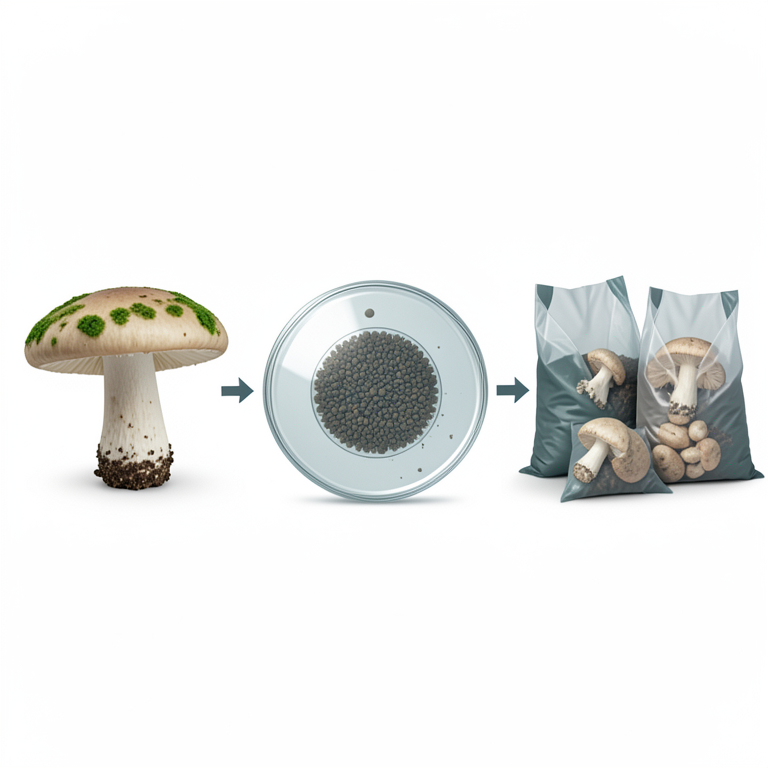
Experimental Workflow
AI-generated conceptual illustration (Ganoderma mushrooms and Trichoderma atroviride mold). It explains the idea and does not show study data.
View source evidence ↗Figures & tables
From the original paper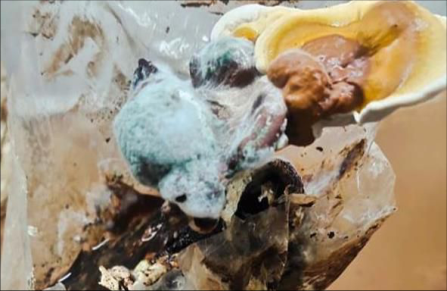 Figure 1
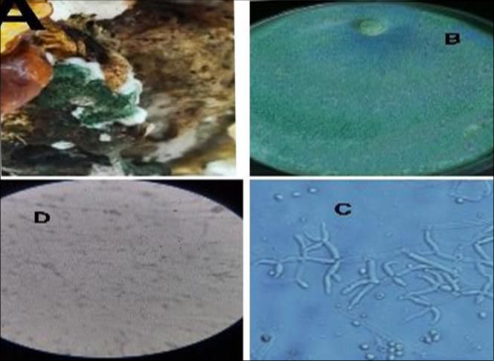 Figure 2
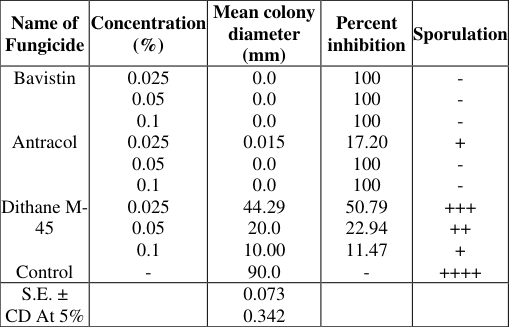 Table 1
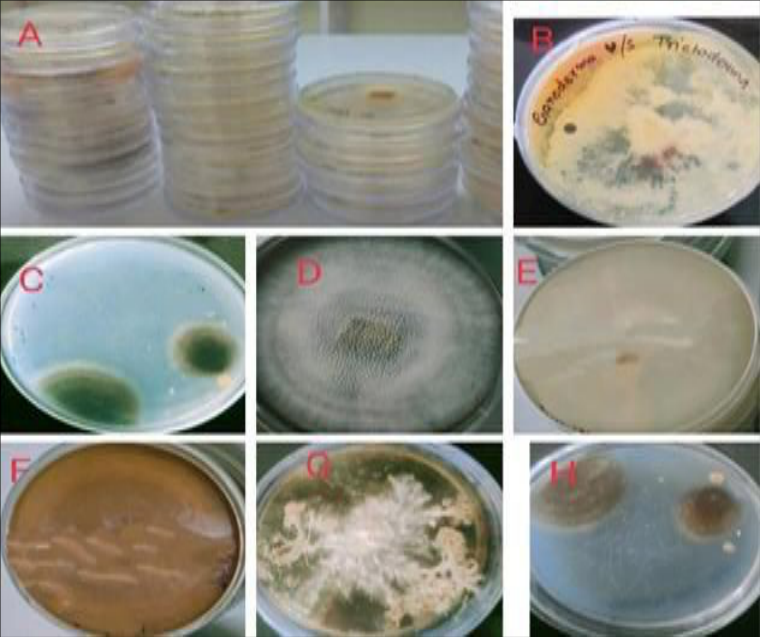 Figure 3
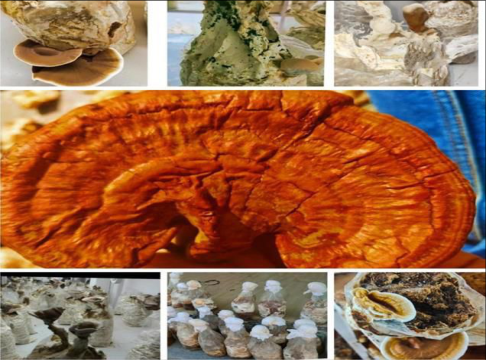 Figure 4
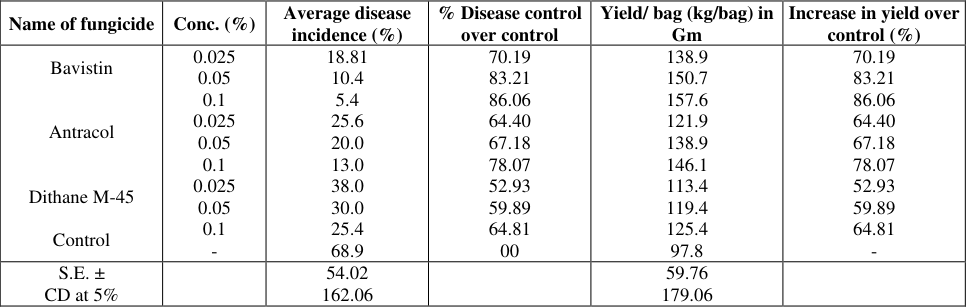 Table 2
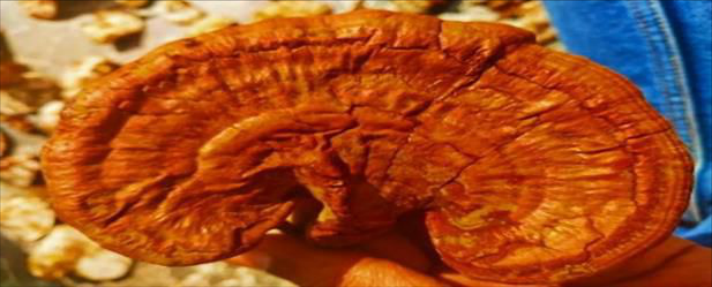 Figure 5
Introduction
Mushrooms have gained significant prominence for their nutritional and medicinal values and as a revenue-generating activity in over 100 countries. The population of India is increasing day by day. After China, India is the second largest country in the world in terms of population. Different food materials need to be developed to meet the growing population's food needs. The mushroom is the answer to this problem. India is blessed with various agricultural climates temperate, subtropical, or tropical. This makes India suitable for growing different types of mushrooms. In addition, it is estimated that approximately 355 million tonnes of crop residues are produced each year and approximately 170 million are left for incineration and incorporation into the soil in the form of fertilizer. If 1% of this is used to produce mushrooms, India will become one of the top mushrooms producing countries in the world. Although mushroom production started as early as the 1970s, there was a sudden jump in production in the 1990s, when a dozen export-oriented units (E.O.U.) were established for the production of mushrooms in cooperation with foreign companies. This led to a significant increase in mushroom production. Mushroom production in India in (2002) is 5000 tons per year. Most (85%) are provided by mushrooms. India ranks 10 th in the world in terms of mushroom production (Tewari and Pandey, 2002) [47] . Fungi are simple life forms known as mushrooms. Lacking chlorophyll, they cannot produce their food. It grows on dead or parasitic organisms, or in symbiosis with other organisms. The edible part is the fruiting body. Its size and shape vary greatly from mushroom to mushroom. They are mainly formed on the substrate, from which food material is absorbed through a network of white filamentous structures. In some cases, fruiting bodies are formed underground. Reishi mushrooms can grow between 28 and 32 degrees Celsius and 55% to 80% relative humidity. Oriental mushrooms have a long history of use in China and other Asian countries for health and longevity. It is a large, dark mushroom with a glossy, woody surface. [It is mainly cultivated in Asian countries such as China, Japan, and South Korea.' The mushroom is highly prized for use in preventing and treating nephritis, hypertension, and bronchitis, and it has notable antitumor properties.
Because of recent increases in its consumption, the availability and supply of wild GD Lingzi are insufficient for satisfying the needs of the growing population. Since 2005, the scale of artificial cultivation of G. lingzhi, and thus the amount cultivated, has increased in China, especially in Jilin Provine'*. With the rapid expansion of G.
Lingzi cultivation, however, diseases have become a serious threat to the production of the mushroom." 2). More than 2,000 species of mushrooms are said to be edible worldwide. About 200 of these products are available in India. Eight have been bred so far. In total, about two dozen types of mushrooms are grown for consumption in different countries. Agaricus bisporus (European or white mushroom), Volva Riella spp. (straw), Pleurotus spp. (Oyster or Tropical), Shiitake (Shiitake), Ganoderma, and Enoki (Enoki) are the most popular mushrooms among commercial growers. Of these, the first 3 species are popular in India because of the development of their cultivation methods. The use of mushrooms in food is probably as old as civilization itself. Since ancient times, they have been considered a delicacy, preferred by early peoples for their taste and flavour alone. The nutritional value of mushrooms was not recognized until today. Mushroom Reishi is a medicinal mushroom that has been used for centuries to treat diabetes, cancer, inflammation, bacterial infections, skin infections, and more. There are other names such as "Mushroom of immortality", "Heavenly herb", "Auspicious herb", etc., and it is also called "Red Reishi". Unlike common fungi, the predecessor of this fungus is dead and moans only on wood and wooden floors. It grows well in humid climates and grows freely in bi-temperature subtropical mixed forests. Contains over 400 compounds including polysaccharides, nucleotides, acid alkaloids, amino acids, fatty acids, and phenols. They exhibit medicinal benefits such as immunomodulatory properties against hepatitis T, anti-tumour, antioxidant, anti-diabetic, anti-malarial, hypoglycaemic, and anti-inflammatory properties. Very firstly the disease (Green Mold) was found in Ganoderma mushrooms in China, and it was a very serious disease of mushrooms, Because of green moldthere are too many losses that are seen in the Ganoderma economy. Pathogen identification is a prerequisite for developing effective control measures. Therefore, in this study, we isolated the pathogen from the Ganoderma mushroom and identified it by morphological methods, and apply on the fungicide against the pathogen. Strict hygienic conditions are required during cultivation. Current studies have therefore been conducted to isolate the different fungi occurring at different growth stages of Reishi and to control them with some of the new fungicides.
Materials and Methods
Materials and Methods
Isolation and Identification
The study was titled "Management of Green mold disease in Ganoderma Mushroom and its yield implement". Green mold is commonly found in Reishi fruits are isolated from spawning to harvest. The suspected pathogen was isolated from 10 diseased samples from TGTRI that were already cultivated of Ganoderma mushrooms. Diseased basidiomes were cut into small pieces (0.3 cm) with a sterile scalpel. Tissues were surface sterilized with 75% anhydrous ethanol for 30 seconds and then rinsed three times in sterile water. Finally, the samples were used to inoculate 2% Potato Dextrose Agar (PDA) in Petri dishes. The PDA medium contained 20 g of dextrose and 20 g of agar powder in | l Boiled potato filtrate (200 g of potatoes are used for each liter of boiled filtrate and isolated at low temperature (4%) in the refrigerator for later, Various studies. Petri dishes were incubated at 25 °C for 7 days. So, we have a total of 5 colonies. Pure colonies were created by the Single spore Suspension each colony was individually packaged on a plate containing 2% PDA medium. The plates were incubated at 25 °C for 5 days to allow the colonies to fully sporulate. Then, using a scalpel, we excised a 1.0 x 1.0 cm area of sporulation from the medium on each plate, placed them in sterile tubes, and added 5 ml of sterile water to temporary storage. The tubes were gently shaken to produce a spore suspension. We a sterile glass rod to drop a drop of the spore suspensions onto slides, which were then placed under a microscope. The concentration of the spore suspension was adjusted to only 1 spore per field of view with 40 lenses. Using a pipette, we added the prepared spore suspensions (2 ml) evenly to Petri dishes containing a 2-3 mm thick layer of 2° water agar medium (WA) (20 g agar powder, 1000 ml water). After being incubated at 25°C for 12 hours, the WA medium coated with the spore suspension on each plate was cut into 1.0 x 4.0 cm squares and transferred onto sterile glass slides. The Mono spores were visualized under the microscope and pieces of agar (5.0 x 5.0 mm) on which the single spores were placed were excised with a scalpel and transferred with an anatomical needle into PDA medium for separate culture, obtaining pure colonies. Strains were stored at 4°C in the microbiology laboratory of the School of allied science at Dev Bhoomi Uttrakhand University. This was incubated at 25 °C for 3 days. The morphology was determined according to Zhang Guangzhi's classification method. And the pathogen was identified as Trichoderma Atroviride.
Pathogenicity test
Pathogenicity experiments were performed according to Koch's postulates and repeated twice in each case. We selected healthy fruiting bodies of Reishi for inoculation. One drop (~50 µL) of the pathogen spore suspension (1 x 10 mL) was inoculated on different parts of the basidiomes (pileus, tube, and stem). We prepared control samples by inoculating them with deionized water. We observed and recorded. Changes in the symptoms of the disease for about 20 days. Fungi were separated from infected fruiting bodies at different stages of disease progression (every 2 to 20 days after inoculation). Diseased fruiting bodies at different stages were randomly selected for isolation. After 20 days, the pathogenicity test was repeated for isolates that had caused signs of green mold in the first pathogenicity test. The suspected pathogen was then isolated again from again Reishi showing signs of green mold and strains identical to the original inoculum were considered causative agents of green mold disease.
In vitro evolution of fungicides
Effects of 3 commercially available fungicides: Bavistin, Antracol, Dithaine M-45. It was evaluated against the growth of the green mold pathogen and host by using the poisoned food technique. Using the food poisoned technique, three mycotoxins were tested against the green mold pathogen (T. Atroviride) and host (Ganoderma lucidum)). PDA medium was prepared for mycotoxins by dissolving 25 mL of the tested myotoxic concentration in 25 mL of sterile PDA in a 150 mL Erlenmeyer flask at a double concentration. A stock solution of antimycotic was prepared in sterile distilled water by dissolving 2 volumes of antimycotic in 100 ml of sterile distilled water. Calculated volumes of the prepared stock solution were poured onto sterile double-strength potato dextrose agar to obtain final antifungal concentrations of 50, 75, 100, 200, and 500 µg/ml (perimeter). Modified PDA medium was aseptically dispensed into sterile Petri dishes. Centred mycelial discs (5 mm) of T. Atroviride (5 old cultures) were aseptically inoculated Petri dish. Supplied with T. Atroviride inoculated in a non-mycotoxin PDA medium Like a control. A similar method was employed to assess fungal toxicity, Mycelium growth of host Ganoderma lucidum (14 days culture). The inoculated were incubated at 28°C temperature for seven consecutive days. Each treatment was repeated three times. Data The development of triplicate mycelial growth was recorded after 7 days of incubation. Inhibition of mycelial growth as an index of fungicidal efficacy was calculated for each tested fungi toxicant. Apply treatment with three replication T 1 -Bavistin 0.025%, T 2 -(Bavistin 0.05%), T 3 -(Bavistin 0.1%), T 4 -(Antracol 0.025%), T 5 -(Antracol 0.05%), T 6 -Antracol 0.1%), T 7 -(Dithain M-45 0.025%), T 8 -(Dithain M-45 0.05%), T 9 -(Dithain M-45 0.1%), Control T 10 .
In vivo Evaluation of Fungi Toxicants
From the in vitro Evaluation, fungicides with the best results and lowest results in Inhibition of mycelium G. Lucidum were assessed in vivo. Fungicides, i.e., Bavistin, Antracol, and Dithane M-45(0.025, 0.05, and 0.1). Were evaluated against green moldin G. Lucidum). Before inoculating pathogens (T. Atroviride), 30 kg compost was made into a 1 kg bag, and different treatments were applied to it, it is as follows T 2 Bavistin 0.05%(,0.5gm in 1kg of compost bag), T 3 -Bavistin 0.1% (1 gm/1 kg), T 1 -Bavistin 0.025%(0.25gm) T 5 -Dithane M-45 0.05% (0.5 gm), T 6 -Dithane M-45 0.1% (1 gm) T 4 -Dithane M-45 0.025% (0.25gm), T 8 -Antracol 0.05% (0.5 gm), T 9 -Antracol 0.1% (1gm), T 7 -Antracol 0.025% (0.25 gm), T 10 -Control. After that apply T. Atroviride was inoculated with spore spray Pendant (1×ten four Millilitre -1 sterile water) on cover material for 5 days Use amount 0.5ml/bag. The bag after packaging was stored at 28 °C.±2 °C in a culture Room with 75-80% relative humidity. From the 6 th day, the temperature and Relative humidity were maintained between 25 and 28 •C and 75% respectively.
Each procedure features a bag and has been modeled three times. Controls received no fungicide Treatment with or without pathogen inoculation. I was able to collect 3 mushroom Flashes. Data on percent disease intensity, total mass, and yield of mushrooms.
Result and Discussion
Result and Discussion
Symptomology of Green moldpathogen
A white mycelial growth appeared on the side of the substrate in the plastic bag 6-8 days after spawning and filling the bag. The fungal characteristics, i.e., the color of the mycelium and the growth, shape, size, color, and septation of hyphae, conidiophores, conidia, and phialides were compared with the standard descriptions of Trichoderma spp. provided by Rifai (1969) [8] and Zhang Guangzhi's classification method.
Morphological characteristics of Pathogen
The optimum temperature for the growth of pathogens is 25 °C. Colonies appear white during early development but gradually become covered with yellow-green sporulation, later producing many green spores. Colonial is a chocolate flavour. Mycelia from new growth sites are simple septate and branched (June 2.2-4.5µm). Conidiophores are flocculent, septate and branched (1.5-2.1 µm). Endogenous mycelia were septate and branched. Single-celled and subspherical to in conidiophore (2.2-3.1 × 2.1-4.1 µm).
Identification of Pathogen
Based on morphological features of Isolated Pathogens identify by helping published research paper (Yinhui Yan, Jize Xu) Vol21, 2019, Mingzhu Cai (2020), Liping Yu, Jiechi Zhang, Xiao-dong dai, Jianing Liu vol19 2017) this mold identified as Trichoderma atroviride.
Evaluation of Fungicides against the pathogen in vitro
Bavistin was found to be the most effective, inhibiting growth by 100% (treatment 0.1% and T 2 , T 1 also). Followed by Antracol and Dithane M-45 with percent inhibition of 17.20% and 22.94% respectively. Among all the treatments Bavistin (0.05%], and Antracol (0.05%, 0.1%) recorded zero diameter of Trichoderma Atroviride i.e., OO mm as against 90 mm in the control. Details are given in Table no 1. Bhardwaj and Seth (1983) [45] and Shandilya and Guleria (1984) [24] report that Bavistin was found to stop the growth of Trichoderma Atroviride, a causal agent of green mold disease in mushrooms. Similar results were also observed in the present investigation
Evaluation of Fungicides against the pathogen in vivo
The result (Table -2) indicated that all three fungicides tested recorded significantly less incidence of Trichoderma Atroviride on the compost bags of Ganoderma mushrooms. Among the treatments Bavistin (0.025%, 0.05%, 0.1%) T 1 , T 2 , and T 3 was significantly effective for recording minimum disease incidence is 18.81%, 10.4%, 5.4% over the rest of the treatment and the disease control percent 86.06, 83.21, 70.29. The next treatment Antracol were applied T 4 , T 5 , and T 6 (0.25%, 0.05, % 0.1%) with three replication, and the average disease incidence in 25.6, 20.0, 13.3 and disease control percent is 64.40, 67.18, 70.07 were also better than control. Another fungicide is Dithane M-45 applied with different concentres T 7 (0.025%), T8 (0.05%), T 9 (0.1%) and disease incidence is 38.0, 30.0, 25.4, Disease control percent is 52.92, 59.29, 64.81. These all are treatments applied as three replications and all are better than the control. The studies also indicated that spraying of Bavistin showed minimum disease incidence and maximum disease control along with maximum yield and increase in yield over control, these results agree with Vijay ET. Al (1986) observed control of green mold by the use of Bavistin in the cultivation of Pleurotus eous.
Yield observed under treatment
Ganoderma lucidum cultivation at Lab of Plant Pathology department, DevBhoomi Uttrakhand University, Dehradun After spawning run having G. Lucidum mycelium in the cropping room, the pinheads started to emerge on the 15 th day, gradually increased and continued to emerge till the 19th day. The cap formation took place between 43 and 47 days of spawn run. Applying the treatment at this stage, the top of the antlers started flattening and white colored caps appeared on top of the antlers. After this stage, the creamcoloured fruiting bodies started to develop with flat and tough tops. Later, the fruiting body became oval or kidney bean-shaped with brown colour spreading towards its margins. The fruiting bodies were completely developed after 60-65 days when they turned dark brown in colour. These fruiting bodies were left for 1-2 days for spore shedding after which they were harvested. The matured fruiting bodies were harvested after 64-66 days of spawn run in the first flush. A total of 58 numbers of G. Lucidum fruiting bodies weighing 160.1 gm (dry weight) were produced from 30 compost bags in the first harvest. The average weight of one fruiting body was 3.3 gm with an average stipe length of 1.29 cm and a 3.8 cm fruiting body diameter. The second pinning started 73 days after the spawning run and continued till the 75th day. Out of 30 bags, only 25 bags were able to produce pinheads in the second flush. The cap formation and fruiting body development in this bag took place from 89 to 93 days and 96-100 days after the spawn run, respectively. A total of 43 number fruiting bodies weighing 116.7 gm (dry weight) were produced from 25 bags in the second harvest. The average weight of one fruiting body was 2.85 gm with an average stipe length of 2.15 cm and 3.65 cm fruiting body diameter. Observed the yield is highly obtained from Bavistin T 3 (0.1%) where yield/bag 157.6 gm and increment in yield over control is 61.14.
Conclusion
Therefore, this study aims to understand the mold that occurs during the cultivation of Ganoderma lucidum mushroom and its management and harvest implementation, to study its symptoms, morphology, identification of the mushroom itself and the substrate, and to find out appropriate control measures. Trichoderma dark green. Cases caused by green mold were observed repeatedly in mushrooms with an incidence of 67.3-77.60%, respectively. Trichoderma atroviride produces white to yellow and becomes green mycelium, Mycelia from new growth sites are simple septate and branched (June 2.2 -4.5 µm). Conidiophores are flocculent, septate and branched (1.5-2.1 µm). Endogenous mycelia were septate and branched. Single-celled and subspherical to in conidiophore (2.2-3.1 × 2.1-4.1 µm). In vitro, studies have shown that Bavistin (0.05%, 0.025%, 0.1%), Antracol (0.05%, 0.025%, 0.1%), Dithane M-45 (0, 05%, 0.025%, 0.1%) exposure controls. A green moldpathogen. However, Trichoderma was controlled in vivo by spraying the affected area on the substrate with Antracol, Dithane M-45, and Bavistin after bag opening. Among the sprayings of various fungicides in the case of Trichoderma atroviride incidence, the maximum yield was recorded by Bavistin (0.1%} -157.6 g/bag, Bavistin (0.05%} -150.7 g/bag, Anthracol (0.1%) -148 g/sack bag and respectively. In addition to controlling these competitive
Acknowledgement
International Journal of Advanced Biochemistry Research https://www.biochemjournal.com fungi, fungicides did not affect the breeding season and have been shown to increase mushroom yields by 38 to 61%.
Figures and tables from the paper
References
41 in the original paper- Stojchev G, Asan A, Giicin F. Some macrofungi species of the European part of Turkey. Turk. J Bot. 1998;24:341-348.
- Bellettini MB, Fiorda FA, Maieves HA, Teixeira GL, Ávila S, Hornung PS, et al. Factors affecting Mushroom Pleurotus spp. Saudi J Biol. Sci. 2019:26:633-646. [CrossRef], [PubMed]
- Allaga H, Zhumakayev A, Büchner R, Kocsubé S, Sz˝ucs A, Vágvölgyi C, et al. Members of the Trichoderma Harzianum Species Complex with Mushroom Pathogenic Potential. Agronomy. 2021;112434. [CrossRef]
- Bhatt JC, Singh R. Influence of the Trichoderma exudates on the growth and yield of mushroom cultivation in the north plain of India. Indian Phytopathol. 2000;68:178-118.
- Castle A, Speranzini D, Rghei N, Alm G, Rinker D, Bissett J. Morphological and molecular identification of Trichoderma Isolates on North American mushroom farms. Appl. Environ. Microbial. 1998;64:133-137. [CrossRef], [PubMed]
- Forer LB, Wuest PJ, Wanger VR. Occurrence and economic impact of fungal diseases of mushrooms in Pennsylvania. Plant Dis. Report. 1974;58:987-991.
- Rifai MA. A revision of the genus Trichoderma. Mycol. Pap. 1969;116:1-56.
- Nazir AM, Dar GH, Ghani MY, Kauser S, Mughal MN. Button Mushroom Cultivation, Horticulture Technology Mission, Annual Report Skuast-Kashmir, India 2011 Jun 34.
- Shah S, Nasreen S. Efficacy of fungicides against green mold(T. Harzianum) disease in oyster mushroom cultivation. Res. J Microbiol. 2013;8:13-24. [CrossRef]
- Hatvani L, Kocsube S, Menczinger L, Antal Z, Szekeres A, Druzhina IS, et al. The green molddisease global threat to the cultivation of oyster mushroom (Pleurotus ostreatus): A review. In Science and Cultivation of Edible and Medicinal Fungi. Fungi 2022, 8, and 554 22 of 22 Mushroom Science XVII, Proceeding of the 17 th Congress of the International Society for Mushroom Science; Van Greuning, M., Ed.; ISMS: Cape Town, South Africa; c2008. p. 485-495.
- Danesh YR, Goltapeh EM. Studies of the effects of benomyl and carbendazim on Trichoderma green mold control in button Mushroom farms. J Agric. Sci. 2007;16:157-165.
- Abosriwil SO, Clancy KJ. A protocol for evaluation of the role of disinfectants in limiting pathogens and weed molds in Commercial mushroom production. Pest Manag. Sci. 2002;58:282-289. [CrossRef], [PubMed]
- Rinker DL, Alm G. Management of casing Trichoderma using fungicides. In Science and Cultivation of Edible and Medicinal Fungi: Mushroom Science XVII, Proceeding of the 17 th Congress of the International Society for Mushroom Science, Cape Town, South Africa, 20-24 May 2008; Van-Greuning, M., Ed.; ISMS: Cape Town, South Africa; c2008. p. 496-509.
- Romaine CP, Royse DJ, Schlagnhaufer C. Superpathogenic Trichoderma resistant to Topsin M found in Pennsylvania and Delaware. Mushroom News. 2005;53:6-9.
- Gupta A, Kerni PN, Gupta A. In vitro Evaluation of different chemicals against T. Viride isolated from button mushrooms. Res. Dev. Rep. 1995;12:44-47.
- Domondon D, Poppe J. Prevention of yield loss as influenced by Trichoderma in mushroom cultivation. In Mededelingen van de Faculteit Landbouwkundige a Toegepaste Biologische Wetenschappen; Universiteit Gent: Gent, Belgium, 2000;65:771-781.
- Dhar BL, Kapoor JN. Inhibition of growth of Agaricus bisporus by systemic fungicides. Indian Phytopathol. 1990;43:473-474.
- Lovkesh BJ, Pahil VS. Physiological and fungistatic interaction studies between Pleurotus spp. And Trichoderma viride crop Res Hisar. 2006;32:499-503.
- Shandilya TR, Guleria DS. Control of green mold(Trichoderma viride) during the cultivation of Agaricus bitorquis Indian J Plant Pathos. 1984;2:7-12.
- Stanek M, Vojtechovska V. Test on the use of benomyl in mushroom cultivation. Mykol. Sb. 1972;9:17-23.
- Gandy DG, Spencer DM. Fungicide tolerance and its implications. Mushroom J. 1974;24:467-470.
- Geijin J, Van D. Practical control of Verticillium and Mycogone Champignon. 1977;186:7-9.
- Kim GP, Seok YS, Shin GC, Paek YH. Studies on the control of Mycogone perniciosa Magn. In cultivated mushroom (Agaricus Bisporus (Lange) Sigh.). Kor. J Mycol. 1978;6:9-14.
- Hermosa MR, Grondona I, Monte E. Isolation of Trichoderma harzianum Th2 from commercial mushroom compost in Spain. Plant Disease. 1999;83:591.
- Woo SL, Di Benedetto P, Senatore M, Abadi K, Gigante S, Soriente I, et al. Identify cation and characterization of Trichoderma species aggressive to Pleurotus in Italy. J Zhejiang Univ Agric Life Sci. 2004;30:469-70.
- Hatvani L, Antal Z, Manczinger L, Szekeres A, Druzhinina IS, Kubicek CP, et al. Green mold diseases of Agaricus and Pleurotus spp. Arecaused by related but phylogenetically different Trichoderma species. Phytopathology. 2007;97:532-7.
- Chakravarthy K, Sarkar BB, Chaudhary J. Relative efficacy of fungicides in the control of weed fungi in beds of oyster mush. Pesticides. 1982;16:19-20.
- Rai RD, Vijay B. Effect of carbendazim on mycelial growth and extracellular enzyme of Pleurotus ajarcajun-and Trichoderma viride. Indian pitapat. 1992;45(2):207-212.
- Shandilya TR, Gulerio DS. Control of green moulds during the cultivation of Agaricus bisporus. Indian J Plant path. 1984;4(8):7-12.
- Dubey JK, Sharma VP, Patyal SK, Nath A. Persistence of carbendazim on white button mushroom. Mush. Res. 1994;3(2):81-82.
- Thana CD, Raina R. Effect of systemic fungicidal sprays on the spawn run and pin head formation of a button mushroom. Indian Phytopath. 1989;42:327.
- Nath A, Sharma VP, Dubey JK, Thapa D. Persistence of Mancozeb on white button mushroom, Agaricus bisporus. Mush. Res. 1992;1(2):139-140.
- Harpale Kiran Vilasrao. Studies on competitive mold in Pleurotus eous (Berk.), 2003.
- Hatvani L, et al. The first report on Mushroom green mold disease in Croatia, 2012.
- Alghakoon P, Sivakadacham B, Amarasiri SL. Effect of six plant extract on growth of oyster mushroom and some associated common weed moulds. Tropical Agriculturist. 1990;146:93-103. Central Agricultural Institute, Ganno.
- Anandh K, Ramanujam K, Prakasam V. Effect of fungicides on the incidence of contaminants and yield of Pleurotus EOUS. J Mycol. And Pl. Pathol. 1999;29(3):289-293.
- Bano Z, Narasimhan P, Singh NS. Effect of some fungicide in controlling Penicillium digitatum during cultivation of Pleurotus flabellatus (Berk. And Br.) Sacc. Indian J Microbiol. 1975;15:68-74.
- B, HL, Barry BH. Illustrated genera of imperfect fungi. Burgess Pub. Co., Minneapolis, Minnesota. 1972, 8890.
- Baskaran TL, Sivaprakasam V, Kandaswamy TK. Compact Bag Method. Indian J Mush. 1978;4:10-12.
- Bhardwaj SC, Seth PK. Studies on green moldTrichoderma viride and its control. Indian J Mush. 1983;9:455.
- Tewari RP, Pandey M. Sizeable income generating venture. Hindu survey of Indian Agriculture. 2002:1657.
Cited by 1
From OpenAlex, OpenCitations and reference lists read by Scinovex
- Cultivation of Ganoderma: methodologies and hurdles ↗
Samantha C. Karunarathna, Nimesha M. Patabendige, Siril Wijesundara, Steven Lee Stephenson, Jun He, Kalani Kanchana Hapuarachchi · New Zealand Journal of Botany · 2025
Ganoderma, a prized medicinal mushroom renowned for its therapeutic properties, has a rich history of traditional use. As demand for this valuable fungus continues to rise, cultivation emerges as a sustainable solution to meet market needs. This review explores the intricate methodologies and challenges associated with cultivating Ganoderma. Successful cultivation hinges upon meticulous substrate selection, efficient spawn production, and precise…
❝ 12