
Research article · 2023 · Full text
International Journal of Veterinary Sciences and Animal HusbandryA review of non-conventional animal protein sources as poultry feeds
Volume 8(3) · Pages 243–252 · DOI: 10.22271/veterinary.2023.v8.i3d.556 ↗
Research areasInsect Utilization and EffectsInsect Pest Control StrategiesAquaculture Nutrition and Growth
Abstract
Author-writtenThe use of non-conventional animal protein (NCAP) sources as alternative feed resources for poultry production has been a topic of interest in recent years. NCAP sources, such as insects, have the potential to significantly reduce feed costs, which account for 80% of total production costs. Insects, in particular, offer protein-rich options with excellent amino acid profiles, resulting in remarkable taste and market value. However, it's essential to consider potential challenges and limitations before implementing these alternatives. One challenge is the lack of regulatory frameworks and guidelines for the use of insects as feed. This can lead to concerns regarding food safety and animal health. Additionally, the cost of production for certain NCAP sources may not be feasible for large-scale commercial operations. Despite these challenges, NCAP sources are a viable option for poultry feed supplementation and should be further explored by the industry. Research has shown that insect meal can be included in poultry diets without adverse effects on performance or carcass quality. Furthermore, using NCAP sources can reduce the environmental impact of poultry production, as they require less land, water, and feed compared to traditional feed sources. In conclusion, using non-conventional animal protein sources, such as insects, can revolutionise the poultry industry by reducing production costs and environmental impact.
Summary
Source-checkedPlain-language reading of the full paper, prepared with AI and checked against the text. Each point links to the authors' own words.
Why it matters
- Non-conventional animal protein (NCAP) sources like insects are of interest because feed costs represent 80% of total poultry production costs. View evidence ↗
- In underdeveloped nations, a lack of high-quality feed leads to poor animal performance, lower growth and reproduction, and higher death rates. View evidence ↗
- NCAP sources are more environmentally sustainable than traditional feeds because they require less water, land, and feed. View evidence ↗
The question
- The paper reviews the potential of using non-conventional animal protein sources as alternative feed resources for poultry production. View evidence ↗
What they did
- The review examines various NCAP sources, specifically focusing on insects like black soldier fly larvae, as well as fish and plant-based proteins. View evidence ↗
- The reviewed NCAP sources generally provide protein contents ranging from 380 to 650 g/kg. View evidence ↗
What they found
- Certain earthworm species (E. fetida, E. eugeniae, and P. excavatus) have crude protein levels between 58.38% and 66.13%, which exceeds the 61% found in fish meal. View evidence ↗
- Supplementing diets with 30 to 50 g of housefly maggots was found to increase egg weight, chick weight, clutch size, and the number of eggs hatched. View evidence ↗
- Termites provide a higher crude protein content (70.1%) compared to soybean meal (43.1%) and fish meal (29.7%). View evidence ↗
- Black soldier fly larvae in dry weight contain up to 50% crude protein and up to 35% lipids. View evidence ↗
- Snail flesh contains 52-63% protein, which is comparable to medium-quality fish meal. View evidence ↗
- Grasshopper meal contains approximately 76% crude protein, although it is noted to be poor in some amino acids. View evidence ↗
- Single-cell proteins (SCP) are highly concentrated, with crude protein levels ranging from 50% to 85%. View evidence ↗
What it means
- The authors conclude that non-conventional animal proteins are a viable option for poultry feed to reduce dependence on limited resources. View evidence ↗
- A significant limitation is the lack of regulatory frameworks for insect-based feeds, which raises concerns about animal health and food safety. View evidence ↗
- Mealworms are limited in calcium, meaning they must be supplemented to avoid calcium insufficiency and metabolic bone disease in hens. View evidence ↗
Visual summary
3 visualsIllustrations explain the paper; charts are replotted from the paper's own table values.
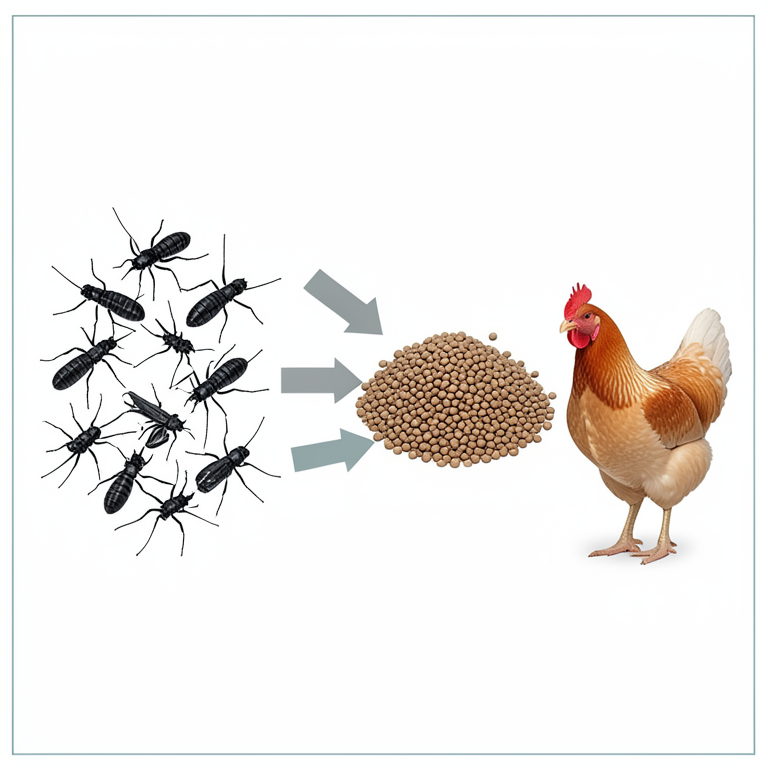
Comparison of NCAP Protein Sources
AI-generated conceptual illustration (Broiler chickens and various insects (black soldier fly larvae, crickets, grasshoppers, termites, and earthworms)). It explains the idea and does not show study data.
View source evidence ↗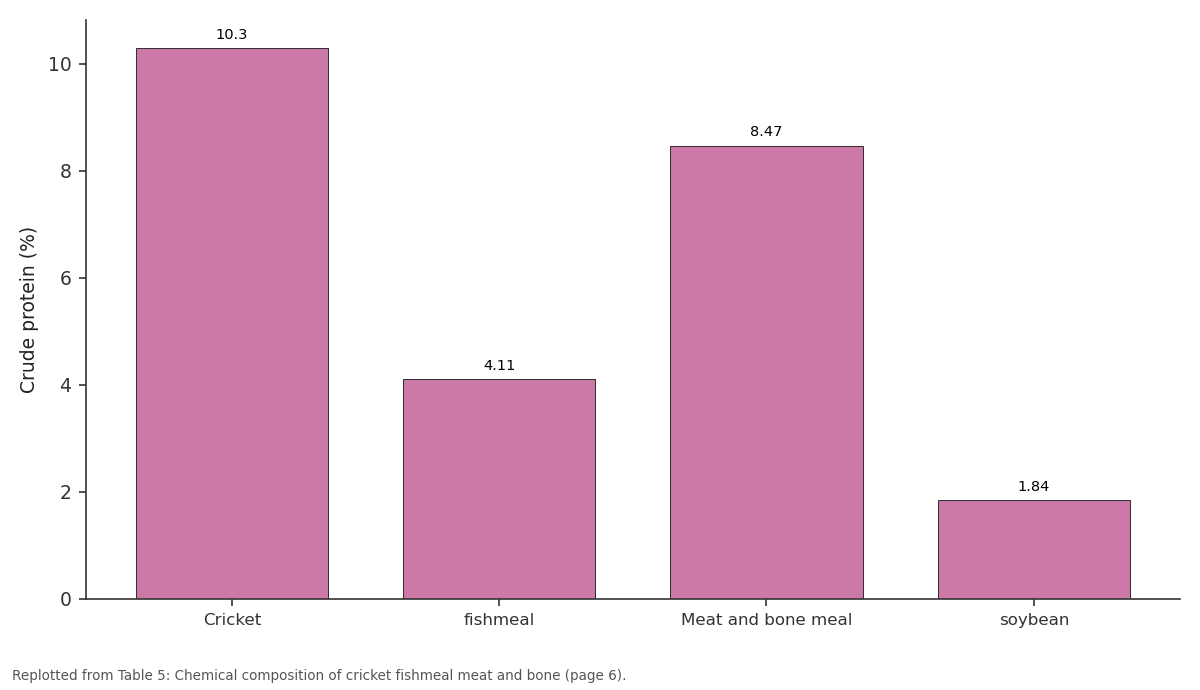
Fat: Cricket vs fishmeal vs Meat and bone meal vs soybean
Replotted from Table 5 (page 6) of the original paper. Every bar is the paper's own table value.
View source evidence ↗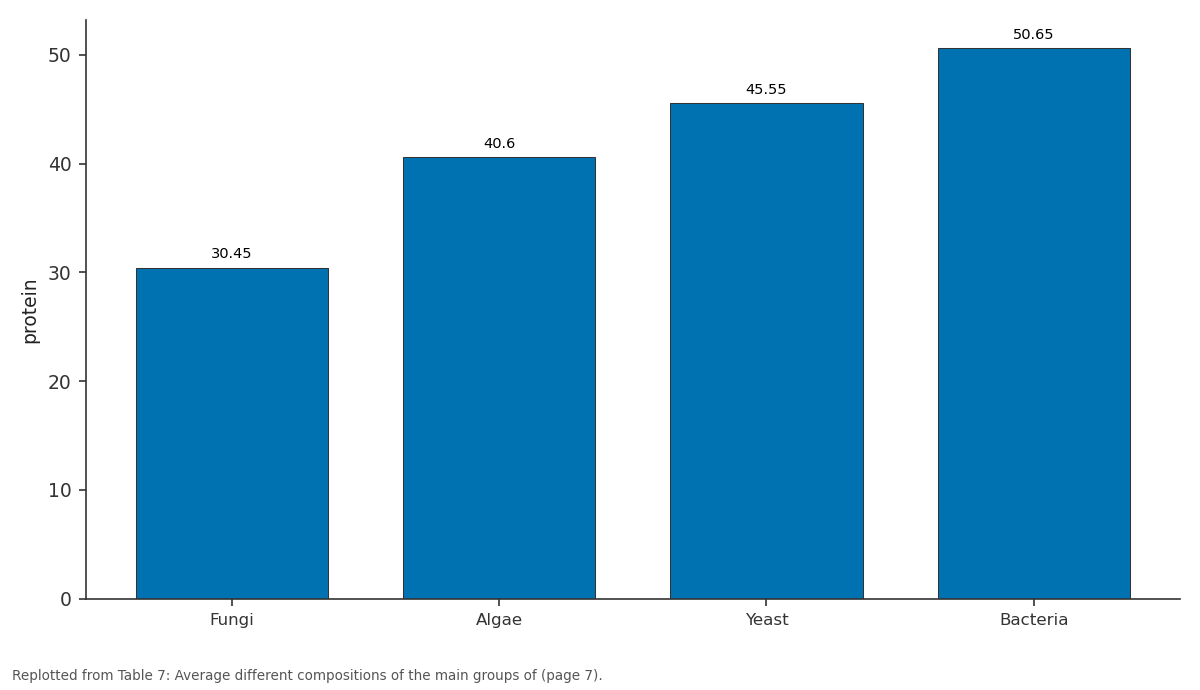
protein: Fungi vs Algae vs Yeast vs Bacteria
Replotted from Table 7 (page 7) of the original paper. Every bar is the paper's own table value.
View source evidence ↗Figures & tables
From the original paper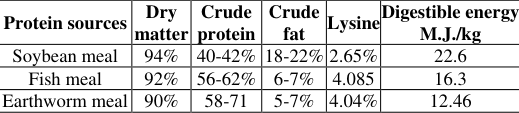 Table 1
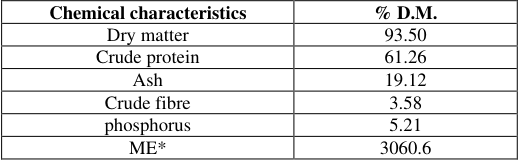 Table 2
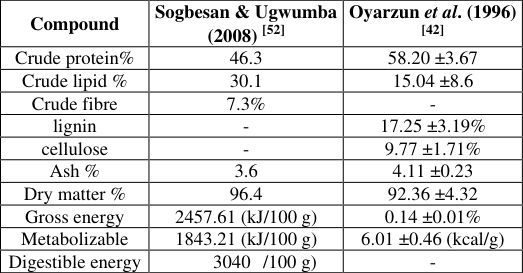 Table 3
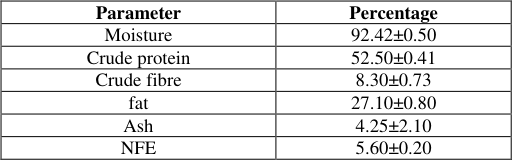 Table 4
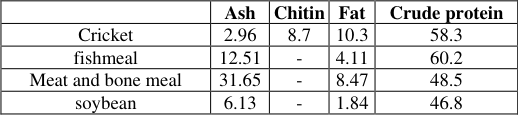 Table 5
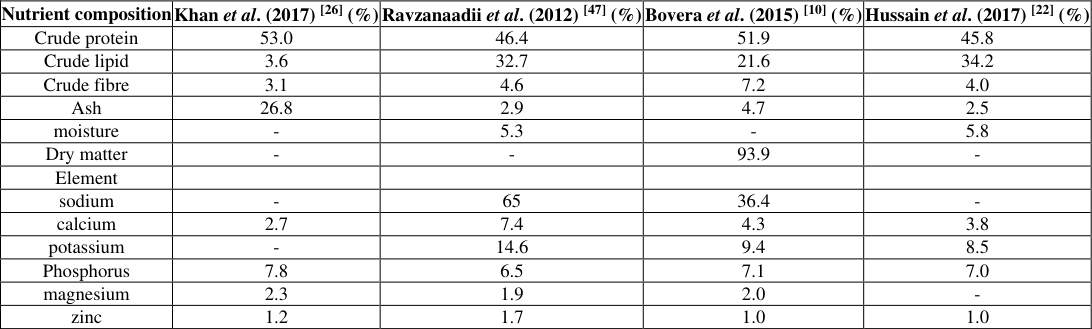 Table 6
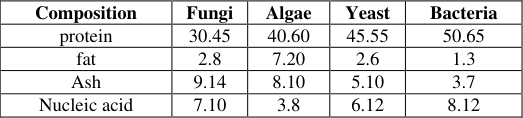 Table 7
Introduction
The scarcity of good-quality feed for livestock in underdeveloped nations has resulted in poor animal performance, low growth rates, lower reproductive efficiency, and high morbidity and death rates. This is due to an imbalance between feed availability, feed ingredient prices, and the cost of livestock products such as meat and eggs; there is a pressing need for technology development to expand the use of non-conventional feeds and fibrous agricultural residues (Lebbie et al., 1996) [62] . Unfortunately, these feed resources were previously widely disregarded, but they are now more crucial than ever (Chapman and Peres, 2021) [12] . Despite their vast number, animals can be both an advantage and a nuisance because they lack other protein sources. People with low incomes own the majority of low-productive animals; as a result, reducing their number is out of the question to solve this; using non-traditional feed resources may assist in enhancing output. (Duguma & Janssens 2021) [29] . NCFRs are feed sources that have not traditionally been used for feeding livestock and are not routinely used in commercial livestock production. Traditional feeds in tropical climates are primarily drawn from annual crops and animal and industrial sources. NCFR can be considered "new" or "emerging" feed sources. This phrase is increasingly used to describe feed sources such as oil palm by-products, single-cell proteins, and agro-industrial by-products from plants and animals. It may also contain low-quality cellulosic roughage derived from farm waste and abattoir by-products. It can also include those from sugar processing, cereal grains, citrus fruits, and vegetables for human consumption. (Amata, 2014) [2] . Derivatives from chemical or microbiological processes, such as those involved in creating single-cell proteins, can be added to this list. It can be challenging to distinguish between conventional feeds and NCFR. Because it may have been used as livestock feed for a long time, what is currently categorised as NCFR may be conventional feed. One illustration is wheat straw, which is highly popular. Additionally, the type of crops being grown and the current level of crop technology application significantly impact the availability of NCFR, which is primarily of plant origin.
Overview of Non-Conventional Animal Protein Sources (NCAP) in Chicken Production
Non-Conventional Animal Protein Sources (NCAP) are rapidly gaining popularity in chicken production due to their exceptional nutritional value and potential for cost savings. NCAP can be sourced from various sources, including insects, fish, and plant-based proteins, with black soldier fly larvae being a common and high-protein NCAP that can replace traditional protein sources such as soybean meal. Despite the potential benefits of NCAP in improving the sustainability of poultry production, it is necessary to acknowledge the challenges and limitations associated with their implementation. Factors such as varying availability and cost based on region and season and regulatory barriers may pose obstacles to using certain NCAP in animal feed. However, given the global poultry industry's challenges, exploring alternative feed resources like NCAP is crucial. Such challenges include disease outbreaks, environmental concerns, and growing demand for poultry products. NCAP use can significantly enhance efficiency and reduce environmental impact, making it a viable and valuable option for poultry producers. Since protein is the diet's most expensive and scarce ingredient, it makes sense for farmers with limited resources to use non-traditional animal protein (NCAP) sources. According to Ncobela and Chimonyo (2015) [37] , non-traditional animal protein (NCAP) sources are animal feed used to feed livestock. The protein content of the NCAP sources ranges from 380 to 650 g/kg (Ravindran & Blair, 1993) [46] . The demand for and interest in NCAP has increased. For instance, chickens fed grasshoppers had a preferred flavour and were more expensive on the market than chicks fed traditional protein sources. (Khusro et al., 2012) [28] . This has promoted using NCAP sources as Nonconventional feed supplements for poultry. Additionally, using readily available NCAP sources, these supplements can be given to chickens for free or at a moderate cost. The main factor enhancing chicken nutrition and flock productivity is using NCAP sources. It is essential to avoid depending on the seasonality of NCAP source supplies for both small and bigscale sustainable production (Ncobela & Chimonyo, 2015) [37] . They must be raised, harvested, processed, and stored in sufficient quantities to ensure their safety and availability for use in the future. To support the socioeconomic standard of households with limited resources, facilities utilised for raising, harvesting, processing, and storing NCAP sources should be readily available, hygienic, and affordable, locally recycling, reusing, minimising trash, and feeding these protein sources to chickens, pollution may be decreased (Khusro et al., 2012) [28] . Earthworms, locusts, termites, maggots, caterpillars, cockroaches, snails, black soldier grasshopper larvae, and silkworm pupae caterpillars are some resources used as food.
Earthworms as poultry feed resources Biological features of earthworm
Earthworms are annelids, which are a type of segmented worm. They are part of the phylum Annelida and are classified as terrestrial or freshwater invertebrates. Earthworms can be a valuable source of nutrition for poultry, providing a sustainable and cost-effective alternative to traditional animal feed. Cultivating earthworms for use as feed requires a suitable medium, such as compost or manure, free from pollutants like heavy metals and pesticides. By controlling for pollutants and adequately processing the worms, you can ensure the safety and health of your birds while providing them with a nutrient-rich food source. Overall, earthworms are essential for anyone looking to provide their poultry with high-quality nutrition in a sustainable and cost-effective way.
The nutritional content of earthworms as poultry feed
Earthworms are a convenient source of protein for poultry feed due to their ability to reproduce quickly and consume various organic wastes. They are beneficial for scavenging hens, as they can offer a valuable source of protein.
Earthworms are readily available in wet seasons and swampy areas. However, it is crucial to control the cultivation medium to avoid heavy metal and pollutant absorption by earthworms, which can harm birds that consume them. It's important to note that earthworms are an excellent source of protein and amino acids. Producing them is simple, requiring only mixing materials such as paper, sludge, cardboard, kitchen waste, and sawdust. Despite these undeniable benefits, the use of earthworm meals remains limited in developing countries, as reported by Domnguez et al. 2000 [16] . In South Africa, Reinecke et al. (1991) [63] conducted a study on the protein quality of three types of earthworms: Eisenia fetida, Eudrilus eugeniae, and Perionyx excavatus. Their research revealed that E. fetida, E. eugeniae, and P. excavatus contain crude protein contents of 66.13%, 58.38%, and 61.63%, respectively, higher than the 61% found in fish meal. Moreover, It is possible for underdeveloped countries with lower labour costs to manufacture earthworm meals. These meals have a similar nutritional profile to other protein sources used in poultry feed, such as fish meals and soybean. Earthworms are abundant in lysine, and their methionine, cysteine, phenylalanine, and tyrosine profiles are also favourable. Additionally, earthworm meal is rich in essential long-chain fatty acids, which contain various vitamins, including niacin (Antonova et al., 2021) [6] . Researchers Harwood (I976) [67] conducted the first trials evaluating chicken growth on earthworm protein and found no significant difference in growth when compared to meat meal as a protein supplement. Similar results were also reported by Edwards and Arancon (2004) [17] , who found that feeding worms to older birds-maintained egg production. According to Parolini et al. (2020) [43] , chickens fed earthworms gained weight faster than those fed other diets (including fish meal), had more breast muscle, and consumed less food. Chickens developed well, had a decent mass increase per unit of food, and had excellent nitrogen retention when fed diets containing 72-215 g kg of worm meal. According to Sogbesan and Ugwumba (2008) [52] , earthworms have 63.0% crude protein, 5.9% crude fat, 8.9% ash, 0.43% Na, 0.53% Ca, 0.62% K, 0.94% P and 1476 kJ/100 g of metabolisable energy. They also evaluated the essential amino acid content of earthworm meal, which contains 2.83 g/kg of arginine, 1.47 g/kg of histidine, 2.04 g/kg of isoleucine, 4.11 g/kg of leucine, 6.35 g/kg of lysine, 6.26 g/kg of phenylalanine, 4.43 g/kg of tryptophan, and 4.43 g/kg of valine. Finke (2015) [19] reported similar findings. They discovered that earthworm meal included 10.5% crude protein, 0.61% methionine, 0.66% lysine, 0.47% threonine, 0.09% tryptophan, 1.2% crude fat, and 0.6% ash. The primary components of earthworm tissue, soybean meal, fish meal, and insect tissue are shown in Table 1. Parolini et al. (2020) [43] .
| Protein sources | Dry matter | Crude protein | Crude fat | Lysine | Digestible energy M.J./kg |
|---|---|---|---|---|---|
| Soybean meal | 94% | 40-42% | 18-22% | 2.65% | 22.6 |
| Fish meal | 92% | 56-62% | 6-7% | 4.085 | 16.3 |
| Earthworm meal | 90% | 58-71 | 5-7% | 4.04% | 12.46 |
Table text extracted from the original PDF; superscript letters are shown inline. The original table image is below.
View original table image
Maggots as feed resources Biological features of maggots
Maggots are the larvae of flies and have several distinct biological features, and they are worm-like creatures that are typically white or cream-coloured and have cylindrical bodies with no legs. Maggots have a voracious appetite and feed on decaying organic matter, including animal carcasses and rotting fruits and vegetables. They are also known for their ability to quickly break down and decompose organic matter, making them an essential part of the ecosystem. Despite their unpleasant appearance, maggots have been used in medical settings to help clean wounds and promote healing. Overall, maggots play an essential role in the natural world and have unique biological features that make them both fascinating and valuable.
The nutrition profile of Maggot as poultry feed
Many poultry farmers have found that feeding maggots to their birds is a cost-effective way to provide high-quality protein. Maggots are rich in nutrients, including protein, and are easy to produce using organic waste. By feeding maggots to their birds, farmers can reduce their reliance on expensive commercial feeds while still providing their birds with the essential nutrients they need to grow and stay healthy. It's important to note that while maggots can be a great addition to a poultry diet, they should always be produced safely and hygienically to avoid spreading disease. Maggot can be used as a protein supplement for scavenging village chickens because the chemical and amino acid composition of maggot meal is very high; according to Dankwa et al. (2002) [14] , chickens treated with 30 to 50 g of housefly maggots increased clutch size, the number of eggs hatched, egg weight, and chick weight. The use of maggots as a protein source has been a significant success. Okah and Onwujiariri (2012) [41] found that chickens fed the control diet gained less weight than those fed 20% and 30% maggot meal. The 40% maggotfeed birds experienced the most significant daily body weight growth. Weight increase for both the starter and growerfinisher phases was significantly higher for the group of birds fed the feed containing the most significant proportion of maggot meal compared to the control group, according to Téguia et al. (2002) [55] . Although the difference between the control birds and some diets containing maggot meal was minor, adding maggot meal to the diet resulted in a higher weight increase than the control. Weight increase of all birds utilised in this trial was lower than advised for Arbour Acres grill birds, 1069 g and 1408 g from day old to 4 weeks and 5 to 7 weeks, respectively. [55]
Termites as feed poultry resources Biological Role of Termites
Termites are social insects living in large groups that significantly impact the ecosystem around them. They are essential in tropical ecosystems as they play a crucial role in the decomposition process, nutrient cycling, and carbon processing by feeding on detrital material (Jones et al., 2000) [60] . Their ability to utilise and recycle cellulose is crucial to soil formation because of their colossal biomass and numbers. Soil-dwelling termites found in tropical regions also influence soil structure, affecting its properties such as friability, porosity, aeration, organic content, soil permeability, and water storage capacity. The physical and chemical features of the soil and vegetation cover impact termite species composition, diversity, distribution, nesting, and foraging habits (Smith et al., 2007) [61] . More than 2500 species of termite have been identified globally (Pearce, 1997) [44] , with Africa having the highest transcontinental variety with more than 1000 species (Lewis et al., 2003) [30] . More outstanding mound builders, such as Macro-terms pp. up to 5 m high and 12 m broad (Lewis et al., 2003) [30] , belong to the family Termitidae, and more than 1.800 species have been described, many of which are native to Africa.
The nutritional content of termites as poultry feed
Termites are a significant source of nutrition for poultry. They are rich in protein and other essential nutrients that can help to keep birds healthy and strong. Many farmers have found that incorporating termites into their poultry feed can lead to healthier flocks and increased egg production. Additionally, termites are a sustainable and cost-effective alternative to traditional poultry feed sources. By harnessing the power of termites, farmers can improve the health of their birds and reduce their environmental impact simultaneously. According to various studies and research, incorporating termites into experimental poultry diets has shown promising results. Termites are a rich source of protein, essential amino acids, and other vital nutrients that can help improve birds' overall health and productivity. Farmers who have tried adding termites to their poultry feed have reported increased egg production and better overall health of their flocks. Moreover, termites are considered a sustainable and cost-effective alternative to conventional poultry feed sources, making them an attractive option for farmers looking to reduce their environmental impact. Studies have shown that termites have higher crude protein (70.1%) than soybean meal (43.1%) and fish meal (29.7%), and their metabolisable energy (M.E.) is comparable to maise (16%) and soybean (16.3%), but higher than that of fish meal. Although the ash percentage in termites is lower (8.3%) than in fish meal (41.7%), many researchers believe that termites can replace soybean meal, fish meal, and maise meal-based diets for growing chicks without negatively affecting their growth performance (Moreki & Tiroesele 2012) [34] . replacing soybean meal with termite meal in broiler diets improved the birds' growth performance and feed conversion ratio. Ijaiya & Eko, (2009) [23] . A study finding by Khan et al. (2016) [27] reported that feeding laying hens with a diet containing 10% termite meal resulted in significantly higher egg production rates and improved egg quality. These findings suggest that incorporating termites into poultry diets can effectively improve the birds' health and productivity. In conclusion, termites can be a valuable addition to the experimental diets of poultry. The termite meal diet is high in critical amino acids and contains around 700 g/kg CP and 18 M.J. energy. According to Sogbesan and Ugwumba (2008) [52] , the micro-mineral concentration in termite and housefly larvae was lower than in fish meal. Combining termites with other mineral-rich non-conventional protein supplements, such as earthworms, could solve mineral deficiencies when feeding. For growth, reproduction, defence, and maintenance, these social insects can be divided into physiological units with diverse colony members (Tiroesele & Moreki, 2012) [34] . The colony members, who vary in appearance, have different nutrient requirements for their various jobs and responsibilities. [31] . It is recognised as a promising candidate for converting food waste into valuable biomass; in reality, BSF larvae may grow on various organic waste and manure and convert it into insect larval biomass that can be used for various uses (Nguyen et al., 2015) [39] . Furthermore, these insects have been proven capable of producing bacteriostatic, bactericidal, and fungicidal chemicals, essential in reducing potentially contaminating microorganisms and making these insects exceptionally resistant to various environmental conditions. (Choi et al., 2012; Park et al., 2011) [13,64] . Hermetia illucens (Diptera; Stratiomyidae) have spread too many other parts of the world (Makkar et al., 2014) [31] . They can also be used as a source of protein for animal feed and even human consumption. Their ability to efficiently and sustainably convert waste into valuable resources makes them a promising solution for reducing environmental impact and promoting circular economy practices.
The nutritional content of black soldier fly larvae as poultry feed
Black soldier fly larvae are a nutritious and sustainable source of protein for poultry feed. Studies have shown that they contain high levels of protein, beneficial fats, and essential amino acids, making them a valuable addition to the diet of chickens and other birds. Some researchers have found that feeding chickens a diet that includes black soldier fly larvae can lead to healthier and more productive birds. As a result, many farmers and agricultural companies are now exploring the use of these larvae as a cost-effective and environmentally friendly alternative to traditional animal feed. Black soldier fly larvae meal could partially replace fishmeal and soybean meal as a protein source. Huis et al., 2013) [57] . The Hermetia illucens L. (Diptera, Stratiomyidae) black soldier fly (BSFL) is one of the insect species regarded as a possible alternative source of protein for animal feed. Black soldier flies larvae are used and recognised as alternative sources of protein for feed of poultry, pigs, and various species of fish and prawns (Osuga et al., 2019) [51] . The dry weight of black soldier flies larvae contains up to 50% crude protein (C.P.) and up to 35% lipids. Ndotono et al. (2022) [38] found that fishmeal may be substituted with BSFL in chicken diets without having a negative effect on the gut flora or general health of the animals. A study that Mutisya et al. reported. (2020) on broiler chicken development performance fed BSFL-Desmodium feed demonstrated that throughout the early growth stages, fishmeal replacement with BSFL-based feed had a substantial effect on average weight gain, daily body weight gain, and average food intake. Similarly, Biasato et al.
(2020) [9] discovered that including BSFL in the feed positively altered the broiler's cecal microbiota and mucin composition.
Snail as poultry feed resources Biological importance of snail
Snails play an essential role in the ecosystem as they help to break down organic matter and recycle nutrients. They are also a valuable feed source for many animals, including birds, mammals, and other invertebrates. Additionally, some species of snails are used in medical research and have been found to produce compounds with potential therapeutic properties. Overall, snails are an important part of the natural world and play a crucial role in maintaining the balance of ecosystems. Snails are typically found in river lakes, ponds, swamps, irrigated fields, canals, and wet environments, as they prefer these habitats (Maltby, 2013) [33] . Although they reproduce quickly and grow fast, they can cause harm to crop productivity and are considered a serious pest, particularly for transplanted plants (Maltby, 2013) [33] . Snails have a big appetite for soft, fresh leaves and succulent plants, and they tend to thrive during the rainy season when vegetation is plentiful.
The nutritional profile of snails as poultry feed
Snail flesh is a good source of protein, with a range of 52-63%, similar to a medium-quality fish meal. The ash concentration varies from 11-27% depending on the residual shell material present. Snail flesh has a calcium content of 3-4% and a phosphorus content of 0.4-1.2%. The fat content is usually less than 5%, significantly lower than a regular fish meal. However, it should be noted that snails are considered a severe pest to transplanted plants and can cause harm to crop productivity (Heuzé & Tran, 2017) [20] . Shells consist mainly of mineral substances, with approximately 35% calcium and no residual protein. Snails, in contrast, have a low protein content (14-18% D.M.), a high calcium content (28-31% D.M.), and a low phosphorus content (0.5% D.M. Snails have a spiral-shaped shell and can live on land or in water. In Asia, Africa, and Europe, these sluggish gastropod molluscs serve as a good source of animal protein for people. They are mainly employed as fish feed. (Okafor, 2009) [40] . High levels of fat and C.P. can be found in snail food. Methionine, however, is lacking in it. Chicken performance was improved with snail meal. The maximum relative growth rate of 150.5%, feed conversion ratio of 1.2%, and protein efficiency ratio of 3.7 were observed in fingerling fish given 25% garden snail meat meal. (Sogbesan et al., 2008) [52] . Snails can be either cooked or raw. Cooking snails for 15 minutes removes toxic components and facilitates shell removal (Ravindran and Blair 1993) [46] ; boiling snails for 5 minutes kills and discards harmful organisms (Ravindran and Blair 1993) [46] .
Snail shells can be employed in hens' food as calcium-rich elements (Ncobela & Chimonyo, 2015) [47] . Snails are referred to as snail flesh when the shell has been removed. Snail meat meal is made by sun-drying and grinding snail meat. A kilogramme of washed and unshelled snails yielded 250 grammes of fresh and 100 grammes of dried meat. The protein efficiency ratio of live snails can be stored in water ponds and concrete tanks, respectively. (Ncobela, & Chimonyo, 2015) [47] .
Grasshopper
The biological role of Grasshopper Grasshoppers play a crucial biological role in their ecosystem as herbivores. They consume various plants, including grasses and leaves, and help control plant growth and maintain a balance in plant populations. Additionally, they serve as a food source for predators such as birds and small mammals.
The high protein content in grasshoppers makes them a nutritious meal for these predators. Grasshoppers play an essential role in maintaining the balance and diversity of their ecosystems. They have a unique biological feature called hind legs designed for jumping. These legs are much longer and stronger than their other legs, allowing them to propel themselves up to 20 times their body length in a single jump. This adaptation helps grasshoppers to escape predators and find food and mates. Additionally, grasshoppers have a pair of antennae to sense their environment and communicate with other grasshoppers. These antennae are covered in tiny hairs that detect smells and vibrations, allowing grasshoppers to navigate and avoid danger.
The nutritional profile of Grasshopper as poultry feed
Grasshoppers have been found to be a valuable source of nutrition for poultry feed due to their high levels of lysine, methionine, and cysteine. These amino acids are essential for chickens' growth and development, making grasshoppers a great addition to their diet. Grasshoppers are a sustainable and cost-effective alternative to traditional feed ingredients (A.A., 2021) [1] . Additionally, grasshoppers have high levels of many carotenoids. These carotenoids are sources of vitamin A and may be crucial for insectivores' reproductive and immunological systems and yolk colouration (Finke 2015) [19] . In broiler diets, grasshoppers and locusts were employed, and their usage in layer hen diets would save feed costs and enhance egg quality. (Brah et al., 2017) [11] . Grasshoppers (Orthoptera: Acrididae) exemplify a sustainable animal feed supply. Grasshopper meal is poor in amino acids but contains roughly 76% C.P. According to Anand et al. (2008) [5] , they contain many calories (4.7 to 7Kcal/gm), total fat (6-7.5%), carbohydrate (3.6-7.5%), and minerals. Some minerals and amino acids shortages for grasshoppers imply that feed obtained from these sources should first be supplemented with the limiting nutrients (Khusro et al., 2012) [28] . A favourable amino acid profile, with some more significant amino acids than in fish meals, was observed by Wang et al. (2005) [59] in contrast. This variance can be related to grasshopper species, processing, and storage variations. Moreki et al. (2012) [34] stated that grasshoppers can be found in Botswana during the hot, dry, rainy, and post-rainy seasons but are not present in the cool, dry season, specifically in June and July. Arbour Acres broiler hens showed improved growth when fed diets with 50% (5%) or 100% (10%) grasshopper meal instead of fish meal. (Amobi et al., 2020) [40] . 2000 broiler chickens were fed grasshopper meal instead of fish meal, which had no negative effects on their growth (Sanusi et al., 2013) [49] . The breast and leg muscles of Qinjiaoma broiler chickens fed grasshoppers in a pasture system had higher levels of heme iron, nonheme iron, total iron, and -tocopherol. Additionally, these chickens had higher glutathione peroxidase and superoxide dismutase activities than broiler chickens who were fed differently (Sun et al., 2012) [53] . Isa Brown laying hens fed with a diet of 25% grasshopper meal instead of fish meal showed an increase in their Haugh unit. Meanwhile, a 75% grasshopper meal diet resulted in improved egg yolk colour (Amobi et al., 2020) [40] . When free-range Qinjiaoma chickens were fed with live grasshoppers and supplementary feed, their live weight increased, along with an improvement in their carcass composition, total lipid, phospholipid, and anti-oxidative potential of meat (Sun et al., 2013) [53] . [34] .
Silkworm pupal caterpillars Biological Roles of silkworm
Silkworms play a significant biological role in producing silk, a highly valued textile material. They are the larval form of the silk moth and are responsible for spinning the cocoons that are used to produce silk threads. Silkworms feed on mulberry leaves and undergo several stages of growth and moulting before they are ready to spin their cocoons. The silk produced by silkworms is used in various applications, including clothing, textiles, and even medical sutures. The biological role of silkworms in producing silk has been recognised for thousands of years and continues to be an essential part of the textile industry today. Silkworms are the caterpillars of a type of moth that produce silk. The domestic mulberry silkworm, known as Bombyx mori, produces around 90% of the world's silk. This domestic silk moth has been cultivated in China for over 5200 years. (Banday et al., 2023) [8] . The life cycle of a silkworm begins when an adult moth lays eggs, which then hatch and grow on mulberry, shea butter, and other leaves for 4-6 weeks until reaching a maximum size of roughly 10 cm. The silkworm then enters the pupal stage and creates a protective cocoon made from unprocessed silk. To obtain 1 kg of raw silk, approximately 8 kg of wet pupae (or 2 kg of dry pupae) must be used after the pupae die through drying, moist heating, or immersion in NaOH before producing their enzymes (Ijaiya & Eko 2009) [23] .
The nutritional content of silkworms as poultry feed
Silkworms are a nutritious source of protein for poultry feed. They contain high levels of essential amino acids and are a good source of calcium, phosphorus, and other minerals. Research has shown that incorporating silkworms into poultry feed can improve chickens' and other birds' growth rates and overall health. Proper processing and preparation of silkworms before feeding them to poultry are critical to avoid potential harm to birds from toxins. Laying chickens can safely consume silkworm poultry meals without any negative impact on the silk production process, and there is no evidence to suggest that it causes an opening in the cocoon. (Jintasataporn, 2012) [24] . Sheikh et al. (2023) [8] This study compared the effects of replacing soybean meal with silkworm meal (SWPM) at 0%, 25%, 50%, and 100% onlayer chickens' performance. The results showed that the chickens' body weight, feed intake, egg production, egg weight, feed conversion ratio, blood profile, and egg quality were not significantly different between the groups. Therefore, silkworm meals can be considered a viable alternative protein source for layer chickens. In contrast, a previous study by Deshpande et al. (1996) [15] found that substituting SWPM for fish meals in diets based on 50-100% silkworm meal lowered feed intake and weight gain. Silkworm pupae are known for their high protein and crude fat content, making them a popular non-conventional animal protein source (NCAP). Khatun et al. (2005) [68] found that laying hens with silkworm pupae resulted in a high feed conversion ratio, body weight gain, and egg output percentages. Similarly, broilers fed with silkworm meal showed comparable growth and production performance to those fed with fish meal. Overall, the favourable characteristics of silkworm pupae make them a potential source of protein for animal feed.
Cricket as chicken feed
The biological role of Crickets Crickets play an essential biological role in many ecosystems. They are a food source for many animals, including birds, reptiles, and mammals. They also help to break down plant material and contribute to soil health. In addition, crickets are used in scientific research and are becoming a popular source of protein for poultry consumption. Overall, crickets are a valuable and essential part of many ecosystems and have a variety of benefits for both animals and humans.
The nutritional content of cricket as poultry feed
The silkworm pupae's high protein and crude fat content make them one of the most well-known NCAP sources. (2012) Jintasataporn. 2009 [24] (Ijaiya and Eko). According to Khatun et al. (2005) [68] , laying hens fed silkworm pupae exhibited a high feed conversion ratio, high body weight gain, and high egg output percentages. Ijaiya and Eko (2009) [23] found no differences between broiler-fed fish and silkworm meals regarding average daily feed consumption, body weight gain, feed conversion ratio, or protein efficiency ratio. The growth and production performance of the silkworm pupae is favourable, indicating that they have the potential to be employed as a source of protein. The silkworm pupae's high protein and crude fat content make them one of the most wellknown NCAP sources. (2012) Jintasataporn. 2009 [24] (Ijaiya and Eko). According to Khatun et al. (2005) [68] , laying hens fed silkworm pupae exhibited a high feed conversion ratio, high body weight gain, and high egg output percentages. Ijaiya and Eko (2019) found no differences between broilerfed fish and silkworm meals regarding average daily feed consumption, body weight gain, feed conversion ratio, or protein efficiency ratio. The growth and production performance of the silkworm pupae is favourable, indicating that they have the potential to be employed as a source of protein. (Khan et al., 2018) [25] . [50] , mealworms are in the larval stage of the Coleoptera Tenebrionidae (darkling beetles). Mealworms will devour grains, vegetables, damaged food, and other fresh or decaying organic matter because they are made for burrowing and eating.
The nutritional content of mealworm meal as poultry feed
A valuable piece of information that many people are unaware of is that yellow mealworms, commonly referred to as mealworms, can serve as an excellent substitute for traditional protein sources in poultry diets. Extensive research has shown that they possess a high nutritional value that is on par with soybeans and fishmeal. However, it is important to remember that mealworms have limited calcium intake, which can be easily supplemented in their diets. Numerous studies have already been conducted to ascertain the nutritional benefits of mealworms ( [65,47,10,26] . Species and stages of development affect the nutritional value of mealworms. These worms are a good source of polyunsaturated fatty acids and are high in protein, lipids, vital amino acids, vitamins, and minerals. (Rumpold & Schlüter 2013) [66] . In general, insects have higher concentrations of lysine and threonine than do the most widely consumed cereals, such as wheat, rice, cassava, and maise, but lower concentrations of the amino acids methionine and cysteine. However, the excreta and exuvial components were reported to have the highest elements of calcium as compared to larva and beetle (Ravzanaadii et al. 2012) [47] . Although mealworm larvae have some phosphorus, they are not a good source of calcium for hens. Relying on mealworms alone may cause calcium insufficiency and metabolic bone disease. Therefore, it is recommended to supplement with calcium when feeding mealworms to hens. In studies involving poultry, adding T. molitor larvae improved the growth of broiler chickens without negatively affecting their carcass traits. This contrasts with some studies that found no significant differences in broiler chicken growth performance and carcass yield (Hong et al., 2020) [21] . [26] (%) Ravzanaadii et al. (2012) [47] (%) Bovera et al. (2015) [10] (%) Hussain et al. (2017) [22] [50] .
Single Cell Proteins (SCP)
The biological role of single-cell protein Single-cell protein, or SCP, refers to the use of microorganisms as a source of protein for livestock consumption. SCP has been studied extensively due to its potential as a sustainable and efficient alternative to traditional protein sources such as meat and soy. The biological role of SCP lies in the fact that microorganisms are able to convert simple nutrients such as carbohydrates and nitrogen into complex proteins that can be easily digested and utilised by the human body. Moreover, SCP has the potential to be produced on a large-scale using relatively small amounts of resources, making it an attractive option for feeding an ever-growing global population. As research in this field continues, it is hoped that SCP can play an increasingly important role in meeting the nutritional needs of individuals and communities worldwide. Single-cell proteins (SCPs) are obtained from unicellular or simple multicellular organisms and are used as food or/and feed supplements. Single-cell proteins are dead, dry cells of microorganisms like yeast, bacteria, fungi, and algae.
Single-cell protein as a poultry feed
SCP is an alternative to common proteins found in animal feed, such as casein, soybean meal, egg protein, and meat protein. SCP is one of the options that is unaffected by climate change. Protein in SCP is abundant and contains all the necessary amino acids. (Bajpai et al., 2017) [7] . Single-cell proteins are highly concentrated protein sources, ranging from 50% to 85% in crude protein content. They are rich in usable energy, vitamins, minerals, amino acids, lipids, and carbohydrates, especially in important nutrients like lysine and methionine. These feeds are becoming increasingly popular for their exceptional qualities in poultry production. Yeast was the first microorganism recognised for its value as an animal feed additive around a century ago, and during World War 1, it replaced 50% of the imported protein sources in Germany. The first commercial single-cell protein used as animal feed was protein. However, there is a significant nucleic acid concentration, and the digestibility is lower than that of traditional plant-based protein sources. SCP manufacture is advantageous because it is made from industrial and agricultural waste resources such as molasses, whey, and starch. The microorganism heavily influenced the yield. (Nasseri, et al., 2011) [36] . [36]
Conclusion
In conclusion, it is essential to consider non-conventional animal protein as a viable option for poultry feed. While traditional protein sources such as soybean meal and fishmeal are widely used, alternative sources such as insects and algae can provide similar nutritional benefits while being more sustainable and environmentally friendly. By diversifying the protein sources in poultry feed, we can reduce our dependence on limited resources and support a more resilient and efficient food system. It is important to continue researching and exploring these options to ensure the health and well-being of both poultry and humans while also minimising our impact on the planet
Figures and tables from the paper
| Chemical characteristics | % D.M. |
|---|---|
| Dry matter | 93.50 |
| Crude protein | 61.26 |
| Ash | 19.12 |
| Crude fibre | 3.58 |
| phosphorus | 5.21 |
| ME* | 3060.6 |
Table text extracted from the original PDF; superscript letters are shown inline. The original table image is below.
View original table image
| Compound | Sogbesan & Ugwumba (2008) [52] | Oyarzun et al. (1996) [42] |
|---|---|---|
| Crude protein% | 46.3 | 58.20 ±3.67 |
| Crude lipid % | 30.1 | 15.04 ±8.6 |
| Crude fibre | 7.3% | - |
| lignin | - | 17.25 ±3.19% |
| cellulose | - | 9.77 ±1.71% |
| Ash % | 3.6 | 4.11 ±0.23 |
| Dry matter % | 96.4 | 92.36 ±4.32 |
| Gross energy | 2457.61 (kJ/100 g) | 0.14 ±0.01% |
| Metabolizable | 1843.21 (kJ/100 g) | 6.01 ±0.46 (kcal/g) |
| Digestible energy | 3040 /100 g) | - |
Table text extracted from the original PDF; superscript letters are shown inline. The original table image is below.
View original table image
| Parameter | Percentage |
|---|---|
| Moisture | 92.42±0.50 |
| Crude protein | 52.50±0.41 |
| Crude fibre | 8.30±0.73 |
| fat | 27.10±0.80 |
| Ash | 4.25±2.10 |
| NFE | 5.60±0.20 |
Table text extracted from the original PDF; superscript letters are shown inline. The original table image is below.
View original table image
| — | Ash | Chitin | Fat | Crude protein |
|---|---|---|---|---|
| Cricket | 2.96 | 8.7 | 10.3 | 58.3 |
| fishmeal | 12.51 | - | 4.11 | 60.2 |
| Meat and bone meal | 31.65 | - | 8.47 | 48.5 |
| soybean | 6.13 | - | 1.84 | 46.8 |
Table text extracted from the original PDF; superscript letters are shown inline. The original table image is below.
View original table image
| Nutrient composition | Khan et al. (2017) [26] (%) | Ravzanaadii et al. (2012) [47] (%) | Bovera et al. (2015) [10] (%) | Hussain et al. (2017) [22] (%) |
|---|---|---|---|---|
| Crude protein | 53.0 | 46.4 | 51.9 | 45.8 |
| Crude lipid | 3.6 | 32.7 | 21.6 | 34.2 |
| Crude fibre | 3.1 | 4.6 | 7.2 | 4.0 |
| Ash | 26.8 | 2.9 | 4.7 | 2.5 |
| moisture | - | 5.3 | - | 5.8 |
| Dry matter | - | - | 93.9 | - |
| Element | ||||
| sodium | - | 65 | 36.4 | - |
| calcium | 2.7 | 7.4 | 4.3 | 3.8 |
| potassium | - | 14.6 | 9.4 | 8.5 |
| Phosphorus | 7.8 | 6.5 | 7.1 | 7.0 |
| magnesium | 2.3 | 1.9 | 2.0 | - |
| zinc | 1.2 | 1.7 | 1.0 | 1.0 |
Table text extracted from the original PDF; superscript letters are shown inline. The original table image is below.
View original table image
| Composition | Fungi | Algae | Yeast | Bacteria |
|---|---|---|---|---|
| protein | 30.45 | 40.60 | 45.55 | 50.65 |
| fat | 2.8 | 7.20 | 2.6 | 1.3 |
| Ash | 9.14 | 8.10 | 5.10 | 3.7 |
| Nucleic acid | 7.10 | 3.8 | 6.12 | 8.12 |
Table text extracted from the original PDF; superscript letters are shown inline. The original table image is below.
View original table image
References
57 in the original paper- Aa A. Effect of Feeding Graded Levels of Whole Sugarcane Waste with or Without Fishmeal and Grasshopper Meal Supplementation in the Diets of Broilers. Texas Journal of Medical Science. 2021;1(1):46-51.
- Amata IA, Nwagu KM. Comparative evaluation of the nutrient profile of the seeds of four selected tropical plants and maise. International Journal of Applied Biology and Pharmaceutical Technology. 2012;4(1):200204.
- Amata IA. The use of non-conventional feed resources (NCFR) for livestock feeding in the tropics: A review. Journal of Global Biosciences. 2014;3(2):604-613.
- Amobi MI, Saleh A, Okpoko VO, Abdullahi AM. Growth performance of broiler chickens based on grasshopper meal inclusions in feed formulation. Zoologist. 2020;18(1):39-43.
- Anand H, Ganguly A, Haldar P. The potential value of acridids as a high protein supplement for poultry feed. International Journal of Poultry Science. 2008;7(7):722725.
- Antonova E, Titov I, Pashkova I, Stom D. Vermiculture is a source of animal protein. In E3S Web of Conferences. EDP Sciences. 2021;254:08006.
- Banday MT, Adil S, Sheikh IU, Hamadani H, Qadri FI, Sahfi ME, et al. The use of silkworm pupae (Bombyx mori) meal as an alternative protein source for poultry. World's Poultry Science Journal. 2023;79(1):119-134.
- Biasato I, Ferrocino I, Dabbou S, Evangelista R, Gai F, Gasco L, et al. Black soldier fly and gut health in broiler chickens: Insights into the relationship between cecal microbiota and intestinal mucin composition. Journal of Animal Science and Biotechnology. 2020;11(1):1-12.
- Bovera F, Piccolo G, Gasco L, Marono S, Loponte R, Vassalotti G, et al. Yellow mealworm larvae (Tenebrio molitor, L.) as a possible alternative to soybean meal in broiler diets. British Poultry Science. 2015;56(5):569575.
- Brah N, Salissou I, Houndonougbo F. Effect of grasshopper meal on laying hens' performance and egg quality characteristics. Indian Journal of Animal Sciences. 2017;87(8):1005-1010.
- Chapman CA, Peres CA. Primate conservation: Lessons learned in the last 20 years can guide future efforts. Evolutionary Anthropology: Issues, News, and Reviews. 2021;30(5):345-361.
- Choi WH, Yun JH, Chu JP, Chu KB. Antibacterial effect of extracts of Hermetia illucens (Diptera: Stratiomyidae) larvae against Gram-negative bacteria. Entomological Research. 2012;42(5):219-226.
- Dankwa D, Nelson FS, Oddoye EOK, Duncan JL. Housefly larvae as a feed supplement for rural poultryResearch and Development Notes. Ghana Journal of Agricultural Science. 2002;35(1):185-187.
- Deshpande SS, Barmase BS, Dharmadhikari DN, Rekhate DH. Effect of Locally Available Undeoiled, Untreated silkworm pupae meal on layer Chicks. Poultry Advisor. 1996;29(2):35-38.
- Domínguez J, Edwards CA, Webster M. Vermicomposting of sewage sludge: effect of bulking materials on the growth and reproduction of the earthworm Eisenia andrei. Pedobiologia. 2000;44(1):24-32.
- Edwards CA, Arancon NQ. The use of earthworms in the breakdown of organic wastes to produce vermicomposts and animal feed protein. Earthworm Ecology. 2004;2:345-380.
- FAO. Edible insects: future prospects for food and feed security. Forestry Paper. 2013;171:1-154.
- Finke MD. Complete nutrient content of four species of commercially available feeder insects fed enhanced diets during growth. Zoo Biology. 2015;34(6):554-564.
- Hong J, Han T, Kim YY. Mealworm (Tenebrio molitor Larvae) as an Alternative Protein Source for Monogastric Animal: A Review. Animals. 2020;10(11):2068. https://doi.org/10.3390/ani10112068
- Hussain I, Sarzamin K, Asad S, Naila C, Rafiullah K, Waqas A, et al. Mealworm (Tenebrio molitor) as a potential alternative source of protein supplementation in the broiler. International Journal Biological Science. 2017;10(4):255-262.
- Ijaiya AT, Eko EO. Effect of Replacing Dietary Fishmeal with Silkworm (Anapheefracta) Caterpillar Meal on Growth Digestibility and Economics Production of Starter Broiler Chicken. Pakistan Journal of Nutrition. 2009;8(6):845-849.
- Jintasataporn O. Production Performance of broiler chickens fed with silkworm pupa (Bombyx mori). Journal of Agricultural Science and Technology. 2012;2(4):5055010.
- Khan SH. Recent advances in the role of insects as an alternative protein source in poultry nutrition. Journal of Applied Animal Research. 2018;46(1):1144-1157.
- Khan S, Khan RU, Alam W, Sultan A. Evaluating the nutritive profile of three insect meals and their effects to replace soya bean in broiler diet. Journal of Animal Physiology and Animal Nutrition. 2017;102(2):e662e668
- Khan S, Naz S, Sultan A, Alhidary IA, Abdelrahman MM, Khan RU, et al. Worm meal: A potential source of alternative protein in poultry feed. World's Poultry Science Journal. 2016;72(1):93-102.
- Khusro M, Andrew NR, Nicholas A. Insects as poultry feed: A scoping study for poultry production systems in Australia. World's Poultry Science Journal. 2012;68(3):435-446.
- Duguma B, Janssens GP. Assessment of livestock feed resources and coping strategies with dry season feed scarcity in mixed crop-livestock farming systems around the gilgel gibe catchment, Southwest Ethiopia. Sustainability. 2021;13(19):10713.
- Makkar HPS, Tran G, Heuzé V, Ankers P. State of the art on the use of insects as animal feed. Animal Feed Science and Technology. 2014;197:1-33.
- Moreki JC, Tiroesele B, Chiripasi SC. Prospects of utilising insects as alternative577 sources of protein in poultry diets in Botswana. Journal of Animal Science Advances. 2012;2(8):578649-658.
- Mutisya MM, Agbodzavu MK, Kinyuru JN, Tanga CM, Gicheha M, Hailu G, et al. Can black soldier fly Desmodium intortum larvae-based diets enhance the performance of Cobb500 broiler chickens and smallholder farmers' profit in Kenya? Poultry Science. 2020;100(2):420-430.
- Nasseri AT, Rasoul-Amini S, Morowvat MH, Ghasemi Y. Single-cell protein: production and process. American Journal of Food Technology. 2011;6(2):103-116.
- Ncobela CN, Chimonyo M. The potential of using nonconventional animal protein sources for sustainable intensification of scavenging village chickens: A review. Animal Feed Science and Technology. 2015;208:1-11.
- Ndotono EW, Khamis FM, Bargul JL, Tanga CM. Insights into the Gut Microbial Communities of Broiler Chicken Fed Black Soldier Fly Larvae-DesmodiumBased meal as a dietary protein source. Microorganisms. 2022;10(7):1351.
- Nguyen TTX, Tomberlin JK, Vanlaerhoven S. Ability of black soldier fly (Diptera: Stratiomyidae) larvae to recycle food waste. Environ Entomol. 2015;44(2):406410. PMID: 26313195
- Okah U, Onwujiariri EB. Performance of finisher broiler chickens fed maggot meal as a replacement for fish meal. International Journal of Agricultural Technology. 2012;8(2):471-477.
- Oyarzun SE, Crawshaw GJ, Valdes EV. Nutrition of the Tamandua: I Nutrient composition of termites (Nasutitermes spp.) and stomach contents from wild Tamanduas (Tamandua tetradactyla). Zoo Biology. 1996;15(5):509-524.
- Parolini M, Ganzaroli A, Bacenetti J. Earthworm as an alternative protein source in poultry and fish farming: current applications and future perspectives. Science of the Total Environment. 2020;734(1):139460.
- Ravindran V, Blair R. Feed resources for poultry production in Asia and the Pacific. III. Animal Protein Sources. World's Poultry Science Journal. 1993;49(3):219-235.
- Ravzanaadii N, Kim SH, Choi WH, Hong SJ, Kim NJ. Nutritional value of mealworm, Tenebrio molitor as a food source. International Journal of Industrial Entomology. 2012;25(1):93-98.
- Saikia AP, Das C, Sutradhar R. Systematic study of byproducts of agro-industrial origin for evolvement of economic poultry rations-layer rations. Indian Veterinary Journal. 1971;48:941-946.
- Sanusi M, Garba A, Saidu I, Ali YZ. Performance of broiler chickens fed graded levels of grasshopper meals. International Journal of Applied Research and Technology. 2013;2(8):235-40.
- Selaledi L, Mbajiorgu CA, Mabelebele M. The use of yellow mealworm (T. molitor) as an alternative source of protein in poultry diets: A review. Tropical Animal Health and Production. 2020;52:7-16.
- Shumo M, Osuga IM, Khamis FM, Tanga CM, Fiaboe KK, Subramanian S, et al. The nutritive value of black soldier fly larvae reared on common organic waste streams in Kenya. Scientific Reports. 2019;9(1):10110.
- Sogbesan AO, Ugwumba AAA. Nutritional evaluation of termite (Macrotermes subhyalinus) meal as animal protein supplements in the diets of Heterobranchus longifilis (Valenciennes, 1840) Fingerlings. Turkish Journal of Fisheries and Aquatic Sciences. 2008;8(1):149-157.
- Sun T, Long RJ, Liu ZY, Ding WR, Zhang Y. Aspects of lipid oxidation of meat from free-range broilers consuming a diet containing grasshoppers on alpine steppe of the Tibetan plateau. Poultry Science. 2012;91(1):224-31.
- Sun T, Long RJ, Liu ZY. The effect of a diet containing grasshoppers and access to free-range on carcase and meat physicochemical and sensory characteristics in broilers. British Poultry Science. 2013;54(1):130-137.
- Téguia A, Mpoame M, Mba JO. The production performance of broiler birds as affected by the replacement of fish meal by maggot meal in the starter and finisher diets. Tropicultura. 2002;20(4):187-192.
- Van Krimpen MM, Bikker P, Van Der Peet-Schwering CMC, Vereijken JM. Cultivation, processing and nutritional aspects for pigs and poultry of European protein sources as alternatives for important soybean products. Wageningen U.R. Livestock Production, Report. 2013;662:1-48.
- Wang D, Zhai SW, Zhang CX, Bai YY, An SH, Xu YN. Evaluation on Nutritional Value of Field Crickets as a Poultry Feedstuff. Asian-Australasian Journal of Animal Sciences. 2005;18(5):667-670.
- Jones DT, Eggleton P. Sampling termite assemblages in tropical forests: Testing a rapid biodiversity assessment protocol. Journal of Applied Ecology. 2000;37(1):191203.
- Vu QM, Nguyen HH, Smith RL. The termites (Isoptera) of Xuan Son National Park, northern Vietnam. Pan-Pac Entomol. 2007;83(2):85-94.
- Reinecke T. Very-high-pressure metamorphism and uplift of coesite-bearing metasediments from the Zermatt-Saas zone, Western Alps. European Journal of Mineralogy. 1991;3(1):7-18.
- Park CK, Xu ZZ, Liu T, Lü N, Serhan CN, Ji RR, et al. Resolvin D2 is a potent endogenous inhibitor for transient receptor potential subtype V1/A1, inflammatory pain, and spinal cord synaptic plasticity in mice: distinct roles of resolvin D1, D2, and E1. Journal of Neuroscience. 2011;31(50):18433-18438.
- Finke MD. Complete nutrient composition of commercially raised invertebrates used as food for insectivores. Zoo biology: published in affiliation with the American zoo and aquarium association. 2002;21(3):269-85.
- Rumpold BA, Schlüter OK. Nutritional composition and safety aspects of edible insects. Molecular Nutrition & Food Research. 2013;57(5):802-23.
- Merry AH, Harwood R, Woolley DE, Grant ME, Jackson DS. Identification and partial characterisation of the nonInternational Journal of Veterinary Sciences and Animal Husbandry https://www.veterinarypaper.com collagenous amino-and carboxyl-terminal extension peptides of cartilage procollagen. Biochemical and biophysical research communications. 1976;71(1):83-90.
- Iqbal K, Alonso AD, Chen S, Chohan MO, El-Akkad E, Gong CX, et al. Tau pathology in Alzheimer disease and other tauopathies. Biochimica et Biophysica Acta (BBA)- Molecular Basis of Disease. 2005;1739(2-3):198-210.
Cited by 3
From OpenAlex, OpenCitations and reference lists read by Scinovex
- The symbiotic relationship between Tenebrio molitor and coffee grounds presents an innovative perspective on addressing global challenges ↗
Sérgio Thode Filho, Fernando Gomes de Souza, Verônica Freitas, Mostafa Galal Aboelkheir · Brazilian Journal of Experimental Design Data Analysis and Inferential Statistics · 2024
This study unveils a novel approach toward sustainable protein production and waste management by investigating the utilization of coffee grounds as a nutrient source for Tenebrio molitor larvae. This research is a pioneering exploration in response to pressing protein shortages, food waste, and food security challenges. The study employs an entirely randomized experimental design, comprising five treatment groups and one…
❝ 1PDF - Effects of Age, Sex, and Dietary Supplementation on Carcass Traits, Meat Quality, and Lipid Composition of Manchurian Golden Quail ↗
Violeta Razmaitė, Šarūnė Marašinskienė, Giedrius Šarauskas, Artūras Šiukščius · Agriculture · 2026
The objective of this study was to evaluate the effects of age, sex, and dietary supplementation with resveratrol and defatted black soldier fly (Hermetiaconfirmedillucens) larvae meal (BSF) on the carcass traits, meat quality, and lipid profile in Manchurian Golden quail. A total of 180 birds were examined: 90 young quail at 35 days of age before the onset of laying…
❝ 0PDF - Dietary Inclusion Effects of Dried Mealworm, Hydrolyzed Mealworm, Fermented Poultry By-Product, and Hydrolyzed Fish Soluble Protein on Weaning Pigs’ Performance, Fecal Score, and Blood Profiles ↗
Usman Kayode Kolawole, Kye Jin Lee, In Ho Kim · Animals · 2025
This study was conducted to investigate the effects of the addition of dried mealworm, hydrolyzed mealworm, fermented poultry by-product meal (FPBM), and hydrolyzed fish soluble protein (HFSP) on the growth performance, nutrient digestibility, fecal score, and blood profiles of weaning pigs. A total of 40 (21-day-old) weaned piglets ([Yorkshire × Landrace] × Duroc) with an initial average body weight (BW)…
❝ 0PDF