
Research article · 2023 · Full text
International Journal of Veterinary Sciences and Animal HusbandryPromoting improved forages for increased livestock productivity in the Arid and Semi-Arid Lands (ASALs) of Kenya: A case of Kajiado, Narok and Taita Taveta county
Volume 8(2) · Pages 93–101 · DOI: 10.22271/veterinary.2023.v8.i2b.497 ↗
Research areasRangeland Management and Livestock EcologyRuminant Nutrition and Digestive PhysiologyPasture and Agricultural Systems
Abstract
Author-writtenInadequate nutrition is a major constraint that negatively impacts the growth and viability of cattle farming in Kenya's arid and semi-arid lands (ASALs). This is hastened by the adverse effects of climate change that lead to feed scarcity and poor-quality feed. However, these impacts can only be checked with the use of improved technologies hence the need to disseminate adaptation strategies and technologies. In an attempt to resolve the situation, Kenya Agricultural and Livestock Research Organization (KARLO) in partnership with SNV Netherlands Development Organization agencies instituted a research program; Integrated & Climate Smart Innovations for Agro-Pastoralist Economies and Landscapes Kenya’s (ICSIAPL) and established demonstration plots across highlands and lowland regions in Kajiado, Narok and Taita Taveta counties. This paper focused on evaluating forage nutritive value and its impact on livestock productivity through testing changes in milk yield and animal acceptability for selected grasses and legumes that were promoted. All the grasses established in the lowland regions (Brachiaria camello, Nutrifeed, Sugar graze, Foxtail, Panicum maximum var Maasai) and legumes (cowpea, dolichos lablab and crotolaria) had crude protein above the critical level of 70kg/Dm except Sugargraze which had a Crude protein of 48 kg /Dm. The test animals showed high acceptability to Nutrifeed (83%) relative to the sugar graze (50%) and recorded 33% and 25% increase in milk when fed on nutrifeed and Sugargraze respectively. The highland grasses (Bracharia cobra, Bracharia cayman, Boma rhodes, Panicum maximum var Siambaza) and legumes (Desmodium, Lucerne, purple vetch, sweet potato vines and Mucuna) were also high in nutritive quality with Panicum maximum var Siambasa having high animal acceptability of 75% relative to Bracharia cobra with 20%. Desmodium had animal acceptability rate of 80%.and recorded 23% increase in milk yield. The results inform that legume species promotes animal performance and should thus be included while feeding to boost the production for sustainable ruminant productivity under ASALs ecosystems.
Summary
Source-checkedPlain-language reading of the full paper, prepared with AI and checked against the text. Each point links to the authors' own words.
Why it matters
- Livestock production is the primary livelihood in Kenya's arid and semi-arid lands (ASALs), providing over 95% of family income and 90% of employment. View evidence ↗
- Feed scarcity and poor quality, driven by seasonal rainfall and temperature, lead to drought and cause 80% of livestock deaths in these regions. View evidence ↗
- Climate change exacerbates feed scarcity and poor nutrition, which negatively impacts the growth and viability of cattle farming in the ASALs. View evidence ↗
The question
- The study aimed to evaluate the nutritive value of promoted grasses and legumes and their impact on livestock productivity, specifically measuring animal acceptability and changes in milk yield. View evidence ↗
What they did
- Research was conducted on demonstration plots in highland and lowland sites across Kajiado, Narok, and Taita Taveta counties in southern Kenya. View evidence ↗
- Demonstration plots of 100 m² were monitored during the short rains (October–December 2021) and long rains (March–May 2022). View evidence ↗
- Animal acceptability was measured using a cafeteria feeding system for self-selection, and milk yield changes were recorded over five days after feeding cattle 5kg of fresh feed before milking. View evidence ↗
What they found
- Most lowland grasses and legumes had crude protein above the critical 70 g/kg DM threshold, except for Sugargraze, which measured 48 g/kg DM. View evidence ↗
- Nutrifeed had higher animal acceptability (83%) and a greater increase in milk yield (33%) compared to Sugargraze (50% acceptability and 25% milk increase). View evidence ↗
- Among highland forages, Panicum maximum var Siambaza showed significantly higher animal acceptability (75%) than Brachiaria cobra (20%). View evidence ↗
- The legume Desmodium achieved an 80% animal acceptability rate and led to a 23% increase in milk yield. View evidence ↗
- Legumes generally performed well, with Crotalaria having the highest acceptability (90%), followed by Desmodium (80%) and Dolichos lablab (62.5%), all resulting in a 23% milk yield increase. View evidence ↗
- Grasses in both regions had Neutral Detergent Fiber (NDF) values exceeding the recommended 600-650 g/kg DM, which may lead to lower feed intake and digestibility. View evidence ↗
- Unlike the grasses, all tested legumes had NDF values within the critical range of 400-500 g/kg DM. View evidence ↗
What it means
- The authors conclude that legume species improve animal performance and should be integrated into feeding regimes to ensure sustainable ruminant productivity in ASAL ecosystems. View evidence ↗
- The authors recommend supplementing livestock diets with legumes to enhance overall production potential. View evidence ↗
Visual summary
1 visualsIllustrations explain the paper; they do not show study data.
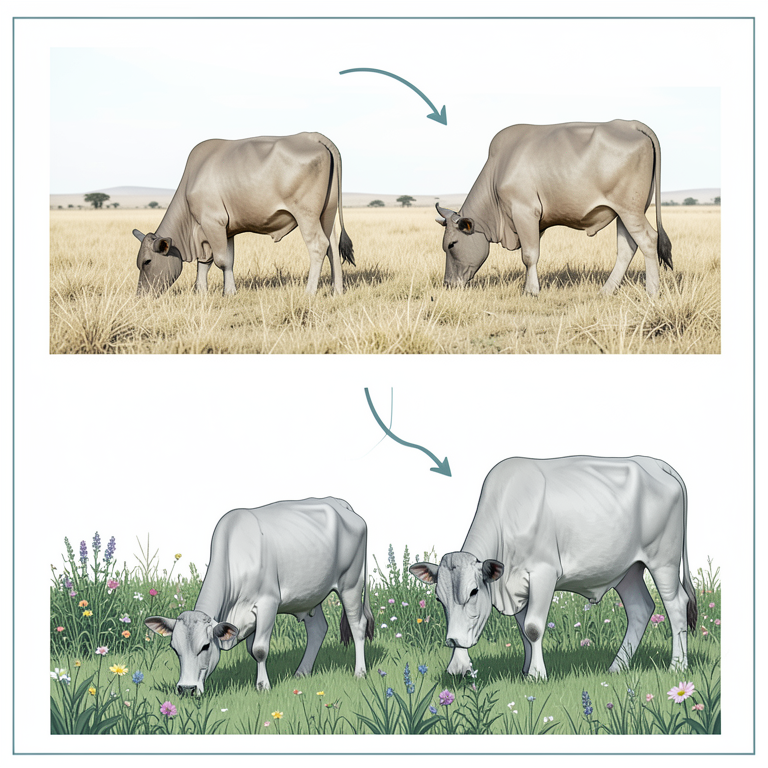
Impact of Forage Type on Livestock
AI-generated conceptual illustration (Zebu cattle in an arid Kenyan landscape). It explains the idea and does not show study data.
View source evidence ↗Figures & tables
From the original paper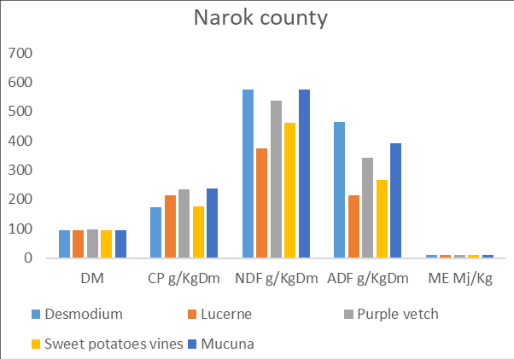 Figure 2
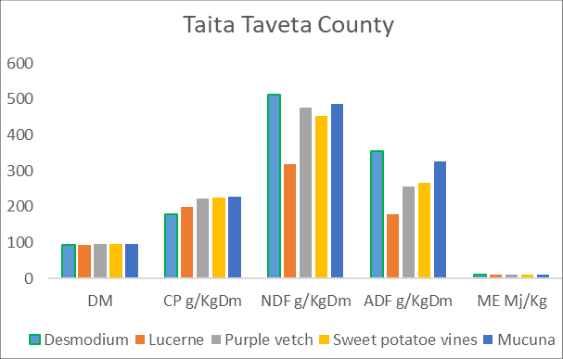 Figure 2
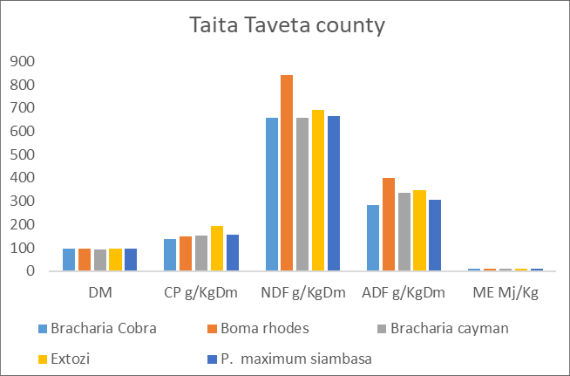 Figure 1
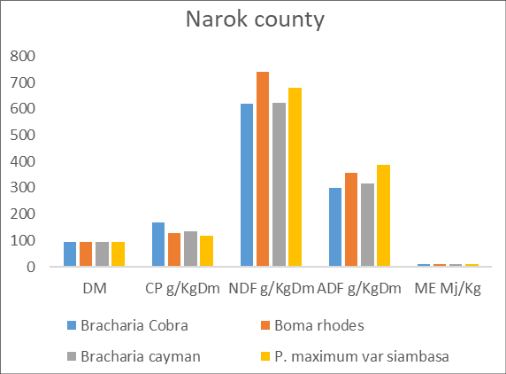 Figure 1
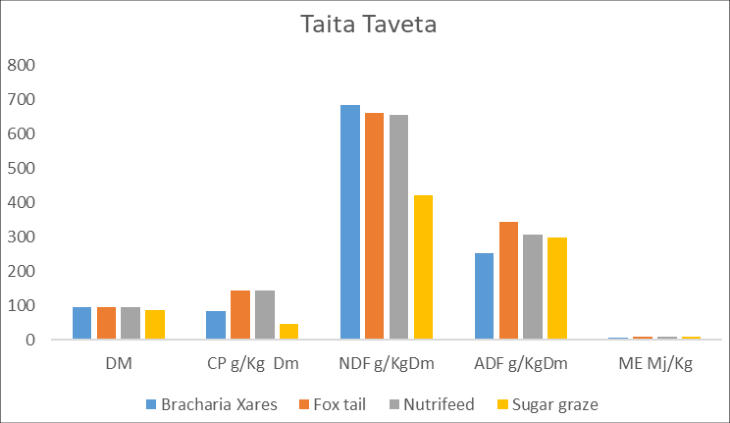 Figure 3
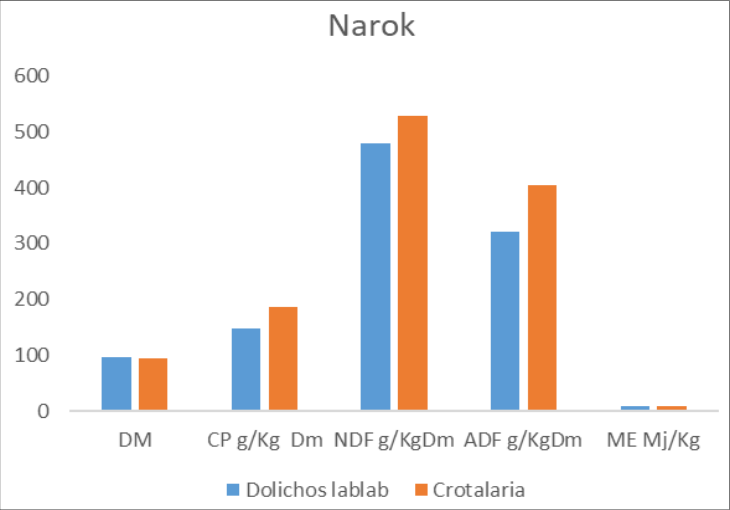 Figure 4
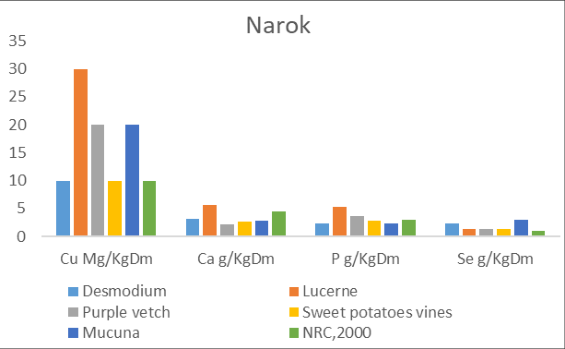 Figure 6
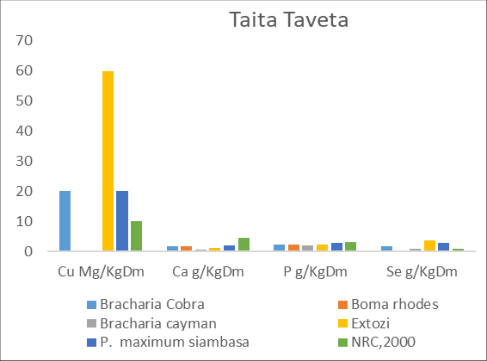 Figure 5
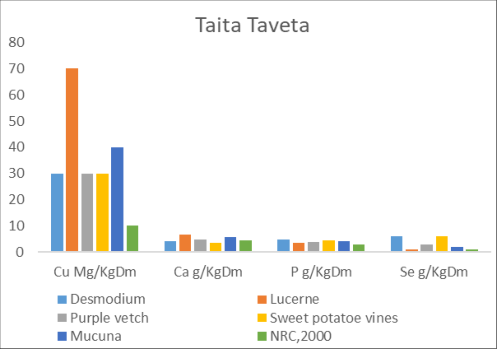 Figure 6
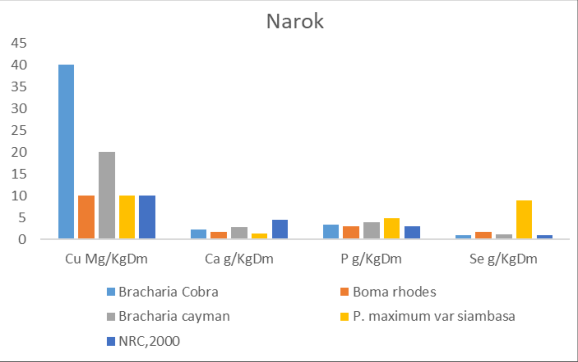 Figure 5
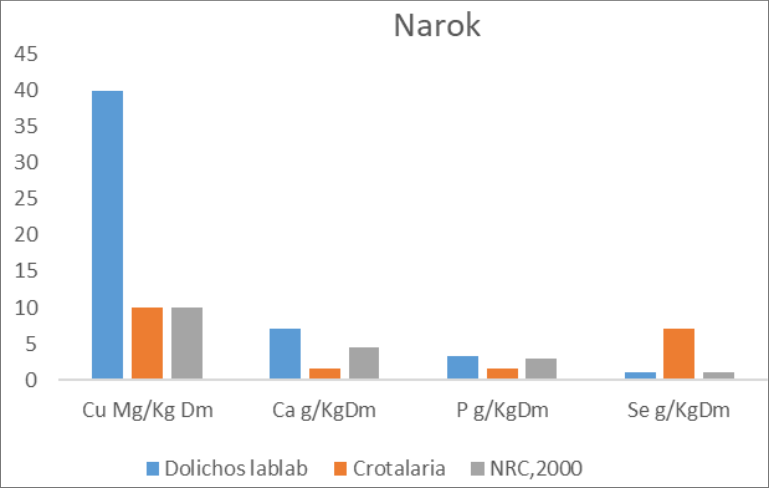 Figure 7
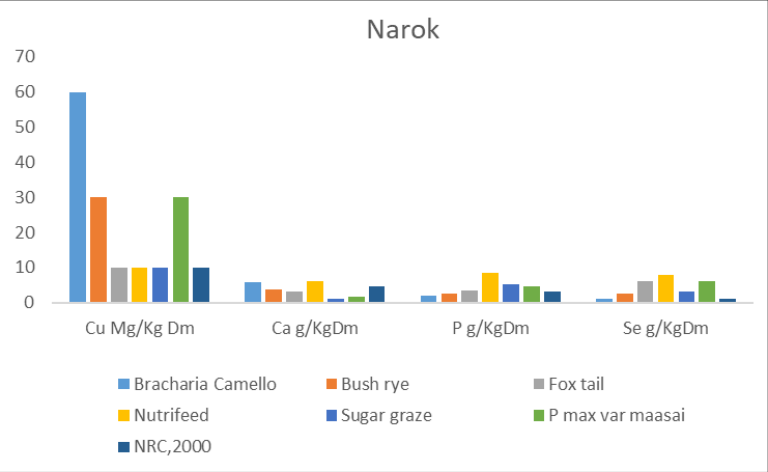 Figure 7
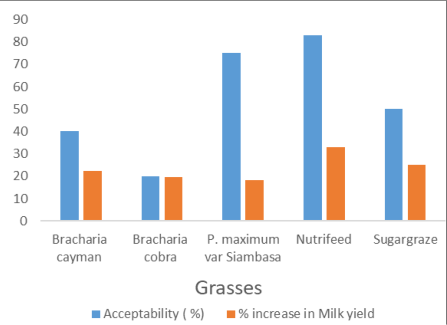 Figure 9
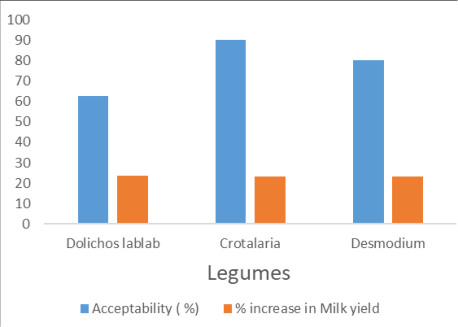 Figure 9
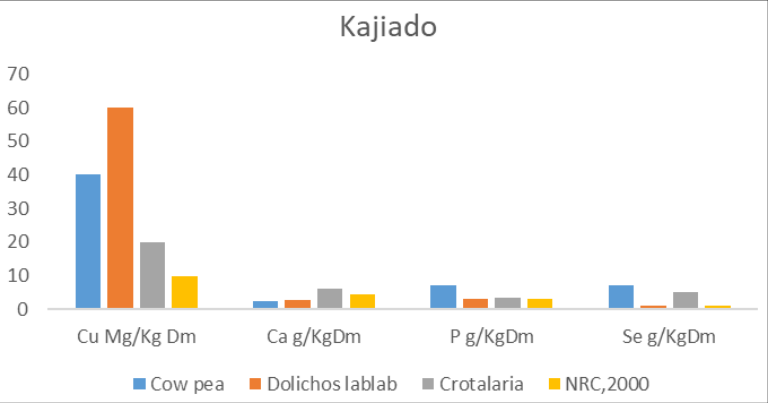 Figure 8
Introduction
Livestock production is the major source of livelihood in arid and semi-arid lands (ASALs) of Kenya. It accounts for 90% of employment and more than 95% of family income (Njiru et al., 2010) [21] . However, it is largely constraint by scarcity of quantity and quality of feed which is influenced by rainfall and temperature seasonality exposing major ASAL regions to drought and claiming 80% of livestock mortalities (Muriithi, 2018) [22] . In addition, this seasonality poses a major impact on the forage quality thus reducing livestock production potential. These call for the need to employ strategies towards improved livestock productivity through disseminating improved feed and forage options, evaluating the forage yield and quality, and impact on livestock productivity parameters (Ayele et al., 2012) [3] . These improved forages include perennial grasses and legumes planted for grazing or cut and carry (Rao et al., 2015) [16] and should be incorporated in production system to supplement the feed base The nutritional quality of forages is measured using its nutritive composition with major elements being crude protein (CP), energy, minerals and fibre (NDF, ADF) components as they are reliable measures of nutritional quality (Ganskoop & Bohnert, 2001) [8] in forages.
Seventy (70) g/kg CP level in diet is considered as critical threshold for the maintenance of ruminant livestock (NRC, 2000) [14] . The critical crude protein level in diet is required for maximum growth and activity of ruminal microorganisms thus producing desired microbial crude protein (MCP) amounts and maximum ruminal fermentation. However, CP concentration in plants is influenced mainly by the supply of available N in soil and the stage of maturity at harvesting. On the other hand, Minerals are required to meet the animal requirements for optimum development and health (McDowell, 2003) [13] . Growing beef requires calcium (Ca) level of 4.5 g/Kg Dm, Phosphorus (P) of 3.0 g/Kg Dm and Copper level of 10 g/KgDM (McDowell, 2003) [13] . The critical NDF values are in the range of 600-650 g/Kg Dm (vansoest et al., 1991) [19] for optimal functioning of rumen microbiota and 250-350 g/Kg Dm for lactating cows (NRC, 2001) [15] . Higher NDF values affects dry matter intake (DMI) and increases with longer harvesting interval The major forage feed available for livestock in ASALs includes annual and perennial grasses, legumes, multipurpose trees and shrubs. These predominant and adaptable forages fail to support increased productivity. These is because they are low in biomass yield and poor in quality, which necessitated introduction of improved fodder on farm and in the existing feeding regimes with higher biomass yield, better quality and adaptable to adverse climate in efforts to increase ruminant productivity. The resulting impact can only be seen in increase in animal product since milk and meat production amongst pastoral communities is adversely affected, leaving the community at risk of food insecurity. To assess the impact of improved forage on livestock dairy animals are used because it rapidly translates to higher milk yield as long as a cow has sufficient genetic potential (Lascano, 2001) [12] . This study proceeded on addressing the feed scarcity by disseminating improved feed and forage options to farmers in the ASALs, evaluating their yield and quality, and impact on livestock productivity of different forages established in lowlands and highland regions of Taita Taveta, Narok and Kajiado County. The results inform that legumes need to be incorporated into the diet while feeding ruminants on lowquality grasses to boost productivity for sustainable ruminant productivity under ASALs ecosystems.
Materials and Methods
Materials and Methods
Study sites
The study was conducted on the demonstration plots established in highland and lowland sites in the counties of Narok, Kajiado and Taita Taveta located in the southern rangelands of Kenya. The counties are predominantly ASAL. The rainfall pattern in all the counties is bimodal distribution. Kajiado County receives as little as 300mm around the Amboseli basin to as high as 1250 mm per annum in Ngong' hills and Mt. Kilimanjaro slopes (CGK, 2018) [4] . Similarly, the rainfall in Narok County ranges from 500-2500 mm per annum (CGN, 2020) [5] while Taita Taveta county receives a rainfall of 340mm to 1200mm per annum (CGT,18) [6] . The soils in most of the study sites were varying with most soils being low in organic matter.
Sampling of the forage species for analysis
The forage samples under study were of 7 grass pastures (Brachiaria camello, Bush rye, Nutrifeed, African foxtail, Brachiaria cayman, Sugargraze & Panicum maximum var Maasai) and 3 legumes (Cow pea, Dolichos lablab and crotalaria) established in the lowland regions. Four grass pastures (Brachiaria cobra, Boma rhodes, Brachiaria cayman and Panicum maximum var Siambaza) and five legumes (Desmodium, Lucerne, Purple vetch, Sweet potato vines and Mucuna) were established in the highlands regions. Demonstration plot measured 100 m 2 across the counties of Narok, Kajiado and Taita Taveta during the short rains, October to December 2021 and long rains of March to May 2022. The plots were monitored continuously and weeds, insects, and diseases and pests, and other probable external sources of variation were maintained at minimal levels. Samples for the experiment were collected randomly using one-meter square quadrats, by clipping to ground level all the above-ground vegetation when at bloom stage for biomass yield and for nutritive analysis. The grasses were dried under a shade until transported to the Laboratory of Arid and Rangelands Research Institute (ARLRI), where they were oven-dried at 65 o C for 48 hrs and ground to pass through a 1mm sieve in a mill.
Determination of the nutritive composition of the forage species
The ground samples of each forage species were taken to laboratories of the university of Nairobi college of Agriculture and veterinary sciences for nutritive content analysis. The following nutritive analysis was to determine; True DM (at 105 ºC for 24 hr) in an air-forced oven (Genlab Oven, Genlab Ltd, UK.); Total nitrogen (N) content was also determined by the Kjeldahl procedure (AOAC, 1990, method no. 988.05) [2] using selenium catalyst tablets. The crude protein content was estimated by multiplying the total N by a factor of 6.25. Further, samples were analyzed for neutral detergent fiber (NDF) and acid detergent fiber (ADF) according to AOAC, (1990) [2] method number 6.5.1 and 6.5.2 respectively, using an Ankom 200 fiber analyzer (Ankom Technology cooperation, Fairport, USA). ME was calculated using NRC 2001 [15] equation (ME Mcal/Kg =1.01*DE-0.45). And a factor of 4.19 was used to convert Mcal/Kg to MJ/Kg. Mineral content was estimated by combusting the sample in a muffle furnace at 550 o C for 5hrs (HeraeusM110 muffle furnace, Heraeus Holding GmbH, Hanau, Germany). This was according to AOAC method (AOAC, 1990 method no.924.05 [2] . Ashes were digested in a solution containing HCl and HNO 3 , using the wet digestion technique. Concentrations of Calcium, Copper and Selenium were determined by atomic absorption spectrophotometry whereas, Phosphorus was quantified spectrophotometrically following AOAC, 1997 [1] procedure.
Determination of feeding value of selected forages
The forages were harvested at bloom (50% flowering) stage for quality and feeding value testing using selected dairy cattle in milk. The forages were prepared before presenting to the animal by chopping to 2-3 mm length. The animals for the test were offered feed in a cafeteria feeding system as described by Larbi et al., (1993) [24] and allowed to do selfselection. Acceptability of the feed was judged based on the time taken eating a particular feed, the number of times a particular feed was visited and the amount of feed eaten verses refusals. Further, the selected cattle were offered 5kg of fresh feeds just before milking for five days. Changes in milk yield were noted and records made for five days.
Experimental design and statistical analysis
This study employed a Completely Randomized Design. The forage species were the treatments, while the nutritive value, acceptability and animal response were treated as dependent variables (Gilbert Ndutu Munywoki et al, 2022) [23] .
The model used was as follows;
(iii) Where, =observation on nutritive value /acceptability/animal response of i th forage species on j th replication = overall mean, = fixed effect of the forage species i =residual error Data was subjected to General Linear Model procedure on GENSTAT to determine the significance between the grass species' nutritive value and the means separated with Tukey HSD at a 5% significant level. Taita Taveta County had a low crude protein content of 480 g/Kg Dm. Bush rye, Brachiaria camello, Brachiaria cayman, Foxtail and Sugargraze were found to have a high NDF value above 650 g/ Kg Dm. This was not the case for Nutrifeed which was found to have NDF value of 566 g/Kg Dm. The NDF value for all legumes was within the range of critical value 400-500 g/Kg Dm. ADF values were low for all the forages ranging between 247-399 g/Kg Dm for grasses and 256-405 g/Kg Dm for legumes. All forages studied had ME value beyond the minimum requirement of 8Mj/Kg. The mineral values were varied with calcium (ca) ranging between 0.5 -2.8 g/Kg Dm for grasses and 3.5 -6.6 g/Kg Dm for legumes, copper (Cu) between 0-60g/Kg Dm for grasses and 10-70g/Kg Dm for legumes, Phosphorus (P) between 2.0 -4.8 g/Kg Dm for grasses and 2.3-5.3 g/Kg Dm for legumes; Selenium (Se) between 0-9 g/Kg Dm for grasses and 1-6 g/Kg Dm for legumes [14] requirement for beef cattle [14] requirement for beef cattle Mineral composition of grass pastures studied in lowland regions of Kajiado, Taita Taveta and Narok counties relative to NRC, 2000 [14] requirement for beef cattle recommended value for lactating cows of 8.4-10.3 Mj/Kg DM, these implies that the forages could supply optimal energy levels for ruminants. The studied forages had varied levels of mineral content required to meet the animal needs for optimum development and health and also has an influence to animal productivity (McDowell, 2003) [13] . Growing beef cattle require about 4.5 g of Ca/kg DM in their diets (McDowell, 2003) [13] . It seems that most of the forages in lowland regions (Nutrifeed, Sugar graze, dolichos lablab and Brachiaria camello) had Ca level above the requirement for beef cattle while only a few had insufficient Ca to meet these requirements. The P levels were also varied with only few forages meeting the P requirements of growing beef cattle 3.0 g/kg in the DM of their diet (McDowell, 2003) [13] of growing beef cattle. All the forages had sufficient Cu values required to meet the requirements of growing beef cattle (10 mg/kg DM; McDowell, 2003) [13] except a few in the highland regions, Low Cu in evaluated grasses may be caused by the high pH (7.5-8.5) in soils (Spears, 1994) [18] of these region The high acceptability rate for legumes Fig 9 could be associated with low NDF value and high CP content which is responsible for increased intake and increase in milk yield. These means that feeding ruminant livestock with the studied legume feeds would translate to tremendous increase in production. Thus, the results inform that legume species promotes animal performance and should thus be included while feeding to boost the production for sustainable ruminant productivity under ASALs ecosystems
Results
Results
Nutritive value composition:
Nutritive value composition:
Conclusion
Nutritional quality of forages is key determinant in animal performance and should not be lost while breeding feeds for livestock production. Better quality grass, characterized by lower fiber and high protein content, is potentially promising in improving livestock productivity. Supplementation using legumes is also recommended to enhance animal production potential
Acknowledgement
AcknowledgementThe authors would like to acknowledge the funding from European Union through the Kingdom of the Netherlands & SNV; the logistical support from the Director General KALRO; and last but not least the cooperation from County Governments & Farmers in Kajiado, Narok & Taita Taveta.
Figures and tables from the paper
References
13 in the original paper- Ayele S, Duncan A, Larbi A, Khanh TT. Enhancing innovation in livestock value chains through networks: Lessons from fodder innovation case studies in developing countries. Science and public policy. 2012;39(3):333-346.
- CGK. Kajiado County Integrated Development Plan, 2018-2022; c2018.
- CGN. Finance, Economic Planning & ICT Annual Development Plan 2021/22 Financial Year; c2020.
- CGT. Taita Taveta County Integrated Development Plan 2018-2022; c2018.
- Doreau M, Benhissi H, Thior YE, Bois B, Leydet C, Genestoux L, et al. Methanogenic potential of forages consumed throughout the year by cattle in a Sahelian pastoral area. Animal Production Science. 2016;56(3):613-618.
- Ganskoop D, Bohnert R. Nutritional dynamics of 7 northern Great Basin grasses. Journal of Range Management. 2001;54(6):640-647.
- Lean IJ, Golder HM, Hall MB. Feeding, evaluating, and controlling rumen function. Veterinary Clinics of North America: Food Animal Practice. 2014;30(3):539-575.
- Ramírez RG, Haenlein GFW, García-Castill CG, NúńezGonzález MA. Protein, lignin and mineral contents and in situ dry matter digestibility of native Mexican grasses consumed by range goats. Small Ruminant Research. 2004;52(3):261-269.
- Van Soest PJ, Robertson JB, Lewis BA. Methods for dietary fibre, neutral detergent fibre and non-starch polysaccharides in relation to animal nutrition. Journal of Dairy Science. 1991;74(10):3576-3583.
- Njiru M, Mkumbo OC, Van der Knaap M. Some possible factors leading to decline in fish species in Lake Victoria. Aquatic Ecosystem Health & Management. 2010;13(1):3-10.
- Muriithi BW, Menale K, Diiro G, Muricho G. Does gender matter in the adoption of push-pull pest management and other sustainable agricultural practices? Evidence from Western Kenya. Food security. 2018;10(1):253-272.
- Munywoki GN, Ekapolon JE, Munywoki JM. Transforming livelihoods through irrigation and wateruse efficiencies in semi-nomadic agropastoral system: A case of Kalobeyei community, Turkana County, Kenya. Int J Agric Extension Social Dev. 2022;5(1):54-58. DOI:10.33545/26180723.2022.v5.i1a.126
- Larbi JA. Microstructure of the interfacial zone around aggregate particles in concrete. NASA STI/Recon Technical Report N. 1993;94:19322.