
Research article · 2021 · Full text
International Journal of Veterinary Sciences and Animal HusbandryAssessment of challenges associated with artificial insemination service delivery in dairy cattle in Rwanda
Volume 6(3) · Pages 45–57 · DOI: 10.22271/veterinary.2021.v6.i3a.373 ↗
Research areasAnimal Diversity and Health Studies
Abstract
Author-writtenMost Rwandan farmers need artificial insemination (AI) services to improve their dairy breeds. This is because AI as a breeding service is the most available assisted reproductive technology to improve these breeds. However, this breeding service is associated with several technical, socio-economic, managerial, and logistical constraints. Therefore, AI service is likely to remain poor and even declining due to inconsistent service delivery to dairy farmers. In other words, the decline in AI use among dairy farmers in Rwanda could be reversed by improving AI service delivery. However, empirical evidence is lacking for the challenges experienced by artificial insemination technicians (AITs) in delivering AI services. Thus, the objective of this study was to assess the challenges associated with bovine AI service delivery in Rwanda. A pre-tested structured questionnaire survey was prepared and used, and 89 respondents (AITs) were asked accordingly in a retrospective cross-sectional sampling design. The results of the study showed that the top four major challenges frequently experienced by AITs regarding AI service delivery were irregular and interruptions supply of liquid nitrogen and other AI consumables (95.5%), followed by the presence of uterine infections (metritis/endometritis) (95.5%), conception failure (91.0%), and poor herd management practices by farmers (76.4%). It mostly emerged from this study that there is a need to provide AI inputs regularly and without interruption, establish a performance-based incentive system for AITs, and improve general herd management, feeding, and breeding practices by farmers. These strategies should be considered for prioritisation in extension services and research to overcome the challenges that have so far impeded efficient dissemination and accessibility of AI technology among dairy farmers. This could improve AI service delivery, increase productivity, profitability, and sustainability of the dairy herds.
Summary
Source-checkedPlain-language reading of the full paper, prepared with AI and checked against the text. Each point links to the authors' own words.
Why it matters
- The dairy sub-sector is vital to Rwanda's economy, providing a way out of poverty for more than 80% of households involved in the dairy value chain. View evidence ↗
- Rwanda faces a shortage of high-producing dairy cows, with average annual per capita milk consumption at 63.0 litres compared to an expected 220 litres. View evidence ↗
The question
- The study aimed to assess the specific challenges that artificial insemination technicians (AITs) face when delivering bovine AI services in Rwanda. View evidence ↗
What they did
- The study used a convenience sample of 89 AITs, consisting of 51 private practitioners (57.3%) and 38 government employees (42.7%). View evidence ↗
- Data was collected using a retrospective cross-sectional survey design via face-to-face interviews covering the period from April 2020 to April 2021. View evidence ↗
- A pre-tested semi-structured questionnaire was used to gather data from the technicians. View evidence ↗
What they found
- The most frequent challenges reported by AITs were irregular supply of liquid nitrogen and consumables (95.5%), uterine infections (95.5%), conception failure (91.0%), and poor farmer herd management (76.4%). View evidence ↗
- AI activity is often not economically viable on its own, with 60.7% of AITs earning less than US$30 per month from these services. View evidence ↗
- The primary reasons AITs failed to attend all AI calls were uncompensated costs (40.4%), large operational areas (24.7%), high workload (20.2%), and lack of transport (14.6%). View evidence ↗
- AITs travel significant distances to reach farms, with an overall average distance of 18.8±1.7 km. View evidence ↗
What it means
- The authors conclude that improving AI service delivery requires regular input availability, incentive schemes for technicians, and better farmer management practices. View evidence ↗
- The authors recommend prioritizing these strategies in research and extension services to increase the accessibility and efficiency of AI technology. View evidence ↗
- The authors state that further studies are needed to use this baseline data to identify specific constraints to AI service improvement and technology profitability. View evidence ↗
Visual summary
2 visualsIllustrations explain the paper; charts are replotted from the paper's own table values.
The AI Service Challenge-Solution Loop
AI-generated conceptual illustration (dairy cattle in Rwanda). It explains the idea and does not show study data.
View source evidence ↗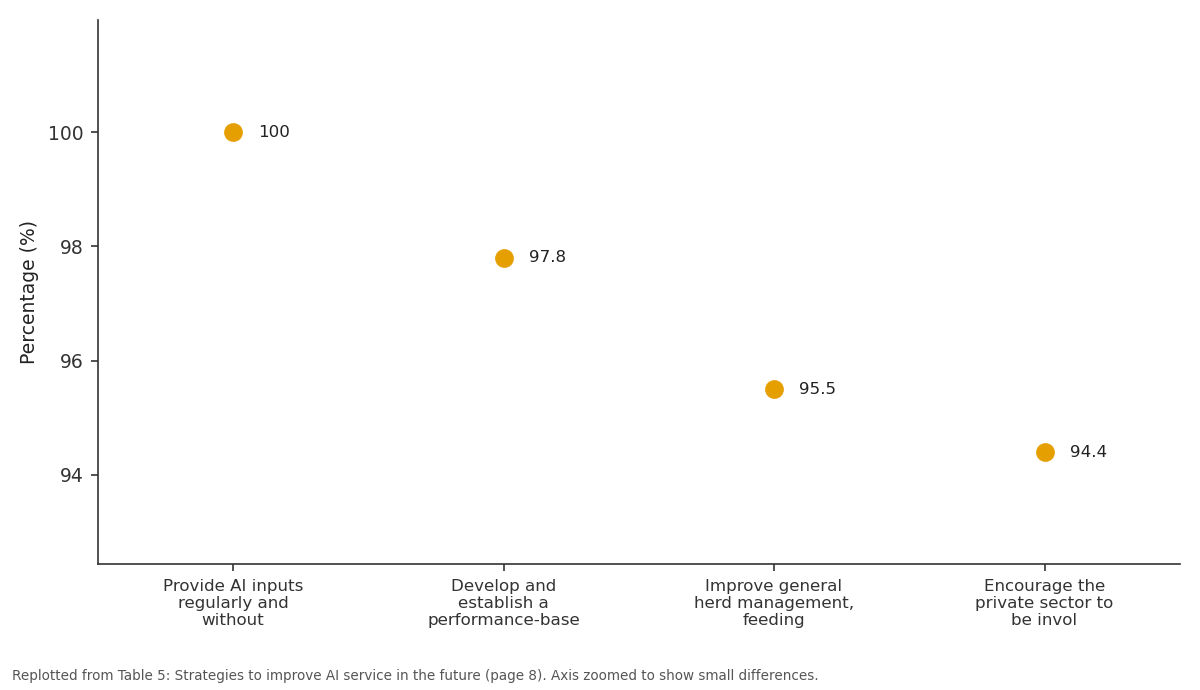
Percentage: Provide AI inputs... vs Develop and establish a... vs Improve general herd... vs Encourage the private...
Replotted from Table 5 (page 8) of the original paper. Every bar is the paper's own table value.
View source evidence ↗Figures & tables
From the original paper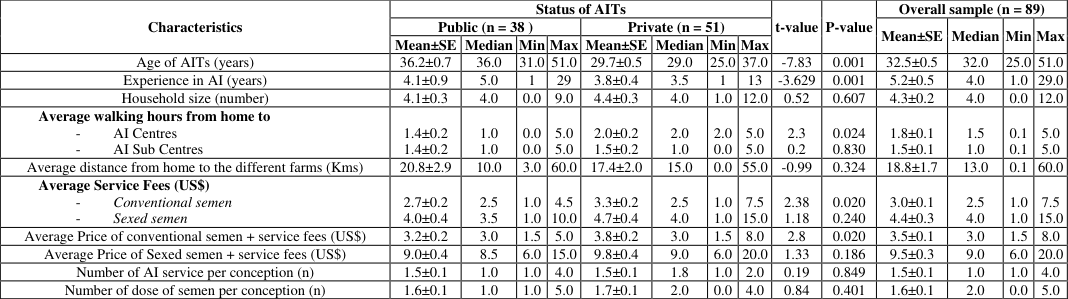 Table 1
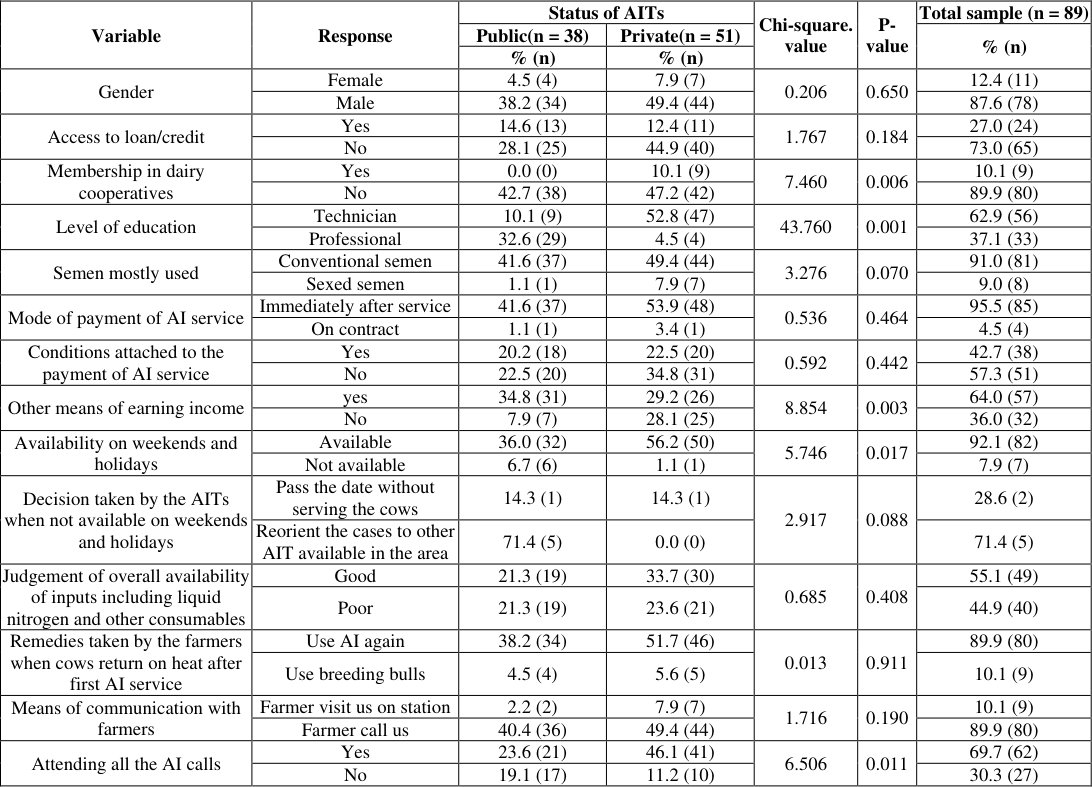 Table 2
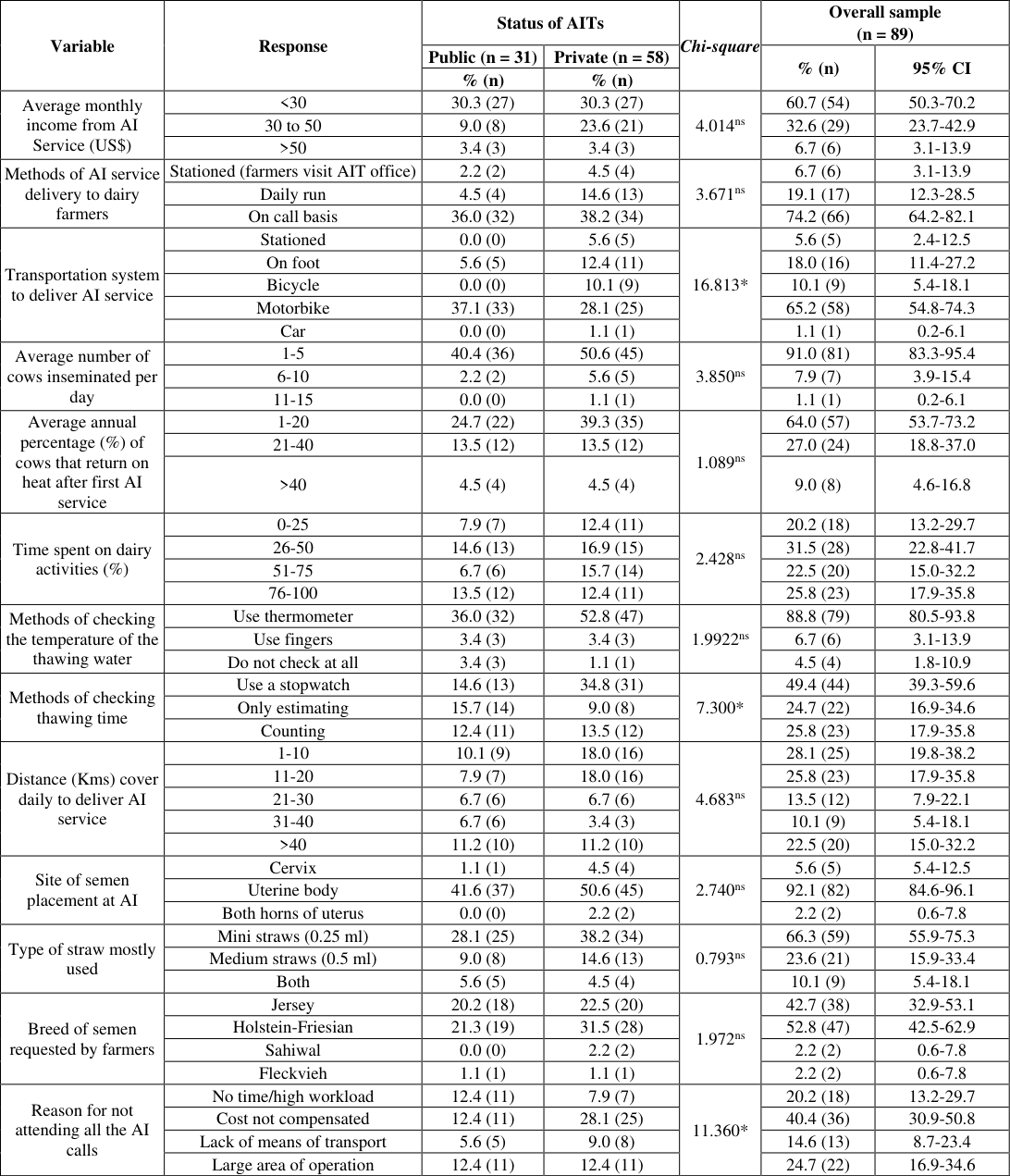 Table 3
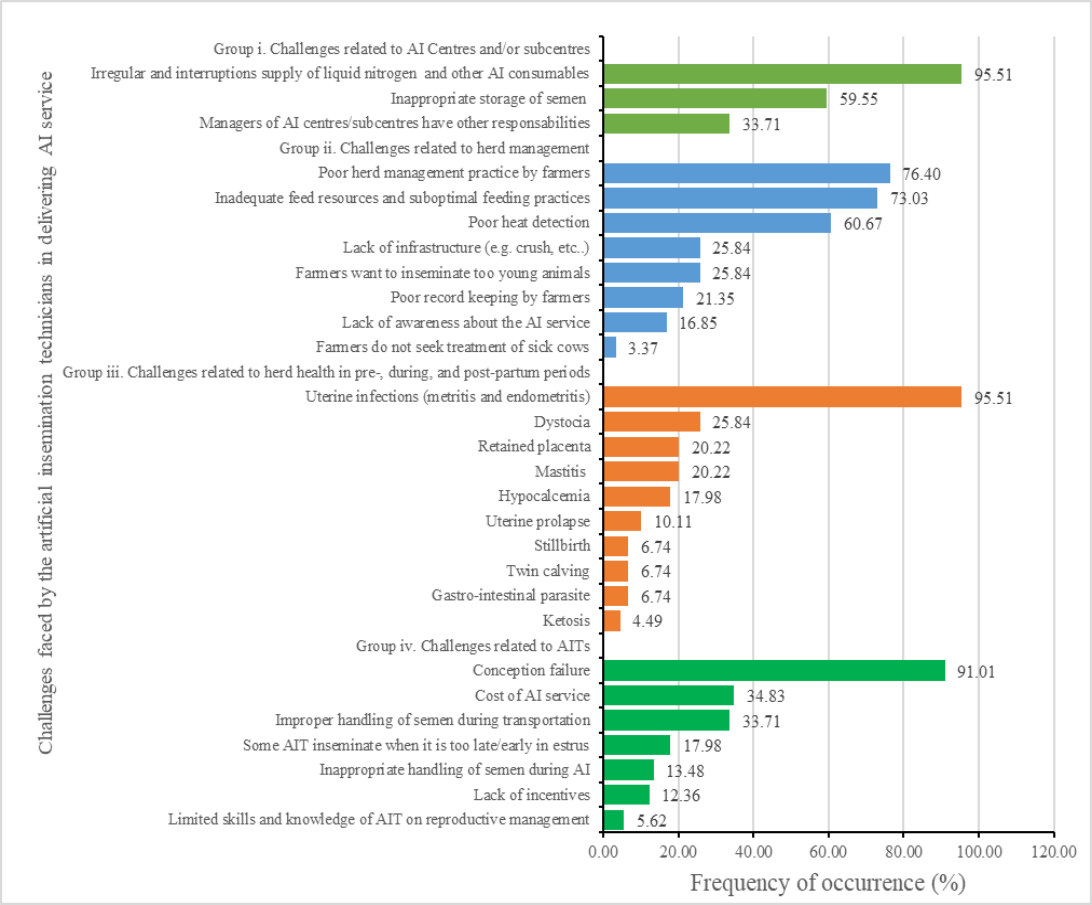 Figure 1
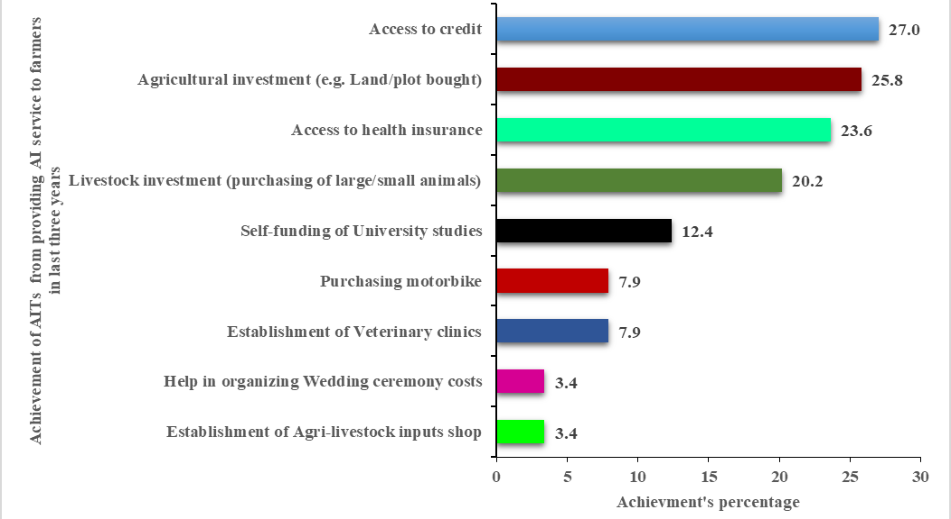 Figure 2
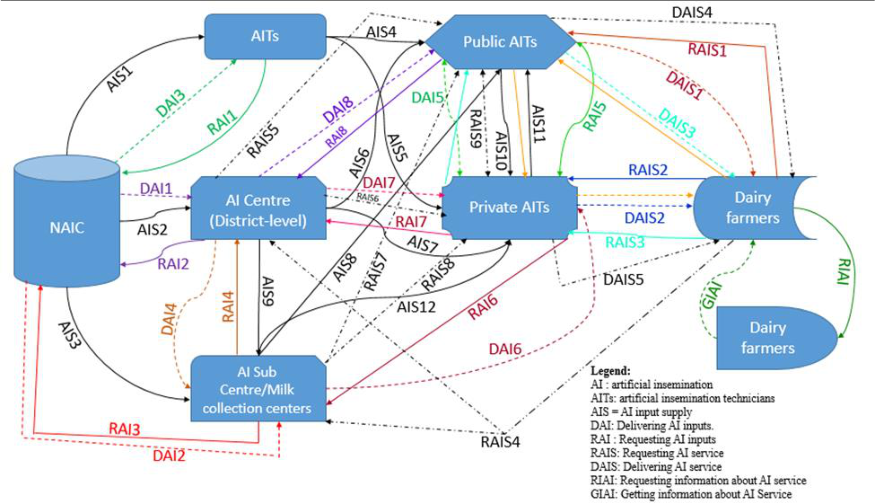 Figure 3
 Table 4
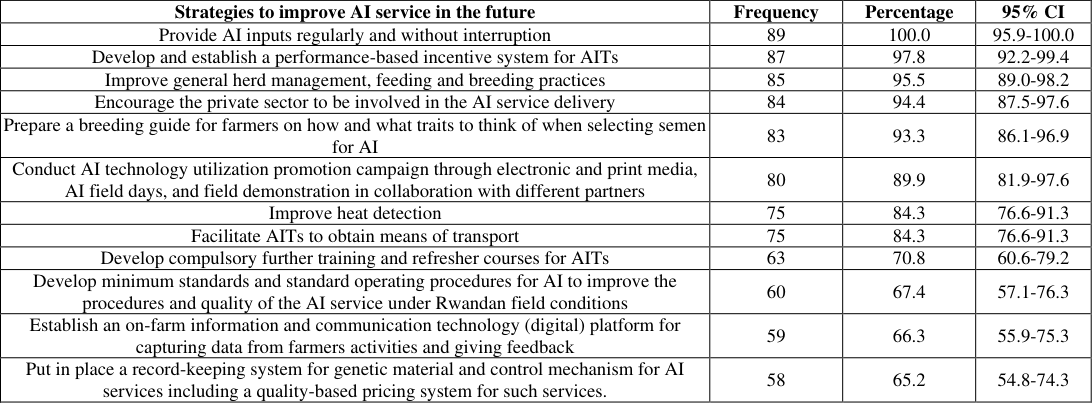 Table 5
Introduction
The dairy sub-sector is an integral part of the agricultural sector in Rwanda. It offers a pathway out of poverty for over 80.0% of households involved directly or indirectly in the dairy value chain. The dairy subsector contributes 28.0% to the agricultural Gross Domestic Product (GDP) and 4.0% to the national GDP [1] . Increasing productivity in the dairy sub-sector is necessary for enhancing farm incomes, reducing poverty, improving nutrition as well as meeting the growing demand for dairy products by the growing urban population [2] . Therefore, the provision of efficient and affordable breeding services is crucial in ensuring access to improved dairy breeds that are necessary for increased productivity, profitability, and sustainability of the dairy sub-sector. Artificial insemination (AI) is one of the earliest great biotechnology innovations related to animal reproduction and breeding, dating back to the 1780s [3] , and has brought enormous socio-economic benefits to the livestock farming industry [4] . It is the use of semen collected from a genetically superior male to inseminate a female detected in heat, resulting in a genetically superior offspring [5] . The use of AI can also be seen as a chain of events -from the collection of semen from a bull to the birth of a calf. And to be successful in AI work, no failures can be tolerated anywhere since each link in this chain of events is of equal importance because the concept of the fertility chain is that it is only as strong as the weakest link [6] . This indicates that dairy producers must desire to make AI work and instil this commitment into each link in the fertility chain.
Therefore, the weakest link sets the level of success of the AI service. This means that all the links in the chain should be strong enough to strengthen the whole chain, as one weak link results in no conception, most likely to the extent it will cancel many of the benefits the AI technology offers [7] . The AI technology has been in operation in Rwanda for over 70 years. However, some concerns like the long term sustainability of the dairy sub-sector are undermined by a number of constraints, but not limited to low conception rate, absence of heifer replacement which needs to be introduced to maintain a stable herd size, and disharmony in the organization of assisted reproductive technologies [2] . These constraints can result in reproduction and production losses [8] . In Rwanda, dairy production is a prioritised development intervention for rural farming households, but the reproductive and productive performance of dairy cows is suboptimal [9] . This is because a large number of dairy cows are served several times but remain unproductive, which results in production and economic losses to the farmers as such cows have reduced potential to produce their heifer replacements [10] . Yet, the dairy farming system supplies the bulk of the milk for the domestic market [11] . However, the supply has not satisfied the local demand. The average per capita milk consumption for both urban and rural areas estimates by the Rwanda Livestock Master Plan [12] is 63.0 litres per person per annum against the expected 220 litres/year [13] . This demonstrates that a fundamental problem with dairy development is the limited stock of high producing dairy cows. The national bovine herd is estimated at 1,340,792, of which 45.0% are indigenous cattle, 33.0% are dairy crossbreds, and 22.0% are pure dairy breeds [11] . This is an indication that the AI service in the country has not been successful in improving the productivity and reproductive performance of the dairy industry [11,14] . Recognizing the above limitations on milk production, the Government of Rwanda (GoR) has adopted policies aimed at increasing yields through genetic improvement through the importation of exotic cattle; and crossbreeding using AI technique that has great potential to improve the productivity and profitability of dairy cattle. To make bovine AI successful, the GoR through the Rwanda Agriculture and Animal Resources Development Board, and different stakeholders, trained AITs to provide proximity services at the farm level. Despite all the efforts made to use AI technology, the conception rate after the first AI service is still low, ranging from 20.8% to 42.2% as reported by previous studies [10,14] . This indicates that technical, socioeconomic, and logistic constraints still exist along the cattle genetic improvement value chain [15] demonstrating that the efficiency of AI services in the country, however, has remained at a very low level. Despite the significant increase in the availability of AITs over the last 10 years, recent studies have shown that a great proportion of dairy farmers are reverting to natural mating, probably due to inconsistent AI service in the livestock production systems of the country in general [15] . According to Mushonga et al. (2015), approximately 63.1% of farmers use bull service, 16.9% use AI service, and 20.0% use both AI and bull services. Correspondingly, Nyabinwa et al. (2020) reported that more cows were mated with breeding bulls (65.4%) compared to AI (34.6%). This demonstrates the low adoption rate of AI service by dairy farmers, probably due to a number of reasons, but not limited to low farmers' awareness of the use of AI, dairy farmers may have kept breeding bulls due to the inaccessibility of AI service within the herd's environment, and bull service is convenient when the farmer does not have the money to pay for AI service [2,17,18] . This may result in a reduction of the number of AI services offered to farmers by AITs, which in turn results in reduced income from services. However, there would be a need to launch an educational campaign to show farmers the advantages of AI technology as opposed to bull service [19] . The reported low adoption of AI and low conception rate indicate a problem in the AI service delivery system. Unfortunately, empirical evidence on challenges experienced by AITs in delivering AI services in Rwanda is lacking. Such evidence would be valuable in informing management interventions to target those challenges. Consequently, the general objective of this study is to contribute to improving herd fertility, productivity, and profitability through bettertargeted management actions to prevent challenges faced by AITs in Rwanda. Specifically, this study targeted AITs from different districts to assess challenges associated with the bovine AI service delivery system.
Materials and Methods
Materials and Methods
Survey design and data collection
This study evaluates data from a convenience sample. This is because the target population that met certain practical criteria, such as easy accessibility, availability at a given time, and willingness to participate, were included for the purpose of this study [20,21] . In total, 89 artificial insemination technicians (AITs) were included in this study, of whom 57.3% (n = 51) worked in private practice (licensed private AITs) and 42.7% (n = 38) for the government (public AITs). The participants of the survey were from four provinces: Northern (40.4%, n = 36), Eastern (22.5%, n = 20), Southern (20.2%, n = 18), and Western (16.9%, n = 15). The study applied a retrospective cross-sectional sampling design involving an AIT survey to understand the challenges associated with bovine AI service delivery in Rwanda. The retrospective data was collected from the AIT covering the years 2020 -2021 (April 2020-April 2021). Interviews were obtained from AITs who consented. AITs were assured of the confidentiality of the data collected since individual identification is not part of the data being reported in this paper. Therefore, a pre-tested semi-structured questionnaire was prepared and used to collect the data from each AIT through face-to-face interviews. Before the beginning of the interview, every respondent was briefed about the objective of the study. The questionnaire was developed in English and was pre-tested on 10 AITs to ensure the objective of the study is clear and to improve the clarity of the questions to the target population [22] . The 10 AITs used in the pre-testing survey were not part of the AITs recruited for the study being reported in the current paper. Furthermore, each AIT was asked to (i) describe the AI inputs and service delivery processes in his/her operational area and (ii) give strategies on how to improve AI service in the future. The aachievements of AITs from providing AI services to farmers were recorded as the cumulative achievement realized in the last three years (2019 up to 2021).
Data management and statistical analysis
The collected data were entered, stored, and analyzed using the Statistical Package for the Social Sciences (SPSS) version 20.0 for Windows package software [23] . Data analysis employed different analytical methods depending on the nature of the data collected. This was to enable in-depth data mining for better understanding and reporting of challenges associated with the bovine AI service delivery system. Descriptive statistics were used to estimate the socioeconomic characteristics of public and private AITs, challenges to AI service delivery system faced by AITs, and achievement of providing AI services to farmers. These include cross-tabulation, means, standard error of the mean, median, frequencies, percentages, minimum, and maximum. Inferential statistics with the Chi-square test were employed to determine the association between different variables with the AIT status (public and private AITs). The Independent-Samples T-Test was used to compare continuous variables between public and private AITs. Ninety-five per cent confidence interval (95% CI) for proportion was computed by using the EpiTools software (https://epitools.ausvet.com.au/ciproportion?page=CIProporti on) [24] . For the purposes of analysis, the different challenges experienced by AITs in delivering AI services to dairy farmers were categorized into four groups relating to (i) AI Centres and/or Sub Centres, (ii) herd management, (iii) herd health in pre-, during, and post-partum periods, and (iv) AITs. Those challenges were classified depending on their frequency of occurrence reported by AITs in the survey questionnaire. Thus, the higher the frequency, the more the challenge is serious. Finally, the study used lucid.app (https://lucid.app/lucidchart) to map out the combined process and influential actors in AI inputs distribution and AI service delivery system models in Rwanda. In all analyses, the statistical significance was set at alpha <5%.
Results
Results
Socio-economic characteristics of public and private
AITs for continuous variables A summary of socio-economic characteristics for continuous variables of public AITs and private AITs is presented in Table 1. The results showed that AI service provision is provided mainly by private AITs (private AI business model, 57.3%, n = 51) with little public AITs service delivery (Government AI business model, 42.7%, n = 38). Overall, the family size was on average 4.3±0.2 members per household and the mean age was 32.5±0.5 years (median 32.0) with 5.2±0.5 (median 4.0) years of experience in AI activity. AITs needed to walk for 1.8±0.1 (median 1.5) and 1.5±0.1 (median 1.0) hours to get AI inputs to the nearest AI centre and AI Sub Centre, respectively. In line with this, the average distance (kilometres) from home to the different farms was 20.8±2.9 (median 10.0) for public AITs and 17.4±2.0 (median 15.0) for private AITs while the average distance for the whole sample was 18.8±1.7 (median 13.0) kilometres. At the time of this study, the cost of a single AI service (the price of semen and service fees) was at a cost: US$ 3.5±0.1 (median 3.0) when using ordinary conventional semen and US$ 9.5±0.3 (median 9.0) when using sexed semen, but varied according to the different AITs. It was higher among private AITs (US$ 3.8±0.2 and 9.8±0.4 when using ordinary conventional semen and sexed semen, respectively) than among public AITs (US$ 3.2±0.2 and 9.0±0.4 when using ordinary conventional semen and sexed semen, respectively). Participants confirmed that cows becoming pregnant require a greater number of inseminations per conception (1.5±0.1, minimum = 1, maximum = 4.0) and a number of doses of semen per conception (1.6±0.1, median 2.0). Out of the 12 continuous socio-economic characteristics considered, five were found to be significant (p<0.05) between public AITs and private AITs. These were the age of AIT (36.2±0.7 vs. 29.7±0.5), experience in AI activity (4.1±0.9 vs 3.8±0.4), average walking hours from home to AI Centres (1.4±0.2 vs 2.0±0.2), average service fees (US$) for ordinary conventional semen (2.7±0.2 vs 3.3±0.2) and average price (US$) of ordinary conventional semen plus service fees (3.2±0.2 vs 3.8±0.2). ). The AIT comes to inseminate the cow on heat using ordinary conventional semen (91.0%) or sexed semen (9.0%) depending on the farmer's choice. The AIT is paid immediately after service by the farmer (95.5%) or paid on a contract basis, especially for AITs (4.5%) that have established contracts with certain farmers. The majority (57.3%) of AITs said that there are no conditions attached to the payment of AI service (i.e.: whether conception is successful or not, the AIT gets paid). However, when conception after the first service is not successful, the majority (89.9%) of the AITs reported that farmers decided to use AI again, whereas 10.1% of the sample AITs said that farmers shifted to bull service. For those using AI again, the follow-up insemination is done by paying either semen only (61.3%) or service fees only (38.7%). Less than half of the respondents (44.9%) judged the overall availability of AI inputs, including liquid nitrogen and other consumables as poor. Moreover, 7.9% (n = 7) of the respondents indicated that they were not available at weekends and holidays to deliver AI service. In contrast, 92.1% (n = 82) of the sample AITs reported a contradictory view as they provided AI service on weekends and holidays. When the AITs were not available, 71.4% of the AITs decided to reorient the cases to other AITs available in the area, whereas 28.6% of the AITs decided to pass the date without serving the cows and wait for the next oestrus cycle.
| Characteristics | Status of AITs | — | — | — | — | — | — | — | t-value | P-value | Overall sample (n = 89) | — | — | — |
|---|---|---|---|---|---|---|---|---|---|---|---|---|---|---|
| Public (n = 38 ) | Private (n = 51) | Mean±SE | Median | Min | Max | |||||||||
| Mean±SE | Median | Min | Max | Mean±SE | Median | Min | Max | |||||||
| Age of AITs (years) | 36.2±0.7 | 36.0 | 31.0 | 51.0 | 29.7±0.5 | 29.0 | 25.0 | 37.0 | -7.83 | 0.001 | 32.5±0.5 | 32.0 | 25.0 | 51.0 |
| Experience in AI (years) | 4.1±0.9 | 5.0 | 1 | 29 | 3.8±0.4 | 3.5 | 1 | 13 | -3.629 | 0.001 | 5.2±0.5 | 4.0 | 1.0 | 29.0 |
| Household size (number) | 4.1±0.3 | 4.0 | 0.0 | 9.0 | 4.4±0.3 | 4.0 | 1.0 | 12.0 | 0.52 | 0.607 | 4.3±0.2 | 4.0 | 0.0 | 12.0 |
| Average walking hours from home to - AI Centres - AI Sub Centres | 1.4±0.2 1.4±0.2 | 1.0 1.0 | 0.0 0.0 | 5.0 5.0 | 2.0±0.2 1.5±0.2 | 2.0 1.0 | 2.0 0.0 | 5.0 5.0 | 2.3 0.2 | 0.024 0.830 | 1.8±0.1 1.5±0.1 | 1.5 1.0 | 0.1 0.1 | 5.0 5.0 |
| Average distance from home to the different farms (Kms) | 20.8±2.9 | 10.0 | 3.0 | 60.0 | 17.4±2.0 | 15.0 | 0.0 | 55.0 | -0.99 | 0.324 | 18.8±1.7 | 13.0 | 0.1 | 60.0 |
| Average Service Fees (US$) - Conventional semen - Sexed semen | 2.7±0.2 4.0±0.4 | 2.5 3.5 | 1.0 1.0 | 4.5 10.0 | 3.3±0.2 4.7±0.4 | 2.5 4.0 | 1.0 1.0 | 7.5 15.0 | 2.38 1.18 | 0.020 0.240 | 3.0±0.1 4.4±0.3 | 2.5 4.0 | 1.0 1.0 | 7.5 15.0 |
| Average Price of conventional semen + service fees (US$) | 3.2±0.2 | 3.0 | 1.5 | 5.0 | 3.8±0.2 | 3.0 | 1.5 | 8.0 | 2.8 | 0.020 | 3.5±0.1 | 3.0 | 1.5 | 8.0 |
| Average Price of Sexed semen + service fees (US$) | 9.0±0.4 | 8.5 | 6.0 | 15.0 | 9.8±0.4 | 9.0 | 6.0 | 20.0 | 1.33 | 0.186 | 9.5±0.3 | 9.0 | 6.0 | 20.0 |
| Number of AI service per conception (n) | 1.5±0.1 | 1.0 | 1.0 | 4.0 | 1.5±0.1 | 1.8 | 1.0 | 2.0 | 0.19 | 0.849 | 1.5±0.1 | 1.0 | 1.0 | 4.0 |
| Number of dose of semen per conception (n) | 1.6±0.1 | 1.0 | 1.0 | 5.0 | 1.7±0.1 | 2.0 | 0.0 | 4.0 | 0.84 | 0.401 | 1.6±0.1 | 2.0 | 0.0 | 5.0 |
Table text extracted from the original PDF; superscript letters are shown inline. The original table image is below.
View original table image
Socio-economic characteristics of public and private AITs for dummy variables
More than half (69.7%) of the sample AITs attended all the AI calls and about a third (30.3%) did not. In decreasing order of probability of being considered a key reason for not attending all the AI calls, the top four main reasons were: (i) cost not compensated (40.4%, 95% CI: 30.9-50.8), (ii) large area of operation (24.7%, 95% CI: 16.9-34.6), (iii) no time/high workload (20.2%, 95% CI: 13.2-29.7), and (iv) lack of means of transport (14.6%, 95% CI: 8.7-23.4) (Table 3). Over a third of the public AITs (34.8%) had additional income from non-AI activities, as compared to about 29.2% of private AITs (p<0.05). The result also indicates that 13 (14.6%) public AITs had access to credit services and 25 (28.1%) had no access. On the other hand, 11 (12.4%) private AITs had access to credit and 40 (44.9%) had not. Figure 1 shows the percentage of challenges in AI service as reported by the sample AITs. The y-axis represents the percentage of all 28 challenges, and the left of the x-axis shows the challenges that were raised by AITs. In decreasing order of probability of being considered a foremost challenge in AI service, the top four challenges were irregular and interruptions supply of liquid nitrogen and other AI consumables (95.5%), followed by the presence of uterine infections (metritis/endometritis) (95.5%), conception failure (91.0%), and poor herd management practices by farmers (76.4%). Overall, of the 28 challenges, 25.0% (n = 7) were raised by up 50.0% of the sample AITs as challenges in AI service delivery. These challenges belong to AI Centres and/or sub Centres (group 1 of challenges of AI service: irregular and interruptions supply of liquid nitrogen and other AI consumables (95.5%) and inappropriate storage of semen (59.6%), herd management (group 2 of challenges of AI service: poor herd management practice by farmers (76.4%), inadequate feed resources and suboptimal feeding practices (73.0%), and poor heat detection (60.7%), herd health in pre-, during, and post-partum periods (group 3 of challenges of AI service: uterine infections (95.5%), and AITs (group 4 of challenges of AI service: conception failure (91.0%). Figure 2 shows the achievement of AITs in providing AI services to farmers in the last three years. From the current assessment, out of 89 sample AITs, 27.0% reported that access to credit was the highest achievement from providing AI service to dairy cattle, followed by agricultural investment (25.8%), access to health insurance (23.6%), and livestock investment (20.2%). The lowest achievements were organizing wedding ceremonies and the establishment of an agri-livestock inputs shop with 3.4% each. More (14.6%) public AITs had access to credit compared to private AITs (12.4%). Figure 3 depicts the process and influential actors in AI inputs distribution and AI service delivery system models in Rwanda. Bovine AI in Rwanda is mediated by both public and private actors. There is one National Artificial Insemination Centre (NAIC). AI inputs such as AI kits, gloves, sheaths, lubricant, etc.) are imported. Semens are imported but also produced locally. For the latter, they are collected, evaluated, and packed at NAIC. Liquid nitrogen is locally produced. From NAIC, AI inputs are transported and distributed to AITs (AIS1), AI Centres (AIS2) and Sub Centres (AIS3). Any delay or factor causing the interruption of the distribution channel may cause an irregularity in AI service delivery. In that case, individual AIT (RAI1), AI Centres (RAI2), and/or AI sub Centres (RAI3) managers may get AI inputs from NAIC for their respective operational areas. AI inputs are distributed to public and private AITs (AIS4-AIS12, DAI1-DAI8) who act as service providers at the farm level (DAIS1 & 2). Bovine AI is a time-based activity. Thus, to avoid postponing the time of AI for the next cycle, and depending on the field conditions, AITs can get AI inputs from nearby AITs (AIS10 & 11). A request for AI service by farmers is either directly oriented to public AIT (RAIS1) or private AIT (RAIS2) or through or indirectly via intermediates such as AI Centres and/or AI sub Centres (RAIS4) or even to farmers who have previously experienced the use of Bovine AI (adopters of AI technology) for breeding purposes (RIAI and DIAI). Those intermediate actors, especially AI Centres and/or AI sub Centres, may contact public or private AIT (RAIS5-RAIS8) available in the area to deliver AI services to farmers. If service is requested to AIT, whether public or private, the service is immediately provided (DAIS1-DAIS5). There are cases where the service provider contacted is not available at the time of the AI service. For example, a public AIT with a high workload may contact a private AIT to deliver AI services in his absence or vice vasa (RAIS9).
| Variable | Response | Status of AITs | — | Chi-square | Overall sample (n = 89) | — |
|---|---|---|---|---|---|---|
| Public (n = 31) | Private (n = 58) | % (n) | 95% CI | |||
| % (n) | % (n) | |||||
| Average monthly income from AI Service (US$) | <30 | 30.3 (27) | 30.3 (27) | 4.014ns | 60.7 (54) | 50.3-70.2 |
| 30 to 50 | 9.0 (8) | 23.6 (21) | 32.6 (29) | 23.7-42.9 | ||
| >50 | 3.4 (3) | 3.4 (3) | 6.7 (6) | 3.1-13.9 | ||
| Methods of AI service delivery to dairy farmers | Stationed (farmers visit AIT office) | 2.2 (2) | 4.5 (4) | 3.671ns | 6.7 (6) | 3.1-13.9 |
| Daily run | 4.5 (4) | 14.6 (13) | 19.1 (17) | 12.3-28.5 | ||
| On call basis | 36.0 (32) | 38.2 (34) | 74.2 (66) | 64.2-82.1 | ||
| Transportation system to deliver AI service | Stationed | 0.0 (0) | 5.6 (5) | 16.813* | 5.6 (5) | 2.4-12.5 |
| On foot | 5.6 (5) | 12.4 (11) | 18.0 (16) | 11.4-27.2 | ||
| Bicycle | 0.0 (0) | 10.1 (9) | 10.1 (9) | 5.4-18.1 | ||
| Motorbike | 37.1 (33) | 28.1 (25) | 65.2 (58) | 54.8-74.3 | ||
| Car | 0.0 (0) | 1.1 (1) | 1.1 (1) | 0.2-6.1 | ||
| Average number of cows inseminated per day | 1-5 | 40.4 (36) | 50.6 (45) | 3.850ns | 91.0 (81) | 83.3-95.4 |
| 6-10 | 2.2 (2) | 5.6 (5) | 7.9 (7) | 3.9-15.4 | ||
| 11-15 | 0.0 (0) | 1.1 (1) | 1.1 (1) | 0.2-6.1 | ||
| Average annual percentage (%) of cows that return on heat after first AI service | 1-20 | 24.7 (22) | 39.3 (35) | 1.089ns | 64.0 (57) | 53.7-73.2 |
| 21-40 | 13.5 (12) | 13.5 (12) | 27.0 (24) | 18.8-37.0 | ||
| >40 | 4.5 (4) | 4.5 (4) | 9.0 (8) | 4.6-16.8 | ||
| Time spent on dairy activities (%) | 0-25 | 7.9 (7) | 12.4 (11) | 2.428ns | 20.2 (18) | 13.2-29.7 |
| 26-50 | 14.6 (13) | 16.9 (15) | 31.5 (28) | 22.8-41.7 | ||
| 51-75 | 6.7 (6) | 15.7 (14) | 22.5 (20) | 15.0-32.2 | ||
| 76-100 | 13.5 (12) | 12.4 (11) | 25.8 (23) | 17.9-35.8 | ||
| Methods of checking the temperature of the thawing water | Use thermometer | 36.0 (32) | 52.8 (47) | 1.9922ns | 88.8 (79) | 80.5-93.8 |
| Use fingers | 3.4 (3) | 3.4 (3) | 6.7 (6) | 3.1-13.9 | ||
| Do not check at all | 3.4 (3) | 1.1 (1) | 4.5 (4) | 1.8-10.9 | ||
| Methods of checking thawing time | Use a stopwatch | 14.6 (13) | 34.8 (31) | 7.300* | 49.4 (44) | 39.3-59.6 |
| Only estimating | 15.7 (14) | 9.0 (8) | 24.7 (22) | 16.9-34.6 | ||
| Counting | 12.4 (11) | 13.5 (12) | 25.8 (23) | 17.9-35.8 | ||
| Distance (Kms) cover daily to deliver AI service | 1-10 | 10.1 (9) | 18.0 (16) | 4.683ns | 28.1 (25) | 19.8-38.2 |
| 11-20 | 7.9 (7) | 18.0 (16) | 25.8 (23) | 17.9-35.8 | ||
| 21-30 | 6.7 (6) | 6.7 (6) | 13.5 (12) | 7.9-22.1 | ||
| 31-40 | 6.7 (6) | 3.4 (3) | 10.1 (9) | 5.4-18.1 | ||
| >40 | 11.2 (10) | 11.2 (10) | 22.5 (20) | 15.0-32.2 | ||
| Site of semen placement at AI | Cervix | 1.1 (1) | 4.5 (4) | 2.740ns | 5.6 (5) | 5.4-12.5 |
| Uterine body | 41.6 (37) | 50.6 (45) | 92.1 (82) | 84.6-96.1 | ||
| Both horns of uterus | 0.0 (0) | 2.2 (2) | 2.2 (2) | 0.6-7.8 | ||
| Type of straw mostly used | Mini straws (0.25 ml) | 28.1 (25) | 38.2 (34) | 0.793ns | 66.3 (59) | 55.9-75.3 |
| Medium straws (0.5 ml) | 9.0 (8) | 14.6 (13) | 23.6 (21) | 15.9-33.4 | ||
| Both | 5.6 (5) | 4.5 (4) | 10.1 (9) | 5.4-18.1 | ||
| Breed of semen requested by farmers | Jersey | 20.2 (18) | 22.5 (20) | 1.972ns | 42.7 (38) | 32.9-53.1 |
| Holstein-Friesian | 21.3 (19) | 31.5 (28) | 52.8 (47) | 42.5-62.9 | ||
| Sahiwal | 0.0 (0) | 2.2 (2) | 2.2 (2) | 0.6-7.8 | ||
| Fleckvieh | 1.1 (1) | 1.1 (1) | 2.2 (2) | 0.6-7.8 | ||
| Reason for not attending all the AI calls | No time/high workload | 12.4 (11) | 7.9 (7) | 11.360* | 20.2 (18) | 13.2-29.7 |
| Cost not compensated | 12.4 (11) | 28.1 (25) | 40.4 (36) | 30.9-50.8 | ||
| Lack of means of transport | 5.6 (5) | 9.0 (8) | 14.6 (13) | 8.7-23.4 | ||
| Large area of operation | 12.4 (11) | 12.4 (11) | 24.7 (22) | 16.9-34.6 |
Table text extracted from the original PDF; superscript letters are shown inline. The original table image is below.
View original table image
Other characteristics of public and private AITs
Other characteristics of public and private AITs
Fig 3:
The process and influential actors in AI inputs distribution and AI service delivery system models in Rwanda Table 4 presents the awareness of the time of AI service among the sample AITs. When cows or heifers show heat in the morning, most AITs (76.4%, 95% CI = 66.6-84.0) inseminate them the same day in the afternoon while few AITs (4.5%, 95% CI = 1.8-10.9) inseminate them as the AIT ordered. On the other hand, when cows or heifers show heat in the afternoon, 5.6% of the sample AITs inseminate them as a heat sign is seen on them, 4.5% as AIT ordered them, 76.4% in the morning of the next day, and 13.5% inseminate them the same day in the afternoon. Based on challenges experienced by AITs in delivering AI service to dairy cattle, sample AITs recommended some strategies on how to improve AI service in the future (Table 5). Therefore, the top five strategies that need special attention were: (i) NAIC to provide AI inputs regularly and without interruption to AI Centres and/or Sub Centres and AITs (100.0%, 95% CI = 95.9-100.0), (ii) initiate an incentive scheme model (in-kind and/or cash) to AITs best performers (97.8%, 95% CI = 92.2-99.4), (iii) improve general herd management, feeding and breeding practices by farmers (95.5%, 95% CI = 89.0-98.2), (iv) encourage the private sector to be involved in the AI service delivery (94.4%, 95% CI = 87.5-97.6), and (v) prepare a breeding guide for farmers on how and what traits to think of-when selecting semen for AI (93.3%, 95% CI = 86.2-96.9).
| Strategies to improve AI service in the future | Frequency | Percentage | 95% CI |
|---|---|---|---|
| Provide AI inputs regularly and without interruption | 89 | 100.0 | 95.9-100.0 |
| Develop and establish a performance-based incentive system for AITs | 87 | 97.8 | 92.2-99.4 |
| Improve general herd management, feeding and breeding practices | 85 | 95.5 | 89.0-98.2 |
| Encourage the private sector to be involved in the AI service delivery | 84 | 94.4 | 87.5-97.6 |
| Prepare a breeding guide for farmers on how and what traits to think of when selecting semen for AI | 83 | 93.3 | 86.1-96.9 |
| Conduct AI technology utilization promotion campaign through electronic and print media, AI field days, and field demonstration in collaboration with different partners | 80 | 89.9 | 81.9-97.6 |
| Improve heat detection | 75 | 84.3 | 76.6-91.3 |
| Facilitate AITs to obtain means of transport | 75 | 84.3 | 76.6-91.3 |
| Develop compulsory further training and refresher courses for AITs | 63 | 70.8 | 60.6-79.2 |
| Develop minimum standards and standard operating procedures for AI to improve the procedures and quality of the AI service under Rwandan field conditions | 60 | 67.4 | 57.1-76.3 |
| Establish an on-farm information and communication technology (digital) platform for capturing data from farmers activities and giving feedback | 59 | 66.3 | 55.9-75.3 |
| Put in place a record-keeping system for genetic material and control mechanism for AI services including a quality-based pricing system for such services. | 58 | 65.2 | 54.8-74.3 |
Table text extracted from the original PDF; superscript letters are shown inline. The original table image is below.
View original table image
| Time of AI service | When cows or heifers show heat at morning | — | When cows or heifers show heat at afternoon | — |
|---|---|---|---|---|
| % (n) | 95% CI | % (n) | 95% CI | |
| As heat sign is seen on them | 12.4 (11) | 7.0-20.8 | 5.6 (5) | 2.4-12.5 |
| As AI technician ordered | 4.5 (4) | 1.8-10.9 | 4.5 (4) | 1.8-10.9 |
| Morning of the next day | 6.7 (6) | 3.1-13.9 | 76.4 (68) | 66.6-84.0 |
| The same day afternoon | 76.4 (68) | 66.6-84.0 | 13.5 (12) | 7.9-22.1 |
Table text extracted from the original PDF; superscript letters are shown inline. The original table image is below.
View original table image
Discussion
The present study was one of the first in Rwanda conducted to assess challenges associated with artificial insemination (AI) service delivery in dairy cattle. Thus, the results could be useful for the development of a wider network of dairy farmers (adopters and non-adopters of AI technology) and help give AITs, decision-makers, researchers, and different partners more control over their objectives for increasing animal productivity, profitability, and sustainability in the country. In the current study, the major challenges of the AI delivery system were stated in their order of importance. The overall most outstanding challenges of AI service delivery were irregular and interruptions supply of liquid nitrogen and other AI consumables (95.5%), high prevalence of uterine infections (metritis/endometritis) (95.5%), conception failure (91.0%), poor herd management practices by farmers (76.4%), inadequate feed resources and suboptimal feeding practices (73.0%), poor heat detection (60.1%), and inappropriate storage of semen (59.5%). These findings contradict those reported in Ethiopia by Woretaw et al. (2015), in which the overall most outstanding challenges of AI service reported were conception failure (38.3%), dystocia (32.5%), conception failure (20.0%), and unavailability of AITs (19.5%). Also, the current findings differ from the findings previously reported by [26] in Ethiopia, in which the most serious challenges of AI service were a shortage of AITs (31.3%), conception failure (18.0%), insufficient distribution of AI Centre in the country (16.7%), poor awareness creation in dairy farmers about the AI service (16.7%), high prevalence of diseases (15.6%), deficiency of AI inputs (10.4%), and inadequate budget allocation (8.3%). This dissimilarity may be due to differences in awareness of the communities about AI technology, agro-ecological zones, production systems, and attention given to AI technology by responsible entities [25] . This indicates that decision-makers need to give proper attention to AI technology to improve the situation of AI activity in the study areas and also at the national level and encourage the private sector and nongovernment organizations to be involved in the AI service sector, but with strict control by an active breeding policy. This can help improve AI technology dissemination and accessibility.
In the present study, out of 89 respondents, 95.5% reported irregular and interruptions of liquid nitrogen and other AI consumables as a major challenge encountered at AI Centres and/or Sub Centres. This indicates that those AI inputs ready to be distributed to AI service providers are not always available at AI Centres and/or Sub Centres; which may result in low quality of frozen semen and inappropriate AI technique during service delivery. This finding corroborates those reported by Menta (2019), in which 71.1% of respondents revealed a shortage of liquid nitrogen and other AI inputs as a constraint to AI service delivery. In contrast, the finding disagrees with those previously reported in some studies [8,18,26] , where 33.3%, 30.6%, and 21.4% of respondents, respectively, claimed liquid nitrogen and other AI input shortages in their operational areas. The irregular and interruption in supplying liquid nitrogen and other AI consumables reported by the sampled AITs can be explained as resulting from poor production potential and a limited number of liquid nitrogen plants, low involvement of private institutions/entities in supplying AI inputs, and accessibility to AI Centres and/or Sub Centres. This is because less than half of the sampled AITs (44.9%) judged the overall availability of inputs, including liquid nitrogen and other consumables, as poor. Also, large operational areas and lack of means of transport were reported by 24.7% and 14.6% of AITs, respectively, as key reasons for not attending all the AI calls. Furthermore, in their studies, This is associated with reduced motility and viability of the semen [3] which results in conception failure. Therefore, handling of frozen semen during transportation and management during storage need to be upgraded to achieve an improved and high quality of semen to be used during AI service. Also, AI Centres and/or Sub Centres should be open throughout the day time and on weekends as well [28] to facilitate an easier access to AI inputs. The current study revealed that general farm management practices impact the success rate of bovine AI. Poor herd management is a major constraint to bovine AI, as indicated by 76.4% of respondents. This shows that appropriate animal husbandry best practices for optimum production and efficient reproduction are not well adopted by farmers. Although record-keeping is a farm management practice/decision influencing the success rate of bovine AI; a previous study conducted by Chatikobo et al. (2009) in Rwanda reported that 94.9% of farmers don't keep records and the few records kept were incomplete, inaccurate, and not updated. Therefore, record keeping has been associated with the conception rate.
In their study, Nishimwe et al. (2015) showed that the pregnancy rate of 66% and 42% was observed in cows from farmers who keep records and in farmers who do not keep records, respectively [10] . This demonstrates that record keeping is a very crucial management practice in dairy farm sustainability and profitability. In their study, Zwart et al. (1996) observed that insufficient AI-recording makes it difficult to conduct proper AI work and good management of reproductive performance. In line with this observation, Philipsson and Jorjani (2009) reported that with the inefficiency of accurate registration of key breeding parameters, it is completely not possible to use semen from the best bulls to the best cows. Hence, it recommends that smallholder farmers should be encouraged through extension services and training to practice record-keeping for their animals. Moreover, the low conception rate raised by AITs could be explained as resulting from intrinsic and extrinsic factors such as poor semen quality due to shortage of liquid nitrogen supply and poor semen handling practices, reproductive diseases, absence of incentives for AITs, poor heat detection, and improper timing of AI [8] . The motivation of AIT as far as AI service is concerned, may be influenced by income generated by AI activity, workload and other incentives offered to AITs. The majority of AITs (91.0%) inseminate at least 1 to 5 cows per day at an average price of US$ 3.5 when conventional semen is used. This finding was similar to that observed in Kenya, but the price was higher than the price (US$ 0.80) reported in India and lower than some previously reported prices in Tanzania (US$ 11.2), and Nicaragua (US$ 10.0) [32] . This is an indication that the average costs vary greatly across the countries and are more likely influenced by the population from which the sires were selected. Generally, semen imported is priced higher than that produced locally. The difference in a single AI service between countries could be due to different national policies governing the use of imported semen, prevailing exchange rates, and the number of actors involved in the distribution chain of AI inputs [32,33] . In most cases, AITs reach farms after running a distance of 18.8 km on a motorcycle (65.2%). Although AITs offer AI services even on weekends and holidays (92.1%), the average monthly income from AI activity is still low (less than US$30) as indicated by 60.7% of respondents. The cost of AI service remains a limiting factor to AI, as demonstrated by 34.8% of respondents. This is an indication that AI as an isolated activity can not generate enough revenue to survive. This is in agreement with the findings of Valeta and Boelema (2015) in Zambia, who reported that AI service provision is not viable due to low numbers of smallholder farmers using AI. Thus, this must be increased to a level that will make it economically viable for any AI service provider to embark on AI service provision as a business. Consequently, to satisfy their households (made up of 4.3±0.2 members per household) needs, the majority of AITs (64.0%) were engaged in income-generating activities other than AI and reduced time spent on AI activities and livestock in general. This suggests the need for developing and establishing a performance-based incentive system for AITs.
The study also revealed that more private AITs had a long distance to deliver AI services and more monthly income than public AITs. This indicates that private AITs stand a great chance to provide more business-oriented and efficient services to complement public AITs, whose services are often very limited in coverage and, most cases, they are engaged in non-related livestock activities. The current findings are supported by results from previous studies conducted in Zambia [19] and Ethiopia [34] indicating that the private sector AI business model is the most efficient business model than Government and Cooperative AI business models. This is probably because the private AITs, usually animal health service providers, also include AI as one of their offerings.
Most of them have their own transport and can reach the farmsteads with the farmer paying stand-alone travel expenses in addition to the AI service fee [35] .
The distance in hours that the AITs travelled to get the AI inputs from the AI Centre was assessed. AITs living near the AI centre have a location advantage and can contact the AI centre manager more easily than those who live in more distant areas. In line with this, the nearest and farthest farms are located at 0.1 and 60.0 kilometres, respectively. This may indicate that the farthest farmers have to spend more time and money on getting an AIT, thus making the service less accessible and more expensive, especially on transport fees. It can also indicate that the sample AITs cover a wide area with many farmers in mountainous areas, hence inhibiting prompt access to remote areas [22] which poses a challenge in terms of timely insemination. There will be a need to bridge the gap by training new AITs and equipping them and posted in areas where the AI service is not adequately and efficiently reaching the dairy farming community.
In the present study, inadequate feed resources and suboptimal feeding practices were raised as impeding AI service delivery. This finding agrees with that reported by Bereda et al. (2014) in which 40.8% of respondents classify feed shortages as one of the major constraints opposing dairy farming. Inappropriate feeding practices at the farm level may be attributed to the shortage of land for cultivation of improved forage, limited materials, knowledge and skills for conservation of seasonally available feeds [36] . In their study, [39,40,41] , and uterine diseases, non-uterine diseases, and calving problems may develop subsequently [37,38,42] and have a negative impact on reproductive performance of dairy cows [43] . This observation would suggest limited knowledge of herd health in pre-, during, and post-partum periods among farmers, which implies attention to managing these diseases is likely needed at the farm level. [45] . In their study, Nwata et al. (2011) suggested a herd-health monitoring programme where regularly scheduled visits should be made to holistically assess and give advice or interventions on the health, welfare and productivity of dairy herds. Another study by Omondi et al. (2016) reported that farmers prefer an AI service that includes follow-ups to ensure conception occurs. This demonstrates that low conception rates and numerous repeats are among the reasons supporting poor AI adoption rates. Therefore, to overcome some of the challenges that have so far impeded the efficient dissemination and accessibility of AI technology among dairy farmers, the herd-health monitoring programme model can be adapted and adopted by AI service providers for better and more timely service delivery at farmers' doorsteps for improved health, productivity, profitability, and sustainability of dairy herds in Rwanda. This is supported by the findings reported in Columbia [48] , where cooperation between dairy farmers and veterinarians was beneficial for preventing and controlling disease on farms.
Conclusion
Irregular and interruptions supply of liquid nitrogen and other AI consumables, the high prevalence of uterine infections (metritis/endometritis), poor herd management practices by the farmer, and conception failure are the overall most outstanding challenges associated with the AI service delivery system. There is a need to avail AI inputs regularly and without interruption, initiate an incentive scheme model for AITs best performers, and improve general herd management, feeding and breeding practices. These strategies, among others, should be considered for prioritisation in extension services and research to overcome the challenges that have so far impeded efficient dissemination and accessibility of AI technology among dairy farmers. This could improve AI service delivery, increase productivity, profitability, and sustainability of the dairy herds. Further study should be carried out taking into consideration this baseline information to point out the constraints to the improvement of AI services in Rwanda and the profitability of the AI technology.
Acknowledgements
This study was conducted with funding support from Rwanda Animal Health and Genetic Improvement Cooperative (RAHGICO). The authors thank RAHGICO' members especially Jacques Ndagijimana, Fidele Musoni, and Nyiramana Claudine for their support during data collection. The same goes to sampled AITs for greater cooperation during the data collection period.
Figures and tables from the paper
| Variable | Response | Status of AITs | — | Chi-square. value | P- value | Total sample (n = 89) |
|---|---|---|---|---|---|---|
| Public(n = 38) | Private(n = 51) | % (n) | ||||
| % (n) | % (n) | |||||
| Gender | Female | 4.5 (4) | 7.9 (7) | 0.206 | 0.650 | 12.4 (11) |
| Male | 38.2 (34) | 49.4 (44) | 87.6 (78) | |||
| Access to loan/credit | Yes | 14.6 (13) | 12.4 (11) | 1.767 | 0.184 | 27.0 (24) |
| No | 28.1 (25) | 44.9 (40) | 73.0 (65) | |||
| Membership in dairy cooperatives | Yes | 0.0 (0) | 10.1 (9) | 7.460 | 0.006 | 10.1 (9) |
| No | 42.7 (38) | 47.2 (42) | 89.9 (80) | |||
| Level of education | Technician | 10.1 (9) | 52.8 (47) | 43.760 | 0.001 | 62.9 (56) |
| Professional | 32.6 (29) | 4.5 (4) | 37.1 (33) | |||
| Semen mostly used | Conventional semen | 41.6 (37) | 49.4 (44) | 3.276 | 0.070 | 91.0 (81) |
| Sexed semen | 1.1 (1) | 7.9 (7) | 9.0 (8) | |||
| Mode of payment of AI service | Immediately after service | 41.6 (37) | 53.9 (48) | 0.536 | 0.464 | 95.5 (85) |
| On contract | 1.1 (1) | 3.4 (1) | 4.5 (4) | |||
| Conditions attached to the payment of AI service | Yes | 20.2 (18) | 22.5 (20) | 0.592 | 0.442 | 42.7 (38) |
| No | 22.5 (20) | 34.8 (31) | 57.3 (51) | |||
| Other means of earning income | yes | 34.8 (31) | 29.2 (26) | 8.854 | 0.003 | 64.0 (57) |
| No | 7.9 (7) | 28.1 (25) | 36.0 (32) | |||
| Availability on weekends and holidays | Available | 36.0 (32) | 56.2 (50) | 5.746 | 0.017 | 92.1 (82) |
| Not available | 6.7 (6) | 1.1 (1) | 7.9 (7) | |||
| Decision taken by the AITs when not available on weekends and holidays | Pass the date without serving the cows | 14.3 (1) | 14.3 (1) | 2.917 | 0.088 | 28.6 (2) |
| Reorient the cases to other AIT available in the area | 71.4 (5) | 0.0 (0) | 71.4 (5) | |||
| Judgement of overall availability of inputs including liquid nitrogen and other consumables | Good | 21.3 (19) | 33.7 (30) | 0.685 | 0.408 | 55.1 (49) |
| Poor | 21.3 (19) | 23.6 (21) | 44.9 (40) | |||
| Remedies taken by the farmers when cows return on heat after first AI service | Use AI again | 38.2 (34) | 51.7 (46) | 0.013 | 0.911 | 89.9 (80) |
| Use breeding bulls | 4.5 (4) | 5.6 (5) | 10.1 (9) | |||
| Means of communication with farmers | Farmer visit us on station | 2.2 (2) | 7.9 (7) | 1.716 | 0.190 | 10.1 (9) |
| Farmer call us | 40.4 (36) | 49.4 (44) | 89.9 (80) | |||
| Attending all the AI calls | Yes | 23.6 (21) | 46.1 (41) | 6.506 | 0.011 | 69.7 (62) |
| No | 19.1 (17) | 11.2 (10) | 30.3 (27) |
Table text extracted from the original PDF; superscript letters are shown inline. The original table image is below.
View original table image
References
48 in the original paper- National Institute of Statistics Rwanda (NISR). Gross Domestic Product 2017-18. https://www.statistics.gov.rw/publication/gdp-nationalaccounts-fiscal-year-201718. Accessed 10 June 20201.
- Lawrence FG, Mutembei HM, Lagat J, Mburu J, Amimo J, Okeyo AM. Constraints to use of breeding services in Kenya. Inter J Vet Sci 2015;4(4):211-215.
- Malik A, Wahid H, Rosnina Y, Kasim A, Sabri M. Effects of timed artificial insemination following estrus synchronization in postpartum beef cattle. Open Veterinary Journal 2012;2(1):1-5. Retrieved from http://www.ncbi.nlm.nih.gov/pubmed/26623282
- Das R, Sailo L, Verma N, Bharti P, Saikia J, Imtiwati Kumar R. Impact of heat stress on health and performance of dairy animals: A review, Veterinary World 2016;9(3):260-268.
- Dalton JC. Strategies for Success in Heat Detection and Artificial Insemination What Causes Dairy Cattle to Show Signs of Heat? Western Canadian Dairy Seminar 2011;23:215-229. Retrieved from http://www.wcds.ca/proc/2011/Manuscripts/Dalton.pdf
- Eklundh Camilla. The use of artificial insemination in dairy farms in urban/peri-urban Kampala, Uganda: a study of knowledge, attitude and practices. 2013; Second cycle, A2E. Uppsala: SLU, Dept. of Clinical Sciences 10
- Glenn Selk. Artificial Insemination for Beef Cattle. 2017. https://extension.okstate.edu/fact-sheets/artificialinsemination-for-beef-cattle.html
- Sisay W, Tamene D, Worku G, Kidanu D, Getahun B, Nuraddis I. Evaluation of artificial insemination efficiency in and around Ejere District, Western Shoa Zone, Ethiopia. Journal of Reproduction and Infertility 2017;8(3):66-71.
- Rukundo JD, Gachuiri CK, Wanyoike MM. Productive and reproductive performance of dairy cows in Gicumbi district, Rwanda. Int J Agric Sci Vet Med 2018; 6: 86-97.
- Nishimwe K, Bizimana J, Manishimwe R, Ayabagabo J, Byukusenge M, Habimana R. Factors affecting the pregnancy rate in small scale dairy farms after the artificial insemination in rural area, Rwanda. International Journal of Livestock Research 2015;5(3):19-25. https://doi.org/10.5455/ijlr.20150316053842.
- International Fund for Agricultural Development (IFAD). Rwanda Dairy Development Project. Detailed design report. 2016. https://webapps.ifad.org/members/eb/118/docs/EB-2016118-R-19-Project-design-report.pdf. Accessed 13 Nov 2018.
- RLMP -Rwanda Livestock Master Plan. 2017. Retrieved from http://extwprlegs1.fao.org/docs/pdf/rwa172923.pdf. 2017. Accessed on 11/07/2021.
- Food and Agriculture Organization of the United Nations (FAO). Milk and dairy products in human nutrition. 2013. http://www.fao.org/3/i3396e/i3396e.pdf. Accessed 14 June 2021.
- Nyabinwa P, Kashongwe OB, Hirwa CDA, Bebe BO. "Effects of endometritis on reproductive performance of zero-grazed dairy cows on smallholder farms in Rwanda," Anim. Reprod. Sci 2020;221:106584. doi: 10.1016/j.anireprosci.2020.106584.
- Sibo N, Callender S, Logan J, Henley P, Wong R. Training on Heat Detection to Increase the Success Rate of Cattle Artificial Insemination for Girinka Beneficiaries in Huye District, Rwanda. Journal of Management and Strategy 2019;10(2):42-48.
- Mushonga B, Dusabe J, Kandiwa E, Bhebhe E, Habarugira G, Samkange A. Artificial insemination in Nyagatare District: Level of adoption and the factors determining its adoption. Alexandria Journal of Veterinary Sciences 2017;55(1):1-7. https://doi.org/10.5455/ajvs.273226.
- Tefera SS. Determinants of artificial insemination use by smallholder dairy farmers in Lemu-Bilbilo District, Ethiopia (Doctoral dissertation, Egerton University), 2013.
- Juneyid R, Hassen A, Kemal J, Welay K. Assessment on problems associated with artificial insemination service in dairy cattle in Tullo district, West Hararghe, Ethiopia. Ethiopian Veterinary Journal 2017;21(2):62-74.
- Valeta, A. and Boelema R. Final report on artificial insemination business model assessment. 2015 https://images.agriprofocus.nl/upload/post/Artificial_Insemination_Model_ Assessment_Report1454047594.pdf
- Ilker Etikan, Sulaiman Abubakar Musa, Rukayya Sunusi Alkassim. Comparison of Convenience Sampling and Purposive Sampling. American Journal of Theoretical and Applied Statistics. 2016,5(1);1-4. doi: 10.11648/j.ajtas.20160501.11
- Nyabinwa P, Kashongwe OB, Hirwa CDA, Bebe BO. Perception of farmers about endometritis prevention and control measures for zero-grazed dairy cows on smallholder farms in Rwanda. BMC Vet. Res, 2020, 175. https://doi.org/10.1186/s12917-020-02368-6.
- SPSS. Statistical Package for the Social Sciences. Version 22.0 for Windows. 2013.
- Aus Vet Animal Health Services, "Calculate confidence limits for a sample proportion," 2015. https://epitools.ausvet.com.au/ciproportion?page=CIProp ortion.
- Woretaw A, Admassu B, Shite A, Mohammed S. Assessment of Problems Associated with Artificial Insemination Services in Dairy Cattle in Debretabour Town, Ethiopia. Journal of Reproduction and Infertility, 2015;6(2):48-55.
- Ibrahim, N., Hailu, R., & Mohammed, A. Assessment of problems associated with artificial insemination service in selected districts of Jimma zone. Journal of Reproduction and Infertility, 2014; 5(2), 37-44.
- Menta, E. T. Constraints of Artificial Insemination Service in Selected Districts of Wolaita Zone. International Journal of Research Studies in Biosciences, 2019; 7(3), 36-43.
- Ashebir G, Birhanu A, Gugsa T. Status of Artificial Insemination in Tigray Regional State, "Constraints and Acceptability under Field Condition". J Dairy Vet Anim Res 2016;3(3):00078. DOI: 10.15406/jdvar.2016.03.00078
- Chatikobo P, Manzi M, Kagarama J, Rwemarika JD, Umunezero O. Benchmark study on husbandry factors affecting reproductive performance of smallholder dairy cows in the Eastern Province of Rwanda. Livestock research for rural development 2009;21(6):1-9.
- Zwart D, de JongR. Animal health and dairy production in developing contries, Herd Health and Production Management in Dairy Practice. Wageningen, The Netherlands: Wageningen Pers 1996, 511-543.
- Philipsson J, Jorjani H. The importance of recording of AI data for the genetic systems. The context of AI from service to genetic progress. In: Sattler, J.D. (Ed.) ICAR Technical Series -No. 13. Identification, breeding, production, health and recording of farm animals. Proceeding ICAR 36th Session Biennial, Niagara Falls, USA 16-20 June 2009. 11-18. Rome, ICAR.
- Ojango JM, Wasike CB, Enahoro DK, Okeyo AM. Dairy production systems and the adoption of genetic and breeding technologies in Tanzania, Kenya, India and Nicaragua. Animal Genetic Resources/Resources génétiques animales/Recursos genéticos animales 2016;59:81-95.
- Ouma R, Jakinda D, Magati P, Rege JEO. Benchmarking the Kenyan Artificial Insemination service sub-industry. A study for the Kenya Markets Trust and the Competition Authority of Kenya. Kenya Markets Trust, Nairobi, Kenya, 2014.
- Ndambi OA, Van der Lee J, Ulfina GG, Berhanu T and Andeweg K. Improving private AI services to dairy farmers through AI technician refresher training: lessons from Ethiopia. Practice Brief DairyBISS project. 2017. Wageningen Livestock Research, Wageningen University & Research, Wageningen.
- Official Gazette nº Special of 23/01/2018. Ministerial order n 017/11.30 of 21/12/2017 determining the range of fees for veterinary Doctors. https://rwandatrade.rw/media/RWA2018___MO_N0_017 -11.30-2018__2018___Ministerial_Order_determining_the_range_of_fe es_for_Veterinary_Doctors___OG_NO_SP_OF_23_JAN._2018.pdf
- Bereda A, Yilma Z, Nurfeta A. Dairy production system and constraints in Ezha districts of the Gurage zone, Southern Ethiopia. Global Veterinaria 2014;12(2):181186.
- Nyabinwa P, Kashongwe OB, Hirwa CDA, Bebe BO. Risk factors associated with endometritis in zero-grazed dairy cows on smallholder farms in Rwanda. Preventive Veterinary Medicine 2021;188:105252. https://doi.org/10.1016/j.prevetmed.2020.105252.
- Jean Baptiste Twagirayezu, Vestine Musanayire, Lydia Murerwa, Jean Nepomuscene Hakizimana, Pascal Nyabinwa. Postpartum clinical diseases of dairy cows managed on smallholder production system in Gasabo district, Rwanda. In J Vet Sci Anim Husbandry 2021;6(2):15-22.
- Vieira-Neto A, Lima FS, Santos JPE, Mingoti RD, Vasconcellos GS, Risco CA. Vulvovaginal laceration as a risk factor for uterine disease in postpartum dairy cows. Journal of Dairy Science 2016;99(6):4629-4637. https://doi.org/10.3168/jds.2016-10872.
- Appiah MO, Wang J, Lu W. Microflora in the reproductive tract of cattle. Agriculture 2020;232(10):128.
- Kelly E, McAloon CG, O'Grady L, Duane M, Somers JR, Beltman ME. Cow-level risk factors for reproductive tract disease diagnosed by 2 methods in pasture-grazed dairy cattle in Ireland. J Dairy Sci 2020;103:737-749. https://doi.org/10.3168/jds.2019-17064.
- Jean Baptiste Twagirayezu, Vestine Musanayire, Lydia Murerwa, Mohamed Moctar Mouliom Mouiche, Jean Nepomuscene Hakizimana, Pascal Nyabinwa. "Prevalence of Subclinical Mastitis and its Effects on Reproductive Performance in Dairy Cows during the Postpartum Period in Gasabo District, Rwanda," International Journal of Veterinary Sciences Research, Conscientia Beam 2021;6(1):1-13.
- Peake KA, Biggs AM, Argo CM, Smith RF, Christley RM, Routly JE. Effects of lameness, subclinical mastitis and loss of body condition on the reproductive performance of dairy cows. Veterinary Record 2011;168:301.
- Nyabinwa P, Kashongwe Olivier Basole, Habimana JP, Hirwa CDA, Bebe BO. Estimating prevalence of endometritis in smallholder zero-grazed dairy cows in Rwanda. Trop. Anim. Health Prod. 2020. https://doi.org/https://doi.org/10.1007/s11250-02002337-z
- Gertzell E, Magnusson U, Ikwap K, Dione M, Lindström L, Eliasson-Selling L et al. Animal health beyond the single disease approach-A role for veterinary herd health management in low-income countries? Research in Veterinary Science 2021;136:453-463.
- Nwata JA, Shoyinka VO, Chah KF et al. Production characteristics, disease prevalence and herd health management of pigs in Southeast Nigeria. Journal of Swine Health and Production 2011;19(6):331-339.
- Omondi IA, Zander KK, Bauer S, Baltenweck I. Understanding farmers' preferences for artificial insemination services provided through dairy hubs. animal 2016;11(4):677-686
- Sumner CL, von Keyserlingk MAG, Weary DM. Perspectives of farmers and veterinarians concerning dairy cattle welfare. Animal Frontiers 2018;8(1):8-13. https://doi.org/10.1093/af/vfx006.
- Tayebwa D, Bigirwa G, Byaruhanga J, Kasozi K. Prevalence of endometritis and its associated risk factors in dairy cattle of Central Uganda. American Journal of Experimental Agriculture 2015;7(3):155-162. https://doi.org/10.9734/AJEA/2015/15816
Cited by 10
From OpenAlex, OpenCitations and reference lists read by Scinovex
- IATF em números: evolução e projeção futura ↗
Pietro Sampaio Baruselli, Guilherme Felipe Ferreira dos SANTOS, Gabriel Armond Crepaldi, Bruna Lima Chechin Catussi, Ana Carolina dos Santos OLIVEIRA · Revista Brasileira de Reprodução Animal · 2022
FMVZ/USP) apontam que a IATF (inseminação artificial em tempo fixo) procedimentos de sincronização 93% das inseminações efetuadas no Brasil.organizada e prática para o uso da reprodutiva, genética e produtiva dos rebanhos.Inseminação Artificial), em 2002 o sêmen, para um rebanho estimado de 74 2021, com rebanho semelhante comercializadas, com crescimento leite e de corte do rebanho brasileiro eram inseminadas artificialmente.Em 2021,…
❝ 8PDF - Artificial insemination: Factors influencing its utilisation by beef cattle farmers in Southern and Ghanzi districts in Botswana ↗
Ketshephaone Thutwa, Poloko Nthupisang, Thatoyaone Botlhe Nkamane · Journal of the Saudi Society of Agricultural Sciences · 2024
The use of assisted reproductive technologies to improve productivity in livestock industry is becoming popular. The study aimed to determine the utilisation of artificial insemination (AI) and to find out the factors associated with adoption of AI by beef farmers in selected areas of Southern and Ghanzi districts. The data were collected through a survey where a questionnaire was administered…
❝ 3PDF - Successes, constraints, and prospects for sustainable dairy cattle breeding using artificial insemination technology in Tanzania. A brief review ↗
Janeth D Mbuma, George Mutani Msalya, Isaac Pastory Kashoma · Pastoralism Research Policy and Practice · 2026
Dairy farming makes a substantial contribution to both food security and revenue generation, but because artificial insemination (AI) technology is not widely used, genetic improvement is still restricted. The present state, limitations, and potential of artificial insemination in Tanzania’s dairy industry are examined in this review. The review combines national data, project reports, and existing literature to assess the AI…
❝ 2PDF - A survey of Smallholder dairy cattle farmers in Tanzania: Farmer Demographic Characteristics and Basic Management Constraints ↗
Athanas Ngou, Richard Anthony Laven, Timothy J. Parkinson, Danny Donaghy, Isaac Pastory Kashoma · Research Square · 2024
❝ 2PDF - Dairy Sector Constraints and Development in Africa ↗
Semir Bechir Suheil Gaouar, Ameur Abdelkader, Joyce Mufungwe · Springer eBooks · 2026
❝ 1 - Understanding Smallholder Dairy Farming in Tanzania: A Cross-Sectional Survey of Farmer Demographics and Management Constraints ↗
Athanas Ngou, Richard Anthony Laven, Timothy J. Parkinson, Isaac Pastory Kashoma, Danny Donaghy · Research Square · 2025
❝ 1PDF - Cattle Artificial Insemination in Developing Countries: The Case of Tanzania ↗
Modest Diamond Varisanga · ASEAN Journal of Psychiatry · 2024
Artificial Insemination (AI) is the directly manual placement of an appropriate quantity of good quality semen in the reproductive tract of the female (preferably between 4–16 hours after the onset of standing estrus) through means other than copulation or natural mating. AI is frankly considered as the oldest and most widely used Assisted Reproductive Technology (ART) applied in livestock production…
❝ 1PDF - Utilization and Adoption of Artificial Insemination among dairy cattle farmers in Tanzania: Historical background, Challenges, Opportunities and Future Prospects ↗
Mathew Mgogo, Dyah Maharani, Diah Tri Widayati, Mercy Maxwell Mabruck, Sebastian Shilangalila · IOP Conference Series Earth and Environmental Science · 2026
Abstract Artificial insemination (AI) and other reproductive biotechnologies are the essential tools for accelerating genetic improvement, controlling diseases and decreasing breeding expense in dairy cattle. In Tanzania, AI technology has been considered as one of the main strategies for national dairy cattle improvement programs which aim to enhance productivity, adaptability, and hence improve farmers livelihoods. Milk production in Tanzania in…
❝ 0PDF - Veterinary Mycology: Challenges and Applications ↗
Cherry Pambid Fernandez-Colorado, Rohani B. Cena-Navarro, Andrea Gail M. Villavicencio · Springer eBooks · 2025
❝ 0 - Understanding Smallholder Dairy Farming in Tanzania: A Cross-Sectional Survey of Farmer Demographics and Management Constraints ↗
Athanas Ngou, Richard Anthony Laven, Timothy Parkinson, Isaac Pastory Kashoma, Danny Donaghy · Research Square · 2025
❝ 0PDF