
Research article · 2019 · Full text
International Journal of Horticulture and Food ScienceTherapeutic efficacy of plants
Volume 1(1) · Pages 99–102 · DOI: 10.33545/26631067.2019.v1.i1b.19 ↗
Research areasHibiscus Plant Research StudiesNatural Antidiabetic Agents StudiesPharmacological Effects of Medicinal Plants
Abstract
Author-writtenMedicinal plants have a long history of usage and today, they are being extensively used for various diseases. There are several reasons for increasing the use of medicinal plants. Many plants from different parts of the world have been investigated for hypolipidemic effects. Based on strong epidemiological evidence on the relationship between high LDL-C and an increased risk of CVD, treatment and control of elevated LDL-C are as primary goals of CVD prevention in guidelines. In the meantime, both epidemiological and experimental studies confirm the protective effect of high-density lipoprotein cholesterol (HDL-C) on the onset of CAD despite LDL-C level, owing to the reverse cholesterol transport process of HDL-C. However, in recent decades, some researchers assert that other newer lipid measurements, including non-HDL-C, apolipoprotein (apo)A-I, apoB, and lipid ratios, are superior to traditional LDL-C in predicting adverse outcomes in general population. Some researchers even suggest that apoB can replace the standard “lipid profile” as a target for motoring and therapy in at-risk patients. High plasma lipids interact with free radicals in human body leading to develop coronary artery disease. We in this study have compared hypolipidemic effects of Fenugreek, Curcuma longa, and Lemon. Study was conducted at Jinnah Hospital Lahore-Pakistan from January 2018 to May 2018. Ninety hyperlipidemic patients of age group 19 to 70 were included in the study. Exclusion criteria were diabetic, alcoholic additives, hypertensive patients and those whose kidney or liver functions were impaired. Consent was taken from all participants. Their base line lipid profile was taken in biochemistry laboratory of the hospital. They were divided in three groups i.e. 30 patients in each group. Group-I was advised to take 500 mg of Curcuma longa (haldi) mixed in fresh milk without cream, thrice daily for two months. Group-II patients were advised to take 100 grams of Fenugreek leaves mixed with salad in each meal (thrice daily) for the period of two months. Group-III patients were advised to take 40 ml of fresh lemon juice mixed with 40 ml mineral water thrice daily for two months. They all were advised not to take heavy meal rich with any type of fat like junk food etc. One hour daily brisk walk was advised to all participants. 15 days follow up visit was scheduled for them. After two months their lipid profile was re-determined. When results were compiled and statistically analyzed by applying paired ‘t’ test, it revealed that Curcuma longa decreased total cholesterol, TG, LDL cholesterol 16.10, 20.01, and 17.59 mg/dl respectively. Fenugreek decreased total cholesterol, TGs, and LDL cholesterol 14.70, 17.33, and 17.06 mg/dl respectively. Lemon in two months therapy decreased total cholesterol, TGs, and LDL cholesterol 15.45, 10.13, and 11.97 mg/dl respectively. None of the above mentioned herbs raised HDL cholesterol significantly. It was concluded from this research work that Curcuma longa, Fenugreek leaves and Lemon are mild to moderately effective hypolipidemic herbs to lower total plasma cholesterol, triglycerides, and LDL cholesterol but have no potential to raise HDL cholesterol when analyzed bio statistically.
Summary
Source-checkedPlain-language reading of the full paper, prepared with AI and checked against the text. Each point links to the authors' own words.
Why it matters
- Controlling elevated low-density lipoprotein cholesterol (LDL-C) is a primary goal for preventing cardiovascular disease (CVD) due to its strong link to increased risk. View evidence ↗
- Herbal medicines are becoming more popular among physicians and cardiologists because conventional hypolipidemic drugs often have low patient compliance and adverse side effects. View evidence ↗
- Coronary artery disease can develop when high levels of plasma lipids interact with free radicals in the human body. View evidence ↗
The question
- The study aimed to compare the hypolipidemic effects of three plant-based interventions: Fenugreek, Curcuma longa, and Lemon. View evidence ↗
What they did
- Patients were excluded if they had hypertension, hypothyroidism, diabetes, alcohol addiction, peptic ulcers, gastrointestinal issues, or renal, hepatic, or cardiac impairment. View evidence ↗
- Participants were divided into three equal groups of 30 patients each. View evidence ↗
- For two months, Group I took 500 mg of Curcuma longa in milk thrice daily, Group II took 100 g of Fenugreek leaves in salad thrice daily, and Group III took 40 ml of lemon juice in mineral water thrice daily. View evidence ↗
- All participants were advised to perform a one-hour daily brisk walk, and their lipid profiles were re-measured after the two-month treatment period. View evidence ↗
What they found
- In 29 patients, Curcuma longa reduced triglycerides by 20.01 mg/dl, total cholesterol by 16.10 mg/dl, and LDL cholesterol by 17.59 mg/dl. View evidence ↗
- In 28 patients, Fenugreek leaves reduced triglycerides by 17.33 mg/dl, total cholesterol by 14.70 mg/dl, and LDL cholesterol by 17.06 mg/dl. View evidence ↗
- Lemon juice reduced total cholesterol by 15.45 mg/dl, triglycerides by 10.13 mg/dl, and LDL cholesterol by 11.97 mg/dl. View evidence ↗
- None of the tested plant interventions significantly increased high-density lipoprotein (HDL) cholesterol. View evidence ↗
What it means
- The authors concluded that Curcuma longa, Fenugreek leaves, and Lemon are mildly to moderately effective at lowering total cholesterol, triglycerides, and LDL cholesterol, but cannot raise HDL cholesterol. View evidence ↗
Visual summary
1 visualsIllustrations explain the paper; they do not show study data.
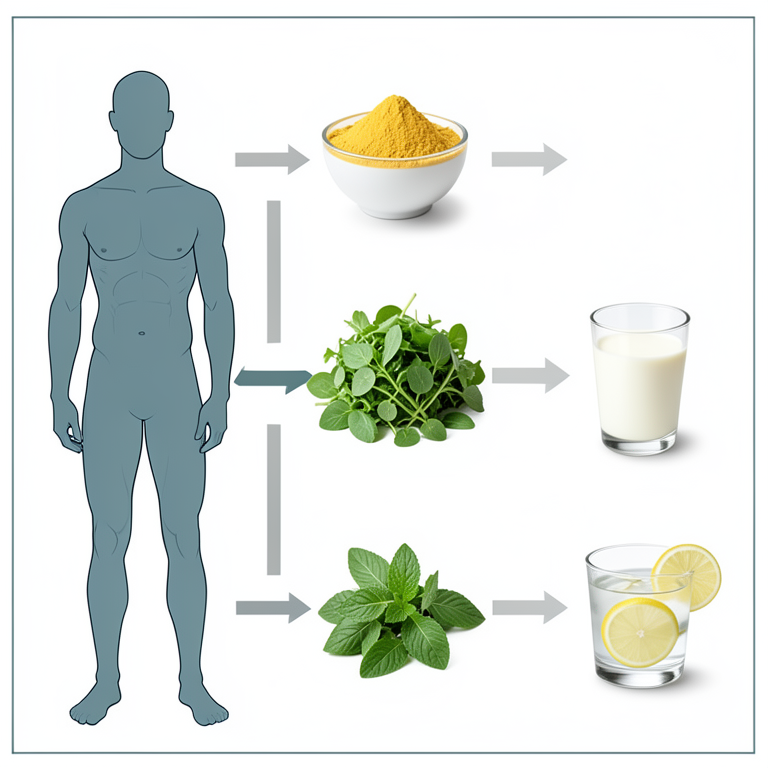
Study Group Allocation
AI-generated conceptual illustration (human adults). It explains the idea and does not show study data.
View source evidence ↗Figures & tables
From the original paper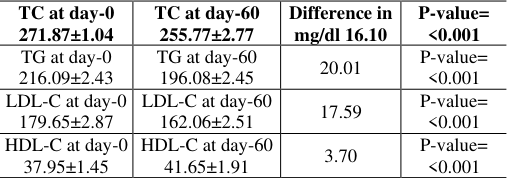 Table 1
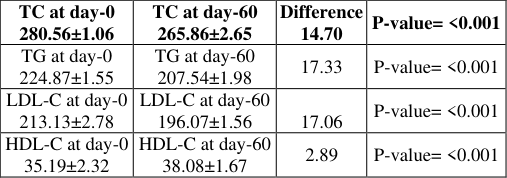 Table 2
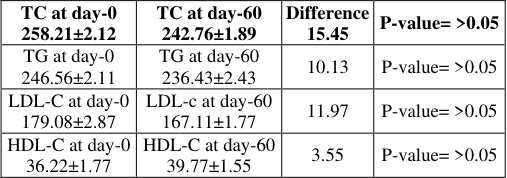 Table 3
Introduction
Long ago, the first humans likely depended on the healing power of plants. Over time, their descendants evolved this form of natural medicine further. Today's phytopharmacologists use scientific methods to determine the mechanisms of action of plant-based medicines containing extracts from flowers, leaves, roots or essential oils. "The aim of phytotherapy is to prevent, alleviate or heal diseases and complaints using medicinal plants,". Besides, several translational studies find that the endothelial effect of HDL-C may be totally different in patients with various clinical conditions. Thus, the association between various lipid measurements and secondary risk of CAD deserves more attention due to limited and inconsistent results of previous studies. Atherosclerotic problems are encountered with enhancement of LDL uptake by monocytes and macrophages [1][2] .
In the liver, uptake of plasma LDL is mediated via specific LDL receptors, but a scavenger receptor system is employed by macrophages. Plasma LDL must be modified prior to uptake by macrophages. Analysis of the lipid content in the oxidatively modified LDL from hyper lipidemic patients revealed that the level of lysophosphatidylcholine was greatly elevated, and the high level of the lysolipid was shown to impair the endothelium-dependent relaxation of the blood vessels [3][4][5][6][7] . In alllopathy blood lipid levels are normalized by statins, fibrates, niacin and bile acid binding resins (BABRs). All of these allopathy related drugs have low compliance ranges from mild compliance due to metalic taste of BABRs to severe side effects like rhabdomyolysis by fibrates and statins [8] . Due to low compliance and adverse effects of conventionally used hypolipidemic agents, herbal medicines are going to be famous among Physicians, and Cardiologists [9] . Medicinal herbs like Curcuma Longa, Fenugreek, and Lemon contents are being used as mild to moderate hypolipidemic agents. Curcuma Longa commonly known as Haldi in India and Pakistan is used to lower plasma lipids, in view of their contents. It contains Curcuminoids (curcumin, demethoxycurcumin, and bisdemethoxycurcumin), turmerone, atlantone, zingiberene, proteins, and resins [10] . Curcumin reduces both the oxidation and circulation of oxidized levels of LDL cholesterol which leads to reduction in the occurrence or treatment of already present atherosclerosis in the subjects [11] . Research has revealed that curcumin from turmeric is an extremely efficient agent in increasing cholesterol uptake by the liver cells [12] . Several independent studies have shown that curcumin increases the expression of cholesterol and lipoprotein receptors on the liver cells [13] . Curcumin also increases cholesterol and bile acids excretion in feces [14] . Additionally, curcumin also increases the amount of ABC (ATP-binding cassette) transporters. These transporters are basically involved in flushing out excess cholesterol from the inside of the macrophages. When the numbers of ABC transporters are increased on the surface of a macrophage, the deposited cholesterol is effluxes out through these channels again into the blood. Through the blood, it reaches liver where it is metabolized efficiently [15] . The composition of fenugreek includes a large number of chemical components. They include proteins and amino acids, flavonoids, saponins and steroidal saponins, coumarin, lipids, vitamins, minerals, galactomannan fiber and alkaloids, such as trigonelline. Extracts are available standardized to contain 50 percent saponins or 20 percent of the amino acid 4-hydroxyisoleucine [16] . Treatment with fenugreek. Seed powder normalized the enhanced lipid peroxidation and increased susceptibility to oxidative stress associated with depletion of antioxidants [17] . The steroidal saponins (Diosgenin, Yamogenin, Tigogenin and Neotigogenin) are thought to inhibit cholesterol absorption and synthesis and hence its potential role in arteriosclerosis [18] . Phenolics in Curcuma Longa have potential health benefits mainly due to their antioxidant properties such as reactive oxygen species (ROS) scavenging and inhibition, electrophile scavenging and metal chelation [19] . Epidemiological studies support a relationship between the consumption of phenolic rich food products and a low incidence of coronary heart disease, atherosclerosis, certain forms of cancer and stroke [20] . Lipid peroxidation is inhibited by flavonoids and flavanones present in Lemon. Like many of the fruits and vegetables featured on our website, lemons and limes contain unique flavonoid compounds that have antioxidant and anti-cancer properties. Of special interest in limes have been flavonoids called flavonol glycosides, including many kaempferolrelated molecules. While these flavonoids have been shown to stop cell division in many cancer cell lines, they are perhaps most interesting for their antibiotic effects [21] .
Patients & Method PLACE AND PERIOD OF RESEARCH WORK: The research work was conducted at Jinnah Hospital, Lahore from January 2018 to May 2018 with approval of Research ethics committee of the Hospital. SAMPLE SIZE: Ninety hyperlipidemic patients were selected for research work. CONSENT: Written consent was taken from all patients. Specific Performa was designed for the research work. Hyperlipidemic patients were selected with age range from 19 to 70 years. EXCLUSION CRITERIA: Exclusion criteria were hypertension, hypothyroidism, diabetes mellitus, alcohol addictive patients, peptic ulcer, any gastrointestinal upset, renal impairment, and any hepatic or cardiac problem. GRPOUPING: All patients were divided in three groups (group-I, group-II, group-III), 30 patients in each group. Their baseline lipid profile data were taken and filed in specifically designed Performa, at start of taking medicine, like lipid profile, blood pressure and pulse rate. LIPID PROFILE: Serum lipid profile (total cholesterol, HDLcholesterol, triglyceride) parameters were determined after a 12 hour overnight fast by standard methods. LDLcholesterol level was calculated according to the Friedewald's formula. Thirty patients of group-I were advised to take 500 mg of Curcuma longa (haldi) mixed in fresh milk without cream, thrice daily for two months. Group-II patients were advised to take 100 grams of Fenugreek leaves mixed with salad in each meal (thrice daily) for the period of two months. Group-III patients were advised to take 40 ml of fresh lemon juice mixed with 40 ml mineral water thrice daily for two months. They all were advised not to take heavy meal rich with any type of fat like junk food etc. One hour daily brisk walk was advised to all participants. 15 days follow up visit was scheduled for them. After two months their lipid profile was re-determined. STATISTICAL ANALYSIS: Mean values of the day-0 and day-60 of tested parameters (total cholesterol, LDL cholesterol, triglycerides, and HDL cholesterol) ± SD were taken to be analyzed statistically. SPSS 10 version 2.00.01.10 was used to analyze pretreatment and post treatment values of all parameters. Paired 't' test was applied to determine changes in pre and post treatment values. P-value >0.05 was considered as non significant changes in tested parameters, and p-values <0.01 were considered as significant changes.
Results
When results were compiled and statistically analyzed by using SPSS 10 version 02.00.01.10, it revealed that curcuma longa decreased triglycerides (TG), total cholesterol (TC), and LDL cholesterol of 29 hyperlipidemic patients 20 All parameters pre and post-treatment are measured in mg/d. n = sample size. P-value <0.01 stands for significant change, P-value >0.05 stands for non-significant change.
Discussion
Only normal levels of plasma lipid could be preventive measure of all these diseased states. In our results lemon, curcula longa, and Fenugreek proved that significant reduction occurs in TC, TG, LDL cholesterol by using these herbal preparation/mixture. But all of these three herbs have no significant influence on HDL cholesterol. Same results did prove in the study conducted by Wiseman SA et al. [22] who described that pectin present in these three herbs inhibit enterohepatic circulation of bile acids and excrete cholesterol in feces. Flavenoids present in Fenugreek are responsible for inhibition of cholesterol synthesis [23] . Gidez LI et al. [24] stated that herbal medications have more than one or two mechanism to balance plasma lipids in hyperlipidemic patients. Bingham SA et al. [25] stated that the major reasons for hypercholesterolemia in today's world are obesity, consuming high fat food, diabetes and having a family history of high cholesterol. This disorder is reported to affect a large number of people all across the world and is one of the leading causes of death as well. Cholesterol is reduced in the body by managing weight and diet. Regular exercise, lesser consumption of fatty foods, more consumption of fruits and vegetables help in ameliorating the symptoms of hypercholesterolemia. However, in most cases, medications also known as anti hypertensive and anti cholesterol drugs are also required, especially in chronic cases. There are several problems associated with medications though and people are now switching towards newer and less toxic therapies to control and reduce cholesterol levels in the body. Several natural herbs, supplements and food products are known to maintain healthy cholesterol levels and reduce cholesterol in mild hypercholesterolemia. These therapies, if opted for, help in preventing the disorder but are less helpful in chronic cases of this disease. In an experiment [26] , controlled dosing of turmeric was used to feed hypercholesterolemic rabbits and the effects on LDL oxidation was analyzed. It was found that turmeric extracts efficiently and quickly reduced the levels of cholesterol in the blood along with the incidences of atherosclerosis with time. The reason for these therapeutic effects, when analyzed, was found to be the preventive action of turmeric on the oxidation of LDL cholesterol. Mattern T et al. [27] have also explained same important mechanism of action of Turmeric that oil of these seeds inhibits enterohepatic circulation causing biosynthesis of bile acids instead of cholesterol by hepatocytes. The results obtained from research work conducted by Geleijnse JM et al. [28] revealed that all extracts of the fenugreek exhibit antioxidant activity. These findings suggest that the fenugreek extracts could act as potent source of antioxidants. Magee E et al. [29] mentioned that many herbs and their constituents have potential to reduce total plasma cholesterol LDL cholesterol, and triglycerides but they do not raise HDL cholesterol because it needs special plasma proteins as lipoproteins responsible for structural and functional integrity of HDL particles. Jhumarr J et al. [30] , Loversa T et al. [31] , hundahg P et al. [32] , and Sueawath JJ et al. [33] described about citrus fruit Lemon that its Citric acid is antioxidant which lead to decrease oxidative stress in human body.
Figures and tables from the paper
References
33 in the original paper- Strain JJ. The ferric reducing ability of plasma (FRAP) as a measure of "antioxidant power": the FRAP assay. Anal. Biochem. 2001; 239:70-76.
- Solvoll K, Foss OP. Tea consumption. Relationship to cholesterol, blood pressure, and coronary and total mortality. Prev. Med. 2014; 21:546-553.
- Thorpe G. Atherosclerosis: newer viewpoints. Pk Med. J. 2014; 313:229.
- Ferro-Luzzi A. In vivo antioxidant effect of green and black tea in man. J Clin. Nutr. 2012; 50:28-32.
- Wiseman SA. A single dose of tea with or without milk increases plasma antioxidant activity in humans. Ind. J Nutr. 2012; 54:87-92.
- Sanders TA, Wiseman H. Flavonoids protect against oxidative damage to LDL in vitro: use in selection of a flavonoid rich diet and relevance to LDL oxidation resistance ex vivo. Free Rad. Res. 2015; 33:419-426.
- SA, Bouwens LC. The chemistry of tea flavonoids. Crit. Rev. Food Sci. 2011; 37:693-704.
- Ito T, Yoshida H, Ayaori M, Nishiwaki M, Yonemura A, Hara Y et al. Conventional hypolipidemic medicines and their compliance. Libyan J Nutr. 2014; 66:261-266.
- Sesso HD, Gaziano JM, Buring JE, Hennekens CH. Hypolipidemic constituents in herbs. J Epidemiol. 2014; 149:162-167.
- Hodgson JM, Puddey IB, Croft KD, Burke V, Mori TA, Caccetta RA et al. Chemical contents of Curcuma Longa. J Nutr. 2014; 71:1103-1107.
- Klatsky AL, Friedman GD, Armstrong MA. Curcuma longa affects LDL-oxidation. Med. J Epidemiol. 2012; 132:479-488.
- Hertog MG, Sweetnam PM, Fehily AM, Elwood PC, Kromhout D. Antioxidant flavonols and ischemic heart disease. Sr J Med. 2013; 65:1489-1494.
- Kono S, Shinchi K, Ikeda N, Yanai F, Imanishi K. Miraculos hypolipidemic herb: Curcuma Longa. Japan. Prev. Med. 2013; 21:526-531.
- Fogelman AM, Shechter I, Seager J, Hokom M, Child JS, Edwards PA. Curcuma longa inhibits enterohepatic circulation. J Sur & Med Ind. 2015; 77:2214-2218.
- Lowry OH, Rosenbrough NJ, Farr AL, Randall RJ. ATP-binding cassette transporter and efflux of lipids. J Biol. Chem. 2013; 193:265-275.
- Keda I, Imasato Y, Sasaki E, Nakayama M, Nagao H, Takeo T et al. Chemical compounds found in Fenugreek seeds. J Bioch. 2013; 1127:141-146.
- Yang CS, Landau JM. Handling LDL oxidation with herbal medicine. J Cl. Nutr. 2014; 130:2409-2412.
- Keli SO, Hertog MG, Feskens EJ, Kromhout D. Dietary flavonoids, antioxidant vitamins, and incidence of stroke. J Med Sc. 2014; 156:637-642.
- Mukhtar H, Ahmad N. Metalic Chelation by Curamin. J Cl Med. 2014; 71:1698S-1702S.
- Princen HM, van Duyvenvoorde W, Buytenhek R, Blonk C, Tijburg LB, Langius JA et al. Phenolic compond rich foods for cure of CAD. J Health Med Ethop. 2014; 18:833-41.
- Hertog MG, Feskens EJ, Hollman PC, Katan MB, Kromhout D. Lemon Juice for treating hyperlipidemia and CAD. J Ind. Med. 2015; 42:1007-11.
- Wiseman SA, Balentine DA, Frei B. Antioxidant potential of pectin present in herbs. J Med Ir. 2014; 37:705-18.
- Tijburg LB, Mattern T, Folts JD, Weisgerber UM, Katan MB. Favonoids and cardiovascular disease: A review. J Biol Pk. 2014; 37(2):771-85.
- Gidez LI, Miller GJ, Burstein M, Slagle S, Eder HA. MOA of hypolipidemic herbs. J of Med Therapy. 2015; 23(4):206-23.
- Bingham SA, Vorster H, Jerling JC, Magee E, Mulligan A, Runswick SA et al. hypercholesterolemia, metabolic syndrome and options of their cure. Med J Prev Med. 2015; 78(3):41-55.
- Reaven PD, Witztum JL. Oxidized low density lipoproteins in atherogenesis: role of dietary modification. J Ethop Med. 2013;16(6):51-71
- Mattern T, Witztum JL, Weisgerber UM. Turmic seeds oil interupts enterohepatic circulation of Bas. J Lipid Res. 2012; 53:2490-2514.
- Geleijnse JM, Launer LJ, Hofman A, Pols HA, Witteman JC. How fenugreek is antioxident? Food Sc. 2014; 159:2170-74.
- Magee E, Mulligan A, Constrv YL. Consumption of Foods Rich in Flavonoids Is Related to a Decreased Cardiovascular Risk. J Med Nutr. 2014; 134:23-6.
- Jhumarr J, Yulda C, Helov T. Fruits can prevent diseases. MJN. 2013; 8(7):99-104.
- Loversa T, Mught R, Loferr T, Ilova H. Phytochemistry of some plants. Jou Cl Nutr Res. 2013; 12(1):44-8.
- Hundahg P, Urhav I, Ytrag R. Therapeutic approach with medicinal herbs. JRMS. 2012; 7(5):66-80.
- Sueawath JJ, Howan RR, Mekba TG, Illahu RF, Ulkav BT. Lemon is antioxidant fruit. IJRM. 2015; 7(6):1119.