
Research article · 2017 · Full text
International Journal of Advanced Biochemistry ResearchSniper-organophosphate pesticide exposure induces neurotoxicity and biochemical agitation in male Sprague-Dawley rats
Volume 1(2) · Pages 20–25 · DOI: 10.33545/26174693.2017.v1.i2a.99 ↗
Research areasPesticide Exposure and Toxicity
Abstract
Author-writtenOrganophosphate poisoning as a result of exposure to Dichlorvos (Sniper) has remained a global health challenge with an estimated 220,000 deaths annually, especially in the developing nations of the world. The aim of this study was to determine the effect of acute exposure of organophosphate pesticide in male Sprague-Dawley rats and a possible effective antidote therapy. The LD50 in rats was determined in a pilot study to be 11.6mg/kg. Dichlorvos was injected intraperitoneally at 0, 4, 8, 12, 16, and 20 mg/kg respectively. Twenty rats divided into five groups of four rats per group were used for the study. Groups A, B, C, D, and E were administered 10mg/kg of Dichlorvos, 1 ml of normal saline, atropine sulphate (1.5mg/kg) after injection of Dichlorvos (10mg/kg), and diazepam (5mg/kg) after injection of Dichlorvos (10mg/kg). Acute poisoning symptoms of straub tail, restlessness, pupil constriction, respiratory distress, convulsion and death were observed. The blood chemistry and liver enzymes activities showed a significant decrease in the mean concentration values when compared to the control group. There was a dose dependent decrease (p< 0.05) in brain acetylcholine esterase activity but no significant difference in the hematological profile and cytochrome p450 in treated rats compared to the control. The brain histological examination showed that there were no visible abnormalities in the brain, liver and kidney tissues of rats in the groups. Atropine was the most effective antidote with a 100% survival rate, however, Diazepam significantly reduced symptoms like convulsion, pupil constriction and nervousness in the poisoned rats.
Summary
Source-checkedPlain-language reading of the full paper, prepared with AI and checked against the text. Each point links to the authors' own words.
Why it matters
- Exposure to the organophosphate pesticide Dichlorvos, known as Sniper, is a significant global health issue, causing approximately 220,000 deaths every year, particularly in developing countries. View evidence ↗
- Organophosphates work by blocking the enzyme acetylcholinesterase, which leads to nervous and respiratory damage in both pests and humans. View evidence ↗
- Dichlorvos (Sniper) was originally designed for industrial and agricultural use but is now frequently misused for domestic household fumigation. View evidence ↗
The question
- The study aimed to evaluate the effects of acute organophosphate pesticide exposure in male Sprague-Dawley rats and identify an effective antidote therapy. View evidence ↗
What they did
- The researchers used fifty male Sprague-Dawley rats weighing between 250 and 300 grams. View evidence ↗
- To determine acute toxicity, twenty rats were divided into six groups of five, receiving either normal saline or intraperitoneal doses of Dichlorvos at 4, 8, 12, 16, or 20 mg/kg. View evidence ↗
- To test antidotes, five groups of four rats were used, receiving 10 mg/kg of Dichlorvos followed by either normal saline, 5 mg/kg atropine sulfate, 1 mg/kg diazepam, or a combination of both. View evidence ↗
What they found
- The median lethal dose (LD50) of Dichlorvos in the rats was determined to be 11.6 mg/kg. View evidence ↗
- Death rates were dose-dependent: 0% death at 4 and 8 mg/kg, 60% death (survival 6-8 min) at 12 mg/kg, 80% death (survival 2-4 min) at 16 mg/kg, and 100% death (survival <1 min) at 20 mg/kg. View evidence ↗
- Atropine was the most effective antidote, resulting in a 100% survival rate, while diazepam helped reduce symptoms such as nervousness, pupil constriction, and convulsions. View evidence ↗
- Treatment with atropine, diazepam, or both significantly increased acetylcholine esterase activity compared to rats exposed to Dichlorvos without treatment (p < 0.05). View evidence ↗
- Antidote treatments (atropine, diazepam, or combination) significantly decreased the mean concentrations of liver enzymes AST, ALT, and ALP compared to the untreated poisoned group (p < 0.05). View evidence ↗
- Antidote treatments significantly reduced the mean concentrations of urea, creatinine, and total protein compared to rats exposed to Dichlorvos without treatment (p < 0.05). View evidence ↗
- Histological examination of the brain showed no signs of pathology, with all cellular components appearing normal across the treatment groups. View evidence ↗
What it means
- The authors conclude that Dichlorvos is highly toxic and potentially lethal at high exposure levels, but its toxic impact can be reduced using atropine sulfate and diazepam. View evidence ↗
- The authors suggest that future research should explore additional therapeutic measures and the role of genetic biomarkers in Dichlorvos poisoning. View evidence ↗
Visual summary
3 visualsIllustrations explain the paper; charts are replotted from the paper's own table values.
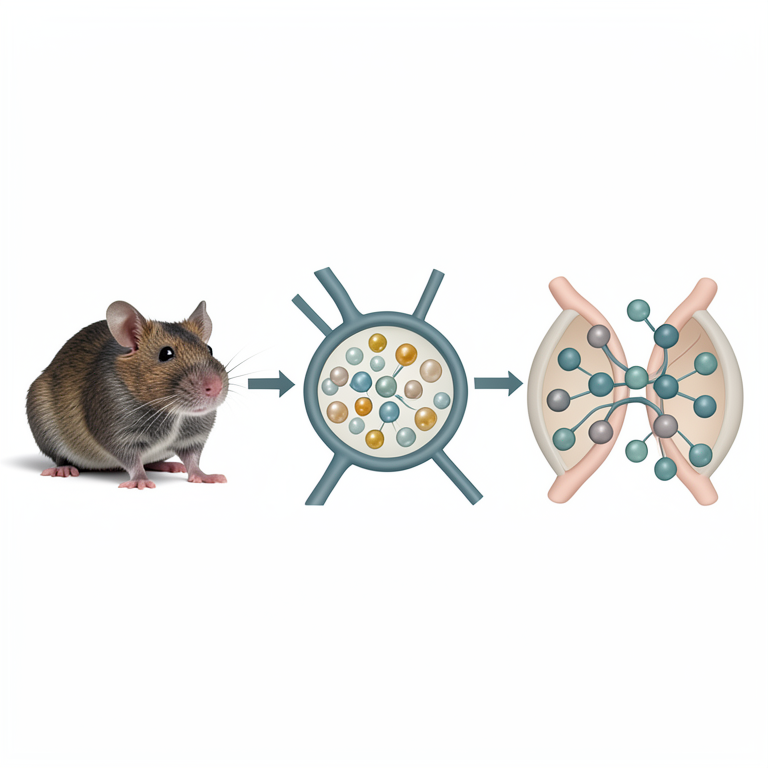
Mechanism of Organophosphate Toxicity and Antidote Action
AI-generated conceptual illustration (male Sprague-Dawley rats and a nerve synapse). It explains the idea and does not show study data.
View source evidence ↗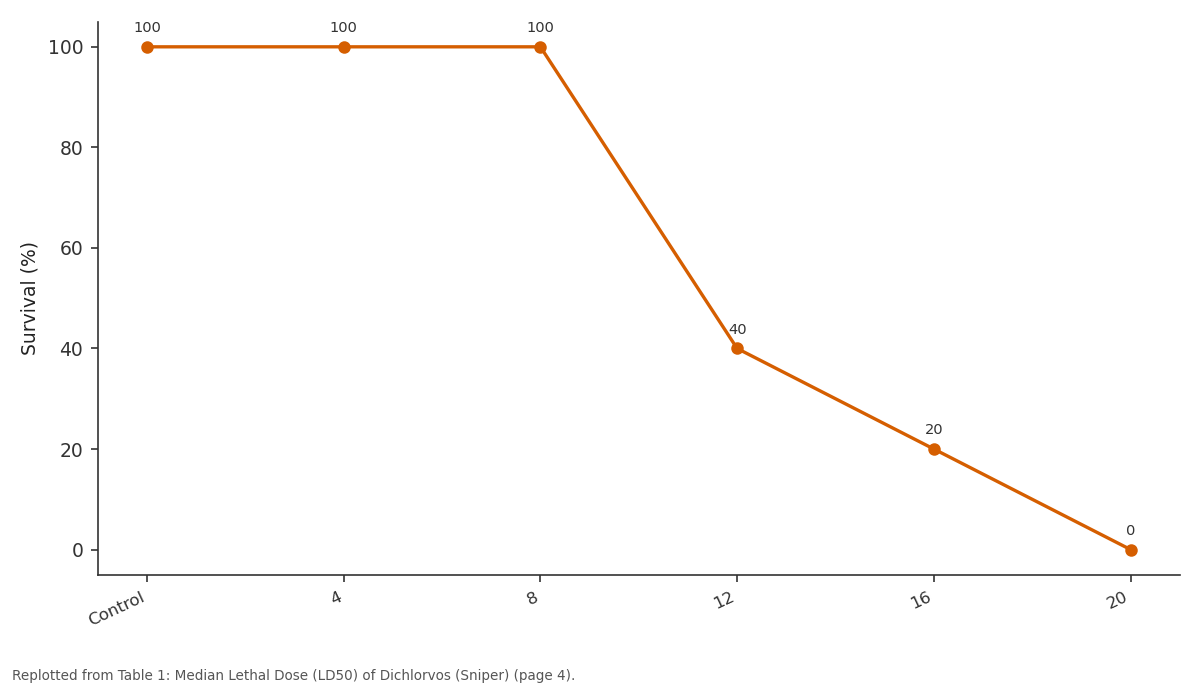
Survival (%): Control vs 4 vs 8 vs 12 vs 16
Replotted from Table 1 (page 4) of the original paper. Every bar is the paper's own table value.
View source evidence ↗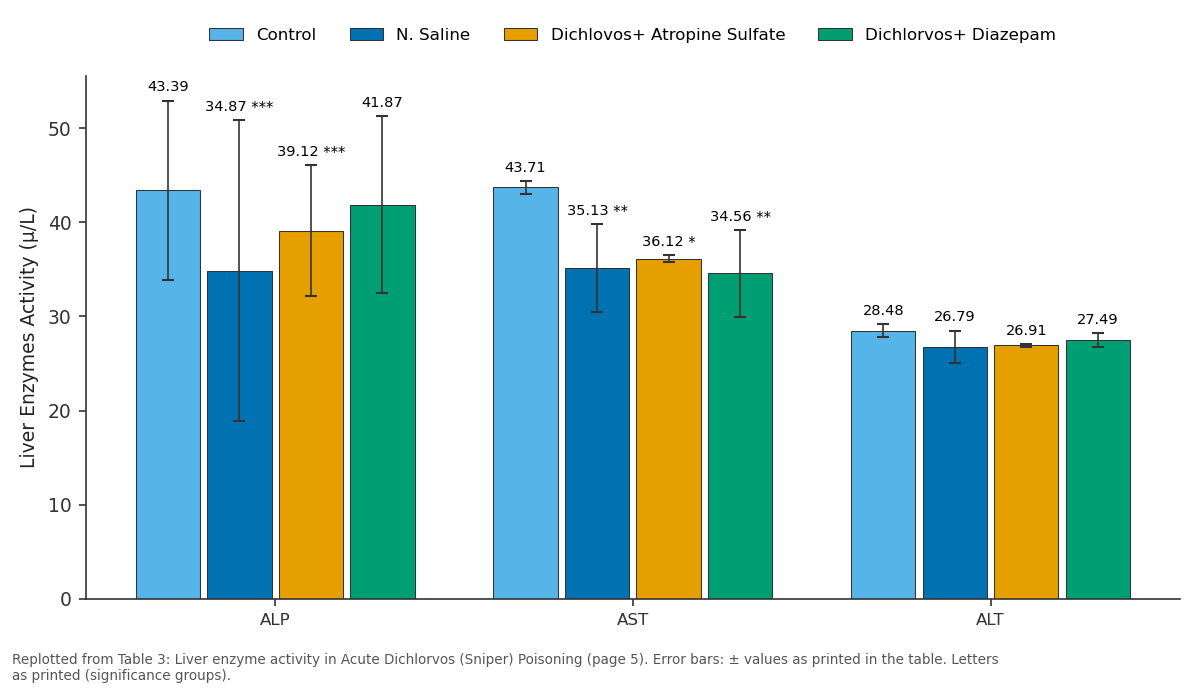
Control and N. Saline and more: ALP vs AST vs ALT
Replotted from Table 3 (page 5) of the original paper. Every bar is the paper's own table value.
View source evidence ↗Figures & tables
From the original paper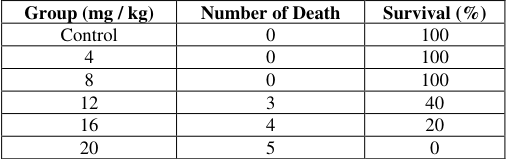 Table 1
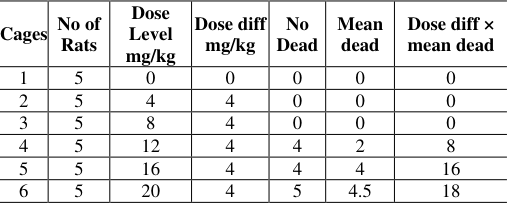 Table 2
 Table 3
 Table 4
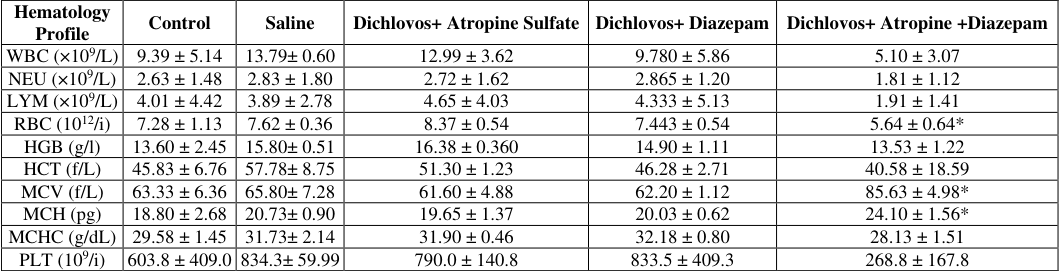 Table 5
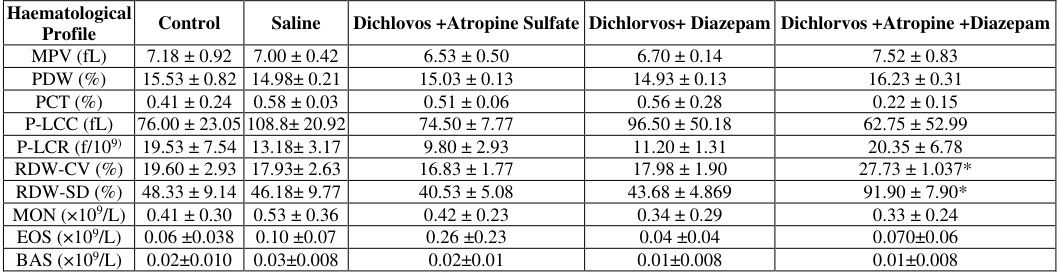 Table 6
 Table 7
Introduction
About 3 million worldwide poisoning from Organophosphate pesticide (OP) have been reported by the World Health Organization, out of which 220,000 deaths have been estimated annually. About 70% of these untimely deaths are unintentional due to job-related indirect exposure, while about 60-70% are intentional (Blumenberg et al. 2017) [5] . The health hazards and increased toxicity caused by pesticides, insecticides, herbicides and other organophosphate or organochlorine group of chemicals are presently on the increase. The inhalation of these hazardous chemicals will continue to accumulate toxins in humans and other species if care is not taken, this is a potential danger and a cause for alarm. These pesticides were originally made for outdoor pest control and not necessarily made for households and domestic use. However, most developing nations of the world are now using some of these organophosphates as insecticides for households (Adeoti et al. 2017) [1] . Organophosphate pesticides can be absorbed through all routes, including inhalation, ingestion, and dermal absorption. Pesticide use is an achievement in the area of modern and improved agriculture, nevertheless, the abuse and misuse of these chemicals need to be addressed. Dichlorvos (2, 3-dichlorovinyl dimethyl phosphate) commonly known as Sniper, an organophosphate originally meant for agricultural and industrial uses is now being used in household fumigation and as an insecticide for mosquitoes and other household pests. It is presently used inside the homes in some parts of Nigeria and other low and middle income countries. In the quest to eradicate mosquitoes and control malaria, humans and animals are directly or indirectly exposed to this toxic chemicals, whose toxicity effect is far more dangerous than International Journal of Advanced Biochemistry Research Malaria itself. The systemic and brain induced toxicity effects are yet to be fully elucidated (Anakwue 2018) [4] . Furthermore, the antidote which could serve as a remedy in case of any form of toxicity is still an area of deliberation, hence the need for the present study.
Severe poisoning affects the central nervous system, producing incoordination, slurred speech, loss of reflexes, weakness, fatigue, involuntary muscle contractions, twitching, tremors of the tongue or eyelids, and eventually paralysis of the body extremities and the respiratory muscles. In severe cases there may also be involuntary defecation or urination, psychosis, irregular heartbeats, unconsciousness, convulsions and coma. Death may be caused by respiratory failure or cardiac arrest (Lajmanovich et al. 2019) [10] . Repeated or prolonged exposure to Dichlorvos (Sniper) may result in effects such as acute exposure which includes delayed symptoms such as cardiovascular diseases among others (Lajmanovich et al. 2019) [10] . Other effects may include impaired memory and concentration, disorientation, severe depressions, irritability, confusion, headache, speech difficulties, delayed reaction times, nightmares, sleepwalking and drowsiness or insomnia. An influenza-like condition with headache, nausea, weakness, and loss of appetite have also been reported. The underlying factor responsible for the toxicity symptoms is oxidative stress induced on the system by Sniper (Akande and Ahmed 2017) [3] . The mode of action of organophosphates are blocking of the enzyme acetylcholinesterase, this causes nervous and respiratory damages which results in insect and pest death, it is equally detrimental to humans through whatever form of exposure. They inhibit the action of acetylcholinesterase (AChE) in nerve cells and they are one of the most common causes of poisoning worldwide. In recent times, some desperate people are using them for suicidal purposes. Organophosphate esters could accumulate in the system causing impaired cognitive development in children via endocrine mediated mechanisms (Doherty et al. 2019) [7] . Moreover, their inhibitory effects on the acetylcholinesterase enzyme could lead to a pathological accumulation of acetylcholine in the body. The toxicity is not limited to the acute phase, however, their chronic effects have been reported. Neurotransmitters such as acetylcholine which is affected by organophosphate pesticides, are profoundly important in the brain development. Many organophosphates are neurotoxic in nature, even from little levels of exposure. However, some other organophosphates are not toxic, yet their major metabolites called oxons are toxic. Pralidoxime, anticholinergic such as atropine have been used in the treatment (de Silva, 1992). The present study aims to give a comprehensive information on the potential toxicity effect of Sniper on the brain, liver, and kidney of albino male Sprague-Dawley rats.
Materials and methods
Materials and methods
Reagents
Sniper (active ingredient: 2, 3-dichlorovinyl dimethyl phosphate, 1000g/l (manufactured by Hubei Sanoda Co. Ltd, China), Atropine sulfate crystal (HispIx international), and Diazepam (valium) were the chemical and drugs used in the present study. All solutions were prepared fresh to desired concentration with normal saline just before use.
Experimental animals
Fifty male Sprague-Dawley rats (250-300g) were used for the study. The animals were obtained from the Laboratory Animal Centre of the College of Medicine of the University of Lagos. The rats were bred, acclimatized for 14 days before the study. All rats were kept in plastic laboratory cages with fine wood shavings as bedding. The rats were fed with a commercial rat chow and water ad libitum. Animal care and handling were carried out according to standard measures. The experimental protocol for this study is in line with the guide for care and use of laboratory animals by US National Institute of Health (NIH publication No 85-23 revised 1996). Additionally, the ethical committee that approved this study is the Institutional Health Ethics Review Board of the College of Medicine, University of Lagos, Lagos State, Nigeria.
LD 50 and Acute Toxicity Studies in Rodents
The LD 50 is the dose of a toxic agent that is sufficient to kill 50 percent of a population of animals usually within 24 hour period. Acute toxicity studies usually show the first line of defense against potentially harmful substances such as drugs and chemicals. Twenty rats were grouped into six (n=5). The animals were allowed to acclimatize to their new environment for one week with adequate fresh water and feed. The animals were then grouped as follows; Groups 1, 2,3,4,5 and 6. Group 1received 1ml of normal saline, while others were administered 4, 8, 12, 16 and 20mg/kg Dichlorvos intraperitoneally. After treatment, the animals were observed every 30min over a period 24hrs for general behavioral, physiological, pharmacological changes and lethality. The changes monitored included micturition, restlessness, straub tail, defecation, excessive salivation, whole body tremor, respiratory distress, pupil constriction, convulsion, gasping and death. The number of rats that died within 24h were recorded; LD50 of Dichlorvos was calculated using Karber Arithmetric method (Lorke, 1983) (Chedi and Aliyu 2010) [6] .
Determination of Effect of Antidotal Therapy on Acute Dichlorvos Toxicity
The experiment was carried out to determine the effectiveness of antidotal therapy atropine sulfate compared with diazepam. Five groups made up of four animals per group were used for the study. Groups A, B, C, D, and E received 10mg/kg of Dichlorvos (sniper), 1ml of normal saline, 5mg/kg of atropine sulfate after the injection of 10mg/kg of Dichlorvos (sniper), 1mg/kg of diazepam after the injection of 10mg/kg of Dichlorvos and 5mg/kg of atropine sulfate and 1mg/kg of diazepam after the injection of 10mg/kg of Dichlorvos respectively. Signs and symptoms of toxicity were observed for all the groups. The effect of antidote on Dichlorvos poisoning was observed and blood samples and organs were collected from the rats group into different containers for different analysis.
Biochemical assay
Alanine amino tranferase (ALT), aspartate amino transferase (AST), alkaline phosphatase (ALP), urea, total bilirubin, creatinine etc. were assayed using Randox Diagnostics Kits purchased from Randox Laboratories Ltd., Crumlin, UK.
Neurotransmitter assay
Acetylcholine esterase activity was assay for in brain tissues of animals using Ellman's method (Ellman et al. 1961) [8] .
Histological studies
Brain, liver, kidney were excised and fixed in 10% formol saline for 72h. The organs were dehydrated in graded alcohol, cleaned in xylene, and embedded in paraffin. The resulting blocks were exhaustively sectioned. The sections were randomized, while the selected sections were stained in haematoxylin and eosin. The slides were then examined at magnification of × 100 under optical microscope (Owoeye et al. 2012) [14] .
Statistical Analysis
Result was expressed and represented as mean ± SD, n= 5 number of rats per group. Statistical analysis was carried out using the statistical software GraphPad Prism version 6 with One-way ANOVA, Dunnett's multiple comparison test. Differences in the mean were considered significant at p < 0.05.
Results
The result of the acute toxicity study carried out on albino rats using Arithmetic method of Karber indicated LD50value of Dichlorvos to be 11.6mg/kg. Dichlorvos injected intraperitoneally at dose levels 0, 4, 8, 12, 16 and 20 mg/kg respectively into the albino rats caused a dose dependent effect on the rats as shown in Table 1. Dichlorvos induced death in acute poisoning, this was observed between 5 and 60 min after a single exposure, and it presented a dose dependent effect. Groups 1 and 2 albino rats injected with 4 and 8 mg/kg Dichlorvos intraperitoneally, both had 0% death, groups 3 and 4 albino rats injected with 12 and 16mg/kg. Dichlorvos respectively after Dichlorvos caused 60% deaths with survival time 6-8 min and 80% deaths with a survival time of 2-4 minutes respectively. Group 5 albino rats injected with 20mg/kg Dichlorvos had 100% death with survival time less than 1min. (Table 2). Table 3 show activities of ALT, AST, ALP of albino rats exposed to acute toxic effect of Dichlorvos at doses 10mg / kg with different treatment group on blood samples. There was a decrease in the mean concentration of liver enzymes activity when compared with the control group. Table 4 shows biochemical indices creatinine, urea, total bilirubin, total protein, and albumin levels of albino rats exposed to acute Dichlorvos (sniper) poisoning at dose 10mg / kg with different treatment group on blood samples. There was significant increase (p< 0.05) in the mean concentration of blood chemistry when compared with the control group. Table 5 showed haematological indices RBC, HB, PCV, Total WBC and Platelet levels obtained in albino rats exposed to acute Dichlorvos (sniper) poisoning at dose 10mg/kg with different treatment group. There was no significant difference (p> 0.05) in the mean concentration of the haematological profile when compared with control group. The Table 7 shows the result of the histopathological examination carried out on rat tissues (brain, liver, kidney) obtained in albino rats exposed to acute Dichlorvos poisoning.
| Hematology Profile | Control | Saline | Dichlovos+ Atropine Sulfate | Dichlovos+ Diazepam | Dichlovos+ Atropine +Diazepam |
|---|---|---|---|---|---|
| WBC (×109/L) | 9.39 ± 5.14 | 13.79± 0.60 | 12.99 ± 3.62 | 9.780 ± 5.86 | 5.10 ± 3.07 |
| NEU (×109/L) | 2.63 ± 1.48 | 2.83 ± 1.80 | 2.72 ± 1.62 | 2.865 ± 1.20 | 1.81 ± 1.12 |
| LYM (×109/L) | 4.01 ± 4.42 | 3.89 ± 2.78 | 4.65 ± 4.03 | 4.333 ± 5.13 | 1.91 ± 1.41 |
| RBC (1012/i) | 7.28 ± 1.13 | 7.62 ± 0.36 | 8.37 ± 0.54 | 7.443 ± 0.54 | 5.64 ± 0.64* |
| HGB (g/l) | 13.60 ± 2.45 | 15.80± 0.51 | 16.38 ± 0.360 | 14.90 ± 1.11 | 13.53 ± 1.22 |
| HCT (f/L) | 45.83 ± 6.76 | 57.78± 8.75 | 51.30 ± 1.23 | 46.28 ± 2.71 | 40.58 ± 18.59 |
| MCV (f/L) | 63.33 ± 6.36 | 65.80± 7.28 | 61.60 ± 4.88 | 62.20 ± 1.12 | 85.63 ± 4.98* |
| MCH (pg) | 18.80 ± 2.68 | 20.73± 0.90 | 19.65 ± 1.37 | 20.03 ± 0.62 | 24.10 ± 1.56* |
| MCHC (g/dL) | 29.58 ± 1.45 | 31.73± 2.14 | 31.90 ± 0.46 | 32.18 ± 0.80 | 28.13 ± 1.51 |
| PLT (109/i) | 603.8 ± 409.0 | 834.3± 59.99 | 790.0 ± 140.8 | 833.5 ± 409.3 | 268.8 ± 167.8 |
Table text extracted from the original PDF; superscript letters are shown inline. The original table image is below.
View original table image
| Blood Chemistry (mg/dL) | Control | Saline | Dichlovos +Atropine Sulfate | Dichlovos + Diazepam | Dichlovos + Atropine + Diazepam |
|---|---|---|---|---|---|
| Urea | 35.02 ± 0.71 | 31.36 ± 0.25*** | 37.25 ± 0.61*** | 47.31 ± 0.63*** | 39.31 ± 0.55*** |
| Total Bilirubin | 0.50 ± 0.08 | 0.40 ± 0.08 | 0.60 ± 0.08 | 0.60 ± 0.08 | 0.70 ± 0.08 |
| Total Glucose | 149.8 ± 15.52 | 98.75 ± 13.05 | 113.8 ± 24.25 | 114.0 ± 32.93 | 92.25 ± 34.20 |
| Total Protein | 7.80 ± 0.08 | 8.88 ± 0.17*** | 8.90 ± 0.14*** | 9.7 ± 0.08*** | 9.30 ± 0.08*** |
| Creatinine | 0.13 ±0.05 | 1.10 ±0.08*** | 0.15 ±0.10 | 1.48 ±0.10*** | 1.20 ± 0.08*** |
| Albunmin | 3.60 ± 0.08 | 3.33 ± 0.10 | 3.33 ± 0.13 | 3.90 ± 0.22 | 3.70 ± 0.14 |
Table text extracted from the original PDF; superscript letters are shown inline. The original table image is below.
View original table image
| Liver Enzymes Activity (µ/L) | Control | N. Saline | Dichlovos+ Atropine Sulfate | Dichlorvos+ Diazepam | Dichlorvos + Atropine +Diazepam |
|---|---|---|---|---|---|
| ALP | 43.39 ± 9.54 | 34.87±15.97*** | 39.12± 6.99*** | 41.87 ± 9.4 | 36.69± 14.36*** |
| AST | 43.71 ± 0.70 | 35.13± 4.65** | 36.12± 0.38* | 34.56± 4.60** | 47.34 ± 1.92 |
| ALT | 28.48 ± 0.71 | 26.79 ± 1.70 | 26.91 ± 0.16 | 27.49 ± 0.74 | 29.49 ± 1.87 |
Table text extracted from the original PDF; superscript letters are shown inline. The original table image is below.
View original table image
| Cages | No of Rats | Dose Level mg/kg | Dose diff mg/kg | No Dead | Mean dead | Dose diff × mean dead |
|---|---|---|---|---|---|---|
| 1 | 5 | 0 | 0 | 0 | 0 | 0 |
| 2 | 5 | 4 | 4 | 0 | 0 | 0 |
| 3 | 5 | 8 | 4 | 0 | 0 | 0 |
| 4 | 5 | 12 | 4 | 4 | 2 | 8 |
| 5 | 5 | 16 | 4 | 4 | 4 | 16 |
| 6 | 5 | 20 | 4 | 5 | 4.5 | 18 |
Table text extracted from the original PDF; superscript letters are shown inline. The original table image is below.
View original table image
| Group (mg / kg) | Number of Death | Survival (%) |
|---|---|---|
| Control | 0 | 100 |
| 4 | 0 | 100 |
| 8 | 0 | 100 |
| 12 | 3 | 40 |
| 16 | 4 | 20 |
| 20 | 5 | 0 |
Table text extracted from the original PDF; superscript letters are shown inline. The original table image is below.
View original table image
Figure 1A shows the concentration of acetylcholine esterase activity obtained in the brain of albino rats exposed to acute Dichlorvos (Sniper) poisoning at dose 10mg / kg with different treatment group. There was a significant increase (p< 0.05) in the mean concentration of the acetylcholine esterase activity when compared to the control rat group that was administered Dichlorvos intraperitoneally without treatment. Figure 1B shows the concentration of Cytochrome p450 obtained in the liver of albino rats exposed to acute Dichlorvos poisoning at dose 10mg / kg with different treatment group. There was no significant difference (p> 0.01) in the mean concentration of Cytochrome p450 when compared to the control rat group that was administered Dichlorvos intraperitoneally without treatment.
Discussion
In the quest to control of the current upsurge in the indiscriminate use of pesticides, especially for domestic use, we have contributed to the growing evidence that Sniper pesticide, an organophosphate, contributes to neurotoxicity and biochemical agitation, as shown in the present study. The symptoms observed after acute Dichlorvos poisoning included nervousness, agitation, urine discharge, defecation, pupil contraction, muscle feebleness, respiratory distress, seizure and death, this is in line with previous studies (Chedi and Aliyu 2010; Sharma, Sharma, and Joshi 2017) [6,16] along with the previously reported reproductive toxicity effect of Sniper. Other pesticide of the same biological significance is imidacloprid which also a neurotoxic agent (Rawi, Al-logmani, and Hamza 2019) [15] . Seizure appeared to be very prominent at higher doses. The most widely used and sold insecticides are the organophosphates (Muñoz-quezada et al. 2018) [13] , their chronic effects have been reported to be a contributor to high cardiovascular risk (Anakwue 2018) [4] allergy, asthma, immune system compromise, infertility, birth defects, lungs, kidney and liver Impairments. The major underlying factor for all the biochemical agitation reported is the ability of most organophosphates to induce cellular oxidative stress (Akande and Ahmed 2017) [3] . The LD 50 in rats poisoned with Dichlorvos in this study was 11.6mg/kg, this is far below the previously reported one, which was 28.28mg/kg (Chedi and Aliyu 2010) [6] . The symptoms of toxicity observed in the experimental rats following acute poisoning were found to be dose dependent. This observation is in line with previous studies (Chedi and Aliyu 2010; Doherty et al. 2019; Moudgil, Tsundue, and Sivasankaran 2018) [7,12,6] . The result obtained from the administration of the antidotes; atropine, diazepam singularly and in combination after a single acute dose of 10mg/kg Dichlorvos showed that symptoms of poisoning developed few minutes after dosing and death occurred within a short time. Organophosphate compounds were originally developed in the early 1930s and 1940s as human nerve gas agents, they tend to inhibit the enzyme acetylcholinesterase causing cholinergic syndrome and impaired cognitive development in growing children (Hertzpicciotto et al. 2018) [9] . Exposure to organophosphates generally could induce cognitive impairment in children (Doherty et al. 2019) [7] . Furthermore, acetylcholine tends to accumulate in the nervous system bringing about overstimulation of the muscarinic and nicotinic receptors, this may lead to respiratory and cardiac failure, and these cellular processes could be the underlying factors responsible for the reported symptoms and eventual death reported in this study. Acetylcholine was reported to competitively inhibit Acetylcholine at the muscarinic synapses (Hertz-picciotto et al. 2018) [9] . In the present study, Atropine served as an effective antidote by attenuating the symptomatic effects of the demonstrated acute sniper poisoning more than Diazepam. This observation is in accordance with previously reported studies (Chedi and Aliyu 2010) [6] , however, Atropine should be used with caution as it may aggravate the effect of organophosphate poisoning (Moudgil et al. 2018) [12] . After evaluating the role of liver involvement in acute Dichlorvos poisoning in the course of this work, the serum levels of AST, ALT and ALP were measured. There were significant decrease (p< 0.05) in the mean concentration of AST, ALT and ALP in male albino rats treated with atropine, diazepam singularly and in combination after a single acute dose of Dichlorvos when compared to rats exposed to Dichlorvos without treatment as shown in Table 3. The renal function test, serum urea, creatinine and total protein levels in the acute toxicity study shows that there was significant decrease (p< 0.05) in the mean concentration of urea, creatinine, total protein in male albino rats treated with atropine, diazepam singularly and in combination after a single acute dose of Dichlorvos (sniper) when compared to rats exposed to Dichlorvos (sniper) without treatment as shown in Table 4 Haematological profile serves as importance indices in the monitoring and management of health status. The haematological parameters monitored in this study include; red blood cells (RBC), hemoglobin (Hb), packed cell volume (PCV), total white blood cell (WBC), platelet count (PLT) etc. The results obtained in Table 5 showed that there were a significant increase or decrease (p< 0.001) in the mean concentration of the values obtained for red blood cells (RBC), hemoglobin (Hb), packed cell volume (PCV), total white blood cell (WBC), and platelet count (PLT) in male albino rats treated with atropine and diazepam separately and in combination after a single acute dose of Dichlorvos (Sniper) when compared to rats exposed to Dichlorvos (Sniper) without treatment. A combined toxicological effect of ten previously studied pesticides including Dichlorvos and Paraquat caused a significant increase in ALT, AST and ALP levels, hepatotoxicity and anemia were equally reported (Adeoti et al. 2017) [1] . Dichlorvos poisoning results in the inhibition of the enzyme acetylcholinesterase (AChE) thereby leading to the accumulation of acetylcholine at nerve endings (synapses), causing overstimulation and subsequent disruption of transmission in both the central and peripheral nervous systems. Treatment with the antidote Atropine alleviated the toxic effects of Dichlorvos on the experimental rats. Atropine, a muscarinic antagonist, blocks the action of acetylcholine thereby preventing lethality that could result from Dichlorvos poisoning. This finding is consistent with those reported earlier (Hertz-picciotto et al. 2018) [9] . The symptoms of Dichlorvos toxicity observed were predominantly muscarinic with little nicotinic effects; atropine therefore blocked the muscarinic receptors, thus eliminating the agonistic effect of acetylcholine on these receptors. This could explain the high percentage of survival observed in the atropine treated rats. The result showed that diazepam significantly reduced symptoms like agitation, pupil constriction and seizure because it has a calming and anticonvulsant properties. This study showed that there was a significant increase (p< 0.05) in the mean concentration of values obtained in acetylcholine esterase activity in male albino rats treated with atropine, diazepam singularly and in combination after a single acute dose of Dichlorvos when compared to rats exposed to Dichlorvos without treatment. A study have shown that insecticides increases acetylcholinesterase activity after inducing oxidative stress (Melo, Agostinho, and Oliveira 2003) [11] . A very recent study showed that Tadpoles treated with a toxic insecticide pyrodoxyfen increase acetylcholinesterase activity in a dose dependent manner (Lajmanovich et al. 2019) [10] . Another study showed that Magnesium ion was able to attenuate organophosphate poisoning and regulated the activity of acetylcholinesterase enzyme (Ajilore, Alli, and Oluwadairo 2018) [2] . Liver plays a crucial role in detoxification of harmful chemical substances. It is the most metabolically active organ in the body and the site of biotransformation of many toxic compounds into less harmful products, thereby reducing their toxicity and ensuring homeostasis. There was no significant increase or decrease (p> 0.001) in the mean concentration of values obtained from Cytochrome p450 activity in male albino rats treated with atropine, diazepam separately and in combination after a single acute dose of Dichlorvos when compared to rats exposed to Dichlorvos without treatment, the control group. Histological finding showed no pathological features in the photomicrographs, all the cellular components found in the brain appeared normal (Figure 234). The kidney and liver of the rats of different groups were seen to be normal without any histological abnormalities. However, this is not in line with a previously reported study in which the above mentioned organs appeared abnormal in the photomicrographs, there were histological changes in the lungs, liver and kidney of rats exposed to Dichlorvos before and after supplementation with Vitamin C (Owoeye et al. 2012) [14] .
Organ Observation
Organ Observation
Brain
The brain of the rats was checked and compared in the different treatment group and there were no signs of pathology seen under the light microscope, all cellular components found in the brain are normal Liver
The liver of the rats in different treatment was observed to be normal under the light microscope Kidney
The kidneys of the rats in different treatment groups were seen to be normal under the light microscope
Conclusion
This study demonstrates the acute toxic effect and antidotal therapy of Dichlorvos on blood chemistry, hematology, acetyl cholinesterase activity, cytochrome p450 and histology of rats. The results obtained from the administration of antidotes: Atropine sulfate, Diazepam and the combination of Atropine sulfate and Diazepam after a single acute dose of 10mg/kg Dichlorvos, showed a reduction in the symptoms of acute poisoning and increase in survival. There was a significant decrease in the liver enzymes activity and significant increase in acetyl cholinesterase activity. From the analyses, it can be inferred that Dichlorvos is highly toxic and can cause death when exposure is high. The use of Atropine sulfate and Diazepam were able to reduce the impact of Dichlorvos induced toxicity in rats. Further studies should be carried out on other therapeutic measures in Dichlorvos poisoning and also the role of genetic biomarkers in its poisoning and exposure. The health governing bodies should enforce integral pest management measures, such as non-toxic means of pest control, banning the use of Dichlorvos for domestic use.
Organophosphate pesticide usage should be restricted as much as possible, and there should be provision of protective wares for industrial and agricultural outdoor usages whenever the need arises.
Disclosure Statement
Authors declare that there is no conflict of interest associated with this study.
Figures and tables from the paper
| Haematological Profile | Control | Saline | Dichlovos +Atropine Sulfate | Dichlorvos+ Diazepam | Dichlorvos +Atropine +Diazepam |
|---|---|---|---|---|---|
| MPV (fL) | 7.18 ± 0.92 | 7.00 ± 0.42 | 6.53 ± 0.50 | 6.70 ± 0.14 | 7.52 ± 0.83 |
| PDW (%) | 15.53 ± 0.82 | 14.98± 0.21 | 15.03 ± 0.13 | 14.93 ± 0.13 | 16.23 ± 0.31 |
| PCT (%) | 0.41 ± 0.24 | 0.58 ± 0.03 | 0.51 ± 0.06 | 0.56 ± 0.28 | 0.22 ± 0.15 |
| P-LCC (fL) | 76.00 ± 23.05 | 108.8± 20.92 | 74.50 ± 7.77 | 96.50 ± 50.18 | 62.75 ± 52.99 |
| P-LCR (f/109) | 19.53 ± 7.54 | 13.18± 3.17 | 9.80 ± 2.93 | 11.20 ± 1.31 | 20.35 ± 6.78 |
| RDW-CV (%) | 19.60 ± 2.93 | 17.93± 2.63 | 16.83 ± 1.77 | 17.98 ± 1.90 | 27.73 ± 1.037* |
| RDW-SD (%) | 48.33 ± 9.14 | 46.18± 9.77 | 40.53 ± 5.08 | 43.68 ± 4.869 | 91.90 ± 7.90* |
| MON (×109/L) | 0.41 ± 0.30 | 0.53 ± 0.36 | 0.42 ± 0.23 | 0.34 ± 0.29 | 0.33 ± 0.24 |
| EOS (×109/L) | 0.06 ±0.038 | 0.10 ±0.07 | 0.26 ±0.23 | 0.04 ±0.04 | 0.070±0.06 |
| BAS (×109/L) | 0.02±0.010 | 0.03±0.008 | 0.02±0.01 | 0.01±0.008 | 0.01±0.008 |
Table text extracted from the original PDF; superscript letters are shown inline. The original table image is below.
View original table image
References
16 in the original paper- Adeoti, Oluwatoyin Taiwo, Donatus Chuka Belonwu, Mathew Owhonda Wegwu, Justice Obinna Osuoha. Implication of Acute, Sub-Chronic and Chronic Exposure to Different Pesticides via Inhalation on Male Wistar Rats. Bioengineering and Bioscience. 2017;5(4):74-85.
- Ajilore, Bamidele S, Adetayo Alli A, Tolulope O. Oluwadairo. Effects of Magnesium Chloride on in vitro Cholinesterase and ATPase Poisoning by Organophosphate (Chlorpyrifos). Pharmacol Res Perspect. 2018;2:1-6.
- Akande MG, Ahmed US. Taurine Abated Subacute Dichlorvos Toxicity. Toxicology Reports. 2017;4:46366. (http://dx.doi.org/10.1016/j.toxrep.2017.08.001).
- Anakwue Raphael. Cardiotoxicity of Pesticides : Are Africans at Risk ? Cardiovascular Toxicology, 2018. (http://dx.doi.org/10.1007/s12012-018-9486-7).
- Blumenberg Adam, Roshank Benabbas, Ian De Souza, Alyssa Conigliaro. Utility of 2-Pyridine Aldoxime Methyl Chloride (2-PAM) for Acute Organophosphate Poisoning : A Systematic Review and Meta-Analysis. J. Med. ToxicolM, 2017. https://do.
- Chedi BA, Aliyu M. Effect and Management of Acute Dichlorvos Poisoning in Wistar Rats. Bayero Journal of Pure and Applied Sciences. 2010;3(2):1-3.
- Doherty, Brett T, et al. Prenatal Exposure to Organophosphate Esters and Cognitive Development in Young Children in the Pregnancy, Infection, and Nutrition Study. Environmental Research. 2019;169(July-2018):33-40. (https://doi.org/10.1016/j.envres.2018.10.033).
- Ellman George L, Diane Courtney K, Valentino Andres M. Robert Featherstone. A New and Rapid Colorimetric Determination of Acetylcholinesterase Activity. Biochemical Pharmacology. 1961;7:88-95.
- Hertz-picciotto Irva, et al. Organophosphate Exposures during Pregnancy and Child Neurodevelopment : Recommendations for Essential Policy Reforms. PLOS Medicine. 2018;15(10):1-15.
- Lajmanovich Rafael C, Paola Peltzer M, Candela Martinuzzi S, Carlina Colussi L. Chemosphere Insecticide Pyriproxyfen (Drag O Thyroid Hormone, Heart Rate, and Swimming Performance of Odontophrynus Americanus Tadpoles. Chemosphere. 2019 ;220(2019):714-22.
- Melo, Joana Barbosa, Paula Agostinho, Resende Catarina Oliveira. Involvement of Oxidative Stress in the Enhancement of Acetylcholinesterase Activity Induced by Amyloid Beta-Peptide. Neuroscience Research. 2003;45:117-27.
- Moudgil Khayati, Tenzin Tsundue, Ponnusankar Sivasankaran. Atropine Induced Delirium in Organophosphate (OP) Insecticide Poisoning : A Case Report. J Young Pharm. 2018;10(2):243-45.
- Muñoz-quezada, María Teresa, et al. Reliability and Factorial Validity of a Questionnaire to Assess Organophosphate Pesticide Exposure to Agricultural Workers in Maule, Chile. International Journal of Environmental Health Research. 2018 ;0(0):1-15. (https://doi.org/10.1080/09603123.2018.1508647).
- Owoeye Olatunde, Fabian Edem V, Bukola Akinyoola S, Effiong Akang E, Ganiyu Arinola O. Histological Changes in Liver and Lungs of Rats Exposed to Dichlorvos before and after Vitamin Supplementation. Eur J Anat. 2012;16(3):190-98.
- Rawi Sayed M, Ayed Al-logmani S, Reham Hamza Z. Neurological Alterations Induced by Formulated Imidacloprid Toxicity in Japanese Quails. Metabolic Brain Disease, 2019.
- Sharma Bhawana, Priyanka Sharma, Joshi SC. Mitigating effects of Zingiber officinale against reproductive toxicity induced by dichlorvos in male rats. International Journal of Pharmacy and Pharmaceutical Sciences. 2017;9(5):107-13.
Cited by 1
From OpenAlex, OpenCitations and reference lists read by Scinovex
- Biopesticides as a promising alternative to synthetic pesticides: A case for microbial pesticides, phytopesticides, and nanobiopesticides ↗
Modupe Stella Ayilara, Bartholomew Saanu Adeleke, Saheed Adekunle Akinola, Chris Adegoke Fayose, Uswat T. Adeyemi, Lanre Anthony Gbadegesin et al. · Frontiers in Microbiology · 2023
Over the years, synthetic pesticides like herbicides, algicides, miticides, bactericides, fumigants, termiticides, repellents, insecticides, molluscicides, nematicides, and pheromones have been used to improve crop yield. When pesticides are used, the over-application and excess discharge into water bodies during rainfall often lead to death of fish and other aquatic life. Even when the fishes still live, their consumption by humans may…
❝ 579PDF