
Research article · 2019 · Full text
International Journal of Horticulture and Food SciencePharmacological actions of Euphorbia hirta: A review
Volume 1(1) · Pages 84–89 · DOI: 10.33545/26631067.2019.v1.i1b.17 ↗
Research areasNatural Antidiabetic Agents StudiesPsidium guajava Extracts and ApplicationsHibiscus Plant Research Studies
Abstract
Author-writtenEuphorbiaceae is the family of Euphordia hirta. It is istributed throughout the indo-pak subcontinent, often found in waste places along the roadsides. The plant parts are widely used in traditional system of medicines, in the treatment of respiratory diseases, gastrointestinal disorders, wound healing, pulmonary disorders, urinogenital disorders, tumors, lactation in women etc. The plant has also been used as anti-inflammatory, antioxidant, antitumour, antidiabetic and free radical scavenging, anti allergic, analgesic and antianaphylactic, antioxytic, sedative, antiarthritic, antidiarrhoeal, spasmogenic, antithrombocytopenic, diuretic, GI tract, burn wound healing, immune stimulatory, sperm motility, genotoxic, synergic, antiviral, antihelmentic, immunoprohylatic, antimalarial, antimicrobial, herbicidal, antimolluscidal, larvicidal property and so on. In this report we explore investigations related to taxonomy, monographs, distribution, morphology, phytochemistry, traditional uses and pharmacological uses of the plant.
Summary
Source-checkedPlain-language reading of the full paper, prepared with AI and checked against the text. Each point links to the authors' own words.
Why it matters
- Euphorbia hirta is a plant widely used in traditional medicine to treat a variety of conditions, including respiratory, gastrointestinal, and urinogenital disorders. View evidence ↗
- The plant is a small annual herb commonly found as a weed in open waste spaces, roadsides, and rice fields. View evidence ↗
The question
- The authors aim to review existing research regarding the taxonomy, morphology, chemical composition, and pharmacological effects of Euphorbia hirta. View evidence ↗
What they did
- Chemical analysis of the plant has identified various active constituents, including flavonoids like rutin and quercitin, as well as several euphorbin compounds. View evidence ↗
What they found
- Euphorbia hirta and its component β-amyrin showed potential for treating arthritis by inhibiting nitric oxide production and iNOS gene expression in macrophage cells. View evidence ↗
- Oral administration of flower extracts (ethanol at 250mg/kg and petroleum ether at 500mg/kg) for 21 days significantly reduced serum cholesterol, triglycerides, and urea in alloxan-induced diabetic mice. View evidence ↗
- In vitro antioxidant testing showed that leaf extracts had the highest activity among plant parts, with an IC50 of 0.803 mg/ml, which was close to the BHT standard (0.794 mg/ml). View evidence ↗
- The ethanol extract showed weak anti-tumor activity against lung cancer cells (15.02 ± 11.60% inhibition) and was inactive against human leukemia cells. View evidence ↗
- Ethanol extracts of the plant demonstrated a hypoglycemic effect by significantly decreasing blood glucose levels in diabetic rats. View evidence ↗
- Oral administration of 200mg/kg of the plant extract for seven days produced marked anti-anxiety effects in rats subjected to chronic immobilization stress. View evidence ↗
- The aqueous extract exhibited spasmogenic effects by increasing rat ileal contractions but showed antidiarrhoeic effects by reducing fecal quantity. View evidence ↗
- The plant showed antibacterial activity against Gram-negative bacteria like E. coli and S. typhi, but was not effective against Gram-positive S. aureus. View evidence ↗
What it means
- The authors conclude that further research is needed to discover new bioactive compounds for antidiabetic, antioxidant, and anticancer treatments. View evidence ↗
- The authors recommend developing bioassay-guided isolation to better understand the relationship between the plant's chemical structures and its biological activities. View evidence ↗
Visual summary
1 visualsIllustrations explain the paper; they do not show study data.
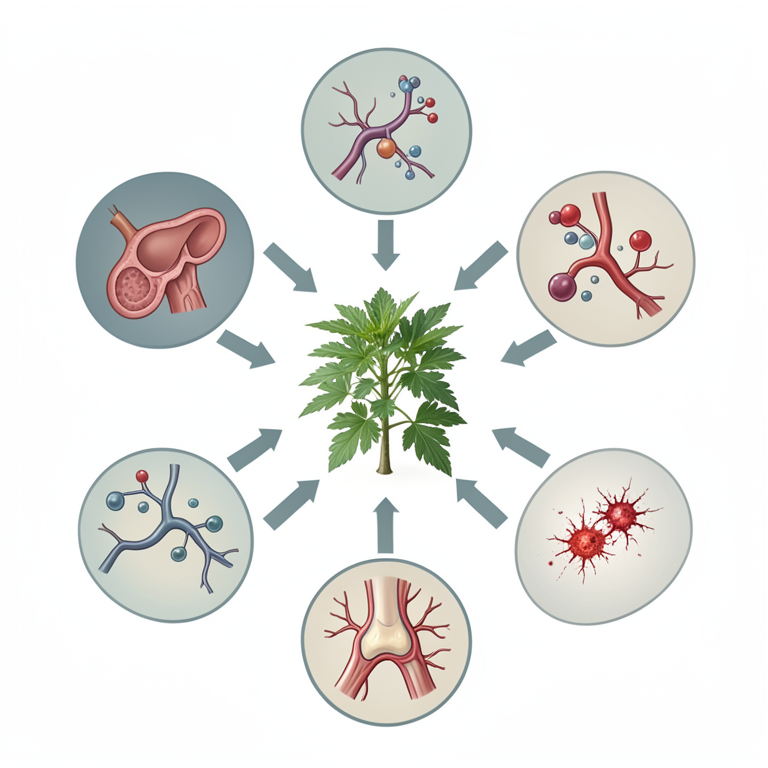
Pharmacological Spectrum of E. hirta
AI-generated conceptual illustration (Euphorbia hirta plant). It explains the idea and does not show study data.
View source evidence ↗Figures & tables
From the original paper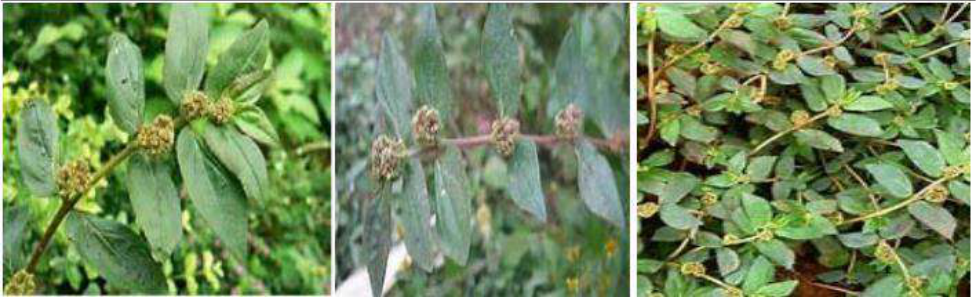 Figure 1
Introduction
Queensland asthuma weed, Pills bearing spurge, Cats hair, Hairy spruge, Spurge or milkweed, Garden spurge [1] .
Morphology
The plant Dudhia/ Euphorbia hirta is a small annual herb, frequently seen occupying open waste spaces, roadsides, grasslands, pathways, rice field and as a weed of cultivation. The plant is a common herb, found in pan-tropic , partly subtropic areas and worldwide including Australia, Western Australia, Northern Australia, Northern territory, Queensland, New south wales, Central America, Africa, Indomalaysia, Philippines, China and India. It is native to Central America. It is usually erect, grows upto a height of 40cm tall and it can also be seen lying down [2] . The stem is slender, reddish in colour, covered with yellowish bristly hairs especially in young parts. Leavessimple, arranged oppositely, distichous, leaf blades are lanceolate, unequal base, cuneate one side, round otherside, acute apex, finally toothed margins, dark green above, pale beneath, purple bloth in middle, measures about 1-2.5 cm long. Flower sunisexual, male flowers are sessile, linear bracteoles, fringed, single stamen, with absent perianth. Female flowers are short pedical, rimmed perianth, superior ovary, threecelled, three styles, minute, covered with short hairs, two-fid apex. Inflorescencecluster of flowers called cyathium at terminal or auxillary. Several cyathia densely clustered into a cyme. Fruitsyellow, three lobed, threeseeded, keeled capsules, containing three brown, four-sided, angular, wrinkled seeds, base truncate, hairy, 1-2mm in diameter [2,3,4] . Seeds-oblong, foursided, slightly wrinkled, pinkish brown, caruncle absent. Chemical constituents E. hirta has been studied by various workers and a number of active constituents have been isolated. Afzelin (I), quercitrin (II), and myricitrin (III) have been isolated from the methanolic extract of E. hirta. [5] The chemical investigation of E. hirta has led to the isolation of rutin (IV), quercitin (V), euphorbin-A (VI), euphorbin-B (VII), euphorbin-C (VIII), euphorbin-D (IX), 2, 4, 6-tri-O-galloylβ-d-glucose, 1, 3, 4, 6-tetra-O-galloyl-β-d-glucose, kaempferol, gallic acid, and protocatechuic acid. [6,7] E. hirta also contains β-amyrin, 24-methylenecycloartenol, βsitosterol, heptacosane, nnonacosane, [8] shikmic acid, tinyatoxin, choline, camphol, and quercitol derivatives containing rhamnose and chtolphenolic acid [9] .
Traditional Uses
Plant is employed to cure several indications: gastro intestinal disorders (diarrhea, dysentery, intestinal parasitosis, bowel complaints, digestive problems), respiratory diseases (cough, cold, asthma, bronchitis, hay fever, emphysema), [10,11] urinary apparatus (diuretic, kidney stones), genital apparatus (metrorrhagic, agalactosis, gonorrhoea, urethritis), various ocular ailments (conjunctivitis, corneal ulcer), [12,13,14] skin and mucous membranes problems (guinea worm, scabies, tinea, trush, aphtha) and tumour. In south india, it is used as ear drops, in the treatment of boils, score and wounds. [15] The latex of the plant is often used as warts and cuts to prevent pathogen infection. A decoction of leaves induces milk flow and the leaf chewed with palm kernel for restoration of virility. It is also effective in treating ulcers. The plant is also eaten as vegetables [16] .
Pharmacological activity Anti-inflammatory activity
Mei-Fen Shih et al., 2010 studied anti-inflammatory effect of ethanol extract of Euphorbia hirta (Eh) and active component β-amyrin against lipopolysaccharide (LPS)activated macrophage cells (RAW 264.7). The extract and active component inhibited nitric oxide (NO) production and iNOS gene expression. Therefore, Euphorbia hirta and β-amyrin had potential arthritis inflammation treatment [17] . Mariano Martinez-Vazquez et al., 1999 isolated and identified triterpenes like β-amyrin, 24-methyl encycloartenol and β-sitosterol from n-hexane extract of Euphorbia hirta. The nhexane extract and triterpenes were evaluated for anti-inflammatory effects in mice. Both extracts and triterpenes exerted significant antiinflammatory effects in TPA-induced ear model. The result also showed that dual and triplet combinations exerted higher activity than triterpene alone [18] .
Anti-oxidation activity
Kumar et al., 2010 carried out antidiabetic and antioxidant effect in mice. The flower extracts, ethanol (250mg/kg) and petroleum ether (500mg/kg) of Euphorbia hirta were orally tested for 21 days alloxan induced diabetic mice. The serum cholesterol, triglycerides, creatinine, urea, alkaline phosphatase levels were reduced significantly. High density lipoprotein and total proteins were increased after treatments. The antioxidant assays of all extracts showed antioxidant activity. Euphorbia hirta flower extract posses both antidiabetic and antioxidant activity [19] . Abu Arra Basma et al., 2011 reported antioxidant activity of Euphorbia hirta. Methanol extract of four different parts of plants, leaves, stems, roots and flowers were tested for invitro antioxidant activity. The IC50 for leaves, flowers, roots, stems and BHT were 0.803, 0.972, 0.989, 1.358 and 0.794 mg/ml. Butylated hydroxy toluene (BHT) acts as a standard. Leaves extract had highest total phenolic content, total flavonoid content, followed by flowers, roots and stem extracts. Phytochemical screening of Euphorbia hirta leaf methanol extract revealed the presence of reducing sugars, terpenoids, alkaloids, steroids, tannins, flavonoids and phenolic compounds. Based on data, it was suggested that Euphorbia hirta had a strong antioxidant activity [20] .
Anti-tumour activity
Based on spectroscopic analysis 1D and 2D NMR the structure was elucidated. The cytotoxicity of ethanol extract was evaluated against K562 (human leukemia) and A549 (lung cancer) cell lines. From the data, the ethanol extract exhibited a weak activity against A549 cells (inhibition ratio 15.02 ± 11.60%) and inactive against K562cells [21] .
Anti diabetic and free radical scavenging activity
Goldie Uppal et al., 2012 discussed anti-diabetic activity. The ethanol extract of Euphorbia hirta Linn was tested using animal screening models. Alloxan administered for 21 days, to induce diabetics. The ethanol extract showed a significant decreased blood glucose level (hypoglycemic effect) on alloxan-induced diabetic rats [22] . Invivo and invitro study of antidiabetic activity was done by Widharna et al., 2010. From the in vitro experiment, ethanol extract and ethylacetate fractions had α-glucosidase inhibition activity, while n-hexane, chloroform, butanol and water fractions had no α-glucosidase inhibitory effect. In vivo test, also had the same result. Based on in vitro and in vivo test, Euphorbia hirta L. ethanolic extract and ethylacetate extract exerted anti-diabetic mechanism and αglucosidase inhibitory property [23] .
Anti allergic activity
Singh et al., 2006 described a antiallergic reactions. 95% ethanolic extract prepared from whole aerial parts of Euphorbia hirta (EH A001). EH A001 significantly inhibited rat peritoneal mast cell degranulation triggered by compound 48/80, dextran-induced rat paw edema. It prevented eosinophil accumulation and eosinophil peroxidase activity and reduced the protein content in bronchoalveolar lavage fluid (BALF). Extract suppressed the CD4/CD8 ratio in peripheral blood. It also attenuated interleukin-4(IL-4) release and augmented interleukin -ϒ (IFN-ϒ) in ovalbumin-sensitized mouse splenocytes. The results of these findings compared with ketotifen, cetirizine and cyclophosphamide, known compounds and it proved that Euphorbia hirta possessed significant activity to prevent early and late phase allergic reactions [24] .
Analgesic and anti anaphylactic activity
Euhorbia hirta ethanol extract (EH A001) administered orally (100 to 1000mg/kg) against compound 48/80 induced systemic anaphylaxis. The data showed that EH A001 inhibited passive cutaneous anaphylaxis (PCA) in rat and active paw anaphylaxis in mice. The result also showed a suppressive effect on TNF-α and IL-6 release from anti-DNP-HSA activated rat peritoneal mast cells. Thus, Youssouf et al., 2007 proved anti-anaphylactic effect of Euphorbia hirta [25] .
Antioxytic and sedative
Anuradha et al., 2008 studied anxiolytic effect of hydroalcoholic extract of euphorbia hirta. Chronic immobilization (CIS) and forced swim stress (FSS) induced stress in rats. Eh (200mg/kg p.o) for seven days showed a marked anti-anxiety activity in CIS and a partially decreased activity in FSS. Cotreatment of rats with flumazenil (0.5mg/kg i.p), bicuculline (1mg/kg i.p) resulted in a significant reduction in anxiolytic effect of Eh.this indicates that anxiolytic activity are medicated through GABAA receptor, benzodiazepine receptor, Clchannel complex. Thus, result indicate that Eh acts as a potential anxiolytic drug, which might be beneficial in treatment of stress induced anxiety disorders. Marie-Claire Lanhers et al., 1990 found behaviroal effects of Euphorbia hirta L. in mice. Lyophilised aqueous extract does not show any mortality when administered i.p. and orally. Decrease and increased behavioural parameters were measured by a activitest and staircase test at a high (100mg of dried whole plant / kg) and lowest dose (12.5 and 25mg of dried whole plant/ kg). These findings support traditional use of Euphorbia hirta as a sedative and anxiolytic property [26] .
Antiarthritic activity
Sheikh Fayaz Ahmed et al., 2012 investigated antiarthritic activity in animal model. Adjuvant arthritis induced by subplantar injection of 0.05ml freshly prepared suspension (5.0mg/ml) of steam killed mycobacterium tuberculli in liquid paraffin. Different doses 25, 50, 100 and 200mg/kg of ethanol extract were used for treatment. According to result, Euphorbia hirta significantly reduced IL-1β, TNF-α, IL-2 and IFN-ϒ in splenocytes of arthritic rats and downregulated lipopolysaccharide (LPS)-induced nitric oxide production in peritoneal macrophages. These results suggest that Euphorbia hirta exhibits an improved adjuvantinduced arthritis [27] . Kamgang et al., 2001 discussed the contractile activity of total aqueous extract of Mallotus oppositifolium (MO) and Euphorbia hirta (Eh) leaves in rat. Mallotus oppositifolium (1.32mg/ml) inhibited the stimulation of rat ileal contractions by acetylcholine (-9mm) and potassium chloride (-7mm) and also reduced faecal quantity (-11g, p<1%). Euphorbia hirta activated the stimulation of rat ileal contractions by acetylcholine (+148%) and potassium chloride (+381%).Eh aqueous extract also reduced the faeces quantity (-12g, p<5%). The result conformed that total aqueous extracts of Mallotus oppositifolium had antispasmodic effect, while Euhorbia hirta had spasmogenic effect in vitro and antidiarrhoeic effects in vivo [28] .
Antidiarrhoeal and Spasmogenic activity
Antidiarrhoeal and Spasmogenic activity
Diuretic effect
Johnson et al., 1999 studied diuretic activity of Euphorbia hirta leaf extracts in rats using acetazolamide and furosemide, a standard diuretic drugs. A timedepended increase in urine output was observed with water and ethanol extracts (50 and 100mg/kg). From the result it was found that water extract increased the urine excretion of Na+, K+ and HCO3-and urine output as like acetozolamide. Ethanol extract increased the excretion of HCO3-, decreased the loss of K+ and a little effect on Na+ removal. The standard drug, furosamide increased renal excretion of Na+ and Cl-but had no effect on K+ and HCO3-loss. Active component in aqueous extract of Euphorbia hirta had similar diuretic effect as acetazolamide, a standarad drug. These result, support traditional use of Euphorbia hirta as a diuretic agent by Swahilis and sukumus [29] . Hore et al., 2006 studied gastrointestinal motility in rats and mice. Findings reported that aqueous leaf extract significantly and dose-dependently decreased gastrointestinal motility in rats and Castrol oil-induced diarrhoea in mice. These findings supported the traditional use of Euphorbia hirta in diarrhoea [30] .
GI tract
GI tract
Sperm motility
Oyeyemi et al., 2009 utilized sexually mautured and healthy west African Dwarf (WAD) rams. The rams aged between 24 and 30 months were used for study. Experimental animals were orally dosed with 400mg/kg body weight for 14days. Semen samples were collected after a day and seven days after administration. Semen picture showed a significant reduction (p<0.05) of sperm motility from 80% to 47.5% and livedead ratio from 90.75% to 32.5%. This result indicates that fertilization capacity and livability of spermatozoa were negatively affected. But no significant difference in values of body parameters. Thus Euphorbia hirta was not recommended for medicinal purpose in male animals [31] .
Effect on CNS
Lanhers et al., 1996 evaluated lyophilized aqueous extract of Euphorbia hirta L. (Eh) for benzodiazepine-like properties, hypnotic, neuroleptic and antidepressant properties. The result showed that aqueous extract does not seem to possess benzodiazepine like properties hypnotic, neuroleptic effect. The plant extract caused a direct action on central nervous system and a slight depressant effect [32] .
Effect on asthuma
Pretorius et al., 2007 made a comparative ultrastrctural analysis of platelets and fibrin networks using murine Balb/c asthma model. Ultrastrcture of fibrin networks and platelets of control compared with asthmatic mice, treated with two concentrations of hydrocortisone and one concentration of plant material. Control mice possess major, thick fibers and minor, thin fibres and tight round platelet aggregates with pseudopodia formation. Asthmatic mice have major fibers covered with a net like minor fibers and a loosely connected, granular aggregates of platelets. Hydrocortisone of both concentrations made the fibrin more fragile and more granular platelet aggregate, where as Euphorbia hirta have no impact on fragility of fibrin and prevented the minor fibers to form a dense netlike layer over the major fibers [33] .
Toxicity
Sandeep et al., 2011 determined LC50 using shrimp lethality assay. Extracts of Euphorbia hirta Linn and Euphorbia nerifolia Linn were selected for brine shrimp lethality activity. LC50 of ethylacetate, acetone extract of Euphorbia hirta and methanol extract of Euphorbia nerifolia Linn were found to be 71.15, 92.15 and 49.55µg/ml respectively. Among these two plants, the most active extract was methanol extract of Euphorbia nerifolia Linn. [34] Ram P. Yadav et al., 2011 studied the efficacy of binary and tertiary combinations of Euphorbia hirta latex powder with other active compounds like rutin, ellagic acids, teraxerol and betulin. Toxic effect of Euphorbia hirta latex and active compounds were evaluated against fresh water snails Lymnaea (Radux) acuminate and Indoplanorbis exustus in pond. Along with snails, fresh water fish channa punctatus (Bloch) was also lethal to high dose, while LC90 does not have apparent killing properties in fish populations [35] .
Anti-bacterial / Anti-fungal activity
Chinwe et al., 2012 isolated Gram-positive staphylococcus aureus, and Gram negative Escherichia coli, Salmonella typhi, from degenerated wound, stool and a high vaginal swab. Total dehydrogenase activity assayed using 2,3,5triphenyl tetrazolium chloride(TTC), ethanolic Euphorbia hyssopifolia and Euphorbia hirta inhibitory activity compared with standard antibiotics ciprofloxacin and gentamycin. A dose -depended inhibition was observed. Euphorbia hyssopifolia effective against gram-positive staphylococcus aureus, than gram-negative salmonella typhi and Escherichia coli. Euphorbia hirta effective against Gram-negative salmonella typhi and Escherichia coli, but not effective against staphylococcus aureus. Hence, Euphorbia hirta can be implicated against typhoid fever and urinary tract infections [36] . Kareem Kehinde Titilope et al., 2012 reported the antibacterial activity of dry and fresh leaf extracts (ethanol and water) against some pathogens, Escherichia coli, Haemophilus influenzae, Klebsiella pneumoniae, Proteus vulgaris, Pseudomonas aeruginosa, Staphylococcus aureus, Slamonella typhi and Shigella dysenteriae. Antibacterial sensitivity test indicated that Euphorbia hirta extracts had little or no zone of inhibition against Haemophilus influenzae. Hence, dry extract produced highest zone of inhibition on all pathogens than fresh extracts [37] .
Conclusion
E. hirta is a popular herb among practitioners of traditional herb medicine in China and other counties and areas, such as Africa, India, Bangladesh, Phlippines, Australia, and Cambodia. It has long been used as a decoction or infusion for the treatment of various ailments, particularly intestinal disorders, diarrhea, amoebic dysentery, peptic ulcers, asthma, bronchitis, and skin diseases in China. However, in Australia, one of the most popular uses of E. hirta is for the treatment of hypertension. Thus, bioassay-guided isolation and identification of the bioactive components must be developed to reveal the structure-activity relationship of these active components. Several parts of the plant have interesting antidiabetic, anti-tumor, anti-oxidant and antimicrobial properties. Consequently, further studies on this plant should be considered by researchers in phytochemistry and pharmacology in discovering newer and potential bioactive compounds such as antidiabetic, antioxidants and anticancers.
Figures and tables from the paper
References
37 in the original paper- Soforowa EA. African herbs. John wiley and sons, Chichister, 1982, 198.
- Burkill HM. The useful plants of west tropical Africa families MFT, Royal Botanic Garden, Kew. 1994; 4:605.
- Williamsom EM. Major herbs of ayurveda. China: Churchill Livingstone, 2002.
- Prajapati ND, Purohit SS, Sharma AK, Kumar T. Handbook of medicinal plants. Jodhpur. India, Agarbios, 2003.
- Liu Y, Murakami N, Ji H, Abreu Pedro, Zhang S. Antimalarial flavonol glycosides from Euphorbia hirta. Pharm Biol. 2007; 45:278-81.
- Rastogi RP, Mehrotra BN. Compendium of Indian Medicinal Plants, 3rd Vol., Lucknow, India: Central Drug Research Institute, 2002.
- Rastogi RP, Mehrotra BN. Compendium of Indian Medicinal Plants, 4th Vol., Lucknow, India: Central Drug Research Institute, 2002.
- Williamson EM. Major Herbs of Ayurveda. China: Churchill Livingstone, 2002.
- Sood SK, Bhardwaj R, Lakhanpal TN. Ethnic Indian Plants in cure of diabetes. India: Scientific Publishers; 2005.
- Mhaskar KS, Blatter E, Carius JF (eds), 2000.
- Kappor LD. Handbook of ayurvedic medicinal plants. Washington, DC: CRC press, 2001, 182.
- Kirtikar KR, Basu BD. Indian medicinal plants 2nd ed., vol.III. Allahabed; India, 1935, 2197.
- Lalit mohan basu, Sivarajan VV, Balachandran I. Ayurvedic drugs and their plant sources, New Delhi; India: oxford and IBH publishing Co. Pvt. Ltd, 1994, 141-143.
- Colegate SM, Molyneux RJ. Bioactive natural products. Boca Raton (FL):CRC press, 1993, 3
- Igoli JO, Ogaji TA, Tor-Anyiin and Igoli NP. Traditional medicine practice amongst the lgede people of Nigeria. Afr. J. Trad. CAM. 2005; 2(2):134-152.
- Kokwaro JO. Medicinal plants in east Africa. Vol. 2. East African Literature Bureau, Nairobi, Kenya, 1993, 111-120.
- Mallavadhani UV and Narasimhan K. Two novel butanol rhamnosides from an Indian traditional herb, Euphorbia hirta. Nat Prod Res. 2009; 23:644-651.
- Mariano Martinez Vazquez, Teresa O, Ramirez Apan, Maria Eugenia Laz cano, Robert Bye. Anti - inflammatory active compounds from the N-Hexane extract of Euphorbia hirta. J. Mex. Chem. Soc. 1999; 43:103-105.
- Kumar S, Malhotra R and Kumar D. Antidiabetic and free radicals scavenging potential of Euphorbia hirta flower extract. Indian J Pharm Sci, 2010.
- Abu Arra Basma, Zuraini Zakaria, Lacimanan Yogalatha, Sreenivasan Sasidharan. Antioxidant activity and phytochemical screening of the methanol extracts of Euphorbia hirta L. Asian Pac J Trop Med. 2011; 386-390.
- Shao -Ming Chi, Yi Wang, Yan Zhaw, Jian -Xin Pu, Xue Du, Jin -Ping Liu, Ji -Hua Wang, Ye -Gao Chen and Yong Zhaw. A New cyclopentanone derivative from Euphorbia hirta. Chem. Nat. Comp. 2012; 48(4).
- Goldie Uppal, Vijay Nigam, Anil Kumar. Antidiabetic activity of ethanolic extract of Euphorbia hirta Linn. Der Pharmacia Lettre. 2012; 4(4):1155-1161.
- Widharna RM, Soemardji AA, Wirasutisna KR and Kardono LBS. Anti diabetes mellitus activity invivo of ethanolic extract and ethyl acetate fraction of Euphorbia hirta L. herb. Int . J. Pharm. 2010; 6(3):231240.
- Singh GD, Kaiser P, Youssouf MS, Singh S, Khajuria A, Koul A, Bani S, Kapahi BK, Satti NK, Suri KA and Johri RK. Inhibition of early and late phase allergic reaction by Euphorbia hirta L. Phytother Res. 2006; 20:316-321.
- Youssouf MS, Kaiser P, Tahir M, Singh GD, Singh S, Sharma VK, Satti NK, Haque SE, Johri RK. Anti - anaphylactic effect of Euphorbia hirta. Fitoterapia . 2007; 78:535-539.
- Marie Claire Lanhers, Jacques Fleurentin, Pierre Cabalion, Alain Rolland, Pierre Dorfman, Rene misslin and Jean-Marie Pelt. Behavioral effects of Euphorbia hirta L. sedative and anxiolytic properties. J of Ethanopharmacol. 1990; 29:189-198.
- Sheikh Fayaz Ahmed, Phalisteen Sultan, Abdelkader E, Ashour Tajdar Husain Khan, Sabry M, Attia, saleh A, Bakheet, Adel RA, Abd-Allah. Modulation of Th1 cytokines and inflammatory mediators by Euphorbia hirta in animal model of adjuvant -induced arthritis. Inflammopharmacology, 2012.
- Johnson PB, Ezzeldin M, Abdurahman, Emmanuel A, Tiam, Ibrahim Abdu-aguye, Hussaini IM. Euphorbia hirta leaf extracts increase urine output and electrolytes in rats. J. of Ethanaopharmacol. 1999; 65: 63-69.
- Kamgang R, Zintchem R, Dimoet T, Panjo Yewah. Effect des extraits Totaux Aqueux de mallotus oppositifolium ET DE Euphorbia hirta (Euphorbiaceae) sur L' activite contractile intenstinale Du rat. Afr.J.Sci.Tech. 2001; 2(2) :8-11.
- Oyeyemi MO, Olukole SG, Bolanle Taiwo and Deborah A Adeniji. Sperm motility and viability in west African dwarf rams treated with Euphorbia hirta. Int J. Morphol. 2009; 27(2):459-462.
- Hore SK, Ahuja V, Mehta G, Pardeeb Kumar, Pandey SK, Ahmad AH. Effect of aqueous Euphorbia hirta leaf extract on gastro intestinal motility. Fitoterapia. 2006; 77:35-38.
- Lanhers MC, Fleurentin J, Dorfman P, Misslin R, Mortier F. Neurophysiological effects of Euphorbia hirta L. (Euphorbiaceae). Phytother Res. 1996; 10:670676.
- Pretorius E, Ekpo OE, Smit E. Comparative ultrastructural analyses of platelets and fibrin networks using the murine model of asthma. Exp Mol Pathol. 2007; 59:105-114.
- Sandeep B Patil and Chandrakant S Magdum. Determination of Lc50 values of extracts of Euphorbia hirta Linn and Euphorbia herifolia Linn using brine shrimp lethality assay. Asian J. Res. Pharm Sci. 2011; 1(3):69-70.
- Ram P Yadav and Ajay Singh. Efficacy of Euphorbia hirta latex as plant derived molluscicides against fresh water snails. Rev. Inst. Med. Trop. Sao Paulo. 2011; 53(2):101-106.
- Chinwe S. Alisi and Samuel E. Abanob. Antimicrobial properties of Euphorbia hyssopifolia and Euphorbia hirta against pathogens complicit in wound, typhoid and urinary tract infections. International Journal of Tropical Disease and Health. 2012; 2(2):72-86.
- Kareem Kehinde Titilope, Ezen Abimbola Rash Dat, Obi Chioma Christiana, Egberongbe Rafiat Kehinde, Jabbar Nasirudeen Ombolaji , Awoyera Jubril Olajid. In-Vitro antimicrobial activities of Euphorbia hirta against some clinical isolates. Agriculture and biology Journal of North America. 2012; 3(4).
Cited by 7
From OpenAlex, OpenCitations and reference lists read by Scinovex
- Ethnobotanical study of plants used by traditional healers in Lubumbashi (Democratic Republic of Congo) in the management of typhoid fever ↗
Bashige Chiribagula Valentin, Kasongo Ilunga Pierre, Manya Mboni Henry, Félicien Mushagalusa Kasali, Okusa Ndjolo Philippe, Lumbu Simbi Jean Baptiste · GSC Biological and Pharmaceutical Sciences · 2022
No documented study reports the ethnobotanical knowledge of the medicinal plants involved in the management of typhoid fever in Lubumbashi. This study aims to identify plants and recipes used by traditional medicine practitioners (TMPs) in Lubumbashi to manage typhoid fever. The cross-sectional descriptive survey was carried out on TMPs through a direct interview, making it possible to collect ethnobotanical data.…
❝ 12PDF - A Review on Bioactive Compounds Isolated from Euphorbia hirta L. ↗
Roland Nâg-Tiéro Meda, Sami Eric Kam, Windmi Kagambéga, Eliasse Zongo, Clarisse Ouedraogo, Abdoulaye Segda et al. · American Journal of Plant Sciences · 2023
Euphorbia hirta L. is an annual medicinal herb throughout many tropical continents used to cure various diseases. Several studies have isolated many bioactive compounds from E. hirta. This study aimed at providing a collection of bioactive constituents in E. hirta. This review summarizes the extraction solvent, the structures and the properties of 38 bioactive phytochemicals isolated from E. hirta. It…
❝ 11PDF - The ethanol extract of Euphorbia hirta exhibits in vitro antidiabetic potentials by sensitization of the insulin ↗
Sankepally Shwetha, C.K. Ramesh, Pinkey Rawal, B.A. Sowmya, L Anns Maria, C. J. Ranjitha · Journal of Drug Delivery and Therapeutics · 2023
The objective of current investigation was to assess the mechanism of action of Euphorbia hirta for its antidiabetic properties. Materials &Methods: The authenticated leaves of plant Euphorbia hirta were dried and powdered. The powdered drug was defatted with petroleum ether and subjected to ethanol extraction. The ethanol extract of Euphorbia hirta was subjected to preliminary phytochemical investigation. The glucose up…
❝ 2PDF - Biochemical profiling of plant latex Euphorbia hirta and Croton bonplandianum: Unveiling the nuclease and protease activity ↗
N. Sharadamma, R. Nagesh Babu, B M Chaithanya Rai, J Likhitha, Debasree Basu Mukherjee · South African Journal of Botany · 2025
❝ 1 - Phytochemical Profile, Toxicological Screening, Antitumor Activity, and Immunomodulatory Response of Saline Extract from Euphorbia hirta L. Leaves ↗
Jainaldo Alves da Costa, Amanda de Oliveira Marinho, Robson Raion de Vasconcelos Alves, Matheus Cavalcanti de Barros, Isabella Coimbra Vila Nova, Sheilla Andrade de Oliveira et al. · Molecules · 2025
Euphorbia hirta L. is traditionally used to treat tumors and has demonstrated anticancer effects. This study evaluated the phytochemical composition, toxicity, and antitumor activity of saline extract (SE) from E. hirta leaves in mice. Phytochemical analysis included thin layer chromatography, high-performance liquid chromatography, and quantification of phenols, flavonoids, and proteins. Acute toxicity (2000 mg/kg) assessed mortality, hematological, biochemical, histological parameters,…
❝ 1PDF - Comparative Phytochemical Diversity of Aqueous, Ethanol, and Chloroform Extracts of Euphorbia hirta ↗
U.A. Okpaga, A.F. Ngozi, O.D. Ginika, E.G. Ofobuike, O.C. Angela, N.N. Peter et al. · AGE Journal of Science · 2026
Euphorbia hirta is a medicinal plant traditionally used to treat respiratory, gastrointestinal, and microbial disorders due to its diverse phytochemical constituents. This study compared the phytochemical profiles and bioactive potentials of aqueous, ethanol, and chloroform extracts of the entire plant to assess solvent-dependent variations in composition and activity. Using Gas Chromatography–Mass Spectrometry (GC–MS), 19, 17, and 52 phytochemical compounds were…
❝ 0 - Euphorbia hirta Linn. (Asthma plant): A comprehensive review on its phytochemical constitutes & pharmacological properties ↗
Aditi Sharma, Megha Chaturvedi, Abhijeeta Nandha · Journal of Pharmacognosy and Phytochemistry · 2025
Euphorbia hirta Linn is a widely recognized medicinal herb utilized in traditional medicine systems for treating respiratory ailments, gastrointestinal disorders, skin conditions, and wounds. This review consolidates current ethnomedicinal knowledge and recent pharmacological evidence related to the plant. Phytochemical screening has identified several active compounds, including flavonoids, tannins, saponins, alkaloids, and phenolics, contributing to its reported therapeutic activities. Experimental studies