
Research article · 2019 · Full text
International Journal of Advanced Biochemistry ResearchEvaluation of in vitro anthelminthic, antiproliferative and antihypertensive potentials of Rauwolfia vomitoria Afzel. (Apocynaceae) leaf extract
Volume 3(1) · Pages 66–76 · DOI: 10.33545/26174693.2019.v3.i1a.107 ↗
Research areasChemical synthesis and alkaloidsEthnobotanical and Medicinal Plants StudiesPhytochemistry and Biological Activities
Abstract
Author-writtenBackground: Rauwolfia vomitoria Afzel. (Apocynaceae) leaf is used to treat various diseases such as ascariasis, cancer, hypertension, other cardiovascular diseases, and various diseases in traditional medicine in Nigeria. This study evaluated the anthelminthic, antiproliferative and antihypertensive potentials of R. vomitoria leaf methanol extract in Wistar rats. In addition, the phytochemical, acute toxicity, total phenolic and flavonoid contents were also evaluated.Results: Qualitative phytochemical screening revealed the presence of various metabolites with flavonoids and alkaloids the most predominant, with different amount of total phenolic and flavonoid contents per gallic acid and rutin equivalent respectively. NMR and GC-MS studies on the R. vomitoria showed the presence of methyl stearate ester a fatty acid ester. In vitro antioxidant activity by inhibition of DPPH and H2O2 scavenging radicals showed an IC50 value of 1.614 mg/mL and 0.101 mg/mL Acute toxicity investigation showed that extract is well tolerated at doses up to 5,000 mg/kg body weight RVE after two weeks. Anthelminthic and antiproliferative effects of the RVE showed dose-dependent activities in time of paralysis/death of earthworms and growth of guinea corn radicles respectively. The blood pressure reduced significantly in normotensive and RVE-treated hypertensive rats in dose-dependent fashion. There was significant dilation of the aortic blood vessel at high concentration of RVE with reduced heart rate and complete blockage of adrenaline and CaCl2 stimulatory effects.Conclusions: This study provided the justification that R. vomitoria leaf extract possessed anthelminthic, antiproliferative and antihypertensive potentials, hence, its use as an ethnomedicinal prescription for these conditions in traditional medicine. It further provides an avenue for new drug discovery.
Summary
Source-checkedPlain-language reading of the full paper, prepared with AI and checked against the text. Each point links to the authors' own words.
Why it matters
- Rauwolfia vomitoria leaf is traditionally used in Nigeria to treat conditions including cancer, hypertension, and parasitic infections like ascariasis. View evidence ↗
- Helminth infections affect over a billion people, primarily in developing nations, causing significant economic loss and health issues from malnutrition to death. View evidence ↗
- Hypertension is a prevalent cardiovascular disease and a leading cause of death globally, contributing to strokes, kidney disease, and myocardial infarction. View evidence ↗
The question
- The study aimed to provide scientific justification for the traditional use of R. vomitoria leaf extract as an antihypertensive, antiproliferative, and anthelmintic agent. View evidence ↗
What they did
- A methanol extract (80% v/v) was prepared from 1000 g of dried powdered R. vomitoria leaves using cold maceration. View evidence ↗
- Anthelmintic activity was tested on Pheretima posthuma earthworms using RVE concentrations of 1.25, 2.5, 5, 10, and 20 µg/mL, compared to distilled water and Albendazole (20 mg/mL). View evidence ↗
- Antiproliferative effects were evaluated by measuring the radicle growth of Sorghum bicolor seeds treated with RVE concentrations ranging from 10 to 160 µg/mL. View evidence ↗
- Hypotensive activity in normotensive Sprague Dawley rats (150-210 g) was tested using doses of 250, 500, and 1,000 mg/kg of RVE. View evidence ↗
What they found
- RVE demonstrated dose-dependent anthelmintic activity, inducing paralysis and death in earthworms within 120 minutes. View evidence ↗
- RVE inhibited the growth of S. bicolor radicles, reducing length to 0.12 ± 0.01 mm compared to 1.54 ± 0.01 mm in the control at 160 µg/mL after 120 hours. View evidence ↗
- The extract showed antioxidant activity with IC50 values of 0.61 ± 0.01 µg/mL for DPPH and 1.10 ± 0.20 µg/mL for H2O2. View evidence ↗
- In normotensive rats, RVE significantly reduced systolic and mean blood pressure after one hour of administration. View evidence ↗
- RVE increased aortic blood vessel dilation (0.1–0.8 mg/mL) and completely blocked the stimulatory effects of adrenaline and calcium chloride at 0.8 mg/mL. View evidence ↗
What it means
- The authors conclude that the anthelmintic, antiproliferative, and antihypertensive effects of R. vomitoria are likely due to its alkaloids, flavonoids, and carbohydrates. View evidence ↗
- The authors state a need for future work to isolate and structurally identify the specific compounds responsible for the observed biological activities. View evidence ↗
Visual summary
1 visualsIllustrations explain the paper; they do not show study data.
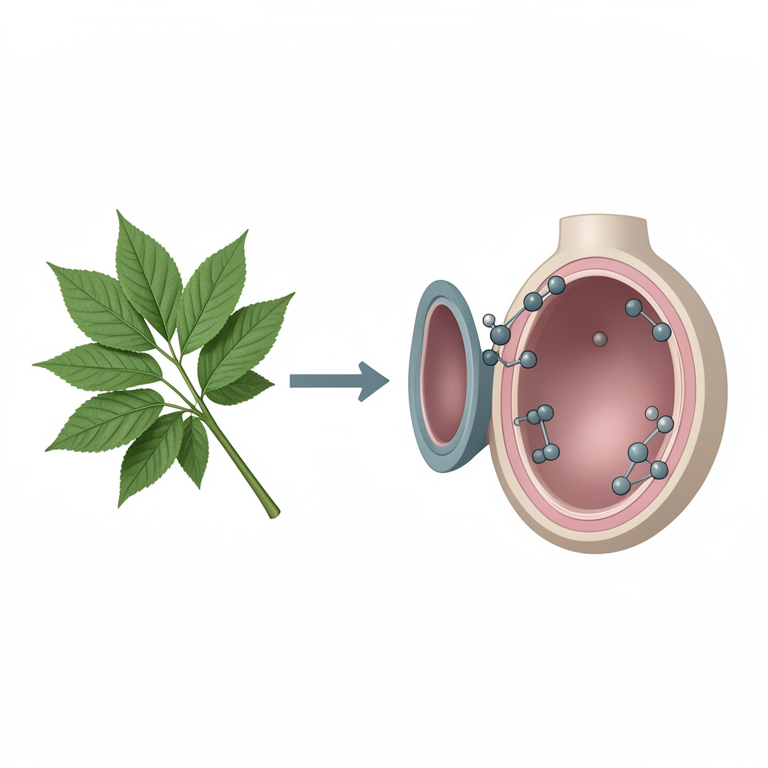
Proposed Antihypertensive Mechanism
AI-generated conceptual illustration (Rauwolfia vomitoria leaves and a mammalian aortic blood vessel). It explains the idea and does not show study data.
View source evidence ↗Figures & tables
From the original paper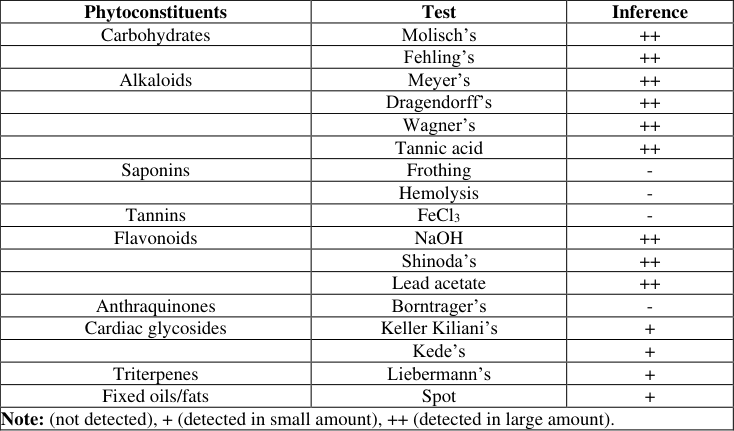 Table 1
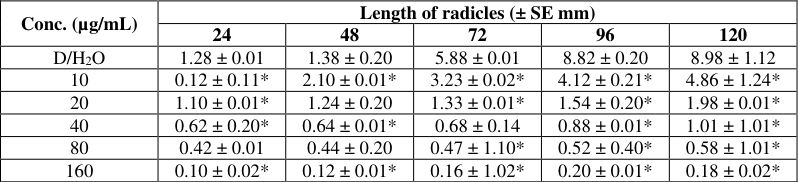 Table 2
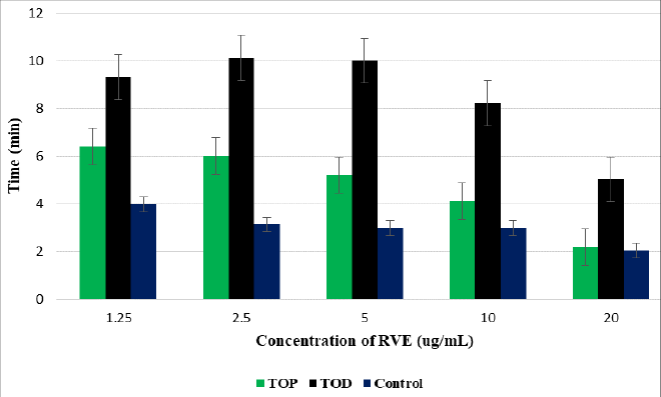 Figure 1
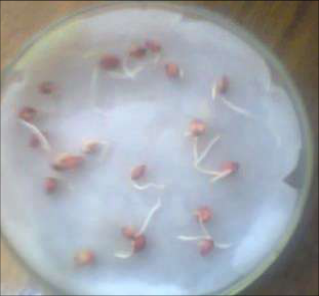 Figure 2
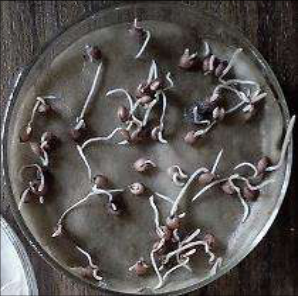 Figure 2
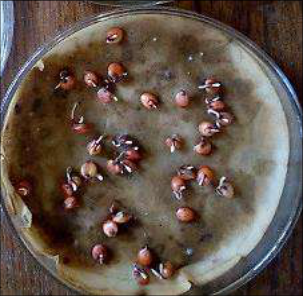 Figure 2
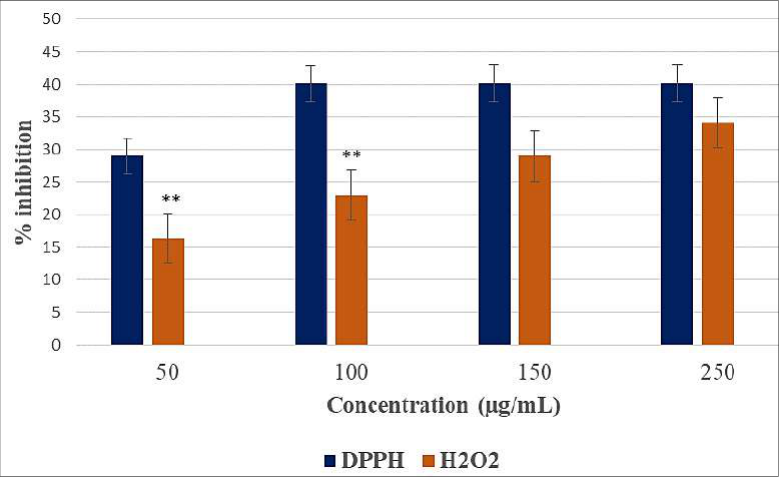 Figure 3
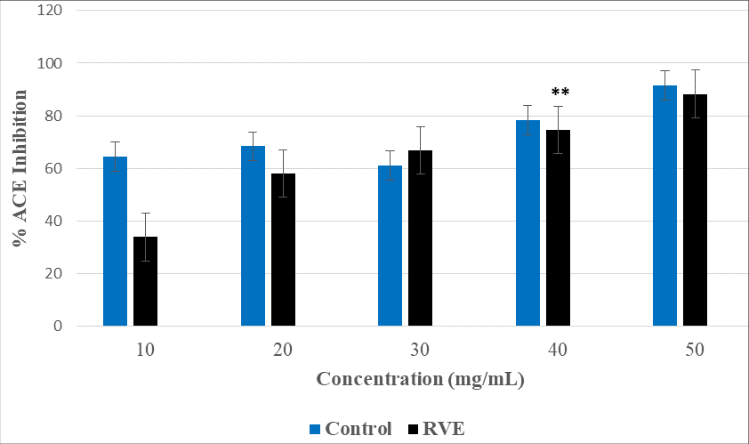 Figure 4
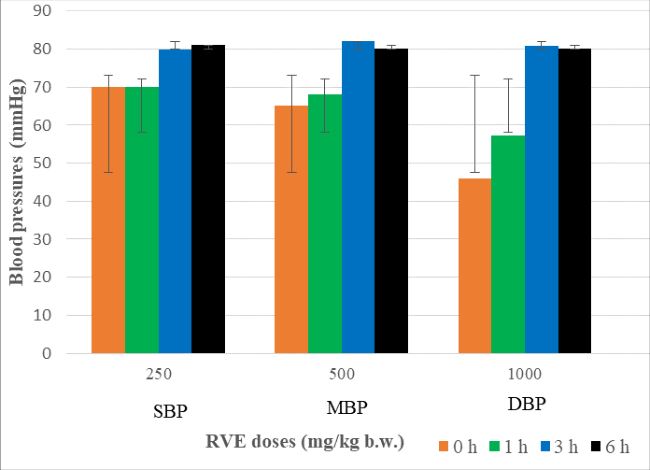 Figure 5
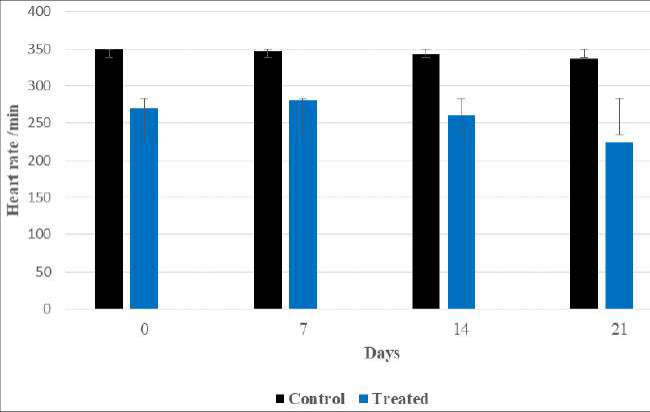 Figure 6
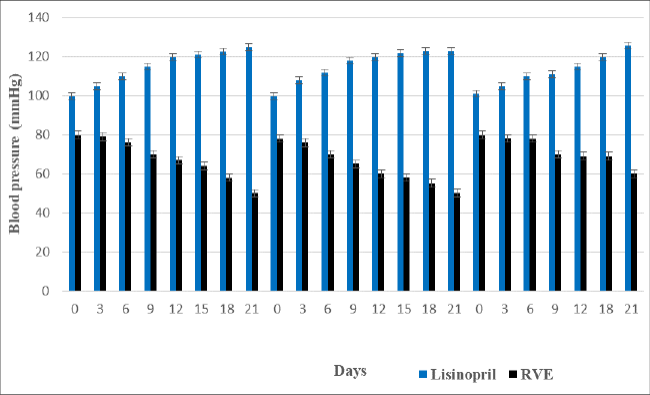 Figure 7
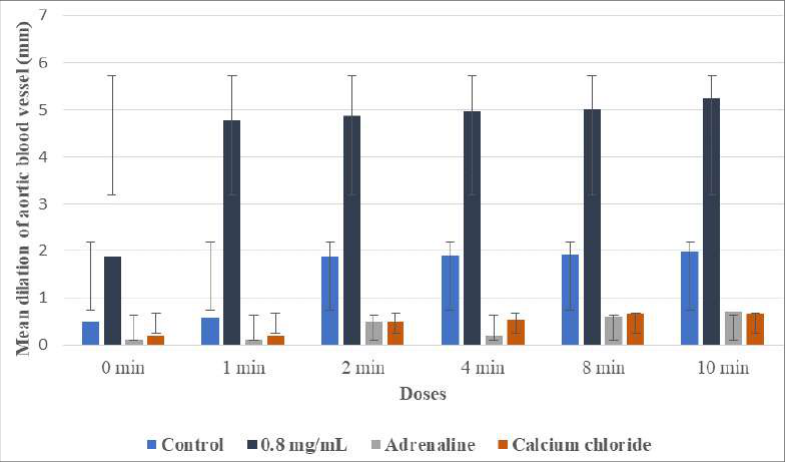 Figure 8
Introduction
Despite the recent advances in orthodox medicines globally, herbal medicines from traditional plants still occupy salient positions in a predominant population of the developing world aa well as among developed nations of the world. This is because, herbal medicines, in addition to being cheap in price and easily accessible, have been used for decades without having little or side effects when used in disease conditions. Similarly, the multitarget effects of medicinal plant-derived drugs (holistic approaches) are the basis of their utilization as has been used in traditional systems of medicine like Ayurveda, which is being practiced even in the western world's [1][2][3] . The knowledge on the use of medicinal plants has resulted in the discovery of lead active novel compounds by natural product researchers and pharmacognocists that have been used in the production of many orthodox drugs by pharmaceutical industries used as analgesics, anticancer, anti-inflammatory, antimalarial, anthelminthic, and antioxidant agents [1,4] . For instance, helminths are pathogenic organisms which are of global concern owing to their parasitic activities in humans. It is estimated that over a billion people, mostly from developing nations, are reported to be infected with various class of helminths, resulting in colossal economic losses as well as various forms of diseases ranging from malnutrition to deaths. Despite the use of few numbers of conventional anthelmintic drugs to control helminths parasites, their efficacies have been reduced by the threat of development of resistance to these drugs by the parasites during treatment.
International Journal of Advanced Biochemistry Research Hence, the need to seek for novel and alternative drugs from medicinal plants for the control of helminths are urgently required [5,6] . Moreover, out of over the 500,000 plant species in the world, only less than 10% have been fully studied for their chemical and pharmacological potentials [7] . Very few of these plants were screened for their antiproliferative or growth inhibitory effects. Nowadays, the antitumor or anticancer agents have been one of immense benefits of plant-derived drugs, from where conventional drugs such as vincristine, vinblastine, taxol, as well as camptothecin were discovered for their cytotoxic effects on cancer or tumor cells. The need for continue search for improved anticancer or antitumor agents from medicinal plants is gaining global recognition due to sides effects from existing drugs used for cancer or tumor case [8,9] . Similarly, medicinal plants have played crucial roles in the management of various cardiovascular diseases including high blood pressure (hypertension). Cardiovascular diseases have been reported as one of the leading causes of deaths worldwide, with hypertension being the most prevalence of them leading to some clinical pathologies like strokes, kidney disease, and myocardial infarction [10][11][12] . A report by the WHO [13] , showed that about 600 million people suffer from high blood pressure (i.e., above 10% of the world's population), and have been on various types of synthetic cardiovascular drugs which have been beneficial but with several side effects. Plant-derived antihypertensive agents and many medicinal plants parts have little or no side effects when used high blood pressure case [14,15] , of which one of the plants is Rauwolfia vomitoria Afzel. Rauwolfia vomitoria is a shrub or tree which grows to a height of over 10 m found in some West African countries like Southern Nigeria, Senegal, Cameroon, Ghana, and across other African countries like Egypt, Sudan, Uganda and Zaïre [16] . It is called ''akanta'' in Igbo language in Nigeria. The plant has been used for various purposes in traditional medicine in southern and northern Nigeria as an abortifacient, antihypertensive, anthelminthic, antitumor, antirheumatic, antidote as well as treatment of fevers. Various types of metabolites have been isolated from the leaf, stembark and root using different types of chromatographic procedures. These metabolites include: alkaloid (e.g., reserpine), flavonoids, cardiac glycosides, and saponins [17][18][19][20] . Despite the vast usefulness of R. vomitoria in traditional medicine, there are no scientific data to justify the use of its leaf extract as anthelminthic, antiproliferative and antihypertensive agents. Therefore, the present study investigated these claims which may serve as a source towards new drug discovery.
Materials and Methods
Materials and Methods
Chemicals and reagents
All chemicals used in this study were of analytical grades, and includes the following: Albendazole (Afbend) and Lisinopril were purchased from Chanrai Healthcare Nigeria Ltd, methanol, gallic acid, rutin, DMSO, 2, 2-diphenyl-1picrylhydrazyl (DPPH), Folin-Ciocalteu reagent, AlCl 3 and NaOH were purchased from JoeChem Nig. Ltd manufactured by Sigma Chemical Co. (St. Louis, MO), among others.
Collection of plant material and preparation of extract
Fresh leaves of R. vomitoria were collected in the morning hour from a forest at Eburu-mmiri, Nsukka, Enugu State, Nigeria during the month of September, 2021. It was identified and authenticated by Mr. C.A. Ukwubile of the Department of Pharmacognosy, Faculty of Pharmacy, University of Maiduguri. A voucher specimen number of UMM/FPH/APN/003 was deposited for the plant at the herbarium. The dried powdered leaves weighing 1000 g were extracted by cold maceration technique in methanol (80% v/v). It was then filtered through Whatman no 1 filter paper into a clean 500 mL conical flask to obtain a clear filtrate. Finally, the filtrate was concentrated in vacuo using rotary evaporator to obtain a dark colored gel-like extract. The extract was then weighed and the% yield calculated as 6.28%. It was then stored in a refrigerator (temp. 40 o C) until when needed [21] .
Qualitative preliminary phytochemical screening of extract
In an attempt to determine the presence of some metabolites such as alkaloids, flavonoids, triterpenes, saponins, tannins, cardiac glycosides, and anthraquinones in the extract, standard procedures were followed [22,23] .
In vitro study Collection and identification of earthworms
Adult earthworms (Pheretima posthuma) measuring 4-8 cm long, were collected from water-logged soil in the evening hour at Fori-Maiduguri, Nigeria, and kept a beaker filled with moist soil from their habitat. They were identified by Mr. M.S. Bingari of the Department of Biological Sciences, Taraba State University, Jalingo, Nigeria.
Anthelminthic evaluation of extract
The Anthelmintic activity of the extract was evaluated following the procedures described by [24,25] , with slight modifications. Briefly, adult earthworms (Pheretima posthuma), were grouped into six groups of five worms of nearly same sizes. Group I served as the normal control, which received distilled water; Group II served the positive control, which received standard anthelminthic drug Albendazole (20 mg/mL), and the remaining groups received 1.25, 2.5, 5, 10 & 20 µg /mL concentrations of R. vomitoria extract (RVE) each. The earthworms were observed for the time of paralysis (i.e., when there are no pronounced movement) and deaths (i.e., when there is color change on their bodies) of each worm [26] .
Antiproliferative evaluation of R. vomitoria extract
Preliminary antiproliferative effects of RVE was evaluated with slight moderations, using the methods previously described by [27] . Briefly, healthy seeds of guinea corn (Sorghum bicolor) were purchased from a local market in Maiduguri, and tested for viability by pouring them in a beaker filled with clean water. The viable seeds (i.e., those that do not float on the water) were selected and washed with ethanol (99.5% v/v) for 5 min in order to decontaminate the seeds prior to use. Six petri dishes, 9 cm in diameter were underlaid with cotton wool and filter papers, where each poured onto with 20 selected seeds of S. bicolor. Then, various concentrations of RVE (10 µg/mL, 20 µg/mL, 40 µg/mL, 80 µg/mL, and 160 µg/mL) were poured into the petri dishes and the control petri dish contains 10 mL of distilled. The petri dishes were then incubated in dark cupboard for 96 h. The lengths of S. bicolor emerging radicles were then measured in 24, 48, 72, and 96 h.
Evaluation of DPPH free radical scavenging activity of RVE
The free radical scavenging activity of the RVE was evaluated using 2, 2-diphenyl-1-picrylhydrazyl (DPPH) reagent following the methods described by [28] . Briefly, 5 g of RVE was dissolved in 100 mL methanol. Then, various RVE concentrations were added to 2.5 mL of DPPH solution and kept in the dark. The absorbance was measured after 30 min at 517 nm wavelength using the Multiskan SkyHigh Microplate UV/Vis spectrophotometer (Thermo Fisher Scientific Inc., MA, USA). The control was vitamin C. The% inhibition of DPPH free radical scavenging ability of the RVE was calculated with reference to the control.
Determination of total the flavonoid and phenolic contents of RVE
The total flavonoid and total phenolic contents of R. vomitoria leaf extract was determined following the methods described by [29,30] .
In vitro antihypertensive study of RVE Angiotensin converting enzymes (ACE) inhibitory assay
In an attempt to determine the ACE inhibitory effect of the RVE, the method previously described by GAO et al. [31] , was used with slight modifications. Briefly, a reaction mixture containing 50 µL of 8 Mm hippuryl-L-histidyl-Lleucine (HHL) as a substrate, 100 µL of ACE solution and 50 µL of RVE was prepared. It was incubated at 37 O C for 1 h in an incubator. To terminate the reaction, 250 µL of 1 N HCl solution in order to form hippuric acid. The hippuric acid was then extracted with 3 mL ethyl acetate (Sigma Aldrich, St. Louis MO), and evaporated on a water bath to remove the ethyl acetate portion. The hippuric acid was then redissolved in a 20 mL beaker, and various concentrations of RVE 10, 20, 30, 40, and 50 mg/mL was each added [32] . Then the absorbance of each was measured at 228 nm wavelength using UV-vis spectrophotometer (Agilent technologies, UK). The ACE inhibitory effect of the RVE was evaluated using the formular below: % Inhibitory activity of RVE = (AbsC-AbsS/AbsC-AbsB) 100, where; AbsC = absorbance of control, AbsS = absorbance of sample (extract), and AbsB = absorbance of blank.
In vivo antihypertensive study of RVE Experimental animals
Thirty Sprague Dawley rats weighing 150-210 g of both sexes was used. They were kept in metal cages in standard laboratory conditions, with free access food and water ad libitum. The approval guidelines by the Animal Ethical Committee of PJ Rats Tailor, Jos, Nigeria. The experimental conditions are in compliance with the provisions of the National Institute for Health [33] .
Evaluation of hypotensive activity of RVE in normotensive rats
The rats were grouped into three of five rats per group. The groups I, II, and III were administered 250, 500 and 1,000 mg/kg of RVE respectively. Blood pressures of the rats were taken at 0, 1, 3 and 6 hours using non-invasive blood pressure technique [34,35] . The systolic blood pressure (SBP) and mean blood pressure (MBP) interpretations were made from pulse tracings, while, the diastolic blood pressure (DBP) was determined using the equation below: DBP = (3MBP-SBP) ÷ 2
Evaluation of antihypertensive effect of RVE in glucose induced hypertensive rats
In evaluating this, the methods by [34,35] , were adopted with modifications. Briefly, the rats were further grouped into five groups of three rats. Group I was the control which was administered 10% Glucose-D solution (Nutra Healthcare, India) for three weeks, group II rats were administered 10 mg/mL Lisinosyn (Synermed Nig. Ltd.), while groups III, IV, and V were given 10% glucose solution plus 10, 20 and 40 mg/kg body weight (b.w.) RVE (p.o.) respectively, with free access to food and water. The blood pressures of and heart rate of the animals were determined at 0, 3, 6, 9, 12, 15, 18 and 21 st days, using noninvasive procedure.
Evaluation of RVE effect on aortic blood vessel from rat's heart
Five Wistar rats of both sexes were injected with 1000 units heparin (i.p.) before dissection in order to prevent clothing of the blood [36] , and partially anaesthetized using 0.1 mL diazepam (Biopharma, Nig. Ltd). The chest cavity was exposed using sterilized dissecting kits and the heart was carefully removed from the pericardial chamber. Then, the aorta a normal major blood vessel was immediately isolated and clamped to the cannulated ends of a micro dynamometer (model 7050). At intervals of 0, 2, 4,8 and 10 min, various concentration of RVE (0.1 µg/mL, 0.2 µg/mL, 0.4 µg/mL, 0.8 µg/mL and 1 µg/mL were applied in order to assess the heart rate and the rate of dilation of the aorta. Lisinopril was used the control drug. The mechanism of action of the RVE was studied as well by injecting various doses of adrenaline (Vixa Pharmaceutical Co. Ltd) and CaCl 2 (JoeChem, Nig., Ltd). Finally, the animals were chemically sacrificed under chloroform. The readings obtained from the changes in heart rate and dilation of the aortic blood vessel were expressed as means ± SD.
Statistical analysis
The results obtained were expressed as means ± SD. Data were expressed as p< 0.05 (one-way ANOVA) and considered statistically significant. Analysis of data was done using Microsoft excel version 2019 and SPSS version 23 software (SPSS Inc.).
Results
Results
Phytochemical contents
The results on preliminary phytochemical evaluation showed the presence of various metabolites these are: carbohydrates, alkaloids, flavonoids, triterpenes, cardiac glycosides, and fixed oils (Table 1). From the results, carbohydrates, alkaloids, flavonoids and triterpenes were detected in large amount, whereas cardiac glycosides and fixed oils were the least.
| Phytoconstituents | Test | Inference |
|---|---|---|
| Carbohydrates | Molisch’s | ++ |
| Fehling’s | ++ | |
| Alkaloids | Meyer’s | ++ |
| Dragendorff’s | ++ | |
| Wagner’s | ++ | |
| Tannic acid | ++ | |
| Saponins | Frothing | - |
| Hemolysis | - | |
| Tannins | FeCl3 | - |
| Flavonoids | NaOH | ++ |
| Shinoda’s | ++ | |
| Lead acetate | ++ | |
| Anthraquinones | Borntrager’s | - |
| Cardiac glycosides | Keller Kiliani’s | + |
| Kede’s | + | |
| Triterpenes | Liebermann’s | + |
| Fixed oils/fats | Spot | + |
| Note: (not detected), + (detected in small amount), ++ (detected in large amount). |
Table text extracted from the original PDF; superscript letters are shown inline. The original table image is below.
View original table image
Anthelmintic evaluation of RVE
The in vitro anthelmintic activity of the methanol extract of R. vomitoria against the earthworm; Pheretima posthuma, is presented in Fig. 1 below. Earthworms in the control Petri dish survived throughout the periods of the study. The RVE induced a concentration-dependent time of paralysis (TOP) and time of deaths (TOD) in the treated groups within 120 min of the experiment. The standard drug albendazole showed the most potent activity against the worms with TOP value of 2.04 ± 0.01 min and TOD value of 3.16 ± 0.02 min. These values were not statistically significant from the extract (p< 0.05).
Antiproliferative effects of RVE on S. bicolor radicles
The RVE produced a concentration-dependent reductions in the lengths of S. bicolor radicles. The results revealed that the control petri dish had the radicle length of 1.54 ± 0.01 mm at highest concentration of 160 µg/mL after 120 h incubation, while the RVE produced growth inhibitory effect of 0.12 ± 0.01 mm under the same conditions. These reductions in the length of radicles were sustained in the treatment groups until 120 min with much reduction at 160 µg/mL RVE (Table 2; Fig. 2).
| Conc. (µg/mL) | Length of radicles (± SE mm) | — | — | — | — |
|---|---|---|---|---|---|
| 24 | 48 | 72 | 96 | 120 | |
| D/H2O | 1.28 ± 0.01 | 1.38 ± 0.20 | 5.88 ± 0.01 | 8.82 ± 0.20 | 8.98 ± 1.12 |
| 10 | 0.12 ± 0.11* | 2.10 ± 0.01* | 3.23 ± 0.02* | 4.12 ± 0.21* | 4.86 ± 1.24* |
| 20 | 1.10 ± 0.01* | 1.24 ± 0.20 | 1.33 ± 0.01* | 1.54 ± 0.20* | 1.98 ± 0.01* |
| 40 | 0.62 ± 0.20* | 0.64 ± 0.01* | 0.68 ± 0.14 | 0.88 ± 0.01* | 1.01 ± 1.01* |
| 80 | 0.42 ± 0.01 | 0.44 ± 0.20 | 0.47 ± 1.10* | 0.52 ± 0.40* | 0.58 ± 1.01* |
| 160 | 0.10 ± 0.02* | 0.12 ± 0.01* | 0.16 ± 1.02* | 0.20 ± 0.01* | 0.18 ± 0.02* |
Table text extracted from the original PDF; superscript letters are shown inline. The original table image is below.
View original table image
Antioxidant effects of RVE by DPPH scavenging and H2O2 reducing power
The results showed that there were increase in the% inhibition in DPPH free radical scavenging activities and H 2 O 2 reducing power as the concentrations of extract increase (Fig 3). The study revealed that the RVE produced the highest antioxidant activity against DPPH with an IC 50 value of 0.61 ± 0.01 µg/mL, while, it showed an IC 50 value of 1.10 ± 0.20 µg/mL against H 2 O 2 .
Total flavonoid and phenolic contents
The evaluation of total flavonoid contents (TFC) by AlCl 3 colorimetric assay of RVE showed that the total flavonoid contents was 135.42 ± 0.22 mg rutin E/ g DW, whereas, the total phenolic contents (TPC) was found to be 208.82 ± 0.42 mg GAE/g DW.
ACE inhibitory effect of RVE
ACE is a central part of the renin-angiotensin system (RAS), which regulates body fluid volume thereby, controlling blood pressure. The result showed that the RVE inhibited ACE activity in concentration-dependent fashion. The highest percentage inhibition was obtained at 50 mg/mL of RVE, while the lowest was at 10 mg/mL of RVE (Fig. 4). This result was statistically significant versus the control (p< 0.05; one-way ANOVA).
Evaluation of hypotensive effect RVE in normotensive rats
The results revealed that the extract showed a significant reduction in systolic blood pressure (SBP) at various concentrations and mean blood pressure (MBP) after one hour. There was also significant reduction in the diastolic blood pressure (DBP) within 1 and 3 hours. This hypotensive effect of the RVE reduced significantly at 3 to 6 h (p< 0.05; one-way ANOVA). These decreases were dosedependent, with reductions in heart rate at the same time intervals (Fig. 5).
Evaluation of antihypertensive effect of RVE in rats
Evaluation of antihypertensive effect of RVE in rats
Effects of RVE on rats' aortic blood vessel, adrenaline and CaCl2
The results in Fig. 8 (a and b) revealed that RVE significantly increases the dilation of the aortic blood vessel in dose-dependent fashion from 0.1 -0.8 mg/mL but decreases the rate of heart rate and contraction. The extract also exerts complete blockage on the effects of adrenaline (10 5 M) and calcium chloride (10 5 M) channels at 0.8 mg /mL b.w. in the rats, with reduced cardiac muscle contraction and heart rate in 10 min.
Discussion
Traditional medicines have been used since time immemorial in the Nigeria's healthcare system. These medicines from medicinal plants have been of immense benefits in all ramifications from health to economic points of view. This is because, natural medicines are cheap, easily accessible, and almost zero toxicity, which conferred some comparative advantages over orthodox medicines [37] . The quest for research on medicinal plants with potential pharmacological actions against diseases like helminthiasis, cancer, tumor and hypertension as well as other cardiovascular diseases has become very necessary in recent times, owing to the prevalence of these diseases globally. The leaf of Rauwolfia vomitoria has been used for the treatment and managing several diseases from centuries in African traditional medicine ranging from fevers to more severe illness like helminthiasis, cancers and cardiovascular diseases [38] . Despite its uses, the potentials of the methanol leaf extract as anthelminthic, antiproliferative and antihypertensive agent has not been evaluated, hence, the purpose for this current study. Our study revealed that the R. vomitoria extract (RVE) contains various phytochemicals that facilitated the rapid time of paralysis and death of the earthworms (P. posthuma) in dose-dependent fashion (Table 1, Fig. 1). Although, the standard drug (Albendazole) showed lesser times of these parameters than the RVE, yet, the results were significantly different (p< 0.05; one-way ANOVA). It was observed from the anthelminthic study that the RVE firstly induced directionless rapid and restive movements in the worms before paralysis and death. It is possible the extract might have created burning sensation in the cuticle of the worms in order to penetrate the hemocoel, which resulted in the observed restive motions by the worms. For instance, carbohydrates found in this extract are readily metabolized, and the glycogen content of the helminths is high. This was also due to the presence of certain metabolite like alkaloids in the RVE which are usually associated with various degrees of sensations [39,40] .
On this current antiproliferative study, guineacorn (S. bicolor) seeds were used because of the ability of the seeds to germinate in an exponential rate within 24 hours under favorable conditions. This behavioral growth pattern likens the seeds of S. bicolor to cancer cells. Therefore, the ability of the RVE to slow down the growth of S. bicolor radicle in this study showed that it is capable of inhibiting the proliferative effect of cancer cells. The study further revealed that extract showed a concentration-dependent inhibition of the length of radicles within 120 h (Table 2, Fig. 2). Reports have shown that growth of most cancer cells are inhibited in the presence of chemotherapeutic agents in order to prevent metastasis [41] . This is likely the case of S. bicolor radicles in the current study.
In this current study, the reduction of the DPPH and hydrogen peroxide free radical scavenging activities by the extract showed that the plant is capable of reducing the negative effects of reactive oxygen species (ROS) in the body (Fig. 3). From our study, the amount of total flavonoid content of 135.42 ± 0.22 mg rutin E/ g DW and total phenolic content of 208.82 ± 0.42 mg GAE/g DW were obtained as determined by spectrophotometric method.
There are good relationships between the total phenolic and flavonoid contents with antioxidant potentials of plant extract [42] . For instance, phenolic compounds can reduce free radicals scavenging activity, and they possess various biological functions as anticancer, anti-inflammatory, antioxidant, antihypertensive and hepatoprotective [43] . It is therefore, important to mention that R. vomitoria leaf methanol possessed similar functions. Similarly, cancer cells possess higher amount of ROS because of its higher rate of growth, which is different from the normal cells [44] . It has been reported that increased level of ROS is necessary for the growth of cancer cells, proliferate and invade other cells. It is possible that antiproliferative and antioxidant activities of the RVE in this current study was due to the presence of metabolites such as alkaloids and flavonoids in the plant that altered the redox balance necessary for the growth of S. In the current study, in vitro antihypertensive evaluation of R. vomitoria leaf methanol extract (RVE) was determined using the angiotensin converting enzymes (ACE) inhibitory assay model. It has been reported that ACE controls the blood pressure by converting angiotensin I to angiotensin II the active vasoconstrictor, thereby causing the blood vessels to narrow [45] . Our study showed an elevated percentage inhibition of ACE activity by RVE in concentrationdependent manner with an IC 50 value of 12.01 ± 1.02 µg/mL (Fig. 4). It possible that the RVE inhibited the hypertensive activity of the ACE by preventing the conversion of the hormone angiotensin I to the active vasoconstrictor angiotensin II, thus, acting as an ACE inhibitor. Similarly, the potential of the extract to control hypertension was evaluated using glucose-induced hypertension model by dissolving 10% glucose-D in the drinking water of rats.
From our study, the extract showed concentration-dependent antihypertensive effect. Much reductions were observed at 1000 mg/kg b.w. RVE. There were no significant changes in the systolic, mean and diastolic blood pressures (SBP, MBP and DBP) of the rats at 3 and 6 h (Fig. 5). Also, there were reductions in heart rate of normotensive rats in dose-dependent fashion and decline in the values of SBP, MBP and DSB after 21 days administration of RVE (Fig. 6, Fig. 7). These observations could be attributed to the stimulating effect of RVE to release the neurotransmitter acetylcholine (ACh). For instance, acetylcholine has been reported to decrease the rate of heart beat thereby, decreasing the force of contraction of the heart. These chemical substance (ACh) lowers the blood pressure by stimulating the endothelium NO-dependent vasodilation in resistance arterioles [46,47] . The RVE must have triggered the release of ACh due to the presence of metabolite like alkaloids. For example, reserpine a well-known alkaloid isolated from Rauwolfia serpentina was reported to work by slowing down the actions of the nervous system, thereby reducing the heart rate and relaxing the blood vessels [48].
The presence of alkaloids in large amount from R. vomitoria leaf methanol extract could be responsible for the result in the current study. Moreso, the dilation of aortic blood vessel in this current study was dose-dependent with maximum dilation witnessed at 0.4-0.8 mg/mL in 10 min as recorded by micro dynamometer while, the standard drug lisinopril does not record significant dilation of the blood as recorded by the micro dynamometer (Fig. 8 a).
In the current study, the beta-adrenergic blocking effect of the RVE was evaluated using adrenaline (10 5 M). Our result revealed that the extract blocked the hormonal-stimulating effect of adrenaline indicating the involvement of the betaadrenergic receptor in its mechanism. The study further showed that the extract also blocked the calcium channel activity by blocking the stimulating effect of CaCl 2 (10 5 M), hence, the RVE interferes directly with the activity of this compound (Fig. 8b). It is also possible that the release of ACh effected the dilation of the aortic blood vessel through various mechanisms like activation of endothelial nitric oxide synthase and prostaglandin (PG) production [49] . Similarly, the reduction of heart rate in the current study could also be attributed to the fact that the vasodilation of blood vessel causes a reduction in systemic vascular resistance as well as an elevated blood flow, thereby lowering the blood pressure [49,50] . The results obtained from this current study showed that R. vomitoria exhibited dosedependent activities.
Conclusion
From our study, it is concluded that the pharmacological actions of the R. vomitoria evaluated in this current study such as anthelminthic, antiproliferative and antihypertensive activities may be due to the presence of various class of secondary metabolites like alkaloids, flavonoids and carbohydrates. The study showed that the extract exhibited its effects in dose-dependent fashion. The antihypertensive effect of the extract was achieved through the release of acetylcholine which facilitated the dilation of aortic blood vessel, lowers the heart rate, and inhibited the activities of angiotensin converting enzyme I. Our study finally revealed that the extract is an adrenergic and calcium channels blocker. Finally, the data obtained from this study, showed that R. vomitoria leaf extract may be serve as an ethnomedicinal prescription for helminthiasis, cellular proliferation and hypertension. There is the need to isolate and structurally elucidate these compounds responsible for the observed biological activities and determine their mode of actions.
References
49 in the original paper- Ramawat KG. Herbal Drugs: Ethnomedicine to Modern Medicine, 2009. doi.10.1007/978-3-540-79116-4 1, Springer-Verlag Berlin Heidelberg.
- Newman DJ, Cragg GM, Snader KM. Natural products as sources of new drugs over the period 1981-2002. J Nat Prod. 2003;66:1022-1037. Doi:10.1021/np030096l.
- Selvam ABD. Pharmacognosy of negative listed plants. Botanical Survey of India, Kolkata. 2012.
- Edeoga HO, Okwu DE, Mbaebie BO. Phytochemical constituents of some Nigerian medicinal plants. Afr J. Biotechnol. 2005;4:685-688.
- Lo NC, Addiss DG, Hotez PJ, King CH, Stothard JR, Evans DS, et al. A call to strengthen the global strategy against schistosomiasis and soil-transmitted helminthiasis: the time is now. Lancet Infect Dis. 2017;17(2):64-9.
- Vercruysse J, Charlier J, Van Dijk J, Morgan ER, Geary T, von SamsonHimmelstjerna G, et al. Control of helminth ruminant infections by 2030. Parasitology. 2018;145(13):1655-64.
- Newman DJ, Cragg GM. Natural products as sources of new drugs over the last 25 years. National Proceedings Journal. 2007;70:461-477.
- Graham JG, Quinn ML, Fabricant DS, Farnsworth NR. Plants used against cancer: An extension of the work of Jonathan Hartwell. Journal of Ethnopharmacology. 2000;73(3):347-377. doi.org/10.1016/S0378.
- Gordaliza JF. Chemotherapeutic and phytotherapies of cancer. Cancer Reviews. 2007;34(3):23-32.
- Riet LT, Van Esch JHM, Roks AJM, Den Meiracker AHV, Danser AHJ. Hypertension renin-angiotensinaldosterone system alterations. Circulation Research. 2015;116:960-75.
- Loirand G, Pacaud P. The role of Rho protein signaling in hypertension. Nature reviews Cardiology. 2010;7:637-47.
- Bopda MOS, Dimo T, Tonkep SI, Zapfack L, Zeufiet DD, Kamtchouing P. Cardio depression as a possible International Journal of Advanced Biochemistry Research mechanism of the hypotensive effect in rats. African Journal of Biotechnology. 2011;10(72):16393-401.
- WHO. World disease report. 2010;90:234.
- Patel SS, Verma NK, Ravi V, Gauthaman K, Soni N. Antihypertensive effect of an aqueous extract of Passiflora nepalensis Wall. Int J Appl Res Nat Prod. 2010;3:22-27.
- Kalia AN. Text book of industrial pharmacognosy. New Delhi India: Oscar Publication, 2005, 3-4.
- Iwu MM, Court WE. Root alkaloids of Rauwolfia vomitoria Afz. Planta Med. 1977;32:88-99.
- Poisson J, Le Hir A, Goutarel R, Janot MM. Isolation of reserpine from roots of Rauwolfia vomitoria Afz. C R Hebd Seances Acad Sci. 1954;238:1607-1609.
- La Barre J. Hypotensive effects of the completely dereserpinized extract of Rauwolfia vomitoria. Arzneimittel for schung. 1973;23:600-605.
- Schlittler E, Macphillamy HB, Dorfman L, et al. Chemistry of Rauwolfia alkaloids, including reserpine. Ann N Y Acad Sci. 1954;59:1-7.
- Bisong SA, Brown RE, Osim EE. Comparative extrapyramidal effects of Rauwolfia vomitoria, chlorpromazine and reserpine in mice. J Nat Med. 2013;67:107-112.
- Jagadish PC, Latha KP, Mudgal J, Nampurath GK (2016) Extraction, characterization and evaluation of Kaempferia galanga L. (Zingiberaceae) rhizome extracts against acute and chronic inflammation in rats. Journal of Ethnopharmacology. 2013;194:434-439. https://doi.org/10.1016/j.jep.2016.10.010.
- Sharma V, Pallival R. Preliminary phytochemical investigation and thin layer chromatography profiling of sequential extracts of Moringa oleifera pods. Int J Green Pharm. 2013;7:41-45. https://doi.org/10.4103/0973-8258.111607.
- Kokate CK, Purohit AP, Gokhale SB. Pathway to screen phytochemical nature of natural drugs. Pharmacognosy. 2007;19(1):607-11.
- Ajaiyeoba EO, Onocha PA, Olarenwaju OT. In vitro anthelmintic properties of Buchholzia coriaceae and Gynandropsis gynandra extract. Phar. Biol. 2001;39(3):217-220.
- Patil C, Patil DP, Datir SP, Gangurde SA, Bharati DK, Jain NP, et al. Evaluation of anthelmintic activity of the leaves of Ailanthus excelsa Roxb Simaroubaceae), Pharmacology online. 2010;1:422-425.
- Atul K, Feven B, Biniam G, Debesai G. Screening of crude extracts of medicinal plants used in Eritrean unorthodox medicine for anthelmintic activity. The Pharma Research (T. Ph. Res.). 2010;4:133-137.
- Onoja SO, Anaga AO. Evaluation of the antidiabetic and antioxidant potentials of methanolic leaf extract of Helianthus annuus L. on alloxan-induced hyperglycemic rats. Comparative Clinical Pathology. 2013;23:1565-1573.
- Onoja SO, Effiong UO, Chukwuocha BK, Okorie-Kanu CC, Ezeja MI, Omeh YN, et al. Antihyperglycemic, antidyslipidemic and antioxidant properties of hydromethanol extract of Eremomastax speciosa leaf in alloxan monohydrate-induced hyperglycemic rats. Trop J Pharm Res. 2020;19(9):1926. http://dx.doi.org/10.4314/tjpr.v19i9.17.
- Alamgeer SI, Hira A, Muhammad S. Evaluation of antihypertensive potential of Ficus carica fruit, Pharmaceutical Biology. 2017;55(1):1047-1053. doi:10.1080/13880209.2017.1278611
- Cao W, Zhang C, Hong P, Ji H, Hao J. Purification and identification of an ACE inhibitory peptide from the peptic hydrolysate of Acetes chinensis and its antihypertensive effects in spontaneously hypertensive rats. International Journal of Food Science & Technology. 2010;45:959-965. https://doi.org/10.1111/j.1365-2621.2010.02219.x.
- He J. Bioactivity-guided fractionation of pine needle reveals catechin as an anti-hypertension agent via inhibiting angiotensin-converting enzyme. Sci. Rep. 2017;7:8867.
- NIH. NIH Guide for Grants and Contracts, U.S. Department of Health and Human Services. 1985 June;14(8):25.
- Badyal DK, Lata H, Dadhich AP. Animal models of Hypertension and effect of drugs. Indian Journal of pharmacology. 2004;35(6):349-62.
- Yohannes A, Kelbessa U, Ephrem E. Evaluation of in vivo antihypertensive and in vitro vasodepressor activities of the leaf extract of Syzygium guineense (Wild). D.C. Phytother Res. 2010;4:50-57.
- Yang S, Xu Z, Lin C, Li H, Sun J, Chen J, et al. Schisantherin A causes endothelium-dependent and - independent vasorelaxation in isolated rat thoracic aorta. Life Sci, 2020, 245. Doi: 10.1016/j.lfs.2020.117357.
- Mohammed AH. Importance of Medicinal Plants. National. Research in Pharmacy and Health Sciences. 2019;5(2):124-125. https://doi.org/10.32463/rphs.2019.v05i02.01.
- Aquaisua A, Mbadugha C, Bassey E, Ekong M, Ekanem T, Akpanabiatu M. Effects of Rauvolfia vomitoria on the cerebellar histology, body and brain weights of albino Wistar rats. Journal of Experimental and Clinical Anatomy. 2017;16(1):41.
- Lobay D. Rauwolfia in the Treatment of Hypertension. Integrative medicine (Encinitas, Calif.). 2015;14(3):4046.
- Livesay WR, Moyer JH, Miller SI. Treatment of hypertension with Rauwolfia serpentina alone and combined with other drugs: results in eighty-four cases. J Am Med Assoc. 1954 Jul, 17;155(12):1027-35. doi: 10.1001/jama.1954.03690300005002.
- ACS. Cancer Facts and Figures. Atlanta: American Cancer Society, 2018, 76. www.cancer.org/content/dam/cancerorg/research/cancer-facts...
- Chang CC, Yang MH, Wen HM, Chern JC. Estimation of total flavonoid content in propolis by two complementary colorimetric methods. J Food Drug Anal. 2002;10:178-182.
- Nelson VK, Sahoo NK, Sahu M. et al. In vitro anticancer activity of Eclipta alba whole plant extract on colon cancer cell HCT-116. BMC Complement Med Ther. 2020;20:355. https://doi.org/10.1186/s12906-020-03118-9.
- Liou GY, Storz P. Reactive oxygen species in cancer. Free Radic Res. 2010;44:479-96.
- Jung IH, Kim SE, Lee YG, Kim DH, Kim H, Kim GS, et al. Antihypertensive Effect of Ethanolic Extract from Acanthopanax sessiliflorus Fruits and Quality Control of Active Compounds. Oxidative medicine and cellular longevity, 2018, 5158243. https://doi.org/10.1155/2018/5158243.
- Furchgott RF, Zawadzki JV. The obligatory role of endothelial cells in the relaxation of arterial smooth muscle by acetylcholine. Nature. 1980;288:373-376.
- Panza JA, Quyyumi AA, Brush JE, Epstein SE. Abnormal endothelium-dependent vascular relaxation in patients with essential hypertension. N Engl J Med. 1990;323:22-27.
- Tarek Ismail Kakhi. Alkaloids & Alkaloids Plants Adana. University -Industry Joint Research Center, 2022, 479pp.
- Ito T, Kato T, Iwama Y, Muramatsu M, Shimizu K, Asano H, et al. Prostaglandin H2 as an endotheliumderived contracting factor and its interaction with endothelium-derived nitric oxide. J Hypcrtens. 1991;9:729-736.
- Yousif MHM, Benter IF, Diz DI, Chappell MC. Angiotensin-(1-7)-dependent vasorelaxation of the renal artery exhibits unique angiotensin and bradykinin receptor selectivity. Peptides. 2017;90:10-16.
Cited by 3
From OpenAlex, OpenCitations and reference lists read by Scinovex
- In silico-modelling of phytochemicals in septic arthritis ↗
Bharat Kwatra, Aksha Khatun, Ratul Bhowmik, Sara Rehman · The Pharma Innovation · 2021
Septic arthritis is a serious medical condition associated with severe morbidity and mortality. However, the clinical manifestations can be broad with conditions that resemble this synovial infection and require different assessment and care. Septic arthritis generally manifests with monoarticular joint pain with urticaria, swelling with pain on lesion and movement. Fever is present in many cases, but most are usually
- Review on Pharmacognostic, Phytochemical and Pharmacological Characteristics of Medicinal Plants which can be used to Design a Novel Ayurvedic Formulation to Treat Hypertension in Multidimensional Approaches ↗
Rahul Maurya, Thirupataiah Boini, Lakshminarayana Misro, Thulasi Radhakrishnan, Ravindra Singh · Current Hypertension Reviews · 2023
Background: Hypertension is a cardiovascular disorder that is an incurable clinical condition. It requires lifelong therapy for its management along with long terms application of synthetic drugs associated with severe toxicity in multiple organs. However, the therapeutic application of herbal medicines to treat hypertension has gained considerable attention. The limitations and hurdles associated with conventional plant extract medications are their…
❝ 7 - A Comprehensive Review of the Botany, Phytochemistry, Bioactive Constituents and Therapeutic Potential of Rauvolfia vomitoria Afzel ↗
Gautier Roko, Martial Nounagnon, Abdoulaye Oury Barry, Nadège Adoukè Agbodjato, Éric Ghigo, Ifeoma Chidebe et al. · Asian Journal of Biochemistry · 2026
❝ 0PDF