
Research article · 2019 · Full text
International Journal of Advanced Biochemistry ResearchHeavy metal and polyaromatic hydrocarbon depositions on local kitchen and roadside sun-dried agricultural products in Nigeria: A public health concern
Volume 3(1) · Pages 59–65 · DOI: 10.33545/26174693.2019.v3.i1a.140 ↗
Research areasHeavy metals in environmentHealthcare and Environmental Waste ManagementHeavy Metal Exposure and Toxicity
Abstract
Author-writtenEnvironmental pollutants such as heavy metals and polyaromatic hydrocarbons (PAHs) are key agricultural products contaminants in Nigeria. Indigenous knowledge (IK) of food preservation practice in Nigeria contribute drastically to the high level of metallic and PAHs in food products. Local kitchen and road-side sundried agricultural products are save heaven for environmental pollutants. Heavy metals and PAHs have been shown to be toxic to human and consequently to environmental health, due to the fact of their possibilities of bioaccumulation and potential toxic nature. Researches, both from the Northern and southern Nigeria has proven that food products kept at kitchen roof top and sundried by the side of Nigeria highways suffers environmental pollution; basically PAHs and heavy metals. Anthropogenic sources; automobile tires and brake linings, roofs, and smoke from wood burning has been identified as sources of environmental pollutant emissions. High deposition of environmental pollutants, for examples; heavy metals and PAHs in agricultural products raises huge public health concern, because plants absorbed them and become accumulated in agricultural products which are consumed by humans and animals.
Summary
Source-checkedPlain-language reading of the full paper, prepared with AI and checked against the text. Each point links to the authors' own words.
Why it matters
- Heavy metals and polyaromatic hydrocarbons (PAHs) are significant environmental pollutants that contaminate agricultural products in Nigeria. View evidence ↗
- These pollutants are a public health concern because they are toxic to humans and can bioaccumulate in the body. View evidence ↗
- Human activities, including wood burning, roofing materials, and vehicle components like brake linings and tires, are primary sources of these emissions. View evidence ↗
The question
- The paper examines how traditional food preservation methods, specifically roadside sun-drying and kitchen drying, contribute to the deposition of pollutants on food. View evidence ↗
What they did
- The review focuses on common Nigerian sun-dried commodities, including cereal grains, beef, plantain chips, beans, root/tuber crops, pepper, and vegetables. View evidence ↗
- The study analyzes 'direct fire drying,' where grains are dried on kitchen rooftops directly above cooking fires. View evidence ↗
- The review evaluates the practice of roadside sun-drying for crops such as maize, sorghum, millet, melon, and cassava flakes. View evidence ↗
What they found
- In samples from roadside barbecue locations in western Nigeria, PAH concentrations reached 511 mg/kg in fish, 513 mg/kg in beef, and 445 mg/kg in plantain. View evidence ↗
- Benzo[a] pyrene levels in fish (61 mg/kg), pork (66 mg/kg), and plantain (45 mg/kg) exceeded tolerable maximum limits. View evidence ↗
- Agricultural products like maize grains and cassava mash dried along roadsides in northern Nigeria showed higher heavy metal content than those dried in control areas away from roads. View evidence ↗
- In some roadside-dried samples, cadmium levels exceeded WHO/FAO safe limits, and lead levels exceeded EU regulations. View evidence ↗
- While some pollutants are below immediate thresholds, continuous consumption leads to bioaccumulation, which is harmful to human health. View evidence ↗
What it means
- The authors conclude that the deposition of heavy metals and PAHs in foods dried via local kitchen and roadside methods is at an alarming level. View evidence ↗
- The authors recommend that heavy metal levels in agricultural products dried along roadsides be monitored regularly. View evidence ↗
- A significant limitation is the lack of food intake diaries in Nigeria to track the actual blood and urinary content of heavy metals in the population. View evidence ↗
Visual summary
1 visualsIllustrations explain the paper; they do not show study data.
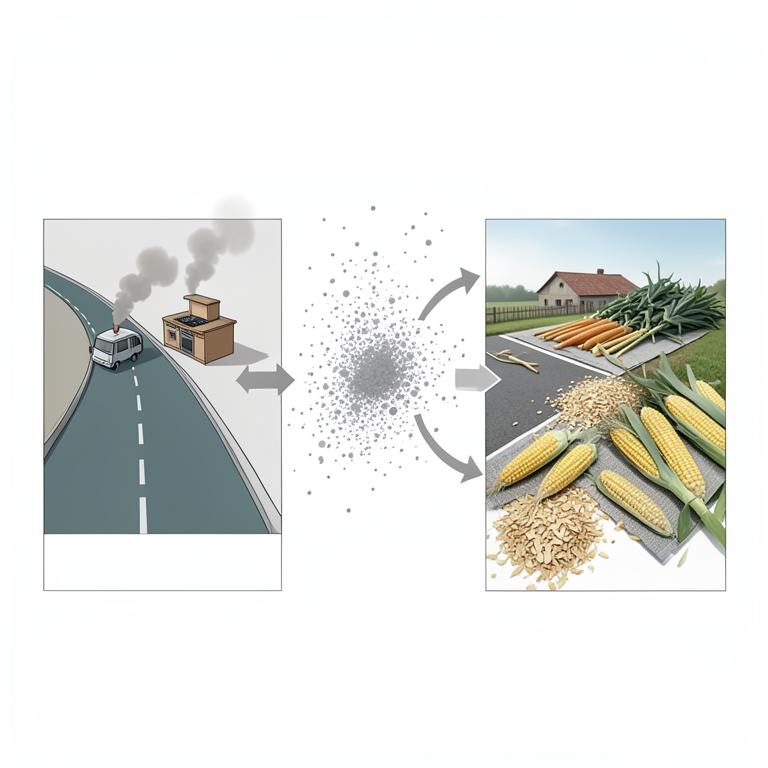
Pollutant Pathway to Food
AI-generated conceptual illustration (Maize, sorghum, and cassava flakes drying on roadside mats and kitchen rooftops in Nigeria). It explains the idea and does not show study data.
View source evidence ↗Figures & tables
From the original paper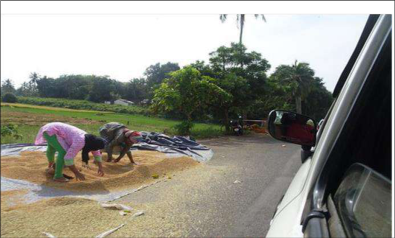 Figure 1
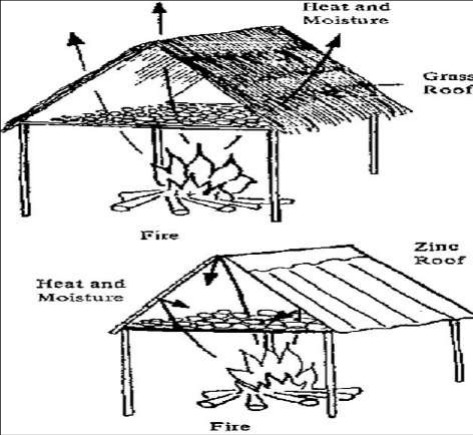 Figure 2
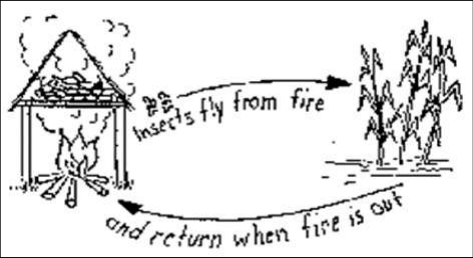 Figure 3
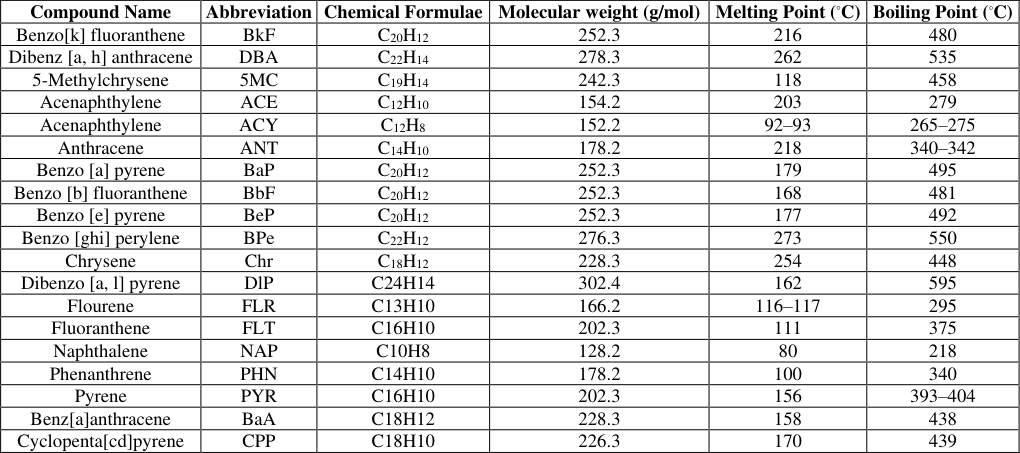 Table 1
Introduction
Food preservation has been practiced by all races in the world for centuries, and it involves all food items (Shafiur, 2007). The purpose of employing preservation techniques is to keep food commodities in good conditions, so that the time span during which they maintain their nutritive relevance is extended (Ikwebe et al., 2017) [21] . Some of the common preservation processes used on various food products is; Fermentation, irradiation, refrigeration, freezing, sun-drying, smoking, dehydration, heat processing and curing. However, due to underlying socioeconomic issues, only a few of these strategies are suitable for implementation in developing countries, most developing countries, for example, cannot afford the irradiation method of food preservation due to its high technological, capital equipment and procurement demands. Similarly, the freezing procedure necessitates appropriate energy, which is epileptic and insufficient in most underdeveloped nations. As a result, the most prevalent food preservation methods in these parts of the world are sundrying, smoking, curing, and fermentation, all of which are simple to use and inexpensive (Bolade, 2016) [10] . Sun-drying is a popular preservation method in Nigeria (Ikwebe et al., 2017) [21] , and food commodities that are sun-dried include cereal grains, beef, plantain chips, beans, root and tuber crops, pepper, vegetables, and to name a few. Sun-drying is commonly done on plantain and banana leaves, cement floor, elevated surfaces, mats that are made of either raffia and polypropylene, naturally formed rock from volcanic eruption, or natural floor in the periphery of a dwelling (Bolade, 2016) [10] . Depending on the meteorological circumstances, the shape, size, and content of the agricultural product considered, the current temperature, humidity, and air velocity, plays key roles, the operation normally takes 3-5 days to dry sufficiently. Sun-dried foods are typically used to improved household financial status and make it readily available for personal consumption. Most farmers prefer kitchen storage because they believe the heat and smoke from the kitchen will protect the stored crops from insect assault and harm (Mejia, 2003). The crops (husked or dehusked) are kept in bags near the fireplace on the bare ground. They can also be placed on a platform or hung directly over the fireplace. This is accomplished by building an open platform above the fireplace that allows smoke and hot air to readily pass through (Hayma, 2003) [19] . Insect and disease resistance was achieved by storing maize above the fire place (Thamaga-Chitja et al., 2004) [35] . According to Udoh (1997), between 3.6 and 12 percent of farmers in Nigeria's various agro-ecological zones employed smoke to protect their maize, and when smoke was used to protect maize, aflatoxin levels reduced (Apeh et al., 2020) [5] . Thomaga-Chitja et al., (2004) [35] noted that the smoke preserved the seed from deteriorating and pest infestation, but expressed concern that the quality of maize seed stored in this manner could be compromised. However, through this drying techniques (Roadside sundrying and kitchen drying), the foodstuff is subject to air pollution through the trace metals released from the exhaust pipes of vehicles driving past and polyaromatic hydrocarbons (PAHs) from fire wood smoke. Polyaromatic hydrocarbons (PAHs) are products of several thermal processes, such as smoking of agricultural products through burning of organic materials. Industrial plants and automobiles, as well as pollution of water, air, and soil are major contributors of PAHs to foods (Filazi et al., 2003). PAHs can move from object to another because of their relatively high chemical stability, therefore, justifying their presence in agricultural products not subjected to smoking. Heavy metals are metalloids that have relatively high atomic weights and are discovered to be toxic to biological systems even at lower concentrations. Heavy metals contain both necessary elements such as iron, zinc, and copper, as well as harmful substances such as cadmium, lead, mercury, chromium, etc (Onyekwere et al., 2021) [28] . Environmental metallic contamination has become a major concern lately, due to their abilities to bioaccumulate in biosystems through air, soil and water (Onyekwere et al., 2021) [28] . Metals such as; Zinc (Zn), cadmium (Cd), nickel (Ni), and lead (Pb), which are constituents of fuel and serve as anti-knock agents, have been discovered in emissions from automobile activity on the roadways (Ikeda et al., 2000). Zinc (Zn), iron (Fe) and copper (Cu), have also been discovered form key components of numerous automobile Tyres, alloys, and wires, consequently are released into the immediate environment through mechanical abrasion and natural wear and tear (Bolade, 2016) [10] . Heavy metals have also been reported to alter several vital plant processes such as absorption of light and water, as well as cell division. Usually, plants absorbed these heavy metals which subsequently accumulate in the food chain and become deleterious to human health (Onyekwere et al., 2021) [28] .
Drying Technologies Sun Drying
Fruits can be dried in the sun since they are discovered to contain high level acid and sugar. Sun drying is not suggested for vegetables or meats. Vegetables have a low sugar and acid content; therefore, it increases the chances of food spoilage and contamination. The high protein nature of meats makes them suitable for microbial growth and development in an uncontrollable temperature and humidity. The greatest days to dry in the sun are those that are hot, dry, and windy (Bolade, 2016; Ikwebe et al., 2017) [10,21] . Agricultural products must be dried outside for several days. Sun drying might be dangerous because to the unpredictability of the weather.
In addition, the South's extreme humidity is an issue. Sun drying is best when the humidity is below 60%. When the fruit ripens, these ideal conditions are frequently unavailable. Fruits that have been sun-dried are arranged on screens or wooden dowels. Screens must be safe to touch when they come into contact with food. Stainless steel, teflon-coated fiber glass, and plastic are the best options for screens. Screens constructed of "hardware cloth" should be avoided. This is a cadmium-or zinc-coated galvanized metal cloth. These substances can oxidize and leave hazardous substances on food. Copper reduces vitamin C absorption and promotes oxidation. Aluminum corrodes and discolors easily. Most timbers are suitable for building trays in an outdoor drying rack. Green wood, pine, cedar, oak, or redwood, on the other hand, should not be used. These woods cause food to distort, discolor, or have off-flavors. Air circulation around the agricultural products is vital. Sun's reflection on the metal raises the temperature and aid drying faster. To keep the fruit safe from birds and insects, cover the trays with cheese cloth.
Solar Drying Method
Solar drying method is the result of current research input to improve sun drying. The sun is also used as a heat source in solar drying. Inside the dehydrator, a foil surface helps to raise the temperature. The drying process is accelerated by ventilation. Food deterioration and mold growth are reduced when drying times are reduced.
Freeze Drying Method
Freeze-drying method, also known as dehydration method that is commonly used to preserve perishable materials or make them more transportable. The techniques behind freeze-drying method involves freezing the substance and then ensuring that the surrounding pressure is brought to a minimal level, allowing the frozen water in the agricultural products to undergo sublimation from the solid to the gas phase.
Oven Drying Method
A dehydrator is available to anyone who owns an oven. An oven can be used as a dehydrator by employing several factors such as; heat, low humidity, and air flow. Oven is suitable equipment for drying fruit, banana chips, or preserving additional agricultural produce such as celery or mushrooms on a regular basis. The major challenges of oven drying techniques it is inadequate for storing plentiful garden food, this is because it is used for everyday cooking activities. Because there is no built-in fan for air flow, oven drying takes longer than dehydrators. (Some convection ovens, however, do feature a fan.) Drying food in an oven takes nearly twice as long as it does in a dehydrator. As a result, the oven is inefficient and wastes more energy than a dehydrator.
Indigenous knowledge (IK) of food preservation
Food security is a major challenge in Africa despite having more arable land to support its rising population (Cheplogoi et al., 2021). High postharvest food losses, owing to a lack of food preservation capability, are a key constraint to food security in developing countries, where seasonal agricultural products shortages and nutritional deficiency disorders continue to be a major issue. Protein energy malnutrition (PEM) and related micronutrient deficiency syndromes, such as vitamin A deficiency (VAD), iodine deficiency disorders (IDD), and nutritional anemias caused by iron, folic acid, and vitamin B12 deficiencies, constitute frequent public health concerns (Nnodim and Emiri, 2019).
Indigenous knowledge refers to what peoples in a locality acquired and practice, as well as what they have learned and practice for ages -traditions that have grown through several manipulations and have proven adaptable (Melchias, 2001, Cheplogoi et al., 2021). African indigenous knowledge (AIK), according to Sundamari and Ranganathan (2003) [34] , is an unwritten corpus of knowledge. It exists in a variety of brains, languages, and skills, as well as in as many groups, cultures, and environments as are currently available. In food storage, processing, and preservation, indigenous peoples have evolved indigenous traditions and technologies (Oniang'o et al., 2004). Households guarantee food security by storing and keeping food without endangering future food consumption (Kamwendo and Kamwendo, 2014), resulting in access, entitlement, and security. The majority of agricultural output is kept and processed utilizing simple indigenous knowledge and practices in most parts of Africa. These approaches are mostly used by women, and they provide money and jobs. Cereals and legumes, constitute essential components of the majority of people's diets, and challenges linked to their processing, storage, and marketing are crucial. The desired aim is to ensure foods that are nutritionally balanced are available to Africans at prices that are convenient to all in present times and beyond (Asogwa et al., 2017) [6] . Indigenous knowledge and practices in Africa should not be disregarded (Oniang'o et al., 2004). IK, as a locally controlled and owned resource, has the potential to be used as a development tool to improve the rural poor's quality of life. Indigenous knowledge is a vital source of local remedies to food insecurity, particularly during food shortages (seasonal foods) or in times of disaster such as droughts. Developing on Indigenous knowledge is especially helpful in reaching out to the impoverished, as indigenous knowledge is frequently their only last resort and one with which they are well familiar (Gorjestani, 2004; Asogwa et al., 2017) [6] . People in Sub-Saharan Africa have long relied on indigenous techniques, which are mostly generated locally and passed to several generations (Oniang'o et al., 2004). Despite these advantages, IK is seen as inferior since traditional practices are seen as primitive and antiquated, resulting in a decrease in its efficiency in improving food security. As a result, indigenous methods of food storage and preservation are being abandoned, which used to play an important role in ensuring food security in most homes (Kamwendo and Kamwendo, 2014)
Road side sun-drying
Drying of agricultural produce on the roadsides is very common in Nigeria. Maize, sorghum, cassava flakes, melon, millet and other produce are usually seen being dried on the roadsides as you travel along roads in the country.
Kitchen roof top drying
Drying grains at the roof-top of kitchen, just above the cooking fire, is another useful method. Kitchen drying, also known as direct fire drying is a method of food preservation and dehydration that is practiced locally, which is most popular in Northern Nigeria (Cheplogoi et al., 2021). In kitchen roof-top drying, the crop such as maize cob is covered with few leaves to prevent the smoke from spoiling the grain, however some people prefer the smoky flavor. Some insects may be deterred by the heat and smoke. This approach was created in the before the colonial era, when all dwellings had roofs that are made of grass. The grain's smoke and water content quickly escaped through the grass roof. However, there is a concern with the widespread usage of zinc roofs today. Under the zinc roof, heat and moisture are trapped (Asogwa et al., 2017) [6] . Limitation of direct fire drying (i) Immediately the fire is put off, the smoke stops and the insects will returned to the kitchen and will only leave when the fire is re-ignited. Space is limited under the roof -the capacity is often too small to dry the entire crop. (ii) Fire wood is very expensive.
Heavy Metals source
The earth's crusts are a major source of heavy metals and are found in nature, which are persistent environmental contaminants. They are non-biodegradable and get into the body prior to its bioaccumulation in a long time through water, air, and food (UNEP, 2004). The earth, which releases dangerous metals into food, air, and water, as well as manmade activities such as fertilizer application in agriculture, vehicular emission, pesticide and herbicide use, [4] . Heavy metals originating from anthropogenic sources are proven to be more injurious to health, due to their potential of instability and solubility that results to increased bioavailability (Armah et al., 2014).
Sources of Polyaromatic hydrocarbons
Poly Aromatic Hydrocarbons are part of the environment as natural occurrence (volcanic eruptions, forest fires, and microbiological) and anthropogenic sources. However, they are mostly produced by human activities such as industrial production, heating, transportation, garbage incineration, and agriculture, and estimating the contribution from various sources is difficult. Uncontrolled electronic-waste recycling activities, such as piles of wires and undesired items, are substantial producers of numerous harmful compounds, including PAHs, in some regions (Yongyong et al., 2011) [42] .
Heavy metal toxicity
Toxicity capability of heavy metals refers to the negative consequences of excessive exposure or ingestion of levels that exceed the daily recommended limits. When heavy metals are absorbed by the biological system and bioaccumulate in the tissues, they become poisonous (Sobha et al., 2007) [33] . Toxicity of heavy metals refers to the negative consequences of excessive exposure or ingestion of levels that exceed the daily permissible limits. Each metal have specific signs of toxicity, such as; paralysis, convulsions, hemoglobinuria, depression, pneumonia, gastrointestinal disorders, diarrhoea, stomatitis, and vomiting are common symptoms of lead, cadmium, arsenic, mercury, aluminium, zinc, and copper poisoning (Jaishankar et al., 2014) [22] . Lead poisoning can harm the brain, bone marrow, kidneys and other organs in children if they ingest or inhale it. The blood lead levels as low as 5 g/dL are connected to developmental impairements in children like impaired hearing, impaired cognitive function, behavioral disorders and stunted growth (Jaishankar et al., 2014) [22] , while levels above 75 g/dL cause coma, convulsions, and even death. Cadmium is a possible neurotoxicant, according to studies on the effects of prenatal and postnatal cadmium exposure on intelligence quotient impairments (USDHHS, 2017) In laboratory animals, developmental exposure has been shown to have a deleterious impact on operant performance and conditioned avoidance (Hubbs-Tait, 2005 (Barceloux, 1999a, 1999b, 1999c). Acute copper intoxication result in jaundice, anemia, liver necrosis, nausea, vomiting and damage to the proximal tubules of the kidney (Barceloux, 1999a,b,c). Wilson's illness is a disease of mental and motor impairement, dysphagia, haemolytic anemia, renal dysfunction, kidney stones and hepatic failure in humans that is caused as a result of chronic copper toxicity (Barceloux, 1999a). Chromium poisoning is usually caused by direct contact with contaminated dust or soil, which causes allergic dermatitis, such as eczema (Barceloux, 1999b).
Excessive exposure to heavy metals can cause a variety of serious health problems, while consuming contaminated foods can alter some important nutrients in the body, resulting in poor immune strength, impaired psychosocial behaviors, malnutrition-related disabilities and a high occurrence of gastrointestinal cancer (Gidlow, 2004). Surprisingly, it appear that there is no any food intake diaries in Nigeria to track blood and urinary content of heavy metal; as a result, there should be legislation to limit human exposure to lead based on data drawn from several scientific analysis (Gidlow, 2004).
Poly aromatic hydrocarbons (PAHs) toxicity
Poly aromatic hydrocarbons (PAHs) toxicity
Bio-mechanism of heavy metal in human
Humans can get exposed to heavy metals via eating contaminated foods, drinking contaminated water, inhaling polluted air or being exposed to heavy metals at work (Ming-Ho, 2005) [25] . Heavy metal contamination frequently follows this pattern: heavy metal from industrial waste into the atmosphere, soil, water, and foods, and consequently into humans (Krishna and Mohan, 2016) [24] . When heavy metals are taken into the body by food or drink, there P H are reduced in stomach by medium that are of lower P H , which eventually take the metals to their various ionic states or oxidative states; As 3+ , Hg 2+ , Zn 2+ , Pb 2+ , As 2+ , Ag + , Cd 2+ , etc. in this acidic media, which can easily create stable and strong interactions with biomolecules; enzymes or protein.
The heavy metal attach to the functional groups of the amino acid such as -SH group in cysteine, -SCH 3 group in methionine, of the biomolecules (Krishna and Mohan, 2016; Godwill et al., 2019) [24] . Studies has revealed that the activities of certain enzymes (glutathione reductase, thiol transferases, thioredoxin, and thioredoxin) are been inhibited by cadmium, by attaching to residues of cysteine at their active sites. Heavy metal oxidized will limit the enzymatic activity by replacing hydrogen contain in the -SH group in cysteine and the methyl that is found in -SCH 3 group of methionine. In yeast methylmercury (MeHg), tends to inhibit enzymatic activity of the ezyme (L-glutamine Dfructose-6-phosphate amidotransferase) (Godwill et al., 2019) [17] . Certain enzymes may be able to use a complex molecule of protein-heavy metal as a substrate. Therefore, the heavy metal link with protein forms complex of an enzyme and
International Journal of Advanced Biochemistry Research substrate in a very unique sequence, preventing it from accepting any other substrate until it is released. As a result, because the enzyme is blocked, the substrate's product is not generated, and the heavy metal stays in the biological tissue, causing severe destructions in the human system. Increase oxidative stress and cell damage result from inhibiting thiol transferases. Fungicides, herbicides, and insecticides are sources of toxic arsenic metal which can attack -SH groups in enzymes, preventing them from catalyzing reactions (Godwill et al., 2019) [17] . Heavy metal poisoning can also be caused by replacing a metal in an enzyme with a metal ion of same equivalent. There is displacement of zinc and calcium ions when cadmium binds to zinc finger proteins and metallo-proteins (Hartwig, 2001; Faller et al., 2005) [18,13] . Cadmium, for example, can substitute zinc in certain dehydrogenating enzymes, resulting in cadmium toxicity. In this type of substitution the enzyme are made structurally inactive and totally change its function. These heavy metals create biotoxic complexes that have high stability with enzymes or protein in their oxidized state and are difficult to separate (Godwill et al., 2019) [17] . A very important heavy metal in human body is Iron; it is a component of hemoglobin and is involved in a variety of physiological functions. Iron, on the other hand, is of the heavy metals that produces the hydroxyl radical (OH • ) in its free state. Free radical that is mostly produced after iron oxidation is the hydroxyl radical (OH • ). OH • has the ability to damage macromolecules in human system (Godwill et al., 2019) [17] . [21] PAHs' higher solubility in lipids facilitates absorption, and their lipid affinity nature helps them to attach to the membrane of cell. The binding produces changes in cell structure and alters the cell normal functions (Sampaio et al., 2021) [21] . BaP is the PAH that is most easily soluble in lipids. This substance likely bind to chylomicrons and other lipoproteins which are lipid distribution molecules, allowing it to pass through several systems involved in lipid absorption and distribution and, as a result, promote bioaccumulation. PAHs are processed by phase 1 and 2 enzymes, such as the pathways of aldo-keto reductase and cytochrome P450, which produce metabolites. Metabolites produced have the ability to bind to macromolecules such as; proteins and DNA, creating covalent interaction between DNA and the metabolite that cause biochemical disturbances and destruction of constituents of cells, resulting in teratogenic, carcinogenic, immunosuppressive and mutagenic harm. The development of prenatal abnormalities and cancers is linked to certain genetic variants (Sampaio et al., 2021; Gao et al., 2018) [16,21] . Furthermore, because PAHs are frequently found as compound with several constituents of diverse conformations, that act is synergy, potentially enhancing poisonous nature of them (Sampaio et al., 2021) [21] . New data recently revealed that the microorganisms found in the intestine regulate the effects of pollutants like PAHs. Usually the host microbiota tends to increase the poisonous effect of PAHs through biochemical pathways (enterohepatic cycle), and through changes in gene expression by liver enzymes (Gao et al., 2018; Nogacka et al., 2019) [16,26] . PAH metabolism and biotransformation are very complicated. They are digested in a variety of ways by a variety of enzymes. Pathways such as, radical cation, ortho quinone and diol-epoxide are among those implicated for converting PAHs into cancer causative agent. In the diolepoxide pathway, the phase I enzyme cytochrome P1A1 and P1B1, and the phase II enzyme epoxide hydrolase convert BaP to dihydrodiol epoxides, such as benzo[a]pyrene-7,8dihydrodiol-9,10-epoxide. The polarity and electrophilicity of these freshly created "activated" PAHs have risen, giving them greater reactivity. The active proceed of these metabolic pathways can produce DNA, RNA, and glutathione adducts if not ingested by macrophages and expelled in excretion, causing mutations, gene expression changes, and carcinogenesis (Sampaio et al., 2021) [21] .
Bio-mechanism of polyaromatic hydrocarbons in human
Bio-mechanism of polyaromatic hydrocarbons in human
Deposition of PAHs on sundried roadside food products in Nigeria
The amount of polyaromatic hydrocarbons (PAHs) in smoked agricultural food samples collected from roadside barbecue locations in western region of Nigeria was measured. The PAH concentrations in smoked fish, beef, and plantain were found to be 511 mg/kg, 513 mg/kg, and 445 mg/kg, respectively. Benzo[a] pyrene concentrations in the samples were also 61 mg/kg, 66 mg/kg, and 45 mg/kg for fish, pork, and plantain, respectively. These results were over the maximum limit that could be tolerated. The study revealed that consumption of smoked roadside food products could pose serious harm to human health (Olusola, 2020) [27] .
Deposition of heavy metals on sundried roadside food products in Nigeria
According to a study conducted by Kolawole and Odoh, (2011) in the northern region of Nigeria, heavy metal contamination of several agricultural items sundried by the roadside has increased. The level of contamination by heavys was measured in parts of the agricultural products (cassava mash and maize grains) dried near "express" roadsides in three northern states (Benue, Nasarawa, and Taraba) (Nigeria). The heavy metal contents of the agricultural products (cassava mash and maize grains) dried along the roadsides were higher than the heavy metal contents of the agricultural products (cassava mash and maize grains) from those dried away from roadsides or control areas, according to chemical analysis (Bolade, 2016) [10] . The Mn, Cu, Zn Ni, Pb, and Cd concentrations in cassava mash samples ranges from 0.210-0.410g/g, 11.120-18.120g/g, 10.200-17.010g/g, 0.680-0.920g/g, 0.350-0.660g/g, and 9.520-21.330g/g, while heavy metal concentrations in maize grains ranges from 0.180-0.350g/g, 5.780-9.880g Cd concentrations was higher than WHO/FAO (2007) permissible limits or safe limits, while Lead (Pb) concentrations was higher than Commission regulation (EU 2006) but lower than WHO/FAO (2007) safe limits, implying that heavy metals in agricultural products dried along roadsides should be monitored on a regular basis (Kolawole and Odoh, 2011) [23] . Bolade, (2016) [10] conducted another study on heavy metal contamination of cassava that undergo fermentation (Manihot esculenta Crantz) mash, Yam (Dioscorea rotundata), unripe plantain (Musa AAB) slices, and pepper (Capsicum frutescens) sundried along the roadside in Nigeria's southern area. The amount of metallic contamination caused by vehicular operations as a result of environmental pollution is worrying (Bolade, 2016) [10] . The level of metallic contamination in roadside-sundried agricultural products from chosen districts in Nigeria's Ondo and Osun states was examined. Total of nine separate road networks in the selected states were covered, with cassava that has undergo fermentation (Manihot esculenta Crantz) mash, unripe plantain (Musa AAB) slices, white yam (Dioscorea rotundata) slices, and pepper collected along these roads (Capsicum frutescens). The levels of metallic contaminants (Zinc, Nickel, Lead, Iron, Cadmium and Copper) in agricultural products were discovered to differ from one another. Cadmium (0.0014-0.0131 mg/100 g), zinc (0.0078-5.41 mg/100 g), Nickel (0.0016-0.0098 mg/100 g), Lead (0.0024-0.0083 mg/100 g), Iron (0.104-24.13 mg/100 g), and Copper (0.0001-3.42 mg/100 g) were the metal pollutants with the lowest and highest minimum and maximum levels (Bolade, 2016) [10] . The levels of ambient metallic contaminants identified in roadsidesundried food items were generally lower than the FAO/recommended WHO's maximum limits. Although the metallic contamination in the samples is low in comparison to the allowed threshold, when consumed in a long term could lead to heavy metal bioaccumulation, posing a serious health risk (Bolade, 2016) [10] .
Conclusion
The level of heavy metal and poly aromatic hydrocarbons deposition in local kitchen and roadside sundried food products is alarming. The amount of metallic and poly aromatic hydrocarbons deposition is usually in varying degrees in the agricultural products. Several research studies has proven that agricultural food products that are preserved in the local kitchen roof top and sundried by the roadside contained various degrees of heavy metal and poly aromatic hydrocarbons deposition on them. Although, the metallic and poly aromatic hydrocarbon in the agricultural food products are in low quantity compared to allowed threshold but through bioaccumulation by continues consumption, which is deleterious to human health.
Acknowledgement
AcknowledgementWe sincerely appreciate the management of Federal University Wukari, Nigeria for creating a conducive environment for research and development.
Figures and tables from the paper
| Compound Name | Abbreviation | Chemical Formulae | Molecular weight (g/mol) | Melting Point (◦C) | Boiling Point (◦C) |
|---|---|---|---|---|---|
| Benzo[k] fluoranthene | BkF | C20H12 | 252.3 | 216 | 480 |
| Dibenz [a, h] anthracene | DBA | C22H14 | 278.3 | 262 | 535 |
| 5-Methylchrysene | 5MC | C19H14 | 242.3 | 118 | 458 |
| Acenaphthylene | ACE | C12H10 | 154.2 | 203 | 279 |
| Acenaphthylene | ACY | C12H8 | 152.2 | 92–93 | 265–275 |
| Anthracene | ANT | C14H10 | 178.2 | 218 | 340–342 |
| Benzo [a] pyrene | BaP | C20H12 | 252.3 | 179 | 495 |
| Benzo [b] fluoranthene | BbF | C20H12 | 252.3 | 168 | 481 |
| Benzo [e] pyrene | BeP | C20H12 | 252.3 | 177 | 492 |
| Benzo [ghi] perylene | BPe | C22H12 | 276.3 | 273 | 550 |
| Chrysene | Chr | C18H12 | 228.3 | 254 | 448 |
| Dibenzo [a, l] pyrene | DlP | C24H14 | 302.4 | 162 | 595 |
| Flourene | FLR | C13H10 | 166.2 | 116–117 | 295 |
| Fluoranthene | FLT | C16H10 | 202.3 | 111 | 375 |
| Naphthalene | NAP | C10H8 | 128.2 | 80 | 218 |
| Phenanthrene | PHN | C14H10 | 178.2 | 100 | 340 |
| Pyrene | PYR | C16H10 | 202.3 | 156 | 393–404 |
| Benz[a]anthracene | BaA | C18H12 | 228.3 | 158 | 438 |
| Cyclopenta[cd]pyrene | CPP | C18H10 | 226.3 | 170 | 439 |
Table text extracted from the original PDF; superscript letters are shown inline. The original table image is below.
View original table image
References
43 in the original paper- Adejumo BA, Raji AO. Technical appraisal of grain storage systems in the Nigerian Sudan Savanna. Agricultural Engineering International: CIGR Journal. 2007.
- Agency for Toxic Substances and Disease Registry (ATSDR). Toxicological Profile for Copper. Atlanta, GA: Centers for Disease Control. 2002.
- Agenin JO. Lead in a Nigerian savannah soil under long-term cultivation. Sci of the Total Env. 2002;288:1-14.
- Alloway BJ, Jackson AP. Behaviour of trace metals in sludge-amended soils. Sci. Total Environ. 1999;100:151-176.
- Apeh DO, Onoja VO, Oguche M, Suleiman MS, Bando CD, Akubo FO. Incidence and Dietary Intake of Major Mycotoxins from Staples in Anyigba, Kogi State, Nigeria. Mycotoxicology. 2020;6:1-9.
- Asogwa IS, Okoye JI, Oni K. Promotion of indigenous food preservation and processing knowledge and the challenge of food security in Africa. Journal of Food Security. 2017;5(3):75-87.
- Aulakh A, Regmi A. Post-Harvest Food Losses Estimation-Development of Consistent Methodology: Food and Agriculture Organization of the United Nations, Rome Italy, 2013.
- Bidewell C, Livesey C. Copper poisoning: an emerging disease in. Dairy cattle State Veterinary Journal. 2002;12:16-19.
- Blezinger SB. Animal Health Journal, Part. 2003;1:1-5.
- Bolade MK. An investigation into the level of metallic pollutants in roadside-sundried food products from selected areas of Ondo and Osun states, Nigeria. Cogent Food & Agriculture. 2016;2:1-14.
- Dibofori-Orji AN, Edori OS. Analysis of some heavy metals (Pb, Cd, Cr, Fe, Zn) in processed cassava flour (garri) sold along the road side of a busy highway. Archives of Applied Science Research. 2015;7:15-19.
- EU. Commission regulation (EC)NO.1881/2006 Official Journal of European Union, 2006, L364/5.
- Faller P, Kienzler K, Krieger LA. Mechanism of Cd2+ toxicity: Cd 2+ inhibits photoactivation of photosystem II by competitive binding to the essential Ca 2+ site. Biochemical Biophysics Acta. 2005;1706:158-164.
- FAO/WHO. Food additive and contaminants. Joint FAO/ WHO Food Standard Program, ALINORM 01/12A, Codex Alimentarius Commission. The Hague: FAO/WHO. 2001, 1-289.
- FAO/WHO. Limit test for heavy metals in food additive specifications. Joint FAO/WHO Expert Committee on International Journal of Advanced Biochemistry Research Food Additives (JECFA) [Internet document]. 2002. Retrieved November 30,2015, fromhttp://www.fao.org/fileadmin/templates/agns/pdf/j ecfa/20020910_Explanat ory_note_ Heavy_Metals.pdf
- Gao P, da Silva E, Hou L, Denslow ND, Xiang P, Ma LQ. Human exposure to polycyclic aromatic hydrocarbons: Metabolomics perspective. Environ. Int. 2018;119:466-477.
- Godwill AE, Paschaline UF, Friday NN, Marian NU. Mechanism and Health Effects of Heavy Metal Toxicity in Humans, 2019. DOI: http://dx.doi.org/10.5772/intechopen.82511.
- Hartwig A. Zinc finger proteins as potential targets for toxic metal ions: Differential effects on structure and function. Antioxidant Redox Signal. 2001;3:625634.
- Digigrafi, Wageningen, the Netherlands. 2003, 35-74.
- Ifegwu OC, Anyakora C. Polycyclic aromatic hydrocarbons: Part I. Exposure. In Advances in Clinical Chemistry, 1st ed.; Elsevier: Amsterdam, The Netherlands. 2015;72(6):277-304.
- Ikwebe J, Ubandoma A, Tatah VS, Abigail OA. An Investigation of Nutritional Quality Changes and Microbial Safety of Preserved-Salted Fish of the Benue River. Biochemistry and Molecular Biology. 2017;2(5):20-28.
- Jaishankar M, Tseten T, Anbalagan N, Mathew BB, Beeregowda NK. Toxicity, mechanism and health effects of some heavy metals. Interdisciplinary toxicology. 2014;7(2):60-72.
- Kolawole SA, Odoh R. Survey of heavy metal contaminations of cassava mash and maize corns dried along the highways in some selected states in northern part of Nigeria. Advances in Applied Science Research. 2011;2(5):561-571.
- Krishna AK, Mohan KR. Distribution, correlation, ecological and health risk assessment of heavy metal contamination in surface soils around an industrial area, Hyderabad, India. Environment and Earth Science. 2016;75:411.
- Ming-Ho Y. Environmental Toxicology: Biological and Health Effects of Pollutants. Boca Raton, USA: CRC Press LLC. 2005, 12(2). ISBN 1-56670-670-2
- Nogacka AM, Gómez-Martin M, Suárez A, GonzálezBernardo O, Reyes-Gavilán CG, González S. Xenobiotics formed during food processing: Their relation with the intestinal microbiota and colorectal cancer. Int. J. Mol. Sci. 2019;20:2051.
- Olusola AA. Level of polycyclic aromatic hydrocarbon in smoked food materials from roadside barbeque spots in western Nigeria and health implication. Taylor and Francis group. 2020. DOI: 10.1080/10406638.2020.1821721.
- Onyekwere O, Elebo A, Bando CD, Ottah SO, Tutuwa AJ, Anigbo GC. Occurrence, Toxicology and Health Risk Assessment of Heavy Metals from Topsoil of School Playgrounds at Delta State. International Journal of Progressive Sciences and Technologies. 2021;29(2):362-376.
- Otitoju O, Otitoju GTO, Boyi R. Risk assessment of agricultural farmland: A case study of Wukari, Taraba state Nigeria. Journal of Pharmacognosy and Phytochemistry. 2017;7(1):2110-2113.
- Pi J, Horiguchi S, Sun Y, Nikaido M, Shimojo N, Hayashi T. A potential mechanism for the impairment of nitric oxide formation caused by prolonged oral exposure to arsenate in rabbits. Free Radical Biology and Medicine. 2003;35:102-113.
- Sampaio GR, Guizellini GM, da Silva SA, de Almeida AP, Pinaffi-Langley ACC, Rogero MM. Polycyclic Aromatic Hydrocarbons in Foods: Biological Effects, Legislation, Occurrence, Analytical Methods, and Strategies to Reduce Their Formation. Int. J Mol. Sci. 2021, 6010.
- Schümann K. Safety aspects of iron in food. Annals of Nutrition and Metabolism. 2001;45:91-101.
- Sobha K, Poornima A, Harini P, Veerraiah K. A study on biochemical changes in the fresh catla catla (Hamilton) exposed to the heavy metal toxicant cadmium chloride. Nepal journal online. 2007;3(2):111.
- Sundamari M, Ranganathan TT. Indigenous agricultural practices for sustainable farming. Agrobios (India). Jodhpur, India. 2003.
- Thamaga-Chitja JM, Hendriks SL, Ortmann GF, Green M. Impact of maize storage on rural household food security in Northern Kwazulu-Natal. Journal of Family Ecology and Consumer Sciences. 2004;32:8-15.
- United Nations Conference on Trade and Development. Unctad press. Unctad Organization. 2011.
- United Nations Environmental Protection. Global Program of Action. 2004.
- United States Department of Health and Human Services, Agency for Toxic Substances and Disease Registry. (2008). Toxicological Profile for Cadmium. 2007.
- United States Department of Health and Human Services, Agency for Toxic Substances and Disease Registry. 2005, 1-397.
- WHO/FAO. Joint WHO/FAO food standard programme codex Alimentarius Commission 13 th Session, 2007.
- Yongyong G, Kusheng W, Xia H, Xijin X. Sources, Distribution, and Toxicity of Polycyclic Aromatic Hydrocarbons. Advancement of the science. 2011;73:9.
- Zirwas MJ, Molenda MA. Dietary nickel as a cause of systemic contact dermatitis. Journal of Clinical and Aesthetic Dermatology. 2009;2:39-43.
- Zukowska J, Biziuk M. Methodological evaluation of method for dietary heavy metal intake. J Food Sci. 2008;73(2):21-29.
Cited by 6
From OpenAlex, OpenCitations and reference lists read by Scinovex
- An Investigation of the Level of Heavy Metals Contamination of Goat Meat Roasted with Scrap Tyres in Wukari, Nigeria ↗
Joseph Ikwebe, Bando Christopher David, David Ata Agyo, Rejoice Habila Tadawus · International Journal of Humanities Education and Social Sciences · 2024
The present study was undertaken to investigate the potential for heavy metals (Fe, Cr, Cd, Pb, and Cu) contamination of goat meat roasted with scrap tyres in Wukari using atomic absorption spectrophotometer (AAS). Goat meat samples were obtained from two slaughter points (new market and Mammara). The results revealed the mean concentrations of Fe, Cr, and Cu in the unroasted…
❝ 2PDF - Impact of waste vehicle tyres incineration and heavy metals contamination of soil in some locations in Lafia, Nasarawa State ↗
Joseph Ikwebe, David Bando Christopher · African Journal of Environmental Science and Technology · 2024
This study was carried out in Lafia, to determine metallic pollution in soils due to incineration of tyre on the soils at different layers and the effect of pH on the heavy metals leaching. Soil composite samples were collected from 5 identified locations (Shabu, Wakwa Alhaji, Ombi1, Tudun Amba and Akurba) manually at various depths, 0-10, 11-20 and 21-30 cm…
❝ 2PDF - Heavy metal burden and associated health risks in roadside sun-dried staple foods of southwestern nigeria ↗
A.M. Taiwo, Ayoola Akingbogun, Z. O. Ojekunle, Tahjudeen Adeniyi Afolabi · Journal of Trace Elements and Minerals · 2026
Background : Sun-drying of staple foods along roadsides in southwestern Nigeria exposes them to contamination from heavy-metal-laden dust, posing potential health risks. Methodology This study assessed concentrations and health implications of Cd, Cr, Cu, Fe, Ni, Pb, and Zn in 109 samples of sun-dried corn, cassava, plantain, and yam collected from five southwestern states in Nigeria, alongside laboratory controls. Metal…
❝ 1PDF - A Review of Phycoremediation of Heavy Metals in Industrial Waste Water ↗
Joseph Ikwebe, Bando Christopher David, Ajiduku Leyoa Abershi · Journal of Multidisciplinary Science MIKAILALSYS · 2024
Environmental Pollutants such as heavy metals poised serious threat to biological systems. Heavy metals which could be natural or anthropogenic sourced are non-degradable pollutants and must be eliminated or reduced to certain quantity that is analytically presumed to be a safe limit before discharging into the environment to avoid injurious effects on biological systems. This review work showed the abilities…
❝ 1PDF - Investigation of Heavy Metal Contamination in Bread Baked and Sold in Makurdi Metropolis, Benue State Nigeria ↗
Joseph Ikwebe, Bando Christopher David · Asian Journal of Science Technology Engineering and Art · 2024
Heavy metals are pollutants that are of global significance due to their toxicological properties when their intake significantly exceeds recommended levels. They are persistent in the environment, and may be unintentionally present in raw materials used for production of bread; they may migrate from packaging into food, or find their way into finished food products due to anthropogenic activities. The…
❝ 0PDF - Assessement of the Influence of Baking Fuel Types on the Residues of Some Heavy Metals in Selected Bread from Jalingo, Taraba State ↗
Jummai Adamu Tutuwa, Bando Christopher David, Rejoice Habila Tadawus, Daniel Ifraimu, Blessing Smart Aigbogun, Imbasire Nuhu et al. · Journal of Multidisciplinary Science MIKAILALSYS · 2023
Method of food processing and handling plays pivoted role in its contamination. This research was geared towards assessing the level at which food handling and production processes influence metallic contamination. Samples of flour and baked bread (electric or coal oven) were sourced from market and bread bakeries within Jalingo metropolis. Heavy metals (Lead, Cadmium, Chromium, Nickel, Iron, and Zinc) analysis…
❝ 0PDF