
Research article · 2019 · Full text
International Journal of Advanced Biochemistry ResearchHaematological and serum biochemical indices of broiler starter chicks fed diets containing different levels of aqueous Citrus aurantium stem bark extract
Volume 3(2) · Pages 39–45 · DOI: 10.33545/26174693.2019.v3.i2a.105 ↗
Research areasAnimal Nutrition and PhysiologyPiperaceae Chemical and Biological StudiesGinger and Zingiberaceae research
Abstract
Author-writtenThe aim of this experiment was to evaluate some haematological and serum biochemical indices of broiler starter fed diets having different levels of aqueous Citrus aurantium stem bark (CASR). A total of 200 - 1-day old broiler chicks (Arbo acres) were randomly distributed into 5 groups, each with 4 replicates consisting of 10 birds each in a completely randomized design. The study lasted for 21 days during which clean feed and water were provided ad libitum. Treatment 1 (T1) basal diet + Ciprofloxacin 0.2 mL/litre of water, T2 (basal diet + 10 mL/litre CASB), T3 (basal diet + 20 mL/litre CASR), T4 (basal diet + 30 mL/litre CASR) and T5 (basal diet + 40 mL/litre CASR). Results on haematological parameters showed that pack cell volume (PCV), haemoglobin (Hb), red blood cell (RBC), monocytes, eosinophils and basophils were not significantly (P˃ 0.05) different among the treatment while white blood cell (WBC), lymphocytes and heterophils were significantly (P˂ 0.05) influenced by the treatments. Feeding birds CASR 10 mL to 40 mL/liters increased the WBC and lymphocyte counts. Total protein, albumin, globulin and creatinine values were similar across the treatments (P˃ 0.05) while cholesterol and urea values decreases as the level of CASR increased across the treatments (P˂ 0.05). It was concluded that CASR could be fed to broiler chicks up to 40 mL per liter of water without causing any deleterious effect on the blood profile of birds.
Summary
Source-checkedPlain-language reading of the full paper, prepared with AI and checked against the text. Each point links to the authors' own words.
Why it matters
- Blood is essential for transporting nutrients and oxygen to cells and removing waste products like urea and carbon dioxide from the body. View evidence ↗
- Measuring haematological values provides a standard for assessing the health status, toxicity, and nutrient deficiencies in farm animals. View evidence ↗
- Serum biochemistry is a tool used to monitor the progression of diseases before performing final evaluations like organ pathology. View evidence ↗
The question
- The study aimed to evaluate how different levels of aqueous Citrus aurantium stem bark (CASR) in the diet affect the haematological and serum biochemical indices of broiler starter chicks. View evidence ↗
What they did
- The experiment used 200 one-day-old Arbo acres broiler chicks, divided into 5 groups with 4 replicates of 10 birds each using a completely randomized design. View evidence ↗
- Over a 21-day period, chicks were fed a basal diet with water supplements: T1 received Ciprofloxacin (0.2 mL/L), while T2 to T5 received increasing levels of CASR (10, 20, 30, and 40 mL/L). View evidence ↗
- On the 21st day, 2 mL blood samples were collected from the wing vein of two birds per replicate for haematological and serum biochemical analysis. View evidence ↗
What they found
- There were no significant differences (P > 0.05) among treatments for pack cell volume, haemoglobin, red blood cells, monocytes, eosinophils, or basophils. View evidence ↗
- Feeding CASR at levels from 10 to 40 mL/L significantly increased (P < 0.05) white blood cell and lymphocyte counts. View evidence ↗
- Total protein, albumin, globulin, and creatinine values remained similar across all treatment groups (P > 0.05). View evidence ↗
- Cholesterol and urea values significantly decreased (P < 0.05) as the concentration of CASR in the diet increased. View evidence ↗
- GC-MS analysis identified D-limonene as the most abundant bioactive compound in the stem bark at 50.06%. View evidence ↗
What it means
- The authors concluded that CASR can be administered to broiler chicks at levels up to 40 mL per liter of water without negatively impacting their blood profile. View evidence ↗
- The authors state that the natural and less toxic phytochemicals in CASR can help bridge the gap between food safety and livestock production. View evidence ↗
Visual summary
2 visualsIllustrations explain the paper; charts are replotted from the paper's own table values.
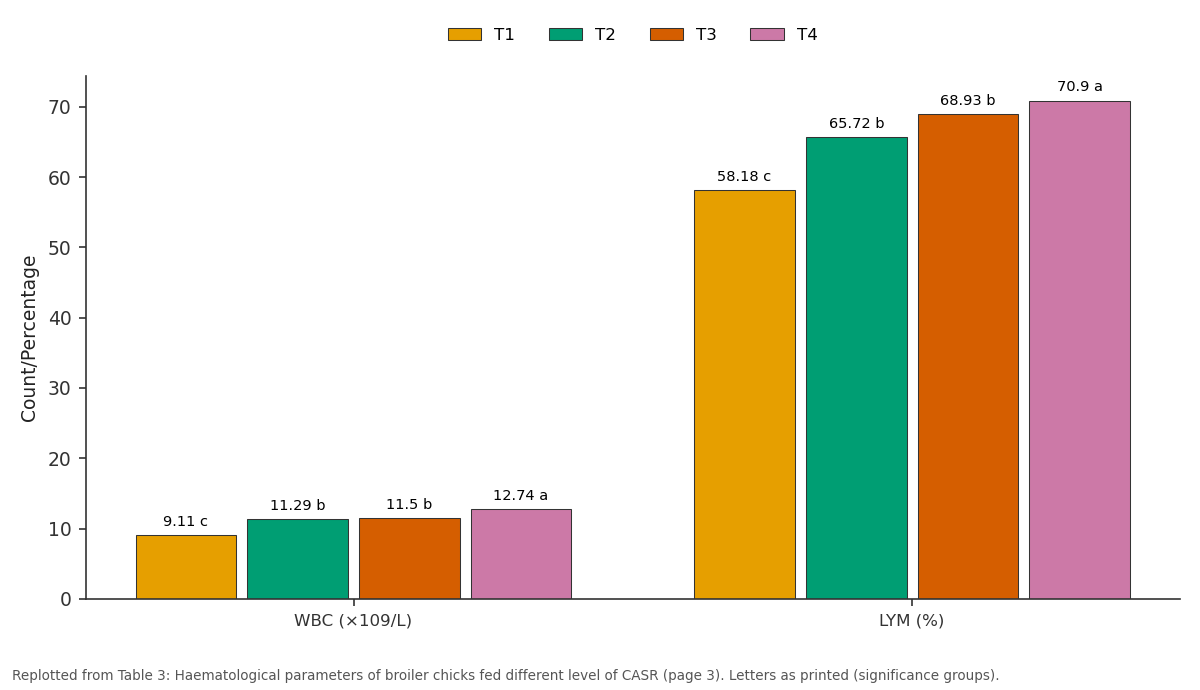
T1 and T2 and more: WBC (×109/L) vs LYM (%)
Replotted from Table 3 (page 3) of the original paper. Every bar is the paper's own table value.
View source evidence ↗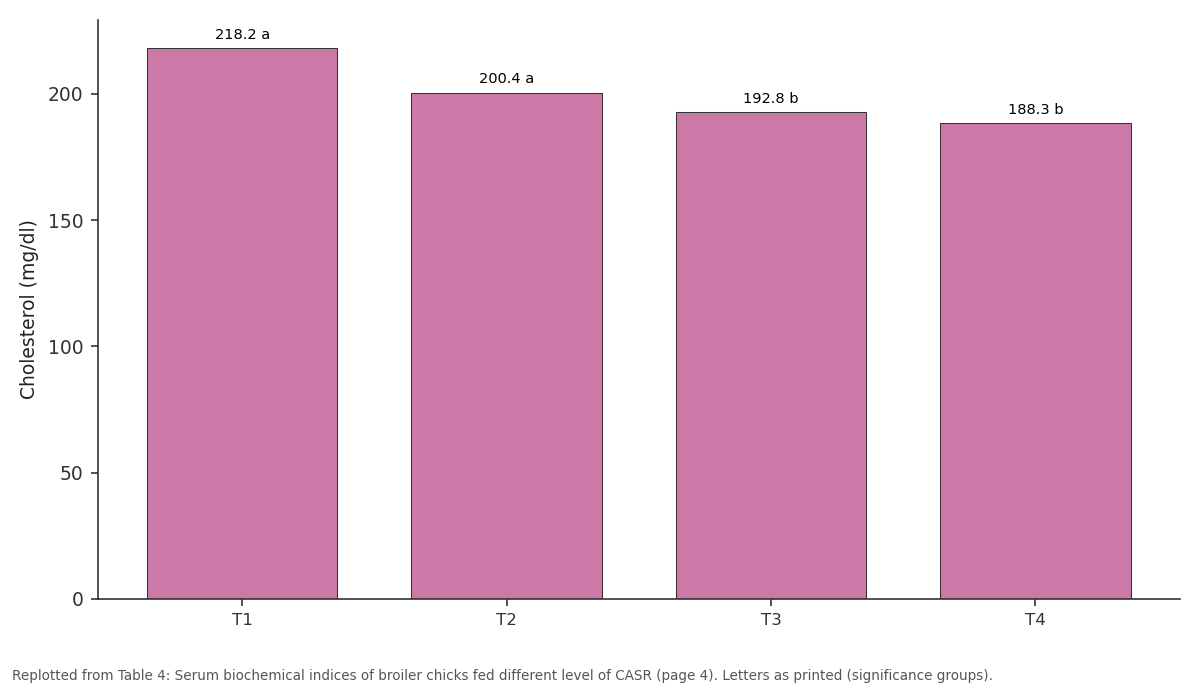
Cholesterol (mg/dl): T1 vs T2 vs T3 vs T4
Replotted from Table 4 (page 4) of the original paper. Every bar is the paper's own table value.
View source evidence ↗Figures & tables
From the original paper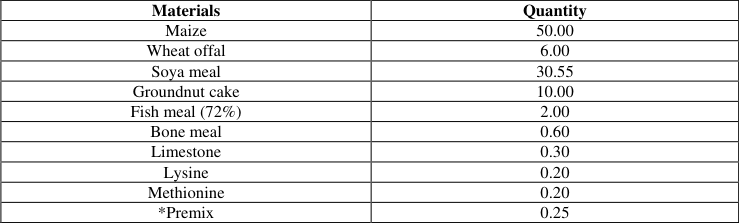 Table 1
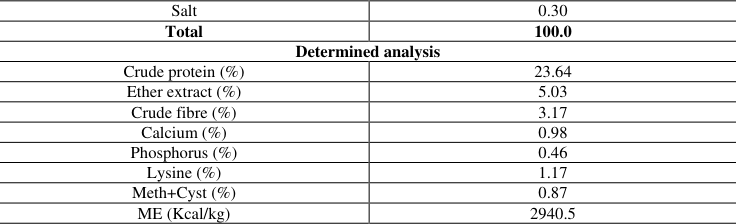 Table 2
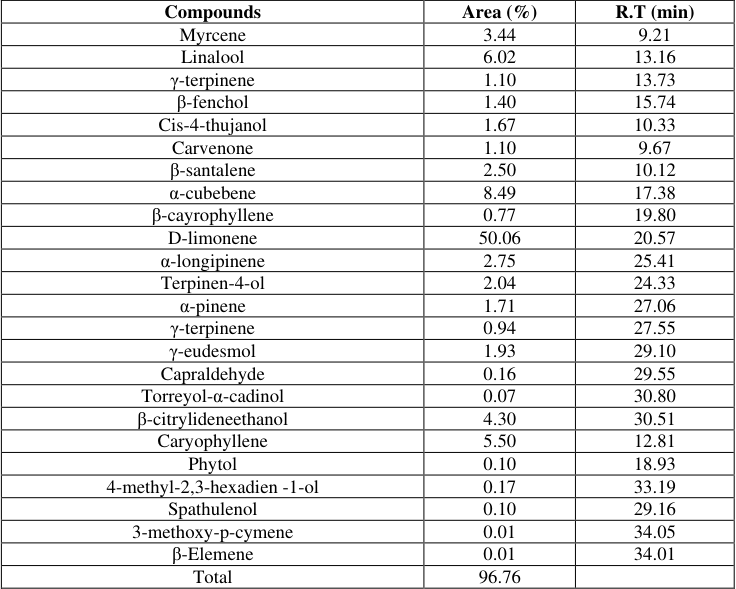 Table 2
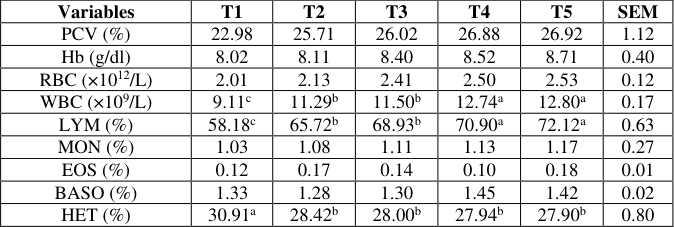 Table 3
 Table 4
Introduction
Blood is the fluid present in the body that consists of liquid containing numerous cells and protein suspended in it (William, 2003; Etim et al., 2014b) [38,54] . It moves substances to and from tissue cells, nutrients such as proteins, glucose, vitamins, minerals, lipids into cells, transports oxygen by red blood corpuscles (oxyhaemoglobin), removes wastes products such as urea and carbon (iv) oxide from cells (Khan and Zafar, 2005) [56] . It is important in regulating temperature by altering the blood flow through the skin, provides immunity against infections and in the distribution of hormones to all parts of the body and contains substances that enhance clotting following a wound (Hauptmanova et al., 2006; Maxwell et al., 1990) [58] . Haematological values could serve as a standard for comparison in conditions of nutrient deficiency, toxicity and health status of farm animals (Oyawole and Ogunkunle, 2004; Daramola et al., 2005) [24,25] . Serum biochemistry is used to monitor progression of disease before final evaluation such as pathology of arteries and organs (Church et al., 1984; Garacyk et al., 2003) [53,55] . Haematological parameters consists of red blood cells, pack cell volume, haemoglobin, white blood cells or leucocytes, mean corpuscular volume, mean corpuscular haemoglobin and mean corpuscular haemoglobin concentration while serum biochemical indices includes; albumin, globulin, cholesterol, urea, creatinine, bilirubin and truglycerides (Alagbe et al., 2018; Kurtoglu et al., 2005) [46,47,57] . Dietary intake has been recognized as the major factor affecting the blood composition of animals because blood transports nutrients and other materials to different parts of the body (Yeong, 1999; Olabanji et al., 2007) [60,59] . Consequently, whatever affects the blood such as feeding will certainly affect the health of an animal (Oluwafemi et al., 2021; Abass et al., 2012) [18] . [46,47] ; Nodu et al. (2016) [49] who recorded that Azadirachta indica leaf has a measurable effect on the blood components of broiler chickens. In another experiment conducted by Oni et al. (2018) [48] on the effect of garlic, ginger and chaya leaf on the haematology of broiler chickens, results showed that there was a significant (P˂ 0.05) increase in pack cell volume, red blood cell, haemoglobin and white blood cell counts. Therefore, the aim of this experiment is to evaluate the haematological and serum biochemical indices of broiler starter fed diets having different levels of aqueous Citrus aurantium stem bark (CASR).
Materials and methods
Materials and methods
Experimental site
The experiment was carried out at Division of Animal Nutrition, Sumitra Research Institute, Gujarat, India with a coastline of 1,600 Km, 23 o 13'N 72 o 41'E.
Source and extraction of Citrus aurantium stem bark (CASR)
Fresh stem of Citrus aurantium were obtained within Sumitra Research Institute, India in the month of March, 2022. It was authenticated by a qualified taxonomist Dr. Kumar, cut into pieces and thoroughly washed with running tap water to remove sand and other dirt's. It was then shade dried for 10 days and the dried samples were pulverized into powder using pestle and mortar, thereafter 200 grams of the sample was soaked into 1000 litres of water for 72 hours and stirred 3 hours interval and kept in the refrigerator at 4 o C. All mixtures were filtered using Whatman filter paper and the filtrates (CASR) were collected into a clean labeled plastic container.
Gas chromatography -mass spectrometry (GC-MS) of
Citrus aurantium stem bark GC-MS analysis of aqueous CASB was carried out using a Perkin-Elmer GC clarus 500 system and gas chromatograph interfaced to a mass spectrometer equipped with an Elite-I fused silica capillary column (30m × 0.25 mm × ID × 1µm). Injection temperature was maintained at 25 o C, helium flow rate as 1.5ml/min and ion source temperature at 230 o C. The relative percentage amount of each component was calculated by comparing its average peak area to the total areas. Identifications of the compounds were based on mass spectral matching with standard compounds in National Institute of Standard and Technology (NIST) having more than 62000 patterns.
Management of experimental birds and design
200, one-day old broiler chicks (Cobb 500) were purchased from a commercial hatchery in India in the month of April, 2022 and randomly distributed into 5 groups, each with 4 replicates consisting of 10 birds each. Prior to the arrival of the birds, pens and cages were properly disinfected with Cid 2000 at the rate of 10 ml to 20 litres of water. Birds were given anti-stress on arrival; feeds were formulated based on NRC (1994) requirements for broilers. A battery cage system placed in a semi closed well ventilated pens with dimension 200 cm × 100 cm × 80 cm (length × breath × height) of 100 cm above the ground was used for the experiment. Feed and water were offered ad libitum all other management practices were strictly adhered to throughout the experimental period which lasted for 21 days. Completely randomized design was used in the experiment.
Data collection
The treatments were assigned to receive treatment diet as follows: Treatment 1 (T1) basal diet + Ciprofloxacin 0.2 mL/litre of water, T2 (basal diet + 10 mL/litre CASR), T3 (basal diet + 20 mL/litre CASR), T4 (basal diet + 30 mL/litre CASR) and T5 (basal diet + 40 mL/litre CASR).
Blood collection
At the end of the 21 st day of the experiment blood samples (2 ml) were collected from the wing vein of 2 birds in each replicate of the treatments into two different bottles for heamatological and serum biochemical analysis. Bottles used for haematological investigations contain an anticoagulant (EDTA) while those used for serum analysis contain no anticoagulant. Haematological parameters covers: pack cell volume, haemoglobin, red blood cell, white blood cell and its differentials (lymphocytes, monocytes, neutrophils and eosinphils) were determined using commercial kit Auto haematology analyzer (HEMA -D6051 Mini, Netherlands) with Advanced Sweep -Flow technology which uses diluent, LH lyse, LD Lyse and probe cleanser as reagents and ≤ 20 ul as sample volume. The serum biochemical indices examined include: total protein, albumin, globulin, creatinine, urea and cholesterol values determined using commercial kit XL 1000 ® China with sample and reagent volume 2-60 µl and 120 µl respectively.
Statistical analysis
All data were subjected to one -way analysis of variance (ANOVA) using SPSS (25.0) and significant means were separated using Duncan's test of the same statistical package. The model: Tij = µ + αi + βij was used in this experiment: Where Tij = any of the response variables; i = the overall mean; αi = effect of the xth treatment and βij = random error due to experimentation. PCV: pack cell volume; Hb: haemoglobin; RBC: red blood cell; WBC: white blood cell; LYM: lymphocytes; MON: monocytes; EOS: eosinophils; BASO: basophils; HET: heterophils; Treatment 1 (T1) basal diet + Ciprofloxacin 0.2 mL/litre of water, T2 (basal diet + 10 mL/litre CASR), T3 (basal diet + 20 mL/litre CASR), T4 (basal diet + 30 mL/litre CASR) and T5 (basal diet + 40 mL/litre CASR); SEM: standard error of the mean. T.P: total protein; Treatment 1 (T1) basal diet + Ciprofloxacin 0.2 mL/litre of water, T2 (basal diet + 10 mL/litre CASB), T3 (basal diet + 20 mL/litre CASB), T4 (basal diet + 30 mL/litre CASB) and T5 (basal diet + 40 mL/litre CASB); SEM: standard error of the mean.
Results and Discussion
Results and Discussion
Chemical composition of experimental diet
Table 1 reveals the chemical composition of experimental diet. The diet formulated meets the nutrient requirement of broiler chicks according to NRC (1994). Nutrition plays a vital role in the overall health and performance of an animal (Etim et al., 2014) [54] . For instance, Proteins play a central role in biological processes. They catalyze reactions in the body transport molecules such as oxygen, keep the body healthy as part of the immune system and transmit messages from cell to cell (Ojewuyi et al., 2014). The ash content of a feed is an index used to determine the amount of minerals present in a particular sample, which are important in many biochemical reactions functioning as co-enzyme and aid physiological functioning of major metabolic processes in the body (Alagbe et al., 2020; Shittu and Alagbe, 2020) [1,2,3,4,41] . Ether extracts are very good sources of energy and helps in the transport of fat-soluble vitamins, insulate and protect internal tissues, and contribute to important cell processes (Pamela et al., 2005; Agubosi et al., 2021) [22,17,20] . Fibre in diet aids effective digestion and also prevents the risk of cardiovascular diseases in animals (Fasola et al., 2011; Alagbe, 2019) [4,5] .
| Materials | Quantity |
|---|---|
| Maize | 50.00 |
| Wheat offal | 6.00 |
| Soya meal | 30.55 |
| Groundnut cake | 10.00 |
| Fish meal (72%) | 2.00 |
| Bone meal | 0.60 |
| Limestone | 0.30 |
| Lysine | 0.20 |
| Methionine | 0.20 |
| *Premix | 0.25 |
Table text extracted from the original PDF; superscript letters are shown inline. The original table image is below.
View original table image
GC-MS compositions of Citrus aurantium stem bark
Phytochemicals or secondary are biologically active compounds, found in plants in varying amounts with therapeutic properties capable of protecting animals against diseases (Omale and Okafor, 2008; Oluwafemi et al., 2021) [21] . Secondary metabolites are normally formed in the plant from basic metabolic pathways, such as glycolysis, the Krebs cycle or the shikimate pathway, using very specific enzymes, and degraded by less specific ~-glucosidase enzymes, esterases and hydrolases (Wink, 1999) [30] . An increased use of medicinal plants in animal nutrition is the result of their positive properties including bactericidal, fungicidal, antiviral, antioxidant capacity, growth-promoting efficacy, immune stimulating effects, stimulation of the secretion of digestive enzymes and absorption of nutrients (Cross et al., 2007). For instance, D-limonene is the most abundant bioactive compound (50.06%) is a monoterpene known to posses antimicrobial, anti-cancer and antioxidant properties (Chow et al., 2002; Singh et al., 2021) [23] . They are also capable of scavenging free radicals thus preventing the degeneration of vital organs in the body of animals (Adewale et al., 2021; Alagbe and Ushie, 2022) [42] . Variation in the composition of D-limonene and other compounds in Citrus aurantium stem bark could be attributed to differences in variety or specie, age of plant, preparation technique used in extraction as well as geographical location (Oluwafemi et al., 2020). Other bioactive compounds above 2% evaluated in this study such as: α-cubebene (8.49%), β-citrylideneethanol (4.30%), myrcene (3.44%), α-longipinene (2.75%), β-santalene (2.50%), terpinen-4-ol (2.04%) have shown to show potent antimicrobial, antioxidant, hypolipidemic, antibacterial and anti-fungal activities (Alagbe and Ushie, 2022; Salem et al., 2019 [28] ; Radan et al., 2018). γ-eudesmol, α-pinene, Cis-4thujanol, β-fenchol, γ-terpinen, carvenone, β-cayrophyllene, capraldehyde, torreyol-α-cadinol have strong antibacterial activities against E.coli and Staphyllococcus spp (Medina et al., 2017; Sanei et al., 2016) [27,26,29] .
Haematological and serum biochemical indices of broiler chickens fed Citrus aurantium stem bark (CASR)
Blood is an important index in evaluating physiological, pathological and nutritional state of birds (Olorede et al., 2007) [59] . Pack cell volume (PCV) ranged from 22.98 -26.92% which is in harmony with values observed by Livingston et al. (2020) [9] . PCV values slightly increases as the level of CASR increased though not a significant rate (P˃ 0.05). Lower PCV values in birds are clear indications of anaemia (Aster, 2004) [31] . PCV are also actively involved in the transportation of nutrients and oxygen in the body thus promoting good health (Isaac et al., 2013; Orians and Heller, 2003) [33] . Haemoglobin (Hb) and red blood cells play important role in the conveyance of oxygen to tissues of the animal for oxidation of ingested food so as to release energy for the other body functions as well as transport carbon dioxide out of the body of animals (Ugwuene, 2011). RBC values ranged from 2.01 -2.53 (×10 12 /L) while Hb values (8.02 -8.71 g/dL) fell within the range reported by Talebi et al. (2005) [6] ; Alagbe, 2019 [5] . RBC and Hb values may be affected by available nutrients in diet of birds as well as the safety of test ingredients used during an experiment (Olafadehan et al., 2021). No significant (P˂ 0.05) difference was recorded among the treatments in the above parameters. Haemoglobin is synthesized within developing red blood cells and its synthesis is coordinated with the developmental stages of the erythroid precursors (William, 2003; Iwuji and Hebert, 2011; Agubosi et al., 2021) [38,17,20] . White blood cells (WBC) are important in boosting the immune system of animals and could be triggered during period of infection, starvation, exercise, unfavorable conditions and stress (Kabir et al., 2011) [34] . The WBC values recorded in this experiment ranged from 9.11 -12.08 (×10 9 /L) which is less than the values of 13.02 -20.00 (×10 9 /L) reported by Alagbe (2019) [5] ; Adelaja et al. (2020). However, it fell within the normal physiological range 9.00 -20.00 (×10 9 /L) earlier reported by Livingston et al. (2020) [9] . Lymphocytes, eosinophils, basophils and heterophils values ranged from 58.18 -72.12%, 0.12 -0.18%, 1.33 -1.42% and 27.90 -30.91% respectively.
WBC and lymphocytes values were significantly (P˂ 0.05) different among the treatments. Lymphocytes been triggered once an animal is sick or any inflammation in the body (Holland, 2013) [35] . Monocytes are actively restricting replication of intracellular microorganisms in animals (Stafford et al., 2002) [37] . Basophils and eosinophils can digest bacteria and other foreign bodies (phagocytosis) and also have some roles in allergic reactions (Young and Meadow, 2010) [39] . No significant (P˃ 0.05) differences were observed in the basophils, eosinophils and monocytes values across the treatments. Serum biochemistry is used to monitor progression of disease before final evaluation such as pathology of arteries and organs (Marinou et al., 2010) [36] . Total protein values obtained in this study ranged from 4.29 -4.59 (g/dL). According to Omokore and Alagbe (2019) [40] total protein could be related to the quality of feed ingredients and safety of test materials. Total protein, albumin and globulin values were highest in T4 and T5 compared to the other treatments (P˃0.05). Albumin, globulin, cholesterol, urea and creatinine values ranged from 2.33 -2.50 g/dL, 1.96 -2.09 g/dL, 170.1 -218.2 mg/dL, 3.32 -4.10 mg/dL and 2.02 -2.41 mg/dL respectively. Cholesterol and urea values decreases as the level of CASR increased across the treatment (P˂ 0.05). The significant decrease in cholesterol levels could be attributed to the presence of bioactive compounds in CASR especially D-limonene which have been reported to exhibit antioxidant, antimicrobial and hypolipidemic activities (Alagbe and Ushie, 2022). Excessive cholesterol level in the blood could affect the activities the heart that can lead to cardiovascular diseases (Musa et al., 2020). High creatinine concentration in the blood is a sign of poor protein and amino acid metabolism which can compromise the activities of the kidney (Shittu et al., 2021; Alagbe, 2021) [41] . However, all the values were within range recommended by Subhadarsini and Silpa (2020) for healthy birds.
Conclusion
It was concluded that CASR contains several phytochemicals which are natural, less toxic, environmental friendly and can be effectively used to bridge the gap between livestock production and food safety. Feeding broilers at 40 ml/litre does not have any deleterious effect on the health of the animal.
Funding: This research received no external funding.
Figures and tables from the paper
| Salt | 0.30 |
|---|---|
| Total | 100.0 |
| Determined analysis | |
| Crude protein (%) | 23.64 |
| Ether extract (%) | 5.03 |
| Crude fibre (%) | 3.17 |
| Calcium (%) | 0.98 |
| Phosphorus (%) | 0.46 |
| Lysine (%) | 1.17 |
| Meth+Cyst (%) | 0.87 |
| ME (Kcal/kg) | 2940.5 |
Table text extracted from the original PDF; superscript letters are shown inline. The original table image is below.
View original table image
| Compounds | Area (%) | R.T (min) |
|---|---|---|
| Myrcene | 3.44 | 9.21 |
| Linalool | 6.02 | 13.16 |
| γ-terpinene | 1.10 | 13.73 |
| β-fenchol | 1.40 | 15.74 |
| Cis-4-thujanol | 1.67 | 10.33 |
| Carvenone | 1.10 | 9.67 |
| β-santalene | 2.50 | 10.12 |
| α-cubebene | 8.49 | 17.38 |
| β-cayrophyllene | 0.77 | 19.80 |
| D-limonene | 50.06 | 20.57 |
| α-longipinene | 2.75 | 25.41 |
| Terpinen-4-ol | 2.04 | 24.33 |
| α-pinene | 1.71 | 27.06 |
| γ-terpinene | 0.94 | 27.55 |
| γ-eudesmol | 1.93 | 29.10 |
| Capraldehyde | 0.16 | 29.55 |
| Torreyol-α-cadinol | 0.07 | 30.80 |
| β-citrylideneethanol | 4.30 | 30.51 |
| Caryophyllene | 5.50 | 12.81 |
| Phytol | 0.10 | 18.93 |
| 4-methyl-2,3-hexadien -1-ol | 0.17 | 33.19 |
| Spathulenol | 0.10 | 29.16 |
| 3-methoxy-p-cymene | 0.01 | 34.05 |
| β-Elemene | 0.01 | 34.01 |
| Total | 96.76 |
Table text extracted from the original PDF; superscript letters are shown inline. The original table image is below.
View original table image
| Variables | T1 | T2 | T3 | T4 | T5 | SEM |
|---|---|---|---|---|---|---|
| PCV (%) | 22.98 | 25.71 | 26.02 | 26.88 | 26.92 | 1.12 |
| Hb (g/dl) | 8.02 | 8.11 | 8.40 | 8.52 | 8.71 | 0.40 |
| RBC (×1012/L) | 2.01 | 2.13 | 2.41 | 2.50 | 2.53 | 0.12 |
| WBC (×109/L) | 9.11c | 11.29b | 11.50b | 12.74a | 12.80a | 0.17 |
| LYM (%) | 58.18c | 65.72b | 68.93b | 70.90a | 72.12a | 0.63 |
| MON (%) | 1.03 | 1.08 | 1.11 | 1.13 | 1.17 | 0.27 |
| EOS (%) | 0.12 | 0.17 | 0.14 | 0.10 | 0.18 | 0.01 |
| BASO (%) | 1.33 | 1.28 | 1.30 | 1.45 | 1.42 | 0.02 |
| HET (%) | 30.91a | 28.42b | 28.00b | 27.94b | 27.90b | 0.80 |
Table text extracted from the original PDF; superscript letters are shown inline. The original table image is below.
View original table image
| Variables | T1 | T2 | T3 | T4 | T5 | SEM |
|---|---|---|---|---|---|---|
| T.P (g/dl) | 4.29 | 4.38 | 4.50 | 4.53 | 4.59 | 0.18 |
| Albumin (g/dl) | 2.33 | 2.38 | 2.41 | 2.43 | 2.50 | 0.13 |
| Globulin (g/dl) | 1.96 | 2.00 | 2.09 | 2.10 | 2.09 | 0.10 |
| Cholesterol (mg/dl) | 218.2a | 200.4a | 192.8b | 188.3b | 170.1c | 3.92 |
| Urea (mg/dl) | 4.10a | 3.84b | 3.55b | 3.40b | 3.32b | 0.26 |
| Creatinine (mg/dl) | 2.41 | 2.21 | 2.03 | 2.10 | 2.02 | 0.20 |
Table text extracted from the original PDF; superscript letters are shown inline. The original table image is below.
View original table image
References
59 in the original paper- Alagbe JO, Adeoye Adekemi, Oluwatobi OA. Proximate and mineral analysis of Delonix regia leaves and roots. International Journal on Integrated Education. 2020;3(10):144-149.
- Alagbe JO, Sharma R, Eunice Abidemi Ojo, Shittu MD, Bello Kamoru Atanda. Chemical evaluation of the proximate, minerals, vitamins and phytochemical analysis of Daniellia oliveri stem bark. International Journal of Biological, Physical and Chemical Studies. 2020;2(1):16-22.
- Shittu MD, Alagbe JO. Phyto-nutritional profiles of broom weed (Sida acuta) leaf extract. International Journal of Integrated Education. 2020;3(11):119-124
- Alagbe JO. Proximate, phytochemical and vitamin compositions of Prosopis africana stem bark. European Journal of Agricultural and Rural 2020;1(4):1-7.
- Alagbe JO, Adegbite Motunrade Betty. Haematological and serum biochemical indices of starter broiler chicks fed aqueous extract of Balanites aegyptiaca and Alchornea cordifolia bark mixture. International Journal of Biological, Physical and Chemical Studies. 2019;1(1): 8-15.
- Talebi A, Asri Rezaei S, Rozeh Chai R, Sahraei R. Comparative studies on haematological values of broiler strains (Ross, Cobb, Arbo-acres and Arian). International Journal of Poultry Science. 2005;4(8):573579.
- Abdi Hachesoo B, Talebi A, Asri Rezaei S. Comparative study on blood profile of indigenous and Ross-308 broiler breeders. Global Veterinary Journal. 2011;7:238-241.
- Alagbe JO, Grace FR. Effect of Albizia lebbeck seed oil dietary supplementation on the haematological and serum biochemical parameters of weaner rabbits. Sumerianz Journal of Agriculture and Veterinary. 2019;2(10):96-100.
- Livingston ML, Cowieson AJ, Crespo R, Hoang V, Nogal B. Effect of broiler genetics, age and gender on performance and blood chemistry. Heliyon, 2020, 04400.
- Alagbe JO. Haematology, serum biochemistry, relative organ weight and bacteria count of broiler chicken given different levels of Luffa aegyptiaca leaf extracts. International Journal of Advanced Biological and Biomedical Research. 2019;7(4):382-392.
- Alagbe JO, Sharma D, Xing Liu. Effect of aqueous Piliostigma thonningii leaf extracts on the haematological and serum biochemical indices of broiler chicken. Noble International Journal of Agriculture and Food Technology. 2019;1(2):62-69.
- Subhadarsini M, Silpa MG. Comparative haematology and biochemical parameters of Indigenous broiler chicken. International Journal of Scientific Technology Research. 2020;9(4):972-978.
- Nse Abasi NE, Mary EW, Uduak A, Edem EAO. Haematological parameters and factors affecting their values. Journal of Agricultural Science. 2014;2(1):3747.
- Alagbe JO. Proximate, mineral and phytochemical analysis of Piliostigma thonningii stems bark and roots. International Journal of Biological, Physical and Chemical Studies. 2019;1(1):1-7.
- Alagbe JO. Growth performance and haematobiochemical parameters of broilers fed different levels of Parkia biglobosa leaf extracts. Academic Journal of Life Sciences. 2019;5(12):107-115.
- Fasola TR, Adeyemo FA, Adeniji JA, Okonko IO. Antiviral potentials of Enantia chlorantha extracts on Yellow fever virus. Journal of Nature and Science. 2011;9(9):99-100.
- Agubosi OCP, Oluwafemi RA, Alagbe JO. The effect of processing on the proximate, mineral and vitamin composition of Neem leaves (Azadirachta indica) International Journal of Advanced Biochemistry Research http://www.biochemjournal.com / grown in Gwagwalada, FCT, Abuja. Abuja Journal of Agriculture and Environment. 2021;1(1):293-299.
- Oluwafemi RA, Lawal Aisha Omolade, Adelowo Samad Adetope, Alagbe JO. Effects of dietary inclusion of ginger (Zingiber officinale) and garlic (Allium sativum) oil on carcass characteristics and sensory evaluation of broiler chicken. Texas Journal of Multidisciplinary Studies. 2021;2(11):180-188.
- Alagbe JO, Shittu MD, Ushie FT. GC-MS analysis of methanolic stem bark extract of Zollingeriana indigofera. Asian Journal of Advances in Research. 2021;11(4):144-146.
- Agubosi OCP, Oluwafemi RA, Alagbe JO. Preliminary study on GC-MS analysis of Prosopis africana seed (African mesquite) oil. Journal of Ethics and Diversity in International Communication. 2021;1(4):18-20.
- Omale J, Okafor PN. Comparative antioxidant capacity, membrane stabilization, polyphenol composition and cytotoxicity of the leaf and stem of Cissu multistriata. African Journal of Biotechnology. 2008;7(17):31293133.
- Pamela CC, Richard AH, Denise RF. Lippincotts illustrated Reviews Biochemistry 3rd ed., Lippincott Williams and Wilkins, Philadelphia, 2005, 335-388.
- Chow HH, Salazar D, Hakim IA. Pharmacokinetics of perillic acid in humans after a single dose administration of a citrus preparation rich in d-limonene content. Cancer Epidemiology Biomarkers Journal. 2002;11(11):1472-1476.
- Oyawoye BM, Ogunkunle HN. Biochemical and haematological reference values in normal experimental animals (p. 212-218). New York: Masson, 2004.
- Daramola JO, Adeloye AA, Fatoba TA, Soladoye AO. Haematological and biochemical parameters of West African Dwarf goats. Livestock Research for Rural Development. 2005;17(8):95-101.
- Sanei-Dehkordi A, Sedaghat MM, Vatandoost H, Abai MR. Chemical compositions of the peel essential oil of Citrus aurantium and its natural larvicidal activity against the malaria vector Anopheles stephensi (Diptera: Culicidae) in comparison with Citrus paradise. Journal of Arthropod Borne Disease. 2016;10:577-585.
- Medina MFE, Alaba PA, Estrada-Zuñiga ME, Velázquez-Ordoñez V, Barbabosa-Pliego A, Salem MZM, et al. Anti-staphylococcal properties of four plant extracts against sensitive and multi-resistant bacterial strains isolated from Cattle and Rabbits. Microbiology and Pathology. 2017;113:286-294.
- Salem MZM, Behiry SI, EL-Hefny M. Inhibition of Fusarium culmorum, Penicillium chrysogenum and Rhizoctonia solani by n-hexane extracts of three plant species as a wood-treated oil fungicide. Journal of Applied Microbiology. 2019;126:1683-1699.
- Sanei-Dehkordi A, Soleimani-Ahmadi M, Akbarzadeh K, Abadi YS, Paksa A, Gorouhi MA, et al. Chemical composition and mosquito larvicidal properties of essential oil from leaves of an Iranian indigenous plant Zhumeria majdae. Journal of Essential Oil Bearing Plant. 2016;19:1454-1461.
- Wink M. Biochemistry of Plant Secondary Metabolism. Sheffield Academic Press, Sheffield, UK, 1999.
- Aster JC. Anaemia of diminished erythropoiesis. In V. Kumar, A. K. Abbas, N. Fausto, S. L. Robbins, & R. S. Cotran (Eds.), Robbins and Cotran Pathologic Basis of Disease (7th ed., p.638-649). Saunders Co. Philadelphia, 2004.
- Iwuji TC, Herbert U. Haematological and serum biochemical characteristics of rabbit bucks fed diets containing garcimiola kola seed meal (p.87-89). Proceedings of 37th Annual Conference of Nigerian Society for Animal Production, 2012.
- Isaac LJ, Abah G, Akpan B, Ekaette IU. Haematological properties of different breeds and sexes of rabbits (p.24-27). Proceedings of the 18th Annual Conference of Animal Science Association of Nigeria, 2013.
- Kabir M, Akpa GN, Nwagu BI, Adeyinka IA, Bello UI. Sexual dimorphism, breed and age characteristics of rabbits in Zaria, Nigeria (p.133-137). Proceedings of the 16th Annual Conference of Animal Science Association of Nigeria, 2011.
- Holland K. White Blood Cell Count and Differential. American Association for Clinical Chemistry, 2013.
- Marinou KA, Georgopoulou K, Agrogiannis G, Karatzas T, Iliopoulos D, Papalois A, et al. Differential effect of Pistacia vera extracts on experimental atherosclerosis in the rabbit animal model: an experimental study. Lipids Health Disease. 2010;9(73):1-6.
- Stafford JL, Neumann NF, Belosevic M. Macrophage - mediated innate host defense against protozoan parasites. Critical Review Microbiology. 2002;28(3):187-248.
- William FG. Review of Medical Physiology. 21st edition Lange Medical publication India, 2003.
- Young M, Meadows RL. Monocytes, macrophages and their disorders. In Schalm's Veterinary Haematology 6th Eds. John Willey and Sons Inc. New York, 2010, 281.
- Omokore EO, Alagbe JO. Efficacy of dried Phyllantus amarus leaf meal as an herbal feed additive on the growth performance, haematology and serum biochemistry of growing rabbits. International Journal of Academic Research and Development. 2019;4(3):97104.
- Alagbe JO, Ushie FT. Growth performance of broiler chicks fed diets containing different levels of aqueous Citrus aurantium stem bark extracts. International Journal of Discoveries and Innovation in Applied Sciences. 2022;2(6):83-92.
- Adewale AO, Alagbe JO, Adeoye Adekemi O. Dietary Supplementation of Rauvolfia Vomitoria Root Extract as A Phytogenic Feed Additive in Growing Rabbit Diets: Haematology and serum biochemical indices. International Journal of Orange Technologies. 2021;3(3):1-12.
- Alagbe JO. Dietary Supplementation of Rauvolfia Vomitoria Root Extract as A Phytogenic Feed Additive in Growing Rabbit Diets: Growth Performance and Caecal Microbial Population. Concept in Dairy and Veterinary Sciences. 2021;4(2).
- Shittu MD, Alagbe JO, Adejumo DO, Ademola SG, Abiola AO, Samson BO, et al. Productive Performance, Caeca Microbial Population and Immune-Modulatory Activity of Broiler Chicks Fed Different Levels Sida Acuta Leaf Extract in Replacement of Antibiotics. Bioinformatics and Proteomics, 2021.
- Musa B, Alagbe JO, Adegbite Motunrade Betty, Omokore EA. Growth performance, caeca microbial population and immune response of broiler chicks fed aqueous extract of Balanites aegyptiaca and Alchornea cordifolia stem bark mixture. United Journal for Research and Technology. 2020;2(2):13-21.
- Alagbe JO, Soares DM, Eimoga MM. Efficacy of Shea butter (Butryospermum parkii) -Neem (Azadirachta indica) leaf meal mixture on performance and carcass characteristics, immune response and blood parameters in broiler chickens. Greener Journal of Agricultural Sciences. 2018;8(2):42-51.
- Alagbe JO, Omokore EA, Tijani TD. Effect of dietary supplementation of dried Spondias mombin Linn leaf on the performance and blood profile of broiler chickens. Pacific International Journal. 2018;2(2):46-58.
- Oni OO, Alabi JO, Adewole MA, Adegbenjo AA. Effect of phytobiotics on growth performance, haematological and serum biochemical indices of pullet chicks. Slovak Journal of Animal Science. 2018;51(2):69-78.
- Nodu MB, Okpeku M, Akpoveta ZA, Iroegbu DO. Evaluation of Azadiratcha indica leaf extract on haematology and serum biochemical profiles, organs weight and growth parameters of broiler chickens. Journal of New Sciences. 2016;32(5):1879-1884.
- Chrastinova L, Chrenkova M, Formelova Z, Polacikova M, Cobanova K, Laukova A, et al. Effect of combinative dietary zinc supplementation and plant thyme extract on growth performance and nutrient digestibility in the diet for growing rabbits. Slovak Journal of Animal Science. 2018;51(2):52-60.
- Adelaja AA, Adeyemi MB, Abimbola OO, Babatunde AA, Nmandi MA, Leonard NA. Effects of dietary inclusion of Zymomonas mobilis treated sawdust on haematology, serum biochemistry, carcass characteristics and sensory evaluation of meat of broiler chickens. Slovak Journal of Animal Science. 2020;53(4):168-183.
- Abbass PA, David DI, Edward A, Zira KE, Midak A. Effect of age, sex and management system on some haematological parameters of intensively and semiintensively kept chicken in Mubi, Adamawa State, Nigeria. Iranian Journal of Applied Animal Science. 2012;2(3):277-282.
- Church JP, Judd JT, Young CW, Kebay JL, Kim WW. Relationships among diet constituents and specific serum clinical components of subjects eating self selected diets. Afric. J. Clin. Nutr. 1984;40:1338-1344.
- Garacyk S, Pliszozackrol A, Kotonski B, Wilczek J, Chimelak Z. Examination of haematological and metabolic changes mechanism of acute stress in turkeys. Electronic J. Polish Agric. Un. Vet. Med. 2003;6:1-10.
- Khan TA, Zafar F. Haematological study in response to various doses of estrogen in broiler production. Int. J. Poult. Sci. 2005;40(10):748-751.
- Kurtoglu F, Kurtoglu V, Celik I, Kececi I, Nizamlioglu M. Effect of dietary boron supplementation on some biochemical parameters, peripheral blood lymphocytes, splenic plasma cells and bone characteristics of broiler chicks given diets with adequate or inadequate cholecalciferol (vitamin D) content. Br. Poult. Sci. 2005;46:87-96.
- Maxwell MH, Robertson GW, Spences and McCongrouodala CC. Composition of haematological values in restricted and ad libitum fed domesticated fowls. RBC characteristics. British Poultry. 1990;60:1474-1484.
- Olabanji RO, Farinu GO, Akinlade JA, Ojebiyi OO. Growth performance and haematological characteristics of weaner rabbits fed cyanide in processed cassava peel meals on haematological and biochemical indices of growing rabbits. Proc. of the 35th Annual Conf. of the Nig. Soc. for Anim. Prod, 2007, 212.
- Yeong SW. Effect of dietary protein on growth performance of village chicken. Proc. National IRPA Seminar Agric Sector, 1999, 2519-2520.