
Research article · 2021 · Full text
International Journal of Agriculture Extension and Social DevelopmentSocio-economic impact of chewing khat in the case of Anna Sora Woreda, Guji zone, Oromia regional state, southeastern part of Ethiopia
Volume 4(1) · Pages 195–200 · DOI: 10.33545/26180723.2021.v4.i1c.153 ↗
Research areasAgriculture and Rural Development ResearchAfrican Botany and Ecology StudiesAfrican history and culture analysis
Abstract
Author-writtenBackground: Khat chewing practice has increased over the years and chronic khat use is associated with adverse socio-economic effects. Thus, this study was undertaken among khat chewers in case of Anna Sorra Woreda, Guji Zone, Oromia regional state, southeastern part of Ethiopia to investigate socio-economic effects of khat chewing. Methods: Cross-sectional research design and descriptive data analysis was used. Diversion of software was used to analyze my data. Simple random sampling method was used to select the respondents. Descriptive statistics were employed for summarization and presentation of data. Results: Khat chewing was most commonly practiced among male gender (66.3%), productive age group (82.5%), Orthodox Christians (56.3%), married (71.3%), uneducated (42.5%) and low-earned (62.5%) people. Majority of them initiated by peer pressure (52.5%) for academic good performance (23.75%) and continued the practice for religious purpose (12.5%) and family habit (6.25%) and other (5%). Just from the respondents (38.8%) chewed khat daily. Most khat chewers drank alcohol (50%) after chewing khat and coffee (20%), smoked cigarette (16.25%), soft drinks (8.75%) and others substance (5%) while practicing khat chewing. Majority of the respondents reported perceived economic effects. Half of khat chewers believed that they would plan to stop the practice in the future. Conclusions: The community, especially youth, need to be aware of negative socio-economic consequences of khat chewing through designing educational strategies to bring behavioral change.
Summary
Source-checkedPlain-language reading of the full paper, prepared with AI and checked against the text. Each point links to the authors' own words.
Why it matters
- Khat chewing has become more common over time and is linked to negative socio-economic outcomes. View evidence ↗
- The habit can lead to economic issues such as reduced productivity, loss of working hours, and unemployment due to the diversion of income toward purchasing the plant. View evidence ↗
- In Ethiopia, khat use is associated with social costs including emotional instability, social disintegration, and an increase in crime. View evidence ↗
The question
- The study aimed to identify the socio-economic impacts of chewing khat specifically within the Anna Sora Woreda. View evidence ↗
What they did
- The researchers used a cross-sectional research design and descriptive data analysis to investigate the impacts. View evidence ↗
- The study collected data from a total of 80 respondents, consisting of 66.3% males and 33.7% females. View evidence ↗
- Data analysis was performed using Excel and SPSS version 20 software. View evidence ↗
What they found
- The majority of respondents were in the productive age group, with 68.8% falling between 25 and 34 years old. View evidence ↗
- Respondents perceived economic crisis (55%) and social consequences (45%) as the primary negative effects of khat chewing. View evidence ↗
- Khat use was significantly higher among unemployed individuals (77.5%) compared to those who were employed (22.5%). View evidence ↗
- Daily costs for khat were 2 USD for males (consuming 0.50kg) and 1 USD for females (consuming 0.25kg). View evidence ↗
- Youths made up 82.5% of the chewers, and 38.8% of regular chewers practiced the habit daily. View evidence ↗
- Peer pressure was the most common initiator of khat chewing (52.5%), followed by academic performance (23.75%). View evidence ↗
- Half of the khat chewers (50%) also used alcohol, while others used coffee (20%) and smoking (16.25%). View evidence ↗
- Half of the respondents (50%) expressed a plan to stop chewing khat in the future, while 27.5% had tried but failed to quit. View evidence ↗
What it means
- The authors conclude that educational strategies are needed to make the community, particularly youth, aware of the negative socio-economic effects to encourage behavioral change. View evidence ↗
- The authors recommend that the government create more job opportunities for youth to reduce the tendency to use khat. View evidence ↗
Visual summary
3 visualsIllustrations explain the paper; charts are replotted from the paper's own table values.

Perceived Impacts of Khat
AI-generated conceptual illustration (Khat leaves (Catha edulis) and a traditional balance scale). It explains the idea and does not show study data.
View source evidence ↗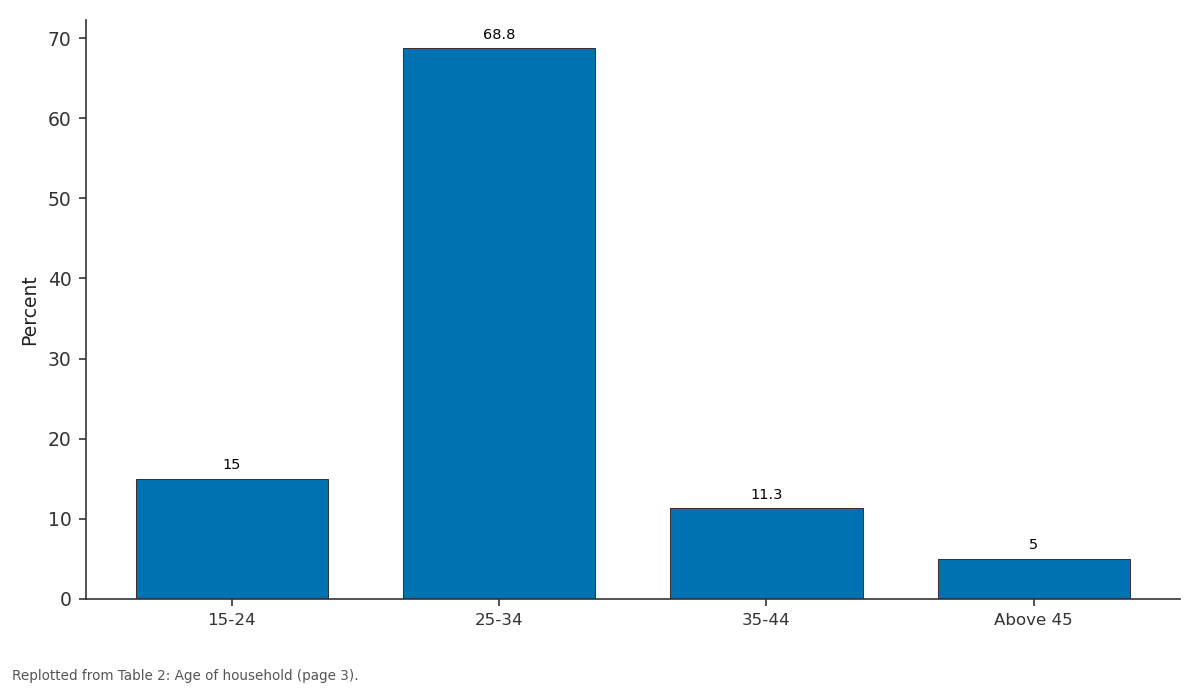
Percent: 15-24 vs 25-34 vs 35-44 vs Above 45
Replotted from Table 2 (page 3) of the original paper. Every bar is the paper's own table value.
View source evidence ↗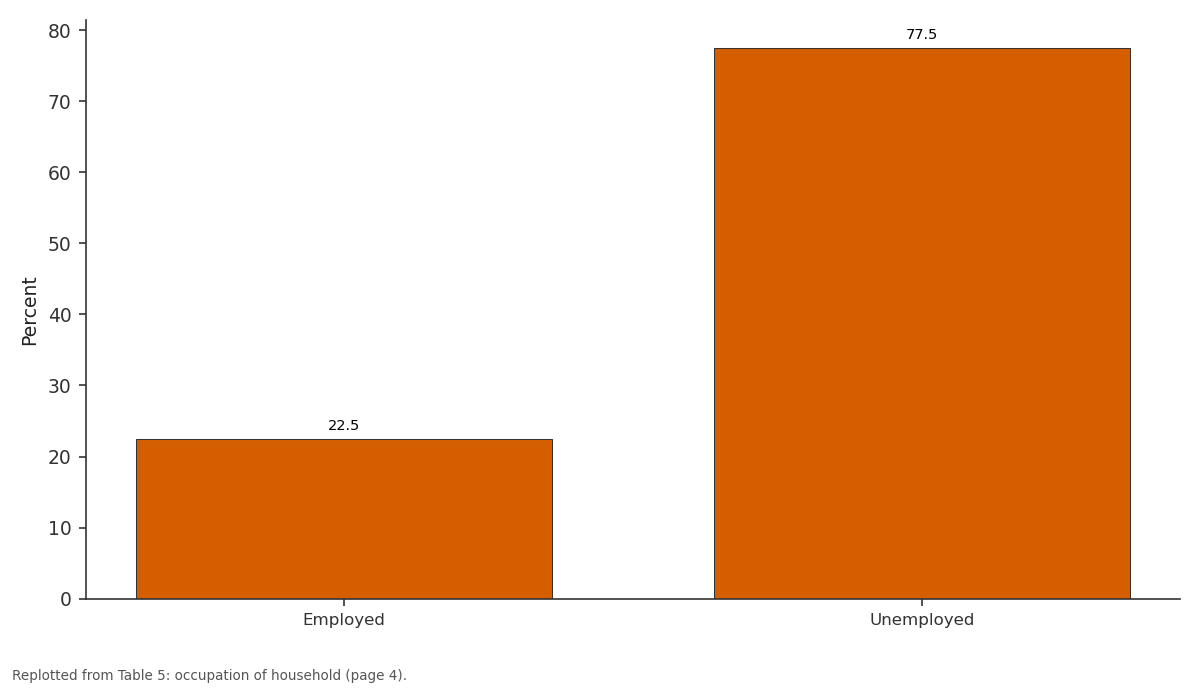
Percent: Employed vs Unemployed
Replotted from Table 5 (page 4) of the original paper. Every bar is the paper's own table value.
View source evidence ↗Figures & tables
From the original paper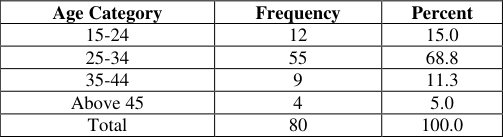 Table 2
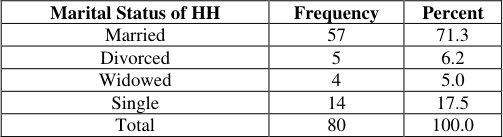 Table 3
 Table 1
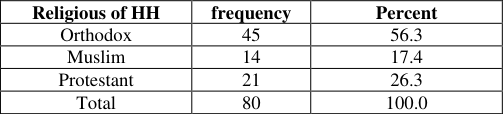 Table 4
 Table 5
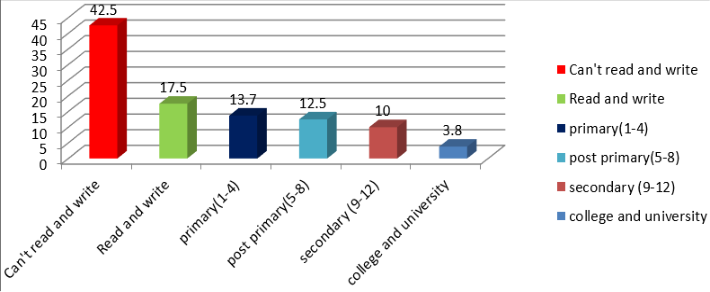 Figure 1
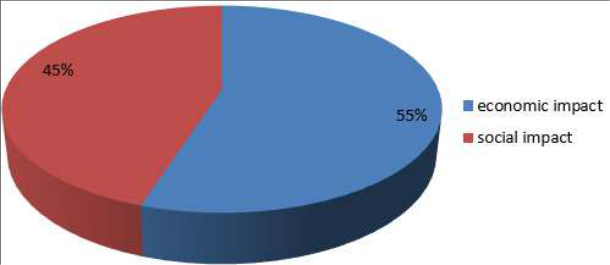 Figure 2
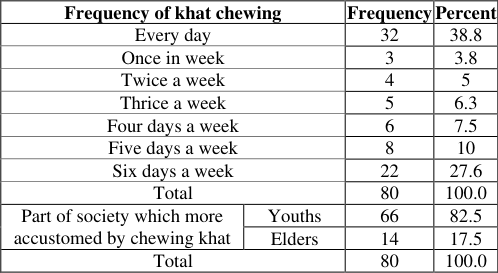 Table 7
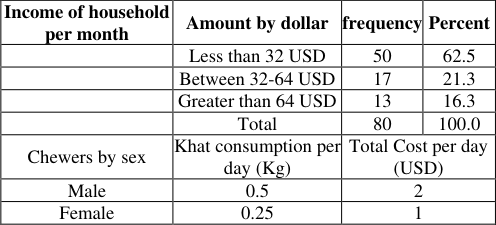 Table 6
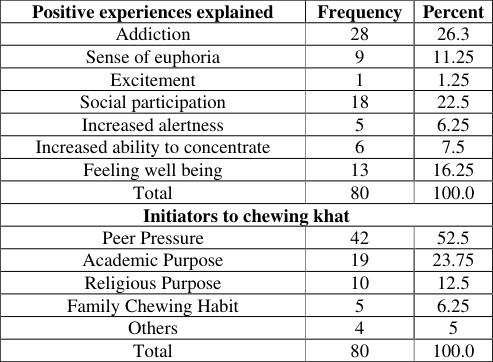 Table 8
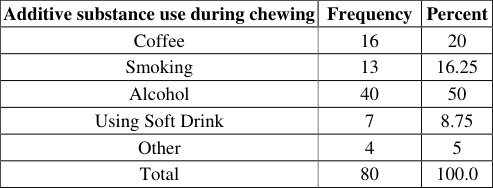 Table 9
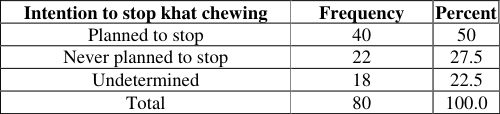 Table 10
Introduction
Khat/Chat (Catha edulis Forsk) is an ever green flowerish tree/shrub. Globally, the khat habit is a widespread phenomenon which has in the past many decades spread to parts of Western Europe and North America from Eastern Africa and the Arabian Peninsula. Khat/Chat (Catha edulis Forsk) is an ever green flowerish tree/shrub (Andualem M et al., 2000) [10] . Historically the original source of Khat seems to be observed. However, there is general agreement that its use was prevalent in Ethiopia and from their around in the 15 th century. Then it was introduced to Yemen in 16th century. Sir Richer Buton (1989) [33] suggested that Khat was introduced to Yem-en from Ethiopia in 15 th and 16 th century. It has different names in different countries in different languages i.e. Khat in English and Arabia, Chat in Amharic and Afan Oromo. It can growing east Africa, Yemen and South Africa. Khat has socio economic impact in the world particularly in eastern and southern Africa. It is commonly used for social recreation and occasionally used as a medicine. Khat is regularly used in combination with alcohol, which can lead to different social impacts. Khat users think to do an activity in time Khat is used, but after the time they are not observed to act that activity. In contrast, it is believed that it increases levels of energy and self-esteem (Kebede, 2002) [24] . Increased consumption of khat has serious socio-economic consequences. Khat chewing causes adverse effects on reduced production of economy, loss of working hours, malnutrition and diversion of income for the purchase of khat, resulting in absenteeism and unemployment. Chronic khat use is associated with adverse health effects such as hypertension, heart rhythm disorders, insomnia, liver toxicity, oral cancer, hypertension, spermatorrhoea and hemorrhoids, loss of appetite and gastrointestinal effects. Medical problems associated with khat intoxication include psychiatric manifestations such as deterioration of psychophysical function and schizophreniform psychoses. Some other khat chewers also experience anxiety, tension, restlessness, hypnogogic hallucinations, hypomania and aggressive behavior or psychosis. Economically the preferable part of the Khat plants is its succulent part. It diverse house hold income that could have been widely used for nutritious food, home improvements and education or other family needs. In contrast, Khat consumption is damaging the country's economy directly or in directly. For instance, in Somalis habitual Khat use costs 11500 Dollar per a year. It is a healthy hazard which decreases productivity and increases unemployment (Kassa, 2012) [21] . Khat in Ethiopia is also a serious problem which damage social distinct and economy. Almost all the above listed impacts of Khat in social and economic aspects are experienced in Ethiopia. It results social cost like emotionally unstable, social disintegration and expansion of crimes. Ethiopians use Khat in combination with sugar. It is also combined with cigarette smoking to enhance the degree of excitement. Most often alcoholic beverages are taken after Khat chewing to terminate excitation (Gebissa E, www.extensionjournal.com 2011) [18] . In different part of oromia there are many zones those dominated by k chat chewing, like Jimma zone, Harerge zone, Guji zone, Borena zone and other. Also their economic and social aspects are affected through chewing k chat. Some people use k chat implies of food like harerge peoples (megersa et al., 2003) [40] . In Anna Sora woreda people know shifting their economic activities from different crop production (like coffee etc.) to k chat. In that case their economic is decreasing rapidly. Despite these controversies, the plant is an integral part of everyday life in the study areas. But no any study conduct on socio-economic effect of khat on that area. Hence this research will conduct with the aim of generating data on socio-economic impact of khat in Anna Sora Woreda, Guji Zone, and Southern part of oromia. Still know there were no studies conducted to investigate the prevalence and associated factors of Khat chewing in my study area and also there is no current status about chewers and nonchewers. Therefore, the objective of the study is to identify the socio-economic impacts of chewing Khat in Anna Sora Woreda.
Research Methodology Research Design
Since the study was concern with describing socioeconomic impacts of Khat in Anna Sora Woreda, the conceptual structure of the study was descriptive. A crosssectional study was made to investigate the major socioeconomic impacts of Khat by collecting data from randomly select respondents.
Sampling techniques and procedures
For the achievement of the objective of this proposal purposive sampling techniques study were used to select Guji zone from Oromia region state and Anna Sora worada from Guji zone because of proximity and conveniences in order to identify health and socio-economic impact of kchat. Sample size determination has its own scientific approach. For this study, I was selected systematically 242 household from total of 1520 households of Me'e Boko kebele among which, 84 were women and 158 were men, and in the same way 208 household were selected from total 1022 households of Robele kebele and out of them 141 were male and 67 were female. The sample size was determined at 90% confidence interval. Since the researcher cannot deal with all these people again, I calculated my sample size to narrow down the number of people that I can force to answer my question effectively.
To do this I used Slovene's formula to calculate representative respondent from each kebeles Slovene's Formula: n = Where, N = number of samples N = total population e = 10% = 0.1 acceptable level of error Me'e book Kebele =158 men and 84 female=242 No.
Types and source of data
Both qualitative and quantitative types of data were used from different data sources. Primary data was collected from informant interviews, direct asking of Khat sellers, producers, con-summers and personal observations. Secondary data was included different personal research related works or documents, findings and websites. In addition newspapers, finance and statistics offices and government organizations of the area use as secondary sources.
Methods of Data Collection
Exploratory survey was undertaken for the purpose of gaining familiarity with major Khat chewing areas and of having first-hand information about socio-economic www.extensionjournal.com impacts of Khat plus for the purpose of describing and measuring a number of characteristics (descriptive purpose).
In addition I was used focus group discussion for qualitative data.
A diagnostic survey was conducted to interview the Woreda's dwellers specially Khat chewers by using interview schedule for quantitative data. To explore the degree of the existence of socio-economic impacts of Khat. Secondary information was collected from secondary sources of data which are written in governmental offices, by reading books and different materials. Data related to social and economic affairs was collected from different GOs like Kebele Administrators, ministry of finance and ministry of agriculture.
Methods of Data Analysis
For quantitative data, descriptive statistics like mean and percentage expressions were used to analyze socioeconomic impact of Khat. Tabular and categorization method were used as method of data analysis for qualitative information. I used version 20 Spss software and excel to analyze the data.
Ethical Considerations
In this investigation the consent of the participants was an important consideration; participants were informed about the overall aim of the study and other necessary information concerning it. This provided the opportunity to make sure that they fully understood the research and could take a decision about their participation (Barsky, 2010) [43] . Participant's information was not shared with any one in order to preserve confidentiality, except for research purposes.
Results and Discussion
Socio-economic characteristics of respondent.
Sex of household
As recent studies show that, males have higher probability of being participant than females. Out of the total 80 respondents 66.3% are males and only 33.7% are females in proportion to their percentage. This clearly indicates that the number of female is limited compared to the number of male. Most of the time, females are not participants on social rather than they depend on the house work.
Age of household
As the result indicates that the age of the respondents, the youngsters (with age interval of 25-34), or about 68.8% out of total respondents were labor productivity. Due to the associated depression effect of khat, the youngsters have allotted lesser time for agricultural activities. The finding is line with Kebede (2002) [24] who reported 24.8% of Jimma university students were regular chewers and youths were more accustomed to Khat chewing in Ethiopia. Correspondingly Tekalegn et al., (2011) [46] also reported regular khat chewing behavior of youths was the predisposing factor to gastritis and peptic ulcer disease, mental illness, and cardiac arrhythmia.
Marital status of household
As the result indicate 71.3% of married were accustomed to khat chewing than singles (17.5%), Divorced (6.2%) and widowed (5%). The latter result indicated that these much number of chewers were vulnerable to divorce due to reduced sexual activity, low erectile and ejaculatory responses between married couples which finally could lead to lack of strength in sexual intercourse and thereby terminating a marriage association through divorce. The qualitative information also indicted that khat chewing habit is one of the cause for risky behaviors that could fuel the spread of HIV. This finding is in line with Guesh (2012) [41] and Dawit (2005) [42] who claimed khat chewing induces excessive sexual arousal, impotence and strained relations between spouses and most likely to precipitate family fragmentation and/or multiple sexual practices.
Religious of household
Similar to their predominant in number, the Orthodox Christian's community members (56.3%) were the major Khat chewers in the study areas, followed by Protestant (26.3%) and Muslim (17.4%). which contradicted with other studies done in the country (Mohamed A et al., 2014) [26] where Muslims were the predominant khat chewers for the concentration purpose during praying time even though this concept is not accepted in other nations such as Saud Arabia due to lack of base in Islam (Kasule H, 2011) [39] . read and write 17.5% (n = 14), primary 1-4) 13.7% (n = 11), post primary 12.5%(n =10), secondary (9-12) 10.0% (n = 8), college and university 3.8% (n = 3) and this conduct has decreased as their level of education increased. Thus education has assisted for the logical reasoning of the participants and thereby assisted to reduce the khat chewing behavior and or its frequency that in turn assisted to lessen the socio-economic and health chaos that may arise in their household. Also this study supported by a study done in Mana District, Jimma zone, southwestern part of Ethiopia indicated high proportion of khat chewing behavior among illiterates (Megerssa B et al., 2014) [26] . This could be related to the same in the educational status of the population and growth of Mana District and Aanna Sorra Woreda.
Occupation of household
The study also showed that, use of khat was highest among unemployed individuals (77.5%) and employed (22.5%) who habitually chewed khat in the study areas. Engagement of these economically active parts of the community made them vulnerable to the associated risky behaviors of khat like: alcohol drinking, cigarette smoking, and exposure their money and time unwisely. As most of respondents told to me there are too much individuals leave their work for the case chewing khat. So, that chewing khat has negative impact on occupation or work performance of household (table 5). This line with the survey from Jimma town, southwestern Ethiopia showed a strong association of khat chewing with occupation of household (Andualem M, 2002) [9] .
| Occupation of household | Frequency | Percent |
|---|---|---|
| Employed | 18 | 22.5 |
| Unemployed | 62 | 77.5 |
| Total | 80 | 100.0 |
Table text extracted from the original PDF; superscript letters are shown inline. The original table image is below.
View original table image
Socio-economic impact of khat
In this study, the result indicated that Khat chewing is an insidious habit that affects many aspects of human life, producing social and economic problems. Particularly, the study examined the impact of chronic Khat use on family, income, age group and marriage. The most frequently perceived general negative effect of khat chewing among the respondents was an economic crisis 44 (55%) and social 36 (45%) consequences (chart 1).
Effects of chewing khat on income of household
Khat has negative effects on house hold income as the Khat chewers spend all most all their wages on chewing. Consumers can use more than half of the household expenses or a great portion of the family budget for Khat. They are too lazy and not willing to work after spending so many sleepless nights chewing, so they don't want to get out of bed still lunchtime. Although the families are struggling to survive on very little income to spend basic needs, Khat chewers never miss one day of their habits and they come back to family taking money from them by any means including force, cheating or stealing. It is known that khat chewing practices affects the economic status of the community due to the fact that, it leads to loss of working hours or absenteeism from work as well as utilization of money to buy the khat rather than expensing www.extensionjournal.com for buying nutritious foods and care of household members. In this regard, the present study found the mean time spent for single khat chewing ceremony was above 2 hours. The economic impact of khat chewing is losing of job or decreasing of productivity. This is common in long time chewers and dependent groups. The long time they use for chewing is in expense of the working time and chewers may be fired from employment or lose their private job which is in line with previous local studies conducted elsewhere.
Financial cost incurred for Khat chewing
The per capita consumption of male khat chewer was one bundle (0.50Kg) with cost of 2 USD per day; while the per capita consumption of women was half bundle (0.25 Kg) which cost them 1 USD. Similarly, the annual total consumption of khat was 180 kg and 90 Kg for male and women, respectively; which made the average cost per annum 360 USD (30 USD per a month) and 90 USD (7.5 USD per a month) for male and women, respectively. This indicated this much money would have been used for another beneficial purposes (table 6). This result was by far greater than the national annual consumption of khat which is 5.3 kg per capita. Hence chewers spend money for buying khat without considering cost-benefit analysis. The result also showed, with no statistical difference among group of chewers, respondents with lower annual income were the major user than with better off monthly income. This was due to ability of the psychoactive leaves to give temporary relieved for the poor who were suffering from fatigue, loss of excitation, sleep and hunger.
| Income of household per month | Amount by dollar | frequency | Percent |
|---|---|---|---|
| Less than 32 USD | 50 | 62.5 | |
| Between 32-64 USD | 17 | 21.3 | |
| Greater than 64 USD | 13 | 16.3 | |
| Total | 80 | 100.0 | |
| Chewers by sex | Khat consumption per day (Kg) | Total Cost per day (USD) | |
| Male | 0.5 | 2 | |
| Female | 0.25 | 1 |
Table text extracted from the original PDF; superscript letters are shown inline. The original table image is below.
View original table image
Wastage of time and productivity of youths
Spending too much hours per day has a negative impact on the economics of household, youths were more accustomed to chewing khat with negative effects on individual's productivity. Among the chewers 82.5% were youths. Hence, among regular chewers, 38.8% had a daily habit, while 3.8%, 5%, 6.3% of them chewed once, twice and trice a week, respectively (table 7). But the rest of regular chewers had reported while 7.5%, 10%, 27.6% of them chewed four, five and six days a week, respectively. But khat chewing was not only limited at homes, but including at work offices, shops, public sitting place and walk sides. Involvement of productive age group in khat chewing practice may lead to a fall in economic productivity as well as social related problems. Therefore, minimizing the use of khat among productive age group of the community may have a crucial impact on their health and economic development (Haile D et al., 2015) [19] .
| Frequency of khat chewing | — | Frequency | Percent |
|---|---|---|---|
| Every day | 32 | 38.8 | |
| Once in week | 3 | 3.8 | |
| Twice a week | 4 | 5 | |
| Thrice a week | 5 | 6.3 | |
| Four days a week | 6 | 7.5 | |
| Five days a week | 8 | 10 | |
| Six days a week | 22 | 27.6 | |
| Total | 80 | 100.0 | |
| Part of society which more accustomed by chewing khat | Youths | 66 | 82.5 |
| Elders | 14 | 17.5 | |
| Total | 80 | 100.0 |
Table text extracted from the original PDF; superscript letters are shown inline. The original table image is below.
View original table image
Aggression
The tension between married couples starts when the chewer comes home late behaving violently and aggressively towards his wife. Insufficient sleep and poor appetite often causes a bad temper or this sometimes also flares when supplies of Khat fall short or are lacking. This is one of the main causes of family conflict. As most of females respondents raised that when husband chews at night and sleeps during the day; when he gets home late, he is always aggressive, moody, feeling tension, uncomfortable and irritability as he fights with us, when he hears the noise of the children around. Similarly, results such as sleeping disorder, depression, hallucination and anxiety were obtained from communitybased studies in different origins (Murray R et al., 2005) [31] .
Impairment of sexual activity in men
In terms of impairment of sexual activity in men, most men complain about weak ability to have sex when they chew Khat. Khat consumption can dramatically affect the sexual behaviors of the chewers. The chewing intoxication can decrease sexual arousal, decrease pleasure ability and intensity of orgasm, and increase the difficulty of attaining orgasm. During my data collection Majority of mother's respondents tell me we were neither married nor single because we do not feel that we have a husband. Because majority of our husbands does not find sexually attractive www.extensionjournal.com when chew more. The only reason we stay with them is for the sake of our children. This finding is in line with megersa (2014) [44] indicated that these much number of chewers are vulnerable to divorce due to reduced sexual activity, low erectile and ejaculatory responses between married couples which finally could lead to lack of strength in sexual intercourse and thereby terminating a marriage association through divorce.
Impact on work performance
In many ways, the use of Khat can affect work performance negatively. Most respondents suggested that Khat chewing workers might demonstrate bad work habits or have poor relationships with their coworkers and employers because of being intoxicated, their irritability, headaches and extreme tiredness. Other reasons for poor performance at work include less productivity or loss of many working hours, absenteeism and extra sick leave. Consumption of large amounts of Khat can cause hangovers the following day and is just problematic. Khat use can also affect the ability to concentrate at work and reduce the ability to focus on things related to the job. Most of Khat chewers in my study area never go out to work but they go out for chewing only. As most participant told to me we were have family member whose chews. They were left their job, to devote more time to their habitual drug use. They never work three months in a row". Another participant argued: "They never seem to show any interest in their jobs. They are always fired because of absenteeism or hangover" All these can create problems to the chewer and to his coworkers and might eventually lead to the loss of the job (Haile D et al., 2015) [19] .
Domestic responsibilities
There are three huge and great responsibilities for married couples: Providing an income for the family, domestic responsibilities and child care responsibilities. Any negligence towards one or more of these responsibilities can lead to marital disaster. Marriage usually begins with willingness of both spouses to share these huge responsibilities. One of the major sources of marital conflict is domestic work. A participant explained: When mothers are much more committed to work outside the home to bring income for the family, most fathers spend great deal of their time in Khat chewing. They are not highly comfortable filling in the gap. That is why most mothers are in despair about their marriage. Traditionally, wives have taken the responsibility for most chores around the house and childcare while husbands have taken the responsibility of providing income for the family. However, when the fathers neglect the responsibility of providing income, this put a heavy burdens of responsibilities on the shoulder of the mothers (Esayas A et al., 2014) [26] .
A participant explained
When mothers are much more committed to work outside the home to bring income for the family, most fathers spend great deal of their time in Khat chewing. They are not highly comfortable filling in the gap. That is why most mothers are in despair about their marriage.
Reasons and initiators to chewing khat Time, followed 26.3%, 22.5%, 16.25%, 11.25%, 7.5%, 6.25%, 1.25% of chewers who used it for Addiction, engaging in community social activities and due to Feeling wellbeing, Sense of euphoria, Increased alertness, Increased ability to concentrate and Excitement respectively (Table 8). However the FGD result showed oral administration of khat induced rapid manic behaviors where individuals became very talkative under its influence during khat chewing; but finally ends up to mild depression, showing unusual lack of energy and nightmares, loss of appetite and permanent tooth darkening to greenish tinge. This finding is similar to Mekonnen (2006) [27] who reported most chewers (42.9%) started khat chewing for mild euphoria and excitement, similar to that conferred by strong coffee. Academic purpose, relieving from anxiety and get relaxation was also mentioned as reasons. Feeling of wellbeing, sense of euphoria, and increased energy levels, increased alertness, increased ability to concentrate and addiction to khat chewing were the other reasons mentioned for khat chewing, in that order. Majority of them initiated by peer pressure (52.5%) for academic good performance (23.75%) and continued the practice for religious purpose 12.5%) and family habit (6.25%) and other (5%). (Table 8).
| Positive experiences explained | Frequency | Percent |
|---|---|---|
| Addiction | 28 | 26.3 |
| Sense of euphoria | 9 | 11.25 |
| Excitement | 1 | 1.25 |
| Social participation | 18 | 22.5 |
| Increased alertness | 5 | 6.25 |
| Increased ability to concentrate | 6 | 7.5 |
| Feeling well being | 13 | 16.25 |
| Total | 80 | 100.0 |
| Initiators to chewing khat | ||
| Peer Pressure | 42 | 52.5 |
| Academic Purpose | 19 | 23.75 |
| Religious Purpose | 10 | 12.5 |
| Family Chewing Habit | 5 | 6.25 |
| Others | 4 | 5 |
| Total | 80 | 100.0 |
Table text extracted from the original PDF; superscript letters are shown inline. The original table image is below.
View original table image
Additive substance use during chewing
The result indicate that the most of chewers were used more alcohol (50%) and followed by coffee (20%), smoking (16.25%), soft drink (8.75%) and others substance (5%) respectively (Table 6). these addictive behaviors during and after khat chewing. Other studies reported a strong link between khat chewing and alcohol consumption (Deressa W et al., 2011) [15] .
Future plan of khat chewing practice
Majority of the respondents (50%) plan to stop the practice in the future while about (27.5%) could not quit practicing khat chewing though they had tried. even if some (22.5%) were in dilemma (Table 7). Correspondingly, other studies reported the proportion of khat chewers who had tried to stop khat chewing and wanted to stop khat chewing (Yousef G et al, 2006) [45] . Appropriate intervention programs and policies are required to tackle khat chewing habits in Ethiopia and target the most at risk populations (Haile D, 2015) [19] .
Conclusion and Recommendation Conclusion
Khat chewing practice has increased over the years and chronic khat use is associated with adverse socio-economic effects. This study investigated khat chewing was most commonly practiced among male gender, productive age group, Orthodox Christians, married, unemployed, uneducated or illiterate and low-earned people. Majority of them initiated by peer pressure for academic good performance and continued the practice for religious purpose and family habit and other. Just from the respondents most of them were spent much money for buying khat and more chewer's chewed khat daily. Most khat chewers drank alcohol after chewing khat and during chewing khat used coffee, smoked cigarette, soft drinks and others substance. The most frequently perceived general negative effect of khat chewing among the respondents was an economic crisis. The productivity of youths, Wastage of time and Income out flow was the major of economic effects of khat chewing in study area. Financial Issues, Aggression Impact on Work Performance and Impairment of Sexual Activity in Men were social impact of chewing khat. Half of khat chewers believed that they would plan to stop the practice in the future. The community, especially youths, need to be aware of negative socio-economic consequences of khat chewing through designing educational strategies to bring behavioral change.
Recommendation
Based on the findings the following possible solutions are suggested. 1. The community, especially youths, need to be aware of socio-economic consequences of khat chewing through designing educational strategies to bring behavioral change. 2. Woreda administrative should be particularly for younger age groups making available of various methods of recreation in order to enable them to recreate on their free time. 3. Health extension should be preparing an educative communication about the effect chewing khat and substance use especially for young generation. 4. The government should facilitate a condition for creating formal and informal job opportunities to make youths and to reduce the tendency of using the drug. This can be done by launching medium and small scale micro financing and income generating projects.
Figures and tables from the paper
| Age Category | Frequency | Percent |
|---|---|---|
| 15-24 | 12 | 15.0 |
| 25-34 | 55 | 68.8 |
| 35-44 | 9 | 11.3 |
| Above 45 | 4 | 5.0 |
| Total | 80 | 100.0 |
Table text extracted from the original PDF; superscript letters are shown inline. The original table image is below.
View original table image
| Marital Status of HH | Frequency | Percent |
|---|---|---|
| Married | 57 | 71.3 |
| Divorced | 5 | 6.2 |
| Widowed | 4 | 5.0 |
| Single | 14 | 17.5 |
| Total | 80 | 100.0 |
Table text extracted from the original PDF; superscript letters are shown inline. The original table image is below.
View original table image
| Sex of household | Frequency | Percent |
|---|---|---|
| Male | 53 | 66.3 |
| Female | 27 | 33.7 |
| Total | 80 | 100.0 |
Table text extracted from the original PDF; superscript letters are shown inline. The original table image is below.
View original table image
| Religious of HH | frequency | Percent |
|---|---|---|
| Orthodox | 45 | 56.3 |
| Muslim | 14 | 17.4 |
| Protestant | 21 | 26.3 |
| Total | 80 | 100.0 |
Table text extracted from the original PDF; superscript letters are shown inline. The original table image is below.
View original table image
| Additive substance use during chewing | Frequency | Percent |
|---|---|---|
| Coffee | 16 | 20 |
| Smoking | 13 | 16.25 |
| Alcohol | 40 | 50 |
| Using Soft Drink | 7 | 8.75 |
| Other | 4 | 5 |
| Total | 80 | 100.0 |
Table text extracted from the original PDF; superscript letters are shown inline. The original table image is below.
View original table image
| Intention to stop khat chewing | Frequency | Percent |
|---|---|---|
| Planned to stop | 40 | 50 |
| Never planned to stop | 22 | 27.5 |
| Undetermined | 18 | 22.5 |
| Total | 80 | 100.0 |
Table text extracted from the original PDF; superscript letters are shown inline. The original table image is below.
View original table image
References
27 in the original paper- Abafita J, Chala BW, Eba K, Kim K, Kim C. Khat use and its impact on academic performance: The case of Jimma University, Ethiopia. Educ Res Rev. 2015;10(15):2084-2095.
- Citation: Yerra Rajeshwar, et al. Ijppr. Human, 2016;8(1):11-22.
- Ageely HMA. Health and socio-economic hazards associated with khat consumption. J Family Community Med. 2008;15(1):3-11.
- Alem A, Kebede D, Kullgren G. The prevalence and socio-demographic correlates of khat chewing in Butajira, Ethiopia. Acta Psychiatr Scand Suppl. 1999;100:84-91.
- Andualem M. The prevalence and socio-demo-graphic characteristics of khat chewing in Jimma town, South Western Ethiopia. Ethiop J Health Sci. 2002;12(2):69 - 80.
- Belew M, Kebede D, Kassaye M, Enquoselassie F. The magnitude of khat use and its association with health, nutrition and socio-economic status. Ethiop Med J. 2000;38(1):11-26.
- Cox G, Rampes H. Adverse effects of khat: A review. Adv Psychiatr Treat. 2003;9:456-463
- Pennings EJM, Opperhuizen A, van Amsterdam JGC. Risk assessment of khat use in the Netherlands: A review based on adverse health effects, prevalence, criminal involvement and public order. Regul Toxicol Pharm. 2008;52:199-207.
- Deressa W, Azazh A. Substance use and its predictors among undergraduate medical students of Addis Ababa University in Ethiopia. BMC Public Health 2011;11:660.
- Feyissa AM, Kelly JP. A review of the neuro pharmacological properties of khat. Prog Neuro psycho Pharmacol Biol Psychiatry. 2008;32:1147-1166.
- Haile D, Lakew Y. Khat Chewing Practice and Associated Factors among Adults in Ethiopia: Further Analysis Using the 2011 Demographic and Health Survey. PLoS ONE. 2015;10(6):e0130460.
- Green RH. Khat and the realities of Somalis: historic, social, household, political & economic. Rev Afr Polit Econ. 1999;79:33-49.
- Kassim S, Croucher R. Khat chewing amongst UK resident male Yemeni adults: an exploratory study. Int Dent J. 2006;56:97-101.
- Manghi RA, Broers B, Khan R, Benguettat D, Khazaal Y, Zullino DF. Khat Use: Lifestyle or Addiction? J Psychoactive Drugs. 2009;41(1):1-10.
- Megerssa B, Esayas A, Mohamed A. Socio economic impact of khat in Mana district, Jimma zone, south western Ethiopia. Discourse J Agric Food. Sci. 2014;2:21-32.
- Mulugeta Y. Khat chewing and its associated factor among College students in Bahir Dar town, Ethiopia. SJPH. 2013;1(5):209-214.
- Pantelis C, Hindler CG, Taylor JC. Use and abuse of khat (Catha edulis). A review of the distribution, pharmacology, side effects and a description of psychosis attributed to khat chewing. J psychology Med. 1989;19:657-668.
- Sikiru L. Flower of paradise (Khat: Catha edulis): Psychosocial, health and sports perspectives. JrfA ic Shtlae H. 2012;22:161-175.
- Sir Richer Buton, The prevalence of Khat is chewing in Yemen Socio-economic profile of the Guji Zone, Government of Oromia Region (last accessed 4 December 2006); c1989.
- State Tigray -Ethiopian Government Portal. http://www.ethiopia.gov.et/statetigray, Accessed on November 2, 2016.
- Zeleke A, Awoke W, Gebeyehu E, Ambaw F. Khat chewing practice and its perceived health effects among communities of Dera Woreda, Amhara region, Ethiopia. Open J Epidemiol. 2013;3:160-168. 20.
- Dinku W, Megersa N, Raju VJ, Solomon T, Jönsson JÅ, Retta N. Studies on transition metal complexes of herbicidal compounds. II: Transition metal complexes of derivatized 2-chloro-4-ethylamino-6-isopropylamino -s-triazine (atrazine). Bulletin of the Chemical Society of Ethiopia. 2003;17(1).
- Dawit W, Andnew Y. The study of fungicides application and sowing date, resistance, and maturity of Eragrostis tef for the management of teff rust [Uromyces eragrostidis]. Canadian journal of plant pathology. 2005 Dec 1;27(4):521-7.
- Barsky D, de Lumley H. Early European Mode 2 and the stone industry from the Caune de l'Arago archéo stratigraphical levels P. Quaternary International. 2010 Sep 1;223:71-86.
- Megersa B, Markemann A, Angassa A, Valle Zárate A. The role of livestock diversification in ensuring household food security under a changing climate in Borana, Ethiopia. Food Security. 2014 Feb;6(1):15-28.
- Yousef GG, Grace MH, Cheng DM, Belolipov IV, Raskin I, Lila MA. Comparative phytochemical characterization of three Rhodiola species. Phytochemistry. 2006 Nov 1;67(21):2380-91.
- Woldeyohannes D, Tekalegn Y, Sahiledengle B, Ermias D, Ejajo T, Mwanri L. Effect of postpartum depression on exclusive breast-feeding practices in subSaharan Africa countries: a systematic review and meta-analysis. BMC Pregnancy and Childbirth. 2021 Dec;21(1):1-0.