
Research article · 2021 · Full text
International Journal of Agriculture Extension and Social DevelopmentIdentification of different ecotypes of village akoho gasy (Gallus domesticus) in the regions of Analamanga and Atsimo Andrefana, Madagascar
Volume 4(2) · Pages 29–39 · DOI: 10.33545/26180723.2021.v4.i2a.0101 ↗
Research areasLivestock and Poultry ManagementLivestock Farming and ManagementAgriculture and Rural Development Research
Abstract
Author-writtenThis study was conducted to identify the different ecotypes existing in Malagasy village chickens. Measurements of morpho-biometric parameters of chickens from two ecological different regions (Analamanga and Atsimo Andrefana) and statistical analyses were performed according to FAO guidelines. Among the 117 chickens analyzed, the results showed that those from the Atsimo Andrefana region had significantly higher biometric values than those from the Analamanga region regarding live weight (1629.23g vs. 1448.46g; p = 0.02), wingspan (46.09cm vs. 44.08cm; p = 0.009) and tarsal length (8.51cm vs. 7.13cm; p < 0.000). However, there was no significant difference between the two groups of chickens for the body length (p = 0.829) and chest circumference (p = 0.922). Morphological characters are very diverse and did not show any significant difference between the Analamanga and Atsimo Andrefana regions. Thus, the groups of chickens correspond to two ecotypes identified in the Malagasy village chickens.
Summary
Source-checkedPlain-language reading of the full paper, prepared with AI and checked against the text. Each point links to the authors' own words.
Why it matters
- The Malagasy village chicken, known as Akoho gasy, makes up the vast majority (83%) of Madagascar's avian herd, which was estimated at 39.916 million heads in 2019. View evidence ↗
- Molecular analysis of mitochondrial DNA suggests that Akoho gasy chickens originated from East Africa. View evidence ↗
- Phenotypic characterization following FAO guidelines is a necessary first step for genetic studies, but such a study had not yet been performed for Malagasy chickens. View evidence ↗
The question
- The study aimed to identify different ecotypes within the population of Malagasy village chickens. View evidence ↗
What they did
- Researchers measured morpho-biometric parameters of chickens from two distinct ecological regions: Analamanga and Atsimo Andrefana. View evidence ↗
- The study sample consisted of 117 chickens, including both hens and cocks. View evidence ↗
- Biometric measurements included live weight, body length, chest circumference, wing span, and tarsal length. View evidence ↗
What they found
- Chickens from the Atsimo Andrefana region were significantly heavier (1629.23g vs 1448.46g), had wider wingspans (46.09cm vs 44.08cm), and longer tarsi (8.51cm vs 7.13cm) than those from Analamanga. View evidence ↗
- No significant differences were found between the two regions regarding body length or chest circumference. View evidence ↗
- While morphological characters were diverse, they did not differ significantly between the two study regions. View evidence ↗
- Eye color (specifically yellow or orange) was significantly associated with the region, although the specific color was not determined. View evidence ↗
- Skin color was significantly related to the region, though the specific color responsible was not identified. View evidence ↗
- The pea comb was the dominant comb type, appearing in 98.47% of all chickens studied. View evidence ↗
What it means
- The authors concluded that the chickens from the Analamanga and Atsimo Andrefana regions represent two distinct ecotypes of Malagasy village chickens. View evidence ↗
- The authors noted that the interpretations are limited by the small sample size used at the study sites. View evidence ↗
- The study was limited by only examining two of the ten agro-ecological zones present in Madagascar. View evidence ↗
Visual summary
3 visualsIllustrations explain the paper; charts are replotted from the paper's own table values.
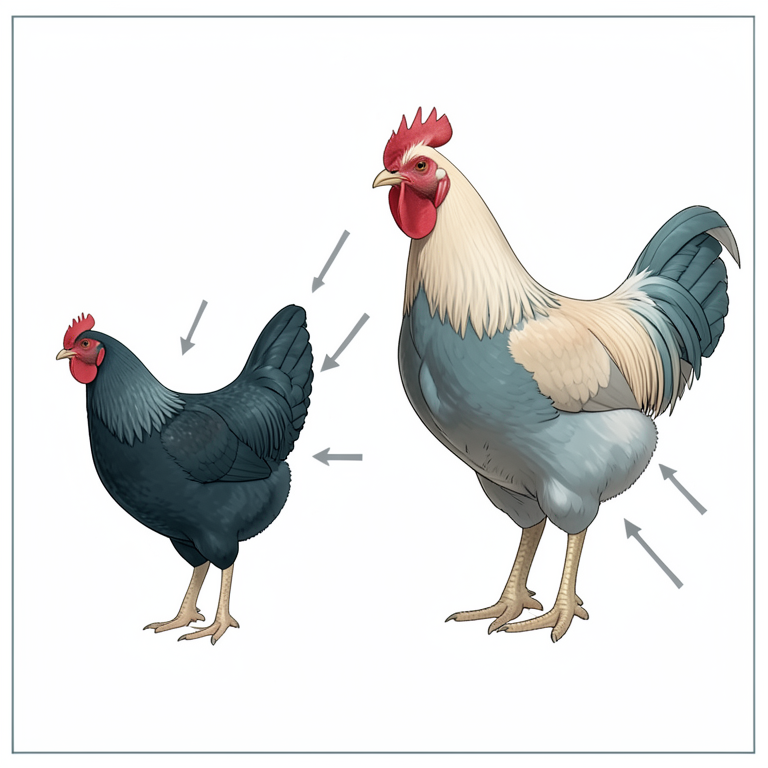
Biometric Comparison
AI-generated conceptual illustration (village akoho gasy (Gallus domesticus) chickens). It explains the idea and does not show study data.
View source evidence ↗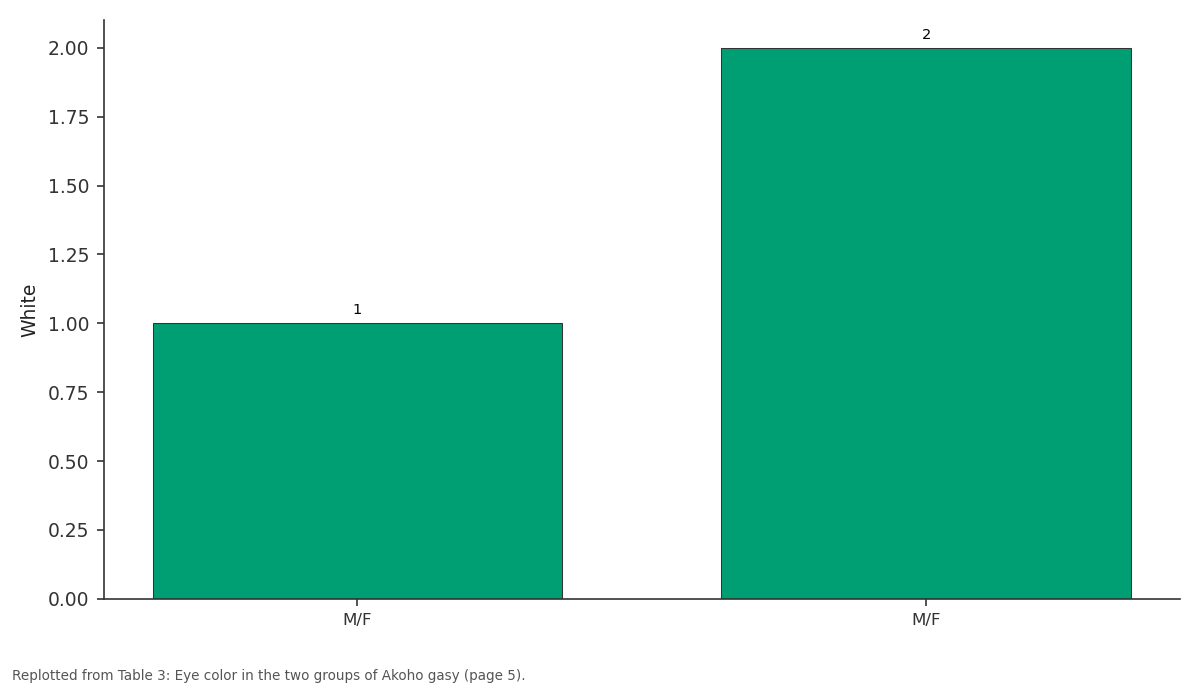
White: M/F vs M/F
Replotted from Table 3 (page 5) of the original paper. Every bar is the paper's own table value.
View source evidence ↗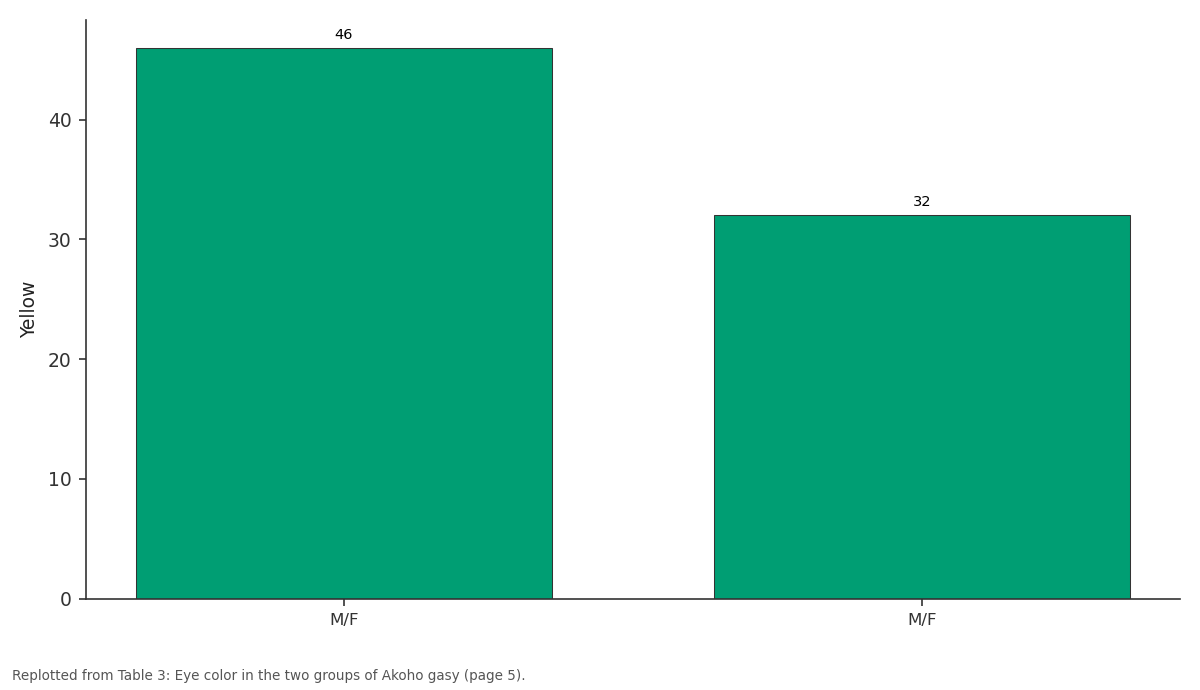
Yellow: M/F vs M/F
Replotted from Table 3 (page 5) of the original paper. Every bar is the paper's own table value.
View source evidence ↗Figures & tables
From the original paper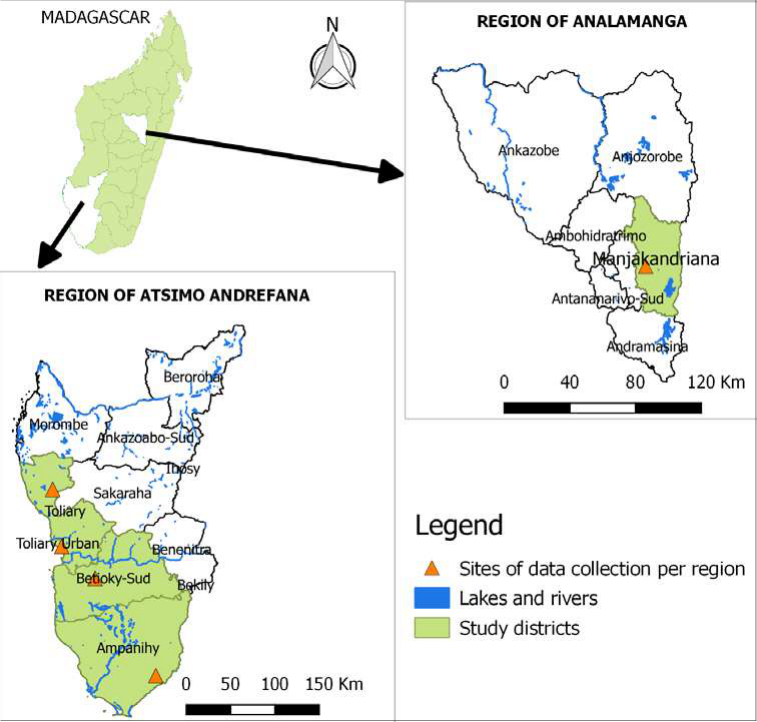 Figure 1
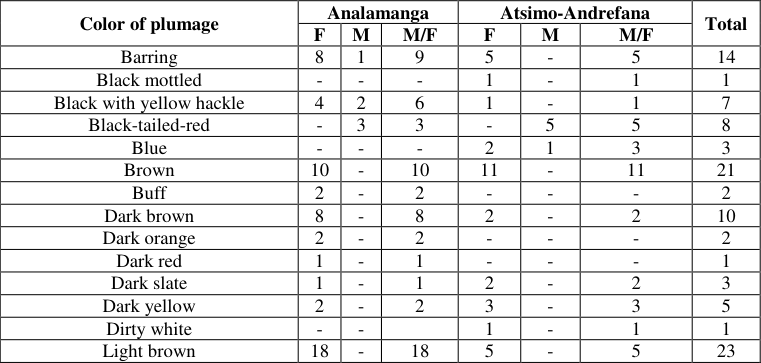 Table 1
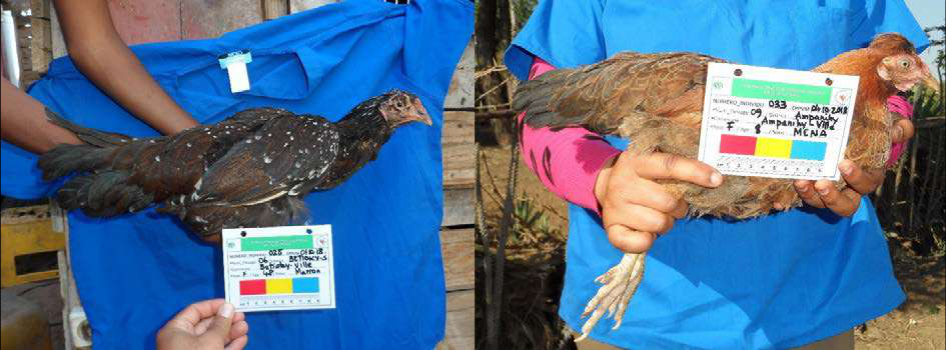 Figure 2
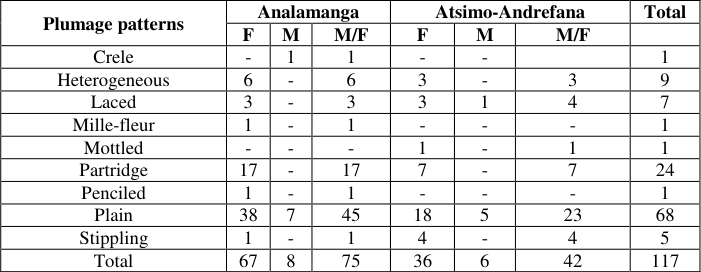 Table 2
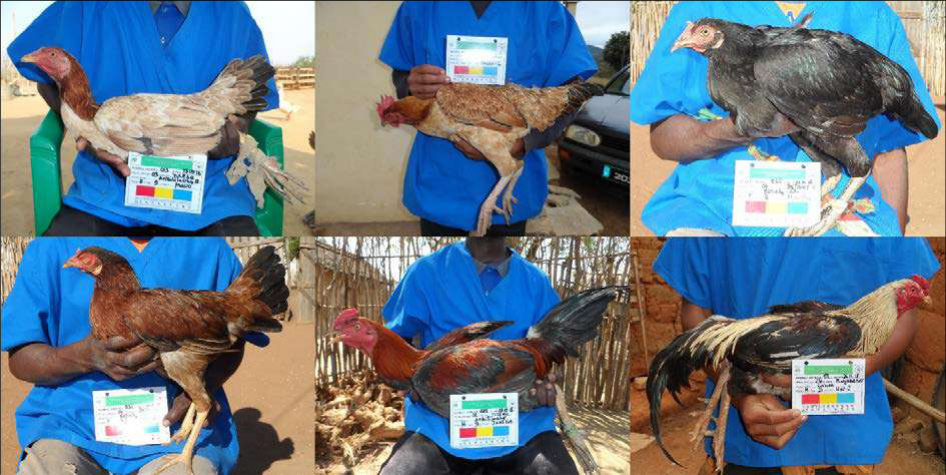 Figure 3
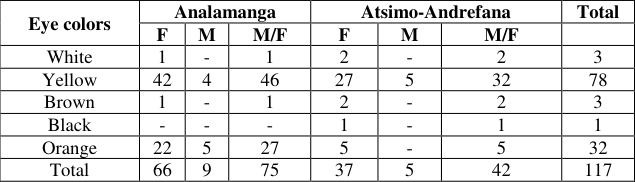 Table 3
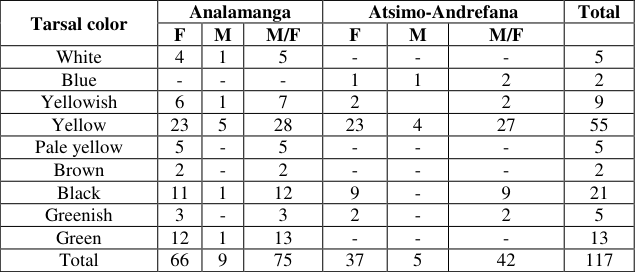 Table 4
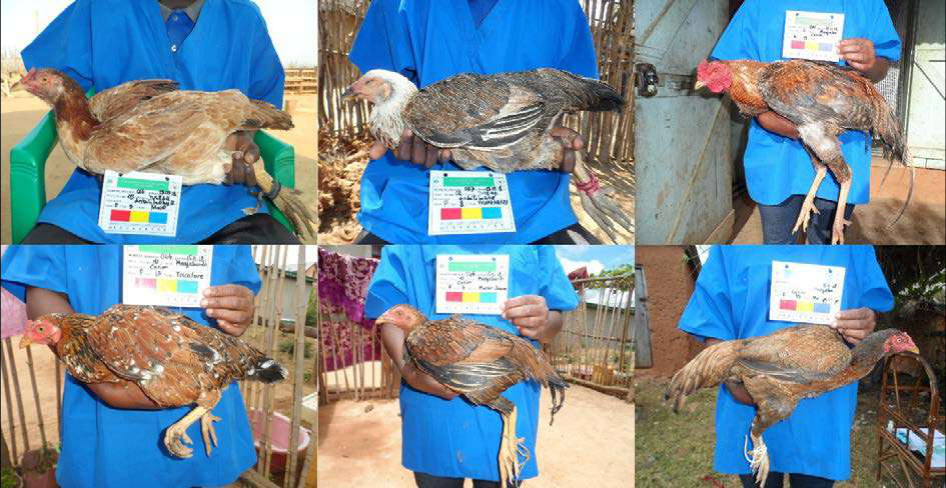 Figure 5
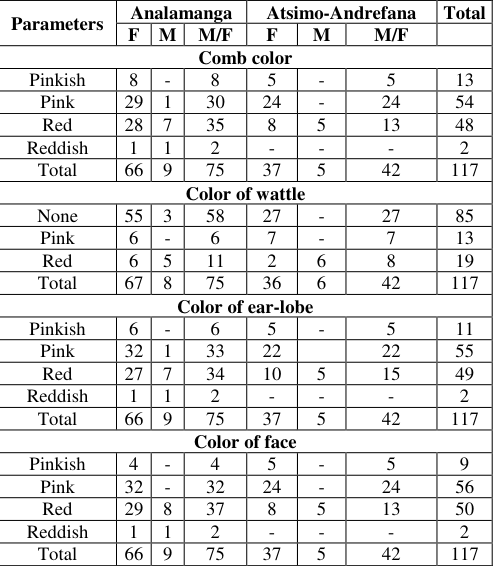 Table 6
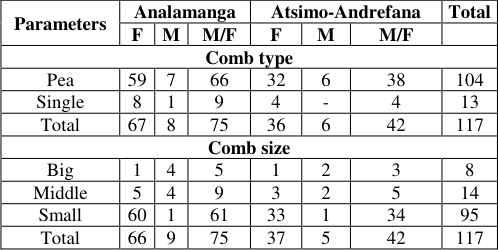 Table 5
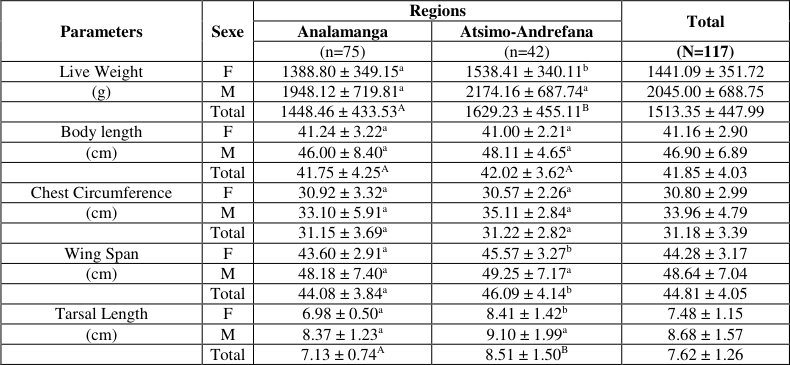 Table 7
 Table 8
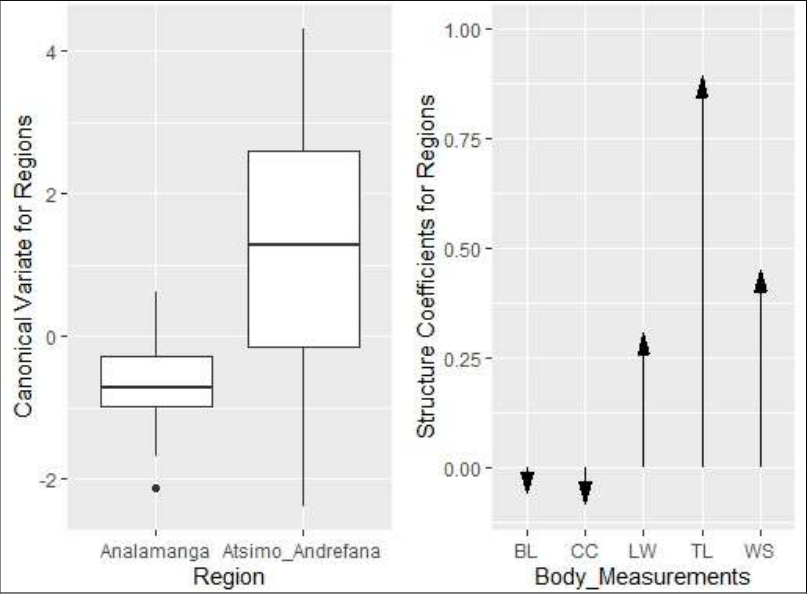 Figure 5
Introduction
Madagascar's avian herd, estimated at 39.916 million heads in 2019 [1] , consists mainly (83%) of Malagasy village chickens [2] called Akoho gasy (Gallus gallus domesticus). In 2017, mitochondrial DNAs analysis of 77 chickens around Antananarivo revealed the Akoho gasy is originated from East Africa due the presence of D haplotype. It is identified as well in the East African chickens (Herrera et al.). If molecular analysis showed this phylogenetic link, would the Akoho gasy then have the same phenotypic characters as African chickens? However, outside these investigations, there has not yet a study carried out about the phenotypic characterization of Malagasy chickens according to FAO guidelines even though it is essential to start any genetic study [3,4] . The only reported study is the one carried out by Koko et al. (2006b) in which they suspected the existence of ecotypes within the Akoho gasy given the wide variation of live weight of chickens in two agro-ecological zones of Madagascar (Hauts Plateaux Sud, i.e. Ambohimangakely and Moyen Est, i.e. Moramanga). Unfortunately, the morphological characteristics were not taken into consideration. Hence the interest of this present study, which has the aim to determine the morphologic and biometric characters of village Akoho gasy in the same zones.
Materials and Methods
Materials and Methods
Study sites
The study was conducted in two different agro-ecological zones of Madagascar: the Analamanga Region, which represents the Hauts Plateaux Sud zone, and the Atsimo Andrefana Region, which represents the Sud et Sud-Oues zone (Figure 1) [5] : -The Analamanga Region covers an area of 17,464Km 2 with a cultivated area/cultivable area ratio of 75%. The primary sector accounts the 49.02% of all activities, mainly food crops (rice, cassava, maize, sweet potatoes, etc.), vegetable crops (onions, peanuts, etc.), cash crops and industrial crops. The soil is mostly ferralitic and relatively fertile. The climate is of tropical altitude type with an annual average temperature of 19°C and rainfall of 1,100mm. It is characterized by the alternation of a rainy and hot season (November to April) and a cool and relatively dry season (May to October). The region is rich in water sources and is a home to 14 endemic plant species and 6 endemic wildlife species including amphibians, reptiles and birds. www.extensionjournal.com -The Atsimo Andrefana region covers an area of 66,236km 2 with a ratio of cultivated/cultivable area of 1.63%. The primary sector represents 96.6% of all activities. Food crops (rice, cassava, sweet potatoes, cape peas, maize, beans, peanuts, etc.) are important. The soil is sandy and calcareous with a semi-arid climate, characterized by a long dry season of 7 to 9 months. Rainfall is less than 600 mm per year. In terms of biodiversity, the region is home to flagship species such as the radiated turtle (Geochelone radiata), the Pyxis arachnoides turtle and nine species of endemic birds.
Data Collection
The study was conducted from September to November 2018 among rural households practicing village poultry farming with Akoho gasy. It consisted of direct observations of morphological parameters, weighing, body measurements, and photography of each animal (cock or hen) at the two study sites in a single visit according to FAO guidelines on primary characterization (2012). For data collection, questionnaires were developed by adapting the one proposed by FAO (2012). Morphological characters of each body part of the birds were determined by direct observation during the day such as appearance and size, plumage pattern, plumage color, plumage distribution, feather type, genetic type (standard size or dwarf) and colors of eye, skin, comb, ear-lobes, wattle and tarsus. All morphological data were collected according to the standard descriptor for chickens proposed by FAO and Coquerelle [4,6,7] . The biometric parameters studied in chickens were: live weight (LW), body length (BL), chest circumference (CC), wing span (WS) and tarsal length (TL). For weighing, a portable electronic scale (Wei Heng) with a capacity of 10 Kg and a precision of 5g was used and the body measurements were taken with a tape measure graduated in cm. Photographs were taken with a Samsung WB 150F camera.
Sample and sampling method
The inclusion of chickens was based on households or poultry farmers who were, in their turn, be chosen by "snowball" sampling due to the lack of data on the list of household-farmers. Thus, for the constitution of the sample, a poultry farmer was identified in a commune, and then he was asked to indicate all the poultry farmers he knew. The sample size then depended on the number of households and their animals available per study site. Male or female birds at the age of sexual maturity were included: 7-8 months for cocks and 6-7 months for hens [4] . Any cocks or hens with malformations that could affect the observations and measurements were excluded. www.extensionjournal.com
Study variables and data analyses
Qualitative variables (presented by morphological characters) and quantitative variables (by biometric characters or zootechnical performance) were taken as variables response. The two regions, Analamanga and Atsimo Andrefana, were chosen as factors to explain the response variables. All statistical analyses were always performed according to the proposals of FAO (2012). Student's test (univariate parametric test) or, where applicable, Wilcoxon test (nonparametric test) and discriminant analysis (multivariate test) were used to compare the biometric means of chickens from the two regions and to validate the classification of chickens into a group [4,8] . Moreover, the association of morphological characters with the region factor was analyzed with Fisher's exact test as reported by FAO (2012). The groups of a variable with zero values were excluded from the analysis. All statistical analyses were performed with R 3.6.1 using the corresponding packages. For all tests, p ≤ 0.05 indicates a significant value.
Results
A total of 117 hens and cocks were phenotypically characterized in this study.
Morphological characteristics Type and distribution of plumage
All plumage types were smooth (100%). Genetic types such as dwarfism (Figure 2A) and crest (Figure 2B) may occur. In our study, they were rare, i.e. respectively about 1.70% and 0.85%. These mutation traits affect only hens of the two Akoho gasy groups. The distribution of normal type plumage was the most observed in both groups of chickens with a proportion of 97.43%. Two (2) hens showed other plumage distribution such as muffs and beard found in a hen from Analamanga and thick plumage in a hen from Atsimo Andrefana (Figure 2). The hen with thick plumage had a higher weight (1520 g) than the mean (1441.09 g).
Colors and patterns of plumage
Eighteen (18) plumage colors were recorded for the 2 sites (Table 1). The colors are different in males and females. In the hen, light brown (22.33%; Figure 3A), brown (20.38%; Figure 3B), metallic black or barring (11.11%; Figure 3C), and dark brown (8.54%; Figure 3D) were the most frequent colors. For the groups of hens in the Analamanga region, light brown and brown predominate, while for those in the Atsimo Andrefana region, it is the opposite. The barring is shared between the two sites. In the cocks, two colors such as black-tailed red or "akoholahy mena" in Malagasy (Figure 3E) and black with yellow hackle or "akoholahy masira" (Figure 3F) are the most common with respective frequencies of 57.14% and 14.28%. Cocks have only 5 plumage colors among the 18 colors recorded. No color is significantly associated with regions or agro-ecological zones according to Fisher's exact test (p=0.13). 2) of which plain (58.11%; Figure 3) and partridge (20.51%; Figure 4A) were the most encountered for the 2 regions. The partridge, stippling and heterogeneous patterns are observed only in hens. The hens had all the listed patterns except the crele (Figure 4B). Nine (9) hens had heterogeneous patterns (Figure 4C). Six (6) hens or 5.12% had the laced pattern (Figure 4D). Most of the cocks or 85.71% only showed the plain pattern (Figure 3E and Figure 3F). Fisher's test showed no significant association between plumage patterns (p=0.19) or plumage colors (p=0.31) and the ecological regions.
| Color of plumage | Analamanga | — | — | Atsimo-Andrefana | — | — | Total |
|---|---|---|---|---|---|---|---|
| F | M | M/F | F | M | M/F | ||
| Barring | 8 | 1 | 9 | 5 | - | 5 | 14 |
| Black mottled | - | - | - | 1 | - | 1 | 1 |
| Black with yellow hackle | 4 | 2 | 6 | 1 | - | 1 | 7 |
| Black-tailed-red | - | 3 | 3 | - | 5 | 5 | 8 |
| Blue | - | - | - | 2 | 1 | 3 | 3 |
| Brown | 10 | - | 10 | 11 | - | 11 | 21 |
| Buff | 2 | - | 2 | - | - | - | 2 |
| Dark brown | 8 | - | 8 | 2 | - | 2 | 10 |
| Dark orange | 2 | - | 2 | - | - | - | 2 |
| Dark red | 1 | - | 1 | - | - | - | 1 |
| Dark slate | 1 | - | 1 | 2 | - | 2 | 3 |
| Dark yellow | 2 | - | 2 | 3 | - | 3 | 5 |
| Dirty white | - | - | 1 | - | 1 | 1 | |
| Light brown | 18 | - | 18 | 5 | - | 5 | 23 |
Table text extracted from the original PDF; superscript letters are shown inline. The original table image is below.
View original table image
Eye colors
Five eye colors were recorded for chickens in both regions, with predominance of yellow (66.67%) followed by orange (27.35%) (Table 3). The frequency of yellow is higher in Atsimo Andrefana (76.19%) than in Analamanga (61.33%) while orange is more frequent in Analamanga (29.33%) than in Atsimo Andrefana (11.90%). Other colors such as black, brown and white are rare, ranging from 0.85 to 2.56%. Fisher's test showed that at least one eye color (yellow or orange) is significantly associated with the study region (p=0.009), but did not determine which one.
| Eye colors | Analamanga | — | — | Atsimo-Andrefana | — | — | Total |
|---|---|---|---|---|---|---|---|
| F | M | M/F | F | M | M/F | ||
| White | 1 | - | 1 | 2 | - | 2 | 3 |
| Yellow | 42 | 4 | 46 | 27 | 5 | 32 | 78 |
| Brown | 1 | - | 1 | 2 | - | 2 | 3 |
| Black | - | - | - | 1 | - | 1 | 1 |
| Orange | 22 | 5 | 27 | 5 | - | 5 | 32 |
| Total | 66 | 9 | 75 | 37 | 5 | 42 | 117 |
Table text extracted from the original PDF; superscript letters are shown inline. The original table image is below.
View original table image
Morphological characteristics of the comb, wattles, earlobes and faces
Only two (2) types of comb were found in the study (Table 5). The pea comb was the most observed with an overall frequency of 98.47% (88% for Analamanga and 90% for Atsimo Andrefana). Fisher's exact test showed no significant association between agro-ecological zones and comb type (p=0.76) or comb size (p=1). In contrast, the association between comb type and comb size was significant with a value of p=0.00001. When a hen has a pea comb, her size is small (medium vs. small size, p=0.00004). Indeed, 89 out of 103 hens or 86.4% of the sample had small pea comb, regardless of genetic type or plumage pattern. In cocks, the single comb was less frequent (7.14%) for both groups. The comb, wattles, ear-lobes and face have the same color, red and its shades (Table 6). The shades range from pinkish to reddish. The respective frequencies of the pink and red colors are 46.15% and 41.02% for the combs, 40.62% and 59.38% for the wattles, 47% and 41.88% for the ear-lobes and 47.86% and 42.73% for the faces. The uniqueness of these colors is very evident in both groups of Akoho gasy. Thus, the pink and red colors represent respectively 46.47% and 43.34% with a total of 89.81% for all chickens. Most of the cocks (78.57%) have wattles, but 79.61% of the hens do not. Fisher's exact test showed no significant association between agro-ecological zones and comb color (p=0.18), wattles color (p=0.39), ear-lobes color (p=0.53) or face color (p=0.08).
| Parameters | Analamanga | — | — | Atsimo-Andrefana | — | — | Total |
|---|---|---|---|---|---|---|---|
| F | M | M/F | F | M | M/F | ||
| Comb type | |||||||
| Pea | 59 | 7 | 66 | 32 | 6 | 38 | 104 |
| Single | 8 | 1 | 9 | 4 | - | 4 | 13 |
| Total | 67 | 8 | 75 | 36 | 6 | 42 | 117 |
| Comb size | |||||||
| Big | 1 | 4 | 5 | 1 | 2 | 3 | 8 |
| Middle | 5 | 4 | 9 | 3 | 2 | 5 | 14 |
| Small | 60 | 1 | 61 | 33 | 1 | 34 | 95 |
| Total | 66 | 9 | 75 | 37 | 5 | 42 | 117 |
Table text extracted from the original PDF; superscript letters are shown inline. The original table image is below.
View original table image
| Parameters | Analamanga | — | — | Atsimo-Andrefana | — | — | Total |
|---|---|---|---|---|---|---|---|
| F | M | M/F | F | M | M/F | ||
| Comb color | |||||||
| Pinkish | 8 | - | 8 | 5 | - | 5 | 13 |
| Pink | 29 | 1 | 30 | 24 | - | 24 | 54 |
| Red | 28 | 7 | 35 | 8 | 5 | 13 | 48 |
| Reddish | 1 | 1 | 2 | - | - | - | 2 |
| Total | 66 | 9 | 75 | 37 | 5 | 42 | 117 |
| Color of wattle | |||||||
| None | 55 | 3 | 58 | 27 | - | 27 | 85 |
| Pink | 6 | - | 6 | 7 | - | 7 | 13 |
| Red | 6 | 5 | 11 | 2 | 6 | 8 | 19 |
| Total | 67 | 8 | 75 | 36 | 6 | 42 | 117 |
| Color of ear-lobe | |||||||
| Pinkish | 6 | - | 6 | 5 | - | 5 | 11 |
| Pink | 32 | 1 | 33 | 22 | 22 | 55 | |
| Red | 27 | 7 | 34 | 10 | 5 | 15 | 49 |
| Reddish | 1 | 1 | 2 | - | - | - | 2 |
| Total | 66 | 9 | 75 | 37 | 5 | 42 | 117 |
| Color of face | |||||||
| Pinkish | 4 | - | 4 | 5 | - | 5 | 9 |
| Pink | 32 | - | 32 | 24 | - | 24 | 56 |
| Red | 29 | 8 | 37 | 8 | 5 | 13 | 50 |
| Reddish | 1 | 1 | 2 | - | - | - | 2 |
| Total | 66 | 9 | 75 | 37 | 5 | 42 | 117 |
Table text extracted from the original PDF; superscript letters are shown inline. The original table image is below.
View original table image
Biometric characteristics Univariate comparisons of biometric means
Weight values ranged from 920g to 3265g for cocks and from 615g to 2310g for hens. Biometric values are significantly higher for cocks than for hens in both study areas highlighting sexual dimorphism (Table 7).
| Parameters | Sexe | Regions | — | Total |
|---|---|---|---|---|
| Analamanga | Atsimo-Andrefana | |||
| (n=75) | (n=42) | (N=117) | ||
| Live Weight | F | 1388.80 ± 349.15a | 1538.41 ± 340.11b | 1441.09 ± 351.72 |
| (g) | M | 1948.12 ± 719.81a | 2174.16 ± 687.74a | 2045.00 ± 688.75 |
| Total | 1448.46 ± 433.53A | 1629.23 ± 455.11B | 1513.35 ± 447.99 | |
| Body length | F | 41.24 ± 3.22a | 41.00 ± 2.21a | 41.16 ± 2.90 |
| (cm) | M | 46.00 ± 8.40a | 48.11 ± 4.65a | 46.90 ± 6.89 |
| Total | 41.75 ± 4.25A | 42.02 ± 3.62A | 41.85 ± 4.03 | |
| Chest Circumference | F | 30.92 ± 3.32a | 30.57 ± 2.26a | 30.80 ± 2.99 |
| (cm) | M | 33.10 ± 5.91a | 35.11 ± 2.84a | 33.96 ± 4.79 |
| Total | 31.15 ± 3.69a | 31.22 ± 2.82a | 31.18 ± 3.39 | |
| Wing Span | F | 43.60 ± 2.91a | 45.57 ± 3.27b | 44.28 ± 3.17 |
| (cm) | M | 48.18 ± 7.40a | 49.25 ± 7.17a | 48.64 ± 7.04 |
| Total | 44.08 ± 3.84a | 46.09 ± 4.14b | 44.81 ± 4.05 | |
| Tarsal Length | F | 6.98 ± 0.50a | 8.41 ± 1.42b | 7.48 ± 1.15 |
| (cm) | M | 8.37 ± 1.23a | 9.10 ± 1.99a | 8.68 ± 1.57 |
| Total | 7.13 ± 0.74A | 8.51 ± 1.50B | 7.62 ± 1.26 |
Table text extracted from the original PDF; superscript letters are shown inline. The original table image is below.
View original table image
Multivariate comparisons of hen biometric means
The Discriminant Analysis (DA) shows that the first discriminant function (Axis 1) provides a separation percentage of the groups of hens from the two regions of 100% (Table 8). The contributions of the variables of mensuration for the discrimination on Axis 1 show that there is opposition between the group of variables TL (+1.137), LW (+0.267) and the group WS (-0.122), CC (-0.146) and BL (-0.640) according to their standard coefficients.
The values of class means (-0.646 for Analamanga and +1.203 for Atsimo Andrefana) show a significant difference between the two groups of hens (Figure 5). Tarsal length, wing span, and live weight differentiate between hen of Analamanga and those of Atsimo Andrefana according respectively to their canonical structure coefficients of +0.892, +0.447 and +0.306 (Figure 5). The group of hens from Atsimo Andrefana had significant longer tarsi, wider wings and higher weight than the group from Analamanga.
In contrast, the body length and the chest circumference do not significantly distinguish the two groups. The results of univariate (Student's test and Wilcoxon test) and multivariate (discriminant analysis) statistical tests cohere and significantly differentiate the two groups of village chickens by the variables TL, WS and LW (Table 7 and Figure 5).
Discussion
According to these results, phenotypic diversity is observed in both groups of Akoho gasy. In contrast to commercial lines and standardized breeds, this diversity may probably be the result of uncontrolled crosses or lack of standardized selection in Malagasy village chickens as occurs in many African countries [9,10] .
Qualitative characters Type, distribution and pattern of plumage
Our results on normal plumage type (100%) are consistent with those reported in the chicken population located in the Kaff zone, Southwestern Ethiopia (100%) [11] and in indigenous chickens of Southern Ethiopia (89.1%) [12] . In contrast, the results of Dana et al. (2010) [14] showed a less frequent normal type plumage of 58% versus 42% for the silky type plumage.
The normal plumage distribution found in both groups of Akoho gasy (97.43%) is comparable to those identified in Kenya (96.6%) [13] , Ethiopia (98% and 83.2%) [12,14] and Cameroon (87.64%) [15] . However, published results from Uganda [16] show different proportions with other distribution types. Indeed, 75% of the chickens are normal www.extensionjournal.com type plumage, 12% with crest, 9% naked neck and 4% with feathered tarsi. Also in Ethiopia, a lower frequency of normal type plumage of 75.2% was reported by Tadele et al. (2018). Higher respective frequencies of 28%, 31%, and 41%, of naked neck chickens were reported in chickens from the Gamo Gofa administrative zone in Ethiopia [12] , the Kakamega chicken ecotype in Kenya [17] , and local hens in Togo [9] . For the muffs and the beard, a close frequency to the present study (0.85% for Akoho gasy vs. In contrast, the frequency of the plain pattern (represented by colors such as white (8.13%), dirty white (7.07%), tan (6.40%), gray (0.40%), black (5.33%), black-tailed red (4.93%), and black with golden hackle (4.67%), totaling 36.93%) reported from Togo [9] is lower compared to our study (58.11%). Yet, the frequency of the partridge pattern recorded in Togo, 20.8% (golden partridge 13.6% and silver partridge 7.20%), is comparable with our present study (20.51%). The mottled pattern is rare according to our results (0.85%) while it is found in 26.67% of the local chicken population in Nigeria [18] . The mille-fleur and cuckoo patterns are more common in Cameroon and are respectively around 6.27% and 12.73% according to the study of Haoua et al. (2015) [15] .
Plumage color
The variability in plumage colors encountered in this study (18) is in coherence with the ten (10) colors of indigenous chickens reported in Kenya [17] . The same results were also found in Togo with 23 to 28 colors [9] , in the Kaff Zone in southeastern Ethiopia with 10 colors [11] , in Cameroon with 15 colors [15] , and in Benin with 22 colors for Forest chickens and 18 for Savanna chickens [10] . The black-tailed red plumage of cocks reported with a proportion of 22% in Togo [9] was also found in Akoho gasy chicken groups in both Malagasy regions (57.14%). In contrast, the white plumage that Dao et al. reported with a frequency of 10% in 150 cocks was not found in the present study.
In hens, the predominance of light brown (22.33%) and brown (20.38%) in our results diverges from those reported by Ngeno et al. (2014) showing the superiority of black plumage for the Bomet, Narok, and West Pokot chicken ecotypes, but agrees with the brown plumage reported in the same study in the Siaya ecotype. The rest of the plumage colors identified in the present study are highly varied and are similar to the results reported in Cameroon for red (2.87%) and multicolor (7.71%) [15] .
Type and size of comb
More comb types than those found in this study (single and pea) were recorded in Ethiopia: single, pea, buttercup, duplex, rose, strawberry, and walnut types [19] . Similarly, in Cameroon, six types of comb were recorded: single, rose, spiky rose, walnut, pea and double [7] .
Our studies showed that the pea comb is more prevalent in both Madagascar regions (88%) than in native Ethiopian chickens (49-56%) [14] . In contrast, higher frequencies of single comb were encountered in Cameroon (98%) and Kenya (>83%) [7,17] . The small size of the ear-lobes and wattles of pea combed hens in both regions is identical to that observed in the Red Junglefowl in Malaysia [20] . Furthermore, the absence of comb in some hens and the presence of a few protrusions instead, according to Fotsa et al. (2010), probably explains the smallness of the pea comb observed in 86.4% of the two groups of Akoho gasy.
Colors of ear-lobes, wattles, combs and faces
Similar results to the present study (41.88%) were reported in Cameroon (39.7%) and in Ethiopia (52%) for the frequency of red ear-lobes [14,21] . However, other colors that we did not detect were reported as white (35.7%) [21] and yellow (8%) [14] . Youssao et al. (2010) reported more colors (white, bluish white, sandy, red, gray, and yellow) with respective predominance of white at 45.1% and 60.8% the Savanna and Forest ecotypes of Benin [10] . Black, gray, and brown were reported at low frequencies in Kenya [17] .
For the comb, more colors (8) than those identified in this study (4) were also found in Cameroon [15] . Their frequencies were 73.2% for red, 15.65% for pink, 4.86% for black, 0.54% for yellow, and 0.36-3.42% for red/black, brown, white, and gray. The predominance of pink comb that we found (46.15%) in our results would therefore require further investigation to know if it was due to a normal color or a pathology. Indeed, some studies report that comb color is an indicator of health status and fertility of chickens [22,23] . The uniqueness colors of wattle, comb and ear-lobe which is represented by shades of red (Table 6) is consistent with the results reported in Ethiopia [19] and in fancy chickens [24] . In Kenya, similar results were also recorded in native chickens for red color of the comb and wattles [25] .
Eye color
The results of this study showed eye colors with a frequency of 66.67% for yellow and 27.35% for orange. Reverse results were found in local hens in the Western Highlands of Cameroon which are more characterized by orange eyes (57.9%) followed by yellow (31%) [21] . Higher frequencies of orange of 81.7%, 72.7 and 62% were also respectively found in Algeria [3] , Benin Forest chickens [10] and Kenyan indigenous chickens [17] . On the other hand, red (37.6%) and gray (24.2%), which are more represented in Benin Savannah chickens [10] , were not reported in the two Akoho gasy groups.
Tarsal color
The predominance of yellow tarsus in this study (58.97%) is comparable to the results shown by Dana et al. (60%; 2010) [10] Similar results were also reported for black tarsus in Uganda with a frequency of 21% [16] compared to 17.94% in the present study. On the other hand, white tarsus is more frequent in Niger [13] , Algeria [3] , the Sudano-Sahelian agroecological zone of Cameroon [15] and Togo [9] with respective proportion of 45.1%, 40.9%, 38.52% and 34%. In Nigeria, different results marked by the superiority of the www.extensionjournal.com frequency of black tarsus (42.22%) followed by white (38.89%) and yellow (18.89%) were reported [18] . The rarity of brown tarsus found in our results (4.27%) was supported by Hassan et al. (2020) with a proportion of 0.5%.
Skin color
The results of the present study differ from those found in Cameroon which show that 4 skin colors were reported (white, pink, yellow and pigmented) with predominance of white (40.9%), followed by yellow (37.3%) and pink (21.5%) [21] . Fotsa et al. (2010) also determined that Cameroonian chickens in the Central Province shared the same proportions for yellow and white, but the Southern and Eastern Provinces showed higher respective proportions of yellow at 66.4% and 69%. In Togo, an even higher frequency of white (76%) was published while pink was rare (1 individual among the 750, or 0.13%) [9] . In Ethiopia, white and yellow are the only colors recorded with predominance of yellow at 58% [14] .
Live weight and body measurements
The average weight of chickens in the Analamanga and Atsimo Andrefana regions of 1513.35g ± 447 (2045g ± 688 in cocks and 1441g ± 351 in hens) is lower than those found by Koko et al. which were respectively 2460g and 1620g [26] . However, their study, carried out in the same Hauts Plateaux Sud zone (Ambohimangakely) and in the Moyen Est zone (Moramanga) of Madagascar, showed heterogeneity in weights ranging from 600 to 4010g, all genera combined. These values are higher than those of most village chickens in Africa. Indeed, lower live weights have been reported in Benin (1177g for cocks and 965g for hens) [10] , in Côte d'Ivoire (1571.79g ± 60.69 and 1120.78g ± 29.70) [27] , in Ethiopia (1612g ± 458 and 1266g ± 373, in 2010; 1540g ± 0.016 and 1200g ± 0.012, in 2013) [14,19] , in Togo (1540.81g ± 399.74 and 1088.62g ± 244.26) [9] , in Cameroon (1535g ± 403 and 1220g ± 258 in 2010; 1588g ± 332 and 1323g ± 269 in 2016) [7,15] and in Algeria for cocks (1716g ± 17.53) [3] . In contrast, higher live weights were reported in Uganda for cocks (2100g) [16] , in India for Punjabi brown chickens (2150g ± 0.94 and 1570g ± 0.04) [28] and in Algeria for hens (1451g ± 10.41) [3] . Regarding body measurements, lower body lengths (BL), chest circumferences (CC) and wing spans (WS) were observed in Cameroon (BL = 43.96cm ± 3.12 and 40.59cm ± 2.61; CC = 31.47cm ± 3. 59 and 30.14cm ± 3.48) [15] , in Togo (BL = 41.07cm and 35.94cm) [9] and in Nigeria (BL = 40.30cm ± 0.44 and 37.21cm ± 0.43; CC = 30.63cm ± 0.47 and 29.28cm ± 0.46; WS = 46.34cm ± 0.46 and 41.44cm ± 0.45) [13] . In contrast, similar tarsal lengths to those in our study (8.68cm ± 1.57 in cocks and 7.48cm ± 1.15 in hens) were recorded in Konso Ethiopia (10.1cm ± 0.6 and 7.1cm ± 0.6) [14] , in the Dry Savannah of Togo (10.18cm and 8.06cm) [9] , in Cameroon (7.68cm ± 0.79 and 6.28cm ± 0.8) [21] , in Kenya (10.92cm ± 0.32, all genera combined) [17] and in Algeria (9.85cm ± 0.06 and 8.81cm ± 0.04) [3] . The sexual dimorphism toward live weight and body measurements that we identified in this study was also reported in the studies conducted by Dana et al. (2010) [10] , Haoua et al. (2015) [15] and by Tadele et al. (2018).
Influence of agro-ecological zones
The superiority weight of chickens in Atsimo Andrefana is probably related to the agro-ecological characteristics of the area, such as access to more nutritious plant products (maize, cassava, sweet potato, and cape peas), the absence of extreme cold or frequent bad weather, animal epidemiological status and the presence of certain disease resistance genes. A study of the Mx gene for resistance to viral infections conducted in Madagascar showed the presence of gene in a sample of chickens located around Antananarivo [29] . The long wings and long tarsi of chickens in Atsimo Andrefana may be due to the fact that these birds live in a wilder environment than those in Analamanga, hence their development. In addition, the animals probably have a greater capacity for jumping and flying than the chickens of the North. It should be recalled that the Red Junglefowl population, an ancestor of domestic chickens, is endowed with flight ability in its natural environment [20,30] .
Identification of Akoho gasy ecotypes and future studies
Seeing the differences in live weight and body measurements confirmed by statistical analysis and the few morphological differences identified between the two groups of Akoho gasy, we can deduce that the two groups of chickens from the Analamanga and Atsimo Andrefana regions constitute two different ecotypes. Indeed, an ecotype is a variant separated by a distinct habitat (represented here by the two agro-ecological zones: the Hauts Plateaux Sud Zone and the Sud et Sud-Ouest Zone) [5] , which represents phenotypic aspects too subtle to justify classification as a subspecies [31] . In Benin, the two ecotypes of the Savanna and the Forest chickens were differentiated by morphometric and phanerotic characters [10] . Furthermore, based also on morpho-biometric traits of chickens from both regions, a general similarity is observed between African chickens and Akoho gasy. This similarity is explained by the East African origin of local Malagasy chickens based on mitochondrial DNAs analysis [32] . However, phenotypic differences that are likely due to the evolution of these chickens during their adaptation in the Big Island were identified through live weight, type and size of the comb; and colors of eye, skin and tarsi. This leads us to determine further whether the Akoho gasy would be distinguished from African chicken populations as a distinct breed or not. In order to achieve there, molecular genetic studies preceded by large-scale morpho-biometric characterizations are necessary.
Limitations of the study and its interpretations
First, despite the results identified in the two groups of Akoho gasy, their interpretations are therefore limited to the number of samples taken at the study sites. Consequently, heterogeneous body measurements between ± 447.99g for live weight, ± 4.03cm for body length, ± 3.39cm for chest circumference, ± 4.05cm for wingspan and ± 1.27cm for tarsal length were still recorded. According to FAO guidelines, the sample size should be at least 100 hens and 10 cocks per study area [4] . In Algeria, a larger sample size of 778 chickens resulted in a more homogenous weight between ± 17.53g in cocks and ± 10.41g in hens [3] . Second, our results are limited in relation to the number of agro-ecological zones studied to characterize Akoho gasy because there are, in total, ten (10) in Madagascar [5] . Further investigations in the unstudied agro-ecological www.extensionjournal.com zones are necessary to identify other possible phenotypic characters.
Conclusion
The phenotypic characterization of the Akoho gasy across the two agro-ecological zones allowed the identification of two ecotypes characterized by their morphological diversity, their superiority in weight compared to some African chickens and their evolution from East African chickens.
Acknowledgement
AcknowledgementsThe authors would like to thank the Malagasy Institute of Veterinary Vaccines (IMVAVET) and the FOFIFA/Department of Zootechnical, Veterinary and Fish Researches and all their teams for making this study possible. We would like also to thank the veterinarians and their teams, the village chicken farmers in the two study regions and Miss Hanitra Andrianaina for translating this article into English.
Figures and tables from the paper
| Plumage patterns | Analamanga | — | — | Atsimo-Andrefana | — | — | Total |
|---|---|---|---|---|---|---|---|
| F | M | M/F | F | M | M/F | ||
| Crele | - | 1 | 1 | - | - | 1 | |
| Heterogeneous | 6 | - | 6 | 3 | - | 3 | 9 |
| Laced | 3 | - | 3 | 3 | 1 | 4 | 7 |
| Mille-fleur | 1 | - | 1 | - | - | - | 1 |
| Mottled | - | - | - | 1 | - | 1 | 1 |
| Partridge | 17 | - | 17 | 7 | - | 7 | 24 |
| Penciled | 1 | - | 1 | - | - | - | 1 |
| Plain | 38 | 7 | 45 | 18 | 5 | 23 | 68 |
| Stippling | 1 | - | 1 | 4 | - | 4 | 5 |
| Total | 67 | 8 | 75 | 36 | 6 | 42 | 117 |
Table text extracted from the original PDF; superscript letters are shown inline. The original table image is below.
View original table image
| Tarsal color | Analamanga | — | — | Atsimo-Andrefana | — | — | Total |
|---|---|---|---|---|---|---|---|
| F | M | M/F | F | M | M/F | ||
| White | 4 | 1 | 5 | - | - | - | 5 |
| Blue | - | - | - | 1 | 1 | 2 | 2 |
| Yellowish | 6 | 1 | 7 | 2 | 2 | 9 | |
| Yellow | 23 | 5 | 28 | 23 | 4 | 27 | 55 |
| Pale yellow | 5 | - | 5 | - | - | - | 5 |
| Brown | 2 | - | 2 | - | - | - | 2 |
| Black | 11 | 1 | 12 | 9 | - | 9 | 21 |
| Greenish | 3 | - | 3 | 2 | - | 2 | 5 |
| Green | 12 | 1 | 13 | - | - | - | 13 |
| Total | 66 | 9 | 75 | 37 | 5 | 42 | 117 |
Table text extracted from the original PDF; superscript letters are shown inline. The original table image is below.
View original table image
References
31 in the original paper- FAOSTAT. Food and Agriculture Organization of the United Nations http://www.fao.org/faostat/en/#data/QA. April, 2021
- Ministère de l'Agriculture, de l'Élevage et de la Pêche. Récensement de l'Agriculture (RA), campagne agricole 2004-2005, Tome IV. http://www.instepp.umn.edu/products/madagascar20042005-vol-4. April 01, 2015
- Dahloum L, Moula N, Halbouche M, Mignon-Grasteau S. Phenotypic characterization of the indigenous chickens (Gallus gallus) in the northwest of Algeria. Arch. Anim. Breed 2016;59(1)79-90.
- FAO. Phenotypic characterization of animal genetic resources. Food and Agriculture Organization (FAO) Animal Production and Health Guidelines No. 11. Rome 2012, 142 p.
- Evaluation rapide de la production agricole, de la sécurité alimentaire et des impacts du covid-19 à Madagascar : Campagne agricole 2019-2020.
- Coquerelle G. Les poules : Diversité génétique visible. 1st Edition ed. INRA 2000, 181 p.
- Fotsa JC, Rognon X, Tixier-Boichard M, Coquerelle G, Poné Kamdem D, Ngou Ngoupayou JD, et al. Caractérisation phénotypique des populations de poules locales (Gallus Gallus) de la zone forestière dense humide à pluviométrie bimodale du Cameroun. Animal Genetic Resources 2010;46:49-59.
- Klecka WP. Discriminant analysis. Sage University Paper Series on Quantitative Applications in the Social sciences, 07-019. Sage Publications, Beverly Hills, Etats Unis d'Amérique et Londres 1980.
- Dao B, Kossoga A, Lombo Y, Ekoué S, Talaki E, Dayo GK, et al. Phenotypic characterisation of local chicken (Gallus gallus domesticus) populations in Togo. Bulletin of Animal Health and Production in Africa 2015;63(4, Special Edition):15-33.
- Youssao I, Tobada P, Koutinhouin B, Dahouda M, Idrissou N, Bonou G, S. Phenotypic characterisation and molecular polymorphism of indigenous poultry populations of the species Gallus gallus of Savannah and Forest ecotypes of Benin. African Journal of Biotechnology 2010;9(3):369-81.
- Tadele A, Melesse A, Taye M. Phenotypic and morphological characterizations of indigenous chicken populations in Kaff Zone, South-Western Ethiopia. Animal Husbandry, Dairy and Veterinary Science 2018;2(1):1-9.
- Melesse A, Negesse T. Morphological features of indigenous chicken populations of Ethiopia. Animal Genetic Resources 2011;49:19-31.
- Hassan OM, Keambou TC, Issa S, Hima K, Adamou MLI, Bakasso Y. Morpho-biometric characterization of local chicken population in Niger. GSC Biological and Pharmaceutical Sciences 2020;13(02):211-24.
- Dana N, Dessie T, van der Waaij LH, van Arendonk JAM. Morphological features of indigenous chicken populations of Ethiopia. Animal Genetic Resources 2010;46:11-23.
- Haoua MT, Poutougnigni MY, Keambou TC, Manjeli Y. Morphobiometrical diversity of the indigenous chicken's population in the Sudano-sahelian zone of Cameroon. Scientific Journal of Animal Science 2015;4(11):133-54.
- Ssewannyana E, Ssali A, Kasadha T, Dhikusooka M, Kasoma P, Kalema J, et al. On-farm characterization of indigenous chickens in Uganda. Journal of Animal & Plant Sciences 2008;1(2):33-7.
- Ngeno K, van der Waaij EH, Kahi AK, van Arendonk JAM. Morphological features of indigenous chicken ecotype populations of Kenya. Animal Genetic Resources 2014;55:115-24.
- Egahi JO, Dim NI, Momoh OM, Gwaza DS. Variations in Qualitative Traits in the Nigerian Local Chicken. International Journal of Poultry Science 2010;9(10):978-9.
- Desta TT, Dessie T, Bettridge J, Lynch SE, Melese K, Collins M, et al. Signature of artificial selection and ecological landscape on morphological structures of Ethiopian village chickens. Animal Genetic Resources 2013;52:17-29.
- Syahar AAG, Zakaria MH, Zuki ABZ, Lokman HI, Mazlina M. The existence of red junglefowls (Gallus gallus) in oil palm plantations in selected states in Malaysia and their morphological characteristics. J. Vet. Malaysia 2014;26(2):38-40.
- Keambou TC, Manjeli Y. Phanéroptique et zoométrie chez quatre types génétiques de poules locales des hautes terres de l'ouest Cameroun. Bulletin of Animal Health and Production in Africa 2015;63(4, Special Edition):79-109.
- Hume T. Backyard chicken husbandry -Part 1: Companion Animal 2011;16:43-6.
- Navara KJ, Anderson EM, Edwards ML. Comb size and color relate to sperm quality: a test of the phenotype-linked fertility hypothesis. Behavioral Ecology 2012;23(5):1036-41.
- Wragg D, Mwacharo JM, Alcalde JA, Hocking PM, Hanotte O. Analysis of genome-wide structure, diversity and fine mapping of Mendelian traits in traditional and village chickens. Heredity (Edinb) 2012;109(1):6-18.
- Kingori AM, Wachira AM, Tuitoek JK. Indigenous Chicken Production in Kenya: A Review. International www.extensionjournal.com Journal of Poultry Science 2010;9:309-16.
- N'dri AL, Fofana N, Okon AJL, BA-GA. Biometric characterization of local chicken "Gallus gallus domesticus" according to the sex and phenotype from traditional breedings of Dabakala (Côte d'Ivoire). International Journal of Environmental & Agriculture Research (IJOEAR) 2016;2(3):6.
- Vij PK, Tantia MS, Vijh RK. Characterization of Punjab Brown chicken. Animal Genetic Resources Information 2011;39:65-76.
- Razafindraibe H, Mobegi VA, Ommeh SC, Rakotondravao M, Bjørnstad G, Hanotte O, et al. Mitochondrial DNA Origin of Indigenous Malagasy Chicken. Annals of the New York Academy of Sciences 2008;1149(1):77-9.
- Arshad MI. An ecological study of Red Junglefowl (Gallus Gallus Spadiceus) in agriculture areas. Universiti Putra Malaysia [Thesis] 1999.
- Mayr E. VIII-Nongeographic speciation. Systematics and the Origin of Species, from the Viewpoint of a Zoologist: Harvard University Press 1999, 194-5.
- Herrera MB, Thomson VA, Wadley JJ, Piper PJ, Sulandari S, Dharmayanthi AB, et al. East African origins for Madagascan chickens as indicated by mitochondrial DNA. Royal Society Open Science 2017;4(3):1-12.
Cited by 1
From OpenAlex, OpenCitations and reference lists read by Scinovex
- Performance of local breed hens (Gallus gallus domesticus) in two agro-ecological zones of Madagascar (High plateaus-south and south-east)
Tchuidjang MJ, Andriamaroarison AT, Maminiaina OF, Rakoto DAD · International Journal of Agriculture Extension and Social Development · 2024
Traditional poultry farming in Madagascar occupies an important place in the household economy despite the challenges it faces. To have a better understanding of the production performance of poultry in Madagascar, a follow-up of 503 adult hens was carried out over 6 months in the High Plateaus - South and South-East agroecological zones. Data relating to egg and chick production were collected. It emerges from a total of 4728 eggs counted that 77.2% were white, and 89.6% were oval for the two study areas. The average weight of an egg was 43.75±4.79 g for an average length of 4.92±0.25 cm and