
Research article · 2021 · Full text
International Journal of Agriculture Extension and Social DevelopmentImproved silage manufacturing technique
Volume 4(2) · Pages 117–123 · DOI: 10.33545/26180723.2021.v4.i2b.111 ↗
Research areasRuminant Nutrition and Digestive PhysiologyLivestock Farming and ManagementCrop Yield and Soil Fertility
Abstract
Author-writtenIn the rainy season, abundant, high-quality forage decreases in quantity and quality in the dry season. Silage production is necessary. Silos in large farms are expensive, micro-silos are envisaged for small farmers. The confection begins with a micro-silo in a fragile transparent plastic bag and small drums replaced by a resistant opaque bag and large barrel after in a welded tarpaulin. Green and ensiled plant materials are analyzed bromatologically and organoleptically. Tests on animals fed silage with silos in tarpaulin are methods. The plants used are Stylosanthes guianensis CIAT 194 and Zea mays in early and late stages, Brachiaria brizantha, and Pennisetum giganteum tardif. Eight cows are tested with Zea mays ensilated in large tarpaulins and twelve lambs with Pennisetum compared to Zea mays ensilated in small tarpaulins. Stylosanthes, a legume rich in nitrogen, young silage has a loss of nitrogen. Harvested late, silage improves this content. The protein content of Zea mays ensiled increases and is significantly higher than that of Pennisetum. The organoleptic quality of silages from the first micro-silos does not fully satisfy good manufacturing practices. The technical aspects are oriented to the evolution of ensilassion. Cows fed silage in Zea mays tarpaulin have a high weight gain compared to controls. This of the sheep fed Pennisetum is lower than those fed Zea mays. Pennisetum presents an advantage by its high biomass. The silage manufacturing technique improves by satisfying good practices.
Summary
Source-checkedPlain-language reading of the full paper, prepared with AI and checked against the text. Each point links to the authors' own words.
Why it matters
- In Madagascar, ruminant forage is plentiful and high-quality during the rainy season but declines in both amount and nutritional value during the dry season. View evidence ↗
- Standard silo silage systems are too expensive for the majority of farmers who only manage small herds. View evidence ↗
The question
- The study aims to develop and improve micro-silo manufacturing techniques for small farmers, evaluating them based on nutritional value and organoleptic quality. View evidence ↗
What they did
- The researchers tested an evolution of storage materials, moving from transparent plastic bags and small drums to opaque resistant bags, large drums, and finally welded tarpaulins. View evidence ↗
- The forage plants tested included Zea mays (early and late stages), Stylosanthes guianensis CIAT 194, Brachiaria brizantha, and Pennisetum giganteum. View evidence ↗
- Animal tests were conducted on 8 cows (4 control, 4 tested) and 12 lambs (divided into control, Pennisetum, and Zea mays lots). View evidence ↗
What they found
- For Stylosanthes guianensis, young silage resulted in nitrogen loss, whereas harvesting the plant late improved the nitrogen content in the silage. View evidence ↗
- Ensilage increased the protein content of Zea mays, which remained significantly higher than that of Pennisetum. View evidence ↗
- Switching to larger drums and opaque, resistant bags reduced mould occurrence to 6%. View evidence ↗
- Sheep fed Pennisetum giganteum silage showed lower weight gain compared to those fed Zea mays silage because their nutritional needs were not fully met. View evidence ↗
What it means
- The authors conclude that welded tarpaulins are necessary for high-quality bagged silage to prevent air penetration through seams. View evidence ↗
- The authors recommend supplementing Pennisetum giganteum silage with other protein-rich materials to satisfy animal nutritional needs. View evidence ↗
- The authors noted that the technical process was generally successful, except for the consistency of fodder hashing performed by peasants. View evidence ↗
Visual summary
3 visualsIllustrations explain the paper; charts are replotted from the paper's own table values.
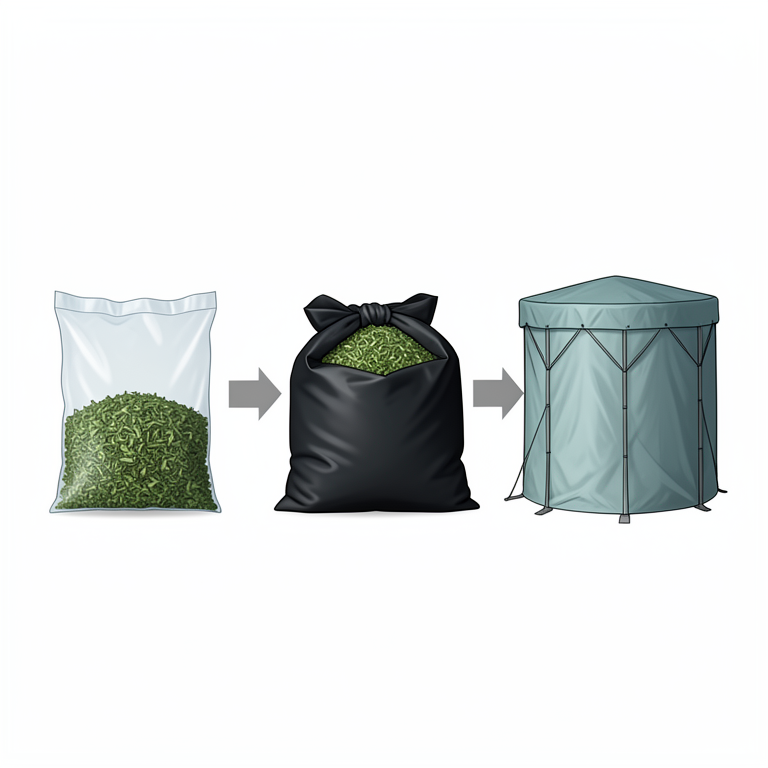
Evolution of Micro-Silo Materials
AI-generated conceptual illustration (silage storage containers). It explains the idea and does not show study data.
View source evidence ↗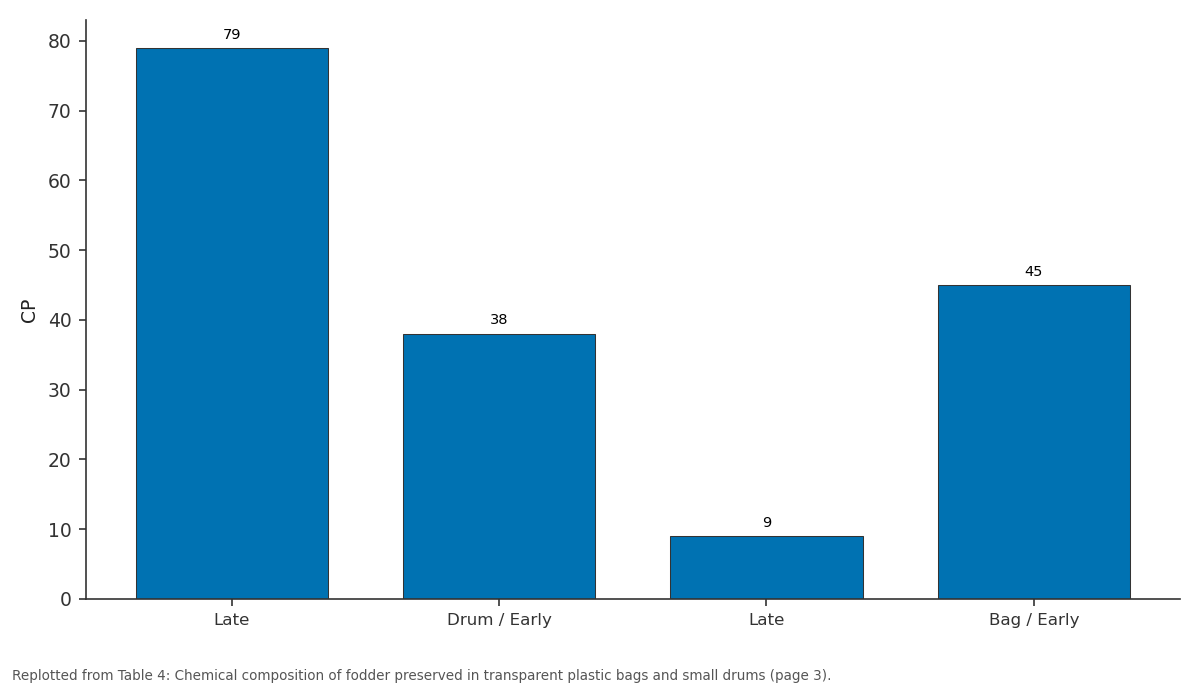
CP: Late vs Drum / Early vs Late vs Bag / Early
Replotted from Table 4 (page 3) of the original paper. Every bar is the paper's own table value.
View source evidence ↗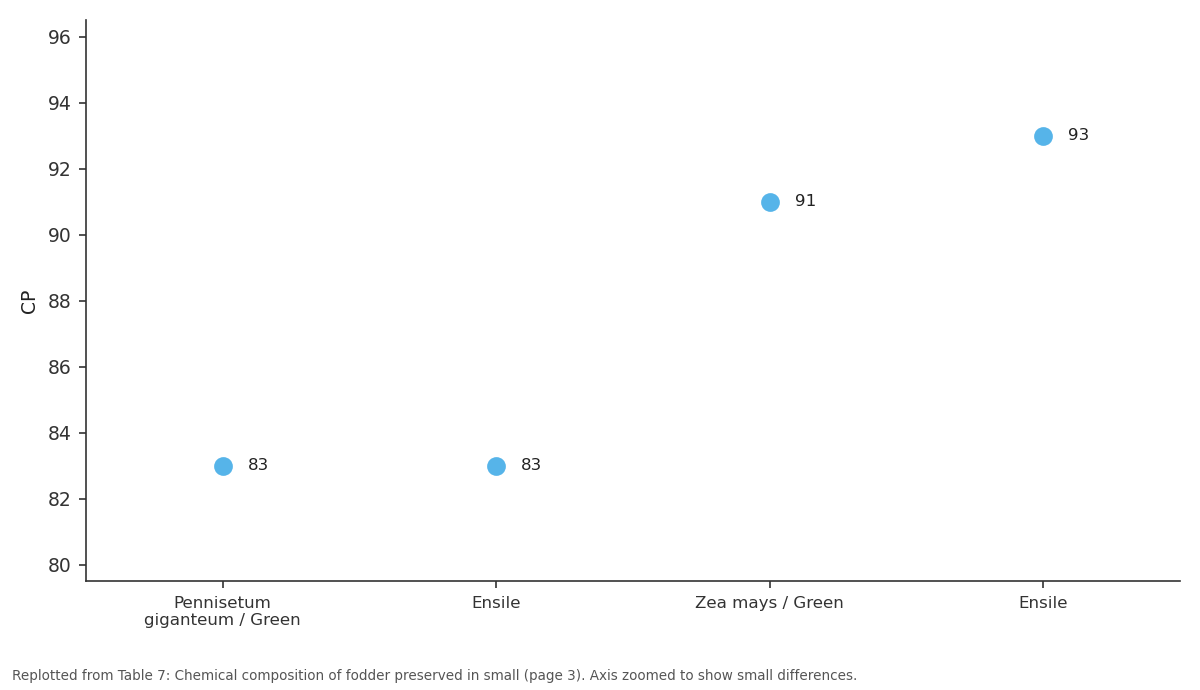
CP: Pennisetum giganteum /... vs Ensile vs Zea mays / Green vs Ensile
Replotted from Table 7 (page 3) of the original paper. Every bar is the paper's own table value.
View source evidence ↗Figures & tables
From the original paper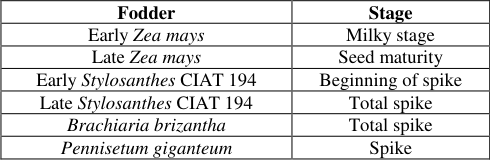 Table 1
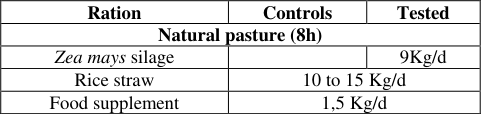 Table 2
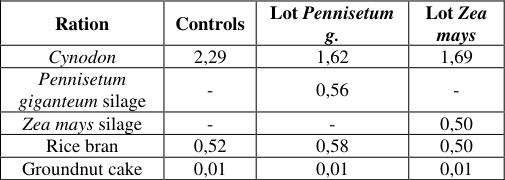 Table 3
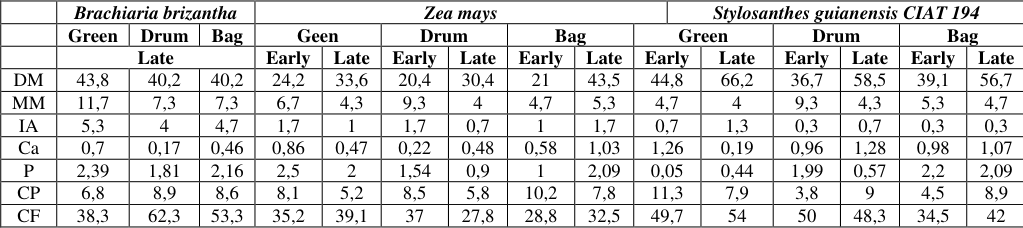 Table 4
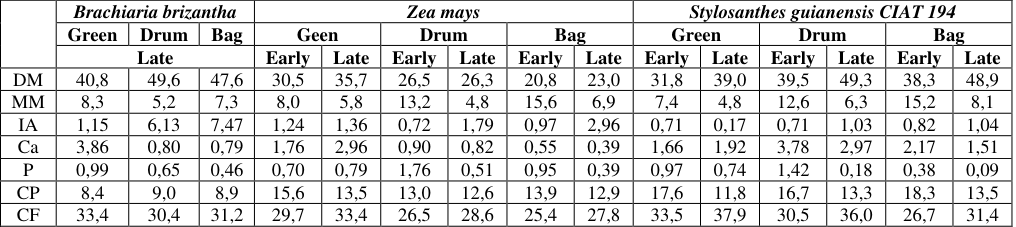 Table 5
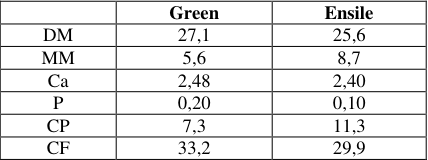 Table 6
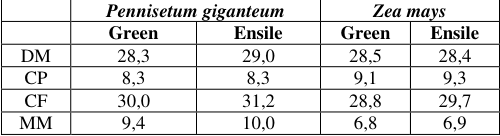 Table 7
 Table 8
 Table 9
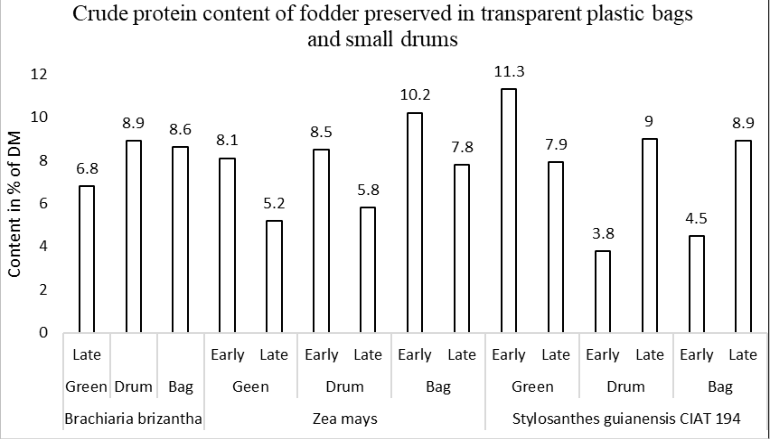 Figure 1
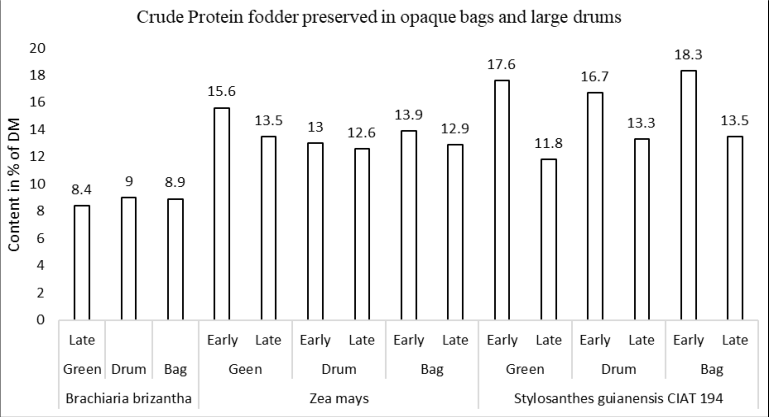 Figure 2
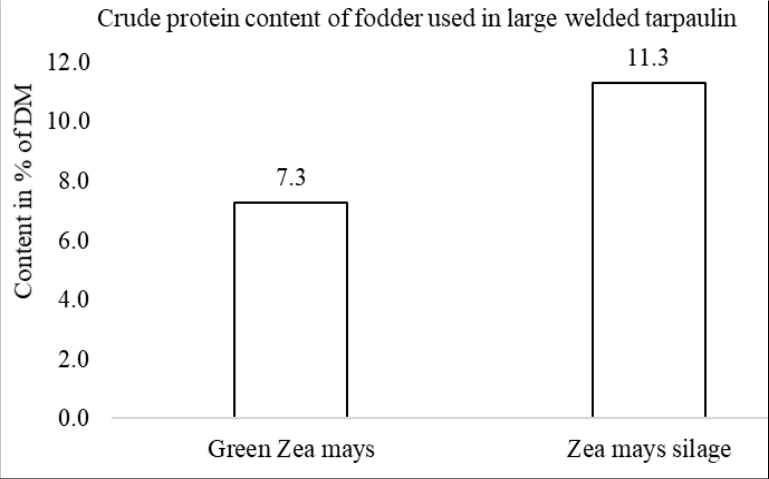 Figure 3
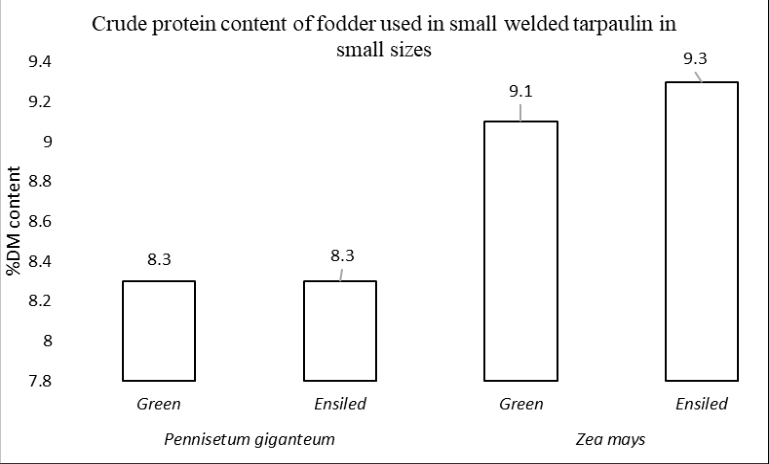 Figure 4
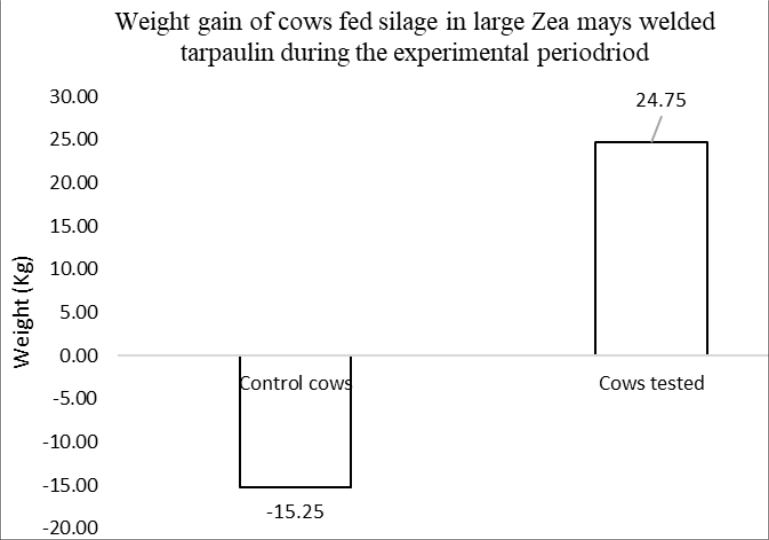 Figure 5
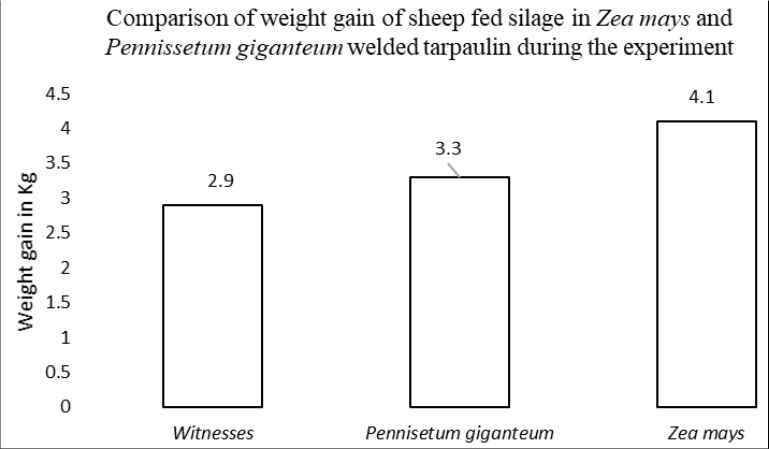 Figure 6
Introduction
Madagascar is a country dominated by a rainy season and a dry season. During the rainy season, forages for ruminants are abundant and of high nutritional quality, while in the dry season their values decrease in both quantity and quality. In addition, through the programme of the Partnership Research Facility/Altitude and Sustainability Production System (DP/SPAD) in the study of the animal 'place in the conservation of nutrients in production systems with low input levels (Mohamed-Saleem M A, 1994) [9] , the FOFIFA/Centre National de la Recherche Appliquée au Development Rural has realized the cultivation of plants in direct seeding under Vegetal Cover (SCV). Thus, the Integration Agriculture Livestock (IAE) was initiated. And high biomass was produced under upland conditions during the rainy season (GSDM 2008) [6] . Natural tropical forages are deficient in nitrogen. The nitrogen value of grasses decreases rapidly with regrowth age (César J, 2001) [1] . Nutritional deficiency is observed during the dry season. As a result, the activity, in the project Recycling of Plant and Animal Waste (BIOVA) followed by the project Ecological intensification pathways for the future of croplivestock integration in African agriculture (EcoAfrica), encourages the practice of conservation systems such as silage and fanaison by fodder derived from these SCV plants. The development of silo silage is expensive and even more, it is used for large farms. The majority of farmers own only small herds. Procedures for improving micro-silo manufacturing techniques were considered. At the beginning, a transparent and fragile plastic bag and small drums were used, then replaced by an opaque and resistant plastic bag and large drums and at the end, a welded tarpaulin. At all stages of the study, green and ensiled plant materials are analyzed bromatologically and NIRS. Animal tests with silage with micro-silos in welded tarpaulin are performed. The improvement of production techniques is determined by the nutritional value of silages and their organoleptic quality.
Materials and Methods
The activity has been started as long as the fodder is still green. The method of harvesting fodder for silage is presented in Table 1. [10] . Brachiaria brizantha, a grass, is also one of these cover plants and is of African origin. It adapts to a wide variety of sandy or acidic soils but does not tolerate poorly drained soils. It is very drought resistant and remains green throughout the dry season. Its hardiness, adaptation to drought, and its ability to spread make it a forage species particularly adapted to the spread of artificial pasture in rural areas. It is a source of protein and carotene at the end of the dry season and is easily ensiled (Granier P and Lahore J, 1966) [4] Pennisetum giganteum, is a large perennial grass, up to 5m tall with a relatively long inflorescence and powerful stem. Its root system is strong and fibrous, capable of rapidly descending to a depth of 2 m to extract water and minerals (Xhanxi L, 2010) [11] . This plant is very resistant to drought and remains green even during the dry season. The annual yield of this grass is 300 Tons of green matter per hectare, (Web3) Zea mays, an annual plant with a solid upright stem, consists of nodes and internodes and is 1.5 to 3.5 m tall and 5 to 6 cm in diameter. A monoecious plant, it bears male and female flowers on the same stem. Its root system is fasciculated. It is superficial and does not exceed 50 cm of depth. Adventitious aerial roots can also form on the lower nodes and settle in the soil. (Sumbuso 2006) It generally grows at an altitude of 1800m, with an optimal temperature of 19°C, and an annual rainfall of 100mm of water during the entire period of its vegetation. Zea mays requires deep, soft, cool, relatively light and humus soils.
| Fodder | Stage |
|---|---|
| Early Zea mays | Milky stage |
| Late Zea mays | Seed maturity |
| Early Stylosanthes CIAT 194 | Beginning of spike |
| Late Stylosanthes CIAT 194 | Total spike |
| Brachiaria brizantha | Total spike |
| Pennisetum giganteum | Spike |
Table text extracted from the original PDF; superscript letters are shown inline. The original table image is below.
View original table image
The silage was made following the following steps: manufacture of micro-silos, cutting and transport of the fodder, grinding (2 to 5 cm) and placing in silo by aggressively pressing the fodder. A good settling reduces the maximum air, a very important condition to obtain a good silage. (Web1 and Web2) It is also essential to ensure that forages are not contaminated with soil or plant waste and that they can retain leafy parts. The quality of the silage depends on the harvest conditions of the plant as the beginning of the seeding for the grasses: Brachiaria brizantha, Pennisetum giganteum and Zea mays. They can maintain a food value as close as possible to that of green forage. (Paragon B.-M et al, 2004) [5] After 2 and a half months of ensilassions, the animal test is carried out. In the meantime, the bromatologic and SPIR analyses of these green and ensiled fodder were carried out in the laboratory. Organoleptic tests on these silages have been carried out.
Animal tests are carried out on cows fed micro-silo silage in large and small welded tarpaulin on sheep. For cows, the experiment is carried out on 8 cows, 4 for the control lot and 4 for the tested lot. The controls are in extension while the tested are in free stall. The rations distributed to animals are not iso-protein or iso-energy but the objective is to determine the difference in the use of a traditional method between the productions of silage. Its experimental apparatus is presented in Table 2.
Results
The results of the analyses of all forages studied are presented in tables 4, 5, 6 and 7. For all tables DM: Dry Matter; MM: Mineral Matter; IA: Insoluble Ash; Ca: Calcium; P: Phosphorus; CP: Crude Protein; CB: Crude Fiber www.extensionjournal.com
Discussion
The essential value of fodder is based on its protein content. Stylosanthes guianensis CIAT 184 belonging to the family of legumes, has a fairly high total nitrogen content. It is then essential to limit its quantity in the ration of dairy cows to avoid ammoniacal poisoning that can cause the animal to explode. Young and still green, Stylosanthes have a good protein content. When Stylosanthes was ensiled, there was a loss of nitrogen. Being a legume, it has a low soluble sugar content that makes it difficult to ferment milk. This promotes the proliferation of bad butyric bacteria, resulting in ammonia loss as a result of poor fermentation. Conversely, silage improved the protein content for Stylosanthes guianensis CIAT 184 harvested late whether it was bagged or in cask. Indeed, Stylosanthes are harvested late contain less water, allowing the forage to ferment well. In the case of Zea mays ensilated, the protein content increases. Ensilated Brachiaria in both types of silos have an equivalent protein content when they are still green. This indicates that the fermentation went well and that all the conditions to have a good silage product were met: the total anaerobic of the medium, a slightly acidic pH. The number of silos must be adapted to the size of the herd and the feeding schedule of the cows. For the comparison of Pennisetum giganteum and Zea mays forages, the protein content of Pennisetum giganteum ensiled is similar to that in the green state. However, for Zea mays, the protein content increases when it is silaged, this was observed during the silage previously carried out. But the protein content of Pennisetum giganteum is lower than that of Zea mays in both the green and the ensiled state. The organoleptic tests of the silages are carried out just at the opening Silage in a small drum and transparent plastic bag When silage was made in this form, the drum was not filled to the top edge of the container, leaving air between the forages and the lid resulting in: A strong presence of mould on the upper part of the drums and around the holes in the bags A strongly marked black colour, with a rancid odour mixed with the smell of vinegar due to the presence of mould on the upper part.
On the other hand, the lower part (50%), remains intact, and has all the characteristics of a good silage with its slightly browned colors, and its pleasant smell of tobacco.
In general, the aspects of the initial forages were found.
The fodder is all browned, with a pleasant smell of tobacco mixed with a little light caramel. These characters reveal a good silage. Only Stylosanthes guianensis CIAT 184 at the early stage have a slightly dark green colour but still have the smell of tobacco, characteristic of a good silage. This observation indicates a poor fermentation process and not unsuccessful silage. In fact, Stylosanthes guianensis CIAT 18 being legumes, the sugar content is low enough for the fermentation process to be activated quickly putting to profit the development of bad bacteria that are butyrics. In addition, Stylosanthes is a cheap source of protein and its forage would allow animals to improve their physical condition (Msiska H D C). Therefore, a preliminary prefanage and the addition of a preservative or grasses are necessary. Silage in a large drum and plastic bag opaque and resistant subsequently, the drums were well filled to the top edge and were well packed. The mould appears a small part about 2 cm deep. This reflects the absence of air. Bagged silage also has mould on its seam through which the air penetrates from where unfavourable side of this improvement. Thus the smell and colour of the silages allow us to conclude that the technical follow-up stated earlier has been well carried out except on the hashing of the fodder at the level of the peasants.
Conclusion
Forage biomass conservation is therefore very effective in preventing weight loss. As for farmers, semi-extensive farming is practically beneficial to avoid weight loss of cattle in the dry season.
For farmers with only a few herds (2 to 4), silo silage is expensive, which is why micro-silos such as barrels and/or plastic bags are essential. Indeed, this technical improvement shows a success. Good silage with a brown color and smell tobacco caramel is obtained. But the smallcask silo shows 50% of the musty silage. The amount of silage is small and can feed only four cows at a time per day. So it is necessary to produce several barrels during the dry season. Silos made of transparent, fragile plastic bags that are easily exposed to light have mould on each hole. However, with the larger drums and the opaque and resistant bags, only 6% of mold is found. Moreover, the manufacturing processes are more respected compared to the first experiment. The bags are opaque but on the seam mold appears. They can feed four cows for five days.
Between the two packaging, the one with the barrel is more successful but if we want to have a good silage with the bags, we must weld the tarpaulins because the seam allows air to penetrate. The most acceptable results are obtained when there are no holes and the mould is less than the amount of silage manufactured. The packaging makes it possible to feed four cows for two weeks.
Pennisetum giganteum and Zea mays silages are made in micro-silos in cylindrical welded tarpaulins of 75 kg. They are also acceptable as micro-silos in cubic welded tarpaulins. The nutritional value of Pennisetum giganteum silages is lower than that of Zea mays. This leads to weight gain proportional to the sheep. The feed consisting of Pennisetum giganteum silage must be supplemented with other protein-rich raw materials. However, in particular, the great advantage of Pennisetum giganteum forages lies in their high biomass compared to Zea mays. They can feed ruminants in both the green and the silage state. They are not in competition with human food.
Acknowledgement
AcknowledgmentsWe would like to thank To the Head of Department and teams of the Laboratory of Chemistry Nutrition of the Department of Zoo technical, Veterinary and Fish Research (DRZVP) Antananarivo To all teams of the National Centre for Applied Research for Rural Development (CENRADERU/ FOFIFA) To the teams of the Kianjasoa Zoo technical Research Centre (CRZ) To the entire BIOVA project team, Eco Africa, DP SPAD and CIRAD
Figures and tables from the paper
| Ration | Controls | Lot Pennisetum g. | Lot Zea mays |
|---|---|---|---|
| Cynodon | 2,29 | 1,62 | 1,69 |
| Pennisetum giganteum silage | - | 0,56 | - |
| Zea mays silage | - | - | 0,50 |
| Rice bran | 0,52 | 0,58 | 0,50 |
| Groundnut cake | 0,01 | 0,01 | 0,01 |
Table text extracted from the original PDF; superscript letters are shown inline. The original table image is below.
View original table image
| — | Brachiaria brizantha | — | — | Zea mays | — | — | — | — | — | — | Stylosanthes guianensis CIAT 194 | — | — | — | — | — |
|---|---|---|---|---|---|---|---|---|---|---|---|---|---|---|---|---|
| Green | Drum | Bag | Geen | Drum | Bag | Green | Drum | Bag | ||||||||
| Late | Early | Late | Early | Late | Early | Late | Early | Late | Early | Late | Early | Late | ||||
| DM | 43,8 | 40,2 | 40,2 | 24,2 | 33,6 | 20,4 | 30,4 | 21 | 43,5 | 44,8 | 66,2 | 36,7 | 58,5 | 39,1 | 56,7 | |
| MM | 11,7 | 7,3 | 7,3 | 6,7 | 4,3 | 9,3 | 4 | 4,7 | 5,3 | 4,7 | 4 | 9,3 | 4,3 | 5,3 | 4,7 | |
| IA | 5,3 | 4 | 4,7 | 1,7 | 1 | 1,7 | 0,7 | 1 | 1,7 | 0,7 | 1,3 | 0,3 | 0,7 | 0,3 | 0,3 | |
| Ca | 0,7 | 0,17 | 0,46 | 0,86 | 0,47 | 0,22 | 0,48 | 0,58 | 1,03 | 1,26 | 0,19 | 0,96 | 1,28 | 0,98 | 1,07 | |
| P | 2,39 | 1,81 | 2,16 | 2,5 | 2 | 1,54 | 0,9 | 1 | 2,09 | 0,05 | 0,44 | 1,99 | 0,57 | 2,2 | 2,09 | |
| CP | 6,8 | 8,9 | 8,6 | 8,1 | 5,2 | 8,5 | 5,8 | 10,2 | 7,8 | 11,3 | 7,9 | 3,8 | 9 | 4,5 | 8,9 | |
| CF | 38,3 | 62,3 | 53,3 | 35,2 | 39,1 | 37 | 27,8 | 28,8 | 32,5 | 49,7 | 54 | 50 | 48,3 | 34,5 | 42 |
Table text extracted from the original PDF; superscript letters are shown inline. The original table image is below.
View original table image
| — | Brachiaria brizantha | — | — | Zea mays | — | — | — | — | — | Stylosanthes guianensis CIAT 194 | — | — | — | — | — |
|---|---|---|---|---|---|---|---|---|---|---|---|---|---|---|---|
| Green | Drum | Bag | Geen | Drum | Bag | Green | Drum | Bag | |||||||
| Late | Early | Late | Early | Late | Early | Late | Early | Late | Early | Late | Early | Late | |||
| DM | 40,8 | 49,6 | 47,6 | 30,5 | 35,7 | 26,5 | 26,3 | 20,8 | 23,0 | 31,8 | 39,0 | 39,5 | 49,3 | 38,3 | 48,9 |
| MM | 8,3 | 5,2 | 7,3 | 8,0 | 5,8 | 13,2 | 4,8 | 15,6 | 6,9 | 7,4 | 4,8 | 12,6 | 6,3 | 15,2 | 8,1 |
| IA | 1,15 | 6,13 | 7,47 | 1,24 | 1,36 | 0,72 | 1,79 | 0,97 | 2,96 | 0,71 | 0,17 | 0,71 | 1,03 | 0,82 | 1,04 |
| Ca | 3,86 | 0,80 | 0,79 | 1,76 | 2,96 | 0,90 | 0,82 | 0,55 | 0,39 | 1,66 | 1,92 | 3,78 | 2,97 | 2,17 | 1,51 |
| P | 0,99 | 0,65 | 0,46 | 0,70 | 0,79 | 1,76 | 0,51 | 0,95 | 0,39 | 0,97 | 0,74 | 1,42 | 0,18 | 0,38 | 0,09 |
| CP | 8,4 | 9,0 | 8,9 | 15,6 | 13,5 | 13,0 | 12,6 | 13,9 | 12,9 | 17,6 | 11,8 | 16,7 | 13,3 | 18,3 | 13,5 |
| CF | 33,4 | 30,4 | 31,2 | 29,7 | 33,4 | 26,5 | 28,6 | 25,4 | 27,8 | 33,5 | 37,9 | 30,5 | 36,0 | 26,7 | 31,4 |
Table text extracted from the original PDF; superscript letters are shown inline. The original table image is below.
View original table image
| — | Green | Ensile |
|---|---|---|
| DM | 27,1 | 25,6 |
| MM | 5,6 | 8,7 |
| Ca | 2,48 | 2,40 |
| P | 0,20 | 0,10 |
| CP | 7,3 | 11,3 |
| CF | 33,2 | 29,9 |
Table text extracted from the original PDF; superscript letters are shown inline. The original table image is below.
View original table image
| — | Pennisetum giganteum | — | Zea mays | — |
|---|---|---|---|---|
| Green | Ensile | Green | Ensile | |
| DM | 28,3 | 29,0 | 28,5 | 28,4 |
| CP | 8,3 | 8,3 | 9,1 | 9,3 |
| CF | 30,0 | 31,2 | 28,8 | 29,7 |
| MM | 9,4 | 10,0 | 6,8 | 6,9 |
Table text extracted from the original PDF; superscript letters are shown inline. The original table image is below.
View original table image
| Weeks | Weight in Kg | — | — | — | — | — | — |
|---|---|---|---|---|---|---|---|
| Initial | 1 | 2 | 3 | 4 | 5 | 6 | |
| Control cows | 251,75 | 251,5 | 253,75 | 251,00 | 245,25 | 240,75 | 236,50 |
| Cows tested | 288,00 | 290,25 | 298,25 | 302,75 | 306,25 | 310,00 | 312,75 |
Table text extracted from the original PDF; superscript letters are shown inline. The original table image is below.
View original table image
| Weeks | Weight in Kg | — | — | — | — | — | — | — | — |
|---|---|---|---|---|---|---|---|---|---|
| Initial | 1 | 2 | 3 | 4 | 5 | 6 | 7 | 8 | |
| Control | 18,7 | 19,2 | 19,8 | 20,0 | 20,5 | 20,8 | 21,1 | 21,4 | 21,6 |
| Zea mays | 19,5 | 20,2 | 20,9 | 21,4 | 21,9 | 22,4 | 22,8 | 23,2 | 23,6 |
| Pennisetum giganteum | 17,4 | 18,1 | 18,8 | 19,1 | 19,4 | 19,8 | 20,1 | 20,4 | 20,7 |
Table text extracted from the original PDF; superscript letters are shown inline. The original table image is below.
View original table image
References
9 in the original paper- César J. Productions fourragères en zone tropicale. Intégration des cultures fourragères dans les systèmes de production. Bobo Dioulasso: CIRDES, 7 p. (Production animale en Afrique de l'Ouest: CIRDES, 5) 2001.
- Durand H, Sindou J, Williams S. "Effets sur la production laitière d'un ensilage d'herbe avec conservateur biologique. Fourrages (AFPF), n°155, 1998, 383-388.
- Granier P, et Lahore J. «Amélioration des pâturages Le Brachiaria brizantha » Institut d'Elevage et de Médecine vétérinaire des Pays Tropicaux. Centre de Recherches Zootechniques de Kianjasoa-Madagascar 1966.
- Groupe de travail présidé par PARAGON B.-M, « Bonnes pratiques de fabrication de l'ensilage pour une meilleure maîtrise des risques sanitaires » Afssa: Agence française de sécurité sanitaire des aliments 2004.
- John ES, Stares AN, Said, Jackson A, Kategile. Animal feeding Stylosanthes Protein Fodder Banks For ruminant production in Malawi HDC Msiska Chitedze Agricultural Research Station PO Box 158, Lilongwe, Malawi 1992.
- Leduc R et Fournier A; Payant S et Blais C, « Le maïsensilage, un atout » Symposium sur les bovins laitiers; CPAQ 1997
- Mohamed-Saleem MA. "Stylosanthes for pasture development: An overview of ILCA's experience in Nigeria" International Livestock Centre for Africa (ILCA) P.O. Box 5689 Addis Ababa, Ethiopia 1994.
- Toutain B, Peyre de Fabrègues B, Roberge G, Bigot A, Rippstein G. « Revue des travaux de recherche, de vulgarisation et d'utilisation effectués sur Stylosanthes en Afrique de l'Ouest » CIRAD-EMVT 10, rue Pierre Curie 94703-Maisons-Alfort Cedex (France) 1994.
- Zhanxi L. "Giant juncao grass cultivation in kwazulunatal". Department of Agriculture, Environmental Affairs & Rural Development de KZN 2010, 3 12. Web1: https://www.agrireseau.net/bovinslaitiers/documents/va lacta_lplq_2013-05_Les sept règles d'or pour réussir un ensilage de qualité.pdf Web2: http://www.fidocl.fr/content/les-fondamentauxpour-reussir-son-ensilage-dherbe 13. Web3: https://sustainabledevelopment.un.org/content/documen t/24821/