
Research article · 2017 · Full text
International Journal of Advanced Biochemistry ResearchPharmacological activities of roburic acid: A review of literature
Volume 1(2) · Pages 26–28 · DOI: 10.33545/26174693.2017.v1.i2a.110 ↗
Research areasBee Products Chemical AnalysisPlant biochemistry and biosynthesisInsect and Pesticide Research
Abstract
Author-writtenThis review aims to summarize the biological activities of a hopeful phytotherapeutic agent called roburic acid on the basis of literature reports. To date, it has been seen that this triterpene possesses some important biological activities, including anti-infammatory, bone loss inhibitory, and anticancer effects. It is also evident to act against neurological diseases and disorders, gout, bacterial infection, oxidative stress, pox pits, pitting scars, etc. Its anti-inflammatory and anti-prostate cancer effects might be a new hope in the treatment of modern inflammatory and cancer diseases and disorders. Adequate research is necessary on this triterpene.
Summary
Source-checkedPlain-language reading of the full paper, prepared with AI and checked against the text. Each point links to the authors' own words.
Why it matters
- Medicinal plants and their derivatives are receiving global attention because of their observed therapeutic effectiveness. View evidence ↗
- Roburic acid (RA) is a 3, 4-secoursane type triterpene first isolated from oak galls and also found in Gentiana macrophylla Pall. View evidence ↗
- Research into roburic acid was previously hindered by findings that it had insignificant inhibitory activity against microsomal prostaglandin E2 synthase-1. View evidence ↗
The question
- The objective of this review is to summarize the biological activities of roburic acid based on existing literature. View evidence ↗
What they did
- The authors conducted a review of literature reports from various databases to summarize the effects of roburic acid on cancer, bone loss, and inflammation. View evidence ↗
What they found
- Roburic acid was reported to inhibit both COX-1 and COX-2 enzymes equally. View evidence ↗
- Roburic acid can reduce the production of interleukin 6 (IL-6) and nitric oxide (NO). View evidence ↗
- In LPS-stimulated RAW264.7 macrophage cells, roburic acid may act as an anti-inflammatory agent by blocking the MAPKs and IKK/IκB/NF-κB pathways. View evidence ↗
- Roburic acid lowered Aβ by dissociating β/γ secretase complexes without increasing BACE1 levels or inhibiting β- and γ-secretase in human neurons and cell lines, making it a potential candidate for Alzheimer's disease. View evidence ↗
- At concentrations of 1 to 10 μM, roburic acid reduced the differentiation of osteoclasts from bone marrow macrophages without causing cell toxicity. View evidence ↗
- Roburic acid demonstrated an ability to counteract bone loss in a mouse model, indicating potential for treating osteolytic diseases and osteoporosis. View evidence ↗
- In colorectal cancer cells, roburic acid induced apoptosis and arrested the cell cycle at the G0/G1 phase. View evidence ↗
- Roburic acid significantly inhibited the activation of NF-κB induced by tumor necrosis factor (TNF) across various cancer cells. View evidence ↗
- Patent reports suggest roburic acid has applications in treating bacterial infections, gout, oxidative infection, and pitting scars or pox pits. View evidence ↗
What it means
- The authors conclude that roburic acid may be a viable alternative tool for treating a wide range of conditions, including cancer, inflammation, bone loss, and neurological disorders. View evidence ↗
- The authors state that further research is necessary to fully understand this phytotherapeutic agent. View evidence ↗
Visual summary
1 visualsIllustrations explain the paper; they do not show study data.
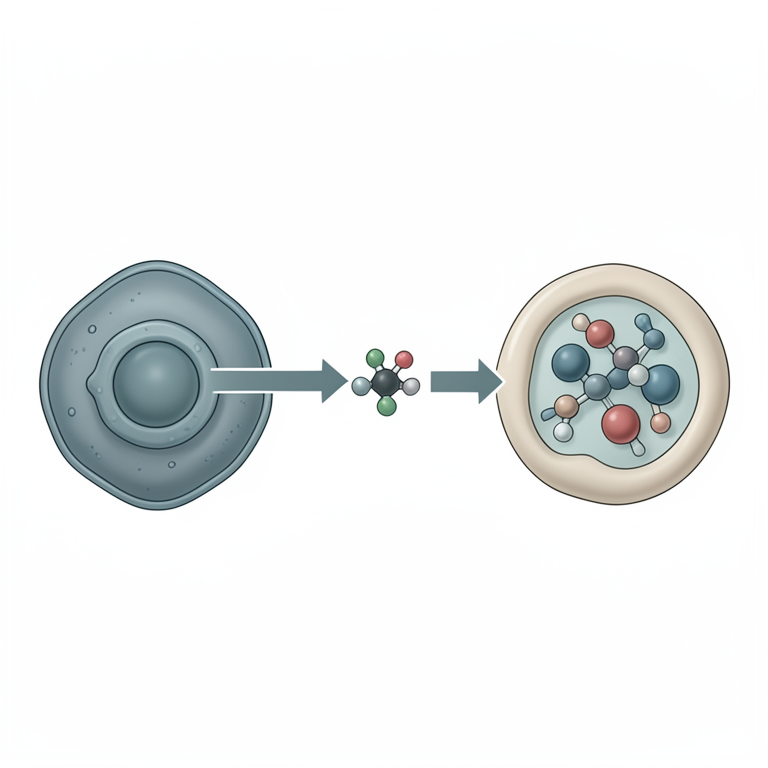
Roburic Acid Signaling Inhibition
AI-generated conceptual illustration (RAW264.7 macrophage cell). It explains the idea and does not show study data.
View source evidence ↗Figures & tables
From the original paper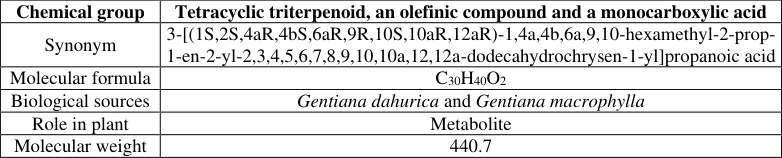 Table 1
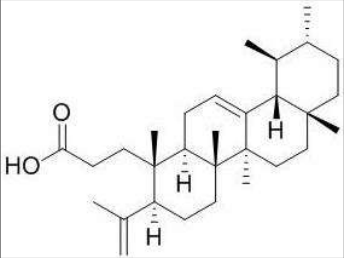 Figure 1
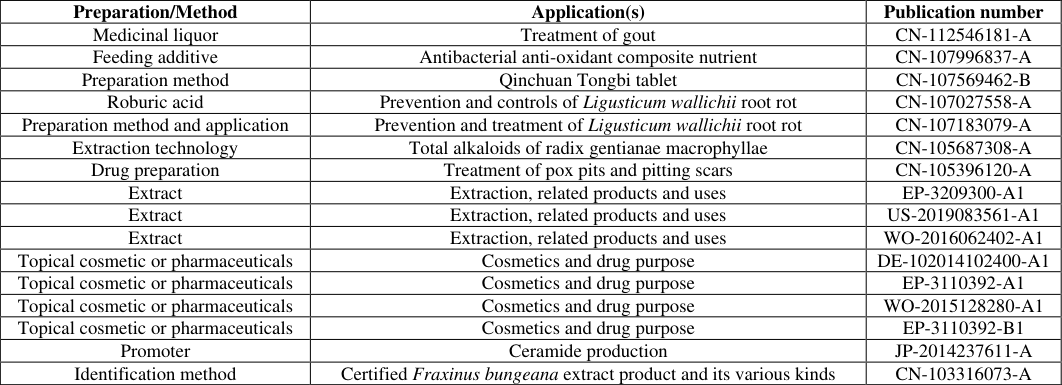 Table 2
Introduction
Medicinal plants and their devivatives are gaining increasing attention worldwide for their empirical therapeutic efficacy (Zhu et al., 2018) [11] . To date, a significant number of plants and their devivatives have been screened and found to have many modern drugs in them. Unfortunately, many medicinal plants and their derivatives remain neglected for years, even decades (Ndjonka et al., 2018) [5] . Roburic acid (RA: 3, 4-secoursane type triterpene) (Figure 1) is one of them. A brief description of RA has been shown in Table 1. It was first isolated from the oak galls. However, it was also found in Gentiana macrophylla Pall (Wu et al., 2012) [9] . Its biological investigation was brought to a halt after the negative results by Verhoff et al. (2014) [7] , who reported that this triterpene exerted insignificant inhibitory microsomal prostaglandin E2 synthase (mPGES)-1 activity. Although there is a lack of adequate scientific reports on this triterpene, a number of recent studies suggest that this compound might be a good tool in inflammatory and cancer research. This review aims to summarize its impacts on inflammation, bone loss, and cancer on the basis of literature reports in different databases.
| Chemical group | Tetracyclic triterpenoid, an olefinic compound and a monocarboxylic acid |
|---|---|
| Synonym | 3-[(1S,2S,4aR,4bS,6aR,9R,10S,10aR,12aR)-1,4a,4b,6a,9,10-hexamethyl-2-prop- 1-en-2-yl-2,3,4,5,6,7,8,9,10,10a,12,12a-dodecahydrochrysen-1-yl]propanoic acid |
| Molecular formula | C30H40O2 |
| Biological sources | Gentiana dahurica and Gentiana macrophylla |
| Role in plant | Metabolite |
| Molecular weight | 440.7 |
Table text extracted from the original PDF; superscript letters are shown inline. The original table image is below.
View original table image
Biological activities of roburic acid Anti-inflammatory effects
Low level inflammation is essential for our body due to it is a type of defensive mechanism. However, chronic and severe inflammation may lead many complex diseases and disorders in our body (Islam et al., 2020). In an earlier report (Cao et al., 2010) [1] , RA was found to inhibit cyclooxygenase (COX)-1 and COX-2 equally. Chen et al.
(2017) [2] found that RA is able to reduce nitric oxide (NO) and interleukin 6 (IL-6) production. In the former case, it can suppress the expression of inducible nitric oxide synthases (iNOS). In this study, the authors also seen that roburic acid can suppress phosphorylation of inhibitor of κBα (IκBα) and IκB kinase α/β (IKKα/β) along with the translocation of nuclear factor-κB (NF-κB) to the nucleus. Furthermore, it also inhibited the phosphorylation of mitogen-activated protein kinase (MAPKs) including p38 and c-Jun-NH 2 -terminal kinase (JNK). Thus, roburic acid might exhibit anti-inflammatory effect on lipopolysaccharide (LPS)-stimulated RAW264.7 macrophage cells through reducing NO and IL-6 production via blocking IKK/IκB/NF-κB and MAPKs pathway, suggesting that it should be a hopeful drug candidate for the treatment of inflammatory diseases.
Neuroprotective effects
The molecular factors underpinning recent failures of β-site amyloid precursor protein-cleaving enzyme-1 (BACE1) inhibitors in Alzheimer's disease (AD) studies have piqued the curiosity of researchers. The elevation of BACE1 by RA raises fresh concerns concerning the development of such βsecretas. When orally dosed inhibitors reach trough levels, a chronic increase may result in uncontrolled BACE1 that boosts substrate processing irregularly. In a study, RA lowered Aβ by dissociating β/γ secretase complexes (Liu et al., 2019) [4] . According to this study, RA can be considered as a good candidate in AD as it neither inhibited β-and γsecretase nor increased BACE1 levels in cell lines and iPSC-derived human neurons.
Effects on bone health
Excessive osteoclast activity may lead to some important skeletal diseases, including osteoporosis and osteolysis (Rachner et al., 2011) [6] . RA at 1 to 10 μM was seen to dampen the osteoclast differentiation of bone marrow macrophages (BMMs) without exerting toxic effects on the cells. It did not show any effect on osteoblastogenesis. RA mitigated F-actin ring formation, hydroxyapatite resorption, and gene expression in osteoclasts. It was found to suppress TNF receptor-associated factor 6 (TRAF6), nuclear factor-κB (NF-κB) activity, extracellular regulated protein kinase (ERK) phosphorylation, and calcium oscillations and upregulated the antioxidative response element (ARE) and heme oxygenase (HO)-1 expression. Thus, it suppressed the nuclear factor of activated T cells 1 (NFATc1) activity and the expression of proteins involved in osteoclastogenesis and bone resorption. Additionally, it also acted against bone loss in a mouse model, suggesting that RA can be a good tool in treating osteoporosis and other osteolytic diseases (Wang et al., 2022) [8] .
Anticancer effects
Although the modern medical science runs a significant paths, but the cancer still remains one of the most fearful diseases in the world. Human cells that have been recruited and converted into pathogenic organisms or tumor building blocks are the agents of destruction in cancer. Cancers both undermine and exploit multicellular organizing systems, and comprehending those raises complex philosophical issues (Hausman, 2019) [3] . RA significantly inhibited tumor necrosis factor (TNF)-induced NF-κB activation in a number of cancer cells. It was found to arrest cell cyle at G0/G1 phase and produce apoptosis in colorectal cancer cells. In this study, RA inhibited the TNF-induced phosphorylation of IKKα/β, IκBα, and p65, degradation of IκBα, nuclear translocation of p65, and NF-κB-target gene expression, including that of XIAP, Mcl-1, and Survivin, in colorectal cancer cells. Additionallt, RA suppressed colorectal cancer cells by blocking NF-κB signaling pathway, suggesting that RA could be a good tool to fight against cancers (Xu et al., 2022) [10] .
Other biological applications
According to patent reports RA can be used in gout, bacterial infection, oxidative infection, pox pits, pitting scars, and so on (Table 2).
| Preparation/Method | Application(s) | Publication number |
|---|---|---|
| Medicinal liquor | Treatment of gout | CN-112546181-A |
| Feeding additive | Antibacterial anti-oxidant composite nutrient | CN-107996837-A |
| Preparation method | Qinchuan Tongbi tablet | CN-107569462-B |
| Roburic acid | Prevention and controls of Ligusticum wallichii root rot | CN-107027558-A |
| Preparation method and application | Prevention and treatment of Ligusticum wallichii root rot | CN-107183079-A |
| Extraction technology | Total alkaloids of radix gentianae macrophyllae | CN-105687308-A |
| Drug preparation | Treatment of pox pits and pitting scars | CN-105396120-A |
| Extract | Extraction, related products and uses | EP-3209300-A1 |
| Extract | Extraction, related products and uses | US-2019083561-A1 |
| Extract | Extraction, related products and uses | WO-2016062402-A1 |
| Topical cosmetic or pharmaceuticals | Cosmetics and drug purpose | DE-102014102400-A1 |
| Topical cosmetic or pharmaceuticals | Cosmetics and drug purpose | EP-3110392-A1 |
| Topical cosmetic or pharmaceuticals | Cosmetics and drug purpose | WO-2015128280-A1 |
| Topical cosmetic or pharmaceuticals | Cosmetics and drug purpose | EP-3110392-B1 |
| Promoter | Ceramide production | JP-2014237611-A |
| Identification method | Certified Fraxinus bungeana extract product and its various kinds | CN-103316073-A |
Table text extracted from the original PDF; superscript letters are shown inline. The original table image is below.
View original table image
Conclusion
Literature reports suggest that RA might be a good alternative tool to fight against inflammation, neurological diseases and disorders, bone loss, cancers, gout, bacterial infection, oxidative stress, pox pits, pitting scars, etc. Therefore, more research is necessary on this hopeful phytotherapeutic agent.
References
9 in the original paper- Cao H, Yu R, Choi Y, Ma ZZ, Zhang H, Xiang W, et al. Discovery of cyclooxygenase inhibitors from medicinal plants used to treat inflammation. Pharmacol Res. 2010;61(6):519-24. doi: 10.1016/j.phrs.2010.02.007
- Chen Y, Ji N, Pan S, Zhang Z, Wang R, Qiu Y, et al. Roburic Acid Suppresses NO and IL-6 Production via Targeting NF-κB and MAPK Pathway in RAW264.7 Cells. Inflammation. 2017;40(6):1959-1966. doi: 10.1007/s10753-017-0636-z.
- Liu L, Lauro BM, Li Ding L, Rovere M, Wolfe MS, Selkoe DJ. Multiple BACE1 inhibitors abnormally increase the BACE1 protein level in neurons by prolonging its half-life. Alzheimers Dement 2019;15(9):1183-1194. doi: 10.1016/j.jalz.2019.06.3918
- Ndjonka D, Djafsia B, Liebau E. Review on medicinal plants and natural compounds as anti-Onchocerca agents. Parasitol Res. 2018;117(9):2697-2713. doi: 10.1007/s00436-018-6003-7
- Verhoff M, Seitz S, Paul M, Noha SM, Jauch J, Schuster D, et al. Tetra-and pentacyclic triterpene acids from the ancient anti-inflammatory remedy frankincense as inhibitors of microsomal prostaglandin E(2) synthase-1. J Nat Prod. 2014;77(6):1445-1451.
- Wang G, Chen K, Ma C, Wang C, Chen D, He J, et al. Roburic acid attenuates osteoclastogenesis and bone resorption by targeting RANKL-induced intracellular signaling pathways. J Cell Physiol. 2022;237(3):17901803. doi: 10.1002/jcp.30642.
- Wu LH, Annie Bligh SW, Leon CJ, Li XS, Wang ZT, Branford-White CJ, et al. Chemotaxonomically significant roburic acid from Section Cruciata of Gentiana. Biochm Sys Ecol. 2012;43:152-155.
- Xu H, Liu T, Li J, Chen F, Xu J, Hu L, et al. Roburic Acid Targets TNF to Inhibit the NF-κB Signaling Pathway and Suppress Human Colorectal Cancer Cell Growth. Front Immunol. 2022;13:853165. Doi: 10.3389/fimmu.2022.853165.
- Zhu MZ, Chen GL, Wu JL, Li N, Liu ZH, Guo MQ. Recent development in mass spectrometry and its hyphenated techniques for the analysis of medicinal plants. Phytochem Anal. 2018;29(4):365-374. Doi: 10.1002/pca.2763.
Cited by 1
From OpenAlex, OpenCitations and reference lists read by Scinovex
- Phytochemical analysis, antioxidant, anti-inflammatory and enzyme inhibitory activities of bean pear (Pyrus calleryana fruit) ↗
Huan Zhao, Qinqin Wang, Lanlan Yang, Yuanquan Ran, Qiong Hu, Yi Hong et al. · Frontiers in Plant Science · 2025
Pyrus calleryana fruit (bean pear) is processed into fruit wine and used in traditional Chinese medicine. The present study reported phytochemical constituents, antioxidant, anti-inflammatory, and enzyme inhibitory activities of P. calleryana fruit water extract (WE) and ethanol extract (EE). In the P. calleryana fruit WE and EE, 63 compounds were identified using UHPLC-Q-Orbitrap-MS analysis, including 23 phenols, 13 flavonoids, 14…
❝ 2PDF