
Research article · 2023 · Full text
International Journal of Veterinary Sciences and Animal HusbandryStructural and functional characterization of dairy farms in the west Cameroon highlands: Case of the western region
Volume 8(1) · Pages 73–80 · DOI: 10.22271/veterinary.2023.v8.i1b.468 ↗
Research areasAgriculture and Rural Development ResearchRangeland Management and Livestock EcologyAnimal Diversity and Health Studies
Abstract
Author-writtenA survey was conducted in 85 cattle farms in the West Cameroon Highlands. The objective was to analyze the structural and functional characteristics in order to better understand the existing dairy production system in the region and to identify the constraints of the system. The results show that individual dairy farms are dominant (97.64%). The management of most farms (58%) is attributed to agricultural technicians. The semi-intensive system is the most common (65.9%), practiced by small-scale dairy farmers with a herd of imported Holstein Friesian breeds of two to four animals. 98.82% of the farms have a poor hygiene rating and only 1.17% are rated as average. 75% of the region's milk comes from Holstein Friesian breeds. Milk performance remains low (1.66±0.4 liters/day/cow) in the local Bos indicus breeds, although they are more numerous. The majority of the milk produced is marketed in short circuits (72.94% of farms). Breeding behavior has a significant influence (p
Summary
Source-checkedPlain-language reading of the full paper, prepared with AI and checked against the text. Each point links to the authors' own words.
Why it matters
- Cameroon's dairy industry is underdeveloped and rural, resulting in a production deficit of over 170,000 tonnes per year. View evidence ↗
- There is a significant gap between milk consumption (19.8 kg per capita per year) and national production (6 kg per capita per year) in Cameroon. View evidence ↗
- The dairy sector is considered a critical issue for food security in Cameroon. View evidence ↗
The question
- The study aims to analyze the structural and functional characteristics of dairy farms in the West Cameroon Region to understand the production system and identify its constraints. View evidence ↗
What they did
- The researchers surveyed a total of 85 farms across the Bamboutos, Ndé, and Noun departments. View evidence ↗
- Data was collected between October and December 2021 using semi-structured interviews with farmers. View evidence ↗
- The study used descriptive statistics, analysis of variance (ANOVA), and mean comparisons via SPSS version 20 for data analysis. View evidence ↗
What they found
- Individual agricultural farms are the dominant legal structure, accounting for 97.64% of the surveyed farms. View evidence ↗
- The semi-intensive breeding system is the most common, practiced by 65.88% of the farmers. View evidence ↗
- Imported breeds produced significantly more milk (8.71±1.62 liters/day/cow) compared to local breeds (1.66±0.4 liters/day/cow). View evidence ↗
- Hygiene levels were generally low, with 67.06% of farms rated as having a poor degree of hygiene. View evidence ↗
- Most farms (72.94%) market their milk through short, informal circuits. View evidence ↗
- Manager training is associated with higher productivity, with trained managers averaging 8.57 liters/day/cow versus 2.95 liters/day/cow for untrained managers. View evidence ↗
- Milk production varied by system: intensive (17 L/day/cow), semi-intensive (8.57 L/day/cow), and extensive (1.66 L/day/cow). View evidence ↗
What it means
- The authors recommend disseminating research results to farmers and improving local breed productivity through crossbreeding with exotic breeds. View evidence ↗
- The primary constraints hindering the dairy system are genetic material, feeding, animal health, and issues with processing and marketing. View evidence ↗
Visual summary
3 visualsIllustrations explain the paper; charts are replotted from the paper's own table values.
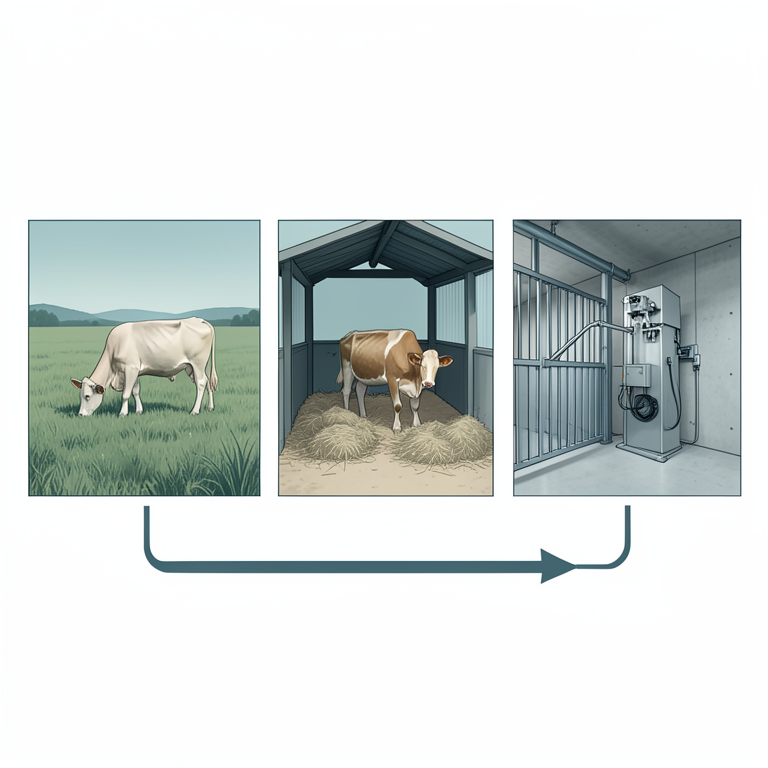
Production by System
AI-generated conceptual illustration (Holstein-Friesian cows on dairy farms in the Cameroon highlands). It explains the idea and does not show study data.
View source evidence ↗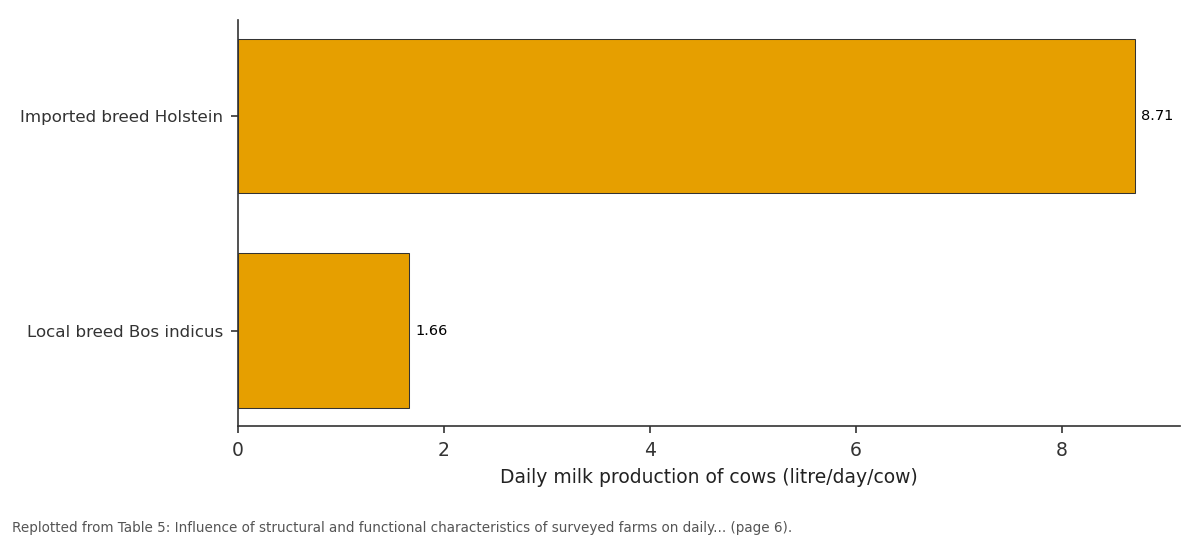
Daily milk production of cows...: Imported breed Holstein vs Local breed Bos indicus
Replotted from Table 5 (page 6) of the original paper. Every bar is the paper's own table value.
View source evidence ↗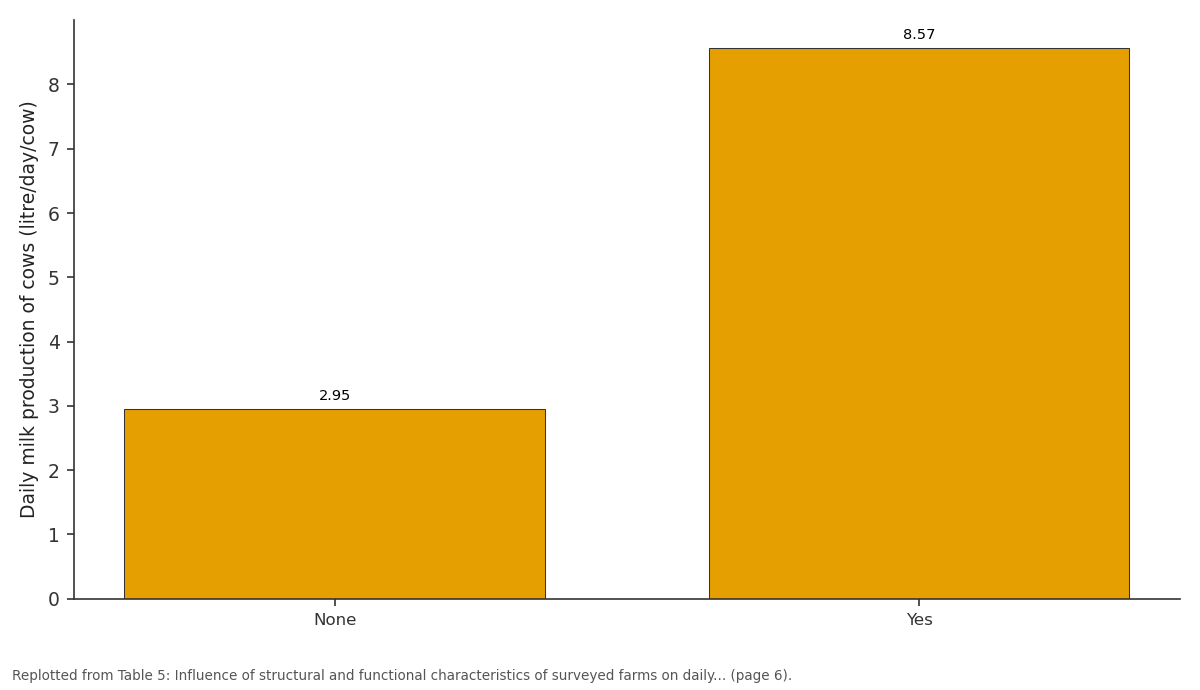
Daily milk production of cows...: None vs Yes
Replotted from Table 5 (page 6) of the original paper. Every bar is the paper's own table value.
View source evidence ↗Figures & tables
From the original paper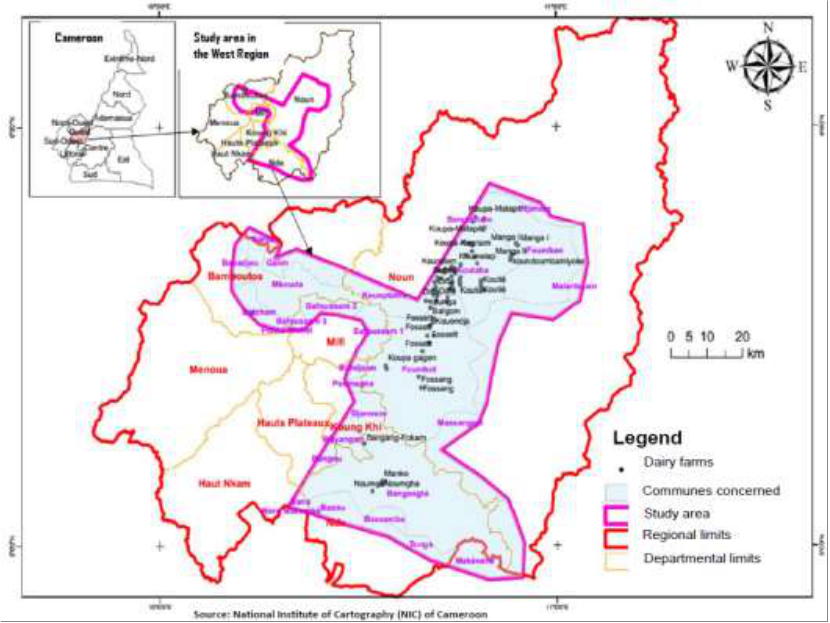 Figure 1
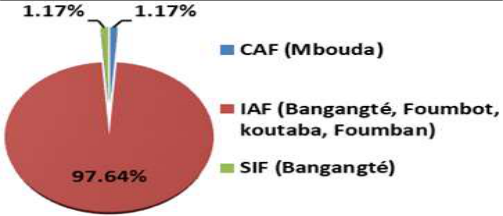 Figure 2
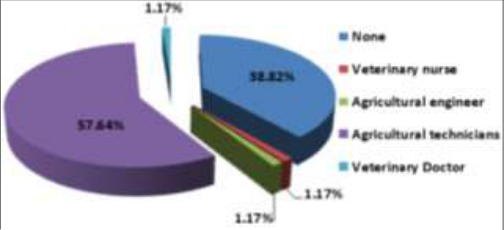 Figure 3
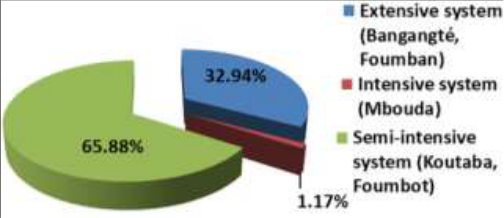 Figure 4
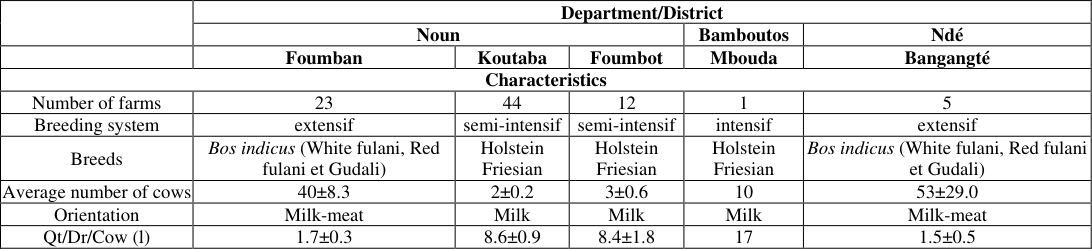 Table 1
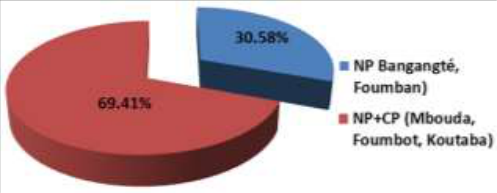 Figure 5
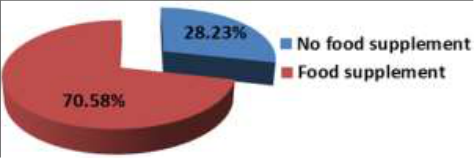 Figure 6
 Table 2
 Table 3
 Table 4
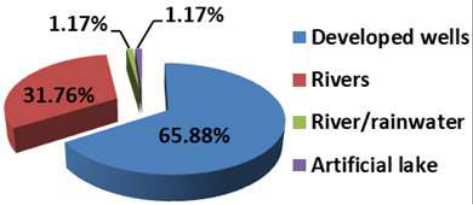 Figure 7
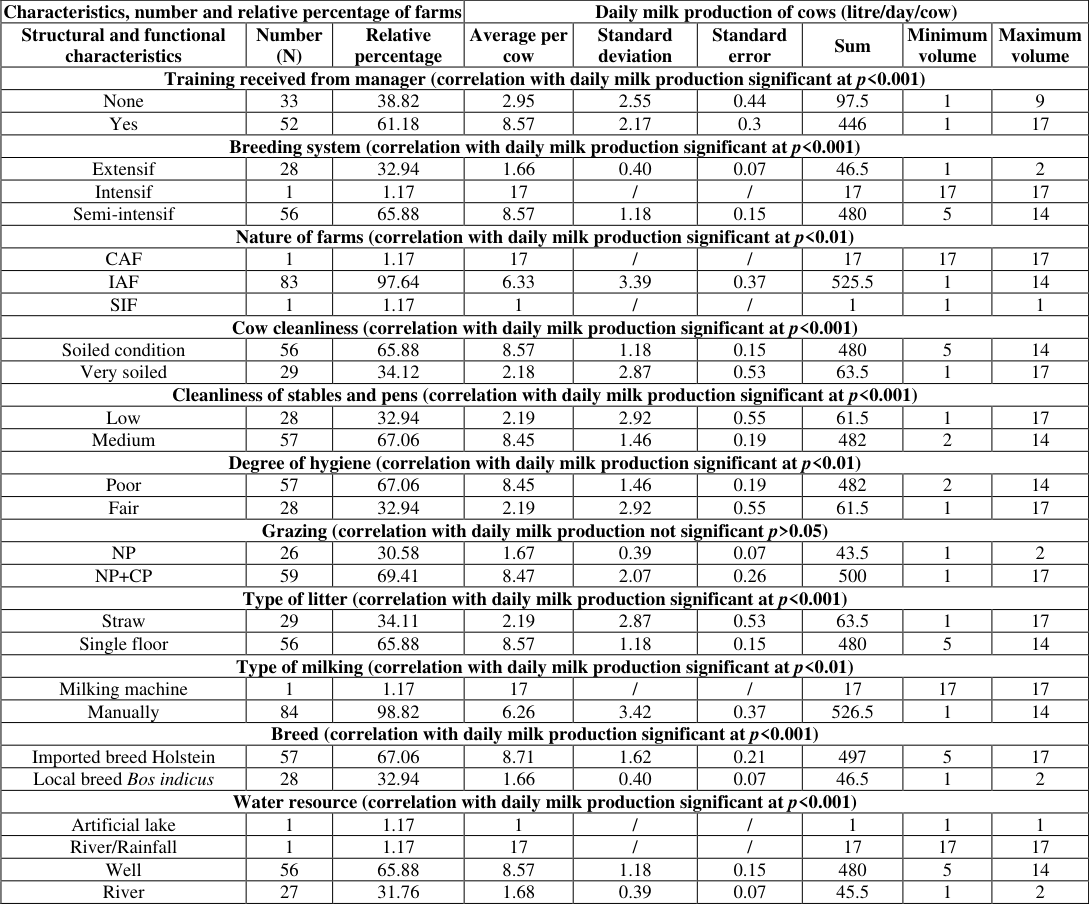 Table 5
Introduction
The population of Cameroon is estimated at just over 23,794,164 [1] . This population is increasing by 5% per year [2] . There is therefore a constant concern to feed this population. Cameroon benefits from natural conditions that are very favorable to agricultural production. This makes it the granary of the Central African sub-region. However, an examination of Cameroon's food statistics shows that food security indicators are deteriorating [1] . Cameroon must therefore rethink its food security, especially in this time of health crisis linked to Covid-19, which may cause disruptions in food supply and consequently a food crisis [3] . The dairy sector is one of the major food security issues. Despite the size of the Cameroonian cattle population, estimated at just over 7,456,123 head, of which 1,115,900 are dairy cows, the Cameroonian dairy industry is very underdeveloped, being very rural/traditional and heavily dependent on imported dairy products [4] . Recent statistics show a production deficit of more than 170,000 tonnes per year, as national production is only about 125,000 tonnes, for an estimated demand of 297,000 tonnes. Indeed, milk consumption is currently 19.8 kg per capita per year, whereas milk production in Cameroon is only 6 kg per capita per year [5] . The difference is made up by imports of dairy products, which are tending to decrease with the covid-19 health crisis [6] . This weakness can be explained by poor husbandry. Thus, the productivity of dairy cows is dependent on genetics, feed and animal welfare (housing, sanitation, hygiene, etc.) [7] . Dairy production in Cameroon should therefore be seen as an opportunity to guarantee food security and to launch the national economy. This will be effective if there is a detailed knowledge of the dairy production environment in the country. Interventions will then be easily measured, felt and verified. The objective of this work is to analyze the structural and functional characteristics of the farms and herd in order to better understand the existing dairy production system in the West Cameroon Region and to define the constraints of the system.
Materials and Methods
The Western Region is one of the ten regions of Cameroon. It is located between 5-7° North latitude and 9-11° East longitude. Altitudes vary between 800 and 2740 m and large volcanic edifices dominate the region. The climate of the region has two main seasons: a dry season from November to March, and a rainy season from April to October. Temperatures vary between 15 °C and 30 °C on average with a strong daily variation. Annual rainfall is abundant (on average 1400 to 2500 mm/year) with peaks in July, August and October (the wettest period of the year) [8] . The main vegetation consists of forests and savannahs [9] . Two main types of soil formations can be distinguished, ferralitic soils and hydromorphic soils [10,9] . The region has the most important hydrographic network in the country. Deep water boreholes and wells, more or less developed and equipped with hand pumps, provide most of the water to the populations in the villages [11] . The West Cameroon Region is the third largest cattle production area (500,000 cattle) [12] .
Selection and cartography of surveyed dairy farms
The Western Region was chosen because it is one of the most appropriate environments for improving the supply of dairy products in the country. Not only is it free of the Tse Tse fly, but the region is linked to the two main cities, Douala and Yaoundé, by a good road network. The temperatures are the lowest in the country and therefore suitable for high-yielding breeds. Increasing milk production in this region is a government priority [12] . The choice of farms surveyed was based on the concern to cover all active milk production areas in the region. The departments concerned were Bamboutos, Ndé and Noun. There were 23 farms in Foumban, 44 farms in Koutaba, 12 farms in Foumbot, five farms in Bangangté and one farm in Mbouda, for a total of 85 farms (Fig. 1).
Surveys
The identification of farms was facilitated by the decentralized services of the Ministry of Livestock, Fisheries and Animal Industries (MINEPIA). Interviews and face-toface interviews with farmers were conducted during the period October 2021 to December 2021 and covered 85 farms. Survey sheets were prepared in the form of a semistructured interview. The questions concerned the farmer, the herd and the farming practices. They covered the legal nature of the farms, the level of education of the farmers and their ages, the farming system and habitats, types of fodder and supplements, grazing methods, water resources, the orientation of the farming (milk or meat), breeds, herd size, reproduction and health of the herd, hygiene practices, milking, the quantity of milk produced per day and per cow, the fate of the milk and constraints encountered. The questionnaire was pre-tested and readjusted to reduce the time needed for group discussions, the order of the questions and the addition of some questions.
Conduct of the surveys
The research team consisted of a government agricultural officer, a veterinarian, the president of the Western Region dairy farmers, an agricultural engineer and various technicians and students. The president of the Western Region Dairy Farmers, who is fluent in the local language and has telephone contact with some of the farmers, helped to establish the link with the farmers. The team first did a general survey of the production sites, and then appointments were made at the convenience of each farmer and manager. On arrival at each site, the research team explained the purpose of the visit and initiated discussion. The team mingled with the farmers to create more trust between the two parties and walked around the farm. A lot of information was also gathered from questions asked to the farmers during the walk through the village. Direct observations were made during the field walk. Notes and photographs were taken, a recorder (tape recorder) was allowed during the discussions to avoid loss of information. Sometimes it was necessary to translate part of the discussion into local dialect. This was done by the president of the dairy farmers in the area. The lack of information was filled by observations recorded during the visits and by telephone whenever possible.
Statistical analysis
Statistical analysis
Identification of the farm managers
Regarding the level of education of the farmers, 38.82% of the farms were managed by farmers who had not received any training. The latter practiced breeding by experience, mimicry and generally solicited the help of competent people. 57.64% of the farms were managed by agricultural technicians and some of them have received training in dairy production through certain projects (HEIFER, PRODEL). The management in the state institutional farm (SIF) was assigned to a veterinary doctor. The CAF was managed by an agricultural engineer. Only the individual agricultural farm (IAF) was managed by a veterinary nurse (Fig 3). As for age, 62% of the managers were between 30 and 50 years old and 38% were over 50 years old. The characterization of the leaders indicates that more than half have undergone training. This gives an idea of the potential capacity of the farmer to manage and improve the management of the farm. Indeed, Dantas et al. [13] in the Amazonian state of Brazil report that on farms with a high level of education, the adoption of new breeding technologies, herd management and reproductive management are improved. Furthermore, the breeders in this region are relatively young, which ensures a promising future for the dairy industry in this region.
Livestock system and habitat
About 32% of the herders practice the extensive system, which is the case in the localities of Foumban and Bangangté. In this traditional management system, local breeds of cattle roam freely in the wild in search of grass, with wooden sheds. 65.88% of farmers practice the semi-intensive system (Foumbot and Koutaba localities). In this peri-urban management, there are wooden sleeping sheds with Zinc or Aluminium roofs. Only the FAC in Mbouda has an intensive system where cows are kept in free stalls and the housing in cowsheds includes a sleeping area, a feeding area, an exercise area and a milking area (Fig 4). The last two systems use imported Holsteins. The semi-intensive system dominates with two to four cows per farmer. This is the most common system adopted by smallholders, as it allows them to make the most of green fodder while making good use of concentrates at important times of production, such as the last third of the gestation period, lactation and the post-weaning period. Studies by Kouamo and Pa-ana [14] in the Northern Region of Cameroon and Blama et al. [15] in the Far North of Cameroon report that 87% and 66.6% of the farmers surveyed respectively practice the semi-intensive system.
Cattle and milk production
Two cattle production systems were noted. The first was a mixed system oriented towards dairy and meat production simultaneously with a rate of about 32.94% of all farms. The second was a dairy system accounting for about 67.05%. Sixty-seven point zero five percent (67.05%) of the farms represented the share of purebred imported Holsteins Friesian dairy cows from Heifer Project International (HPI) (presumably from the USA) and 32.94% represented the share of local Bos indicus cows that were both dairy and meat producing (White fulani, Red fulani, Goudali) from various origins (Adamaoua, Bambui, Noun and Ngaoundéré). The size of the cows ranged from one to 100 head. 32.94% of the farms had a cattle population of more than 10 head. These corresponded to an extensive breeding system, oriented towards both milk and meat production. Herds of less than 10 head represented 67.05% of the farms and corresponded to an intensive and semi-intensive farming system, oriented exclusively towards milk production. The general characteristics of the farms are summarized in Table 1. Much of the milk produced in this region was from imported Holsteins. The daily amount of milk per cow varied from 1 to 17 liters/day/cow. The average milk production was about 6.39±3.59 liters/day/cow. From the survey results, it was found that 64.70% of the farms (N=55) had a production above this average. Much of the milk was produced during the rainy season when fodder was abundant. The average amount of milk produced in the region was 1.66±0.4 and 8.71±1.62 liters/day/cow for local and imported breeds respectively. The breed with the highest milk production in the region is the imported Holstein breed. The local breeds, although showing quite good abilities, their performance in milk production (MP) is relatively low. The use of the imported Holstein breed indicates that farmers in the Western Region prefer high-yielding animals to improve milk yield. This confirms their desire to increase their milk yield. Indeed, Holstein breeds, despite their relatively difficult adaptation, have a better MP and better reproductive parameters (24 months for sexual maturity) than local breeds (36 months) [16] .
Basic rations distributed
In 30.58% of the farms (N=26), the animals were fed exclusively on natural pasture (NP) (Bangangté and Foumban) after having travelled long distances. These were mainly Pennisetum purpureum (Sussongo or Elephant grass), followed by Calliandra portoricensis, Leucaena leucocephala, Echinochloa pyramidalis, Sporobolus africanus, Desmodium intortum and Melinis minutiflora. In 69.41% of the farms, the animals fed on both natural pastures (NP) and cultivated pastures (CP) (Mbouda, Foumbot and Koutaba) (Fig 5). These cattle were mostly raised in paddocks with a free-feeding mode and a sedentary breeding system. These cattle were also fed by-products, food waste and fruit and crop residues such as sugarcane leaves, potato leaves, potatoes, guavas, ripe bananas, pumpkins and cooked maize residues, maize stalks, groundnut and bean fans. Dairy cattle in the area are fed mostly natural pasture (NP) gathered or after having travelled long distances. This natural pasture is relatively rich in grasses and legumes. Indeed, the peri-forest savannah of the Western Region is dominated by highly diversified pastures rich in grasses and legumes [9] . Moreover, farmers use various supplements from the farm, crop residues, kitchen waste, seeds, tree leaves and fruits and legume fans to feed cattle, especially during the dry season when grass is scarce. Indeed, cutting grass for cows is tedious in semi-intensive and intensive systems. Thus, farmers involved in cultivation feed more crop residues to the cattle. According to Rojas-Downing et al. [17] , the use of supplements reduces enteric fermentation and therefore greenhouse gas emissions.
Supplementation
Seventy point fifty-eight percent (70.58%) of the farmers (N=60) supplemented their ration with commercially available concentrates (Fig 6). These supplements were mostly composed of maize, wheat bran, rice bran, soybean cake, palm kernel cake, cotton cake, pig concentrate, bone ash, table salt and rock salt. This supplementary feed was given to the cows on average once a day and usually during milking, for an average quantity of between 3 kg and 6 kg. The fear here is that these farmers will rely more on supplements at the expense of grass. Forage is a high-fibre feed that is essential for animal health. Supplements, on the other hand, are generally rich in energy from sugar reserves but low in fibre [18] . It is therefore necessary to continue to encourage farmers to grow improved grass and legumes.
Water resources
The production units in the Western Region are endowed with different water resources. The majority of these farms obtained water from developed wells (65.88%). Farms located near rivers (31.76%) tapped these waters. Some of the farms in addition to rivers also used rainwater (1.17%) on their farms and one farm had an artificial lake (1.17%) (Fig 7). The water resource used for livestock watering in the region is mostly made up of developed wells. This is probably related to the hydrogeology of the area. Indeed, the region has two types of underlying aquifers that function as a bilayer system: an upper continuous aquifer (free aquifer) developed on the saprolite, generally used for wells and boreholes. The discontinuous fractured aquifer (confined aquifer) of the subsoil which is used only for drilling [19] . Unfortunately these waters are not always assured in terms of quality. The soils in the study area are composed of clays, sands and silts as major components. The permeability of the whole is low. Pollution spreads slowly in the aquifers of the metamorphic terrain consisting of gneiss [20] .
Cattle health
The main diseases of dairy cattle in the mountainous region of West Cameroon are, in order of importance, ticks and diseases such as babesiosis, anaplasmosis, dermatophilosis, cowdriosis, mastitis, diarrhoea, foot and mouth disease, black quarter, ephemeral fever and ear infection. Vaccination of dairy cows (symptovax, pastovax, perivax, nodulovax) was identified on only 59 farms. Self-medication without prior consultation of a veterinarian was done by administering trypanocides (Diminazene, Isometamidium), dewormers (Albendazole), external antiparasitics (Cypermethrin.) and some antibiotics in most of the farms surveyed (N=72). For some, medicines and veterinary services were not always accessible and available. Health is crucial for the productivity of dairy cows [21] . Similar problems were reported in the Northern Region of Cameroon [22] .
Hygiene practices
Dung removal and bedding renewal were most often done once a day (N=57) or after accumulation (N=28) (Table 2).
| Frequency of liter change | Number of farms (%) |
|---|---|
| 1 time/day | 28 (32.94) |
| after accumulation | 57 (67.05) |
Table text extracted from the original PDF; superscript letters are shown inline. The original table image is below.
View original table image
Only COOLBB-BD in Mbouda disinfected the building once a month. The cleanliness of the stables and pens was judged to be poor and average in 28 and 57 farms respectively. The evaluation of the cleanliness of the cows defined a soiled state (N=56) and a very soiled state (N=29). Milking was done manually on the majority of farms (98.82%). Only the collective farm in Mbouda (COOLBB-BD) had a milking machine. More than one person was involved in milking on all farms and no special clothing was worn by the milker. On 22 farms or 25.88%, the milkers used soap and water for hand washing. The rest of the 63 farms or 74.11% used only water. On all farms, the milking and milk collection equipment was cleaned and of average quality. Cow udders were generally washed but in different ways from one farm to another: cold water (N=60) and warm water (N=25). All farms used communal mops for udder washing and the first sprays were disposed of on the floor. On the farm, the milk collected was stored in plastic (97.64%) or Aluminium (2.35%) buckets. However, the total absence of refrigerated tanks was noted in all production units except in the Mbouda collective farm. Thus, for the characterization of the level of hygiene in the farms, the parameters mentioned in Table 3 were used. Referring to the method of the degree of hygiene proposed by Araba and Essalhi [23] , it was found that 67.06% of the farms had a poor degree of hygiene and only 32.94% were judged as average (Table 4).
| Degree of hygiene | Number of farms (%) |
|---|---|
| Average | 28 (32.94) |
| Poor | 57 (67.06) |
| Total | 85 (100) |
Table text extracted from the original PDF; superscript letters are shown inline. The original table image is below.
View original table image
| Degree of hygiene | Frequency of litter change | Condition of the litter | Milking method | Cleaning the udder before milking | Cleaning milking equipment |
|---|---|---|---|---|---|
| Good | Two times a day | Dry | Mechanical | water + bleach + wipe | Bleach water |
| Average | One time per day | Sometimes wet | Mechanical or sometimes manual | Water + lye + towel | Water + detergent |
| Poor | After accumulation or lack of litter | Always wet | Manual | Water + wipe or no wipe | Water |
Table text extracted from the original PDF; superscript letters are shown inline. The original table image is below.
View original table image
Table 3: Method for determining the degree of hygiene at stable level [23] In the region, milking is done manually on most farms. When milking the milk, everything is done in the open air. Milking is done by using traditional/craft methods. These methods could have a significant impact on the quality of the milk. Indeed, the production of good quality milk requires the regular application of a number of hygienic rules at farm level [24, 25] . When these conditions are not respected, many microorganisms can proliferate and lead to milk of questionable quality [22] . On the other hand, good product quality facilitates marketing and is a necessity for intensifying production and achieving food security [26] .
Degree of hygiene
Degree of hygiene
Fate of milk
Milk was taken by the calves, consumed at home, processed or marketed. About 27.05% of the milk produced in the region was self-consumed at home by the farmers' families. The majority of farms (72.94%) sold their milk: the milk produced was either bought at the farm by private consumers, by farmers (hawkers) or marketed by the farmers themselves who took it to the market. This self-consumption and marketing was very often accompanied by processing on 60 farms. Some of the milk was processed into yoghurt, cheese, butter and other fermented milks. The processed products were sold on the market. Most of the milk produced in the region is sold directly to consumers through informal market channels. However, these small-scale farmers do not have the capacity to supply enough raw milk to meet the demand. They face production and marketing constraints, including fluctuations in the quantities offered, lack of storage, processing facilities, transport, and delivery of milk to commercial areas. Moreover, the marketing of these milks is often accompanied by home processing. Indeed, these by-products are an integral part of the diet of the populations in these localities. Numerous scientific studies have shown that dairy products traditionally prepared from raw milk have typical flavors and nutritional qualities that are increasingly sought after by consumers [27,28] .
Relationship between structural and functional characteristics of surveyed farms and daily milk production of cows
Table 5 shows that the structural and functional characteristics of the farm influence the milk production of the cows. It can be seen that the farming system significantly (p<0.001) influenced the daily milk production of cows. On average 17, 8.57 and 1.66 liters/day/cow of milk were recorded in the intensive, semi-intensive and extensive system respectively. The analysis of variance revealed a significant effect (p<0.01) of the legal nature of the farm. Average daily milk production was recorded as 17; 6.33 and 1 liter in CAF, IAF and SIF respectively. An association between the training received from the manager and the MP was revealed. The average daily production recorded in the farms of the trained respondents was significantly higher (8.57 liters) than in those who received no training (2.95 liters), a difference in production of 5.62 liters. Significant correlations (p<0.001) were also observed between daily MP and cow cleanliness, barn and pen cleanliness, hygiene level, bedding type, milking type, breed, water supply and breeding type (Table 5). The farming system significantly influenced daily milk production. In the extensive system, the cows, which are generally of the local Bos indicus breed (Gudali, White fulani and Red fulani), are kept in stanchion barns without bedding. The diet is mainly based on roughage, with no specialized equipment or ration calculations. Both permanent and temporary grasslands are an important source of fodder. The ration is not uniform in this feeding system. It is generally difficult to balance, and for this reason high milk yields are difficult to achieve. The higher milk yield obtained in the intensive system would most probably be a consequence of a more balanced diet compared to the semi-intensive system farms, where diets are not always balanced. Król et al. [29] showed that both extensive and semi-intensive dairy systems did not fully satisfy the nutrient requirements of cows. On the other hand, the imported Holstein breeds found in the intensive and semiintensive system are better for milk production. Thus, artificial insemination is a good way to increase the milk production of local cows through the genetic progress of selected bulls while preserving the natural adaptability of these breeds. Indeed, according to Hernández-Castellano et al. [21] , the selection and use of dairy breeds adaptable to specific tropical regions will be essential for milk production in the tropics. The correlation obtained between breeding systems and milk production is partly related to the cleanliness of cows, stables and pens. In the West Cameroon Region, raw milk production is dominated by the informal sector through small-scale farms. The cows are raised in pens scattered around the outskirts of the city. In general, these farms are poorly maintained and are not constantly cleaned. The condition of the cows is considered very dirty in the extensive system and dirty in the semi-intensive system. This is because the bedding is only renewed after accumulation in the extensive systems. In contrast to the other two systems, which renew the litter and disinfect the building. A correlation was observed between the training received and milk production. The average daily production recorded in the farms of the respondents who had received training was significantly higher (8.57 liters) than in those who had not received training (2.95 liters), i.e. a difference in production of 5.62 liters. In fact, 38.8% of the respondents who had not received any training practiced the extensive system in which the local breed was the mainstay. On the other hand, those who have received training (agricultural technicians, agricultural engineers, veterinary nurses and veterinarians) use the semi-intensive and intensive systems more (61.2%), using exotic breeds. The fragility and susceptibility of exotic breeds to diseases and parasites would explain this need for training before engaging in semi-intensive breeding of exotic breeds. In addition, the breeders of the extensive system have the merit of having chosen animals (Gudali, White fulani and Red fulani) that are hardy and adapted to the geo-climatic conditions of this agro ecological zone of Cameroon. It is therefore important to further disseminate the results of the research to a large number of farmers, but also to consider improving the productivity of local breeds through crossbreeding with more productive exotic breeds.
| Characteristics, number and relative percentage of farms | — | — | Daily milk production of cows (litre/day/cow) | — | — | — | — | — |
|---|---|---|---|---|---|---|---|---|
| Structural and functional characteristics | Number (N) | Relative percentage | Average per cow | Standard deviation | Standard error | Sum | Minimum volume | Maximum volume |
| Training received from manager (correlation with daily milk production significant at p<0.001) | ||||||||
| None | 33 | 38.82 | 2.95 | 2.55 | 0.44 | 97.5 | 1 | 9 |
| Yes | 52 | 61.18 | 8.57 | 2.17 | 0.3 | 446 | 1 | 17 |
| Breeding system (correlation with daily milk production significant at p<0.001) | ||||||||
| Extensif | 28 | 32.94 | 1.66 | 0.40 | 0.07 | 46.5 | 1 | 2 |
| Intensif | 1 | 1.17 | 17 | / | / | 17 | 17 | 17 |
| Semi-intensif | 56 | 65.88 | 8.57 | 1.18 | 0.15 | 480 | 5 | 14 |
| Nature of farms (correlation with daily milk production significant at p<0.01) | ||||||||
| CAF | 1 | 1.17 | 17 | / | / | 17 | 17 | 17 |
| IAF | 83 | 97.64 | 6.33 | 3.39 | 0.37 | 525.5 | 1 | 14 |
| SIF | 1 | 1.17 | 1 | / | / | 1 | 1 | 1 |
| Cow cleanliness (correlation with daily milk production significant at p<0.001) | ||||||||
| Soiled condition | 56 | 65.88 | 8.57 | 1.18 | 0.15 | 480 | 5 | 14 |
| Very soiled | 29 | 34.12 | 2.18 | 2.87 | 0.53 | 63.5 | 1 | 17 |
| Cleanliness of stables and pens (correlation with daily milk production significant at p<0.001) | ||||||||
| Low | 28 | 32.94 | 2.19 | 2.92 | 0.55 | 61.5 | 1 | 17 |
| Medium | 57 | 67.06 | 8.45 | 1.46 | 0.19 | 482 | 2 | 14 |
| Degree of hygiene (correlation with daily milk production significant at p<0.01) | ||||||||
| Poor | 57 | 67.06 | 8.45 | 1.46 | 0.19 | 482 | 2 | 14 |
| Fair | 28 | 32.94 | 2.19 | 2.92 | 0.55 | 61.5 | 1 | 17 |
| Grazing (correlation with daily milk production not significant p>0.05) | ||||||||
| NP | 26 | 30.58 | 1.67 | 0.39 | 0.07 | 43.5 | 1 | 2 |
| NP+CP | 59 | 69.41 | 8.47 | 2.07 | 0.26 | 500 | 1 | 17 |
| Type of litter (correlation with daily milk production significant at p<0.001) | ||||||||
| Straw | 29 | 34.11 | 2.19 | 2.87 | 0.53 | 63.5 | 1 | 17 |
| Single floor | 56 | 65.88 | 8.57 | 1.18 | 0.15 | 480 | 5 | 14 |
| Type of milking (correlation with daily milk production significant at p<0.01) | ||||||||
| Milking machine | 1 | 1.17 | 17 | / | / | 17 | 17 | 17 |
| Manually | 84 | 98.82 | 6.26 | 3.42 | 0.37 | 526.5 | 1 | 14 |
| Breed (correlation with daily milk production significant at p<0.001) | ||||||||
| Imported breed Holstein | 57 | 67.06 | 8.71 | 1.62 | 0.21 | 497 | 5 | 17 |
| Local breed Bos indicus | 28 | 32.94 | 1.66 | 0.40 | 0.07 | 46.5 | 1 | 2 |
| Water resource (correlation with daily milk production significant at p<0.001) | ||||||||
| Artificial lake | 1 | 1.17 | 1 | / | / | 1 | 1 | 1 |
| River/Rainfall | 1 | 1.17 | 17 | / | / | 17 | 17 | 17 |
| Well | 56 | 65.88 | 8.57 | 1.18 | 0.15 | 480 | 5 | 14 |
| River | 27 | 31.76 | 1.68 | 0.39 | 0.07 | 45.5 | 1 | 2 |
Table text extracted from the original PDF; superscript letters are shown inline. The original table image is below.
View original table image
Conclusion
The localities of Koutaba and Foumbot (Noun department) are those where there is most milk production in the region. The farmers in these two localities practice a semi-intensive system with a herd of imported Holstein Friesian breeds of two to four heads. This local milk sector is facing many internal difficulties that strongly limit its development. The constraints that hinder this milk production are, in order of importance, related to the insufficiency of the herd, health, reproduction, food resources, and insufficient knowledge of hygiene, treatment and conservation of milk.
Acknowledgement
AcknowledgementsThe authors would like to thank the regional and departmental delegations of livestock, fisheries and animal industries in the western regions for their considerable contribution to the provision of lists of livestock keepers and the Agricultural Research Institute for Development (IRAD) in Cameroon.
Figures and tables from the paper
References
20 in the original paper- Darej C, M'hamdi N, Attia K, Hamzaoui S, M'hamdi H, Mrabet K, et al. Effects of livestock practices on animal wellbeing and milk quality in the Holstein cow in Tunisia. Journal of new sciences. Agriculture and Biotechnology. 2019;65(2):4066-4076.
- Da Costa A, Lacanal G, Hoffmann F. Problèmes de gestion des ressources en eau et de l'assainissement en pays Bamiléké: l'exemple de la ville de Dschang (Cameroun). Travaux du Laboratoire de Géographie Physique Appliquée. 2005;23:63-77.
- Njoya D, Hajjaji M, Nkoumbou C, Elimbi A, Kwekam M, Njoya A, et al. Chemical and mineralogical characterization and ceramic suitability of raw feldspathic materials from Dschang (Cameroon). Bulletin of the Chemical Society of Ethiopia. 2010;24(1):39-46.
- Mfonka Z, Ndam Ngoupayou JR, Ndjigui PD, Kpoumié A, Zammouri M, Ngouh AN, et al. A GIS-Based DRASTIC and GOD models for assessing alterites aquifer of three experimental watersheds in Foumban (western-Cameroon). Ground water and Sustainable Development. 2018;7(1):250-264.
- Dantas VV, Oaigen RP, Santos MA, Marques CS, Silva F. Typology of dairy production systems in the Eastern Amazon, Pará, Brazil. Livestock Research for Rural Development. 201;28(6):109. retrieved March 6, 2021, from http://www.lrrd.org/lrrd28/6/dant28109.htm.
- Kouamo J, Pa-ana P. Typology of cattle farms in the northern regions of Cameroon. Revue d'Elevage et de Médecine Vétérinaire des Pays Tropicaux. 2018;70(3):73-80.
- Blama Y, Ziebe R, Rigolot C. Typologie des élevages sédentaires en zone semi-aride: cas du Cameroun. Livest. Res. Rural Dev. Article. 2016;28(5);87. http://www.lrrd.org/lrrd28/5/blam28087.html.
- Nsangou AS, Mbah DA, Tawah CL, Manchang TK, Bah GS, Manjeli Y, et al. Amélioration génétique bovine par voie de croisement et de sélection en Afrique Tropicale: Expériences du Cameroun. Journal of the Cameroon Academy of Sciences. 2021;17(1):19-41.
- Rojas-Downing MM, Nejadhashemi PA, Harrigan T, Woznicki SA. Climate change and livestock: Impacts, adaptation, and mitigation. Climate Risk Management. 2017;16:145-163.
- Ettian MK, Gbogouri GA, Djenontin AJ, Mensah GA. Évaluation des apports nutritionnels et énergétiques des fourrages verts dans l'alimentation des Aulacodes (Thryonomys swinderianus) en Côte d'Ivoire. Revue Marocaine des Sciences Agronomiques et Vétérinaires. 2018;6(1):99-109.
- Mfonka Z, Kpoumié A, Ngouh AN, Mouncherou OF, Nsangou D, Rakotondrabe F, et al. Water quality assessment in the bamoun plateau, western-Cameroon: hydrogeochemical modelling and multivariate statistical analysis approach. Journal of Water Resource and Protection. 2021;13(2):112-138.
- Mba FF, Temgoua E, Kengne PD, Natheu Kamhoua S. Vulnérabilité des eaux souterraines à la pollution dans la ville de Dschang, Ouest-Cameroun. International Journal of Biological and Chemical Sciences. 2019;13(5):39-56.
- Hernández-Castellano LE, Nally JE, Lindahl J, Wanapat M, Alhidary IA, Fangueiro D, et al. Dairy science and health in the tropics: challenges and opportunities for the next decades. Tropical Animal Health and Production. 2019;51(5):1009-1017.
- Maïworé J, Baane MP, Toudjani Amadou A, Daibe Ouassing A, Tatsadjieu Ngoune L, Montet D, et al. Influence des conditions de la traite sur les qualités physico-chimiques et microbiologiques du lait cru collecté à Maroua, Cameroun. Afrique Science. 2018;14(4):235-248.
- Kaouche-adjlane S, Mati A. Effets des pratiques d'élevage sur la variation de la qualité hygiénique et nutritionnelle du lait cru dans la région médioseptentrionale d'Algérie. Revue de Médecine Vétérinaire. 2017;168(7):151-163.
- Habtamu Lemma D, Ashenafi M, Taddese K, Berhanu K. Improving milk safety at farm-level in an intensive dairy production system: relevance to smallholder dairy producers. Food Quality and Safety. 2018;2(3):135-143.
- Francesconi GN, Ruerd R. The hidden impact of cooperative membership on quality management: a case study from the dairy belt of Addis Ababa. Journal of Entrepreneurial and Organisational Diversity. 2012;1(1):85-103.
- Lairini S, Beqqali N, Bouslamti R, Belkhou R, Zerrouq F. Isolement des bactéries lactiques à partir des produits laitiers traditionnels Marocains et formulation d'un lait fermenté proche du Kéfir. Afrique Science. 2014;10(4):267-277.
- Mani-lópez E, Palou E, López-Malo AJ. Probiotic viability and storage stability of yogurts and fermented milks prepared with several mixtures of lactic acid bacteria. Journal of Dairy Science. 2014;97(5):25782590.
- Król J, Brodziak A, Topyła B. The nutritional value of the milk of Simmental cows in relation to the season and production system. World Review of Animal Production. 2016;6:20-24.
Cited by 1
From OpenAlex, OpenCitations and reference lists read by Scinovex
- Empirical evidence of the impact of farmer-grazer conflicts on milk yield in Cameroon ↗
Valentine P. Nchinda, Abubakar Ali Shidiki, Etido P. Umoren, Tata Precillia Ijang, Omphile Temoso, Marcellus Azeh et al. · NJAS Impact in Agricultural and Life Sciences · 2025
The study assesses the impact of farmer-grazer conflicts on milk yield in the northwest region of Cameroon. Survey data collected from 321 farmers and grazers were analysed using propensity score matching (PSM) and various matching algorithms that consider counterfactuals and the potential impact of conflict on milk yield. Our results show that farmer-grazer conflict significantly (p < 0.01) reduces cow…
❝ 0PDF