
Research article · 2023 · Full text
International Journal of Veterinary Sciences and Animal HusbandryChemical composition and tannin content in leaves of Ficus spp. as top feed for ruminants from the Dang forest of South Gujarat Province, India
Volume 8(3) · Pages 225–228 · DOI: 10.22271/veterinary.2023.v8.i3d.548 ↗
Research areasEthnobotanical and Medicinal Plants StudiesLivestock Management and Performance Improvement
Abstract
Author-writtenAn experiment was conducted to estimate proximate composition, fibre fraction and tannin content of leaves amongst 10 spp. of genus Ficus L. belonging to family Moraceae from the Dangs Forest in South Gujarat. Results revealed that all parameters varied significantly among different species leaves. Leaves of F. racemosa was observed with high (p
Summary
Source-checkedPlain-language reading of the full paper, prepared with AI and checked against the text. Each point links to the authors' own words.
Why it matters
- Fodder is the primary nutritional source for livestock and is critical for their overall growth and well-being. View evidence ↗
- Tree leaves are valuable nutritious feeds because they are rich in proteins, vitamins, and minerals, especially in areas with limited fodder alternatives. View evidence ↗
- Tannins in tree leaves can help ruminants absorb more dietary protein after it leaves the rumen, making trees useful sources of energy and protein. View evidence ↗
The question
- The study aimed to determine the proximate composition, fiber fractions, and tannin levels in the leaves of 10 Ficus species from the Dangs Forest in South Gujarat. View evidence ↗
What they did
- Leaves from ten Ficus species were collected from the Dangs Forest in Gujarat during the summer of 2022-23. View evidence ↗
- The researchers analyzed proximate parameters (including protein, fiber, and ash) and fiber fractions (such as NDF, ADF, and ADL) using three replications. View evidence ↗
What they found
- Ficus racemosa exhibited the highest dry matter (DM) content at 47.27%. View evidence ↗
- Ficus arnottiana had the highest organic matter (OM) at 92.95% and crude fiber (CF) at 27.91%. View evidence ↗
- The highest crude protein (CP) content was found in Ficus benjamina (11.64%), followed closely by F. benghalensis (11.41%) and F. racemosa (11.29%). View evidence ↗
- Ether extract (EE) ranged from 1.23% to 4.23%, which is higher than conventional fodders like maize (1.79%) and sorghum (1.94%). View evidence ↗
- The highest acid detergent lignin (ADL) content was observed in Ficus religiosa (38.09%) and Ficus asperrima (36.43%). View evidence ↗
- Ficus arnottiana showed the highest crude fiber (27.91%) and acid detergent fiber (ADF) at 52.40%. View evidence ↗
- Ficus asperrima had significantly high neutral detergent fiber (NDF) at 72.42% and ADL at 36.43%. View evidence ↗
- Tannin content was highest in Ficus arnottiana (38.56%) and Ficus amplissima (27.37%), and lowest in Ficus benghalensis (8.10%). View evidence ↗
What it means
- The authors concluded that Ficus benghalensis and Ficus benjamina are the most suitable species for use as top feed for ruminants. View evidence ↗
- The study concludes that Ficus leaves are a good nutrient source with tolerable lignin and tannin levels, making them viable supplemental livestock feed. View evidence ↗
Visual summary
3 visualsIllustrations explain the paper; charts are replotted from the paper's own table values.
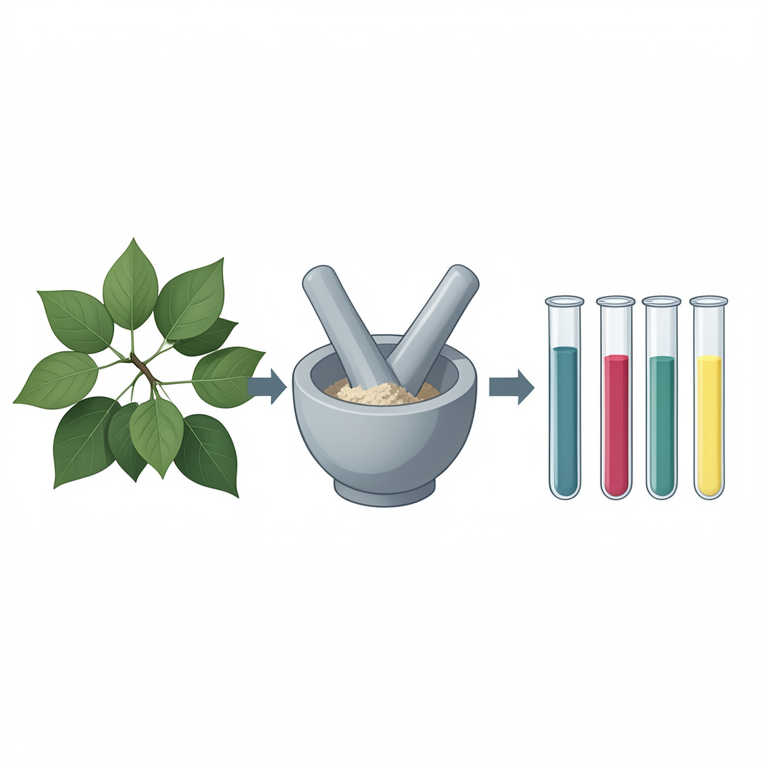
Nutritional Analysis Workflow
AI-generated conceptual illustration (Ficus species leaves). It explains the idea and does not show study data.
View source evidence ↗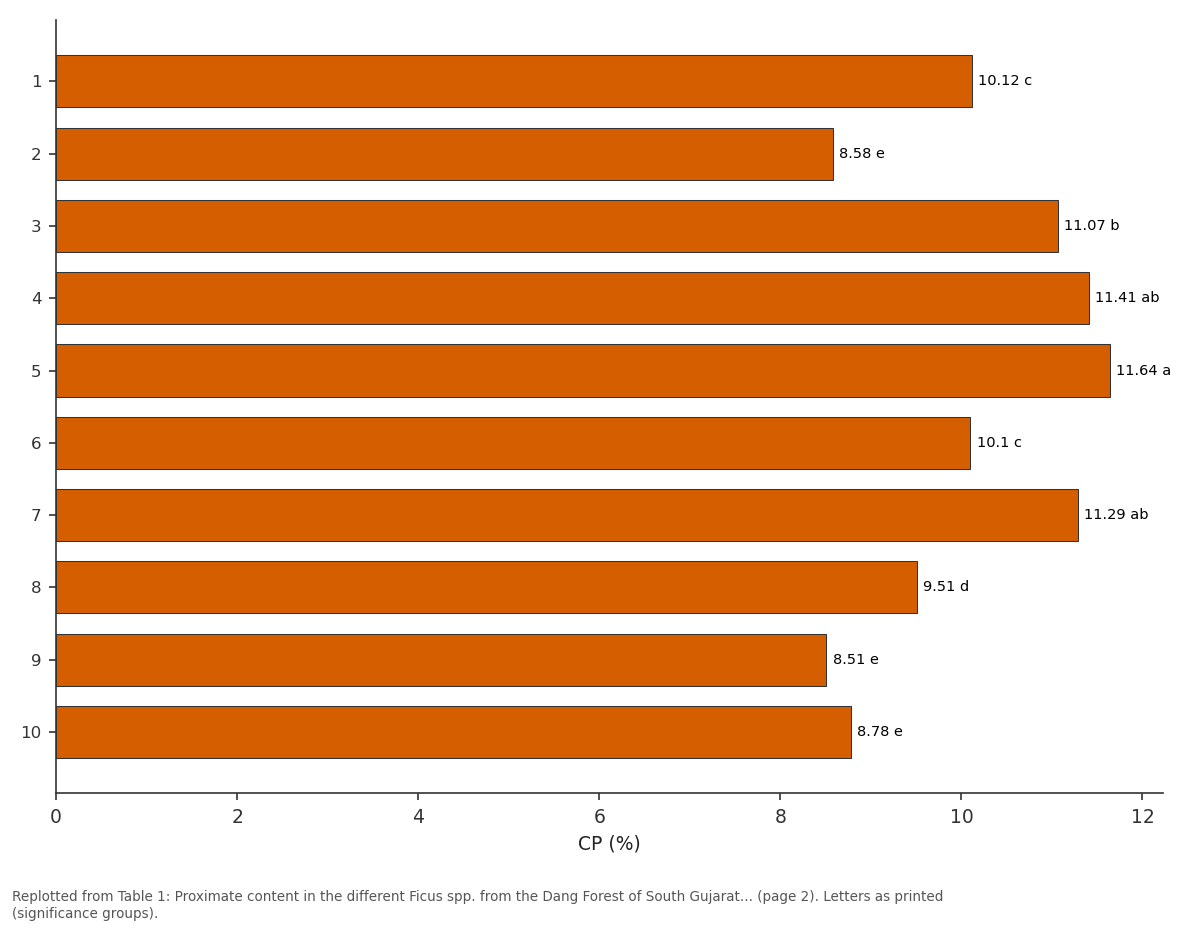
CP (%): 1 vs 2 vs 3 vs 4 vs 5
Replotted from Table 1 (page 2) of the original paper. Every bar is the paper's own table value.
View source evidence ↗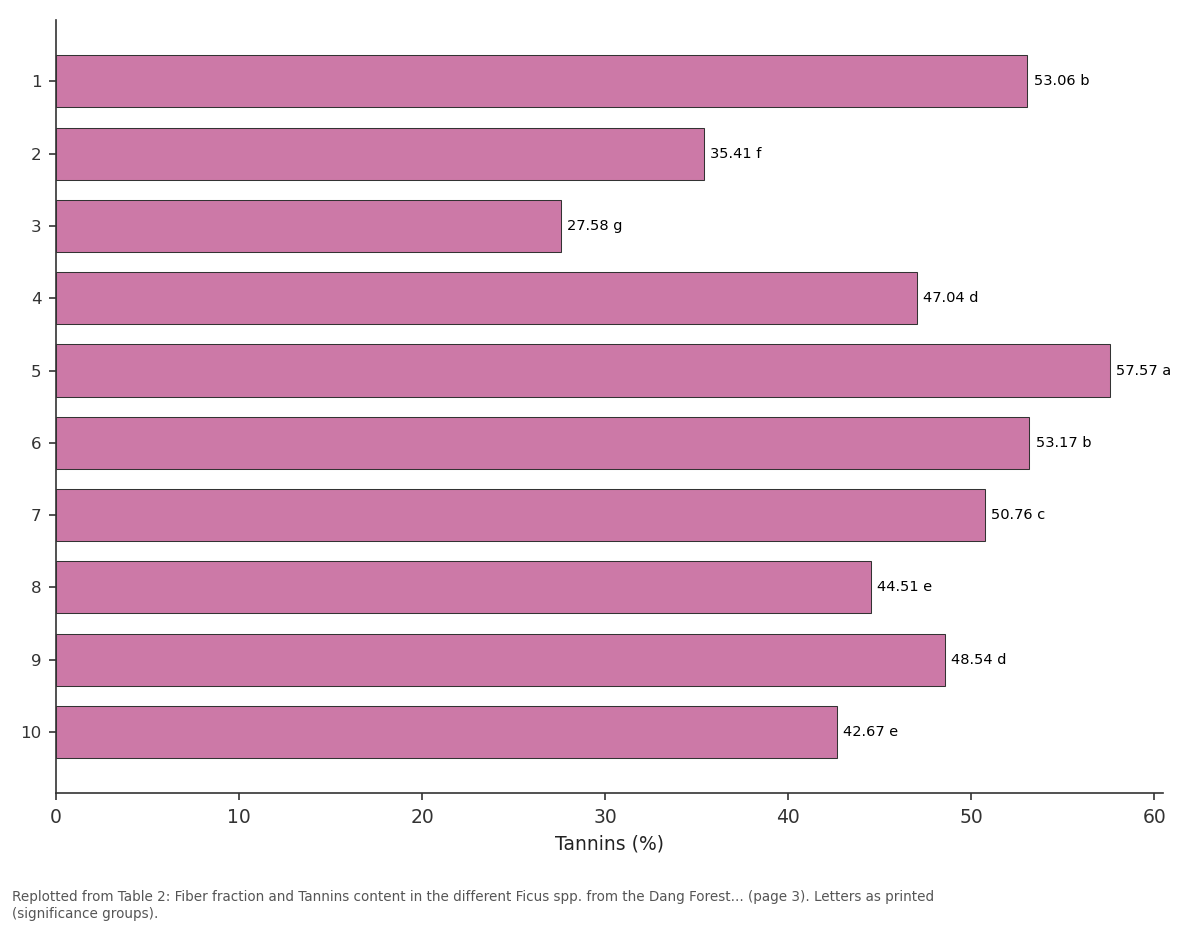
CC (%): 1 vs 2 vs 3 vs 4 vs 5
Replotted from Table 2 (page 3) of the original paper. Every bar is the paper's own table value.
View source evidence ↗Figures & tables
From the original paper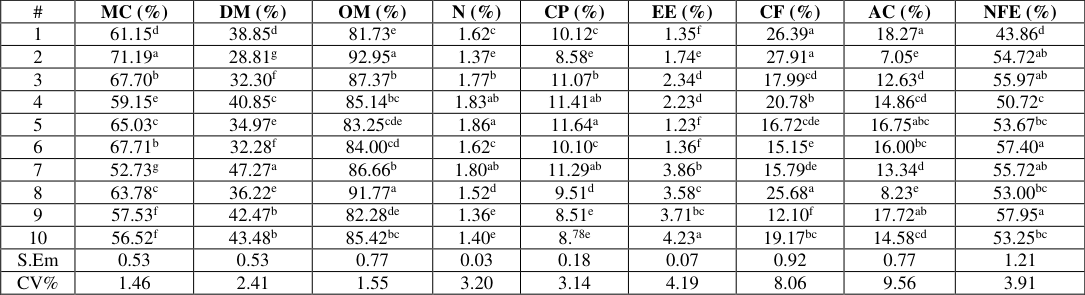 Table 1
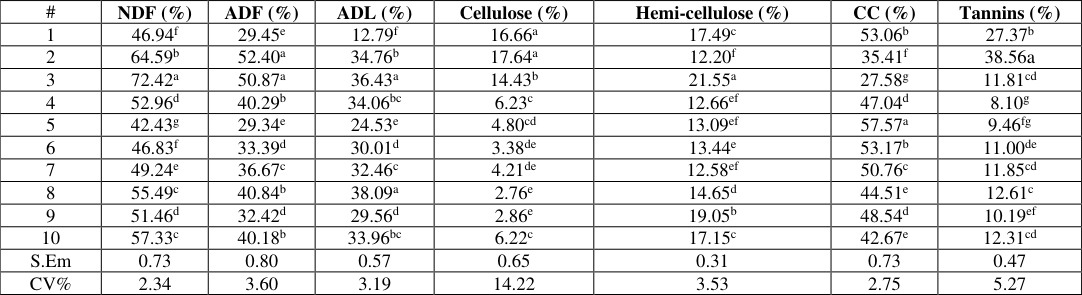 Table 2
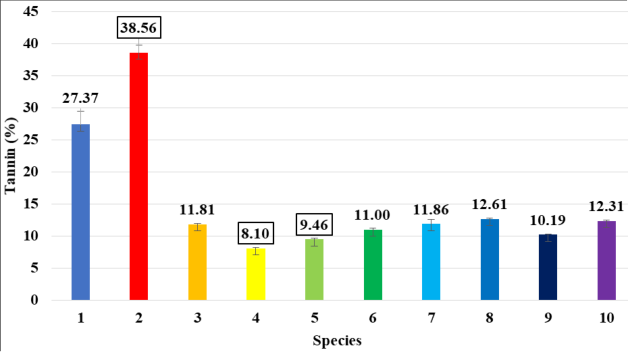 Figure 1
Introduction
For livestock animals, fodder serves as their main and basic source of nutrition and is essential to their growth, development, and general well-being. Species, age, gender, and production goals all affect the nutritional needs of livestock animals [10] . To meet the nutritional requirement of increasing livestock population, it is necessary both to increase the productivity and to use available resources more efficiently. The leaves of tree considered nutritious feed due to their high proteins, vitamins and minerals [17] . Tree leaves play an important role in the nutrition of grazing animals in area where few or no alternatives are available [20] . For instance, in order to support milk production, dairy cows need a diet high in calories and protein, whereas beef cattle need a diet high in fibre to support healthy rumen function [9] . Because of the secondary plant chemicals (tannins) found in tree leaves, which allow ruminants to acquire larger quantities of dietary protein at post rumen for digestion and absorption, trees are employed as forages as sources of protein and energy for small ruminants [5] . For livestock animals to obtain enough nutrients from their food, it is essential to understand and determine the nutritional makeup of various types of fodder. For this, it is crucial to comprehend the basic nutrient composition of fodder, including its fiber fraction and tannin content. The Moraceae family includes a wide range of trees and shrubs collectively known as Ficus spp., or simply figs. These plants are widespread in tropical and subtropical areas and are valued for their decorative qualities, edible fruits, and ecological significance [3,4] . But one of the less well-known advantages of Ficus species is their potential as a source of cattle fodder. Ficus spp. leaves and fruits are extremely nutrient-dense, loaded with protein and minerals, and have long been utilised as animal feed in many cultures [28] . Exploring the potential of Ficus spp. as a sustainable and cost-effective fodder source can help to promote livestock farming and conservation initiatives in a variety of areas. We can increase animal health, productivity, and welfare while lowering the environmental impact of animal husbandry by optimizing the nutritional content of livestock feeds.
Materials and Methodology
Tree leaves have traditionally been used as sources of fodder since they are a natural component of ruminant diets. For tiny ruminants, tree fodders constitute a significant source of nutrition. Tree fodders can supplement low-quality grasses since they provide more protein and minerals than grasses [5] . To ascertain the nutritional content of leaves from locally accessible fodder tree species, a field survey experiment was carried out in Dang district of South Gujarat. The Dangs comes under the AES-III, South Gujarat Heavy Rainfall Zone with a hilly terrain, is governed by dryness except during the rainy season. It consists of mixed tree growth among which teak is the predominant species in most parts of the area. The forest is continuous in all parts except at the places where the slopes are too steep to retain the soil and where biotic interference has cleared or opened it out. Leaf fodder of ten different Ficus species viz., (Ficus asperrima Roxb., F. racemosa L., F. virens Ait., F. benghalensis L., F. religiosa L., F. hispida Vahl., F. amplissima Sm., F. rumphii, F. benjamina L., F. arnottiana Miq.) was collected from Dangs Forest, Gujarat in the Summer season (April-may) of year 2022-23. Proximate parameters such as moisture content (MC), dry matter (DM), organic matter (OM), crude protein (CP), crude fiber (CF), ether extract (EE), total ash (TA) and nitrogen free extract (NFE) along with fibre fraction such as neutral detergent fibre (NDF), acid detergent fibre (ADF), acid detergent lignin (ADL), cell content, cellulose and hemi-cellulose content of collected leaves were analyzed as per Van soest et al., (1991) [33] and AOAC (2016) [1] in three replication and the further data were analysed using CRD analysis ( [26,14] . The tannin content of leaves was estimated though by using Folin Ciocalteu assay method [21] .
Result and Discussion
The proximate composition and fiber fractions of different Ficus tree leaves were revealed significant variations (P≤0.05) among different species (Table 1). The maximum, OM% (92.95) and CF% (27.91) were significantly higher in leaves of F. arnottiana however, DM % was found higher in F. racemosa (47.27%). CP (%) content was high (p<0.05) in F. benjamina (11.64%), which was comparable with F. benghalensis (11.41%) and F. racemosa (11.29%). EE (%) was found in the range of 1.23 to 4.23, which is better to that of conventional fodder like maize (1.79%) and sorghum (1.94%) [18,29] . Generally, CP content typically provides a reliable indicator of their nutritional status, however it varies widely and similar research was conducted by Osagie and Aguebor-Ogie (2020) [24] on the three Ficus species (F. thonningii, F. carica, and F. exasperata) and reported the CP range (7.63-15.76%), which validates and illustrates the range (8.51-11.64%) of our results. Similarly, in our study we reported significant variations (p>0.05) in proximate composition like OM, CF, CP, EE and the ash, NFE and crude fibre concentration among the ten Ficus species studied in our study which validates our finding and there are also comparable to values previously reported for Osowe et al., 2021 [25] in different species of Ficus; F. racemosa [11,30,34,7] and F. benghalensis [19,30,27,12] . Chitra and Balasubramanian 2016 [6] also reported the different proximate composition and fiber fraction in the five Albizia species which is also supports our results. In ruminant system, nutrient digestibility is affected by content of fiber and its fractions which is shown in Table 2. Highest CF (%) was observed in F. arnottiana (27.91%), which is also found high in ADF (52.40%). Leaves of F. asperrima was found significantly high for NDF (72.42%) and ADL (36.43%) content. Cellulose and Hemi cellulose being considered as major polysaccharides available from fibrous portion of roughages. In the present study, highest cellulose and hemicellulose was found in F. arnottiana (17.64%) and F. asperrima (21.55%), respectively. The ADL portion contributed by lignin and total ash, which are indigestible and reduce the digestibility of fodder. Here, highest (p<0.05) ADL was observed in F. religiosa (38.09%) followed by F. asperrima (36.43%). Results of fiber fraction are supported by the Niranjan, 2007 [23] , Dhungana et al., 2012 [7] , Nayak and Basak, 2015 [22] for the F. benghalensis. However, values for NDF (42.43-72.72%) was found higher than Ramachandran et al., 2015 [27] and Gaikwad et al., 2017 [12] for F. religiosa. Similarly, proximate parameter of F. virens reported in the study was in corroboration with of Khan 2011 [16] and Niranjan 2007 [23] . The common Ficus trees fodder is quite usual among the cattle and small ruminants. However, no information is available on the nutritive value for few of the selected species. It might be the first attempt to analysed Ficus asperrima, F. amplissima, F. rumphii, F. benjamina and F. arnottiana for their proximate and fiber fraction composition.
| # | NDF (%) | ADF (%) | ADL (%) | Cellulose (%) | Hemi-cellulose (%) | CC (%) | Tannins (%) |
|---|---|---|---|---|---|---|---|
| 1 | 46.94f | 29.45e | 12.79f | 16.66a | 17.49c | 53.06b | 27.37b |
| 2 | 64.59b | 52.40a | 34.76b | 17.64a | 12.20f | 35.41f | 38.56a |
| 3 | 72.42a | 50.87a | 36.43a | 14.43b | 21.55a | 27.58g | 11.81cd |
| 4 | 52.96d | 40.29b | 34.06bc | 6.23c | 12.66ef | 47.04d | 8.10g |
| 5 | 42.43g | 29.34e | 24.53e | 4.80cd | 13.09ef | 57.57a | 9.46fg |
| 6 | 46.83f | 33.39d | 30.01d | 3.38de | 13.44e | 53.17b | 11.00de |
| 7 | 49.24e | 36.67c | 32.46c | 4.21de | 12.58ef | 50.76c | 11.85cd |
| 8 | 55.49c | 40.84b | 38.09a | 2.76e | 14.65d | 44.51e | 12.61c |
| 9 | 51.46d | 32.42d | 29.56d | 2.86e | 19.05b | 48.54d | 10.19ef |
| 10 | 57.33c | 40.18b | 33.96bc | 6.22c | 17.15c | 42.67e | 12.31cd |
| S.Em | 0.73 | 0.80 | 0.57 | 0.65 | 0.31 | 0.73 | 0.47 |
| CV% | 2.34 | 3.60 | 3.19 | 14.22 | 3.53 | 2.75 | 5.27 |
Table text extracted from the original PDF; superscript letters are shown inline. The original table image is below.
View original table image
| # | MC (%) | DM (%) | OM (%) | N (%) | CP (%) | EE (%) | CF (%) | AC (%) | NFE (%) |
|---|---|---|---|---|---|---|---|---|---|
| 1 | 61.15d | 38.85d | 81.73e | 1.62c | 10.12c | 1.35f | 26.39a | 18.27a | 43.86d |
| 2 | 71.19a | 28.81g | 92.95a | 1.37e | 8.58e | 1.74e | 27.91a | 7.05e | 54.72ab |
| 3 | 67.70b | 32.30f | 87.37b | 1.77b | 11.07b | 2.34d | 17.99cd | 12.63d | 55.97ab |
| 4 | 59.15e | 40.85c | 85.14bc | 1.83ab | 11.41ab | 2.23d | 20.78b | 14.86cd | 50.72c |
| 5 | 65.03c | 34.97e | 83.25cde | 1.86a | 11.64a | 1.23f | 16.72cde | 16.75abc | 53.67bc |
| 6 | 67.71b | 32.28f | 84.00cd | 1.62c | 10.10c | 1.36f | 15.15e | 16.00bc | 57.40a |
| 7 | 52.73g | 47.27a | 86.66b | 1.80ab | 11.29ab | 3.86b | 15.79de | 13.34d | 55.72ab |
| 8 | 63.78c | 36.22e | 91.77a | 1.52d | 9.51d | 3.58c | 25.68a | 8.23e | 53.00bc |
| 9 | 57.53f | 42.47b | 82.28de | 1.36e | 8.51e | 3.71bc | 12.10f | 17.72ab | 57.95a |
| 10 | 56.52f | 43.48b | 85.42bc | 1.40e | 8.78e | 4.23a | 19.17bc | 14.58cd | 53.25bc |
| S.Em | 0.53 | 0.53 | 0.77 | 0.03 | 0.18 | 0.07 | 0.92 | 0.77 | 1.21 |
| CV% | 1.46 | 2.41 | 1.55 | 3.20 | 3.14 | 4.19 | 8.06 | 9.56 | 3.91 |
Table text extracted from the original PDF; superscript letters are shown inline. The original table image is below.
View original table image
The tannin content of fodder plants, which has a substantial impact on digestibility and nutrient availability, is one element that affects the nutritional value of the plants [15] . The majority of tree leaves include different types of tannins as an antinutritional substance that necessitates appropriate measures while choosing the species of tree leaves [5] . In present investigation of Ficus spp., the tannin was found in the range of 8.10-38.56%. Maximum mean tannin content was observed in the FAR (Ficus arrnottiana) leaves 38.56% followed by FAM (F. amplissima) leaves 27.37%. However, the minimum mean tannin content was observed in FB (Ficus benghalensis) 8.10% and shown in the Table 2 and Fig. 1. Similar findings were reported by Fernandes et al., (2007) [11] and Sumi et al., (2021) [32] , they reported that the tannin levels in Ficus racemosa was 2.9% and 19.72 mg GAE/g of dry extract, respectively by Folin Ciocalteu method. Numerous reports that have shown the reduction of enteric methane from ruminants due to inclusion of tannin rich browses because the tannins have anti-methanogenic activity [13] and ranged the total tannin concentration between 32.4 to 209.1 g/kg DM. Similarly, Saxena et al., 2013 [31] reported 99.55 mg/gm, 9.95mg/gm, 54.96 mg/gm, and 57.4869 mg/gm of tannin for Harde, Arjuna, Baheda and Ashoka respectively.
Conclusion
The present study on nutrional evaluation of leaves from different Ficus species have been revealed that leaves are good source of nutrients with tolerable amount of ADL as well as tannin content and can be used as a supplemental feed in livestock.
Acknowledgement
AcknowledgementAcknowledging the Department of Animal Nutrition, Vanbandhu College of Veterinary Science & Animal Husbandry, Navsari Campus, KAU, Gandhinagar for providing the necessary facilities for the analysis.
References
29 in the original paper- Khan WA. Ficus palmata a nutraceutical under took advantage of the product. Int. J Agric. Nutr. 2021;3(2):14-18. DOI: 10.33545/26646064.2021.v3.i2a.67
- Berg CC, Corner EJ, Noteboom HP. Moraceae (Ficus). Flora Malesiana, Series I (Seed plants,). Leiden: National Herbarium of the Netherlands; 2005;17(2):01-70.
- Chaudhary LB, Sudhakar JV, Kumar A, Bajpai O, Tiwari R, Murthy GV. Synopsis of the genus Ficus L. (Moraceae) in India. Taiwania. 2012;57(2):193-216.
- Cheema UB, Younas M, Sultan JI, Virk MR, Tariq M, Waheed A, et al. Fodder tree leaves: an alternative source of livestock feeding. Advances in Agricultural Biotechnology. 2011;2:22-33.
- Chitra P, Balasubramanian A. A study on chemical composition and nutritive value of Albizia tree leaves as a livestock feed. International Journal of Science, Environment and Technology. 2016;5(6):4638-4642.
- BIOINFOLET-A Quarterly Journal of Life Sciences. 2016;13(2b):394-397.
- Dhungana S, Tripathee HP, Puri L, Timilsina YP, Devkota KP. Nutritional analysis of locally preferred fodder trees of middle hills of Nepal: A Case Study from Hemja VDC, Kaski District. Nepal Journal of Science and Technology. 2012;13(2):39-44.
- Fernandes AP, Shintre PM, Fulpagare YG. Nutritive value of top feeds for goats. Indian Journal of Animal Nutrition. 2007;24(1):40-43.
- Gaikwad US, Pawar AB, Kadlag AD. Nutritional status of fodder tree leaves and shrubs of scarcity zone of Maharashtra. Advances in Life Sciences. 2017;7(1):1114.
- Gemeda BS, Hassen A. Effect of tannin and species variation on in vitro digestibility, gas, and methane production of tropical browse plants. Asian-Australasian Journal of Animal Sciences. 2015;28(2):188-199.
- Gopinath PP, Parsad R, Joseph B, Adarsh VS. Grapes Agri1: collection of shiny apps for data analysis in agriculture. Journal of Open-Source Software. 2021;6(63):3437. https://doi.org/10.21105/joss.03437.
- Hassan ZM, Manyelo TG, Selaledi L, Mabelebele M. The effects of tannins in monogastric animals with special reference to alternative feed ingredients. Molecules. 2020;25(20):4680. Doi: 10.3390/molecules25204680.
- Khan N, Barman K, Rastogi A, Sharma RK, Yatoo MA. Chemical composition, tannin fractionation and protein binding affinity of some top foliages. Indian Journal of Animal Nutrition. 2011;28(4):421-426.
- Lata M, Mondal BC. Uses of tree leaves as alternative feed resources for ruminant animals. Journal of Entomology and Zoology Studies. 2021;9(1):2239-2247.
- Telgote MV, Chavan SD, Shelke RR, Nage SP, Bidwe KU. Comparative study on chemical composition of different feeding ingredients with hydroponically grown and conventionally grown green maize fodder. Biological Forum -An International Journal. 2022;14(3):656-659.
- Meuret M, Boza J, Narjisse H, Nastis A. Evaluation and utilization of rangeland feeds by goats. Goat Nutrition. 1991;46:160.
- Mohammed S, Manan FA. Analysis of total phenolics, tannins and flavonoids from Moringa oleifera seed extract. Journal of Chemical and Pharmaceutical Research. 2015;7(1):132-135.
- Nayak J, Basak UC. Analysis of some nutritional properties in eight wild edible fruits of Odisha, India. International Journal of Current Science Research and Review. 2015;14(1):55-62.
- Niranjan PS, Srivastava V, Verma DN. Nutritional evaluation of peepal leaves in barbari kids. Indian Journal of Animal Nutrition. 2007;24(2):128-129.
- Osagie OA, Aguebord-ogie BN. Proximate Analysis, Phytochemical Screening and Evaluation of Acute and Sub-chronic Toxicity of Methanol Extract of Ficus exasperata. Federation of American Societies for Experimental Biology Journal. 2020;34(S1):1-1. https://doi.org/10.1096/fasebj.2020.34.s1.00304
- Osowe CO, Olowu OP, Adu OA, Oloruntola OD, Chineke CA. Proximate and mineral composition, phytochemical analysis, and antioxidant activity of fig trees (Ficus spp.) leaf powder. Asian Journal of Biochemistry, Genetics and Molecular Biology. 2021;9(1):19-29.
- Ramachandran M, Bharathidhasan A, Balakrishnan V. Nutrient composition, in vitro true digestibility (IVTD) and methane production potential of fodder tree leaves. Indian Journal of Animal Sciences. 2015;85(5):494-497.
- Rasool IFu, Aziz A, Khalid W, Koraqi H, Siddiqui SA, AL-Farga A, et al. Industrial Application and Health Prospective of Fig (Ficus carica) By-Products. Molecules. 2023;28(3):960. https://doi.org/10.3390/molecules28030960.
- Roy A, Roy PS, Mandal N, Kumar S. Evaluation of Chemical Composition of Fifteen Commonly used Ruminants Feed Ingredients locally available in Murshidabad District, West Bengal: Evaluation of chemical composition of fifteen commonly used ruminants feed ingredients locally available in Murshidabad District, West Bengal. Indian Journal of Agricultural Research. 2019;6(l):135-138.
- Sahoo A, Singh B, Bhat TK. Effect of tannins on in vitro ruminal protein degradability of various tree forages. Livestock Research for Rural Development. 2010;22(7):119.
- Saxena VA, Mishra Saxena A, Vishwakarma KR. A comparative study on quantitative estimation of tannins in Terminalia chebula, Terminalia belerica, Terminalia arjuna and Saraca indica using spectrophotometer. Asian Journal of Pharmaceutical and Clinical Research. 2013;6(3):148-149.
- Sumi SA, Siraj MA, Hossain A, Mia MS, Afrin S, Rahman MM, et al. Pharmacological activities of Ficus racemosa and analysis of its major bioactive polyphenols by HPLC-DAD. Highlights on Medicine and Medical Science. 2021;5:68-84.
- Van Soest PV, Robertson JB, Lewis BA. Methods for dietary fiber, neutral detergent fiber, and non-starch polysaccharides in relation to animal nutrition. Journal of Dairy Science. 1991;74(10):3583-97.
- Bakshi MP, Wadhwa M. Comparative nutritional evaluation of forest tree leaves and wild grasses of semi hilly arid zone in Punjab. Indian Journal of Animal Sciences. 2012;82(8):918.
Cited by 2
From OpenAlex, OpenCitations and reference lists read by Scinovex
- Spectral and morphological discrimination of Ficus and Moringa species with medical and nutritional relevance: toward sustainable plant utilization ↗
Ghada A. Khdery, Mohamed S. Shokr, Nazih Yacer Rebouh, Mohammed Hewidy · Frontiers in Sustainable Food Systems · 2025
Introduction Hyperspectral remote sensing provides a powerful platform for identifying plant species with pharmacological relevance by capturing subtle variations in pigment content, physiological traits, and leaf structure. Methods This study employed spectral indices to evaluate and differentiate 10 Ficus and two Moringa spp. based on their reflectance characteristics and morphological features. Spectral data were collected using an ASD FieldSpec spectroradiometer,…
❝ 8PDF - Ficus benghalensis Linn.: A Comprehensive Review of its Ethnobotany, Bioactive Compounds, Pharmacological Applications, Safety profile and Future Directions for Obesity Therapy ↗
Sangita Kumari, Mahendra Pratap Chopra · Research Journal of Pharmacy and Technology · 2026
Ficus benghalensis Linn or the great Indian banyan tree, has a long history of its usage in traditional medicine/herbal medicine due to its wide array of therapeutic properties, including antidiabetic, antihypertensive, insecticidal, and antimicrobial effects. This review provides a comprehensive evaluation of the plant's ethnobotanical significance, bioactive constituents, and pharmacological applications, with a particular focus on its potential in obesity…
❝ 1