
Research article · 2023 · Full text
International Journal of Advanced Biochemistry ResearchGenotoxic effects of dental amalgam based on micronucleus assay in epithelial cells from the oral cavity in patients
Volume 7(1) · Pages 101–104 · DOI: 10.33545/26174693.2023.v7.i1b.172 ↗
Research areasRecycling and Waste Management Techniques
Abstract
Author-writtenThe most often utilized restorative material is dental amalgam. It has existed for more than 150 years. Dental amalgam is an amalgam of silver and mercury. Silver, tin, copper, and occasionally zinc are the main ingredients of the fine powder that constitutes the silver alloy. Dental amalgam is produced as a consequence of a chemical process involving silver alloy and mercury. When alloy and mercury interact, an amalgamation reaction takes place. The mercury in amalgam is chemically bonded to the other metals, making it stable and safe for use in dental applications even though some types of mercury are hazardous. In the current investigation, 50 samples were taken from participants who had dental fillings, and 50 samples were taken from those who did not. According to the study's findings, there are a total of 25.6 ± 3.40 mean micronuclei in the control group and 78.8 ± 7.08 mean micronuclei in the sick group. These results suggest that epithelial cell genetic damage may be estimated using the micronucleus test.
Summary
Source-checkedPlain-language reading of the full paper, prepared with AI and checked against the text. Each point links to the authors' own words.
Why it matters
- Dental amalgam is a restorative material composed of a silver alloy (including silver, tin, copper, and sometimes zinc) and mercury. View evidence ↗
- Genotoxins are agents that damage DNA or chromosomes, which can lead to germline mutations or somatic mutations that may potentially result in cancer. View evidence ↗
The question
- The study aimed to investigate the genotoxic effects of dental amalgam by comparing epithelial cells from patients with dental fillings to those without. View evidence ↗
What they did
- The study included 90 students from the College of Science of Tikrit University with dental fillings and 80 healthy control subjects. View evidence ↗
- Sample collection took place between January 1 and February 12, 2021. View evidence ↗
- Exfoliated buccal cells were collected by scraping the cheek lining, air-dried, fixed with methyl alcohol, and stained using May-Grunwald and Giemsa. View evidence ↗
- The frequency of micronuclei was determined by counting 2,000 cells per person. View evidence ↗
- Silver and copper levels were measured using Agilent Technologies atomic absorption spectrometers (240 FS AA and 280Z). View evidence ↗
What they found
- Copper concentrations were higher in patients (1.60 ± 20.32) compared to the control group (0.45 ± 4.32). View evidence ↗
- Silver concentrations were significantly higher in patients (181.8 ± 45.5) than in the control group (0.54 ± 4.7). View evidence ↗
- The mean total micronuclei (mni) was higher in the patient group (78.8 ± 7.08) compared to the control group (25.6 ± 3.40). View evidence ↗
- The frequency of micronuclei specifically was 19.400 ± 4.351 in patients versus 1.800 ± 1.135 in the control group. View evidence ↗
- Karyolysis was more frequent in patients (25.700 ± 3.368) than in the control group (9.300 ± 2.163). View evidence ↗
- The 'broken egg' anomaly was observed more often in patients (11.400 ± 4.742) than in controls (2.300 ± 0.949). View evidence ↗
What it means
- The authors conclude that the micronucleus test can be used to estimate genetic damage in epithelial cells. View evidence ↗
- The authors recommend that the phase-out of dental amalgam be paired with continued efforts to prevent tooth decay. View evidence ↗
Visual summary
3 visualsIllustrations explain the paper; charts are replotted from the paper's own table values.
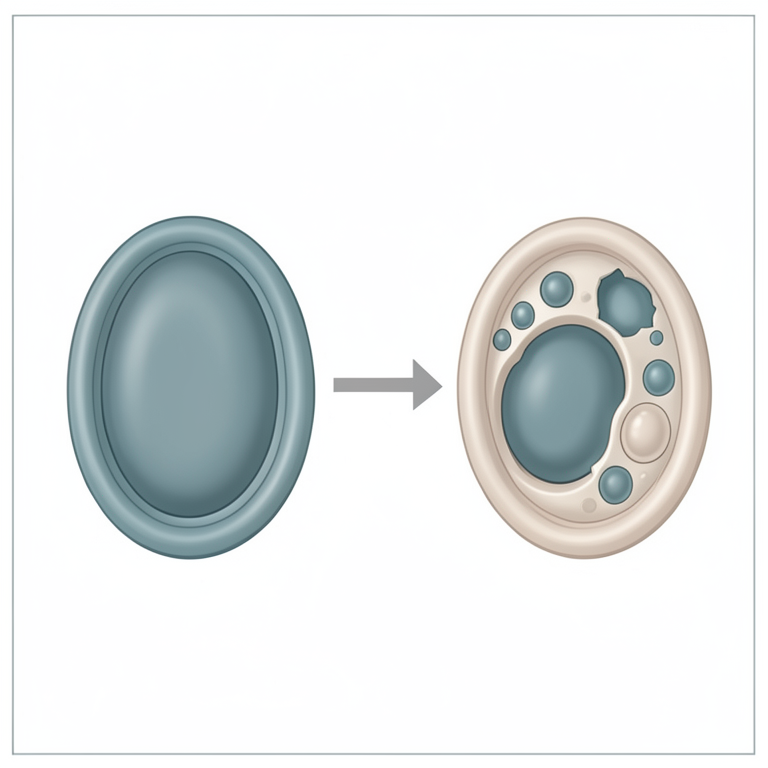
Comparison of Genetic Damage
AI-generated conceptual illustration (human oral epithelial cells). It explains the idea and does not show study data.
View source evidence ↗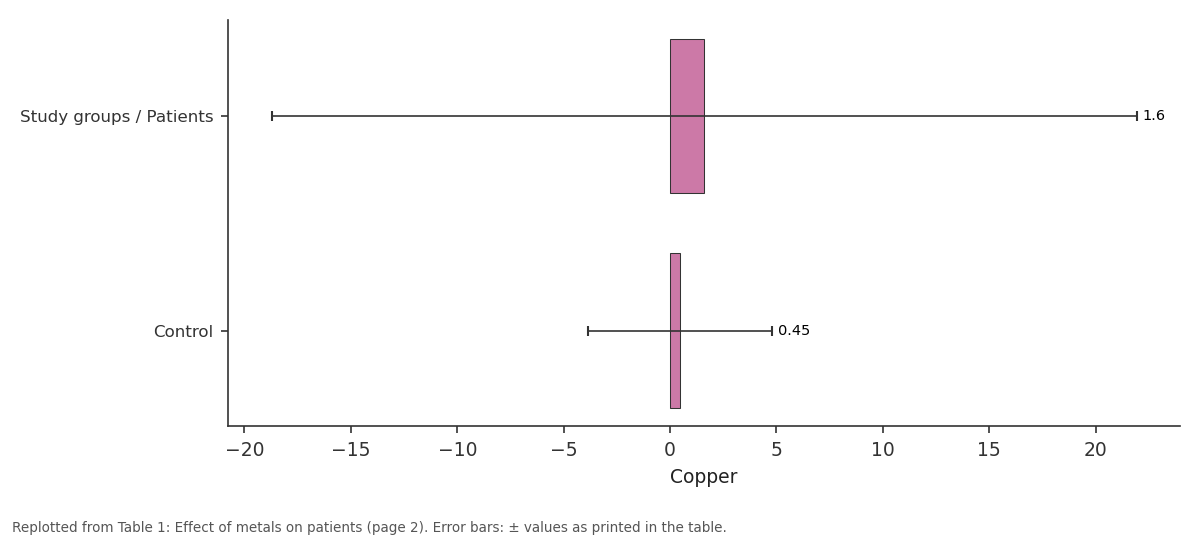
Copper: Study groups / Patients vs Control
Replotted from Table 1 (page 2) of the original paper. Every bar is the paper's own table value.
View source evidence ↗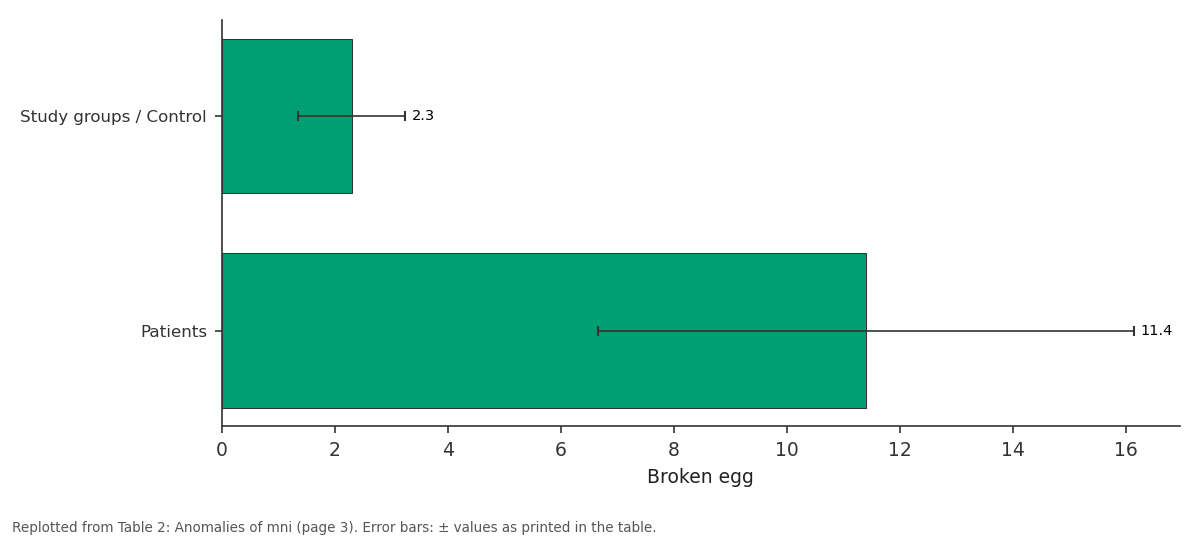
Broken egg: Study groups / Control vs Patients
Replotted from Table 2 (page 3) of the original paper. Every bar is the paper's own table value.
View source evidence ↗Figures & tables
From the original paper Table 1
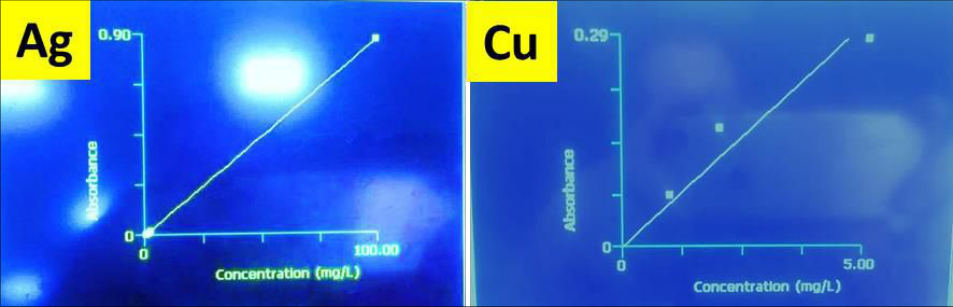 Figure 1
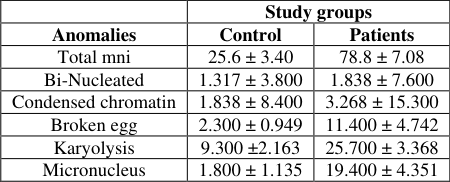 Table 2
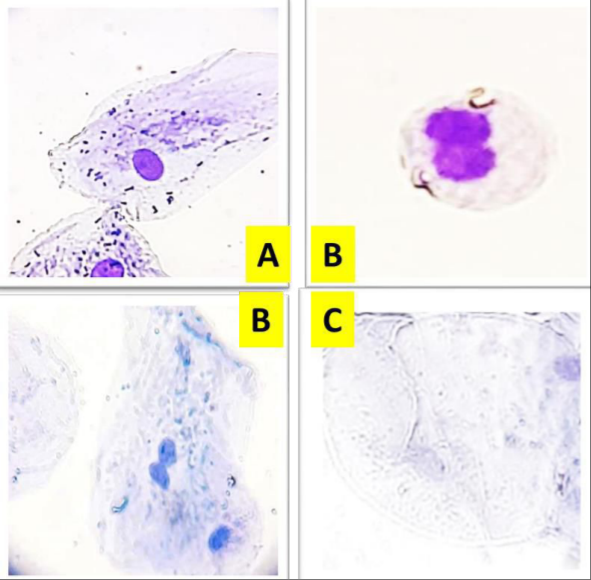 Figure 2
Introduction
A chemical or agent that damages DNA or chromosomes is referred to as a genotoxin. This kind of harm to the germ cell results in germline mutations. A somatic mutation results from DNA damage in a somatic cell, and it may convert into cancer [1] . A metal alloy combined with 50% elemental mercury is used to make dental amalgam, a type of filling for teeth e.g. silver, tin, copper, etc. It has been employed as a dental filling material for millennia to repair the surfaces of teeth and fill cavities brought on by tooth decay. Since it lacks tooth color, it cannot connect to the remaining tooth tissues. In several EU Member States, it is still often used for specific types of restorations because to its mechanical qualities, including strength, integrity, longevity, and appropriateness for big cavities. Dental amalgam has been utilized to heal back teeth for the past 150 years. In order to reconstruct posterior teeth, resin composite material has been introduced due to worries about the safety of dental amalgam and its mercury concentration [2] . Mercury is a poisonous metal that puts the environment and human health at serious danger. The main source of human mercury exposure is seafood intake. It is a very dangerous neurotoxin that affects prenatal and early childhood development and permanently damages the brain and kidneys in adults. It is bioaccumulative and is transported across borders via transboundary air pollution. The atmosphere's mercury condenses on land and in bodies of water [3] . Continuous mercury vapor emission from dental amalgam restorative materials is worsened by biting, eating, brushing, and drinking hot drinks. Traces of mercury vapor are created when old amalgam fillings are removed from teeth using an air-rotor, but not if sufficient water cooling and aspiration are utilized [2] . This use will prolong the detrimental consequences of dental amalgam's current use on the environment and human health. Given that complete replacement technology currently exists and is developing, this expansion may not be necessary. In some medical circumstances, dental amalgam may still be necessary if mercury-free alternatives cannot be used [3] . A different name for amalgam fillings is dental amalgam or silver fillings. Dental amalgam is a compound made of silver, copper, tin, and mercury (43-54%). These fillings release mercury vapor. The effects of mercury in amalgam fillings on health remain a contentious issue.
Dental amalgam has been used to repair damaged tooth surfaces and fill cavities brought on by tooth disease for antiquity [4] . In dental fillings, single or mixed metals, polymers, glass, or other materials are used to repair or restore teeth. One of the most typical uses of fillings is to fill a cavity in a tooth that has had a decayed area removed by your dentist. Furthermore, fillings can be utilized to restore teeth that have been damaged by abuse (such as nail-biting or grinding) as well as cracked or fractured teeth [5] . Dental amalgam contains the elements silver, zinc, copper, and tin, all of which are toxic in high doses. Depending on the metal, health issues such skin irritability, nausea, vomiting, and diarrhea may appear. In addition to being used regularly in industry and medicine, silver may also be found in food. Copper is a necessary element that, at extremely high levels, can cause local irritations and the deposition of silver in tissues, but no additional unfavorable effects are known. Micronutrient copper is crucial. Anemia, for example, can result from copper deficiency, but it can also result from excessive exposure, which can harm the immune system, the liver, the kidneys, and other organs [6] . Nowadays, cytogenetics and environmental mutagenesis give us a wide range of techniques to investigate the connection between chemical exposure and population impacts. Nowadays, it is believed that the exfoliated buccal epithelial cells represent a valid cell type for Micronuclei (MNs) examination. The dose of buccal MNs in exfoliating oral mucosal epithelial cells is frequently employed in biomonitoring investigations to evaluate human exposure to genotoxic chemicals. One of the cytogenetic tests most often used in pre-screening and follow-up procedures for precancerous lesions in genetics is the micronucleus test [7] .
Materials and Methods
Study design: Buccal cells as well as blood samples were collected at the same time for each person. This is study comprised 90 patients of the students of the College of Science of Tikrit University who had their teeth filled and 80 sample taking from healthy.
Sampling collection: Samples were collected from 1 January to 12 February 2021, For the MN assay, individuals were asked to rinse their mouths thoroughly for 2 min with tap water. The exfoliated buccal cells for micronuclei (MNi) analysis were collected from one or both cheeks in the control group, and the patients. A peripheral blood sample (10 ml) was collected from the antecubital vein, labelled and stored the serum at 4 °C protected from light until processed in the laboratory.
Micronucleus test in Buccal cells: Oral exfoliative cytology is particularly valuable for mass screening purpose. It has been shown to have a sensitivity of 94%, specificity of 100%, and an accuracy of 95%.Examining the micronucleus in exfoliated oral cells According to the procedure used by Gopal and Padma (2018) [8] , the test was conducted as follows: After washing their mouths with water, participants were instructed to scrape cells off the cheek lining using a sterile wooden spatula and press them onto a fresh microscope slide. It was repaired with methyl alcohol after being air dried. Giemsa was used to colour it after being stained by May-Grunwald. In each example, the frequency of micronuclei was scored as 2000 cells per capita were counted in order to calculate the frequency of micronuclei (MN).
Atomic Absorption Spectrometry: Both instruments were purchased from Agilent Technologies (Santa Clara, CA, USA), and were either a 240 FS AA Agilent Technologies flame atomic absorption spectrometer with deuterium lamp background correction or a 280Z Agilent Technologies atomic absorption spectrometer with electrothermal atomization and Zeeman background correction. Copper and silver were found. The procedure involved employing microwave mineralization to create actual samples for measurement [9] .
Results
Measurement of silver and copper: As the copper concentration in patients (1.60±20.32) compared to the healthy control group with values (0.45±4.32), While the concentration of silver was (181.8±45.5) compared to the healthy control group with values (0.54±4.7). With multiple health hazards attached to it, Metal poisoning is now recognized as a significant risk. These metals have toxic effects that harm the human body and its normal functioning even if they serve no biological purpose. As seen in the table and figure, they can occasionally operate as a fictitious component of the body and can even interfere with metabolic functions, raising both copper and silver levels in patients. Micronucleus test in Buccal cells: Micronuclei (MN) are associated with a number of mutagenetic stressors in mammalian cells. MN is easily recognized in exfoliated epithelial cells and is created as a result of chromosomal damage. acentric chromosomal segments that are not integrated into the daughter nucleus during mitosis give rise to MN, which are chromatin particles. In this study, mniwhich refers to the impact of the minerals in dental amalgam-appeared, and we saw a rise in the variety of mni (Table 2).
| — | Study groups | — |
|---|---|---|
| Anomalies | Control | Patients |
| Total mni | 25.6 ± 3.40 | 78.8 ± 7.08 |
| Bi-Nucleated | 1.317 ± 3.800 | 1.838 ± 7.600 |
| Condensed chromatin | 1.838 ± 8.400 | 3.268 ± 15.300 |
| Broken egg | 2.300 ± 0.949 | 11.400 ± 4.742 |
| Karyolysis | 9.300 ±2.163 | 25.700 ± 3.368 |
| Micronucleus | 1.800 ± 1.135 | 19.400 ± 4.351 |
Table text extracted from the original PDF; superscript letters are shown inline. The original table image is below.
View original table image
Discussion
The most well-liked and reliable dental filling material for more than 150 years has been amalgam, a mineral amalgam. It is usually referred to as silver amalgam and is composed of a combination of metals including silver, mercury, tin, copper, and trace quantities of zinc [10] . Both business and medicine make extensive use of silver. Anemia may be brought on by a copper shortage since copper is an important micronutrient, but it can also be caused by excessive copper exposure, which can harm the immune system, the liver, the kidneys, and the kidneys. In this study observed that Silver and copper levels were substantially higher in dental filling patients than in healthy controls. Micronuclei on oral epithelial cells are analyzed to find indicators of early biological impacts [11] . Examining epithelial cell micronuclei is a scientific method for detecting DNA damage and evidence of cell death in the oral epithelium [12] . Micronuclei (MNs) are secondary nuclei that are smaller than the cell's primary nucleus and are made up of fragments or entire chromosomes that are lost during cell division (anaphase). Anaphasic bridge abnormalities, chromatide-type or chromosomal breakage, spindle dysfunctions, chromosome-division-related organelles (such as the kinetochore), and apoptosis Endothelium are the major causes of these tiny nuclei [7] . The initial line of defense against ingesting or inhalation is epithelial cells, which can also metabolize carcinogens close to reactive products [13] . The potential for cellular degeneration or breakdown in the form of condensed chromatin, pyknotic, loss of nuclear components, and karyolysis, or (ghost) karyolysis [11] . Rarely, cells may create a nuclear bud or broken egg, have two nuclei in the same cytoplasm, or form tiny nuclei next to other nuclei in the same cytoplasm. Various cell death and DNA damage indicators, including as apoptosis and karyolysis, may be seen in epithelial cells and utilized to measure the effects of cell inhibition and genetic toxicity [14] . It's unclear exactly how damaging influences on human DNA will affect us. Mining chemicals may have synergistic, cumulative, and increasing actions that harm DNA or may even have the opposite effect. There are several findings that link genotoxicity indicators such chromosomal aberrations (CA), sister chromatid exchange (SCE), micronucleus (MN) production, and oxidative/DNA damage to exposure to extracted minerals and the mining workplace environment [15] .
Conclusion
A phase-out of dental amalgam should be accompanied by ongoing efforts to stop tooth decay. One of the main strategies emphasized in the National Action Plans is prevention, which is generally seen to be successful in lowering the prevalence of both mercury-free and dental amalgam fillings.
Figures and tables from the paper
| — | Study groups | — |
|---|---|---|
| Metals | Patients | Control |
| Copper | 1.60±20.32 | 0.45±4.32 |
| Silver | 181.8±45.5 | 0.54±4.7 |
Table text extracted from the original PDF; superscript letters are shown inline. The original table image is below.
View original table image
References
13 in the original paper- Mary SJ, Girish KL, Joseph TI, Sathyan P. Genotoxic effects of silver amalgam and composite restorations: Micronuclei-Based cohort and case-control study in oral exfoliated cells. Contemporary Clinical Dentistry. 2018;9(2):249.10.4103/ccd.ccd_849_17
- Bissoon S, Moodley R. Should dental amalgams be used in dental training? The perspectives of dental academics at a university in South Africa. South African Dental Journal. 2021;76(9):524-31.
- Mulligan S, Kakonyi G, Moharamzadeh K, Thornton SF, Martin N. The environmental impact of dental amalgam and resin-based composite materials. British Dental Journal. 2018;224(7):542-8. https://doi.org/10.1038/sj.bdj.2018.229
- Donly KJ. Dental materials in pediatric dentistry. Current Opinion in Dentistry. 1991;1(5):551-5.
- Engwa GA, Ferdinand PU, Nwalo FN, Unachukwu MN. Mechanism and health effects of heavy metal toxicity in humans. Poisoning in the modern world-new tricks for an old dog. 2019;10:70-90.
- Leonardi S, Poma AM, Colafarina S, D'Aloisio F, Scatigna M, Zarivi O, et al. Early genotoxic damage through micronucleus test in exfoliated buccal cells and occupational dust exposure in construction workers: a cross-sectional study in L'Aquila, Italy. Ecotoxicology and Environmental Safety. 2020;203:110989. https://doi.org/10.1016/j.ecoenv.2020.110989
- Gopal KS, Padma M. Evaluation of cytogenic damage in the form of micronuclei in oral exfoliated buccal cells in tobacco users. Indian Journal of Dental Research. 2018;29(6):773. https://www.ijdr.in/text.asp?2018/29/6/773/248240
- Jaishankar M, Tseten T, Anbalagan N, Mathew BB, Beeregowda KN. Toxicity, mechanism and health effects of some heavy metals. Interdisciplinary Toxicology. 2014;7(2):60. DOI: 10.2478/intox-20140009.
- Labban LM, Alshishkli MM, Alkhalaf A, Malek Z. The effects of dental amalgam toxicity on health and nutritional status. Journal of Advanced Research in Dental & Oral Health. 2017;2:1-4.
- Bolognesi C, Knasmueller S, Nersesyan A, Thomas P, Fenech M. The HUMNxl scoring criteria for different cell types and nuclear anomalies in the buccal micronucleus cytome assay-An update and expanded photogallery. Mutation Research/Reviews in Mutation Research. 2013;753(2):100-13. https://doi.org/10.1016/j.mrrev.2013.07.002
- Spivack SD, Hurteau GJ, Jain R, Kumar SV, Aldous KM, Gierthy JF, et al. Gene-environment interaction signatures by quantitative mRNA profiling in exfoliated buccal mucosal cells. Cancer Research. 2004;64(18):6805-13. https://doi.org/10.1158/00085472.CAN-04-1771
- Kashyap B, Reddy PS. Micronuclei assay of exfoliated oral buccal cells: means to assess the nuclear abnormalities in different diseases. Journal of cancer Research and Therapeutics. 2012;8(2):184-191. DOI: 10.4103/0973-1482.98968
- Da Silva Júnior FM, Tavella RA, Fernandes CL, Dos Santos M. Genetic damage in coal and uranium miners. Mutation Research/Genetic Toxicology and Environmental Mutagenesis. 2021;866:503348. https://doi.org/10.1016/j.mrgentox.2021.503348
Cited by 1
From OpenAlex, OpenCitations and reference lists read by Scinovex
- Trimodal cytological integration of micronuclei assay, argyrophilic nucleolar organizer region staining, and cytomorphometry enhances diagnostic discrimination of canine gingival masses ↗
Poppapak Hoonpo, Tawewan Issarankura Na Ayudhaya, Kridsada Chaichoun, Panpanga Sangsuriya, Thanongsak Mamom, Parin Suwannaprapha · Veterinary World · 2026
Background and Aim: Canine gingival masses are common oral lesions with variable biological behavior, ranging from reactive hyperplasia to malignant neoplasia. Although routine cytology is widely used for initial evaluation, diagnostic overlap between benign and malignant lesions may limit accuracy when relying solely on morphology. This study aimed to develop and validate a trimodal cytological framework that integrates cytomorphometric analysis,…
❝ 0PDF