
Research article · 2019 · Full text
International Journal of Advanced Chemistry ResearchSolubility enhanced Nevirapine and it’s use in various forms
Volume 1(1) · Pages 33–36 · DOI: 10.33545/26646781.2019.v1.i1a.6 ↗
Research areasCrystallization and Solubility StudiesDrug Solubulity and Delivery SystemsAnalytical Methods in Pharmaceuticals
Abstract
Author-writtenThe aim of present study was solubility enhancement of nevirapine by using different solubilization methods like solid dispersion, hydrotropy and micellar solubilization. Solubility of nevirapine as pure drug and in other forms such as physical mixture, solid dispersions were analyzed using different carriers. Hydrotropic and micellar solubilization techniques were performed with variable concentrations of surfactants. Neviapine solubility enhancement was found to be in the order of micellar solubilization >hydrotropic solubilization > solid dispersion. Increasing the concentration of the solubilizer increased the solubility of the drug. Sodium lauryl sulphate enhanced the solubility of nevirapine to greater levels when compared to other solubilising agents.
Summary
Source-checkedPlain-language reading of the full paper, prepared with AI and checked against the text. Each point links to the authors' own words.
Why it matters
- Poor solubility is a major hurdle in drug development, affecting approximately 40% of new drugs and causing formulation difficulties for up to 50% of oral medications. View evidence ↗
- Nevirapine is used to treat HIV-1 as a non-nucleoside reverse transcriptase inhibitor. View evidence ↗
- Because nevirapine is poorly soluble in water, its dissolution rate limits its bioavailability. View evidence ↗
The question
- The study aimed to enhance the solubility of nevirapine using three methods: solid dispersion, hydrotropy, and micellar solubilization. View evidence ↗
What they did
- The researchers used carriers including poly vinyl pyrollidine K30, poly ethylene oxide, sodium lauryl sulphate, and polyethylene glycol-400. View evidence ↗
- Micellar solubilization was tested using surfactants (sodium lauryl sulphate, Tween-80, and cetrimide) at concentrations from 0.2% to 1.0% w/v, shaken for 24 hours. View evidence ↗
- Drug concentration was measured using a UV-spectrometer at 314 nm after filtering the samples. View evidence ↗
What they found
- Nevirapine showed low solubility in water but high solubility in ethanol and PEG 400. View evidence ↗
- Nevirapine's solubility is pH-dependent, decreasing by approximately 80% as pH increases from 1.2 to 6.8. View evidence ↗
- Using sodium lauryl sulphate (SLS) increased solubility, reaching a saturation point of 184.52 µg/ml at a concentration of 0.4% w/v. View evidence ↗
- The effectiveness of the methods for enhancing solubility followed the order: micellar solubilization > hydrotropic solubilization > solid dispersion. View evidence ↗
What it means
- The authors concluded that the micellar solubilization method provided the best results for increasing nevirapine solubility. View evidence ↗
- The authors suggest that these solubilization techniques can be applied to develop liquid or semisolid dosage forms of nevirapine. View evidence ↗
Visual summary
3 visualsIllustrations explain the paper; charts are replotted from the paper's own table values.
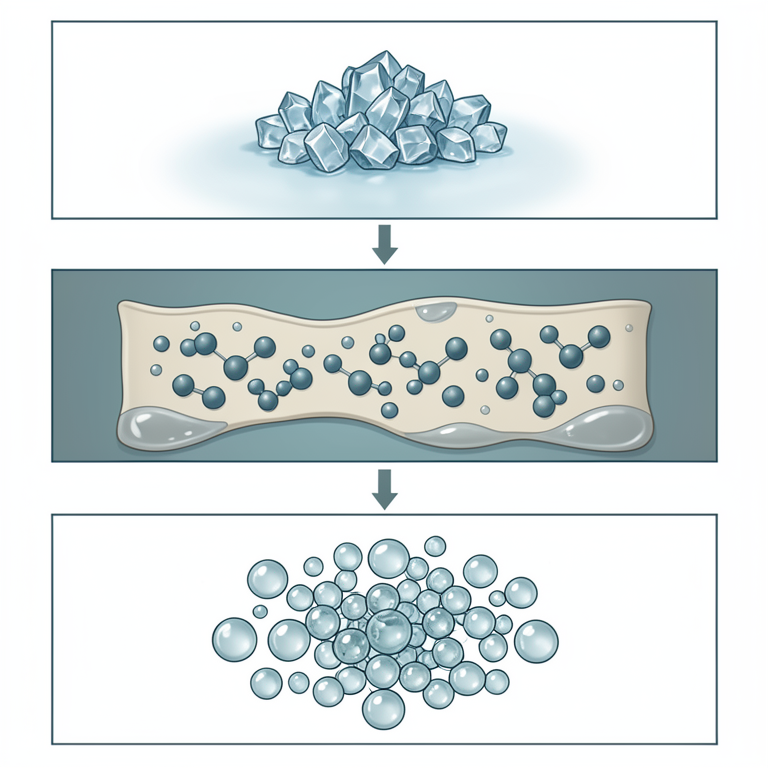
Comparison of Solubilization Methods
AI-generated conceptual illustration (Nevirapine drug molecules in aqueous solution). It explains the idea and does not show study data.
View source evidence ↗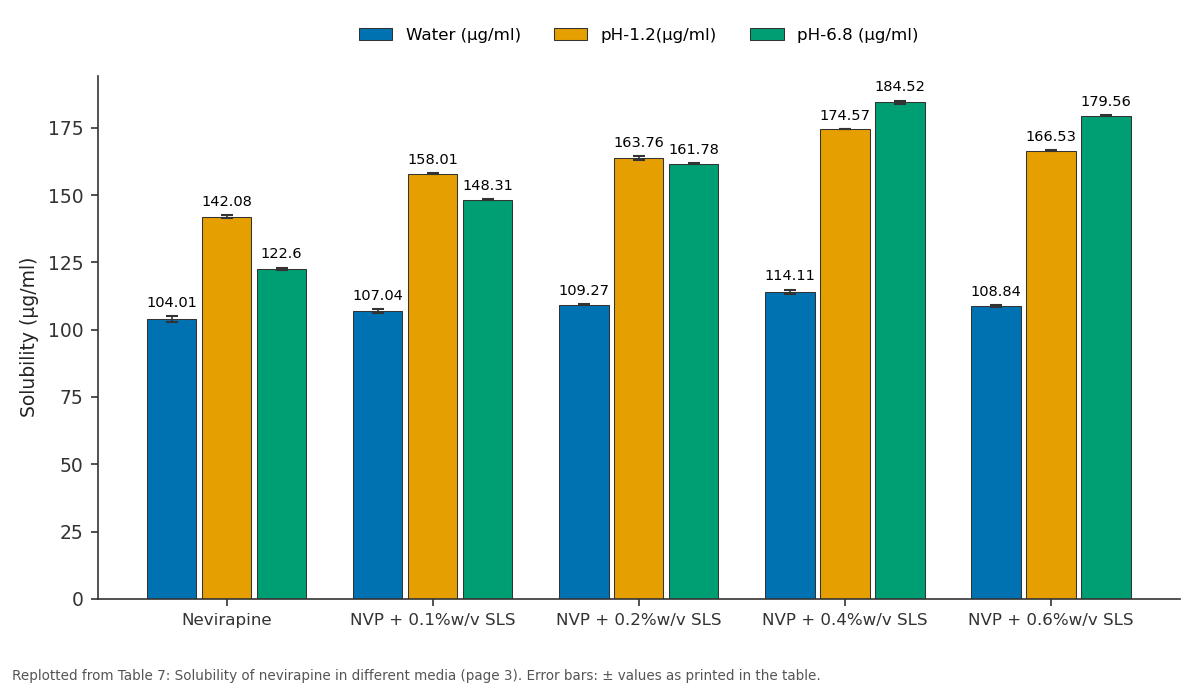
Water (µg/ml) and pH-1.2(µg/ml) and more: Nevirapine vs NVP + 0.1%w/v SLS vs NVP + 0.2%w/v SLS vs NVP + 0.4%w/v SLS vs NVP + 0.6%w/v SLS
Replotted from Table 7 (page 3) of the original paper. Every bar is the paper's own table value.
View source evidence ↗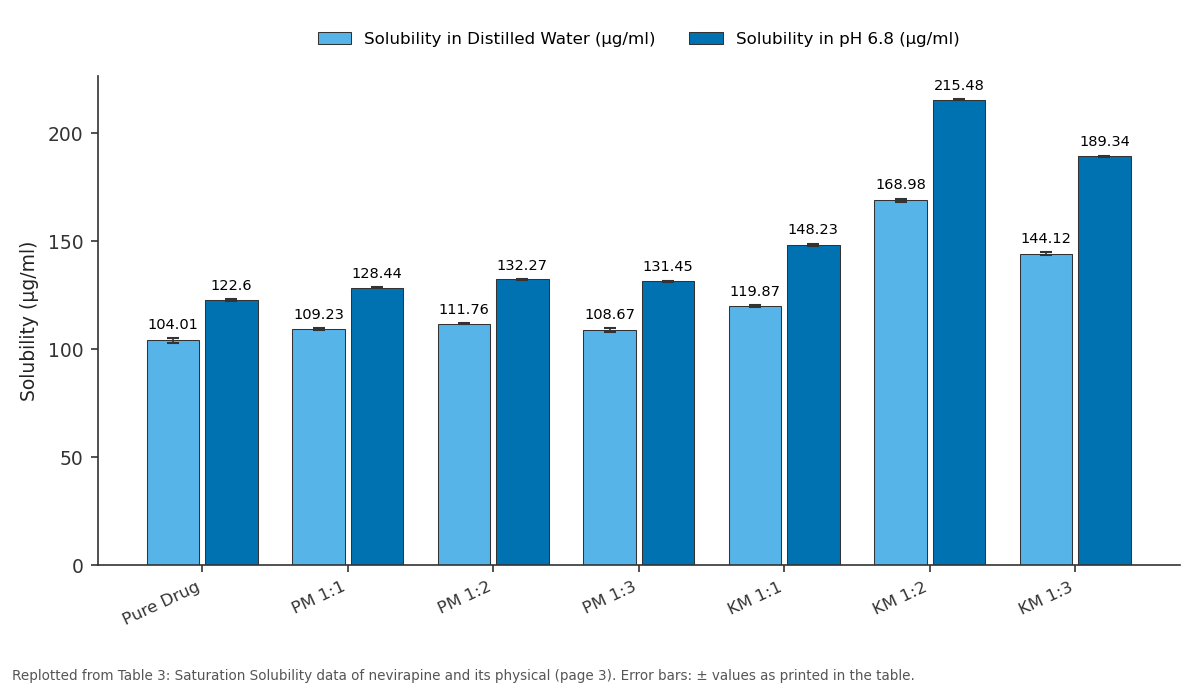
Solubility in Distilled Water (μg/ml) and Solubility in pH 6.8 (μg/ml): Pure Drug vs PM 1:1 vs PM 1:2 vs PM 1:3 vs KM 1:1
Replotted from Table 3 (page 3) of the original paper. Every bar is the paper's own table value.
View source evidence ↗Figures & tables
From the original paper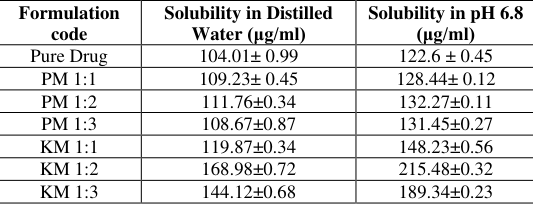 Table 3
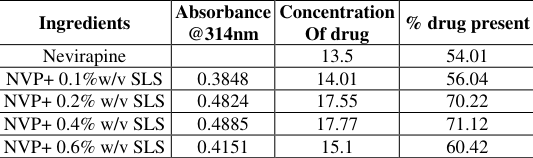 Table 4
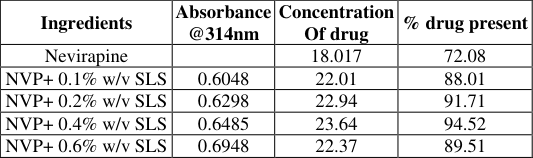 Table 5
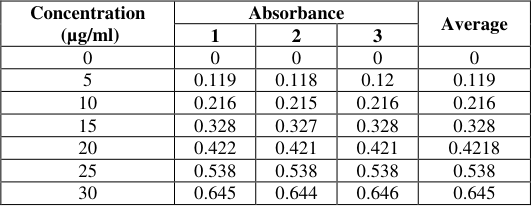 Table 1
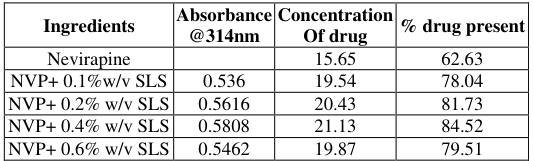 Table 6
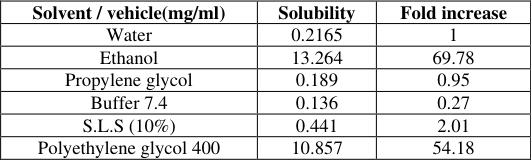 Table 2
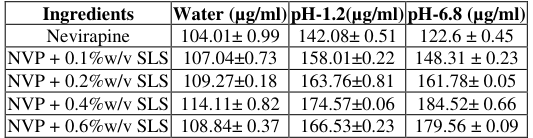 Table 7
Introduction
Solubility is the principle criteria of drug development today, as around 40% of the new drug development includes poorly soluble or water insoluble drugs. Due to poor solubility, up to 50% of orally administered drugs face difficulties in their formulation. Bioavailability of poorly water-soluble hydrophobic drugs is limited by their solubility and dissolution rate [1] . Poorly soluble drugs pose problems like dosage increase, frequent administration and increased side effects. The rate of dissolution in GI fluid is the rate limiting step of the absorption of poorly soluble drugs. Hence, it is important to improve the oral bioavailability of poorly water soluble drugs by improving their dissolution rate and solubility [2] . The most challenging aspect in the pharmaceutical industry is related to strategies that improve the solubility of poorly soluble drugs [3] . The techniques generally employed for the solubilisation of drug include micronization, chemical modification, pH adjustment, solid dispersion, complexation, cosolvency, micellar solubilisation, hydrotropy etc. Nevirapine is a non-nucleoside reverse transcriptase inhibitor (NNRTI) with activity against Human Immunodeficiency Virus Type 1 (HIV-1). Nevirapine has become the first NNRTI having well established efficacy to be used in the treatment of naive patients and also in its simplification strategies of the treatment since its introduction in 1997. Still, it is one of the widely-used antiretroviral drugs that act as a cornerstone of highly active antiretroviral therapy (HAART) in the southern hemisphere where it is crucial for scaling-up AIDS treatment in growing countries [4] . Poor water soluble drug, such as nevirapine face problem of low bioavailability as their dissolution is rate limiting factor [5] . So, it becomes a requirement to improve solubility of nevirapine to formulate it as dosage form. Therefore present work is aimed towards enhancing the solubility, dissolution there by bioavailability of nevirapine by using different techniques such as solid dispersion, hydrotropic solubilization and micellar solubilization and results obtained were compared for better solubility profile of nevirapine.
Materials & Methods
Materials & Methods
Materials Used
Nevirapine was received from Hetero Life Sciences Ltd., India as gift sample. Laboratory grade poly vinyl pyrollidine K30, poly ethylene oxide, sodium lauryl sulphate and polyethylene glycol-400 were purchased from Loba chemie, Mumbai, India. All other solvents and chemicals used were of the analytical grade.
Standard curve for Nevirapine
Preparation of 0.1NHydrochloric acid 8.5 ml of concentrated hydrochloric acid is taken and made to 1000ml with distilled water to get 0.1N Hydrochloric acid.
Stock solution
100mg of nevirapine was dissolved in 100ml of 0.1NHcl, to get a solution of1000µg/ml concentration.
Standard solution
5ml of stock solution was made to 50 ml with 0.1N Hcl thus giving a concentration of 100µg/ml. Aliquot of standard drug solution ranging from 0.5 ml,1ml,1.5ml,2ml,2.5ml and 3ml were transferred into 10ml volumetric flask and diluted up to the mark with 0.1N Hcl. Thus the final concentration ranges from 5-25µg/ml. Absorbance of each solution was measured at 314 nm against 0.1 Hcl as a blank. A plot of concentration of drug Vs absorbance was plotted.
Preparation of phosphate buffer pH 6.8
Place 50ml of 0.2M potassium dihydrogen phosphate in a 200ml volumetric flask, add the specified volume of 0.39ml of 0.2M sodium hydroxide and then add water to make up the volume.
International Journal of Advanced Chemistry Research
Stock solution 100 mg of nevirapine was dissolved with pH 6.8 phosphate buffer, to get solution of 1000µg/ml concentration.
Standard solution 5ml of stock solution was made to 50 ml with pH 6.8 thus giving a concentration of 100µg/ml. Aliquot of standard drug solution ranging from 0.5 ml,1ml,1.5ml,2ml,2.5ml and 3ml were transferred into 10ml volumetric flask and diluted up to the mark with PH 6.8. Thus the final concentration ranges from 5-30µg/ml. Absorbance of each solution was measured at 314 nm against pH 6.8 as a blank. A plot of concentration of drug Vs absorbance was plotted.
Solubility of Nevirapine in distilled water, pH-1.2 and pH-6.8
Solubility of the drug was determined at 25±1ºC. An excess amount of drug was added to three 25ml stoppered flasks containing different solvent systems viz. distilled water, buffer of pH 1.2 & 6.8. The flasks were shaken for 10hrs at 25±1ºC in a mechanical shaker (Orbitrek). These solutions were allowed to equilibrate for the next to ensure saturation and then centrifuged for 15 minutes at 1500rpm.The supernatant of each flask was filtered through whatmann filter paper No. 14. The filtrates were diluted suitably and analyzed spectrophotometrically against corresponding solvent blank at 314nm. The experiment was carried out in triplicate.
Saturation Solubility Study
The solubility of nevirapine in distilled water and pH 6.8 (0.5 % sodium lauryl sulfate (SLS) was determined. An excess amount of NVP was placed in glass bottles containing 20 ml of solvent. The bottles were thoroughly shaken for 24 h and kept aside for 24 hrs at room temperature. At the end of this period the solution were filtered and the filtrate was collected into dry containers [6] . The solutions were suitably diluted and assayed for nevirapine content.
pH Modification
Solubility profile of nevirapine was obtained in the buffers of pH range 1.2 to 11 by the standard procedure. The pH of the saturated drug solution was measured using a pH meter. Samples were analyzed spectrophotometrically at 314nm [6] .
Preparation of Physical mixtures
Physical mixtures were prepared by simply mixing the accurately weighed (1:1, 1:2, 1:3 & 1:4) nevirapine and PVP K30 with the help of spatula for 10 min [7] .
Preparation of Solid dispersions 2.8 Solvent evaporation method
Solid dispersion was prepared by using different ratios (1:1, 1:2, 1:3 & 1:4) of nevirapine and PVPK30. The weighed amount of drug and polymer dissolved in a solvent (ethanol + water) in1:1 proportion. Then mixed thoroughly and continuously until a major portion of the solvent used was volatilized and a hard to semisolid mass remained. Complete removal of solvent is done by drying in oven at45ºC. The dispersion after drying was pulverized using a glass mortar and pestle. The pulverized mass was then shifted through a #60 sieve to obtain a uniform particle size and stored in a desiccator at room temperature until further use [7] .
Kneading Method
Solid dispersion were prepared by weighed quantities of nevirapine and PVP K30 (1:1,1:2,1:3 & 1:4) placed in a mortar and then the mixtures were kneaded with small volume water for 30 min to produce a homogenous dispersion. Once homogenous slurry was obtained, samples ware dried in oven at 45ºC until dryness. The dispersion after drying was pulverized using a glass mortar and pestle. The pulverized mass was then shifted through #60 seive to obtain a uniform particle size and stored in a dessicator at room temperature until further use [7] .
Micellar Solubilization
Different concentrations (0.2, 0.4, 0.6, 0.8, 1.0%w/v) of various surfactants (sodium lauryl sulphate, Tween-80, cetrimide) were prepared. An excess of Nevirapine was added to 10ml each of the surfactant solution taken in 25ml of stoppered flasks and were shaken for 24hrs. Equilibrium samples were withdrawn and properly diluted and filtered through filter pore size of 0.22 mm and finally analyzed for concentration of Nevirapine under UVspectrometer at 314 nm [8] .
Enhancement of solubility of Nevirapine by micellar solubilsation method
The solubility of nevirapine in pH-6.8 buffer was determined in the presence of the surfactant, sodium lauryl sulphate (SLS) in varying concentrations. An excess of nevirapine was added to 10ml each of the surfactant solution taken in 25ml of stoppered flasks and were shaken for 10 h at 25±1ºC in a mechanical shaker (Orbitrek). These solutions were allowed to equilibrate for the next 24h to ensure saturation and then centrifuged for 15 minutes at 1500rpm. Equilibrium samples were withdrawn and properly diluted and filtered through whatmann filter paper no.14 and finally analyzed for concentration of nevirapine using UVspectrometer at 314nm [8] .
Assay of Drug content
About 15mg drug equivalent of physical mixture and solid dispersion (theoretical) were weighed accurately and transferred to 50 ml volumetric flask to which 20 ml 0.1N HCL was added and sonicated for 15 min. Final volume was made up with 0.1N HCL. From this stock solution further dilution were prepared. This dilution was used for the assay for drug content by UV spectrophotometer at 314 nm [9] .
Fourier transform Infrared spectroscopy (FTIR)
Fourier transform infrared (FTIR) spectroscopy was employed to characterize further the possible interactions between the drug and the carrier in the solid state on a FTIR spectrophotometer by the conventional KBr pellet method. The spectra were scanned over a frequency range 4000-400 cm -1 [10] .
Differential Scanning Calorimetry (DSC)
The possibility of any interaction between the drug and the carriers during preparation of Physical mixture and solid dispersion was assessed by carrying out thermal analysis of drug and polymer alone as well as physical mixture and solid dispersion using DSC. DSC analysis was performed using Mettler, Toledo DSC 822e, on 1 to 4 mg samples. Samples were heated in an open aluminum pan at a rate of 20°C/min conducted over a temperature range of 40 to 300°C under a nitrogen flow of 50 mL/min [10] .
In-vitro drug release studies
In-vitro release of nevirapine from the physical mixture and solid dispersion was performed using USP dissolution apparatus II in a dissolution tester. In this paddle method, sinkers were used in 900 ml of 0.1 N HCl as dissolution medium maintained at 37±0.5°C and stirred at 50 rpm. Exactly 10ml aliquots were withdrawn from each jar of the dissolution apparatus at time intervals of 10 minutes for the first one hour, and subsequently at 30 minutes up to 2 hrs. Sink condition was maintained by replacing the volume equivalent to the quantity removed with fresh dissolution medium. These solutions were analyzed at 313 nm by UV spectrophotometer. Same procedure is used for the solvent phosphate buffer pH 6.8 containing 0.5 % sodium lauryl sulfate (SLS) and these solutions were analyzed at 314 nm by UV spectrophotometer [10] .
Results and discussion
In the present study, the solubility characteristic of nevirapine was observed in various types of media. The solubility of nevirapine in water and other solvents was studied at 25°C. The solubility of nevirapine in water is low and was particularly high in ethanol and PEG 400. Nevirapine was found to have maximum solubility in ethanol and also with PEG 400 due to extensive hydrophobic interactions with these solvents. Pure nevirapine is freely soluble in acetone and chloroform, sparingly soluble in alcohol and methanol, very slightly soluble in water [11] . The solubility of pure nevirapine was studied in solutions with pH ranging from 1.2 ± 0.2 -6.8± 0.2. The solubility of NVP decreased (≈ 80%) with an increase in pH from 1.2 to 6.8which
shows the pH dependent solubility of nevirapine [12] . The solubility of the drug was also studied with its physical mixture and solid dispersions prepared with polymer ratios 1:1, 1:2 and 1:3. Solid dispersion of nevirapine with PVP (K30) showed lesser solubility than that with PEO. The optimum ratio was found to be 1:2 with both the polymers. The dissolution profile of nevirapine was found to be PEO > PVP (K 30). Increased solubility in case of solid dispersion formulation involves the reduction of particles to micron size and then the conversion of the drug to its amorphous form which improves the wettability of the particles and thereby increasing the solubility of the drug particles [13] . It was observed that there was increase in solubility of nevirapine with increased concentration of carrier. There are several other methods also which are widely used to enhance the solubility of poorly soluble drugs like nevirapine. One such approach to overcome the solubility problem is micellar solubilisation technique. Various concentrations of sodium lauryl sulphate were used to examine the solubility of nevirapine and maximum solubility of the drug was found with 0.4 % w/v of sodium lauryl sulphate. Results of solubility studies indicated that aqueous solubility of nevirapine in SLS solution were more than as compared to their solubility in distilled water. We observed an increase in solubility of nevirapine from 122 µg/ml to 184.52 µg/ml with sodium lauryl sulphate. In order to study the influence of pH on solubility, buffer solutions of pH 1.2 & 6.8 were utilised and the solubility was determined. This study proves that increase in solubility of hydrotropic solutions are not due to alteration in pH, but are due to hydrotropic phenomenon. This indicates that the enhancement in the aqueous solubility of nevirapine in SLS hydrotropic solutions was largely due to hydrotropy. Hydrotropic solutions are cheaper than most of the organic solvents and can thus substitute the expensive solvents for solublization. Nevirapine showed an improvement in the solubility behavior with different methods like solid dispersion, hydrotropy and micellar solublization. Among the several approaches proposed for improving the solubility, micellar solubilisation technique is the easiest and effective method [14] . The solubility of nevirapine increased as the concentration of sodium lauryl sulphate (SLS) improved and reached saturation solubility (184.52µg / ml) with 0.4 % w/v of SLS. The order of enhancement of solubility of Nevirapine with various approaches was found to decrease in order of micellar solublization >hydrotropic solublization > solid dispersion technique. From the solubility profile of nevirapine with respect to the different techniques, it can be concluded that best solubility results were obtained micellar solubilisation method.
Conclusion
The proposed study analyzed the various techniques to improve the solubility of nevirapine. All SDs exhibited higher dissolution rates than their corresponding physical mixtures and also the pure drug. These findings are extremely important from a commercial point of view, as the prepared solid dispersion formulation, removes a major drawback for nevirapine therapy. The study also evaluated and compared solubility enhancement of nevirapine using three different surfactants. Sodium lauryl sulphate was found to be the most efficient surface active agent. Thus from this comparative solubility analysis of nevirapine using different solubilization techniques can further be successfully applied for development and formulation of liquid or semisolid dosage forms of nevirapine also.
Figures and tables from the paper
| Formulation code | Solubility in Distilled Water (μg/ml) | Solubility in pH 6.8 (μg/ml) |
|---|---|---|
| Pure Drug | 104.01± 0.99 | 122.6 ± 0.45 |
| PM 1:1 | 109.23± 0.45 | 128.44± 0.12 |
| PM 1:2 | 111.76±0.34 | 132.27±0.11 |
| PM 1:3 | 108.67±0.87 | 131.45±0.27 |
| KM 1:1 | 119.87±0.34 | 148.23±0.56 |
| KM 1:2 | 168.98±0.72 | 215.48±0.32 |
| KM 1:3 | 144.12±0.68 | 189.34±0.23 |
Table text extracted from the original PDF; superscript letters are shown inline. The original table image is below.
View original table image
| Ingredients | Absorbance @314nm | Concentration Of drug | % drug present |
|---|---|---|---|
| Nevirapine | 13.5 | 54.01 | |
| NVP+ 0.1%w/v SLS | 0.3848 | 14.01 | 56.04 |
| NVP+ 0.2% w/v SLS | 0.4824 | 17.55 | 70.22 |
| NVP+ 0.4% w/v SLS | 0.4885 | 17.77 | 71.12 |
| NVP+ 0.6% w/v SLS | 0.4151 | 15.1 | 60.42 |
Table text extracted from the original PDF; superscript letters are shown inline. The original table image is below.
View original table image
| Ingredients | Absorbance @314nm | Concentration Of drug | % drug present |
|---|---|---|---|
| Nevirapine | 18.017 | 72.08 | |
| NVP+ 0.1% w/v SLS | 0.6048 | 22.01 | 88.01 |
| NVP+ 0.2% w/v SLS | 0.6298 | 22.94 | 91.71 |
| NVP+ 0.4% w/v SLS | 0.6485 | 23.64 | 94.52 |
| NVP+ 0.6% w/v SLS | 0.6948 | 22.37 | 89.51 |
Table text extracted from the original PDF; superscript letters are shown inline. The original table image is below.
View original table image
| Concentration (µg/ml) | Absorbance | — | — | Average |
|---|---|---|---|---|
| 1 | 2 | 3 | ||
| 0 | 0 | 0 | 0 | 0 |
| 5 | 0.119 | 0.118 | 0.12 | 0.119 |
| 10 | 0.216 | 0.215 | 0.216 | 0.216 |
| 15 | 0.328 | 0.327 | 0.328 | 0.328 |
| 20 | 0.422 | 0.421 | 0.421 | 0.4218 |
| 25 | 0.538 | 0.538 | 0.538 | 0.538 |
| 30 | 0.645 | 0.644 | 0.646 | 0.645 |
Table text extracted from the original PDF; superscript letters are shown inline. The original table image is below.
View original table image
| Ingredients | Absorbance @314nm | Concentration Of drug | % drug present |
|---|---|---|---|
| Nevirapine | 15.65 | 62.63 | |
| NVP+ 0.1%w/v SLS | 0.536 | 19.54 | 78.04 |
| NVP+ 0.2% w/v SLS | 0.5616 | 20.43 | 81.73 |
| NVP+ 0.4% w/v SLS | 0.5808 | 21.13 | 84.52 |
| NVP+ 0.6% w/v SLS | 0.5462 | 19.87 | 79.51 |
Table text extracted from the original PDF; superscript letters are shown inline. The original table image is below.
View original table image
| Solvent / vehicle(mg/ml) | Solubility | Fold increase |
|---|---|---|
| Water | 0.2165 | 1 |
| Ethanol | 13.264 | 69.78 |
| Propylene glycol | 0.189 | 0.95 |
| Buffer 7.4 | 0.136 | 0.27 |
| S.L.S (10%) | 0.441 | 2.01 |
| Polyethylene glycol 400 | 10.857 | 54.18 |
Table text extracted from the original PDF; superscript letters are shown inline. The original table image is below.
View original table image
| Ingredients | Water (µg/ml) | pH-1.2(µg/ml) | pH-6.8 (µg/ml) |
|---|---|---|---|
| Nevirapine | 104.01± 0.99 | 142.08± 0.51 | 122.6 ± 0.45 |
| NVP + 0.1%w/v SLS | 107.04±0.73 | 158.01±0.22 | 148.31 ± 0.23 |
| NVP + 0.2%w/v SLS | 109.27±0.18 | 163.76±0.81 | 161.78± 0.05 |
| NVP + 0.4%w/v SLS | 114.11± 0.82 | 174.57±0.06 | 184.52± 0.66 |
| NVP + 0.6%w/v SLS | 108.84± 0.37 | 166.53±0.23 | 179.56 ± 0.09 |
Table text extracted from the original PDF; superscript letters are shown inline. The original table image is below.
View original table image
References
14 in the original paper- James K. Solubility and related properties. New York: Marcel Dekker, 1986, 127-146.
- Shinde AJ. Solubilization of poorly soluble drugs: A Review. International Journal of Chemistry Research. 2007; 5(6):355-395.
- Kapadiya N, Singhvi I, Mehta K, Karwani G, DhruboJyoti S. Hydrotropy A Promising tool for solubility Enhancement. Int J. Drug Dev. & Res. 2011; 3(2):26-33.
- Soumya S, Geetha R, Hemanth K, Agibothu K, Vasantha M, Lakshmi S et al. Factors influencing plasma nevirapine levels: a study in HIV-infected children on generic antiretroviral treatment in India. Journal of Antimicrobial Chemotherapy. 2011; 66:1354-1359.
- Ansal HC, Popovich NG, Allen LV. Pharmaceutical dosage forms and drug delivery systems, New Delhi: B.I Waverly, 6th Ed, 1999, 61.
- Lokamatha KM, Bharathi A, Shanta Kumar SM, Rama Rao N. Effect of PVPK30 on complexation and dissolution rate of nevirapine in βcyclodextrin complexes. Int J Pharm Pharm Sci. 2010; 2(4):169-176.
- Vadnere MK. Coprecipitates and Melts. In: Swarbrick J Boylan J. Eds Encylopedia of Pharmaceutical Technology. New York: Marcel Dekker Inc. 2nd ed., 2002, 641-643.
- Modi A, Tayade PA. Comparative solubility enhancement profile of valdecoxib with different solubilization approaches. Indian J. Pharm Sci. 2007; 69(2):274-278.
- Higuchi T, Connors KA. Phase solubility techniques. Adv Anal Chem Instr. 1965; 4:117-212.
- Ahire BR, Rane BR, Bakliwal SR, Pawar SP. Solubility enhancement of poorly water soluble drug by solid dispersion techniques. International Journal of PharmTech Research. 2010; 2(3):2007-2015.
- Jain NK, Patel VV, Taneja LN. Hydrotropic solubilization of nifedipine. Pharmazie. 1998; 43(3):194.
- Hawi A, Bell G. Preformulation studies of nevirapine, a reverse transcriptase inhibitor. Pharm Res. 1994; 11:236.
- Sammour OA, Hammad MA, Megrab NA, Zidan AS. Formulation and optimization of mouth dissolve tablets containing Rofecoxib solid dispersion. AAPS Pharm Sci Tech. 2006; 7(2):55.
- Rudnic EM, Burnside BA, Flanner HH, Wassink SE, Couch RA, Pinkett JE. Osmotic drug delivery system. US patent 6,110,498, Aug. 29, 2000.