
Research article · 2022 · Full text
International Journal of Advanced Chemistry ResearchThe processing and health benefits of herbal tea
Volume 4(2) · Pages 232–234 · DOI: 10.33545/26646781.2022.v4.i2d.103 ↗
Research areasHeavy Metals in PlantsPhytochemical and Pharmacological StudiesTea Polyphenols and Effects
Abstract
Author-writtenHerbal tea is a popular beverage/drink that is made from a variety of plant parts. Herbal teas are drunk by people from many walks of life for a variety of reasons, including disease prevention, taste, and pleasure. Herbs, in addition to their antioxidant, anti-inflammatory, antibacterial, antiviral, and antiproliferative effects, serve an essential role as phenolic sources. These beverages contain a variety of herbs, spices, and fruits that are said to have health-promoting properties; however, some may contain toxic plant components that are harmful to one's health. Herbal tea is gaining popularity among consumers who believe it is natural, safe, and beneficial to one's health.
Summary
Source-checkedPlain-language reading of the full paper, prepared with AI and checked against the text. Each point links to the authors' own words.
Why it matters
- Herbal teas are widely consumed for pleasure, taste, and the prevention of diseases. View evidence ↗
- Herbs used in these teas are important sources of phenolics and provide various biological effects, including antioxidant and anti-inflammatory properties. View evidence ↗
- While many herbal tea ingredients are believed to promote health, some may contain toxic components that can be harmful. View evidence ↗
The question
- The paper aims to examine the processing methods and the associated health benefits of herbal teas. View evidence ↗
What they did
- The processing involved rinsing fresh leaves from a farm and pulverizing them using a household blender. View evidence ↗
- The pulverized mass was screened and then dried in an oven set to 50 °C. View evidence ↗
- Herbal tea bags were formulated using 5 g of the processed herbal material mixture per bag. View evidence ↗
What they found
- Carrot leaves are rich in Vitamin C, beta-carotene, fibers, and several minerals including Na, P, K, Ca, Mg, Mn, Zn, and Fe. View evidence ↗
- Research indicates that tulsi exhibits a high radical scavenging activity, ranging from 94.90% to 96.17%. View evidence ↗
- Certain ginger varieties have been reported to have DPPH radical inhibition values between 74.33% and 91.25%. View evidence ↗
- In a study of 36 subjects, 2 g of ginger supplementation over 11 days moderately to largely reduced muscle soreness. View evidence ↗
- Scientific research in laboratory animals shows that tulsi can increase wound-breaking strength and accelerate the healing of wounds. View evidence ↗
- At least 26 herbal teas contain harmful components that have led to serious illnesses affecting the nervous, cardiac, hematologic, and gastrointestinal systems. View evidence ↗
What it means
- The authors conclude that scientific evidence suggests herbal tea consumption can aid in cancer prevention, mind relaxation, and digestion. View evidence ↗
- The authors note that the safety of many herbal teas remains unknown due to a lack of toxicological research. View evidence ↗
Visual summary
1 visualsIllustrations explain the paper; they do not show study data.
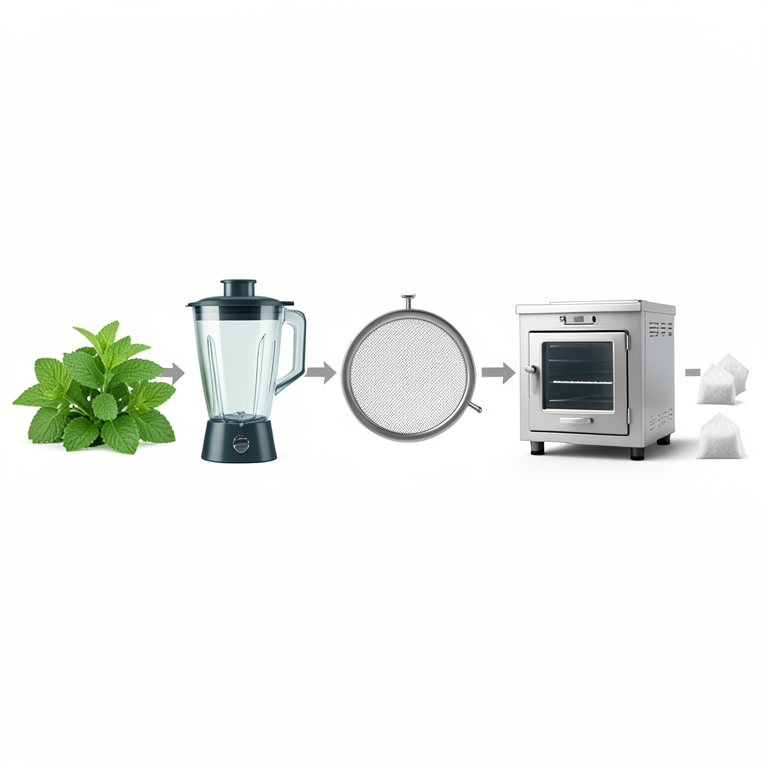
Herbal Tea Processing Workflow
AI-generated conceptual illustration (Fresh herbal leaves and tea bags). It explains the idea and does not show study data.
View source evidence ↗Introduction
Tea is one of the most extensively drank beverages on the planet today. Tea is a beverage made from the dried leaves and buds of the Camellia sinensis plant. It is widely consumed because of its appealing aroma, flavour, and several health benefits [11] . Tea is one of the most extensively drank beverages on the planet today. Tea is a beverage made from the dried leaves and buds of the Camellia sinensis plant. It is widely consumed because of its appealing aroma, flavour, and several health benefits. Tea has traditionally been classified as black, green, oolong, or earl grey tea based on distinct processing processes [2] . A fourth type, known as 'herb tea,' has gained appeal among consumers in recent years. Another popular sort of tea is herbal tea, which is brewed from a variety of ingredients such as spices, herbs, dried calyces, and dried fruits. Most herbal teas are made up of one major herbal ingredient or a combination of herbal ingredients that promise to deliver a specific benefit, such as rejuvenation or treatment of a specific ailment [16] . Many vegetable leaves, especially carrot (Daucus carota) leaves, are thrown away. Vitamin C, -carotene, fibres, and many minerals such as Na, P, K, Ca, Mg, Mn, Zn, and Fe are all abundant in carrot leaves [24] . Carrots are among the most popular and frequently consumed crops in the world, owing to their ease of cultivation and versatility in a variety of meals and cultural cuisines. They have numerous medicinal and physiological benefits, not to mention a delicious flavour that makes them a popular vegetable in cultural cuisines all over the world. Carrots' betacarotene and fibre content are responsible for the majority of their health advantages. This root vegetable also contains a lot of antioxidants. There are numerous health benefits, including heart disease prevention, cholesterol and blood pressure reduction, immunological booster, digestion, cancer prevention, macular degeneration improvement, and many others [22] . The rhizome of the ginger plant (Zingiber officinale) is commonly used in cooking as a spice. The active ingredients of ginger are gingerols and their dehydration products, shogaols, and these compounds are responsible for significant antioxidant action [30] . Tulsi (Ocimum sanctum), a member of the Labiatae family, is referred to as the "Queen of Plants." Linalool, eugenol, methyl charicol, and cineole are all abundant in it. The antioxidant property of eugenol is attributed to the existence of eugenol, which is also assumed to be responsible for the suppression of lipid peroxidation [20] .
Processing of herbal tea
The herbs were purchased on the open market. Fresh leaves were taken from the farm, rinsed, and pulverized with a household blender while still wet.
The wet mass was then dried, and the dry matter was screened through a sieve before being dried in a 50 °C oven. After that, the powder was sealed in a waterproof bag and kept in a cool, dark place until needed. The ratio of tea to water, the time of infusion, the temperature of infusion, the kind of infused water, and the type of tea all influence how tea is processed [10,32] .
Formulation of herbal teas
Weighed and granulated appropriate amounts of previously processed dry powders of herbs required to make tea bags, so that each tea bag corresponded to 5 g of the herbal material mixture. The dried granules were then placed in a polythene bag and stored in a cold, dry location until they were needed for further analysis, with some being poured into tea bags and properly sealed.
Chemical composition of herbal tea
The presence of natural antioxidants such as polyphenols in herbal tea confers health advantages [11] . Polyphenols are thought to be extremely potent with properties similar to vitamins like vitamin C, E, carotene, and tocopherol [6] . The amount of health-promoting active compounds in herbal tea beverages varies depending on the type of tea, the amount of tea leaves per serving, the brewing temperature, and the amount of time spent brewing [13] .
Phytochemical screening
Phytochemical analysis was used to assess the secondary metabolites present in the herbal tea mix using conventional techniques [9] .
Organoleptic properties
Herb teas can contain a wide range of plant materials with distinct sensory qualities, and the volatile fractions of various teas contain more than aroma-active compounds that give pleasant, fragrantly fruity, fresh, herbaceous, smoothly fragrant, deep, astringent, grassy tasting, smoky, savoury strength, bitter, and refreshing flavours [34,15,8] .
Anti-oxidative stress effects
Carrots, like many other colourful vegetables, are high in antioxidants. Carrots contain antioxidants, anticarcinogens, and immunological boosters in the form of carotenoids, polyphenols, and vitamins. Carotenoids, which are abundant in orange carrots, are powerful antioxidants that can counteract the damaging effects of free radicals. They have been proven to have anti-mutagenesis activity, which helps to reduce the incidence of some malignancies [5] . Ginger's phytochemistry contains components that scavenge free radicals generated in biological systems. Some free radicals produced during the oxidation process are required for energy production [25] . Oxidative stress is caused by an increase in free radical production, which can lead significant DNA damage [7] . Tulsi protects against toxic chemical-induced injury in laboratory studies by expanding the body's levels of anti-oxidant molecules like glutathione and increasing the activity of antioxidant enzymes like superoxide dismutase and catalase, which defend cellular organelles and membranes by hoovering up damaging free radicals caused by the lack of oxygen [21] . and other toxicants [18] . As per research, high antioxidant activity is defined as a result of the DPPH technique of greater than 50%; moderate antioxidant activity is defined as 20-50 per cent, and low antioxidant activity is defined as a result of less than 20%. Eleazu et al. found 75 per cent DPPH radical inhibition for their best ginger variety [5] , however, Shukla et al. reported a higher value of 74.33 to 91.25 per cent for the ginger variety [30] . According to researcher, tulsi has a radical scavenging activity of 94.90 to 96.17 per cent [21] .
Anti-inflammatory effect
M ornin et al. discovered that carrot leaves extract compounds (2,4,5-trimethoxybenzaldehyde, oleic acid, trans-asarone, and geraniol) have anti-inflammatory properties due to cyclooxygenase enzyme inhibition and provided anti-inflammatory benefits that were significant even when particularly in comparisons to anti-inflammatory drugs like Aspirin, Ibuprofen, Naproxen, and Celebrex in a study [19] . Treatment of individuals with hypo-algesic effects, according to Christopher et al. To treat muscle soreness, they employed 2 g of ginger supplementation for 11 days on 36 subjects [3] . They demonstrated that regular use of raw and heat-treated ginger reduced muscle soreness in a moderate-to-large way. Tulsi has been demonstrated to boost wound-breaking strength and speed wound healing in laboratory animals, according to scientific research [29] .
Toxic effects of herbal tea
There are harmful components in at least 26 herbal teas, several of which have caused major gastrointestinal, hematologic, cardiac, and nervous system illnesses. The majority of these teas are sold in health food stores, and their hazardous potential is not required to be labelled for consumer protection. Coumarin-containing herbal teas should be avoided by patients on anticoagulant medications [26] . Herbal teas have had few toxicological research, hence the safety of many of these items is unknown. Plants produce secondary metabolites that are not required for energy generation and may serve as plant poisons in defence mechanisms against interactions with other plants, herbivores, and parasites. PAs (pyrrolizidine alkaloids) were one of the first naturally occurring carcinogens discovered in plant products, and their presence in herbal teas is a public health concern. Bioassay and chromatographic techniques were used to assess the toxic/mutagenic potential of some herbal tea combinations and single-ingredient herbal teas. As a result, it's critical to avoid human exposure to carcinogens or mutagens found in herbal tea mixture extracts [17] . Allergies can occur as a result of drinking herbal tea, despite the fact that they are uncommon. Some of them include breathing difficulties and other respiratory or throat-related concerns, as well as swelling around the lips, tongue, or cheeks. In such instances, one should cease drinking herbal tea and seek immediate medical attention [14] .
Conclusion
Herbal teas are commonly consumed in the form of readyto-brew bags or dried plant leaves, stems, roots, seeds, and other parts of the plant that can be prepared using several traditional ways depending on taste and client desire [32] . It may be inferred from this research that scientific evidence of the health and medicinal advantages of herbal tea drinking promotes digestion, mind relaxation, and cancer prevention, among other things. Although there is no International Journal of Advanced Chemistry Research https://www.chemistryjournals.net conclusive evidence on the effects of herbal tea drinking, it is thought that an overdose may produce minor and uncommon medical problems [1] .
References
32 in the original paper- Bener D. A, Benders' Dictionary of Nutrition and Food Technology. 2006, 1-550.
- Christopher DB, Herring MP, Hurley JD, Connor PJO. Ginger (Zingiber officinale) reduces muscle pain caused by eccentric exercise. 2010;11(9):894-903.
- Dias SJ. Nutritional and Health Benefits of Carrots and Their Seed Extracts, Food and Nutrition Sciences. 2014;5(22):2147-2156.
- Dufresne CJ, Farnworth ER. A Review of Latest Research Findings on the Health Promotion Properties of Tea. J. Nutr. Biochem. 2001;12:404-421.
- Eleazu C, Amadi C, Iwo G, Nwoso P, Ironua C. Chemical composition and free radical scavenging activites of 10 elite accessories of Ginger. J Clin. Toxicol. 2013;3:155-159.
- Hussein MR, Abu-Dief EE, Abd El-Reheem MH, AbdElrahman A. Ultrastructural evaluation of the radioprotective effects of melatonin against X-rayinduced skin damage in Albino rats. Int J Exp Pathol. 2005;86:45-55.
- Imran N. The role of visual cues in consumer perception and acceptance of a food product, Nutrition & Food Sciences. 1999;95(5):7.
- Jack IR, Okorosaye-Orubite K. Phytochemical analysis and antimicrobial activity of the extract of leaves of fleabane (Conyza sumatrensis) Journal of Applied Science and Environmental Management. 2008;12(4):63-65.
- Jaganyi D, Mdletshe S. Kinetics of tea infusion. Part 2: the effect of tea-bag material on the rate and temperature dependence of caffeine extraction from black Assam tea. Food Chemistry. 1999;70(2):163-165
- Komes D, Horzic D, Belscak A, Ganic KK, Vulic I. Green Tea Preparation and Its Influence on the Content of Bioactive Compounds. Food Res. Int. 2010;43:167176.
- Kurleto K, Kurowski G, Laskowska B, Malinowska M, Sikora E, Vogt O. Wpływ Warunków Parzenia Na Zawarto´s´c Antyoksydantow w Naparach Róz˙nych Rodzajów Herbat. Wiadomos´ci. Chem. 2013;67:11-12.
- Koch W, Kukula-Koch W, Głowniak K. Catechin Composition and Antioxidant Activity of Black Teas in Relation to Brewing. Time. J Aoac. Int. 2017;100:16941699.
- Lee SM, Chung SJ, Lee OH, Lee HS, Kim YK, Kim KO. Development of sample preparation, presentation procedure and sensory descriptive analysis of green tea, Journal of sensory studies. 2008;23(4):450-467.
- Mancini A, Imperlini E, Nigro E, Montagnese C, Daniele A, Orrù S. Biological and nutritional properties of palm oil and palmitic acid: effects on health. Molecules. 2015;20(9):17339-17361.
- Manteiga R, Park DL, Ali SS. Risks associated with consumption of herbal teas, Rev Environ Contam Toxicol. 1997;150:1-30.
- Manikandan P, Murugan RS, Abbas H, Abraham SK, Nagini S. Ocimum sanctum Linn. (Holy Basil) ethanolic leaf extract protects against 7,12-dimethylbenz (a) anthracene-induced genotoxicity, oxidative stress, and imbalance in xenobiotic-metabolizing enzymes. J Med Food. 2007;10:495-502.
- Mornin RA, De Witt DL, Nair MG. Inhibition of Cyclooxygenase (COX) Enzymes by Compounds from Daucus carota L. Seeds. Phytotherapy Research. 2003;17:976-979.
- Pandey G, Madhuri S. Pharmacological activities of Ocimum sanctum (Tulsi): A review. Int. J Pharmacia Sci. 2010;5:61-66.
- Panda VS, Naik SR. Evaluation of cardioprotective activity of Ginkgo biloba and Ocimum sanctum in rodents. Altern Med Rev. 2009;14:161-71.
- Paul R, Gayathri R, Vishnu VP. Preliminary Phytochemical Analysis and Estimation of Total Phenol Content in Carrot Extract, Int. J Pharm. Sci. Rev. Res. 2017;45(1):34-36.
- Paul R, Gayathri1 R, Vishnu VP. Risks associated with consumption of herbal teas, Rev Environ Contam Toxicol. 1997;150:1-30.
- Pereira GIS, Pereira RGFA, Barcelos MFP, Morais AR. Agrotecnol. 2003;27:852-857.
- Ramaa CS, Shirode AR, Mundada AS, Kadam VJ. Nutraceuticals an emerging era in the treatment and prevention of cardiovascular diseases. Curr Pharm Biotechnology. 2006;7:15-23.
- Ridker PM. Toxic effects of herbal teas Arch Environ Health. 1987;42(3):133-6.
- Serafini M, Del-Rio D, Yao DN, Bettuzzi S, Peluso I Eds. Herbal Medicine: Biomol Clinic Aspec. 2 nd Ed. Boca Raton (FL): CRC Press/Taylor & Francis. 2011.
- Sharangi. A.B, Medicinal and Therapeutic Potentialities of Tea (Camellia sinensis L.) -A Review. Food Res. Int. 2009;42:529-535.
- Shetty S, Udupa S, Udupa L. Evaluation of antioxidant and wound healing effects of alcoholic and aqueous extract of Ocimum sanctum Linn in rats. Evid Based Complement Alternat Med. 2008;5:95-101.
- Shukla Y, Singh M. Cancer preventive properties of ginger: a brief review. Food Chem Toxicol. 2007;45:683-690.
- Stoilova I, Krastanov A, Stoyanova A, Denev P, Gargova S. Antioxidant activity of a ginger extract Food Chem. 2007;102:764-770.
- Suna S, Canan TE, Sinir GO. Trends and Possibilities of the Usage of Medicinal Herbal Extracts in Beverage Production. The Science of Beverages. 2019;13:361398.
- Xiong W, Quan D, Patel DC. Effervescent green tea extract formulation. Google Patents. 2001.
- Yemane H. Effect of herbal plants on quality and microbial safety of milk in eastern Zone of Tigray, Ethiopia: ILRI. 2015.
Cited by 7
From OpenAlex, OpenCitations and reference lists read by Scinovex
- Tea tourism, the way forward to promote agritourism in the state of Assam: prospects and challenges ↗
Chandan Jyoti Bezborah · International Journal of Multidisciplinary Trends · 2023
Assam is a diverse state with a lot of tourism potential. It is filled with deep Wildlife, Cultural Heritages & monuments, and various other natural flora and fauna. However, Assam as a tourist destination somehow has not been able to mark its presence on the global tourism map so far. Though the government has recently adopted various steps to rejuvenate
- To prepare and evaluate ginger: Chamomile anti-emetic tablet ↗
Suhani A Shah · Journal of Pharmacognosy and Phytochemistry · 2023
Ginger is used for the motion sickness and as anti-emetic remedy from longer period of time. In Ayurveda also ginger is mentioned as one of the important ingredient to remove the cough from the body. The main effects of ginger are due to chemical constituents present in that such as gingerols and shogaols that act as their active agents. In
- Antimicrobial activity of different tea extracts ↗
Sonakshi Chandra · Universities Journal of Phytochemistry and Ayurvedic Heights · 2024
Tea is a popular beverage known for its unique taste and vast health benefits. The main components in tea change greatly during different processing methods, which makes teas capable of having different biological activities. Due to the presence of various bioactive compounds including catechin, polyphenols and saponins etc, tea exhibits antimicrobial activity against microorganisms. Catechins may be considered as the…
❝ 0PDF - Honey and its health benefits in our day-to-day life ↗
C Kirthana, Luqman Ahmed Hashim, Deoraj Sharma · International Journal of Molecular Biology and Biochemistry · 2023
Since ancient times, honey has been valued for its healing properties as a natural ingredient. Due to the strong antioxidant and anti-inflammatory effects that flavonoids and phenolic acids have, they have a significant impact on human health. Honey has antibacterial properties and anticancer effects against several tumor types by influencing various biochemical pathways involved in cellular proliferation. The decrease in
- Multiple health benefits of Amla in our day-to-day life ↗
Aradhana Mishra, Deoraj Sharma · International Journal of Pharmacognosy and Life Science · 2023
Emblica officinalis Geartn, commonly known as Indian Gooseberry is a pivotal and most important medicinal plant in Indian traditional system. Medicinal plants are natural present to human life. Amla is a supercilious medicinal plant with indigenous traditional system including folklore Ayurveda, for medicinal and nutritional purposes that deals life threatening diseases to build up lost vitality and vigor. In modern
- The effect of the size of the red bajakah powder (Uncaria acida (Hunter) Roxb) on the quality of the tea produced ↗
AnjeIina Nor Sari, Siti Hamidah, Gusti AbduI Rahmat Thamrin, Yudi Firmanul Arifin · International Journal of Herbal Medicine · 2022
Several research results it is stated that the size of the tea powder affects the quality of the tea produced, so in this research the size of the red bajakah tea powder is divided into three sizes categories, namely: A1 (16 mesh). Furthermore, the treatment was compared with SNI Biack tea bags No. 3753:2014. Parameters observed were moisture content, total
- Herbal teas and their antimicrobial properties ↗
Tom Chow, Ji‐Hyun Lee, W.Y. Pang · International Journal of Pharmacology and Clinical Research · 2022
This review paper explores the antimicrobial properties of herbal teas, highlighting their potential roles in combating various microbial pathogens. Herbal teas, made from the infusion of herbs, spices, or other plant materials, have been traditionally used for their medicinal benefits. Recent research has increasingly focused on their ability to inhibit the growth of bacteria, fungi, and viruses. This paper synthesizes
❝ 0Found by Scinovex