
Research article · 2022 · Full text
International Journal of Agriculture and NutritionAn ethnoveterinary survey of medicinal plants used by local informants in selected districts of Jimma Zone, Ethiopia
Volume 4(2) · Pages 21–33 · DOI: 10.33545/26646064.2022.v4.i2a.76 ↗
Research areasEthnobotanical and Medicinal Plants StudiesRangeland Management and Livestock EcologyAfrican Botany and Ecology Studies
Abstract
Author-writtenHerbal therapies are still preferred in primary health care for livestock in Ethiopia. Local traditional health care workers of a given community have their own specific knowledge of medicinal plants to manage livestock health problems. The objectives of the study were to document veterinary use of medicinal plants and associated indigenous knowledge of local users in Jimma zone, Ethiopia. Data was collected between April 2017 and May 2018. Individual-based field interviews were done with 210 purposively selected informants via a semi-structured questionnaire. The questionnaire elucidated information on harvesting, preparation, routes, use, types, and parts used. The study identified 110 species belonging to 55 families as being used to treat 30 livestock ailments. Asteraceae had the highest number of species, constituting 19.1% of the total, followed by Fabaceae (12.9%) and Rutaceae (4.5%). Herbs were the dominant growth form of these plant species, followed by trees and shrubs. Leaves and roots were the most frequently utilized plant parts, accounting for 75% and 10.83%, respectively. The current findings indicate the presence of abundant plant species in the study area. This rich plant diversity is the primary source of their medication. Herbs are popular as a source of herbal therapies due to their higher pharmacologically active ingredients, availability everywhere, and ease of collection when compared to trees and shrubs. Therefore, traditional healers should be encouraged to transfer their indigenous knowledge to their families and relatives to preserve it for the next generation. Phytochemical and pharmacological screening of plant species has the highest fidelity level needed to extract bioactive compounds and test them through in vitro and in vivo assay methods.
Summary
Source-checkedPlain-language reading of the full paper, prepared with AI and checked against the text. Each point links to the authors' own words.
Why it matters
- The livestock industry is vital for food security and the livelihoods of people in Ethiopia. View evidence ↗
- Rural livestock owners often rely on traditional ethnoveterinary medicine due to the high cost of synthetic drugs and limited access to modern veterinary services. View evidence ↗
- Millennia-old indigenous knowledge of medicinal plants is at risk of extinction because it is primarily passed down orally by elderly people. View evidence ↗
The question
- The study aimed to document the indigenous knowledge and the use of medicinal plants for veterinary purposes in the Jimma zone of Ethiopia. View evidence ↗
What they did
- The research took place between April 2017 and May 2018 across four districts in the Jimma zone: Shebe Sombo, Mancho, Sokoru, and Omo Beyan. View evidence ↗
- Researchers used semi-structured questionnaires, group discussions, and field observations to extract knowledge about medicinal plants. View evidence ↗
- The importance and effectiveness of the plants were validated using the Informant Consensus Factor (ICF) and Fidelity Level (FL) indices. View evidence ↗
What they found
- The survey documented 110 plant species from 55 different families used to treat 30 types of livestock ailments. View evidence ↗
- Asteraceae was the most represented family (19.1%), followed by Fabaceae (12.9%) and Rutaceae (4.5%). View evidence ↗
- Herbs were the most common growth form used (39.17%), followed by trees (35%) and shrubs (25%). View evidence ↗
- Leaves were the most utilized plant part (75%), with roots being the second most common (10.83%). View evidence ↗
- Most herbal treatments (78%) were prepared using fresh plant materials, while 13% used dry materials. View evidence ↗
- Blackleg disease was treated by the highest percentage of documented plant species (70.9%). View evidence ↗
- The highest informant agreement (ICF) was found for treating diarrhea (0.84) and leech infestation (0.81). View evidence ↗
- Dodonaea angustifolia L.f. (86.7%) and Helinus mystacinus (85.1%) exhibited the highest fidelity levels, suggesting high healing potential. View evidence ↗
What it means
- The authors recommend encouraging traditional healers to pass their indigenous knowledge to younger generations to prevent its loss. View evidence ↗
- The authors suggest that plants with high fidelity levels should undergo phytochemical and pharmacological screening to extract and test bioactive compounds. View evidence ↗
- The study notes a lack of cultivation practices for wild medicinal plants and a tendency among elders to be secretive about their knowledge. View evidence ↗
Visual summary
3 visualsIllustrations explain the paper; charts are replotted from the paper's own table values.
Plant Usage Distribution
AI-generated conceptual illustration (Medicinal plants (herbs, shrubs, and trees) in a rural Ethiopian landscape). It explains the idea and does not show study data.
View source evidence ↗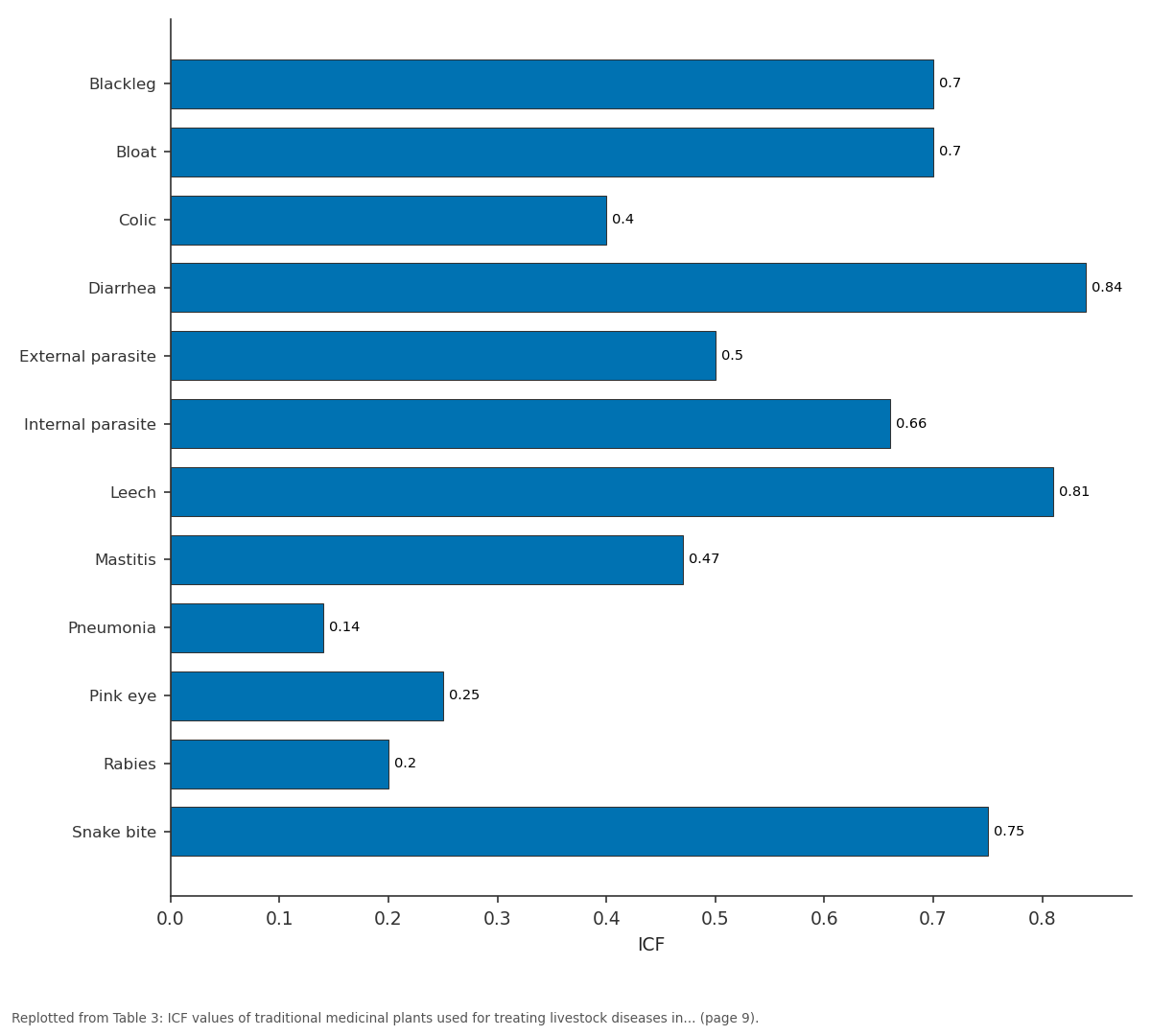
ICF: Blackleg vs Bloat vs Colic vs Diarrhea vs External parasite
Replotted from Table 3 (page 9) of the original paper. Every bar is the paper's own table value.
View source evidence ↗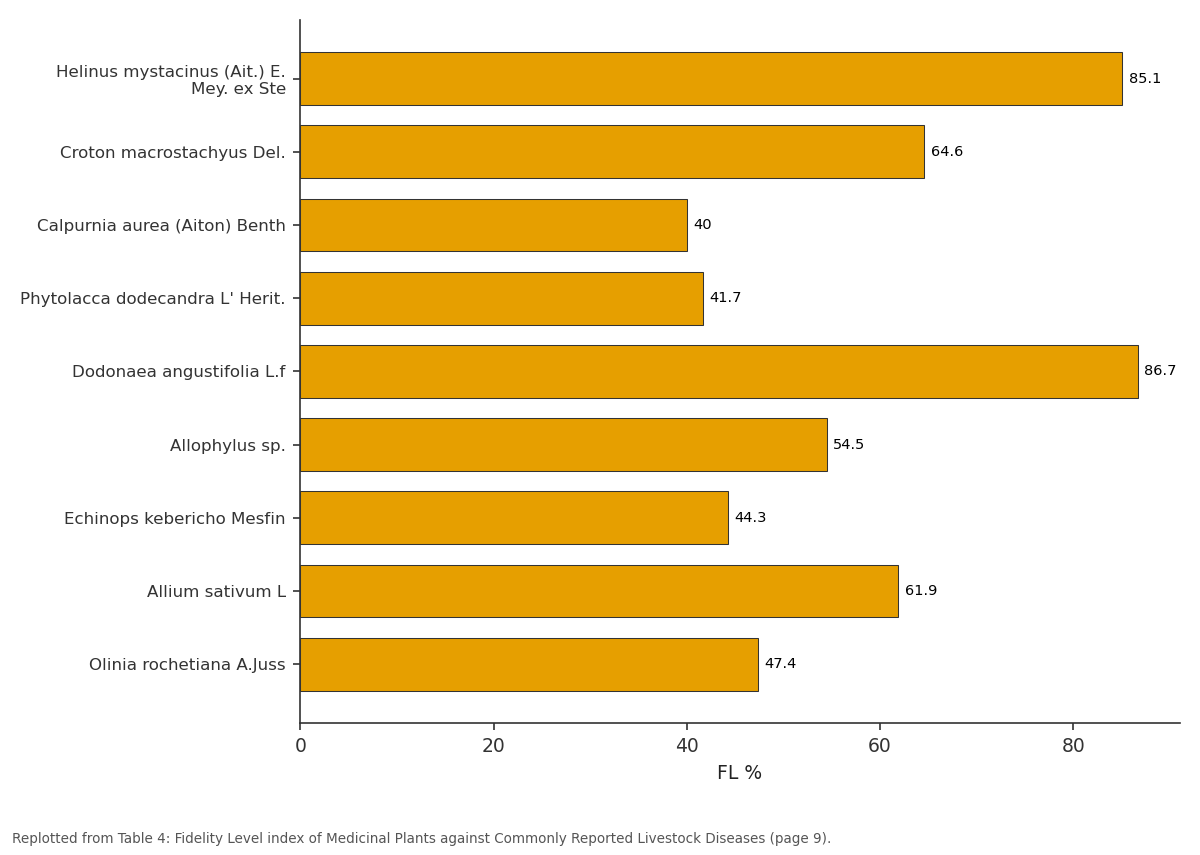
FL %: Helinus mystacinus... vs Croton macrostachyus... vs Calpurnia aurea (Aiton)... vs Phytolacca dodecandra... vs Dodonaea angustifolia...
Replotted from Table 4 (page 9) of the original paper. Every bar is the paper's own table value.
View source evidence ↗Figures & tables
From the original paper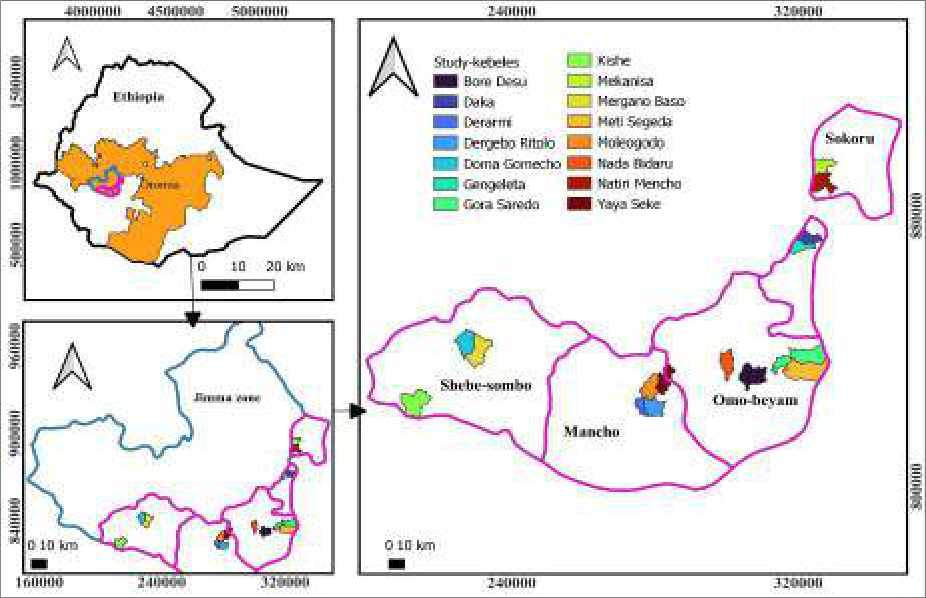 Figure 1
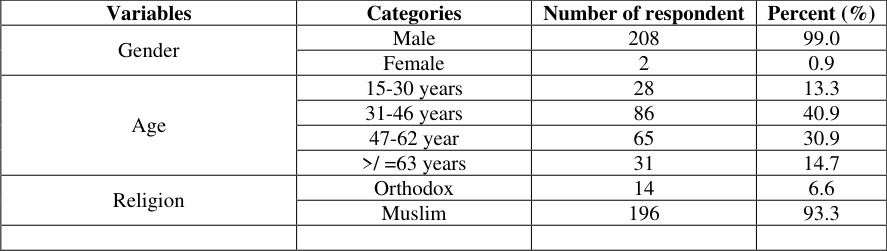 Table 1
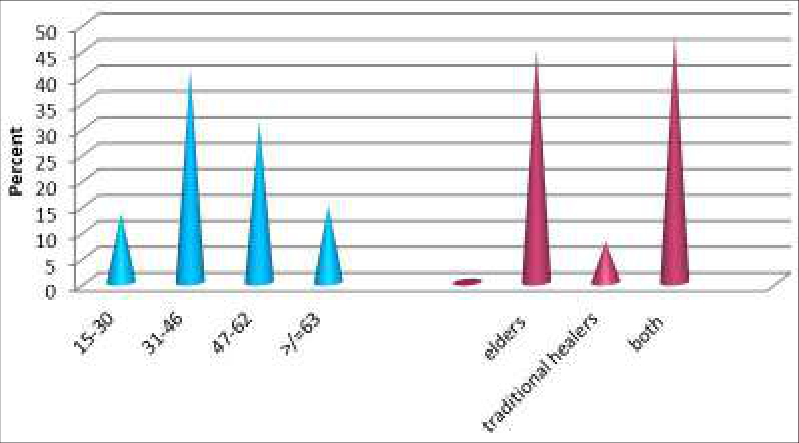 Figure 2
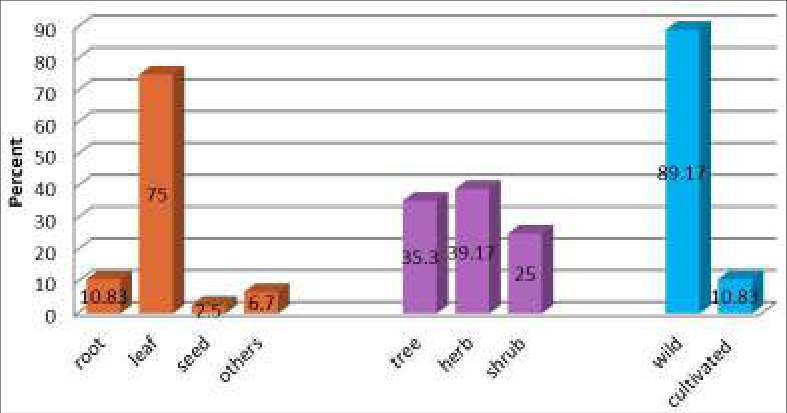 Figure 3
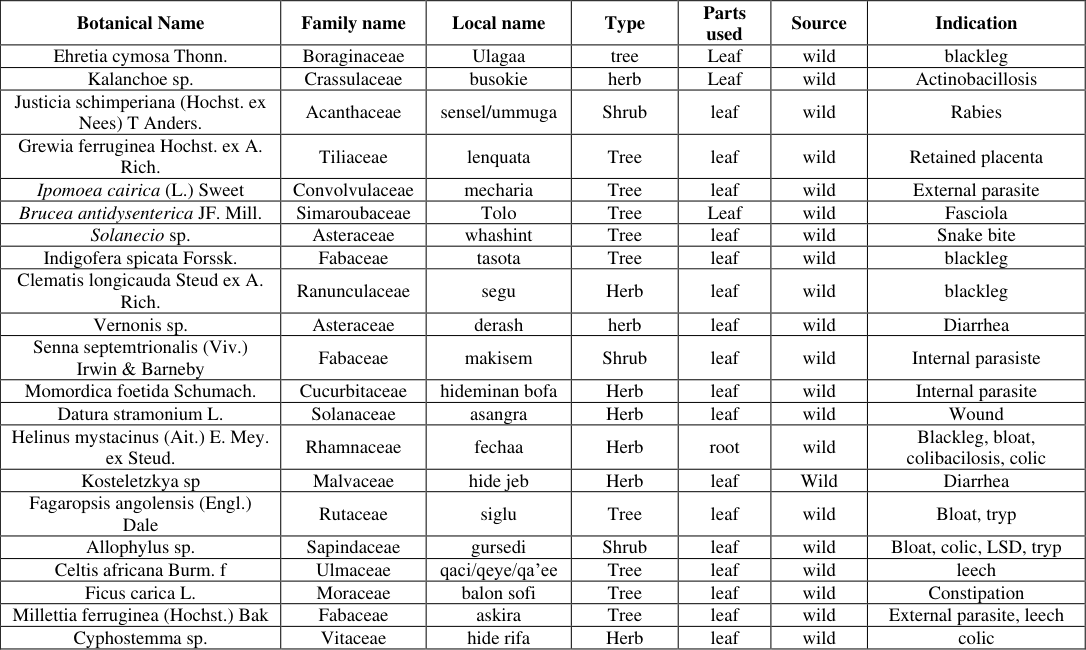 Table 2
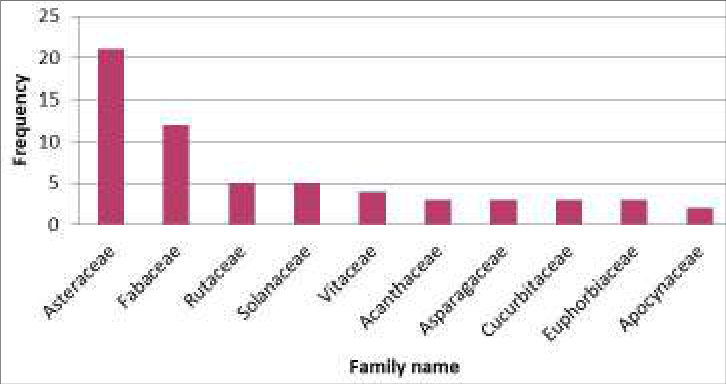 Figure 4
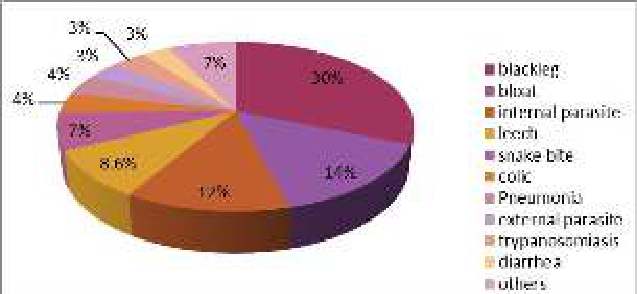 Figure 5
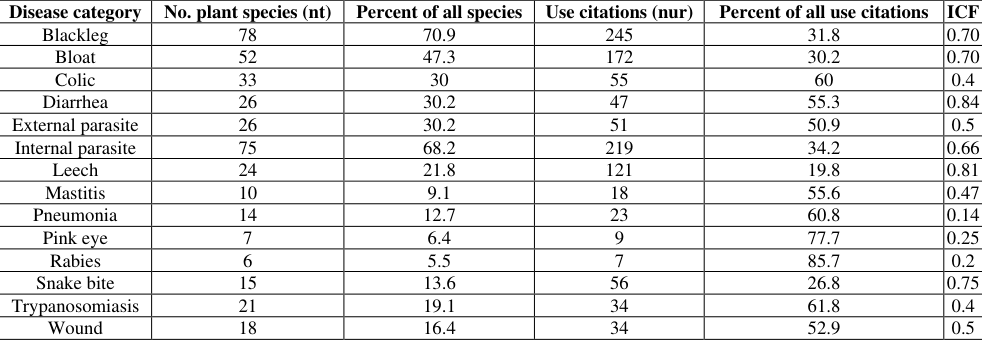 Table 3
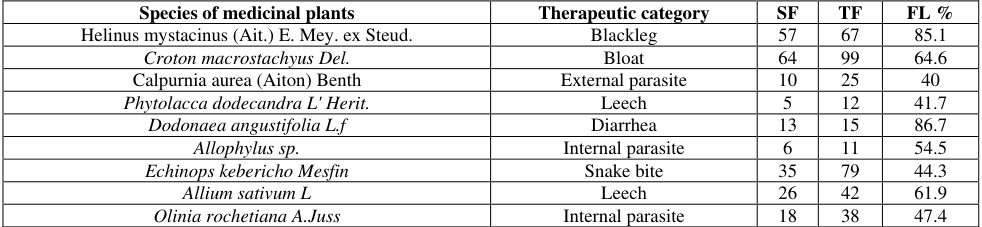 Table 4
Introduction
Ethiopia's livestock industry is a significant constituent of farming that can assist society in several developing countries, including Ethiopia, with their livelihoods and food security (Shapiro et al., 2017; Mengistu et al., 2021) [40,36] . Although the livestock sector contributes to the national economy, its growth is hampered by various constraints such as disease, feed shortages, and low genetic potential (Mengistu et al., 2021; Aman et al., 2020) [36,5] . The disease is the primary cause of livestock underperformance and causes significant economic losses in the country (Feyera et al., 2017) [21] . Because of the scarcity of modern veterinary services and the high cost of synthetic chemicals, numerous rural farm animal owners depend on ethnoveterinary medicinal practices for disease control measures (Kemal et al., 2020; Feyisa et al., 2021) [32] . Many developing countries, including Ethiopia, have embraced ethnoveterinary medicine (Eiki et al., 2021) [18] . The medicinal plant-based livestock health care system persists and remains the main alternative for different ailments in Ethiopia. This is due to limited access to modern veterinary services; a prohibitive distance from the health service stations; the scarcity of modern veterinary drugs; the emergence and re-emergence of diseases; and the appearance of drug-resistant pathogens (Tolossa et al., 2013; Abdeta, 2020; Khan et al., 2021) [47,1,33] . Medicinal plants are also widely used due to their efficacy against certain types of diseases, availability, economic affordability, and cultural beliefs/cultural acceptability (Rehman et al., 2022) [39] . Farmers and herders in Africa have indigenous knowledge of treating livestock diseases with medicinal plants where they use their perception and experience to categorize plants and plant parts to be used when dealing with different aliments (Feyera et al., 2017; Selogatwe et al., 2021) [21] . Traditional veterinary medicines are less expensive and easier to obtain than modern therapeutic drugs. Therefore, ethnoveterinary medicine plays an important role in Africa's livestock health care system (Tchetan et al., 2021) [45] .
The method for making ethnoveterinary medicines differs depending on the active ingredients to be extracted, the route of administration, and the medical purpose (prophylaxis or therapeutics). Infusions, decoctions, powders, drops, fumes, pastes, and ointments are made from medicinal plants, animals, minerals, and other non-plant substances by livestock owners and herders. These might be administered topically as drenches, vaccinations, or suppositories, or subcutaneously as smoke, vapors, massages, or intra-nasally as an intra-nasal injection (Eiki et al., 2021) [18] . Traditional medicinal plants play an important role in primary health care delivery in Sub-Saharan African countries, where traditional medicine is used to care 90% of the livestock population ( [45,18,1,4,19] . Several threats are undermining the traditional plant's relevance in modern African societies. These include ecological and technological changes; access to modern health care; as well as anthropogenic and natural factors that endanger many plant species of veterinary importance (Aziz et al., 2020) [9] . Deforestation, overgrazing, habitat loss, degradation, and agricultural land expansion are all ongoing threats to Ethiopia's traditional medicinal plants ( [6,16,49] . In Ethiopia, knowledge of traditional medicinal plants that have been developed for millennia is now at risk of extinction because it has primarily been stored in the memories of elderly people and passed down primarily through word of mouth, which is susceptible to losses at each point of transfer (Feyera et al., 2017; Tadesse et al., 2018) [21,43] . [22,1,50,19] . However, there has been no study of medicinal plants used to treat livestock diseases in the districts of Sokoru, Mancho, Shebe Sombo, and Omo Beyan. As a result, researching, documenting, and analyzing traditional knowledge on medicinal plants and curative plant reservoirs, which are typically remnants of natural forests, is a timely endeavor. Therefore, the study's objective was to document indigenous knowledge of ethnoveterinary plants used to treat and prevent livestock diseases in four selected districts of Jimma Zone, Ethiopia. And to generate a concise baseline data set that can be used as a foundation for future research.
Materials and Methods
Materials and Methods
Study area
The study was conducted from April 2017 to May 2018 in selected districts (Shebe Sombo, Mancho, Sokoru, and Omo Beyan) of the Jimma zone of the Oromia regional state, which geographically lies at a latitude of about 7013'-805'
N and a longitude of about 35052'-37037' E. Four districts were chosen based on agro-ecological differences (Figure 1), with the assumption that vegetation type varies with agro-ecological differences, which may influence the type of medicinal plants present. Sixteen kebeles (administrative centers) were chosen from selected districts, four from each district. The study districts were chosen using a purposive sampling technique based on the availability of traditional medicine practitioners as recommended by elders, religious leaders, and local authorities. Furthermore, the agro-climatic zones were taken into account when choosing the districts. A mixed farming system is the mode of agriculture in the region, with domestic ruminants being the major livestock kept for the livelihood of the local population in the rural areas. The area is rich in floral biodiversity.
Selection of informants and interviewing process
Participants were elderly and traditional healers who volunteered and varied in age, gender, occupation, and educational level. Two hundred and ten informants (208 males) were randomly and purposefully selected from ethnic groups of various ages (15-82 years), religion, educational status, livestock farming experience, and years of service with the help of local elders, agricultural and health extension workers, and administrative personnel for our study units. The selected healers were well-known in the community due to their long history of providing traditional health care services to the community. Before the start of the interviews, informed consent was obtained from each informant who participated in this study after explaining the objective of the study and assuring them of the most responsible judicial use of the resulting information. Then, indigenous knowledge of selected informants about ethnoveterinary medicinal plants used to treat livestock diseases was extracted using semi-structured questionnaires, field observations, and group discussions. Different informants' skills in the preparation of medicines were reported. These include plant composition, plant condition, and preparation methods such as crushing, infusion, rubbing, pasting, and pounding. [17] , and vouchers were deposited in the national herbarium of Ethiopia at Addis Ababa University.
Data collection
Data collection
Statistical analysis
The data were entered into SPSS version 21 and, summarized using descriptive statistical methods (frequency and percentage). The informant consensus factor (ICF) and fidelity level (FL) were used to validate the importance of medicinal plants. The ICF was calculated to determine informant agreement for a plant species in treating a specific disease using the following formula (Heinrich et al. 1998) [28] . ICF = (nucns)/(nuc -1), where nuc = number of use citations and ns = number of species used for each use citation. The fidelity (FL) values of medicinal plants were used to estimate the relative healing potential of each medicinal plant based on the proportion of informants who agreed on its use for a given ailment category (Friedman et al. 1986) [23] . Fidelity values determine the effectiveness of medicinal plants and are used to recommend further analysis of their bioactivity and therapeutic properties. Fidelity values were calculated using the following formula: FL (%) = SF/TF*100, where SF represents the frequency of citation of a given species for a specific aliment and TF represents the total number of citations of that species for any ailments. A statistically significant difference was determined when the P-value is less than 0.05 using the Chi-square test.
Result 3.1 Informants Demographic Profiles
The study included 210 participants, 208 (99.1%) of whom were male (Table 1). The respondents' age ranged from 15 to 82 years, with their experience in livestock farming ranging from 7 to 70 years. The majority of the informants were between 31 and 46 years old (40.9%) and 47-62 years (30.9%) (Figure 2). According to the educational status analysis, 114 (54.2%) of the informants were illiterate, while 74 (35.2%) and 19 (9.0%) completed grades 1-6 and 7-9, respectively. The remaining three (1.4%) respondents were college graduates or higher. The informants learned about medicinal plants from their elders 94 (44.8%), traditional healers 16 (7.6%), and both elderly and traditional healers 100 (47.6%) (Table 1, Figure 2). The distribution of informants by the district revealed that 60 informants came from Mancho, 24 from Omo Beyan, 59 from Shebe Sombo, and the remaining 67 from Sokoru.
| Variables | Categories | Number of respondent | Percent (%) |
|---|---|---|---|
| Gender | Male | 208 | 99.0 |
| Female | 2 | 0.9 | |
| Age | 15-30 years | 28 | 13.3 |
| 31-46 years | 86 | 40.9 | |
| 47-62 year | 65 | 30.9 | |
| >/ =63 years | 31 | 14.7 | |
| Religion | Orthodox | 14 | 6.6 |
| Muslim | 196 | 93.3 | |
Table text extracted from the original PDF; superscript letters are shown inline. The original table image is below.
View original table image
Habits, parts used and source of medicinal plants
Scientifically identified medicinal plants were classified as herbs, shrubs and trees, wild and cultivated based on growth forms and source of plants, respectively. Herbs were the most commonly used medicinal plants, accounting for 47 (39.17%), followed by trees 43(35.83%) and shrubs 30 (25%) (Figure 3). For herbal preparations, the most commonly used plant parts were leaves, followed by roots, seeds, fruit, all parts, and stem bark (Figure 3). The principal sources of medicinal plants were wild 107 (89.17%) and cultivated 13 (10.83%) (Figure 3).
Condition, route and preparation method
Traditional healers utilized different conditions of plants, such as fresh, dry, and both dry and fresh. Herbal treatments were mainly prepared from fresh materials of plant species, accounting for 86 (78%), followed by dry 14 (13%). The remaining nine (9.7%) plant species were prepared both from fresh and dry materials. The most common routes of administration were oral (92.8%), followed by aerosol/nasal (4.2%), and topical (2.4%). Different methods of medicinal plant preparation were identified by different informants. These include crushing, infusion, decoction, and rubbing.
The main preparation methods used by local healers were crushing/grinding and soaking in water. The main ingredients used in the preparation of herbal remedies were water, salt, and milk.
Diversity of species used:
One hundred and ten species belonging to 55 families were documented for the ailments of different types of livestock diseases (Table 2). The majority of these medicinal species occur in the wild (Figure 3). The medicinal plant families that had the highest number of species were Asteraceae (21 species, 19.1%), Fambaceae (12 species, 10.9%), Rutaceae and Solainaceae (5 species, 4.5% each), Vitaceae (4 species, 3.6%), Acanthaceae, Asparagaceae, Cucurbitaceae, and Euphorbiaceae (3 species, 2.7% each) (Figure 4). The remaining families were represented by two or one species each. The most commonly used plant species for livestock disease treatment by informants were N. tabacum L., E. kebericho, H. mystacinus (Ait.) E. Mey. ex Steud, and C. macrostachyus Del. Most of medicinal plants were available every time, and some were found seasonally in the study area.
| Botanical Name | Family name | Local name | Type | Parts used | Source | Indication |
|---|---|---|---|---|---|---|
| Ehretia cymosa Thonn. | Boraginaceae | Ulagaa | tree | Leaf | wild | blackleg |
| Kalanchoe sp. | Crassulaceae | busokie | herb | Leaf | wild | Actinobacillosis |
| Justicia schimperiana (Hochst. ex Nees) T Anders. | Acanthaceae | sensel/ummuga | Shrub | leaf | wild | Rabies |
| Grewia ferruginea Hochst. ex A. Rich. | Tiliaceae | lenquata | Tree | leaf | wild | Retained placenta |
| Ipomoea cairica (L.) Sweet | Convolvulaceae | mecharia | Tree | leaf | wild | External parasite |
| Brucea antidysenterica JF. Mill. | Simaroubaceae | Tolo | Tree | Leaf | wild | Fasciola |
| Solanecio sp. | Asteraceae | whashint | Tree | leaf | wild | Snake bite |
| Indigofera spicata Forssk. | Fabaceae | tasota | Tree | leaf | wild | blackleg |
| Clematis longicauda Steud ex A. Rich. | Ranunculaceae | segu | Herb | leaf | wild | blackleg |
| Vernonis sp. | Asteraceae | derash | herb | leaf | wild | Diarrhea |
| Senna septemtrionalis (Viv.) Irwin & Barneby | Fabaceae | makisem | Shrub | leaf | wild | Internal parasiste |
| Momordica foetida Schumach. | Cucurbitaceae | hideminan bofa | Herb | leaf | wild | Internal parasite |
| Datura stramonium L. | Solanaceae | asangra | Herb | leaf | wild | Wound |
| Helinus mystacinus (Ait.) E. Mey. ex Steud. | Rhamnaceae | fechaa | Herb | root | wild | Blackleg, bloat, colibacilosis, colic |
| Kosteletzkya sp | Malvaceae | hide jeb | Herb | leaf | Wild | Diarrhea |
| Fagaropsis angolensis (Engl.) Dale | Rutaceae | siglu | Tree | leaf | wild | Bloat, tryp |
| Allophylus sp. | Sapindaceae | gursedi | Shrub | leaf | wild | Bloat, colic, LSD, tryp |
| Celtis africana Burm. f | Ulmaceae | qaci/qeye/qa’ee | Tree | leaf | wild | leech |
| Ficus carica L. | Moraceae | balon sofi | Tree | leaf | wild | Constipation |
| Millettia ferruginea (Hochst.) Bak | Fabaceae | askira | Tree | leaf | wild | External parasite, leech |
| Cyphostemma sp. | Vitaceae | hide rifa | Herb | leaf | wild | colic |
Table text extracted from the original PDF; superscript letters are shown inline. The original table image is below.
View original table image
Livestock disease treated and diagnoses
Thirty livestock diseases were identified as being treated with local medicinal plants. Among these reported livestock diseases, blackleg, internal parasites, bloat, leech infestation, colic, and external parasites were found to be the most frequent (Figure 5). Healers diagnose livestock diseases based on observation and/or information obtained by interviewing the livestock owner about major symptoms shown by the diseased animal. Symptoms can be seen in its mouth and foot parts, throat, eyes, nose, ear, and/or skin. Medicinal plants are prescribed after diseased animals are visually examined by traditional healers. Rubbing and pasting herbal preparations were the most commonly reported treatment methods for handling dermatological diseases. The highest percentage of species was indicated by informants to treat blackleg disease (70.9%) (Table 3). The highest number of medicinal plant uses was recorded for Croton macrostachyus Del. (against 12 ailments), Echinops kebericho Mesfin (against 11 ailments), Calpurnia aurea (Aiton) Benth (against 10 ailments), and Withania somnifera (L.) Dunal (against 9 aliments).
| Disease category | No. plant species (nt) | Percent of all species | Use citations (nur) | Percent of all use citations | ICF |
|---|---|---|---|---|---|
| Blackleg | 78 | 70.9 | 245 | 31.8 | 0.70 |
| Bloat | 52 | 47.3 | 172 | 30.2 | 0.70 |
| Colic | 33 | 30 | 55 | 60 | 0.4 |
| Diarrhea | 26 | 30.2 | 47 | 55.3 | 0.84 |
| External parasite | 26 | 30.2 | 51 | 50.9 | 0.5 |
| Internal parasite | 75 | 68.2 | 219 | 34.2 | 0.66 |
| Leech | 24 | 21.8 | 121 | 19.8 | 0.81 |
| Mastitis | 10 | 9.1 | 18 | 55.6 | 0.47 |
| Pneumonia | 14 | 12.7 | 23 | 60.8 | 0.14 |
| Pink eye | 7 | 6.4 | 9 | 77.7 | 0.25 |
| Rabies | 6 | 5.5 | 7 | 85.7 | 0.2 |
| Snake bite | 15 | 13.6 | 56 | 26.8 | 0.75 |
| Trypanosomiasis | 21 | 19.1 | 34 | 61.8 | 0.4 |
| Wound | 18 | 16.4 | 34 | 52.9 | 0.5 |
Table text extracted from the original PDF; superscript letters are shown inline. The original table image is below.
View original table image
Informants consensus factor and fidelity level index of medicinal plants
The highest ICF values were found in diarrhea (0.84), leech infestation (0.81), snake bite (0.75), bloat (0.7), and blackleg (0.7) disease categories (Table 3). The highest plant use citations were found in rabies (85.7%) and pink eye (77.7%). The most ethnomedicinal species were used to treat blackleg disease, internal parasites, bloat, and colic, with only one or two species documented to treat oestrus ovis and foot rot conditions. Fidelity level values of selected medicinal plants were calculated against frequently reported livestock diseases (Table 4). It was calculated based on the number of users of a given plant species to treat a major ailment in the current study, the fidelity values of medicinal 4). [37,11,45] . The majority of the informants were in the age groups of 31-46 years old (40.9%) and 47-62 years (30.9%). These age-related findings align with reports by Berhanu et al. (2020) [12] in Ambo districts of Oromia region, Yigezu et al. (2014) [50] in the Jimma Zone; Birhanu et al. (2015) [14] from Horro Guduru Wollega, West Ethiopia; Gutema et al. (2022) in Afar Pastoralist. The findings also agree with reports by Tamiru et al. (2013) [44] in Dabo Hana district, West Ethiopia, and Gebrezgabiher et al. (2013) [24] in Tigray Region. Old informants (51-80 years old) have more knowledge of medicinal plants due to their long-term direct contact with plant resources (Tugume et al., 2016) [48] in Ugand. Young age informants have less medicinal knowledge and interest due to the fact that traditional knowledge is built with years of experience in general. If nothing is done to motivate them, there is a risk that indigenous knowledge will be lost. Younger generations have been exposed to modern education and are thus uninterested in learning and practicing ethnomedicinal wisdom, which would help to perpetuate indigenous knowledge (Khan et al., 2021) [33] . According to studies, there is a difference in medicinal knowledge among age groups (Awas and Demissew, 2009; Chekole et al. 2015; Eshete and Molla, 2021) [7,15,19] in Ethiopia. Medicinal plant knowledge is passed down orally from generation to generation, usually in old age, to the most selected family that correspondence to current findings (Tadesse et al., 2018; Eshete and Molla, 2021; Asefa et al., 2021) [43,6,19] .
| Species of medicinal plants | Therapeutic category | SF | TF | FL % |
|---|---|---|---|---|
| Helinus mystacinus (Ait.) E. Mey. ex Steud. | Blackleg | 57 | 67 | 85.1 |
| Croton macrostachyus Del. | Bloat | 64 | 99 | 64.6 |
| Calpurnia aurea (Aiton) Benth | External parasite | 10 | 25 | 40 |
| Phytolacca dodecandra L' Herit. | Leech | 5 | 12 | 41.7 |
| Dodonaea angustifolia L.f | Diarrhea | 13 | 15 | 86.7 |
| Allophylus sp. | Internal parasite | 6 | 11 | 54.5 |
| Echinops kebericho Mesfin | Snake bite | 35 | 79 | 44.3 |
| Allium sativum L | Leech | 26 | 42 | 61.9 |
| Olinia rochetiana A.Juss | Internal parasite | 18 | 38 | 47.4 |
Table text extracted from the original PDF; superscript letters are shown inline. The original table image is below.
View original table image
The gender distributions of medicinal plant knowledge were found to be higher in males (99%) than in females. This might be due to the fact that men are most favored in the shift of knowledge while women, in the majority of cultures, are considered for the family's care. Gender-related findings are consistent with those reported by Woldu (2016) and Bekele et al. (2018) in Ethiopia's Endamohoni and Dale Sadi districts, respectively. These findings, on the other hand, contradict the findings of Khan et al. (2022), who found that females possessed more indigenous knowledge than males. Because of the impact of modern education, illiterate members of the community know more about medicinal plants than educated informants. The difference, however, was not statistically significant. These findings align with reports by Feyisa et al. (2021) [22] and Khan et al. (2021) [33] in Adea Berga District, Oromia Region of Ethiopia and the Kashmir Himalaya, Pakistan, respectively.
Habits, parts used and source of medicinal plants
The present finding indicated that herbs were frequently utilized by informants for the treatment of different diseases compared to trees and shrubs. Local informants used herbs, trees, and shrubs for herbal preparation at rates of 39.17%, 35%, and 25%, respectively. The Herbs are popular as a source of herbal therapies due to their higher pharmacologically active ingredients, availability everywhere, and ease of collection when compared to trees and shrubs (Kamatenesi et al. 2011) [29] . Analogous studies conducted elsewhere yielded similar results (Singh et [42,30,35,20,41,33,4] . The current findings, on the other hand, contradict previous reports, as shrubs were frequently used by local informants (Kefalew et al. 2015; Abebe and Chane, 2021; Eshete and Molla, 2021) [53,2,19] . Various plant parts are commonly used in the formulation of herbal remedies. Leaves and roots were most frequently used in the formulation of remedies for the treatment of animal diseases. The most frequently used plant parts for the treatment of livestock diseases are leaves. This might be associated with ease of collection and conservation importance compared to other plant parts. Another reason for using leaves is that they are the main sites of photosynthetic apparatus and are involved in a variety of physiological processes of plants, as well as producing secondary metabolites, which could be a reason for their effectiveness and efficacy against various livestock diseases. This finding is consistent with previous findings, as leaves are the most commonly used plant part in Bangladesh, Iran, and Ethiopia (Ghorbani 2005 [25,46,4,2,19] . In comparison to leaves, Khan et al. (2021) [33] found that roots were the most commonly used plant parts for herbal remedies, which contradicts the current findings. Roots, on the other hand, were the second most commonly used plant part by informants due to their higher concentration of bioactive compounds compared to other plant parts, despite the fact that this was a destructive type of harvesting from a conservation standpoint (Basualdo et al. 1995; Abebe and Chane 2021) [10,2] . Harvesting of leaves does not pose any serious impact on the life cycle of plants and is considered a sustainable type of harvest. The present findings are in agreement with other studies where leaves are the most widely used plant part in ethnoveterinary practices (Akash et al. 2014; Faruque et al. 2018) [3,20] . Most of the informants frequently utilized the fresh condition of medicinal plants, as current study results showed. 78% of the informants/traditional healers utilize fresh materials compared to using dry materials of plant species. The study found that using fresh plant parts to make herbal remedies was more effective than using other parts since it might contain more bioactive ingredients. The dependence of local informants on fresh parts of plant cause threats to plant species than the dried form since fresh materials harvested directly and used with its extra deterioration with no chance of preservation. This findings was also in line with other studies elsewhere in Ethiopia (Eshete and Molla, 2021; Asefa et al., 2021) [19,6] , which showed that majority of herbal remedies were prepared from fresh plant parts compared to dried parts. Herbal remedies made from both dried and fresh plant parts have been reported in small amounts. The method of preparation differed depending on the plant species, plant part used, and, in some cases, the condition being treated. These include crushing, soaking, infusion, decoction, and rubbing. The main ingredients used in the preparation of herbal remedies were water, salt, and milk. The ingredients are suggested to have a synergistic effect, improve flavor, and make it easier to administer herbal medication (Eshete and Molla, 2021) [19] .
Diversity of species use
Collected medicinal plants were documented with a detailed description of their local name, scientific name, habit, preparation, and mode of application with their respective indications during the study period. The current findings showed that 110 species belonging to 55 families were documented for the treatment of different types of livestock diseases. The presence of a large number of species indicates that the study area has a diverse flora used in the treatment of various ailments, as well as a rich traditional knowledge of medicinal plants in the society (Tugume et al. 2016) [48] . As a result, the diversity of medicinal plants meets the miscellaneous healthcare needs of communities in the study area, despite the fact that many people cannot afford modern treatment due to widespread poverty. The majority of these medicinal plants were found in the wild and were harvested for their leaves. Similarly, studies on Ethiopian found that almost all medicinal plant species are harvested from wild habits (Lulekal et al. 2008 [34,26,51,19] . However, due to an increased human and livestock population, wild habitats were severely exhausted, resulting in the extinction of numerous plant species that once thrived in the wild. The most dominant families of medicinal plants used by the informants were Euphorbiaceae, Solinaceae, Asteraceae, and Rhamnaceae. This finding agrees with reports by Tugume et al. (2016) [48] in Uganda. The frequent utilization of these families might be due to their higher abundance in the study area or might be linked to their high healing potential for livestock diseases. The families that had the highest number of species were Asteraceae (21 species, 19.1%), Fambaceae (12 species, 10.9%), Rutaceae and Solainaceae (5 specie, 4.5%). Many medicinal plant species were also reported to be rare since there was no habit or practice by local informants to conserve medicinal plants. This could pose a threat to those medicinal plants that are scarcely available in the study area. These require immediate attention in order to preserve rare medicinal plants for use in livestock's primary health care.
Livestock diseases treated and diagnoses
In primary health care for livestock in Ethiopia, herbal therapies are still preferred. Thirty livestock diseases were identified as being treated with local medicinal plants. Among these reported or identified livestock diseases, blackleg, internal parasites, bloat, leech infestation, colic, and external parasites were found to be the most frequently reported forms of livestock disease in the study area. Diarrhea was also discovered to be a commonly reported veterinary ailment. The vast majority of plant species are treated for more than one condition. The use of a single plant species to treat multiple livestock diseases indicates the presence of numerous metabolites in that plant species as well as its broad spectrum of bioactive molecules against various pathogens. In other cases, a combination of plants was used in the preparation of a herbal remedy against a specific ailment, demonstrating the synergistic effects of such plants. Informants diagnose livestock diseases based on observation and/or information obtained by interviewing the livestock owner about major symptoms shown by the diseased animal. Medicinal plants are prescribed after diseased animals are visually examined by traditional healers. Rubbing and pasting herbal preparations were the most commonly reported treatment methods for handling dermatological diseases. Due to a knowledge gap, different dosages were used by informants to treat the same livestock ailments. The absence of any adverse effects of traditional medicines after administration was also more frequently mentioned. But some of the preparations were reported to have some adverse effects, like vomiting and temporary inflammations in patients. The highest number of medicinal plant uses was recorded for Croton macrostachyus Del.
(against 12 ailments), Echinops kebericho Mesfin (against 11 ailments), Calpurnia aurea (Aiton) Benth (against 10 ailments), and Withania somnifera (L.) Dunal (against 9 aliments). Informants indicated that the highest percentage of species were used to treat blackleg disease (70.9%).
Informants Consensus Factor and fidelity level index of medicinal plants
The ICF determined the informant agreement for a plant species in treating a specific disease. ICF values range from 0 to 1, with values close to one indicating a high rate of informant agreement on plant species used against disease categories. ICF values close to zero indicate a low level of agreement among informants regarding the use of a specific plant species for the treatment of a specific disease. Diarrhea and leech infestation had the highest informant consensus values (0.84 and 0.81), respectively. When only one or a few plant species are indicated to be used by a large number of informants to treat a specific disease, high informant consensus factors are obtained, whereas low ICF values indicate that informants disagree about which plant to use (Heinrich et al. 1998) [28] . The high ICF value for diarrhea and leech infestation indicates that informants agree on the various plant species used to treat these ailments and their importance. The ICF also tests the consistency of informants' knowledge regarding a particular rehabilitation for a given disease category. ICF showed which species of plants are frequently utilized and thus a good point for further pharmacological and Phytochemical studies. Fidelity level values of selected medicinal plants were calculated against frequently reported livestock diseases. The fidelity values of medicinal plants range from 41.7% to 86.7% in the study area Helinus mystacinus (Ait.) E. Mey. ex Steud and Dodonaea angustifolia L.f. species have the highest FL (85.1% and 86.7%), respectively. The highest FL value of medicinal plants indicates that they have high healing potential in the study area. Therapeutic plants that are frequently used by local informants to treat multiple diseases have lower fidelity level values, whereas medicinal plants that are used to treat one or a few ailments have a high fidelity level. The validation of the bioactivity of medicinal plants preferred by informants increases their acceptance in health care systems both nationally and internationally. FL demonstrates the percentage of informants claiming the use of a plant species for the same major ailment to the total number of informants who mention the plant for any use.
Conclusion and Recommendation
The current findings indicate the presence of abundant indigenous knowledge and medicinal plant species in the study area. One hundred and ten species of plants belonging to fifty-five families were documented to manage livestock health by traditional healers. Most of these medicinal plants were discovered in the wild. Traditional medicinal remedies are still preferred in primary health care for livestock in Africa, including Ethiopia. Thirty different types of veterinary ailments were found to be treated using one or more locally identified medicinal plant species by the informants. Local informants/elders had no habits or practices for cultivating wild medicinal plants, and the elderly were secretive in transferring knowledge in the study area. This could pose a threat to those medicinal plants that are scarcely available in the study area. Therefore, urgent attention should be given to conserving those medicinal plants and encouraging traditional healers to transfer their indigenous knowledge to their families and others to preserve for the next generation. And Phytochemical and pharmacological screening of plant species has the highest fidelity level needed to extract bioactive compounds and test through in vitro and in vivo assay methods.
Declarations: I confirm that I have read, understood, and agreed to the submission guidelines, policies, and submission declaration of the journal. Ethics Approval and Consent to Participate: The Ethiopian Institute of Agriculture's research ethics committee approved the study and collection of plant specimens. Before beginning data collection, the local informants/healers were informed of the study's purpose. Availability of Data and Material: The dataset generated during the study is available upon request from the corresponding author. Competing Interests: The author declare that I have no competing interests" in this section. Funding: The study was funded by Ethiopian institute of agriculture research (EIAR). Authors' Contributions: I confirm that we made significant contributions to the work, read the manuscript, attest to the validity and legitimacy of the data and its interpretation, and agree to its submission.
Acknowledgement
Acknowledgements: I am grateful to the Ethiopian Institute of Agriculture Research for its financial support.
References
53 in the original paper- Abdeta D. Survey on Ethno Botany and Medicinal Animals at Sayo and Hawa Gelan Districts of Kelem Wollega Zone, Western Ethiopia. Biomed. J Sc. and Techni. Res. 2020;28(2):21408-21420.
- Abebe BA, Chane TS. Ethnobotanical study of medicinal plants used to treat human and livestock ailments in hulet eju enese woreda, east gojjam zone of amhara region, Ethiopia. Evid-Based Complement. and Altern. Med., 2021, 1-11.
- Akash T, Sakina M, Muhammad A, Naser MA, Riaz U, Abdul LK. Ethnoveterinary Study of Medicinal Plants in a Tribal Society of Sulaiman Range. Sc Wor J. 2014:11-18.
- Alemneh D. Ethnobotanical study of medicinal plants used for the treatment of domestic animal diseases in Yilmana Densa and Quarit Districts, West Gojjam Zone, Amhara Region, Ethiopia. Ethnobot. Res. and Appl., 2021;22:1-16.
- Aman G, Sandip B, Tadele M. Farmer Breeding Objectives and Production Constraint of Arsi Cattle Reared in Mid Rift Valley of Oromia. IJVet. Scie. and Res., 2020;6:073-077.
- Asefa I, Asmare A, Regassa F, Fekadu A. Ethnoveterinary medicinal plants and modes of their traditional application to cure animal ailments in Adaa ' Liben district, Ethiopia. E Afr J of Biophys. and Compt. Sce. 2021;2(1):48-63.
- Awas T, Demissew S. Ethnobotanical study of medicinal plants in Kafficho people, southwestern Ethiopia. The 16 th International Conference of Ethiopian Studies, 2009, 711-726.
- Awas T, Demissew S. Ethnobotanical Study of Medicinal Plants In Kafficho People, South Western International Journal of Agriculture and Nutrition https://www.agriculturejournal.net/ Ethiopia. Paper presented at the Proceedings of the 16th International Conference of Ethiopia studies, Ethiopia. The 16 th International Conference of Ethiopian Studies. 2015;6(5):711-726.
- Aziz MA, Khan AH, Pieroni A. Ethnoveterinary plants of Pakistan: a review. J Ethnobiol. and Ethnomed. 2020;16(1):25.
- Basualdo I, Zardini EM, Ortiz M. Medicinal plants of Paraguay: underground Organs. Econ. Bot. 1995;49:387-394.
- Bekalo TH, Woodmatas SD, Woldemarian ZA. An Ethnobotancal Study of Medicinal Plants Used by Local People in the Low Lands of Korita Special Woreda, Southern Nations Nationalities and Peoples Regional State Ethiopia. J Ethnobiol Ethnomed. 2009;5:26-40.
- Berhanu M, Tintagu T, Fentahun S, Giday M. Ethnoveterinary Survey of Medicinal Plants Used for Treatment of Animal Diseases in Ambo District of Oromia Regional State of Ethiopia. Evid-Based Complement. and Altern. Med, 2020, 1-12.
- Birhanu AA, Samuel CT. Ethnobotanical Study of Medicinal Plants Used to Treat Human and Livestock Ailments in Hulet Eju Enese Woreda, East Gojjam Zone of Amhara Region, Ethiopia. Evid.-based Complement. Altern. 2021;(2):1-11.
- Birhanu T, Abera D. Survey of ethno-veterinary medicinal plants selected Horro Gudurru districts western Ethiopia. Afr J Plant Sci. 2015;9(3):185-192.
- Chekole G, Asfaw Z, Kelbessa E. Ethnobotanical Study of Medicinal Plants in The Environs of Tara-Gedam and Amba District Noerthwest Ethiopia. J Ethnobiol Ethnomed. 2015;11:35-40.
- Chen SL, Yu H, Luo HM, Wu Q, Li CF, Steinmetz A. Conservation and sustainable use of medicinal plants: Problems, progress, and prospects. Chinese Medicine (United Kingdom). 2016;11(1):1-10.
- Demissew S, Friis I, Weber O. Diversity and endemism of the flora of Ethiopia and Eritrea: state of knowledge and future perspectives. Rendiconti Lincei. 2021;32(4):675-697.
- Eiki N, Sebola NA, Sakong BM, Mabelebele M. Review on Ethnoveterinary Practices in Sub-Saharan Africa. Vet. Scien. 2021;8(6):1-7.
- Eshete MA, Molla EL. Cultural significance of medicinal plants in healing human ailments among Guji semi-pastoralist people, Suro Barguda District, Ethiopia. J of Ethnobiol. and Ethnomed. 2021;17(1):118.
- Wafaa Kamal Taia, Abdelbasit Musa Asker, Fatma M Alwashish, Salem Ahmed Mohamed. Research Title: Ethnobotanical survey of medicinal plant Teucrium L. (Lamiaceae) in eastern Libya. Int. J Agric. Extension Social Dev. 2021;4(1):176-181.
- Feyera T, Mekonnen E, Wakayo BU, Assefa S. Botanical ethnoveterinary therapies used by agropastoralists of Fafan zone, Eastern Ethiopia. BMC Vet. Res. 2017;13(1):1-11.
- Feyisa M, Kassahun A, Giday M. Medicinal Plants Used in Ethnoveterinary Practices in Adea Berga District, Oromia Region of Ethiopia. Evid. Based Complement and Altern Med, 2021, 1-22.
- Friedman J, Zohara Y, Amotz D, Palewitch D. (). A preliminary classification of the healing potential of medicinal plants, based on a rational analysis of an ethnopharmacological field survey among Bedouins in the Negev Desert, Israel. J Ethnopharmacol. 1986;16:275-278.
- Gebrezgabiher G, Kalayou S, Sahle S. An ethnoveterinary survey of medicinal plants in woredas of Tigray region, Northern Ethiopia. Int. J. Biodivers. Conserv. 2013;5(2):89-97.
- Ghorbani A. Studies In Pharmaceutical Ethnobotany in The Region of Turkmen Sahra, North of Iran (part 1): general results. J Ethnopharmacol. 2005;102:58-68.
- Giday M, Asfaw Z, Woldu Z, Teklehaymanot T. Medicinal Plant Knowledge of the Bench Ethnic Group of Ethiopia; An Ethnobotanical Investigation. J. Ethnobiol. Ethnomed. 2009;5(34):60-78.
- Gutema F, Egzihabher G, Tesfaye J, Sorsa A. Identification and documentation of Ethno-veterinary remedies used by Afar Pastoralists for the treatment of Camel diseases. JDMP. 2022;8(1):16-23.
- Heinrich M, Ankli A, Fre B, Weimann C, Sticher O. Medicinal plants in Mexico:Healers consensus and cultural importance. Soci. Sci Med. 1998;47:18591871.
- Kamatenesi MK, Acipa A, Oryem-Origa H. Medicinal Plants of Otwal and Ngai sub counties in Oyam District, Northern Uganda. J Ethnobiol and Ethnomed. 2011;7:1-14.
- Kayani S, Ahmad M, Sultana S, Khan Shinwari Z, Zafar M, Yaseen G, et al. Ethnobotany of Medicinal Plants Among the Communities of Alpine and Subalpine regions of Pakistan. J. Ethnopharmacol. 2015;164:186-202.
- Saravanabavan V, Aneesh P, Babu HM, Harieswari M, Balaji D, Vinothini C. Patient's perception and level of primary health care utilization in east block of Madurai North taluk: A geo-health study. Int. J Geogr. Geol. Environ. 2021;3(1):34-41.
- Kemal J, Zerihun T, Alemu S, Sali K, Nasir M, Abraha A, et al. In vitro Acaricidal Activity of Selected Medicinal Plants Traditionally Used against Ticks in Eastern Ethiopia. J Parasit. Res., 2020, 1-10.
- Khan SMR, Akhter T, Hussain M. Ethno-veterinary practice for the treatment of animal diseases in Neelum Valley, Kashmir Himalaya, Pakistan. Plos One. 2021;16(4):1-18.
- Lulekal E, Kelbessa E, Bekele T, Yineger H. An Ethnobotanical Study of Medicinal Plants in Mana Angetu District, Southeastern Ethiopia. J Ethnobiol and Ethno Med. 2008;4:1-10.
- Malla B, Gauchan, DP, Chhetri RB. An ethnobotanical study of medicinal plants used by ethnic people in Parbat district of western Nepal. J. Ethnopharmacol. 2015;165:103-117.
- Mengistu S, Nurfeta A, Tolera A, Bezabih M, Adie A, Wolde-Meskel E, et al. Livestock Production Challenges and Improved Forage Production Efforts in the Damot Gale District of Wolaita Zone, Ethiopia. Advan in Agricul, 2021, 1-10.
- Okello J, Ssegawa P. Plants Used by Communities of Ngai sub county, Apac District, Northern Uganda. Afr J Ecol. 2007;45(1):6-83.
- Queensland H. Collection and preserving plant specimens, a manual. 2 ed . Department of Science, Information Technology and Innovation, Brisbane, 2016, 22.
- Rehman S, Iqbal Z, Qureshi R, Rahman IU, Sakhi S, Khan I, et al. Ethnoveterinary Practices of Medicinal Plants Among Tribes of Tribal District of North Waziristan, Khyber Pakhtunkhwa, Pakistan. Frontiers in Vet. Scien. 2022;9:1-14.
- Shapiro BI, Gebru G, Desta S, Negassa A, Nigussie K, Gezahegn A, et al. Ethiopia livestock sector analysis. MoA and LRI, 2017, 1-103.
- Shoaib G, Shah GM, Shad N, Dogan Y, Siddique Z, Shah AH, et al. Traditional practices of the ethnoveterinary plants in the Kaghan Valley, Western Himalayas-Pakistan. Revista de Biologia Tropical. 2021;69(1):1-11.
- Singh H, Husain T, Agnihotri P, Pande PC, Khatoon S. An Ethnobotanical Study Of Medicinal Plants Used In Sacred Groves of Kumaon Himalaya, Uttarakhand, India. J. Ethnopharmacol. 2014;154:98-108.
- Tadesse A, Tsegay BA, Telake BB. Ethnoveterinary medicinal plants in rural settings of Bahir. Ethiop J Sci Technol. 2018;11(3):223-251.
- Tamiru F, Terfa W, Kebede E, Dabessa G, Roy RK. Ethnoknowledge of plants used in veterinary practices in Dabo Hana District, West Ethiopia. J Med. Plants Res. 2013;7(40):2960-2971.
- Tchetan E, Olounlade AP, Houehanou TD, Azando EVB, Kaneho JA, Houinato MRB, et al. Ethnoveterinary knowledge of sheep and goat farmers in Benin (West Africa): effect of socioeconomic and environmental factors. Heliyon. 2021;7(7):1-14.
- Telefo PB, Lienou LL, Yemele MD, Lemfack MC, Mouokeu C, Goka CS, et al. Ethnopharmacological Survey Of Plants Used for The Treatment of Female Infertility in Baham, Cameroon. J of Ethnopharm., 2011;136:178-187.
- Tolossa K, Debela E, Athanasiadou S, Tolera A, Ganga G. Ethno-medicinal study of plants used for treatment of human and livestock ailments by traditional healers in South Omo, Southern. J Ethnobiol and Ethnomed. 2013;9(32):1-15.
- Tugume P, Kakudidi EK, Buyinza M, Namaalwa J, Kamatenesi M, Mucunguzi P, et al. Ethnobotanical survey of medicinal plant species used by communities around Mabira Central Forest Reserve, Uganda. J Ethnobiol. and Ethnomed. 2016;12(1):1-28.
- Usmane A, Birhanu T, Redwan M, Sado E, Abera D. Survey of ethno-veterinary medicinal plants at selected districts of Harari Regional State, Eastern Ethiopia. Ethiopian Vet. J. 2016;20(1):1-22.
- Yigezu Y, Haile DB, Ayen WY. Ethnoveterinary medicines in four districts of jimma zone, Ethiopia: Cross sectional survey for plant species and mode of use. BMC Veterinary Research. 2014;10:1-12.
- Yirga G. Assessment of Traditional Medicinal Plants in Enderta District, Southeastern Tigray, Northern Ethiopia, Evidence-Based Complementary and Alternative Medicine. Afr J of Plant Sci. 2010;4(7):255260.
- Faruque MO, Shaikh BU, James WB, Sheng H, Shuang D, Qian C, et al. Quantitative Ethnobotany of Medicinal Plants Used by Indigenous Communities in the Bandarban District of Bangladesh. Frontiers in Pharm. 2018;9:1-12.
- Kefalew A, Asfaw ZZ, Kelbessa E. Ethnobotany of medicinal plants in Ada'a district, East shewa zone of Oromia regional state, Ethiopia. J of Ethnobiol and Ethno Med. 2015;11(25):1-28.
Cited by 3
From OpenAlex, OpenCitations and reference lists read by Scinovex
- In vitro antibacterial activity of Bersama abyssinica Fresen crude extract against representative Gram‐positive and Gram‐negative bacterial isolates ↗
Tesfa Mossie · Veterinary Medicine and Science · 2024
BACKGROUND: Bersama abyssinica Fresen is a plant that is used in folk medicine for the treatment of mastitis and other infectious diseases. OBIECTIVE: The antibacterial activity of methanol crude extract of plant was evaluated against three common bacterial pathogens, including Gram positive (Staphylococcus aureus) and Gram negative (Escherichia coli and Pseudomonas aeruginosa). METHODS: The antibacterial activities and minimum inhibitory concentration…
❝ 2PDF - Indigenous Knowledge of Medicinal Plants for Treating Livestock Ailments in Megale District, Afar Region, Ethiopia ↗
Gebremedhin Gebrezgabiher, Desalegn Meresa · Veterinary Medicine and Science · 2026
BACKGROUND: Ethnoveterinary medicine (EVM) remains central to livestock health management in Afar region of Ethiopia. However, this Indigenous knowledge is increasingly threatened by environmental degradation and socio-cultural transformation. This study aimed to document medicinal plants used by pastoralists in the Megale district, Afar region, Ethiopia. METHODS: Ethnobotanical data were collected through semi-structured interviews and field observations involving 13 key informants.…
❝ 0PDF - Preclinical Efficacy of Ethiopian Medicinal Plants Against Neisseria Gonorrheae (Gram-Negative Diplococci) Clinical Isolates and Standard Strain ↗
Teshale Worku, Muktar Sano Kedir, Eyob Tekalign, Dejen Nureye, Getnet Tadege · SSRN Electronic Journal · 2024
❝ 0PDF