
Research article · 2019 · Full text
International Journal of Agriculture and NutritionEthnoecological knowledge associated to wild medicinal plants in district lower Dir Khyber Pakhtun Khwa Pakistan
Volume 1(2) · Pages 12–20 · DOI: 10.33545/26646064.2019.v1.i2a.9 ↗
Research areasEthnobotanical and Medicinal Plants StudiesEssential Oils and Antimicrobial ActivityBotanical Research and Chemistry
Abstract
Author-writtenThe present study is initiated to assess and document the existing ethnoecological knowledge of the indigenous people of District Lower Dir. For this purpose, 27 villages were choosen using purposive sampling methods based on the availability of main informants. Both purposively and randomly informants age ranged from 19 to 86 were chosen from among those born or have lived there. Quantitative and qualitative ethnobotanical methods were used to analyze the ethnological data. Significance test on the indigenous knowledge variation of the average number of reported medicinal plants were assessed. Result indicated that a total of 112 wild medicinal plants belonging to 53 families were recorded from the study sites. Moreover, the indigenous knowledge about the medicinality of the reported medicinal plants were found to be evenly known by all informants regardless of their gender, age, level of education, marital status, and experiences. On top of this, it was found that the District has important traditional ecological knowledge that has a substantial contribution for the conservation of the medicinal plants at wild. Therefore, we recommend the concerned body particularly the District Agricultural Organization to incorporate these local practices and perception to the scientific methods of conservation proposed by the Agricultural Organization for ensuring sustainable, integrated and long term management of wild medicinal plants in the study area. Moreover, active formal and/or informal local institutions shall be developed to sustain this traditional knowledge in the District.
Summary
Source-checkedPlain-language reading of the full paper, prepared with AI and checked against the text. Each point links to the authors' own words.
Why it matters
- Plants are essential for indigenous communities in the developing world, providing basic necessities such as food, fuel, and medicine. View evidence ↗
- Ethnoecological knowledge is valuable for creating long-term conservation and management strategies for biodiversity and wild medicinal plants. View evidence ↗
The question
- The study aimed to assess and document the ethnoecological knowledge held by the indigenous people of District Lower Dir. View evidence ↗
What they did
- The researchers selected 105 informants, consisting of 69 males and 36 females, from 15 different villages. View evidence ↗
- Informants were chosen based on their residency in the area, with ages ranging from 19 to 86 years. View evidence ↗
- Data was collected using qualitative and quantitative ethnobotanical methods, including semi-structured interviews with a prepared checklist. View evidence ↗
- Sampling was conducted across 15 of 27 villages (55.6%), resulting in 59 sampling units selected from 95 total localities. View evidence ↗
What they found
- The study recorded a total of 112 wild medicinal plant species belonging to 53 different families. View evidence ↗
- Approximately 9% (10 species) of the recorded medicinal plants were found to be endemic to District Lower Dir. View evidence ↗
- Shrubby plants were the most dominant growth form of wild medicinal plants in the district, followed by herbaceous plants. View evidence ↗
- The most represented plant families were Asteraceae and Lamiaceae, each with 11 species (9.82%). View evidence ↗
- Knowledge of the medicinal plants was distributed evenly among informants, regardless of their age, gender, education, or marital status. View evidence ↗
- Informants living close to health centers reported a significantly higher average number of medicinal plants (44.50 ± 18.29) compared to those living far away (34.22 ± 20.52), with a p-value of 0.002. View evidence ↗
What it means
- The authors recommend that the District Agricultural Organization integrate local traditional practices and perceptions into scientific conservation methods to ensure sustainable management of wild medicinal plants. View evidence ↗
- The authors suggest developing formal or informal local institutions to help sustain traditional ethnoecological knowledge in the district. View evidence ↗
Visual summary
2 visualsIllustrations explain the paper; charts are replotted from the paper's own table values.
Medicinal Plant Diversity
AI-generated conceptual illustration (Wild medicinal plants of the Asteraceae and Lamiaceae families). It explains the idea and does not show study data.
View source evidence ↗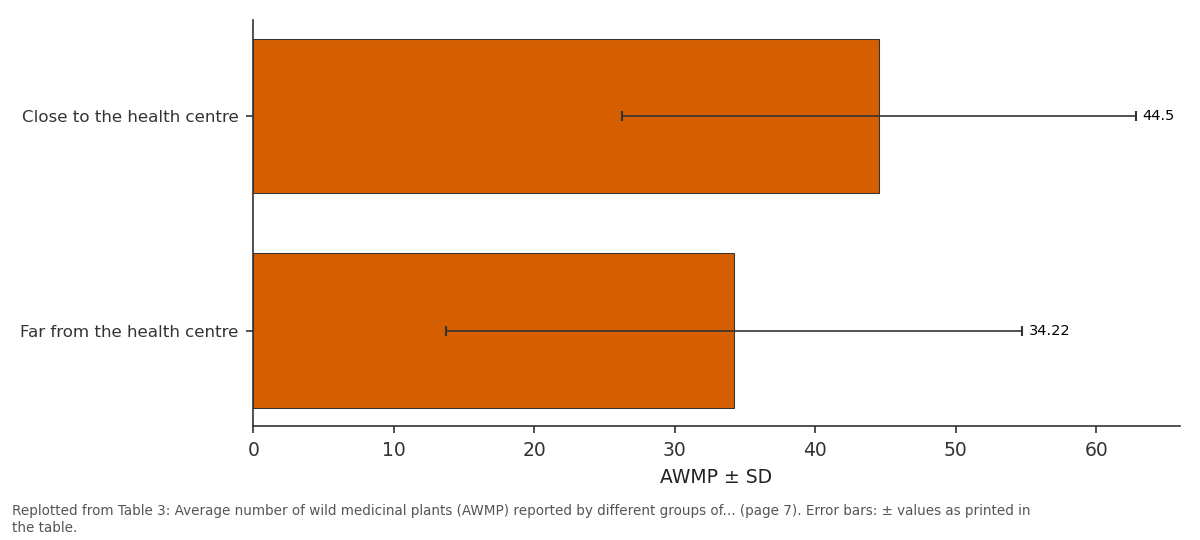
AWMP ± SD: Close to the health... vs Far from the health...
Replotted from Table 3 (page 7) of the original paper. Every bar is the paper's own table value.
View source evidence ↗Figures & tables
From the original paper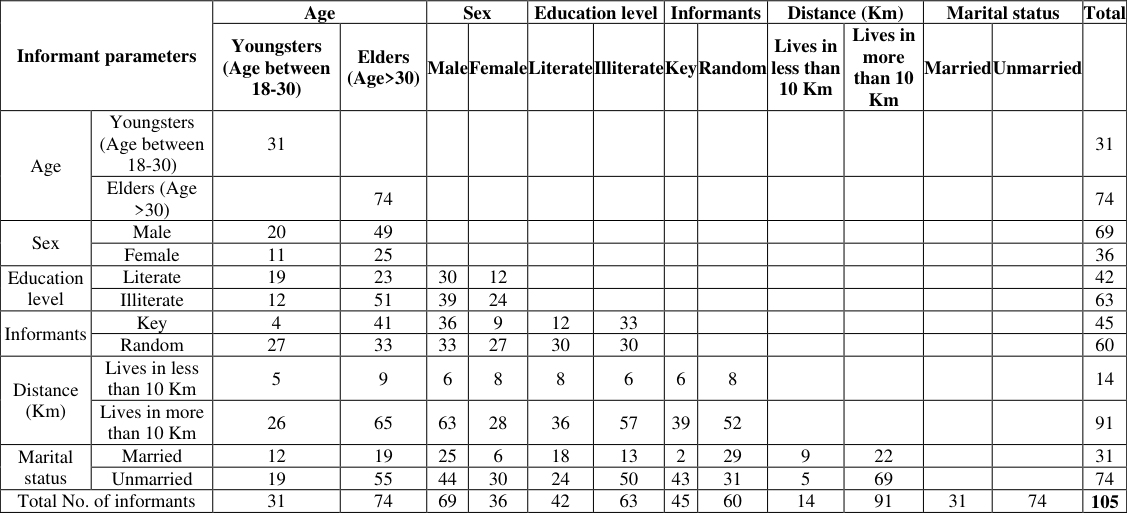 Table 1
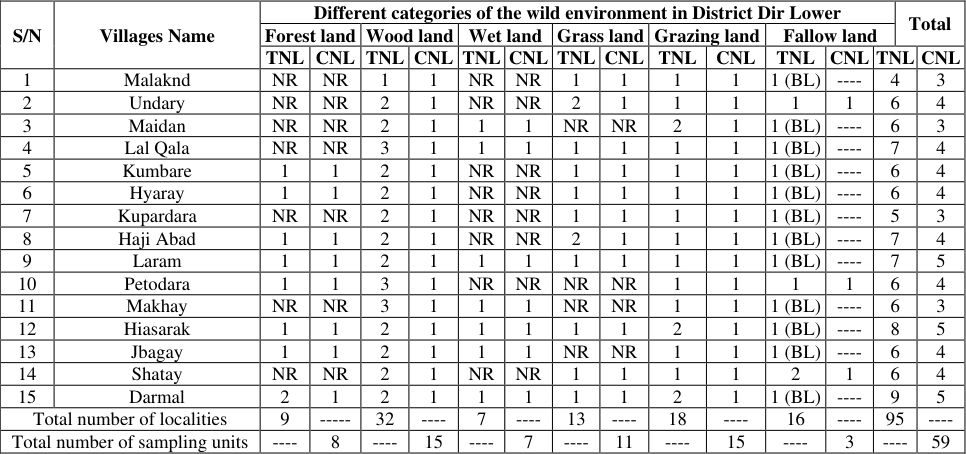 Table 2
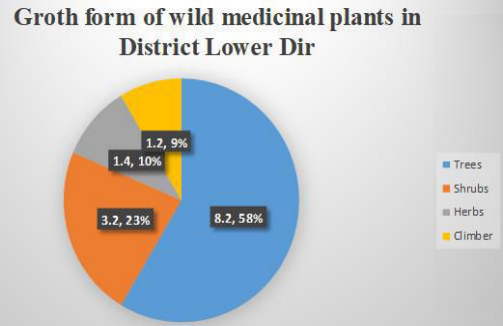 Figure 4
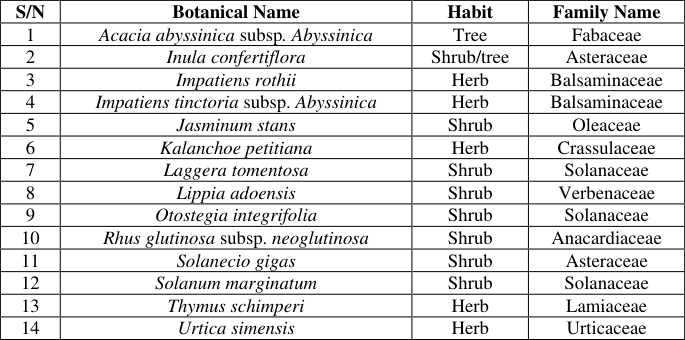 Table 3
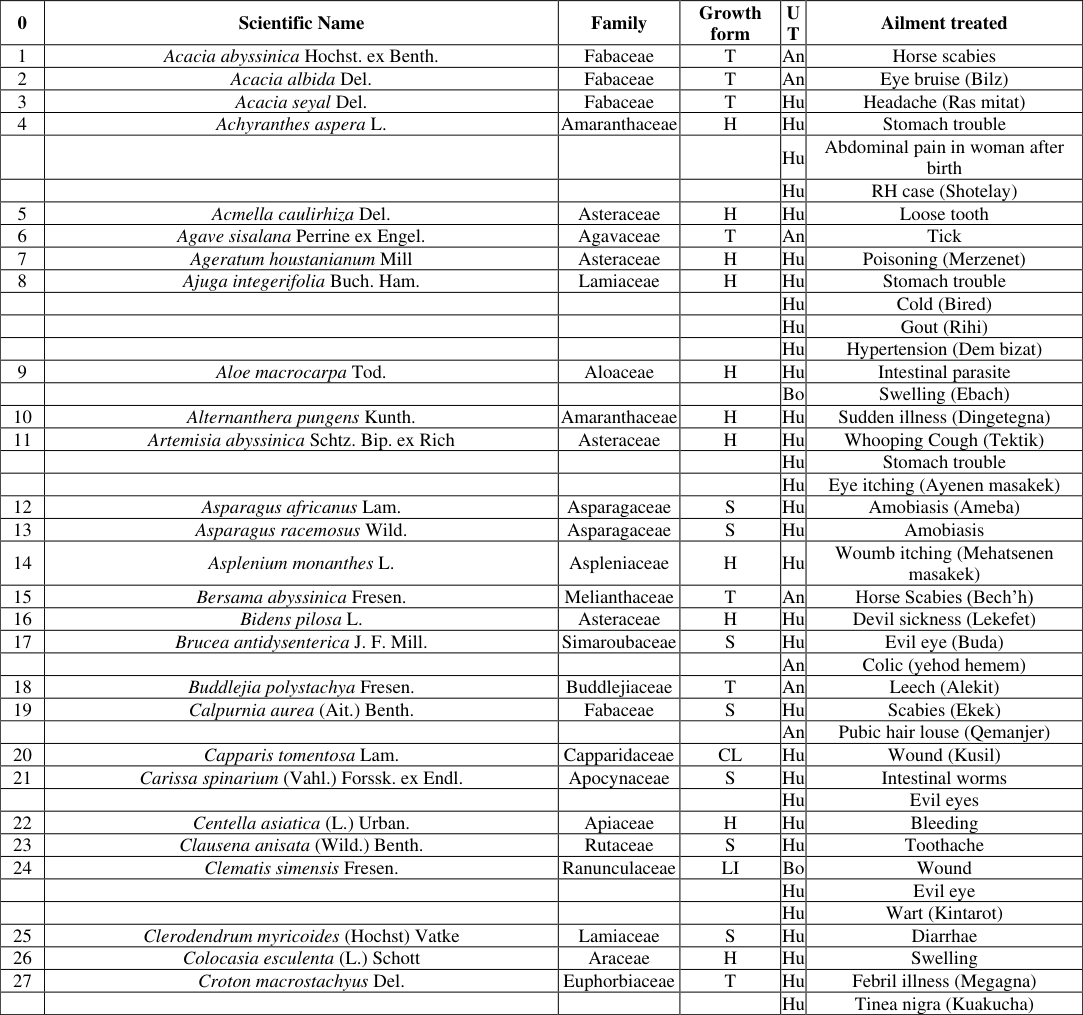 Table 2
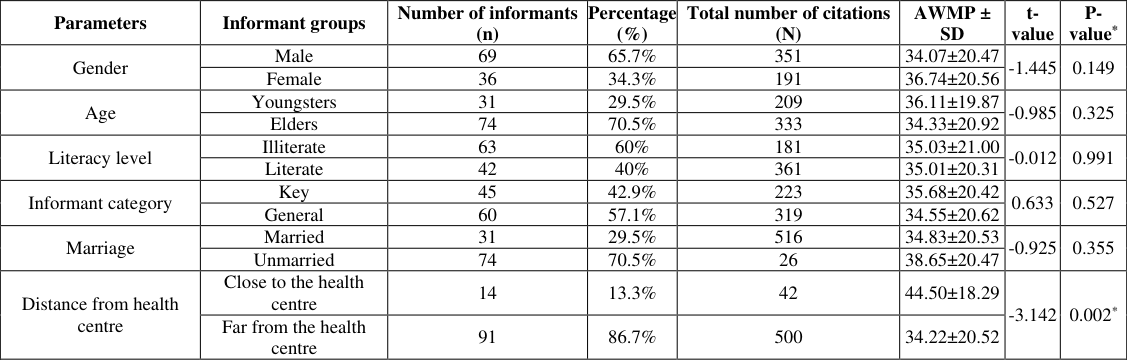 Table 3
Introduction
Plants are among the best gifts of nature that provide the basic needs for indigenous community, especially in the developing world. They provide wood, fuel, tools, food, medicines, and fodder and grazing for livestock. In Dir Lower, traditional knowledge of plant-human relationships are as old as human history itself (Khan et al., 2014, Shuaib et al., 2014) [23., 26] and cultivation of some of these useful plants/crops is as old as the crop themselves, whose history can be traced back to the time of Queen Sheba. One of the predominant plant related traditional knowledge was those related to the wild medicinal plants; which was formally published for the first time by Poncet (1709) (Ahmad et al., 2014) [3] . The formal documentation and publication of traditional knowledge associated with the wild medicinal plants was also continued even when the next Ethiopian governor (Emperor Mentwab) came to power. One of the remarkable travellers during the time of Emperor Mentwab was that of the Scottish James Bruce who made his travel to find the source of the Blue Nile (Thomas et al., 2014) [9] . In his travel he collected about 160 plant species, some of which were with medicinal qualities and described together with their associated traditional medicinal knowledge. Currently, the dimension of ethnobotany got wider and encompasses number of botanical aspects of ethnoscientific studies as a result of the differences in the dimension of the knowledge of the traditional people towards their environment. Some of the botanical aspects of ethnoscientific studies are ethnomedicine, ethnotaxonomy, Ethnoecology, ethnopharmacology among many others (Ali et al., 2014) [2] . Ethnoecology as one dimension of ethnoscientific discipline deals with the relationship of living beings (including humans) with one another and with their environment (Nazarea, 1999) [23] . These relationships can be social, economic, symbolic, religious, commercial and/or artistic (Bassols & Toledo 2005). Ethnoecology emphasizes on documenting traditional ecological knowledge, which may include the culture and beliefs that has been handed down through generations by cultural transmission (Haenn, 1999) [17] . Ethnoecological knowledge can be applied in long term management and conservation strategies of biodiversity in general (Junior and Sato, 2005) [24] and wild medicinal plants in particular (Aumeeruddy and Ji, 2003; Ghimire et al., 2004) [16] . This resaerch was initiated to show the existing of the indigenous people of District Dir Lower that has important contribution in the conservation of wild medicinal plants before it is too late to capture them.
Methods and Materials
The reaserch was carroed out in District, Dir Lower Khyber Pakhtun khwa Paksiatn. The District is approximately 96, 680 hectare in size. District Lower Dir are located in Khyber Pakhtunkhwa Pakistan, which the most important districts, both culturally and historically. Into two separate districts Dir was divided (Upper Dir and Lower Dir). These district came into existence. Lower Dir lies among 71 o 31 / to 72 o 14 / east longitudes and 34 0 37 / to 35 0 07 / north latitudes. From 600 m to 3000 m the altitude of the district areas. To the east it is bordered by Swat and
International Journal of Agriculture and Nutrition
upper Dir, Malakand to the south and Upper Dir to the north, to the west Afghanistan and Bajaur. From northeast to southwest. The winter in the district is frosty and intolerable. In these district temperate and pleasant summer. Due to western disturbances the precipitation in the winter take place and compared to the summer the rainfall in the winter is more. With sparse forests Hill tops are covered, Pine, Acacia, Ailanthus, Oak, Eucalyptus, and Olea in these forests are the dominant trees (Shuaib et al., 2014) [28] .
Ethnobotanical information
Informants are representatives of the local/indigenous people of the District who can provide the ethnomedicinal information; and accordingly those informants which age ranges from 19 to 86 were chosen both randomly and systematically. Demographic figure for the population of the District whose age ranges between 18 and 85 years were in the ratio of 66: 34 for men and women. Keeping the same proportion, total of 105 informants (36 females and 69 males) were selected from 15 villages (per village 7). 60 of the total informants (per village 4) were selected randomly. By tossing a coin and using him/her as informant every time head of the coin was up if he/she was volunteered to contribute some of them were chosen. In the selected areas some are chosen accidentally through the houses. The other 45 informants (per village 3) were local experts that were selected systematically based on references from the local people, development agents and local authorities at each resarch sites. Their sociodemography of informants is summarized in the following table (Table1).
| Informant parameters | — | Age | — | Sex | — | Education level | — | Informants | — | Distance (Km) | — | Marital status | — | Total |
|---|---|---|---|---|---|---|---|---|---|---|---|---|---|---|
| Youngsters (Age between 18-30) | Elders (Age>30) | Male | Female | Literate | Illiterate | Key | Random | Lives in less than 10 Km | Lives in more than 10 Km | Married | Unmarried | |||
| Age | Youngsters (Age between 18-30) | 31 | 31 | |||||||||||
| Elders (Age >30) | 74 | 74 | ||||||||||||
| Sex | Male | 20 | 49 | 69 | ||||||||||
| Female | 11 | 25 | 36 | |||||||||||
| Education level | Literate | 19 | 23 | 30 | 12 | 42 | ||||||||
| Illiterate | 12 | 51 | 39 | 24 | 63 | |||||||||
| Informants | Key | 4 | 41 | 36 | 9 | 12 | 33 | 45 | ||||||
| Random | 27 | 33 | 33 | 27 | 30 | 30 | 60 | |||||||
| Distance (Km) | Lives in less than 10 Km | 5 | 9 | 6 | 8 | 8 | 6 | 6 | 8 | 14 | ||||
| Lives in more than 10 Km | 26 | 65 | 63 | 28 | 36 | 57 | 39 | 52 | 91 | |||||
| Marital status | Married | 12 | 19 | 25 | 6 | 18 | 13 | 2 | 29 | 9 | 22 | 31 | ||
| Unmarried | 19 | 55 | 44 | 30 | 24 | 50 | 43 | 31 | 5 | 69 | 74 | |||
| Total No. of informants | 31 | 74 | 69 | 36 | 42 | 63 | 45 | 60 | 14 | 91 | 31 | 74 | 105 |
Table text extracted from the original PDF; superscript letters are shown inline. The original table image is below.
View original table image
Semi-structured interview
Semi-structured checklist was prepared in advance to ensure informant consensus about the traditional ecological knowledge and medicinality of each herbals following (Cunningham, 2001). The language that has been used most frequently with the informants was Pashto (common language of the District) used with the help of interpreters who were with good knowledge of the local cultures and vegetation. The interviews were done with the native people of the District.
Plant interview
This method was used to know the medicinality of each herbals collected from each study localities (Gerique, 2006). In this method, we collected the medicinal plants from the studied field area and brought them back to the village and presented to the randomly choosen informants (Figure 2) to tell us wheather these species have medicinal qualities in the District (Alexiades, 1996). By the time when we loss the live plant species, pressed specimen was used instead for this interview.
Group discussion
In each village group discussions were used for cross-checking and verifying the information that has been gathered by plant interview and semi-structured interview following (Cotton, 1996). With the local people the discussions were made, key informants and other traditional healers some-times altogether or alone in their groups throughout field Resaerch.Brief introduction was given to the groups so as to encourage them to discuss genuinely. The places and time for discussion were arranged based on the interest of the informants.
Method of data collection on wild medicinal plants Sampling design
Out of the 27 villages in the District, 15 of them (55. 6%) were used as sampling for data collection. By purposive sampling method the selection of the 15 was made based on the availability of key informants identified with the assistance of elders and local authorities. The informants categorized the availability of wild medicinal vegetation of the District into six general habitats types, namely Laffa Bosoona, Laffa Mukke, Laffa Choroka, Laffa Merga, Laffa hori edu and Laffa ekiri. Within each localities were identified based on these six habitats. This procedure gave 95 total localities from which 59 sampling units were selected by taking one locality for each habitat type in each village using the draw method. The selection of localities was established on stratification of habitat type it is the best symbolic sample for capturing the Ethnomedicinal knowledge and wild medicinal plant in the District.
----59 Keys: CNL-Chosen number of locality, NR-not represented, BL-bare land, N. B: TNL-total number of localities,
Plant identification
Medicinal plant species which were readily identifiable were recorded in the field. For those ethnomedicinal plants which were difficult to identifying in the field were provisionally kept in plastic bag; and then were pressed and brought to the Herbarium of Department of Botany, Govt Post Graduate Collage Timargara Lower Dir Pakistan. The identifications plants was done by the Flora of Pakistan. With the help of taxonomic experts in Department of Botany, Govt Post Graduate Collage Timargara Lower Dir Pakistan All the medicinal plant species were confirmed.
Method of data analysis
Descriptive statistical method such as percentage frequency method of data analysis was employed to review some of the descriptive ethnobotanical data obtained from the interviews on reported medicinal plants. Microsoft Excel spread sheet software (Microsoft Corporation, 2010) was employed for organizing and analysing some ethnobotanical data. Inferential statistical analysis using two sample independent t-test were performed to check whether there was a significant difference among the different parameters of informants (gender, age, literacy level, informant experience, marital status and living distance from health centre) for their knowledge about the medicinality of the reported medicinal plants.
Result 3.1 Wild ethnomedicinal vegetation composition
A total of 112 species (Table 4) of wild ethnomedicinal plants which can be grouped in to 97 genera and 53 families were documented from the study area. From these medicinal plants, 10 (9%) of them were enedemic to Dir Lower (Table 3). Among the total collected wild medicinal species, shrubs was present in highest quantity while other plants was present in least proportion (Figure 4)
| Parameters | Informant groups | Number of informants (n) | Percentage (%) | Total number of citations (N) | AWMP ± SD | t- value | P- value* |
|---|---|---|---|---|---|---|---|
| Gender | Male | 69 | 65.7% | 351 | 34.07±20.47 | -1.445 | 0.149 |
| Female | 36 | 34.3% | 191 | 36.74±20.56 | |||
| Age | Youngsters | 31 | 29.5% | 209 | 36.11±19.87 | -0.985 | 0.325 |
| Elders | 74 | 70.5% | 333 | 34.33±20.92 | |||
| Literacy level | Illiterate | 63 | 60% | 181 | 35.03±21.00 | -0.012 | 0.991 |
| Literate | 42 | 40% | 361 | 35.01±20.31 | |||
| Informant category | Key | 45 | 42.9% | 223 | 35.68±20.42 | 0.633 | 0.527 |
| General | 60 | 57.1% | 319 | 34.55±20.62 | |||
| Marriage | Married | 31 | 29.5% | 516 | 34.83±20.53 | -0.925 | 0.355 |
| Unmarried | 74 | 70.5% | 26 | 38.65±20.47 | |||
| Distance from health centre | Close to the health centre | 14 | 13.3% | 42 | 44.50±18.29 | -3.142 | 0.002* |
| Far from the health centre | 91 | 86.7% | 500 | 34.22±20.52 |
Table text extracted from the original PDF; superscript letters are shown inline. The original table image is below.
View original table image
| S/N | Botanical Name | Habit | Family Name |
|---|---|---|---|
| 1 | Acacia abyssinica subsp. Abyssinica | Tree | Fabaceae |
| 2 | Inula confertiflora | Shrub/tree | Asteraceae |
| 3 | Impatiens rothii | Herb | Balsaminaceae |
| 4 | Impatiens tinctoria subsp. Abyssinica | Herb | Balsaminaceae |
| 5 | Jasminum stans | Shrub | Oleaceae |
| 6 | Kalanchoe petitiana | Herb | Crassulaceae |
| 7 | Laggera tomentosa | Shrub | Solanaceae |
| 8 | Lippia adoensis | Shrub | Verbenaceae |
| 9 | Otostegia integrifolia | Shrub | Solanaceae |
| 10 | Rhus glutinosa subsp. neoglutinosa | Shrub | Anacardiaceae |
| 11 | Solanecio gigas | Shrub | Asteraceae |
| 12 | Solanum marginatum | Shrub | Solanaceae |
| 13 | Thymus schimperi | Herb | Lamiaceae |
| 14 | Urtica simensis | Herb | Urticaceae |
Table text extracted from the original PDF; superscript letters are shown inline. The original table image is below.
View original table image
Statistical test on the reported number of medicinal plant
The questionnaire respondents represented a diverse array of people including farmers, women, literate, illiterate, youngsters, elders, married and unmarried. Among the 105 informants, 69 (65.7%) were male and 36 (34.3%) were females. The largest proportions of the respondents were elders (70.5%) above 30 years old (Table 5). Most respondents were not able to write and read (60%) whereas about 40% of the respondents were joined at least formal grade one school and able to write or read. Among the respondents 86.7% of them dwell far away (> 5 Km) from the centre of health centres and/Timeragar DHQ centor whereas only few (13.3%) of them were living near (< 5 Km) to the Timeragar DHQ centor. Inferential statistical test of significance on average number of reported wild medicinal plants by the different groups of informants in District Dir Lower is shown below (Table 5)
Discussion
Our results with regard to wild medicinal plant composition suggest that the District was once primarily a typical dry Afromontane Forest ecosystem of Dir Lower. This is due to the presence of remnant characteristic species for the vegetation type of dry evergreen Afromontane Forests (Friis et al., 2011) [14] . These species include Croton macrostachyus, Juniperus procera, Olea europaea subsp. cuspidata locally called Bekanisa, Gatira and Ejersa respectively; and are still retained in the existing landscape of the District as medicinal herbals. The local people uses a taxonomically diverse group of wild medicinal plants, about 112 species in 97 genera and 53 families. The availability of diverse medicinal plant species at wild were also reported from all corner of Dir Lower (Shinwari et al., 2011) [27] . This attributed the fact that wild habitates are the main storehouse of medicinally useful plants. Some of these medicinal plants were recorded to be economically important plants used for many other purposed in the District. For example, Juniperus procera, Acacia albida, Croton macrostachyus, Olea europaea subsp. cuspidata, and Prunus africana were some of the medicinal plants in the District with multiple purposes other than their medicinal values (Khan et al., 2014) [21] . Some of the medicinal plants identified in this study were reported elsewhere to have other use values other than their theraptic quality. For example, Cordia africana, Croton machrostachus, Juniperus procera, Prunus africana, Olea europea, Ekibergia capensis were reported for the purpose of timber in different areas of Dir Lower (Khan et al., 2013) [21] .
Similarly other medicinal species such as Acacia abyssinica, Acacia albida, Acacia seyal were also reported elsewhere for home garden agro-forestry purposes suchas fencing and shadding whereas Euphorbia ampliphyla, Euphorbia abyssinica, Croton macrostachyus, Vernonia amydalina were recorded for their purpose of beehive making and/or bee forage (Hussain et al., 2014) The finding of this study showed that shrubby herbals were the most dominant form of wild medicinal plants in the District followed by herbaceous forms. Similar findings were noted elsewhere in Lower Dir (Ahmad et al., 2013) this may be linked with the custom of the local people to use plants that are available almost all the time. In line with this fact, suggested that the knowledge in relation to medicinal plants directly emanates/originates from the type of the plants they are surrounded by. In this regard, shrubby herbals are the most available form of herbals in almost all year as they are tolerant to seasonal variation (Albuquerque, 2006) [5] and might have had high chance of being chosen by the local people of the study area.
On the contrary the ecological natures of herbaceous medicines are normally annuals and subjected to be influenced by small scale environmental variations than shrubs (Qasim et al., 2013) [26] . Moreover, apart from seasonal variation, grazing intensity in the study area might have contributed for the lesser number of herbaceous medicinal plants than shrubs (Khan et al., 2014) [21] . This effect of grazing on herbaceous medicinal plants were also noted elsewhere (Adnan and Holscher, 2010) [1] . The rather fewer contribution of trees for theraptic purpose in the District may be linked with the less abundance of tree species resulted from the previous over exploitation and habitat modification history of trees mainly for the purposes other than their medicinal values ().
The plant families such as Asteraceae (11 species, 9.82%), Lamiaceae (11 species, 9.82%), Fabaceae (5 species, 4.46%), Solanaceae (5 species, 4.46%), Apiaceae (4 species, 3.57%), Cucurbitaceae (4 species, 3.57%) and Euphorbiaceae (4 species, 3.57%) are found.This deduces the high contribution of these plant families to the majority of medicinal flora of the country. The relatively high contribution of these families other than other families may originate from their high species richness in the Flora of Dir Lower (Barkatullah et al., 2015) [10] have found strong positive correlation (r=0.88) between the overall species richness of vegetation and the associated ethnomedicinal plant species richness in Pakistan. Moreover, critical observation on the joint study of vegetation and ethnomedicinal plant diversity showed that the species richness of both the general vegetation and medicinal flora follow the same pattern and seem to be directly related. In line with this concluded the presence of greater concentration of medicinal plant diversity at the areas where there is higher concentration of biological and cultural diversity.
The finding of this study showed that about 10% of the collected medicinal plants are endemic to Dir Lower, which follows almost the same proportion of endemism for the Flora of Paksiatn and Dir Lower (Ahmad et al., 2105) [3] .
Conclusion and recommendation
This study documented 112 wild medicinal plants that can be grouped into 97 genera and 53 families. This study also found out the presence of traditional perspectives and cultural beliefs which would maintain the ecology of medicinal plant species. Thus, integrating the ethnoecological perspectives of the local/indigenous people would be helpful for better ecosystem management in general and wild medicinal plants in particular. Moreover, active formal and/or informal local institutions shall be developed to sustain this traditional knowledge in the District.
Conflict of interests
The authors have not declared any conflict of interests.
Acknowledgement
We are grateful to the Department of Botany, Govt Post Graduate Collage Timargara Lower Dir Pakistan for his moraly support. We also thank the Local Hakeem for identification of herbals. The local informants are highly appreciated for their contribution in the field work.
Figures and tables from the paper
| S/N | Villages Name | Different categories of the wild environment in District Dir Lower | — | — | — | — | — | — | — | — | — | — | — | — | Total | — |
|---|---|---|---|---|---|---|---|---|---|---|---|---|---|---|---|---|
| Forest land | Wood land | Wet land | Grass land | Grazing land | Fallow land | |||||||||||
| TNL | CNL | TNL | CNL | TNL | CNL | TNL | CNL | TNL | CNL | TNL | CNL | TNL | CNL | |||
| 1 | Malaknd | NR | NR | 1 | 1 | NR | NR | 1 | 1 | 1 | 1 | 1 (BL) | ---- | 4 | 3 | |
| 2 | Undary | NR | NR | 2 | 1 | NR | NR | 2 | 1 | 1 | 1 | 1 | 1 | 6 | 4 | |
| 3 | Maidan | NR | NR | 2 | 1 | 1 | 1 | NR | NR | 2 | 1 | 1 (BL) | ---- | 6 | 3 | |
| 4 | Lal Qala | NR | NR | 3 | 1 | 1 | 1 | 1 | 1 | 1 | 1 | 1 (BL) | ---- | 7 | 4 | |
| 5 | Kumbare | 1 | 1 | 2 | 1 | NR | NR | 1 | 1 | 1 | 1 | 1 (BL) | ---- | 6 | 4 | |
| 6 | Hyaray | 1 | 1 | 2 | 1 | NR | NR | 1 | 1 | 1 | 1 | 1 (BL) | ---- | 6 | 4 | |
| 7 | Kupardara | NR | NR | 2 | 1 | NR | NR | 1 | 1 | 1 | 1 | 1 (BL) | ---- | 5 | 3 | |
| 8 | Haji Abad | 1 | 1 | 2 | 1 | NR | NR | 2 | 1 | 1 | 1 | 1 (BL) | ---- | 7 | 4 | |
| 9 | Laram | 1 | 1 | 2 | 1 | 1 | 1 | 1 | 1 | 1 | 1 | 1 (BL) | ---- | 7 | 5 | |
| 10 | Petodara | 1 | 1 | 3 | 1 | NR | NR | NR | NR | 1 | 1 | 1 | 1 | 6 | 4 | |
| 11 | Makhay | NR | NR | 3 | 1 | 1 | 1 | NR | NR | 1 | 1 | 1 (BL) | ---- | 6 | 3 | |
| 12 | Hiasarak | 1 | 1 | 2 | 1 | 1 | 1 | 1 | 1 | 2 | 1 | 1 (BL) | ---- | 8 | 5 | |
| 13 | Jbagay | 1 | 1 | 2 | 1 | 1 | 1 | NR | NR | 1 | 1 | 1 (BL) | ---- | 6 | 4 | |
| 14 | Shatay | NR | NR | 2 | 1 | NR | NR | 1 | 1 | 1 | 1 | 2 | 1 | 6 | 4 | |
| 15 | Darmal | 2 | 1 | 2 | 1 | 1 | 1 | 1 | 1 | 2 | 1 | 1 (BL) | ---- | 9 | 5 | |
| Total number of localities | 9 | ----- | 32 | ---- | 7 | ---- | 13 | ---- | 18 | ---- | 16 | ---- | 95 | ---- | ||
| Total number of sampling units | ---- | 8 | ---- | 15 | ---- | 7 | ---- | 11 | ---- | 15 | ---- | 3 | ---- | 59 |
Table text extracted from the original PDF; superscript letters are shown inline. The original table image is below.
View original table image
| 0 | Scientific Name | Family | Growth form | U T | Ailment treated |
|---|---|---|---|---|---|
| 1 | Acacia abyssinica Hochst. ex Benth. | Fabaceae | T | An | Horse scabies |
| 2 | Acacia albida Del. | Fabaceae | T | An | Eye bruise (Bilz) |
| 3 | Acacia seyal Del. | Fabaceae | T | Hu | Headache (Ras mitat) |
| 4 | Achyranthes aspera L. | Amaranthaceae | H | Hu | Stomach trouble |
| Hu | Abdominal pain in woman after birth | ||||
| Hu | RH case (Shotelay) | ||||
| 5 | Acmella caulirhiza Del. | Asteraceae | H | Hu | Loose tooth |
| 6 | Agave sisalana Perrine ex Engel. | Agavaceae | T | An | Tick |
| 7 | Ageratum houstanianum Mill | Asteraceae | H | Hu | Poisoning (Merzenet) |
| 8 | Ajuga integerifolia Buch. Ham. | Lamiaceae | H | Hu | Stomach trouble |
| Hu | Cold (Bired) | ||||
| Hu | Gout (Rihi) | ||||
| Hu | Hypertension (Dem bizat) | ||||
| 9 | Aloe macrocarpa Tod. | Aloaceae | H | Hu | Intestinal parasite |
| Bo | Swelling (Ebach) | ||||
| 10 | Alternanthera pungens Kunth. | Amaranthaceae | H | Hu | Sudden illness (Dingetegna) |
| 11 | Artemisia abyssinica Schtz. Bip. ex Rich | Asteraceae | H | Hu | Whooping Cough (Tektik) |
| Hu | Stomach trouble | ||||
| Hu | Eye itching (Ayenen masakek) | ||||
| 12 | Asparagus africanus Lam. | Asparagaceae | S | Hu | Amobiasis (Ameba) |
| 13 | Asparagus racemosus Wild. | Asparagaceae | S | Hu | Amobiasis |
| 14 | Asplenium monanthes L. | Aspleniaceae | H | Hu | Woumb itching (Mehatsenen masakek) |
| 15 | Bersama abyssinica Fresen. | Melianthaceae | T | An | Horse Scabies (Bech’h) |
| 16 | Bidens pilosa L. | Asteraceae | H | Hu | Devil sickness (Lekefet) |
| 17 | Brucea antidysenterica J. F. Mill. | Simaroubaceae | S | Hu | Evil eye (Buda) |
| An | Colic (yehod hemem) | ||||
| 18 | Buddlejia polystachya Fresen. | Buddlejiaceae | T | An | Leech (Alekit) |
| 19 | Calpurnia aurea (Ait.) Benth. | Fabaceae | S | Hu | Scabies (Ekek) |
| An | Pubic hair louse (Qemanjer) | ||||
| 20 | Capparis tomentosa Lam. | Capparidaceae | CL | Hu | Wound (Kusil) |
| 21 | Carissa spinarium (Vahl.) Forssk. ex Endl. | Apocynaceae | S | Hu | Intestinal worms |
| Hu | Evil eyes | ||||
| 22 | Centella asiatica (L.) Urban. | Apiaceae | H | Hu | Bleeding |
| 23 | Clausena anisata (Wild.) Benth. | Rutaceae | S | Hu | Toothache |
| 24 | Clematis simensis Fresen. | Ranunculaceae | LI | Bo | Wound |
| Hu | Evil eye | ||||
| Hu | Wart (Kintarot) | ||||
| 25 | Clerodendrum myricoides (Hochst) Vatke | Lamiaceae | S | Hu | Diarrhae |
| 26 | Colocasia esculenta (L.) Schott | Araceae | H | Hu | Swelling |
| 27 | Croton macrostachyus Del. | Euphorbiaceae | T | Hu | Febril illness (Megagna) |
| Hu | Tinea nigra (Kuakucha) |
Table text extracted from the original PDF; superscript letters are shown inline. The original table image is below.
View original table image
References
27 in the original paper- Adnan M, Hölscher D. Medicinal plant abundance in degraded and reforested sites in Northwest Pakistan. Mountain Research and Development. 2010; 30(1):25-33.
- Ahmad I, Ibrar M, Ali N. Ethnobotanical study of Tehsil Kabal, Swat District, KPK, Pakistan. Journal of Botany, 2011.
- Ahmad L, Semotiuk A, Zafar M, Ahmad M, Sultana S, Liu QR, Yaseen G. Ethnopharmacological documentation of medicinal plants used for hypertension among the local communities of DIR Lower, Pakistan. Journal of ethnopharmacology. 2015; 175:138-146.
- Ahmad M, Sultana S, Fazl-i-Hadi S, Ben Hadda T, Rashid S, Zafar M, Yaseen G. An Ethnobotanical study of Medicinal Plants in high mountainous region of Chail valley (District Swat-Pakistan). Journal of ethnobiology and ethnomedicine. 2014; 10(1):36.
- Albuquerque UP, Lucena RF, Monteiro JM, Florentino AT, Cecília de Fátima CBR. Evaluating two quantitative ethnobotanical techniques. Ethnobotany Research and Applications. 2006; 4:051-060.
- Alexiades MN. Collecting ethnobotanical data: an introduction to basic concepts and techniques. Advances in Economic Botany. 1996; 10:53-94.
- Ali M, Begum R, Ali K, Nisar M, Khan W, Hassan N, Khan N. Ethnobotanical survey of wild medicinal plants of Tirat Valley District, Swat, Khyber-Pakhtunkhwa. J Biodiversity Environmental Sci. 2017; 11:91-101.
- Aumeeruddy-Thomas Y, Pei SJ. Applied ethnobotany: casestudies from the Himalayan region. WWF, 2003.
- Aumeeruddy-Thomas Y, Shinwari ZK, Abdullah A, Khan AA. Ethnobotany and the management of fodder and fuel wood at Ayubia National Park, North West Frontier Province, Pakistan. People and Plants working paper, 2004, 13.
- Barkatullah IM, Rauf A, Hadda TB, Mubarak MS, Patel S. Quantitative ethnobotanical survey of medicinal flora thriving in Malkand Pass Hills, Khyber PakhtunKhwa Pakistan. Journal of Ethnopharmacology. 2015; 169:335346.
- Barrera-Bassols N, Toledo VM. Ethnoecology of the Yucatec Maya: symbolism, knowledge and management of natural resources. Journal of Latin American Geography. 2005; 4(1):9-41.
- Beck K, Beedle M, Van Bennekum A, Cockburn A, Cunningham W, Fowler M, Kern J. Manifesto for agile software development, 2001.
- Cotton CM, Wilkie P. Ethnobotany: principles and applications (No. Sirsi) i9780471955375). Chichester: John Wiley & Sons, 1996.
- Friis EM, Crane PR, Pedersen KR. Early flowers and angiosperm evolution. Cambridge University Press, 2011.
- Gerique A. An introduction to ethnoecology and ethnobotany: Theory and methods. Integrative assessment and planning methods for sustainable agroforestry in humid and semiarid regions. Advanced Scientific Training. Loja, 2006.
- Ghimire SK, McKey D, Aumeeruddy-Thomas Y. Conservation of Himalayan medicinal plants: Harvesting patterns and ecology of two threatened species, Nardostachys grandiflora DC and Neopicrorhiza scrophulariiflora (Pennell) Hong. Biological Conservation. 2005; 124(4):463-475.
- Haenn N. The power of environmental knowledge: Ethnoecology and environmental conflicts in Mexican conservation. Human Ecology. 1999; 27(3):477-491.
- Pakhtoonkhwa, Pakistan. African Journal of Biotechnology. 2011; 10(42):8517-8522.
- Khan,AA, Ali F, Ihsan M, Hayat K, Nabi G. Ethnobotanical study of the medicinal plants of Tehsil Charbagh, district Swat, Khyber Pakhtunkhwa, Pakistan. Am.-Eurasian J. Agric. Environ. Sci. 2015; 15:1464-1474.
- Khan I, Abdel Salam NM, Fouad H, Tariq A, Ullah R, Adnan M. Application of ethnobotanical indices on the use of traditional medicines against common diseases. EvidenceBased Complementary and Alternative Medicine, 2014.
- Khan N, Abbasi AM, Dastagir G, Nazir A, Shah GM, Shah MM, Shah MH. Ethnobotanical and antimicrobial study of some selected medicinal plants used in Khyber Pakhtunkhwa (KPK) as a potential source to cure infectious diseases. BMC complementary and alternative medicine. 2014; 14(1):122.
- Khan RU, Mehmood S, Jaffar SUKF. Ethnobotanical study of food value flora of district Bannu Khyber Pakhtunkhwa, Pakistan. Journal of Medicinal Plants. 2013; 1:4. 23. Nazarea VD. (Ed.). Ethnoecology: situated knowledge/located lives. University of Arizona Press, 1999.
- Pedroso-Júnior NN, Sato M. Ethnoecology and nservation in protected natural areas: incorporating local knowledge in Superagui National Park management. Brazilian Journal of Biology. 2005; 65(1):117-127.
- Pohle P, Gerique A. Traditional ecological knowledge and biodiversity management in the Andes of southern Ecuador. Geographica Helvetica. 2006; 61(4):275-285.
- Qasim M, Khalid M, Sayyed A, Din I, Hayat K, Jan SA. Phytochemical potentials and medicinal uses of twenty-four selected medicinal plants from Swabi, Pakistan. Journal of Rural Development and Agriculture. 2016; 1(1):49-58.
- Shinwari SHEHLA, Qureshi R, Baydoun E. Ethnobotanical study of Kohat Pass (Pakistan). Pakistan Journal of Botany. 2011; 43(SI):135-139.
- Shuaib M, Khan I, Sharifullah RK, Hashmatullah SM, Naz R. Ethnobotanical studies of spring flora of Dir Lower, Khyber Pakhtunkhwa, Pakistan. Pak. J. Weed Sci. Res. 2014; 20(1):37-49.