
Research article · 2020 · Full text
International Journal of Biology SciencesKnowledge, attitude and practices of livestock farmers on Peste Des Petitis Ruminants (PPR) in Moroto district, Uganda
Volume 2(2) · Pages 01–07 · DOI: 10.33545/26649926.2020.v2.i2a.46 ↗
Research areasVector-Borne Animal DiseasesViral Infections and VectorsAnimal Disease Management and Epidemiology
Abstract
Author-writtenA Participatory Disease Search (PDS) was conducted in subcounties of Katikekile, Nadunget, Tapac, Rupa and Moroto Municipality in Moroto district with the aim of investigating the prevalence of PPR, possible risk factors for its spread and level of PPR awareness among livestock keepers. PDS tools, including key informant interviews, Focus Group Discussions (FGDs) and proportional piling were employed. Semi-structured interviews were administered to key informants, including Veterinary experts in Moroto district and Informed Community Leaders. A total of 8 to 14 livestock keepers were selected in each of the 5 Subcounties visited and subjected to FGDs. Proportional piling was employed to facilitate livestock keepers to assess the prevalence and severity of PPR during FGDs. Livestock keeping communities interviewed were aware of PPR and assessed its prevalence to be 21.6% and its severity to be 32.4%, hence confirming its importance and presence. In addition, livestock keeping communities were aware of other related diseases such as Contagious Caprine Pleuropneumonia (CCPP), Anaplasmosis, East Coast fever (ECF), Heartwater, Foot and Mouth Disease (FMD), Mange, Helminths, Tick infestation and Footrot. The prevalence of PPR was assessed to be 36% in Katikekile Subcounty, 24% in Nadunget Subcounty, 14% in Tapac Subcounty, 20% in Rupa Subcounty, and 20% in Moroto Municipality. Corresponding PPR disease severity was assessed at 10% in Katikekile Subcounty, 34% in Nadunget Subcounty, 8% in Tapac Subcounty, 54% in Rupa Subcounty, and 50% in Moroto Municipality. Laboratory testing for PPR using the competitive ELISA revealed 9 out of 29 (31%) seropositive goats and 1 out of 3 (33%) seropositive sheep. Despite the limited sample size, these findings confirmed and corroborated the views of livestock keeping communities. Key informants and livestock farmers further confirmed that practices such as routine annual migration of livestock from different districts in Karamoja sub-region; mixing of herds; introduction of new animals in the herd during frequent raids; social traditions and the livestock management of the ethnic groups living in Karamoja largely contributed to the spread of PPR. In conclusion, further routine surveillance through PDS was necessary to allow effective prevention and control of PPR outbreaks in Moroto district.
Summary
Source-checkedPlain-language reading of the full paper, prepared with AI and checked against the text. Each point links to the authors' own words.
Why it matters
- Peste Des Petitis Ruminants (PPR), often called goat plague, is a highly virulent and devastating disease affecting small ruminants. View evidence ↗
- The disease is severe, typically causing morbidity rates between 80% and 90% and mortality rates between 50% and 80% in infected flocks. View evidence ↗
- In Uganda, PPR has caused significant economic and food security impacts, including the death of over 500,000 goats and sheep with losses estimated at US$14,285,000. View evidence ↗
The question
- The study aimed to investigate the prevalence of PPR, the level of awareness among livestock keepers, and potential risk factors for the disease's spread in the Moroto district of Uganda. View evidence ↗
What they did
- Researchers used a Participatory Disease Search/Participatory Epidemiology (PDS/PE) approach, conducting semi-structured interviews with key informants and focus group discussions with livestock keepers. View evidence ↗
- Focus group discussions were held in five subcounties, with 8 to 14 livestock keepers selected from each area. View evidence ↗
- The study utilized proportional piling as a tool for livestock keepers to estimate the prevalence and severity of PPR. View evidence ↗
- To validate community reports, 32 samples (29 goats and 3 sheep) were tested for PPR using a competitive ELISA. View evidence ↗
What they found
- Livestock keepers were aware of PPR and estimated its overall prevalence in the visited subcounties to be 21.6%. View evidence ↗
- The community assessed the overall severity of PPR to be 32.4%. View evidence ↗
- Laboratory results confirmed the presence of PPR, with 31% of sampled goats (9/29) and 33% of sampled sheep (1/3) testing seropositive. View evidence ↗
- Risk factors contributing to the spread of PPR include annual livestock migration, mixing of herds, the introduction of animals via raids, and local social traditions and livestock management practices. View evidence ↗
- Among various diseases, PPR was perceived as having a high overall prevalence (21.4%), alongside Contagious Caprine Pleuropneumonia (CCPP) at 22.6% and anaplasmosis at 18.6%. View evidence ↗
What it means
- The authors conclude that PPR remains present in the Moroto district and recommend continued routine surveillance using Participatory Disease Search (PDS) to guide prevention and control efforts. View evidence ↗
Visual summary
3 visualsIllustrations explain the paper; charts are replotted from the paper's own table values.
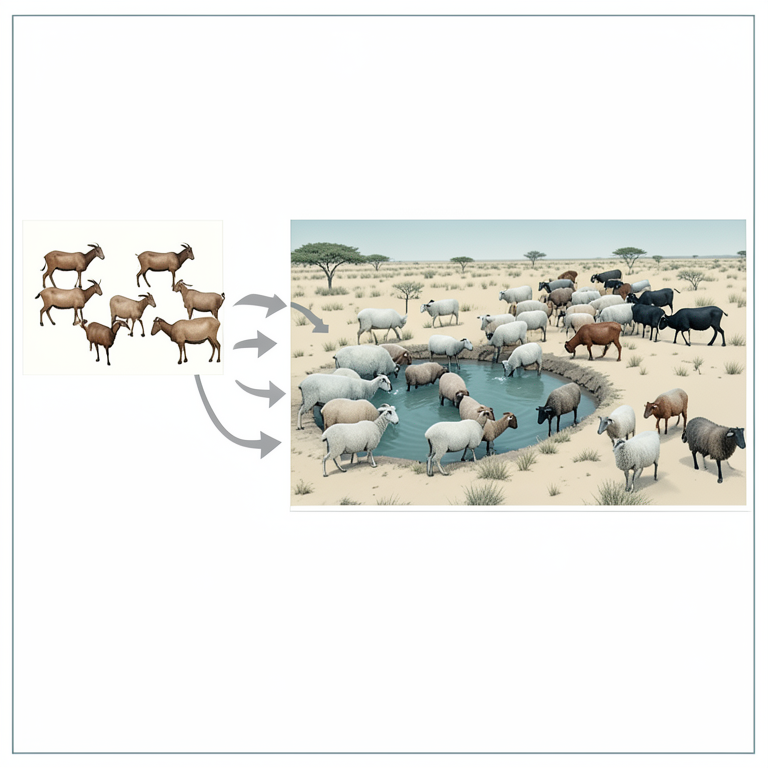
PPR Transmission Cycle in Karamoja
AI-generated conceptual illustration (goats and sheep in a semi-arid savanna landscape). It explains the idea and does not show study data.
View source evidence ↗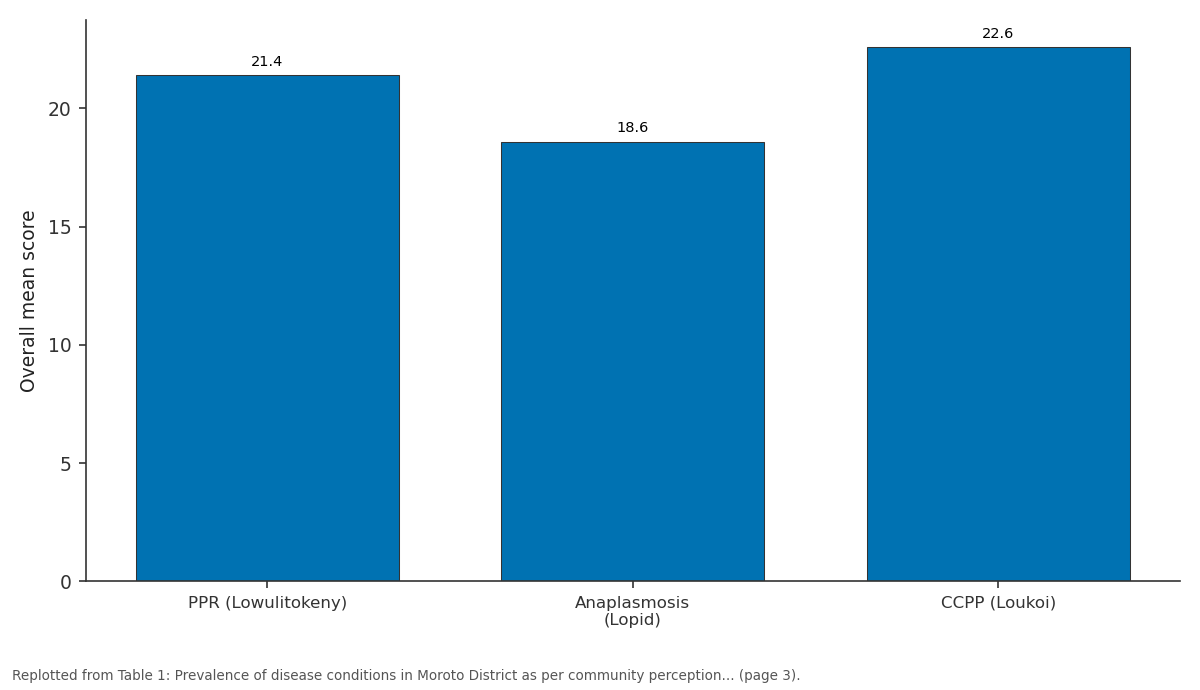
Overall mean / Scores: PPR (Lowulitokeny) vs Anaplasmosis (Lopid) vs CCPP (Loukoi)
Replotted from Table 1 (page 3) of the original paper. Every bar is the paper's own table value.
View source evidence ↗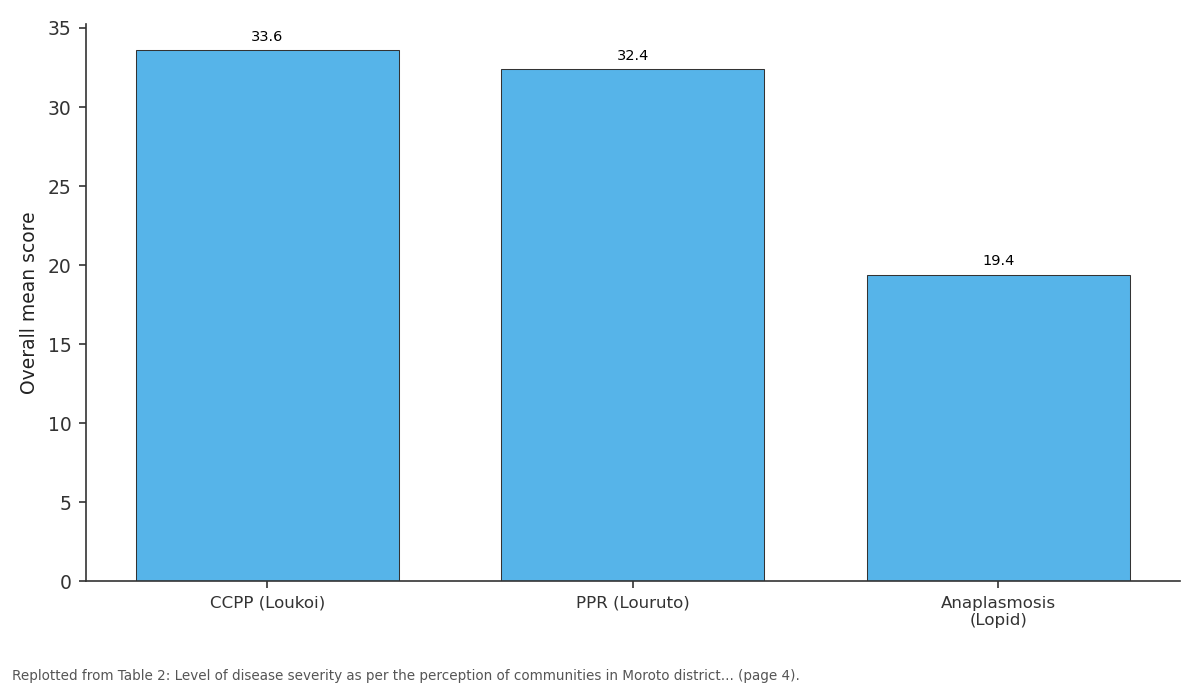
Overall mean / Scores: CCPP (Loukoi) vs PPR (Louruto) vs Anaplasmosis (Lopid)
Replotted from Table 2 (page 4) of the original paper. Every bar is the paper's own table value.
View source evidence ↗Figures & tables
From the original paper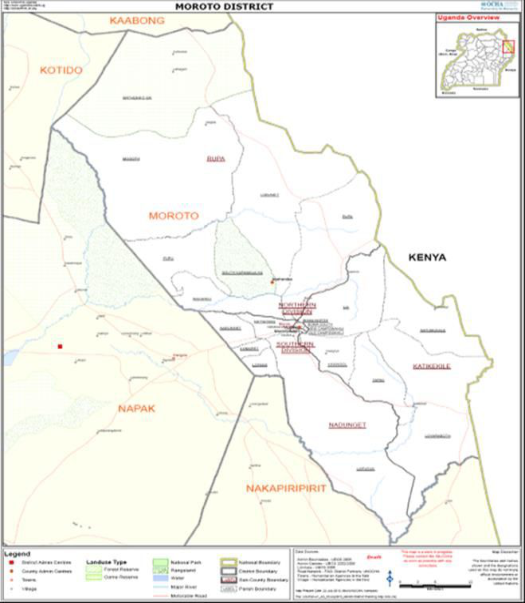 Figure 1
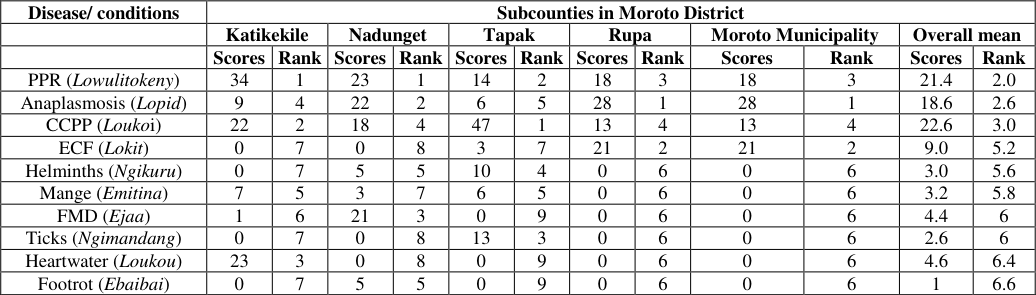 Table 1
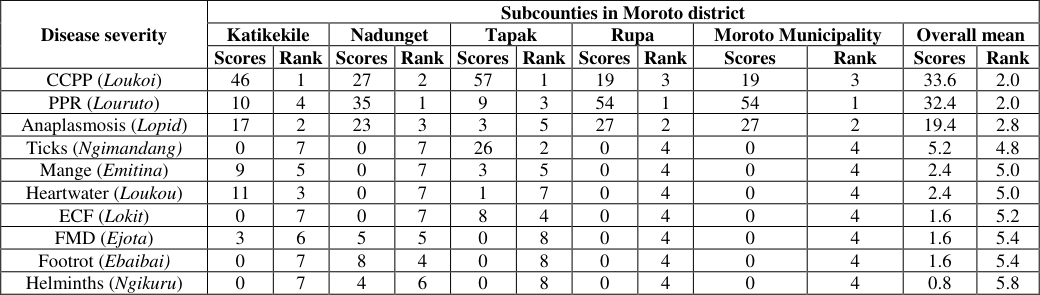 Table 2
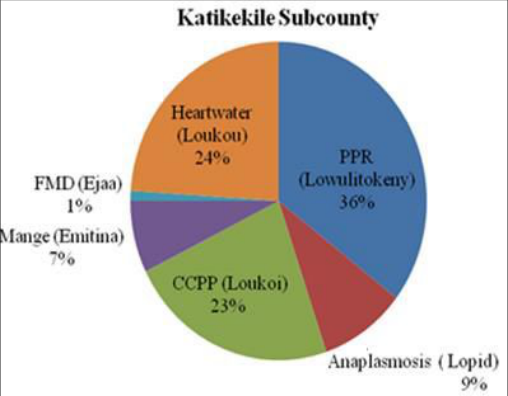 Figure 2
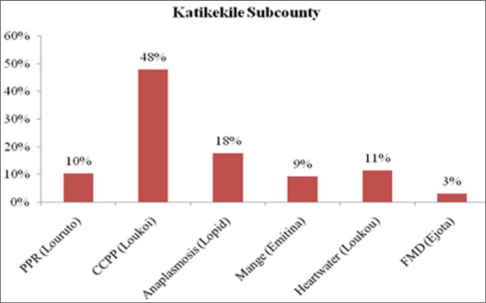 Figure 3
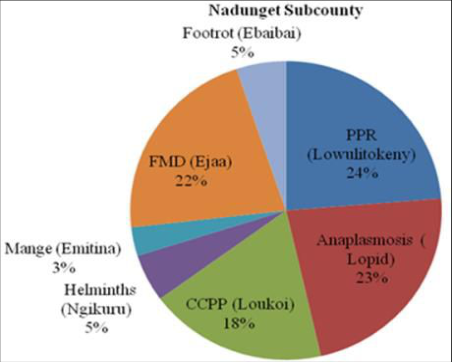 Figure 4
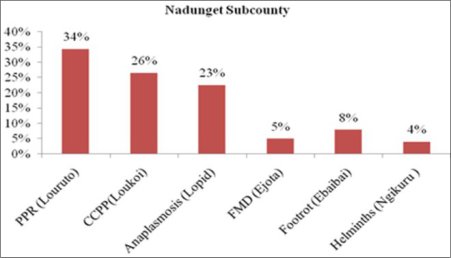 Figure 5
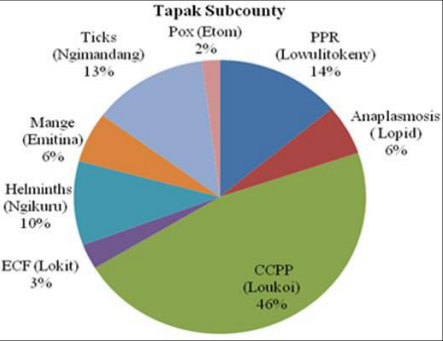 Figure 6
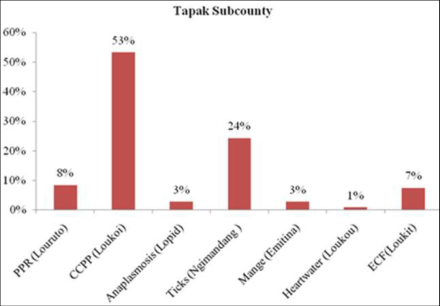 Figure 7
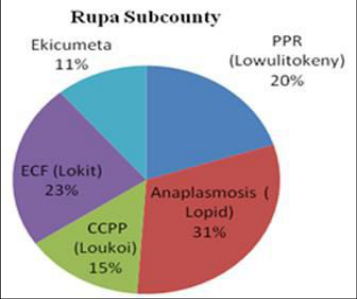 Figure 8
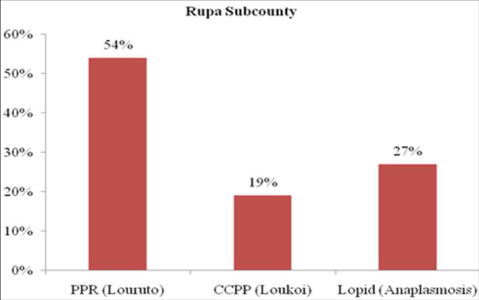 Figure 9
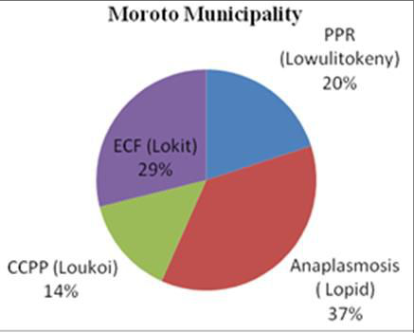 Figure 10
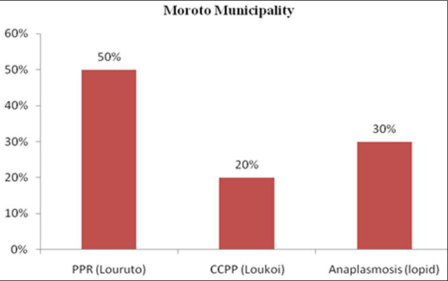 Figure 11
Introduction
The livestock population in Uganda is estimated to be 11.4 million cattle, 12.5 million goats, 3.4 million sheep, 3.2 million pigs, 37.4 million chickens, 1.5 million ducks and 0.35 million turkeys. Disease is considered the main constraint to the livestock sub sector causing an estimated annual loss of about 86.3 million US$. Among the most important diseases affecting livestock in Uganda are Transboundary Animal Diseases (TADs), such as Peste Des Petitis Ruminants. Peste Des Petitis Ruminants, popularly known as "goat plague", is a widespread, virulent, and devastating disease of small ruminants. PPR is caused by a morbillivirus, which belongs to the Paramyxovirus family. It is characterized by sudden onset of depression, fever, discharges from the eyes and nose, sores in the mouth, laboured breathing and cough, foulsmelling diarrhea and death. Mortality rates of 50 to 80 percent occur in infected flocks while morbidity rates normally range between 80 and 90 percent. PPR is closely related to the rinderpest virus of cattle and buffaloes. It is a contagious disease that spreads by contact with infected materials causing severe illnesses, deaths and reductions in animal production (Taylor, 2015) [1] .
International Journal of Biology Sciences 2020; 2(2): 01-07
PPR is considered as one of the topmost damaging animal diseases in Africa, the Middle East and Asia. It is considered one of the priority diseases indicated in the FAO-OIE Global Framework for the Progressive Control of Transboundary Animal Diseases (GF-TADs) and eradication. A global OIE/FAO meeting held in Abidjan, Cote Du Ivoire (31 st March -2 nd April, 2015) declared PPR to be eradicated worldwide by 2030 (FAO/OIE (2015) [2] . At Continental level, 25 Member States in Africa including Uganda reported PPR in recent reports (PAARYB, 2014) [3] . PPR was first diagnosed and confirmed in Uganda in 2007 in the Karamoja region (Mulindwa et al. 2011) [15] . During which time, PPR outbreaks were only confined to Karamoja region in the districts of Abim, Kotido, Moroto, Nakapiripirit, and Kaabong that lie on the North Eastern border with Kenya and South Sudan. Over 500,000 goats and sheep died within a very short time, leading to mortality losses of approximately US$14,285,000 and severe negative economic, food security and livelihood impacts (FAO, 2019) [5] . Since then, outbreaks have occurred in other districts, namely Kiruhura, Bushenyi, Kasese, Mbarara and Buliisa including Hoima (Ruhwezi et al., 2010) [4] . In the recent past, Uganda reported two outbreaks of PPR with 773 cases and 90 deaths in 2014 (PAARYB, 2014) [3] . PPR has a major impact on the already vulnerable lives of pastoral communities given the adverse global climatic changes that lead to more frequent droughts in such areas forcing herders to search far and wide for water and pasture thus spreading the disease further. Thus, effective control of PPR is anticipated to reduce illnesses and deaths of small ruminants hence promoting more production, food security, household income and trade, nationally and internationally. The Ministry of Agriculture, Animal Industry & Fisheries (MAAIF) in Uganda together with other development partners such as Food and Agricultural Organization (FAO) have been vaccinating goats and sheep against the disease, however, the funding is never adequate (FAO, 2019) 5 . Despite previous PPR control attempts in Uganda, disease foci are still entrenched in Karamoja pastoral areas and in other parts of Uganda. Over 5,000,000 goats and sheep are estimated to be at risk and outbreaks can occur any time (FAO, 2019) [5] . However, the risk factors responsible for the occurrence and spread of the disease in Moroto district in Karamoja are yet to be well understood and the level of awareness amongst the livestock owners is not known. Against this background, a Participatory PPR Search was conducted in Moroto district in order to adequately inform an appropriate prevention and control strategy.
Materials and Methods
Materials and Methods
Study area
The study was conducted in Moroto district that borders Kotido district in the North, Kenya border in the East, Napak district in the West and Nakapiripirit and Amudat districts in the South (see Figure 1). Moroto district has an estimated livestock population of 350,000 cattle, 380,000 goats and 400,000 sheep (OCHA, 2009) [6] . Karamoja has bi-modal variable rainfall patterns with an average of 500-600 milliliters of rainfall per year (Gradé, Tabutic & Van Dammea, 2009) [7] . The rainy season that is approximately restricted to four months usually begins in late March or early April and continues until late September or early October. It has daily mean temperatures ranging between 17 °C (minimum) and 32 °C (maximum). The region has a semi-arid to arid agroecological environment and is prone to cyclical droughts that may last 5-15 months. The terrain is flat grassland with a few scattered thorn bushes and trees, except along the seasonal rivers, where thickets and patches of gallery forest are found (Gradé, Tabutic & Van Dammea, 2009) [7] . Karamojong live a Pastoralist lifestyle keeping Zebu cattle, goats and sheep.
Selection of study sites
The District Veterinary Officer selected the study sites using a risk-based approach according to the history of PPR outbreaks. Katikekile, Nadunget, Tapak and Rupa subcounties and Moroto Municipality were selected for the study.
Study design
The study design employed a Participatory Disease Search/Participatory Epidemiology (PDS/PE) approach (Catley & Berhanu, 2003; CAHO, 2011) [8,9] . A team of from the Ministry of Agriculture, Animal Industry and Fisheries conducted Semi-structured interviews of key informants and focus groups of livestock keepers. The key informants interviewed included, The District Marketing and Production Officer, the District Veterinary Officer, Veterinary Officers and Informed Community Leaders. Available secondary data was as well collected. For purposes of clear understanding during interviews, a case definition for PPR had the following major clinical signs: sudden onset of depression, fever, discharges from the eyes and nose, sores in the mouth, laboured breathing and cough, foul-smelling diarrhea and death.
Participatory Disease Search tools
One focus group discussion was conducted in each of the selected areas: Katikekile, Nadunget, Tapak, Rupa and Moroto Municipality. Focus group discussions were very crucial in assessing knowledge of communities on existing common diseases including PPR and the severity of diseases. In addition, it was important in assessing the community awareness on PPR presence. Proportional piling was employed to assess the prevalence of diseases including PPR. The checklist for a Participatory PPR Disease Search elaborated the following: (1) Avoiding mentioning PPR before the livestock owners do; (2) Introducing the appraisal team as an animal health appraisal; (3) Identifying the respondents and establishing if they are livestock owners; (4) Establishing their main herding locations (mapping); (5) Identifying the current small ruminant disease problems in their flocks in the Subcounties. If sudden onset of depression, fever, discharges from the eyes and nose, sores in the mouth, laboured breathing and cough, foul-smelling diarrhea and death were mentioned, then PPR was explored for in details; (6) Identifying current small ruminant problems in Moroto district; (7) Historically, what the most important disease problems of small ruminant were in Moroto district-Invariably PPR was expected to be mentioned in the response to this question if the livestock owners had experienced outbreaks then; (8) Whether they had personally seen PPR cases in their lifetimes and what it looked like; (9) When was the last time their small ruminants were affected by PPR and where came from; and (10) What conditions favored occurrence of PPR outbreaks. In addition, further probing questions were added to crosscheck reports made in other interviews, coupled with defining climatic patterns and uncontrolled movement of small ruminants which did affect the epidemiology of PPR, or that contrasted outbreaks with previous outbreaks in regard to the severity of disease.
Data storage and analysis
The data obtained from the participatory methods was entered and stored in Microsoft Excel software. Descriptive statistics was used for data analysis.
Results
According to secondary data sources, routine annual migration of livestock from different districts in Karamoja sub-region; mixing of herds; introduction of new animals in the herd during frequent raids; social traditions and the livestock management of the ethnic groups living in Karamoja are the critical risk factors influencing the spread of PPR. Prevalence levels of common disease conditions affecting livestock in Moroto district were assessed by livestock keepers in selected subcounties through proportional piling as presented in Table 1. Generally, livestock keepers were aware of PPR (21.4%), Contagious Caprine Pleuropneumoni (CCPP) (22.6%), Anaplasmosis (18.6%), East Coast Fever (ECF) (9%), Heartwater (4.6%), Foot and Mouth Disease (FMD) (4.4%), Mange (3.2%), Helminths (3%), Tick infestation (2.6%) and Footrot (1%). PPR had the highest overall of 21.4%, followed by CCPP (22.6%) and anaplasmosis (18.6%). For Nadunget Subcounty, the prevalence levels of common disease conditions affecting livestock are presented in Figure 4, a pie chart. PPR had the highest prevalence (24%), followed by anaplasmosis (23%), then FMD (22%) and CCPP (18%). Subcounty. PPR (34%) had the highest severity followed by CCPP (26%) and then anaplasmosis (23%). CCPP had the highest severity (53%) and followed by tick infestation (24%). Anaplasmosis had the highest prevalence (31%), followed by ECF (23%) and then PPR (20%). For disease severity, PPR had the highest severity (50%), followed by anaplasmosis (30%) as presented in Figure 11.
| Disease/ conditions | Subcounties in Moroto District | — | — | — | — | — | — | — | — | — | — | — |
|---|---|---|---|---|---|---|---|---|---|---|---|---|
| Katikekile | Nadunget | Tapak | Rupa | Moroto Municipality | Overall mean | |||||||
| Scores | Rank | Scores | Rank | Scores | Rank | Scores | Rank | Scores | Rank | Scores | Rank | |
| PPR (Lowulitokeny) | 34 | 1 | 23 | 1 | 14 | 2 | 18 | 3 | 18 | 3 | 21.4 | 2.0 |
| Anaplasmosis (Lopid) | 9 | 4 | 22 | 2 | 6 | 5 | 28 | 1 | 28 | 1 | 18.6 | 2.6 |
| CCPP (Loukoi) | 22 | 2 | 18 | 4 | 47 | 1 | 13 | 4 | 13 | 4 | 22.6 | 3.0 |
| ECF (Lokit) | 0 | 7 | 0 | 8 | 3 | 7 | 21 | 2 | 21 | 2 | 9.0 | 5.2 |
| Helminths (Ngikuru) | 0 | 7 | 5 | 5 | 10 | 4 | 0 | 6 | 0 | 6 | 3.0 | 5.6 |
| Mange (Emitina) | 7 | 5 | 3 | 7 | 6 | 5 | 0 | 6 | 0 | 6 | 3.2 | 5.8 |
| FMD (Ejaa) | 1 | 6 | 21 | 3 | 0 | 9 | 0 | 6 | 0 | 6 | 4.4 | 6 |
| Ticks (Ngimandang) | 0 | 7 | 0 | 8 | 13 | 3 | 0 | 6 | 0 | 6 | 2.6 | 6 |
| Heartwater (Loukou) | 23 | 3 | 0 | 8 | 0 | 9 | 0 | 6 | 0 | 6 | 4.6 | 6.4 |
| Footrot (Ebaibai) | 0 | 7 | 5 | 5 | 0 | 9 | 0 | 6 | 0 | 6 | 1 | 6.6 |
Table text extracted from the original PDF; superscript letters are shown inline. The original table image is below.
View original table image
Discussion
We report on a Participatory Disease Search that was conducted in subcounties of Katikekile, Nadunget, Tapak, Rupa and Moroto Municipality in Moroto district with the aim of investigating the prevalence of PPR, possible risk factors for its spread and level of awareness among livestock keepers of the disease. Livestock keepers interviewed were aware of PPR and through proportional piling assessed the PPR prevalence to be 21.6%, hence confirmed its importance and presence within the subcounties visited in Moroto district. In addition, communities interviewed were aware of other related diseases such as CCPP, Anaplasmosis, ECF, Heartwater, FMD, Mange, Helminths, Tick infestation and Footrot. In line with these findings, conventionally, Contagious Caprine Pleuropneumonia, Bluetongue, Pasteurellosis, Contagious Ecthyma (Orf), Foot and Mouth Disease (FMD), Heartwater, Coccidiosis and mineral poisoning are known to be differential diagnoses for PPR (AU-IBAR, 2014) [10] . In addition, PPR severity of 32.4% by livestock keepers favorably compared with conventional literature that puts PPR mortality rates between 50 and 80 percent and PPR morbidity rates of 80 and 90 percent (Taylor, 2015) [1] . Despite the small sample size analyzed serologically for PPR, detecting of seropositive goats and sheep further confirmed presence of PPR in Moroto district, hence corroborating the views of livestock keepers.
Whereas not much was discussed by key informants and focus groups regarding the risk factors influencing spread of PPR in Moroto, secondary data sources indicated that routine annual migration of livestock from different districts in Karamoja, which characterizes the transhumance system, does favour disease transmission among mixing herds (C & D, 2010) [11] . In addition, the high stock density during the drier months of the year causes overgrazing of the limited pasture around watering points in grazing areas leading to presence of such organic matter in muddy or stagnant water sources, favoring the survival of parasites and the transmission of infectious diseases (C & D, 2010) [11] . Furthermore, introduction of new animals in the herd, especially through stealing animals during frequent raids in Karamoja, facilitates disease transmission (C & D, 2010) [11] . The tradition of distributing raided animals amongst raiders enhances the risk of spreading or introduction of infections to new areas and herds within Karamoja (C & D, 2010) [11] . Not to mention the fact that certain aspects of the culture, the social traditions and the livestock management of the ethnic groups living in Karamoja affects the intraspecies disease transmission (C& D, 2010) [11] . A Participatory Disease Search/Participatory Epidemiology (PDS/PE) study design and tools according to Catley & Berhanu (2003) [8] and CAHO (2011) [9] were employed in the case study. Semi-structured interviews were administered to key informants and focus groups of livestock keepers. The focus group discussion was very crucial in assessing knowledge of communities on existing common diseases including PPR and the severity of diseases. In addition, it was important in assessing the community awareness on PPR presence. Proportional piling was employed to assess the prevalence of diseases including PPR. For purposes of clear understanding during interviews, a case definition for PPR had the following major clinical signs: sudden onset of depression, fever, discharges from the eyes and nose, sores in the mouth, laboured breathing and cough, foul-smelling diarrhea and death. Participatory epidemiology has proved to provide a voice to communities while increasing the understanding of health problems and the options for their prevention, control and surveillance (Catley et al., 2012, Jost et al., 2007) [12,13] . Participatory methods were used by veterinarians in community-based livestock projects in Africa and Asia in the 1980s. Participatory methods were further developed and helped enhance the effectiveness of rinderpest surveillance in pastoralist systems in Africa (Allepuz et al., 2017) [14] . [4] reported seroprevalence of PPR of 9.4% in Karamoja sub-region. Further studies by Mulindwa et al., (2011) [15] in Karamoja Sub-region revealed a seroprevalence of 57.6%.
In conclusion, PPR is still present in Moroto district. Routine annual migration of livestock from different districts in Karamoja sub-region; mixing of herds; introduction of new animals in the herd during frequent raids; social traditions and the livestock management of the ethnic groups living in Karamoja are the critical risk factors influencing the spread of PPR. Further routine surveillance through PDS is likely to help guide the effective prevention and control of PPR in Moroto District.
Acknowledgement
We are grateful for the cooperation received from Moroto District Department of Veterinary Services. We thank Dr Anna Rose Ademun Okurut, The Commissioner Animal Health, in the Ministry of Agriculture, Animal Industry and Fisheries for her support to the study. We appreciate the guidance and input offered by Dr Joseph W. Magona, the FAO PDS/PE Consultant Mentor. We are highly indebted to Dr Sam Okuthe, the Uganda Country Team Leader, ECTAD for his technical guidance. The technical and financial support by the Food and Agricultural Organization of the United Nations to the study is highly appreciated.
Competing interests
Authors of this manuscript declare that they have no competing interests.
Figures and tables from the paper
| Disease severity | Subcounties in Moroto district | — | — | — | — | — | — | — | — | — | — | — |
|---|---|---|---|---|---|---|---|---|---|---|---|---|
| Katikekile | Nadunget | Tapak | Rupa | Moroto Municipality | Overall mean | |||||||
| Scores | Rank | Scores | Rank | Scores | Rank | Scores | Rank | Scores | Rank | Scores | Rank | |
| CCPP (Loukoi) | 46 | 1 | 27 | 2 | 57 | 1 | 19 | 3 | 19 | 3 | 33.6 | 2.0 |
| PPR (Louruto) | 10 | 4 | 35 | 1 | 9 | 3 | 54 | 1 | 54 | 1 | 32.4 | 2.0 |
| Anaplasmosis (Lopid) | 17 | 2 | 23 | 3 | 3 | 5 | 27 | 2 | 27 | 2 | 19.4 | 2.8 |
| Ticks (Ngimandang) | 0 | 7 | 0 | 7 | 26 | 2 | 0 | 4 | 0 | 4 | 5.2 | 4.8 |
| Mange (Emitina) | 9 | 5 | 0 | 7 | 3 | 5 | 0 | 4 | 0 | 4 | 2.4 | 5.0 |
| Heartwater (Loukou) | 11 | 3 | 0 | 7 | 1 | 7 | 0 | 4 | 0 | 4 | 2.4 | 5.0 |
| ECF (Lokit) | 0 | 7 | 0 | 7 | 8 | 4 | 0 | 4 | 0 | 4 | 1.6 | 5.2 |
| FMD (Ejota) | 3 | 6 | 5 | 5 | 0 | 8 | 0 | 4 | 0 | 4 | 1.6 | 5.4 |
| Footrot (Ebaibai) | 0 | 7 | 8 | 4 | 0 | 8 | 0 | 4 | 0 | 4 | 1.6 | 5.4 |
| Helminths (Ngikuru) | 0 | 7 | 4 | 6 | 0 | 8 | 0 | 4 | 0 | 4 | 0.8 | 5.8 |
Table text extracted from the original PDF; superscript letters are shown inline. The original table image is below.
View original table image
References
11 in the original paper- Ruhweza SP, Ayebazibwe C, Mwiine FN, Muhanguzi D, Olaho-Mukani W. Seroprevalence of Peste des Petits Ruminants (PPR) virus antibodies in goats and sheep in north-eastern Uganda. Bulletin of Animal Health and Production in Africa. 2010;58:2. http://dx.doi.org/10.4314/bahpa.v58i2.62048
- FAO. FAO at Work in KARAMOJA. Food and agriculture organization of the United Nations (FAO) representation in Uganda, 2019. http://www.fao.org/fileadmin/user_upload/emergencies/ docs/FAO.
- OCHA (Office for the Coordination of Humanitarian Affairs) 2009. www.ugandacluster.ugs
- Tabutic G, Dammea V. Ethnoveterinary knowledge in pastoral Karamoja, Uganda. Journal of Ethno pharmacology. 2009;122:273-293.
- Catley A, Berhanu A. Using Participatory Epidemiology to Assess the Impact of Livestock Diseases. FAO-OIE-AU/IBAR-IAEA Consultative Group Meeting on Contagious Bovine Pleuropneumonia in Africa 12-14 November 2003, FAO Headquarters, Rome, Italy. http:www.CatleyAdmassu-FAO-CBPP.pdf
- CAHO. A manual for practitioners in community - based animal health outreach (CAHO) for highly pathogenic avian influenza, 2011. http: www.CAHO%20Mannual[11852].pdf
- AU-IBAR. Standard Methods and Procedures (SMPs) for Control of Peste des Petits Ruminants (PPR) in the Greater Horn of Africa. Nairobi, 2014. 11. Institute for International Co-operation and Development (C&D) Uganda. Livestock Disease Surveillance in Karamoja. The importance of early detection of Diseases and Epidemics for Livestock Dependent Communities, 2010.
- Catley A, Alders R G, Wood J.L.N. Participatory epidemiology: approaches, methods, experiences. The Veterinary Journal. 2012;191:151-160. doi: 10.1016/j.tvjl.2011.03.010 PMID: 21856195.
- Jost CC, Mariner JC, Roeder P L, Sawitri E, Macgregor-Skinner GJ. Participatory epidemiology in disease surveillance and research. Reviews of Scientific Techniques. 2007;26:537-549.
- Allepuz A, de Balogh K, Aguanno R, Heilmann M, Beltran-Alcrudo D. Review of Participatory Epidemiology Practices in Animal Health (1980-2015) and Future Practice Directions. PLoS ONE. 2017;12(1):e0169198. Doi:10.1371/journal.
- Mulindwa B, Ruhweza SP, Ayebazibwe C, Mwiine FN, Muhanguzi D, Olaho-Mukan W. Peste des Petits Ruminants serological survey in Karamoja sub region of Uganda by competitive ELISA. Veterinary World. 2011;4(4):149-152.