
Research article · 2022 · Full text
International Journal of Agriculture and Food ScienceClimate change adaptation and mitigation measures in Ethiopia: Review
Volume 4(2) · Pages 40–46 · DOI: 10.33545/2664844x.2022.v4.i2a.97 ↗
Research areasRangeland Management and Livestock EcologyClimate change impacts on agriculture
Abstract
Author-writtenClimate change refers to future fluctuations of temperature, precipitation, wind and alternative components of Earth’s climate system. Global climate change within the style of higher temperature, reduced downfall, and inflated downfall variability reduces crop yield and threatens food security in low financial gain and agriculture primarily based economies. Ethiopia is one of the most vulnerable countries experiencing drought and floods as a result of climate variability and change. The general objective of this review is to administer and summary on adaptation and mitigation measures initiative in Ethiopia in response to climate change. In Ethiopia the foremost vulnerable sectors to global climate change and variability are agriculture, road, water energy and health. Thus Mitigation and adaptation measures pursued to effectively address climate change. In Ethiopian farming communities have important indigenous knowledge, skills and technologies that are essential for tackling hazardous environmental conditions including climate variability and change. They employ a number of short- and long-term climate change mitigation and adaptation measures to cope with and overcome the impacts of climate variability and change. On the opposite hand, Ethiopia has shown both conservation and policy responses to combat climate change. Protected area systems, a forestation and reforestation programmes, renewable energy sources and energy efficiency, ecological agriculture, flexible livestock production, agro forestry systems, harvesting and climate change education, are all feasible strategies for mitigating and adapting climate change.
Summary
Source-checkedPlain-language reading of the full paper, prepared with AI and checked against the text. Each point links to the authors' own words.
Why it matters
- Global climate change, characterized by rising temperatures and unpredictable precipitation, threatens food security and reduces crop yields in economies heavily dependent on agriculture. View evidence ↗
- Ethiopia is particularly susceptible to the effects of climate change, frequently experiencing floods and droughts. View evidence ↗
- The sectors most at risk from climate variability in Ethiopia include health, water energy, roads, and agriculture. View evidence ↗
The question
- The objective of this review is to summarize the initiatives and measures taken for climate change mitigation and adaptation within Ethiopia. View evidence ↗
What they did
- The authors conducted a literature review to identify and analyze adaptation and mitigation strategies used in Ethiopia. View evidence ↗
What they found
- Climate change is projected to reduce Ethiopia's GDP by 2-6% by 2015 and up to 10% by 2045 compared to a baseline scenario. View evidence ↗
- Primary adaptation strategies in Ethiopia include irrigation, conservation, adjusting planting dates, planting trees, and diversifying crop varieties. View evidence ↗
- Crop diversification is identified as the most frequently utilized method for overcoming climate change impacts in Ethiopia. View evidence ↗
- In the Nile Basin of Ethiopia, over 30% of farmers adopted soil and conservation measures due to perceived changes in rainfall and climate. View evidence ↗
- Increasing global soil carbon storage is suggested as the most effective technique for reducing atmospheric greenhouse gas emissions. View evidence ↗
- Promoting afforestation and reforestation while reducing deforestation could provide up to half of the effective global mitigation potential. View evidence ↗
- Women are under-represented in climate change decision-making both at the government level and within households. View evidence ↗
What it means
- The authors conclude that the most cost-effective mitigation options are the promotion of reforestation and afforestation and the reduction of deforestation. View evidence ↗
- The authors recommend that the Ethiopian government focus on gender sensitivity and infrastructure provision when planning climate interventions, as current gender sensitivity is very low. View evidence ↗
Figures & tables
From the original paper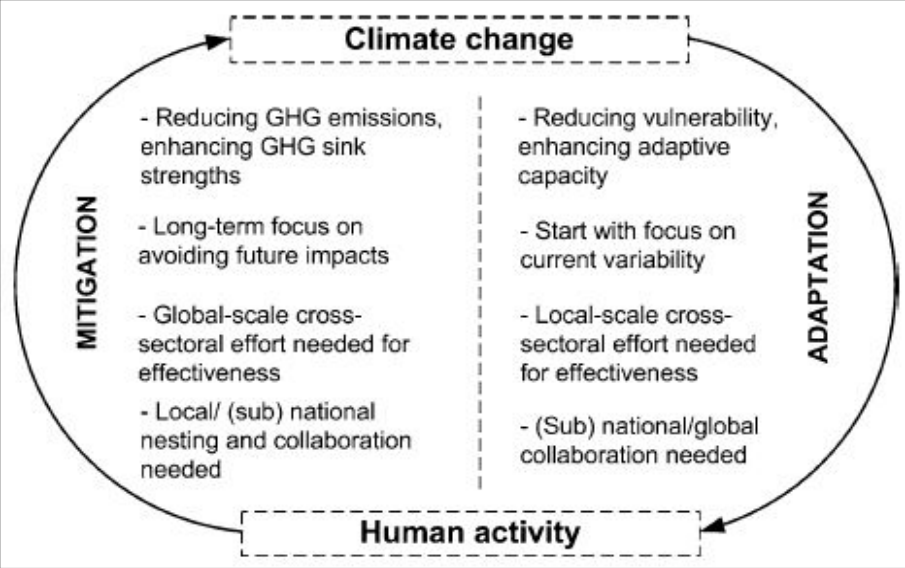 Figure 1
Introduction
Globally, climate change has become over associate abstract drawback to be mentioned at international conferences or debated within the media: its associate everyday reality with implications for people's livelihoods and lives. It's an amendment that's knowledgeable each through slow semi-permanent method in ecological conditions both through semi-permanent method in ecological conditions and through extreme climate events (SREX 2012 [34] ; IPCC 2014a [35] ). The Intergovernmental Panel on Climate Change's (2007) findings suggests that developing countries like Ethiopia will be more vulnerable to climate change. Ethiopia's is vulnerability to the impacts of climate change is due to social, economic and environmental factors, Like high levels of poverty, rapid population growth, high level of reliance on rain-fed agriculture, high levels of environmental degradation, chronic food insecurity and frequent natural drought cycles increase climate change vulnerability within the country (Aklilu et al., 2009) [36] . In Ethiopia, the most vulnerable sectors to climate change and variability are agriculture, road, water energy and health. In terms of support approach granger rain-fed farmers and pastoralists are found to be the most vulnerable. The increasing temperature and the variability of rain fall were a cause for frequent drought and famine. Climate change may reduce Ethiopia's GDP compared to a baseline scenario by 2-6% by 2015, and by up to 10% by 2045. Therefore, mitigation and adaptation measures are meaningful to cope up the effects of climate change World Bank (2010) [37] . Adaptation live are often thought-about as either progressive adaptation (actions wherever the central aim is to keep up the essence and integrity of a system) or transformational adaptation (actions that amendment the basic attributes of a system in response to temperature change and its impacts).
Things like building defenses to shield coastal areas from rising seas, switch to drought or flood resistant crop varieties, and rising systems to warn of heat-waves, unwellness outbreaks, droughts and floods. While, mitigation refers actions supposed to cut back anthropogenetic web emissions of GHGs. Generally, this web reduction will occur in two ways that through minimized outputs or through carbon capture. Common types of minimized GHG output embrace victimization renewable energy sources that avoid the burning of fossil fuels; lifestyle changes that decrease the overall amount of energy use; and the use of materials that reduce energy needs (Shanahan et al., 2013) [38] . Historically, societies have tailored to natural climate variability by fixing settlement and agricultural patterns and different aspects of their economies and lifestyles (Meseret, 2009) [39] . In current years, adaptation to climate change has received increasing attention, especially in the United Nations Framework Convention on Climate Change (UNFCCC) and among development and disaster specialists (Maarten et al., 2007) [40] . Through the National Adaptation Program of Action process, in Ethiopia, twenty priority project ideas were identified that address immediate climate change adaptation needs of the country. It's broadly focus in the areas of human and institutional capacity building, improving natural resource management, enhancing irrigation agriculture and water harvesting, strengthening early warning systems (Kidane et al., 2009) [41] .
In line with (EPA, 2011) [42] the thought of mitigation is comparatively new thought, and it primarily concentrate on limiting the emission of greenhouse gases. For this portion, Ethiopia has developing the green economy strategy. So as to handle climate change, mitigation and adaptation measures pursued effectively and negotiated beneath the UNFCCC have attended focus totally on efforts to cut back greenhouse emission emissions (Parry et al., 2005) [43] . Therefore, this paper aims to review on to climate change adaptation and mitigation measures in Ethiopia.
Conceptual Literature Review
Climate change is the long-term alteration of temperature and typical weather patterns in a place. Climate change could refer to a particular location or the planet as a whole. Climate change may cause weather patterns to be less predictable. These unexpected weather patterns can make it difficult to maintain and grow crops in regions that rely on farming because expected temperature and rainfall levels can no longer be relied on. Climate change has also been connected with other damaging weather events such as more frequent and more intense hurricanes, floods, downpours, and winter storms (Al-Ahmad, ET AL., 2015) [6] . Climate change adaptation is the adjustment in natural or human systems in response to actual or expected climatic stimuli or their effects, which moderates harm or exploits beneficial opportunities but mitigation refers to reducing climate change by reducing the GHG emissions (UNFCCC, 2007) [22] .
Source: Adopted from Environmental science for environmental management et al. (2014) [24] .
Empirical literature review Adaptation Measures of Climate Change
Climate change causes wide-ranging effects on the surroundings, and on socioeconomic and related sectors, together with water resources, agriculture and food security, human health, terrestrial ecosystems, and biodiversity (Belay and Getaneh, 2016) [44] . According to Haileab, (2018) [45] study shows that Ethiopian farming communities have vital indigenous knowledge, skills and technologies that are essential for tackling dangerous environmental conditions together with climate variability and alter. They use variety of short-and long-run climate change adaptation measures deal with and overcome the impacts of climate variability and alter. The methods are the majority ancient. By mistreatment house survey strategies, the study of (Deressa, et al., 2009) [8] revealed that, use of various crops or crop varieties, planting trees, conservation, dynamic planting dates, and irrigation are the foremost adaptation strategies in the Ethiopia. Despite the fact that, having perceived changes in temperature and rainfall, a large percentage of farmers in Ethiopia did not make any adjustments to their farming practices.
In [5] , Deressa et al. (2011) [46] , Riché et al. (2010) [47] .
According to Asrat and Simane (2018), studies revealed that the utilization of improved crop varieties, agroforestry practices, soil conservation practices, irrigation practices, and adjusting planting dates are the most important adaptation strategies by smallholder farmers. However, adaptation decision is location-specific and influenced by key drivers such as socioeconomic, environmental, and institutional factors.
Crop diversification
Analysis conducted by (Legesse B. et al. (2013) [16] Smallholder farmers' perceptions and adaptation to climate variability and climate change in Doba district, west Hararghe, Ethiopia releaved that, this strategy seeks to avoid risks of total crop failure rather than maximizing yields of one particular crop. In Ethiopia, crop diversification is widespread. Crop diversification is the most commonly used method to overcome climate changes in Ethiopia. Greater use of different crop varieties in the same season could be associated with lower expenses and ease of access by farmers noted that crop diversification together with soil and water conservation and water harvesting practices were commonly used climate change adaptation strategies in eastern Ethiopia.
Tree planting and climate change adaptation
According to Kristiansen (2011) [48] , tree planting to be one in every of the main ways utilized by farmers to adapt to climate changes within the Nile Basin of Federal Democratic Republic of Ethiopia. Vegetation like trees, plants, and grass are area unit valuable as a result of the roots defend the soil from erosion. Trees are valuable throughout floods and droughts, and many trees together might give lower temperatures in the near area, a fresher air, and also shadow.
Soil and water conservation
(Melese et al., 2019) [19] suggested that in Ethiopia, they have often used different kinds of soil and water conservation strategies since around 1990, and soil and water conservation strategies have probably developed much since that time. Soil and water conservation strategies are mainly used because of soil degradation and soil erosion, and because farmers due to this, want to rehabilitate their fields. These activities area unit progressively vital nowadays as a result of climate changes to some extents area unit fast these processes. Deressa et al. (2009) [8] determine conservation mutually of the main ways farmers use towards the threats of climate change. Additionally, Bulte (2012) [49] argue that adoption of certain farm management strategies reduces exposure to such shocks, as long as agriculture is most exposed to climate change. Supported their study within the Nile Basin of Federal Democratic Republic of Ethiopia, Kato et al.
(2009) [50] notice that over 30% of farmers adopted soil and conservation measures in response to perceived semipermanent changes in climate and rain.
Rehabilitation of degraded forest and woodland ecosystems in climate change adaptation
According to Environmental Management (2014) [24] in Ethiopia by Humbo Assisted Natural Regeneration Project the subsequent adaptation measures were play exemplary roles like; Provision of financial gain stream for communities through sustainable harvesting of forest resources, Maintenance of water supply to the community, Promotion of native vegetation and biodiversity conservation and Reduction of soil erosion and flooding. Mulualem, et al (2014) [29] on Rehabilitation of degraded forest and forest systems in Ethiopia for sustenance of livelihoods and ecosystem services relieved that Tree planting, coupled with the natural regeneration of native woody species from the soil seed bank and seed rain, has resulted in the formation of a young secondary forest are more important mitigation measure. The diversity of flora and fauna has increased substantially compared to prerehabilitation intervention conditions also. Water runoff and soil erosion have been reduced significantly, due mainly to increased vegetative cover and the physical soil conservation structures, while the soil nutrient status and soil physical properties area unit expected to be ameliorated, primarily, as a results of the rise in soil organic matter (cf. Mekuria et al. 2007) [18] .
Agro forestry practices and climate change Adaptation
Agro forestry practices that function as adaptation means that of climate change were noted by Yohannes (2016) [33] . These are: modification crop selection involves sterilisation from one crop selection to a different response to climatic changes (for example, introducing Avena species (Gench) as fodder crop in some Ethiopian highlands). Modification in cropping pattern and calendars are the applications of changes in how crops are cycled within a season. This helps greatly for the farmers live in East Gojam (Choke Mountain) and East Hararghe in Ethiopia. Change farm management practices include OA practice focus on maintaining diverse farming systems and source of incomes.
Terracing and different water harvesting practice are widely used in Konso (southern Ethiopia), where it has been registered as United Nations' Educational, Scientific and Cultural Organization UNESCO World Heritage Monuments.
Women and climate change Adaptation
According to (Mersha 2018) [21] the interplay between planned and autonomous adaptation in response to climate change: Insights from rural Ethiopia, The reality in many countries is that women are under-represented in decisionmaking in areas relevant to climate change adaptation. For instance, in several African countries, the amount of ladies in senior positions within the government is concerning small. And at the household level, decision-making power still usually rests with men. Effective climate change adaptation brings everybody to the table, recognizing the value of their knowledge and their potential as agents of change. The method of adaptation planning is designed to make it possible to invest in concrete actions that reduce vulnerability to climate change. However, there's a risk that adaptation investments really reinforce existing wealth and power structures, instead of benefiting the foremost vulnerable women and men. Adaptation is effective when it is equitable, providing opportunities and benefits for all people.
Climate change education (CCE)
Deeb et al. (2011) [7] pointed out that climate change education is greater than climate science and requires teaching across all people of all ages and engages with formal (that is, schooling), non-formal (for example, training for the workforce) and informal (for example, media) education. To this end, various governmental and non-governmental organizations and professional societies (for example, the Biological Society of Ethiopia) are advocating about climate change and its impacts in Ethiopia.
The strategy indicated that CCE is a vital necessity to the success of Ethiopia's drive to build a green and resilient economy by 2030 and beyond.
Health sector and climate change Adaptation
Investigation by (Carina Margonari Diamond State Souza et al., 2015) [31] on climate change and adaptation of the health sector: the case of infectious diseases instructed that, associate adaptation strategy at intervals the health sector ought to be centered each on primary interference (reduction of exposure to infection) and secondary interference (health care). Sweetening of epidemiologic police work actions, targeted to specific territories, because of the expected enlargement of the distribution of endemic infections is that the emergence of diseases in new areas. This could be target-hunting by info from climatically eventualities downscaled to specific regions and their implications in reference to unwellness cycles. One general strategy for adaptation within the health sector is epidemiologic police work which may give associate early detection of changes in incidence, mortality and geographic vary of health outcomes related to climatically modification.
Mitigation Measures of Climate Change
IPCC (2007) [14] defines mitigation as actions intended to reduce anthropogenic net emissions of GHGs. Generally, this net reduction will occur in 2 ways in which through shriveled outputs or through carbon capture. Normal forms of shriveled GHG output include embody victimization renewable energy sources that avoid the burning of fossil fuels (e.g. energy created by star panels); way changes that decrease the general quantity of energy use (e.g. walking rather than driving); and therefore the use of materials that scale back energy wants (e.g. improved housing insulation to cut back heating needs).
Increasing the global storage of carbon in soil
Research conducted by (Gashaw, et al., 2014) [11] on temperature change adaptation and mitigation measures in Abyssinia steered that the simplest projected technique to cut back atmospherically greenhouse emission is to extend the world storage of carbon in soils. Although, soil carbon storage may be a win-win strategy. It mitigates temperature change by compensative phylogeny emissions; improves the setting, particularly the standard of natural waters; enhances soil quality; improves science productivity; associate degreed advances food and quantity that are two occasions larger than the quantity found within the atmospherically carbon pool. Additionally to carbon storage, the turnover time of organic carbon is very important in understanding the role of soils within the world carbon cycle. Thus, soil carbon sequestration through changes in land use and management is one amongst the necessary ways to mitigate the world atmospheric phenomenon.
Using lower emitting energy sources
Work by (Nigussie, et al., 2014) [11] on temperature change Adaptation and Mitigation Measures in Ethiopia revealed that the major mechanisms for reducing the emission of greenhouse gases are victimization lower emitting energy sources. The project to distribute energy-efficient cook stoves was known as a voluntary offset project that may scale back greenhouse emission emissions, unit pollution, and deforestation within the Metekel Zone within the Benishangul-Gumz Regional State in Abyssinia. Voluntary emission reduction (VER) comes, gift corporations, governments and organizations with a chance to buy carbon credits. The developers of this project, Carbon Positive mercantilism (CPT) and therefore the Learning Paper believed that energy-efficient stoves were a perfect means of meeting the standards for a voluntary carbon offset project in Ethiopia. The same as this space, energy saving stoves was additionally introduced in several components of the country before a decade past.
Carbon mercantilism Carbon trading (Negusu, 2011) [23] , explicit that, the other mechanism to mitigate Climate change worldwide is carbon mercantilism. The present carbon mercantilism is one amongst the essential practices within the country to mitigate temperature change. The Humbo natural regeneration (reforestation) project projected by World Vision has already been supported by Ethiopia's in Dec 2006 is one example for carbon mercantilism within the country various and Renewable Energy choices consistent with (Knox-Hayes et al, 2013) [52] Understanding attitudes toward energy security: Results of a cross-national survey Gender, energy and temperature change are context specific and powerfully influenced by prevailing socio-economic and environmental factors, that manifests otherwise across countries, regions, communities, households and people.
Mitigation choices within the energy sector could also be classified into people who improve energy potency and people that scale back the employment of carbon-intensive fuels.
Paper by (Asumadu-Sarkodie & Owusu, 2016b) [25] on renewable energy sources, property problems and temperature change mitigation unconcealed that; Renewable energy includes a direct relationship with property development through its impact on human development and economic productivity. Renewable energy sources give opportunities in energy security, social and economic development, energy access, temperature change mitigation and reduction of environmental and health.
Forests and Mitigation
The Intergovernmental Panel on temperature change (IPCC), land use, land-use amendment and forest (LULUCF) report distinguishes 3 kinds of mitigation activities within the biological science sector (Watson, et.al 2000) [32] : a forestation (converting long-time non-forested land to forest); re-afforestation (converting recently nonforested land to forest); and avoided deforestation (avoiding the conversion of carbon-rich forests to non-forested land). Deforestation and forest degradation cause about 17% of global GHG emissions. Reducing deforestation and promoting a forestation and re-afforestation might give up to half-hour of the efficient world mitigation potential (Stern, 2006) [51] . According to (Anonymous, 2011) [3] Improving crop and livestock production practices for higher food security and farmer income while reducing GHG emissions; Protecting and re-establishing forests for their economic and ecosystem services, including as carbon stocks; Expanding electricity generation from renewable sources of energy for domestic and regional markets; Leapfrogging to modern and energy-efficient technologies in transport, industry and buildings.
Agro forestry practice use in climate change mitigation (Meragiaw, M., 2017) [20] [17] . Agro biological science practitioners ought to be connected to carbon credits that farmers will get monetary help to extend their reconciling capability to temperature change (Uisso 2015) [30] .
Conclusion and Policy Implication
Conclusion and Policy Implication
Figures and tables from the paper
References
43 in the original paper- Adesodun J, Odejim O. Carbon-Nitrogen sequestration potentials and structural stability of a Tropical Alfisol as influenced by Pig-Composted Manure. Journal of International Agro physics. 2010 Jan 1;24:333-338.
- Asrat P, Simane B. Farmers' perception of climate change and adaptation strategies in the Dabus watershed, North-West Ethiopia. Ecological processes. 2018;7(1):7.
- Bryan E, Deressa TT, Gbetibouo GA, Ringler C. Adaptation to climate change in Ethiopia and South Africa: options and constraints. Environmental science & Policy. 2009 Jun 1;12(4):413-426.
- D'Amato G, Holgate ST, Pawankar R, Ledford DK, Cecchi L, Al-Ahmad M, et al.. Meteorological conditions, climate change, new emerging factors, and asthma and related allergic disorders. A statement of the World Allergy Organization. World Allergy Organization Journal. 2015 Dec;8(1):1.
- Deressa TT, Hassan RM, Ringler C, Alemu T, Yesuf M. Determinants of farmers' choice of adaptation methods to climate change in the Nile Basin of Ethiopia. Global Environmental Change. 2009 May 1;19(2):248-255.
- Di Falco S, Bulte E. The impact of kinship networks on the adoption of risk-mitigating strategies in Ethiopia. World Development. 2013 Mar 1;43:100-110.
- Gashaw T, Mebrat W, Hagos D, Nigussie A. Climate change adaptation and mitigation measures in Ethiopia. Agriculture and Healthcare. 2014;4(15):148-52.
- Lal R. Agriculture and Climate Change: An Agenda for Negotiation in Copenhagen for Food, Agriculture, and the Environment. The Potential for Soil Carbon Sequestration International Food Policy Research Institute, USA; 2009.
- IPCC. Climate Change 2007: Impacts, Adaptation and Vulnerability. Contribution of Working Group II to the Fourth Assessment Report of the Intergovernmental Panel on Climate Change. Parry M, Canziani O, Palutikof J, van der Linden J, and Hanson C (Eds.). Cambridge University Press, Cambridge, UK; c2007. p. 976.
- Lal K, Bhojak N. Adsorbents for removal of hazardous organic substance from waste water and natural water samples: A review. Int. J Adv. Chem. Res. 2021;3(2):17-19. DOI: 10.33545/26646781.2021.v3.i2a.37
- Legesse B, Ayele Y, Bewket W. Smallholder farmers' perceptions and adaptation to climate variability and climate change in Doba district, west Hararghe, Ethiopia. Asian Journal of Empirical Research. 2013 Mar 14;3(3):251-265.
- Mbow, Cheikh, et al. "Achieving mitigation and adaptation to climate change through sustainable agroforestry practices in Africa." Current Opinion in Environmental Sustainability. 2014 Feb 1;6:8-14.
- Mekuria W, Veldkamp E, Haile M, Nyssen J, Muys B, Gebrehiwot K. Effectiveness of exclosures to restore degraded soils as a result of overgrazing in Tigray, Ethiopia. Journal of Arid Environments. 2007 Apr 1;69(2):270-284.
- Melese Gezie. Manuel Tejada Moral (Reviewing editor). Farmer's response to climate change and variability in Ethiopia: A review, Cogent Food & Agriculture. 2019 Jan 1;5(1):1613770. DOI: 10.1080/23311932.2019.1613770
- Meragiaw M. Role of Agroforestry and Plantation on Climate Change Mitigation and Carbon Sequestration in Ethiopia. Journal of Tree Sciences. 2017 Jun;36(1):115.
- Mersha AA, Van Laerhoven F. The interplay between planned and autonomous adaptation in response to climate change: Insights from rural Ethiopia. World Development. 2018 Jul 1;107:87-97.
- Mollicone D, Freibauer A, Schulze ED, Braatz S, Grassi G, Federici S. Elements for the expected mechanisms on 'reduced emissions from deforestation and degradation, REDD' under UNFCCC. Environmental Research Letters. 2007 Dec 5;2(4):045024.
- Negusu A. Ethiopia. In Carbon trading in Africa: A critical review. Trusha Reddy (Ed). Monograph Number. 2011;184:95-107.
- Owusu PA, Asumadu-Sarkodie S. A review of renewable energy sources, sustainability issues and climate change mitigation. Cogent Engineering. 2016;3(1):1167990.
- Ruiz FJ, Vallejo JP. The Post-Political Link between Gender and Climate Change: The Case of the Nationally Determined Contributions Support Programmed. Contexto International. 2019 Jul 29;41(2):327-344.
- Kartik Chandra Sahu, Dr. Mahendra Kumar Satapathy. Rooftop garden an organic farming to grow uncontaminated vegetable improved food quality and food security in Bhubaneswar City, India. Int. J Agric. Extension Social Dev. 2021;4(2):110-116. DOI: 10.33545/26180723.2021.v4.i2b.110
- Tigabu, Mulualem, et al. Rehabilitation of degraded forest and woodland ecosystems in Ethiopia for sustenance of livelihoods and ecosystem services. IUFRO World Series. 2014;32:299-313.
- Uisso AJ. Agroforestry practices as an option for climate change adaptation: A review. Octa Journal of Environmental Research. 2015 Sep 1;3:3.
- Ulisses EC Confalonieri, Júlia Alves Menezes, Carina Margonari de Souza. Climate change and adaptation of the health sector: The case of infectious diseases, Virulence. 2015 A;6(6):554-557. DOI: 10.1080/21505594.2015.1023985
- Yohannes H. A Review on Relationship between Climate Change and Agriculture. J Earth Sci Clim Change. 2016;7:335. DOI: 10.4172/2157-7617.1000335 Page 2 of 8 J Earth Sci Clim Change ISSN: 2157-7617 JESCC, an open access Journal, 1000335. Expansion of total agricultural outputs. In Ethiopia particularly, a GHG. 7(2):3.
- Murray V, Ebi KL. IPCC special report on managing the risks of extreme events and disasters to advance climate change adaptation (SREX). J Epidemiol Community Health. 2012 Sep 1;66(9):759-60.
- De Pryck K. Intergovernmental expert consensus in the making: the case of the summary for policy makers of the IPCC 2014 Synthesis Report. Global Environmental Politics. 2021 Feb 1;21(1):108-29.
- Brown RD, Spencer A, Joy Ho P, Kennedy N, Kabani K, Yang S, et al. Prognostically significant cytotoxic T cell clones are stimulated after thalidomide therapy in patients with multiple myeloma. Leukemia & lymphoma. 2009 Nov 1;50(11):1860-4.
- Mahon R. After neo-liberalism? The OECD, the World Bank and the child. Global Social Policy. 2010 Aug;10(2):172-92.
- Shanahan M, Bingman VP, Shimizu T, Wild M, Güntürkün O. Large-scale network organization in the avian forebrain: a connectivity matrix and theoretical analysis. Frontiers in computational neuroscience. 2013 Jul 4;7:89.
- Meseret E. Adult Education and Development: A Study of Farmers' Training Centers in Dale Woreda in SNNPR. Unpublished Master Thesis, Addis Ababa University. 2009.
- Klinkert I, McDonnell LA, Luxembourg SL, Maarten Altelaar AF, Amstalden ER, et al. Tools and strategies for visualization of large image data sets in highresolution imaging mass spectrometry. Review of scientific instruments. 2007 May 31;78(5):053716.
- Ghanbari H, Viatge H, Kidane AG, Burriesci G, Tavakoli M, Seifalian AM. Polymeric heart valves: new materials, emerging hopes. Trends in biotechnology. 2009 Jun 1;27(6):359-67.
- Charles JP, Iwema T, Epa VC, Takaki K, Rynes J, Jindra M. Ligand-binding properties of a juvenile hormone receptor, Methoprene-tolerant. Proceedings of the National Academy of Sciences. 2011 Dec 27;108(52):21128-33.
- Parry M, Rosenzweig C, Livermore M. Climate change, global food supply and risk of hunger. Philosophical Transactions of the Royal Society B: Biological Sciences. 2005 Nov 29;360(1463):2125-38.
- Kassie DG, Assimamaw NT, Tamir TT, Alemu TG, Techane MA, Wubneh CA, et al. Spatial distribution and determinants of newbornsnot receiving postnatal check-up withintwodays after birth in Ethiopia: a spatial and multilevel analysis of EDHS 2016. BMC pediatrics. 2022 Dec;22(1):1-6.
- Haileab I. The image of woman's sexuality in tigrigna oral poetry. International Journal of Gender Studies. 2018 May 29;3(1):1-3.
- Deressa TT, Hassan RM, Ringler C. Perception of and adaptation to climate change by farmers in the Nile basin of Ethiopia. The Journal of Agricultural Science. 2011 Feb;149(1):23-31.
- Curtis EI, Richer JS, Swift JJ, Williams JP. A submillimetre survey of the kinematics of the Perseus molecular cloud-II. Molecular outflows. Monthly Notices of the Royal Astronomical Society. 2010 Nov 1;408(3):1516-39.
- Stohl A, Prata AJ, Eckhardt S, Clarisse L, Durant A, Henne S, et al. Determination of time-and heightresolved volcanic ash emissions and their use for quantitative ash dispersion modeling: the 2010 Eyjafjallajökull eruption. Atmospheric Chemistry and Physics. 2011 May 11;11(9):4333-51.
- Voors MJ, Nillesen EE, Verwimp P, Bulte EH, Lensink R, Van Soest DP. Violent conflict and behavior: a field experiment in Burundi. American Economic Review. 2012 Apr;102(2):941-64.
- Sagara Y, Kato T. Mechanically induced luminescence changes in molecular assemblies. Nature chemistry. 2009 Nov;1(8):605-10.
- Moges Dessale. Determinants and food security impacts of small-scale irrigation in Ethiopia. Int. J Agric. Extension Social Dev. 2021;4(1):34-42.
Cited by 7
From OpenAlex, OpenCitations and reference lists read by Scinovex
- Impact of climatic variabilities and extreme incidences on the physical environment, public health, and people’s livelihoods in Ethiopia ↗
Degfie Teku, Sintayehu Eshetu · Frontiers in Climate · 2024
Ethiopia’s vulnerability to climate change is exacerbated by high poverty rates, rapid population growth, increasing prevalence of vector-borne diseases, and heavy reliance on rain-fed agriculture. This narrative review aims to compile existing data on the impacts of climate extremes on the physical environment, public health, and livelihoods in Ethiopia, thereby highlighting the significance of this region for such a study.…
❝ 41PDF - UNDERSTANDING CLIMATE CHANGE IN ETHIOPIA: IMPACTS AND SOLUTIONS ↗
Fekadu Tadege Kobe · International Journal of Big Data Mining for Global Warming · 2023
Climate change poses a global challenge with profound impacts on diverse aspects of the environment and human society. Understanding these impacts is crucial for formulating effective mitigation strategies. As one of the most critical threats to sustainable development, climate change is anticipated to affect the environment, human health, food security, economic activities, natural resources and physical infrastructure. This review focuses…
❝ 10 - Climate Change Impacts on Water Security in Ethiopia: A systematic Review of Hydroclimatic Trends, Resilience Strategies, and Governance in Major River Basins ↗
Abebe Mengistu Legass, Tena Alamirew, Solomon Gebreyohannis Gebrehiwot, David Haro‐Monteagudo, Lewoye Tsegaye · Progress in Disaster Science · 2026
This systematic review synthesizes 50 studies (2009–2025) examining climate change impacts on water security across Ethiopia's Abbay (Blue Nile), Awash, Omo-Gibe, and Rift Valley Lakes basins. Following PRISMA 2020 guidelines with dual-independent screening and thematic synthesis, we harmonized heterogeneous projections from diverse climate models and scenarios to enable robust cross-study comparison. Findings reveal a dominant mid- to end-century drying signal…
❝ 3PDF - Impact of climate change mitigation policies on sustainable development performance in Ethiopia ↗
Feng Wang, Weiying Yang, Mulatu Tilahun Debel, Tadele Melaku Challa · Journal of Forest Economics · 2026
This paper examines the interplay between climate change mitigation policies and sustainable development in Ethiopia from 2000 to 2021, using a time series dataset from the World Bank. Using game theory alongside the autoregressive distributed lag model and the error correction model, the study finds a significant positive relationship between increased forest area cover and sustainable development, highlighting forests’ role…
❝ 1 - Exploring Climate Adaptation Strategies by Households: Evidence From Central Ethiopia ↗
Belayneh Bufebo, Tamrat Sinore · Advances in Agriculture · 2026
Smallholder farmers in Ethiopia are increasingly exposed to climate variability, making the adoption of effective adaptation strategies essential for sustaining rural livelihoods. This study explores climate change adaptation practices and their determinants in Duna Woreda, Central Ethiopia, using survey data collected from 400 farm households. Descriptive statistics were employed to identify major adaptation strategies, while a multivariate probit (MVP) model…
❝ 0PDF - Determinants of smallholder female-headed households’ participation in climate change adaptation practices in Meket district, Amhara region of Ethiopia ↗
Melese Abebaw Abate, Woldesenbet Assefa Seifu · Discover Environment · 2026
There is lack of evidence on determinants of smallholder female-headed households’ participation in climate change adaptation practices (CCAPs) in Meket district, Ethiopia. To fulfill this gap, it is important to conduct study on determinants of smallholder female-headed households’ participation in CCAPs in the study area. Both primary and secondary data were utilized. Primary data was gathered from respondents’ interview, focus…
❝ 0PDF - Long term climate variability, trend and drought occurrence: the case of Loka Abaya, Ethiopia ↗
Tesemash Abebe, Leta Bekele Gudina · Central European Journal of Geography and Sustainable Development · 2025
This study investigates the variability and trends in rainfall and temperature, as well as drought patterns in the Loka Abaya district of Ethiopia, over a 42-year period (1981–2022). The Coefficient of Variation (CV), Mann-Kendall trend test, and Standardized Precipitation Evapotranspiration Index (SPEI) were employed to examine variability, trends, and drought occurrences, respectively. Results indicate that the annual rainfall exhibited low…
❝ 0PDF