
Research article · 2022 · Full text
International Journal of Biology SciencesAssessment of fish species composition, price and socio-economic conditions of fish vendors community in Ausa fish market in Latur district of Maharashtra
Volume 4(1) · Pages 205–208 · DOI: 10.33545/26649926.2022.v4.i1c.107 ↗
Research areasFisheries and Aquaculture StudiesFish Biology and Ecology StudiesAgricultural Economics and Practices
Abstract
Author-writtenAn effective fish marketing system is necessary to the expansion of fish production as well as the development of the fishing sector in terms of economy and infrastructure. The survey was necessary because of blackness of the necessary comprehensive information on fish markets, trade, and threats to regulations of consumer safety. Ausa fish markets were selected as study area which were situated in Ausa tehsil of Latur district. The data were collected for a period of six month from January 2022 to June 2022. Thursday in each week of month were selected to collect data in a month. Data collection methods can be divided into two steps. These are questionnaire interview with fish traders, focus group discussion with intermediaries. In the overall research period, Pabda (192.6±23.73) was the most valued fish in the finfish category and Prawn (380.5±10.86) gained maximum price in the shellfish category and at the first position in both categories too. In present study, out of total vendors selling fishes in market, 62% were male and only 38% population where female hence market was dominated by male population. For the development of fish marketing systems, basic facilities like as a clean water supply, sanitary facilities, a sufficient drainage system, icing, flooring, etc., should be ensured. The findings of the research reveal that fish sellers know nothing about sanitation and cleanliness.
Summary
Source-checkedPlain-language reading of the full paper, prepared with AI and checked against the text. Each point links to the authors' own words.
Why it matters
- The fisheries industry is a critical economic driver that provides affordable nutrition and supports various associated industries. View evidence ↗
- Efficient marketing systems are essential for growing fish production and improving the overall economic and physical infrastructure of the fishing sector. View evidence ↗
- Retail fish markets in India are often unorganized, with many vendors operating on roadsides lacking basic hygiene, shelter, and proper dressing platforms. View evidence ↗
The question
- The study aimed to address the lack of comprehensive information regarding fish markets, trade practices, and risks to consumer safety. View evidence ↗
What they did
- The research was conducted at fish markets located in the Ausa tehsil of the Latur district in Maharashtra. View evidence ↗
- Data collection took place over six months, from January to June 2022, specifically on Thursdays of each week. View evidence ↗
- The methodology involved two primary steps: questionnaire interviews with fish traders and focus group discussions with intermediaries. View evidence ↗
What they found
- The Ausa fish market sells exclusively freshwater fish due to the local availability of only freshwater resources in the Latur district. View evidence ↗
- Pabda was the most valuable finfish (192.6±23.73), while Prawns commanded the highest price among shellfish (380.5±10.86). View evidence ↗
- Cypriniformes was the most abundant order sold, followed by Siluriform (25%), Cichliformes (18%), others (14%), and Decapoda (4%). View evidence ↗
- The fish vending community in the market was male-dominated, with 62% men and 38% women. View evidence ↗
- The majority of vendors (45%) were aged 25-35, followed by those aged 35-45 (30%), 45-60 (17%), and 18-25 (8%). View evidence ↗
- Most vendors were illiterate (58%); among the 42% who were literate, only 5% had graduated and 31% had completed matriculation. View evidence ↗
- Vendors lacked knowledge of preservation and reported a lack of ice availability, often transporting fish in gunny bags without icing. View evidence ↗
- There were no dedicated platforms for selling fish, forcing vendors to spread gunny bags along the roadside. View evidence ↗
- The market lacks waste management facilities, resulting in fish heads and scales being thrown into gutters. View evidence ↗
What it means
- The authors recommend ensuring basic facilities such as clean water, sanitation, drainage, icing, and flooring to develop the fish marketing system. View evidence ↗
- The authors conclude that fish sellers lack knowledge of sanitation and that the overall cleanliness of the market is in a critical state. View evidence ↗
Visual summary
1 visualsIllustrations explain the paper; they do not show study data.
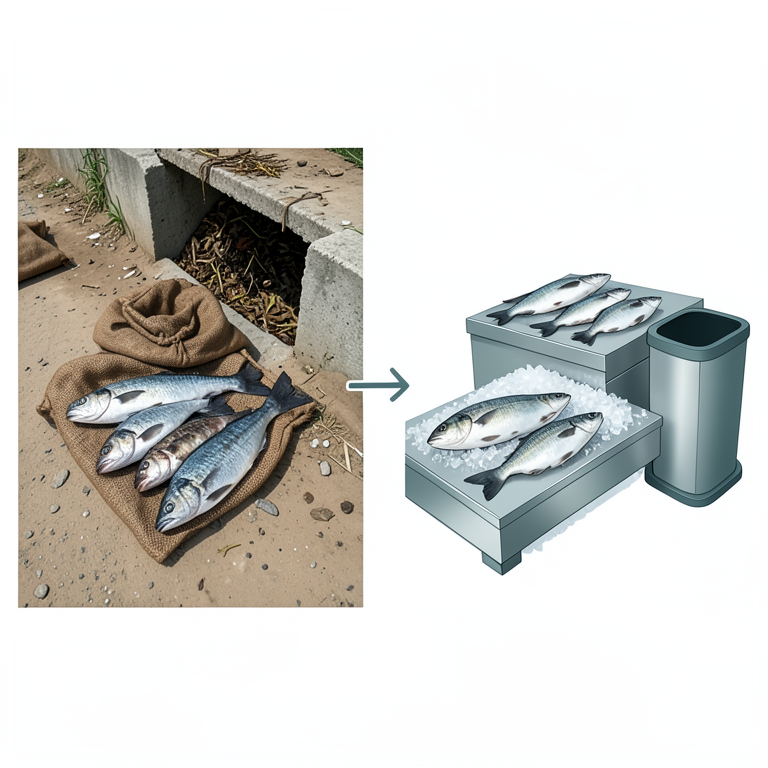
Market Infrastructure Gaps
AI-generated conceptual illustration (fish vendors market in Maharashtra). It explains the idea and does not show study data.
View source evidence ↗Figures & tables
From the original paper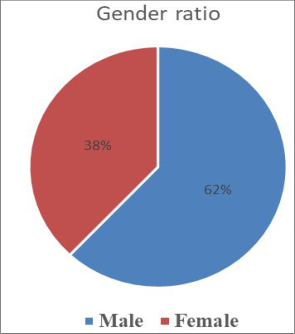 Figure 1
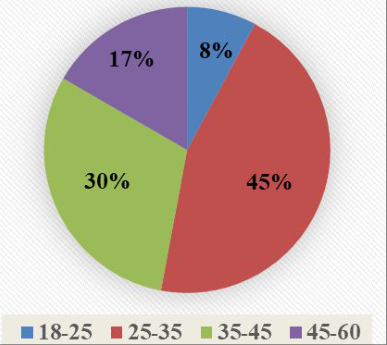 Figure 2
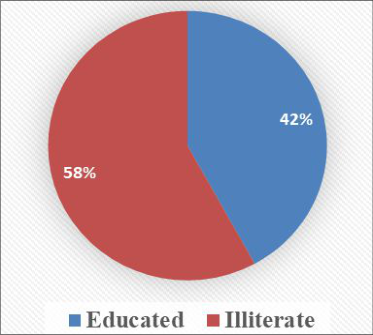 Figure 3
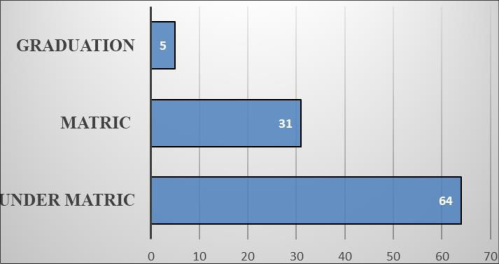 Figure 4
 Figure 5
Introduction
The fisheries industry is considered to be a major source of income because it both promotes the expansion of a variety of associated industries and supplies low-cost, nutritious food. It has a significant impact on the socioeconomic lives of thousands of individuals who are either directly or indirectly involved in it since it provides job and money to millions of rural farmers, especially women. Carp farming accounts for more than 80% of all aquaculture production in India, the two terms are often used interchangeably and considered as Carp Country. The majority of carps raised in the nation are indigenous Indian Major Carps (IMC), which include the Catla catla, Labeo rohita, and Cirrhinus mrigala species (Chand et al., 2018) [2] . Marketing is the connecting link between the producers and consumers. An effective marketing system is necessary to make products, being available to consumers at the right time and in the right place (Kumar et al., 2010) [6] . An effective fish marketing system is necessary to the expansion of fish production as well as the development of the fishing sector in terms of economy and infrastructure. Fish marketing is highly unorganized in India in which retail fish markets are scaled-down versions of wholesale fish markets, with differences in size, fish quality, dealer density, facilities, consumer proximity, etc. Additionally, the retail markets present a negative scenario. Most vendors sell fish on the side of the road without maintaining it for quality or hygiene, and without providing access to drinking water, shelter, or platforms for fish dressing (Hoshino et al., 2021) [4] . Policy makers have gained a prominent interest of domestic unorganized fish retail due to poor quality and hygienic conditions, which directly threatens consumer safety (Mugaonkar et al., 2011) [8] . Fish marketing systems are traditional, complex and less competitive, but is said to play a vital role in connecting the fisherman and fish consumers (ArulJothi, K et al., 2013) [1] . The survey was necessary because of blackness of the necessary comprehensive information on fish markets, trade, and threats to regulations of consumer safety.
Material and Methods
Latur district is a part of Maharashtra's Marathwada region in the southern part, which is geographically located in the Deccan plateau between 17°52′ and 18°50′ North and 76°18′ and 79°12′ east. It is typically 631 meters (2,070 feet) above mean sea level on the Balaghat plateau. Latur District has vast water resources, including rivers, reservoirs, barrages, lakes, and ponds and from which fishermen takes fish production and sells to the nearby market. The fisheries available in the Latur district were culture fisheries from ponds and capture fisheries from lakes.
Study area
Ausa fish markets were selected as study area which were situated in Ausa tehsil of Latur district.
Methodology
The data were collected for a period of six month from January 2022 to June 2022. Thursday in each week of month were selected to collect data in a month. Data collection methods can be divided into 2 steps. These are questionnaire interview with fish traders, focus group discussion with intermediaries. For questionnaire survey, fish traders were selected through simple random sampling method. Interviews were conducted at the market centre during marketing time. Traders took part in interview together with their fish selling activities as a result there was a scope to observe the marketing activities. The fish traders in market asked for information on species, supply, price, distribution network, transport services, etc.
Result
The Ausa fish market comprises of only freshwater fishes because Latur district has only freshwater resources and availability of marine water fishes were none due to unfeasibility of transport from coastal districts as well as absence of efficient market chain.
In the overall research period, Pabda (192.6±23.73) was the most valued fish in the finfish category and Prawn (380.5±10.86) gained maximum price in the shellfish category and at the first position in both categories too. Cypriniformes was the most abundant fish order for selling in the market followed by Siluriform (25%), cichiliformes(18%) and other contributes (14%) along with Decapoda contributed 4% only. It was observed that consumers most preferred indigenous fishes available in market. The Gender Equality Index (GEI) is a measure used by the UNDP in the Human Development Report to examine the status of gender equality as it influences human development in six core domains (power, money, knowledge, work, health, and time) (Lawrence, 2022) [7] . In present study, out of total vendors selling fishes in market, 62% were male and only 38% population where female hence market was dominated by male population. Age class and distribution of fish vendors present in fish market were studied during the study period and it was observed that 8% of the total vendors were between the ages of 18 -25, while the majority 45% were between 25-35 age class. 30% of vendors were in the 35-45 age group and it was found that 17% of the vendors were between the ages of 45-60.
Age class and distribution
Age class and distribution
Level of Education and Literacy Fig 3: Literacy Ratio
The level of literacy is an accurate indicator of sociocultural and economic development and essential for the elimination of poverty and mental isolation and the promotion of pleasant and peaceful relations for the freedom of demographic processes (Koltay, 2022) [5] . Out of all the sellers in the fish market, it was found that 58% were illiterate, and 42% were literate, of which 5% had graduated, 31% had completed their matriculation, and 64% had not completed it. This revealed that the majority of the vendors were illiterate.
Fish Preservation process and ice availability
Fish degrades easily after being caught due to the high tropical temperatures that accelerate the activities of bacteria, enzymes, and the chemical oxidation of fat in the fish. Fish begin to autolyze immediately after they die, and subsequently, digestive juices penetrate the flesh and begin to putrefy it. If a suitable preservation method adopts to maintain the freshness of fish from harvesting to the market, then these products fetch the maximum price (El-Hay, 2022) [3] . When bringing fish to the market in gunny bags without utilizing ice, the vendors in the Ausa fish market lacks knowledge of the preservation procedure and highlighted the lack of ice availability in the fish market.
Availability of Platforms for selling fishes
It was observed that there were no platforms available for selling fish; instead, gunny bags were spread out along the side of the road. Most vendors sell fish on the side of the road without maintaining it for quality or hygiene.
Packaging material at time of selling
Due to a lack of knowledge regarding the drawbacks of plastic on environment, fish vendors often sell their products in plastic bags.
Fish waste management
The Ausa Fish Market does not have a fish waste management facility, after removing the head and scales, the seller throws the garbage into the gutter.
Discussion
Domestic fish markets of India can be divided into two types i.e., wholesale and retail markets. Wholesale markets should have facilities for carrier vehicle parking, space for loading/unloading, ice plants, washrooms etc. Retail markets are often crowded places, mostly on pavements or within closed boundaries with poor hygienic condition. Two main categories of fish retailers have been encounteredmarket based retailers and retailers like fish vendors and haulers. Retail sells are made at stalls in fish markets and door to door to household customers. In the fish marketing system, the auctioneers and suppliers play a crucial role in determining price for fishes (Kumar et al., 2010) [6] . The producers are concentrated in one area and the consumers are widespread that's why establishment of an efficient domestic marketing system becomes extremely important in the field of fisheries (Chand et al., 2018) [2] . According to a recent report by the parliamentary standing committee on agriculture, our nation suffers an annual postharvest fisheries loss of Rs. 61,000 crores, which results in a significant loss in the community of fishermen's revenue,
Conclusion
For the development of fish marketing systems, basic facilities like as a clean water supply, sanitary facilities, a sufficient drainage system, icing, flooring, etc., should be ensured. The findings of the research, fish sellers know nothing about sanitation and cleanliness. The cleanliness of the fish markets is also in critical stage. It is needed to provide proper management with regard to the regular upkeep of the market premises from a sanitary and hygienic perspectiveanother factor contributing to fish loss and deteri oration may be inadequate infrastructue in fish markets.
Figures and tables from the paper
References
8 in the original paper- ArulJothi KN, Irusappan S, Amarnath G, Chandrasekaran SK, SAB Harishankar M, Babu JvAD. Study on Wholesale Fish Market of Surat, Gujarat. IJSR -International Journal of Scientific Researc. 2013;2(12):63-65. https://doi.org/10.36106/IJSR
- Saravanabavan V, Abeesh P. Environmental health status of fishermen in Mahe district. Int. J Geogr Geol. Environ 2020;2(2):95-102.
- El-Hay MMA. Processing and preparation of fish. Postharvest and Postmortem Processing of Raw Food Materials: Unit Operations and Processing Equipment in the Food Industry. 2022; pp.315-342. https://doi.org/10.1016/B978-0-12-818572-8.00008-5
- Hoshino E, Schrobback P, Pascoe S, Curtotti R. Market integration between the major domestic fish markets in Australia. Fish Res. 2021; pp. 243, 106085. https://doi.org/10.1016/J.FISHRES.2021.106085
- Koltay T. New literacies in the age of convergence. Research Data Management and Data Literacies. 2022; pp. 109-143. https://doi.org/10.1016/B978-0-12824475-3.00005-9
- Lawrence RA. Breastfeeding and Return to Work or School. Breastfeeding. 2022;
- Mugaonkar PH, Ananthan PS, Samal SS, Debnath B. A Study on Consumer Behaviour at Organized Fish Retail Outlet. Agricultural Economics Research Review. 2011;24:133-140. https://doi.org/10.22004/AG.ECON.109511
- Chand BG, Banerjee PK, Sowjanya B. Consultants Preferred for the Information by Vegetable Growers in Telangana. Journal of Krishi Vigyan. 2018;7:27. https://doi.org/10.5958/2349-4433.2018.00152.6