
Research article · 2022 · Full text
International Journal of Biology SciencesMorphometric analysis of the red frog crab Curacha Ranina ranina from Balut Island, Sarangani, Davao occidental, Philippines
Volume 4(1) · Pages 180–187 · DOI: 10.33545/26649926.2022.v4.i1c.104 ↗
Research areasFish biology, ecology, and behaviorFish Biology and Ecology StudiesIchthyology and Marine Biology
Abstract
Author-writtenMorphometric characters relationships of the females and males red frog crab Ranina ranina locally named as “curacha” from Balut Island, Sarangani, Davao Occidental was the main goal in this study. The carapace width (CW), carapace length (CL), abdomen width (AW), abdomen length (AL), propodus length (PL), dactylus length and body weight were assessed. A total of 60 samples were sexed based on the shapes of the abdomens and examined in the laboratory. At the same time, the species body weight was also measured. Most of the females’ R. ranina has body size larger than males. This is due to differences in growth patterns, food availability and size of maturity. In terms of its body weight, females of R. ranina are usually smaller and reaching 400 g in weight while males can reach 900 g in total body weight. It is important to note that males must be large enough to successfully dig female crabs out of the sand to reproduce. The allometric regression found describes changes in soft tissue content (or total animal weight for crustaceans) relative to carapace width/length. This result is consistent with general trends of scaling with body size in animals.
Summary
Source-checkedPlain-language reading of the full paper, prepared with AI and checked against the text. Each point links to the authors' own words.
Why it matters
- The red frog crab (Ranina ranina), also known as the spanner crab, is a species found in tropical and subtropical regions and is commercially fished for its meat. View evidence ↗
- Morphological characteristics and changes in body parts are commonly used to determine the sexual maturity of decapod crustaceans. View evidence ↗
- Morphometric analysis is a useful tool for taxonomists and ecologists to study morphological variations within and between species. View evidence ↗
The question
- The study aimed to establish correlations between various morphometric characteristics, including carapace length, width, propodus length, dactylus length, and abdomen width, in Ranina ranina from Balut Island. View evidence ↗
- The research also sought to document the presence of the red frog crab in the Municipality of Sarangani, Davao Occidental, in Southern Mindanao, Philippines. View evidence ↗
What they did
- Crab samples were obtained from the Maveas Market on Balut Island in the Municipality of Sarangani. View evidence ↗
- The study analyzed a total of 60 specimens, consisting of 30 males and 30 females. View evidence ↗
- Researchers measured carapace width, length, dactylus length, and abdominal width to the nearest 0.1 mm, and body weight to the nearest 0.01 g. View evidence ↗
- Data analysis involved using student's t-tests (α = 0.05) to compare means between sexes and calculating allometric growth regression equations. View evidence ↗
What they found
- Males had a statistically higher mean carapace width (6.20 ± 0.59 cm) compared to females (6.17 ± 0.56 cm). View evidence ↗
- Females exhibited a statistically higher mean abdomen width (2.45 ± 0.29 cm) than males (1.64 ± 0.14 cm). View evidence ↗
- The mean dactylus length of females (2.22 ± 0.18 cm) was statistically lower than that of males (2.29 ± 0.18 cm). View evidence ↗
- In the sampled group, females were heavier, ranging from 95 g to 170 g, while males ranged from 65 g to 155 g. View evidence ↗
- The higher weight observed in females is attributed to the collection period in August, which coincides with their egg-carrying incubation phase (May to September). View evidence ↗
- Approximately 63.33% of the samples (23 females and 15 males) had carapace lengths between 8.0 and 8.99 cm, indicating they were capable of reproducing. View evidence ↗
- About 36.67% of the samples (23 females and 15 males) were identified as juveniles, with carapace lengths between 6.0 and 7.99 cm. View evidence ↗
What it means
- The authors concluded that female Ranina ranina generally have larger bodies than males due to variations in growth patterns, food availability, and maturity size. View evidence ↗
- The authors recommend further research to assess the current state of the R. ranina fishery and establish optimal management practices in Southern Mindanao. View evidence ↗
Visual summary
3 visualsIllustrations explain the paper; charts are replotted from the paper's own table values.
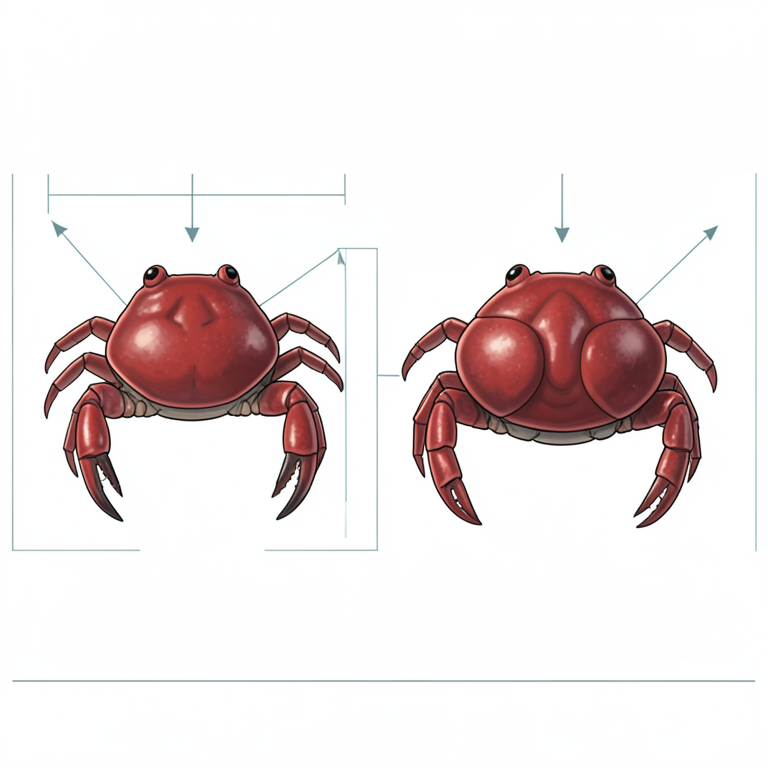
Sexual Dimorphism in Morphometrics
AI-generated conceptual illustration (red frog crab (Ranina ranina)). It explains the idea and does not show study data.
View source evidence ↗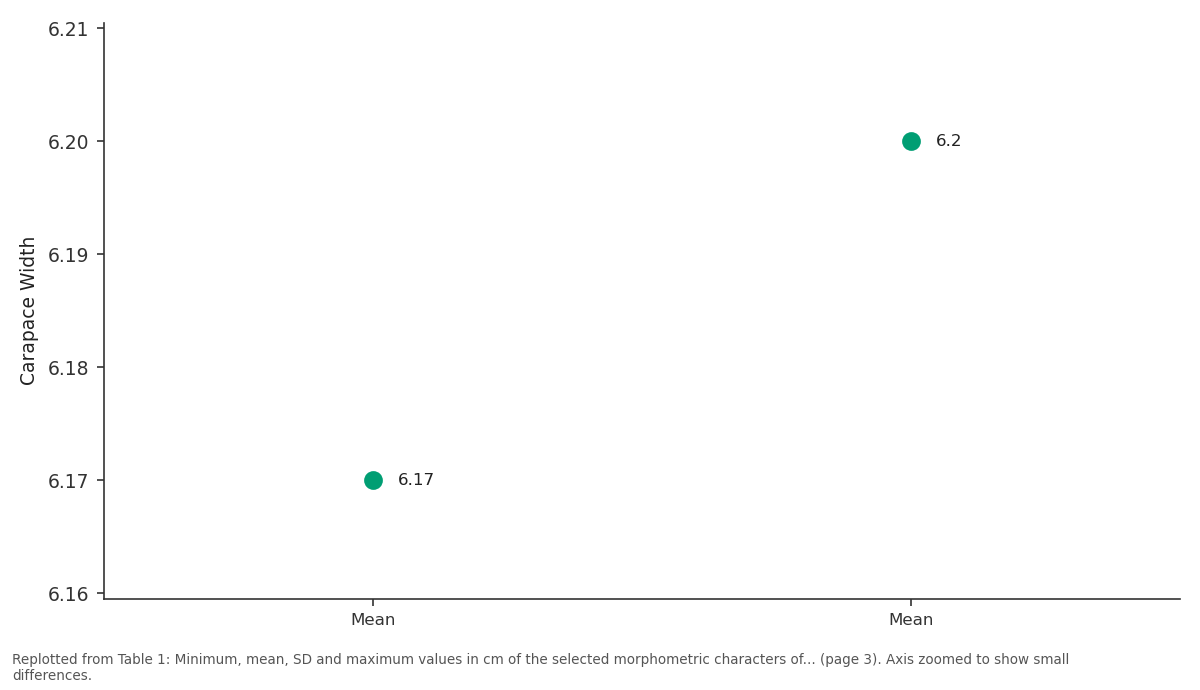
Carapace Width: Mean vs Mean
Replotted from Table 1 (page 3) of the original paper. Every bar is the paper's own table value.
View source evidence ↗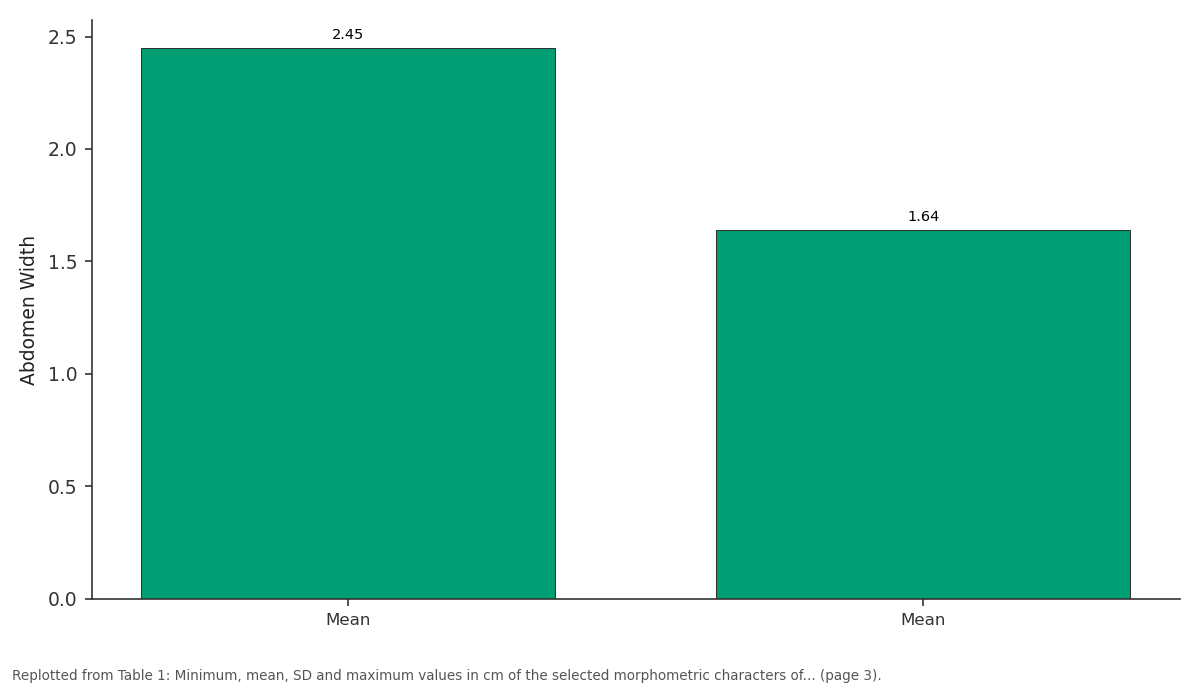
Abdomen Width: Mean vs Mean
Replotted from Table 1 (page 3) of the original paper. Every bar is the paper's own table value.
View source evidence ↗Figures & tables
From the original paper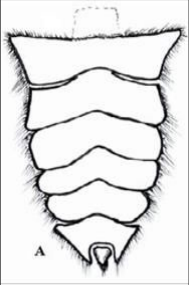 Figure 2
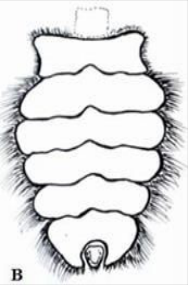 Figure 2
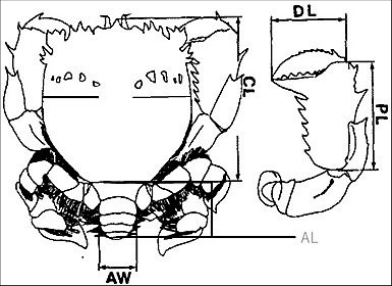 Figure 2
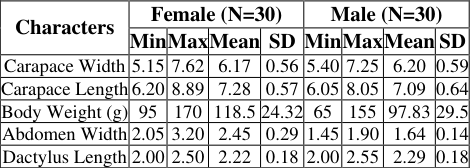 Table 1
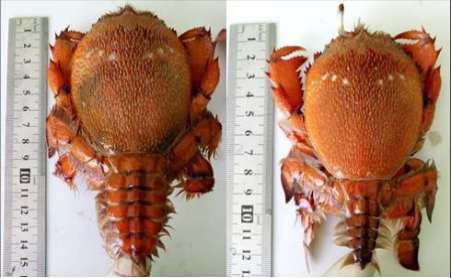 Figure 3
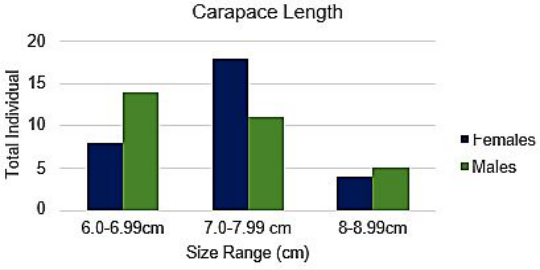 Figure 4
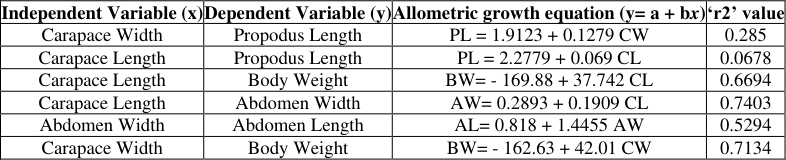 Table 2
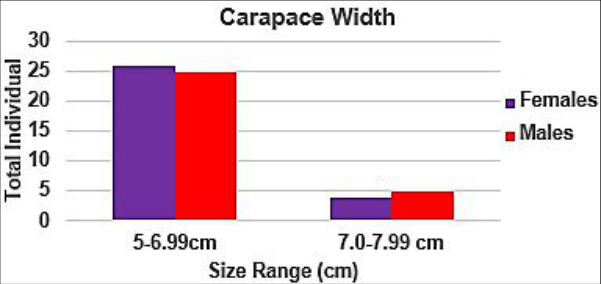 Figure 5
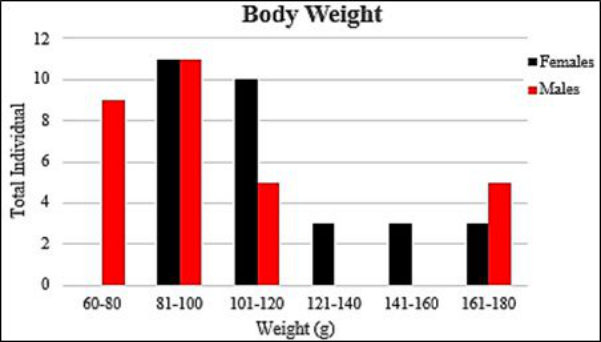 Figure 6
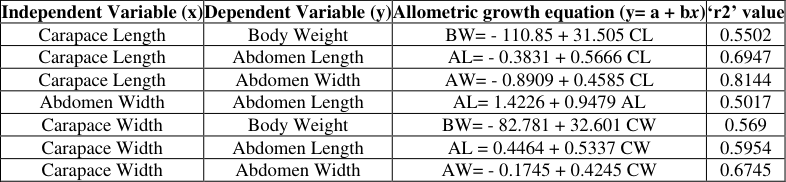 Table 3
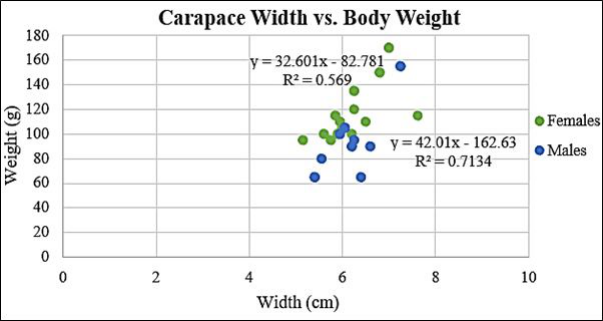 Figure 7
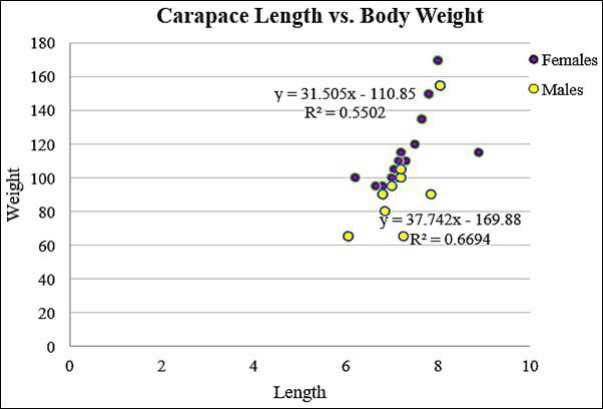 Figure 8
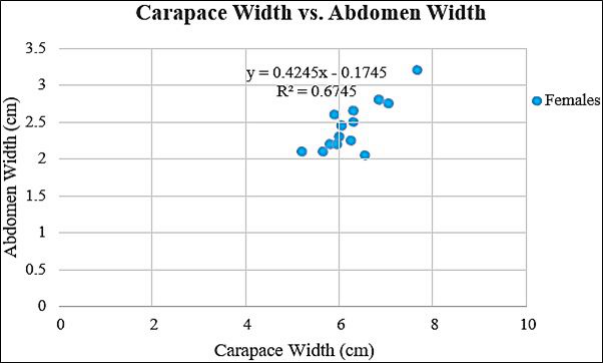 Figure 9
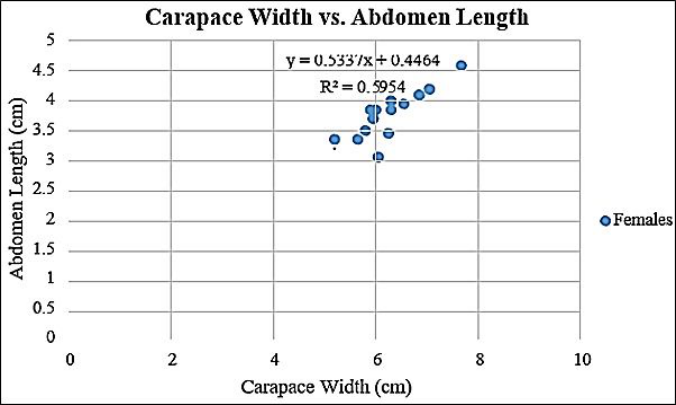 Figure 10
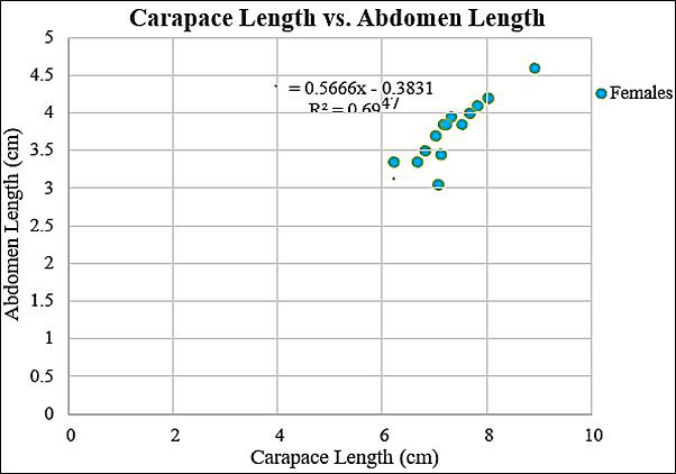 Figure 11
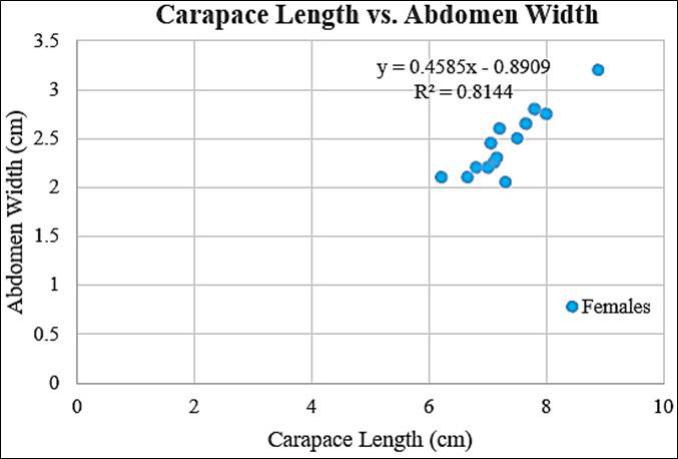 Figure 12
 Table 4
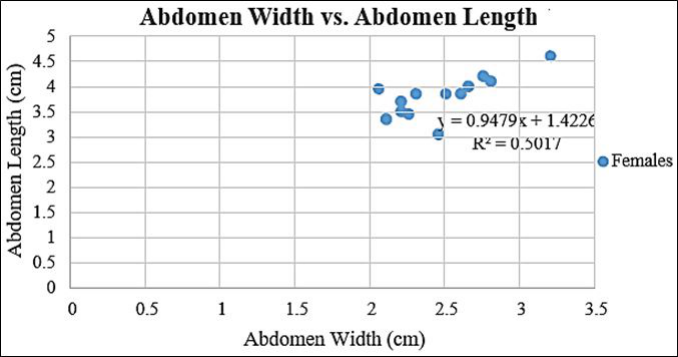 Figure 13
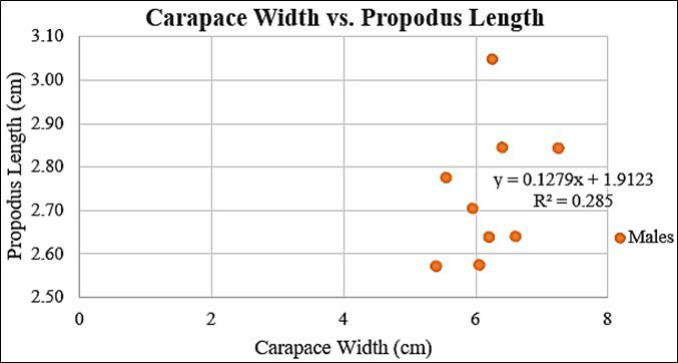 Figure 14
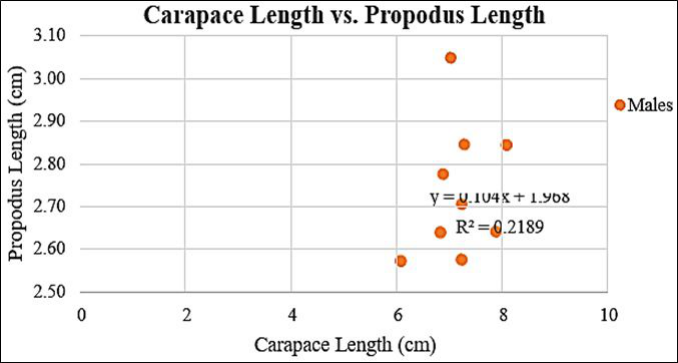 Figure 15
Introduction
Ranina ranina (red frog crab or spanner crab) is a species of crab found throughout tropical and subtropical habitats. It is often fished for its meat and is the only known species in its genus. They inhabit depths of 10-100 meters (33-328 ft) on sandy-smooth substrata in which they bury themselves from where they attack small bottom-dwelling fish (Tahil, 1983; Kennelly, 1992) [15,3] . The species may grow up to 150 millimeters (5.9 in) long and may weigh up to 900 grams (2.0 lb). Ranina ranina is mainly nocturnal and remains buried in the sand during the day. They are easily distinguished from other crab species in their habitat due to their red carapace and long midsection. This red crab is the most prominent representative species of the family Raninidae. Low rounded scale-like spines wholly cover the carapace in large or small numbers, which are broader anteriorly. Eye stalks are set vertical and longer. Strong cheliped bears seven or eight teeth. Paddle-shaped walking legs, anterior and posterior borders hairy. Body reddish-brown in color with some ten white spots on the anterior part of the carapace (Kasinathan et al., 2007) [2] . Red frog or spanner crabs are opportunistic feeders with their diet consisting of urchins, bivalve, mollusks, crustaceans, polychaete worms and fish. The largest commercial fishery of this crab is on the eastern coast of Australia (Queensland Fisheries, 2010) [10] . To feed, they ambush small fish and other organisms from their hiding places in the sand (Kennelly et al. 1994) [4] . Growth is a morphometric relationship that relates the dimensions of parts of the body or an organ to the entire animal (Rodriguez, 1985). The external morphological characters and changes in the body parts are generally applied to determine sexual maturity in many decapods (Paul and Paul, 1990; Sainte-Marie et al., 1995; Jasmine, 2013). The morphometric analysis serves as a handy tool for both taxonomists and ecologists to investigate intra and interspecific morphological variations (Costa and Soares-Gomes, 2008) and complement well with genetic and environmental stock identification methods (Cadrin, 2000). Among brachyurans, the carapace, chelipede, pleopods/gonopods and abdomen exhibit allometric changes in both the sexes during their transition from juvenile to adult phases (Hartnoll, 1974).
The purpose of the study was to investigate and establish correlations between different morphometric characteristics in Ranina ranina species from Balut Island, such as carapace length (CL) and width (CW), cheliped propodus length (PL), dactylus length (DL), and abdomen width (AW). Similarly, this is to give records of this species' presence in Southern Mindanao, Philippines, particularly in the Municipality of Sarangani, Davao Occidental.
Materials and Methods
Site Description: Balut Island is a volcanic island south of the tip of Davao Occidental province (5°24′00″N 125°22′30″E) in the Mindanao region, Southern Philippines (Figure 1). The island of Balut has located about 13 km (8.1 mi) from mainland Mindanao, separated by the Sarangani Strait. Balut, Sarangani, and Olanivan Islands make up the island group known as the Sarangani Islands. The group comprises the Municipality of Sarangani of Davao Occidental.
Sample Collection
Crab samples used in this study were purchased from Maveas Market, Balut Island, Municipality of Sarangani. The crabs were immediately frozen and brought to the laboratory for examination. Identification was carried out using the published journal on Morphological descriptions of the red frog crab Ranina ranina Linnaeus, 1758 by Matondo et al. 2015 [5] .
Morphometric Measurements
The crab samples were sorted and sexed as males or females based on the shape of their abdomens (Figure 2). Measurements of the following body parts were assessed separately to each sex and measured to the nearest 0.1 mm: carapace width (CW), carapace length (CL), dactylus length (DL) and abdominal width (AW). Carapace width (CW) was taken as the distance between the lateral carapace margins. Carapace length (CL) was measured dorsally along the midline, between the frontal notch and the posterior margin of the carapace. The measurement of propodus length (PL) was taken from the base of the propodus to the fixed dactylus of the Chela. The maximum width across the second somite in males and third somite in females was considered as the abdominal width (AW) (Figure 3) (Kennelly and Watkins, 1994) [4] . In addition, the specimen body weight was measured using an analytical balance to the nearest 0.01 g.
Data Analysis
The student's t-test (α = 0.05) was used to compare differences in the mean morphometric character measurements of males and females. Regression equations were calculated assuming an allometric growth equation (Y = a + bX), to determine relations between different morphometric characters in males and females.
Results and Discussions
A total of 60 specimens of R. ranina (30 males, 30 females) were examined and analyzed. Figure 3 shows the distinguishing characteristics of male and female R. ranina. The abdomens of male crabs were distinguished by the possession of narrowly triangulate abdomen cover or tapering towards the distal segment while females have broad surface abdomen.
Morphometric characters
Table 1 shows the minimum, mean, SD and maximum values of the selected morphometrics of Ranina ranina of males and females crabs. The carapace width (CW) of males (Mean ± SD; 6.20 ± 0.59) was statistically higher (CW: t = 0.86; p<0.05) than the females (Mean ± SD; 6.17 ± 0.56). Whereas, carapace length (CL) of males (Mean ± SD; 7.09 ± 0.64) was statistically lower (CL: t = 0.24; p<0.05) than the females (Mean ± SD; 7.28 ± 0.57). In terms of its abdomen width (AW), females AW (Mean ± SD; 2.45 ± 0.29) was statistically higher (AW: t = 1.64; p<0.05) than the males (Mean ± SD; 1.64 ± 0.14). While dactylus length (DL), females (Mean ± SD; 2.22 ± 0.18) was statistically lower (DL: t = 0.13; p<0.05) than the males (Mean ± SD; 2.29 ± 0.18). The distribution of length-frequency of R. ranina is shown in Figure 4. At about 60% of females and 36.67% of males ranges its carapace length from 7.0-8.99 cm which females showed high density. While 26.67% of females and 46.67% of males have 6.0-6.99 cm; and 13.33% of females 16.67% of males ranges from 8.0-8.99cm. On the other hand, the range of total width for males and females is 5.40 cm to 7.25 cm and 5.15 cm to 7.62 cm (Figure 6). The mean of males and females carapace width was 6.20 cm and 6.17 cm respectively. Females (86.67%) has carapace width ranges from 5.0-5.99 cm and 13.33% of females has 7.0-7.99 cm. Males (16.67%) has reached the 7.0-7.99 cm and 83.33% at 5.0-5.99 cm carapace width (Figure 5). Most of the females' R. ranina has a body size larger than males. This is due to differences in growth patterns, food availability and size of maturity. In terms of its body weight, most of the female crab samples revealed high values or heavier rather than males (Figure 6). Females have a minimum weight of 95 g and reach 170 g while males range from 65-155g. This was also observed in the studies of Minagawa et al., 1993 and Fielding et al. 1976 [6] in the female reproductive biology of R. ranina that females are usually heavier than males specifically when they are on their incubation period, which they carry batches of eggs within. This season generally happened from May to September. Hence, samples from this study were collected in August which fall within the high occurrence of ovigerous females and give effect on the high body weight values of females rather than males. However, generally, females of R. ranina are usually smaller and reaching 400 g in weight while males can reach 900 g in total body weight. This conclusion was indicated in the study of Brown 1996 with the same observation by Fielding et al., 1976 and Kennelly et al., 1992 [3] . It is important to note that males must be large enough to successfully dig female crabs out of the sand to reproduce (Skinner and Hill 1986; Minagawa 1993) [12,7] .
| Characters | Female (N=30) | — | — | — | Male (N=30) | — | — | — |
|---|---|---|---|---|---|---|---|---|
| Min | Max | Mean | SD | Min | Max | Mean | SD | |
| Carapace Width | 5.15 | 7.62 | 6.17 | 0.56 | 5.40 | 7.25 | 6.20 | 0.59 |
| Carapace Length | 6.20 | 8.89 | 7.28 | 0.57 | 6.05 | 8.05 | 7.09 | 0.64 |
| Body Weight (g) | 95 | 170 | 118.5 | 24.32 | 65 | 155 | 97.83 | 29.5 |
| Abdomen Width | 2.05 | 3.20 | 2.45 | 0.29 | 1.45 | 1.90 | 1.64 | 0.14 |
| Dactylus Length | 2.00 | 2.50 | 2.22 | 0.18 | 2.00 | 2.55 | 2.29 | 0.18 |
Table text extracted from the original PDF; superscript letters are shown inline. The original table image is below.
View original table image
Interrelationship of different morphometric characters
The scatter diagram for males and females was obtained by plotting the different morphometrics of individual crabs (Figures 7 and8). From the data presented, a distinct relationship was found between width, length, and total weight, as judged from the closeness of the scattered dots. Furthermore, to study the interrelations between different morphometric characters between sexes, females' carapace width and length were regressed on abdominal length and width; and abdominal width was regressed on abdominal length. While in males, carapace width and length were regressed on propodus length (Figures 9 to 15). Allometric equations and correlation coefficient (r) values between different variables in males and females of R. ranina are shown in Tables 2 and3. The allometric regression found describes changes in soft tissue content (or total animal weight for crustaceans) relative to carapace width/length. This result is consistent with general trends of scaling with body size in animals (Peters, 1983; Schmidt-Nielsen, 1984) [15] . In the present study, females are slightly heavier than males until they attain 50-70 mm carapace width. Thereafter males are heavier than females at any given length. A strong positive correlation was found between the male carapace width and body weight with females (0.84 and 0.75 respectively). And same observation was revealed in the carapace length and body weight which both are positively correlated with 0.74 and 0.81 correlation values. 4. ) had carapace lengths ranging from 6.0-7.99 cm and were deemed to be in the juvenile stage. Furthermore, based on its exterior morphometric characteristics, the Ranina species discovered at the research site is comparable to the Ranina species found in the Tawi-tawi and Sulu regions. 2. It was found that female Ranina ranina had larger bodies than males. This is because growth patterns, food availability, and mature size all vary. Females were found to be heavier than male species in the study due to the fact that samples were taken in August which fall during their incubation phase.
Recommendations
1. Further research is needed to determine the current condition of the R. ranina fishery and the best management practices for this species in Southern Mindanao. 2. Further study into the reproductive biology of the R. ranina species in order to determine its gonadosomatic indices and fecundity levels.
Figures and tables from the paper
| Independent Variable (x) | Dependent Variable (y) | Allometric growth equation (y= a + bx) | ‘r2’ value |
|---|---|---|---|
| Carapace Width | Propodus Length | PL = 1.9123 + 0.1279 CW | 0.285 |
| Carapace Length | Propodus Length | PL = 2.2779 + 0.069 CL | 0.0678 |
| Carapace Length | Body Weight | BW= - 169.88 + 37.742 CL | 0.6694 |
| Carapace Length | Abdomen Width | AW= 0.2893 + 0.1909 CL | 0.7403 |
| Abdomen Width | Abdomen Length | AL= 0.818 + 1.4455 AW | 0.5294 |
| Carapace Width | Body Weight | BW= - 162.63 + 42.01 CW | 0.7134 |
Table text extracted from the original PDF; superscript letters are shown inline. The original table image is below.
View original table image
| Independent Variable (x) | Dependent Variable (y) | Allometric growth equation (y= a + bx) | ‘r2’ value |
|---|---|---|---|
| Carapace Length | Body Weight | BW= - 110.85 + 31.505 CL | 0.5502 |
| Carapace Length | Abdomen Length | AL= - 0.3831 + 0.5666 CL | 0.6947 |
| Carapace Length | Abdomen Width | AW= - 0.8909 + 0.4585 CL | 0.8144 |
| Abdomen Width | Abdomen Length | AL= 1.4226 + 0.9479 AL | 0.5017 |
| Carapace Width | Body Weight | BW= - 82.781 + 32.601 CW | 0.569 |
| Carapace Width | Abdomen Length | AL = 0.4464 + 0.5337 CW | 0.5954 |
| Carapace Width | Abdomen Width | AW= - 0.1745 + 0.4245 CW | 0.6745 |
Table text extracted from the original PDF; superscript letters are shown inline. The original table image is below.
View original table image
| Relationship | Sex | ‘t’ values | Remarks |
|---|---|---|---|
| Carapace Width-Total Weight | Male | 3.97 | Significant at 1% level |
| Female | 7.98 | Significant at 1% level | |
| Carapace Length-Total Weight | Male | 5.05 | Significant at 1% level |
| Female | 1.05 | Not significant |
Table text extracted from the original PDF; superscript letters are shown inline. The original table image is below.
View original table image
References
15 in the original paper- Josileen J. Morphometrics and Length-Weight Relationships in the Blue Swimmer Crab, Portunus pelagicus (Linnaeus, 1758) (Decapoda, Brachyura) from the Mandapam Coast, India, 2009.
- Kasinathan C, Sukumaran S, Gandhi A, Boominathan N, Rajamani M. On a rare species of Spanner crab Ranina ranina (Crustacea: Brachyura: Raninidae) from Gulf of Mannar, India, 2007.
- Kennelly SJ. Distributions, abundances and current status of exploited populations of spanner crabs, Ranina ranina off the east coast of Australia, 1992.
- Kennelly SJ, Watkins D. Fecundity and reproductive period, and their relationship to catch rates of spanner crabs, Ranina ranina, off the east coast of Australia, 1994.
- Matondo DAP, Demayo CG. Morphological description of the red frog crab Ranina ranina Linnaeus, 1758 (Brachyura: Raninidae) from South Western Mindanao, Philippines, 2015.
- Minagawa M. Relative Growth and Sexual Dimorphism in the Red Frog Crab Ranina ranina (Decapoda: Raninidae), 1993.
- Minagawa M, Chiu JR, Kudo M, Ito F, Takashima F. Female reproductive biology and oocyte development of the red frog crab, Ranina ranina, off Hachijojima, Izu Islands, Japan, 1993.
- Minagawa M, Chiu JR, Kudo M, Takashima F. Male reproductive biology of the red frog crab, Ranina ranina, off Hachijojima, Izu Islands, Japan, 1994.
- Minagawa M, Takashima F. Developmental changes in larval mouthparts and foregut in the red frog crab, Ranina ranina (Decapoda: Raninidae), 1994.
- Queensland Fisheries. Stock status of Queensland's fisheries resources 2009-10. Queensland Department of Employment, Economic Development and Innovation, 2010.
- Raheem PK, Raju B, Ambarish PG, Anil MK, Gomathi P, Surya S, et al. First Record of Red Frog Crab Ranina ranina (Linnaeus, 1758) (Brachyura: Raninidae) from South West Coast of India, 2018.
- Skinner DG, Hill BJ. Catch rate and emergence of male and female spanner crabs (Ranina ranina) in Australia, 1986.
- Skinner DG, Hill BJ. Feeding and reproductive behaviour and their effect on catch ability of the spanner crab Ranina ranina, 1987.
- Sukumaran KK. Length-weight relationship in two marine portunid crabs, Portunus (Portunus) sanguinolentus (Herbst) and Portunus (Portunus) pelagicus (Linnaeus) from the Kamataka coast, 1996.
- Tahil AS. Reproductive period and exploitation of the red frog crab, Ranina ranina (Linnaeus, 1758) in Central Tawi-Tawi, Philippines, 1983.