
Research article · 2022 · Full text
International Journal of Agriculture and Food ScienceDrivers of agripreneurial intentions among students attaining agricultural education in the Gambia
Volume 4(2) · Pages 118–128 · DOI: 10.33545/2664844x.2022.v4.i2b.104 ↗
Research areasEntrepreneurship Studies and Influences
Abstract
Author-writtenIn many third-world countries, high unemployment severely threatens society's social and economic fabric. Countries like The Gambia, with a youthful and increasing population, are particularly hard hit. Agripreneurship has been identified as an alternative for promoting economic development through employment creation, food security, and poverty reduction. Based on Social Cognitive Career Theory, this study aims to assess the drivers of agripreneurial intentions of students pursuing agricultural education at the University of The Gambia. A total of 160 students participated in the online survey. Smart PLS3 software was used to analyze the data using partial least square-structural equation modeling. The findings revealed that agripreneurial attitude, perceived educational support, and social capital significantly impacted students' agripreneurial intentions. However, it was found that self-efficacy, perceived government support, and social norms had no impact on students' agripreneurial intentions. The research draws implications for academics and policymakers concerned with students' entrepreneurial ambitions, including adopting entrepreneurship education by combining cognitive and behavior-oriented instruction and creating an enabling environment for young entrepreneurs by combining a university entrepreneurial support system with external institutional assistance. However, the study was limited to agricultural students in the public university. It would be helpful if future researchers could compare the level of agripreneurial training offered by public and private institutions to gain more insight into shaping students' intentions of self-employment in agripreneurship
Summary
Source-checkedPlain-language reading of the full paper, prepared with AI and checked against the text. Each point links to the authors' own words.
Why it matters
- High unemployment is a severe threat to the social and economic stability of many third-world countries, including The Gambia, which has a growing youth population. View evidence ↗
- Agripreneurship is viewed as a viable strategy for economic development by creating jobs, reducing poverty, and ensuring food security. View evidence ↗
- Agriculture is a critical part of the Gambian economy, serving as the second-largest sector and contributing 21% of the GDP and 30%-40% of export revenue. View evidence ↗
The question
- The study aims to identify the factors that drive the intentions of agricultural students at the University of The Gambia to pursue agripreneurship, using Social Cognitive Career Theory as a framework. View evidence ↗
What they did
- The research focused on final-year undergraduate and diploma students studying agriculture at two public institutions: the University of the Gambia and the Gambia College. View evidence ↗
- Data was collected using a 35-item questionnaire based on a five-point Likert scale ranging from 'Strongly disagree' to 'Strongly agree'. View evidence ↗
- The researchers used Smart PLS3 software to perform partial least square-structural equation modeling (PLS-SEM) for data analysis. View evidence ↗
What they found
- Agripreneurial attitudes were found to have a significant positive impact on students' intentions to enter the field (β = 0.427, p < 0.00). View evidence ↗
- Social capital significantly influenced agripreneurial intentions (β = 0.193, p = 0.013), suggesting that students with business networks or family support are more likely to start ventures. View evidence ↗
- Perceived educational support had a significant positive effect on agripreneurial intentions (β = 0.162, p = 0.034). View evidence ↗
- Self-efficacy was found to have an insignificant impact on the intentions of students to pursue agripreneurship (β = 0.101, p = 0.219). View evidence ↗
- Social norms did not significantly predict agripreneurial intentions (β = 0.057, p < 0.371). View evidence ↗
What it means
- The authors recommend boosting student intentions by providing hands-on fieldwork training and inviting successful agripreneurs to mentor and share experiences with students. View evidence ↗
- The study is limited because it measures intentions rather than actual behavior and focuses only on public institutions, which may limit the generalizability of the results to the whole country. View evidence ↗
Visual summary
1 visualsIllustrations explain the paper; they do not show study data.
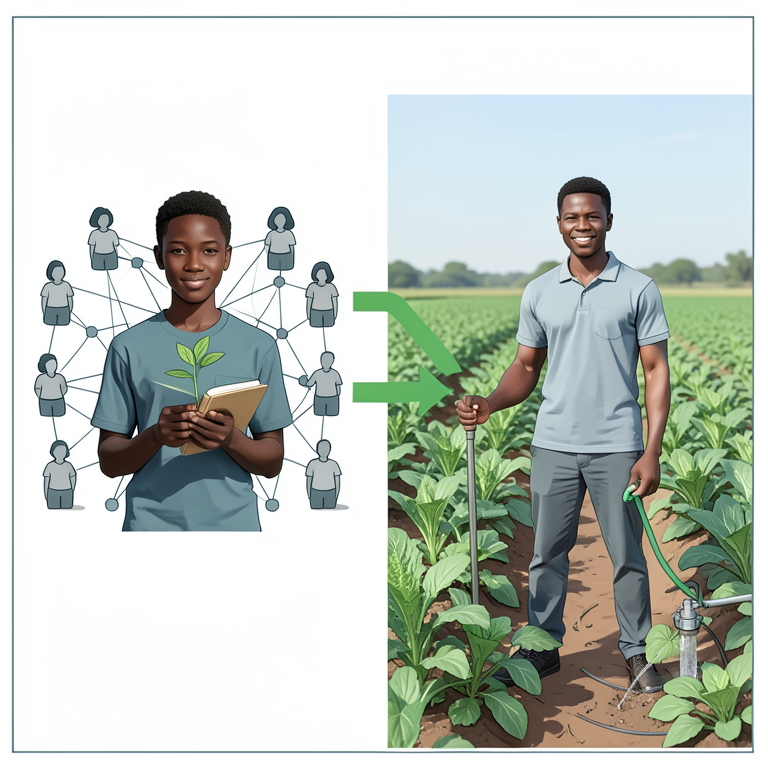
Drivers of Agripreneurial Intentions
AI-generated conceptual illustration (Gambian agricultural students and farming tools). It explains the idea and does not show study data.
View source evidence ↗Figures & tables
From the original paper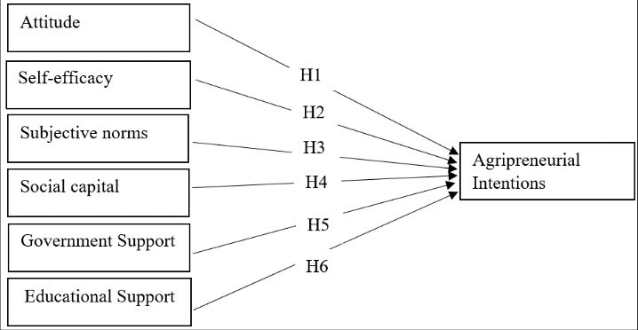 Figure 1
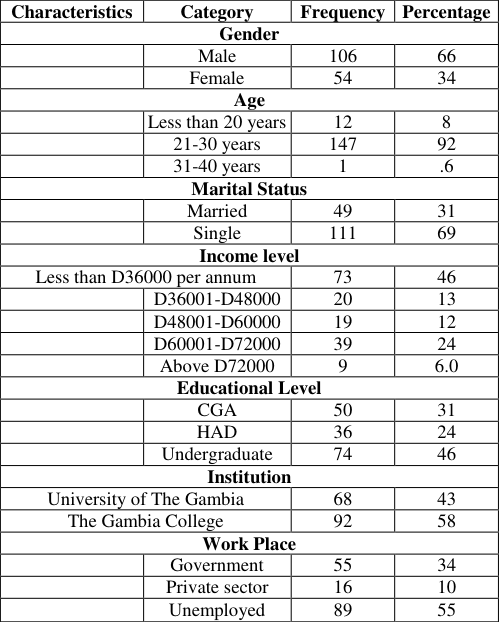 Table 1
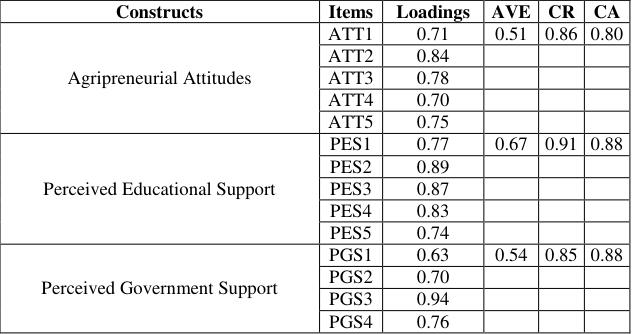 Table 2
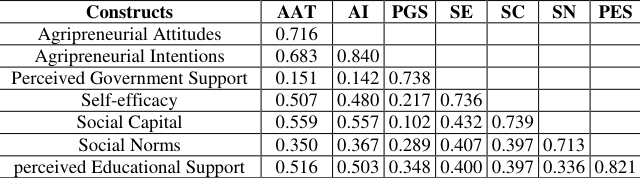 Table 3
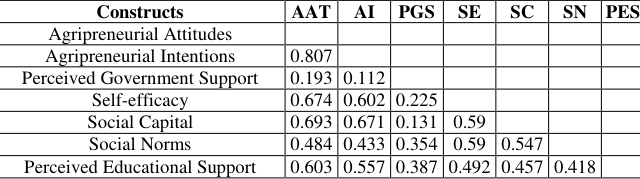 Table 4
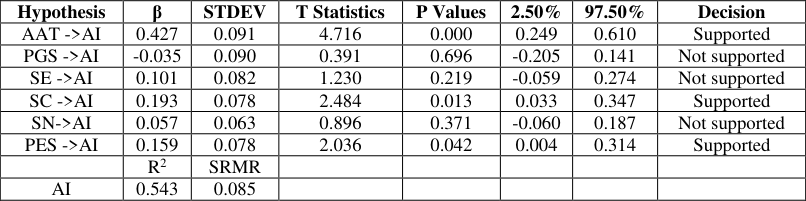 Table 5
Introduction
Unemployment and underemployment remain a global phenomenon, particularly in Sub-Saharan Africa (IFAD, 2019; Glover and Sumberg, 2020) [39,33] . Estimates show that 800 million African youth are expected to enter the job market by 2050 (Losch, 2016) [5] . The scenario is apparent in The Gambia. Approximately 64 percent of the population is between 18 and 35 years old, and around 40 percent are unemployed (World Bank 2019) [86] . One of the main factors causing the high unemployment rate among graduates is the ability of disparity between the unemployed and the skill required in the modern economy (Aman et al., 2017) [9] . The unemployment situation is expected to increase as more young people graduate from colleges and universities. Youth unemployment, especially among recent graduates, could imply poor returns on government investments in education (Mwiya et al., 2017) [63] . Given the growing young population and commitments to reduce severe poverty and hunger by 2030, as stated in the Sustainable Development Goals, governments and nongovernmental organizations have shifted their focus to solving youth unemployment (Kaki et al., 2022) [44] . Therefore, agripreneurship: The incorporation of entrepreneurial ideas into the agriculture sector is considered one critical possible option to transform African economies by establishing agribusiness ventures capable of guaranteeing sustainable jobs and incomes to the continent's teeming youth population (Umar, 2019; Yusoff et al., 2019; Magagula and Tsvakirai, 2020) [84,90,58] . With this, promoting the development enhances sustainable economic growth and improves the standard of living, mainly among youth (Daz-Pichardo et al., 2012; Fitz-Koch et al., 2018; Magagula and Tsvakirai, 2020) [24,30,58] . In the Gambia, agriculture is the second-largest economic sector after services. It accounts for 21% of the GDP and 30%-40% of export revenue (World Bank, 2019) [86] . Given its potential, agriculture can provide unemployed youth with self-employment and a source of income.
As an agricultural country with vast natural resources, the industry in The Gambia is a high-potential business field for young people to develop. So far, the government of the Gambia has implemented a series of programs and strategies to foster youth entrepreneurship. For example, the Gambia Songhai Initiative serves as a recruitment center for youths interested in building farming careers. The Gambia's Strategic Youth and Trade Development Roadmap encourages youths to venture into key prioritized areas such as tourism, information communication technology, and agriculture (ITC, 2018) [40] . National Enterprise Development Initiatives (NEDI), a public institution established by an act of Parliament in 2013 (NEDI act 2013), aims to empower the Gambian youth and women through enterprise development. Also, private and nongovernmental organizations complemented the government by implementing several initiatives to support youth entrepreneurs. The American Chamber of Commerce (AmCham), Start-up Incubator Gambia (SIG), and Empretec Gambia support young entrepreneurs. Despite programs and activities geared toward modernizing agriculture in the Gambia, the sector largely ignores other parts of agricultural value chains in favor of farm-level production. Furthermore, most of the Gambia's farmers are either secondary school dropouts or uneducated, and just a tiny percentage of the population holds an advanced diploma in agriculture. Although the agribusiness sector is poised for significant potential growth, widespread misperceptions about the industry prevent young people from entering it (Magagula and Tsvakirai, 2020) [58] . Generally, young people perceived the agriculture sector as a laborious job, not innovative, and therefore less lucrative to venture into (Abdullah and Sulaiman, 2013) [1] . However, according to Tafere and Woldehanna (2012) [79] , there are two critical explanations for the lack of interest in agriculture. One is that young people have 'occupational goals' other than farming because non-agricultural vocations are less complicated, more stable, and pay higher. Another reason is that young people cannot access or own productive assets such as land. In changing the narrative, it is critical to modernize the agriculture sector by recruiting talented graduates to the industry that is undergoing rapid transformation due to the technological revolution, increased urbanization, and a change in consumer food requirements (Addo, 2018) [3] . Young people, particularly graduates, are expected to be entrepreneurial and can contribute to the solution of social and national development issues, such as graduate unemployment and an aging farmer population. Young people are needed to pursue a career in agriculture, particularly in specialized areas where new technology is required to meet the problems posed by climate change (Zaremohzzabieh et al., 2022) [91] . In order to foster entrepreneurship among university and college students, it is vital to uncover the underlying factors that can stimulate their entrepreneurial intentions. An individual's level of entrepreneurial intention (EI) indicates his or her propensity to start a firm, which has a direct and beneficial effect on creating new jobs (Umar, 2019) [84] . Previous research has extensively used the theory of Planned Behavior (TPB) to illuminate entrepreneurial motivations and the process of forming new ventures. For example, Masoomi et al. (2016) [61] found that attitude, perceived behavioral control, and subjective norms are strongly associated with students' ambition to start an agriculture operation in Iran.
More recently,
Zaremohzzabieh et al. (2022) [91] discovered that the desire to work in agriculture was influenced by their attitude toward agriculture, perceived behavioral control, agricultural education, and perception of sustainable agriculture. To this end, the intention to start a business depends on the perception of favorable societal norms, attitudes, and entrepreneurial skills (Ajzen, 2011) [11] . However, to gain more insight into the factors influencing students' entrepreneurial intentions, we leverage alternative theories, such as Socio-Cognitive Theory (Bandura, 1986) [13] , to frame our analysis. The theory has appeared in several studies of entrepreneurial intentions, particularly in Sub-Saharan Africa (Mubashiru and Ceyhan, 2021; Kaki et al., 2022; Nwosu et al., 2022) [62,44,66] . However, what remains unclear is that the findings of these studies vary from country to country due to stark socioeconomic and cultural disparities (Mwiya et al., 2017) [63] . Therefore, it is worth conducting a county-specific context like The Gambia to capture its distinctive traits to gain new information. In the Gambia, there are limited studies on student entrepreneurial intention. One such study (Manneh et al., 2020) [60] explored the factors that stimulate students' desire to pursue entrepreneurship careers after completing their studies. However, the study was not specifically tailored to agricultural students. Therefore, this study seeks to fill the existing gap by assessing the determinants of agricultural intention among agricultural students from the Gambia College and the University of the Gambia. In an attempt to address the research objectives, this current study makes several contributions. 1. The study contributes to the literature on agripreneurship by extending the concept to the Gambian context. 2. The study contributes to the cognitive and career theory by assessing the role of social capital and perceived university support as important factors influencing students' entrepreneurial intentions in The Gambia.
Research contributes to providing evidence-based
research that could serve as a policy direction for policy makers.
The rest of the article is structured as follows. Section 2 outlines the theoretical basis and hypothesis development.
The research method employed in this study is presented in Section 3. Section 4 presents the findings and discussions. Section 5 discusses the study's findings, limitations, and future research directions.
Theoretical Background and Hypotheses
The theory underpinning this study is the sociocognitive career theory (Bandura, 986) [13] . Social Cognitive Career Theory was established through collaboration between sociopsychology and organizational management and is based on Bandura's social cognitive theory (Daz-Pichardo et al., 2012) [24] . The theory blends cognitive variables such as self-efficacy, outcome expectations, and goals with personal characteristics such as gender, ethnicity, social networks, and barriers to explain entrepreneurial intention. According to Krumboltz and Nichols (1990) [51] , these components combine to generate entrepreneurial cognitions, the knowledge frameworks people use to make assessments, judgments or decisions regarding opportunity evaluation, venture development, and growth. The theory posited that each influencing element plays a role in all career decisions. The theory is relatively new, but useful in explaining the motivation to start a business as it is increasingly used in several studies (Magagula and Tsvakirai, 2020; Mubashiru and Ceyhan, 2021; Kaki et al., 2022) [58,62,44] . On the basis of this, the study examines the impact of these factors on undergraduate agricultural students' intentions to participate in agribusiness after graduation. A conceptual model is proposed based on these theoretical considerations, as shown in Figure 1. The framework shows the relationships between the constructs. Below is a brief discussion of each construct undertaking resulting in hypothesis formulations.
Attitudes towards Agripreneurship and Agripreneurial Intentions
Individuals' entrepreneurial ambitions are critical in predicting their behavior (Ajzen, 2011) [5] . According to Bird (1998) [17] , intention is "a mental state that directs one's actions toward a desired end or course of action." Krueger and Carsrud (1993) [49] defined entrepreneurial intention as "a person's commitment to some future conduct that is aimed at launching a business or organization." The intention to start a business has been viewed as a critical component of planned behavior (Krueger et al., 2000) [48] .
The study of entrepreneurial intentions has grown in importance due to its absolute position in the entrepreneurial process (Bellò et al., 2017) [16] . According to social capital theory, intentions have been viewed as a significant determinant of one's decision to become an entrepreneur (Otache et al., 2019) [68] . Consequently, knowing the antecedents of the entrepreneurial intention scales up our understanding of future endeavors, such as agripreneurship.
In the preceding paragraph, a review of the antecedents of agricultural intention was carried out. Attitude is typically described as a viewpoint that encapsulates a person's basic disposition toward a concept, an idea, or an institution (Jena, 2020) [41] . However, in entrepreneurialism, an attitude toward behavior refers to the degree to which one views entrepreneurial conduct and its results as valuable, advantageous and favorable (Ajzen, 2002) [4] . Regarding agribusiness, the ambition of students to start a new company is highly dependent on how their personal beliefs and attitudes evolved (Mwiya et al., 2017) [63] . Arafat et al. (2020) [10] posited that attitude is an essential construct that stimulates behavior toward initiating an agribusiness venture. In addition, Magagula and Tsvakirai (2020) [58] noted that attitude is instrumental in inspiring young people to start an agripreneurship venture. In summary, a positive attitude among students may boost an individual's desire to participate in entrepreneurship. Empirical studies have established that the attitude towards entrepreneurship significantly impacts entrepreneurial intention (Krueger et al., 2000; Magagula and Tsvakirai, 2020) [48,58] . For example, Manneh et al. (2020) [60] discovered that the role of the business climate, entrepreneurial attitude and subjective norms have significant positive effects on the entrepreneurial intentions in the Gambia. A study by Mwiya et al. (2017) [63] in Zambia found that undergraduate students' attitudes significantly positively impact entrepreneurial intentions. Furthermore, (Jena, 2020) [41] demonstrated that attitudes toward entrepreneurship have a significant positive relationship with intention. Based on the preceding, it is hypothesized that: H1: Agripreneurial attitudes have a significant impact on agripreneurial intentions.
Self-efficacy and Agripreneurship Intentions
Self-efficacy refers to an entrepreneur's confidence in his/her skill and ability to execute an outcome (Bandura, 1977) [13] . Self-efficacy explains people's confidence in attaining set targets (Cromie 2000) [22] . It has become a popular concept in entrepreneurship intention studies (Shapero and Sokol, 1982; Krueger et al., 2000; Arenius and Minniti, 2005; Langowitz and Minniti, 2007) [77,48,12,52] . It continues to gain ground in several studies (Krueger, 1993 [49,48,55] . More recently, (Tjano et al., 2020) [80] reported that self-efficacy significantly impacts entrepreneurial intentions. Similarly, (Arafat and Saleem, 2017) [11] established that opportunity recognition, selfefficacy (confidence in one's ability, knowledge, and skills), and risk perception are the major determining factors of a new business startup. Based on these, it is hypothesized that: H2: Self-efficacy has a significant impact on agripreneurial intentions.
Perceived Educational Support and Agripreneurial Intentions
Entrepreneurial educational support equips students with the knowledge and skills for future entrepreneurial endeavors and success (Maheshwari and Kha, 2022) [59] . It is a form of empowerment toward training and professional development opportunities (such as courses, training, workshops, and business plan competitions), as well as the specialized skills and knowledge necessary to successfully navigate the managerial and financial challenges of starting and running a business (Kolvereid and Moen, 1997; Fayolle and Gailly, 2015) [47,27] . Studies have recognized the central role of universities and colleges in this endeavor (Masoomi et al., 2016; Yusoff, Ahmad and Halim, 2016) [61,88] . Universities and colleges are fundamental in the growth and strengthening of intellectual ability in individuals and businesses (Secundo et al., 2010; Volery et al., 2013) [76,85] . As part of their so-called "third mission," tertiary institutions are mandated to provide an enabling environment for the establishment of new businesses through a variety of programs aimed at spreading a culture of innovation and entrepreneurship (Laredo, 2007; Franzoni and Lissoni, 2009; Fini et al., 2011) [53,32,29] . Empirical studies have established that perceived educational support significantly positively affects entrepreneurial intentions. For example, Yusoff et al. (2018) [90] investigated the role of social institutions in agripreneurial intention and behavior among young people. The study established that educational institutions have a significant impact on agripreneurial intentions. However, Maheshwari and Kha (2022) [59] recently reported that entrepreneurship education support has no direct impact on entrepreneurial intentions. Therefore, it is hypothesized that H5: perceived educational support has a significant positive impact on agripreneurial intentions.
Perceived Government support and agripreneurial Intentions
Government assistance can take several forms, including financial aid, such as loans and credits, and non-financial assistance, such as information dissemination and consultancy services (Cumming and Fischer, 2012) [23] . Saleh and Salhieh (2014) [73] pointed out that a friendly business climate improves the spirit of entrepreneurship. Furthermore, an institutional environment comprises tangible and intangible means to enhance entrepreneurial activities (Saeed et al., 2015) [72] . The tangible aspect consists of a flexible and friendly loan scheme, accessible venture capital, physical infrastructure, physical assets, research and development, training facilities, and the creation of business plan programs. At the same time, the intangible mechanism refers to the availability of human capital and provision of the appropriate legal basis for entrepreneurial activities (Saeed et al., 2015) [72] . Studies have shown that the enabling environment is an avenue for potential entrepreneurs to be more inclined to set up selfemployment ventures. For example, a recent study by Nowiski et al. (2020) [64] concluded that perceived public support significantly affects student entrepreneurial intentions. Based on this, it is hypothesized that: H6: perceived government support has significant positive impact on agripreneurial intentions.
Materials and Methods
This research used a quantitative deductive method to explore the effect of attitude, self-efficacy, perceived university support, social norms, and perceived government support on agripreneurial intentions. The study population comprised final-year diploma and undergraduate agricultural students from the Gambia College and the University of the Gambia. These students have completed agribusiness and entrepreneurial courses as requirements for awarding degrees and certificates and are considered potential entrepreneurs. It is also assumed that these students will have a more focused and well-informed career mentality as they prepare to leave colleges and universities (Twum et al., 2021) [83] . These two public institutions were chosen for convenience and accessibility.
Sampling Technique
The nonprobability sampling technique was employed to collect data. Entrepreneurship literature shows that nonprobability sampling approaches are mainly used due to the peculiar nature of entrepreneurship (Jensen and Luthans, 2006; Nowinski et al., 2019) [42,65] . An online survey instrument was provided to students using Google forms. A link was sent by email and social media to invite students to participate in the questionnaire survey. A minimum sample size was determined utilizing the G*power software (Faul et al., 2007) [26] . Following the guideline of (Hair et al., 2014) [36] . With effect size (f 2 ) = 0.15, probability of error (α) =.05, and power (probability of error 1-β) power = 0. [36] .
Operational Measurement of the Constructs
The questionnaires in this study comprised 35 items, all measured on a five-point Likert scale anchored from 1 (Strongly disagree) to 5 (Strongly agree). The items for measuring attitude were adopted from (Linan et al., 2009; Schwarz et al., 2009) [55,74] and were operationalized on six items while intentions were measured on five-item. Selfefficacy was measured on a scale adapted from (Linan and Chen, 2009) [55] , in which five items were operationalized. Social norms were measured using (Krueger et al., 2000) [48] an assessment scheme in which five-item scales were generated. Social capital was measured using scales developed by (Onyx and Bullen, 2000) [67] . Perceived educational support was measured from (Turker et al., 2005) [82] measurement scale and the perceived government support scale was derived from Scott 1995; Busenitz et al., 2000) [75,19] .
Data Analysis
The data collected was analyzed using both univariate and multivariate statistical techniques. The univariate method analyzes the respondents' sociodemographic characteristics based on frequency distributions. On the other hand, multivariate techniques involved structural equation modeling (SEM) based on SmartPLS software. In this case, the matrix of the relationship between the variables in the research model estimated the parameters in the outer and inner models (Hair et al., 2012) [35] . Hence, SEM comprised measurement models and structural models. The measurement model assessed the model fit, convergent and discriminant validities, normality, and reliability.
Simultaneously, the structural model determines the levels and strengths of interrelationships between one latent variable with another and tests the hypotheses.
Results
Table 1 shows the demographic characteristics of the respondents. The findings show that the respondents' average age was 26 years, where more than 50% are male. Moreover, nearly 70% of the respondents are single. Concerning income, the finding indicates that 46% of the respondents earn less than D36 000 per year. In addition, nearly 58% of the respondents attend college education, with 31% pursuing a certificate in general agriculture CGA, while 23% are enrolled in the higher diploma in agriculture (HDA). Undergraduate students account for 46% of the sample. Regarding the workplace, 55 percent of the sample are unemployed, whereas 34% are government employees.
| Characteristics | Category | Frequency | Percentage |
|---|---|---|---|
| Gender | |||
| Male | 106 | 66 | |
| Female | 54 | 34 | |
| Age | |||
| Less than 20 years | 12 | 8 | |
| 21-30 years | 147 | 92 | |
| 31-40 years | 1 | .6 | |
| Marital Status | |||
| Married | 49 | 31 | |
| Single | 111 | 69 | |
| Income level | |||
| Less than D36000 per annum | 73 | 46 | |
| D36001-D48000 | 20 | 13 | |
| D48001-D60000 | 19 | 12 | |
| D60001-D72000 | 39 | 24 | |
| Above D72000 | 9 | 6.0 | |
| Educational Level | |||
| CGA | 50 | 31 | |
| HAD | 36 | 24 | |
| Undergraduate | 74 | 46 | |
| Institution | |||
| University of The Gambia | 68 | 43 | |
| The Gambia College | 92 | 58 | |
| Work Place | |||
| Government | 55 | 34 | |
| Private sector | 16 | 10 | |
| Unemployed | 89 | 55 |
Table text extracted from the original PDF; superscript letters are shown inline. The original table image is below.
View original table image
Measurement Model
Before processing with assessing the measurement model, two items (SN3 and SE1) were removed from the assessment due to low factor loadings. Therefore, the measurement model was assessed to confirm the composite validity and reliability of the data. It was carried by assessing the factor loadings, composite Reliability, Cronbach's Alpha, and Average Variance Extracted as shown in Table 2. All the constructs had factor loadings above 0.60 that exceeded the recommended value. Likewise, the Average Variance Extracted output was all above 0.50 as recommended. Furthermore, the composite reliability and the Cronbach Alpha values exceeded the suggested value of 0.70. Therefore, the measurement model was achieved. Discriminate validity was also assessed through the Fornelllarckers criterion. Discriminate validity refers to the degree to which the constructs are truly different from one another empirically. Table 3 shows that the AVE's square root was lower than the threshold of 0.9 (Fornell and Larcker, 1981) [31] . The square root of each construct's AVE (diagonal values) is above their resultant correlation coefficients. It implies moving towards adequate discriminant validity.
| Constructs | AAT | AI | PGS | SE | SC | SN | PES |
|---|---|---|---|---|---|---|---|
| Agripreneurial Attitudes | 0.716 | ||||||
| Agripreneurial Intentions | 0.683 | 0.840 | |||||
| Perceived Government Support | 0.151 | 0.142 | 0.738 | ||||
| Self-efficacy | 0.507 | 0.480 | 0.217 | 0.736 | |||
| Social Capital | 0.559 | 0.557 | 0.102 | 0.432 | 0.739 | ||
| Social Norms | 0.350 | 0.367 | 0.289 | 0.407 | 0.397 | 0.713 | |
| perceived Educational Support | 0.516 | 0.503 | 0.348 | 0.400 | 0.397 | 0.336 | 0.821 |
Table text extracted from the original PDF; superscript letters are shown inline. The original table image is below.
View original table image
| Constructs | Items | Loadings | AVE | CR | CA |
|---|---|---|---|---|---|
| Agripreneurial Attitudes | ATT1 | 0.71 | 0.51 | 0.86 | 0.80 |
| ATT2 | 0.84 | ||||
| ATT3 | 0.78 | ||||
| ATT4 | 0.70 | ||||
| ATT5 | 0.75 | ||||
| Perceived Educational Support | PES1 | 0.77 | 0.67 | 0.91 | 0.88 |
| PES2 | 0.89 | ||||
| PES3 | 0.87 | ||||
| PES4 | 0.83 | ||||
| PES5 | 0.74 | ||||
| Perceived Government Support | PGS1 | 0.63 | 0.54 | 0.85 | 0.88 |
| PGS2 | 0.70 | ||||
| PGS3 | 0.94 | ||||
| PGS4 | 0.76 |
Table text extracted from the original PDF; superscript letters are shown inline. The original table image is below.
View original table image
Note:
Values in bold represents the square root of the AVE Although, the Fornell and Larcker (1981) [31] criteria were contested for not providing enough evidence in checking discriminant validity in related studies (Henseler et al., 2016) [38] . With this argument, alternative criteria such as the heterotrait-monotrait (HTMT) ratio of correlations were proposed (Henseler et al., 2015) [38] . It is described as the average value of the indicator correlations across constructs (i.e., the heterotrait-heteromethod correlations) comparative to the (geometric) mean of the average correlations of the indicators measuring the same construct (Ringle et al., 2020) [70] . The recommended threshold is 0.85 but should not be above 0.90 (Henseler et al., 2016) [38] . Higher HTMT values simply mean that the discriminant validity has an issue (Kline, 2011) [46] . Given this, discriminant validity was evaluated applying this alternative approach, and the finding is shown in Table 4. However, all values below the recommended threshold of HTMT.85.
| Constructs | AAT | AI | PGS | SE | SC | SN | PES |
|---|---|---|---|---|---|---|---|
| Agripreneurial Attitudes | |||||||
| Agripreneurial Intentions | 0.807 | ||||||
| Perceived Government Support | 0.193 | 0.112 | |||||
| Self-efficacy | 0.674 | 0.602 | 0.225 | ||||
| Social Capital | 0.693 | 0.671 | 0.131 | 0.59 | |||
| Social Norms | 0.484 | 0.433 | 0.354 | 0.59 | 0.547 | ||
| Perceived Educational Support | 0.603 | 0.557 | 0.387 | 0.492 | 0.457 | 0.418 |
Table text extracted from the original PDF; superscript letters are shown inline. The original table image is below.
View original table image
Structural Model
After confirming the measurement model, structural model assessment was performed to test our hypothesis. Following (Hair et al., 2014) [36] recommendation, the R 2 , beta, and tvalues are examined through the bootstrapping method with a resample of 5000. Similarly, other criteria that need to be evaluated includes the predictive relevance (Q 2 ) and the effect sizes (f 2 ) (Hair et al., 2014). [36] Figure 2 show the path diagram for the R 2 , Q 2 , SRMR, and significance of path. The goodness of fit for the model is evaluated by strength of each structural path determined by the R 2 value for the dependent variable (Hair et al., 2018) [37] . The R 2 assess the model predictive accuracy. The threshold for the R 2 value is recommended to be equal to or over 0.1 (Hair et al., 2018) [37] . Table 5 shows that the R 2 value is above the threshold. Therefore, the predictive capacity is established. Moreover, Q 2 establishes the predictive relevance of endogenous constructs (Chin et al., 2008) [21] . A Q 2 value above 0 indicates that the model displays predictive relevance. In effect, the finding established that there is significance in the prediction of the constructs. Likewise, the SRMR was used to evaluate the model fit. The results show a value of 0.085 which is below the recommended value 10, confirming an acceptable model fit (Henseler et al., 2016) [38] . Next, an assessment of the goodness of fit was carried out. Hypotheses were tested to confirm the relationship's significance. H1 evaluates whether agripreneurial attitudes have any impact on agripreneurial intentions. The findings show that agripreneurial attitudes have a significant positive impact on agripreneurial intention (β = 0.427, t = 4.716, p < 0.00). The results are in line with the previous findings of (Liñán and Chen, 2009) [55] . Students are more inclined toward pursuing Agripreneurship as a career if they think doing so will benefit them and their communities (Jones et al., 2017; Zaremohzzabieh et al., 2022) [43,91] . The higher the degree of attitude, the greater the intentions towards Agripreneurship. Therefore, H1 was supported.
| Hypothesis | β | STDEV | T Statistics | P Values | 2.50% | 97.50% | Decision |
|---|---|---|---|---|---|---|---|
| AAT ->AI | 0.427 | 0.091 | 4.716 | 0.000 | 0.249 | 0.610 | Supported |
| PGS ->AI | -0.035 | 0.090 | 0.391 | 0.696 | -0.205 | 0.141 | Not supported |
| SE ->AI | 0.101 | 0.082 | 1.230 | 0.219 | -0.059 | 0.274 | Not supported |
| SC ->AI | 0.193 | 0.078 | 2.484 | 0.013 | 0.033 | 0.347 | Supported |
| SN->AI | 0.057 | 0.063 | 0.896 | 0.371 | -0.060 | 0.187 | Not supported |
| PES ->AI | 0.159 | 0.078 | 2.036 | 0.042 | 0.004 | 0.314 | Supported |
| R2 | SRMR | ||||||
| AI | 0.543 | 0.085 |
Table text extracted from the original PDF; superscript letters are shown inline. The original table image is below.
View original table image
H2 assessed the impact of perceived government support on agripreneurial intentions. The findings show that perceived government has an insignificant impact on agripreneurial intentions. The results contradict the previous findings of (Nowiński et al., 2020) [65] that established that government support significantly influences intention towards entrepreneurship. The findings suggest unfriendly policies might affect students' desirability to pursue careers in agriculture. Hence, H2 was not supported (β = -0.035, t= 0.391, p < 0.696). H3 examined the influence of self-efficacy on agripreneurial intentions. The findings established that self-efficacy has an insignificant impact on agripreneurial intentions (β = 0.101, t= 1.230, p = 0.219). The finding supports (Ali et al., 2016) [7] who reported a nonsignificant association between selfefficacy and entrepreneurial intentions. One probable [20,25,45] have shown that the ability to assess and understand a business is crucial to increasing one's confidence in becoming an entrepreneur. As such, H3 was not supported.
In addition, H4 examined the effect of social capital on agripreneurial intentions. The results show that social capital has a significant impact on agripreneurial intentions (β = 0.193, t = 2.484, p = 0.013). The findings are consistent with several previous studies (Shiri et al., 2012; Arafat and Saleem, 2017; Ali and Yousuf, 2018) [78,11,90] . The results suggest who students that belong to business associations are more inclined towards establishing agripreneurial venture. Social bonds elicited from family, relative, and friends positively impact students' interest in initiating business venture. It suggests that approval from close relatives and friends is critical in influencing student desire to establish an Agripreneurship venture. Therefore, H4 was supported. Furthermore, H5 assessed whether social norms have a significant impact on agripreneurial intentions. The results show that social norms did not show a significant effect on agripreneurial intentions (β = 0.057, t = 0.896, p < 0.371).
The findings support the previous findings of (Zaremohzzabieh et al., 2022) [91] who established that social norms did not predict the entrepreneurial intention in Malaysia. However, the findings contradict the previous result of (Yusoff et al., 2019) [90] , who demonstrated that social norms predict youth agripreneurial intention. One possible explanation for societal norms failing to predict agripreneurship is that today's young people do not listen to what their family or significant others say about their career choices. Zaremohzzabieh et al. (2022) [91] argued that contemporary youth, including those from collectivist countries, may perhaps base their employment decisions on personal rather than social influences. They maintained that social norms could play a lesser role in the decision-making of older and more educated young people, who tend to be more independent and less influenced by others. Therefore, H5 was not supported. H6 examined the effect of educational support on agripreneurial intentions. It was established that perceived educational support significantly impacts agripreneurial intentions (β = 0.162, t = 2.122, p = 0.034). This is in line with (Yusoff et al., 2019) [90] that established that perceived educational support has a significant positive influence on agripreneurial intention. The findings suggest that improving the standard of agricultural education offered at universities and providing students with the tools they need to succeed as agricultural entrepreneurs can have a significant impact on their decision to enter this field. Therefore, H6 was supported.
Conclusion
The aim of this study was identified and analyze factors that influence agricultural students at the University of the Gambia and the Gambia College to pursue career in Agripreneurship. The outcome of the study shows that the attitude towards agribusiness, social capital, and perceived education support exerted a significant positive influence on the intentions of students to participate in agribusiness venetures. Although self-efficacy, social norms, and perceived government support exert an insignificant impact on students' interest in Agripreneurship.
In order to boost the agribusiness intentions of students, there is a need to focus on the following. First, expose students to fieldwork experiences, hands-on training, and other developmental interventions to support their future career aspirations, advance their understanding of agriculture, delineate job responsibilities, and help them in realizing the prospects of an agricultural profession. In addition, lecturers should use class time to foster students' ability to think critically and imaginatively. Students can put their ideas into action, create a business strategy, and hone their creative and problem-solving skills by participating in a hybrid of problem-based and project-based learning. Second, the institution may regularly invite agripreneurs who have successfully launched their own businesses to speak to students about various aspects of entrepreneurship and impart some of their wisdom. Undergraduates may find the prospect of starting a business more alluring and manageable if they have the opportunity to learn from and network with agripreneurs. Students get a more realistic picture of what it takes to establish a firm, the kinds of information and expertise that are helpful, and the challenges and setbacks that each agripreneur faced. Furthermore, the design of the entrepreneurial curriculum should pay attention to cognitive aspects and the relevant skills needed. It would also be necessary for the two sister institutions to collaborate to support potential agripreneurs by establishing business centers or clubs within the two campuses. Institutions should also network among themselves to provide an enabling environment to support trade fairs for agripreneurs within the two campuses. Additionally, radio or television talk shows should be frequently organized where successful agripreneurs can share their experience and motivate potential agripreneurs. Also, it should be possible to present the success stories of youth entrepreneurs in agriculture.
However, this study is not without limitations. It only examines the agricultural students' behavioral intention and not their actual agricultural behavioral behaviors. There is a need to explore another avenue to understand the predictive nature of the students better. A longitudinal study could be a better option to address this need. In addition, the study focused on agricultural students in public institutions and may be limited to a generalization for the country. It would be necessary for future researchers to extend this study by comparing students' entrepreneurial intentions in public and private colleges and universities in the country. Additionally, future researchers can incorporate the role of culture in understanding the agripreneurial formation process.
Acknowledgement
AcknowledgmentsThe acknowledgments of the funding body, institutional head, co-workers, field assistants, local people etc. should be briefed.Funding: This research received no external funding.
References
88 in the original paper- Abdul Aziz A, Norhlilmatun Naem S. Factors that influence the interest of youths in agricultural International Journal of Agriculture and Food Science https://www.agriculturaljournals.com entrepreneurship. International Journal of Business and Social Science. 2013;4(3):1-5.
- Addo LK. Factors influencing agripreneurship and their role in agripreneurship performance among young graduate agripreneurs. International Journal of Environment, Agriculture and Biotechnology. 2018 Nov 21;3(6).
- Addo LK. Factors influencing agripreneurship and their role in agripreneurship performance among young graduate agripreneurs. International Journal of Environment, Agriculture and Biotechnology. 2018 Nov 21;3(6).
- Ajzen I. Perceived behavioral control, self-efficacy, locus of control, and the theory of planned behavior 1. Journal of applied social psychology. 2002 Apr;32(4):665-83.
- Ajzen I. The theory of planned behaviour: Reactions and reflections. Psychology & health. 2011 Sep 1;26(9):1113-27.
- Ali A, Yousuf S. Social capital and entrepreneurial intention: Empirical evidence from rural community of Pakistan. Journal of Global Entrepreneurship Research. 2019 Dec;9(1):1-3.
- Ali B, Shah N, Anwar S. Investigating entrepreneurial intention through entrepreneurial event model (EEM) among graduate and master students in public sector universities of Thailand. Asia Pacific-Annual Research Journal of Far East & South East Asia. 2019 Jul 31;34.
- Alvarez SA, Busenitz LW. The entrepreneurship of resource-based theory. Journal of management. 2001 Dec;27(6):755-75.
- Amani Z, Kushairi AR. Agribusiness entrepreneurial intention among generation Y: The role of personality traits. International Journal of Advanced Biotechnology and Research (IJBR). 2017;8(3):190-6.
- Arafat MY, Saleem I, Dwivedi AK, Khan A. Determinants of agricultural entrepreneurship: a GEM data based study. International Entrepreneurship and Management Journal. 2020 Mar;16(1):345-70.
- Arafat MY, Saleem I. Examining start-up Intention of Indians through cognitive approach: a study using GEM data. Journal of Global Entrepreneurship Research. 2017 Dec;7(1):1-1.
- Arenius P, Minniti M. Perceptual variables and nascent entrepreneurship. Small business economics. 2005 Apr;24(3):233-47.
- Bandura A. Self-efficacy: Toward a unifying theory of behavioral change. Psychological review. 1977 Mar;84(2):191.
- Bandura A. The assessment and predictive generality of self-percepts of efficacy. Journal of behavior therapy and experimental psychiatry. 1982 Sep 1;13(3):195-9.
- Bandura, A. Fearful expectations and avoidant actions as coeffects of perceived self-inefficacy. American Psychologist. 1986;41(12):1389-1391.
- Bello B, Mattana V, Loi M. The power of peers: A new look at the impact of creativity, social context and selfefficacy on entrepreneurial intentions. International Journal of Entrepreneurial Behavior & Research. 2017 Nov 8.
- Bird BJ, West III GP. Time and entrepreneurship. Entrepreneurship theory and practice. 1998 Jan;22(2):59.
- Bourdieu P. The force of law: Toward a sociology of the juridical field. Hastings Law Journal. 1987;38(5):814.
- Busenitz LW, Gomez C, Spencer JW. Country institutional profiles: Unlocking entrepreneurial phenomena. Academy of Management journal. 2000 Oct 1;43(5):994-1003.
- Cardon MS, Kirk CP. Entrepreneurial passion as mediator of the self-efficacy to persistence relationship. Entrepreneurship theory and practice. 2015 Sep;39(5):1027-50.
- Chin WW, Johnson N, Schwarz A. A fast form approach to measuring technology acceptance and other constructs. MIS quarterly. 2008 Dec 1:687-703.
- Cromie S. Assessing entrepreneurial inclinations: Some approaches and empirical evidence. European journal of work and organizational psychology. 2000 Mar 1;9(1):7-30.
- Cumming DJ, Fischer E. Publicly funded business advisory services and entrepreneurial outcomes. Research Policy. 2012 Mar 1;41(2):467-81.
- Díaz-Pichardo R, Cantú-González C, López-Hernández P, McElwee G. From farmers to entrepreneurs: The importance of collaborative behaviour. The Journal of Entrepreneurship. 2012 Mar;21(1):91-116.
- Doanh DC, Bernat T. Entrepreneurial self-efficacy and intention among Vietnamese students: A meta-analytic path analysis based on the theory of planned behavior. Procedia Computer Science. 2019 Jan 1;159:2447-60.
- Faul F, Erdfelder E, Lang AG, Buchner AG. Power 3: A flexible statistical power analysis program for the social, behavioral, and biomedical sciences. Behavior research methods. 2007 May;39(2):175-91.
- Fayolle A, Gailly B. The impact of entrepreneurship education on entrepreneurial attitudes and intention: Hysteresis and persistence. Journal of small business management. 2015 Jan 1;53(1):75-93.
- Fayolle A, Liñán F. The future of research on entrepreneurial intentions. Journal of business research. 2014 May 1;67(5):663-6.
- Fini R, Grimaldi R, Santoni S, Sobrero M. Complements or substitutes? The role of universities and local context in supporting the creation of academic spin-offs. Research Policy. 2011 Oct 1;40(8):1113-27.
- Fitz-Koch S, Nordqvist M, Carter S, Hunter E. Entrepreneurship in the agricultural sector: A literature review and future research opportunities. Entrepreneurship theory and practice. 2018 Jan;42(1):129-66.
- Franzoni C, Lissoni F. Academic entrepreneurship: definitional issues, policy implications and a research agenda. Academic entrepreneurship and regional development. London: Edward Elgar. 2009.
- Glover D, Sumberg J. Youth and food systems transformation. Frontiers in Sustainable Food Systems. 2020 Jul 21;4:101.
- Hair JF, Sarstedt M, Pieper TM, Ringle CM. The use of partial least squares structural equation modeling in strategic management research: a review of past practices and recommendations for future applications. Long range planning. 2012 Oct 1;45(5-6):320-40.
- Hair JF, Sarstedt M, Pieper TM, Ringle CM. The use of partial least squares structural equation modeling in strategic management research: a review of past practices and recommendations for future applications. Long range planning. 2012 Oct 1;45(5-6):320-40. International Journal of Agriculture and Food Science https://www.agriculturaljournals.com
- Hair Jr JF, Sarstedt M, Hopkins L, Kuppelwieser VG. Partial least squares structural equation modeling (PLSSEM): An emerging tool in business research. European business review. 2014 Mar 4.
- Hair Jr JF, Hult GT, Proksch D, Sarstedt M, Pinkwart A, Ringle CM. Addressing endogeneity in international marketing applications of partial least squares structural equation modeling. Journal of International Marketing. 2018 Sep;26(3):1-21.
- Henseler J, Hubona G, Ray PA. Using PLS path modeling in new technology research: updated guidelines. Industrial management & data systems. 2016 Feb 1.
- IFAD. 2019. Creating opportunities for rural youth. Available online with updates at https://www.ifad.org/documents/38714170/41190221/R DR2019_Overview_e_W.pdf/699560f2-d02e-16b84281-596d4c9be25a. Accessed on 08-08-2020.
- ITC. 2018. Youth and trade roadmap of the Gambia nuts and agro-processing sector 2018-2022. Available online with updates at https://yep.gm/storage/app/uploads/public/5b6/034/eba/ 5b6034eba06f2175493790.pdf. Accessed on 01-112019.
- Jena RK. Measuring the impact of business management Student's attitude towards entrepreneurship education on entrepreneurial intention: A case study. Computers in Human Behavior. 2020 Jun 1;107:106275.
- Jensen SM, Luthans F. Entrepreneurs as authentic leaders: Impact on employees' attitudes. Leadership & Organization Development Journal. 2006 Dec 1.
- Jones K, Williams RJ, Gill TB. "If you study, the last thing you want to be is working under the sun:" an analysis of perceptions of agricultural education and occupations in four countries. Agriculture and Human Values. 2017 Mar;34(1):15-25.
- Kaki RS, Mignouna DB, Aoudji AK, Adéoti R. Entrepreneurial intention among undergraduate agricultural students in the Republic of Benin. Journal of African Business. 2022 Jan 31:1-8.
- Kalitanyi V, Bbenkele E. Measuring University Students' perceptions about the role of self-efficacy on entrepreneurial intentions in Cape Town. Journal of Entrepreneurship and Innovation in Emerging Economies. 2019 Jul;5(2):214-32.
- Kolvereid L, Moen Ø. Entrepreneurship among business graduates: does a major in entrepreneurship make a difference?. Journal of European industrial training. 1997 Jun 1;21(4):154-60.
- Krueger Jr NF, Reilly MD, Carsrud AL. Competing models of entrepreneurial intentions. Journal of business venturing. 2000 Sep 1;15(5-6):411-32.
- Krueger N. The impact of prior entrepreneurial exposure on perceptions of new venture feasibility and desirability. Entrepreneurship theory and practice. 1993 Oct;18(1):5-21.
- Krueger NF, Carsrud AL. Entrepreneurial intentions: Applying the theory of planned behavior. Entrepreneurship & regional development. 1993 Jan 1;5(4):315-30.
- Krumboltz JD, Nichols CW. Integrating the social learning theory of career decision making. Career counseling: Contemporary topics in vocational psychology. 1990:159-92.
- Langowitz N, Minniti M. The entrepreneurial propensity of women. Entrepreneurship theory and practice. 2007 May;31(3):341-64.
- Laredo P. Revisiting the third mission of universities: Toward a renewed categorization of university activities?. Higher education policy. 2007 Dec;20(4):441-56.
- Lent RW, Brown SD, Hackett G. Toward a unifying social cognitive theory of career and academic interest, choice, and performance. Journal of vocational behavior. 1994 Aug 1;45(1):79-122.
- Liñán F, Chen YW. Development and cross-cultural application of a specific instrument to measure entrepreneurial intentions. Entrepreneurship theory and practice. 2009 May;33(3):593-617.
- Liñán F, Santos FJ. Does social capital affect entrepreneurial intentions?. International Advances in Economic Research. 2007 Nov;13(4):443-53.
- Magagula B, Tsvakirai CZ. Youth perceptions of agriculture: influence of cognitive processes on participation in agripreneurship. Development in practice. 2020 Feb 17;30(2):234-43.
- Maheshwari G, Kha KL. Investigating the relationship between educational support and entrepreneurial intention in Vietnam: the mediating role of entrepreneurial self-efficacy in the theory of planned behavior. The International Journal of Management Education. 2022 Jul 1;20(2):100553.
- Manneh M, Bojang I, Ceesay LB, Jawneh S. Drivers of Entrepreneurial Intention Among Students of The University of The Gambia. European Journal of Business and Management Research. 2020 Jun 13;5(3).
- Masoomi E, Zamani N, Bazrafkan K, Akbari M. An investigation of the factors influencing entrepreneurial intention of senior agricultural students at Shiraz University, Iran. International Journal of Agricultural Management and Development (IJAMAD). 2016 Dec 1;6(1047-2017-1698):431-7.
- Mubashiru S, Ceyhan S. The Impact of Socio-Cognitive Factors and Psychological Attributes on Undergraduates' Entrepreneurial Intention and Intensity in Ghana. AYBU Business Journal. 2021 Dec 23;1(1):1-5.
- Mwiya B, Wang Y, Shikaputo C, Kaulung'ombe B, Kayekesi M. Predicting the entrepreneurial intentions of university students: Applying the theory of planned behaviour in Zambia, Africa. Africa (August 18, 2017). 2017 Aug 18.
- Nowiński W, Haddoud MY, Lančarič D, Egerová D, Czeglédi C. The impact of entrepreneurship education, entrepreneurial self-efficacy and gender on entrepreneurial intentions of university students in the Visegrad countries. Studies in Higher Education. 2019 Feb 1;44(2):361-79.
- Nowiński W, Haddoud MY, Wach K, Schaefer R. Perceived public support and entrepreneurship attitudes: A little reciprocity can go a long way!. Journal of Vocational Behavior. 2020 Sep 1;121:103474.
- Nwosu HE, Obidike PC, Ugwu JN, Udeze CC, Okolie UC. Applying social cognitive theory to placement learning in business firms and students' entrepreneurial International Journal of Agriculture and Food Science https://www.agriculturaljournals.com intentions. The International Journal of Management Education. 2022 Mar 1;20(1):100602.
- Onyx J, Bullen P. Measuring social capital in five communities. The journal of applied behavioral science. 2000 Mar;36(1):23-42.
- Otache I, Umar K, Audu Y, Onalo U. The effects of entrepreneurship education on students' entrepreneurial intentions: A longitudinal approach. Education+ Training. 2019 Nov 8.
- Otache I. Agripreneurship development: a strategy for revamping Nigeria's economy from recession. African Journal of Economic and Management Studies. 2017 Dec 4.
- Ringle CM, Sarstedt M, Mitchell R, Gudergan SP. Partial least squares structural equation modeling in HRM research. The International Journal of Human Resource Management. 2020 Jul 3;31(12):1617-43.
- Roy R, Akhtar F, Das N. Entrepreneurial intention among science & technology students in India: extending the theory of planned behavior. International Entrepreneurship and Management Journal. 2017 Dec;13(4):1013-41.
- Saeed S, Yousafzai S, Yani-De-Soriano M, Muffatto M. The role of perceived university support in the formation of students' entrepreneurial intention. InSustainable Entrepreneurship 2018 Dec 7 (pp. 3-23). Routledge.
- Saleh W, Salhieh L. An investigation of entrepreneurial intention amongst Arab University students. International Journal of Business and Management. 2014 Jun 15;9(12):197.
- Schwarz EJ, Wdowiak MA, Almer-Jarz DA, Breitenecker RJ. The effects of attitudes and perceived environment conditions on students' entrepreneurial intent: An Austrian perspective. Education+ Training. 2009 May 29.
- Scott WR. Institutional theory: Contributing to a theoretical research program. Great minds in management: The process of theory development. 2005 Jan;37(2):460-84.
- Secundo G, Margherita A, Elia G, Passiante G. Intangible assets in higher education and research: mission, performance or both?. Journal of intellectual capital. 2010 Apr 20.
- Shapero A, Sokol L. The social dimensions of entrepreneurship. University of Illinois at UrbanaChampaign's Academy for Entrepreneurial Leadership Historical Research Reference in Entrepreneurship. 1982.
- Shiri N, Mohammadi D, Hosseini SM. Entrepreneurial intention of agricultural students: effects of role model, social support, social norms and perceived desirability. Archives of Applied Science Research. 2012 Jan 1;4(2):892-7.
- Tafere Y, Woldehanna T. Beyond food security: Transforming the productive safety net programme in Ethiopia for the well-being of children. Young Lives; 2012 Jan 1.
- Tjano RN, Janse van Rensburg LJ. The relationship of self-efficacy and entrepreneurial intentions on the commitment of the next generation in family-owned agribusinesses. Acta Commercii. 2020 Jan 1;20(1):1-2.
- Tjano RN, Janse van Rensburg LJ. The relationship of self-efficacy and entrepreneurial intentions on the commitment of the next generation in family-owned agribusinesses. Acta Commercii. 2020 Jan 1;20(1):1-2.
- Turker D, Onvural B, Kursunluoglu E, Pinar C. Entrepreneurial propensity: a field study on the Turkish university students. International Journal of Business, Economics and Management. 2005;1(3):15-27.
- Twum KK, Kwakwa PA, Ofori D, Nkukpornu A. The relationship between individual entrepreneurial orientation, network ties, and entrepreneurial intention of undergraduate students: implications on entrepreneurial education. Entrepreneurship Education. 2021 Mar;4(1):39-66.
- Umar S. Developing a research framework for youth engagement in agripreneurship: application of the theory of planned behaviour. Nigerian Journal of Rural Sociology Vol. 2019;19(1).
- Volery T, Müller S, Oser F, Naepflin C, Rey ND. The impact of entrepreneurship education on human capital at upper-secondary level. Journal of Small Business Management. 2013 Jul 1;51(3):429-46.
- World Bank. 2019. The Gambia Agriculture Engagement Note: Fostering agriculture-led inclusive growth. In The World Bank. Available online with updates at https://doi.org/10.1596/978-1-4648-13337_ch3. Accessed on 21-7-2020.
- Yusoff A, Ahmad NH, Halim HA. Entrepreneurial orientation and agropreneurial intention among Malaysian agricultural students: the impact of agropreneurship education. Advances in BusinessRelated Scientific Research Journal. 2016;7(1):77-92.
- Yusoff A, Ahmad NH, Halim HA. Entrepreneurial orientation and agropreneurial intention among Malaysian agricultural students: The impact of agropreneurship education. Advances in BusinessRelated Scientific Research Journal. 2016;7(1):77-92.
- Yusoff A, Ahmad NH, Halim HA. Promoting agropreneurship among Gen Y: An integration of individual, institutional and social level factors. Australian Journal of Basic and Applied Sciences. 2015;9(14):74-86.
- Yusoff A, Ahmad NH, Halim HA. Unravelling agropreneurship activities among Malaysian Gen Y: Social institutional factors as enablers. International Journal of Entrepreneurial Behavior & Research. 2018 Sep 19.
- Zaremohzzabieh Z, Krauss SE, D'Silva JL, Tiraieyari N, Ismail IA, Dahalan D. Towards agriculture as career: predicting students' participation in the agricultural sector using an extended model of the theory of planned behavior. The Journal of Agricultural Education and Extension. 2022 Jan 1;28(1):67-92.
Social Norms and Agripreneurship Intentions
According to Ajzen (2002) [4] , social norms are "the perceived social pressure to perform or not execute a given behavior." Primarily, the person is asking himself/herself, "Would those close to me regard this action to be a welcome development?" It indicates how friends, family, or colleagues perceive a behavior that will impact a person's perception (Mwiya et al., 2017) [63] . In the context of entrepreneurship, social norms symbolize the amount to which the relevant environment (peers, family and society) views establishing a business as a desirable or undesirable action to undertake (Mwiya et al., 2017) [63] . Existing research has empirically shown that persons who experience favorable (approval) from their colleagues, family, and friends toward entrepreneurship are more inclined to start a business (Manneh et al., 2020; Shiri et al., 2012) [60,78] . However, Otache et al. (2019) [68] reported that social norms and perceived behavioral control had a good but not statistically significant association with student entrepreneurial intentions. On the basis of these, it is hypothesized that H3: Social Norms have a significant impact on agripreneurial intentions.