
Research article · 2023 · Full text
International Journal of Biology SciencesDemonstration of antidiabetic effect of Asiatic Acid in streptozotocin induced diabetic rat
Volume 5(1) · Pages 114–122 · DOI: 10.33545/26649926.2023.v5.i1b.156 ↗
Research areasMedicinal Plants and NeuroprotectionNatural Antidiabetic Agents StudiesPhytochemicals and Medicinal Plants
Abstract
Author-writtenDiabetes mellitus is one of most prominent disorder among others spreading at an alarming rate across the globe. The quest to obtain a potential active ingredient for antidiabetic activity is on. The present study was designed to examine the antidiabetic effect of asiatic acid (AA) in streptozotocin (STZ) induced diabetic rats. Diabetes was induced in male Wistar rats by a single intraperitoneal injection of STZ (40 mg/kg body weight). Diabetic rats show increased plasma glucose, total cholesterol, triglycerides, free fatty acids, phospholipids, low density lipoprotein, very low-density lipoprotein and decreased insulin and high-density lipoprotein in diabetic rats. The antidiabetic effect of AA was compared with glibenclamide, a well-known antihyperglycemic drug. In conclusion, this study indicates that AA showed antidiabetic effect in experimental diabetes.
Summary
Source-checkedPlain-language reading of the full paper, prepared with AI and checked against the text. Each point links to the authors' own words.
Why it matters
- Type 2 diabetes mellitus is a metabolic disorder marked by high blood glucose levels and insufficient insulin secretion or action, which disrupts the metabolism of proteins, lipids, and carbohydrates. View evidence ↗
- Diabetes is linked to a higher risk of developing complications such as nephropathy, neuropathy, retinopathy, and cardiovascular diseases. View evidence ↗
- Asiatic acid (AA), a triterpenoid derived from Centella asiatica, is known for its anti-inflammatory, hepatoprotective, and antioxidant properties. View evidence ↗
The question
- The study aimed to investigate the antidiabetic effects of Asiatic acid in rats with diabetes induced by streptozotocin. View evidence ↗
What they did
- Diabetes was induced in male Wistar rats using a single intraperitoneal injection of 40 mg/kg of streptozotocin (STZ). View evidence ↗
- The efficacy of Asiatic acid was compared against glibenclamide, a standard antihyperglycemic medication. View evidence ↗
- Liver and kidney tissues (250 mg samples) were homogenized using specific buffers (KOH, citrate buffer, or phosphate buffer) for the estimation of glycogen, glycogen phosphorylase, and reduced glutathione. View evidence ↗
What they found
- Diabetic control rats had significantly lower insulin levels (6.99±0.151 µU/ml) than normal controls, but treatment with 100 mg/kg AA restored levels to 13.94±0.299 µU/ml, which was comparable to glibenclamide treatment (14.13±0.236 µU/ml). View evidence ↗
- Liver glycogen dropped to 32.17±1.32 mg/100g in diabetic rats; however, AA treatment reduced this loss in a dose-dependent manner, with the 100 mg/kg group showing only a 10.77% reduction compared to normal rats. View evidence ↗
- Glycogen phosphorylase activity increased by 37.44% in diabetic control rats (normal: 95.00±3.46 U/mg protein), but AA treatment reduced this increase to 5.07% at the 100 mg/kg dose. View evidence ↗
What it means
- The authors conclude that Asiatic acid is a potent antidiabetic agent because it normalizes multiple parameters associated with diabetes. View evidence ↗
Visual summary
1 visualsIllustrations explain the paper; they do not show study data.
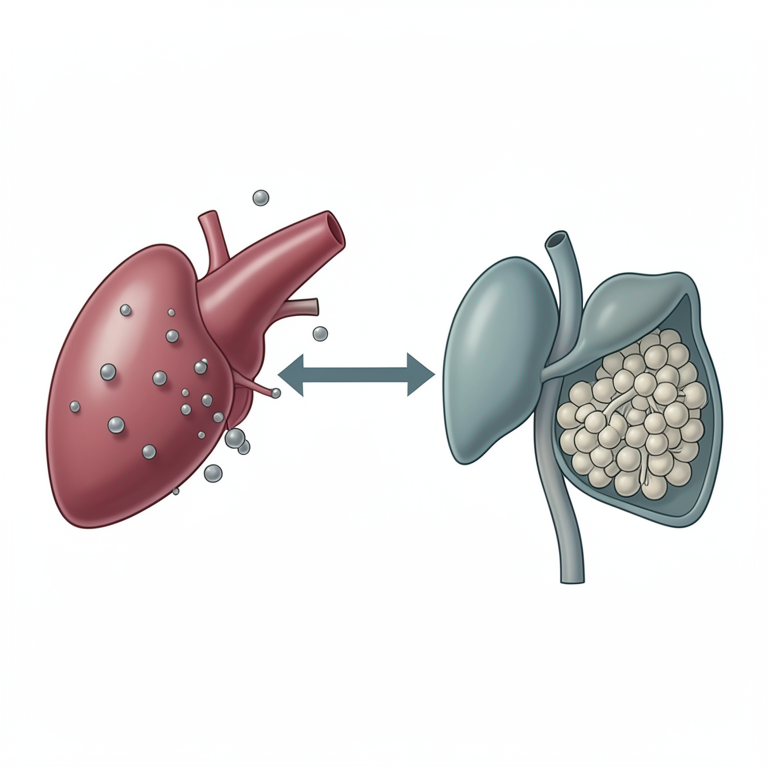
Mechanism of Asiatic Acid on Glucose Regulation
AI-generated conceptual illustration (rat pancreas and liver). It explains the idea and does not show study data.
View source evidence ↗Figures & tables
From the original paper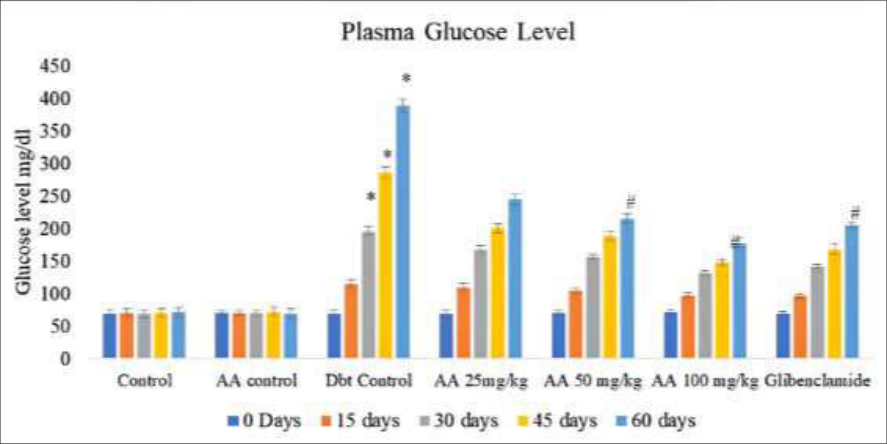 Figure 1
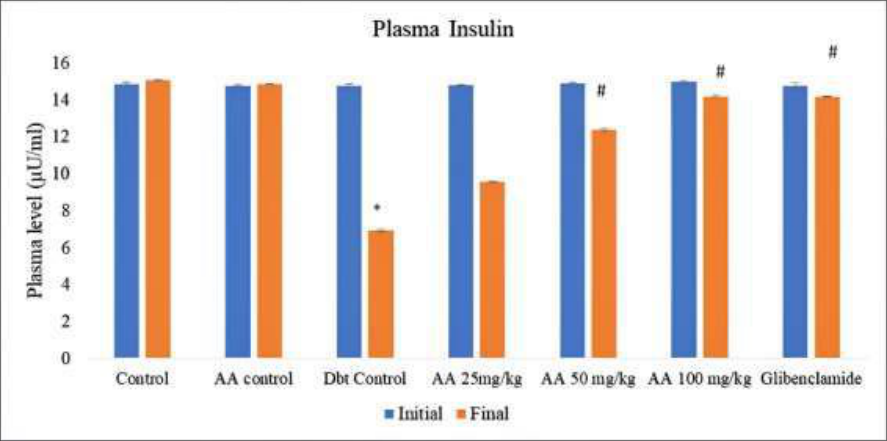 Figure 2
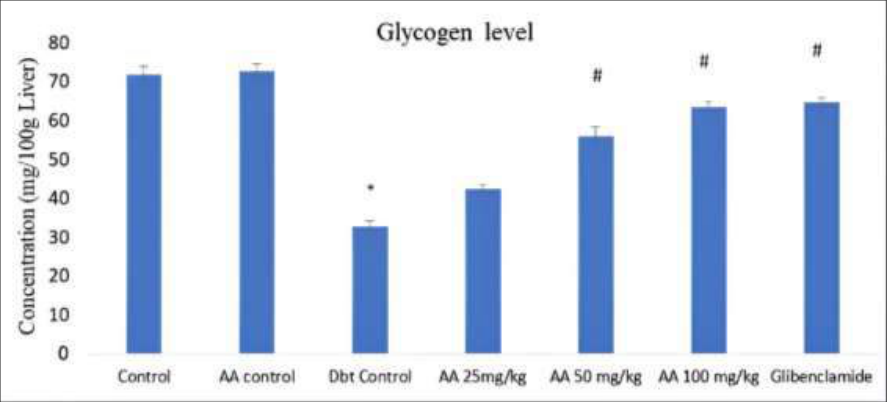 Figure 3
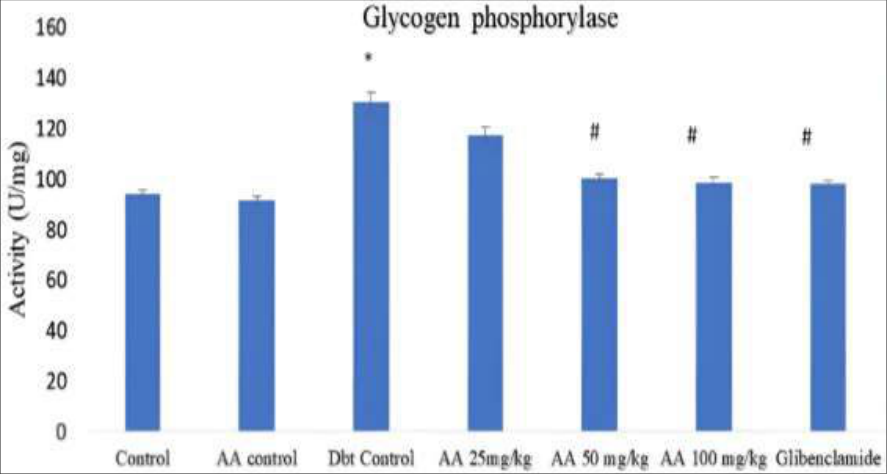 Figure 4
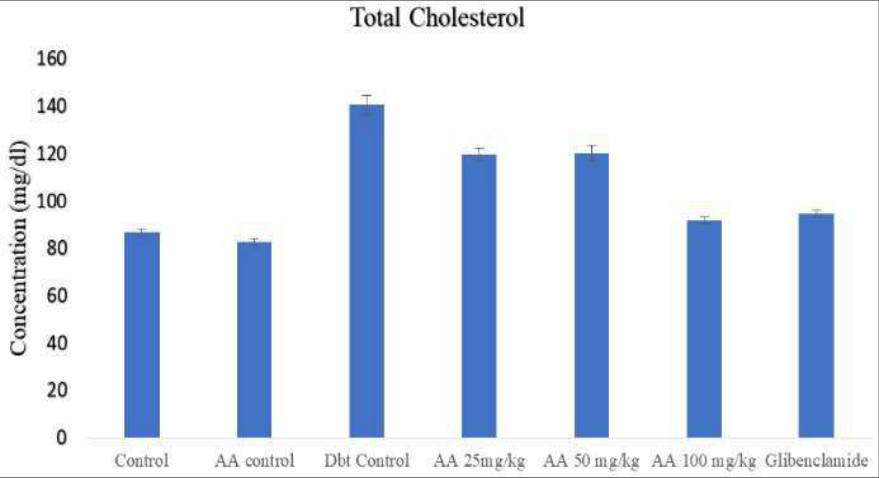 Figure 5
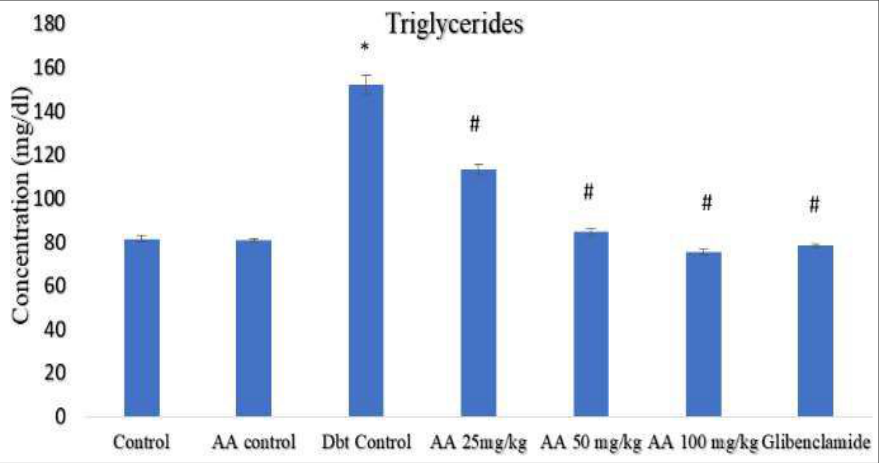 Figure 6
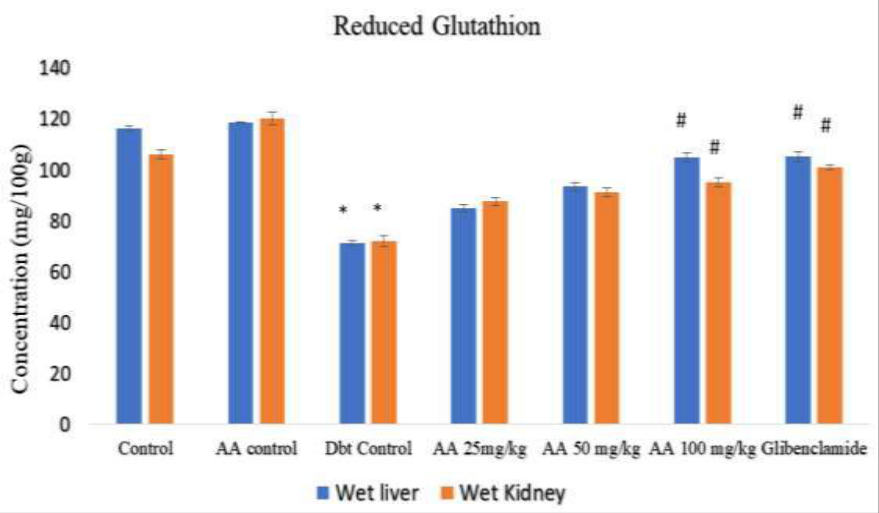 Figure 7
Introduction
Type 2 diabetes mellitus is a metabolic disorder caused by a variety of factors and characterized by hyperglycaemia and insufficiency in secretion and/or action of endogenous insulin and disturbances of carbohydrate, lipid, and protein metabolism. It has also been associated with an increased risk for developing many diseases including cardiovascular diseases, retinopathy neuropathy, and nephropathy. Cardiovascular diseases are caused by narrowing of artery that supplies nutrients and oxygen to the heart. The hypoglycaemic effects of a number of phytochemicals have been evaluated and confirmed in animal models as well as in human beings. However, lipid-modifying drugs are also required to achieve significant improvement in the lipoprotein profile of diabetic patients. Asiatic acid (AA) is a triterpenoid of Centella asiatica. It possesses a wide range of biological functions including antioxidant, Hepatoprotective, and anti-inflammatory activities (Lee et al. 2006) [18] . Recent studies reported that AA improves the level of plasma insulin, decreases glucose level, reverses the changes in the levels of the key carbohydrate metabolizing enzymes (Ramachandran and Saravanan 2013) [38] , and also prevents lipid peroxidation and improves antioxidant status in rats with streptozotocin-induced diabetes (Ramachandran and Saravanan 2013) [38] . However, a holistic approach that deals with other parameters including hypolipidemic activity has not been exercised. Therefore, in present the study we have tried to explore the antidiabetic activity of Asiatic acid more holistically in streptozotocin-induced diabetic rats.
Standards or samples containing insulin react with capture antibodies coated on a plastic well and with monoclonal antibodies labelled with horseradish peroxidase (HRP). Selected sufficient strips to accommodate standards, controls, and all test samples. Then fitted the strips into the holding frame. 50 µl of each standard, control, or samples were dispensed into the appropriate wells. Time between distribution of first standard and last sample was kept minimum. 50 µl of antiserum HRP conjugate was dispended into all wells and incubated for 30 min at room temperature on a horizontal shaker set at 700 rpm. The plates were washed after aspirating the liquid from the well. Then 0.4 ml of washing solution was dispensed into each well and the contents were aspirated. This was repeated twice for complete washing. 200 µl of the freshly prepared revelation solution was added into each well 15 min after washing. Then the plate was incubated for 15 min on a horizontal shaker set at 700 rpm at room temperature, avoiding direct sunlight, and 50 µl of arresting reagent was added into each well. The absorbance was read within one hour at 450 nm in a spectrophotometer.
Estimation of liver glycogen
Liver glycogen was estimated by the method of Carroll et al. (1956) [27] . 250 mg of the liver tissue was homogenized with 1 ml of 30% KOH. It was then kept in ice. To this 0.5 ml of saturated sodium sulphate and 1 ml of 95% ethanol were added. It was then centrifuged at 2000 rpm for 10 min. The supernatant was discarded and redissolved in 2 ml distilled water and 0.1 ml aliquot was used for the assay of glycogen. Assay system containing 0.1 ml of glycogen source and 2.5 ml of anthrone reagent were kept in boiling water bath for 10 min at 90 o C and the green colour formed was measured at 660 nm colorimetrically against a reagent blank containing 0.1 ml distilled water and 2.5 ml of anthrone reagent. For the standard, tubes containing 0.5 to 2.5 ml of glucose working standard of concentrations 0.025-0.125 mg were treated in the similar manner.
Assay of Glycogen Phosphorylase
Glycogen phosphorylase was assayed by the method of Sutherland et al. (1957) [12] . 250 mg of chilled liver tissue was homogenized at 0 °C with 5 ml citrate buffer (pH 6), centrifuged at 3000 rpm for 10 minutes at 0 °C, and 0.5 ml of the supernatant was used for the assay. Assay medium containing 0.6 ml of sodium fluoride, 0.2 ml of glucose-1phosphate, 0.6 ml of citrate buffer, 0.1 ml of 4% glycogen, and 0.5 ml of the enzyme source was kept for 30 min at 30 °C. Then 1 ml of 10% TCA was added, diluted to 10 ml using 7 ml of distilled water. It was then centrifuged and 1 ml of supernatant was used for phosphate estimation by the method described by Fiske and Subbarow (1925) [8] . To 1 ml of the supernatant 0.6 ml of distilled water, 1 ml of ammonium molybdate, and 0.4 ml ANSA reagent were added. The blue colour developed after 20 min. was then read against a reagent blank at 620 nm. Tubes containing 0.5 to 2.5 ml of the working standard of concentrations 4 to 20 µg were also treated in the same way as the test.
Estimation of Total Cholesterol
Total cholesterol in the plasma was estimated by the enzymatic method described by Allain et al. (1974) [7] . To 10 µl of plasma, 1 ml of enzyme reagent was added, mixed well, and kept at 37 °C for 5 min. 10 µl of cholesterol standard and distilled water (Blank) were also processed similarly. The absorbance was measured at 510 nm.
Estimation of Triglycerides
Triglyceride level in the plasma was estimated using the diagnostic kit based on the enzymic method described by McGowan et al. (1983) [23] . To 10 µl of plasma, 1 ml of enzyme reagent was added, mixed well, and incubated at room temperature for 10 min. 10 µl of triglycerides standard and distilled water (blank) were also processed similarly. The absorbance was measured at 510 nm.
Estimation of Reduced Glutathione (GSH)
Reduced glutathione in the tissue samples was estimated by the method of Ellman (1959) [14] . 250 mg of tissue (liver or kidney) sample was homogenized in phosphate buffer (0.1 M pH 7). 0.5 ml of the homogenate was pipetted out and precipitated with 2 ml of 5% TCA. 2 ml of supernatant was taken after centrifugation and 1 ml of Ellman's reagent and 4 ml of 0.3 M disodium hydrogen phosphate was added. The yellow colour developed was read in a spectrophotometer at 412 nm. A series of standards (20-100 µg) were treated in a similar manner along with a blank containing 1 ml of buffer.
Results
Results
Blood Glucose
The mean fasting plasma glucose level of control rats was not varied much from day 3 after STZ administration to the end of the experimental period. At the beginning of the experiment, the glucose level of control group was 71.33±4.17 mg/dl and it was 70.66±3.82 mg/dl in control group treated with 50 mg/kg AA. After the experimental period of 60 days, the glucose level was not changed (70.33±4.35 mg/dl) in the control rats. Normal rats treated with 50 mg/kg AA did not show significant (p>0.05). Variation in glucose level after the experimental period and it was 69.53±3.65 mg/dl. Significant increase (p>0.05) difference in the liver glycogen content (Figure 1). The statistical one-way ANOVA revealed that the liver glycogen content between different groups of experimental and control rats was highly significant (p<0.05).
Plasma Insulin
The mean plasma insulin level recorded after the experimental period in normal control rats was 14.90±0.493 µU/ml, while a mild increase (14.94±0.299 µU/ml) in the mean level of insulin was noticed in AA control rats, which however was not significant Figure 1. When compared to normal control rats, the diabetic control rats showed a significant decrease in insulin level (6.99±0.151 µU/ml). The insulin level in rats treated with 25 mg/kg AA was 9.52±0.492 µU/ml and that of 50 mg/kg 50 AA was 12.10±0.304 µU/ml. But in the diabetic rats treated with 100 mg/kg AA, the insulin level was restored to normal (13.94±0.299 µU/ml) and it was comparable to that of the diabetic rats treated with 600 µg/kg of glibenclamide (14.13±0.236 µU/ml). Measurement of plasma insulin level was in different rat groups. In streptozotocin treated group plasma insulin was declined to half.
In AA treated groups a gradual restoration of insulin levels was observed. Here * and # shows significant changes with respect to control and diabetic groups respectively (p>.0.05)
Glycogen Content
The glycogen content of normal control rats was 71.06±2.03 mg/100 g of liver, similarly, it was more or less comparable (72.88±1.83 mg/100g of liver) in the control rats treated with AA. The glycogen content in STZ-induced diabetic rats was very much reduced to 32.17±1.32 mg glycogen/100g of liver. But in the case of different concentrations of AA treated diabetic rats, the value was varied between 42.14±1.51 and 63.42±0.723 mg/100 g of liver. However, the diabetic rats treated with glibenclamide at a dose of 600 µg/kg, it was found to be 64.62±2.75 mg glycogen/100g of liver. STZ-induced diabetic control rats showed 54.83% reduction in the level of hepatic glycogen content than that of the normal control. The percentage reduction in glycogen content of AA treated groups was 40.77, 21.17, and 10.77 in 25, 50, and 100 mg/kg of AA treated groups, respectively. Administration of glibenclamide in STZ-induced diabetic rats displayed 9.08% reduction in glycogen level. But the normal rats treated with AA (50 mg/kg) did not show significant (p>0.05) difference in the liver glycogen content (Figure 2).
Fig 3:
In diabetes mellitus liver glycogen becomes depleted as it depolymerized to glucose. In the diabetes control group, significant drop in glycogen was recorded. Streptozotocin-induced group treated along with 50 mg/kg and 100 mg/kg Asiatic acid significantly prevented loss of liver glycogen. Here * and # shows significant changes with respect to control and diabetic group (p<0.05)
Glycogen phosphorylase
The glycogen phosphorylase activity in the normal control rats was 95.00±3.46 U/mg protein, whereas the glycogen phosphorylase activity of control rats treated with AA had 91.66±3.01 U/mg protein. At the same time, it was increased to the maximum (37.44%) in the diabetic control rats. But in the case of diabetic rats treated with different concentrations of AA showed much reduction in the mean percentage difference and was in the order of 20.82, 14.39, and 5.07% respectively in 25, 50, and 100 mg/kg AA treated rats. However, the diabetic rats received glibenclamide displayed only 3.32% increase of glycogen phosphorylase when compared with normal control rats (Figure 3).
Total Cholesterol
The mean total cholesterol level in normal control rats was 87.00±2.09 mg/dl, but in the Asiatic acid-treated control rats, it was slightly decreased to 84.83±1.47 mg/dl. The level of total cholesterol in the diabetic rats increased to 149.83±4.44 mg/dl, while in different concentrations of AA treated diabetic rats, the cholesterol level was gradually decreased to normal and the values recorded were in the order of 126.00±4.42, 119±4.71 and 90.50±3.27 mg/dl, respectively in 25, 50 and 100 mg/kg AA treated diabetic rats. The level of cholesterol in glibenclamide-treated diabetic rats decreased to 94.83±2.13 mg/dl. (Figure 4).
Triglycerides
The mean level of plasma triglycerides in normal control rats was 80.50±2.58 mg/dl, but it was slightly decreased (79.50±2.58 mg/dl) in Asiatic acid-treated control rats. The level of plasma triglycerides in diabetic control rats increased to 149.00±1.54 mg/dl, while in different concentrations of AA-treated diabetic rats, the triglycerides level was gradually decreased to normal and the values observed were 110.5±2.34, 80.33±1.96 and 75.16±1.72 mg/dl in 25, 50 and 100 mg/kg AA treated diabetic rats, respectively. However, the level of triglycerides in glibenclamide-treated diabetic rats was reduced to 78.33±1.21 mg/dl. (Figure 5).
Reduced Glutathione (GSH)
Figure 6 illustrates the effect of Asiatic acid on nonenzymic antioxidant reduced glutathione (GSH) in the liver and kidney tissues of diabetic and control rats. The mean level of GSH in normal control rats was 113.62±5.27 mg/100 g in liver tissue and it was 106.89±4.15 mg/100 g in kidney tissue. But the GSH level in the AA treated control rats was 117.79±3.64 mg/100 g in liver sample and 119.3±2.83 mg/100 g in kidney sample. A marked reduction in the levels of GSH was observed in the liver and kidney samples of diabetic control rats, it was found to be 71.08±2.65 and 72.67±2.32 mg/100 g in the respective tissue samples of liver and kidney. However, the GSH level was found to be increased in diabetic rats treated with AA, accordingly, it was 85.63±2.25 mg/100 g in liver sample and 87.45±2.53 mg/100 g in the kidney sample of 25 mg/kg AA treated group. But in the case of 50 mg/kg AA treated group, the GSH level recorded was 92.95±3.75 and 90.38±2.51 mg/100 g in the liver and kidney samples, respectively. Whereas it was restored to near normal levels both in liver (99.71±2.37 mg/100 g) and kidney (95.10±2.06 mg/100 g) tissues of diabetic rats treated with AA at a dose of 100 mg/kg. In the case of glibenclamide-treated diabetic rats, the GSH level recorded was 99.81±2.59 and 98.23±1.80 mg/100 g in the liver and kidney tissues, respectively When compared to normal control rats, the mean percentage decrease in GSH shown by the diabetic rats in liver sample was 37.43% and that of kidney sample was 31.99%. The reduction was significantly less in AA treated groups which showed a reduction between 12.24 and 24.63% in liver tissue, whereas in kidney tissue the reduction of GSH was between 11.02 and 18.17%. Diabetic group administered with glibenclamide showed 12.15% reduction of GSH in the liver sample and 8.09% reduction of GSH in the kidney sample from that of the normal control.
Discussion
Streptozotocin is an antibiotic and anticancer agent, selectively destroys the pancreatic insulin-secreting β-cells, producing less active cell and resulting in diabetic state (Szkudelski, 2001) [34] . Glibenclamide is often used as a standard antidiabetic drug in streptozotocin-induced diabetic rats to compare the efficacy of variety of hypoglycemic compounds (Paredes et al., 2001) [2] . Several drugs such as biguanides and sulfonylureas are presently available to reduce hyperglycaemia in diabetes mellitus, but these drugs have side effects, therefore search of new class of compounds are essential to overcome diabetic problems (Noor et al., 2008) [3] . Asiatic acid is a pentacyclic triterpene derived initially from the plant Centella asiatica and is used as a medicine in tropical regions (Coldren et al., 2003) [10] . In addition to several medicinal properties, it is also reported to possess inhibitory action on rabbit muscle glycogen phosphorylase activity, which is one of the regulatory enzymes in the liver responsible for the control of blood glucose levels (Xiaoan et al., 2008) [40] . The level of fasting blood glucose was increased in streptozotocin-injected diabetic rats as expected, since streptozotocin causes a massive reduction in insulin release, by the destruction of the β-cells of the islets of Langerhans and thereby induces hyperglycemia (Schein et al., 1973) [30] . After 60 days of AA treatment, the entire AA treated diabetic rats showed significant (p<0.05) reduction in fasting blood glucose level. Maximum reduction in glucose level (46.01%) was elicited by diabetic rats treated with a dose of 100 mg/kg AA, which is better than that of diabetic rats treated with 600 µg/kg glibenclamide (36.14%). Results of the present study indicated that the antihyperglycemic activity exhibited by AA was in a dose-dependent manner. Hypoglycemic activities of terpenoids such as oleanolic acid, ursolic acid, and dehydrotrametenolic acid (Sato et al., 2002) [24] have been previously described. As reported by Tzu-Hsuan et al. (2016) [35] , triterpenes of Poria cocos dehydrotumulosic acid effectively reduced blood glucose levels in STZ-diabetic mice, while other triterpenes of the same plant such as dehydrotrametenolic acid and pachymic acid had shown anti-hyperglycemic effect to a lesser extent. No significant reduction in fasting glucose level was observed in the normal rats treated with AA at a dose of 50 mg/kg. This suggested that AA does not exhibit hypoglycemic activity. Besides, reduction in glucose levels in AA treated diabetic rats, a concomitant rise in insulin levels was observed in the present study. Optimum level of insulin (13.84±0.299 µU/ml) was found in 100 mg/kg AA treated diabetic rats and it was comparable to that of the glibenclamide-treated diabetic rats (14.23±0.246 µU/ml). In diabetes mellitus, insulin is not or insufficiently synthesized, developing hyperglycemia with biochemical changes in glucose, and lipid metabolism leading to an increased production of reactive oxygen species (ROS) (Rajasekaran et al., 2006) [33] . Insulin influences the intracellular utilization of glucose in a number of ways. Studies suggested that insulin is essential to maintain the glucose homeostasis by enhancing the glycolysis and glycogen synthesis in skeletal muscle (Mandarino et al., 1987) [22] with the concomitant decrease in glycogenolysis in liver and skeletal muscles also, insulin regulates the GLUT4 gene expression (Jones and Dohm, 1997) [17] . It has been reported that flavonoids, glycosides (Hii and Howell, 1985) [9] and terpenoids (Akah and Okafor) stimulate the secretion of insulin in β-cells of pancreas. In the present study, increase in serum insulin levels in AA treated groups indicated that AA might have stimulated insulin secretion from regenerated β-cells of pancreas. The decrease in blood glucose in diabetic rats treated with AA might be due to the stimulation of β-cells for elevated secretion of insulin, thereby increasing the oxidation of glucose in various tissues (Prakasam et al., 200) [6] . AA might have exerted its effect by preventing the death of βcells and/or may have helped in the rejuvenation or recovery of partially destroyed βcells (Ahmed et al., 1998) [4] . The findings of the present study are supported by previous studies, Chauhan et al. (2010) [1] reported that the ethanolic and methanolic extracts of C. Asiatic (the plant from which Asiatic acid is isolated) at a dose of 250 mg/kg each have shown significant reduction (69% and 51%, respectively) in blood glucose levels in both glucose loaded and alloxaninduced diabetic rats. The ethanolic extract produced maximum antidiabetic activity and was higher than the hypoglycemic activity of glibenclamide in the diabetic rats.
In a recent study, Liu et al. (2010) [19] reported the reduction of glucose levels and elevation of insulin levels in streptozotocin-induced diabetic rats upon treatment with 25 mg/kg AA for 2 weeks. Blood glucose level was reduced to less than 10 mmol/l and insulin level was increased to 8 ng/ml by AA treatment. This is in agreement of the present study.
Liver plays a vital role in regulation of blood glucose levels and hence it is of interest to study the role of Asiatic acid on key enzymes of carbohydrate metabolism in liver. Liver is primarily responsible for maintaining blood glucose homeostasis through its ability to store glucose as glycogen and to produce glucose from glycogen breakdown or from gluconeogenic precursors (Roden and Bernroider, 2003) [26] . Glycogen level in various tissues especially in liver and skeletal muscle indicates direct reflection of insulin activity since it causes glycogen deposition by stimulating glycogen synthase and inhibiting glycogen phosphorylase (Kasetti et al., 2010) [31] . It has been previously reported that glycogen deposition from glucose is impaired in diabetic animals (Bollen et al., 1998) [25] . During diabetes, there is a decrease in liver weight due to enhanced catabolic process such as glycogenolysis, lipolysis, and proteolysis (Yadav et al., 2005) [36] . Therefore, the quantification of glycogen, the primary intracellular storage form of glucose in liver can be considered as an important indicator of diabetes mellitus. In the present study, a marked reduction (54.83%) in the level of liver glycogen and increased activity of glycogen phosphorylase were observed in diabetic control rats.
Treatment with Asiatic acid for 60 days significantly increased the hepatic glycogen levels in STZ diabetic rats in a dose-dependent manner. Treatment with 25 mg/kg Asiatic acid in diabetic rats resulted in elevation of liver glycogen to 42.14±1.51 mg/100 g tissue with 40.77% decrease from the normal rats, while that of 50 mg/kg Asiatic acid elevated glycogen to 56.04±0.926 mg/100 g tissue with 21.17% decrease from the normal rats. Maximum elevation was elicited by 100 mg/kg Asiatic acid for which the glycogen content recorded was 63.42±0.723 mg/100 g tissue with just 10.77% reduction from the normal. Glibenclamide also exhibited elevation of liver glycogen (64.62±2.75 mg/100 g tissue) similar to 100 mg/kg AA treated rats. This dosedependent elevation of glycogen content in liver indicates the insulinotropic activity of Asiatic acid. In a study, reported that, conversion of glucose to glycogen in the liver cells is dependent on the extracellular glucose concentration and the availability of insulin which stimulates glycogenesis over a wide range of glucose concentrations. The reduction of glycogen in diabetic rats has been attributed to increased activity of glycogen phosphorylase (Roesler and Khandelwal, 1986) [16] . According to Vats et al. (2004) [37] , glycogen levels in tissues (muscle and liver) decrease as the flux of glucose in the liver is inhibited in the absence of insulin and recovers on insulin. This is in agreement with the present findings that the reduced liver glycogen content and increased activity of glycogen phosphorylase in diabetic rats were reversed by Asiatic acid treatment which is attributed to the insulinotropic effect. The activity of glycogen phosphorylase at different doses of Asiatic acid showed significant inhibition of glycogen phosphorylase activity in liver which ranged from 99.83±2. Hyperlipidemia is a metabolic complication of both clinical and experimental diabetes (Bierman et al., 1975). Apart from the regulation of carbohydrate metabolism, insulin also plays an important role in the metabolism of lipids. Insulin is potent inhibitor of lipolysis, since it inhibits the activity of the hormone-sensitive lipases in adipose tissue and suppresses the release of free fatty acids. Increased fatty acid concentration also increases the β-oxidation of fatty acids, producing more acetyl CoA and cholesterol during diabetes. The marked hyperlipidemia that characterizes the diabetic state therefore be regarded as a consequence of the uninhibited actions of lipolytic hormones on the fat depots (Hardman and Limberd, 2001) [15] . The increased concentration of cholesterol could result in a relative molecular ordering of the residual phospholipids resulting in a decrease in membrane fluidity (Dario et al., 1996) [28] . Abnormalities in lipid profile are one of the most common complications in diabetes mellitus, which is found in about 40% of diabetics (Ravi et al., 2005) [21] . In the present study, the diabetic rats showed hypercholesterolemia and hypertriglyceridemia. Hypercholesterolemia and hypertriglyceridemia have been reported to occur in diabetic rats (Bopanna et al., 1997) [20] . An increased cholesterol concentration along with triglycerides in serum was considered an important risk factor for atherosclerosis. The significant increase in the level of cholesterol and triglycerides in plasma of diabetic control rats may be due to the lack of insulin, since insulin deficiency is associated with hypercholesterolemia and hypertriglyceridemia. In a previous study, Mathe (1995) [11] reported that hypercholesterolemia in STZ-induced diabetic rats resulted from increased intestinal absorption and synthesis of cholesterol. In the present study, treatment with AA significantly decreased triglyceride levels to normal. Results evidenced that AA decreased triglyceride in a dosedependent manner. The mean levels of triglyceride were in the order of 110.5±2.34, 80.33±1.96, 75.16±1.72 mg/dl respectively for the doses of 25, 50, and 100 mg/kg Asiatic acid-treated diabetic rats. This implies that AA may prevent or be helpful in reducing the complications of lipid profile seen in some diabetics in whom hyperglycemia and hypercholestrimia coexist quite often (Sharma et al., 2003) [32] .
Figures and tables from the paper
References
39 in the original paper- Chauhan P, Sharma K, Srivastava P, Kumar N, Dudhe R. Plants Having Potential Antidiabetic Activity: A Review. Der Pharmacia Letter. 2010;2(3):369-387.
- Paredes M, Hasegawa F, Prieto J Mendez, Rodriguez M. Biological activity of Guatteria cardoniana fractions. Journal of Ethno Pharmacology. 2001;78(23):129-132.
- Noor S, Gunasekaran AS, Manickam MA, Vijayalakshmi. Antidiabetic activity of Aloe vera and histology of organs in streptozotocin-induced diabetic rats. Current Science. 2008;94:1070-1076.
- Ahmed I, Adghate E, Sharma AK, Singh PDJ. Effects of Momordica charantia fruit juice on islet morphology in the pancreas of the streptozotocin-induced diabetic rat. Diabetes Research and Clinical Practice. 1998;40(3):145-151.
- Akah PA, Okafor CI. Blood Sugar Lowering Effect of V. amygdalina Del. in Experimental Rabbit Model. Phytotherapy Research. 1992;6(3):171-173.
- Prakasam A, Sethupathy S, Pugalendi KV. Effects of Casearia esculanta root extract on blood glucose and plasma antioxidants status in streptozotocin-induced diabetic rats. Polish Journal of Pharmacology. 2003;55:43-49.
- Allain C, Poon LS, Chan CS, Richmond W, Fu PC. Enzymatic determination of total serum cholesterol. Clinical Chemistry. 1974;20(4):470-475.
- Fiske H, Subbarow Y. The colorimetric determination of phosphorus. Journal of Biological Chemistry. 1925;66(2):375-400.
- CST Hii, Howell SL. Effects of flavonoids on insulin secretion and 45 Ca 2+ handling in rat islets of Langerhans. Journal of Endocrinology. 1985;107(1):18.
- Coldren CD, Hashim P, Ali1 JM, Kyung SOh, Sinskey AJ, Rha CK. Gene expression changes in the human fibroblast induced by Centella asiatica Triterpenoids. Planta Medica. 2003;69(08):725-732.
- Mathe. Dyslipidemia and diabetes: Animal models. Diabetes and Metabolism. 1995;21:106-111.
- Sutherland EW, Rall TW. The Properties of an Adenine Ribonucleotide Produced with Cellular Particles, ATP, Mg ++ , and Epinephrine or glucagon. Journal of the American Chemical Society. 1957;79(13):3608-3648.
- Bierman EL. Dietary Carbohydrates and Hyperglycemic States in Man. Nutrition and Metabolism. 1975;18(Suppl. 1):108-114.
- George L Ellman. Tissue sulfhydryl groups. Archives of Biochemistry and Biophysics. 1959;82(1):70-77.
- Roesler W, Ramji J, Khandelwal L. Quantitation of glycogen synthase and phosphorylase protein in mouse liver: Correlation between enzymatic protein and enzyme activity. Archives of Biochemistry and Biophysics. 1986;244(1):397-407.
- Jones JP, Lynis Dohm G. Regulation of glucose transporter GLUT-4 and hexokinase II gene transcription by insulin and epinephrine. American Journal of Physiology-Endocrinology and Metabolism. 1997;273(4):E682-7.
- Lee JS. Effects of soy protein and genistein on blood glucose, antioxidant enzyme activities, and lipid profile in streptozotocin-induced diabetic rats. Life Sciences. 2006;79(16):1578-1584.
- Liu J, He T, Lu Q, Shang J, Sun H, Zhang L. Asiatic acid preserves beta cell mass and mitigates hyperglycaemia in streptozocin-induced diabetic rats. Diabetes Metabolism Research Review. 2010;26(6):448-454.
- Bopanna KN, Bhagyalakshmi N, Rathod SP, Balaraman R, Kannan J. Cell culture derived Hemidesmus indicus in the prevention of hypercholesterolemia in normal and hyperlipidaemic rats. Indian Journal of Pharmacology. 1997;29(2):105-109.
- Ravi K, Rajasekaran S, Subramanian S. Antihyperlipidemic effect of Eugenia jambolana seed kernel on streptozotocin-induced diabetes in rats. Food and Chemical Toxicology. 2005;43(9):1433-1439.
- Mandarino LJ, Wright KS, Verity LS, Nichols J, Bell JM, Kolterman OG, et al. Effects of insulin infusion on human skeletal muscle pyruvate dehydrogenase, phosphofructokinase, and glycogen synthase. Evidence for their role in oxidative and nonoxidative glucose metabolism. Journal of Clinical Investigation. 1987;80(3):655-663.
- McGowan MW, Artiss JD, Strandbergh DR, Zak B. A peroxidase-coupled method for the colorimetric determination of serum triglycerides. Clinical Chemistry. 1983;29(3):538-542.
- Sato M, Tai T, Nunoura Y, Yajmia Y, Kawashima S, Tankara K. Dehydrotrametenolic acid induces Preadipocyte differentiation and sensitizes animal models of noninsulin-dependent diabetes mellitus to insulin. Biological Pharmacology Bulletin. 2002;25(1):81-86.
- Bollen M, Keppens S, Stalmens W. Specific features of glycogen metabolism in the liver. Biochemical Journal. 1998;336(1):19-31.
- Roden M, Bernroider E. Hepatic glucose metabolism in humans: Its role in health and disease. Best Practice & Research Clinical Endocrinology and Metabolism. 2003;17(3):365-383.
- Carroll NV, Longley RW, Roe JH. The determination of glycogen in liver and muscle by use of anthrone reagent. Journal of Biological Chemistry. 1956;220(1):583-593.
- Dario P, Guglielmelli E, Allotta B, Carrozza MC. Robotics for medical applications. IEEE Robotics & Automation Magazine. 1996;3(3):44-56.
- Trinder P. Determination of blood glucose using 4amino phenazone as oxygen acceptor. Journal of Clinical Pathology. 1969;22(2):246.
- Schein P, Kahn R, Gorden P, Wells S, DeVita ST. Streptozotocin for malignant insulinomas and carcinoid tumour report of eight cases and review of the literature. Archives of Internal Medicine. 1973 Oct 1;132(4):555-561.
- Kasetti RB, Rajasekhar MD, Kondeti VK, Fatima SS, Guravaiah E, Kumar T, et al. Antihyperglycemic and Antihyperlipidemic activities of methanol: Water (4:1) fraction isolated from aqueous extract of Syzygium alternifolium seeds in streptozotocin-induced diabetic rats. Food and Chemical Toxicology. 2010 Apr 1;48(4):1078-1084.
- Sharma SB, Nasir A, Prabhu KM, Murthy PS, Dev G. Hypoglycaemic and hypolipidemic effect of ethanolic extract of seeds of Eugenia jambolana in alloxaninduced diabetic rabbits. Journal of Ethno Pharmacology. 2003 Apr 1;85(2-3):201-206.
- Rajasekaran S, Ravi K, Sivagnanam K, Subramanian S. Beneficial effects of Aloe vera leaf gel extract on lipid profile status in rats with streptozotocin diabetes. Clinical and Experimental Pharmacology and Physiology. 2006 Mar 1;33(3):232-237.
- Szkudelski T. The mechanism of alloxan and streptozotocin action in B cells of the Rat Pancreas. Physiological Research. 2001;50(6):237-246.
- Li TH, Chung CH, Tian CLC, Chin WY. AntiHyperglycemic properties of crude extract and triterpenes from Poria cocos. Evidence-Based Complement Alternate Medicine. 2016;107;449-455.
- Umesh CS, Moorthy YK, Baquer NZ. Combined treatment of sodium orthovanadate and Momordica charantia fruit extract prevents alterations in lipid profile and lipogenic enzymes in alloxan diabetic rats. Molecular and Cellular Biochemistry. 2005 Jan;268:111-120.
- Vats V, Yadav SP, Grover JK. Ethanolic extract of Ocimum sanctum leaves partially attenuates streptozotocin-induced alterations in glycogen content and carbohydrate metabolism in rats. Journal of Ethno Pharmacology. 2004 Jan 1;90(1):155-160.
- Ramachandran V, Saravanan R. Efficacy of Asiatic acid, a pentacyclic triterpene on attenuating the key enzymes activities of carbohydrate metabolism in streptozotocin-induced diabetic rats. Phyto Medicine. 2013;20(3-4):230-236.
- Bürgi W, Briner M, Franken N, Ch Kessler A. One-step sandwich enzyme immunoassay for insulin using monoclonal antibodies. Clinical Biochemistry. 1998 Oct 1;21(5):311-314.
- Crystallographic Studies. Journal of Medical Chemistry. 2008 Jun 26;51(12):3540-3554.
Cited by 7
From OpenAlex, OpenCitations and reference lists read by Scinovex
- Centella asiatica and its bioactive compounds: a comprehensive approach to managing hyperglycemia and associated disorders ↗
Loushambam Samananda Singh, Waikhom Somraj Singh · Discover Plants. · 2024
Abstract Centella asiatica (CA), (also known as Centella asiatica (L.) Urb. or Indian pennywort or Gotu Kola) is native to the tropical regions of Asia and Africa and has a rich history of use in treating a wide range of ailments, including neurological, dermatological, immunological, and metabolic disorders. This plant is rich in bioactive compounds, such as pentacyclic triterpenes (notably…
❝ 9PDF - Zoological assessment of streptozotocin-induced diabetic rat models: Behavioural, physiological and organ-level alterations as indicators of metabolic dysfunction ↗
Nurul Izzati Zulkifli, Mohd Fadzli Abdul Wahab, Norzahra Che Abdullah · Acta Entomology and Zoology · 2026
Streptozotocin (STZ)-induced rodent models occupy a central position in the experimental zoology of metabolic disorders, providing reproducible platforms to interrogate the integrated behavioural, physiological and organ-level consequences of pancreatic β-cell injury. The present investigation was designed to deliver a comprehensive zoological characterisation of the STZinduced diabetic rat model in adult male Wistar rats, with the dual aim of validating the
- Morphophysiological and haematological changes in streptozotocin-induced diabetic wistar rats treated with asiatic acid: A zoological experimental study ↗
Onyekachi Chimezie Okafor, Nkechinyere Chiamaka Ezenwoke · Zoological and Entomological Letters · 2026
Streptozotocin (STZ)-induced diabetes in Wistar rats provokes a constellation of morphophysiological and haematological derangements that are tractable to zoological characterisation and that constitute sensitive secondary endpoints for evaluating candidate antidiabetic phytomolecules. The present zoological experimental study was designed to characterise the morphophysiological (body weight trajectory, behavioural observations, organ-to-body weight ratios) and haematological (complete blood count and differential leukocyte profile) responses
- Evaluation of antidiabetic and antioxidant potential of Mallotus apelta leaf extracts in streptozotocin-induced diabetic rats ↗
Shubham Kishor Badgujar, Sandeep Sahu · International Journal of Pharmacology and Clinical Research · 2025
Herbal medicines are increasingly explored as safe alternatives for diabetes management. Mallotus apelta (family Euphorbiaceae) has been used traditionally for inflammatory and hepatic disorders but lacks scientific validation for antidiabetic activity. To evaluate the phytochemical composition, safety profile, and antidiabetic potential of M. apelta leaf extracts in streptozotocin (STZ)-induced diabetic rats. Leaves were extracted using successive solvents (n-hexane, ethyl acetate,
- Antidiabetic and pancreatoprotective effects of Asiatic acid in streptozotocin-induced type 2 diabetic rats: Biochemical and histopathological evaluation ↗
Wahyu Setiawan Prabowo, Nining Hartati Kusumawati · International Journal of Medicine Sciences · 2025
Loss of pancreatic β-cell mass and function lies at the heart of the natural history of type 2 diabetes mellitus, and candidate antidiabetic agents capable of preserving or restoring islet architecture are of substantial pharmacological interest. The present investigation was designed to evaluate the antidiabetic and pancreatoprotective effects of Asiatic acid (AA), a pentacyclic triterpenoid from Centella Asiatica, in streptozotocin
- Molecular mechanisms of Asiatic acid in modulating insulin signalling pathways and glucose transporter expression in streptozotocin-induced diabetic rats ↗
Wongsaret Thipchamnong Suwan, Patcharin Khuankaew Rattana · International Journal of Molecular Biology and Biochemistry · 2025
Type 2 diabetes mellitus is fundamentally a disorder of insulin signal transduction and peripheral glucose disposal, in which the integrity of the insulin receptor (INSR)-IRS-1-PI3K-Akt axis and the membrane abundance of glucose transporter proteins (GLUT-2 in liver, GLUT-4 in skeletal muscle and adipose tissue) determine whole-body glucose homeostasis. The present investigation was designed to characterise the molecular mode of action
- Therapeutic potential of asiatic acid in the management of streptozotocin-induced diabetes: A comprehensive preclinical and pharmacological assessment ↗
Naveen Singh Chauhan, Sandeep Kumar Bisht, Deepak Mohan Rawat · International Journal of Advanced Research in Medicine · 2025
The therapeutic management of type 2 diabetes mellitus increasingly demands candidate molecules with multitarget pharmacology capable of correcting glycaemic, lipidaemic, oxidative, inflammatory and hepatorenal abnormalities within a single intervention. The present comprehensive preclinical and pharmacological assessment was designed to evaluate the therapeutic potential of asiatic acid (AA), a pentacyclic triterpenoid from Centella asiatica, in streptozotocin (STZ)-induced diabetic Wistar rats through