
Research article · 2023 · Full text
International Journal of Advanced Chemistry ResearchEvaluation of the level of irisin, chemerin, and sex hormones in women with polycystic ovary syndrome
Volume 5(1) · Pages 79–84 · DOI: 10.33545/26646781.2023.v5.i1b.145 ↗
Research areasAdipose Tissue and Metabolism
Abstract
Author-writtenThe research involve the collection of 70 samples, 40 samples from patients with polycystic ovary syndrome and 30 samples from healthy women, whose ages ranged between (20-45) years. After that, blood was collected from healthy and sick women, and it was separated by a centrifuge, and the parameters of the study were measured, including (Irisin, chemerin, glucose, FSH, luteinizing hormone, LH, and Prolactin). Sonar rays and analyzes of the patient's sex hormones were relied upon for the purpose of diagnosis and confirmation of polycystic ovary syndrome. The results of the current research appears a significant elevated of (Irisin, chemerin, glucose, and Prolactin) level in the blood serums of women with PCOS among to healthy women, at a level of probability P ≤ 0.001. The results of the current research also appears a significant reduce in each of the Serum (FSH, LH) levels of women with PCOS compared to healthy women.
Summary
Source-checkedPlain-language reading of the full paper, prepared with AI and checked against the text. Each point links to the authors' own words.
Why it matters
- Polycystic ovary syndrome (PCOS) is a complex and common endocrine disorder in women of childbearing age, often leading to infertility because ovulation is absent. View evidence ↗
- PCOS is linked to metabolic issues such as insulin resistance and abdominal obesity, and is characterized by ovarian dysfunction and high androgen levels. View evidence ↗
- Irisin is a muscle-secreted cytokine that may improve insulin sensitivity and glucose balance by increasing energy expenditure in adipose tissue. View evidence ↗
- Chemerin is an adipokine associated with various inflammatory diseases, including PCOS. View evidence ↗
The question
- The study aimed to investigate the levels of irisin and chemerin, along with other variables, in women with PCOS. View evidence ↗
What they did
- Serum levels of irisin, chemerin, FSH, LH, and prolactin were measured using ELISA kits from Monobind Inc. View evidence ↗
- Serum glucose levels were determined using an enzymatic method with a Bio Systems assay kit. View evidence ↗
What they found
- Irisin levels were significantly higher in the PCOS group (425.45±135.12 ng/ml) compared to the control group (317.31±112.01 ng/ml) (p≤0.001). View evidence ↗
- Chemerin levels were significantly elevated in women with PCOS (10.23±0.734 pg/ml) compared to healthy controls (2.028±0.875 pg/ml) (p≤0.001). View evidence ↗
- Serum glucose was significantly higher in the PCOS group (118.67±29.78 mg/dl) than in the control group (86.76±22.01 mg/dl) (p≤0.001). View evidence ↗
- Prolactin (PRL) levels were significantly increased in PCOS patients (598.11±198.18 ng/ml) compared to controls (198.25±51.14 ng/ml) (p≤0.001). View evidence ↗
- FSH levels were significantly lower in the PCOS group (214.79±102.08 ng/ml) compared to the control group (869.54±99.85 ng/ml) (p≤0.001). View evidence ↗
- LH levels were significantly reduced in women with PCOS (12.19±8.11 ng/ml) compared to healthy controls (59.98±19.15 ng/ml) (p≤0.001). View evidence ↗
What it means
- The authors conclude that irisin and chemerin may serve as potential biomarkers for PCOS and provide insight into the disease's pathophysiology. View evidence ↗
- The authors recommend that future research focus on developing targeted therapies to address these hormonal imbalances to improve outcomes for PCOS patients. View evidence ↗
Visual summary
3 visualsIllustrations explain the paper; charts are replotted from the paper's own table values.
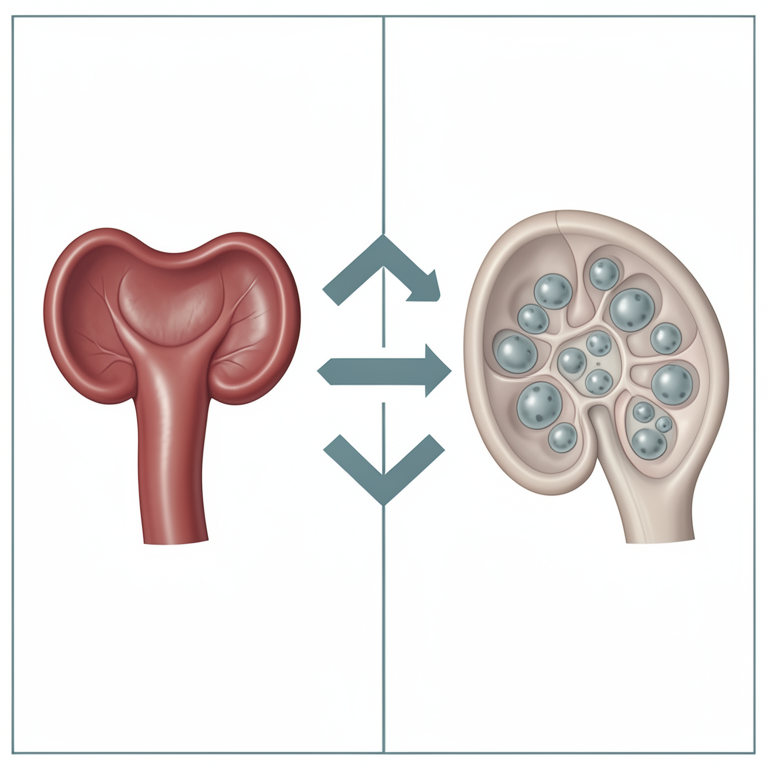
Hormonal Profile Comparison
AI-generated conceptual illustration (human ovaries and endocrine system). It explains the idea and does not show study data.
View source evidence ↗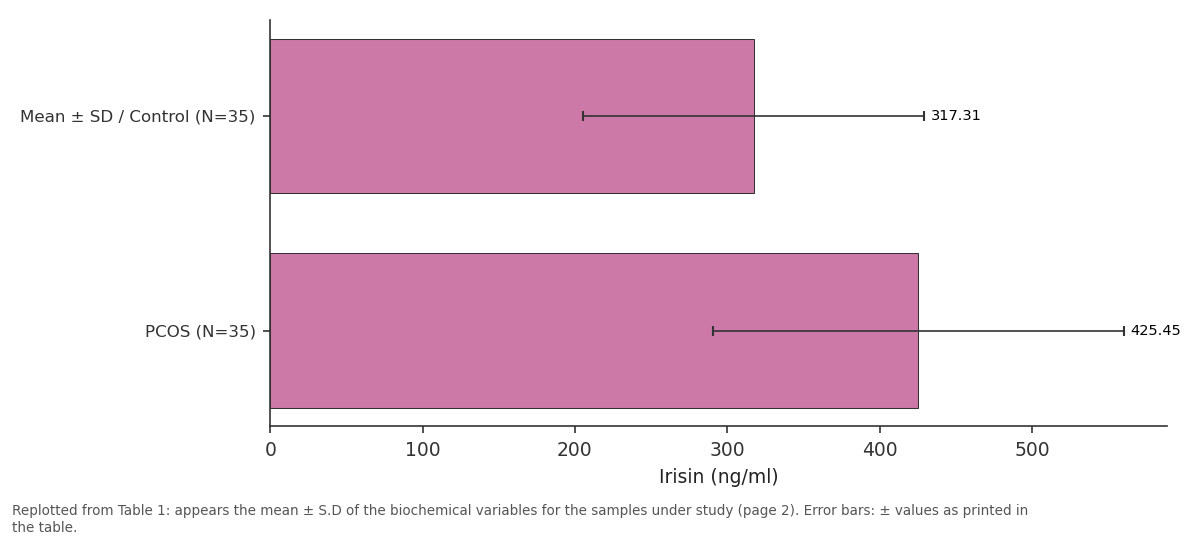
Irisin (ng/ml): Mean ± SD / Control... vs PCOS (N=35)
Replotted from Table 1 (page 2) of the original paper. Every bar is the paper's own table value.
View source evidence ↗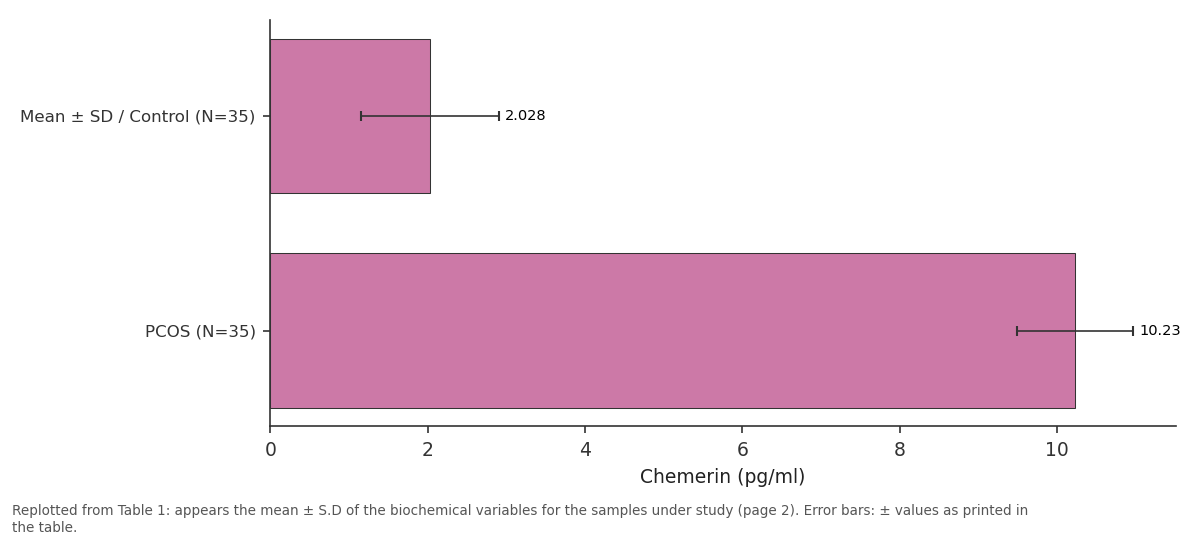
Chemerin (pg/ml): Mean ± SD / Control... vs PCOS (N=35)
Replotted from Table 1 (page 2) of the original paper. Every bar is the paper's own table value.
View source evidence ↗Figures & tables
From the original paper Table 1
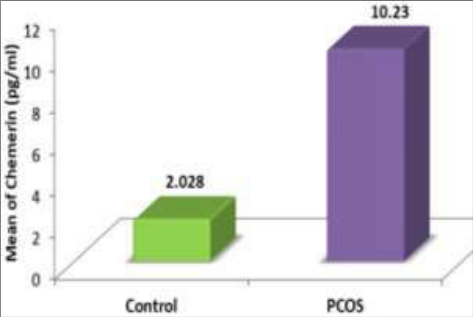 Figure 1
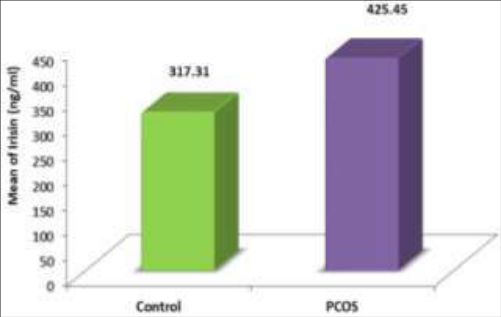 Figure 2
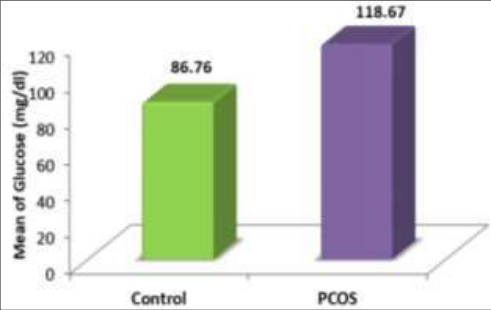 Figure 3
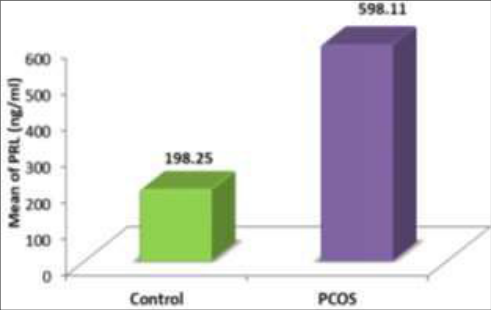 Figure 4
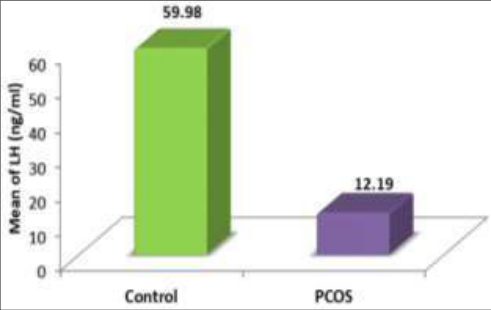 Figure 5
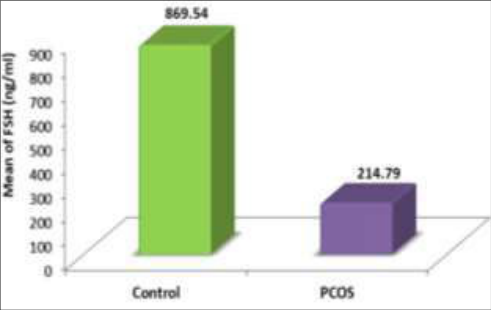 Figure 6
Introduction
Polycystic ovary syndrome is the most common endocrine disorder. It is a heterogeneous, but complex disorder that affects women in their childbearing years. It is also considered one of the most common causes of infertility due to the absence of ovulation and different endocrine glands that affect women. The causes of PCOS are still unknown. Known [1] . PCOS is associated with obesity in the abdomen and pelvis, insulin resistance, and metabolic disorders, as its main symptoms are high androgen levels, ovarian dysfunction, and a high level of luteinizing hormone as a result of an increase in the pituitary gland's secretion of gonadotropin-releasing hormone, in addition to that, the percentage of women affected by the syndrome Polycystic cysts occur in approximately 6-10% of women worldwide, and symptoms of this syndrome appear during the teenage years and early adulthood [2][3] . The appearance of hair in the body in abundance, or what is called hirsutism or hirsutism, infertility, the presence of cysts above the ovaries, and obesity are among the characteristic signs of the disease [4] . As the outer layer of the ovary sticks together and thickens in this area, preventing the mature egg from coming out of the hollow of the ovary. Without the release of this egg, the pregnancy process does not take place [5] , in addition to that, the size of the ovary will increase and its size will swell, and it may double. From its normal size, there is also an increase in the concentration of ovarian tissue around the cysts [6] . Irisin is a novel cytokine secreted mainly by skeletal muscle after exercise that increases adipose tissue energy expenditure [7][8] . It also participates in glucose absorption and glycogenolysis by inhibiting glucose formation, lipid formation, and accumulation, and it is likely to have positive effects on glucose balance and insulin sensitivity. Therefore, irisin has become a potential target for the treatment of metabolic diseases. Polycystic syndrome due to its high concentration in the body [10,9] . Chemerin is considered one of the adipokines, which consists of 163 amino acids, and it is activated by the serine protease enzyme to form active chemerin [11] , that the high level of chemerin is associated with many inflammatory diseases, including chronic pancreatitis, ulcerative colitis, liver patients, in addition to polycystic ovarian syndrome [12] . As the chemerin hormone increases in concentration in patients with polycystic syndrome [13] . Many symptoms are associated with polycystic ovary syndrome, as high glucose and insulin resistance are common symptoms of polycystic ovary syndrome.
In this case, insulin receptors become insensitive to this hormone, which requires instructing the pancreas to secrete more insulin to compensate for the lack of effectiveness [14] . The LH hormone plays an important role in the reproductive process of the female and the male. In males, it activates the Leydig cells present in the environmental cells of the test is responsible for the secretion of the testicular lipid hormone. In females, it is directly responsible for inducing the ovulation process in the ovary after the follicles mature [15] . Many symptoms are associated with polycystic ovary syndrome, as high glucose and insulin resistance are common symptoms of polycystic ovary syndrome. In this case, insulin receptors become insensitive to this hormone, which requires instructing the pancreas to secrete more insulin to compensate for the lack of effectiveness [14] . The LH hormone plays an important role in the reproductive process of the female and the male. In males, it activates the Leydig cells present in the environmental cells of the test is responsible for the secretion of the testicular lipid hormone. In females, it is directly responsible for inducing the ovulation process in the ovary after the follicles mature [15] . The level of the LH hormone rises in women in menopause or due to interruption of the menstrual cycle caused by polycystic ovary syndrome or primary failure of the ovary, while the level of the LH hormone decreases in cases of ovarian tumors or treatment with estrogen or the adrenal glands that secrete estrogen or progesterone. LH is necessary to detect ovulation [16] . The hormone prolactin is sometimes classified as a gonadotropin, as its blood levels are normally elevated in women with polycystic ovary syndrome [17] . As the increase in the secretion of the hormone prolactin in the blood is the result of the disorder that occurs in the anterior lobe of the pituitary gland, which leads to an increase in the level of prolactin in the blood, and this rise leads to inhibition of the secretion of the reproductive pituitary gland and thus causes a disturbance in the ovulation process [18] . Through the rise of the hormone irisin and chemerin with polycystic ovary syndrome, the current research aimed to study the effect of the hormone irisin and chemerin with some variables in women with PCOS.
Materials and Methods
Materials and Methods
Collection of specimens
The study was conducted on 70 blood samples, and the samples were divided into two groups:
40 blood samples from patients with polycystic ovary syndrome. 30 blood samples of healthy women as a control group.
The ages of the two groups ranged between (20-45) years, and the samples were collected from the external medical laboratories of the radiology and sonar units in the city of Kirkuk for the period from 15/10/2022-1/1/2023, where the samples were collected by drawing venous blood from the (second) day the third of two menstrual cycles).
Blood collection 5 cm3 of venous blood was withdrawn by using syringes, and the blood was placed directly in special test tubes and left for (20) minutes at room temperature for the purpose of blood coagulation, after which it was placed in a centrifuge for (15) minutes at a rate of (3000 cycles/min). The blood serum free from red blood cells was separated quickly to ensure that enzymes did not leak from the red blood cells) and the serum was frozen after its fractionation in several test tubes to perform the required biochemical examinations.
Estimation of hormone levels in blood serum
The levels of each of (Irisin, Chemerin, FSH, LH, and prolactin) in blood serum were estimated using the ELISA test using the measurement kit for each hormone and the ELISA system according to the manufacturer Monobind Inc, USA.
Estimation of glucose level in blood serum
The glucose level in the sera was measured using the enzyme method, using the assay kit prepared by the Spanish company Bio Systems, according to the researcher's method [19] .
Statistical Analysis
The results were analyzed using the SPSS statistical program, and the average and the standard deviation value ± SD were determined, as well as the averages were determined for the group of women with polycystic syndrome and the control group using the T-test and at the level of probability (p0.001). The results appear a significant elevated at the level of p≤0.001 in the level of each of (Irisin, Chemerin, Glucose, prolactin,) in the serum of the group of patients with polycystic syndrome compared to the control group, as in Figures (1, 2, 4, 3). Respectively. It also showed a significant decrease in (FSH, LH) hormones in the group of patients with polycystic syndrome compared to the healthy group, as shown in Figures (6, 5), respectively.
Results and Discussion
Results and Discussion
Estimation of biochemical parameters for the samples under study
The results agreed with the results of Ibrahim) [20] (Bostancı), [21] , (Adamska) [22] . The reason for the increase in the level of the hormone irisin in the serum of patients with polycystic ovaries compared with the healthy group is that irisin is considered a resistance case similar to insulin resistance, where high levels of the circulating hormone fail to produce the desired physiological effect in patients with polycystic ovary syndrome, as it works as a preventive mechanism to address Excess energy influx, because the hormone irisin normally increases energy expenditure in brown adipose tissue and its elevated blood level is protective in pre-diabetic patients from PCOS [24,23] . In addition, irisin may play a role in the pathophysiology of a number of diseases characterized by insulin resistance, such as metabolic syndromes and type 2 diabetes, as higher levels of irisin are associated with body mass index (BMI), muscle mass, and adipose tissue mass [25,26] . Also, its high concentration in the plasma is associated with cases of polycystic ovary syndrome, which is related to the fat content in the body. Exercise has a beneficial effect on its metabolism by activating the action of insulin, due to the increased secretion of a substance [27][28] .
In addition, the chemerin hormone showed a significant rise in the serum of polycystic patients compared with the control group, as the results of agree with (Jassim), [29] , and (Falah) [30] . The reason for the rise is that chemerin reduces the expression of insulin-induced glucose transport protein activity across the total cell wall from the cytoplasm to the membrane, and the use of chemerin may impair glucose uptake [31] . Moreover, chemerin plays a key role as a negative regulator in FSH-induced follicular steroid genesis, which may be involved in the pathogenesis of polycystic ovaries [32] . Chemerin, a recently discovered lipid, regulates adipocyte differentiation and controls the expression of adipocyte genes that regulate glucose and lipid homeostasis [33] . In addition, glucose showed a significant elevated in the serum of patients with polycystic ovaries compared with the healthy women. The results agreed (Ali) [34] , and (Hussain) [35] . The reason for the rise in the level of glucose is due to a defect in the secretion of the hormone insulin, and this is an indication of the presence of insulin resistance, which is directly related to the high level of glucose in the blood, as the defect in the action of the hormone insulin in women with polycystic syndrome has a limited effect on the metabolic process of blood glucose [36] . Glucose is the main source of energy for the living cells, which is released inside the body through the decomposition of liver glycogen through the process of dissolution of glycogen as an internal source of glucose, causing an increase in the hormone insulin. Immature follicles [38,37] . It has been proven that reducing insulin in patients with the syndrome leads to a decrease in the proportion of the androgen hormone in the patient's blood, and that many of the complications of the syndrome are associated with insulin resistance [39] . As for the hormone stimulating the growth of follicles (FSH), it showed a significant decrease in the serum of PCOS patients compared to the healthy group, as the results do not agree with (Awwad) [40] and (Baqer) [41] . And those who showed in their studies a high level of FSH hormone in the serum of patients with polycystic syndrome compared with the healthy women, as the reason for the decrease is due to hormonal disorders that lead to the nonoccurrence of ovulation, as well as chromosomal defects and adrenaline gland imbalances in addition to autoimmune disorders because The FSH hormone works to stimulate the growth of eggs when its level is increased above the normal level and thus causes a failure in the ovarian function through its relationship with the estrogen hormone through a feedback mechanism, as the pituitary gland secretes high amounts of the FSH hormone in women with (PCOS) [42] . As for the prolactin hormone, it showed a significant rise in the serum of patients with polycystic syndrome, compared with control women, as the results agree with (Ahmed) [43] , and (Hameed) [44] , as the reason for the high The prolactin hormone leads to a change in the hypothalamic-pituitary axis, which increases its effect on the secretion of other sex hormones [45] . In addition, the increase in the level of the prolactin hormone causes inhibition of the production of FSH and the gonadotropin-releasing hormone (GnRH), which leads to a decrease in the level of estradiol in women and testosterone in men [46] . Also, the use of medical treatments that increase the level of the prolactin hormone in the blood may increase the concentration of the milk hormone from the normal level in PCOS patients, in order to increase the secretion of lactotrophs responsible for the production of the hormone from the anterior lobe of the pituitary gland, which leads to an increase in its secretion, and its increase is always associated with the secretion of milk. In women, which has been seen in some women with PCOS [47] . In addition, the LH hormone showed a significant reduce in the serum of patients with polycystic ovaries compared with the healthy group, as the results do not agree with (Mahdi) [48] and (Abdulwahid), [49] and those who showed in their studies an elevated in the level of the LH hormone in the serum of patients with PCOS compared with the control group, as the reason for the decrease is due to the fact that the secretion of the hormone LH depends on the decrease in the hormone FSH, so the increase in the level of estrogen prevents the process of secreting the hormone LH and prevents the process from occurring Ovulation [50] When the luteinizing hormone does not reach the highest level on the 14th day of the menstrual cycle, ovulation does not take place, which causes the occurrence of an egg cyst in the ovary and delayed pregnancy and menstruation [51] . The luteinizing hormone plays an important role in the reproduction process for males and females. In males, the luteinizing hormone stimulates the process of spermatogenesis, as it stimulates the Leydig cells present in the environmental cells of the testis, which are secreted from the Sertoli cells responsible for the secretion of the male hormone. In females, it causes the ovulation process to occur in the ovary. After maturation of the follicles [52] .
Conclusion
Polycystic Ovary Syndrome (PCOS) is a prevalent and complex endocrine disorder affecting women of reproductive age, contributing significantly to infertility due to anovulation. The study highlights elevated levels of irisin, chemerin, glucose, and prolactin in PCOS patients, while FSH and LH levels are significantly reduced. These hormonal imbalances underpin the metabolic and reproductive dysfunctions associated with PCOS. Irisin and chemerin, in particular, emerge as potential biomarkers for PCOS, offering insights into the pathophysiology of the disorder. Future research should focus on targeted therapies addressing these hormonal disturbances to improve clinical outcomes for women with PCOS.
Figures and tables from the paper
| Groups Parameter | Mean ± SD | — | P-Value |
|---|---|---|---|
| Control (N=35) | PCOS (N=35) | ||
| Irisin (ng/ml) | 317.31±112.01 | 425.45±135.12 | p≤0.001 |
| Chemerin (pg/ml) | 2.028±0.875 | 10.23±0.734 | p≤0.001 |
| Glucose (mg/dl) | 86.76±22.01 | 118.67±29.78 | p≤0.001 |
| FSH (ng/ml) | 869.54±99.85 | 214.79±102.08 | p≤0.001 |
| PRL (ng/ml) | 198.25±51.14 | 598.11±198.18 | p≤0.001 |
| LH (ng/ml) | 59.98±19.15 | 12.19±8.11 | p≤0.001 |
Table text extracted from the original PDF; superscript letters are shown inline. The original table image is below.
View original table image
References
43 in the original paper- Bulsara J, Acharyab S. A review: Brief insight into Polycystic Ovarian syndrome. 2021;3(30):100085.
- Witchel SF, Oberfield SE, Peña AS. Polycystic ovary syndrome: Pathophysiology, presentation, and treatment with emphasis on adolescent girls. Journal of the Endocrine Society. 2019;3(8):1545-1573.
- Azziz R, Carmina E, Chen Z. Polycystic ovary syndrome. Nature Reviews Disease Primers. 2016;2(1):1-18.
- Chabbert N, Djakour C, Christain MS, Bouchard P. Regulation of human menstrual cycle Frontiers. Neuroendocrinol. 2006;19:151-186.
- Dahlgren E, Johansson S, Lindstedt G, Knutsson F, Oden A, Janson PO, et al. Women with polycystic ovary syndrome wedge resected in 1956 to1965: A long-term follow-up focusing on natural history and circulating hormones. Fertility and Sterility. 1992;57(3):505-513.
- Scholes D, Lacroix AZ, lchikawa LE. Injectable hormone contraception and bone density: Result from a prospective study. Epidemiology. 2002;13(5):581-587.
- Boström P. A PGC1-α-dependent myokine that drives brown-fat-like development of white fat and thermogenesis. Nature. 2012;481(7382):463-468.
- Rana KS, Pararasa C, Brown JE. Plasma Irisin is elevated in type 2 diabetes and is associated with International Journal of Advanced Chemistry Research https://www.chemistryjournals.net increased E-Selecting levels. Cardiovascular Diabetology. 2017 Dec;16:147. https://cardiab.biomedcentral.com
- Polyzos SA. Irisin in metabolic diseases. Endocrine. 2018;59(2):260-274. 9.
- Zhang L, Fang X, Li L, Liu R. The association between circulating irisin levels and different phenotypes of polycystic ovary syndrome. Journal of Endocrinological Investigation. 2018 Dec;41:1401-1407. https://link.springer.com/journal/40618
- Suoclu CAFVS, Parvu AE. Increased chemerin and decreased omentin-1 levels in morbidly obese patients are correlated with Insulin resistance oxidative stress and chronic inflammation. Clujul Medical. 2014;87(1):19-26.
- Ademoglu E, Berberoglu Z, Carlioglu A, Dellal F, Gorar S, Alphan Z, et al. Higher levels of circulating chemerin in both lean and obese patients with polycystic ovary syndrome. Minerva Ginecol. 2014;66(6):535-542.
- Broer SL, Van Disseldorp J, Broeze KA. Added value of ovarian reserve testing on patient characteristics in the prediction of ovarian response and ongoing pregnancy: An individual patient data approach. Human reproduction update. 2013;19(1):26-36.
- Walter F. Boron. Medical physiology A cellular & molecular Approach Elsevier. J. 2003;N(1-4):1300.
- Ibrahim MH, Ahmed SA, Abdel Moety DA, Elsayed SF. The relation of serum irisin level with metabolic and hormonal changes in rat model of polycystic ovary. Zagazig University Medical Journal. 2018;24(5):409419. 10.21608/ZUMJ.2018.13266.
- Bostancı MS, Akdemir N, Cinemre B, Cevrioglu AS, Özden S, Serum O. Irisin levels in patients with polycystic ovary syndrome. European Review for Medical and Pharmacological Sciences. 2015;19(23):4462-4468.
- Adamska A, Kupczewska KM, Lebkowska A, Milewski R, Gorska M, Otziomek E, et al. Increased level of serum irisin concentration and its regulation by hyperinsulinemia in women with polycystic ovary syndrome. Endocrine Abstracts, 2016, 41. EP683 | DOI: 10.1530/endoabs.41.EP683.
- Boström P, Wu J, Jedrychowski MP, Korde A, Ye L, Lo JC, et al. A PGC1-α-dependent myokine that drives brown-fat-like development of white fat and thermogenesis. Nature. 2012;481(7382):463-468.
- Navarrete MM, Ortega F, Serrano M, Guerra E, Pardo G, Tinahones F, et al. Irisin is expressed and produced by human muscle and adipose tissue in association with obesity and insulin resistance. Journal of Clinical Endocrinology and Metabolism. 2013;98(4):E769E778.
- Pardo M, Crujeiras AB, Amil M, Aguera Z, JimenezMurcia S, Banos R, et al. Association of irisin with fat mass, resting energy expenditure, and daily activity in conditions of extreme body mass index. Journal of Clinical Endocrinology. 2014;2014(1):857270.
- Pukajło K, Łaczmański Ł, Kolackov K, Płaksej KJ, Bolanowski M, Milewicz A, et al. Irisin plasma concentration in PCOS and healthy subjects is related to body fat content and android fat distribution. Gynecological Endocrinology. 2015 Nov 2;31(11):907911.
- Kurdiova T, Balaz M, Vician M, Maderova D, Vlcek, Valkovic L, et al. Effects of obesity, diabetes, and exercise on Fndc 5 gene expression and Irisin release in human skeletal muscle and adipose tissue: In vivo and in vitro studies. The Journal of Physiology. 2014;592(5):1091-1107.
- Kutaif RH, Alabbassi MG, Hussein WA, Ali ZF, Jassim SK. Effect of pioglitazone treatment on serum chemerin and vaspin levels in polycystic ovary syndrome. Al Mustansiriyah Journal of Pharmaceutical Sciences. 2021;21(1):26-33.
- Falah LJ, Yaseen AA. Correlation of chemerin with lipid profile in blood women polycystic ovarian syndrome in Tikrit City. Medico-Legal Update. 2021;21(2).
- Huang R, Yue J, Sun Y. Increased serum chemerin concentrations in patients with polycystic ovary syndrome: Relationship between insulin resistance and ovarian volume. Clinica Chimica Acta. 2015 Oct 23;450:366-369.
- Li X, Zhu Q, Wang W. Elevated chemerin induces insulin resistance in human granulosa-lutein cells from polycystic ovary syndrome patients. FASEB Journal. 2019;33(10):11303-11313.
- Goralski KB, McCarthy TC, Hanniman EA, Zabel BA, Butcher EC, Parlee SD, et al. Chemerin, a novel adipokine that regulates adipogenesis and adipocyte metabolism. Journal of Biological Chemistry. 2007;282(38):28175-28188.
- Ali FE, Khaleel FM, Ali SE. Estimation of renin and Ddimer levels in women with polycystic ovary disease with or without coronavirus infection. Baghdad Journal of Biochemistry and Applied Biological Sciences. 2022;3(04):286-298.
- Hussain ZM, Jafar AK, Nakash AAR. Plasma Homocysteine and Insulin Resistance in Patients with Polycystic Ovary Syndrome. Iraqi Postgraduate Medical Journal. 2022;21(3):326-332.
- Dunaif A. Hyperandrogenic anovulation (PCOS): A unique disorder of insulin action associated with an increased risk of non-insulin-dependent diabetes mellitus. The American Journal of Medicine. 1995;98(1):33-39.
- Bryant NJ, Govers R, James DE. Regulated transport of the glucose transporter GLUT4. Nature Reviews Molecular Cell Biology. 2002;3(4):267-277.
- Nestler JE. Insulin regulation of human ovarian androgens. Human Reproduction. 1997;12(1):53-62.
- Lobo RA, Carmina E. The importance of diagnosing the polycystic ovary syndrome. Annals of Internal Medicine. 2000;132(12):989-993
- Marbut MM, Awwad NY, Yousif MN, Ahmed MS. Hormonal assessment in women with polycystic ovary syndrome in Tikrit City. Journal of Madenat Alelem University College. 2019;11(1):1-9.
- Baqer LS, Ahmeid MS, Al-Obaidi AH. Evaluation the effect of metformin on hormone serum levels in women with polycystic ovary syndrome. Tikrit Journal of Pure Science. 2018;22(9):1-5.
- Polycystic Ovary Syndrome Series, Editors: Donald J Chisholm and Jeffrey D Zodiac MJA. 2004;180(3):132.
- Ahmed NH, Mahar FT. The Study of Hormones and Biochemical in the Women with Polycystic Ovary Syndrome in Diyala Conservation. Diyala Journal for Pure Science. 2015;11(2):77-95.
- Areej SH. Hameed, Ascar IF. Serum Prolactin, Preptin, CCL 18 and Genetic Polymorphisms in Iraqi Women with Polycystic Ovary Syndrome. Baghdad Science Journal. 2021;18(4):1552-1556.
- Tiras MB, Yalcin R, Noyan V. Alteration in cardiac flow parameters in patients with polycystic ovarian syndrome, European Society of Human Reproduction and Embryology. 1999;14(8):1949-1952.
- Mahdi HA, Al-Samarrai RRH. Evaluation the correlation between the level of asprosin and some biochemical parameters in women with polycystic ovary syndrome. Samarra Journal of Pure and Applied Science. 2021;3(2):12-24.
- Abdulwahid HH, Hussein BA, Omran ZS, Alhasanawy SA. Disorders of sex Hormones and lipid profile in obese and non-obese Women with Polycystic Ovary Syndrome (PCOS) in Karbala City. Annals of Tropical Medicine and Health. 2019;22:100-106.
- Montgomery R, Limback SD, Roby KF, Terranova PF. Differeutial responses of granulose cells from small and large follicles to follicle-stimulating hormone (FSH) during the menstrual cycle and acyclicity: Effects of tumour necrosis factor-J, Hum Reprod. 1998 May 1;13(5):1285-1291.
- Broer SL, Van Disseldorp J, Broeze KA. Added value of ovarian reserve testing on patient characteristics in the prediction of ovarian response and ongoing pregnancy: An individual patient data approach. Human reproduction update. 2013;19(1):26-36.