
Research article · 2023 · Full text
International Journal of Veterinary Sciences and Animal HusbandryRole of Kisspeptin on the reproductive system of livestock and pet animals
Volume 8(2) · Pages 76–80 · DOI: 10.22271/veterinary.2023.v8.i2b.493 ↗
Research areasAgriculture and Biological StudiesReproductive Physiology in LivestockRabbits: Nutrition, Reproduction, Health
Abstract
Author-writtenThe livestock species economically enhance the quality of life of farmers and industries and reproduction is the only way to progress in the next generation. Kisspeptin (Kp) is a neuropeptide that acts on the reproductive system and is associated with reproductive disorders in mammalians. The different forms of Kp are present but only kp-14 are more prominent to use due to their short length. The Kp is act with the orphan G-protein coupled receptor 54 (GPR54) ligands and activates the hypothalamic-pituitary-gonadal axis (HPG) to release GnRH and reproductive hormones. Even the Kp is a reproductive neuropeptide, it’s limited to a few species to conduct the research and needs to perform more research on various species. The Kp may act powerful supplement in animal reproductive techniques and this review focuses on the livestock and pet animal reproductive system regulated by Kp.
Summary
Source-checkedPlain-language reading of the full paper, prepared with AI and checked against the text. Each point links to the authors' own words.
Why it matters
- Livestock reproduction is critical for the economic well-being of farmers and industries and for ensuring the progression of future generations. View evidence ↗
- Kisspeptin (Kp) is a neuropeptide that influences the mammalian reproductive system and is linked to reproductive disorders. View evidence ↗
- Kisspeptin works by binding to the GPR54 receptor, which activates the hypothalamic-pituitary-gonadal (HPG) axis to trigger the release of GnRH and other reproductive hormones. View evidence ↗
The question
- The aim of this review is to examine how the reproductive systems of livestock and pet animals are regulated by Kisspeptin. View evidence ↗
What they did
- The authors conducted a review of existing literature to explain the role of Kisspeptin across different animal species. View evidence ↗
What they found
- In female dromedary camels, Kisspeptin neurons are expressed in the preoptic area of the brain at approximately 28%, and their expression is positively linked to ovulation when beta nerve growth factor (NGF) is injected intravenously. View evidence ↗
- In mares during diestrus, 33.7% of cells in the preoptic area (POA) showed Kisspeptin immunoreactive expression associated with gonadal secretion. View evidence ↗
- In buffaloes, a standardized Kisspeptin concentration of 10 µg/ml achieved an optimum oocyte maturation rate of 73.21%, while higher concentrations reduced maturation to 68.77%. View evidence ↗
- Following Kisspeptin injection, the production of LH and FSH is higher in bulls compared to cows, regardless of the injection route used. View evidence ↗
- In female goats during the luteal phase, Kp-10 restores the LH and FSH response within 20 to 30 minutes, though it does not affect PR or GH. View evidence ↗
- In ovariectomized animals, Kisspeptin neurons are distributed at approximately 56% in dogs and 23% in cats. View evidence ↗
- The use of Kisspeptin as a drug in dogs can elevate LH concentrations for a duration of up to 30 minutes. View evidence ↗
- In pigs, the presence of Kisspeptin during in vitro maturation (IVM) of embryos encouraged the expression of pro-apoptosis genes (BAK1) at the hatched blastocyst stage. View evidence ↗
What it means
- The authors conclude that literature consistently shows Kisspeptin neurons act on GnRH to increase the production of gonadotrophins, particularly LH, across a wide range of mammals. View evidence ↗
- The authors state that the specific role of Kisspeptin remains unclear regarding mammalian embryogenesis, ovulation, oocyte maturation, and follicular dynamics. View evidence ↗
Visual summary
1 visualsIllustrations explain the paper; they do not show study data.
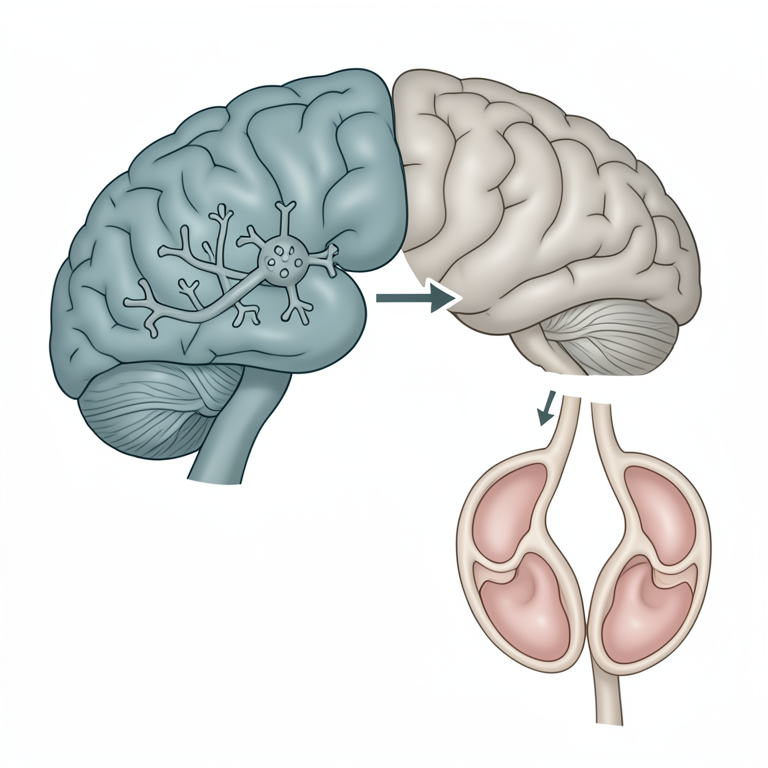
Kisspeptin Signaling Pathway
AI-generated conceptual illustration (Hypothalamic-pituitary-gonadal axis in a domestic dog). It explains the idea and does not show study data.
View source evidence ↗Introduction
The mammalian reproduction system is regulated by the number of peptides including Kisspeptin (Kp). Kp was first discovered in malignant melanoma cells of humans and acts as a potential suppressor gene in malignant tumors (Lee et al., 1996) [1] . The kp is 165 amino acid length is the proteolytically inactive form and the short forms of kp-54, -14, -13, and -10 are synthesized proteolytically active with common sharing of Arg-Phe-NH2 large family (Kotani et al., 2001) [2] and which bind to G-protein-coupled receptor encoded by Kp 1R (GPR54) (Stafford et al., 2002) [3] . The importance of kp in the reproduction system is identified due to mutation in the Kp 1R leads to the isolated hypogonadotropic hypogonadism in humans (De et al., 2003) [5] and infertility in mice due to knock-down of the Kp 1R gene (Seminaraet al., 2003) [6] . Exogenous injection of Kp in different modes can enhance the release of gonadotrophin of LH in a number of species. The kp neurons act on the GnRH and activate for secretion of gonadotrophin in Mice (Messager et al., 2005) [7] , Gilts (Lents et al., 2008) [8] , Mare (Wilborn et al., 2008) [10,34] , Cattle (Ezzat et al., 2010) [9,42] , Goats (SAITO et al., 2011) [11] , Men (George et al., 2011) [12] , Women (Dhillo et al., 2007; Jayasena et al., 2014) [14,15] , Ewes (Wang et al., 2012) [13] , Dogs (Albers-Wolthers et al., 2014) [16] , Buffalo (Pottapenjera et al., 2018) [17] . The kp and its receptor are expressed in the ovaries of many species (Roman et al., 2012; Hu et al., 2017; Terao et al., 2004; Iwata et al., 2017) [18,19,20,21] , mainly expressed in granulosa cells of rats and predominantly expressed in mice oocytes (Chakravarthi et al., 2018) [22] . Exogenous administration of kp ultimately leads to the oocyte maturation variety of species and ovulation occurs (Ruohonen et al., 2022; Gaytan et al., 2014; Taniguchi et al., 2017; Chakravarthi et al., 2021) [26] . Assisted Reproductive Technologies (ART) can use Kp one of the reproductive regulators to indirectly affect oocyte maturation in humans and animals (Masumi et al., 2022) [27] . The role of Kp in the production of gonadotrophins may be species-specific because in dogs it enhances the release of FSH and LH (Albers-Wolthers et al., 2014) [16] , but most of the species can enhance only LH (Whitlock et al., 2011) [28,36] . Since the last 28 years onwards literature about Kp is revealed that it is a neuropeptide that regulates the reproductive system of mammalians but few shreds of evidence showed that can use in ART. This review can explain the vital role of Kp on the reproductive system in the manner of species wise.
Buffalo
The LH surge is increased due to the administration of Kp but no longer sustains the peak and the Kp is enhance the follicular growth and a follicular number of the Murrah buffalos up on the age of animals (Pottapenjera et al., 2018) [17] . The Kp and Kp1r expression can change the follicular development stage of the estrous cycle and expression is higher in the case of cyclic compared to the acyclic buffaloes. (Mishra et al., 2022) [32] . The serum Kp concentrations are statistically non-significant in the ovulatory buffalos and anovulatory, almighty may lead to the restoration of the reproduction cycle in buffalos (Gahlot et al., 2022) [31] . The Kp effect on buffalo oocyte maturation was first reported in India and standardized concentration with 10 µg/ml and achieved optimum oocyte maturation (73.21%), increasing concentration decreased the maturation (68.77%). In the case of first polar body extrusion also Kp was positively correlated (Rajesh et al., 2018) [29] . The Kp has autocrine action and local interaction with hormones and modulates the FSH, LH, and E2 receptors on oocytes. E2 hormone is subduing action on the oocyte maturation with a positive effect on maturation and a negative effect on nuclear maturation of the oocyte (Rajesh et al., 2020) [31] . There is no effect of Kp on buffalo bull semen parameters in a different season (Shahzad et al., 2021) [33] .
Cattle
The dose wise of peripheral injection of Kp strongly stimulates the production of LH and GH in cows up to maximum level (Whitlock et al., 2008, Kadokawa et al., 2008) [34,17] . Intramuscular administration of Kp can release a high concentration of LH and FSH compared to intravenous injection but didn't show any effect on the basal level of GH concentration. The LH and FSH production is greater in bulls than cows in both the routes of Kp injection (Whitlock et al., 2011) [28,36] . The regulatory effect of Kp-10 has significant value in the case of the proliferation of epithelial cells differentiated from the absence of Kp-10 culture of the first trimester of bovine epithelial cells (Martino et al., 2015) [38] . The follicular size is changed to the luteal phase based on Kp and indirectly carried out the ovulation. The addition of Kp in IVF media without any steroid hormones can produce a high percentage of cleavage and blastocyst rate. Kp neuropeptide regulates the in vitro production of bovine embryos without the addition of LH and FSH (Soares et al., 2018). Downregulate of miRNA-1246 expression due to Kp, leads to the synthesis of progesterone in cattle (Guo et al., 2022) [52] .
Goat
The Kp acts on the HPG axis and enhances the production of reproductive hormones. The ARC region of the brain contains the Kp, neurokinin B, and dynorphin A neurons which continuously express and coordinate within among them leading to pulsatile secretion of the GnRH in vasectomized goats (Wakabayashi et al., 2013) [39] . The C6 is analogue of Kp which plays a vital role in the production of LH, FSH, advanced puberty, and ovulation of the goat breeds irrespective of the breeding season and PMSG can be replaced by C6 for better breeding of goats (Decourt et al., 2016; Decourt et al., 2019) [41,40] . The Kp-10 restorative the LH and FSH response 20 to 30 minutes but not PR and GH in the luteal phase of female goats. The same effect carried out by GnRH initiates the release of PR and GH but is more potent than the Kp-10 (Hashizume et al., 2010) [42] .
Camel and mare
The Kp expression is differentiated sexual dimorphisms in the breeding and non-breeding seasons of the camel. The brain sectional studies indicated the ARC and POA region's Kp expression and neurons' High-density are positively correlated with breading season of camel (Hassan et al., 2019) [43] . The Kp-induced LH secretion via GnRH in Kp-high treated compared untreated llama groups in the same way ovulation rate is positively influenced by the Kp act as induced ovulatory group of llama (Carrasco et al., 2020) [45] . The Kp neurons are expressed in the preoptic area of the brain around 28% and its expression is positively regulated ovulation with enhanced activity of beta nerve growth factor (NGF) via iv injection in female dromedary camel (Hassan et al., 2022) [46] . GnRH-dependent Kp activates the pituitary cell population to release LH (Magee et al., 2020) [47] . The iv injection of Kp in the mare can lead to a threshold level of the GnRH, it enhances the release of LH and FSH in the diestrous period of the mare. The histology of the POA area had 33.7% of Kp immunoreactive cell expression associated with gonadal secretion in diestrus mare (Magee et al., 2009) [44] .
Sheep
Kp enhances the rudimental level production of GnRH and LH, and a double dose increases the production certain level (Caraty et al., 2013) [48] . The histological studies of ewe's brain confirmed that expression of Kp neurons was high in the region ARC and had a steroid effect on ovaries (Goodman et al., 2007) [49] . The Kp is increasing the oocyte maturation rate of sheep. The addition of other reproductive hormones (FSH, LH, and E2) in IVM media supplemented with oocytes clearly demonstrated that not only does Kp act on oocyte maturation but also rise the first polar body extrusion and cumulus cell expansion rate (Byri et al., 2017) [50] . The Kp-treated granulosa cell of RNA sequence revealed that expression of the different kinds of miRNA and mRNA is associated with the mechanism of steroid hormone regulation, cell proliferation, and physiological functions of ovarian granulosa cells in Tan sheep (Dai et al., 2022) [52] . The different kinds of doses and modes of Kp injection can change the gonadotropic hormone response and cause ovulation in noncyclical female ewes (Caraty et al., 2007) [51] .
Pig
The Kp regulate the reproductive system almost in all species except for some difference in pig due to the little genetic variation of kp (Lents et al., 2019) [53] . The porcine hypothalamus and ovary of Kp specimens are expressed with 40 KDs protein and along with its receptor of KP1R is around 15 KDs (Basini et al., 2018) [54] . The direct action of Kp on the 6 months old barrow anterior pituitary (AP) cells in invitro studies showed that the release of LH from AP cells was dependent on the Kp nevertheless week life span of LH (Suzuki et al., 2007) [57] . The Kp enhances the production of reproductive hormones besides the fact that it is an adverse effect on hatched blastocyst stage. The porcine IVM embryos encountered significant results in presence of Kp and it encouraged the expression of apoptosis and pro-apoptosis of genes (BAK1) at the hatched blastocyst on the feeder layer (Saadeldin et al., 2012) [55] . The electric pulse and ethanolactivated oocytes with the addition of Kp and 6dimethylamino purine (6-DMAP) coordinate together with an increase in the cleavage and blastocyst formation rate compared to the control groups of porcine developmental competence of early embryos (Saadeldin et al., 2018) [56] .
Cats and Dogs
The neurons of Kp are distributed around 56% and 23% in ovariectomized dogs and cats respectively. Pulsatile secretion of GnRH and LH is responsible for the action of Kp neurons on GnRH neurons (Rumpler et al., 2020) [58] . The Kp is one of the most conserved parts in the cat hypothalamus mainly located in the periventricular and infundibular nuclei of the cat (Amelkina et al., 2019) [59] . The reproductive disorders in cats can be cleared by using Kp as a drug and it elevates the LH concentration for up to 30 minutes in dogs (Terse et al., 2021) [60] . The fluctuation of LH concentration depends upon the Kp, along with the estrous cycle of the dogs, and in reproductive endocrinology, Kp is playing a dynamic role (Albers-Wolthers et al., 2016) [61] .
Conclusion
The number of neuropeptides is having control of the reproductive system but since the last 30 years onwards the Kp is attained a special focus on the regulation of reproduction in mammalians. The role of Kp is still not clearly emphasized in many species of animals. One thing that literature is clearly occupied is that Kp neurons are acting on the GnRH and enhance the production of gonadotrophins, especially LH in cattle, buffalo, humans, dogs, pigs, sheep, goats, camel, mares, and mice. The vital role of Kp is unclear in follicular dynamics, maturation of oocytes, ovulation, and embryogenesis of mammalians. This review emphasized some aspects of the Kp effect on the reproductive system in a species manner. The known role of Kp in the reproductive system is under the budding stage only need to discover more about it and Kp can rule the reproductive system of mammalians.
References
59 in the original paper- Lee JH, Miele ME, Hicks DJ, Phillips KK, Trent JM, Weissman BE, et al. KiSS-1, a novel human malignant melanoma metastasis-suppressor gene. Journal of the National Cancer Institute. 1996;88(23):1731-1737.
- Kotani M, Detheux M, Vandenbogaerde A, Communi D, Vanderwinden JM, Le Poul E, et al. The metastasis suppressor gene KiSS-1 encodes kisspeptins, the natural ligands of the orphan G protein-coupled receptor GPR54. Journal of Biological Chemistry. 2001;276(37):3463134636.
- Stafford LJ, Xia C, Ma W, Cai Y, Liu M. Identification and characterization of mouse metastasis-suppressor KiSS1 and its G-protein-coupled receptor. Cancer Research. 2002;62(19):5399-404.
- Clements MK, McDonald TP, Wang R, Xie G, O'Dowd BF, George SR, et al. FMR Famide-related neuropeptides are agonists of the orphan G-protein-coupled receptor GPR54. Biochemical and Biophysical Research Communications. 2001;284(5):1189-93.
- de Roux N, Genin E, Carel JC, Matsuda F, Chaussain JL, Milgrom E, et al. Hypogonadotropic hypogonadism due to loss of function of the KiSS1-derived peptide receptor GPR54. Proceedings of the National Academy of Sciences of the United States of America. 2003;100(9):10972-6.
- Seminara SB, Messager S, Chatzidaki EE, Thresher RR, Acierno JS Jr, Shagoury JK, et al. The GPR54 gene as a regulator of puberty. New England Journal of Medicine. 2003;349(17):1614-27.
- Messager S, Chatzidaki EE, Ma D, Hendrick AG, Zahn D, Dixon J, et al. Kisspeptin directly stimulates gonadotropin-releasing hormone release via G proteincoupled receptor 54. Proceedings of the National Academy of Sciences of the United States of America. 2005;102(5):1761-1766.
- Lents CA, Heidorn NL, Barb CR, Ford JJ. Central and peripheral administration of Kisspeptin actives gonadotrophin but not somatotrophin secretion in prepubertal gilts. Reproduction. 2008;135(6):879-887.
- EZZAT AA, Saito H, Sawada T, Yaegashi T, Goto Y, Nakajima Y, et al. The role of sexual steroid hormones in the direct stimulation by Kisspeptin-10 of the secretion of luteinizing hormone, follicle-stimulating hormone and prolactin from anterior pituitary cells. Animal reproduction science. Amsterdam. 2010;121(3):267-272.
- Saito H, Sawada T, Yaegashi YG, Jin J, Sawai K, Hashizume T, et al. Kisspeptin-10 stimulate the release of luteinizing hormone and testosterone in and post pubertal male goats. Animal Science Journal. 2011;83(6):487-92.
- George JT, Veldhuis JD, Roseweir AK, Newton CL, Faccenda E, Millar RP, et al. Kisspeptin-10 is a potent stimulator of LH and increases pulse frequency in men. The Journal of Clinical Endocrinology & Metabolism. 2011;96(8):E1228-36.
- Wang J, Sun L, Zhang T, Zhou H, Lou L. Effect of peripheral administration of kisspeptin-10 on dynamic secretion pubertal ewes. Journal of Animal Science. 2012;25(6):785-788.
- Waljit S, Owais D, Chaudhri B, Thompson EL, et al. Nijher, Vian Amber, Alexander Kokkinos, Mandy Donaldson, Mohammad A. Ghatei, and Stephen R. Bloom. Kisspeptin-54 Stimulates Gonadotrophin Release most Potently during the Preovulatory Phase of the Menstrual Cycle in Women. Journal of Clinical Endocrinology and Metabolism. 2007;92(10):3958-3966.
- Jayasena CN, Abbara A, Comninos AN, Nijher GM, Christopoulos G, et al. Kisspeptin-54 triggers egg maturation in women undergoing in vitro fertilization. The Journal of Clinical Investigation. 2014;124(8):36673677.
- Albers-Wolthers KH, De Gier J, Kooistra HS, Rutten VP. Identification of novel Kisspeptin with hight gonadotrophin stimulatory activity in the dog. Neuroendocrinology. 2014;99(3-4):178-189.
- Pottapenjera V, Rajanala SR, Reddy C, Gangineni A, Avula K. Kisspeptin Modulates Luteinizing Hormone Release and Ovarian follicular dynamics in Pre-pubertal and Adult Murrah Buffaloes. Frontiers in Veterinary Science. 2018;5:149.
- Cejudo Roman A, Pinto FM, Dorta I, Almeida TA, Hernandez M, Illanes M, et al. Analysis of the expression of neurokinin b, kisspeptin, and their cognate receptors NK3R and KISS1R in the human female genital tract. Fertility sterility. 2012;97(5):1213-1219.
- Hu KL, Zhao H, Chang HM, Yu Y, Qiao J. Kisspeptin/Kisspeptin receptor system in the ovary. Front Endocrinol. 2017;8:365.
- Terao Y, Kumano S, Takatsu Y, Hattori M, Nishimura A, Ohtaki T, et al. Expression of KiSS-1, a metastasis suppressor gene, in trophoblast giant cells of the rat placenta. Biochim Biophys Acta. 2004;1678(2-3):102110.
- Iwata K, Kunimura Y, Matsumoto K, Ozawa H. Effect on androgen on Kiss1 expression and luteinizing hormone release in female rats. Journal of Endocrinology. 2017;233(3):281-292.
- Chakravarthi VP, Khristi V, Ghosh S, Yerrathota S, Dai E, Roby KF, et al. ESR2 is essential for gonadotropininduced Kiss1 expression in granulosa cells. Endocrinology. 2018;159(1):3860-3873.
- Taniguchi Y, Kuwahara A, Tachibana A, Yano Y, Yano K, Yamamoto Y, et al. Intra-follicular kisspeptin levels are related to oocyte maturation and gonadal hormones in patients who are undergoing assisted reproductive technology. Reproductive Medicine and Biology. 2017;16(4):380-385.
- Ruohonen ST, Gaytan F, Usseglio Gaudi A, Velasco I, Kukoricza K, Perdices-Lopez C, et al. Selective loss of kisspeptin signalling in oocytes causes progressive premature ovulatory failure. Human Reproduction (Oxford England). 2022;37(4):806-21.
- Gaytan F, Garcia-Galiano D, Dorfman MD, ManfrediLozano M, Castellano JM, Dissen GA, et al. Kisspeptin receptor haplo-insufficiency causes premature ovarian failure despite preserved gonadotropin secretion. Endocrinology. 2014;155(8):3088-97.
- Chakravarthi VP, Ghosh S, Housami SM, Wang H, Roby KF, Wolfe MW, et al. ERb regulated ovarian kisspeptin plays an important role in oocyte maturation. Human Reproduction. 2021;527:111208.
- Masumi S, Lee EB, Dilower I, Upadhyaya S, Chakravarthi PV, Patrick E, et al. The role of Kisspeptin signalling in oocyte maturation. Frontiers in Endocrinology. 2022;13:917464.
- Whitlock BK, Daniel JA, Willborn RR, Maxwell HS, Steele BP, Sartin JL, et al. Effect of kisspeptin on regulation of growth hormone and luteinizing hormone in lactating dairy cows. Journal of Animal Science and Biotechnology. 2011;2:131-140.
- Rajesh K, Swathi B, Kumari AG, Shanmugam M. Effect of different concentrations of kisspeptin on in vitro maturation rate of buffalo oocytes. The Pharma Innovation. 2018;7(4):375-378.
- Rajesh K, Swathi B, Kumari AG, Shanmugam M. Effect of Kisspeptin on in vitro maturation of Buffalo oocytes. Indian Journal of Animal Research. 2020;54(10):12181222.
- Gahlot D, Ingole SD, Bharucha SV, Pharande RR, Dagli NR, Kharde SD, et al. Quantification of kisspeptin and progesterone concentration in ovulatory and anovulatory buffaloes. The Pharma Innovation. 2022;SP-11(7):35263530.
- Mishra GK, Patra MK, Kipjen Singh L, Upmanyu V, Chakravarti S, Karikalan M, et al. Relative expression of profile of kisspeptin (Kiss-Kiss1r) and gonadotrophin receptor in the ovarian follicular tissue and their association in the buffalo. Indian Journal of Animal Sciences. 2022;92(5):580-584.
- Shahzad MK, Rabbani I, Andrabi SMH, Zaneb H, Yousaf MS, Majeed KA, et al. Season influence on serum kisspeptin level and its association with hormonal levels and semen kinematics of buffalo bulls (Bubalus bubalis). Veterinary Research Forum. 2021;12(3):283289.
- Brian K, Joseph WA, Robyn DR, Soren WP, Rodning, Herris S, et al. Interaction of oestrogen and progesterone on kisspeptin-10 stimulated Luteinizing hormone and growth hormone in ovariectomized cows. Neuroendocrinology. 2008;88(3):212-215.
- Kadokawa H, Matsui M, Hayashi K, Matsunaga N, Kawashima C, Shimizu T, et al. Peripheral administration of kisspeptin-10 increases plasma concentrations of GH as well as LH in prepubertal Holstein heifers. Journal of Endocrinology. 2008;196(2):331-334.
- Whitlock BK, Daniel JA, Willborn RR, Maxwell HS, Steele BP, Sartin JL, et al. Effect of Kisspeptin on regulation of growth hormone and luteinizing hormone in lactating dairy cows. Journal of Animal Science and Biotechnology. 2011;2:131-40.
- Soares MM, de Antonino DC, Oliveira M, Junior MJ, Peixoto RL, Maia TS, et al. The role of Kisspeptin in bovine in vitro embryo production. Semina: Ciencias Agrarias. Londrina. 2018;39(2):621-630.
- Martino N, Rizzo A, Pizzi F, Dell'Aquila M, Sciorsci R. Effects of Kisspeptin-10 on in vitro proliferation and Kisspeptin receptor (Kiss-1R) expression in primary epithelial cell cultures isolated from bovine placental cotyledons of embryos/fetuses at the first trimester of pregnancy. Theriogenology. 2015;83(6):978-987.
- Wakabayashi Y, Yamamura T, Sakamoto K, Mori Y, Okamura H. Electrophysiological and Morphological Evidence for Synchronized GnRH Pulse Generator Among Kisspeptin/Neurokinin B/Dynorphin A (KNDy) Neurons in Goats. Journal of Reproduction and Development. 2013;59(1):40-8.
- Decourt C, Robert V, Lomet D, Anger K, Georgelin M, et al. The kisspeptin analog C6 is a possible alternative to PMSG (pregnant mare serum gonadotropin) for triggering synchronized and fertile ovulations in the Alpine goat. PLoS ONE, Public Library of Science. 2019;14(3):e0214424.
- Decourt C, Robert V, Anger K, Galibert M, Madinier JB, Liu X, et al. A synthetic kisspeptin analog that triggers ovulation and advances puberty. Scientific Reports. 2016;6(1):26908.
- Hashizume T, Saito H, Sawada T, Yaegashi T, Ahmed Ezzat A, Sawai K, et al. Characteristics of stimulation of gonadotropin secretion by kisspeptin-10 in female goats. Animal Reproduction Science. 2010;118(1):37-41.
- Hassan A, El Najlae B, Joseph PV, Rachid AM, Mohamed O, Mohamed P, et al. The dromedary camel displays annual variation in hypothalamic kisspeptin and Arg-Phe-amide-related peptide-3 according to sex, season and breeding activity kiss and rfrp mapping in camel hypothalamus. The Journal of Comparative Neurology Research in Systems Neuroscience. 2019;528(1):32-47.
- Magee C, Foradori CD, Jason Bruemmer E, Jesus Arreguin-Arevalo A, Patrick McCue M, Robert Handa J, et al. Biological and Anatomical Evidence for Kisspeptin Regulation of the Hypothalamic-Gonadal Axis of Estrous Horse Mares. Endocrinology. 2009;150(6):2823-2821.
- Carrasco RA, Carlos Leonardi E, Hutt K, Singh J, Gregg Adams P. Kisspeptin induces LH release and ovulation in an induced ovulator. Biology of Reproduction. 2020;103(1):49-59.
- Ainani H, Chhaibi H, Achaaban RM, Piro M, Ouassat M, Tibary M, et al. Induced-ovulation in female dromedary camel involves kisspeptin neuron activation by β nerve growth factor. Biology of Reproduction. 2022;107(6):1490-1502.
- Magee C, Bruemmer JE, Kelly Kirkley S, Luke Sylvester A, Brittany, Runyan, et al. Kisspeptin has an independent and direct effect on the pituitary gland in the mare. 2020;157:199-209.
- Caraty, Lomet D, Sebert ME, Guillaume D, Beltramo M, Evans NP, et al. Gonadotrophin-Releasing Hormone Release into the Hypophyseal Portal Blood of the Ewe Mirrors Both Pulsatile and Continuous Intravenous Infusion of Kisspeptin: An Insight into Kisspeptin's Mechanism of Action. Journal of Neuroendocrinology. 2013;25:537-546.
- Robert Goodman L, Michael Lehman N, Jeremy Smith T, Lique Coolen M, Cleusa de Oliveira VR, et al. Kisspeptin Neurons in the Arcuate Nucleus of the Ewe Express Both Dynorphin A and Neurokinin B. Endocrinology. 2007;148(12):5752-5760.
- Byri P, Gangineni A, Reddy KR, Raghavender KBP. Effect of kisspeptin on in vitro maturation of sheep oocytes. Veterinary World. 2017;10(3):276-280.
- Caraty JT, Smith D, Lomet S, Ben Saı ¨dA, Morrissey J, et al. Kisspeptin Synchronizes Preovulatory Surges in Cyclical Ewes and Causes Ovulation in Seasonally Acyclic Ewes. Endocrinology. 2007;148(11):5258-5267.
- Dai T, Kang X, Yang C, Mei S, Wei S, Guo X, et al. Integrative Analysis of miRNA-mRNA in Ovarian Granulosa Cells Treated with Kisspeptin in Tan Sheep. Animals. 2022;12(21):2989.
- Lents CA. Review: kisspeptin and reproduction in the pig. Animals. 2019;13(12):2986-2999.
- Basini G, Grasselli F, Bussolati S, Ciccimarra R, Maranesi M, Bufalari A, et al. Presence and function of kisspeptin/KISS1R system in swine ovarian follicles. Theriogenology. 2018;15(115):1-8.
- Saadeldin IM, Ok Jae Koo, Kang JT, Kwon DK, Ji Park S, Kim SJ, et al. Paradoxical effects of kisspeptin: it enhances oocyte in vitro maturation but has an adverse impact on hatched blastocysts during in vitro culture. Reproduction Fertility and Development. 2012;24(5):656-668.
- Suzuki A, Kadokawa H, Hashizume T. Direct kisspeptin10 stimulation on luteinizing hormone secretion from bovine and porcine anterior pituitary cells. Animal Reproduction Science. 2008;103(3-4):360-365.
- Rumpler E, Takacs S, Gocz B, Baska F, Szenci O, Horvath A, et al. Kisspeptin neurons in the infundibular nucleus of ovariectomized cats and dogs exhibit unique anatomical and neurochemical characteristics. Frontiers in Neuroscience. 2020;14:598707.
- Amelkina O, Tanyapanyachon P, Thongphakdee A, Chatdarong K. Identification of feline Kiss1 and distribution of immunoreactive Kisspeptin in the hypothalamus of the domestic cats. Journal of Reproduction and Development. 2019;65(4):335-343.
- Pramod Terse S, Peggins J, Seminara SB. Safety Evaluation of KP-10 (Metastin 45-54) following once daily intravenous administration for 14 days in dogs. International Journal of Toxicology. 2021;40(4):337-343.
- Albers-Wolthers CHJ, de Gier J, Rutten VPMG, van Kooten PJS, Leegwater PAJ, Schaefers-Okkens AC, et al. The effects of kisspeptin agonist canine KP-10 and kisspeptin antagonist p271 on plasma LH concentrations during different stages of the estrous cycle and anestrus in the bich. Theriogenology. 2016;86(2):589-95.
Cited by 1
From OpenAlex, OpenCitations and reference lists read by Scinovex
- The role of kisspeptin in animal reproductive function ↗
Inna Petrovna Novgorodova · Achievements of Science and Technology in Agro-Industrial Complex · 2024
The review examines the contribution of kisspeptin to animal reproduction. The discovery of the peptide led to the need for additional research related to the regulation of reproductive function. Since the expression of the peptide is observed in different organs (adenohypophysis, hypothalamus, placenta, ovaries, testes, etc.), its possible participation in body systems, especially the endocrine one, has been established. The…
❝ 0PDF