
Research article · 2019 · Full text
International Journal of Biology SciencesMigraine headache
Volume 1(2) · Pages 15–18 · DOI: 10.33545/26649926.2019.v1.i2a.11 ↗
Research areasMigraine and Headache Studies
Abstract
Author-writtenA migraine can cause severe throbbing pain or a pulsing sensation, usually on one side of the head. It's often accompanied by nausea, vomiting, and extreme sensitivity to light and sound. Migraine attacks can last for hours to days, and the pain can be so severe that it interferes with your daily activities. For some people, a warning symptom known as an aura occurs before or with the headache. An aura can include visual disturbances, such as flashes of light or blind spots, or other disturbances, such as tingling on one side of the face or in an arm or leg and difficulty speaking. Medications can help prevent some migraines and make them less painful. The right medicines, combined with self-help remedies and lifestyle changes, might help.
Summary
Source-checkedPlain-language reading of the full paper, prepared with AI and checked against the text. Each point links to the authors' own words.
Why it matters
- Migraines are characterized by severe throbbing or pulsing pain, typically on one side of the head, and are often accompanied by nausea, vomiting, and sensitivity to light and sound. View evidence ↗
- The duration of migraine attacks ranges from hours to days, with pain levels that can interfere with daily activities. View evidence ↗
- While the exact cause of migraine headaches is unknown, they appear to be linked to genetic factors and changes within the brain. View evidence ↗
The question
- The paper explores how medications, self-help remedies, and lifestyle changes can be used to prevent migraines and reduce their pain. View evidence ↗
What they did
- The biological mechanism described involves overactive nerve cells activating the trigeminal nerve, which provides sensation to the face and head. View evidence ↗
- Trigeminal nerve activation releases chemicals such as serotonin and CGRP, the latter of which causes swelling of blood vessels in the brain's lining. View evidence ↗
What they found
- Typical migraine headaches last approximately 4 hours, though severe cases can exceed 3 days, with a common frequency of two to four attacks per month. View evidence ↗
- Dietary triggers, including alcohol, aged cheese, MSG, and nitrates, may be responsible for up to 30% of migraine cases. View evidence ↗
- Status migrainosus is a rare, severe form of migraine that can persist for more than 72 hours. View evidence ↗
- Preventive medications are typically suggested for patients who do not respond to other treatments and experience 4 or more migraine days per month. View evidence ↗
- The Cefaly device is used once daily for 20 minutes to stimulate the trigeminal nerve via electrical pulses. View evidence ↗
What it means
- While there is no cure for migraine headaches, they can be managed through a combination of medication and the avoidance of known triggers. View evidence ↗
- The author recommends using a headache diary to identify triggers and employing stress management and relaxation training to reduce attack frequency or severity. View evidence ↗
Visual summary
1 visualsIllustrations explain the paper; they do not show study data.
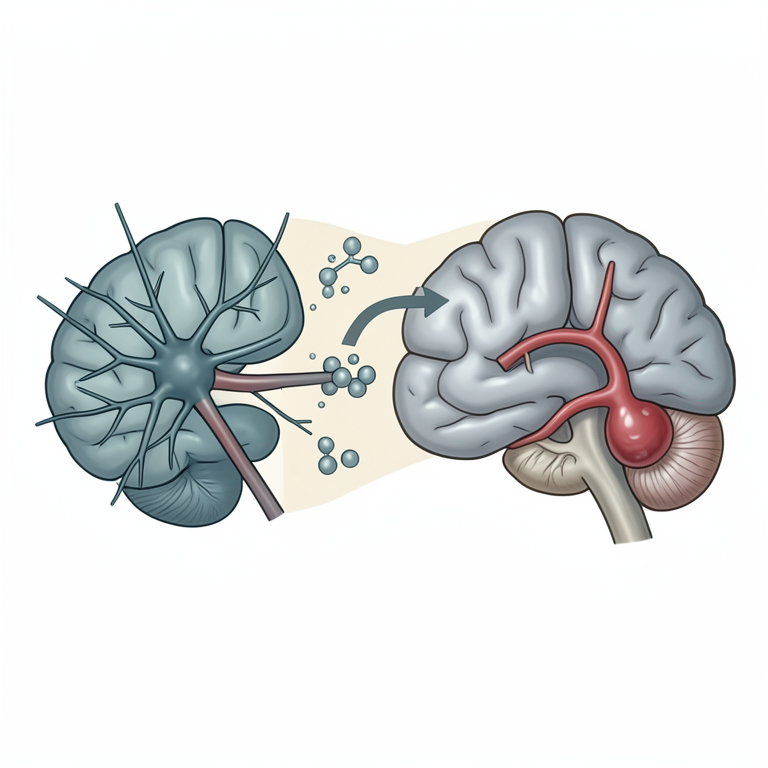
Biological Pathway of a Migraine
AI-generated conceptual illustration (Human brain anatomy focusing on the trigeminal nerve and meningeal blood vessels). It explains the idea and does not show study data.
View source evidence ↗Introduction
Migraine headaches are a symptom of an overall condition known as migraine. Doctors don't know the exact cause of migraine headaches, although they seem to be related to changes in the brain as well as to genes that run in families. For many years, scientists believed migraines resulted from changes in blood flow in the brain. Many now think that they happen because of flaws in the brain passed down from your parents. A migraine starts when overactive nerve cells send out signals that activate the trigeminal nerve, the nerve that supplies sensation to your head and face. Activation of the nerve causes release of certain chemicals like serotonin and calcitonin gene-related peptide (CGRP). CGRP causes blood vessels in the lining of the brain to swell. This releases neurotransmitters that create inflammation and pain.
What Can Trigger a Migraine Headache
Some common migraine triggers include: Stress. When you're stressed, your brain releases chemicals that can cause the blood vessel changes that can lead to a migraine. Foods. Some foods and drinks, such as aged cheese, alcohol, and food additives like nitrates (in pepperoni, hot dogs, lunchmeats) and monosodium glutamate (MSG) may be responsible for up to 30% of migraines. Caffeine. Getting too much or withdrawing from it can cause headaches when the level in your body abruptly drops. Blood vessels seem to get used to caffeine, and when you don't have any, you may get a headache. Caffeine itself can be a treatment for acute migraine attacks. Changes in weather. Storm fronts, changes in barometric pressure, strong winds, or changes in altitude can all trigger a migraine.
Having period Feeling very tired Skipping meals Changes to your sleep Are Migraine Headaches Hereditary
Yes, migraine headaches seem to run in families. Four out of 5 people with the condition have other family members who have them. If one parent has a history of these type of headaches, their child has a 50% chance of getting them, and if both parents have them, the risk jumps to 75%.
What Are the Symptoms of Migraine Headaches
A headache that often begins as a dull ache and grows into throbbing pain. It usually gets worse during physical activity. The pain can shift from one side of the head to the other, can be in the front of the head, or feel like it's affecting your entire head. Sensitivity to light, noise, and smells Nausea and vomiting, upset stomach, and belly pain Loss of appetite Feeling very warm or cold Pale skin Fatigue Dizziness Blurred vision Diarrhea Fever (this is rare) Most migraine headaches last about 4 hours, but severe ones can go for more than 3 days. How often they happen differs for everyone, but it's common to get two to four headaches per month. Some people may get migraine headaches every few days, while others get them once or twice a year. DOI: https://doi.org/10.33545/26649926.2019.v1.i2a.11
Types of Migraine Headaches
The terms for two types of migraine headaches refer to the symptoms that signal when one is about to start, called an aura. Migraine with aura (known as "classic" migraine) Migraine without aura (known as "common" migraine) An aura can start 1 hour before the pain and usually last for 15 minutes to 1 hour. Visual auras include: Bright flashing dots or lights Blind spots Blurry vision Temporary vision loss Wavy or jagged lines Other auras can affect your other senses. You might just have a "funny feeling" and not be able to describe the sensation. You could also have ringing in the ears or changes in smell (such as strange odors), taste, or touch. Rare migraine conditions include these types of auras:
Hemiplegic migraine
A short period of paralysis (hemiplegia) or weakness on one side of the body. You might also feel temporary numbness, dizziness, or vision changes. If you get these symptoms, it's important to know how to tell them apart from the signs of a stroke, which can seem similar. Get emergency medical help right away if you have these symptoms.
Ophthalmic migraine
Short-lived, partial, or complete loss of vision in one eye, along with a dull ache behind the eye, which may spread to the rest of your head. Seek immediate medical help for any visual disturbance.
Migraine with brainstem aura
Dizziness, confusion, or loss of balance can happen before the headache. The pain may affect the back of your head. These symptoms usually start suddenly and can happen with trouble speaking, ringing in the ears, and vomiting. This type of migraine is strongly linked to hormone changes and mainly affects young adult women. Again, these symptoms need to be checked out by a doctor right away.
Status migrainosus
This rare and severe type of migraine can last more than 72 hours. The pain and nausea are so intense that you may need to go to the hospital. Sometimes medicines, or medication withdrawal, can cause them.
Ophthalmoplegic migraine
Pain around the eye, including paralysis of the muscles around it. This is a medical emergency because the symptoms can also be caused by pressure on the nerves behind the eye or an aneurysm. Other symptoms of this rare type of migraine include a droopy eyelid, double vision, or other vision changes. Migraine headaches without auras are more common. Several hours before the headache starts, you can have vague symptoms, including: Anxiety Depression
Feeling very tired
Feeling very tired
How Are Migraine Headaches Treated
There's no cure for migraine headaches. But many drugs can treat or even prevent some of them. You can also get them less often by avoiding triggers.
Common types of migraine treatments include:
Pain relief
Over-the-counter (OTC) drugs often work well for some people. The main ingredients are acetaminophen, aspirin, caffeine, and ibuprofen. Never give aspirin to anyone under the age of 19 because of the risk of Reye's syndrome. Be careful when you take OTC pain meds because sometimes they can add to a headache. If you use them too much, you can get rebound headaches or become dependent on them. If you take any OTC pain relievers more than two days a week, it's time to see your doctor. She can suggest prescription meds that may work better.
Nausea medicine
Your doctor can prescribe it if you get nausea with your migraine.
Preventive medicines
If you don't respond to other treatments and you have 4 or more migraine days a month, your doctor may suggest these. You take them regularly to reduce the severity or frequency of your headaches. They include seizure medicines, blood pressure medicines (like beta blockers and calcium channel blockers), and some antidepressants. CGRP inhibitors are a new class of preventive medicine that your doctor may recommend if others don't help.
Biofeedback
This technique helps you recognize stressful situations that could trigger a migraine. If the headache begins slowly, biofeedback can stop the attack before it becomes full blown.
Transcranial magnetic stimulation (TMS)
You place this device on the back of your head at the start of a migraine with aura. It sends a pulse of magnetic energy to part of your brain, which may stop or reduce pain.
Prevent Migraines
Yes. You can have them less often when you identify and avoid migraine triggers. Keep track of your symptom patterns in a headache diary so you can figure out what's causing them. Stress management and relaxation training can help prevent your attacks or make them less severe. Women who often get migraine headaches around their periods can take preventive medicines when they know it's that time of the month. People also seem to have fewer migraine symptoms when they eat on a regular schedule and get enough rest. Regular exercise --in moderation --can also help prevent them. When lifestyle changes aren't enough, you have other options. Preventive migraine medications can make your headaches less severe and happen less often when you take them on a regular basis. Also, there are some new devices which can help. Cefaly is a portable, headband-like gadget sends electrical pulses through the skin of the forehead. It stimulates the trigeminal nerve, which is linked with migraine headaches. You use Cefaly once a day for 20 minutes, and when it's on you'll feel a tingling or massaging sensation. In addition, there is a noninvasive vagus nerve stimulator called gammaCore. When placed over the vagus nerve in the neck, it releases a mild electrical stimulation to the nerve's fibers to relieve pain.
References
18 in the original paper- patients: pain relief and EMG activity. Advances Pain Research Therapy. 1983; 5:571-576. (Guideline Ref ID AHONEN1983)
- Ahonen E, Hakumaki M, Mahlamaki S, Partanen J, Riekkinen P, Sivenius J. et al. Effectiveness of acupuncture and physiotherapy on myogenic headache: a comparative study. Acupuncture Electro-Therapeutics Research. 1984; 9(3):141-150. (Guideline Ref ID AHONEN1984)
- Ahuja GK, Verma AK. Propranolol in prophylaxis of migraine. Indian Journal of Medical Research. 1985; 82:263-265. (Guideline Ref ID AHUJA1985)
- Akpek S, Arac M, Atilla S, Onal B, Yucel C, Isik S. et al. Cost-effectiveness of computed tomography in the evaluation of patients with headache. Headache. 1995; 35(4):228-230. (Guideline Ref ID AKPEK1995)
- Alecrim-Andrade J, Antunes MJ, Carne X, Md, Magela SV, Rodrigues CF. Acupuncture in Migraine Prevention: A Randomized Sham Controlled Study With 6-months Posttreatment Follow-up. Clinical Journal of Pain. 2008; 24(2):98-105. (Guideline Ref ID ALECRIMANDRADE 2008).
- Alehan FK. Value of neuroimaging in the evaluation of neurologically normal children with recurrent headache. Journal of Child Neurology. 2002; 17(11):807809. (Guideline Ref ID ALEHAN2002)
- Allais G, De Lorenzo C, Quirico PE, Airola G, Tolardo G, Mana O. et al. Acupuncture in the prophylactic treatment of migraine without aura: a comparison with flunarizine. Headache. 2002; 42(9):855-861. (Guideline Ref ID ALLAIS2002)
- Allais G, Romoli M, Rolando S, Airola G, Castagnoli Gabellari I, Allais R. et al. Ear acupuncture in the treatment of migraine attacks: a randomized trial on the efficacy of appropriate versus inappropriate acupoints. Neurological Sciences. 2011; 32 Suppl 1:S173S175. (Guideline Ref ID ALLAIS2011)
- Allen KD, Shriver MD. Role of parent-mediated pain behavior management strategies in biofeedback treatment of childhood migraines. Behavior Therapy. 1998; 29(3):477-490. (Guideline Ref ID ALLEN1998)
- Altieri M, Di Giambattista R, Di Clemente L, Fagiolo D, Tarolla E, Mercurio A. et al. Combined pharmacological and short-term psychodynamic psychotherapy for probable medication overuse headache: a pilot study. Cephalalgia. 2009; 29(3):293-299. (Guideline Ref ID ALTIERI 2009)
- Significance of In-Vitro and In-Vivo Correlation in Drug Delivery system. Res Pharm Healt Sci. 2018; 4(4):523531.
- Ebola Virus Disease. Int. J Curr. Res. Med. Sci. 5(3):1823.
- Aurora SK, Silberstein SD, Kori SH, Tepper SJ, Borland SW, Wang M. et al. MAP0004, orally inhaled DHE: a randomized, controlled study in the acute treatment of migraine. Headache. 2011; 51(4):507-517. (Guideline Ref ID AURORA2011A).
- Aysun S, Yetuk M. Clinical experience on headache in children: analysis of 92 cases. Journal of Child Neurology. 1998; 13(5):202-210. (Guideline Ref ID AYSUN1998).
- Ayzenberg I, Katsarava Z, Mathalikov R, Chernysh M, Osipova V, Tabeeva G. et al. The burden of headache in Russia: validation of the diagnostic questionnaire in a population-based sample. European Journal of Neurology. 2011; 18(3):454-459. (Guideline Ref ID AYZENBERG2011).
- Azarpazhooh MR, Rafi S, Etemadi MM, Khadem N, Fazlinejad A. The relation between short-term oral contraceptive consumption and cerebrovascular, cardiovascular disorders in Iranian women attending Hajj. Saudi Medical Journal. 2008; 29(7):1024-1027. (Guideline Ref ID AZARPAZHOOH2008).
- Azzopardi TD, Brooks NA. Oral metoclopramide as an adjunct to analgesics for the outpatient treatment of acute migraine. Annals of Pharmacotherapy. 2008; 42(3):397402. [Review] [12 refs] (Guideline Ref ID AZZOPARDI2008).
- Bademosi O, Osuntokun BO. Pizotifen in the management of migraine. Practitioner. 1978;