
Research article · 2022 · Full text
International Journal of Biology SciencesBlood glucose level, blood profile and ectoparasite infestation of cantang grouper fish commercially fed with the addition of marine leeches Zeylanicobdella
Volume 4(2) · Pages 93–98 · DOI: 10.33545/26649926.2022.v4.i2b.82 ↗
Research areasAquatic life and conservationMedicinal Plant Research
Abstract
Author-writtenThe main problem that often occurs in grouper cultivation is the appearance of disease attacks caused by pathogens due to water quality that has not been optimal during maintenance. There are common problems in grouper cultivation, that is unstable environmental conditions that cause accumulation of organic matter which can cause fish to be stress, which is characterized by increased blood glucose levels and susceptible to disease. The types of ectoparasites that commonly attack groupers are Trichodina, Cryptocaryon, Zeylanicobdella and Neobenedenia. An alternative to control pathogen attacks on fish is by increasing the body's defense cells of fish using immunostimulants. Zeylanicobdella known to have molecular weight of proteins that are immunogenic, and is thought to increase the activity of cells defense of the fish body as an immunostimulant. This study aims to find out the blood glucose level, blood profile and ectoparasite infestation of cantang grouper fish given a marine leeches Zeylanicobdella on feed. The method in this research used an experimental method with a factorial pattern consisting of two factors. Factor P is the dose given and factor Q is the maintenance time. Statistical test results showed there was an influence (p < 0.01) between the doses of marine leeches Zeylanicobdella on the number of erythrocytes and leukocytes, there was also interaction (p > 0.01) between the doses of marine leeches Zeylanicobdella with different maintenance times to the number of erythrocytes, leukocytes, differential leukocytes including lymparhocytes, neutrophils and monocytes. The results showed that there was a very significant difference between blood glucose levels and ectoparasite infestation of cantang grouper maintenance at different doses and times and there was an interaction effect (p < 0.01). The highest blood glucose level of 67.00 ± 5.148 mg/dL occurred in cantang grouper with a moderate degree of ectoparasite infestation of 36.20 ± 2.387 parasites on day 0 of maintenance with a dose of 0 ppm. The lowest blood glucose level of 28.80 ± 0.837 mg/dL occurred in cantang grouper with a mild degree of ectoparasite infestation, that is 12.60 ± 1.517 parasites on the 28th day of rearing with a dose of 9 ppm. The results showed that the highest of total erythrocytes was at a dose of 7 ppm with a maintenance time of the 21th day are 2,534 × 106 cell/ml. Total Leukocyte was at a dose of 9 ppm with a maintenance time of the 28th day are 1,4902 × 10⁶ cell/ml. The percentage of lymphocytes is the highest with a range of 58-93%, neutrophils range from 5-38% and monocytes range from 1-9%.
Summary
Source-checkedPlain-language reading of the full paper, prepared with AI and checked against the text. Each point links to the authors' own words.
Why it matters
- Grouper cultivation is frequently hindered by disease attacks from pathogens, which are often triggered by suboptimal water quality during maintenance. View evidence ↗
- Unstable environmental conditions in grouper farming can lead to organic matter accumulation, causing fish stress, marked by higher blood glucose, and increased disease susceptibility. View evidence ↗
- Marine leeches of the genus Zeylanicobdella contain immunogenic proteins and are considered potential immunostimulants that can enhance a fish's cellular defense mechanisms. View evidence ↗
The question
- The study aimed to evaluate the effects of adding marine leeches (Zeylanicobdella) to the feed of cantang grouper fish on their blood glucose levels, blood profile, and ectoparasite infestation. View evidence ↗
What they did
- The researchers used an experimental factorial completely randomized design (CRD) with five treatments and four replications. View evidence ↗
- The experiment used cantang grouper measuring 7-9 cm, reared for 30 days at a density of 12 fish per 18 liters of water. View evidence ↗
- The measured parameters included blood glucose, erythrocyte and leukocyte counts, differential leukocytes, ectoparasite infestation, water quality, and survival rate. View evidence ↗
What they found
- Blood glucose levels decreased from a high of 67.00 ± 5.148 mg/dL (0 ppm dose, day 0) to a low of 28.80 ± 0.837 mg/dL (9 ppm dose, day 28). View evidence ↗
- Differential leukocyte analysis showed lymphocytes were the most prevalent (58-93%), followed by neutrophils (5-38%) and monocytes (1-9%). View evidence ↗
What it means
- The authors concluded that adding Zeylanicobdella to feed significantly influenced blood glucose, blood cell counts, and ectoparasite infestation in cantang grouper. View evidence ↗
- The most effective treatment was identified as a dose of 9 ppm of Zeylanicobdella sp. over a maintenance period of 28 days. View evidence ↗
- The authors suggest refining feeding methods and ensuring proper injection techniques to avoid causing stress to the fish. View evidence ↗
Visual summary
1 visualsIllustrations explain the paper; they do not show study data.
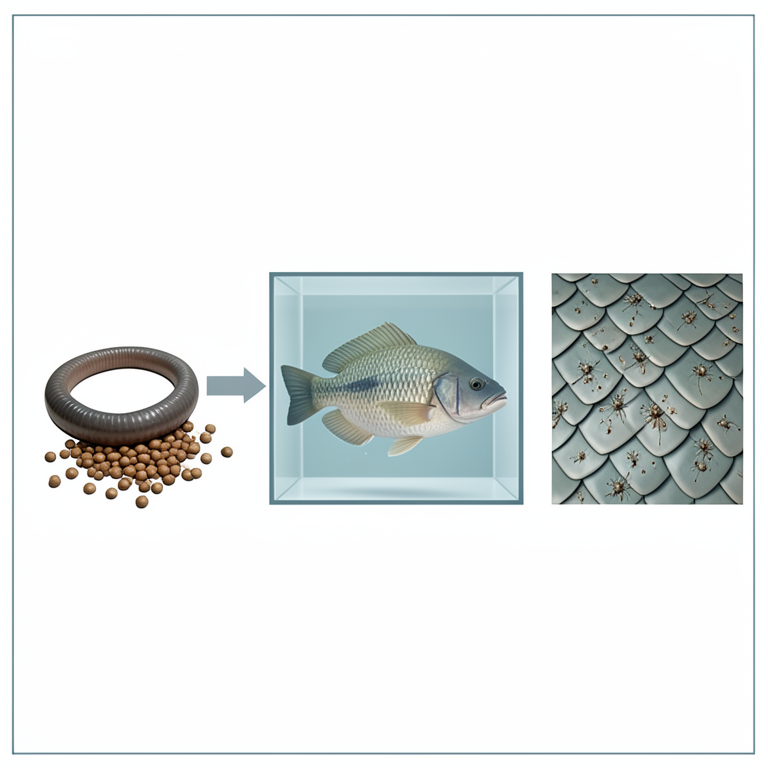
Experimental Setup
AI-generated conceptual illustration (Cantang grouper fish and marine leeches (Zeylanicobdella)). It explains the idea and does not show study data.
View source evidence ↗Figures & tables
From the original paper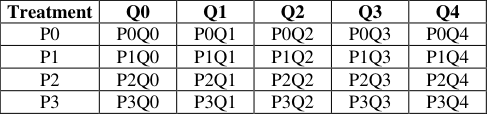 Table 1
 Table 3
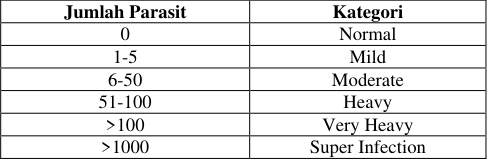 Table 3
 Table 4
 Table 5
 Table 6
 Table 7
 Table 8
 Table 9
 Table 10
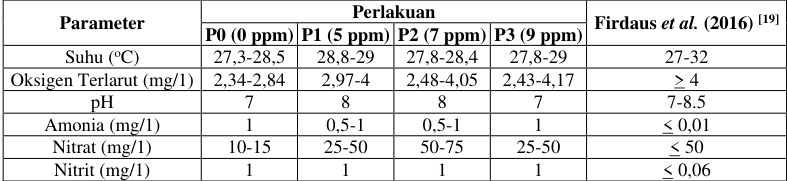 Table 11
 Table 12
Introduction
Cantang grouper is a type of reef fish that has high economic value and selling value in the world market (Chaniago, 2020) [3] . Common problems in grouper cultivation are slow fish growth, high FCR, and the main problem is the decline in water quality. This decrease in water quality can affect the condition of fish, for example fish become stressed and easily infected with pathogens (parasites, fungi, bacteria and viruses). The ectoparasites that commonly attack groupers are Trichodina, Cryptocaryon and Zeylanicobdella.
Based on the research of Mahasri et al. (2020) [6] found the average prevalence value of fish infested with Zeylanicobdella can reach 100% in soil-based ponds and 31.11% in concretebottom ponds. Efforts to overcome these problems need to take action, either treatment or prevention. Manoppo et al. (2016) [8] mentions that to improve growth performance, fish immunity, and disease control can be done by using immunostimulants. Immunostimulants can improve growth performance and control disease by increasing the body's defenses of fish, one of which is the addition of marine leeches Zeylanicobdella on feed. The presence of marine leech protein Zeylanicobdella that enter the fish body can increase immunity, phagocytic ability, stimulation of cytokines from lymphocytes, coordination of humoral and cellular immunity (Wang et al., 2016) [15] . Analogous to the description above, this study will examine how the immune response is indicated by blood glucose level, blood profile and ectoparasite infestation in grouper treated with feeding with the addition of marine leeches Zeylanicobdella because there is no research on the effectiveness of the marine leeches Zeylanicobdella used as an immunostimulant.
Research Method
The method used in this study is an experimental method using a factorial completely randomized design (CRD) consisting of 5 treatments with 4 replications each as follows:
Data Collection
The parameters tested in this study were blood glucose levels, erythrocyte and leukocyte counts, differential leukocytes, ectoparasite infestation, water quality and survival rate. Parameter value measurements were carried out on day 0 (before treatment), day 7, day 14 and day 28.
The method of calculating the number of erythrocytes calculated based on Klontz (1994) [17] is:
Total erythrocytes = 5 areas x 10 x 5 x 200 (sel/mm³) The method of calculating the number of leukocytes calculated based on Klontz (1994) [17] is:
The method for calculating the differential leukocytes count based on Santoso, et al. (2013) [18] are: Determination of the degree of ectoparasite protozoan infestation based on Fegan et al. (1993) [4] can be seen in Table 2 and the determination of the degree of ectoparasite worm infestation based on Williams and Williams (1996) [16] can be seen in Table 3. x 100% …
| Jumlah Parasit | Kategori |
|---|---|
| 0 | Normal |
| 1-5 | Mild |
| 6-50 | Moderate |
| 51-100 | Heavy |
| >100 | Very Heavy |
| >1000 | Super Infection |
Table text extracted from the original PDF; superscript letters are shown inline. The original table image is below.
View original table image
| Jumlah Parasit | Kategori |
|---|---|
| 5-25 | Mild |
| 26-50 | Moderate |
| >50 | Heavy |
Table text extracted from the original PDF; superscript letters are shown inline. The original table image is below.
View original table image
Dimana: SR = Survival Rate (%); N t = Number of fish at the end of the study; dan N 0 = Number of fish at the beginning of the study.
Data Analysis
The data obtained were analyzed using the ANOVA (Analysys of Variance) test, to determine the effect of the treatment given, if there are significant results, the calculation is continued with Duncan's multiple test with a significance level of 5%.
Result Blood Glucose Level
The results of statistical tests for measuring blood glucose levels in cantang grouper can be seen in Table 4. Erythrocyte Count: Calculation of the number of erythrocytes of cantang grouper can be seen in Table 5. Leukocyte Count: Calculation of the number of leukocytes of cantang grouper can be seen in Table 6. 0,768 i ± 0.12 0,7762 hi ± 0.17 0,7668k ± 0.08 0,7998 hi ± 0.12 7 (Q1) 0,7972 hi ± 0.12 0,8212 hi ± 0.11 0,824 h ± 0.09 0,9136 g ± 0.09 14 (Q2) 0,8182 hi ± 0.20 1,011 f ± 0.
| Waktu Pemeliharaan (Hari ke-) | Jnmlah Leukosit (103 sellml) | — | — | — |
|---|---|---|---|---|
| Dosis 0 ppm (PO) | Dons 5 ppm (21) | Dons 7 ppm (22) | Dosis 9ppm (P3) | |
| 0 (Q0) | 0,768i ± 0.12 | 0,7762hi ± 0.17 | 0,7668k ± 0.08 | 0,7998hi ± 0.12 |
| 7 (Q1) | 0,7972hi ± 0.12 | 0,8212hi ± 0.11 | 0,824h ± 0.09 | 0,9136g ± 0.09 |
| 14 (Q2) | 0,8182hi ± 0.20 | 1,011f ± 0.10 | 1,179d ± 10.17 | 1,217c ± 0.11 |
| 21 (Q3) | 0,9538g ± 0.11 | 1,307c ± 0.09 | 1,3062c ± 0.13 | 1,4032b ± 0.15 |
| 28 (Q4) | 1,1292e ± 0.11 | 1,3794b ± 0.16 | 1,3704b ± 10.11 | 1,4902a ± 0.26 |
Table text extracted from the original PDF; superscript letters are shown inline. The original table image is below.
View original table image
| Waktu Pemeliharaan (Hari ke-) | Jumlah Eritrosit (106 sel/ml) | — | — | — |
|---|---|---|---|---|
| Dosis 0 ppm (P0) | Dosis 5 ppm (P1) | Dosis 7 ppm (P2) | Dosis 9 ppm (P3) | |
| 0 (Q0) | 1,61k± 0.12 | 1,90ghi ± 0.17 | 2,17def ± 0.08 | 2,00fgh ± 0.12 |
| 7 (Q1) | 1,67jk ± 0.12 | 2,37bcd ± 0.11 | 2,50ab ± 0.09 | 2,05efg ± 0.09 |
| 14 (Q2) | 7,00fgh ± 0.20 | 2,10ef ± 0.10 | 2,24cde ± 0.17 | 1,74ijk ± 0.11 |
| 21 (Q3) | 1,80ijk ± 0.11 | 2,23cde ± 0.09 | 2,46ab ± 0.13 | 2,32bcd ± 0.15 |
| 28 (Q4) | 1,818hij ± 0.11 | 2,396abc ± 0.16 | 2,534a ± 0.11 | 2,344abcd ± 0.26 |
Table text extracted from the original PDF; superscript letters are shown inline. The original table image is below.
View original table image
| Maintenance Time | Blood Glucose Level (mg/dL) | — | — | — |
|---|---|---|---|---|
| Dose 0 ppm (P0) | Dose 5 ppm (P1) | Dose 7 ppm (P2) | Dose 9 ppm (P3) | |
| Day 0 (QO) | 62,00a ± 5,148 | 57,80ab ± 1,304 | 52,60ab ± 2.302 | 56,00b ± 1,581 |
| Day 7 (Q1) | 54,00bc ± 4,848 | 53,20bc ± 3,768 | 48,40cd ± 3,362 | 38,60fgh ± 3,050 |
| Day 14 (Q2) | 52,20bc ± 3,114 | 44,60de ± 11,675 | 44,80de ± 5,404 | 37,40gh ± 4,159 |
| Day 21 (Q3) | 43,80def ± 2,387 | 36,40gh ± 3,782 | 40,604efg ± 3,362 | 36,00gh ± 6,892 |
| Day 28 (Q4) | 37,80gh ± 1,924 | 33,00hi ± 2,236 | 30,20i ± 1,304 | 28,80i ± 0,837 |
Table text extracted from the original PDF; superscript letters are shown inline. The original table image is below.
View original table image
Differential Leukocytes
A. Lymphocyte Count: The lymphocyte count of cantang grouper can be seen in Table 7.
| Waktu Pemeliharaan (Hari ke-) | Jumlah Limfosit (%) | — | — | — |
|---|---|---|---|---|
| Dosis 0 ppm (P0) | Dosis 5 ppm (P1) | Dosis 7 ppm (P2) | Dosis 9 ppm (P3) | |
| 0 (Q0) | 61ij ± 3.46 | 61.8ij ± 5.9 | 58j ± 9.82 | 63.8i ± 3.11 |
| 7 (Q1) | 72.8gh ± 3.56 | 72gh ± 1.87 | 69.2h ± 3.4 | 71.6gh ± 2.7 |
| 14 (Q2) | 76fg ± 2.7 | 73gh ± 2 | 79ef ± 3.03 | 77fg ± 1.58 |
| 21 (Q3) | 812def ± 5.54 | 76.2fg ± 2.58 | 82.2cde ± 3.8 | 84.2bcde ± 2.28 |
| 28 (Q4) | 882b ± 4.32 | 87.4bc ± 2.7 | 85.2bcd ± 2.68 | 94.6a ± 2.88 |
Table text extracted from the original PDF; superscript letters are shown inline. The original table image is below.
View original table image
C. Monocyte Count:
The calculation of cantang grouper monocytes can be seen in Table 9.
| Waktu Pemeliharaan (Hari ke-) | Jumlah Monosit (%) | — | — | — |
|---|---|---|---|---|
| Dosis 0 ppm (PO) | Dosis 5 ppm (P1) | Dosis 7 ppm (P2) | Dosis 9 ppm (P3) | |
| 0 (Q0) | 7,8a ± 0.12 | 5b ± 0.17 | 4,6bede ± 0.08 | 3cde ± 0.12 |
| 7 (Q1) | 2cde ± 0.12 | 2,4bcde ± 0.11 | 2,6de ± 0.09 | 2bc ± 0.09 |
| 14 (Q2) | 2cde ± 0.20 | 2cde ± 0.10 | 1.8bcde ± 0.17 | 1,6bcde ± 0.11 |
| 21 (Q3) | 2,4bcde ± 0.11 | 2bcde ± 0.09 | 2.6de ± 0.13 | 2e ± 0.15 |
| 28 (Q4) | 1,4de ± 0.11 | 1,6bc ± 0.16 | 1,8bcd ± 0.11 | 1cde ± 0.26 |
Table text extracted from the original PDF; superscript letters are shown inline. The original table image is below.
View original table image
Infestation Ectoparasite
The results of the calculation of the average number ectoparasites in cantang grouper in Table 10 show that during 28 days of rearing the values ranged from 12.60 to 36.20 parasites with the category of mild to moderate ectoparasite infestation according to Williams and Williams (1996) [16] . Water Quality: The results of measuring the water quality of cantang grouper can be seen in Table 11. Survival Rate: The calculation of the average survival rate of cantang grouper during rearing can be seen in Table 12.
| Perlakuan | Jumlah Ikan Yang Dipelihara Awal (ekor) | Jumlah Ikan Yang Hidup Setelah 28 hari Pemeliharaan (ekor) | Tingkat Kelulushidupan (%) |
|---|---|---|---|
| P0 | 12 | 5 | 41,6% |
| P1 | 12 | 7 | 58,3% |
| P2 | 12 | 7 | 58,3% |
| P3 | 12 | 7 | 58,3% |
Table text extracted from the original PDF; superscript letters are shown inline. The original table image is below.
View original table image
| Parameter | Perlakuan | — | — | — | Firdaus et al. (2016) [19] |
|---|---|---|---|---|---|
| P0 (0 ppm) | P1 (5 ppm) | P2 (7 ppm) | P3 (9 ppm) | ||
| Suhu (oC) | 27,3-28,5 | 28,8-29 | 27,8-28,4 | 27,8-29 | 27-32 |
| Oksigen Terlarut (mg/1) | 2,34-2,84 | 2,97-4 | 2,48-4,05 | 2,43-4,17 | > 4 |
| pH | 7 | 8 | 8 | 7 | 7-8.5 |
| Amonia (mg/1) | 1 | 0,5-1 | 0,5-1 | 1 | < 0,01 |
| Nitrat (mg/1) | 10-15 | 25-50 | 50-75 | 25-50 | < 50 |
| Nitrit (mg/1) | 1 | 1 | 1 | 1 | < 0,06 |
Table text extracted from the original PDF; superscript letters are shown inline. The original table image is below.
View original table image
| Maintenance Time | Avenge Number of Ectoparasites Infestation Degree | — | — | — |
|---|---|---|---|---|
| Dose 0 ppm (PO) | Dose S ppm (P1) | Dose 7 ppm (P2) | Dose 9 ppm (P3) | |
| Day 0 (Q0) | 36,20a ± 2,387/Moderate | 31,60bcd ± 2,074/Moderate | 29,40de ± 1,140/Moderate | 30,40cd ± 2,074Moderate |
| Day 7 (Q1) | 34,00ab ± 2,915/Moderate | 29,60de ± 2,074/Moderate | 26,40fg ± 1,140/Moderate | 26,401fg ± 2,408/Moderate |
| Day 14 (Q2) | 31,20bcd ± 2,950/Moderate | 24,00gh 3,162/Moderate | 20,40ijk ± 2,074/Moderate | 18,40jk ± 2,302/Moderate |
| Day 21 (Q3) | 32,80bc ± 2,490/Moderate | 25,60fg ± 1,949/Moderate | 21,00ij ± 1,581/Moderate | 18,80ijk ± 1,304/Moderate |
| Day 28 (Q4) | 27,20ef ± 2,280/Moderate | 21,60hi ± 1,140/Moderate | 17,60k ± 1,517/Moderate | 12,601 ± 1,517/Moderate |
Table text extracted from the original PDF; superscript letters are shown inline. The original table image is below.
View original table image
Discussion
High blood glucose levels in cantang grouper at the beginning of rearing is an indicator of fish stress which can be caused by less than optimal environmental conditions and fish are still in the process of adapting to the rearing environment. This is supported by Nasichah et al. (2016) [9] which states that stress is a physiological response from the body that occurs when fish try to maintain a stable condition in the body, one of which is due to poor environmental conditions that affect the physiological conditions of the fish's body, one of which is increased blood glucose levels.
The results of statistical tests on the number of erythrocytes and leukocytes showed that there was an interaction between the dose of Zeylanicobdella with different maintenance times. The increase in erythrocytes after a decrease was due to the immunostimulant marine leech Zeylanicobdella that enters the body of the fish. The presence of protein content in Zeylanicobdella can increase the number of red blood cells. Furthermore, the increase in the number of leukocytes was due to the presence of immunostimulants that entered the fish's body. The increase in total leukocytes in fish given immunostimulants shows that immunostimulants that enter the body have a positive effect on increasing total leukocytes in the blood (Suhermanto, et al. 2013) [12] . The results of the observation of blood smear preparations, it is known that the types of leukocytes found were monocytes, lymphocytes and neutrophils. The average value of lymphocytes in cantang grouper before being fed a diet containing Zeylanicobdella, obtained a range of 58-69%. These results indicate that the average lymphocyte value of the tested fish is still in the below normal range (Svobodova et al., 2006) [13] . The peak of the increase in the percentage of lymphocytes on the 28th day of treatment P1, P2 and P3
International Journal of Biology Sciences https://www.biologyjournal.net/ with P3 as the best dose, indicated that the marine leech Zeylanicobdella with its protein content is able to influence the percentage of lymphocytes in the blood of grouper cantang.
The results of statistical tests on the number of neutrophils showed that there was an interaction between doses of Zeylanicobdella with different maintenance times. Based on observations, the average neutrophil percentage value before being treated ranged from 28-38%, this percentage showed that the neutrophil value of cantang grouper was not optimal (Preanger et al., 2016) [10] . Giving marine leeches Zeylanicobdella in cantang grouper feed can cause a decrease in the number of neutrophils, although in some values it shows that it is not optimal, but the value is lower than the range before being given immunostimulants. Then, the results of statistical tests on the number of monocytes showed that there was an interaction between the dose of Zeylanicobdella with different maintenance times. The average value of the percentage of monocytes before being treated ranged from 2-10%, this percentage showed that the monocyte value of cantang grouper was not optimal. Monocytes which tend to decrease every week until the 14th week are related to monocytes that are not needed for phagocytosis, because there has been no infection that has entered the fish body (Syatma et al., 2015) [14] .
In addition, the combined dose of Zeylanicobdella and different rearing times reduced the number of ectoparasite infestations in cantang grouper. This is because according to Mahasri et al. (2018) [7] stated that the entry of immunostimulants from the marine leeches Zeylanicobdella. Macrophage cells that are considered foreign bodies need time to respond in order to stimulate increased activity of phagocytic cells that function as cells that carry out phagocytosis of foreign objects that enter the host's body.
Phagocytosis is a non-specific body defense system that is able to protect the body against disease attacks so that the fish's immune response increases. So that the combined dose of Zeylanicobdella and different rearing times can reduce the number of ectoparasite infestations in cantang grouper.
The results of the water quality examination showed that the dissolved oxygen level ranged from 2.75-4.17 mg/L which could be said to be not in accordance with the optimal value. The results showed that the content of nitrite during maintenance was in the range of 0.5-1 mg/L, nitrate during maintenance was 10-75 mg/L and ammonia in the range of 0.5-1 mg/L. The results of these three parameters indicate that the values are not optimal (Solichin et al., 2012) [11] . Furthermore, the high survival rate (58.3%) in the addition of Zeylanicobdella. This is because the protein Zeylanicobdella as an immunostimulant candidate, it can provide high protection or protection to cantang grouper, with an increase in the immune system.
Conclusion
The conclusion of this research is the provision of marine leeches Zeylanicobdella on feed with different doses and maintenance time had a very significant effect on blood glucose level, the number of erythrocytes, leukocytes, differential leukocytes and ectoparasite infestation of grouper cantang. The best interaction between doses of Zeylanicobdella on feed with different maintenance times is a dose of 9 ppm Zeylanicobdella sp. on feed with maintenance time of day 28.
Suggestion
Suggestions from this study are that it is necessary to rethink the effective method of feeding, and the injection must be done with the appropriate technique, because the wrong injection can cause stress to the fish.
Figures and tables from the paper
| Treatment | Q0 | Q1 | Q2 | Q3 | Q4 |
|---|---|---|---|---|---|
| P0 | P0Q0 | P0Q1 | P0Q2 | P0Q3 | P0Q4 |
| P1 | P1Q0 | P1Q1 | P1Q2 | P1Q3 | P1Q4 |
| P2 | P2Q0 | P2Q1 | P2Q2 | P2Q3 | P2Q4 |
| P3 | P3Q0 | P3Q1 | P3Q2 | P3Q3 | P3Q4 |
Table text extracted from the original PDF; superscript letters are shown inline. The original table image is below.
View original table image
| Walctu. Pemeliharaan (Hari ke-) | Jumlah Neutmfil (%) | — | — | — |
|---|---|---|---|---|
| Dosis 0 ppm (PO) | Dons 5 ppm (P1) | Dom 7 ppm (P2) | Dom 9 ppm (P3) | |
| 0 (QO) | 31.6bc ± 0.12 | 33,2ab ± 0.17 | 35,4a ± 0.08 | 33,2th ± 0.12 |
| 7 (Q1) | 25,2d ± 0.12 | 25,6d ± 0.11 | 28.2cd ± 0.09 | 26,4d ± 0.09 |
| 14 (Q2) | 21,6ef ± 020 | 25de ± 0.10 | 19fg ± 0.17 | 18,4fg ± 0.11 |
| 21 (Q3) | 16,4gh ± 0.11 | 18,6fg ± 0.09 | 14,8h ± 0.13 | 13hi ± 0.15 |
| 28 (Q4) | 10,4i ± 0.11 | 10i ± 0.16 | 13hi ± 0.11 | 5,2j ± 026 |
Table text extracted from the original PDF; superscript letters are shown inline. The original table image is below.
View original table image
References
15 in the original paper- Adha SD. Pengaruh Konsentrasi lintah laut HNO dan Waktu Kontak terhadap Desorpsi Kadmium (II) yang Terikat pada Biomassa Azolla micropylla Sitrat. Kimia Student Journal. 2015;1(1):636-642.
- Agung LA, Prayitno SB, Dan Sarjito. Pengaruh Pemberian Ekstrak Daun Jeruju (Acanthus ilicifolius) Terhadap Profil Darah Ikan Kerapu Macan (Epinephelus fuscoguttatus). Journal of Aquaculture Management and Technology. 2013;2(1):87-101.
- Fegan DF, Nieles T Flegel, Rossuwan S, Waiyakaruitata M. The Development of a Method for Determining the Quality of Post Larva of Penaeus monodon Fab. Asian Fisheries Society Conferences; c Oct 23 1993.
- Hendriansyah A, Wiwin KAP, Dan Shavika M. Rasio Konversi Pakan Benih Ikan Kerapu Cantang (Epinephelus fuscoguttatus x Epinephelus lanceolatus) dengan Pemberian Dosis recombinant Growth Hormone (rGH) yang Berbeda. Intek Akuakultur. 2018 Oct 28;2(2):1-12.
- Mahasri G, Hafidlo U, Pratama FP, Rahmawan D, Subekti S, Wulansari PD, et al. Prevalence, Intensity and Histopathology of Zeylanicobdella arugamensis Infestation on Groupers Reared on Different Aquaculture Systems. Journal Fish Disease. 2020 Oct;43(10):1133-1143.
- Mahasri G, Kusdarwati R, Kismiyati, Rozi dan H Gustrifandi. Effectivity of Immunostimulant from Zoothamnium panaei Protein Membran for Decreasing the Mortality Rate of White Shrimp (Litopenaeus vannamei) in Traditional Plus Pond. IOP Coal. Series. Earth and Enviromental Science. 2018 Apr 1;137(1):012-020, 11.
- Manoppo H, Kolopita MEF, Malatunduh R. Growth Promoter Effect of Garlic (Allium sativum) on Carp (Cyprinuscarpio L). International Journal of Pharmtech Research. 2016;9(4):283-288.
- Solichin I, Haetami K, Dan Suherman H. Pengaruh Penambahan Tepung Rebon pada Pakan Buatan terhadap Nilai Chroma Ikan Mas Koki (Carassius auratus). Jurnal Perikanan Kelautan. 2012 Dec 1;3(4):185-190.
- Suhermanto A, Andayani A, Dan Maftuch. Pemberian Total Fenol Teripang Pasir (Holothuria scabra) untuk Meningkatkan Leukosit dan Diferensial Leukosit Ikan Mas (Cyprinus carpio) yang Diinfeksi Bakteri Aeromonas hydrophila. Jurnal Kelautan. 2013;4(2):4956.
- Svobodova Z, Vyukusova B, Blahova J, Modra H, Velisek J. Stress Response to Long Distance Transportation Of Common Carp (Cyprinus carpio L.). Journal Acta Veterina Borno. 2006;75:437-448.
- Syatma M, Lukistyowati L, Aryani N. Addition of Mangosteen Rind (Garcinia mangostana L.) Simplicia In Feed on Differentiation of Leukocytes of African Catfish (Clarias gariepinus) Infected By Aeromonas hydrophila. Jurnal Universitas Riau. 2015;3(1):1-18.
- Wang W, Sun J, Liu C, Xue Z. Review Article Application of Immunostimulants in Aquaculture: Current Knowledge and Future Perspectives. Aquaculture Research. 2016;48(1):1-23.
- Merrifield LL, Klontz HA, Vaden JL. Differential diagnostic analysis system. American Journal of Orthodontics and Dentofacial Orthopedics. 1994 Dec 1;106(6):641-8.
- Komorowski JC, Jenkins S, Baxter PJ, Picquout A, Lavigne F, Budi-Santoso A, et al. Paroxysmal dome explosion during the Merapi 2010 eruption: processes and facies relationships of associated high-energy pyroclastic density currents. Journal of Volcanology and Geothermal Research. 2013 Jul 1;261:260-94.
- Reyes EB, Ha JW, Firdaus I, Ghazi AM, Phrommintikul A, Sim D, et al. Heart failure across Asia: same healthcare burden but differences in organization of care. International journal of cardiology. 2016 Nov 15;223:163-7.