
Research article · 2022 · Full text
International Journal of Biology SciencesTo study the effects of various artificial feed on growth rate of Carassius carassius (Gold Fish)
Volume 4(2) · Pages 117–121 · DOI: 10.33545/26649926.2022.v4.i2b.88 ↗
Research areasAquaculture Nutrition and GrowthFish Biology and Ecology Studies
Abstract
Author-writtenPresent work was done with keeping view of the key concept as evaluation of growth pattern by feed management in gold fish with reference to physico-chemical parameters. Firstly, fish fingerlings were bought from market shop namely fish and fun Bhopal Madhya Pradesh. Fingerlings were then installed in aquarium, thereafter we started feeding fishes with experimental feed. All the three fishes of gold fish were almost uniform in size and weight. The fishes show better growth in experimental feed formed of soybean, Rice bran, Egg shell, Curry leaves, Moringa leaves, and chicken liver etc. fishes also show positive growth in experimental feed. The feeding of fishes fluctuate from the disturbance of any physio-chemical parameters of water, especially Temperature, pH and dissolved oxygen.
Summary
Source-checkedPlain-language reading of the full paper, prepared with AI and checked against the text. Each point links to the authors' own words.
Why it matters
- Feed is the most costly part of aquaculture because it relies heavily on expensive animal proteins like fishmeal and shrimp meal. View evidence ↗
- There is a need to investigate plant proteins as cheaper alternatives to animal proteins in fish diets. View evidence ↗
The question
- The study aims to evaluate the nutritional potential of plant-based ingredients for fish feed. View evidence ↗
What they did
- The experiment used 6 fish kept in a glass aquarium with a 15-liter water capacity. View evidence ↗
- Fish were fed an experimental diet containing 30% protein for the first 30 days, followed by commercial feed for the next 30 days. View evidence ↗
- Fish length and weight were measured every 10 days, for a total of eight measurements. View evidence ↗
- Water parameters including temperature, pH, and dissolved oxygen were measured using an HQ 40D meter from HACH company. View evidence ↗
- The experimental feed was prepared using ingredients including soybean, egg shell, curry leaves, Moringa leaves, chicken liver, and rice bran. View evidence ↗
What they found
- Fish exhibited better growth when fed the experimental mix of soybean, rice bran, egg shell, curry leaves, Moringa leaves, and chicken liver. View evidence ↗
- Fish feeding patterns fluctuated in response to changes in water parameters, particularly temperature, pH, and dissolved oxygen. View evidence ↗
What it means
- The authors concluded that the experimental feed resulted in better growth performance for goldfish compared to commercial feed. View evidence ↗
- The authors state that commercial aquaculture success depends on optimizing the environment for growth while minimizing resource and capital costs. View evidence ↗
Visual summary
3 visualsIllustrations explain the paper; charts are replotted from the paper's own table values.
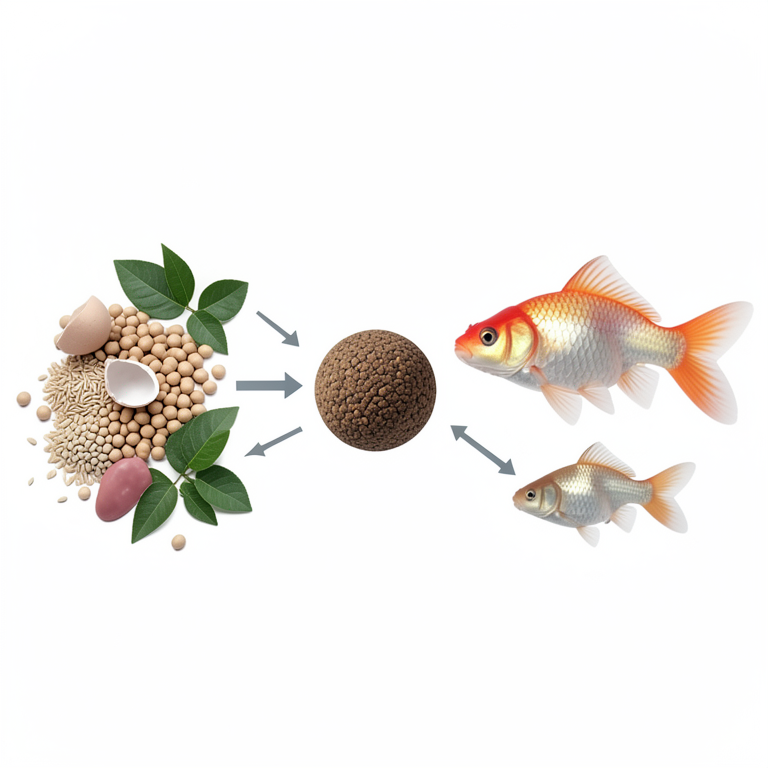
Experimental Feed Composition
AI-generated conceptual illustration (Carassius carassius (Goldfish)). It explains the idea and does not show study data.
View source evidence ↗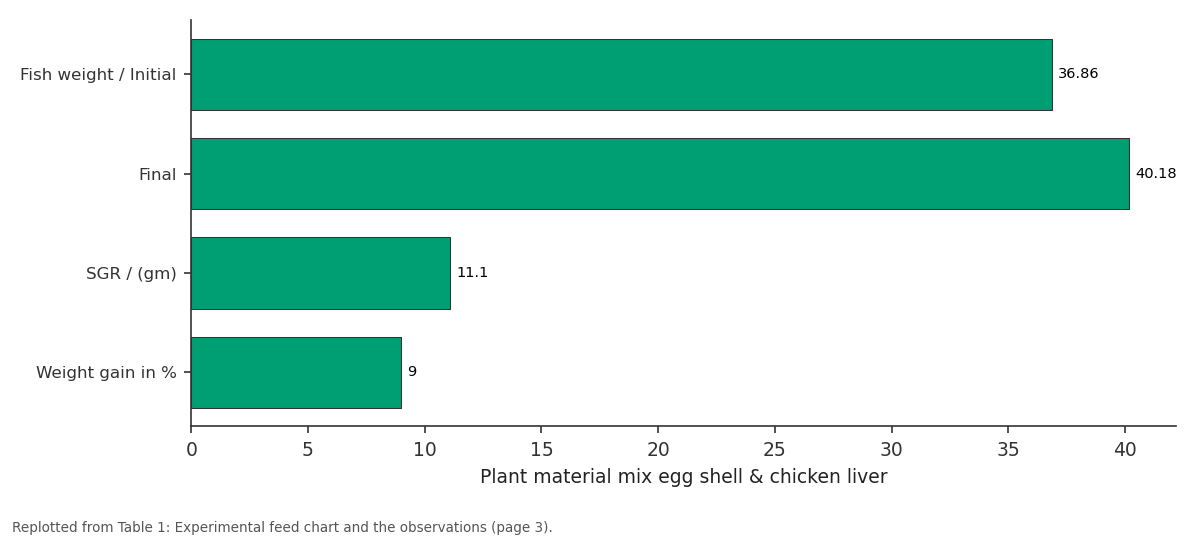
Plant material mix egg shell & chicken liver: Fish weight / Initial vs Final vs SGR / (gm) vs Weight gain in %
Replotted from Table 1 (page 3) of the original paper. Every bar is the paper's own table value.
View source evidence ↗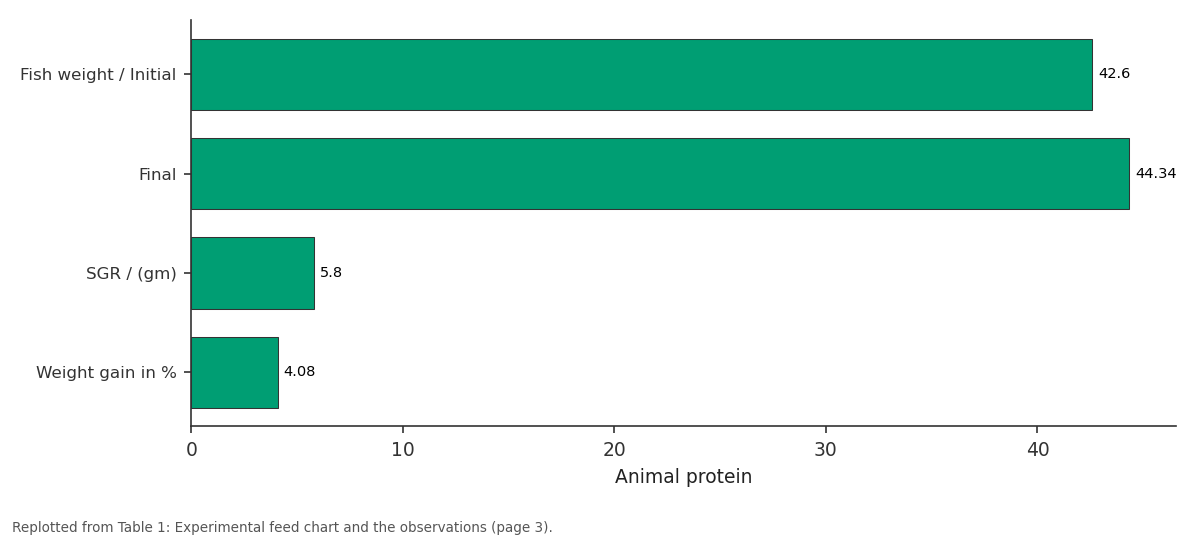
Animal protein: Fish weight / Initial vs Final vs SGR / (gm) vs Weight gain in %
Replotted from Table 1 (page 3) of the original paper. Every bar is the paper's own table value.
View source evidence ↗Figures & tables
From the original paper Table 1
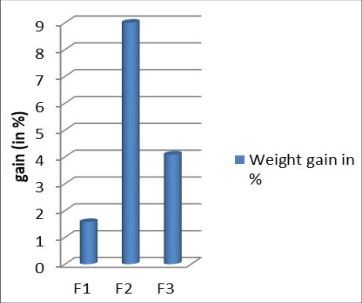 Figure 1
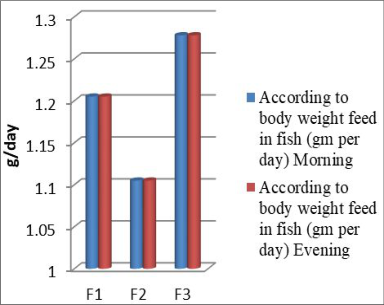 Figure 1
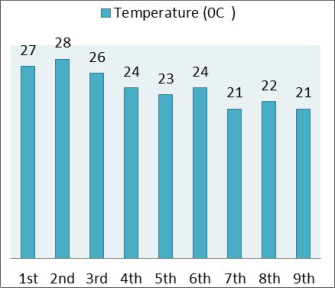 Figure 2
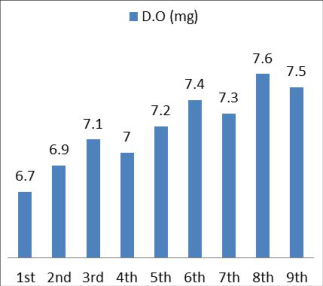 Figure 3
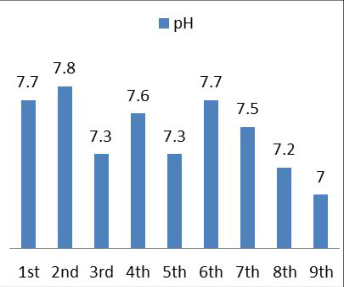 Figure 4
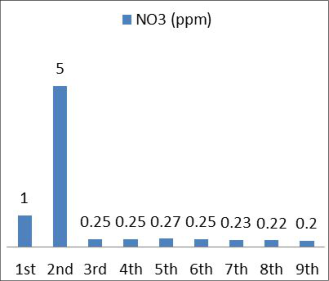 Figure 5
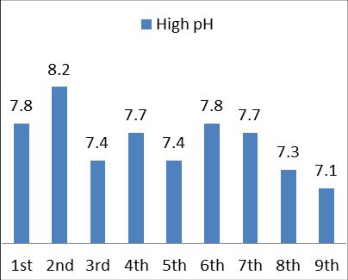 Figure 6
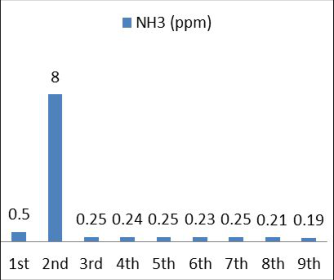 Figure 7
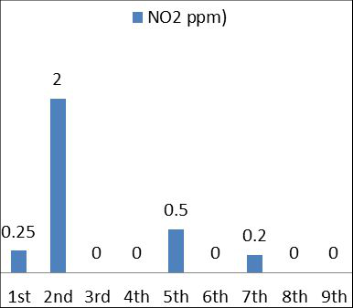 Figure 8
Introduction
Nutrition is one of the key factors in improving production efficiency of ornamental fish. The other factors include growth, health, body color and breeding of these fishes. Nutritional requirements and feed management needs in ornamental fish are determined mainly based on the information of these and the experiences of successful aquarist in the line. Fish feed is the most expensive input during aquaculture operations. The high cost of feed arises from extensive reliance on animal protein sources, such as fishmeal and shrimp meal (Omoregie, 2001) [13] . Shortage and high cost of pelleted feed severely constrains the development of low cost aquaculture systems suitable especially for small-scale farmers. Therefore, there is a need to assess the potential of non-conventional raw ingredients before use in fish diets. Good nutrition in animal production systems is essential to economically produce a healthy and high quality product. According to Omoregie and Ogbemudia (1993) [14] , fish nutrition has advanced dramatically in recent years with the development of balanced commercial diets for promoting optimal fish growth and health. However, as the cost of fish production continue to escalate due to soaring feed prices owing to extensive use of expensive animal protein like fish meal, aquaculture production becomes a less or non-profitable enterprise (El-Sayed, 2006) [4] . Therefore, it is necessary to explore utilization of plant proteins in fish feeds as substitutes for expensive animal protein materials (Omoregie and Ogbemudia, 1993) [14] . Fish meal has become the most essential protein for commercial aquaculture feeds. It provides the fish with high quality protein, an essential amino acid profile and has high palatability (Li et al., 2006) [9] . As fish meal is expensive and inaccessible to small scale fish farmers, there is a need of replacing fish meal with cheaper ingredients (Higgs et al., 1995) [18] . Plant proteins are likely candidates because of local availability and low cost (Lim and Webster, 2006). Substituting fishmeal with plant protein ingredients can reduce the fish growth (Francis et al., 2001) [6] . Despite its associated challenge, the current study, aims at evaluating the nutritional potential of plant ingredients. Cassava (Manihot esculenta, Crantz) contains 27.39-30.8% protein content. As an allseason crop as food in several parts of Africa (Nigeria inclusive), Asia and Latin America is well documented (Longe, 1980; Rosling, 1987; Bradbury et al., 1991) [10,16,1] . Besides protein, it contains minerals, Vitamin B1, B2, C and carotenes (Eggum, 1970; Adewusi and Bradbury, 1993) [3] . Colocasia contains 30.0-33.5% protein content. It is widely produced throughout the world for its underground corms (Njintang et al., 2007) [11] . The nutritional value is the main concern when a crop is being considered as a food source. Due to the emphasis placed on the nutritional value of food by consumers, a great need exists for information on the nutritional contents of root crops (Huang, et al., 2007). [11] . It contains about 11% protein on a dry weight basis. This is more than yam, cassava or sweet potato. The protein fraction is rich in essential amino acids of trionine, leucine, arganine, valine and phnylalanine. Among the essential amino acids methionine, lycine, cystine, phnylalanine and leucine are relatively abundant in the leaf than the corm (FAO, 1999) [5] . Sweet potato contains 29.18-35.3% protein content. Among other root and tuber crops, contains higher contents of carbohydrates, various vitamins, minerals, and protein than other vegetables (Shih et al., 2007) [17] .
Materials and Methods
Measurement of physico-chemical water parameters during research period viz Temperature, pH, and dissolved oxygen etcwas done by with the help of HQ 40D made by HACH company, this meter can measure a lot of parameters of water. The data of fishes length and weight was taken from at 10 days interval, total measurement was done eight times. I observed increase in both weight of fishes. The feeding of fishes two times in a day with 3% of body weight, feed was given in the form of pellet. Measurement of weight was done with the with electronic weight and length of fishes taken from scale. Wastes are siphoned out by siphoning and water of the aquarium was exchanged 25% every seventh day. Water sources was the tape water. The present investigation was carried out in the laboratory in Hatchery section of "Department of Zoology and Applied Aquaculture, Barkatullah University" where experimental aquariums were set up and the necessary requirements were facilitated.
Materials
Step used for feed preperation For present study feed was prepared through following feed preparation methods. all these methods are as:
Collection of material
For feed preparation the plants feed ingredients such as Soyabean, Egg shell, curry leaves, Moringa leaves and chicken liver and rice bran were brought from local market Bagsweniya.
Drying of ingredients
Ingredients of all the feed were dried to get rid from moisture. All ingredients were dried in open sun for 2-10 days.
Crushing and grinding
All feed ingredients, ingredients were crushed and grinded separately for pellets formation
Mixing of ingredients with binder
All the crushed and grinded ingredient was mixed with binder (Rice bran). Similarly commercial feed ingredients were mixed with binder. Coconut oil was added while mixing constantly and 85ml of water per 100gm of feed was slowly blended into mixer resulting in suitability texture dough as for fish feed.
Fermentation
The all the dough was then kept in autoclave for 20 minutes to remove the fungal attack or to make fungal free.
Pellet formation
The dough was inserted into pellet machines and through this pellet having size 1mm was made. The pellets were kept in incubator for 24 hours to dry the feed.
Packing of feed
The pellets were then packed in tight polythene and kept in room by maintaining 28 o c temperature.
Method
(Carassius carassius) fingerlings were purchased from shop namely fish and fun in the city of Bhopal. They were brought to the laboratory through the inflated polythene bags filled with aerated water. The circular tough was used washed with potassium permanganate to make free from fungal attack. They were kept in circular trough to acclimatize to the laboratory condition for two days. The excreta and excess feed were siphoned out daily to avoid contamination the water had pH ranges between 7.0 to 8.5.
Feeding was stopped one day before the fish were used for experiment. The healthy fish and uniform size and weight were selected for experiment. 6 fish were taken in a glass aquarium. Aquarium fish were fed on experimental feed (30%) protein for the first 30 days of the experiment and remaining 30 days fishes were fed on commercial feed.
Experiment design and setup
Glass aquarium with 15 litres water holding capacity was used for the experimental studies. The acclimatized Carassius Carassius fingerlings of almost uniform size and weight were randomly distributed in the aquarium. Fishes were fed on experimental diet for the first 20 days of the experiment, and remaining 10 days fishes were fed on commercial feed. Sources of water for aquarium were tap water. All fish were fed daily twice a day at 11 am and 5:30 pm. The fingerlings were fed 5% live wet body weight twice a day. The aquarium water was partially renewed daily. The fish were weighted after 10 days and feeding rates adjust accordingly. The uneaten feed was siphoned out daily after 6 hours of feeding.
Diet formulation and preparation
The experiment was set up for 60 days from 25 September to 25 November (2016) in department of zoology and applied aquaculture. During experiment two experimental diets were selected. shown in table consisted of ingredients soya beans, rice bran, wheat, curry leaves and Moringa leaves were brought. Consisted of (30%) crude protein ingredients consist of rice bran and cod liver oil were brought from local market. By using all the feed preparation steps experimental feed were prepared. All the experimental diets ingredients were mixed with binder by using water separately.
Feed formulation method
Two types of feed was prepared in the present experiment which were scientifically formulated considering the specific nutritional need of Poeciliasphenops (30-40%) protein for the proper judgement of growth and survivability rate in this experiment by Pearson square methods. Pearson square method or box method of balancing rations is a simple procedure that has been used for many years. Diets are formulated to fulfil the energy, protein and energy protein ratio of the diets. If protein and energy contents of diets are satisfied then other nutrients are automatically augmented. However, marginal supplements of the nutrients is required, if necessary. Different mathematical techniques are used to balance the nutrients contents of diets. in present study Pearson square method was used to prepare balance diet.
Results and Discussion
Results and Discussion
A.) Physico-chemical observations
The physico-chemical analysis for the parameters like temperature, pH, high pH NO3, NO2 NH3 and was carried out for Aquarium 1separately.
The result of physico-chemical parameters investigated during the study period are given in the tables below.
Conclusion
Months research work concluded that fishes showed good growth performance in experimental feed as compared to commercial feed gold fish an ornamental fish having omnivores feeding nature. Feeding of fishes fluctuate from the disturbance of any physico-chemical parameters of water, especially temperature, pH and dissolved oxygen. The success of a commercial aquaculture enterprise depends on providing the optimum environment for rapid growth at the minimum cost of resources and capital. One of the major of intensive recirculation systems is the ability to manage the aquatic environment and critical water quality parameters to optimize fish health and growth rates.
Although the aquatic environment is a complex eco-system consisting of multiple water quality variables, it is fortunate that only a few of these parameters play decisive roles. These critical parameters are temperature, suspended solids, pH, and concentration of dissolved oxygen, ammonia, nitrite nitrate. Each individual parameter is important, but it is the
International Journal of Biology Sciences https://www.biologyjournal.net/ aggregate and interrelationship of all the parameters that influence the health and growth rate of the fish.
Figures and tables from the paper
| Experimental feed number | No. of fish | According to body weight feed in fish (gm per day) | — | Fish weight | — | SGR | FCR | Weight gain in % | Diet Content |
|---|---|---|---|---|---|---|---|---|---|
| Morning | Evening | Initial | Final | (gm) | (gm) | ||||
| 1 | 3 | 1.205 | 1.205 | 40.18 | 40.81 | 2.1 | 0.63 | 1.568 | Company feed/Standard |
| 2 | 3 | 1.105 | 1.105 | 36.86 | 40.18 | 11.1 | 0.33 | 9 | Plant material mix egg shell & chicken liver |
| 3 | 3 | 1.278 | 1.278 | 42.6 | 44.34 | 5.8 | 0.73 | 4.08 | Animal protein |
Table text extracted from the original PDF; superscript letters are shown inline. The original table image is below.
View original table image
References
16 in the original paper- Bradbury JH, Egan SM, Lynch MJ. Analysis of cyanide in cassava using acid hydrolysis of cyanogenic glucosides. J Sci. Food Agri. 1991;55:277-290.
- Edwards P, Allan GL. Feed and Feeding for inland aquaculture in Mekong region countries. ICIAR Technical Report. 1991;56:1-37.
- Eggum RO. The protein quality of cassava leaves. Br. J Nutr. 1970;24:761-768.
- El-Sayed AFM. Tilapia Culture. CABI Publishers, Oxfordshire, UK, 277. reared in cold water. Aquaculture. 2006;269:414-426.
- FAO. Taro Cultivation in Asia and the Pacific, Food and Agriculture Organization of the United Nations (FAO), Rome, Italy, 1999.
- Francis G, Makkah HPS, Becker K. Anti-nutritional factors present in plant-derived alternate fish feed ingredients and their effects in fish. Aquaculture. 2001;199:197-227.
- Teshome Y. Evaluation of rice production and productivity marketing system in small producer farmers in Ethiopia. Int. J. Agric. Nutr. 2021;3(1):3340. DOI: 10.33545/26646064.2021.v3.i1a.60
- Schott) corms. Journal of Agriculture and Food Chemistry. 1992;40:2123-2126.
- Li MH, Peterson BC, Jones CL, Robinson EH. Comparison on diet containing various fish meal levels on growth performance, body composition and Insulinlike growth factor -I of Juvenile channel catfish, (Ictalurus punctatus) of different strains. Aquaculture. 2006;253:628-635.
- Longe OG. Effect of processing on the chemical composition and energy value of cassava. Nutr. Rept. Inter. 1980;21:819-829.
- Njintang NY, Mbofung MF, Kesteloot R. Multivariate analysis of the effect of drying method and particle size of flour on the instrumental texture characteristics of paste made from two varieties of taro flour. Journal of Food Engineering. 2007;81:250-256.
- Olele NF. Comparative study on the use natural and artificial based diet on Clarias gariepinus fingerings. Journal of Agriculture and Biological, Science. 2001;6:9-13.
- Polsen RA, Spencer DSC. The technology adoption process in subsistence agriculture: The case for cassava in Southwestern Nig. Agri. Sys. 1991;36:65-78.
- Rosling H. Cassava toxicity and food security. Tryck Kontakt, Uppsala, 1987.
- Shih PH, Yeh CT, Yen GC. Anthocyanins Induce the Activation of Phase II Enzymes through the Antioxidant Response Element Pathway against Oxidative Stress Induced Apoptosis. Journal of Agricultural and Food Chemistry. 2007;55:9427-9435.
- Higgs DA, Dosanji BS, Prendergast AF, Beams AF, Hardy RW, Riley W, et al. Nutrition and Utilization Technology in Aquaculture. Chapman and Hall Company. New York. USA, 1995, 130-156.