
Research article · 2023 · Full text
International Journal of Biology SciencesEffect of Rosmarinus officinalis L. extracts on bacteria isolated from conjunctivitis in Kirkuk City, Iraq
Volume 5(1) · Pages 87–91 · DOI: 10.33545/26649926.2023.v5.i1b.150 ↗
Research areasFlavonoids in Medical Research
Abstract
Author-writtenConjunctivitis is an eye disease that causes swelling or Conjunctival inflammation. It is one of the most common ocular diseases worldwide. This work aimed to study the effect of Rosmarinus officinalis (alcoholic and aqueous) extracts against isolated bacteria from conjunctivitis persons, further evaluation of the phytochemical test, antioxidant activity test, and sensitivity test for bacterial isolates. 50 samples were collected from conjunctivitis patients were visited private medical laboratories in Kirkuk city from 15 July to 1 December 2022 by using sterile transport swabs, planted into several culture media incubated under aerobic and anaerobic conditions at 37 ° C for 24-48 hr. diagnosed with biochemical tests and confirmed with the API system. Alcoholic and aqueous rosemary extracts were prepared with three concentrations 10%, 20%, and 30%. Three tests were conducted: sensitivity test, a phytochemical test, and an antioxidant activity test. Out of 50 samples, 31 (62%) were positive culture. While 19 cases gave a negative result to the culture. Staphylococcus aureus was the most prevalent (11 isolates). Then Streptococcus viridance (8 isolates), Pseudomonas aeroginosa was prevalent (7 isolates), (3 isolates) of E. coli and Klebsiella pneumonia was (2 isolates). Regarding the extracts' inhibitory effect, the alcoholic extract was effective in strains than aqueous extract, and the inhibitory activity increased with increasing concentrations. Gram-positive bacteria were more susceptible to extracts of rosemary than Gram-negative bacteria. Staphylococcus aureus was shown to be the most sensitive to rosemary extracts, while Pseudomonas aeroginosa was found to be the least sensitive. The phytochemical reaction in alcohol extract revealed 8 phytochemical components, whereas revealed 5 phytochemical components in aqueous extract. In addition, alcohol extract had higher antioxidant activity than aqueous extract.
Summary
Source-checkedPlain-language reading of the full paper, prepared with AI and checked against the text. Each point links to the authors' own words.
Why it matters
- Conjunctivitis is a worldwide prevalent ocular disease involving inflammation of the conjunctiva mucosa, which leads to significant social and economic impacts. View evidence ↗
- Bacteria are responsible for approximately 50% to 70% of contagious cases of conjunctivitis. View evidence ↗
- The rise of antibiotic resistance and potential side effects like allergies make plant extracts a safer alternative for human health and the environment. View evidence ↗
The question
- The study aimed to evaluate the antibacterial effects of aqueous and alcoholic Rosmarinus officinalis extracts on bacteria from conjunctivitis patients, alongside phytochemical and antioxidant testing. View evidence ↗
What they did
- The research took place at private medical laboratories in Kirkuk city between July 15 and December 1, 2022. View evidence ↗
- The researchers collected 50 samples from patients with conjunctivitis using sterile transport swabs. View evidence ↗
- Both the aqueous and alcoholic rosemary extracts were prepared in three different concentrations: 10%, 20%, and 30%. View evidence ↗
- The antibacterial activity of the extracts was measured using the disc diffusion method. View evidence ↗
What they found
- Out of 50 samples cultured, 31 (62%) were positive for bacteria, while 19 were negative. View evidence ↗
- Staphylococcus aureus was the most common isolate, found in 11 cases (35.48%). View evidence ↗
- The rosemary extracts showed higher effectiveness against Gram-positive bacteria compared to Gram-negative bacteria. View evidence ↗
- Staphylococcus aureus was the most susceptible bacterium to the extracts, while Pseudomonas aeruginosa was the least susceptible. View evidence ↗
- At 6107.14 ppm, the alcoholic extract's antioxidant activity surpassed that of 23 ppm ascorbic acid, while the aqueous extract at the same concentration remained less effective than the ascorbic acid. View evidence ↗
What it means
- The authors conclude that the alcoholic extract of rosemary possesses strong antibacterial and antioxidant properties and could be used in pharmaceutical products like eye drops or ointments. View evidence ↗
Visual summary
3 visualsIllustrations explain the paper; charts are replotted from the paper's own table values.
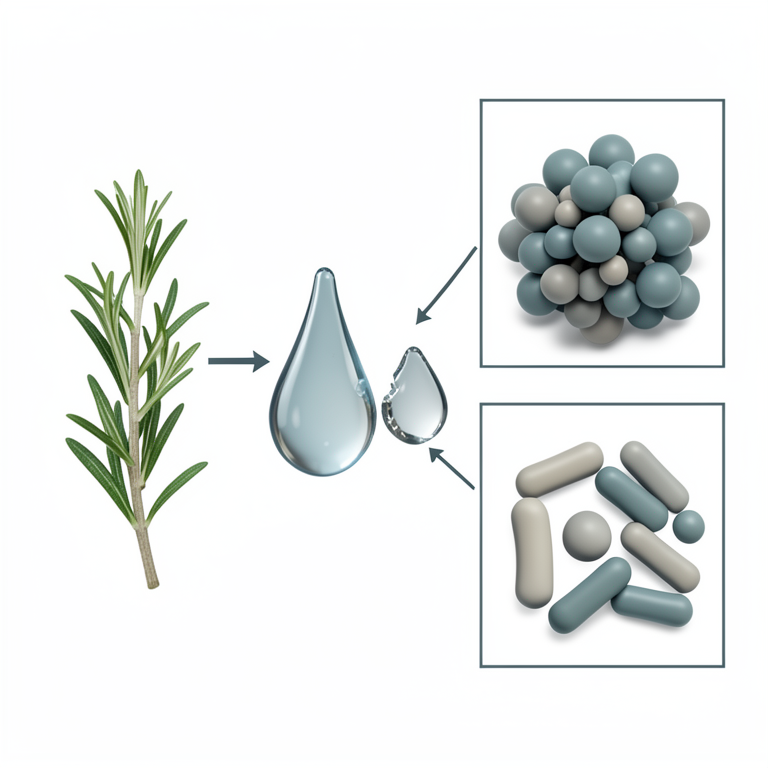
Antibacterial Efficacy Comparison
AI-generated conceptual illustration (Rosmarinus officinalis leaves and bacterial colonies of Gram-positive and Gram-negative species). It explains the idea and does not show study data.
View source evidence ↗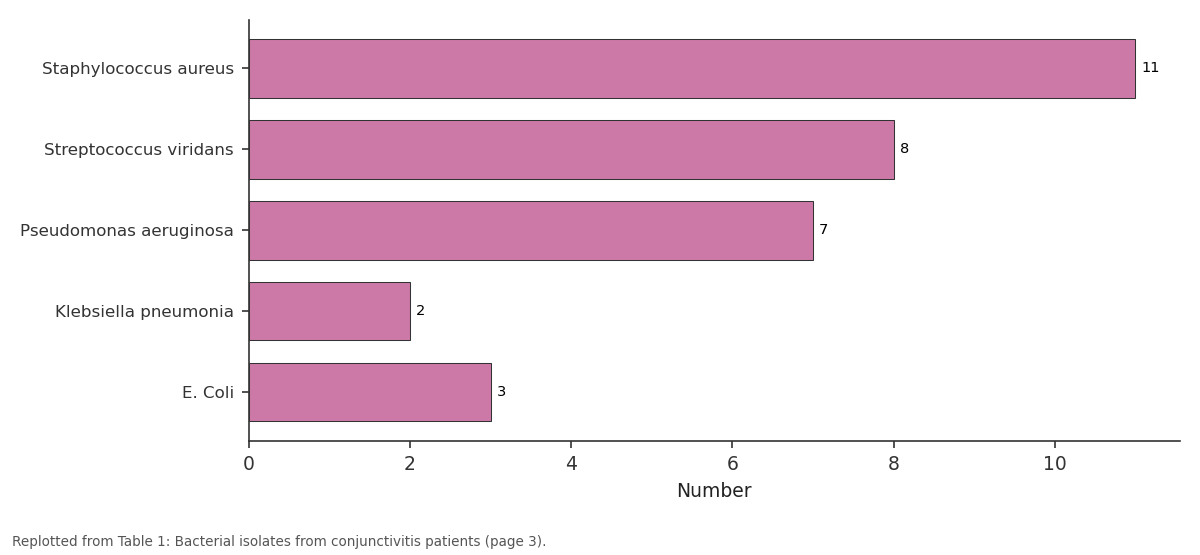
Number: Staphylococcus aureus vs Streptococcus viridans vs Pseudomonas aeruginosa vs Klebsiella pneumonia vs E. Coli
Replotted from Table 1 (page 3) of the original paper. Every bar is the paper's own table value.
View source evidence ↗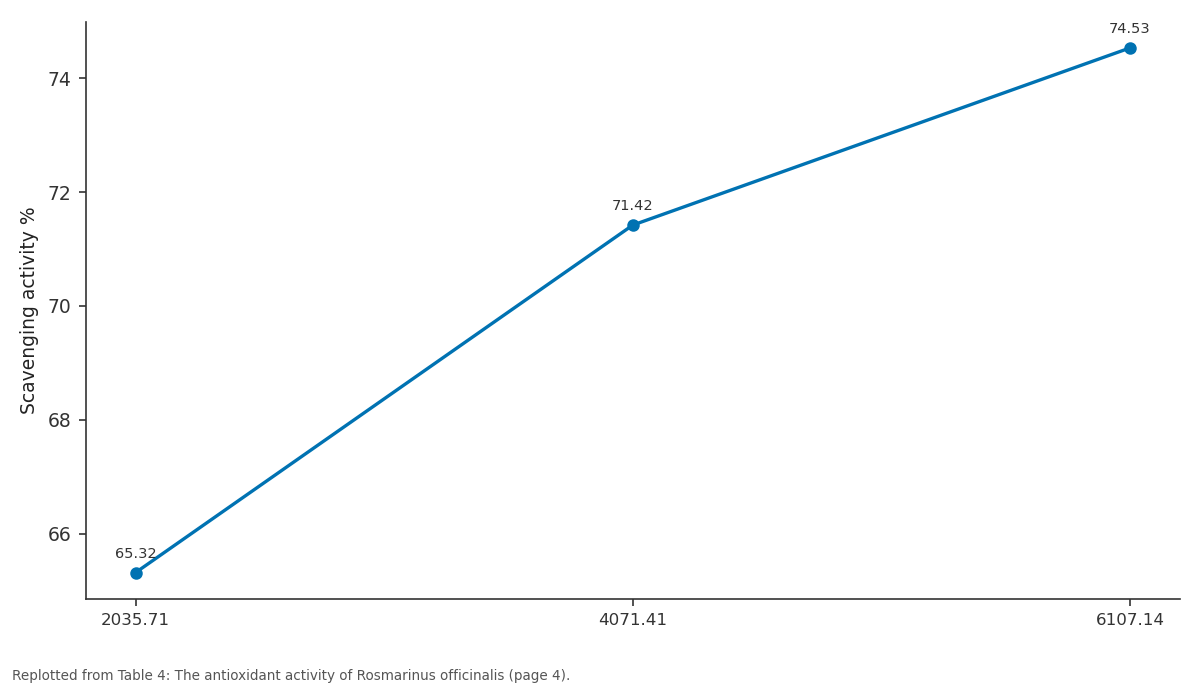
Scavenging activity %: 2035.71 vs 4071.41 vs 6107.14
Replotted from Table 4 (page 4) of the original paper. Every bar is the paper's own table value.
View source evidence ↗Figures & tables
From the original paper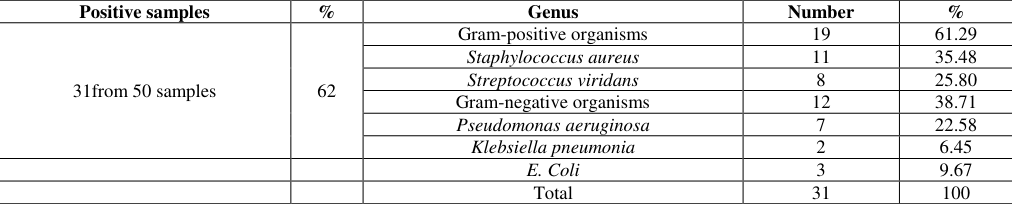 Table 1
 Table 2
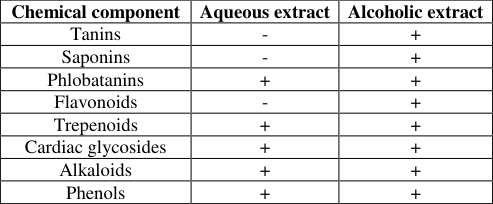 Table 3
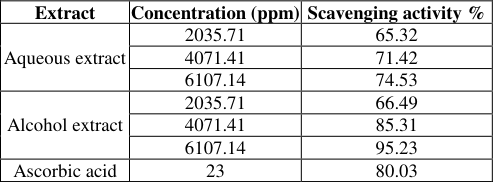 Table 4
Introduction
Conjunctivitis is the most prevalent ocular disease worldwide [1] . It is a conjunctiva mucosa inflammation with significant economic and social consequences [2] . It is classified as chronic, acute, or severe acute [3] . It may cause a number of signs and symptoms, such as pus production, lid oedema, hyperemia of the conjunctiva, and possibly impaired vision. The Pathogenic bacteria can enter the body via the environment or blood infection [4,5] . Bacteria cause 50-70% of contagious conjunctivitis [6] . Infectious conjunctivitis is most common in elders and kids but can also affect adults and newborns [7] . The majority of them have a selflimiting course of conjunctiva inflammation with mucosal discharge. However, in some cases, the presence of pus may speed up the deterioration of the eye [7,8] . There are multiple reports of bacterial profiles and antibiotic sensitivity in cases of eye infection with variable outcomes [9,10] . Although most cases of conjunctivitis are self-limiting, antibiotic treatment has been demonstrated to minimize the severity of the symptoms and discomfort and the transmission of infection [11][12][13][14] . The prevalence of bacterial conjunctivitis, common infections, and antibiotics sensitivity varies among countries [8,[15][16][17][18] . Also, there is a shifting trend in the bacteria's sensitivity and resistance towards antibiotics available in the past decade [8] . The indiscriminate use of antibiotics has increased antibiotic resistance. Besides, sometimes, these antibiotics cause allergies and immunosuppression. Therefore, plant extracts are safer for human health and the environment [19][20][21] . So it was going to plants, for example, Rosemary, Rosemary (Rosmarinus officinalis L.). For a long time, as a spice and medical herb, which had known for a long time, it's a member of the Lamiaceae family and receives more attention due to its antiinflammatory, antibacterial and antioxidant components [22] . It is originally grown in the south of Europe. Because of its attractive flavor, it is employed as a flavor and spice agent in food preparation and recently as an antibacterial agent [2325] . The purpose of the research was to study the effect of Rosmarinus officinalis (aqueous and alcoholic) extracts against bacteria isolated from conjunctivitis patients, Also evaluation of the phytochemical test, antioxidant activity test, and sensitivity test for bacterial isolates.
Materials and Methods
The study was conducted at private medical laboratories in Kirkuk city from 15 July to 1 December 2022.
Bacterial Isolation and Identification: 50 samples were collected from conjunctivitis patients by using sterile transport swabs. Samples cultured on blood agar, chocolate agar, and McConkey, s agar, were incubated under aerobic and anaerobic conditions at 37 °C for 24-48 h. Organisms were identified using microscopic and biochemical tests [26,27] , and all isolates were confirmed using the API system (Bio-Merieux, France).
Rosemary extract:
The rosemary herb was obtained from local markets, washed with clean sterile distilled water then allowed to air dry and grind smoothly.
Aqueous extraction: 100 gm. of the herb powder was mixed with 1 l of distilled water. The extract was filtered with filter paper and gauze after 1 hr. of stirring and then it was filtered by centrifuge according to the [28] method.
Alcoholic extraction: 1 l of 80% methanol was mixed with 100 gm. of the herb powder. The subsequent steps for the aqueous extraction were the same after 22 to 24 hr. of stirring [28] .
Preparation of concentrate solutions: Different concentrations were prepared for each extract (10%, 20% and 30%) [29] .
Antibacterial test:
The disc diffusion method was utilized to determine the antibacterial activity of rosemary extract. Briefly, bacterial suspensions were spread onto Mueller Hinton Agar plates using a clean, sterile cotton swab. Sterile paper (6 mm in diameter) discs were impregnated with 10 μl of each concentrate and placed on the inoculated dishes. Control disks were also manufactured. Plates were maintained at 4 °C for 2 hr. before incubating at 37 °C for 24 hr. The millimeter scale was used to measure the inhibitory zones. Each test was carried out in triplicate [30] .
Phytochemicals screening test:
A phytochemical analysis test is utilized to identify the phytochemicals, including Saponin, terpenoids, tannins, Phlobatanins, tannins, Cardiac glycosides, alkaloids, phenols, and flavonoids. This test was performed for each extract separately, According to the standard operating procedures described by Soundararajan and Coworkers, 2017, and Kumar and Coworkers 2018 [31,32] , in order to check for the presence of phytochemicals.
Tannins: A small amount of each extract was combined with a few drops of a 10% neutral lead acetate solution. The formation of a white to pale yellow precipitate indicates the existence of tannins.
Saponin: A little amount of each extract was mixed with two to three drops of distilled water and shaken well. The formation of semi-permanent foam indicates the existence of saponins.
Flavonoids: A little amount of each extract was mixed with a few drops of the FeCL3 solution. The presence of flavonoids is indicated by the creation of a green-to-black color.
Terpenoids: A little amount of each extract was mixed with 2 drops of chloroform, and 1 ml of concentrated hydrochloric acid, after 2 mn of heating, the color changed to reddish brown indicating the presence of terpenoids.
Alkaloids: 1 ml of Mayer's reagent was combined with a small amount of each extract in a test tube. The formation of yellow cream precipitates indicates the presence of alkaloids.
Phlobatanins: A 2% hydrochloric acid solution was heated up with 10 mL of crude extracts. The presence of phlorotanin was demonstrated by the red precipitate [33] .
Cardiac glycosides: 10 ml of crude extract was shaken with 1 ml of glacial acetic acid. 1 drop of concentrated sulfuric acid and 1 drop of ferric chloride were added. Cardiac glycosides were seen in the top layer as a blue-green colour and as a reddish-brown colour at the confluence of the two layers [33] .
Ferric chloride test for phenol: 5 ml of the crude extracts were mixed with 15 ml of distilled water. Next, Several drops of 5% neutral FeCl3 solution were added. The formation of a dark green colour indicates the presence of phenolic substances [33,34] .
Antioxidant activity test:
This assay combines the antioxidant activity of Rosmarinus officinalis extracts with the scavenging activity of stable 2, 2-diphenyl-1 picrylhydrazyl (DPPH) free radicals [35] . This test was conducted independently for each extract, three volumes (50-100-150 μl) of each extract were put into the test tubes, and 1 ml of distilled water was used to finish the volume, then 1 ml of DPPH solution was added to each test tube, mixed and incubated for 30 minutes at room temperature. Ascorbic acid (0.03% W/V) was utilized as the control. A spectrophotometer was used to measure the absorbance (A) at 517 nm. The following equation was used to calculate the DPPH free radicals inhibition in percent (1%) [36] 1%= (Ac -As) / Ac * 100.
Ac: The control's absorbance. As: The sample's absorbance.
Statistical Analysis: Mean, number, percentage and part per million.
Results and Discussion
A total of 50 samples from the conjunctivitis infections were cultured during the study period. ). These results agree with [37][38][39] , who stated that Gram-positive bacteria were more percentage than negative bacteria. Gram-negative bacteria are less prevalent than Gram-positive bacteria, but they are more diverse as compared to Gram positives.
Antibacterial test:
The rosemary extracts showed that an alcoholic extract was affected more than the aqueous extract, as shown in Table 2, and different concentrations of the herbal extract determined the inhibitory effect of rosemary extract. Also, the outcomes demonstrated that the inhibitory effect depends on the dose by raising the extract's concentration, revealing a reduction in growth; the highest inhibition was recorded at a concentration 30%. The effectiveness of alcoholic rosemary extract may contain compounds: tannins, flavonoids, and saponins. These compounds have inhibitory efficiency for a group of microorganisms, including bacteria and fungi [40] . Besides that, Rosemary extract was more effective against Grampositive bacteria than Gram-negative bacteria, and these results are in agreement with Grosvenor and Gray [41] . They discovered that gram-positive bacteria were the most susceptible when compared with gram-negative bacteria.
| Bacterial species | The mean diameter of the inhibition zones (mm) | — | — | — | — | — | — |
|---|---|---|---|---|---|---|---|
| Aqueous extract of rosemary | Alcoholic extract of rosemary | Gentamicin as control | |||||
| 10% | 20% | 30% | 10% | 20% | 30% | ||
| Staphylococcus aureus | 6.9 | 8.2 | 9.7 | 7.6 | 8.5 | 10.2 | 22 |
| Streptococcus viridans | 5.4 | 6.8 | 7.4 | 5.9 | 7.1 | 7.7 | 23 |
| Pseudomonas aeruginosa | 4.3 | 5.2 | 6.3 | 4.9 | 5.3 | 6.8 | 17 |
| Klebsiella pneumonia | 5.6 | 5.8 | 6.4 | 5.9 | 6.7 | 7.2 | 15 |
| E. Coli | 5.4 | 5.8 | 6.3 | 6.5 | 7.4 | 7.8 | 12 |
Table text extracted from the original PDF; superscript letters are shown inline. The original table image is below.
View original table image
Higher activity of the extract and its components against bacterial species was reported by Rico and Rios [42] . They found that antimicrobial activity differences might be due to the difference in bacterial cell wall constituents.
Staphylococcus aureus was discovered to be the most susceptible bacteria to rosemary extracts, which was agreed with [43] , whereas the least susceptible was Pseudomonas aeruginosa, as shown in Table 2. 3). All of the chemical components' reactions in the alcoholic extract were positive (Saponins, Tannins, Phlobatanins, Flavonoids, and Cardiac glycosides, Terpenoids, Alkaloids, and Phenols). Whereas detection of Tannins, Saponins and Flavonoids showed a negative result in the aqueous extract but the other tests showed positive results. The low antibacterial effect of the aqueous extract could result from the fewer phytochemicals (flavonoids, saponins, and tannins) derived with aqueous extraction in comparison to alcohol extraction. In the present research, alcoholic extract included more phytochemicals than aqueous extract. This explains why the alcoholic extract had the biggest zone of inhibition in the antibacterial tests because ethanol is the greatest solvent for the active chemicals isolated from plant as compared to distilled water, which was utilized in the aqueous extract as a solvent. Similarly, Edrah and
Coworkers 2017 [44] extracted (saponins, tannins, flavonoids, and alkaloids) these constituents are responsible for the antibacterial activities against microbes. This result is in line with extracts of Rosmarinus officinalis, which included active substances with effective antibacterial effects. five types of bacteria isolated from conjunctivitis patients. On both Gram-positive and Gram-negative bacteria, the aqueous and alcohol extracts of Rosmarinus officinalis had an inhibitory impact. The antibacterial activity of the alcoholic extract of Rosmarinus officinalis, which contains tannins and Saponins was considered, a large variety of microorganisms, including bacteria, are effectively inhibited by these compounds.
Antioxidant activity test:
The DPPH radical reduction capacity was measured by decreasing the absorbance at 517 nm caused by antioxidant actions found in both Rosmarinus officinalis extracts. According to the results, both extracts can decrease the stable radical DPPH to a yellow color. Concentration (6107.14) produced the highest scavenging activity for both extracts. As seen in Table 4, Alcohol extract > ascorbic acid > aqueous extract. The antioxidant activity of Rosmarinus officinalis extracts is related to the antioxidant agents found in them Redox properties of these antioxidants help in the removal and absorption of free radicals [36] . The results showed that increasing the concentration of each extract enhanced its scavenging activity. In all concentrations, alcohol extract had greater antioxidant activity than aqueous extract; this could be due to alcohol extract's higher flavonoid and phenolic content than aqueous extract [36] . The antioxidant activity of alcohol extract at 6107.14 ppm was found to be greater than that of ascorbic acid at 23 ppm. On the other hand, the aqueous extract's scavenging activity at 6107.14 was less effective than 23 ppm ascorbic acid. Plant elements with antioxidant activity play an important role in disease prevention and health maintenance [36] . As was previously mentioned, the polyphenols found in rosemary's leaves-primarily rosmarinic acid, carnosic acid, and carnosol accumulate in the lipid membranes of cells, where antioxidant activity is needed [45] .
| Extract | Concentration (ppm) | Scavenging activity % |
|---|---|---|
| Aqueous extract | 2035.71 | 65.32 |
| 4071.41 | 71.42 | |
| 6107.14 | 74.53 | |
| Alcohol extract | 2035.71 | 66.49 |
| 4071.41 | 85.31 | |
| 6107.14 | 95.23 | |
| Ascorbic acid | 23 | 80.03 |
Table text extracted from the original PDF; superscript letters are shown inline. The original table image is below.
View original table image
Conclusion
As a result of the current work, the Gram-positive bacteria were more common in bacterial conjunctivitis, whereas gram-negative bacteria were less common but more varied.
The results also showed that the alcoholic extract of rosemary has good antibacterial, phytochemical, and antioxidant properties. Rosemary extract can be utilized as an antibiotic in pharmaceutical products and medical herbs in the form of ointments or eye drops.
Figures and tables from the paper
| Positive samples | % | Genus | Number | % |
|---|---|---|---|---|
| 31from 50 samples | 62 | Gram-positive organisms | 19 | 61.29 |
| Staphylococcus aureus | 11 | 35.48 | ||
| Streptococcus viridans | 8 | 25.80 | ||
| Gram-negative organisms | 12 | 38.71 | ||
| Pseudomonas aeruginosa | 7 | 22.58 | ||
| Klebsiella pneumonia | 2 | 6.45 | ||
| E. Coli | 3 | 9.67 | ||
| Total | 31 | 100 |
Table text extracted from the original PDF; superscript letters are shown inline. The original table image is below.
View original table image
| Chemical component | Aqueous extract | Alcoholic extract |
|---|---|---|
| Tanins | - | + |
| Saponins | - | + |
| Phlobatanins | + | + |
| Flavonoids | - | + |
| Trepenoids | + | + |
| Cardiac glycosides | + | + |
| Alkaloids | + | + |
| Phenols | + | + |
Table text extracted from the original PDF; superscript letters are shown inline. The original table image is below.
View original table image
References
42 in the original paper- Chung CW, Cohen EJ. Clinical Evidence: Eye disorders: Bacterial conjunctivitis. Western Journal of Medicine. 2000;173(3):202.
- Cervantes LJ, Mah FS. Clinical use of gatifloxacin ophthalmic solution for treatment of bacterial conjunctivitis. Clinical Ophthalmology (Auckland, NZ). 2011 Apr 18;5:495.
- Andalibi S, Haidara M, Bor N, Levin M. An update on neonatal and pediatric conjunctivitis. Current Ophthalmology Reports. 2015;3(3):158-169.
- Willcox MD. Characterization of the normal microbiota of the ocular surface. Experimental eye research. 2013 Dec 1;117:99-105.
- Dong Q, Brulc JM, Iovieno A, Bates B, Garoutte A, Miller D, et al. Diversity of bacteria at healthy human conjunctiva. Investigative Ophthalmology and Visual Science. 2011;52(8):5408-5413.
- Buznach N, Dagan R, Greenberg D. Clinical and bacterial characteristics of acute bacterial conjunctivitis in children in the antibiotic resistance era. The Pediatric Infectious Disease Journal. 2005;24(9):823-828.
- Høvding G. Acute bacterial conjunctivitis. Acta Ophthalmological. 2008;86(1):5-17.
- Adebayo A, Parikh JG, McCormick SA, Shah MK, Huerto RS, Yu G, et al. Shifting trends in in vitro antibiotic susceptibilities for common bacterial conjunctive isolates in the last decade at the New York Eye and Ear Infirmary. Graefe's Archive for Clinical and Experimental Ophthalmology. 2011 Jan;249(1):111-119.
- Chalita MR, Lima HAL, Paranhos Jr A, Schor P, Belfort Jr R. Shifting trends in in vitro antibiotic susceptibilities for common ocular isolates during a period of 15 years. American Journal of Ophthalmology. 2004;137(1):43-51.
- HeMavatHi PS, Shenoy P. Profile of microbial isolates in ophthalmic infections and antibiotic susceptibility of the bacterial isolates: A study in an eye care hospital, Bangalore. Journal of Clinical and Diagnostic Research JCDR. 2014 Jan;8(1):23.
- Hutnik C, Shahi MMH. Bacterial conjunctivitis. Clinical ophthalmology (Auckland, NZ). 2010;4:1451.
- Lietman PS, Gigliotti F, Hendley JO, Morgan J, Michaels R, Dickens M, et al. Efficacy of topical antibiotic therapy in acute conjunctivitis in children. The Journal of Pediatrics. 1984 Apr 1;104(4):623-626.
- Morrow GL, Abbott RL. Conjunctivitis. American Family Physician. 1998;57(4):735.
- Tarabishy AB, Jeng BH. Bacterial conjunctivitis: A review for internists. Cleveland Clinic Journal of Medicine. 2008 Jul 1;75(7):507.
- Azari AA, Barney NP. Conjunctivitis: a systematic review of diagnosis and treatment. Jama. 2013 Oct 23;310(16):1721-1730.
- Haas W, Gearinger LS, Hesje CK, Sanfilippo CM, Morris TW. Microbiological etiology and susceptibility of bacterial conjunctivitis isolate from clinical trials with ophthalmic, twice-daily besifloxacin. Advances in Therapy. 2012 May;29(5):442-455.
- Pichichero ME. Bacterial conjunctivitis in children: antibacterial treatment options in an era of increasing drug resistance. Clinical Pediatrics. 2011 Jan;50(1):713.
- Kathmandu University Medical Journal. 2011;9(2):6972.
- Misra G, Pavlostathis S. Biodegradation kinetics of monoterpenes in liquid and soil-slurry systems. Applied Microbiology and Biotechnology. 1997 May;47(5):572577.
- Mukherjee PK, Saritha G, Suresh B. Antimicrobial potential of two different Hypericum species available in India. Phytotherapy Research: An International Journal Devoted to Pharmacological and Toxicological Evaluation of Natural Product Derivatives. 2002;16(7):692-695.
- Obame LC, Koudou J, Kumulungui BS, Bassolé IH, Edou P, Ouattara AS, et al. Antioxidant and antimicrobial activities of Canarium schweinfurthii Engl. Essential oil from Centrafrican Republic. African Journal of Biotechnology. 2007;6(20):2319-2323.
- Stefanovits-Bányai É. Antioxidant effect of various rosemary (Rosmarinus officinalis L.) clones. Acta Biologica Szegediensis. 2003 Jan 1;47(1-4):111-113.
- Lo AH, Liang YC, Shiau LSY, Ho CT, Lin JK. Carnosol, an antioxidant in rosemary, suppresses inducible nitric oxide synthase through down-regulating nuclear factor-κB in mouse macrophages. CarcinoGenesis. 2002 Jan 1;23(6):983-991.
- Ouattara B, Simard RE, Holley RA, Piette GJ-P, Bégin A. Antibacterial activity of selected fatty acids and essential oils against six meat spoilage organisms. International Journal of Food Microbiology. 1997;37(23):155-162.
- Moreno S, Scheyer T, Romano CS, Vojnov AA. Antioxidant and antimicrobial activities of rosemary extracts linked to their polyphenol composition. Free Radical Research. 2006;40(2):223-331.
- Sato J, Goto K, Nanjo F, Kawai S, Murata K. Antifungal activity of plant extracts against Arthrinium sacchari and Chaetomium funicola. Journal of Bioscience and Bioengineering. 2000;90(4):442-446.
- Olaleye MT. Cytotoxicity and antibacterial activity of methanolic extract of Hibiscus sabdariffa. Journal of Medicinal Plants Research. 2007;1(1):9-13.
- Wikler MA. Methods for dilution antimicrobial susceptibility tests for bacteria that grow aerobically: Approved standard. CLSI (NCCLS). 2006;26:M7-A7.
- Soundararajan G, Babu NR, Johney J, Ragunathan R. Extraction of bioactive compounds from Rosmarinus officinalis L. and its anticancer activity against HeLa cell line. International Journal of Scientific Research. 2017;6(8):2015-2018.
- Kumar N, Upadhyay P, Saxena G. Phytochemical screening of pomegranate peel using crude hydroalcoholic extract and pharmacological activities. Journal of Scientific Research Publications. 2018;8(1):193-199.
- Mace GS. Anaerobic bacteriology for clinical laboratories. Pharmacognosy. 1963;23:89-91.
- Lee JY, Hwang WI, Lim ST. Antioxidant and anticancer activities of organic extracts from Platycodon grandiflora A. De Candolle roots. Journal of Ethno Pharmacology. 2004 Aug 1;93(2-3):409-415.
- Hassan H, Hassan NM. In vitro antioxidant and free radical scavenging activities of red grape seed extracts. Global Journal of Biotechnology and Biochemistry. 2010;5(2):106-115.
- Silvester A, Neal T, Czanner G, Briggs M, Harding S, Kaye S. Adult bacterial conjunctivitis: Resistance patterns over 12 years in patients attending a large primary eye care centre in the UK. BMJ open Ophthalmology. 2016 Nov 11;1(1):e000006.
- Teweldemedhin M, Gebreyesus H, Atsbaha AH, Asgedom SW, Saravanan M. Bacterial profile of ocular infections: A systematic review. BMC Ophthalmology. 2017;17(1):1-9.
- Shimizu Y, Toshida H, Honda R, Matsui A, Ohta T, Asada Y, et al. Prevalence of drug resistance and culture-positive rate among microorganisms isolated from patients with ocular infections over a 4-year period. Clinical Ophthalmology (Auckland, NZ). 2013 Apr 9;7:695.
- Eloff J. Which Extractant should be used for the screening and isolation of antimicrobial components from plants? Journal of Ethno Pharmacology. 1998 Feb 1;60(1):1-8.
- Grosvenor PW, Supriono A, Gray DO. Medicinal plants from Riau Province, Sumatra, Indonesia. Part 2: Antibacterial and antifungal activity. Journal of Ethno Pharmacology. 1995 Feb 1;45(2):97-111.
- Redo M, Rios J, Villar A. A review of some antimicrobial compounds isolated from medicinal plants reported in the literature 1978-1988. Phytotherapy Research. 1989;3(4):117-125.
- Santoyo S, Cavero S, Jaime L, Ibanez E, Senorans F, Reglero G. Chemical composition and antimicrobial activity of Rosmarinus officinalis L. essential oil obtained via supercritical fluid extraction. Journal of Food Protection. 2005;68(4):790-795.
- Edrah S, Alafid F, Imramovský A, Altwair K, Alkhumsi S, Hrdina R. Phytochemical screening and antibacterial activity of Genistamicrocephala and Rosmarinus officinalis extracts from Libyan's regions. International Journal of Research in Ayurveda and Pharmacy. 2017;8(4):52-56.
- Parpinello G, Meluzzi A, Sirri F, Tallarico N, Versari A. Sensory evaluation of egg products and eggs laid from hens fed diets with different fatty acid composition and supplemented with antioxidants. Food Research International. 2006 Jan 1;39(1):47-52.
Cited by 1
From OpenAlex, OpenCitations and reference lists read by Scinovex
- Evaluating the Antimicrobial Efficacy of Apple Cider Vinegar on Bacteria and Fungi Isolated from Vaginitis ↗
Shaymaa Jaber Hameed · Al-Kitab Journal for Pure Sciences · 2024
Vaginitis is a prevalent medical illness that affects a substantial proportion of women, mostly attributed to the excessive proliferation of bacteria and fungi. The objective of this study was to assess the antimicrobial effectiveness of Apple Cider Vinegar against bacteria and fungi that were obtained from cases of vaginitis. 50 vaginal swabs were collected from vaginitis patients at private clinics…
❝ 2PDF