
Research article · 2023 · Full text
International Journal of Biology SciencesEvaluation of in vitro activity of ceftazidime/avibactam among carbapenamase producing Klebsiella pneumoniae from clinical isolates in tertiary care hospital
Volume 5(1) · Pages 45–49 · DOI: 10.33545/26649926.2023.v5.i1a.146 ↗
Research areasAntibiotic Resistance in BacteriaAntibiotic Use and ResistanceVibrio bacteria research studies
Abstract
Author-writtenThe emergence of multidrug resistant organisms pose a great challenge to global health. Carbapenem group of drugs have been used as treatment therapy for these multidrug resistant organisms. Ceftazidime-avibactam is a newer combination consisting of ceftazidime, a 3rd generation anti pseudomonal cephalosporin and avibactam, a beta lactamase inhibitor. Avibactam helps in restoring the antibacterial activity of ceftazidime against carbapenamase producing Enterobacterales. Ceftazidime-avibactam (CAZ-AVL) provides us a valuable strategy to combat carbapenem resistant infections especially in Enterobacterales. The objective of the study was to find out carbapenem resistant strains of Klebsiella pneumoniae from clinical isolates and to detect the carbapenamase activity by phenotypic and genotypic detection methods. Carbapenamase detection from the clinical isolates was done by meropenem hydrolysis test (mCIM). The resistant strains were evaluated for the activity of ceftazidime/avibactam by Estrip method. Molecular analysis of all the carbapenem resistant strains were done for blaOXA48 and blaKPC. Among 2500 isolates which were subjected to study from January-June 2022, 306 isolates grew Klebsiella pneumoniae among which 34 (11%) isolates were found to be multidrug resistant organisms (MDRO). Modified carbapenem inactivation method (mCIM) was used for carbapenamase activity. Ceftazidime/avibactam susceptibility was done using Estrip. 28(82.4%) isolates were found susceptible (≤8/4ug/ml) and 6(17.6%) isolates were found resistant (≥16/4ug/ml). Among CAZ/AVL resistant strains blaKPC was more prevalent than blaOXA48. In our study it was found that prevalence of OXA-48 was more than KPC among the resistant strains of Klebsiella pneumoniae and the susceptibility of ceftazidime/avibactam was more in Enterobacterales.
Summary
Source-checkedPlain-language reading of the full paper, prepared with AI and checked against the text. Each point links to the authors' own words.
Why it matters
- The rise of multidrug-resistant organisms is a significant global health challenge. View evidence ↗
- Ceftazidime-avibactam is a useful strategy for treating carbapenem-resistant infections, particularly in Enterobacterales. View evidence ↗
- Invasive infections caused by carbapenem-resistant Enterobacterales (CRE) in critically ill patients have mortality rates between 20% and 50%. View evidence ↗
The question
- The study aimed to identify carbapenem-resistant Klebsiella pneumoniae strains from clinical isolates and detect carbapenemase activity using phenotypic and genotypic methods. View evidence ↗
- The researchers sought to evaluate the in vitro activity of ceftazidime/avibactam against multidrug-resistant (MDR) Klebsiella pneumoniae in a tertiary care setting. View evidence ↗
What they did
- This prospective study was conducted at the Saveetha Institute of Medical and Technical Sciences in Chennai from January to June 2022. View evidence ↗
- Clinical samples used in the study included blood, urine, tissue, cerebrospinal fluid (CSF), exudate, and other body fluids. View evidence ↗
- Carbapenemase activity was detected using the modified carbapenem inactivation method (mCIM), and ceftazidime/avibactam activity was assessed using E-strips on Mueller Hinton agar (MHA) plates. View evidence ↗
- Molecular analysis was performed to detect the presence of the blaOXA-48 and blaKPC genes. View evidence ↗
What they found
- Out of 2,500 isolates studied, 306 were Klebsiella pneumoniae, and 34 (11%) of those were identified as multidrug-resistant organisms (MDRO). View evidence ↗
- All 34 (100%) of the MDR Klebsiella pneumoniae isolates tested positive for carbapenemase activity via the mCIM method. View evidence ↗
- Among the MDR strains, 28 (82.4%) were susceptible to ceftazidime/avibactam (≤8/4 ug/ml), while 6 (17.6%) were resistant (≥16/4 ug/ml). View evidence ↗
- Molecular analysis of the MDR strains showed that blaOXA-48 was more prevalent (64.7%, 22 strains) than blaKPC (41.2%, 14 strains). View evidence ↗
What it means
- The authors conclude that ceftazidime/avibactam is an ideal drug for Enterobacterales, particularly in intensive care units, despite the small sample size. View evidence ↗
- The authors recommend implementing strict infection control and antimicrobial stewardship to maintain the effectiveness of ceftazidime-avibactam. View evidence ↗
- The authors note that limited data on clinical efficacy is available in India due to cost factors. View evidence ↗
Visual summary
1 visualsIllustrations explain the paper; they do not show study data.
Susceptibility and Genetic Correlation
AI-generated conceptual illustration (Klebsiella pneumoniae bacteria). It explains the idea and does not show study data.
View source evidence ↗Figures & tables
From the original paper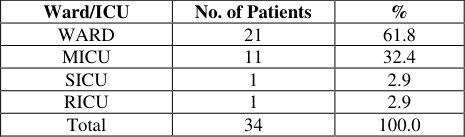 Table 1
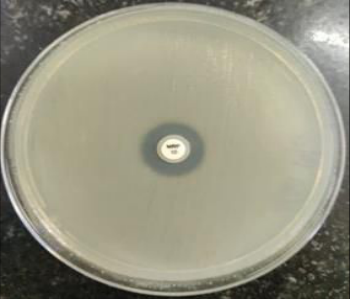 Figure 1
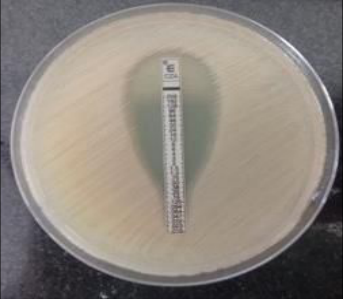 Figure 2
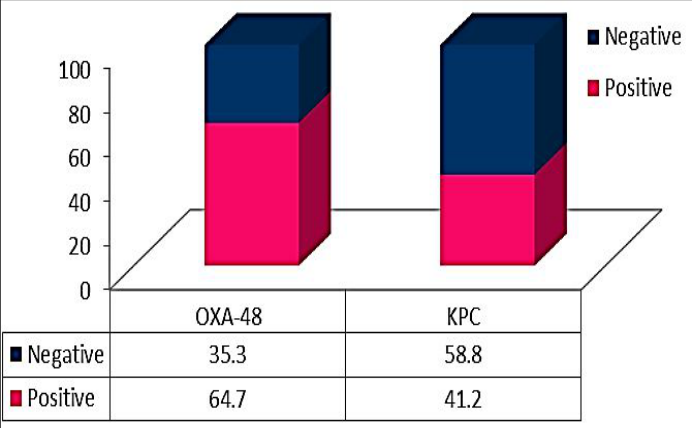 Figure 3
Introduction
Resistance in Gram-negative organisms have been emerging these years. The resistance is probably due to indiscriminate use of antibiotics and prolonged hospital stay. Multidrugresistant Gram-negative organisms are treated with carbapenems especially in ICU (intensive care units) in most of the hospitals. Because of the rampant use, we are now facing problems with carbapenem resistance [1] . The resistance to carbapenem group of antibiotics are due to over expression of ESBL (extended spectrum of beta-lactamase), associated with poring loss, production of carbpenemhydrolysing enzymes like KPC (class A) Amp C beta-lactamase, MBL (class B metallo-beta-lactamase) and Carbapenamase like OXA-48 Class D) [2] . Among these carbapenamase enzymes prevalence of blaOXA-48 has been widely observed in Belgium, France and Spain [3] . The primary report of Klebsiella pneumoniae carbapenemase (KPC)-in K. pneumoniae was reported North Carolina in 2001 [4] . In 2005 it was noted that this KPC producing carbapenamase was found to be spreading worldwide [5] . In addition, OXA-48-like and New Delhi metallo-beta-lactamases are the other carbapenemases of clinical significance in Enterobacterales. In India NDM-1 (New Delhi beta-lactamase) is the most frequently identified carbapenamase [3] . Besides KPC, it was observed that prevalence of OXA-48 was higher in parts of Southeast Asia and India [6] .
Study showed that ceftazidime/avibactam showed wide range of in vitro activity against KPC-producing Enterobacterales even in the presence of other hydrolyzing enzymes. Recent data from US, showed effectiveness of ceftazidime/avibactam against 120 KPC producers, even in the presence of other β-lactamases which has the ability to hydrolyze ceftazidime [7] . The activity of OXA-48 by ceftazidime/avibactam is complex due to its inability to hydrolyze ceftazidime. However, few studies have proved the coproduction of OXA-48-like enzymes with extendedspectrum β-lactamases (ESBLs) [8] . Hence, avibactam is necessary to restore the activity of ceftazidime when there is coproduction of OXA-48 and ESBL [5] . The mortality rates lies between 20% and 50% in critically ill patients with invasive infections due to carbapenem-resistant Enterobacterales (CRE) [9,10] . Avibactam is a 𝛽-lactamase inhibitor which is active against class C enzymes, many of class An enzymes (including KPCs), and few class D (OXA) carbapenemases [11] . The object of this study was done to find out the in vitro activity of ceftazidime/avibactam among MDR Klebsiella pneumoniae from various clinical samples in a tertiary care centre.
Materials and Methods
The prospective study was done at Saveetha Institute of Medical and Technical Sciences, Chennai was done during the period from January to June 2022. Ethical clearance was obtained from the institution. Statistical analysis was done using SPSS software. Descriptive and inferential statistical analysis was done for the analysis. All the samples from inpatients of various departments were used for the study. All samples from outpatients were excluded in our study. The samples included urine, blood, exudate, body fluids CSF (cerebrospinal fluid), tissue samples, etc. All the samples were processed after preliminary identification and were streaked on MAP (MacConkey agar), CAP (Chocolate agar) and BAP (blood agar), CLED (Cysteine lactose electrolyte deficient) agar depending on the samples and were processed in VITEK 2 system for organism identification and antibiotic susceptibility testing. Samples which were resistant to carbapenem group of drugs were taken for further study. Carbapenemase detection was done by mCIM as given by CLSI 2022 [12] . mCIM Method: 1ul loopful of bacteria from an overnight blood culture was emulsified into 2ml of TSB (Trypticase Soy Broth). The sample was vortexed for 10-15 seconds. 10 ug meropenem disc was dispensed in the tube and the disc was completely immersed in broth and incubated at 37 deg C for 4 hours. On a MHA (Muller Hinton agar plate) ATCC (American type culture collection) strain E. coli 25922 was streaked by lawn culture. The meropenem disc was removed making sure that the excess fluid was removed and kept at the centre of MHA. The plate was incubated overnight and looked for a zone of inhibition. If the meropenem disc was hydrolyzed there would have been no zone of inhibition. Carbapenamase activity was detected by this method. It is much more sensitive than the modified Hodge test. If zone of inhibition was ≥ 19 mm it was considered negative.
E strip by Ceftazidime and Ceftazidime + avibactam
E strip was done using ceftazidime + avibactam to assess the in vitro activity of these drugs on MHA plate. Susceptibility was observed when there was zone of inhibition of ≤ 8/4 ug/ml and for resistance organisms it was ≥16/4 ug/ml. PCR detection by gel electrophoresis. PCR detection of the resistant strain was done by gel electrophoresis. The genes detected were bla OXA48 and bla KPC.
The primer pair used to detect the OXA-48 gene was OXA-48F (5ʹ-GCTTGATCGCCCTCGATT-3ʹ) and OXA-48R (3ʹ-GATTTGCTCCGTGGCCGAAA-5ʹ)
The primer for KPC blaKPC (forward primer 5′-ATGTCACTGTATCGCCGTCT-3′; reverse primer 5′-CCTAAATGTGACAGTGGTTGG). The extraction procedure for both the genes were as follows Plasmid DNA isolation: The plasmid DNA from Klebsiella pneumoniae was isolated using the QIAprep Spin MiniPrep kit. The pellet was obtained by centrifuging about 5 ml of overnight-grown bacterial culture at 8000 rpm for 3 minutes at room temperature. The pellet was suspended in 250 microlitres of Buffer P1 and transferred to a micro-centrifuge tube. About 250 microlitres of buffer P2 was added to the suspension and mixed thoroughly by inverting the tubes 4-6 times until the solution becomes clear. To the lysate about 350 microlitres of buffer N3 was added and immediately mixed by inverting the tubes 4-6 times. The lysate was spun at 13000 rpm for 10 mins at room temperature. About 800 microlitres of cleared lysate was added to the QIAPrep 2.0 spin column by pipetting. The tubes were then spun for 30-60 seconds. The flow-through was discarded. The column was washed by adding 0.5 mL of Buffer PB. The tubes were spun for 30-60 seconds and the flow through was discarded. The column was spun for an additional time of 1 minute to remove any residual wash buffer. The QIAPrep 2.0 column was placed in a sterile 1.5 mL tube. About 50 microliters of Buffer EB was added to the centre of the column. The tubes were incubated at RT for 1 minute and spun for 1 min at 12000 rpm. About 5 µl of eluted plasmid DNA was loaded onto 0.7% agarose gel. The plasmid DNA was visualized using a UV trans-illuminator.
Results
During the period of 6 months (January 2022-June 2022), we received 2500 samples from various departments. The samples included sputum, CSF, urine, blood, and sterile fluids. Among those 2500 isolates, 306 isolates grew Klebsiella pneumoniae. Out of the 306 isolates, 34 (11%) isolates were found to be multidrug-resistant organisms (MDRO). These MDR Klebsiella pneumoniae were isolated from patients of different age groups (11.8% were <40 years, 23.5% were between 40-50 years, and 64.7% were >50 years of age). MDR Klebsiella pneumoniae were isolated more from men (70.6%) compared to women (29.4%). In our study, the clinical wards (61.8%) had more MDR Klebsiella pneumoniae compared to that of various Intensive Care Units {Medical ICU (32.8%), Surgical ICU (2.9%) and Respiratory ICU (2.9%), (Table-1). Out of 34 MDR Klebsiella pneumoniae strains, they were isolated more from exudate samples (41.2%) like wound swab, pus, tissue followed by urine samples (32.4%), respiratory samples (14.7%) and least in blood samples (11.8%).
Phenotypic and genotypic tests were performed amid the MDR Klebsiella pneumoniae isolated from various clinical samples to look for the carbapenemase activity. Modified carbapenem inactivation method (mCIM) was carried out and all the 34 (100%) isolates were mCIM positive. (Fig 1) Ceftazidime/avibactam susceptibility for the MDR strains were tested using Estrip, (Figure 2) 28(82.4%) isolates were found susceptible (≤8/4 ug/ml) and 6(17.6%) isolates were found resistant (≥16/4 ug/ml). The results of the molecular analysis of the resistant strains of MDR Klebsiella pneumoniae showed blaOXA-48 positive 22(64.7%) and negative 12(35.3%) and blaKPC positive 14(41.2%) and negative 20(58.8%).
Discussion
This study was focused to find out the in vitro activity of ceftazidime/avibactam in MDR Klebsiella pneumoniae. We encounter MDR organisms of Klebsiella pneumoniae in clinical wards compared to that of ICUs. Our study was focused to find out the in vitro activity of ceftazidime/ avibactam among MDR strains of Klebsiella pneumoniae. In our study, there were 34 multidrug-resistant (11%) strains out of 306 strains of Klebsiella pneumoniae. These MDR strains which were beta carbapenem-resistant were responsible for more mortality [13] . Emphasizing that in 2017 WHO (World Health Organization) declared carbapenemresistant Enterobacterales (CRE) as first critical pathogens. Ceftazidime-avibactam (CZA) is a newer combination of a third-generation cephalosporin with second-generation betalactamase inhibitor [14] . The antibacterial activity against carbapenamase-producing Enterobacterales, is restored through the combination of ceftazidime-avibactam [11] . In our study out of 34 MDR strains 28 strains showed susceptibility to ceftazidime/avibactam. Only 6 strains were resistant to ceftazidime/avibactam. In Young et al. [14] study, he observed that 21 strains out of 386 isolates in Klebsiella pneumoniae were resistant to Ceftazidime/avibactam. It was observed that mortality rate was lower with patients on treatment with ceftazidime and avibactam when used in combination with ceftazidime. This was observed in Tumbarello et al. study where the mortality observed was 37% [15] . The mutations in the omega loop of the KPC enzyme leads to enhanced ceftazidime hydrolysis. This cannot be inhibited by avibactam resulting in resistance to ceftazidime/avibactam. The resistance could be due to mutation in tyrosine for aspartic acid substitution at omega
International Journal of Biology Sciences https://www.biologyjournal.net loop of the KPC enzyme at position 179 [16] . The resistance in Klebsiella pneumoniae to ceftazidime/avibactam is due to mutation in bla3KPC Shields RK et al. study [17] . Besides carbapenemase activity, decreased outer membrane permeability and increased efflux pump mechanism can also lead to CZA resistance in Pseudomonas aeruginosa as discovered by Winkler and colleagues. Few other studies also described the overexpression of AmpC as a resistance mechanism for CZA, especially in Pseudomonas aeruginosa [18][19][20] . Molecular analysis was done for all 34 strains of MDR Klebsiella pneumoniae. We looked for presence of blaKPC and blaOXA-48 genes. In HA Hakeam, H Alsahli, L Albabtain et al. blaOXA-48 was observed in 31 isolates out of 50 isolates (66%). Our molecular analysis showed the presence of blaOXA-48 more than blaKPC. 22 (64.7%) strains were OXA-48 positive 14(41.2%) were KPC positive and 11 strains had both OXA and KPC positive. It is similar to Oteo et al. [21] study in Spanish hospitals which showed 90.5% of Klebsiella pneumonia harboring OXA-48. Azimi et al. study [22] , reported first case of OXA 48 in Iran. In Haekaem et al. study [23] blaOXA 48 was observed in CRE Enterobacterales which is similar to our study. We analysed the presence of OXA and KPC in ceftazidime/avibactamresistant strains. In this study, among the 6 ceftazidime/ avibactam-resistant strains, 2(33.3%) strains harbored both OXA-48 and KPC, Only 3(50%) strains were KPC positive which OXA-48 negative were. In our study, among ceftazidime/avibactam resistant strains KPC was more prevalent than OXA 48.1(16.6%) strain had both OXA-48 and KPC negative. Here the mechanism could have been due to impermeability or porin loss. In Azimi et al. study [22] also, out of 28 MDR strains of Klebsiella pneumoniae 27 strains showed presence of blaOXA48 and one strain was negative which is similar to our study. Interestingly, De la Calle et al. study observed that there was the absence of resistance to ceftazidime-avibactam during the treatment of infections due to CRE, inhabiting the blaOXA-48 gene [24] . It has been observed that ceftazidime/avibactam is a promising drug, especially in ICUs.
Conclusion
Though the sample size was small, it clearly indicates ceftazidime/avibactam is an ideal drug for Enterobacterales especially in intensive care units. Ceftazidime-avibactam, a beta-lactamase antibacterial agent is definitely an important drug for the management of MDR Gram-negative pathogens. Especially in the Indian scenario, because of the cost factor limited data is currently available to support its clinical efficacy. Implementation of antimicrobial stewardship and strict infection control practices can help preserve the susceptibility of the ceftazidime-avibactam combination.
Acknowledgement
AcknowledgementWe would like to acknowledge, 1. Statistician-Niharika S, Ashika R, Swathi Gupta for creation of Tables, Listing, and Graphs (TLG) and Statistical Analysis Reporting (SAR) and Dr. K.P. Suresh, Ph.D. (Biostatistics) for reviewing methodology and results. 2. Dr. Vijayashree Priyadarshini, Associate Professor (clinical genetics), centre for Cellular and Molecular Research, Saveetha Dental College and Hospital, Chennai. For molecular analysis 3. Pfizer Pharmaceuticals, India for providing E strips of Ceftazidime/avibactam. 4. Professors and technicians of Saveetha Institute of Medical and Technical Sciences, Chennai.
Figures and tables from the paper
| Ward/ICU | No. of Patients | % |
|---|---|---|
| WARD | 21 | 61.8 |
| MICU | 11 | 32.4 |
| SICU | 1 | 2.9 |
| RICU | 1 | 2.9 |
| Total | 34 | 100.0 |
Table text extracted from the original PDF; superscript letters are shown inline. The original table image is below.
View original table image
References
23 in the original paper- Taggar G, Attiq Rehman M, Boerlin P, Diarra MS. Molecular epidemiology of carbapenamase in Enterobacterales from humans, animals, food and the environment. Antibiotics. 2020;9(10):1-22.
- Cuzon G, Ouanich J, Gondret R, Naas T, Nordmann P. Outbreak of OXA-48-positive carbapenem-resistant Klebsiella pneumoniae isolates in France. Antimicrob Agents Chemother. 2011;55(5):2420-3.
- Albiger B, Glasner C, Struelens M, Grundmann H, Monnet D. The European Survey of CarbapenamaseProducing Enterobacteriaceae (EuSCAPE) Working Group. Carbapenemase-producing Enterobacteriaceae in Europe: Assessment by national experts in 38 countries, Euro Surveill. 2015;20:30062.
- Yigit H, Queenan AM, Anderson GJ. Novel carbapenem-hydrolyzing beta-lactamase, KPC-1, from a carbapenem-resistant strain of Klebsiella pneumoniae. Antimicrob Agents Chemother. 2001;45(4):1151-1161.
- Price MLS, Poirel L, Bonomo RA. Clinical epidemiology of the global expansion of Klebsiella pneumoniae carbapenamase. The Lancet Infectious Diseases. 2013;13(9):785-96.
- Rahman M, Shukla SK, Prasad KN. Prevalence and molecular characterization of New Delhi metallo-βlactamases NDM-1, NDM-5, NDM-6, and NDM-7 in multidrug-resistant Enterobacteriaceae from India. International Journal of Antimicrobial Agents. 2014;44(1):30-37.
- Castanheira M, Mills JC, Costello SE, Jones RN, Sader HS. Ceftazidime avibactam activity tested against Enterobacteriaceae isolates from U.S. hospitals (20112013) and characterization of β-lactamase-producing strains. Antimicrob Agents Chemother. 2015;59(6):3509-3517.
- Aktaş Z, Kayacan C, Oncul O. In vitro activity of avibactam (NXL104) in combination with β-lactams against gram-negative bacteria, including OXA48 βlactamase-producing Klebsiella pneumoniae. International Journal of Antimicrobial Agents. 2012;39(1):86-89.
- Morrill HJ, Pogue JM, Kaye KS, La Plante KL. Treatment options for carbapenem-resistant Enterobacteriaceae infections. Open Forum Infect Diseases. 2015;2:ofv-050.
- Satlin MJ, Chen L, Patel G. Multicenter clinical and molecular epidemiological analysis of bacteremia due to carbapenem-resistant Enterobacteriaceae (CRE) in the CRE epicenter of the United States. Antimicrob Agents Chemother. 2017;61:02349-16.
- Van Duin D, Bonomo RA. Ceftazidime/Avibactam and Ceftolozane/Tazobactam: Second-generation β-Lactam/ β-Lactamase Inhibitor Combinations. Clinical Infectious Diseases. 2016;63(2):234-241.
- Chew KL, Lin RTP, Teo JWP. Klebsiella pneumoniae in Singapore: Hyper virulent infections and the Carbapenemase threat. Frontiers in Cellular and Infection Microbiology. 2017 Dec;7:515.
- Neuner EA, Gallagher JC. Pharmacodynamic and pharmacokinetic considerations in the treatment of critically ill patients infected with carbapenem-resistant Enterobacteriaceae. Virulence. 2017;8(4):440-452.
- Tumbarello M, Trecarichi EM, Corona A, Rosa DFG, Bassetti M, Mussini C, et al. Efficacy of ceftazidimeavibactam salvage therapy in patients with infections caused by Klebsiella pneumoniae carbapenemaseproducing K. pneumoniae. Clinical Infectious Diseases. 2019;68(3):355-364.
- Livermore DM, Warner M, Jamrozy D. In vitro selection of ceftazidime-avibactam resistance in Enterobacteriaceae with KPC-3 carbapenemase. Antimicrobial Agents and Chemotherapy. 2015 Sep;59(9):5324-5330.
- Shields RK, Chen L, Cheng S, Chavda KD, Press EG, Snyder A, et al. Emergence of ceftazidime-avibactam resistance due to plasmid-borne blaKPC-3 mutations during treatment of carbapenem-resistant Klebsiella pneumoniae infections. Antimicrobial Agents and Chemotherapy. 2017 Mar;61(3):e02097-e02116.
- Winkler ML, Wallace PKM, Hujer AM, Domitrovic TN, Hujer KM, Hurless KN, et al. Unexpected challenges in treating multidrug-resistant Gramnegative bacteria: Resistance to ceftazidime-avibactam in archived isolates of Pseudomonas aeruginosa. Antimicrobial Agents and Chemotherapy. 2015;59(2):1020-1029.
- Castanheira M, Mills JC, Farrell DJ, Jones RN. Mutation-driven beta-lactam resistance mechanisms among contemporary ceftazidime non-susceptible Pseudomonas aeruginosa isolates from U.S. hospitals. Antimicrobial Agents and Chemotherapy. 2014 Nov;58(11):6844-6850.
- Bowler LL, Zhanel GG, Ball TB, Saward LL. Mature Pseudomonas aeruginosa biofilms prevail compared to young biofilms in the presence of ceftazidime. Antimicrobial Agents and Chemotherapy. 2012 Sep;56(9):4976-4979.
- Oteo J, Hernández JM, Espasa M, Fleites A, Sáez D, Bautista V, et al. Emergence of OXA-48-producing Klebsiella pneumoniae and the novel carbapenemases OXA-244 and OXA-245 in Spain. Journal of Antimicrobial Chemotherapy. 2013 Feb 1;68(2):31721.
- Azimi L, Nordmann P, Lari AR, Bonnin RA. First report of OXA-48-producing Klebsiella pneumoniae strains in Iran. GMS Hyg. Infect Control. 2014;9(1).
- Hakeam HA, Alsahli H, Albabtain L, Alassaf S, AlDuhailib Z, Althawadi S. Effectiveness of ceftazidimeavibactam versus colistin in treating carbapenemresistant Enterobacteriaceae Bacteremia. The International Journal of Infectious Diseases. 2021 Aug 1;109:1-7. EPUB 2021 Jun 4.
- International Journal of Antimicrobial Agents. 2019 Aug 1;53(4):520-524. EPUB 2018 Nov 22.
Cited by 7
From OpenAlex, OpenCitations and reference lists read by Scinovex
- Virulence and resistance mechanisms of carbapenemase-producing Klebsiella pneumoniae: Insights into biofilm formation and cytotoxicity ↗
Samyuktha, Charnavel Pauline, G. Ragul, Pitchiah Sivaperumal, Kannan Kamala · The Microbe · 2025
Carbapenem drugs have the potential to prevent disease caused by both gram-positive and gram-negative bacteria. This beta-lactam family drug prevents the cell wall biosynthesis of pathogens, but the pathogen hydrolyzes it using the enzymes carbapenemase and beta-lactamase. In this study, we analyzed the biochemical characterization, biofilm formation, hemolytic activity, and biofilm-forming ability of carbapenemase-producing Klebsiella pneumoniae under various conditions. The…
❝ 3PDF - Antibiotic resistance profile of clinical importance biofilm forming extended spectrum beta-lactamase and carbapemase phenotype in gram-negative bacteria isolates ↗
Ilang Donatus Chukwuma, Peter Ikemesit Udeme, Iroha Ifeanyichukwu Romanus · International Journal of Pharmacognosy and Life Science · 2023
The occurrence of extended Spectrum β-lactamases (ESBL) and carbapenemase enzymes associated with clinically relevant biofilm forming Gram-negative bacteria (GNB) pathogens is increasing over time, posing major health risks. This study was conducted with the aim to report an in-depth of the emergence of biofilm forming GNB harboring ESBL and carbapenemase phenotype circulating in patients in Tertiary hospital in South-eastern Nigeria.
- Chemical interaction and inhibitory mechanism of avibactam as a beta-lactamase inhibitor in combination with ceftazidime against carbapenemase-producing Klebsiella pneumoniae ↗
Xiao Wei Fang, Ling Hui Zhao, Jing Yu Chen · Journal of Research in Chemistry · 2026
Avibactam, a non-β-lactam diazabicyclooctane (DBO) β-lactamase inhibitor, restores the activity of ceftazidime against Class A, Class C and selected Class D β-lactamases through a chemically distinctive reversible carbamoylation mechanism, with significant implications for the management of carbapenemase-producing Klebsiella pneumoniae. The present investigation characterized the chemical interaction between avibactam and clinically relevant carbapenemase enzymes (KPC-2, KPC-3, OXA-48, NDM-1) and quantified the
- Phenotypic characterization of efflux pump, extended-spectrum beta-lactamase, Carbapenemase and biofilm in multidrug- resistant clinically isolated Serratia marcescens ↗
Berivan Abdulrazak Abdulqadir, Hajir Ali Shareef · International Journal of Bioscience and Biochemistry · 2025
Serratia marcescens demonstrate significant antibiotic resistance with widespread dissemination leading to infections associated with high morbidity and mortality rates worldwide. The development of antibacterial resistance occurs by numerous mechanisms. So, the aim of this study was to detect phenotypically some of these mechanisms in multidrug-resistant S. marcescens. Methods: Nine isolates of S. marcescens were isolated from various clinical specimens and
- Study of plasmid-mediated Amp-C beta lactamases activity among klebsiella pneumoniae isolated from patients of Tanta university hospitals ↗
Hagar Mohammed Fathy El-attar, Mona M. Watany, Radwa Mahmoud Elsharaby, Amany Abo-Elenein, Desouky Ezzat Abo-Ammo · International Journal of Clinical and Diagnostic Pathology · 2025
Background: The primary enzymatic mechanism for antibiotic resistance in Klebsiella pneumoniae (KP) is Amp-C beta lactamases. Aim: Finding the Amp-C-Beta-Lactamase gene that causes antibiotic resistance in Klebsiella pneumonia isolated from patients at Tanta University hospitals was the goal of the current study. Methods and subjects: B-lactamase at 100 Amp-C The synthesis of Amp-C was examined in Klebsiella pneumoniae. The majority
- Detection of fox-cit gene among phenotypically confirmed amp C betalactamase producing Enterobacteriaceae in skin and soft tissue exudates in a tertiary care hospital ↗
M. Monika, C. Nithya, R Menaka, V. Dillirani · Journal of Advances in Microbiology Research · 2025
Background: Amp C β-lactamases are clinically important cephalosporinases that offers resistance to Penicillin, first, second and third generation Cephalosporin, Monobactams and β-lactamase inhibitor but susceptible to fourth generation Cephalosporins and Carbapenem antibiotics. This study aims to detect the prevalence of plasmid mediated bla FOX-CIT gene among phenotypically confirmed p Amp C beta lactamase producing Enterobacteriaceae in skin and soft tissue
- In vitro susceptibility of carbapenemase-producing Klebsiella pneumoniae to ceftazidime/avibactam combination: Clinical biological and biochemical characterization from tertiary care isolates ↗
Ana Sofia Ferreira Rodrigues, Rui Pedro Almeida Sousa, Joana Filipa Pereira Costa · International Journal of Clinical Biology and Biochemistry · 2025
The escalating prevalence of carbapenemase-producing Klebsiella pneumoniae (CPKP) represents a formidable challenge to contemporary clinical practice, severely restricting therapeutic options in tertiary care environments. Ceftazidime/avibactam (CAZ/AVI) has emerged as a critical addition to the antimicrobial armamentarium, owing to the capacity of avibactam, a non-β-lactam diazabicyclooctane β-lactamase inhibitor, to restore ceftazidime activity against Class A (including KPC) and Class D (OXA-48-type)