
Research article · 2023 · Full text
International Journal of Biology SciencesConcerns over the declining human Y-chromosome and social functioning
Volume 5(1) · Pages 36–40 · DOI: 10.33545/26649926.2023.v5.i1a.144 ↗
Research areasGenetic and Clinical Aspects of Sex Determination and Chromosomal Abnormalities
Abstract
Author-writtenIn humans, like other mammals, females have two X chromosomes and males have one X and one Y chromosome. The Y chromosome contains a sex-determining gene SRY that kick-starts male development in the embryo and activates other genes that regulate the testicular development. Researchers have found that the Y chromosome seems to be disappearing, as seen in many other mammals, including rodents. The male eastern Europe vole and the spiny rats of Japan have completely lost their Y chromosomes and the Sry gene. However, the SOX9 protein plays a key role there in determining their sex. The new finding so support the possibility that humans too, may evolve a new sex determining mechanism. The sex chromosome genes act within cells to cause differences in phenotypes of XX and XY cells throughout the body. In the gonad, they determine the type of gonad, leading to differences in secretion of testicular vs. ovarian hormones, which cause further sex differences in tissue function. The human brains, as shown by neuroimaging, demonstrate variation in different areas of the brain that are associated with both differences in gonadal hormones, and in the number of X and Y chromosomes. In humans, males and females are different because of innate biological differences, and also they have different social and physical environments. Biologists tend to emphasize the importance of biological variables, and sociologists tend to emphasize the role of gendered environments. The Sry and the other Y-linked genes not only determine the differences in gonad development, they are also linked to maintaining gender balance (biologically) and various functions in the brain, including appropriate social responses by supporting behavioral flexibility, attention and emotion. In this article, we have reviewed the function of the Y chromosome and the Sry gene and their possible alternatives in case of their future extinction.
Summary
Source-checkedPlain-language reading of the full paper, prepared with AI and checked against the text. Each point links to the authors' own words.
Why it matters
- The Y chromosome is critical for male development in humans because it contains the SRY gene, which initiates testicular development in embryos. View evidence ↗
- Beyond gonad development, Y-linked genes are associated with biological gender balance and brain functions that support emotion, attention, and social responses. View evidence ↗
- There is evidence from various mammals, including rodents, that the Y chromosome is undergoing a process of disappearance. View evidence ↗
The question
- The authors aim to review the functions of the Y chromosome and SRY gene and explore potential biological alternatives if they were to go extinct. View evidence ↗
What they did
- The authors use an interdisciplinary biosocial science approach, combining biology and sociology to analyze the fate of the Y chromosome and its social consequences. View evidence ↗
What they found
- The human Y chromosome has significantly degenerated compared to the X chromosome, containing only 45 to 55 functional genes compared to the X chromosome's 900 functional genes. View evidence ↗
- Approximately 95% of the Y chromosome (the NRY region) can no longer exchange genetic information with the X chromosome, contributing to its deterioration. View evidence ↗
- Based on evolutionary trends, scientists predict the Y chromosome could completely disappear in four to eleven million years. View evidence ↗
- The eastern European vole and Japanese spiny rat serve as examples of mammals that have already completely lost their Y chromosomes. View evidence ↗
- In some Y-deprived rodents, a fragment of the Sox9 gene on chromosome 3 acts as an alternative testis-determining factor to SRY. View evidence ↗
- The SRY gene is not only active in the testes but also plays functional roles in the adrenal glands and specific regions of the male brain, including the hypothalamus and cortex. View evidence ↗
- The presence of SRY protein in the substantia nigra, where dopamine is synthesized, may explain why men are more susceptible to schizophrenia and Parkinson's disease. View evidence ↗
What it means
- The authors conclude that protecting males is essential for the continuation of human reproduction and the maintenance of social functioning. View evidence ↗
- The authors suggest that the Y chromosome can only disappear without negative consequences if alternative sex-determination and fertility mechanisms evolve on other chromosomes first. View evidence ↗
Visual summary
1 visualsIllustrations explain the paper; they do not show study data.
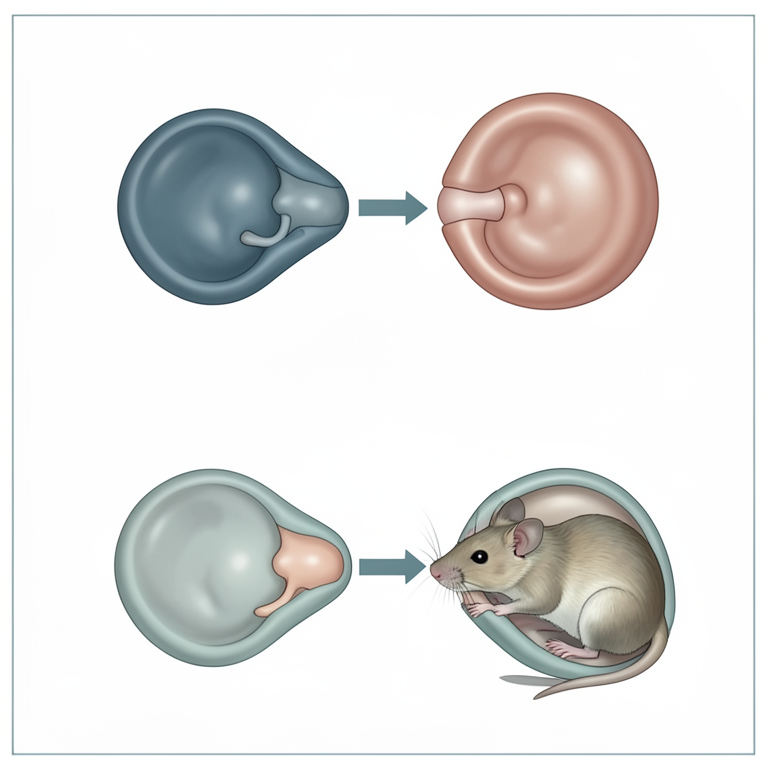
Sex Determination Pathways
AI-generated conceptual illustration (human and rodent embryonic gonads). It explains the idea and does not show study data.
View source evidence ↗Introduction
With respect to their physiological and behavioral aspects men and women show lots of differences. Neuropsychology has demonstrated in several studies that males outperform females on behavioral tasks using visuospatial and navigational skills, whereas females perform better on tasks assaying verbal and social proficiency (Craig et al., 2004) [1] . Females are also superior in memory performance, emotion recognition and empathy, whereas males show higher levels of aggressive behavior (Craig et al., 2004) [1] . In fact, aggression has also been shown to be a highly sexually dimorphic trait in animals, with male animals being more prone to aggression. In addition, neuroimaging analyses have shown that certain areas of the brain are sexually dimorphic, which may influence behavioral effects in males and females. Those areas are the brain's amygdala (larger in men), hippocampus (larger in women) and corpus callosum (larger in women -although there is considerable debate about this). Also, regions of the cerebral cortex differ between the two sexes with women have larger paralimbic and fronto-orbital areas, which are involved in emotion processing, goal setting, motivation, and self-regulation, whereas men have a larger frontomedial cortex, which monitors cognitive performance deficits. Sexual dimorphism is also seen in the hypothalamus near the pituitary gland. The hypothalamus plays many important roles, including hormone (somatostatin, oxytocin) secretion, maintaining the circadian rhythm, regulating sexual behavior and controlling appetite. In the hypothalamus, the area of the anteroventral periventricular nucleus (AVPV), which controls the ovulatory cycle, is naturally larger in females than in males.
The process by which males and females acquire their distinct physiology lies in the differences in sex chromosomes between males and females. Among the 23 pairs of chromosomes in humans, males have a single Xchromosome (inherited from their mother) and a single Ychromosome (inherited from their father), i.e. XY. In contrast, females have two X chromosomes, XX. The genes residing upon the sex chromosomes, which are asymmetrically inherited between males and females, may therefore contribute to sexual dimorphism in brain and behavior through three possible mechanisms (Davies et al., 2006) [2] : first, because females have two X chromosomes as opposed to one in males, genes protected from the process of X-inactivation are expressed about twice as much in female than in male tissue. It has been shown that about 20% of all X-linked genes on the human X chromosome escape X-inactivation. Those genes from both the active and inactive X chromosomes are expressed (Carrel and Willard, 2005) [3] ; second, because the two sexes differ in the parental origin of their X chromosomes, any gene on this chromosome can exhibit sexually dimorphic expression; third, the male-female brain sex differentiation may occur through male-restricted expression of Y-unique genes in the non-recombining region (NRY) of the Y chromosome. As an interdisciplinary approach in the field of biosocial science, the common ground between biology and sociology, we have addressed some concerns over the biological fate of the Y chromosome and its consequence in the male-female gender equality in the society. There has been a renewed interest fueled by some recent evidences that reignites a long-simmering debate about the degeneration and possible disappearance of the human Y chromosome. However, before analyzing the fact that the Y chromosome is on the verge of future extinction, we need to have a comparative understanding of the X chromosome as well.
X chromosome inactivation:
In order to ensure that females, like males, have one functional copy of the X chromosome in cells (other than egg cells) mammals of the theria group (marsupials and placental mammals), including humans, have one X chromosome permanently inactivated and that maintains some degree of genetic equality between the male and female genders, since males have only one Xchromosome. In other words, X chromosome inactivation is responsible for sex chromosome dosage compensation in homogametic gender (XX), and ensures that X chromosomal genes are not expressed at twice the levels of expression in heterogametic gender (XY). Imagine if 900 genes of these pairs of chromosomes were all expressed together, would it be possible to maintain the equality of men and women? Also, the X and Y chromosomes had the same size and number of genes even millions of years ago. Nature could not have imagined that the Y chromosome would become so fragile compared to its companion. However, one copy of the two X chromosomes is transcriptionally silenced by the transition to an inactive structure called heterochromatin. This inactivation process is accomplished with the help of a natural antisense RNA (asRNA) or Xist RNA and the polycomb repressive complex proteins. However, the inactivation process was not 100% successful, with 20% of genes being escaped from inactivation that favor females. For example, the inactivation of one X chromosome decreases the probability of expressing recessive X-linked mutant alleles that give women the biological advantages over men starting at conception, which could impact life viability and expectancy.
Structure of Y chromosome:
If we look at the evolutionary origin of sex chromosomes, X and Y chromosomes, both derived from autosomes, were almost the same size even 160 million years ago, had the same number of genes and the genes swapped in the process of recombination between the X and Y chromosomes. Over the time, the Y chromosome gradually lost its ability to recombine, or exchange genetic information, with the X chromosome and began to evolve independently, pushing the Y chromosome into a catastrophic deterioration. Currently, the human X chromosome is ~155Mb in size (1Mb = 1000 nucleotides) and contains ~1500 genes of which 900 genes are functional and the rest are pseudogenes; whereas, the Y chromosome is only ~60,000 nucleotides in size and contains ~178 genes, the majority (40%) of which are heterochromatin and pseudogenes, and only 45 are functional genes (Graves, 2006) [4] , with 55 genes reported elsewhere. Out of 45 genes, only 27 genes are male-determining factors of which the Sry (Sex-determining Region of Y) gene is the flag bearer of maleness. A study comparing 5,300 nucleotide sequence of the X-Y homologous male-specific region of humans and chimpanzees showed that the region of the human Y chromosome contains 16 functional genes and 11 pseudogenes, whereas this region of the chimpanzee Y chromosome contains only 11 functional genes (Hughes et al., 2005) [5] , indicating that the chimpanzee Y-chromosome is degenerating more rapidly than the humans. This has given rise to a misconception among some scientists that the human Y-chromosome has become fairly stable. However, this deterioration of the Y-chromosome is mainly attributed to the deleterious mutations, and the possibility of recovery from these mutations is also eliminated due to lack of opportunity for recombination with the X chromosome genes. Like autosomes and X chromosomes, the human Y chromosome consists of a short (Yp) and a long (Yq) arm (~11.5Mb and ~48.5Mb, respectively), separated by a centromere. There is a specific region called pseudoautosomal region (PAR) on either end of the Y chromosome, which can recombine or exchange genetic materials with the equivalent regions of the X chromosome during meiosis cell division. However, PAR covers only 5% of the Y chromosome and the remaining 95% of the Y chromosome (NRY) has lost its ability to exchange genetic information with the X chromosome. Out of the proteincoding genes contained in this region, only 20% are expressed in various body tissues, including the brain (Skaletsky et al., 2003) [6] . The rest of the genes in the NRY region are exclusively sperm-specific, involved in spermatogenesis, and male-typical physiological and behavioral traits.
Sex-determining gene, Sry:
The Y-linked Sry (Sexdetermining region Y protein) gene, located at one end of the short arm of the Y-chromosome (at the Yp11.3 locus), is essential for male sex determination in mammals. The Sry gene is expressed in sexually undifferentiated cells of the primitive genital ridge and commits that tissue to a testicular fate. This sex-determining gene was discovered in the 1990s (Sinclair et al., 1990) [7] . Gubbay and his colleagues demonstrated that when the Sry gene was deleted from XY-mice, the male mice all transformed into female mice, and the Sry gene has since been identified as an important determinant of masculinity (Gubbayet al., 1990) [8] . The sex-determining factor, encoded by the Sry gene, is a DNA-binding protein, or a transcription factor, that regulates the expression of other sex-coordinating genes. Apart from humans, masculinity is initiated in placental mammals and marsupials in the presence of this gene (Berta et al., 1990; Cortez et al., 2014) [9,24] . In contrast, Wnt4 and Dax1 genes, located on the chromosome 1 and X chromosome, respectively, are the female pride, whose presence regulates ovarian development. SRY is a member of the SOX (SRY-related box) DNAbinding protein family. SF1 (Splicing factor 1) along with the nuclear receptor protein SRY as a transcription factor directly activates the expression of its downstream target genes, such as Sox9 (sex-determining region-box 9) and Fgf9 (Sekido and Lovell-Badge, 2008; Kashimada and Koopman, 2010) [11,12] , both are autosomal genes. Activation of Sox9 gene is particularly important for the testicular development, as SOX9 is one of the testicular proteins whose misexpression leads to a sex change. The SRY protein induces the development of the primordial sex cord, which later becomes the seminiferous tubules. These cords form the central part of the uniform gonad, which later becomes testis. Leydig cells in the testis begin to secrete testosterone, while Sertoli cells produce anti-Müllerian hormone (AMH). The effect of the Sry gene usually occurs after 6-8 weeks of embryogenesis, preventing the growth of female anatomical structures in males. The gonads of any embryo remain identical until a certain period of their development (6-8 weeks), when the testisdetermining factor SRY causes the development of male sex organs. As mentioned earlier, a male karyotype is XY, while a female is XX. But there are some exceptions where SRY plays a major role. For example, people with Klinefelter syndrome inherit one Y chromosome and two X chromosomes. These individuals are considered male due to having the Sry gene on the Y chromosome despite having two XXs, and the Turner's syndrome (XO) carries female characteristics. However, in some exceptional cases, if the Sry gene is transferred to the X chromosome sperm development does not occur. These cases, known as Swyer syndrome, develop normal fallopian tubes and uterus despite having an XY karyotype, (Elzaiatet al., 2022) [13] . On the other hand, XX male syndromes are some individuals whose karyotype is female, but their physical characteristics are all masculine due to the Sry gene translocated on the Xchromosome. This is also observed in animals lacking the Sry gene, where the XY karyotype develop ovaries and follow the female-sexual developmental pathway (Lovell-Badge and Robertson, 1990) [14] . These data suggest that the Sry gene plays a key role in male or female gonad development.
Role of Sry gene in brain:
Human brain is essentially a sexually dimorphic organ. However, scientists have little understanding of the molecular mechanisms underlying sexual dimorphism in the brain and the behavior. Besides, there are many debates in the society about these issues. However, the role of the testis in the human body is not limited to sexual activity. In addition, steroid hormones secreted from the gonads elicit sex-specific behavioral traits, but these hormones are not the only cause of sexual dimorphism in the brain. Underlying this dimorphism are genetic differences between XY and XX cells, specifically the background of several Y chromosome-borne genes, including the Sry gene, which is strongly expressed in the male brains. The Sry gene is primarily expressed in the testis, but it has functional role in the brain and adrenal glands too (Rosenfeld, 2017) [15] . In the male brain, the Sry gene plays an important role in the hypothalamus and the frontal and temporal cortex (Mayer et al., 1998) [16] . Similarly, SRY protein has been detected in the substantia nigra region of the brain whose neurons express tyrosine hydroxylase (Czech et al., 2012) [17] , the key enzyme in dopamine biosynthesis. These data indicate why men are more vulnerable to dopamine-related disorders, such as Parkinson's disease and schizophrenia. Conversely, the hypothalamus secretion of the growth hormone is much higher in females than in males. In addition to the Sry gene, the NRY region of the Y chromosome contains several other Y-linked genes, (Ddx3y, Eif2s3y and Uty) that also potentially contribute to neural sex differentiation and maletypical behavior in the male brain (Kopsida et al., 2009) [18] .
Extinction of the Y-chromosome:
By the time mammals appeared 166 million years ago, the X and Y chromosomes were roughly equal in size and quality, with the same number of genes. The platypus (Ornithorhynchus anatinus), the ancestor of living mammals are the living examples, where both X and Y chromosomes bear the equivalent number of genes. In mammals, since there is only one Y chromosome in the male cells, it no longer has the opportunity to evolve through exchange with other genes located on the X chromosome. As a result, the Y chromosome deteriorates over time. Currently, the Y chromosome is much smaller than the X chromosome, possessing only 45 functional genes, whereas the X chromosome still contains 900 genes. Analyzing the evolutionary dynamics of the decline of the Y chromosome, scientists predict that if this trend continues, it will take another four to eleven million years for the entire Y chromosome to disappear. If the Sry gene, the sexdetermining gene, is lost with the extinction of the Ychromosome, what happens to the sexual balance in the society? The Japanese scientists have found some reasonable answer in two rodent species with their Y chromosomes fully disappeared. The eastern European vole (Ellobius lutescens) and the Japanese spiny rat (Tokudaia osimensis) have a single X chromosome (X0) or double (XX) in both sexes. Recently, a group of scientists in Japan showed that most of the genes on the Y chromosome of spiny rats have been transferred to other chromosomes in the cell, although no gene for SRY or its replacement has been found. However, in a three-decade research, they found only a small fragment of the 17,000 nucleotide-long Sox9 gene on chromosome 3 in the male mice, which acts as a testis-determining factor as an alternative to SRY (Terao et al., 2022) [19] . The possible disappearance of the human Y chromosome has made us wondered about the future. What will happen to the human species in that case? How will they reproduce? It is known to us that some lizards and snakes are female-only species and can make eggs out of their own genes via what's known as parthenogenesis. But this cannot happen in humans or other mammals, as egg activation or fertilization requires the presence of high levels of calcium, which is signaled by the sperm. In addition, various signals involved in the intra-and ex-fertilization processes of embryo formation also come from the sperm. Sry, Sox9, Amh (anti-Mullerian hormone) and fibroblast growth factor (Fgf9) genes are among them, and they are located on the human Y chromosome and the chromosomes 17, 19 and 13, respectively. Also, some Y chromosome-borne genes influence social behavior. In fact, the human society needs men to reproduce; otherwise, the disappearance of the Y chromosome could herald the extinction of the human race itself. Alternatively, can humans make new sex-determining genes? Scientists also support such an alternative possibility. However, it is also worth considering how risky a new sexdetermining gene might be. A simple solution would be if a copy of the Sry gene is transferred to any other autosome. Moreover, the Australian platypus, the living ancestor of mammals, also lacks the Sry gene (Wallis et al., 2008) [20] , instead they have Amh gene as a male-determining gene on their Y chromosomes (five pairs of XY chromosomes) [Cortez et al., 2014] [24] and the Sox9 located on the chromosome 15. (Wallis et al., 2007) [21] . AMH is activated by SOX9 in male embryonic stem cells. Its expression inhibits the development of the female reproductive tract or Müllerian duct in male embryos, thereby inhibiting the development of the fallopian tube and uterus (Rey et al., 2003) [22] . Therefore, FOX9 and Amh can substitute for Sry genes to produce the male gonads. Additionally, recombinant DNA technology will find a way in their relentless pursuit.
Sex-Ratio and Gender Equality:
The global sex-ratio is skewed towards female. It is probably related to female's social position or/and empowerment. Does the numerical advance of women over men indicate that the birth rate of daughters is higher than that of sons? Probably not, as the decaying Y chromosome-centric bell hasn't rung yet. Men (50.3%) marginally outnumber women in the world's total (8 billion) population. However, according to the 2022 census of Bangladesh, out of a total population 165 million, female population (83.4 million) is more than male (81.7 million) (https://en.wikipedia.org/). The same trend is being observed in the neighboring India as well as in Europe and America. In addition, the average life expectancy of women in the country is now higher than that of men (74.9 years). Also, the birth rates have declined due to mass family planning programs, education, women's empowerment, urbanization and other social changes. When looking at gender equality around the world, the continued skewing of the naturally occurring Y chromosome has made humanity think. From the functionalist point of view, it can be said that the balance of society is saved as a result of the coexistence of men and women in the construction of society and civilization. In the course of development of civilization, the position and roles of men and women change, along with changing attitudes. These days, many women do not bear their identity exclusively as spouses, they also earn money by working in their own workplaces. According to the 2020 survey of Bangladesh Bureau of Statistics, 1.62 million of the country's 5.41 million working people are women. That is, in our socio-economic development, men and women together continue to make outstanding contributions in the society. True feminism does not say that only women should be gender sensitive, rather true feminism teaches to be sensitive to both male and female groups in establishing an egalitarian society without prioritizing any particular gender. Gender sensitivity believes in establishing balance at all levels of society by bringing about behavioral changes. Based on physical differences, men and women are entitled to independently develop themselves, to express their abilities, to have their dreams and needs recognized and properly evaluated (UN Women, 20 March 2020) [23] . Our national poet Kazi Nazrul Islam said, "All the great creations in the world are eternally good, half of them are made by women and half by men." X-or Y-chromosomes are determinants of gender identity, but they do not carry any genetic characteristics that determine the gender inequality. Instead, the society and culture have created this disparity. Therefore, it is necessary to develop humanity by eliminating superstitions from the society.
Conclusion
The study of sexual differentiation bears on many fundamental issues of biology and sociology. A basic question is the nature of femaleness and maleness, which influences our self-concept and perspective on the social and biological world. The Y chromosomes are quite small in size, shape and nature (characteristics), and their genes are very lonely, as they have no pair on the X chromosome. Hence, they have been undergoing through extraordinary evolutionary pressures over time, as there is no way to get rid of that stress by swapping the genetic material of the Y chromosome with the homologous X chromosome. As a result, they have already lost many important male-specific genes along the evolutionary path. While the X chromosome still contains 900 genes, the Y chromosome has barely Sry and some Y-linked genes, just 45 functional genes in total. On the other hands, females have two rich X chromosomes, although most of the genes on one X chromosome are inactivated to maintain a balance between two different genders. Does loss of the Y chromosome and the Sry gene mean loss of males from the society? That is a possibility, but many scientists make some promising arguments too. If men go extinct, they argue, the entire human race will face the same fate too, as the human genome contains many maternal genes, including those that influence sociability, can only be activated by the genes resided on the Y chromosome. As established, the prefrontal cortex projects to several brain areas that are known to influence social behavior, including amygdala, nucleus accumbens, hippocampus and brainstem. So the human race must protect males to continue reproduction and maintain the social functioning. In the most unfavorable scenario, while the Y chromosome can ultimately be lost, it will do so only if alternative sex determination mechanisms and male fertility functions on other chromosomes have evolved first, and the Y can disappear without any negative fitness consequences. At least two recently discovered Y-deprived rodent species show us that possibility.
References
24 in the original paper- Craig IW, Harper E, Loat CS. The genetic basis for sex differences in human behaviour: role of sex chromosomes. Annals of Human Genetics. 2004;68:269-84.
- Davies W, Wilkinson LS. It is not all hormones: alternative explanations for sexual differentiation of the brain. Brain Research. 2006;1126:36-45.
- Carrel L, Willard HF. X-inactivation profile reveals extensive variability in X-linked gene expression in females. Nature. 2005;434:400-4.
- Graves JA. Sex chromosome specialization and degeneration in mammals. Cell. 2006;124(5):901-14.
- Hughes JF, Skaletsky H, Pyntikova T, et al. Conservation of Y-linked genes during human evolution revealed by comparative sequencing in chimpanzee. Nature. 2005;437(7055):100-3.
- Skaletsky H, Kuroda-Kawagushi T, Minx PJ, et al. The male-specific region of the human Y chromosome is a mosaic of discrete sequence classes. Nature. 2003;423:825-37.
- Sinclair AH, Berta P, Palmer MS, et al. A gene from the human sex-determining region encodes a protein with homology to a conserved DNA-binding motif. Nature. 1990;346:240-4.
- Gubbay J, Collignon J, Koopman P, et al. A gene mapping to the sex-determining region of the mouse Y chromosome is a member of a novel family of embryonically expressed genes. Nature. 1990;346(6281):245-50.
- Berta P, Hawkins JR, Sinclair AH, et al. Genetic evidence equating SRY and the testis -determining factor. Nature. 1990;348 (6300):448-50.
- Sangeeta Yadav, Dr. Rati Mathur, Dr. Suresh Singh. Prognostic effect of s erum estradiol hormone level in premenopausal and postmenopausal women with breast cancer. Int. J Adv. Biochem. Res. 2021;5(2):05-07. DOI: 10.33545/26174693.2021.v 5.i2a.66
- Sekido R, Lovell-Badge R. Sex determination involves synergistic action of SRY and SF1 on a specific Sox9 enhancer. Nature. 2008;453(7197):930-4.
- Kashimada K, Koopman P. Sry: the master switch in mammalian sex determination. Development. 2010;137(23):3921-30.
- Elzaiat M, McElreavey K, Bashamboo A. Genetics of 46, XY gonadal dysgenesis. Best Practice & Research Clinical Endocrinology & Metabolism. 2022;36(1):101633.
- Lovell-Badge R, Robertson E. XY female mice resulting from a heritable mutation in the primary testis - determining gene, Tdy. Development. 1990;109(3):63546.
- Rosenfeld CS. Brain Sexual Differentiation and Requirement of SRY: Why or Why Not? Frontiers in Neuroscience. 2017;11:632.
- Mayer A, Lahr G, Swaab DF, et al. The Ychromosomal genes SRY and ZFY are transcribed in adult human brain. Neurogenetics. 1998;1(4):281-288.
- Czech DP, Lee J, Sim H, et al. The human testisdetermining factor SRY localizes in midbrain dopamine neurons and regulates multiple components of catecholamine synthesis and metabolism. Journal of Neurochemistry. 2012;122:260-271.
- Kopsida E, Stergiakouli E, Lynn PM, et al. The Role of the Y Chromosome in Brain Function. Open Neuroendocrinol Journal. 2009;2:20-30.
- Terao M, Ogawa Y, Takada S, et al. Turnover of mammal sex chromosomes in the Sry-deficient Amami spiny rat is due to male-specific upregulation of Sox9. Proceedings of the National Academy of Sciences U S A. 2022;119(49):e2211574119.
- Wallis MC, Waters PD, Graves JA. Sex determination in mammals-before and after the evolution of SRY. Cellular and Molecular Life Sciences. 2008;65:31823195.
- Wallis MC, Delbridge ML, Pask AJ, et al. Mapping platypus SOX genes; autosomal location of SOX9 excludes it from sex determining role. Cytogenetic and Genome Research. 2007;116:232-234.
- Rey R, Lukas-Croisier C, Lasala C, Bedecarrás P. AMH/MIS: what we know already about the gene, the protein and its regulation. Molecular and Cellular Endocrinology. 2003;211(1-2):21-31.
- UN Women. Five big wins ushered in by the landmark Beijing Platform for action, 2020. Available from: https://www.unwomen.org/en/news/stories/2020/3/.
- Cortez D, Marin R, Toledo-Flores D, et al. Origins and functional evolution of Y chromosomes across mammals. Nature. 2014;508:488-493.