
Research article · 2023 · Full text
International Journal of Advanced Biochemistry ResearchEffects of gestational diabetes on mothers and infants in Pakistan review article
Volume 7(1) · Pages 05–13 · DOI: 10.33545/26174693.2023.v7.i1a.156 ↗
Research areasGestational Diabetes Research and ManagementDiabetes Management and ResearchDiabetes and associated disorders
Abstract
Author-writtenGestational diabetes mellitus is the type of diabetes that occur during pregnancy and ended after pregnancy in many cases. The term gestation was used in the late twenty century. The release of glucose increases during normal pregnancy and insulin releases from the pancreas and control the glucose level. During the gestational period, the insulin release fell down and glucose molecules are not properly break down into their substrates. The prevalence of GDM has been observed in the age group of 27 years. GDM affects both children and mother as it causes retinopathy, neuropathy and CVDs. In children, it causes the broad shoulder of fetus and can affect many organs of baby. The high level of glucose can cause complications during delivery. Insulin therapy and metformin are safe treatment for the gestational diabetes. The mechanism underlying the effect cause in the fetus due to gestational diabetes are still known. The studies can be done to find out these mechanisms.
Summary
Source-checkedPlain-language reading of the full paper, prepared with AI and checked against the text. Each point links to the authors' own words.
Why it matters
- Gestational diabetes mellitus (GDM) is a form of hyperglycemia that develops during pregnancy and often resolves after childbirth. View evidence ↗
- GDM is significant because it can lead to serious complications for the mother, such as cardiovascular diseases (CVDs), neuropathy, and retinopathy, and for the infant, including organ effects and broad shoulders. View evidence ↗
- Approximately 5% of women of childbearing age are diagnosed with GDM, with risk factors including age, obesity, and demographic location. View evidence ↗
The question
- The review aims to examine gestational diabetes, its prevalence specifically within Pakistan, and its subsequent effects on both mothers and their children. View evidence ↗
- The authors specifically seek to understand the role of pancreatic beta cells in normal versus diabetic pregnancies and determine the resulting health effects on women and children. View evidence ↗
What they did
- The authors conducted a literature review analyzing GDM data from various global regions, including the US, Canada, Australia, Japan, India, and Pakistan. View evidence ↗
- The reviewed data were gathered using medical diagnoses, family histories, and various clinical tests. View evidence ↗
- Diagnosis of GDM in the reviewed studies typically involves fasting blood glucose, random blood glucose, and HbA1c tests. View evidence ↗
What they found
- In a survey of 11,430 participants in Pakistan, the prevalence of GDM was found to be between 3.3% and 8%. View evidence ↗
- In Pakistan, GDM was most frequently observed in the 27-year-old age group, with aggregations of 18.8% and 23.1%. View evidence ↗
- Women over 40 years of age have twice the risk of developing GDM compared to women under 30. View evidence ↗
- Mothers carrying a male fetus are at a higher risk of developing GDM than those carrying a female fetus. View evidence ↗
- Insulin sensitivity decreases by approximately 60% during gestation due to factors like inflammation, hyperglycemia, and obesity. View evidence ↗
- Intensive lifestyle interventions (ILS) can reduce the chances of developing diabetes in women by up to 58%. View evidence ↗
- Women with a genetic history of diabetes have a 29% chance of developing GDM, compared to a 14% chance for those without such a history. View evidence ↗
- Approximately 55% of females experiencing GDM during pregnancy also face hypertension. View evidence ↗
What it means
- The authors conclude that metformin and insulin therapy are the standard treatments for controlling high glucose levels in GDM. View evidence ↗
- The authors recommend a balanced diet, exercise, stress reduction, and fresh air as supportive measures to control glucose levels. View evidence ↗
- The authors state that further research is needed to understand how high glucose levels specifically affect the fetal brain, eyes, and heart. View evidence ↗
Figures & tables
From the original paper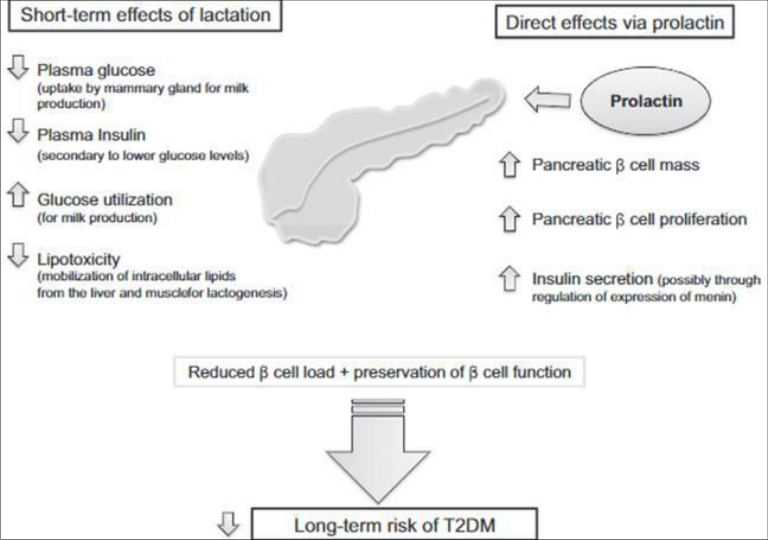 Figure 1
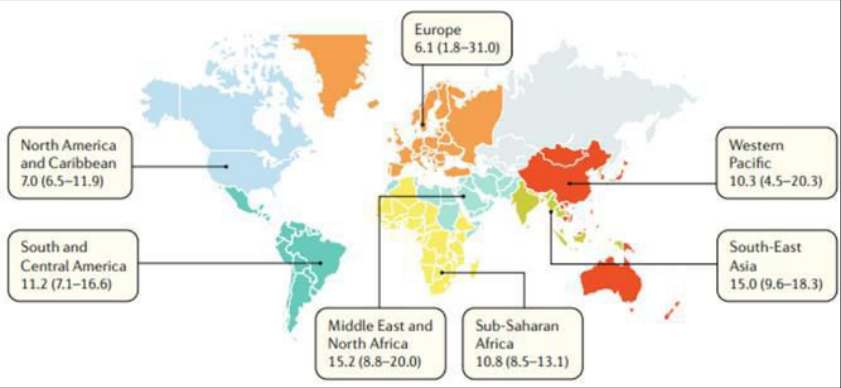 Figure 2
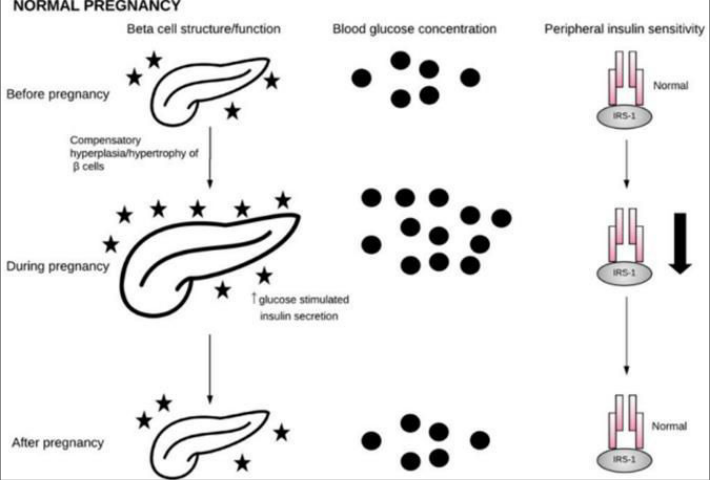 Figure 3
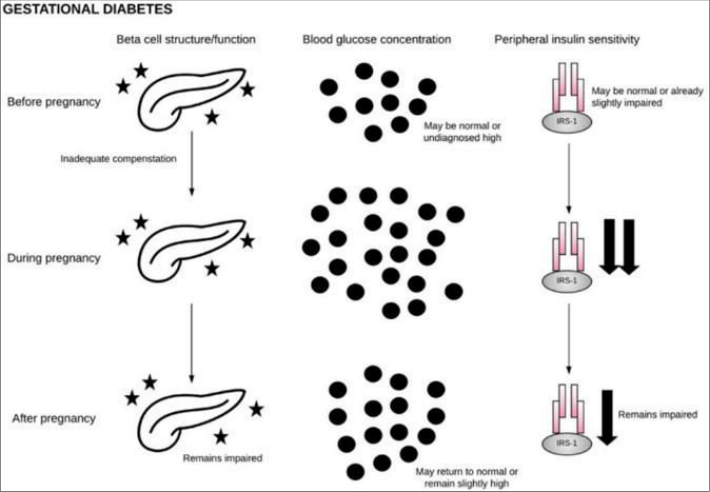 Figure 4
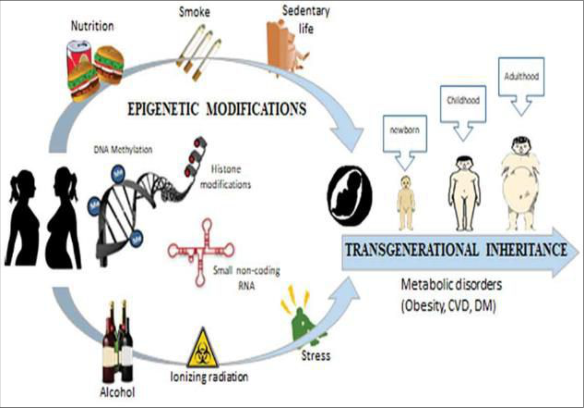 Figure 5
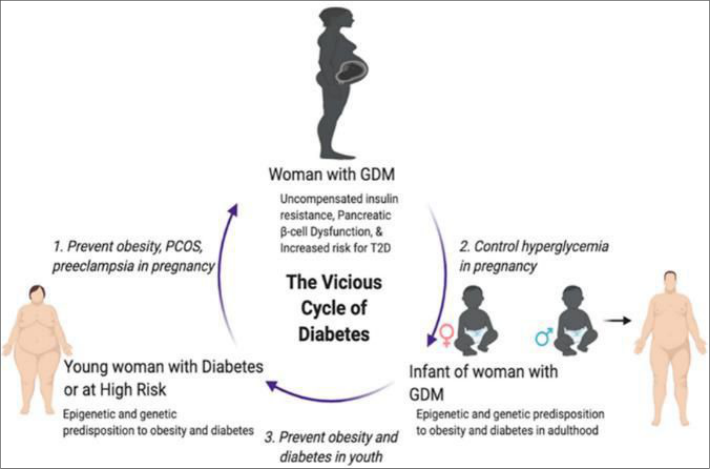 Figure 6
Introduction
Diabetes mellitus is long lasting chronic disorder that describes the utilization and metabolism of food into glucose molecules into the bloodstreams. In Greek, diabetes means "to pass through" and mellitus is Latin word which means "honey and sweetness". Diabetes mellitus is long term illness and it is also called as premature mortality. There are three types of diabetes mellitus which are diabetes mellitus type 1 and type 2 and gestational diabetes (Kaul et al., 2013) [34] . Gestational diabetes is a type of hyperglycemia that is not properly overt diabetes and occur during the pregnancy time duration and it ended after the gestation. The term gestational diabetes (GD) was named by scientist Carrington in the year of 1957 and this term get fame after the publication of articles in 1964. This type of diabetes usually start with the increase in glucose intolerance to increasing glucose fasting and can cause type 1 diabetes in women (McIntyre et al., 2019) [8] . GD usually indicated after the three months (13 weeks) during pregnancy and their prevalence has increased due to increase in obesity and premature pregnancy. About 5% women are diagnosed with the GD during the childbearing age because of obesity, age and demographic region. The occurrence of this diseases varies in every country due to their food and life style (Kampmann et al., 2015) [6] . When GD is related with the dysfunction of β cells, it cause slight hyperglycemia that's lead to gestational diabetic (Catalano, 2014) [3] . The conditions are often considering as the adverse effect of pregnancy which are neonatal metabolic disorders, stillbirth and their related other disorders. During the GD, the mother pancreas is producing less quantity of insulin. As the blood glucose level of mother increases, the insulin start releasing from the fetal pancreas. The release of this pancreas can cause severe effects on the fetus such as broad shoulder, respiratory disorders, liver diseases and complications in delivery of baby (Coustan, 2013) [4] . The given picture shows that the lactation process reduces the blood glucose level in the plasma and also decreases the release of insulin. Thus, this process effects the sensitivity of insulin. The utilization of glucose for the production of milk is increased. While prolactin is a hormone that produces during milk production. This hormone production causes the increase of release of β cells from the pancreas and increases the proliferation of β cells which leads to the increase in the release of insulin in the body. If the load of production of β cells is controlled then it can reduce the long-term effects of type 2 diabetic mellitus. [14] .
Another effect that can cause from the GDM is Macrosomia. It means the excessive weight of fetus after the delivery of baby. The production of insulin is increases that cause the broad shoulders of baby thus it can cause complications during the delivery. There are no proper evidences are present till yet that confirm the effects of use of insulin on fetus. However, many literatures showed that the use of insulin secretagogues is safest type of insulin that can be sue to control the increase of blood glucose level of mother (Padayachee & Coombes, 2015) [12] . There are several risk factors that are involved in causing diseases such as age, modern lifestyle, different ethnicity and emerging new health problems. The women with more than 40 years of age are at the risk of two times fold then women with less than 30 years of age. It has also been observed in the diagnosis that those women who carries male fetus are at the higher risk of getting disease as compared to female fetus (Retnakaran et al., 2015) [15] .
Literature review:
The prevalence of disease varied in every ethnicity and country. The outbreak of GD has observed in almost every country of the world such as US, Canada, Australia, Japan, India and Pakistan etc. GD is less than 5% in Asian countries such as Pakistan and Bangladesh while highest prevalence is observed in the Nepal (Zhu & Zhang, 2016) [16] . According to research of GD prevalence on PubMed, it showed almost 1.7-11.6% trend of this disease. The data was collected by the different clinical tests, family history and medical diagnosis. The given picture shows the prevalence of GD in different countries by WHO. The variations were mostly observed in the Europe and highest peak in the south east Asia (Schneider et al., 2012) [16] . [16] Women with gestational diabetes has showed low insulin sensitivity as compared to the women with normal glucose during the pregnancy. Almost 60% insulin sensitivity has decreased during the gestation period due to the different reasons such as obesity, hyperglycemia and inflammation. The diversity of ethnicity has been observed in the European countries such as US, Australia and Canada. In these countries there are diversity in the population of people. In Australia, Asian Australian women are at the high risk of getting GD as compared to women of Australia. In US, Hispanic American are at the lowest risk (4.6%) of getting gestational diabetes while GD prevalence is (10.9%) in the women of Philippines living in the northern California. Different attitudes of living style cause high risk of GD (Morikawa et al., 2015) [9] . During the GDM, women are advised to properly monitor their blood glucose level in fasting and after one or two hours of taking meal. During the fasting the sugar level should be almost 95mg/dL and after the two hours, their concentration is 120mg/dL (Szmuilowicz, 2019) [49] . Other factors includes the breathing difficulty of baby after the birth, liver or lungs issues and women after the delivery of baby can face hypoglycemia due to the sudden change in the internal environment of body (Moss JR et al., 2005) [10] . The baby can be kept in the intense care unit for the long time due to the severe health problems. Mother with GD can also face sever issues such as urgent caesarean section due to increase blood glucose level in the blood or increase or decrease blood pressure. As the treatment is not properly done on time then it can effects the mother of baby life (Reece, 2010) [14] . The gestational diabetic can be cured and by the usage of proper precautions and preventions. It includes proper intake of healthy diet according to doctor prescription, daily exercise of mother, taking proper medications either it is metformin or insulin therapy according to the condition of glucose level in the blood. Another important precaution is proper checkup of fetus and evaluated their health (Plows et al., 2019) [13] . According to American Diabetes Association, they recommend that pregnant women of earlier three months (6-12 weeks) should be properly checked to prevent the lifelong gestational disease. If the women diagnosed with the gestational disease then metformin can be use to treat diabetics. There are minor effects of metformin has observed till yet. Thus, the use of metformin can reduce the blood glucose level in the body of women and protect the fetus from severe effects (Ziegler et al., 2012) [19] . The women with intensive lifestyle intervention (ILS) has reduced the chances of causing diabetics in women up to 58% and remaining is treated by the metformin. However, metformin proves a good source to treat GD in the women with GD history and without gestational diabetes history (Aroda et al., 2015) [1] . Smoking of pregnant women or their parents (Bao et al., 2016) [2] , physical activity before and after the pregnancy (Tobias et al., 2011) [17] , increased body mass index (BMI) before pregnancy and dietary intake are the major concerns of causing GD (Tobias et al., 2011) [17] . Usually it is observed that level of vitamin C and vitamin D are reduced in the earlier months of pregnancy and the intake of fat is increases then the normal concentration that leads to causing diabetes in the women. For example, proteins intake, sugar and sweet drinks, high fat intake, potatoes, fast foods and chocolates (Bao et al., 2016) [2] . The direct exposure of women with the hazardous pollutants and smog such as octane, endocrine disruptor and increasing the use of octane in our daily life (Zhu & Zhang, 2016) [16] . In this review article, the main concerns are study of gestational diabetes, prevalence of GDM in Pakistan and their effects on mother and children. Increasing weight in the second trimester is studies carefully and the outcomes showed that the gain of weight in the second trimester period is not complicated and has no serious effects on women body. Hence, the weight gain in the first trimester is health hazardous and can cause severe health issues such as gestational diabetes (MacDonald et al., 2017) [7] . The women with gestational diabetes are at the high risk of getting type 2 diabetes mellitus. Breastfeeding is considered as blessing for the children as it protects the children from life threating diseases such as cancer, osteoporosis, bone diseases and diabetic mellitus. According to a research, the ratio of breastfeeding in women with gestational diabetics is lowered as compared to healthy women. In the case of those women who are treated with insulin therapy are usually recommended not to breastfeed their children (Much et al., 2014) [14] . Another treatment is use of glyburide to control the increase level of glucose as t it can cross the placental barrier due to its small size. Glyburide is a type of medication that help the b cells of pancreas to release insulin to control glucose level (Finneran & Landon, 2018) [5] .
Objectives
The main objectives of this article are as follow To study the mechanism of βcells, involve in normal pregnancy and gestational diabetes pregnancy To determine the effects of diabetes on women and children [38] . [38] Effect of Gestational Diabetes on mother and children Different causes of gestational diabetes have been reported in different studies, these factors include environmental factors, lack of nutrition, unhealthy diet, psychological stress, pollutants in the environment and along with these elements some people suffering from diseases or immunocompromised, smokers and alcohol consumers are at the high risk of diabetes (Hernandez-Aguilera et al., 2016) [28] . These all elements change the metabolic pathways occurring in mother and child both and may lead to chronic and long lasting effects on both of them (van Dijk et al., 2015) [49] .
Mechanism of GDM
Examination of epigenetic modification that took place in the gestational period i.e. pregnancy revealed that these external elements alter the internal metabolism and programming of the fetus (Ma et al., 2015) [34] . Gestational diabetes (GDM) is very short time diabetes that took place during the pregnancy and retrogresses after delivery. But it has been reported in literature that there is a close relationship between gestational diabetes and diabetes mellitus type 2 (T2DM), so in some cases GDM is converted to TDM (Hod et al., 2015) [29] . [39] .
Effects of Gestational Diabetes on mother
Effects of Gestational Diabetes on mother
Effects on offspring due to GDM
Following are the short-term effects of GDM Prematurity Birth injury Macrosomia (a condition which is characterized by excess weight of the offspring at the time of birth) One of the serious short term complication is a condition at the delivery time during which the baby stuck, his umbilical cord squeezes and baby fails to breath properly it is called as shoulder dystocia, this may also damage some vital body parts of the baby including collarbone or nerve damage that may influence the functioning of the shoulder, arms or brain or may also causes speech difficulty (Burlina et al., 2019) [23] .
GDM lead to Type 2DM in mother
A very close association has been noticed in these two types of diabetes, it has been demonstrated that some genes are associated with both of these types of diabetes and this is the reason that lead to the transformation of diabetes during pregnancy to type 2 diabetes mellitus (Lowe et al., 2016) [33] . The genes TCF7L2, GCK, KCNJ11, CDKAL1, IGF2BP2 and MTNR1B participated in the release of insulin and IRS1 is involved in insulin resistance, so these six-insulin secretions and one insulin resistance gene also participated in the T2DM. Hence, abnormalities in the pancreatic cells alter all the metabolic pathways and alterations in these genes may lead to both GDM and T2DM in pregnant women (Stover et al., 2018) [44] .
Epigenetic alterations in placenta
Changes in the Deoxyribonucleic acid (DNA) but not in the sequence of DNA are referred as epigenetic alterations. Epigenetic changes are observed in the placenta during the GDM. In this case methyl groups are introduced or eliminated from the structure of the DNA that led to changes in the DNA. In some cases, the alterations in the major proteins such as histone proteins also occurred and disturb the functioning of placenta. GDM influences the structure of placenta and disrupts the supply of nutrients to the fetus (Nelissen et al., 2011) [37] . As a result, the growth of fetus retarded. The experimental evidence in mouse model declared that up-regulation and down-regulation of some genes take place due to GDM including reduction in Dlk1 gene and over-expression of Gtl2 is reported. D1K1 stimulates insulin signaling pathway and accumulation of adipose tissues take place, while, GtI2 gene participated in maintaining notch signaling pathway and TGF-β (Liyanage et al., 2014) [32] . Low level of methylated DNA has been reported in placenta and the main reason behind this is the damage of MEST gene in case of GDM women as compared to non-GDM women. This study suggested that if the women are suffering from GDM then impairment of MEST gene may cause obesity throughout the life (El Hajj et al., 2013) [24] .
MIRNAS and GDM
Disturbance in the regulation of miRNA has been noticed in GDM firstly increased level of 330-3p miRNA (performs multiple functions in the body like act as a tumor suppressor, controls metastasis and cell development) was identified in women suffering from GDM (Sebastiani et al., 2017). Some other miRNAs like miR132, miR29a, miR222 and miR195-p these all are expressed in GDM (Tagoma et al., 2018).
GDM and Gender (male/female)
A female carrying male fetus is at a higher risk of getting GDM as compared to female fetus because in case of male fetus abnormal functioning of β-cells along with postprandial glycemia is observed this adversely affect the maternal glucose metabolism (Retnakaran et al., 2015) [15] . On the other hand if the mother is carrying a female then the risk of GDM lowers but the risk of getting T2DM increases (Retnakaran & Shah, 2016) [41] . [26] GDM causes hypertension in mother It has been reported in literature that almost 55% females face the problem of GDM during pregnancy and this GDM causes hypertension. GDM stimulates the NIDDM and this NIDDM is responsible for hypertension for hypertension in the females and this hypertension not only adversely affect the health of the mother but also have bad effects on the health of the feotus as well (Jones et al., 2019) [30] .
GDM and cardiovascular disease (CVDs)
There are two cases for females' one case is in which the mother has a genetic history of diabetes and other one is that in which the females do not have any history of diabetes. It is observed by different experiments that females having genetic history of diabetes are at the higher risk of getting GDM during pregnancy almost 29% females face GDM and in some cases GDM may turn into T2DM. Whereas, in the second case there are 14% chances of getting GDM. The heart diseases may transfer to next generation and may appear at any stage of their life may be active during childhood or may be in the adulthood or at the age of 40.
Different heart disorders may occur involving heart failure, pulmonary embolism, thrombosis (Yu et al., 2019) [50] .
GDM prevalence and their effects in Pakistan
Hyperglycemia has severed effects on those cells of body that cannot compete with the increased glucose level due to insufficient glucose regulatory mechanism. The major cells that are more susceptible to glucose dysfunction are neural cells, vascular endothelial cells and pancreatic β-cells. Thus increased level of glucose can affect many parts of body such as kidneys, eyes, heart and bones and severe diseases such as neuropathy, nephropathy, myocardial infarction and retinopathy (Gray et al., 2017) [27] . Gestational diabetes mellitus survey was conducted at the small scale in the hospitals of Pakistan. According to the survey, 3.3% -8% prevalence of GDM were observed in the Pakistan. In this survey, the total 11,430 participants were involved and majority of the diabetes are found in the age group of 27 years with the aggregation of 18.8% and 23.1% (Riaz et al., 2019) [42] . Obesity is increasing with the time and the vicious cycle of this gestational diabetic is repeating. If we want to stop this cycle then we should treat polycystic ovary syndrome properly and control the increase of obesity in the young generation. Last but not least is the control of hyperglycemia during the pregnancy of women (Alejandro et al., 2020) [20] . [20] GDM [49] . The hyperplasia of glucose can cause severe diseases such as nephropathy, neuropathy, cardiovascular diseases and many bones disorder. Gestational diabetes can also cause epigenetic alteration in the children that can cause variations in the genetic system. GDM can produce damages in the placenta that can lead to the disruption in the supply of food from mother to the fetus. Gestational diabetes is also a major reason of cause stress, mood swings and hypertension in the mother. Cardiovascular disease such as stroke, heart beat disruption can occur due to GDM. Hyperglycemia can affect the fetus in the womb of mother and can cause severe complications such as urgent C section for the delivery of baby. The high level of glucose causes broad shoulder of fetus and cause complication during delivery. Metformin, insulin therapy and many other drugs are using for the control of glucose level in the blood. Exercise, fresh air, no stress and tension and balanced diet can also control the increase of glucose level. Further studies can be performed to study the effect of high glucose level on the heart, eyes and brain of fetus.
Conclusion
Gestational diabetes is hyperglycemic that can occur during the trimester of pregnancy. Their major prevalence is observed in Asian countries. The outbreak of gestational diabetes had also been seen in European countries such as Australia, America and Canada. In Pakistan, women in the age group of twenty-seven years of age are more susceptible to gestational diabetic mellitus. Hyperglycemia in pregnancy happened due to the malfunction of B cells of pancreas and glucose molecules will not convert into their substrates.
Figures and tables from the paper
References
48 in the original paper- Aroda V, Christophi C, Edelstein S, Zhang P, Herman W, Barrett-Connor E, et al. The effect of lifestyle intervention and metformin on preventing or delaying diabetes among women with and without gestational diabetes: the Diabetes Prevention Program outcomes study 10-year follow-up. The Journal of Clinical Endocrinology & Metabolism. 2015;100:1646-1653.
- Bao W, Michels KB, Tobias DK, Li S, Chavarro JE, Gaskins AJ, et al. Parental smoking during pregnancy and the risk of gestational diabetes in the daughter. International Journal of Epidemiology. 2016;45:160169.
- Catalano P. Trying to understand gestational diabetes. Diabetic Medicine. 2014;31(3):273-281.
- Coustan DR. Gestational diabetes mellitus. Clinical Chemistry. 2013;59(9):1310-1321.
- Finneran MM, Landon MB. Oral agents for the treatment of gestational diabetes. Current Diabetes Reports. 2018;18:1-8.
- Kampmann U, Madsen LR, Skajaa GO, Iversen DS, Moeller N, Ovesen P. Gestational diabetes: A clinical update. World Journal of Diabetes. 2015;6(8):1065.
- MacDonald SC, Bodnar LM, Himes KP, Hutcheon JA. Patterns of gestational weight gain in early pregnancy and risk of gestational diabetes mellitus. Epidemiology (Cambridge, Mass.). 2017;28:419.
- McIntyre HD, Catalano P, Zhang C, Desoye G, Mathiesen ER, Damm P. Gestational diabetes mellitus. Nature Reviews Disease Primers. 2019;5(1):1-19.
- Morikawa M, Yamada T, Akaishi R, Kojima T, Nishida R, Koyama T, et al. Prevalence of hyperglycaemia in singleton versus twin pregnancy. Diabetes/Metabolism Research and Reviews. 2015;31(2):198-203.
- Moss JR, CCHJ JS MAJWR, Group Acisipwt. Effect of treatment of gestational diabetes mellitus on pregnancy outcomes. New England Journal of Medicine. 2005;352:2477-2486.
- Much D, Beyerlein A, Roßbauer M, Hummel S, Ziegler AG. Beneficial effects of breastfeeding in women with gestational diabetes mellitus. Molecular Metabolism. 2014;3:284-292.
- Padayachee C, Coombes JS. Exercise guidelines for gestational diabetes mellitus. World Journal of Diabetes. 2015;6(8):1033.
- Plows JF, Reynolds CM, Vickers MH, Baker PN, Stanley JL. Nutritional supplementation for the prevention and/or treatment of gestational diabetes mellitus. Current Diabetes Reports. 2019;19(9):1-15.
- Reece EA. The fetal and maternal consequences of gestational diabetes mellitus. The Journal of MaternalFetal & Neonatal Medicine. 2010;23(3):199-203.
- Retnakaran R, Kramer CK, Ye C, Kew S, Hanley AJ, Connelly PW, et al. Fetal sex and maternal risk of gestational diabetes mellitus: The impact of having a boy. Diabetes Care. 2015;38:844-851.
- Schneider S, Bock C, Wetzel M, Maul H, Loerbroks A. The prevalence of gestational diabetes in advanced economies. Journal of Perinatal Medicine. 2012;40(5):511-520.
- Tobias DK, Zhang C, Van Dam RM, Bowers K, Hu FB. Physical activity before and during pregnancy and risk of gestational diabetes mellitus: A meta-analysis. Diabetes Care. 2011;34:223-229.
- Zhu Y, Zhang C. Prevalence of gestational diabetes and risk of progression to type 2 diabetes: A global perspective. Current Diabetes Reports. 2016;16:1-11.
- Ziegler AG, Wallner M, Kaiser I, Rossbauer M, Harsunen MH, Lachmann L, et al. Long-term protective effect of lactation on the development of type 2 diabetes in women with recent gestational diabetes mellitus. Diabetes. 2012;61:3167-3171.
- Alejandro EU, Mamerto TP, Chung G, Villavieja A, Gaus NL, Morgan E, et al. Gestational diabetes mellitus: a harbinger of the vicious cycle of diabetes. International Journal of Molecular Sciences. 2020;21(14):5003.
- Aroda V, Christophi C, Edelstein S, Zhang P, Herman W, Barrett-Connor E, et al. The effect of lifestyle intervention and metformin on preventing or delaying diabetes among women with and without gestational diabetes: The Diabetes Prevention Program outcomes study 10-year follow-up. The Journal of Clinical Endocrinology & Metabolism. 2015;100(4):1646-1653.
- Bao W, Michels KB, Tobias DK, Li S, Chavarro JE, Gaskins AJ, et al. Parental smoking during pregnancy and the risk of gestational diabetes in the daughter. International Journal of Epidemiology. 2016;45(1):160169.
- Burlina S, Dalfrà M, Lapolla A. Short-and long-term consequences for offspring exposed to maternal diabetes: a review. The journal of Maternal-Fetal & Neonatal Medicine. 2019;32(4):687-694.
- El Hajj N, Pliushch G, Schneider E, Dittrich M, Müller T, Korenkov M, et al. Metabolic programming of MEST DNA methylation by intrauterine exposure to gestational diabetes mellitus. Diabetes. 2013;62(4):1320-1328.
- Finneran MM, Landon MB. Oral agents for the treatment of gestational diabetes. Current Diabetes Reports. 2018;18(11):1-8.
- Franzago M, Fraticelli F, Stuppia L, Vitacolonna E. Nutrigenetics, epigenetics and gestational diabetes: Consequences in mother and child. Epigenetics. 2019;14(3):215-235.
- Gray SG, McGuire TM, Cohen N, Little PJ. The emerging role of metformin in gestational diabetes mellitus. Diabetes, Obesity and Metabolism. 2017;19(6):765-772.
- Hernandez-Aguilera A, Fernández-Arroyo S, Cuyas E, Luciano-Mateo F, Cabre N, Camps J, et al. Epigenetics and nutrition-related epidemics of metabolic diseases: Current perspectives and challenges. Food and Chemical Toxicology. 2016;96:191-204.
- Hod M, Kapur A, Sacks DA, Hadar E, Agarwal M, Di Renzo GC, et al. The International Federation of Gynecology and Obstetrics (FIGO) Initiative on gestational diabetes mellitus: A pragmatic guide for diagnosis, management, and care. International journal of gynaecology and obstetrics: The official organ of the International Federation of Gynaecology and Obstetrics. 2015;131:S173-S211.
- Jones EJ, Hernandez TL, Edmonds JK, Ferranti EP. Continued disparities in postpartum follow-up and screening among women with gestational diabetes and hypertensive disorders of pregnancy: A systematic review. The Journal of Perinatal & Neonatal Nursing. 2019;33(2):136.
- Liyanage VR, Jarmasz JS, Murugeshan N, Del Bigio MR, Rastegar M, Davie JR, et al. DNA modifications: function and applications in normal and disease States. Biology. 2014;3(4):670-723.
- Lowe WL, Scholtens DM, Sandler V, Hayes MG. Genetics of gestational diabetes mellitus and maternal metabolism. Current Diabetes Reports. 2016;16(2):110.
- Ma RC, Tutino GE, Lillycrop KA, Hanson MA, Tam WH. Maternal diabetes, gestational diabetes and the role of epigenetics in their long term effects on offspring. Progress in Biophysics and Molecular Biology. 2015;118(1-2):55-68.
- MacDonald SC, Bodnar LM, Himes KP, Hutcheon JA. Patterns of gestational weight gain in early pregnancy and risk of gestational diabetes mellitus. Epidemiology (Cambridge, Mass.). 2017;28(3):419.
- Much D, Beyerlein A, Roßbauer M, Hummel S, Ziegler AG. Beneficial effects of breastfeeding in women with gestational diabetes mellitus. Molecular Metabolism. 2014;3(3):284-292.
- Nelissen EC, van Montfoort AP, Dumoulin JC, Evers JL. Epigenetics and the placenta. Human Reproduction Update. 2011;17(3):397-417.
- Plows JF, Stanley JL, Baker PN, Reynolds CM, Vickers MH. The pathophysiology of gestational diabetes mellitus. International Journal of Molecular Sciences. 2018;19(11):3342.
- Rayanagoudar G, Hashi AA, Zamora J, Khan KS, Hitman GA, Thangaratinam S, et al. Quantification of the type 2 diabetes risk in women with gestational diabetes: a systematic review and meta-analysis of 95,750 women. Diabetologia. 2016;59(7):1403-1411.
- Retnakaran R, Kramer CK, Ye C, Kew S, Hanley AJ, Connelly PW, et al. Fetal sex and maternal risk of gestational diabetes mellitus: The impact of having a boy. Diabetes Care. 2015;38(5):844-851.
- Retnakaran R, Shah B. Sex of the baby and future maternal risk of Type 2 diabetes in women who had gestational diabetes. Diabetic Medicine. 2016;33(7):956-960.
- Riaz M, Nawaz A, Masood SN, Fawwad A, Basit A, Shera A. Frequency of gestational diabetes mellitus using DIPSI criteria, a study from Pakistan. Clinical Epidemiology and Global Health. 2019;7(2), 218-221.
- Sebastiani G, Guarino E, Grieco GE, Formichi C, Delli Poggi C, Ceccarelli E, et al. Circulating microRNA (miRNA) expression profiling in plasma of patients with gestational diabetes mellitus reveals up regulation of miRNA miR-330-3p. Frontiers in Endocrinology. 2017;8:345.
- Stover P, James W, Krook A, Garza C. Emerging concepts on the role of epigenetics in the relationships between nutrition and health. Journal of Internal Medicine. 2018;284(1):37-49.
- Szmuilowicz E. Diabetes mellitus gestational. Endocrinology and Metabolism Clinics of North America. 2019;48(3):479-493.
- Szmuilowicz ED, Josefson JL, Metzger BE. Gestational diabetes mellitus. Endocrinology and Metabolism Clinics. 2019;48(3):479-493.
- Tagoma A, Alnek K, Kirss A, Uibo R, Haller-Kikkatalo K. MicroRNA profiling of second trimester maternal plasma shows upregulation of miR-195-5p in patients with gestational diabetes. Gene. 2018;672:137-142.
- Tobias DK, Zhang C, Van Dam RM, Bowers K, Hu FB. Physical activity before and during pregnancy and risk of gestational diabetes mellitus: A meta-analysis. Diabetes Care. 2011;34(1):223-229.
- Van Dijk SJ, Tellam RL, Morrison JL, Muhlhausler BS, Molloy PL. Recent developments on the role of epigenetics in obesity and metabolic disease. Clinical Epigenetics. 2015;7(1):1-13.