
Research article · 2021 · Full text
International Journal of Statistics and Applied MathematicsGraphical representation of prevalence of tamaka shwasa viz-a-viz bronchial asthma
Volume 6(1) · Pages 252–258 · DOI: 10.22271/maths.2021.v6.i1c.924 ↗
Research areasAcupuncture Treatment Research StudiesAgriculture, Water, and HealthComplementary and Alternative Medicine Studies
Abstract
Author-writtenTamaka Shwasa is one the Chronic disorders of pranavaha srotas that disturbs the daily activities by producing kasa and shwasa krucchrata. Bronchial asthma is characterized by paroxysms of dyspnoea, accompanied by wheezing resulting from narrowing of the bronchial airways by muscle spasm, mucosal swelling or viscid secretion tenacious mucus. There are many fatal diseases but none of the diseases take away the life as quickly as shwasa roga, it is sheeghra pranahari. In the present era respiratory illness is increasing day to day due to genetic susceptibility, pollution, seasonal changes, environmental factors, drugs, recurrent respiratory infection, smoking, change in diet and life style. In the present study, the objective is to observe the incidence occurrence of Tamaka Shwasa viz-a-viz Bronchial Ashtma in different parameters such as Age, Sex, Occupation, Socio-economic Status, Marital Status Ahara, Locality, Family History, Onset, Habits, Treatment History, Chronicity And to observe the effect of Kantakari Ghrita, Ghrita bhrishta Haridra and Simhyadi Kashaya in the management of Tamakashwasa. The results were statistically analysed using Descriptive statistics, Chi-square test/ cross tabulation and repeated measure ANOVA measure.
Summary
Source-checkedPlain-language reading of the full paper, prepared with AI and checked against the text. Each point links to the authors' own words.
Why it matters
- Bronchial asthma is a significant non-communicable disease affecting 100 to 150 million people globally, with over 180,000 annual deaths. View evidence ↗
- Respiratory illnesses are increasing due to factors such as pollution, genetic susceptibility, smoking, and lifestyle changes. View evidence ↗
The question
- The study aimed to observe the incidence of Tamaka Shwasa across various demographic parameters and evaluate the effectiveness of Kantakari Ghrita, Ghrita bhrishta Haridra, and Simhyadi Kashaya in its management. View evidence ↗
What they did
- The research was an observational clinical study involving a single group of 100 patients. View evidence ↗
- Participants were included if they were between 12 and 70 years old, of either sex, had a history of previous attacks, and had mild to moderate Tamaka Shwasa. View evidence ↗
- Treatment efficacy was measured using a 0 to 4 grading scale for symptoms (Shwasakruchratha, Ghurghuraka, Kasa) and Peak Expiratory Flow Volume (PEFV). View evidence ↗
What they found
- The highest incidence of the condition occurred in the 26-40 age group, representing 38% of the patients. View evidence ↗
- Males had a higher incidence of Tamaka Shwasa, accounting for 66% of the study population. View evidence ↗
- Treatment led to complete relief from shwasakrichrata in 61% of patients, a result that was statistically highly significant (P=0.000). View evidence ↗
- Complete relief from Kasa (cough) was achieved by 63% of patients, which was statistically highly significant (P=0.000). View evidence ↗
- After treatment, 62% of patients had no bouts of Ghurghuraka, showing a highly significant improvement (P=0.000). View evidence ↗
- Patients with shorter durations of the disease (less chronicity) experienced faster and better relief compared to those with longer durations. View evidence ↗
What it means
- The authors conclude that Kantakari ghrita, Simhyadi Kashaya, and Ghrita bhrishta Haridra are beneficial in managing Tamaka Shwasa due to their anti-allergic and immunomodulatory properties. View evidence ↗
- The authors noted that patients with a habit of smoking did not respond to the treatment as satisfactorily as others. View evidence ↗
Visual summary
3 visualsIllustrations explain the paper; charts are replotted from the paper's own table values.
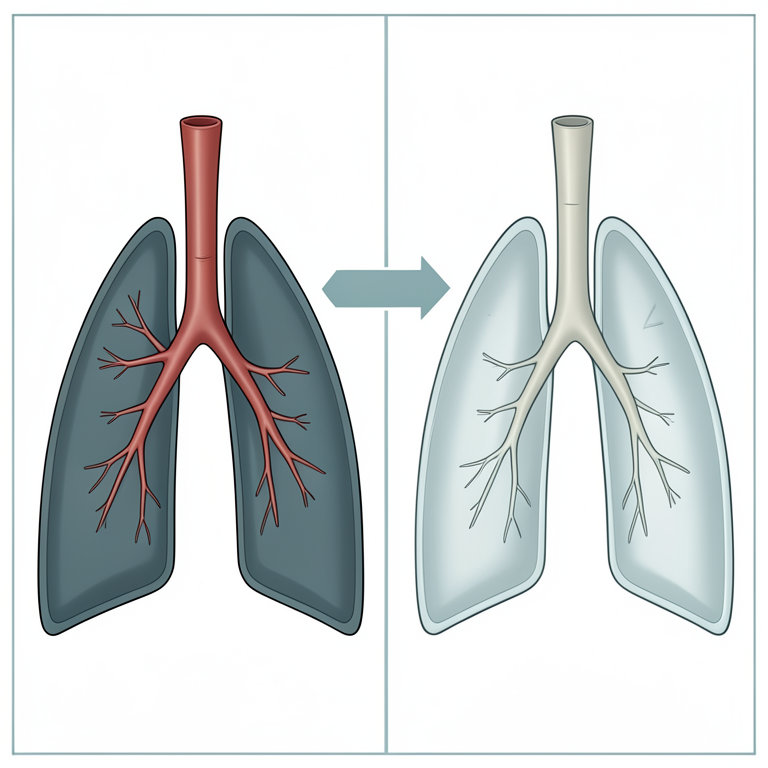
Symptom Reduction Overview
AI-generated conceptual illustration (human lungs and respiratory system). It explains the idea and does not show study data.
View source evidence ↗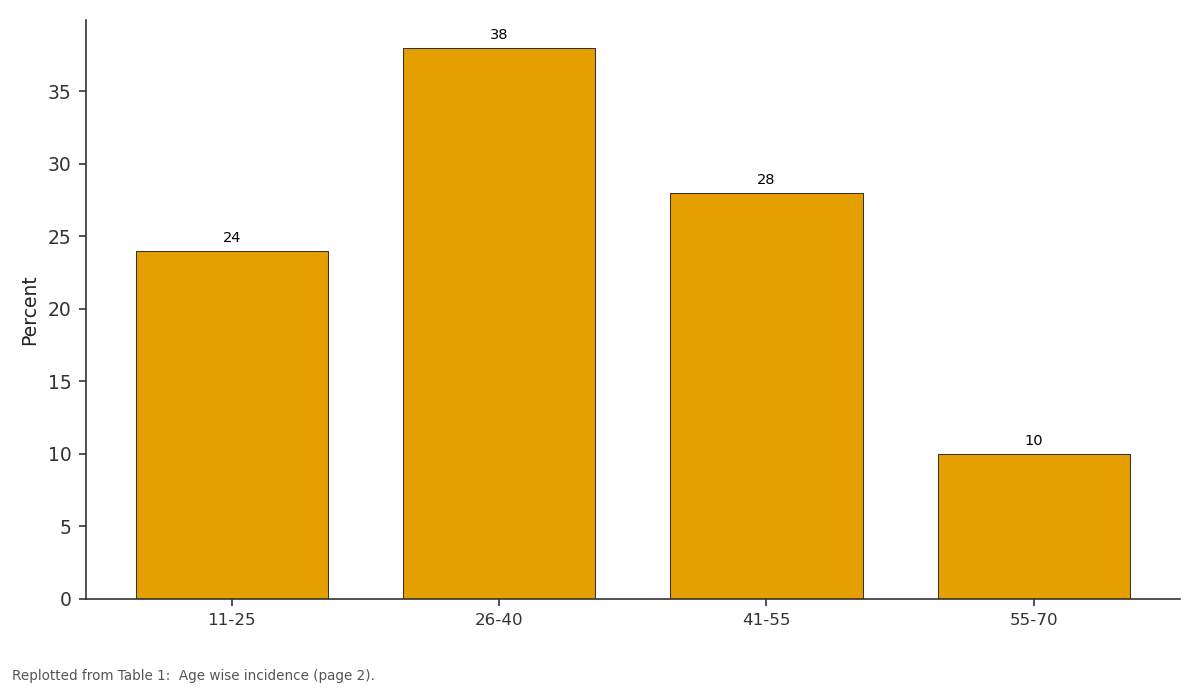
Percent: 11-25 vs 26-40 vs 41-55 vs 55-70
Replotted from Table 1 (page 2) of the original paper. Every bar is the paper's own table value.
View source evidence ↗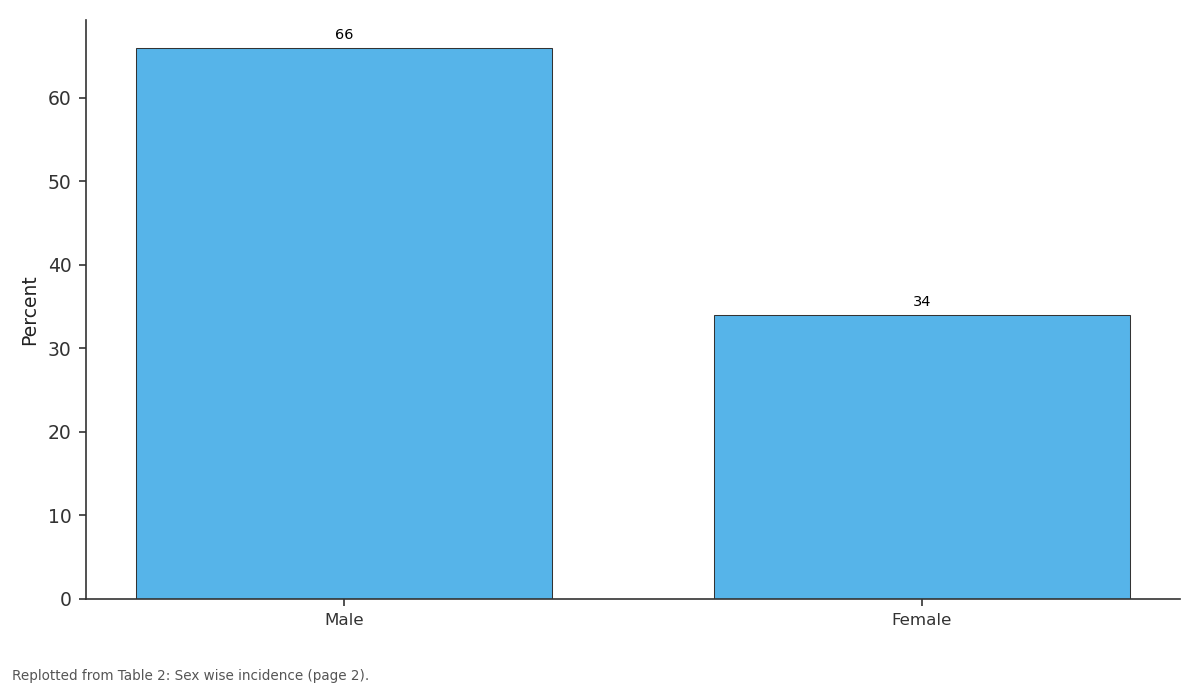
Percent: Male vs Female
Replotted from Table 2 (page 2) of the original paper. Every bar is the paper's own table value.
View source evidence ↗Figures & tables
From the original paper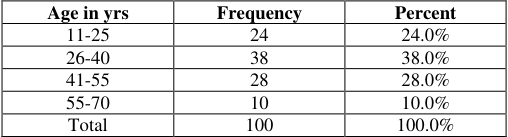 Table 1Page 2
 Table 2Page 2
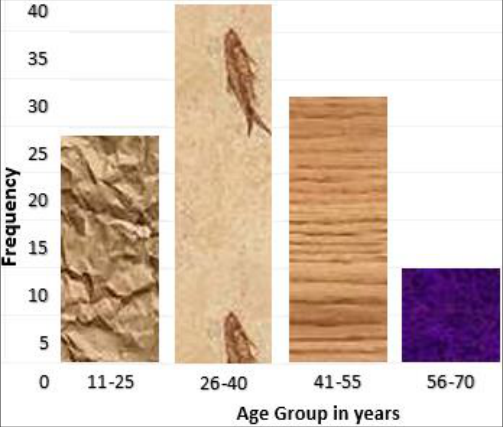 Figure 1Page 2
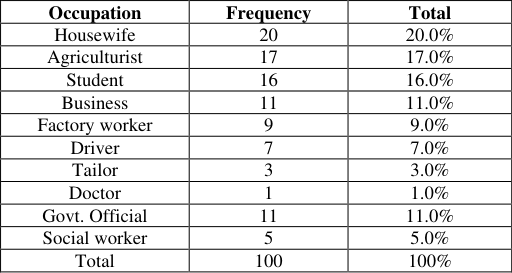 Table 3Page 3
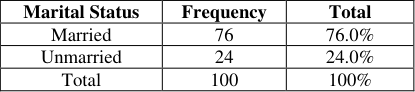 Table 5Page 3
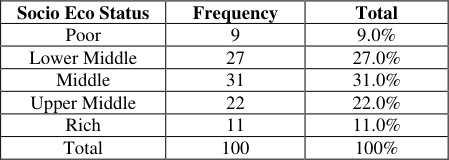 Table 4Page 3
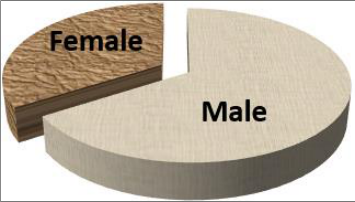 Figure 2Page 3
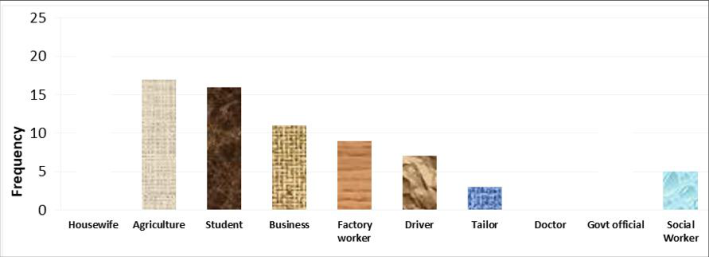 Figure 3Page 3
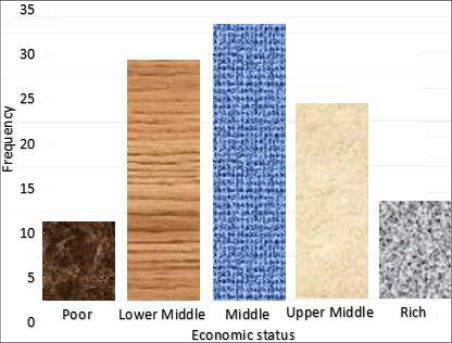 Figure 4Page 3
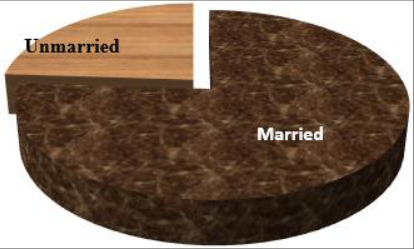 Figure 5Page 3
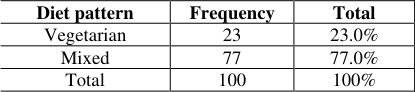 Table 6Page 4
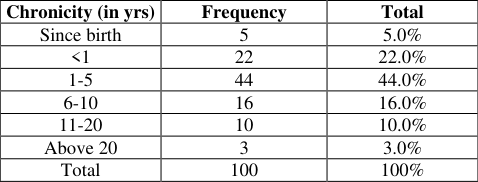 Table 9Page 4
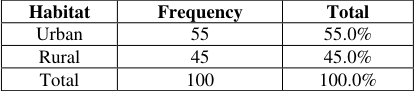 Table 7Page 4
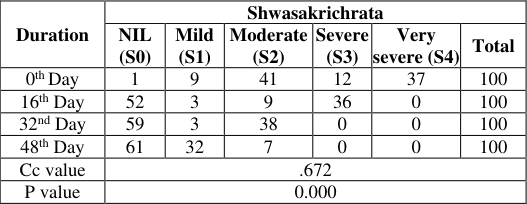 Table 10Page 4
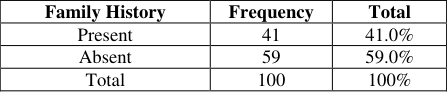 Table 8Page 4
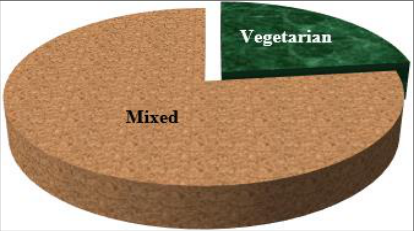 Figure 6Page 4
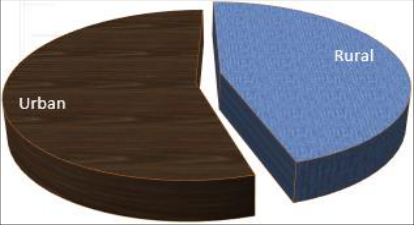 Figure 7Page 4
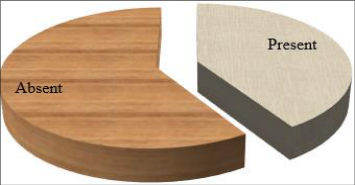 Figure 8Page 4
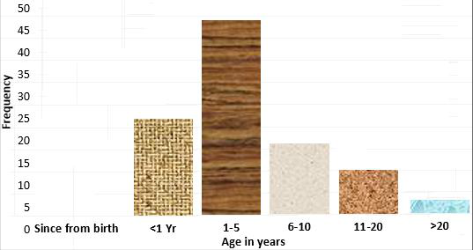 Figure 9Page 4
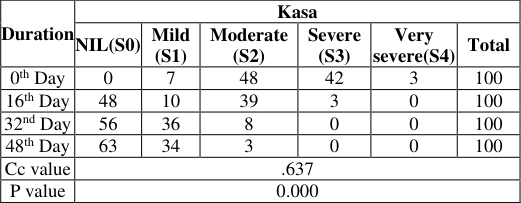 Table 11Page 5
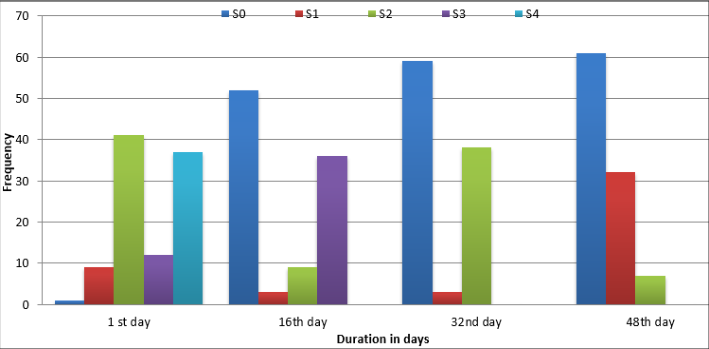 Figure 10Page 5
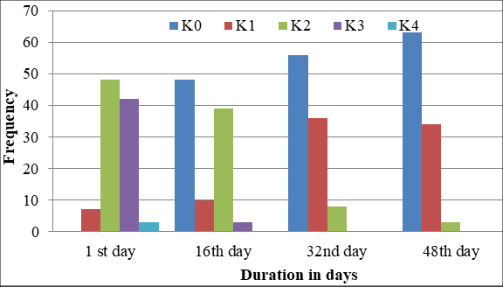 Figure 11Page 5
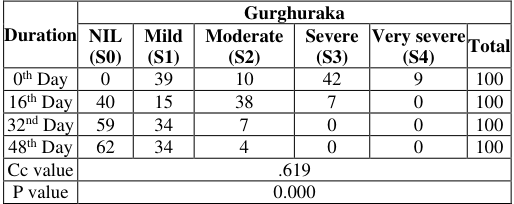 Table 12Page 6
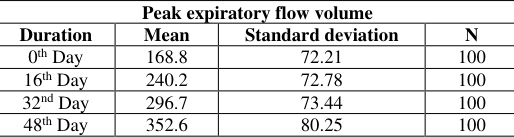 Table 13Page 6
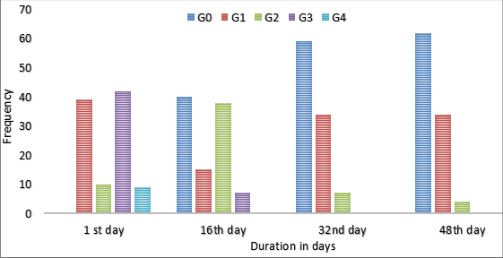 Figure 12Page 6
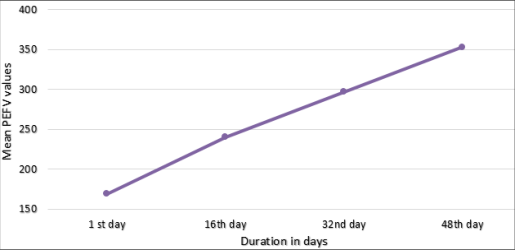 Figure 13Page 6
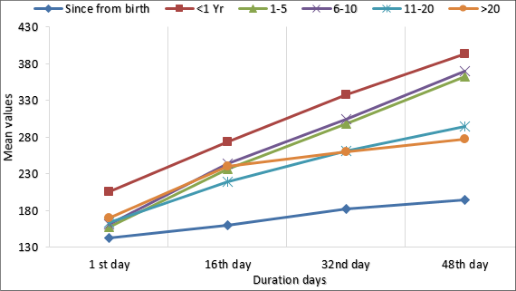 Figure 14Page 6
Introduction
Bronchial Asthma is a major Non communicable disease. Throughout the world Asthmatic's fall between the ranges of 100 to 150 million people. Worldwide deaths from this condition have reached over 180000 annually. The percentage of people having Bronchial Asthma is increased markedly all over India from 1950. As per World Health Organization, India has 15-20 million asthmatics, about 2.5% of adults have a clinical diagnosis of asthma [1] . In the present era respiratory illness is increasing day to day due to genetic susceptibility, pollution, seasonal changes, environmental factors, drugs, recurrent respiratory infection, smoking, change in diet and life style Among all the respiratory illness, bronchial asthma is responsible for the major burden for morbidity and mortality [2] . Bronchial Asthma is disease of airways that is characterized by increased responsiveness of the tracheo bronchial tree to a variety of stimuli resulting in wide spread spasmodic narrowing of the air passages which may be relieved spontaneously or by therapy [3] . Tamaka Shwasa is one of the Chronic disorders of pranavaha srotas that disturbs the daily activities by producing kasa and shwasa krucchrata. Bronchial Asthma to which Tamaka shwasa is compared [4] . When we critically analyze the causative factors of Tamaka Shwasa air pollution takes the prime role. Urbanization, overcrowding, industrialization, stressful life, unusual food stuffs and abnormal food style, that all exposes the humans to suffer with tamaka shwasa [5] . There are many fatal diseases but none of the diseases take away the life as quickly as shwasa roga, it is sheeghra pranahari [6] . The management involves alleviation of an attack and prevention of new attacks and to improve the lung functions. As this is a chronic condition it requires frequent treatment and attention to avoid complications. The line of treatment involves consumption of medications frequently with kaphavatahara drugs.
In this study from the heap of innumerable yogas mentioned in ayurveda, Kantakari Ghrita [7] , Ghrita bhrishta Haridra [8] and Simhyadi Kashaya [9] were selected.
Methodology
It was an observational clinical study comprising of 100 patients in a single group. The materials utilized for the study were; Kantakari gritha. Ghritabhrasta Haridra.
Simhyadi kashaya
Simhyadi kashaya
Methods
Methods
Objectives
To evaluate and observe the effect of Kantakari Ghrita, Ghrita bhrishta Haridra and Simhyadi Kashaya in the management of Tamaka Shwasa (Bronchial Asthma).
Research Design
It was an observational clinical trial with pre, mid and posttest design. The patients were assigned into a single group.
Sampling
Total 100 patients, diagnosed to have Tamaka Shwasa were selected incidentally from the OPD and special camp conducted in GAMC & H, Mysore. Drop outs at any stage were excluded from the study.
Inclusion Criteria
Inclusion Criteria
Interventions
Medicines were given orally for 1 mandala (48 days) 1. Kantakari Ghrita as shamana sneha 30ml with ushnodaka once in the morning 2. Ghrita bhrista Haridra -3-6gms given twice daily with ushnodaka 3. Simhyadi kashaya -15ml with luke warm water muhurmuhu prayoga
Methods of Assessment of Treatment
The results were assessed on the basis of severity of the symptomatology such as Shwasakruchratha, Ghurghuraka, Kasa and through the values of P.E.F.V. Symptoms Score. i.e. 0 to 4 grading were given. The data were collected from the patients on 0 th day, on 16 th day, 32 nd day, and on 48 th day. The results were compared and analyzed statistically applying following Statistical methods [10] - Descriptive statistics Chi-square test/ cross tabulation Repeated measure ANOVA.
Observation and Discussion
In the present study total 102 patients were registered, out of which 2 patients discontinued the treatment during various stages of the clinical study and with 100 patients the clinical study was completed. Among 100 patients, maximum number of patients i.e., 66 (66.0%) patients were male and 34 (34.0%) patients were female. As Tamaka shwasa has no sex bias, both the genders were selected for the study. There were more incidences of Tamaka shwasa in males 66 (66.00%) in the study. Cases having different occupations were assigned into the study, The higher incidence in housewives probably may be because of their constant exposure to allergens like house dust constituents etc. It can be said that, irrespective of the occupation, one can develop Tamaka shwasa as long as they are exposed to dust, smoke, excess humidity, cold in their work place. In the study most of the patients i.e. 77 (77.0%) were habituated to mixed food. It was observed that, in most of the patient's consumption of fish and oily foods worsened the symptoms. So by this we can say that, patients habituated to mixed type of food were more prone to. Also Consumption of more spicy food may cause further vitiation of dosha which cause shwasa. Consuming oily, spicy food, fish etc. are more prone to act as allergens Which proves the statement of modern literature. But, it cannot be generalized that, vegetarians are on safer side from the disease. It was observed that a majority of patients were from urban areas. Probably due to increased free particles and gases in air as a result of industrialization and vehicles. Exposure to smoke and allergens might be the possible reason for higher number of patients from the urban area. Maximum numbers of patients were having the chronicity ranging between 1-5 years. This shows that shwasa is a disorder having the nature of chronicity.
Age
Age
Occupation
Occupation
Socio-Economic Status
Socio-Economic Status
Marital Status
Marital Status
Region
Region
Family History
Family History
Results
Efficacy of the treatment can be appreciated when the results are statistically analyzed using the parameters taken for the study. Data was collected before, during and after treatment. These were analyzed by using-Contingency coefficient table analysis. Repeated measure ANOVA, descriptive statistics using SPSS for windows (version 16). Among total 100 patients of Tamaka Shwasa, who were taken for the present clinical study, 37 patient had very severe, 12 had severe, 41 had moderate, 9 had mild and 1 patient did not had Shwasakrichrata.
Shwasakrichrata
After the treatment, no patients had very severe and severe Shwasakrichrata, 7 patients showed moderate Shwasakrichrata, 32 patients had mild Shwasakrichrata, and 61 patients persisted to have no Shwasakrichrata. Statistically it showed highly significant association with P= 0.000. Contingency Coefficient= 0.672. The result obtained regarding the parameter Shwasakruchratha showed highly significance as the 'P' value is less than 0.000. As 37% of the patients had very severe shwasakrichrata 12% had severe, 41% had moderate, 9% had mild Shwasakruchratha. After completion of the treatment, 61% of patients had no shwasakrichrata, 32% patients shifted to mild Shwasakrichrata and 7% patients showed moderate Shwasakrichrata. None of the patients had severe and very severe Shwasakrichrata. Totally 61.0% of the patients had complete relief from the symptom shwasakrichrata. This may be due to the combined effect of the trial drugs. It is because of kaphashoshana, srotoshodhak, shothahara, vata anulomana and shwasahara properties of the drugs. The drugs also have showed anti-microbial, anti-inflammatory and mast cell stabilizing action and thus relieving the broncho contriction, minimizes the exacerbations or frequency of attacks. Among total 100 patients of Tamaka Shwasa, who were taken for the present clinical study, 3 patient had very severe, 42 had severe, 48 moderate and 7 had mild Kasa. After the treatment, 3 patients showed moderate kasa, 34 patients had mild kasa, 63 patients persisted to have no bouts of kasa. Statistically it showed highly significant association with P= 0.000. Contingency Coefficient= 0.637.
KASA
In the present study the drug effect w.r.to the parameter Kasa was highly significant as the 'P' value is less than 0.000. As 3% patient had very severe, 42% had severe, 48% moderate and 7%had mild Kasa. After the treatment, 63% patients persisted to have no bouts of Kasa, 3% patients showed moderate Kasa, 34% patients had mild Kasa. None of the patients had severe and very severe Kasa. Totally 63.0% of the patients had complete relief from the symptom Kasa. This may be due to the combined effect of the trial drugs. It is because of vata kaphahara, vatanulomana, shothahar, kasahara properties of the drugs. The drugs also have showed anti-microbial, anti-inflammatory, mucolytic and expectorant action and thus minimize the bouts of cough or frequency of attacks. In the present clinical study chronicity is ranging from minimum of 2 months to maximum of 20 years chronic history patients were observed. Results with respect to chronicity in the study showed that the persons who have less chronicity had shown better and faster relief from the symptoms whereas patients having more chronicity has improved gradually.
Results showing with respect to chronicity
Results with respect to chronicity in the study showed that the persons who have less chronicity had shown better and faster relief from the symptoms whereas patients having more chronicity has improved gradually. As the chronicity increases, mucosal thickening occurs, this in turn causes fibrosis in the thickened mucosal part of the tracheo bronchial tree. This causes narrowing of the airways. Fibrosis is the permanent change which occurs in the tracheo bronchial tree due to mucosal thickening in bronchial asthma.
Conclusion
Tamaka shwasa is vata-kaphaja vyadhi having pitta origin. Though family tendency of Tamaka shwasa is present in most of the cases, this disease can occur without family history also.
The symptom "tamasa vardhate athyrtam" was found in all the patients, hence can be considered as cardinal feature of tamaka shwasa. Peak flowmetry analysis is helpful to know the prognosis of the disease or for the assessment of the lung capacity. The results were compared and analyzed statistically applying following Statistical methods-i) Descriptive statistics, ii) Chisquare test/ cross tabulation and iii) Repeated measure ANOVA. Ghrita preparations having shwasa-kasahara drugs like Kantakari ghrita is beneficial in Tamaka shwasa. Concept of muhurmuhu prayoga of shwasahara kashaya's like simhyadi Kashaya helps to control the attacks of Tamaka shwasa. Use of Anti allergic and Immuno modulator drugs like Ghrita bhrishta Haridra is beneficial in Tamaka shwasa. Over all the line of treatment of Tamaka shwasa may include avoiding the causative factors, usage of anti-allergic, mucolytic, expectorant, anti-inflammatory, broncho dilator and immunomodulator.
Patients having lesser chronicity have showed the better results.
Those who had the habit of smoking didn't respond to the treatment satisfactorily. Concept of muhurmuhu aushandha prayoga in case of shwasa as told in classics is proved beneficial. Age group between 26-60 years showed better results in both subjective and objective criteria.
Figures and tables from the paper
| Age in yrs | Frequency | Percent |
|---|---|---|
| 11-25 | 24 | 24.0% |
| 26-40 | 38 | 38.0% |
| 41-55 | 28 | 28.0% |
| 55-70 | 10 | 10.0% |
| Total | 100 | 100.0% |
Table text extracted from the original PDF; superscript letters are shown inline. The original table image is below.
View original table image
| Sex | Frequency | Percent |
|---|---|---|
| Male | 66 | 66.0% |
| Female | 34 | 34.0% |
| Total | 100 | 100.0% |
Table text extracted from the original PDF; superscript letters are shown inline. The original table image is below.
View original table image
| Occupation | Frequency | Total |
|---|---|---|
| Housewife | 20 | 20.0% |
| Agriculturist | 17 | 17.0% |
| Student | 16 | 16.0% |
| Business | 11 | 11.0% |
| Factory worker | 9 | 9.0% |
| Driver | 7 | 7.0% |
| Tailor | 3 | 3.0% |
| Doctor | 1 | 1.0% |
| Govt. Official | 11 | 11.0% |
| Social worker | 5 | 5.0% |
| Total | 100 | 100% |
Table text extracted from the original PDF; superscript letters are shown inline. The original table image is below.
View original table image
| Marital Status | Frequency | Total |
|---|---|---|
| Married | 76 | 76.0% |
| Unmarried | 24 | 24.0% |
| Total | 100 | 100% |
Table text extracted from the original PDF; superscript letters are shown inline. The original table image is below.
View original table image
| Socio Eco Status | Frequency | Total |
|---|---|---|
| Poor | 9 | 9.0% |
| Lower Middle | 27 | 27.0% |
| Middle | 31 | 31.0% |
| Upper Middle | 22 | 22.0% |
| Rich | 11 | 11.0% |
| Total | 100 | 100% |
Table text extracted from the original PDF; superscript letters are shown inline. The original table image is below.
View original table image
| Diet pattern | Frequency | Total |
|---|---|---|
| Vegetarian | 23 | 23.0% |
| Mixed | 77 | 77.0% |
| Total | 100 | 100% |
Table text extracted from the original PDF; superscript letters are shown inline. The original table image is below.
View original table image
| Chronicity (in yrs) | Frequency | Total |
|---|---|---|
| Since birth | 5 | 5.0% |
| <1 | 22 | 22.0% |
| 1-5 | 44 | 44.0% |
| 6-10 | 16 | 16.0% |
| 11-20 | 10 | 10.0% |
| Above 20 | 3 | 3.0% |
| Total | 100 | 100% |
Table text extracted from the original PDF; superscript letters are shown inline. The original table image is below.
View original table image
| Habitat | Frequency | Total |
|---|---|---|
| Urban | 55 | 55.0% |
| Rural | 45 | 45.0% |
| Total | 100 | 100.0% |
Table text extracted from the original PDF; superscript letters are shown inline. The original table image is below.
View original table image
| Family History | Frequency | Total |
|---|---|---|
| Present | 41 | 41.0% |
| Absent | 59 | 59.0% |
| Total | 100 | 100% |
Table text extracted from the original PDF; superscript letters are shown inline. The original table image is below.
View original table image
| Duration | Kasa | — | — | — | — | — |
|---|---|---|---|---|---|---|
| NIL(S0) | Mild (S1) | Moderate (S2) | Severe (S3) | Very severe(S4) | Total | |
| 0th Day | 0 | 7 | 48 | 42 | 3 | 100 |
| 16th Day | 48 | 10 | 39 | 3 | 0 | 100 |
| 32nd Day | 56 | 36 | 8 | 0 | 0 | 100 |
| 48th Day | 63 | 34 | 3 | 0 | 0 | 100 |
| Cc value | .637 | |||||
| P value | 0.000 |
Table text extracted from the original PDF; superscript letters are shown inline. The original table image is below.
View original table image
| Peak expiratory flow volume | — | — | — |
|---|---|---|---|
| Duration | Mean | Standard deviation | N |
| 0th Day | 168.8 | 72.21 | 100 |
| 16th Day | 240.2 | 72.78 | 100 |
| 32nd Day | 296.7 | 73.44 | 100 |
| 48th Day | 352.6 | 80.25 | 100 |
Table text extracted from the original PDF; superscript letters are shown inline. The original table image is below.
View original table image
References
1 in the original paper- Harrison's Principles of Internal Medicine, Asthma, E.R. Mc. Fadden, Jr. 14 th Int. Edn. 1998;2:1419-26.