
Research article · 2022 · Full text
International Journal of Biology SciencesDetermination of the microbial and physiochemical composition of branded and unbranded Shea butter
Volume 4(2) · Pages 11–18 · DOI: 10.33545/26649926.2022.v4.i2a.69 ↗
Research areasAfrican Botany and Ecology StudiesPlant and animal studiesFermentation and Sensory Analysis
Abstract
Author-writtenShea butter samples were randomly obtained from different local markets and supermarkets from two states in Nigeria for the unbranded and branded samples respectively. Isolation and identification of microbial contaminants as well as determination of some physiochemical parameters such as heavy metal levels, saponification and iodine composition for branded and unbranded samples. The Total heterotrophic Fungi count of unbranded samples ranged from 8.50×10⁴ cfu/g to 3.20×10⁷cfu/g while the branded samples showed no significant count, the total heterotrophic bacteria count of unbranded and branded samples ranged from 1.25×10⁶cfu/g to 3.35×10⁸cfu/g, total coliform counts ranged from 1.2×10²cfu/g to 2.15×10³cfu/g, total Staphylococcus counts of the unbranded and branded samples ranged from 2.71×10⁵ to 3.55×10⁵, The isolated microorganism include: Aspergillus niger (40%), Candida species (30%), Aspergillus fumigatus (10%), Penicillium species (10%) and Blastomyces species (10%). Escherichia coli (26.67%) Pseudomonas species (13.33%), Klebsiella specie (13.33%), Staphylococcus species (26.67%) and Bacillus species (20%). Significant difference was observed in saponification (183.73mgKOH/g and 174.46mgKOH/g) and iodine (40.6I2/100g and 37.94I2/100g) values respectively. Heavy metals present in the branded sample were manganese (Mn), iron (Fe) and zinc (Zn) while iron (Fe) and zinc (Zn) only were present in the unbranded sample. It can also be deduced that shea butter exposed and sold in the local markets and the branded samples which are not properly packaged harbor microbes and this may be harmful to the health of the users mostly newborn and those with injury on their skin. it is recommended that the Shea butter should be properly packaged or covered at sales point in order to reduce microbial re-contamination.
Summary
Source-checkedPlain-language reading of the full paper, prepared with AI and checked against the text. Each point links to the authors' own words.
Why it matters
- Shea butter is a critical economic and nutritional resource in its production zones, providing up to 50% of income and 80% of dietary fat for the local population. View evidence ↗
- Because shea butter is frequently used for medicinal purposes, microbial contamination can reduce its therapeutic effectiveness and potentially harm users. View evidence ↗
- The presence of heavy metals in shea butter can lead to increased rancidity and the formation of peroxides and free carboxylic acids, lowering the overall grade of the product. View evidence ↗
The question
- The study aimed to investigate the physiochemical composition and microbial quality of branded and unbranded shea butter sold in markets within Rivers and Imo States, Nigeria. View evidence ↗
What they did
- The researchers analyzed 20 unbranded samples from various local markets and 10 branded samples from supermarkets and health centers in Port Harcourt. View evidence ↗
- All samples were analyzed in duplicate, and differences were evaluated using analysis of variance (ANOVA) with a significance level of 0.05. View evidence ↗
What they found
- Significant differences were found in saponification values (183.73 mgKOH/g vs 174.46 mgKOH/g) and iodine values (40.6 I2/100g vs 37.94 I2/100g) between the sample groups. View evidence ↗
- Branded samples contained iron at 12.915 Mg/Kg, exceeding recommended limits, while unbranded samples contained 5.668 Mg/Kg, which was closer to the 5 mg/kg range. View evidence ↗
- Among the fungi isolated from unbranded samples, Aspergillus niger was the most frequent contaminant at 40%. View evidence ↗
- The most common bacteria isolated from the samples were Escherichia coli and Staphylococcus species, each occurring at 26.67%. View evidence ↗
What it means
- The authors conclude that branded and well-packaged shea butter is preferable to unbranded versions due to significantly lower microbial counts. View evidence ↗
- The authors recommend that shea butter be properly covered or packaged at points of sale to minimize microbial re-contamination. View evidence ↗
Visual summary
2 visualsIllustrations explain the paper; charts are replotted from the paper's own table values.
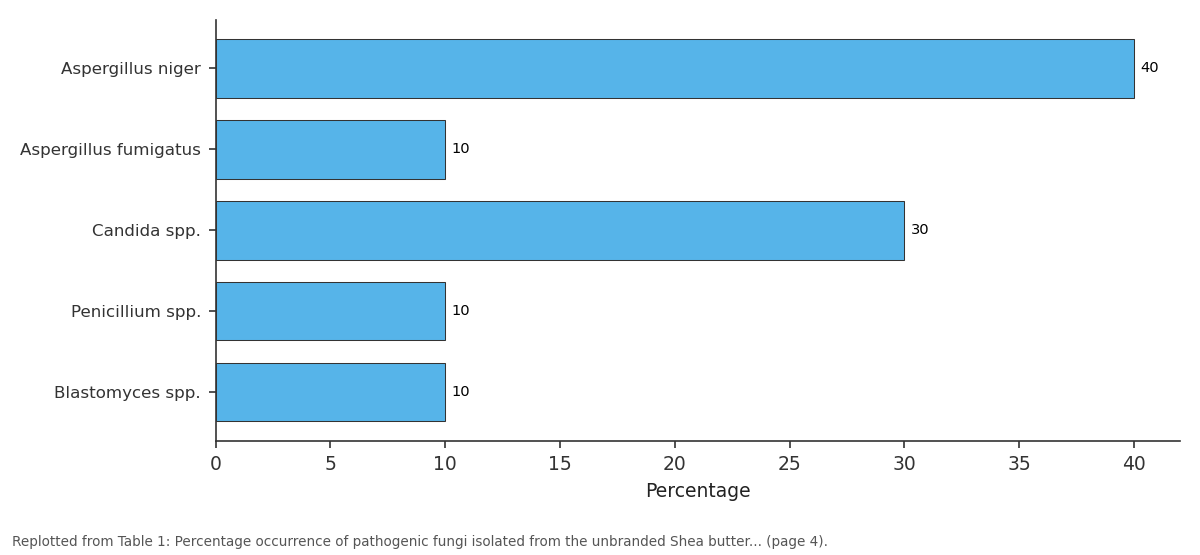
Percentage: Aspergillus niger vs Aspergillus fumigatus vs Candida spp. vs Penicillium spp. vs Blastomyces spp.
Replotted from Table 1 (page 4) of the original paper. Every bar is the paper's own table value.
View source evidence ↗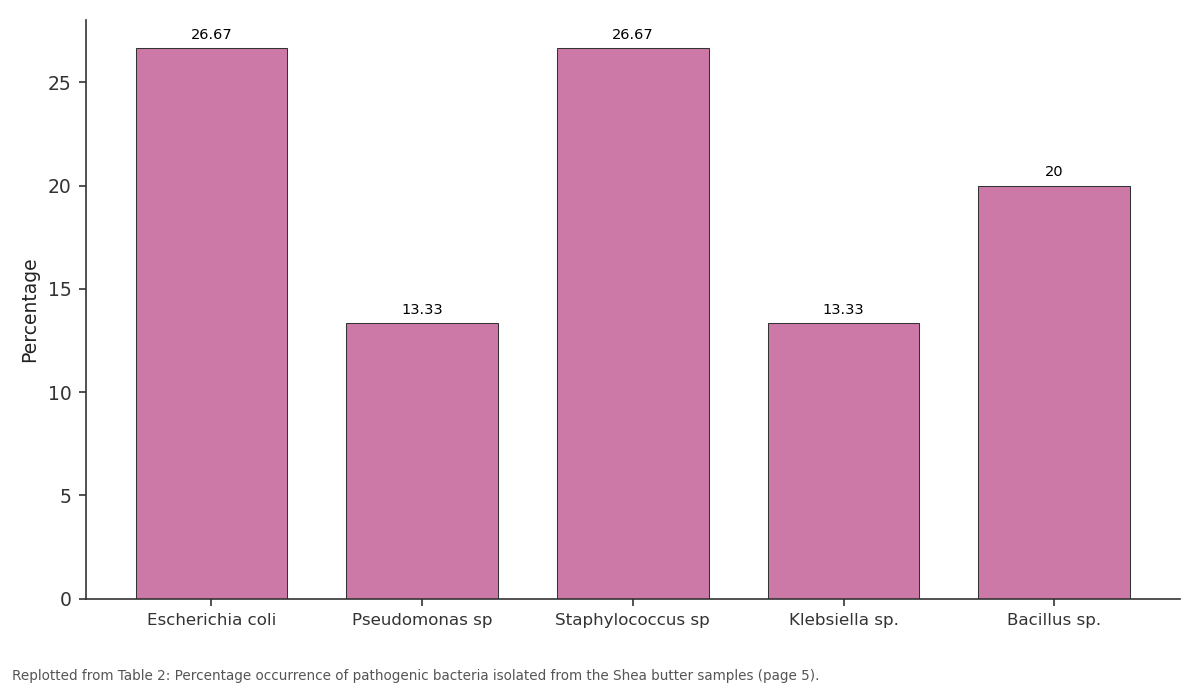
Percentage: Escherichia coli vs Pseudomonas sp vs Staphylococcus sp vs Klebsiella sp. vs Bacillus sp.
Replotted from Table 2 (page 5) of the original paper. Every bar is the paper's own table value.
View source evidence ↗Figures & tables
From the original paper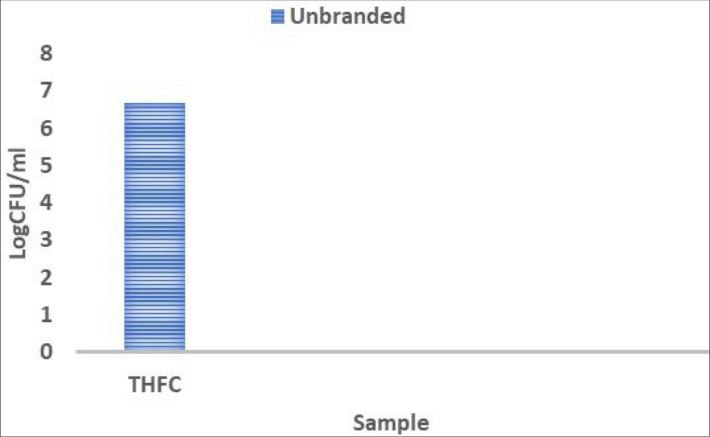 Figure 1
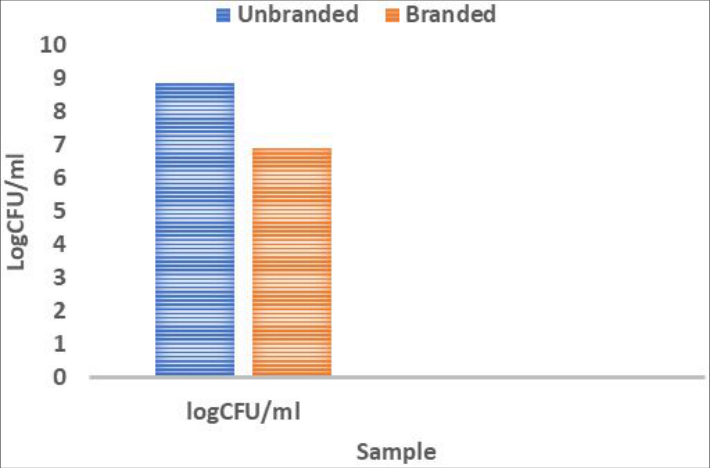 Figure 2
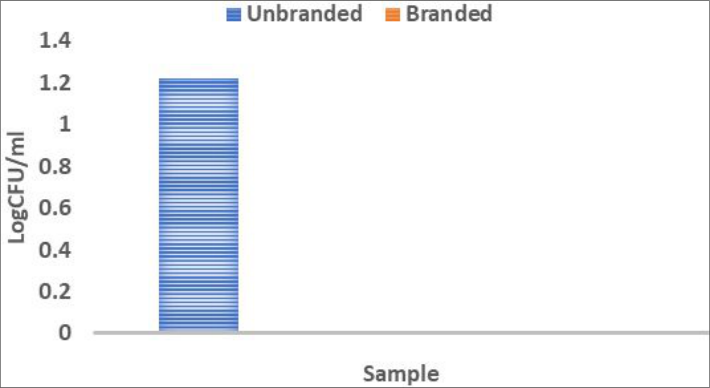 Figure 3
 Table 1
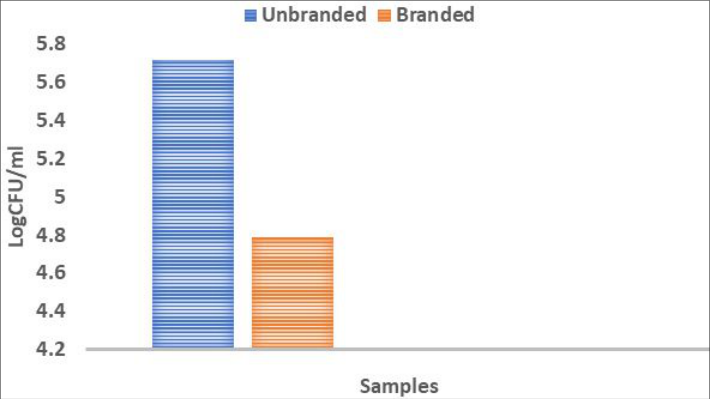 Figure 4
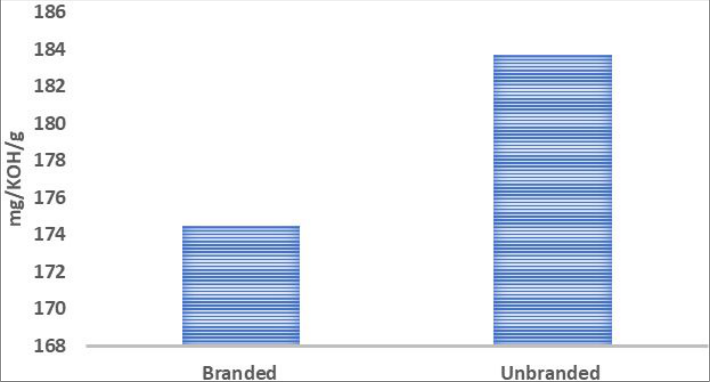 Figure 5
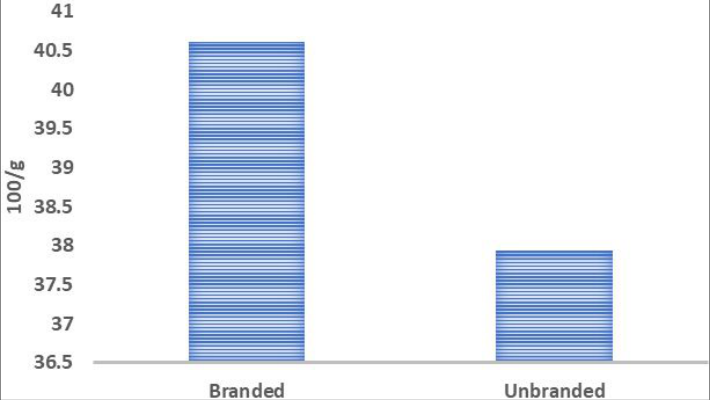 Figure 6
 Table 2
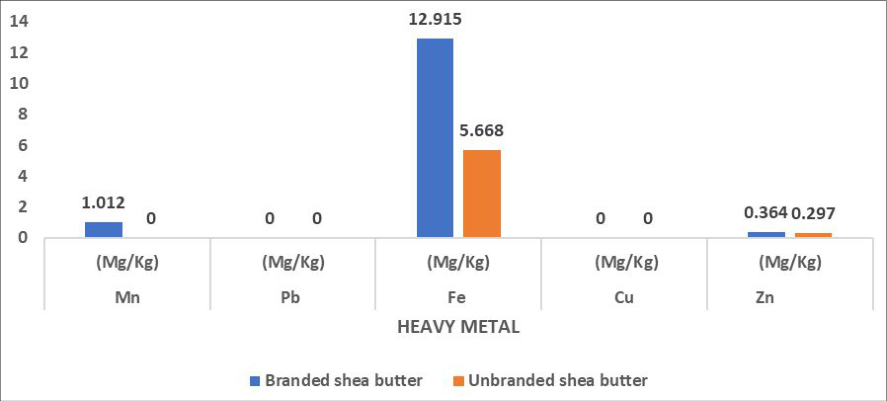 Figure 7
Introduction
Vitellaria paradoxa (Shea Butter) commonly called shea butter tree is a deciduous tree with a spreading crown and grows approximately 25cm in height. It's miles indigenous to Africa and is the only species within the vitellaria genus The culmination is flat and spherical containing as much as 4 vibrant brown seeds [1] . Shea butter from sparkling fruits is white, odorless and of pinnacle first-rate while that from stale seeds is dark and taste sour, this butter is solid at temperature. The shea trees grow naturally in the wild in the dry savannah belt of West Africa from Senegal in the West to Sudan in the East, and onto the foothill's continent, namely, Benin, Ghana, Chad, Burkina Faso, Cameroon, Central Africa Republic, Ethiopia, Guinea Bissau, Cote D'voire, Mali, Niger, Nigeria, Senegal, Sierra Leone, Sudan, Togo, Uganda, Zaire and guinea [2] . In Nigeria, it is acknowledged via many neighborhood names here in Nigeria like "kade or kadanya" in Hausa, "Okwuma" within the Igbo language or "Ori" in Yoruba language and in some components of geographic place and masses of others. In rural areas, the seeds are traditionally processed with the aid of catch situation extraction commonly the duty of girls. In shea growing countries, like Benin, shea butter is commonly extracted through traditional processing methods that entails roasting, churning and boiling of the kernels. The resulted crude butter is then marketed in local markets or large secondary markets and used for dietary or medicinal purposes. Shea products contribute to 40%-50% of the income for the population within the production zone and also the butter provides fat for quite 80% of this population, thus being the foremost important source of fatty acids and glycerol in their diet [3] . The butter could even be extracted by chemical and mechanical methods. It resulted crude butter is then marketed in local markets or big secondary markets and used for nutritional or medicinal purposes. The preliminary processing of shea butter, it's material that's gotten from plants are subject to infection by microorganisms from soil, air and water which can be pathogenic microorganisms to humans. Microbial infection of shea butter is motivated with the aid of environmental factors like temperature, humidity and quantity of rainfall during pre-harvesting and post-harvesting intervals, handling practices and therefore the storage situations of crude and processed plant substances. . In order to enhance the purity and safety of the products, observation of basic hygiene during preparation, standardization of some physical characteristic like moisture content, pH and microbiological contamination levels are desirable. Since most shea butter is for medicinal purpose, the presence of microbial contaminant in them can reduce or perhaps inactivate the therapeutic activity of the products and has the potential to adversely affect people making use of the products. Shea butter is especially contaminated with bacteria and fungi. According to Samuel et al. [4] , five fungal contaminants (Aspergillus niger, Aspergillus flavus, Fusarium species, Mucor species and Trichoderma species) and three bacterial contaminants (Citrobacter freundii, Escherichia coli and Pseudomonas aeruginosa) were isolated from hawked unbranded shea butter sold in local markets in southwestern and Edo states, Nigeria. Esiegbuya et al. [5] reported the presence of fungi like Aspergillus species, Mucor species, Penicillium species and yeast and bacteria cells like E. coli, Micrococcus species, Enterobacter species and Pseudomonas species. Heavy metal contamination increases free carboxylic acid formation, increases peroxide formation, increases rancidity reduces period of time and reduces the standard grade of shea butter. Domestically, shea Butter is widely used as cooking oil, for producing soap, and used in pharmacological and beauty merchandise. Shea butter has an increasing worldwide call for by way of Beauty and pharmaceutical industries, and it is also Used as a cocoa butter additive in chocolate manufacture [6,7] . Shea butter consists of triglycerides and fatty acids Including oleic acid (60 to 70%); stearic acid (15 to twenty-five%); Linolenic acid (five to fifteen%); palmitic acid (2 to six%); linoleic Acid (<1%) and an unsaponifiable content (3 to 15%) 6 . Because of their excessive content of Unsaturated fatty acids (49 to 63%), shea nuts are at risk of deterioration [33,34]. In this research work, attention is targeted on the microbial contaminants and heavy metals levels in branded and unbranded shea butter sold in markets which could cause significant/ adverse effects to its users. The aim of this study is to investigate the microbial quality and physiochemical composition of some branded and unbranded shea butter sold in some markets in Imo State and Rivers State.
Materials and Methods
Materials and Methods
Microbiological Evaluation of The Samples
Determination of total heterotrophic bacteria counts 1g of Shea butter was homogenized with 9 ml of sterile peptone water to obtain a stock solution. Thereafter tenfold serial dilution was carried out up to 10-9 dilution. 0.1ml of the sample from dilution 10-3 -10-9 were plated on Nutrient agar (NA) to obtain total heterotrophic bacteria while dilution 10 -2 and 10-3 were plated on Mannitol salt agar to isolate Staphylococcus species present in the sample and MacConkey agar plates to determine the presence coliform present in the sample using spread method. The plates were incubated at 37 ℃ for 24hous -48hours for bacteria counts as described by [8,9] .
Enumeration of Total Fungi Counts
The enumeration of total fungi was done using the spread plate technique. About 0.1 ml of 10 -3 and 10 -3 -10 -9 dilution of each sample was spread on the surface of the Potato dextrose agar (PDA) into which 0.1 ml of 8.5% lactic acid was added and incubated at 28 0 C for 4 -5 days as described by [8,9] .
Purification of isolates and maintenance of culture
Based on their cultural morphological characteristics, discrete colonies from the cultured plates were located using a sterile wire loop, sub cultured on a fresh medium and incubated for 24hours at 37℃ for bacterial growth and at 48hours for fungi. After overnight incubation, the isolates were transferred to bijou bottles containing nutrient agar slant, incubated at 37℃ for 24-48hours. The stocked slants(cultures) were refrigerated for further use. All bacterial isolates were characterized and identified based on their cultural, morphological and biochemical characteristics (Gram staining, Catalase, Oxidase, Coagulase, Urease, Indole, Motility, MR/VP test. The fungi identification was based on the macroscopic and microscopic morphology.
Their characteristic hyphal and reproductive structure was observed. For the microscopic morphology a portion of the mold growth on PDA was aseptically placed on a drop of Lacto-phenol cotton blue stain on a clean microscope slide. as described by [9] .
Determination Of Physiochemical Characteristics of The Samples
Iodine and Saponification values were determined according to the methods of the Beninese shea butter characterization standards using [4, 5. 6, 7] . Heavy metals analysis of shea butter was done as described by [8] .
Statistical analysis
All analysis were done in duplicates for each branded and unbranded shea butter samples, All statistical analyses were carried out using analysis of variance (ANOVA). Significance of the differences was ascribed at the 0.05 level for ANOVA.
Result
Figure 1 present the total heterotrophic fungi count of unbranded samples ranged from 8.50×10 4 cfu/g to 3.20×10 7 cfu/g while the branded samples showed no significant count Figure 2 showed the total heterotrophic bacteria count of unbranded and branded samples ranged from 1.25×10 6 cfu/g to 3.35×10 8 cfu/g. Figure 3 presents the total coliform counts which. ranged from 1.2×10 2 cfu/g to 2.15×10 3 cfu/g. Figure 4 presents the total Staphylococcus counts of the unbranded and branded samples ranged from 2.71×10 5 to 3.55×10 5 cfu/g. The presence of microorganisms within the shea butter maybe due to the use of microbes infected Shea kernels, water use in processing, and sources of contamination from the processing environment. The shea butter sold within the local markets showed an excellent variability in microbial and physiochemical characteristics The micro flora of shea butter displays its exceptional, the sanitary situations of system used to manufacture the butter and the environmental and sanitary situations at some point of packaging and handling of such product [9] . In this study, the results showed the presence of various species of microorganisms. The branded samples showed the least microbial counts when compared to the unbranded sample. Figure 1 present the total heterotrophic fungi count of unbranded samples ranged from 8.50×10 4 cfu/g to 3.20×10 7 cfu/g while the branded samples showed no significant count. The mean log CFU/g of the unbranded samples differ from that obtained by [10] while the branded samples is similar to [10] as no fungi was isolated from branded samples. Figure 2 showed the total heterotrophic bacteria count of unbranded and branded samples ranged from 1.25×10 6 cfu/g to 3.35×10 8 cfu/g . The unbranded samples had significantly high THBC (p<0.05) compared to branded shea butter. Most of the time, aerobic mesophilic organisms produce lipase enzyme which plays an important role in the deterioration of the samples 9 . Mean values for both grades of the samples (branded and unbranded) were in contrast to the study of 10 . The high bacteria contamination observed in the unbranded samples may be attributed to poor hygiene during production and exposure of the product to open air in the market. Figure 3 presents the total coliform counts which. ranged from 1.2×10 2 cfu/g to 2.15×10 3 cfu/g. The unbranded sample had significantly high coliform count, when compared to branded shea butter. (p<0.05). Even though finding coliforms in oils/fats is rare because of its anaerobic nature, the presence of coliform in a sample are indicators of unhygienic production area and packaging material. It could also indicate that the source of water used for processing was exposed to fecal contamination. According to Arizona Department of Environmental Quality [11] , E. coli and Enterobacter sp. are indicator microorganisms that are used to predict the presence of and/or minimize the potential risk related to pathogenic microbes. this is because they're nonpathogenic, rapidly detected, easily enumerated, have survival traits that are the same as those of the pathogens of concern, and may be strongly related to the presence of pathogenic microorganism. The coliform counts obtained in this study is different from the counts obtained by [9] for coliform counts was recorded in both the branded and unbranded samples. Figure 4 presents the total Staphylococcus counts of the unbranded and branded samples ranged from 2.71×10 5 to 3.55×10 5 cfu/g which is in contrast to the findings of [12] with lower count of 1.0×10 3 to 6.5×10 3 . The unbranded samples had significantly high Staphylococcus count when compared to branded samples. (p<0.05). According to Ademola et al. [13] majority of the shea butter processors especially in western a part of Nigeria are women with no formal education, inferring illiteracy and difficulties in accepting innovation, Therefore, hygienic practices during processing are low. Sources of contamination and traceability of microbes for the local methods of shea butter processing revealed three (3) major points, which includes the use of unsorted microbe's infested shea kernel from the field, the water employed in processing and also the sources of cross contamination from the processing environment [14,15] observed that increase in microbial load of the shea butter increases with storage duration and also the nature of packaging materials.. [16] reported that post-harvest fungal contaminants such as Aspergillus was discovered from the kernels and nuts of the shea plant. This fungal specie was also isolated in this study. This could have also been as a result of the storage duration or storage materials used in packaging the shea butter, affirming 15 who observed that increase in microbial load of the shea butter increases with storage duration and the nature of package materials. Aspergillus spp. is associated with these sources of contamination along the processing line such as the use of microbes infected Shea kernels, water use in processing, and sources of contamination from the processing environment which was similar to those previously reported by Esiegbuya et al. [3,14,16] which were reported to have the ability to change the colour of Shea kernels thereby causing kernel discoloration and deterioration [30] .
Aspergillus niger which was one of the dormant species isolated from this study, has been reported as a major contaminant of peanuts, corns, grains [17] and most popular staple foods in Africa [18] . They are also known to produce secondary metabolites and causing of infections in immunocompromised individuals [19] . The ability of this fungi to produce spores which are resistant to heat and helps it to survive the anaerobic nature the oil [20] . Candida sp. Penicillium sp. and Aspergillus fumigatus possess tolerance to temperature(thermotolerant) hence, these pathogens can spoil oil easily [21] . Aspergillus niger are noted for its ability to survive in oil by producing the enzyme, lipase.
Staphylococcus aureus is capable of manufacturing enterotoxin and is noted to survive for extended period in hostile environments. It could cause gastroenteritis within the individuals if the merchandise is consumed raw. Its isolation might be a sign of unhygienic handling by the sellers [22] . Some Bacillus sp. are pathogenic and may cause gastrointestinal disorder, bacteremia and endocarditis, their presence maybe because the samples are sold openly within the market exposed to the spores of the organism which are dormant and are highly proof against the lethal effects of warmth drying and actinic ray [21] . Shea butter can be regarded as ready-to-eat food/drug because of its use in cooking, oral and topical application for treatment of cough and other skin aliments especially in children. The butter is often display openly in market places/The health and nutritional implication of this is that the butter quality is further depreciated as a result of direct heat from sunlight and possible cross-contamination of the butter by airborne organisms The methods of processing Shea fruits into nuts and butter specifically varies from family to family and from community to community (some communities add local antioxidants or deodorants during processing to extend the shelf life and reduce the unpleasant odour respectively) [30] , hence the wide variation in the quality of butter from the Shea belt [37] . There are also the problems of the use of inconsistent raw materials (water, Shea nut), dirty utensil and work environment (normally under a Shea tree), lack of quality control and poor butter storage facilities [30] . Different colours of branded and unbranded shea butter were utilized in this study which include yellow, yellow cream, white, yellow-orange, the yellow-orange colour samples which are refined, is also a sign that it contains beta-carotene pigments which are nutritionally important.
Physiochemical Quality of Branded and Unbranded Shea Butter
The Mean saponification value of the branded and unbranded sample was analyzed to be 183.73mgKOH/g and 174.46mgKOH/g which is in accordance to that reported by different researchers [15,27,44,38,39,40,41,43] and samples analyzed fall within the Codex Alimentarius commission range 23 for shea butter. Saponification and iodine values of shea butter in this study are also lower than saponification and iodine values for most vegetable oils [24,25,26] . Okullo et al. [27] . reported the saponification value (160-192 mg KOH/g) and iodine value (39-41 I2g/100g) of shea butter which is similar to this study. This is an indication of double bonding(unsaturation) in the molecular structure which influences the long-term stability properties of oil (that is, important for storage). The iodine value of the branded and unbranded shea butter in this study is 40.6I2/100g and 37.94I2/100g respectively which is within the Codex standard and similar to the study conducted by [15,27,38,39,40,41,42,43] . The low Iodine value shows that it is rich in saturated fatty acids which ensues stability against spoilage or rancidity due to oxidation of the butter. The iodine value expresses the degree of saturation of oil; it is an indicator of the storability of the oil. The higher the iodine numbers, the higher the degree of unsaponification, and the shorter the shelf-life of oil. 28 The value of the iodine index, which is a measure for the level of unsaturation of oils, was lower than the norms (58-72 mgI2/100g). The oxidation of unsaturated fatty acids could be responsible for the relatively low iodine values of the marketed shea butter [29] . The above values are indicators that shows if the sample is suitable for food, cosmetics and lubricants since an increase in these values can be associated with rancidity.
There was no trace of lead, copper and manganese in the unbranded samples though it was revealed to contain some amount of zinc and iron while the branded sample contained manganese, iron, and zinc. The iron content of branded sample was shown to be 12.915Mg/Kg which is higher than the maximum limit as recommended by [23] , while the unbranded sample was 5.668Mg/Kg which was slightly within the range of 5mg/kg. Both samples of branded and unbranded shea butter were within the range for zinc which is 10mg/kg as recommended by [23] . The values obtained for the metals were within the acceptable range and this is similar to the study of [45] . Oxidative rancidity is accelerated by heat, light and traces of metals, such as iron which might be introduced to the sample by use of rusty equipment or the water source the standard of shea butter sold within the markets varied widely in terms of microbiological quality and physiochemical characteristics like color, heavy metal level, saponification and iodine value. This difference could probable be related to factors during production, transportation and storage of the samples. Shea butter should be transported and stored properly in clean and sealed packages, safe from heat, air and mud to preserve and maintain its beneficial qualities. As revealed by this study, branded and well packaged samples should be preferable to unbranded ones as there was no/low microbial count obtained from the branded samples analyzed. Many factors contribute to the contamination of these branded and unbranded shea butter sold in our local market. Despite the method in producing branded shea butter, these products still have various pathogenic microorganisms. this is often as a result of poor handling of the shea butter during production and sales at the market.
Conclusion
Many factors contributed to the contamination of Shea butter. Despite moist heating been part of the processing of Shea butter, microorganisms were still observed in the butter. Good personal hygiene practice during production and when handling the shea butter for sales at the market can go a long way in minimizing the microbial contamination of the shea butter sold within the market. This study has showed that good personal hygiene when handling the butter at sales can go a long way to minimizing contamination.
Recommendations
To minimize health risk associated with the usage of shea butter, laws and regulations should be enacted in other to investigate and compare the specified standard with that of the branded and unbranded shea butter. Also, proper and adequate packaging of the shea butter should be practiced, as this can reduce to an extent or inhibit contamination of microbes at sales point. Producers and sellers of shea butter should be properly sensitized and educated with the rudiments of the health implications of pathogenic microorganisms that may be introduced if proper personal hygiene and storage of the shea butter isn't practiced.
Figures and tables from the paper
| S/N | Pathogenic fungi | Percentage |
|---|---|---|
| 1 | Aspergillus niger | 40% |
| 2 | Aspergillus fumigatus | 10% |
| 3 | Candida spp. | 30% |
| 4 | Penicillium spp. | 10% |
| 5 | Blastomyces spp. | 10% |
Table text extracted from the original PDF; superscript letters are shown inline. The original table image is below.
View original table image
| S/N | Bacteria | Percentage |
|---|---|---|
| 1 | Escherichia coli | 26.67% |
| 2 | Pseudomonas sp | 13.33% |
| 3 | Staphylococcus sp | 26.67% |
| 4 | Klebsiella sp. | 13.33% |
| 5 | Bacillus sp. | 20% |
Table text extracted from the original PDF; superscript letters are shown inline. The original table image is below.
View original table image
References
41 in the original paper- Letchamo W, Khoo BK, Hartman TG. Evaluation of the quality of West African shea butter (Vitellaria paradoxa). Int Soc Hortic Sci. 2007;756:273-288.
- Samuel TO, Egwuatu TOG, Ebabhi AM. Microbial contamination of shea butter from local markets sold in southwestern and Edo states, Nigeria. Ife journal of science. 2017;19(2):333.
- Esiegbuya OD, Okungbowa FI, Okogbenin OB, Omoregie KO, Koloche IM. Microbiological analysis of shea butter sold in some markets in three states in Nigeria. Nigerian journal of mycology. 2015;7:33-43.
- NB ISO 660. Normes Béninoises pour les corps gras d'origine animale et végétale: détermination de l'indice d'acide et de l'acidité, CEBENOR, Cotonou, Benin, NB; 2006, 13.
- NB ISO 3960. Normes Béninoises pour les corps gras d'origine animale et végétale: détermination de l'indice de peroxyde. CEBENOR, Cotonou, Benin, 2006, 9.
- NB ISO 3961. Normes Béninoises pour les corps gras d'origine animale et végétale: détermination de l'indice d'iode. CEBENOR, Cotonou, Benin, 2006, 8.
- AOAC. Association of the official analytical chemists, official methods of analysis, 17th edition, Washington ETHOD; 2005. 935.14 AND992.24
- Waktole G, Samson G, Tesfaye L, Firehimot A, Almad G, Redwan M, et al. Microbial safety and quality of edible oil examined at Ethiopian public health institute, Addis Ababa, Ethiopia: a retrospective study. Journal of microbiology and experimentation. 2018;6(3):136-139
- Akomah-Abadaike ON, Sulaiman MD. Microbial profiling and anti-fungal screening of shea butter, coconut oil and palm oil sold in Port Harcourt metropolis, Nigeria. International journal of health, safety and environment (IJHSE). 2019;5(3):409-414.
- Hugbo PG, Onyekweli AO, Igwe I. Microbial contamination and preservative capacity of some brands of cosmetic creams. Tropical journal of pharmaceutical research. 2003;2(2):229-234.
- Ademola AO, Oyesola OB, Osewa SO. Assessment of shea butter processing among rural dweller in Atisbo local government area of Oyo State, Nigeria. European journal of business and social sciences. 2012;1(6):1-8.
- Esiegbuya DO, Okungbowa FI. Identification and traceability of microflora contaminating the different stages of the traditional methods of shea butter processing. International journal of microbiology of biotechnology. 2016;1(1):16-24
- Honfo FG, Hell K, Akissoe N, Coulibaly O, Fandohan P, Houhouigan J. Effect of storage conditions on microbiological and physiological quality of shea butter. Journal of food science and technology. 2011;48(3):274-279.
- Esiegbuya DO, Osagie JI, Okungbowa FI, Ekhorutomwen EO. Fungi associated with the postharvest fungal deterioration of shea nuts and kernels. International journal of agriculture and forestry. 2014;4(5):373-379.
- Cheeseborough M. Identification of bacteria laboratory manual for tropical countries, Butterworth and Co. Publishers, London, 2005;2:63-69.
- Thomas BT, Effedua HI, Agu G, Musa OS, Adeyemi MT, Odunsi OD, et al. Fungi associated with the deterioration of garri (a traditional fermented cassava product) in Ogun state, NigeriaResearch. 2012;4(2):812. 19. Klich MA. Differentiation of Aspergillus flavusfrom Aspergillus parasiticusand other closely related species. Transaction of British Mycological. Society. 2002;91:99-108.
- Ezediokpu M, Omorodion N, Okerentugba P, Ego C. Quality assessment of unbranded refined palm kernel oil in distribution within five local markets in Port Harcourt, Rivers state Nigeria. Journal of agriculture and veterinary science. 2015;8(4):45-50.
- Lideya T, Samuel S, Alle M. Microbial quality and chemical characteristics of edible oil sold at Gondar town markets, North West Ethiopia. Internal journal of modern chemistry and applied science. 2015;2(4):238247.
- Okechalu N, Dashen M, Larm P, Okechalu B, Gushop T. Microbiological quality and chemical characteristics International Journal of Biology Sciences https://www.biologyjournal.net/ of palm oil sold in Jos metropolis, Plateau state, Nigeria. Journal of microbiology biotechnology research. 2011;1(2):107-112.
- Dhellot JR, Matouba E, Maloumbi MG, Nzikou JM, Safou-Ngoma DG, Linda M, et al. Extraction, chemical composition and nutritional characterization of vegetable oils: Case of Amaranthus hybridus (Var1 and 2) of Congo Brazzaville. Afr. J. Biotechnol. 2006;5(11):1095-1101.
- Anhwange BA, Ajibola VO, Oniye SJ. Chemical studies of seeds of Moringa oleifera and Detarium microcarpum (Guill and Sperr). J. Biol. Sci. 2004;4:711-715.
- Tchobo FP, Natta AK, Barea B, Barouh N, Piombo G, Pina M, Villeneuve P, et al. Characterization of pentadesma butyracea sabine butters of different production regions in Benin. JAOCS. 2007;84(8):755760.
- Okullo JBL, Omujal F, Agea JG, Vuzi PC, Namutebi A, Okello JBA, et al. Characteristics of shea butter (vitellaria paradoxa C.F. Gaertn.) oil from the shea districts of Uganda. African Journal of Food and Agriculture Nutrition Development. 2010;10(1):20702084.
- Hui L. Edible oil and fat products: oils and oilseeds, bailey's industrial oil and fat products, 5thedn.Wiley, New York, 1996, 109-110.
- Dieffenbacher A, Buxtorf P, Derungs R, Friedli R, Zurcher K. Graisses comestibles, huiles comestibles et graisses émulsionnées. In Neukom, Zimmermann (eds.), Graisses comestibles, huiles comestibles et graisses émulsionnées, Société des chimistes analystes suisses, Berne, 2000, 1-249
- Obubizor JU, Abigor RD, Omamor IB, Omoriyekemwen V, Okunwaye T, Okogbenin EA. Evaluation and quantification of the contributions of damaged shea kernels to the quality of Nigerian shea butter. Journal of postharvest technology and innovations. 2014;4(1):33-45.
- CNUCED. Le karité: production, consommation et marché, 2006. (Accessed 23/03/2009) http://www.unctad.org/infocomm/francais/karité/march é.htm.o et al., 2005).
- Elias M, Carney J. La filière féminine du karité: productrice burkinabée, «éco-consommatrices» occidentales et commerce équitable. Cah. Géogr. Québec. 2004;48(133):71-88.
- Maranz S, Wiesman Z, Bisgaard J, Bianchi G. Germplasm resources of Vitellaria paradoxa based on variations in fat composition across the species distribution range. Agrofor. Syst. 2004;60(1):71-76.
- Di Vincenzo D, Maranz S, Serraiocco A, Vito R, Wiesman Z, Bianchi G. Regional variation in shea butter lipid and triterpene composition in four African countries. J. Agric. Food Chem. 2005;53:7473-7479.
- Megnanou R, Nianke S, Diopoh J. Physicochemical and microbiological characteristics of optimized and traditional shea butters from Côte d'Ivoire. Afr. J. Biochem. Res. 2007;1(4):41-47.
- Thiam JB, Diallo M. Quality Characterization of shea tree nut. Journal of Agricultural and Food Chemistry. 2010;58(13):7811-7819.
- Masters ET, Yidana JA, Lovett PN. Reinforcing Sound Management through Trade: SheaTree Products in Africa. Unasylva. 2004;210:46-52.
- Kapseu C, Jiokap Nono J, Parmentier M, Dirand M, Dellacherie J. Fatty acids and triglycerides of Cameroon shea butter. Riv. Ital. Sostanze Grasse. 2001;78(1):31-34.
- Womeni HM, Ndjouenkeu R, Kapseu C, Parmentier M. Application du proc´ed´es ´ echage-friture aux amandes de karit´e: Cin´etique de s´echage [Application of drying-frying processing of shea kernels: drying kinetics.] Oleagineux Corps gras Lipides. 2004;11:457463.
- Mbaiguinam M, Mbayhoudel K, Djekota C. Physical and chemical characteristics of fruits, pulps, kernels and butter of shea Butyrospermum parkii (Sapotaceae) from Mandoul, Southern Chad. Asian J. Biochem. 2007;2:101-110.
- Megnanou RM, Niamke S, Diopoh J. Physicochemical and microbiological characteristics of optimized and traditional she abutters from Cˆote d'Ivoire. Afr. J. Biochem. Res. 2007;1(4):041-047.
- Nkouam GB, Barth D, Dirand M, Tchatcheng JB. Oil extraction from shea kernel (Vitellaria paradoxa, Gaertn.) and Canarium pulp (Canarium Schweinfurthii, Engl) usingsupercriticalCO2 and hexane: Acomparative study. Res. J. appl. Sci. 2007;2(5):646-652.
- Chukwu O, Adgidzi PP. Evaluation of some physicochemical properties of shea -butter (Butyrospermum paradoxum) related to its value for food and industrial utilization. Int. J. Postharvest Technol. Innov. 2008;1(3):320-326.
- Njoku OU, Eneh FU, Ononogbu IC, Adikwu MU. Compositional and toxicological studies on she abutter. J. Nutraceuticals, Functional Med. Foods. 2000;2(3):33-39.
- Sangoremi AA, Akens HA. Elemental compostion and proximate analysis of shea butter sold in Swali Market, Yenegoa Nigeria. International journal of Enivron, Agic and Biotech. 2021;6:1.