
Research article · 2022 · Full text
International Journal of Biology SciencesEpigenetic regulation of the genome through transposable elements and its related non-coding small RNA
Volume 4(2) · Pages 19–27 · DOI: 10.33545/26649926.2022.v4.i2a.70 ↗
Research areasChromosomal and Genetic VariationsRNA modifications and cancerRNA and protein synthesis mechanisms
Abstract
Author-writtenTransposons are mobile DNA sequences abundant in eukaryotic genomes. Non-coding small RNAs have various biological functions and affect gene expression at different levels. Transposons are an important source of non-coding small RNAs in many eukaryotic genomes. Some recent studies have found that transposons and their derived non-coding small RNAs participate important roles in gene regulation, but few relevant reviews exist in China. Therefore, this paper reviews the current research achievements on transposons and non-coding small RNAs from two aspects: the relationship between transposons and their derived non-coding small RNAs and their role in the genome and biological evolution.
Summary
Source-checkedPlain-language reading of the full paper, prepared with AI and checked against the text. Each point links to the authors' own words.
Why it matters
- Transposable elements (TEs) are mobile DNA sequences capable of copying and inserting themselves into different regions of a host genome. View evidence ↗
- TEs are significant because they influence how genes evolve, how they are expressed, and their overall biological function. View evidence ↗
- Many abundant non-coding small RNAs in eukaryotes, including miRNA, siRNA, and piRNA, originate from transposon sequences. View evidence ↗
The question
- The paper aims to review the relationship between transposons and their derived non-coding small RNAs, as well as their combined role in genome function and biological evolution. View evidence ↗
What they did
- The review categorizes transposons into Class I (retrotransposons, using reverse transcriptase) and Class II (DNA transposons, using a DNA-DNA mode). View evidence ↗
- The analysis distinguishes between long and short non-coding RNAs based on a length threshold of 200 nucleotides. View evidence ↗
What they found
- In the human genome, approximately 20% of known miRNAs are derived from Miniature Inverted-repeat transposable Elements (MITEs). View evidence ↗
- miRNAs help maintain genomic stability in mammals by silencing L1 transposons, which make up 20% of mammalian genomes. View evidence ↗
- piRNAs regulate the genome primarily by inhibiting the transcription of TEs and promoting the degradation of target mRNA. View evidence ↗
- In mice, the decay of mRNA mediated by piRNAs is a necessary process for the maturation of round sperm cells. View evidence ↗
- TEs affect the genome by altering coding region reading frames/splicing, creating new regulatory elements, or silencing genes via changes in chromosomal state. View evidence ↗
What it means
- The authors conclude that there is a critical and reciprocal relationship where TEs serve as sources for non-coding RNAs, which in turn regulate TE activity. View evidence ↗
- The authors state that advancements in bioinformatics and high-throughput sequencing are essential for further understanding the interaction between TEs and small RNAs. View evidence ↗
Visual summary
1 visualsIllustrations explain the paper; they do not show study data.
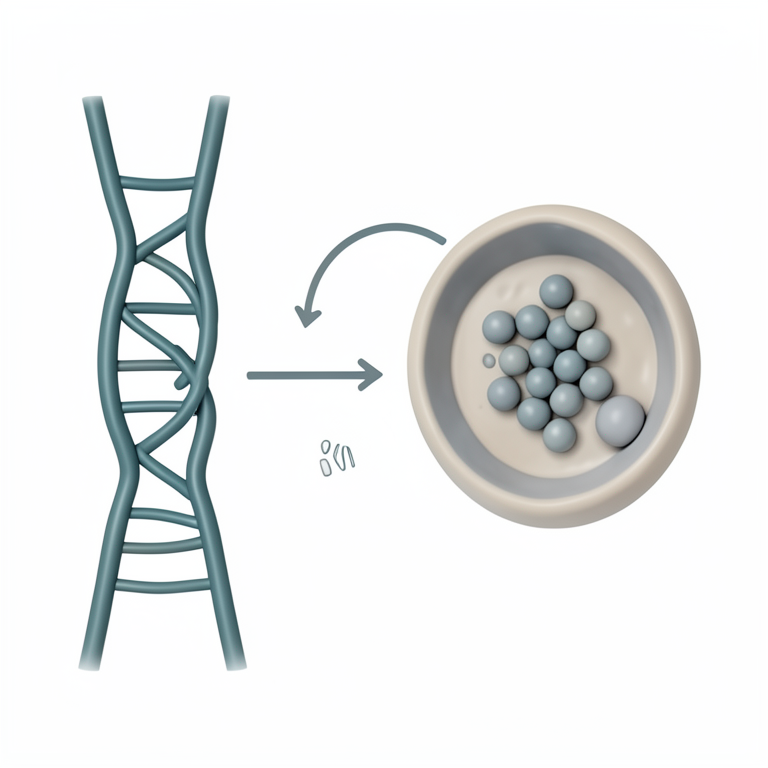
The TE-Small RNA Feedback Loop
AI-generated conceptual illustration (a eukaryotic cell nucleus with a double-helix DNA strand). It explains the idea and does not show study data.
View source evidence ↗Figures & tables
From the original paper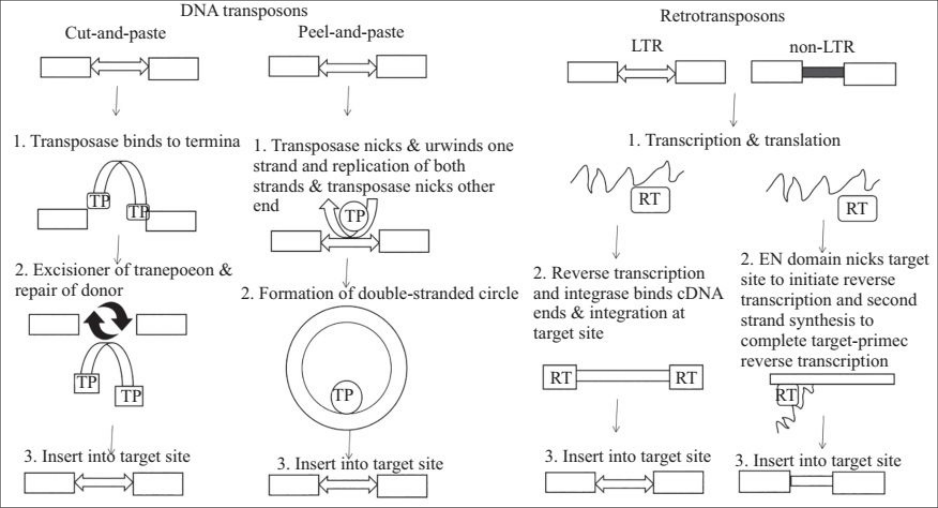 Figure 1
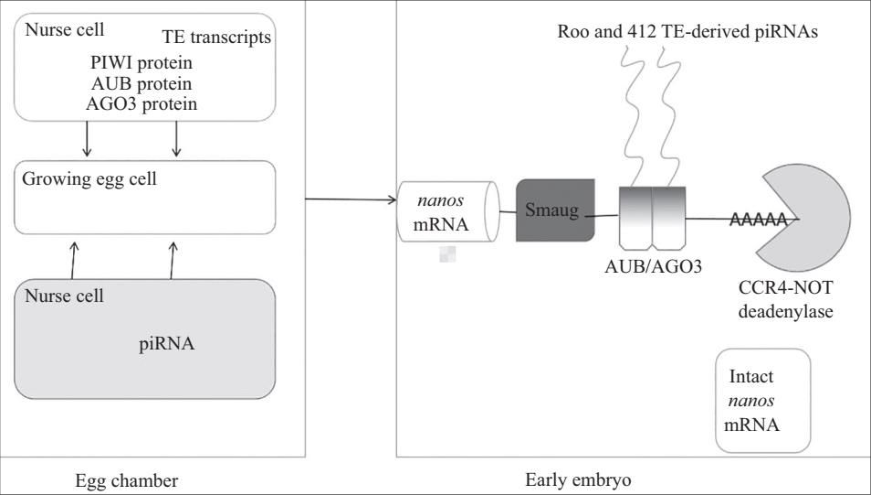 Figure 2
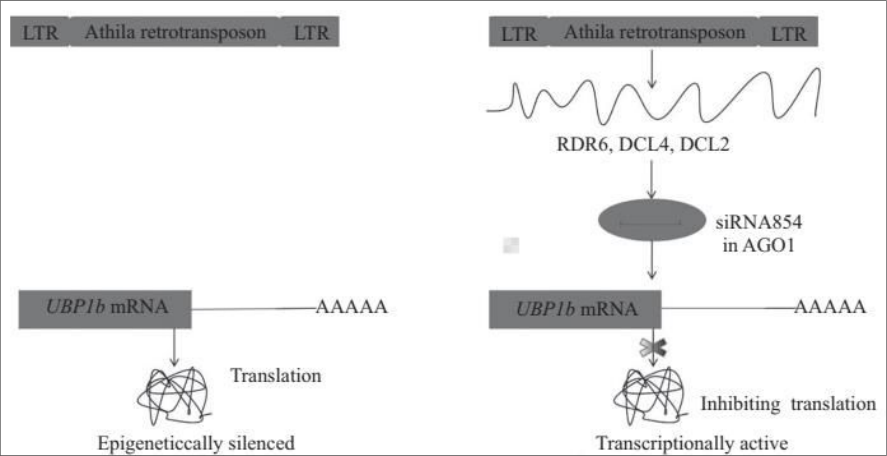 Figure 3
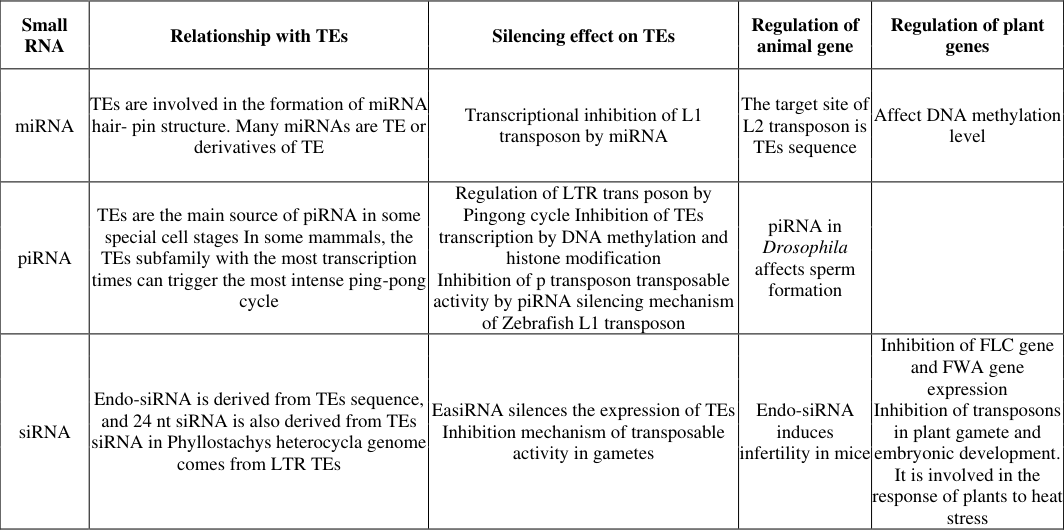 Table 1
Introduction
Transposable elements (TEs) are DNA sequences that copy themselves and move around the host genome, inserting themselves into other regions of the chromosome. Transposons were first discovered in 1950 in MCCLINTOCK [1] 's study of grain color changes in maize. The concept of transposons was not widely accepted until 1967 when SHAPIRO [2] discovered transposon insertion sequences in his study of galactose operons in Escherichia coli. With sequencing technology development, researchers have found transposable and transposonlike sequences in more and more eukaryotic genomes. Transposons have been found in plants such as snapdragon, petunia, delphinium and sweet pea [3] . Transposon sequences have also been found in the genomes of many mammals, fish and birds. With the deepening of research on transposons, evidence shows that transposons have an important impact on genes' evolution, expression, and function [4] . According to their transposon mechanism, transposons can be roughly divided into classes I and II. Class I transposons, also known as retrotransposons, are catalyzed by reverse transcriptase to make cDNA, then inserted into the genome. Class I transposons can be divided into long terminal repeat (LTR) and no-long terminal repeat (non-LTR) according to whether they have long terminal repeat sequences or not. Whether they can encode reverse transcriptase, LTR retrotransposons can be divided into autonomous retrotransposons and non-autonomous retrotransposons. According to their structure, the non-LTR class of retrotransposons can be divided into long interspersed repetitive elements. LINE) Furthermore, short interspersed nuclear element, SINE. Class II transposons, also known as DNA transposons in DNA-DNA mode, are catalyzed by transcriptase, using two mechanisms of shear-stick and fall-stick. The two ends of the Inverted terminal repeats (ITR) of class II transposons are inverted terminal repeats (ITR) and usually contain the gene sequences that can encode transposases. Self-encoded transposase can recognize the ITR sequences at both ends of transposons, thus mediating the transposon translocation of DNA. insert it into other positions on the chromosome. Class II transposons can be divided into autonomous DNA transposons and non-autonomous DNA transposons according to whether they can carry out autonomous transposons. Nonautonomous DNA transposons can be transposed only with the help of autonomous DNA transposons [5] . The approximate transposable process of the two types of transposons is shown in Figure 1. Non-coding RNA is an RNA molecule that does not code for a protein. It has a very wide range of biological functions. Gene transcription, posttranscription, and gene translation are all aided by noncoding regulatory RNAs [6] . By looking at whether the length is greater than or less than 200 nucleotides, we can classify long and short non-coding RNA as either long or short. MicroRNA (miRNA), small interfering RNA (siRNA), and PIWI protein-interacting RNA (piRNA) are examples. These non-coding RNA molecules are engaged in gene expression and regulation on various levels and areas of the process. More recent research shows the connection between transposons and non-coding regulatory RNAs. Most of the small RNAs abundant in eukaryotes, such as siRNA, miRNA and piRNA, are derived from transposons. In plants, these small RNAs derived from transposons regulate the expression of motifs by regulating the methylation process of DNA. In animals, transposonderived piRNA can induce mRNA degradation in sperm cells, thus affecting the process of sperm becoming mature sperm. TEs expression in mice is also silenced due to the piRNA-mediated ping-pong cycle. This paper focuses on the relationship between transposons and miRNA, piRNA and siRNA, and the expression regulation mechanism of host factors.
Regulation of gene expression by transposons and their miRNA sources
miRNA is a kind of non-coding endogenous single-stranded RNA with a length of 20-24 nt, which plays an important role in the biological gene regulation network. First, miRNA can complement target mRNA in reverse pairing, thus inhibiting mRNA expression at both transcriptional and post-transcriptional levels [7][8] . In animals, miRNA and mRNA's low base complementary pairing inhibits mRNA translation. In plants, miRNA has a high degree of base pairing and matching with mRNA, and miRNA mediates degradation of target mRNA [7,9] . Secondly, many studies have proved that miRNA can target to encode many regulatory proteins and transposons and participate in plants' response to heat stress, playing an important role in plant growth and development and stress resistance [10] . The maturation and functional progression of miRNA requires the participation of two protein families, namely the DICER protein family and the Argonaute protein family. DICER protein is an endonuclease, and its homologous protein is called DCL(Dicer-like) protein. MiRNAs of 21 nt size are produced by dCL1/4 (Dicer-like 1/4) protein addition to miRNA precursors, which have a stem-ring structure [11][12] . Argonaute protein exists widely in various organisms and is the core RNA Interference (RNAi) pathway in eukaryotes. After processing by DCL endonuclease, small RNAs such as siRNA. An RNA-induced silencing complex (RISC) is formed when miRNA and piRNA bind to the Argonaute protein, and this complex regulates gene expression both during transcription and post-transcription. [13] . Many miRNAs are derived from transposon sequences [14] . In mammals, many miRNAs are TEs or derivatives of TEs, which are involved in forming miRNA stem ring structures. 20% of known miRNAs in the human genome are derived from MITE (Miniature Inverted -repeat transposable Elements) [15] . MiRNAs with reversed TEs sequences were mainly from SINE and LINE transposons, while miRNAs partially overlapped with non-inverted TEs sequences were mainly from SINE, LINE and DNA transposons. The miRNAs derived from TEs were mainly from DNA transposon and SINE sequences. Among other animals, Researcher [16] conducted high-throughput sequencing of all small RNAs in half of the gastrula of embryos at three development time points of tropical African Xenopus laevis and discovered a new miRNA named siRNA. The newly discovered miRNA is derived from transposon sequences remaining in introns. Transposons are an important source of miRNA in plants. Researcher [17] proved that miRNA evolved from TEs in some plants to study original target genes related to the CDS region and TEs homologous sequence, and TEs can form folding in the non-coding region the transcript finally form miRNA. Researcher [18] used deep sequencing data sets to study two typical miRNA pathways in Rice, the DCL1/4 pathway and the Argonaute 1(AGO1) mediated pathway. It was found that the miRNA This indicates that TEs also form miRNA hairpin structures in some plants. 2297 miRNAs were identified in the fastgrowing roots, stems and leaves of bamboo [19][20] . Other research group found that 29.1% of these identified miRNAs came from MITE-related sequences, among which MITE contributed the most to the hAT transposon superfamily. These studies indicate that MITE transposon is one of the main sources of miRNA [21] . miRNA can maintain genomic stability by inhibiting TEs transposition. An example is miRNA translation inhibition of L1(LINE1) transposons. L1 is the most abundant autonomic transposable element in mammals, accounting for 20% of mammalian genomes. Studies have found that miRNA induces L1 transposon silencing and plays an important role in the genomic stability and plasticity of the L1 transposon. miRNAs have evolved L1 functional regulation mechanisms in some somatic cells to compensate for piRNA deficiency in non-germ cells [22] . In these cells, miRNA-induced silence complexes were guided by Mir-128 and directly bound to L1 target ORF2 RNA. This interaction would lead to instability of L1 transcripts, resulting in transcriptional inhibition of L1 transposons, thus reducing the probability of L1-mediated mutagenesis. Another study also demonstrated a possible link between L1 transposable and miRNA expression. Studies [23] conducted deep sequencing and global analysis on breast cancer cells with L1 active and L1 silenced and found that miRNA expression would increase when L1 was silenced. This indicates that L1 may be associated with miRNA expression activation. Mir-845 is a highly conserved miRNA in plants. In Arabidopsis pollen, Mir-845 can bind to the PRIMER binding site (PBS) of LTR retrotransposon and stimulate the accumulation of 21-22 nt small RNA through RNA polymerase V, which can mediate the dose-response of the arabidopsis gene set [24] .
According to the research on the origin of miRNA and miRNA regulation on genes and transposons, it can be inferred that TEs in some organisms can regulate the expression of themselves and other genes through selfderived miRNAs. Some studies provide evidence for this hypothesis, miR820 is a TEs derived miRNA in wheat that targets DRM2(Domains rearranged methyltransferase) transcripts, Its inhibition of the DRM2 gene will lead to a decrease in DNA methylation and an increase in the expression of TEs transcription products [25] . This is an example of TE-derived miRNA modulating plant DNA methylation. Many miRNAs are derived from L2(LINE2) transposons in human brain tissue. These TEs-derived miRNAs are located on introns of protein-coding genes. L2 elements in the human genome lack promoters of their own, and lncRNAs have been found to use their promoters to force transcription of pri-miRNA transcripts of inserted L2 fragments [26] . This is an example of transcription of TEs derived miRNA driven by lncRNA. In the human genome, some target genes of TEs transcription derived miRNA are identified as TEs sequences embedded in the 3 'UTR (3' Untranslated Region), which can regulate gene expression by combining with TEs sequences in the 3 'UTR [27][28] . For example, the target of functional miRNA associated with AGO2 protein is the L2 transposon sequence in 3 'UTR [29] .
Regulation of gene expression by transposon and piRNA
piRNA is a small non-coding RNA with a length of 24~31 nt. Such small non-coding RNAs are abundant in germ cells and can interact with the regulatory protein PIWI protein in germ cells to influence organisms' reproductive development and epigenetic regulation [30][31] . piRNA's regulatory effect is mainly reflected in mRNA degradation and transcriptional inhibition of TEs. Its interaction with PIWI protein can guide the degradation of PIWI protein to target mRNA and promote DNA methylation to silence TEs expression. The main idea is that small piRNA precursor are produced by endonuclease zucchini (endonuclease zucchini) after endonuclease cleavage of long precursor transcripts. After cutting, the 5 'end of piRNA binds to the PIWI protein. According to how organisms produce it, piRNA can be divided into primary piRNA and secondary piRNA. Primary piRNAs are derived from the transcription of single-stranded piRNA precursor molecules catalyzed by RNA polymerase II. This precursor molecule is also known as an RNA cluster. It was then transported into the cytoplasm by a protein MAEL (Maelstrom, MAEL) with RNA binding activity and containing a conserved HMG-box (High Mobility group box) domain [31][32] . After entering the cytoplasm, piRNA generates the 5 'end of primary piRNA through the interaction between MAEL protein and PLD6 endonuclease [33][34] . The piRNA body preferentially binds to PIWI protein to achieve stability, and then the Piwi-piRNA complex is produced and modified at the 3 'end to produce primary piRNA [35-36]. Primary piRNA can lead to 11~12 nt secondary piRNA through PIWI protein-mediated antisense transcription cleavage, and this process of secondary piRNA production is known as the ping-pong cycle. Secondary piRNA can, in turn, promote the generation of primary piRNA. Scientist [37] studied the evolutionary interaction of TEs and piRNA in dogs, horses and bats with statistical methods and found that the TEs subfamily with the most transcribed times could trigger the most intense ping-pong cycle. This indicates that piRNA production has an important relationship with TE transcription. In some eukaryotes, TEs are the main source of piRNA. GAN et al. [38] found that TEs were one of the main sources of piRNA in the first two cell periods after deep sequencing and bioinformatics analysis of type A spermatogonial cells, coarse embryonic spermatogonial cells and round spermatogonial cells of mice. Three kinds of retrotransposons, LTRs, LINEs and SINEs, abundant in mice, produced large piRNA. Researchers have come to similar conclusions in studies involving humans and fruit flies.
At the transcriptional and post-transcriptional stages, piRNA can mute TEs. piRNA similarly mediates inhibition of posttranscriptional transposons by the ping pong cycle. piRNA recognizes transposon targets, and PIWI proteins cut transposon domains to silence them while generating a new piRNA in the opposite direction. These newly generated piRNA then bind AGO3 proteins and undergo a series of modifications involving ZUC endonucleases and some unknown nucleoids to form an aug-piRNA complex.
AUGpiRNA complex can recognize and slice more clustering transcripts and generate more antisense piRNA [39][40] . Similar mechanisms have been found in many species. For example, the ping-pong cycle function has been identified as an effective means of transposon transcriptional degradation and small RNA amplification in
International Journal of Biology Sciences https://www.biologyjournal.net/ black-belted mice and mice [41][42] . Human testicles may go through a ping-pong cycle mediated by piRNA, according to Scientist [28] , who used high-throughput sequencing to identify piRNA from three adult testicular samples. piRNA can also silence TEs before transcription. After binding with piRNA, nuclear PIWI protein will be induced to transfer into the nucleus and then bind with newborn RNA through piRNA base pairing. This process will lead to DNA methylation and histone modification, thus inhibiting the transcription of TEs. Many studies have provided evidence.
For the first time, it has been shown that the piRNA-PIwi system silences L1(line-1) transposons at the same chromosomal sites as piRNA clusters, thereby exposing the regional mechanism of L1(line-1) silences. Male germ cell transcriptional activation was observed in mice lacking the PIWI family proteins MILI or MIWI2, which were deficient in the methylation of L1 transposons and intracellular LTRretrotransposons [44] . Mice lacking MILI interacting proteins showed DNA methylation loss and L1 expression reactivation [45] . piRNA also resulted in TEs silencing at the shear level. In drosophila, P transposon is a DNA transposon that can induce hybrid sterility. piRNA can inhibit the transposon activity of P transposon by shearing the last intron of p transposon. Pirna-mediated transcriptional suppression of P transposons occurs at the shearing stage, which may be completed during chromosome remodeling [30] . The regulation of piRNA on mRNA in drosophila is a typical example of TEs and its derivative piRNA affecting mRNA expression. In the early embryos of fruit flies, TE-derived piRNA can bind to the UTR (Untranslated Region) of Nanos mRNA and regulate its expression (Figure 1). In early embryos, the vegetative cells deposit cytoplasmic contents into the egg, activating TEs transcripts in the egg and vegetative cells. Activated TEs transcripts were processed into piRNA by egg whites of PIWI, AUB(Aubergine) and dmAGO3(Drosophila melanogaster Argonaute 3) (Figure 2). piRNA derived from TEs is maternally inherited in embryos at fertilization. In early embryos, piRNA derived from roO and 412 lines transposons binds to AUB protein and dmAGO3 protein to inhibit maternal Nanos mRNA [46] . The Smaug protein and piRNA binding to this mRNA are conducive to attracting cCR4-NOT (Recruitment of the C-C Chemokine receptor Type 4-negative on TATA) inactivated enzyme complex.
Resulting in subsequent translation inhibition (FIG. 2) [47][48] . piRNA mediated TEs regulation of mRNA also exists in the process of sperm production in mice. Scientist [49] found that piRNA-mediated mRNA decay is necessary for round sperm cells to become mature sperm. Prepachytene piRNA (pre-pachytene piRNAs) derived from TEs is abundant in the germ cells of the gonads of unborn and newborn male mice. This piRNA can be loaded into the MIWI2 egg white and MILI proteins of the mouse PIWI protein family, and the MIWI2 protein and MILI protein mutants can block the spermatogenesis of the fine line, pabulinear line and divine phase, respectively, accompanied by the up-regulation of TEs. Some studies have also found that piRNA can indirectly affect miRNA translation activation during spermatogenesis [50] . In round sperm cells, many MIWI proteins were found to bind endogenous mRNAs, and signal sites of the ping-pong cycle were identified in the cleavage sites of MIWI protein-bound mRNAs. Meanwhile, we also found that the shear activity of MIWI protein, which mediates mRNA decay, plays an important role in this process. This indicates that the mechanism of piRNA production in the decay process of mRNA may be the ping pong cycle and also indicates that TES-related piRNA plays an important role in the process of round sperm becoming mature sperm.
In the process of sperm cell elongation, many Pectinea piRNA can target mRNA in the round and elongated sperm cells during sperm formation, resulting in enrichment of CHROmatin Assembly Fact-1 nuclease and cleavage of MIWI protein. Finally, mRNA degradation was caused [51] .
In general, during animal spermatogenesis, TEs derived piRNA can affect the degradation of related mRNA to regulate spermatogenesis.
Effects of transposons and their siRNA on gene expression
SiRNA, a double-stranded RNA fragment with a 20-25 nt, regulates gene expression and maintains genomic stability. It has three main functions: first, it cuts the mRNA transcript through RNA interference (RNAi) to prevent its translation; second, it participates in DNA methylation through the RdDM process; third, it participates in the response of plants to heat stress. TEs are the major source of siRNA in plants and animals. Endogenous Short RNA (Endogenous Short RNA) is a siRNA found in non-gonad cells. TEs have been proved to be one of the important sources of Endo-SiRNA in non-gonadal cells of drosophila [52] . In our study on LTR sequences of Phyllum Piniculata, 15% of 21 nt siRNA and 18% of 24 NT siRNA were fully matched with LTR reverse transcription factor related sequences, and 21 NT siRNA was mainly derived from THE Tat and Oryco lines of LTR transposons. 24 NT RNA was mainly derived from Tat and Reina lines of LTR transposons [21] . In another research on the bamboo genome, researchers identified 23 154 siRNA in bamboo internodes, 67% from MITE transposons [53] . It is worth noting that many TEs related to siRNA affect gene expression in animals and plants to some extent. In plants, TEs and their derived siRNA can participate in THE DNA methylation process through the plant RdDM pathway, thus affecting gene expression. RNAi in plants refers to siRNAs of 21~25 nt that are cleaved by double-stranded RNA (dsRNA) family members. This siRNA can be introduced into different pathways to regulate post-transcriptional gene expression in plants or animals. In plants, siRNA plays a role in gene silencing by directing cytosine methylation activity of complementary DNA sequences. This nuclear regulatory system is called RNA-directed DNA methylation (RdDM). One example is the flowering locus C (FLC) gene regulation. FLC gene is the main inhibiting gene of flowering, and the vernalization mechanism negatively regulates it. This phenotypic mechanism is associated with the insertion of 1 224 bp involuntary mutator-like transposons into the first intron of FLC, which inhibits the expression of allelic Moines of FLC. At the same time, the FLC gene is subject to siRNAmediated inhibitory chromatin modification by homologous transposons from other locations in the genome [54][55] . One example is the flowering imprinting gene (FWA), which is expressed specifically in the endosperm but not in the vegetative tissues of Arabidopsis thaliana. The expression of tissue specificity of FWA depended on the demethylation of the FWA promoter, which was composed of two direct repeating sequences, one of which was related to SINE retrotransposon. Methylation of the FWA promoter leads to the formation of local heterochromatin, which leads to the generation of transcriptional silencing and SINE transposon-related siRNA. This siRNA can also generate new silences in unmethylated FWA genes through the RdDM pathway [56] .
In another example, when an epigenetic gene activates the Athila retrotransposon in Arabidopsis, its transcript is processed into siRNA. It directly binds to UBP1b (3 'UTR of the GENIC Oligouridylate binding protein 1B) mRNA and affects the expression of UBP1b mRNA (Figure 2) [5758] . When the wild-type epigenome is silenced by DNA methylation, the LTR retrotransposon will not produce Athila retrotransposon derived siRNA so that Athila transposon does not affect UBP1B mRNA function (Figure 3) [59][60] . When epigenetic silencing from Athila transposon is removed, the transposon generates 21-22 nt endo-SIRNAs via RDR6(RNAdependent RNA Polymerase 6) enzyme and DCL1/4 protein. Athila siRNAs and siRNA854 of these siRNAs bind to the protein AtAGO1(Arabidopsis Thaliana AGO1) and regulate UBP1b mRNA through four binding sites in its 3 'UTR. Inhibition of UBP1b translation [57,60] (FIG. 3). In plant gamete production and embryo development, transposons and siRNA regulate genes by RNA interference and RdDM. The mechanism of transposon activity inhibition in gametes is an important defense against mutation to ensure the stability of the host genome. DME(Demeter) is a helical hairpin DNA glycosylation enzyme that removes methylated cytosines, leading to overall hypomethylation of the endosperm [61] . DME's active demethylation activates transposon expression and introduces transposon transcripts into the RNAi pathway to generate siRNAs that induce DNA methylation
International Journal of Biology Sciences https://www.biologyjournal.net/ [62] . siRNAs produced in the endosperm enter the egg cell and guide DNA methylation, leading to the silencing of the germ cell interlock [63] . This mechanism may be one of the mechanisms that inhibit transposon activity in embryos. In addition, Scientist [64] found that siRNA obtained from RNAi degraded mRNA and TEs directly binds to AGO6 protein, which then binds to TE chromatin, enabling siRNA to play a role in the process of RdDM. In Arabidopsis, mutants encode mutations in ATP-dependent chromatin remodeling genes, whole-body DNA methylation levels are reduced and associated TEs are activated. Activation of these TEs are accompanied by the production of endogenous small RNAs, called epigenetically activated siRNAs. These siRNAs can cleat TEs transcripts, resulting in TEs silencing [65] . In the study of Rice TEs derived siRNA by Scientist [66] , TEs derived siRNA815 can induce DNA methylation of target gene loci through the RdDM pathway. In conclusion, TEs related siRNA plays an important role in the DNA methylation of plants. In Arabidopsis thaliana seedlings under heat stress, a type Copia retrotransposon named ONSEN is transcriptionally active and capable of synthesizing extratrosomal DNA copies [67][68][69] . During siRNAs generation, heat-induced ONSEN accumulation is activated. After stress, ONSEN transcripts and in vitro extrachromosomal DNA were gradually reduced, and a high frequency of new ONSEN insertion was observed in siRNA deficient progenies of stressed plants. It was also found that in mutant plants unable to produce siRNA, if ONSEN transposition were induced during organ differentiation, the stress mechanism would be maintained during the development of the mutant plants, indicating that the siRNA pathway can regulate the transposition of retrotransposons induced by the environment, thus regulating the environmental stress gene network in plants.
SiRNA silenced TEs expression. In drosophila, endo siRNA can bind to AGO2 protein, and AGO2 protein bound to these small RNAs can mediate the cleavage of TEs transcript complementary to endo-siRNA sequence, resulting in TEs transcript degradation and expression suppression [70][71][72] . Sterility in mice appears to be caused by the silencing of TEs in the germ cells through the Endo-siRNA route [73][74][75] . When the endo-siRNA-mediated silence is disturbed, the expression levels of Endo-siRNAs and their related retrotransposons are altered by the ectopically expressed protein TDB-43 (TAR DNA binding protein 43), which is linked to ALS, as was discovered in a drosophila model study [76][77][78][79][80][81][82] . These studies suggest that siRNA in animal cells plays a role in TEs silencing. In arabidopsis DDM1(Decrease in DNA methylation1) mutant, DNA methylation level is reduced, and many transposons are reactivated. Activation of these transposons is accompanied by the production of small RNAs of 21 to 22 nT called epigenetically activated siRNAs; These esaiRNAs can cleat TEs transcripts and silence TEs expression. It is noteworthy that some of these esaiRNAs can act on mRNA and reduce its expression level. For example, siRNA854 can act on the 3 'UTR region of the transcription of UBP1(Upstream Binding protein 1) gene encoding stress particle protein.
Conclusion
The effects of TEs on the genome can be roughly divided into three categories: first, the insertion of TEs changes the reading frame and splicing pattern of the coding region, resulting in the loss of gene function and the change of expression pattern; Second, the insertion of TEs induced the emergence of new regulatory elements; Third, TEs silences gene expression by changing chromosomal state. The effect of TEs related non-coding RNAs on the genome also follows these rules. First of all, from the relationship between evolution and origin, TEs are the main source of small RNA in organisms. Secondly, from the perspective of function and expression, some regulation of the TEs gene set is completed by its small derivative RNA. As in plants, TEs derived siRNA regulates GENE expression by regulating DNA methylation through the RDdM pathway.
Tes-derived piRNA in mice and drosophila could affect mRNA degradation during spermatogenesis. Finally, transposons and non-coding RNAs also interact and regulate each other. SiRNA leads to TEs silencing in flies and mice. piRNA can silence TEs expression at both transcriptional and post-transcriptional levels. These indicate an important and close relationship between transposons and non-coding RNAs (Table 1). The rapid development of sequencing technology and bioinformatics is the key to the rapid development of transposon and non-coding RNA research. The combination of high-throughput sequencing technology and microRNA-SEP technology can better analyze the relationship between miRNA family members, identify the specific biological behavior of miRNA under the target species, and identify new miRNA fractions, which has also become a good tool for studying the relationship between miRNA and transposons. Further application of RNA-SEP technology has made it possible to detect transcripts with low abundance. RNA molecules bound to proteins were sequenced using RIP (RNA Binding Protein Immunoprecipitation Assay) and CHIP (Chromatin Immunoprecipitation assay). The specific binding information of protein and RNA can be obtained. RIP technology and CHIP technology can better study the RNAinduced silencing complex and reveal the binding relationship between small RNA and its target gene.
References
80 in the original paper- Mcclintock B. Chromosome organization and genic expression; proceedings of the Cold Spring Harbor symposia on quantitative biology, F, 1951 [C]. CSHL, Doi:10.1101/ sqb.1951.016.01.004.
- Shepherd NS, Schwarz-Sommer Z, Vel Spalve JB. Similarity of the Cin1 repetitive family of Zea mays to eukaryotic transposable elements. Nature, 1984;307(5947):185-7.
- Amutan M, Nyyssönen E, Stubbs J. Identification and cloning of a mobile transposon from Aspergillus Niger var awamori.Curr Genet. 1996;29(5):468-73.
- Tian HX. Research progress of transposable ele-ments in genome and gene evolution. J Anhui Agric Sci. 2011;39(20):12018-20.
- Maxwell PH. Diverse transposable element landscapes in pathogenic and nonpathogenic yeast models: the value of a com-parative perspective. Mobile DNA. 2020;11(1):1-26.
- Yang FL, Rao ZZ, Chen HC. RNA regulation for gene expression. Chemistry of Life), 2014;34(1):119-25.
- Axtell MJ. Classification and comparison of small RNAs from plants. Annu Rev Plant Biol, 2013;64(1):137-59.
- Chen X. Small RNAs and their roles in plant development. Annu Rev Phytopathol. 2009;25:21-44.
- Khan Safir Ullah. Extra Chromosomal Circular DNA: Recent Advances in Research. Journal ISSN 2766, 2022, 2276.
- KIM VN. MicroRNA biogenesis: coordinated cropping and dicing. Nat Rev Mol Cell Biol. 2005;6(5):376-85.
- ZUO ZF, HE W, LI J. Small RNAs: the essential regulators in plant thermotolerance. Front Recent Dev Plant Sci; c2021, Doi: 10.3389/fpls.2021.726762.
- LI R, Wang T, Wen LW. Research progress of Dicerlike in plants. Chin Agric Sci. Bull). 2015;31(30):210-4.
- Khan SU, Khan MU. The mechanism of mammalian mitochondrial quality control system. Journal of Chemistry and Nutritional Biochemistry, 2021, 59-69. Doi: 10.48185/jcnb.v2i2.387.
- GU SW. The structure of Argonaute protein and research progress in plants. Hubei Agric Sci). 2020;59(8):11-6.
- Smalheiser NR, Torvik VI. Mammalian microRNAs de-rived from genomic repeats.Trends Genet. 2005;21(6):322-6.
- QIN S, JIN P, ZHOU X. The role of transposable elements in the origin and evolution of microRNAs in human.PLoS One. 2015;10(6):e0131365.
- Harding JL, Horswell S, Heliot C. Small RNA profiling of Xenopus embryos reveals novel miRNAs and a new class of small RNAs derived from intronic transposable elements.Genome Res. 2014;24(1):96-106.
- LI Y, LI C, XIA J. Domestication of transposable elements into microRNA genes in plants. PLoS One. 2011;6(5):e19212.
- Ouyang F, Luo Q J, Zhang Y. Transposable elementassociated microRNA hairpins produce 21-nt sRNAs integrated into typical microRNA pathways in rice. Funct Integr Genomics. 2013;13(2):207-16.
- XU P, Mohorianu I, Yang L. Small RNA profile in moso bamboo root and leaf obtained by high definition adapters PLoS One, 2014;9(7):e103590.
- Zhao H, Wang L, Dong L. Discovery and comparative profiling of microRNAs in representative monopodial bamboo (Phyllostachys edulis) and sympodial bamboo (Dendrocalamus latiflorus). PLoS One. 2014;9(7):e102375.
- Zhou M, Zhu Y, Bai Y. Transcriptionally active LTR retroelement-related sequences and their relationship with small RNA in moso bamboo (Phyllostachys edulis).Molecular Breeding. 2017;37(10):1-11.
- Khan Safir Ullah, Munir Ullah Khan, Fadia Kalsoom, Muhammad Imran Khan, Shuang Gao, Ahsanullah Unar, et al. Mechanisms of gene regulation by histone degradation in adaptation of yeast: an overview of recent advances. Archives of Microbiology. 2022;204(5):1-14.
- Pedersen IM, Zisoulis DG. Transposable elements and miRNA: regulation of genomic stability and plasticity. Mob Genet Elements. 2016;6(3):824-31.
- Ohms S, Rangasamy D. Silencing of LINE-1 retrotranspo-sons contributes to variation in small noncoding RNA expression in human cancer cells.Oncotarget. 2014;5(12):4103.
- Borges F, Parent JS, Van EXF. Transposon-derived small RNAs triggered by miR845 mediate genome dosage re-sponse in Arabidopsis.Nat Genet. 2018;50(2):186-92.
- Mccue AD, Nuthikattu S, Slotkin RK. Genome-wide identification of genes regulated in trans by transposable element small interfering RNAs. RNA Biology. 2013;10(8):1379-95.
- Shin C, Nam JW, Farh KKH. Expanding the microRNA targeting code: functional sites with centered pairing.Mol Cell. 2010;38(6):789-802.
- Houwing S, Kamminga LM, Berezikov E. A role for Piwi and piRNAs in germ cell maintenance and transposon silencing in Zebrafish Cell. 2007;129(1):6982.
- Petri R, Brattås PL, Sharma Y. LINE-2 transpos-able elements are a source of functional human microRNAs and target sites. PLoS Genet. 2019;15(3):e1008036.
- Sigurdsson MI, Smith AV, Bjornsson HT. The distribution of a germline methylation marker suggests a regional mechanism of LINE-1 silencing by the piRNA-PIWI system. BMC Genet. 2012;13(1):1-7.
- Khan S, Khan M. Molecular developments in cell models of fatty liver disease. DYSONA Life Science. 2022;3(1):16-29. doi: 10.30493/DLS.2022.325915.
- Castañeda J, Genzor P, Van Der Heijden GW. Reduced pachytene pi RNAs and translation underlie spermiogenic arrest in M aelstrom mutant mice. EMBO J. 2014;33(18):1999-2019.
- Vourekas A, Zheng K, FU Q. The RNA helicase MOV10L1 binds piRNA precursors to initiate piRNA processing Genes Dev. 2015;29(6):617-29.
- Zheng K, Xiol J, Reuter M, Mouse MOV10L1 associates with Piwi proteins and is an essential component of the Piwi-interacting RNA (piRNA) pathway. Proc Natl Acad Sci. USA, 2010;107(26):11841-6.
- Ipsaro JJ, Haase AD, Knott SR. The structural biochemistry of Zucchini implicates it as a nuclease in piRNA biogenesis. Nature. 2012;491(7423):279-83.
- Nishimasu H, Ishizu H, Saito K. Structure and function of Zucchini endoribonuclease in piRNA biogenesis. Nature. 2012;491(7423):284-7.
- Khan SU. Therapeutic application of genetically engineered ribosome-inactivating toxin proteins for cancer. J Biomed Res Environ Sci. 2021;2(12):12161228. Doi:10.37871/jbres1375
- Saxe JP, Chen M, Zhao H. Tdrkh is essential for spermatogenesis and participates in primary piRNA biogenesis in the germline. EMBO J, 2013;32(13):1869-1885.
- Vandewege MW, Platt RN, Ray DA. Transposable element targeting by piRNAs in Laurasiatherians with distinct transposable element histories.Genome Biol Evol. 2016;8(5):1327-37.
- Gan H, Lin X, Zhang Z. piRNA profiling during specific stages of mouse spermatogenesis. RNA, 2011;17(7):1191-1203.
- Han BW, Wang W, LI C. piRNA-guided transposon cleavage initiates Zucchini-dependent, phased piRNA production.Science. 2015;348(6236):817-21.
- Malone CD, Hannon GJ. Small RNAs as guardians of the genome.Cell. 2009;136(4):656-68.
- Brennecke J, Aravin AA, Stark A. Discrete small RNAgenerating loci as master regulators of transposon activity in Drosophila.Cell. 2007;128(6):1089-103.
- Brennecke J, Malone CD, Aravin AA. An epi-genetic role for maternally inherited piRNAs in transposon silencing.Science. 2008;322(5906):1387-92.
- Khan SU, Khan MU. Review on gene regulation: DNAprotein and protein-protein interactions and their regulatory elements. Journal of Chemistry and Nutritional Biochemistry. 2021;2(2):35-45. doi: 10.48185/jcnb.v2i2.378.
- Kuramochi-Miyagawa S, Watanabe T, Gotoh K. MVH in piRNA processing and gene silencing of retrotransposons.Genes Dev. 2010;24(9):887-92.
- Reuter M, Chuma S, Tanaka T. Loss of the Miliinteracting Tudor domain-containing protein-1 activates trans-posons and alters the Mili-associated small RNA profile.Nat Struct Mol Biol. 2009;16(6):639-46.
- Upadhyay M, Martino Cortez Y, Wong-Deyrup S. Transposon dysregulation modulates dWnt4 signaling to control germline stem cell differentiation in Drosophila.PLoS Genet. 2016;12(3):e1005918.
- Mccue AD, Slotkin RK. Transposable element small RNAs as regulators of gene expression.Trends Genet. 2012;28(12):616-23.
- Khan SU, Khan MU. Treatment of diabetic muscular hyperplasia with natural and nutritional supplements. Global Journal of Biotechnology and Biomaterial Science. 2022;8(1):001-008.
- Zhang P, Kang JY, Gou LT. Miwi and piRNA-mediated cleavage of messenger RNAs in mouse testes.Cell Res. 2015;25(2):193-207.
- Watanabe T, Cheng EC, Zhong M. Retrotranspo-sons and pseudogenes regulate mRNAs and lncRNAs via the piRNA pathway in the germline. Genome Res. 2015;25(3):368-80.
- Vourekas A, Zheng Q, Alexiou P. Mili and Miwi target RNA repertoire reveals piRNA biogenesis and function of Miwi in spermiogenesis.Nat Struct Mol Biol. 2012;19(8):773-781.
- Gou LT, DAI P, Yang JH. Pachytene piRNAs instruct massive mRNA elimination during late spermiogenesis. Cell Res. 2014;24(6):680-700.
- Czech B, Malone CD, Zhou R. An endogenous small interfering RNA pathway in Drosophila. Nature. 2008;453(7196):798-802.
- Kawamura Y, Saito K, Kin T. Drosophila endog-enous small RNAs bind to Argonaute 2 in somatic cells.Nature. 2008;453(7196):793-7.
- Khan SU, Khan MU. Recent Developments and Applications of Single-Cell RNA Sequencing Technology in Cell Classification. J Biomed Res Environ Sci. 2021 Dec 29;2(12):1283-1290. Doi: 10.37871/jbres1383.
- Zhou M, Tao G, PI P. Genome-wide characterization and evolution analysis of miniature inverted-repeat transposable ele-ments (MITEs) in moso bamboo (Phyllostachys heterocycla). Planta. 2016;244(4):775787.
- Michaels SD, He Y, Scortecci KC. Attenuation of FLOWERING LOCUS C activity as a mechanism for the evolu-tion of summer-annual flowering behavior in Arabidopsis. Proc Natl Acad Sci USA. 2003;100(17):10102-7.
- Gazzani S, Gendall AR, Lister C. Analysis of the molecular basis of flowering time variation in Arabidopsis acces-sions. Plant physiology, 2003;132(2):1107-14.
- Boss PK, Bastow RM, Mylne JS. Multiple path-ways in the decision to flower: enabling, promoting, and resetting.Plant Cell. 2004;16(s1):S18-S31.
- Calarco JP, Martienssen RA. Genome reprogramming and small interfering RNA in the Arabidopsis germline.Curr Opin Genet Dev. 2011;21(2):134-139.
- Hirochika H, Okamoto H, Kakutani T. Silencing of retrotransposons in Arabidopsis and reactivation by the ddm1 mutation.Plant Cell, 2000;12(3):357-68.
- Slotkin RK, Vaughn M, Borges F. Epigenetic reprogramming and small RNA silencing of transposable elements in pollen.Cell. 2009;136(3):461-72.
- Slotkin RK. The epigenetic control of the Athila family of retrotransposons in Arabidopsis. Epigenetics. 2010;5(6):483-90.
- Gehring M, Bubb KL, Henikoff S. Extensive demethylation of repetitive elements during seed development underlies gene imprinting. Science. 2009;324(5933): 1447-1451.
- Lu J, Zhang C, Baulcombe DC. Maternal siRNAs as regulators of parental genome imbalance and gene expression in endosperm of Arabidopsis seeds. PNAS. 2012;109(14):5529-34.
- Hsieh TF, Ibarra CA, Silva P. Genome-wide demethylation of Arabidopsis endosperm Science. 2009;324(5933):1451-4.
- Mccue AD, Nuthikattu S, Reeder SH. Gene ex-pression and stress response mediated by the epigenetic regulation of a transposable element small RNA.PLoS Genet. 2012;8(2):e1002474.
- Khan SU, Khan MU. The role of amino acid metabolic reprogramming in tumor development and immunotherapy. Biochemistry and Molecular Biology. 2022;7(1):6-12. Doi: 10.11648/j.bmb.20220701.12.
- Creasey KM, Zhai J, Borges F. miRNAs trigger widespread epigenetically activated siRNAs from transposons in Arabidopsis. Nature. 2014;508(7496): 411-5.
- Zhang H, Tao Z, Hong H,. Transposon-derived small RNA is responsible for modified function of WRKY45 locus [J].Nat Plants. 2016;2(3):1-8.
- Khan Safir Ullah, Munir Ullah Khan, Wang Li Chen. Recent Developments in Quorum Sensing-Based Suppression of Intestinal Pathogenic Bacteria. International Journal. 2022;10(1):39-46.
- Ito H, Gaubert H, Bucher E. An siRNA pathway prevents transgenerational retrotransposition in plants subjected to stress. Nature. 2011;472(7341):115-9.
- Taliaferro JM, Aspden JL, Bradley T. Two new and distinct roles for Drosophila Argonaute-2 in the nucleus: alternative pre-mRNA splicing and transcriptional repression.Genes Dev, 2013;27(4):37889.
- Matsumoto N, Nishimasu H, Sakakibara K. Crystal structure of silkworm PIWI-clade Argonaute Siwi bound to piRNA.Cell. 2016;167(2):484-97,e9.
- Watanabe T, Totoki Y, Toyoda A. Endogenous siRNAs from naturally formed dsRNAs regulate transcripts in mouse oocytes.Nature. 2008;453(7194):539-43.
- Murchison EP, Stein P, Xuan Z. Critical roles for Dicer in the female germline.Genes Dev. 2007;21(6):682-93.
- Krug L, Chatterjee N, Borges-Monroy R. Retrotransposon activation contributes to neurodegeneration in a Drosophila TDP-43 model of ALS. PLoS Genet. 2017;13(3):e1006635.
Cited by 1
From OpenAlex, OpenCitations and reference lists read by Scinovex
- Scientific insights into genetic and physiological response of heat stress in tomato ↗
Ravindran Lalithambika Visakh, Sreekumar Anand, Noru Raja Sekhar Reddy, Uday Chand Jha, Rameswar Prasad Sah, R. Beena · Planta · 2025
❝ 3