
Research article · 2022 · Full text
International Journal of Veterinary Sciences and Animal HusbandryMutational load and deleterious mutations in goat genome from Kenya
Volume 7(4) · Pages 36–40 · DOI: 10.22271/veterinary.2022.v7.i4a.429 ↗
Research areasGenetic and phenotypic traits in livestockGenetics, Bioinformatics, and Biomedical ResearchGenetic diversity and population structure
Abstract
Author-writtenDifferent domestication processes such as selection and effective population size are among other factors responsible for the accumulation of mutations in an animal. This study investigated the mutation load and accumulation of deleterious mutations in Kenyan goat populations using Single Nucleotide Polymorphism (SNP) data obtained from local (Galla = 12) and exotic (Saanen = 24, Alpine = 28, and Toggenburg = 30) goat genotypes. The SNP annotation was done on the ENSEMBLE goat (Capra hircus) using the Variant Effect Predictor (VEP). Sorting Intolerant from Tolerant (SIFT) was done on the annotated file using a score of > 0.01 to describe highly deleterious mutations. Biomart tool in the ENSEMBL goat C. hircus was used for Gene Ontology (GO) for the genes identified from highly deleterious mutations. The analysis disclosed no differences in mutation load among the studied genotypes. Overall, the synonymous mutations were in abundance compared to missense mutations, totaling 693 and 258 representing 1.01% and 0.37%, respectively. The calculated mutation load was similar (0.37) suggesting exposure of goats to similar domestication processes that are creating similar effects on the animal’s genome. Further analysis of the missense variants revealed 126 deleterious mutations and 132 tolerated mutations. A total of 111 genes were identified from the deleterious mutations and only 5 were among the highly deleterious mutations (SIFT score > 0.01) which include PROS1, EHBP1, LTN1, LRRN4, and FNDC3A. Gene Ontology describes these genes as responsible for different functions associated with animal reproduction, diseases, and memory. This study's results have confirmed the levels of mutation load and the presence of deleterious mutations in Kenyan goats. This can be used as a base to predict the future rate of mutation load to ensure better implementation of conservation programs to avoid an accumulation of deleterious mutations.
Summary
Source-checkedPlain-language reading of the full paper, prepared with AI and checked against the text. Each point links to the authors' own words.
Why it matters
- Mutation load refers to the reduction in an animal's fitness caused by the presence of harmful alleles. View evidence ↗
- Harmful mutations are undesirable in animal genomes because they can negatively impact the overall productivity of the population. View evidence ↗
- The appearance of harmful mutations is influenced by factors such as domestication, population size, geographical history, and selection levels. View evidence ↗
The question
- The study aimed to investigate differences in mutation load and harmful mutations between local and exotic goat genotypes in Kenya and identify the functions of the affected genes. View evidence ↗
What they did
- Researchers analyzed SNP data from 94 randomly selected goats across four genotypes: Galla, Saanen, Alpine, and Toggenburg. View evidence ↗
- Genotyping was performed using the Illumina goat SNP50 Bead chip. View evidence ↗
- The SIFT algorithm was used to determine if mutations were deleterious or tolerated based on their effect on protein function. View evidence ↗
What they found
- Synonymous variants (693, 1.01%) were more frequent than missense variants (258, 0.37%). View evidence ↗
- Of the 258 missense variants, 126 were classified as deleterious and 132 as tolerated. View evidence ↗
- The mutation load, calculated as the ratio of missense to synonymous variants, was 0.37 across all studied populations. View evidence ↗
- Five genes (PROS1, EHBP1, LTN1, LRRN4, and FNDC3A) were identified from 21 highly deleterious variants using a SIFT score of less than 0.01. View evidence ↗
- The similar mutation load of 0.37 across genotypes suggests that mutations are present in all Kenyan goat populations regardless of their specific genotype. View evidence ↗
- Deleterious mutations accounted for 0.18% (with 0.03% highly deleterious), which is lower than the 0.17% reported in other Capra species. View evidence ↗
What it means
- The authors conclude that Kenyan goat genotypes have undergone similar domestication processes, leading to similar patterns of mutation accumulation. View evidence ↗
- The authors recommend prioritizing the identification of mutations and their functions to better implement breeding programs and prevent further mutation accumulation. View evidence ↗
Visual summary
3 visualsIllustrations explain the paper; charts are replotted from the paper's own table values.
Comparison of Mutation Load Across Genotypes
AI-generated conceptual illustration (Goat kids of Galla, Saanen, Alpine, and Toggenburg breeds). It explains the idea and does not show study data.
View source evidence ↗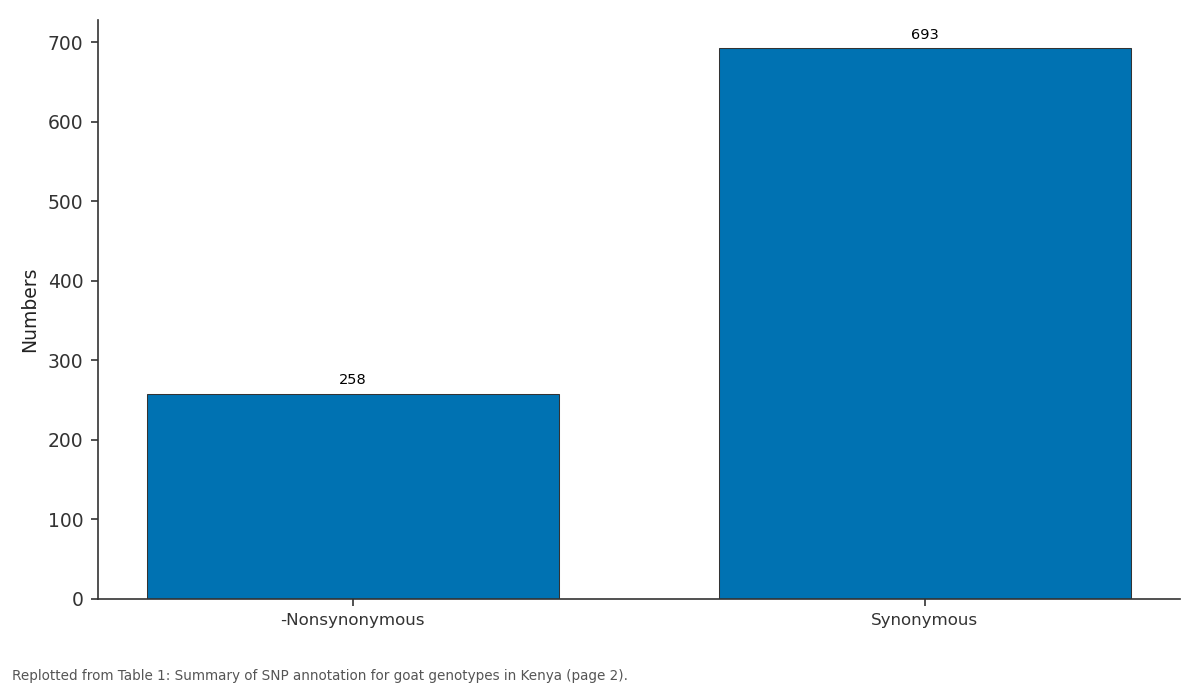
Numbers: -Nonsynonymous vs Synonymous
Replotted from Table 1 (page 2) of the original paper. Every bar is the paper's own table value.
View source evidence ↗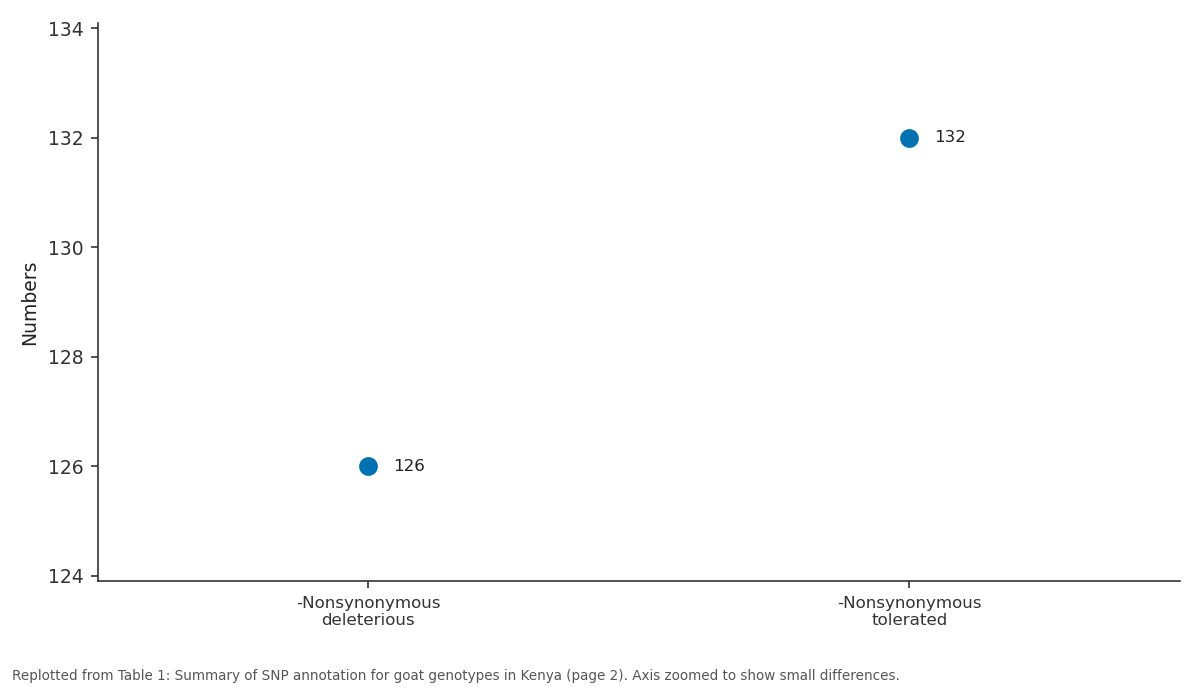
Numbers: -Nonsynonymous... vs -Nonsynonymous tolerated
Replotted from Table 1 (page 2) of the original paper. Every bar is the paper's own table value.
View source evidence ↗Figures & tables
From the original paper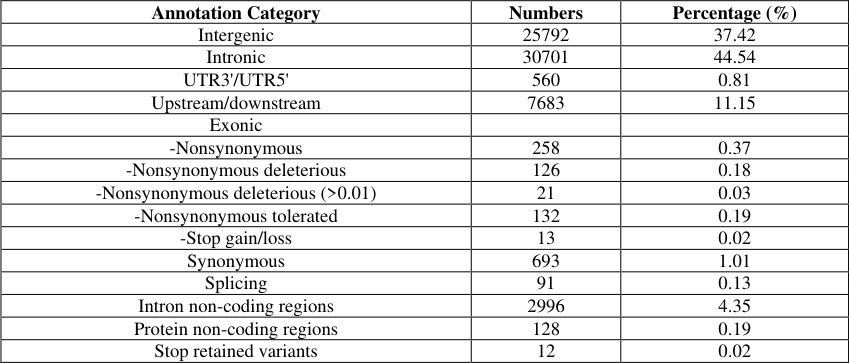 Table 1
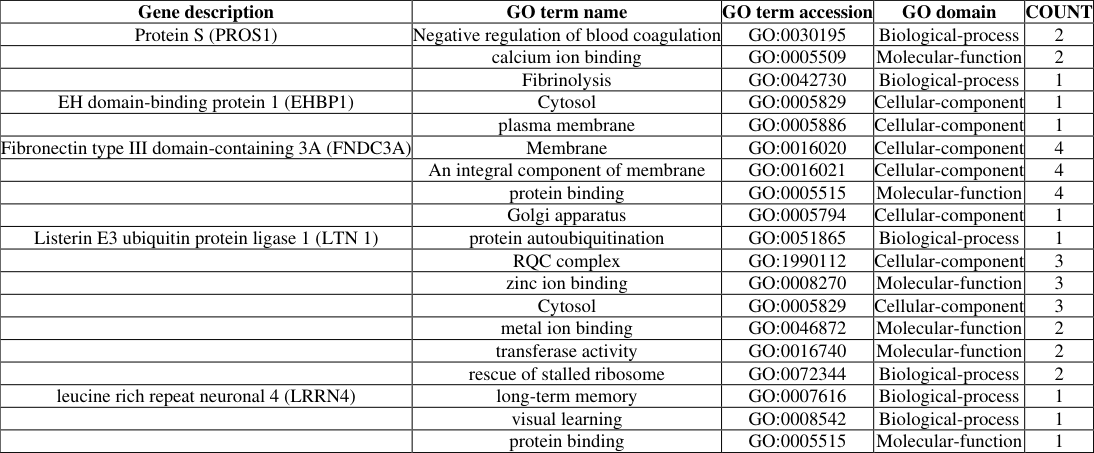 Table 2
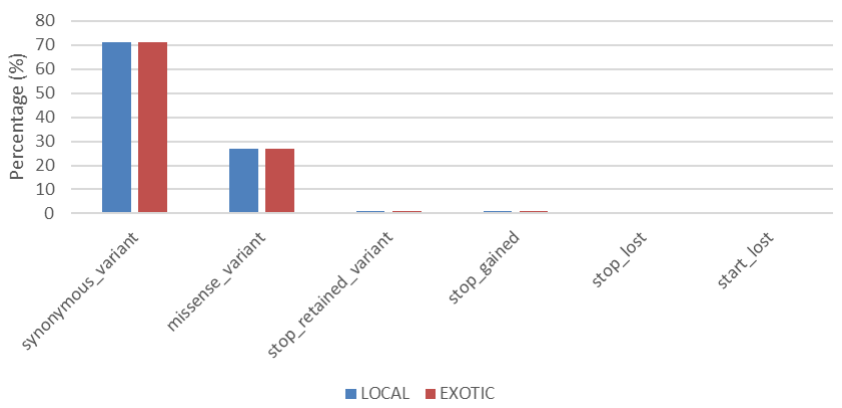 Figure 1
Introduction
Mutation is one of the processes of evolution that involve a change in the nucleotide sequence of the genome in an organism. Mutation load is defined as the loss of fitness in animals due to deleterious alleles that are maintained by mutation-selection balance [1] . The mutation occurs every generation and can be beneficial or harmful in a population. Similarly, deleterious mutations can also either be beneficial or harmful. Harmful deleterious mutations are not required in any animal genome because they affect an animal's productivity in a population [19] . Generally, individuals with harmful deleterious mutations are more vulnerable to diseases or phenotypic disorders. Occurrences of deleterious mutations in a population is a function of many factors including selection level, domestication, geographical history, and effective population size which are exposed to different plant and animal populations [5,24] . A number of studies have been conducted on different livestock species to analyse deleterious variants including goats and cattle [26,8] . Deleterious mutation in CWC15 and SLC37A2 genes are reported to be possible causes of low reproductive efficiency in Jersey cattle and fetus abortion in Vorderwald cattle [23,21] . Also, a retinal genetic defect in European cattle breeds was discovered to be caused by PR1gene mutation [15] . Accumulation of deleterious mutations in goat populations were reported in different studies including nine goat breeds of Asian countries [16] , the Alpine ibex population [8] , and worldwide domesticated goats [27] . Domesticated goats are exposed to many processes that facilitate the occurrences of deleterious mutations in their populations. For instance, continuous artificial selection for improved traits, reduction in effective population size, and high inbreeding levels in domesticated animals were proved to create a conducive environment for the presence of deleterious mutations due to increased homozygous alleles in a genome [14,5,13] . In most animal populations, phenotypic variations are observed while their mutational load are not well understood. In every population, new mutations are introduced each generation. Therefore, it is not an exception for the goat populations in Kenya to have some deleterious variants since they are also exposed to different domestication processes. This study investigated the variations in mutation load and deleterious mutations between Kenyan local and exotic goat genotypes, and identified affected genes with their associated functions. The findings will help in understanding the effects of existing domestication processes of goats in Kenya and how to maintain them to minimize the overload of deleterious mutations.
Materials and Method Sampling
The study used Single Nucleotide Polymorphism (SNP) data from Kenya obtained from 94 goats from four goat genotypes (Galla, Saanen, Alpine and Toggenburg) randomly selected in different sub-counties. The areas include; Nyeri (Mukurweini Sub-county), Meru (Central Imenti Sub-County) and Homa Bay (Homa Bay town) located in the Central (wet-dry), Eastern (wet) and Western regions (Wet area) of Kenya.
DNA extraction, genotyping and Quality control
Blood samples were collected using EDTA tubes followed by DNA extraction using the Qiagen DNeasy Blood and Tissue Kits. Purified DNA quality and quantity were validated using the Qubit dsDNA BR (Broad-Range) Assay Kit on the Qubit 2.0 and Nanodrop Spectrophotometer (Nanodrop ND-1000). Genotyping was conducted using the Illumina goat SNP50 Bead chip developed by International Goat Genome Consortium (IGGC). Quality control procedures of SNPs was done in PLINK v 1.9 [4] . The standard parameters of SNP filtering was applied; all SNPs less than 95 % call rate, less than 0.05 Minor Allele Frequency (MAF < 0.05), Hardy-Weinberg Equilibrium (< 0.001) and more than 10 % missing genotypes were removed remaining with 48, 808 SNPs for downward analysis.
Data analysis
Functional annotation was done on the ENSEMBLE goat (C. hircus) using the Variant Effect Predictor (VEP) based on a method described by [10] . A genome annotation file was downloaded from the Ensemble-VEP containing all the functional consequences information. The number of missense and synonymous variants were calculated from the downloaded file in excel, and they were used in calculating the ratio of missense and synonymous to get the mutation load for the population [5] . Sorting Intolerant from Tolerant (SIFT) algorithm was used to identify the mutation effect on protein function and understand the effect of changes in amino acids. The SIFT score ranged from 0 to 1 where a SIFT of 0 to 0.05 is regarded to be deleterious while a score of greater than 0.05 is tolerable [11], [22] . All deleterious variant genes with SIFT score of less than 0.01 were extracted and analysed for their functions using the Biomart tool in the ENSEMBL goat C. hircus.
Results
Annotation of SNPs in ENSEMBLE-VEP revealed the presence of different variants located within and outside the genes. The variants located outside the genes (intergenic and up/downstream variants) accounted for 48.57% while the remaining percentages were variants located within the genes (Table 1). Classification of variants to be missense (mutations that affect amino acid sequence in a protein) or synonymous (mutations with no effect on the amino-acid produced) showed that the synonymous variants were in abundance compared to missense variants totaling 693 and 258 representing 1.01% and 0.37%, respectively (Figure 1). Further classification of the 258 missense variants showed that 126 variants were deleterious while 132 are tolerated. Only 0.02 % of the variants were found to be eligible for loss or gain of the stop codon. Generally, the ratio of missense to synonymous variants was found to be 0.37 across the populations. A total of 111 genes were identified under missense variants. Using a SIFT score of less than 0.01, five genes were identified from 21 highly deleterious variants (Table 1). The identified genes include PROS1, EHBP1, LTN1, LRRN4, and FNDC3A which are associated with different functionalities according to Gene Ontology analysis (Table 2). Some of the gene functions analysed include; negative regulation of blood coagulation (PROS1), mediation of spermatid-sertili adhesion during spermatogenesis (FNDC3A), regulation of vesicular trafficking, and linking endosomes to the actin cytoskeleton (EHBP1), animal memory of cells (LRRN4) and regulation of translation, elongation and proteasome-mediated ubiquitindependent protein catabolic process (LTN1).
| Gene description | GO term name | GO term accession | GO domain | COUNT |
|---|---|---|---|---|
| Protein S (PROS1) | Negative regulation of blood coagulation | GO:0030195 | Biological-process | 2 |
| calcium ion binding | GO:0005509 | Molecular-function | 2 | |
| Fibrinolysis | GO:0042730 | Biological-process | 1 | |
| EH domain-binding protein 1 (EHBP1) | Cytosol | GO:0005829 | Cellular-component | 1 |
| plasma membrane | GO:0005886 | Cellular-component | 1 | |
| Fibronectin type III domain-containing 3A (FNDC3A) | Membrane | GO:0016020 | Cellular-component | 4 |
| An integral component of membrane | GO:0016021 | Cellular-component | 4 | |
| protein binding | GO:0005515 | Molecular-function | 4 | |
| Golgi apparatus | GO:0005794 | Cellular-component | 1 | |
| Listerin E3 ubiquitin protein ligase 1 (LTN 1) | protein autoubiquitination | GO:0051865 | Biological-process | 1 |
| RQC complex | GO:1990112 | Cellular-component | 3 | |
| zinc ion binding | GO:0008270 | Molecular-function | 3 | |
| Cytosol | GO:0005829 | Cellular-component | 3 | |
| metal ion binding | GO:0046872 | Molecular-function | 2 | |
| transferase activity | GO:0016740 | Molecular-function | 2 | |
| rescue of stalled ribosome | GO:0072344 | Biological-process | 2 | |
| leucine rich repeat neuronal 4 (LRRN4) | long-term memory | GO:0007616 | Biological-process | 1 |
| visual learning | GO:0008542 | Biological-process | 1 | |
| protein binding | GO:0005515 | Molecular-function | 1 |
Table text extracted from the original PDF; superscript letters are shown inline. The original table image is below.
View original table image
| Annotation Category | Numbers | Percentage (%) |
|---|---|---|
| Intergenic | 25792 | 37.42 |
| Intronic | 30701 | 44.54 |
| UTR3'/UTR5' | 560 | 0.81 |
| Upstream/downstream | 7683 | 11.15 |
| Exonic | ||
| -Nonsynonymous | 258 | 0.37 |
| -Nonsynonymous deleterious | 126 | 0.18 |
| -Nonsynonymous deleterious (>0.01) | 21 | 0.03 |
| -Nonsynonymous tolerated | 132 | 0.19 |
| -Stop gain/loss | 13 | 0.02 |
| Synonymous | 693 | 1.01 |
| Splicing | 91 | 0.13 |
| Intron non-coding regions | 2996 | 4.35 |
| Protein non-coding regions | 128 | 0.19 |
| Stop retained variants | 12 | 0.02 |
Table text extracted from the original PDF; superscript letters are shown inline. The original table image is below.
View original table image
Discussion
Some mutations can persist in a population for a long time before being eliminated through selection. Regardless of the mutation levels in a population, the presence of deleterious mutations can cause a reduction in population size and possible species extinction if not properly managed [1] . Surprisingly, more studies on genomes report only the deleterious mutations observed in a population and not the levels of mutation load making it difficult to compare mutation load across populations [9] . Conclusions on levels of mutation load are mostly based on the comparison between populations within or across the study since there are no recommended estimates to base on. The levels of mutation load obtained in this study through the ratio of missense to synonymous mutations were similar (0.37) across the studied genotypes (Figure 1). This suggests that mutations are present in all Kenyan goat populations regardless of the genotype. The similarities can be attributed to the exposure of these animals to almost similar selection criteria towards the same breeding goal creating similar effects on the genome [17,25] . This study followed the principle of [5] who described the mutation load of 0.025 and 0.03 to be higher in the European pig genome than the 0.02 load observed in the Asian pig genome. In the same study, a mutation load of 0.018 in commercial chickens was described as higher compared to 0.014 observed in the village chicken. Also [13] , described the mutation load of 0.83 and 0.46 for domesticated rabbits and chickens respectively as higher than their wild counterparts with lower values. It is reported that mutation load is common in domesticated animals compared to their wild counterparts [14] . Concerning the results of other species mentioned above, it can be concluded that the mutation load of goat genotypes from Kenya is lower than the reported domesticated dogs, rabbits, and chickens but higher than the mutation load of the pig's genome.
Recent mutation studies are focusing on deleterious mutations due to their effects on population fitness. The deleterious mutations observed in this study accounted for 0.18 %, and only 0.03 % were considered to be more deleterious. However, this is lower than the 0.17 % reported in seven Capra species [8] . It is reported that deleterious alleles occur at a very low frequency as observed in domesticated goats [27] . This can lead to the conclusion that different forces that contribute to deleterious mutations have a limited impact on the accumulation of deleterious mutations in the studied goats.
Out of 111 genes identified from the deleterious mutations, five genes were found within the highly deleterious mutations that are associated with diseases, reproduction, vision, and memory (Table 2). Information on functional annotation in any population helps in understanding the genetic basis of phenotypic variations among individuals hence ensuring accurate selection during breeding. According to [2] , the PROS1 gene help in protecting mammals from different diseases such as bronchial asthma in humans. Currently, the effect of the PROS1 gene in goats has not been reported however it can also contribute to cardiac disorders but further research needs to be done to verify. Naturally, goats have good term memory regardless of sex, age, or breed whose mechanism is unclear [4] . It is reported that goats can remember any visual shape within 42 days and a doe can recognize its kids' voice 12 months after weaning [12, 4] . The LRRN4 gene found in this study might be the contributing factor to memory, natural feeding, and social interaction behaviour in goats during management. Goats with difficulties in visual and memory can be due to mutations in the LRRN4 gene in their genome among other contributing factors. Furthermore, the LTN1 gene is involved in the biological process of rescuing stalled ribosomes. Stalled ribosomes can occur during protein synthesis due to several factors like depletion of amino acids leading to incomplete protein synthesis. This causes the accumulation of proteotoxic components that lead to cellular stress and neurodegenerative diseases in animals. Scrapie is one of the reported fatal neurodegenerative diseases associated with various clinical signs and it is difficult to diagnose in goats and sheep [3] . Male infertility can be due to several factors including genetic disorders. According to [18] , the FNDC3A gene which is found in testis tissues helps in spermatogenesis by mediating the adhesion between spermatids and sertoli cells. The mutation of the FNDC3A gene causes male sterility by failure to release mature spermatids. Some male goats in a population might not be reproductive due to unknown causes, this study has therefore provided insight into the possible cause of infertility which requires further studies to validate. Finally, the EHBP1 gene is essential for several functions in mammals, which include vesicular trafficking, early development as well as cancer [20] . However, the biochemical processes associated with this function are still unknown.
Conclusion
The phenotypic differences among individuals can be a factor of many genes working together not the function of a single gene. Domestication is associated with several processes that contribute to the accumulation of deleterious variants in a population. This study has proven that goat genotypes in Kenya are exposed to similar domestication processes hence the similarities in mutations and accumulation of deleterious variants. Therefore, the identification of mutations, genes, and their associated functions in goat populations should be prioritised for strategic implementation of breeding programs to avoid increasing gene mutations.
Ethics approval
Ethics approval
Acknowledgement
This study was approved by the Egerton University Research Ethics Committee, Nakuru, Kenya Approval No. EUREC/APP/138/2021 and also the National Commission for Science, Technology and Innovation (NACOSTI), license No. NACOSTI/P/21/14174 Author ORCIDs T. Chikoko https://orcid.org/0000-0002-6176-4093 K. Ngeno https://orcid.org/0000-002-9271-7839 T. Muasya https://orcid.org/0000-0002-8758-7961 AcknowledgementThe authors acknowledge the staff of Egerton University -Department of Animal Science for their technical contributions on the manuscript. Lastly we acknowledge the Sustainable Agriculture and Agribusiness Management (CESAAM) -Egerton University for providing financial support towards the project.
References
27 in the original paper- Agrawal AF, Whitlock MC. Mutation load: the fitness of individuals in populations where deleterious alleles are abundant. Annual Review of Ecology, Evolution, and Systematics. 2012;43:115-135.
- Asayama K, Kobayashi T, D'Alessandro-Gabazza CN, Toda M, Yasuma T, Fujimoto H, et al. Protein S protects against allergic bronchial asthma by modulating Th1/Th2 balance. Allergy. 2020;75(9):2267-2278.
- Baylis M, Goldmann W. The genetics of scrapie in sheep and goats. Current Molecular Medicine. 2004;4(4):385396.
- Briefer EF, Haque S, Baciadonna L, McElligott AG. Goats excel at learning and remembering a highly novel cognitive task. Frontiers in Zoology. 2014;11(1):1-12.
- Bosse M, Megens HJ, Derks MF, de Cara ÁM, Groenen MA. Deleterious alleles in the context of domestication, inbreeding, and selection. Evolutionary Application. 2019;12(1):6-17.
- Chang CC, Chow CC, Tellier LC, Vattikuti S, Purcell SM, Lee JJ. Second-generation PLINK: rising to the challenge of larger and richer datasets. Gigascience. 2015;4(1):1-16.
- Dhaliwal A. DNA extraction and purification. Mater Methods. 2013;3:191.
- Grossen C, Guillaume F, Keller LF, Croll D. Purging of highly deleterious mutations through severe bottlenecks in Alpine ibex. Nature Communications. 2020;11(1):112.
- Henn BM, Botigué LR, Bustamante CD, Clark AG, Gravel S. Estimating the mutation load in human genomes. Nature Reviews Genetics. 2015;16(6):333-343.
- Howe KL, Achuthan P, Allen J, Allen J, Alvarez-Jarreta J, Amode MR, et al. Ensembl 2021. Nucleic Acids Research. 2021;49(D1):D884-D891.
- Kumar P, Henikoff S, Ng PC. Predicting the effects of coding non-synonymous variants on protein function using the SIFT algorithm. Nature Protocols. 2009;4(7):1073.
- Langbein J, Siebert K, Nuernberg G. Concurrent recall of serially learned visual discrimination problems in dwarf goats (Capra hircus). Behavioural Processes. 2008;79(3):156-164.
- Makino T, Rubin CJ, Carneiro M, Axelsson E, Andersson L, Webster MT. Elevated proportions of deleterious genetic variation in domestic animals and plants. Genome Biology and Evolution. 2018;10(1):276290.
- Marsden CD, Ortega-Del Vecchyo D, O'Brien DP, Taylor JF, Ramirez O, et al. Bottlenecks and selective sweeps during domestication have increased deleterious genetic variation in dogs. Proceedings of the National Academy of Sciences. 2016;113(1):152-157.
- Michot P, Chahory S, Marete A, Grohs C, Dagios D, Donzel E, et al. A reverse genetic approach identifies an ancestral frameshift mutation in RP1 causing recessive progressive retinal degeneration in European cattle breeds. Genetics Selection Evolution. 2016;48(1):1-15.
- Nomura K, Yonezawa T, Mano S, Kawakami S, Shedlock AM, Hasegawa M, et al. Domestication process of the goat revealed by an analysis of the nearly complete mitochondrial protein-encoding genes. PLoS One. 2013;8(8):e67775.
- Ngeno K, Van Der Waaij EH, Megens HJ, Kahi AK, Van Arendonk JAM, Crooijmans RPMA. Genetic diversity of different indigenous chicken ecotypes using highly polymorphic MHC-linked and non-MHC microsatellite markers. Animal Genetic Resources/Resources Génétiques Animales/Recursos Genéticos Animals. 2015;56:1-7.
- Obholz KL, Akopyan A, Waymire KG, MacGregor GR. FNDC3A is required for adhesion between spermatids and Sertoli cells. Developmental Biology. 2006;298(2):498-513.
- Pausch H, Schwarzenbacher H, Burgstaller J, Flisikowski K, Wurmser C, Jansen S, et al. Homozygous haplotype deficiency reveals deleterious mutations compromising reproductive and rearing success in cattle. BMC Genomics. 2015;16(1):1-13.
- Rai A, Bleimling N, Vetter IR, Goody RS. The mechanism of activation of the actin binding protein EHBP1 by Rab8 family members. Nature Communications. 2020;11(1):1-16.
- Reinartz S, Distl O. Validation of deleterious mutations in Vorderwald cattle. PLoS One. 2016;11(7):e0160013.
- Sim NL, Kumar P, Hu J, Henikoff S, Schneider G, Ng PC. SIFT web server: predicting effects of amino acid substitutions on proteins. Nucleic Acids Research. 2012;40(W1):W452-W457.
- Sonstegard TS, Cole JB, VanRaden PM, Van Tassell CP, Null DJ, Schroeder SG. et al. Identification of a nonsense mutation in CWC15 associated with decreased reproductive efficiency in Jersey cattle. PloS One. 2013;8(1):e54872.
- Subramanian S. Deleterious protein-coding variants in diverse cattle breeds of the world. Genetics Selection Evolution. 2021;53(1):1-7.
- Visser C, Lashmar SF, Van Marle-Köster E, Poli MA, Allain D. Genetic diversity and population structure in South African, French and Argentinian Angora goats from genome-wide SNP data. PloS One. 2016;11(5):e0154353.
- Yakubu A. Computational molecular analysis of deleterious mutations in serum amyloid A3 gene in goats and cattle. Nigerian Journal of Biotechnology. 2018;35(2):80-90.
- Zheng Z, Wang X, Li M, Li Y, Yang Z, Wang X, et al. The origin of domestication genes in goats. Science Advances. 2020;6(21):eaaz5216.