
Research article · 2022 · Full text
International Journal of Veterinary Sciences and Animal HusbandryThe therapeutic uses of Putranjiva roxburghii: Review Article
Volume 7(4) · Pages 51–54 · DOI: 10.22271/veterinary.2022.v7.i4a.433 ↗
Research areasDrug-Induced Hepatotoxicity and Protection
Abstract
Author-writtenPutranjiva roxburghii wall (Putranjivaceae) commonly known as Putranjiva is an evergreen tree of the Euphorbiaceous family, found in tropical Asia. Putranjiva roxburghii is an evergreen tree with drooping branches, corky bark coriaceous leaves and dioeciously flowers. Plant parts such as leaves, bark, roots, flowers, fruits and seeds have an effect on living organisms; the bioactive components present in the plant can be utilized in a number of ways and play a significant role in our everyday life. Its bark is mainly used for making decorative items. The bark and the seeds are used as an antidote in the treatment of snake bites. The paste of seeds of Putranjiva roxburghii is applied on the forehead to check pain. Besides, seed paste can be used in the treatment of various diseases like elephantiasis, constipation, ophthalmic, semen disorders, infertility and diseases of the female genital. The leaves are used in treating illness, phlegm, skin ailment, aridity and are also helpful in curing rheumatism. The leaf extracts and bio-oil extracted from seeds are mostly utilized in Ayurveda, herbal and Unani medications. Putranjiva roxburghii possess anti-oxidant, antipyretic, and anti-inflammatory activities. Aim of the study: Putranjiva roxburghii, Wall is herbal medicine is an ancient form of medicine that has been used Putranjiva roxburghii, Wall is a traditional herbal remedy that has been used by humans for thousands of years. The plant, seed, root bark, and leaves have various traditional medicinal values. The main aim of the study is to discuss about the various activities of Putranjiva roxburghii, Wall mentioned in Ayurvedic classic. The present paper focus on the beneficial role of Puranjevak drug in daily life of human beings.
Summary
Source-checkedPlain-language reading of the full paper, prepared with AI and checked against the text. Each point links to the authors' own words.
Why it matters
- Putranjiva roxburghii is an evergreen tree from the Euphorbiaceous family native to tropical Asia. View evidence ↗
- Herbal medicines are valued because they can reduce reliance on chemical remedies due to their lower side effects. View evidence ↗
- The plant is considered significant within the Unani and Ayurvedic systems of medicine. View evidence ↗
The question
- The study aims to discuss the various activities of Putranjiva roxburghii as described in Ayurvedic classics. View evidence ↗
- The paper focuses on the beneficial roles of the Puranjevak drug in the daily lives of humans. View evidence ↗
What they did
- This is a review article that synthesizes information from Ayurvedic classics and other literature. View evidence ↗
- The review describes the therapeutic uses and main chemical constituents, including glycosides, flavonoids, mustard oils, and terpenoid compounds. View evidence ↗
What they found
- The seeds and bark of the plant are traditionally used as antidotes for snake bites. View evidence ↗
- Methanolic seed extracts demonstrated anthelmintic activity, causing worm paralysis and death faster than standard drugs. View evidence ↗
- Administration of seed powder significantly increased several markers of sexual function, including desire, erection, and duration of the sexual act. View evidence ↗
- Ethanolic extracts of the plant have been reported to reduce blood glucose levels. View evidence ↗
- Ethanolic leaf extracts exhibit anti-inflammatory activity that depends on the concentration used. View evidence ↗
- Methanol extracts from the seeds have shown cytotoxic properties and were investigated for potential use against cancer. View evidence ↗
- Phytochemical analysis of the bark shows it contains terpenoids, steroids, saponins, and tannins. View evidence ↗
What it means
- The authors conclude that the plant's therapeutic properties are likely due to the presence of numerous active pharmacological compounds. View evidence ↗
- The authors state that further scientific discussion is needed to properly ascertain the quality of the different parts of the tree. View evidence ↗
Visual summary
1 visualsIllustrations explain the paper; they do not show study data.
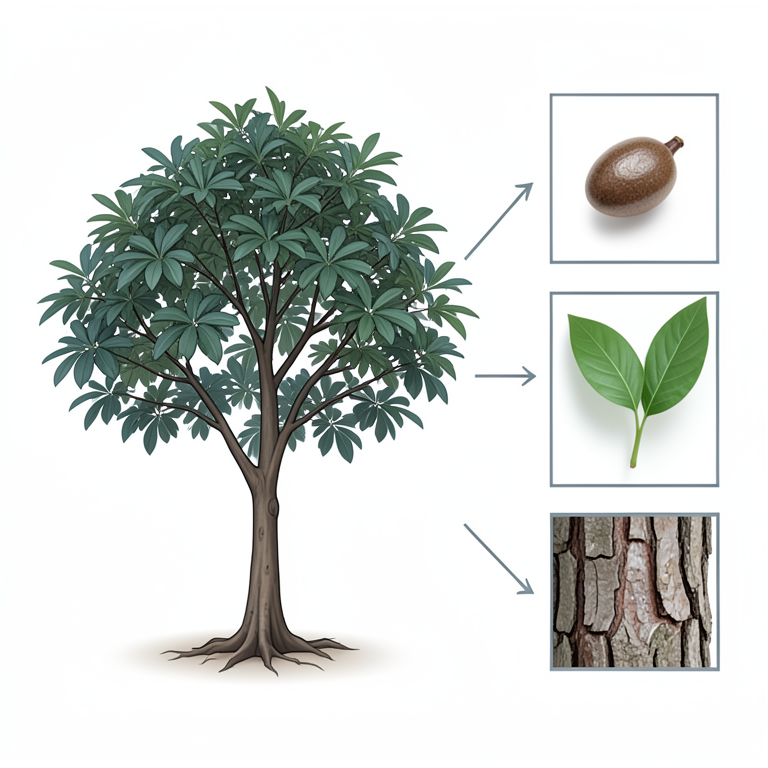
Therapeutic Map of Putranjiva roxburghii
AI-generated conceptual illustration (Putranjiva roxburghii tree). It explains the idea and does not show study data.
View source evidence ↗Figures & tables
From the original paper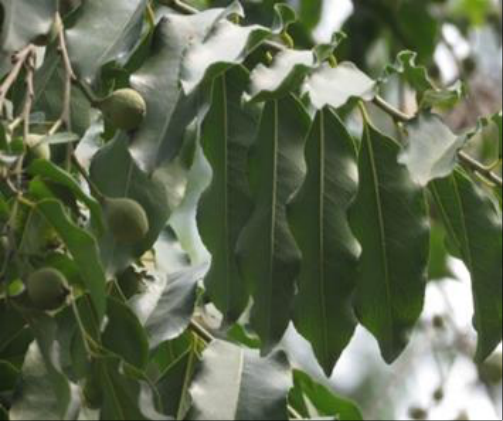 Figure 2
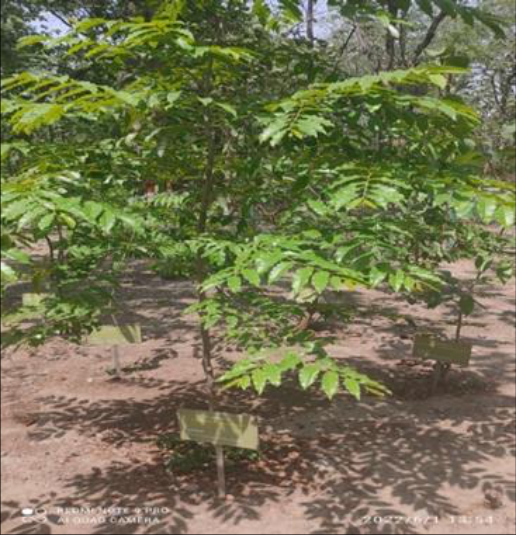 Figure 1
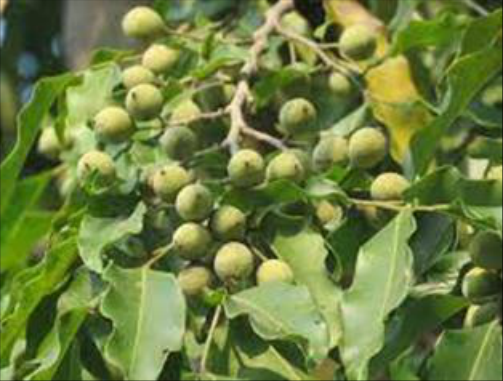 Figure 3
Introduction
Putranjiva roxburghii, Wall is a traditional herbal remedy that has been used by humans for thousands of years. It is a member of the family Putranijvace. Putranjiva roxburghii (P. roxburghii) has been described as an important plant in the Ayurvedic and Unani medicine system. Various parts of Putranjiva roxburghii are used for the treatment of different diseases. [1, 2] This plant is native to Southeast Asia the Indian Subcontinent, Japan, southern China, and New Guinea. It is widely grown all over Asia, particularly in Indochina, India, Nepal, Thailand, Bangladesh, Indochina, Myanmar and Sri Lanka [3] . It is known as "Putranjiv" in Bangladesh and putrajeevak in India. "Pootranjeeva" pootra means a son and jeeva means life. Its English name in India is child life tree. Other popular names of Putranjiva roxburghii are Kudrajuvi, Patravanti, Jivputrak and Nageia. In Sanskrit it is termed as Jivanputra, Putranjiva, Kumarajiva, Mava, Pavitra and Putrajiva and Karupali or Irukolli in siddha system of medicine. Putranjiva roxburghii is an evergreen tree and grows to a height of 18m and a girth of 2m. The bark is a shiny grey and dark green, leaves are 5-10cm long. Male flowers are yellowish, small and dense and in rounded clusters but female flowers are solitary [4] . Medicinal plants play a vital role in the development of human culture around the world. Herbal medicines reduce the use of chemical remedies because they possesses low side effects [5] . Most frequently recorded folk remedy claims of Putranjiva roxburghii, Wall mentioned that the plant leaf, bark, seed, and nuts are medicinally useful. Putranjiva roxburghii (child life tree) has been the center of controversy because of its misleading nomenclature of the ability to be get a male child. A concept behind this was an alteration in the sex of the baby post-conceptionally. It is reported to be effective for infertility, fever and liver diseases. Putranjiva roxburghii attributes anthelmintic, anticancer, anti-inflammatory, antioxidant, aphrodisiac, diuretic and laxative. Leaves and seed paste are used to treat burning sensation, filarial, inflammatory and eye diseases [6] . The methanol extract obtained from the seeds of Putranjiva roxburghii was investigated in order to screen the treatment role of the plant against some deadly diseases like cancer and it also shown some cyclotoxic properties. Putranjiva roxburghii leaves are reported to have more medicinal values. Plant seeds have potentially consumable activities like RNase, DNase, anti-fungal and ex-vivo translational repressive nature [7] . The methanolic extract of seeds of Putranjiva roxburghii found to cause paralysis and death of worms in a relatively short period of time as compared to standard drugs. The used seed powder of Putranjiva roxburghii there was a significant increase in the sexual desire, penile erection, penile rigidity, ejaculation time, orgasm score, duration of sexual act and frequency of sexual act in the trial drug administered group, but the trial drug showed no adverse effect on biochemical and hematological values [1] . There are various secondary metabolites and bio-molecules that have been isolated from different vegetal parts of this species and their structures were determined. The main constituents (Terpenoids compounds mustard oils Flavonoids and glycosides) and it's Therapeutic Uses of the Putranjiva roxburghii species are described in this paper [8] .
Taxonomy of Putranjiva roxburghii
Putranjiva is a famous tree usually 12 m in height grows on alluvial soil along the rivers, or in swamps or evergreen forests [1] . The branches of the tree are generally pendulous; sprigs are cylindrical and tapering with brown color, slim and flossy [7] (Fig 1).
Fig 1: Plant of Putranjiva roxburghii
Leaves are simple, alternately arranged, dark green, shiny, with leaf stalk is of 0.2 to 0.3 inch long, lean glossy; plates of 2x21 inch, ovoid and elongated in shape, the apex is a little sharp, base sloping, dense tip, Jagged like a saw with teeth pointing toward the apex, smooth, dusky, green, smooth, dusky green coriaceous (Fig. 2). Putaranjiva Flowers have only one type of sexual organ; not hermaphroditic [9] . The fruits of Putranjiva trees are rounded or ellipsoid, and drupes with a single seed of 1.18 inches, A small stalk bearing a single flower of an inflorescence 0.2-1inch long [10] (Fig3).
Fig 2: Leaves of Putranjiva roxburghii
Fig 2: Leaves of Putranjiva roxburghii
Utilization of Putranjiva roxburghii
Putranjiva roxburghii, Wall is one of the important plant species for human beings, the plant parts such as bark, leaves, fruits and seeds are used as a folk remedy. The medicinal and therapeutic property of different parts of Putranjiva roxburghii is discussed here under.
Bark
A ray of studies has suggested that Putranjiva roxburghiiis an excellent source of photochemical including steroids and triterpenoids [11,12] . Besides, hydroxy ketone (putranjivanonol) hydroxyl acid (puranic acid), friedelin and putranjiva dione were isolated from the trunk bark of Putranjiva roxburghii [1] . The detailed phytochemical analysis of the bark reveals that it contains adequate amount of tannins, saponins, steroids and terpenoids, which shows tremendous pharmacological potential of further studies. The main components of the root bark were triterpenoids, friedelin, putranjivadione, roxburgholone, methyl putrate and saponins derived from oleanolic acid [13] . Chemical investigation of the bark of stem and leaves of Putranjiva glycosides, glucoputranjivin, glucocochlearin, glucojiaputin and glucocleomin. The seed coat yields putranjivoside, βsitosterol triterpene saponins, and its glucoside, saponins and pyranosides A-D [9] .
Leaves
The leaves of Putranjiva roxburghii, Wall are reported to have good medicinal values, may be due to the presence of various phytochemicals. The ethanolic extract of Putranjiva roxburghii has valuable effects in reducing the blood glucose levels, stem bark as the extracts may have an extraordinary medicinal or commercial value within these traditionally used for medicinal purpose. Fresh juice of leaves of Putranjiva roxburghii is given in a dose of 10-15 ml to treat elephantiasis. The leaves of the plant can be used for, the curing of diseases leukorrhea, infertility, menstrual problems, and also used for female genital systems. The use of Putrajeevak has been associated with many beliefs and practices. It is said to increase fertility in women, it aids and facilitates [14] . The leaf of the plant contains mainly anthracene, cardiac and flavonoid glycosides along with phenolic compounds. Rajagopal, et al. reported that ethanolic extract of P. roxburghii leaves contains concentrationdependent anti-inflammatory activity, adding that antiinflammatory potential of ethanolic extract is because of steroids and flavonoids presence in the extract [1,14] . In Ayurvedic texts it was reported for its antipyretic, antiinflammatory & anti rheumatic and fertility ailments properties. Its preliminary phytochemical profiling showed the presence of glycosides, saponins, triterpenes and flavonoids.
Fruit
Powered (de-seeded) fruits are used against cough, cold and sprue. Rosaries of hard stones are used for protecting children from infections. Due to misleading nomenclature, the "conception-promoting" property has been attributed to the drug in folk medicine. Its use is possible in vaginal infections and genitourinary diseases, or skin eruptions during preconception stag [15] . The fruit pulp contains a large quantity of mannitol, a saponin glucoside and an alkaloid, while the seeds contain fatty oil, while its dried fruits are used in a garland to cure skin allergies and itching and fruits are worn in the form of a necklace by pregnant women to prevent miscarriage [1,10] .
Fig 3: Fruit of Putranjiva roxburghii
Fig 3: Fruit of Putranjiva roxburghii
Seeds
The seeds are sweet, acrid, refrigerant, laxative, antiinflammatory, aphrodisiac, and diuretic [10] . The seed of this plant is a good source of well stable and potent trypsin inhibitor [5] . The seed paste is useful against headaches and powdered seed is used for knee pain. A glycosidic pattern similar to that in the seed is reported in the shoots and roots [1] . The seeds of its fruits are strung together to form rosaries and used as a necklace to protect children from diseases and persons suffering from acute cough and cold. Seeds are orally consumed in the powder form for various diseases like elephantiasis, constipation, dysuria, ophthalmic, aphrodisiac, and semen disorders [8] . The seeds of Putranjivaka is made into a paste and applied as collyrium to treat eye diseases. The seed coat of Putranjiva roxburghii was examination and a triterpenoid saponin named putranjivoside and two sterol components βsitosterol and its glucoside, β-D-glucoside were isolated [16] . Putranjiva roxburghii seeds are mainly used for the extraction of oil. The seed oil was found to be the highest for n-Hexane, a non-polar solvent. The oil from Putranjiva roxburghii (Putrajeevak) seeds extracted using the super-critical fluid extraction process was analyzed for its constituent fatty acids and sterols. The Putalnjeeva oil was used for assessing its properties in reversing the fertility impairment. Presence of chemical compounds like phenols, alkaloids, saponins, steroids, flavonoids and glycosides in the seeds of Putranjiva roxburghii. Such type of active phytochemical compounds in the plant indicate its efficient protection and treatment roles against various diseases including cancer. The methanolic extract of the seeds of Putranjiva roxburghii indicated cytotoxicity due to the presence of chemical compounds [2] . The seeds are consumed but not much is known about the fatty acids and other constituents of the oil present in the seeds. First time that the fatty acids and phytosterol constituents of Putranjiva roxburghii seeds were extracted and identified [17] . Paste of seeds of Putranjiva roxburghii applied on forehead to check pain. The seeds of this plant species are given daily for one month to women for conception [18] .
Conclusions
Putranjiva roxburghii plants belong to the family euphorbiaceous that are cultivated in mostly Asian tropical regions. The plant can be utilized in a number of ways but is still unnoticed as the likes of some famous plant materials like Eucalyptus, Jatropha etc. The detailed pharmacognosy and pharmacological evaluation of Putranjiva roxburghii revealed the presence of many active compounds which could be responsible for its various therapeutic and medicinal properties. The discussion among the scientific community is required more to ascertain the quality of the Putranjiva roxburghii tree parts.
References
15 in the original paper- Unnikrishnan V, Nishteswar K. P. Roxburghii -A herb for pumsavana (male progeny facilitator)?. Int J Ayurveda Pharm Res. 2015;3(6):11-6.
- Mradu G. A review of pharmacological properties, pharmacognosy and therapeutic actions of Putranjivaroxburghii Wall (P. Roxburghii). Int J Herb Med. 2016;4(6):104-8.
- Gangal S, Sharmaa S, Raufa A. Putranjivaroxburghii seeds: Oil content and fatty acid composition during different stages of seed maturity. Journal of Pharmacy Research. 2009;2(11):1666-1668.
- Minj E, John Britto S. Pharmacognostic Studies of Putranjiva roxburghii Wall. (Putranjivaeceae) International Journal of Pharmacognosy and Phytochemical Research. 2017;9(7):1035-1044. DOI: 10.25258/phyto.v9i07.11177
- Samal J. Putranjivaroxburghii Wall: The controversies and the concurrence. International Journal of Green Pharmacy (IJGP). 2017;10:04.
- Supriya B, Keerthana V, Nambirajan S, Dharmendira KM. Medicinal values of Putranjivaroxburghii-A review. Int J Cur Pharm Re. 2017;9(5):5-8.
- Parsa Dar, Muhammad Faisal, Amara Dar, Usama Waqas. Journey Describing Biological Activities and Chemical Constituents in the Leaf, Stem Bark and Seed of Putranjivaroxburghii Parsa. 2018 Dec 1;4(4):263-78.
- Hemant Kumar, Ashutosh Mishra, Pawan Bajpai, Nirbhikkaran. A Review Article of Pharmacognostic Study, Botanical description and therapeutic uses of Putranjiva roxburghii. Journal of Advances in Pharmacy Practices. 2019;1(2):22-28. DOI: http://doi.org/10.5281/zenodo.3327600
- Kalyani Abhimanyu Kedar, Sanjay Chaudhari R, Avanapu Rao S. A Validated HPTLC Method for the Quantification of Β-Sitosterol In Leaves, Bark of Putranjiva roxburghii Wall. Int J Sci Res Sci Technol. 2017;3(10):73-8.
- Emasushan M, John Britto S. Preliminary phytochemical profiling and antifungal activity of the seeds and pericarp of Putranjiva roxburghii wall. The Pharma Innovation Journal. 2018;7(4):107-110.
- Chopra GR. Chemical components of leaves and rootbark of Putranjivaroxburghii, Indian Journal of Chemistry. 1970;8(9):776 -778.
- Wantana R, Tassanee N, Sanan S. Antinociceptive, antipyretic and anti-inflammatory activities of Putranjiva roxburghii Wall. Leaf extract in experimental animals. J Nat Med. 2009;63(3):290-6.
- Rajagopal PL, Kiron SS, Sreejith KR, Aneeshia S. Phytochemical, Antioxidant and Anti-inflammatory studies on the leaves of Putranjiva roxburghii Am. J. Pharm Tech Res. 2014;4:429-435.
- Acharya Balkrishna, Pradeep Nain, Monali Joshi, Lakshmipathi Khandrika, Anurag Varshney. Supercritical Fluid Extract of Putranjiva roxburghii Wall. Seeds Mitigates Fertility Impairment in a Zebrafish Model. 2021 Feb 15;26(4):1020.
- Kumar S. Unexplored Ethnobotanical Uses of Some Plants of Family Euphorbiaceae. Journal on New Biological Reports. 2012;1(2):67-69.
Cited by 11
From OpenAlex, OpenCitations and reference lists read by Scinovex
- Laboratory Investigation of Chemical Constituents and Anti-inflammatory Activity of Putranjiva roxburghii Hexane Fraction Based on Combined Docking and Molecular Dynamics Simulation Study ↗
Ahmed Ragab Hamed, Ahmed Abd Elkader El-Rashedy, Heba K. Nabih, M. M. AbdelMohsen, Heba D. Hassanein, Khaled A. Abdelshafeek et al. · Chemistry Africa · 2025
❝ 1 - A critical review of Bhavana and Marana procedures in Rasaushadhi preparations ↗
Sweta Acharya · Journal of Dravyaguna and Bhaishajya Vigyan · 2025
Rasaushadhis, the herbo-mineral preparations in Ayurveda, represent a unique fusion of traditional pharmaceutical wisdom and alchemical transformation. The procedures of Bhavana (levigation) and Marana (calcination/incineration) form the core of these formulations, ensuring that potent minerals and metals are detoxified, potentiated, and rendered therapeutically active. These techniques have been refined through centuries of empirical observation and classical textual codification. This paper
- VitNas: a deep learning model for efficient identification of medicinal plants using real-world datasets ↗
Zeba Anwar, Sarfaraz Masood · Multimedia Tools and Applications · 2025
❝ 1 - Putranjiva roxburghii Wall. ↗
Supriya Kumari Sharma, Prachi Baliyan, Afroz Alam · Medicinal and aromatic plants of the world · 2024
❝ 1 - In vitro multiplication through cotyledonary node culture and assessment of genetic and metabolic fidelity of Drypetes roxburghii (Wall.) Hurus.: an important woody medicinal plant ↗
Rajesh Saini, Pallavi Mishra, Awadhesh Kumar Mishra, Praveen Kumar Shukla, Jyoti Vishwakarma, Kavindra Nath Tiwari et al. · Plant Cell Tissue and Organ Culture (PCTOC) · 2026
❝ 0 - Review on Ashwagandha wonders: Unlocking the potent secrets of Withania somnifera for a healthier, longer life ↗
Ruaa Aziz Jassim, Niran A. Al-Ogaili, Zainab Yaseen Mohammed Hasan · The Pharma Innovation · 2025
Withania somnifera, frequently called ashwagandha, a plant possesses a known history in Ayurvedic medicine extending across three thousand years. This review explores its diverse pharmacological properties, including antioxidant and anti-inflammatory effects. With territorial diversity throughout the tropical zones, the plant's bioactive constituents participate to its varied applications. It demonstrates potential in managing stress, diabetes, neurodegenerative diseases, and shows antibacterial and
- A review on medical exploration of Trachyspermum ammi and Costus igneus extracts ↗
Shivani Kumar · International Journal of Pharmacognosy and Pharmaceutical Research · 2025
Approximately 85% of the global population uses herbal medicines to prevent and treat ailments, and there is an increasing global need for them. Costus igneus (insulin plant) and Trachyspermum ammi (ajwain) are both utilized for therapeutic purposes. This research examines their phytochemical ingredients, Ayurvedic uses, and therapeutic effects, focusing on their anti-diabetic, anti-inflammatory, antibacterial, and anti-cancer properties, as well as
- Ḥiltīt (Ferula asafoetida Regel.): Action and therapeutic uses in perspective of Unani medicine and pharmacological studies: A review ↗
Mohd Afsahul Kalam, Chand Babu, Abdul Habib, Uzma Jan, Belal Ahmad, Ansar Ahmad · International Journal of Unani and Integrative Medicine · 2024
Ḥiltīt or Hīng is an oleo-gum-resin derived from the roots of Ferula asafoetida. It is an old traditional spice also used in medicine for the treatment of various ailments since long time including asthma, gastrointestinal disorders, intestinal parasites, and so on. This has been shown to have antifungal, anti-diabetic, anti-inflammatory, anti-mutagenic, and antiviral properties. This plant has a diverse range
- Harsingar: The holistic healer - uncovering the medicinal benefits of the Parijat flower ↗
Hemlata Bhatt, Rashmi Chamoli, Shivraman Thapliyal, Neha Saini, Sneha Dobhal · Journal of Pharmacognosy and Phytochemistry · 2024
The Parijat flower, also known as Harsingar or Night-blooming Jasmine (Nyctanthes arbor- tristis), has a significant role in Ayurveda and other traditional medical systems and is steeped in cultural and spiritual traditions. This article delves into the historical significance, medicinal properties, and therapeutic applications of Harsingar, highlighting its role in holistic healing practices. By integrating ancient wisdom with contemporary scientific
- A Review ofthe Teratogenic Effects of Drugsand Environmental Toxins ↗
Noor Ul Ain · Innovations in STEAM Research & Education · 2024
Background: Teratogenesis is the formation of an abnormal or deformed body.It is a process of inducing birth defects in fetus.Birth defects include brain injury, heart abnormalities, kidney defects or defects in spinal cord.It occurs if teratogenic agents (chemical agents, metal, pharmacological agents or environmental toxins) being exposed to fetus during an organogenesis period of 3-8 weeks.Presently the prevalence of teratogenic…
❝ 0PDF - Phytochemical Constituents in Putranjiva roxburghiiSeed Extracts with Potential Health Benefits ↗
Tahira Iqbal · Innovations in STEAM Research & Education · 2024
Background: Putranjiva roxburghii Wall. is an underutilized but valuable plant.It plays significant role in the traditional Ayurvedic and Unani systems.Antioxidants are crucial in preventing the formation of reactive oxygen species (ROS), neutralizing existing ROS, and repairing damage caused by ROS.Objectives: The objective of the study was to investigate phytochemical profiling of seed extracts of P. roxburghii.Methodology: The seeds of plant…
❝ 0PDF