
Research article · 2022 · Full text
International Journal of Advanced Biochemistry ResearchA study evaluating the impact of the corona virus vaccine amongst pregnant women attending antenatal clinic at 3 primary healthcare clinics in plateau state, Nigeria: A qualitative analysis
Volume 6(2) · Pages 12–18 · DOI: 10.33545/26174693.2022.v6.i2a.128 ↗
Research areasCOVID-19 Impact on ReproductionVaccine Coverage and HesitancyIntramuscular injections and effects
Abstract
Author-writtenThe aim of this study was to evaluate the impact of the corona virus vaccine amongst pregnant women attending antenatal clinic at 3 primary healthcare clinics in plateau state; Nigeria this was done utilizing a cross-sectional study that utilized a validated data tool with over 250 participants. Systemic side effects noticed were Headaches (47.6%), catarrh (28.6%), injection site swelling (22.2%), fever (20.5%) and fatigue (16.0%) where the most common systemic side effects experienced by those who had taken the vaccine. While the common pregnancy related side effects were Abdominal pain, preterm contractions and per vagina bleeding.
Summary
Source-checkedPlain-language reading of the full paper, prepared with AI and checked against the text. Each point links to the authors' own words.
Why it matters
- Pregnant women may be more susceptible to SARS-COV-2 infections and more severe adverse events than non-pregnant women due to changes in their immune function and physiology. View evidence ↗
- While vaccine safety was continuously reviewed, the COVID-19 vaccine was not initially defined as completely safe for pregnant women, and they were not officially cleared to receive it in Nigeria. View evidence ↗
The question
- The study aimed to evaluate the impact of the COVID-19 vaccine on pregnant women attending antenatal clinics at three primary healthcare centers in Plateau State, Nigeria. View evidence ↗
What they did
- The researchers used a cross-sectional randomized study design. View evidence ↗
- The study included a total sample size of 250 participants. View evidence ↗
- Data was collected using focused group discussions and a pre-tested, structured, self-administered questionnaire. View evidence ↗
- The study was conducted at three specific sites: Bukuru Express, Bukuru Central, and Ecwa Comprehensive Healthcare Centres. View evidence ↗
What they found
- Among the 250 respondents, 38.4% had received the vaccine, while 61.6% had not. View evidence ↗
- Of the total respondents, 18.4% were vaccinated before pregnancy and 5.6% were vaccinated during pregnancy. View evidence ↗
- The most frequent systemic side effects for vaccine recipients were headaches (47.6%), catarrh (28.6%), injection site swelling (22.2%), fever (20.5%), and fatigue (16.0%). View evidence ↗
- For women who experienced pregnancy-related side effects after vaccination, the most common symptoms were abdominal pain, preterm contractions, and vaginal bleeding. View evidence ↗
- The authors noted a low overall prevalence of side effects among those who received the vaccine during pregnancy. View evidence ↗
What it means
- The authors conclude that the COVID-19 vaccine is relatively safe for pregnant women without a history of vaccine hypersensitivity, as pregnancy-related side effects were low and mostly non-fatal. View evidence ↗
- A limitation of the study was the small number of pregnant participants who had actually received the vaccine, which hindered the ability to precisely determine the risk percentage for each pregnancy-related side effect. View evidence ↗
Visual summary
3 visualsIllustrations explain the paper; charts are replotted from the paper's own table values.
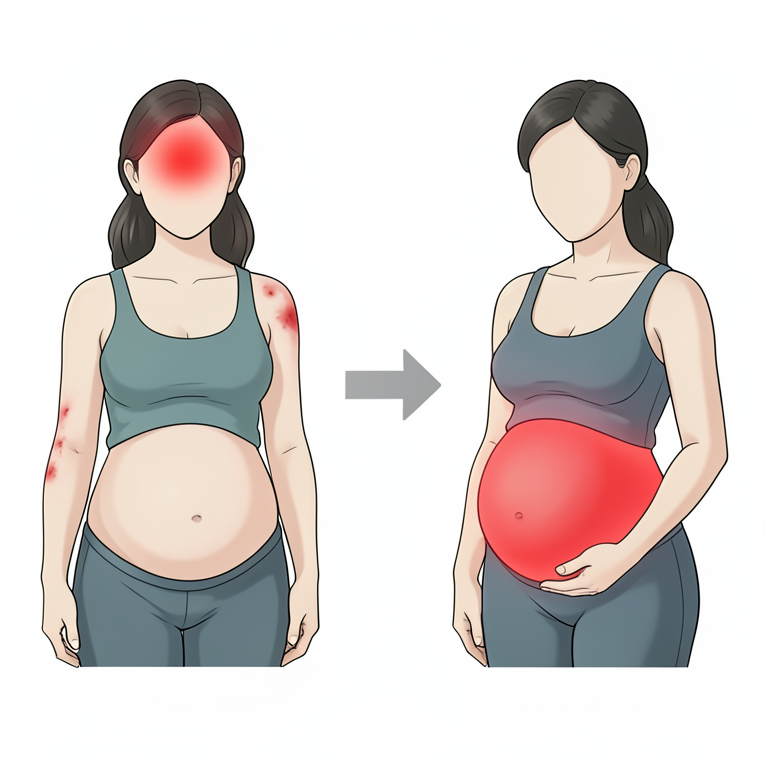
Comparison of Side Effects
AI-generated conceptual illustration (pregnant women). It explains the idea and does not show study data.
View source evidence ↗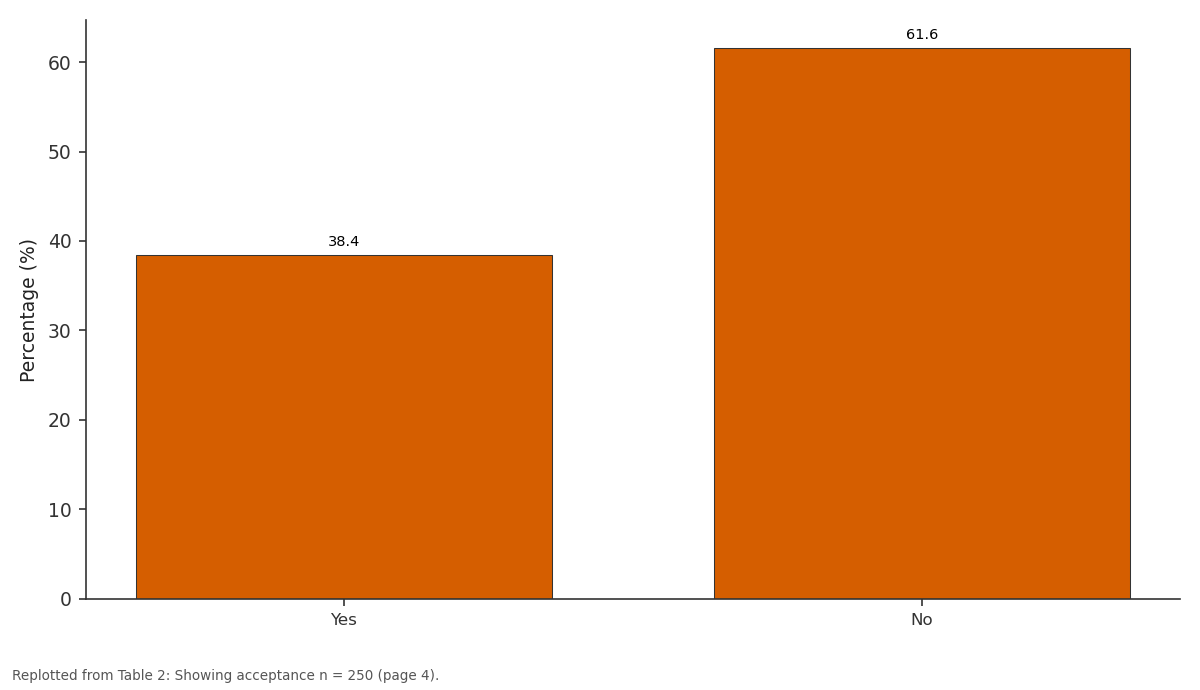
Percentage (%): Yes vs No
Replotted from Table 2 (page 4) of the original paper. Every bar is the paper's own table value.
View source evidence ↗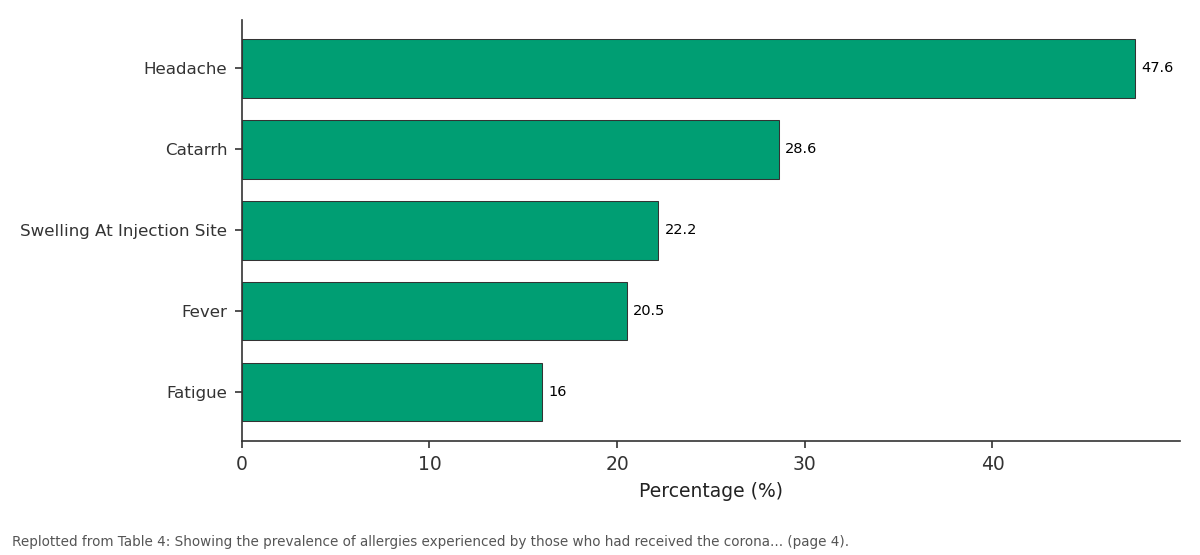
Percentage (%): Headache vs Catarrh vs Swelling At Injection... vs Fever vs Fatigue
Replotted from Table 4 (page 4) of the original paper. Every bar is the paper's own table value.
View source evidence ↗Figures & tables
From the original paper Table 1
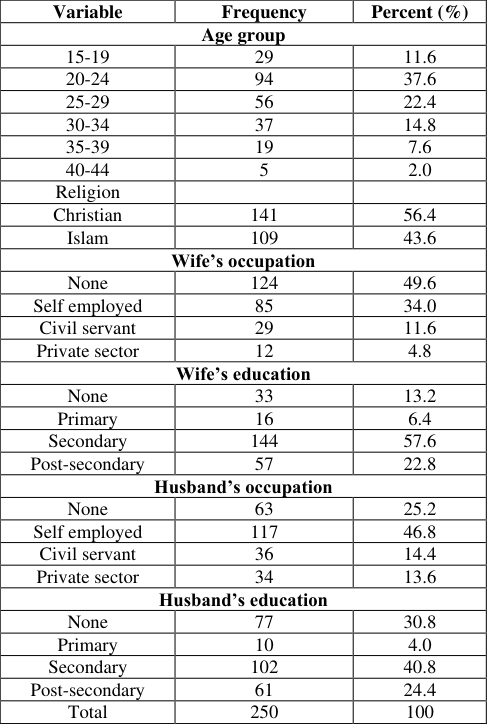 Table 1
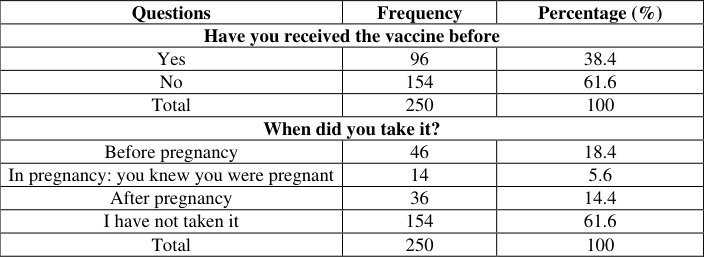 Table 2
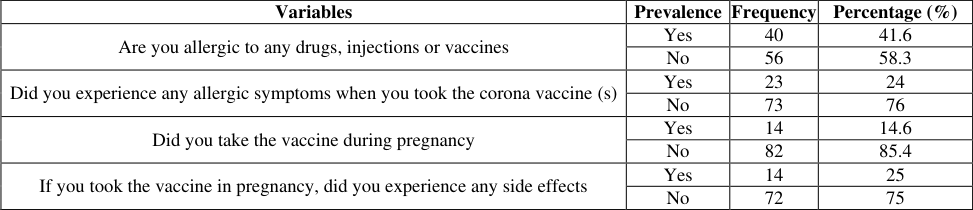 Table 3
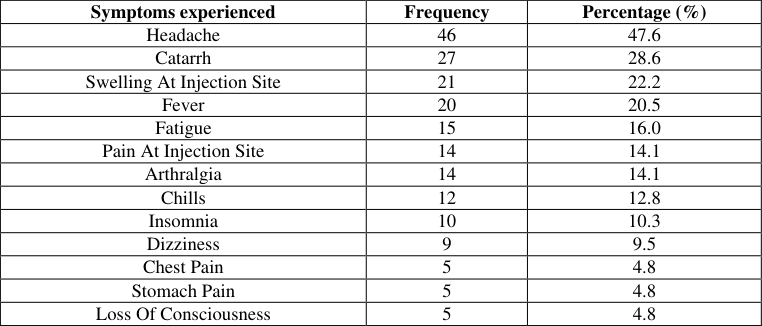 Table 4
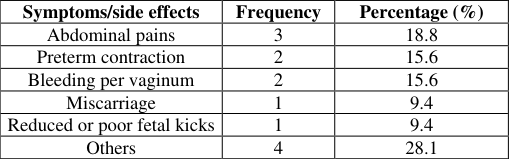 Table 5
Introduction
As of Thursday the 17 th of March, 2022, there were 500,186,525 confirmed cases of COVID-19, and 6,190,349 confirmed deaths [1] . While As of the 14 th day of April, 2022, Europe with about 202,822,518 confirmed cases has the highest about of cases in the world, about 11,551,403 cases of the global cases defined are from Africa. The least of the continents, only second to Oceania. The top 5 countries in Africa with most cases are South Africa, Morocco, Tunisia, Egypt and Libya [2] . The low case prevalence in Africa amidst a rapid rising and highly virulent case prevalence and incidence in the western regions created room for a lot of misinterpretations as it posed a scientific mystery. Although, theories such as hygiene hypothesis were proposed amongst others, no singular explanation has been proposed and accepted yet [3] . Hence, this has also translated to problems with acceptance of the vaccines when they were brought into Africa. Although the initial aim was to vaccinate at least 20% of the African population by the end of 2021, with problems arising from both vaccine inequity and vaccine hesitancy, only 16% have been fully vaccinated [4] . This is amid multiple international donations from all over the world, such as the United Arab Emirate, India, China and Russia, amongst others [5] . The COVAX Vaccines arrived Africa in 2921 and the first doses were administered in Africa on the 1 st of March, 2021 at the Treichville Vaccination Centre, in Abidjan, Core d'lvoire [6] . By the next day, the first batch of the Vaccines were shipped into Nigeria. They contained 3.94 million doses of the AstraZeneca/Oxford vaccines. The nation promptly began distribution on voluntary grounds [7] . It commenced this with a plan to have vaccinated over 40% of her populace by the end of 2021 [8] . However, as at April 14 th of 2022, only 14.85% of Nigerians had been vaccinated [5] . Furthermore, there were a lot of side effects that were being noticed, ranging from non-fatal to fatal events. The safety levels of the corona vaccine were constantly reviewed and adjustments were subjectively and objectively made. This however, was not yet defined as completely safe for pregnant women, and in Nigeria, they were not yet "officially" cleared to receive the corona vaccines. However, as a result of changes in maternal physiology and immune function during pregnancy, pregnant women may be at risk of infection with SARS-COV-2 and developing more adverse events that non-pregnant women [9] . This created a health paradox.
International Journal of Advanced Biochemistry Research
In a cross-sectional study conducted in Qatar amongst pregnant and breastfeeding women, it revealed that about 25% of the participants showed hesitancy towards the vaccination due to safety reasons [10] . While a similar study at the Ankara Hospital in Turkey revealed that over 37% of women were willing to accept the vaccination if it was declared safe for pregnant women (37%). Furthermore, a 7day post-vaccination observational case-control study of pregnant and non-pregnant women who were vaccinated with two-dose regimen of the BNT162b2 vaccine at the same time period at the Sheba Medical Center in Israel showed that, aside the general symptoms similarly experienced by the non-pregnant women, pregnant women experienced no additional adverse effects. The rates of obstetric complications were very low following vaccination [11] . Notwithstanding, a clear-cut list of possible adverse effects to be experienced by pregnant women who take the vaccine is yet to be published. Also, the teratogenic side effects, as well as the pregnancy subjective effects are yet to fully be established. Although the Nigerian government only recently cleared pregnant women to receive the vaccine, some centres have been giving pregnant women before the clearance. Hence, the aim of this study is to evaluate the impact of the corona virus vaccine amongst pregnant women attending antenatal clinic at 3 primary healthcare clinics in plateau state; Nigeria.
Methodology Study area
Plateau is the twelfth-largest state in Nigeria. Approximately at the center of the country. It is geographically unique in Nigeria due to its boundaries of elevated hills surrounding the Jos plateau its capital, and the entire plateau itself. Plateau state is celebrated as "The Home of Peace and Tourism". With natural formations of rocks, hills and waterfalls, it drives its name from the Jos plateau and Jos a population of around 4.2 million people. Bukuru is a city located on the Jos Plateau in Nigeria. It was previously considered separate city from the city of Jos close by, but like every other form of urbanization, the city of Jos merged with the town of Bukuru to form the Jos-Bukuru metropolis. It is the headquarters of Jos South LGA. The major forms of transportation connecting in and out of Bukuru is by road and rail. The rail ways connect Bukuru with Bauchi, Zaria, Lago and Port Harcourt. Mainly used for business, import and export of natural minerals [12] . Although it has a mix of Christians and Muslims, there is a Christian majority. There is also a central mosque in Bukuru [13] .
Study site
The study sites are three (3) Primary HealthCare Centres (PHCs) in Bukuru. According to data obtained from the Ministry of Health and utilization of scientific tools of remote sensing GPS and GIS for a better update, there are about twenty-one (21) health facilities in Bukuru. Of these, one (1) is a tertiary facility, four (4) are PHCs and the others are health center levels [14] . Of these 4 Primary healthcare centres, we conducted our study amongst three (3). They are, Bukuru Express Primary Healthcare Centre, Bukuru Central Primary Healthcare Centre and Ecwa Comprehensive Healthcare Centre. Both Bukuru Express and Bukuru central are Government owned primary healthcare facilities that are equipped with about 8 and 6 bed spaces, respectively. Their healthcare team comprises of a public health nurse, a Midwife and a Community Health Worker (CHEW). However, the ECWA comprehensive Healthcare Centre has 14 bed spaces and a larger facility. They have doctors (consultants) who come to run clinics on some days. It is a privately owned facility, charges more, better kept environment and has less patients visiting. They are all located within a 3-5 minutes Motorcycle or Tricycle ride away from each other, and costs about N50. Bukuru Express is located about 5 minutes from the tertiary facility, Bukuru Specialist Hospital. While Bukuru central and ECWA comprehensive Healthcare Centre is located about 15 minutes from the specialist hospital. Hence, have a longer time to patient transfer in emergency referrals.
Study population
The study population are the pregnant women currently attending Antenatal. These facilities are PHC Bukuru Central (BC), PHC Bukuru Express (BE), ECWA Comprehensive Health Centre (ECHC).
Sample size determination
Total number of women currently attending ANC in these facilities = 160 Total Number of women who have registered and attended this year = 889
Sample size determination
Calculation of sample size [15] : 𝑛 = 𝑍 Stage 4: Using simple random sampling we distributed the questionnaires amongst the women attending the ANCs at the PHCs.
Study design
It is a cross-sectional randomized study design.
Preparation for Data Collection
Prior to data collection, permission was sought and obtained from the ethical committee Bingham University Teaching Hospital. Further consent was verbally sought from heads of each of the Primary Health Care Centers. Informed verbal consent was sought and obtained from each of the respondents after the purpose of the study was clearly explained to them. They were also informed that participation in the study was voluntary and that they could decide to withdraw their participation at any point in the interview. In order to ensure confidentiality, serial numbers instead of names were used to identify respondents.
Data Collection
A pre-tested structured self-administered questionnaire and a focused group discussion was used to obtain the relevant information. Questionnaires were administered to pregnant women at the PHCs until the required sample size was obtained.
Data analysis
Data will be entered Microsoft Excel package and cleaned. Analysis will be carried out using SPSS (Statistical Package for the Social Sciences) version 20. Socio-demographic variables will be presented on tables using frequencies and proportions. Knowledge, attitude and perception will be scored and graded appropriately. Bivariate analysis will be used to test association between Socio-demographic factors, knowledge and attitude, and perception. Multivariate logistic regression analysis will be done to determine predictors of good knowledge, attitude, perception, as well as acceptance of the COVID-19 vaccine. The level of significance will be set at a p-value≤ 0.05.
Ethical consideration
Ethical clearance was obtained from the Bingham University ethical committee before the commencement of the study. In addition, informed consent was taken from each study participant after purpose of the study has been clearly explained. Data collected from the study was also kept confidential.
Limitations to study and how they were overcame 1. Language barriers We utilized the aid of the public health Nurses, Community Health Workers (CHEWs) and Community Health Officers (CHOs) who were present to help us interpret the questions were asked them. They also helped us with interpretation of the responses the respondents gave. However, some of the women understood some level of English, though mostly vernacular.
Financial constraints
To cut down on transportation costs, we travelled together to the study site. To overcome cost or questionnaire printing, we printed the questions on both pages of an A4 sheet. Data organization and analysis were self-done, to cut down on cost of a statistician. However, these and other cost demanding activities were catered for by in-pocket funding. Two hundred and fifty questionnaires were administered.
Result Section 1: Sociodemographic
The highest number of respondents were from the age group 20-24(37.6%). Most of the respondents were Christians (56.4%) while the rest were Muslim (43.6%) The majority of the population were unemployed (49.6%), followed by self-employed (34.0%) and the least was the private sector employee (4.8%). Most of the respondents had attained secondary school (57.6%) level of education while about 22.8% of the respondents had post-secondary level of education, 13.2% of the respondents had no level of education. From 250 respondents 61.6% had not received the vaccine at all while 38.4% had. Of these, 18.4% percent received it before they got pregnant, 5.6% received it while pregnant, and 1.2% after they had delivered.
Section 2: Prevalence of acceptance
Section 3: Prevalence of side effects of the COVID-19 vaccine. This showed that less than half (41.6%) of those who had received the vaccine had known history of orthodox medication allergies. With an even lesser percentage (24%) of these experiencing any side effects when they took the corona vaccination. While 25% of the vaccine recipients received it in pregnancy. This shows that majority of the women who had pregnancy related side effects after receiving the vaccines had abdominal pain, preterm contractions and bleeding per vaginum. However, this goes to point the low prevalence of side effects amongst those who took the vaccine in pregnancy.
Discussion
This study sought to evaluate the impact of the corona virus vaccine amongst pregnant women attending antenatal clinic at 3 primary healthcare clinics in plateau state; Nigeria. The area chosen for the study was Bukuru LGA, Jos sought; Plateau state in Nigeria.
From the study we found that almost half of the women attending antenatal care clinics in this region were 24 years and younger, with the youngest being 15 years of age and the oldest being 44 years of age. The religion practiced amongst the respondents was Christianity and Islam, approximately 6 in 10 of the respondents were Christians.
As regards the occupation of the women, although majority of them were unemployed, most of those who were gainfully working were self-employed. With attainment of varying educational levels, 6 in 10 of them had secondary school education, while approximately 1 in 10 had attained no form of formal education.
Of the 250 respondents, about 96 participants had either experienced or noticed some form of side or adverse effects on receiving of the vaccine. Of these group, four in ten already had a history of known allergy to an orthodox medication. Only two in ten of these had any form of allergic or adverse reactions following their vaccination. One in ten of these women received the vaccine in pregnancy, with the same prevalence experiencing systemic or pregnancy related adverse/side effects on receiving it. Of the side effects experienced, Headaches (five in ten), catarrh (three in ten), injection site swelling (two in ten), fever (two in ten) and fatigue (two in ten) where the most common systemic side effects experienced by those who had taken the vaccine. While specific pregnancy related symptoms experienced were mainly abdominal pains, followed by preterm contractions and bleeding per vaginum. These could lead to an increased risk of spontaneous abortion, which is a globally identified risk of immunization in pregnancy [16] . Furthermore, our study identifying these symptoms and risk of spontaneous abortion were in keeping with another study conducted amongst 92, 286 pregnant women who had received the COVID-19 vaccines. This identified a prevalence of 14.26% associated spontaneous abortion. Mostly amongst those who received the mRNA-1273 and BNT162b2 RNA vaccines [17] . These does not totally rule out the possibility of pregnant women receiving the Corona virus vaccination. As pregnant and nursing mothers have been recognized as being at high risk of exposure to the virus. However, it is important to determine the safety profile of these vaccinations in real time [18] . Although the Johns Hopkins hospital in a Q and A session on the corona vaccine in February 2021 stated that people who were pregnant could receive the vaccine, this was based on the fact that the CDC had included pregnant women in the list of high-risk groups, not based on available safety studies at the time. Furthermore, they highlighted the fact that available data from CDC had shown that completion of the mRNA vaccines in pregnancy may help in prevention of hospitalization due to COVID-19 in infants born to these mothers, up to 6 months of age or younger [19] . After so much debate, the CDC as at August of 2021 finally released a statement stating that the COVID-19 vaccine was safe for pregnant and breastfeeding women [20] . Now, after all said and done, as regards the pregnant women, the decision to vaccinate or not should be informed based, as clinicians are availed with limited data on evidence-based decisions in trying to evaluate the potential risks whether real or theoretical as regards the potential effects of the vaccine on pregnancy and pregnancy on the vaccine [18] . The limitation of this study was the limited number of pregnant participants who had actually received the vaccine, as a wedge-stick to proposing with some certainty the percentage risk per pregnancy-related side effect the vaccine does carry.
Conclusion
The most common systemic side effects that were experienced by those who had received the vaccine were Headaches (47.6%), catarrh (28.6%), injection site swelling (22.2%), fever (20.5%) and fatigue (16.0%). While amongst those who received the vaccine in pregnancy mainly experienced abdominal pains (18.8%), bleeding per vaginum (15.6%) and preterm contractions (15.6%). The percentage of pregnancy related side effects are relatively very low and most are non-fatal. Hence, the corona vaccine is relatively safe for women in pregnancy with no known history to hypersensitivity to vaccines.
Recommendations
Based on our findings, we have the following recommendations;
To the Government and PHC -Board 1. The government and the PHC board should as matter of urgency intensify sensitization of communities and patients about the covid vaccine. Paying attention to; a. Hosting community seminars and workshops to make the community aware of the corona virus vaccination scheme, of the objectives and distribution. b. To use the media such as television and radio which seems to be a significant means of awareness amongst the respondents in this study. c. Mobilize the health workers to enlighten the persons who come for Ante Natal Care (ANC) through posters and oral awareness. d. Make available the vaccine to the various PHCs and notify the women so that they can have access to it.
2. Make policy statements to enable pregnant women get the COVID vaccine
Acknowledgement
AcknowledgementTo our colleagues for their most invaluable contribution to the completion of this work, Dr. Okafor Kingsley, Dr. Menegbe Cincinsoko and Dr. Osoba Blessing, without who this work would not have been thus refined. To our families, The OTOBOs, OTELEs and the OKOROs, who have been our back bone through the length and breadth of this research work? To friends, who are always there in many precious ways, and to God who give the all? To Us. And a special one to Mrs. Vivian Otele Aladegbami. for everything and more, thank you (from DD Otobo, MD).
Figures and tables from the paper
| — | BC | BE | ECHC | TOTAL |
|---|---|---|---|---|
| No currently registered for ANC | 56 | 58 | 46 | 160 |
| No of Registered women in ANC this year | 376 | 397 | 116 | 889 |
Table text extracted from the original PDF; superscript letters are shown inline. The original table image is below.
View original table image
| Variable | Frequency | Percent (%) |
|---|---|---|
| Age group | ||
| 15-19 | 29 | 11.6 |
| 20-24 | 94 | 37.6 |
| 25-29 | 56 | 22.4 |
| 30-34 | 37 | 14.8 |
| 35-39 | 19 | 7.6 |
| 40-44 | 5 | 2.0 |
| Religion | ||
| Christian | 141 | 56.4 |
| Islam | 109 | 43.6 |
| Wife’s occupation | ||
| None | 124 | 49.6 |
| Self employed | 85 | 34.0 |
| Civil servant | 29 | 11.6 |
| Private sector | 12 | 4.8 |
| Wife’s education | ||
| None | 33 | 13.2 |
| Primary | 16 | 6.4 |
| Secondary | 144 | 57.6 |
| Post-secondary | 57 | 22.8 |
| Husband’s occupation | ||
| None | 63 | 25.2 |
| Self employed | 117 | 46.8 |
| Civil servant | 36 | 14.4 |
| Private sector | 34 | 13.6 |
| Husband’s education | ||
| None | 77 | 30.8 |
| Primary | 10 | 4.0 |
| Secondary | 102 | 40.8 |
| Post-secondary | 61 | 24.4 |
| Total | 250 | 100 |
Table text extracted from the original PDF; superscript letters are shown inline. The original table image is below.
View original table image
| Questions | Frequency | Percentage (%) |
|---|---|---|
| Have you received the vaccine before | ||
| Yes | 96 | 38.4 |
| No | 154 | 61.6 |
| Total | 250 | 100 |
| When did you take it? | ||
| Before pregnancy | 46 | 18.4 |
| In pregnancy: you knew you were pregnant | 14 | 5.6 |
| After pregnancy | 36 | 14.4 |
| I have not taken it | 154 | 61.6 |
| Total | 250 | 100 |
Table text extracted from the original PDF; superscript letters are shown inline. The original table image is below.
View original table image
| Variables | Prevalence | Frequency | Percentage (%) |
|---|---|---|---|
| Are you allergic to any drugs, injections or vaccines | Yes | 40 | 41.6 |
| No | 56 | 58.3 | |
| Did you experience any allergic symptoms when you took the corona vaccine (s) | Yes | 23 | 24 |
| No | 73 | 76 | |
| Did you take the vaccine during pregnancy | Yes | 14 | 14.6 |
| No | 82 | 85.4 | |
| If you took the vaccine in pregnancy, did you experience any side effects | Yes | 14 | 25 |
| No | 72 | 75 |
Table text extracted from the original PDF; superscript letters are shown inline. The original table image is below.
View original table image
| Symptoms experienced | Frequency | Percentage (%) |
|---|---|---|
| Headache | 46 | 47.6 |
| Catarrh | 27 | 28.6 |
| Swelling At Injection Site | 21 | 22.2 |
| Fever | 20 | 20.5 |
| Fatigue | 15 | 16.0 |
| Pain At Injection Site | 14 | 14.1 |
| Arthralgia | 14 | 14.1 |
| Chills | 12 | 12.8 |
| Insomnia | 10 | 10.3 |
| Dizziness | 9 | 9.5 |
| Chest Pain | 5 | 4.8 |
| Stomach Pain | 5 | 4.8 |
| Loss Of Consciousness | 5 | 4.8 |
Table text extracted from the original PDF; superscript letters are shown inline. The original table image is below.
View original table image
| Symptoms/side effects | Frequency | Percentage (%) |
|---|---|---|
| Abdominal pains | 3 | 18.8 |
| Preterm contraction | 2 | 15.6 |
| Bleeding per vaginum | 2 | 15.6 |
| Miscarriage | 1 | 9.4 |
| Reduced or poor fetal kicks | 1 | 9.4 |
| Others | 4 | 28.1 |
Table text extracted from the original PDF; superscript letters are shown inline. The original table image is below.
View original table image
References
15 in the original paper- European Centre for Disease Prevention and Control. COVID-19 situation updates Worldwide, as of week 14, updated 14 April, 2022. https://www.ecdc.europa.eu
- Otobo DD, Mesak D, Okoro NI. The Hygiene Hypothesis: Understanding the Low Rate of Spread and Virulence of the SARS-CoV2 Virus in Africa; c2021. [cited 2022 Jan 14]; Available from: https://zenodo.org/record/4824363
- Saleh M. COVID-19 vaccination rate in Africa 2022, by Country. Statista. https://www.statista.com
- First COVID-19 COVAX vaccine doses administered in Africa [Internet]. [Cited 2022 Jan 14]. Available from: https://www.unicef.org/press-releases/firstCOVID-19-covax-vaccine-doses-administered-africa
- COVID-19 vaccines shipped by COVAX arrive in Nigeria | WHO | Regional Office for Africa [Internet]. [Cited 2022 Jan 14]. Available from: https://www.afro.who.int/news/COVID-19-vaccinesshipped-covax-arrive-nigeria
- Africa News: Nigeria Plans COVID-19 Vaccination For 40% of Population in 2021 -Bloomberg [Internet]. [Cited 2022 Jan 14]. Available from: https://www.bloomberg.com/news/articles/2021-0114/nigeria-plans-COVID-19-vaccination-for-40-ofpopulation-in-2021
- Moodley J, Khaliq OP, Mkhize PZ. Misrepresentation about vaccines that are scaring women. African Journal of Primary Health Care & Family Medicine. 2021;13(1):1-2. [Internet], [cited 2021 Aug 26], Available from: /pmc/articles/PMC8252153/
- Mohan S, Reagu S, Lindow S, Alabdulla M. COVID-19 vaccine hesitancy in perinatal women: A cross sectional survey. Journal of Perinatal Medicine. 2021;49(6):67885.
- Stuckelberger S, Favre G, Ceulemans M, Nordeng H, Gerbier E, Lambelet V, et al. SARS-CoV-2 vaccine willingness among pregnant and breastfeeding women during the first pandemic wave: A cross-sectional study in Switzerland. Viruses. 2021;13(7):1199. https://pubmed.ncbi.nlm.nih.gov/34206645/
- Adejumo AA. Still on Nigeria's railway historyNarrow gauge in Nigeria. Nigerians in America. Published 17 October, 2008.
- Ayuba I, Wash PM. An Assessment of the Provision and Distribution of Health Facilities in Bukuru Town, Plateau State, Nigeria. Journal of Health, Medicine and Nursing. 2016;24:99-110
- Bolarinwa OA. Sample size estimation for health and social science researchers: The principles and considerations for different study designs. Nigerian Postgraduate Medical Journal. 2020;27(2):67-75. [Internet]. [cited 2022 Jan 15] Available from: https://pubmed.ncbi.nlm.nih.gov/32295935/
- Rouse CE, Eckert LO, Babarinsa I, Fay E, Gupta M, Harrison MS, et al. Global alignmnet of immunization safety in pregnancy (GAIA) abortion work group; Brighton collaboration abortion working group. Spontaneous abortion and ectopic prenancy: case definiton and guidelines for data collection, analysi and presetnation of maternal immunization safety data. Vaccine. 2017;35(48PtA):6563-6574. From /pmc/articles/PMC5714431/
- Kharbanda EO, Haapala J, DeSilva M, VazquezBenitez G, Vesco KK, Nalway A, et al. spontaneous abortion following COVID-19 vaccination during pregnancy. Journal of the American Medical Association. 2021;326(16):1629-1631. https://doi:10.1001/jama.2021.15494.
- Adhikari EH, Spong CY. COVID-19 vaccination in pregnant and lactating women. JAMA. 2021;325(11):1039-1040. https://doi:10.1001/jama.2021.1658