
Research article · 2022 · Full text
International Journal of Advanced Biochemistry ResearchCo-evaluation of magnesium and 25-hydroxyvitamin D3 in predicting the severity of COVID-19 disease
Volume 6(2) · Pages 89–93 · DOI: 10.33545/26174693.2019.v3.i1a.108 ↗
Research areasVitamin D Research Studies
Abstract
Author-writtenThe severity of COVID-19 disease ranges from asymptomatic to severe, life-threatening symptoms. The aim of our study was to co-evaluate magnesium and 25-hydroxyvitamin D3 in predicting the severity of this disease.This study included 232 inpatients with COVID-19 and 250 healthy individuals (control group). Magnesium and 25-hydroxyvitamin D3 levels were compared. ROC curve analysis was performed by co-evaluation of magnesium and 25-hydroxyvitamin D3 levels. Correlation analysis was performed between co-evaluation of magnesium and 25-hydroxyvitamin D3 levels together and the laboratory parameters used in the prognosis of COVID-19 disease.Magnesium and 25-hydroxyvitamin D3 levels of the group with COVID-19 were lower than the control group (p
Summary
Source-checkedPlain-language reading of the full paper, prepared with AI and checked against the text. Each point links to the authors' own words.
Why it matters
- COVID-19 severity is linked to the patient's viral load and how their immune system responds to it. View evidence ↗
- A dangerous hyper-reaction of the immune system, known as a cytokine storm, is one of the most damaging aspects of COVID-19. View evidence ↗
- Magnesium is essential for the transport and activation of 25-hydroxyvitamin D3 in the blood. View evidence ↗
The question
- The study aimed to determine if evaluating magnesium and 25-hydroxyvitamin D3 levels together could help predict the severity of COVID-19. View evidence ↗
What they did
- The researchers conducted a case-control study involving 232 COVID-19 inpatients and 250 healthy control individuals. View evidence ↗
- Serum levels of 25-hydroxyvitamin D3 and magnesium were measured using Roche Cobas 8000 and Beckman Coulter AU5800 devices, respectively. View evidence ↗
- The study also measured several inflammatory and coagulation markers, including D-dimer, C-reactive protein, ferritin, procalcitonin, and lymphocyte ratios. View evidence ↗
What they found
- Patients with COVID-19 had significantly lower levels of both magnesium and 25-hydroxyvitamin D3 compared to the healthy control group (p < 0.001). View evidence ↗
- The median 25-hydroxyvitamin D3 level in COVID-19 patients was 10.40 ng/ml, compared to 29.20 ng/ml in the control group. View evidence ↗
- The median magnesium level was 2.10 mg/dl for COVID-19 patients and 2.20 mg/dl for the control group. View evidence ↗
- The co-evaluation of magnesium and 25-hydroxyvitamin D3 showed a high predictive value with an AUC of 0.924 (p < 0.001), with cut-off values of 2.20 for magnesium and 25.80 for 25-hydroxyvitamin D3. View evidence ↗
What it means
- The authors conclude that jointly evaluating magnesium and 25-hydroxyvitamin D3 levels can be a useful tool for predicting COVID-19 severity. View evidence ↗
- The authors recommend monitoring these levels to predict prognosis and suggest prophylactic supplementation for individuals at risk. View evidence ↗
Visual summary
1 visualsIllustrations explain the paper; they do not show study data.
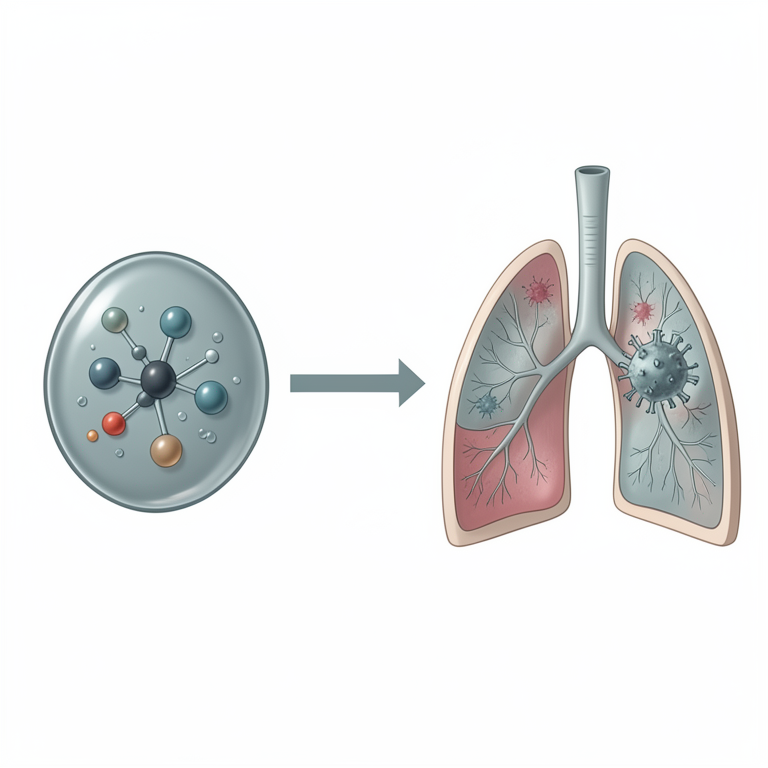
Nutrient Synergy in COVID-19
AI-generated conceptual illustration (human blood serum and lung tissue). It explains the idea and does not show study data.
View source evidence ↗Figures & tables
From the original paper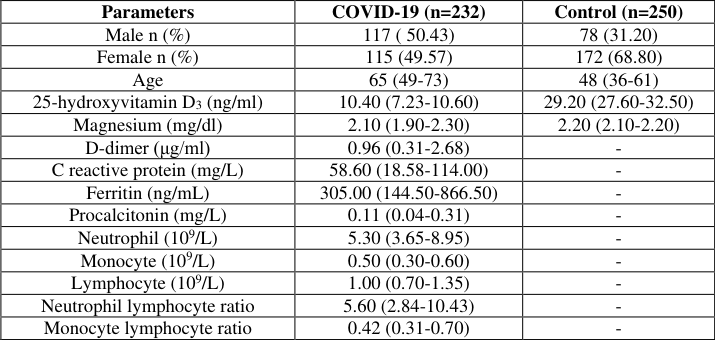 Table 1
 Table 2
 Table 3
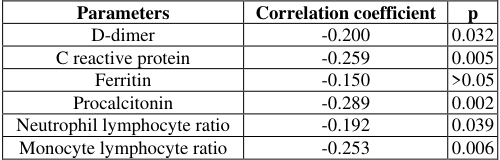 Table 4
Introduction
The coronavirus disease (COVID19), which emerged in late 2019 and caused a outbreak in a short time, has become an important public health problem [1] . The severity of this disease is associated with the effect of viral load in patients and the immune system response to this effect. The response of the immune system against the viral load may be insufficient. In the face of this situation, it causes a devastating inflammatory response with increased levels of certain inflammatory biomarkers [2] . The destructive inflammatory response leads to a hyperreaction of the immune system. Hyper reaction of the immune system and cytokine storm is one of the most harmful effects of COVID-19 disease [3] . COVID-19 disease can cause depletion of cellular adenosine triphosphate and dysfunction of immune cells. Replenishment of cellular adenosine triphosphate is necessary to increase the effectiveness of the immune system [4] . 25-hydroxyvitamin D 3 is a vitamin that has many effects on the immune system. 25hydroxyvitamin D 3 deficiency has been associated with the severity of acute viral infections. It has been stated that 25-hydroxyvitamin D 3 levels should be sufficient in individuals for the antiviral effectiveness of the immune system [5,6] . The immune modulatory role of 25hydroxyvitamin D 3 is based on its receptors on many immune cells and the synthesis of active metabolites from these cells [5] . It has been reported that 25-hydroxyvitamin D 3 has a protective effect on alveolar epithelial cells, preserves endothelial integrity and also induces the expression of angiotensin converting enzyme 2 (ACE2) [7] . On the other hand, expression of ACE2 plays an important role in the pathophysiological mechanisms of COVID-19 disease [8] .
Magnesium is necessary to move 25-hydroxyvitamin D 3 in the bloodstream and activate 25-hydroxyvitamin D 3 . Magnesium deficiency may also reduce the levels of 25hydroxyvitamin D 3 [9] . Therefore, optimal magnesium levels are required for optimal 25-hydroxyvitamin D 3 activity [10] . Magnesium is required for adenosine triphosphate synthesis and regeneration [11] . Intracellular adenosine triphosphate depletion increases cytokine release and catabolism, which may inhibit the immune system [12] . In this study, it was aimed to examine 25-hydroxyvitamin D 3 and magnesium levels in COVID-19 disease, in which cytokine storm is associated with the severity of the disease. Co-evaluation of 25-hydroxyvitamin D 3 and magnesium levels in predicting the severity of COVID-19 disease was examined.
Materials and Methods
Materials and Methods
Study design
The type of study was a case-control and a single-center study. The ethics committee approval required for the study was obtained from the human research ethics committee of the hospital where the study was conducted. The number of patients was determined by Gpower analysis. 232 inpatients with COVID-19 who came to Samsun Training and Research Hospital were included in the study. In addition, 250 healthy individuals were included as a control group. Patients and healthy individuals were randomly selected. The data of the patients were obtained retrospectively from the "Hospital Information Management System" of the hospital where the study was conducted. 25-hydroxyvitamin D 3 and magnesium levels of the patients and individuals included in the study were compared. Regression and ROC curve analysis was performed on the 25-hydroxyvitamin D 3 and magnesium levels of the patients. In addition, D-dimer, C reactive protein, ferritin, procalcitonin, neutrophil lymphocyte ratio, monocyte lymphocyte ratio levels of the patients were obtained. The relationship between these parameters and the 25hydroxyvitamin D 3 and magnesium levels of the patients was investigated.
Patients
Patients with positive COVID-19 polymerase chain reaction test were included in the patient group. In addition, the patient group consisted of patients hospitalized in the intensive care and inpatient clinics of the hospital where the study was conducted.
Main outcome variable
Serum 25-hydroxyvitamin D 3 levels were determined by chemiluminescence immunoassay method using Roche Cobas 8000 (Basel, Switzerland) device. Magnesium levels were determined using Beckman Coulter AU5800 (Brea, California, USA) device with appropriate kits.
Other variables
C reactive protein levels with Beckman Coulter AU5800 (Brea, California, USA) device, D-dimer levels with SYSMEX CS-5100 (Siemens Healthcare Diagnostics, Erlangen, Germany) device, ferritin and procalcitonin levels with Roche Cobas e 411 (Basel, Switzerland) device, neutrophil, lymphocyte and monocyte levels were determined with SYSMEX XN-1000 (Siemens Healthcare Diagnostics, Erlangen, Germany) device and appropriate kits.
Statistical methods
The sample size was calculated using the G*Power 3.1.9.7 program. The Minitab 21 program was used for the analysis of the variables. Continuous variables were defined as the median (25-75th percentile). The main outcome variables of the groups were compared using the Mann-Whitney U test. Regression analysis of the main outcome variables was performed. The regression equation was calculated to evaluate the main outcome variables together. ROC curve analysis was performed, in which the main outcome variables were evaluated together. Spearman correlation analysis was used for the correlation analysis between the main outcome variables and other variables.
Results
Results
Descriptive information
This study was included 232 inpatients with COVID-19 and 250 healthy individuals. Of these inpatients, 198 were in the inpatient clinics and 34 were in the intensive care unit. The descriptive information and laboratory findings of the groups were given in table 1 as the median (25 th -75 th percentile).
| Parameters | COVID-19 (n=232) | Control (n=250) |
|---|---|---|
| Male n (%) | 117 ( 50.43) | 78 (31.20) |
| Female n (%) | 115 (49.57) | 172 (68.80) |
| Age | 65 (49-73) | 48 (36-61) |
| 25-hydroxyvitamin D3 (ng/ml) | 10.40 (7.23-10.60) | 29.20 (27.60-32.50) |
| Magnesium (mg/dl) | 2.10 (1.90-2.30) | 2.20 (2.10-2.20) |
| D-dimer (μg/ml) | 0.96 (0.31-2.68) | - |
| C reactive protein (mg/L) | 58.60 (18.58-114.00) | - |
| Ferritin (ng/mL) | 305.00 (144.50-866.50) | - |
| Procalcitonin (mg/L) | 0.11 (0.04-0.31) | - |
| Neutrophil (109/L) | 5.30 (3.65-8.95) | - |
| Monocyte (109/L) | 0.50 (0.30-0.60) | - |
| Lymphocyte (109/L) | 1.00 (0.70-1.35) | - |
| Neutrophil lymphocyte ratio | 5.60 (2.84-10.43) | - |
| Monocyte lymphocyte ratio | 0.42 (0.31-0.70) | - |
Table text extracted from the original PDF; superscript letters are shown inline. The original table image is below.
View original table image
Analysis of the main outcome variables
The 25-hydroxyvitamin D 3 and magnesium levels of the patients with COVID-19 were found to be lower than the control group (p< 0.001). The results of the regression analysis of 25-hydroxyvitamin D 3 and magnesium levels were given in table 2. The regression equation was obtained by co-evaluation 25hydroxyvitamin D 3 and magnesium levels. ROC curve analysis was performed with the data obtained as a result of this equation. ROC curve analysis results were given in table 3.
| Parameters | Odds ratio | %95 Cl | p |
|---|---|---|---|
| 25-hydroxyvitamin D3 | 0.78 | (0.75-0.81) | <0.001 |
| Magnesium | 0.20 | (0.05-0.86) | 0.031 |
Table text extracted from the original PDF; superscript letters are shown inline. The original table image is below.
View original table image
Correlation analysis of main outcome variables with other variables
The correlation of the data obtained by co-evaluation the 25hydroxyvitamin D 3 and magnesium levels with some laboratory findings was given in table 4.
| Parameters | Correlation coefficient | p |
|---|---|---|
| D-dimer | -0.200 | 0.032 |
| C reactive protein | -0.259 | 0.005 |
| Ferritin | -0.150 | >0.05 |
| Procalcitonin | -0.289 | 0.002 |
| Neutrophil lymphocyte ratio | -0.192 | 0.039 |
| Monocyte lymphocyte ratio | -0.253 | 0.006 |
Table text extracted from the original PDF; superscript letters are shown inline. The original table image is below.
View original table image
Discussion
COVID-19 disease varies greatly in patients, from asymptomatic infections to severe life-threatening symptoms [13] . Increases in pro-inflammatory cytokines and changes in various laboratory findings, as well as possible complications, may indicate that COVID-19 disease has progressed to a serious and critical level [14] . Overproduction of pro-inflammatory cytokines leads to multiple organ failures and systemic inflammation [15] . 25-hydroxyvitamin D 3 has been found to play a role in many-body systems, including the immune system [16] . It is recognized as an immune modulatory agent that regulates both innate and adaptive immune systems [17] . 25hydroxyvitamin D 3 suppresses T helper 1 cell function and also reduces the production of pro-inflammatory cytokines such as interleukin 6 and interferon-gamma, and provides anti-inflammatory cytokine release from T helper 2 cells. It also plays a role in the regulation of the immune response [18] . Therefore, it is thought that 25-hydroxyvitamin D 3 can prevent cytokine storm and multi-organ failure in COVID-19 patients thanks to these effects [17] . Studies conducted in various parts of the world show that 25-hydroxyvitamin D 3 levels are low in COVID-19 patients [19] . In a systematic review published by Liu et al., it is stated that 25hydroxyvitamin D 3 levels in COVID-19 patients were lower than in other patients. Low 25-hydroxyvitamin D3 levels may also be associated with an increased risk of COVID-19 [20] . It was determined by Yisak et al. that 25hydroxyvitamin D 3 deficiency was associated with an increase in disease severity [21] . A meta-analysis evaluating 27 studies reported a significant relationship between 25hydroxyvitamin D 3 deficiency and disease severity, hospitalization, and mortality rates in COVID-19 patients [22] . A recent another study reported that a statistically significant correlation was found between 25hydroxyvitamin D 3 deficiency and prolongation of disease duration, increased lung involvement, and increased risk of death in elderly patients with SARS-CoV-2 [23] . On the other hand, in a study conducted with 1326 cases, it is determined that there is no significant relationship between COVID-19 disease and 25-hydroxyvitamin D 3 levels [24] . Likewise, in another study with 449 cases, it is determined that there is no relationship between COVID-19 disease and 25hydroxyvitamin D 3 levels [25] .
In our study, 25-hydroxyvitamin D levels of COVID-19 patients were found to be lower than healthy individuals. A 25-hydroxyvitamin D 3 level of less than 20 ng/ml is considered severe deficiency [26] . In our study, the median 25-hydroxyvitamin D 3 of COVID-19 patients were at the level of severe deficiency. Magnesium is the main cation concentrated in human cells, especially in the mitochondria. It is one of the crucial ions required as a cofactor for ATP, enzymatic reactions, and other biological processes. Low magnesium concentration causes disruption of CD8+ T-cell response to virus infection, reduces T-cell activation and exacerbates morbidity [27] . A study on asthma-chronic obstructive pulmonary disease showed that serum magnesium level may have a protective effect against loss of lung function [28] . On the other hand, magnesium deficiency promotes inflammation by priming phagocytes to increase granulocyte oxidative burst, activate endothelial cells, and increase cytokine levels [29] . In a study on the importance of magnesium homeostasis in COVID-19, it is stated that there is a relationship between COVID-19 and unbalanced magnesium homeostasis. Magnesium supplementation may also contribute to protecting against SARS-CoV-2 infection, reducing the severity of COVID-19 symptoms and facilitating recovery after the acute phase [30] . Magnesium is necessary to activate 25-hydroxyvitamin D 3 . Magnesium and 25-hydroxyvitamin D 3 are crucial for both immune function and cellular stability. Adequacy of both is essential to counter the detrimental effects of the COVID-19 disease [31] .
In our study, magnesium levels of COVID-19 patients were found to be lower than healthy individuals. The AUC value was also found to be 0.924 in the ROC curve graph obtained by co-evaluation of magnesium and 25-hydroxyvitamin D 3 levels.
It has been reported that D-Dimer values are very high in patients followed up in COVID-19 services, especially in COVID-19 patients hospitalized in intensive care units [32] . In addition, in many studies conducted with COVID-19 patients, some inflammatory indicators (C reactive protein, procalcitonin, neutrophil lymphocyte ratio and monocyte lymphocyte ratio) were found to be high [33][34][35][36] . It was stated that inflammatory, hematological and D-dimer values were also high in patients with COVID-19 with different variants [37] .
In our study, 25-hydroxyvitamin D 3 and magnesium levels of COVID-19 patients were found to be lower than the control group. In addition, co-evaluation of magnesium and 25-hydroxyvitamin D 3 levels were negatively correlated with D-dimer, C reactive protein, procalcitonin, neutrophil lymphocyte ratio and monocyte lymphocyte ratio.
Conclusion
In conclusion, co-evaluation of magnesium and 25hydroxyvitamin D 3 may be useful in predicting the severity of the disease in patients with COVID-19. Low magnesium and 25-hydroxyvitamin D 3 levels can be considered a risk factor in patients with COVID-19. People with magnesium and 25-hydroxyvitamin D 3 deficiencies may be considered at risk for COVID-19 disease. We recommend monitoring of magnesium and 25-hydroxyvitamin D 3 levels to predict the prognosis of the disease in patients with COVID-19. Prophylactic magnesium and 25-hydroxyvitamin D 3 supplementation may be recommended to individuals considered at risk for COVID-19 disease. Magnesium and 25-hydroxyvitamin D 3 levels in COVID-19 patients can be evaluated for a predictive, preventive and personalized medical treatment.
References
37 in the original paper- Wu Z, McGoogan JM. Characteristics of and Important Lessons from the Coronavirus Disease 2019 (COVID19) Outbreak in China: Summary of a Report of 72 314 Cases from the Chinese Center for Disease Control and Prevention. Journal of the American Medical Association. 2020;323:1239-1242. Available from: https://doi.org/10.1001/jama.2020.2648.
- Huang C, Wang Y, Li X, Ren L, Zhao J, Hu Y, et al. Clinical features of patients infected with 2019 novel coronavirus in Wuhan, China Lancet. 2020;395(10223):497-506. Available from: https://doi.org/10.1016/S0140-6736(20)30183-5.
- Bhaskar S, Sinha A, Banach M, Mittoo S, Weissert R, Kass JS, et al. Cytokine Storm in COVID-19 Immunopathological Mechanisms, Clinical Considerations, and Therapeutic Approaches: The Reprogram Consortium Position Paper. Frontiers in Immunology. 2020;11:1648. Available from: https://doi.org/10.3389/fimmu.2020.01648.
- Taghizadeh-Hesary F, Akbari H. The powerful immune system against powerful COVID-19: A hypothesis. Medical Hypotheses. 2020;140:109762. Available from: https://doi.org/10.1016/j.mehy.2020.109762
- Calder PC, Carr AC, Gombart AF, Eggersdorfer M. Optimal nutritional status for a well-functioning immune system is an important factor to protect against viral infections. Nutrients. 2020;12(4):1181. Available from: https://doi.org/10.3390/nu12041181.
- Singh V. Can Vitamins, as Epigenetic Modifiers, Enhance Immunity in COVID-19 Patients with Noncommunicable Disease? Current Nutrition Reports. 2020;9(3):202-209. Available from: https://doi.org/10.1007/s13668-020-00330-4.
- Mandal AKJ, Baktash V, Hosack T, Missouris CG. Vitamin D status and COVID-19 in older adults. Aging Clinical and Experimental Research. 2020;21:1-2. Available from: https://doi.org/10.1007/s40520-02001716-8.
- Ni W, Yang X, Yang D, Bao J, Li R, Xiao Y, et al. Role of angiotensin-converting enzyme 2 (ACE2) in COVID-19. Critical Care. 2020;24(1):422. Available from: https://doi.org/10.1186/s13054-020-03120-0
- Uwitonze AM, Razzaque MS. Role of magnesium in vitamin D activation and function. Journal of Osteopathic Medicine. 2018;118(3):181-189. Available from: https://doi.org/10.7556/jaoa.2018.037
- Dai Q, Zhu X, Manson JAE, Song Y, Li X, Franke AA, et al. Magnesium status and supplementation influence Vitamin D status and metabolism: Results from a randomized trial. American Journal of Clinical 2018;108(6):1249-1258. Available from: https://doi.org/10.1093/ajcn/nqy274.
- Van Niekerk G, Mitchell M, Engelbrecht AM. Bone resorption: supporting immunometabolism. Biology Letters. 2018;14(2):20170783. Available from: https://doi.org/10.1098/rsbl.2017.0783.
- Nomura J, So A, Tamura M, Busso N. Intracellular ATP Decrease Mediates NLRP3 Inflammasome Activation upon Nigericin and Crystal Stimulation. Journal of Immunology. 2015;195(12):5718-5724. Available from: https://doi.org/10.4049/jimmunol.1402512.
- Dopazo J, Maya-Miles D, García F, Lorusso N, Calleja MA, Pareja MJ, et al. Implementing personalized medicine in COVID-19 in Andalusia: an opportunity to transform the healthcare system. Journal of Personalized Medicine. 2021;11(6):475. Available from: https://doi.org/10.3390/jpm11060475
- Zhang JJ, Dong X, Liu G, Gao Y. Risk and protective factors for COVID-19 morbidity, severity, and mortality. Clinical Reviews in Allergy & Immunology. 2022;62(1):1-18. Available from: https://doi.org/10.1007%2Fs12016-022-08921-5
- Azevedo RB, Botelho BG, Hollanda JVG, et al. Covid19 and the cardiovascular system: A comprehensive review. Journal of Human Hypertension. 2021;35(1):411. Available from: https://doi.org/10.1038/s41371020-0387-4
- Shakoor H, Feehan J, Al Dhaheri AS, Ali HI, Platat C, Ismail LC, et al. Immune-boosting role of vitamins D, C, E, zinc, selenium and omega-3 fatty acids: Could they help against COVID-19? Maturitas. 2021;143:1-9. Available from: https://doi.org/10.1016/j.maturitas.2020.08.003.
- Charoenngam N, Shirvani A, Holick MF. Vitamin D and Its Potential Benefit for the COVID-19 Pandemic. Endocrine Practice. 2021;27(5):4484-4493. Available from: https://doi.org/10.1016/j.eprac.2021.03.006.
- Jeffery LE, Burke F, Mura M, Zheng Y, Qureshi OS, Hewison M, et al. 1,25-Dihydroxyvitamin D 3 and IL-2 Combine to Inhibit T Cell Production of Inflammatory Cytokines and Promote Development of Regulatory T Cells Expressing CTLA-4 and FoxP3. Journal of Immunology. 2009;183(9):5458-5467. Available from: https://doi.org/10.4049/jimmunol.0803217.
- D'avolio A, Avataneo V, Manca A, Cusato J, De Nicolò A, Lucchini R, et al. 25-hydroxyvitamin D concentrations are lower in patients with positive PCR for SARS-CoV-2. Nutrients. 2020;12(5):1359. Available from: https://doi.org/10.3390/nu12051359.
- Liu N, Sun J, Wang X, Zhang T, Zhao M, Li H, et al. Low vitamin D status is associated with coronavirus International Journal of Advanced Biochemistry Research http://www.biochemjournal.com/ disease 2019 outcomes: a systematic review and metaanalysis. International Journal of Infectious Diseases. 2021;104:58-64. Available from: https://doi.org/10.1016/j.ijid.2020.12.077.
- Yisak H, Ewunetei A, Kefale B, Mamuye M, Teshome F, Ambaw B, et al. Effects of vitamin D on COVID-19 infection and prognosis: A systematic review. Risk Management and Healthcare Policy. 2021;14:31-38. Available from: https://doi.org/10.2147/RMHP.S291584.
- Pereira M, Damascena DA, de Almeida Oliveira DT, da Mota Santana J. Vitamin D deficiency aggravates COVID-19: systematic review and meta-analysis. Critical Reviews in Food Science and Nutrition. 2020;62(5):1308-1316. Available from: https://doi.org/10.1080/10408398.2020.1841090.
- Sulli A, Gotelli E, Casabella A, Paolino S, Pizzorni C, Alessandri E, et al. Vitamin D and lung outcomes in elderly COVID-19 patients. Nutrients. 2021;13(3):717. Available from: https://doi.org/10.3390/nu13030717.
- Raisi-Estabragh Z, McCracken C, Bethell MS, Cooper J, Cooper C, Caulfield MJ, et al. Greater risk of severe COVID-19 in Black, Asian and minority ethnic populations is not explained by cardiometabolic, socioeconomic or behavioural factors, or by 25 (OH)- vitamin D status: study of 1326 cases from the UK Biobank. Journal of Public Health (Bangkok). 2020;42(3):451-460. Available from: https://doi.org/10.1093/pubmed/fdaa095
- Hastie CE, Mackay DF, Ho F, Celis-Morales CA, Katikireddi SV, Niedzwiedz CL, et al. Vitamin D concentrations and COVID-19 infection in UK Biobank. Diabetology & Metabolic Syndrome. 2020;14(4):561-565. Available from: https://doi.org/10.1016/j.dsx.2020.04.050
- Holick MF, Binkley NC, Bischoff-Ferrari HA, Gordon CM, Hanley DA, Heaney RP, et al. Evaluation, treatment, and prevention of vitamin D deficiency: an Endocrine Society clinical practice guideline. The Journal of Clinical Endocrinology and Metabolism. 2011;96(7):1911-1930. Available from: https://doi.org/10.1210/jc.2011-0385
- Kanellopoulou C, George AB, Masutani E, Cannons JL, Ravell JC, Yamamoto TN, et al. Mg2+ regulation of kinase signaling and immune function. Journal of Experimental Medicine. 2019;216(6):1828-1842.
- Ye M, Li Q, Xiao L, Zheng Z. Serum Magnesium and Fractional Exhaled Nitric Oxide in Relation to the Severity in Asthma-Chronic Obstructive Pulmonary Disease Overlap. Biological Trace Element Research. 2021;199:1771-1777. Available from: https://doi.org/10.1007/s12011-020-02314-5.
- JA, Castiglioni S, Locatelli L, Zocchi M, Mazur A. Magnesium and inflammation: Advances and perspectives. Seminars in Cell and Developmental Biology. 2021;115:37-44. Available from: https://doi.org/10.1016/j.semcdb.2020.11.002.
- Trapani V, Rosanoff A, Baniasadi S, Barbagallo M, Castiglioni S, Guerrero-Romero F, et al. The relevance of magnesium homeostasis in COVID-19. European Journal of Nutrition. 2022 Mar;61(2):625-636. Available from: https://doi.org/10.1007/s00394-02102704-y
- Di Nicolantonio JJ, O'Keefe JH. Magnesium and Vitamin D Deficiency as a Potential Cause of Immune Dysfunction, Cytokine Storm and Disseminated Intravascular Coagulation in COVID-19 patients. Missouri Medicine. 2021;118:68-73. Available from: https://www.ncbi.nlm.nih.gov/pmc/articles/PMC78615 92/
- Erdem AM, Cubukcu M, Muderrisoğlu S, Aci R, Keskin A, Ture E, et al. The Relationship between COVID-19 Suspected Patient's Coagulation and Platelet Parameters and Polymerase Chain Reaction Results. Konuralp Medical Journal. 2022;14(1):92-98. Available from: https://doi.org/10.18521/ktd.1009234
- Aci R, Erdem M, Unluguzel Ustun G, Duran U, Keskin A, Bilgin M, et al. The Relationship Between Inflammatory Indicators and the Severity of the Disease in Coronavirus Disease. Meandros Medical and Dental Journal. 2022;23(2):208-213 Available from: https://doi.org/10.4274/meandros.galenos.2021.65477
- Aci R, Keskin A, Ari M. Investigation of Laboratory Findings, Hospitalization Day and Ex Rates of COVID19 Patients with Comorbidity. Journal of Adnan Menderes University Health Sciences Faculty. 2022;6(2):233-244. Available from: https://doi.org/10.46237/amusbfd.971668
- Keskin A, Unluguzel Ustun G, Aci R, Duran U. Homocysteine as a marker for predicting disease severity in patients with COVID-19. Biomarkers in Medicine. 2022;16(7):559-568. Available from: https://doi.org/10.2217/bmm-2021-0688
- Unluguzel Ustun G, Keskin A, Aci R, Erdem M, Ari M. Association Between Hb A1c and Severity of COVID19 Patients. Hemoglobin. 2021;45(2):124-128. Available from: https://doi.org/10.1080/03630269.2021.1926278
- Keskin A, Aci R, Taskin MH, Bilgin M, Erdem M, Ari M, et al. Comparison of Laboratory Findings and Mortality Rates of Variant Alpha and SARS-CoV-2 Infected Patients. International Anatolia Academic Online Journal Health Sciences. 2021;7(3):79-88. Available from: https://dergipark.org.tr/tr/pub/iaaojh/issue/67239/10041 02
Cited by 3
From OpenAlex, OpenCitations and reference lists read by Scinovex
- Effect of vitamin D receptor gene BsmI polymorphism on hospitalization of SARS-CoV-2 positive patients ↗
Recai Acı, Adem Keski̇n, Serbülent Yığıt, Özlem Sezer, Muhammed Taha Kaya · Nucleosides Nucleotides & Nucleic Acids · 2023
Low vitamin D levels and adverse effects have been reported in SARS-COV-2 positive patients. This study examined the effect of the vitamin D receptor gene BsmI polymorphism on SARS-COV-2 positive patients. A total of 80 SARS-COV-2 positive inpatients were included in the study, and 110 healthy individuals were included as a control group. The 25-(OH) vitamin D3, lymphocyte, and activated…
❝ 8 - Studies on nutrient management on growth and yield of bottle gourd Lagenaria siceraria (L.) var. Pusa Naveen
Rohit Kumar, Manohar Lal Meghwal, D. Mishra, Rajendra Bairwa, Rakesh Jhanwar, Champa Lal Regar · International Journal of Horticulture and Food Science · 2025
A field experiment was conducted at Research Farm of Mewar University, Chittorgarh (Rajasthan) during Summer season, 2025 on loamy sand soil, which consisted nine treatments viz., control T0: Control, T1: FYM @ 20 ton/ha, T2: FYM @ 10 ton + NPK 25:15:25kg/ha (50% RDF), T3: Vermicompost @ 5 ton/ha, T4: Vermicompost @ 2.5 ton +NPK 25:15:25 kg/ha (50% RDF), T5: Poultry manure@ 5 ton/ha, T6: Poultry manure @ 2.5 ton+ NPK 25:15:25 kg/ha (50% RDF), T7: Neem cake 0.5 ton/ha and T8: Neem cake 0.25 ton + NPK 25:15:25 kg/ha (50% RDF) randomized block design (RBD). The bottle gourd variety “Pusa Naveen”
- Prevalence of magnesium deficiency in patients with type 2 diabetes mellitus from infection over 10 years in Al-Diwaniyah City, Iraq
Ahmed Kareem Thamer · International Journal of Advanced Chemistry Research · 2024
Purpose: This study aims to evaluate the serum magnesium levels and dietary magnesium intake in patients diagnosed with type 2 diabetes mellitus (T2DM) for over 10 years, as well as in their healthy counterparts. In addition, a study was conducted to identify the most effective criteria for predicting changes in metabolic regulation and serum magnesium levels. Materials and Methods: A series of clinical examinations were performed on a total of sixty individuals diagnosed with diabetes between January 2024 and April 2024 at Al-Diwaniyah General Hospital. The diagnosis is established via a clin